The Chaco is a bio/geographic region that is mostly characterized by short trees that are adapted to hot summers and lengthy dry seasons. The Chaco is generally very flat – and this has led to it being converted to agriculture in many parts of Paraguay, Bolivia and northern Argentina. It was a long drive from the Misiones forests to the Andean foothills, taking us about 3 days due to road conditions and various stops we made along the way.
Night 1: Ibera Birding Lodge
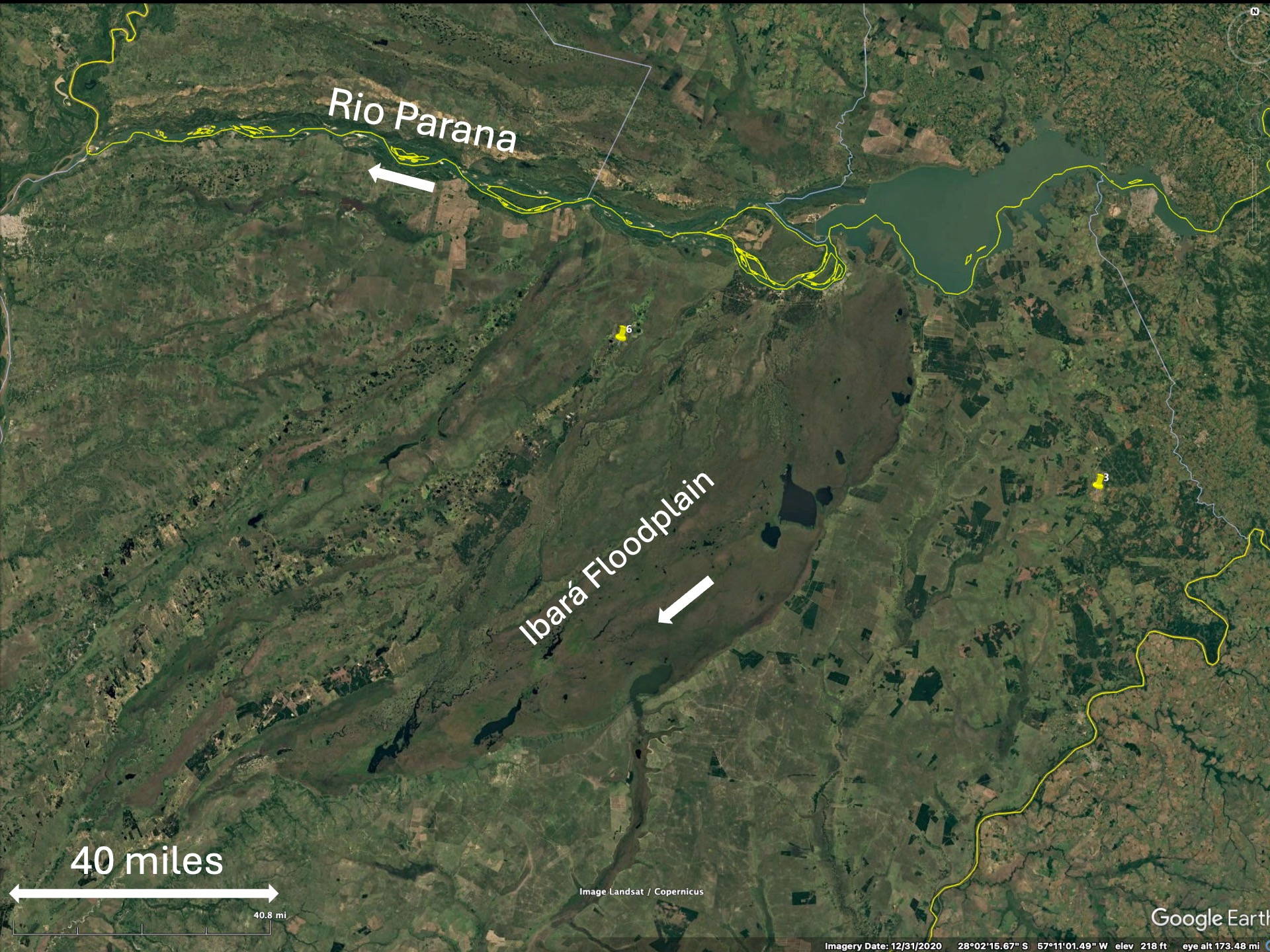
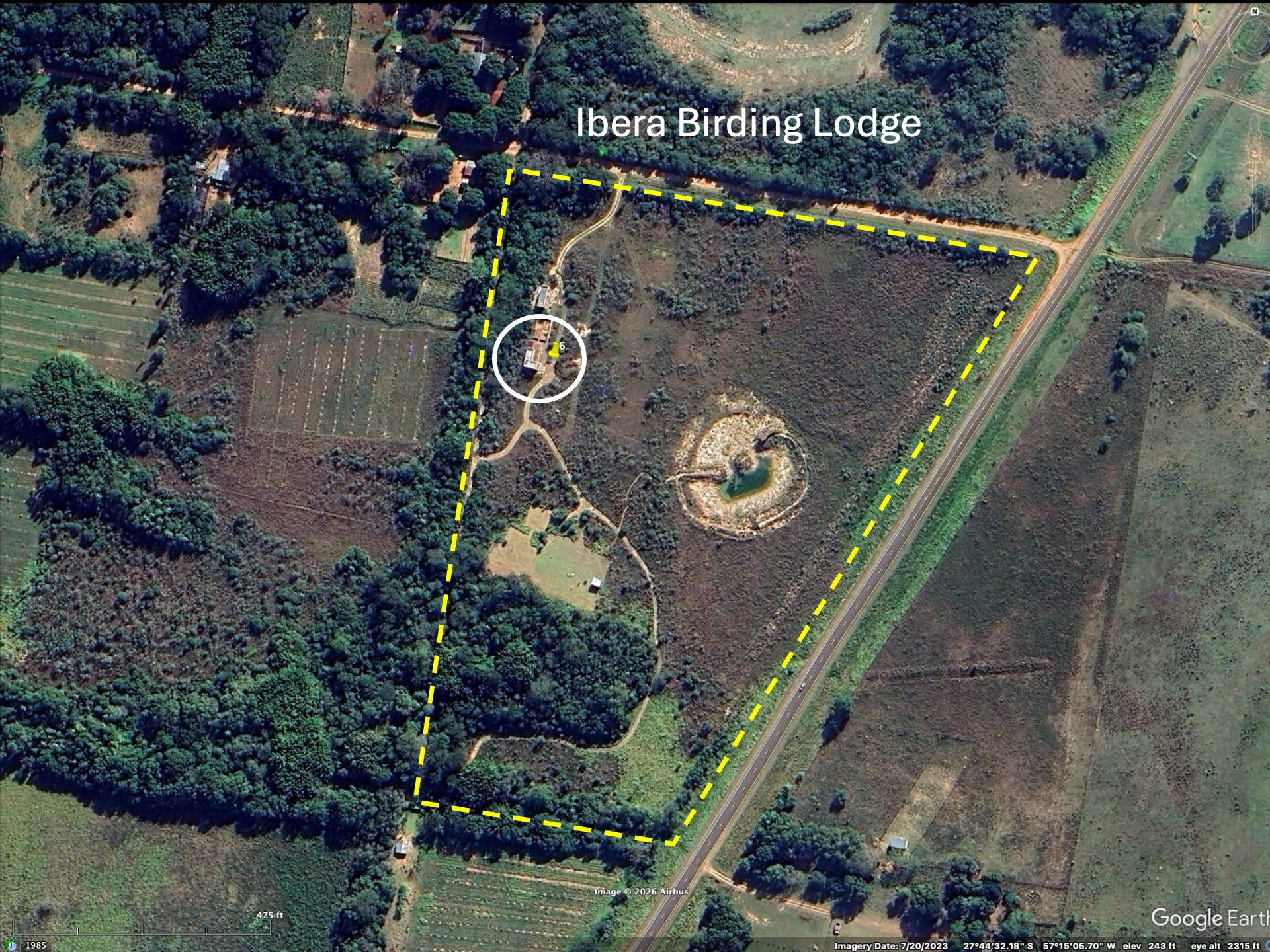
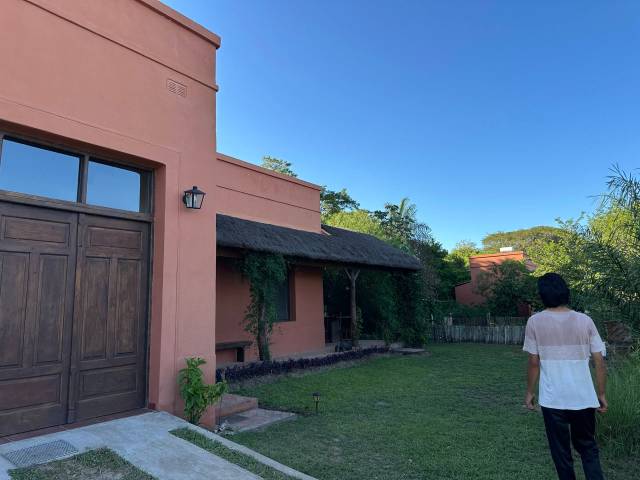
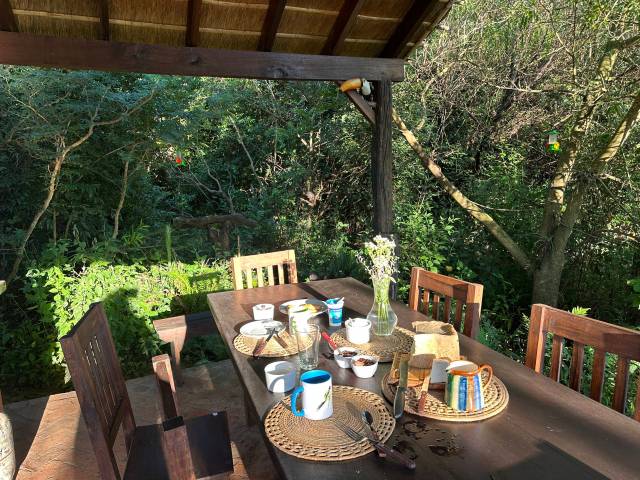
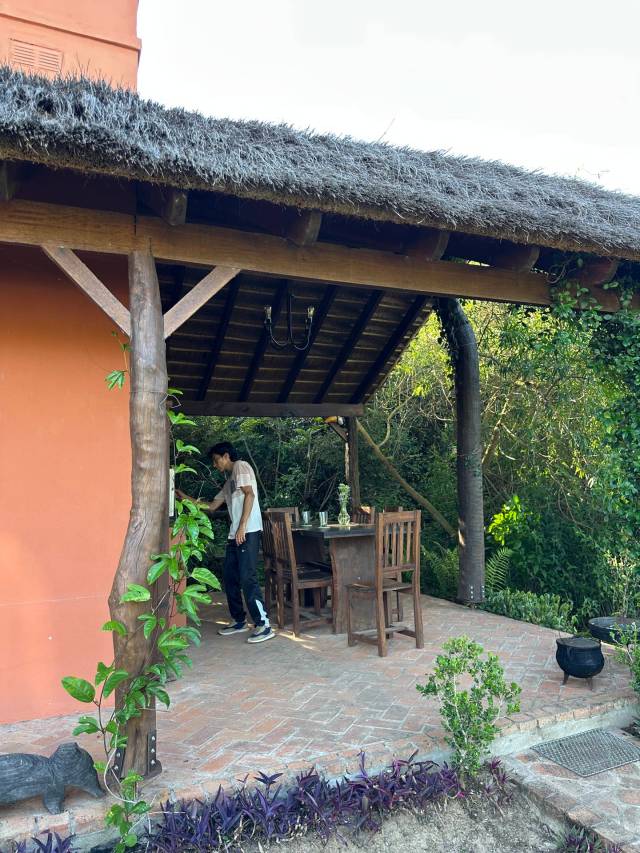
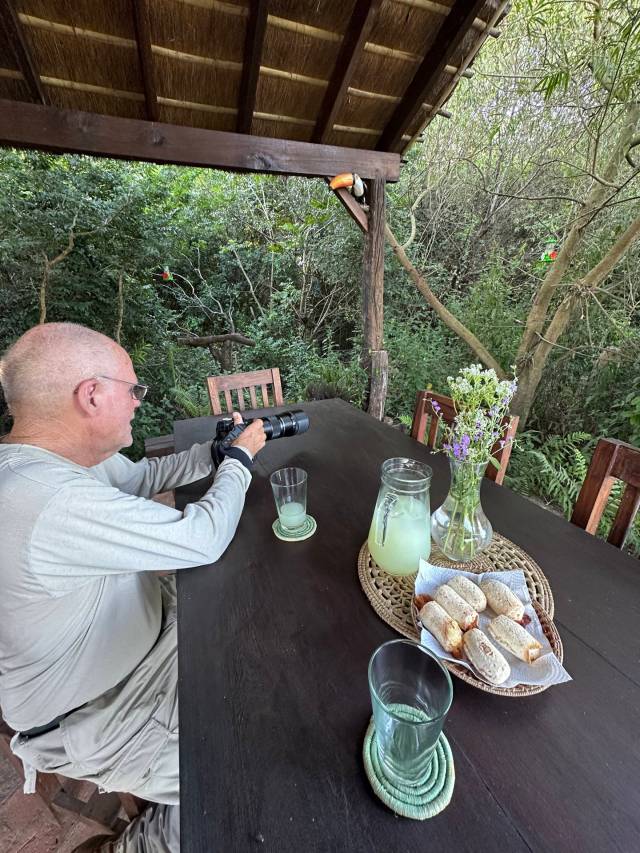
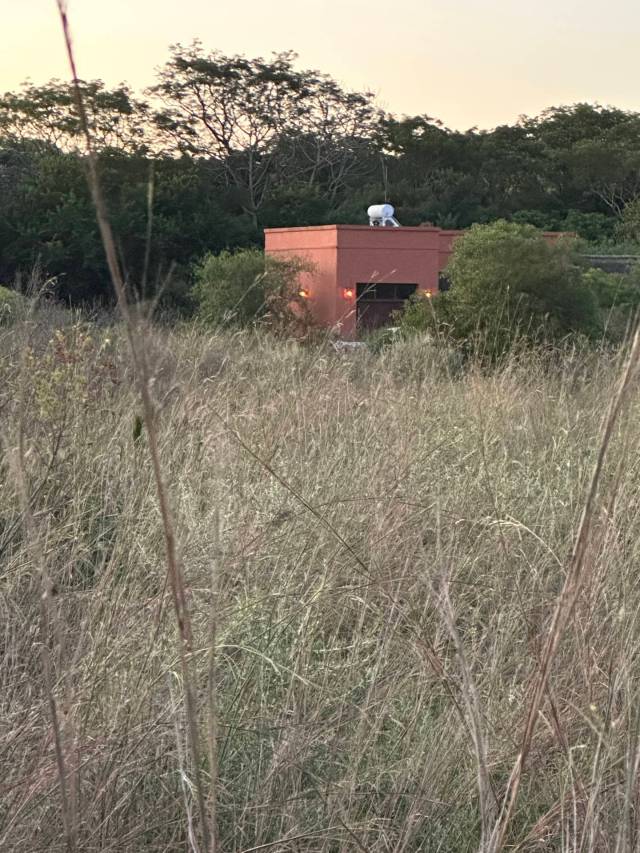
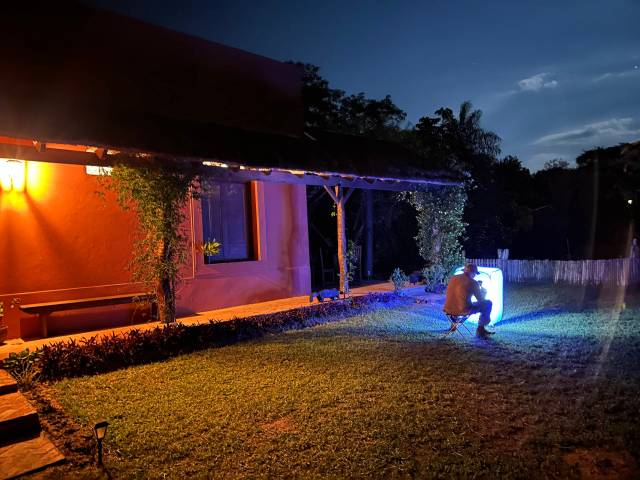
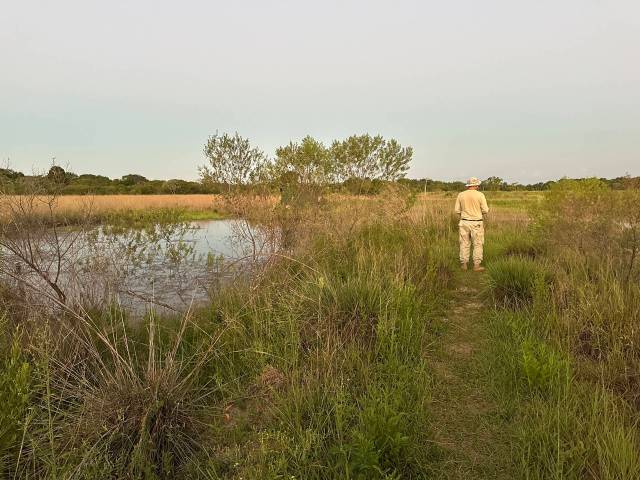
Our first night we stayed at a birding lodge – with only one apartment, which only had a caretaker when we were there. He showed us around the small property and trails and prepared breakfast the morning we left. The main drawback to this place was its proximity to a highway – and we heard traffic until it died down in the evening. We suspect they didn’t have an option in the site selection for the lodge, and it is new – imagery from 5 years ago don’t show it.
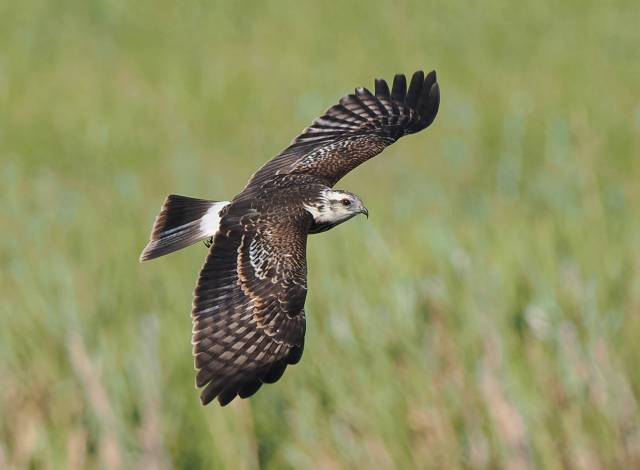
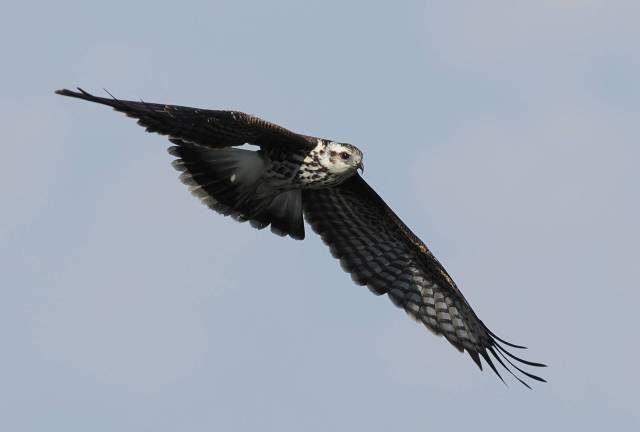
Olympus photos…
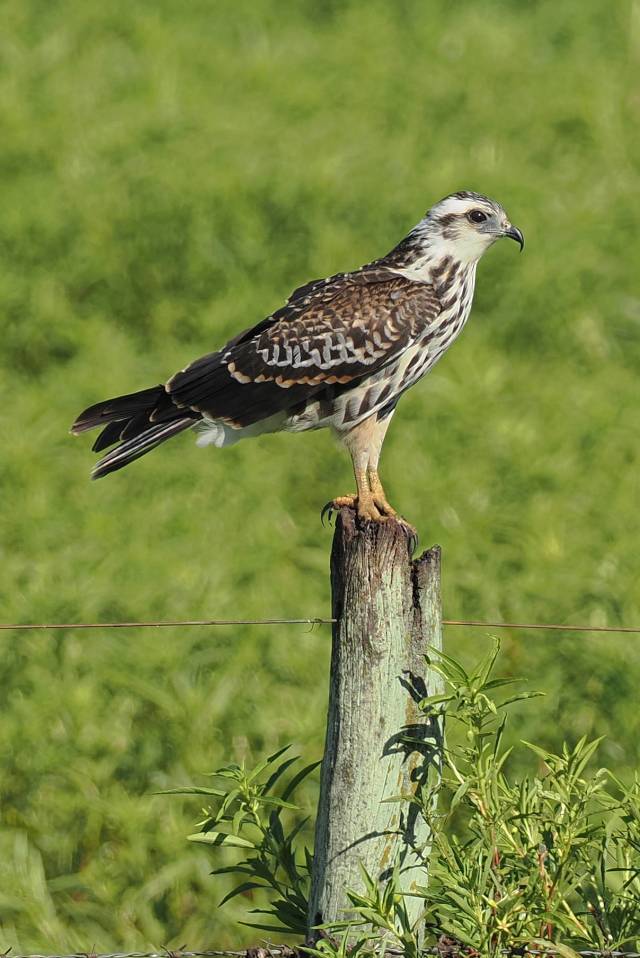
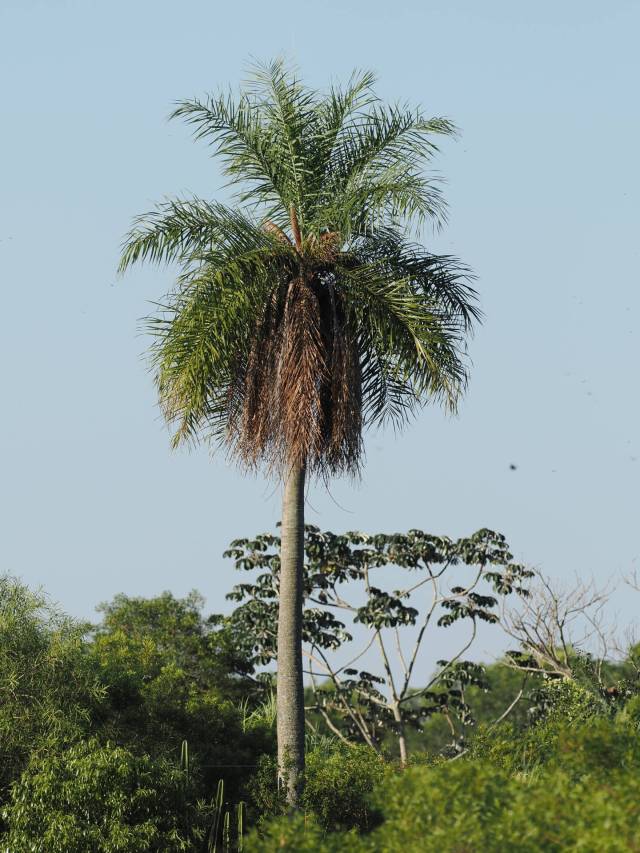
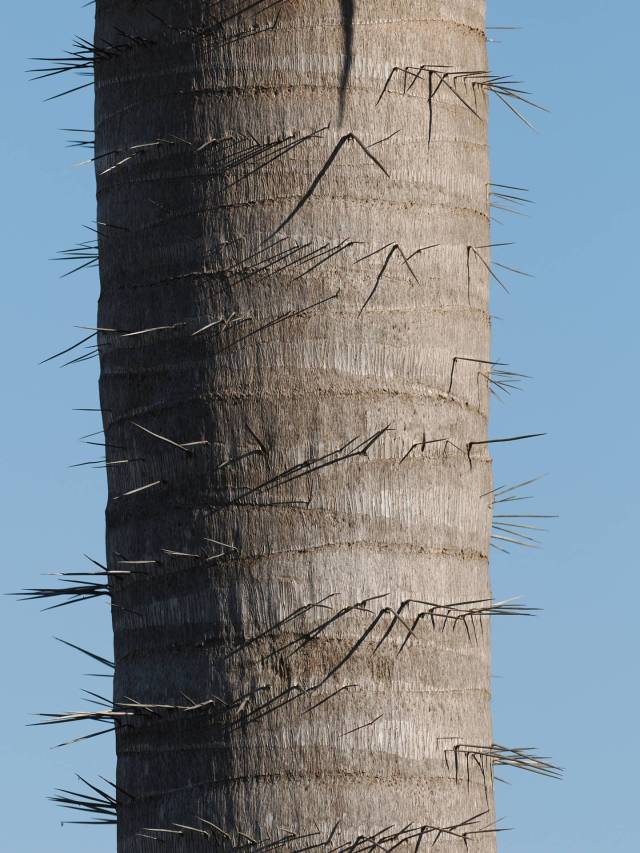
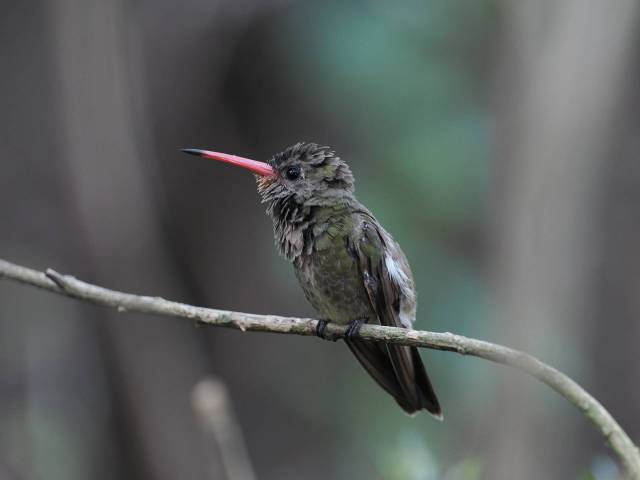
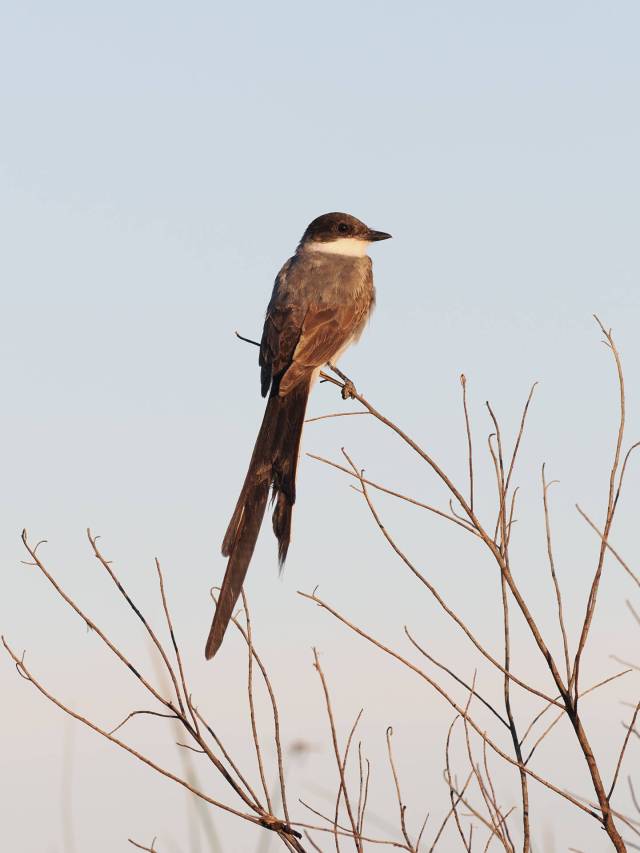
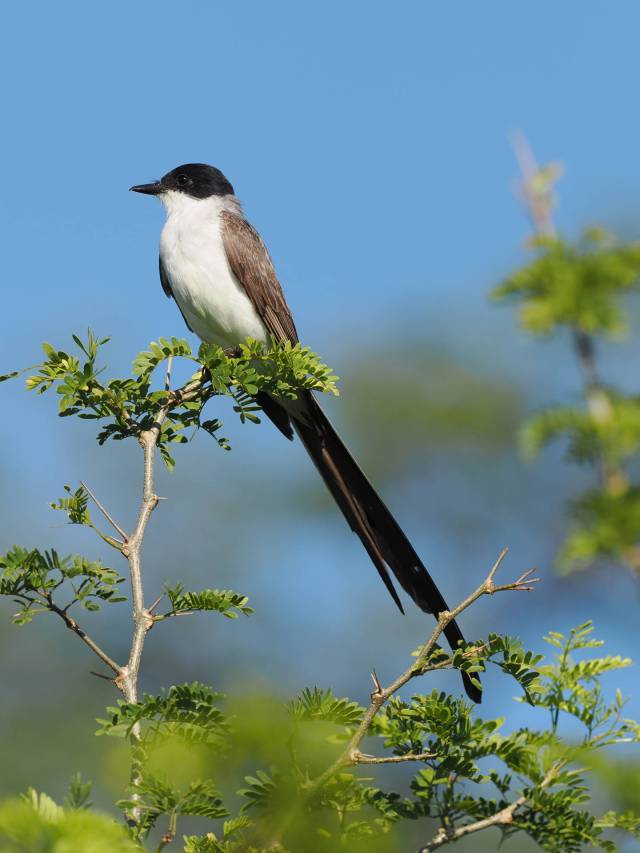
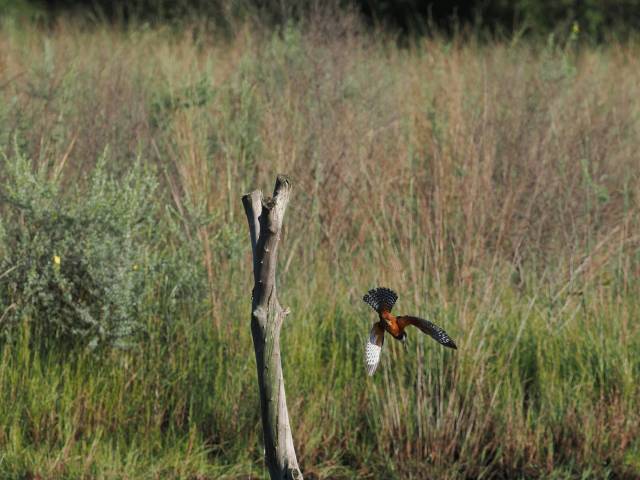
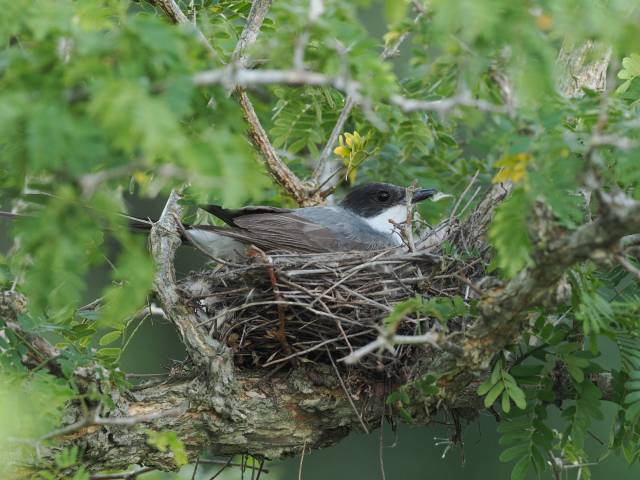
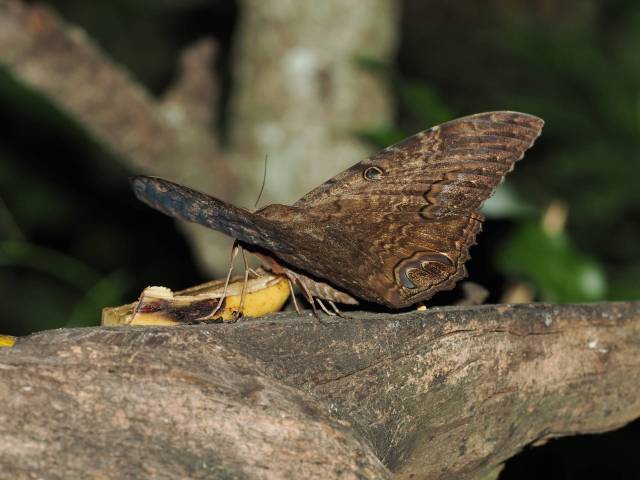
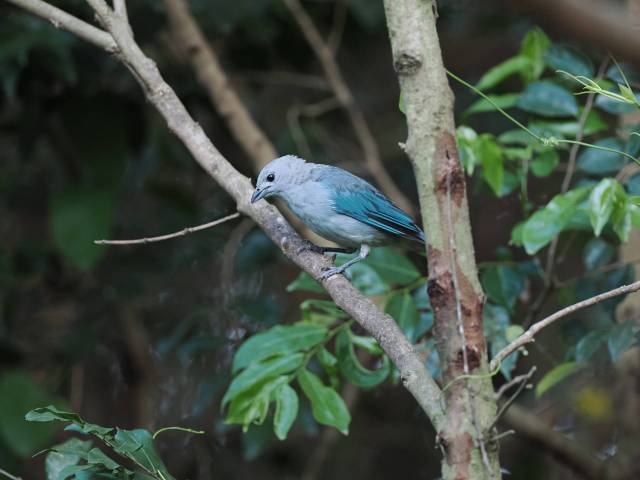
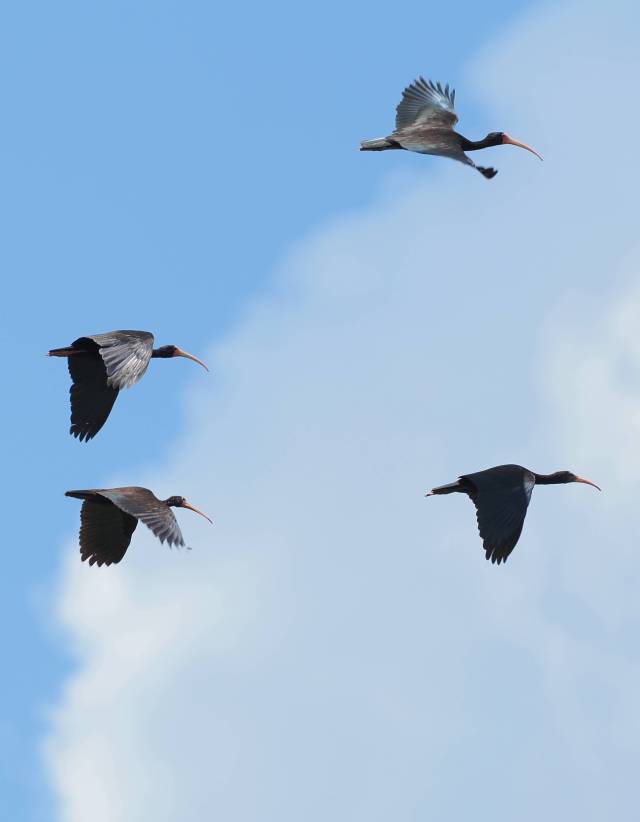
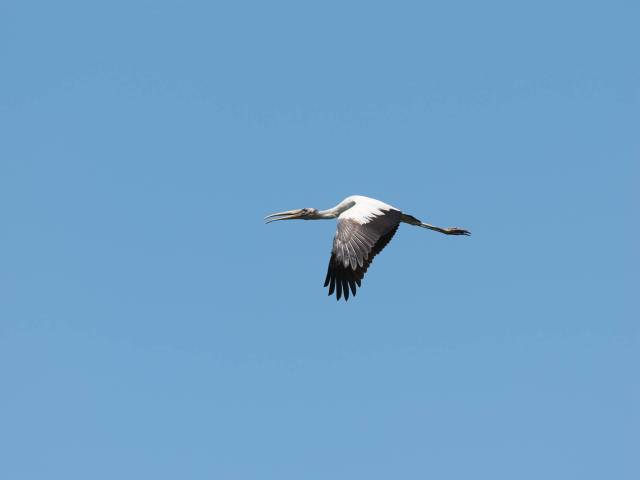
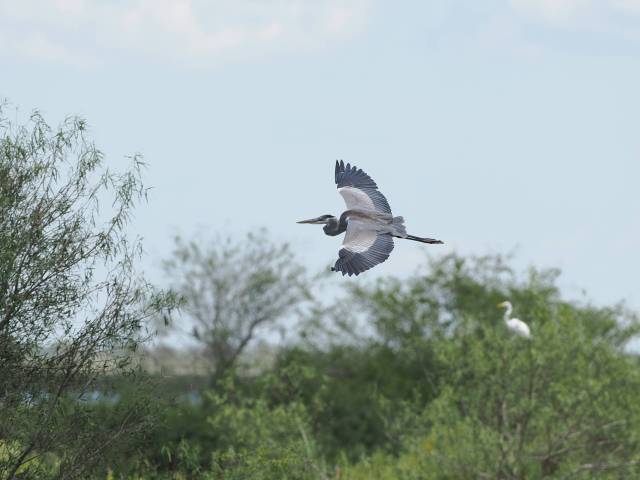
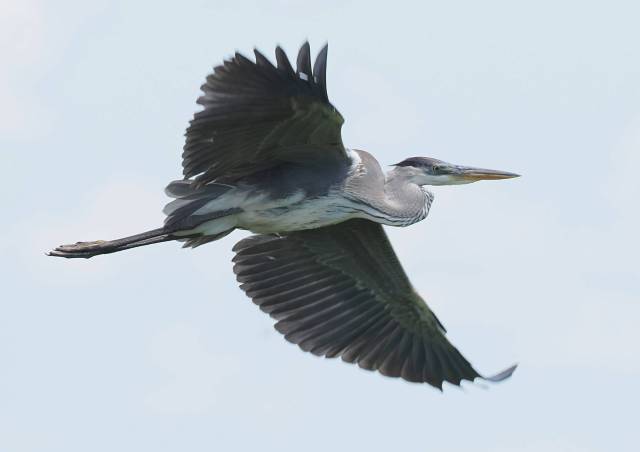
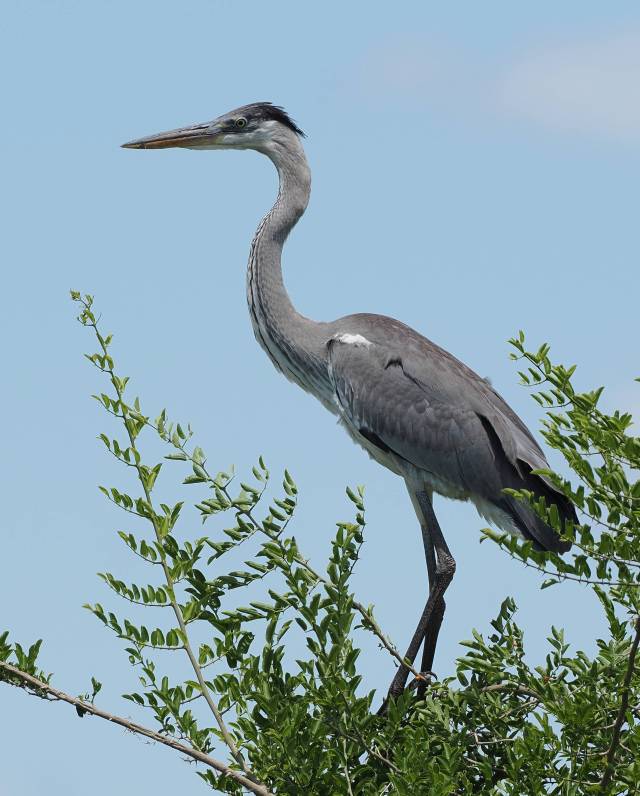
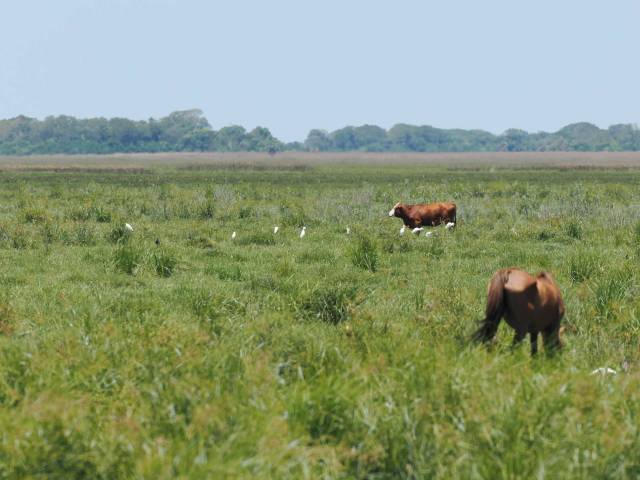
Insects observations submitted to iNaturalist from our Ibara Birding Lodge can be seen here.
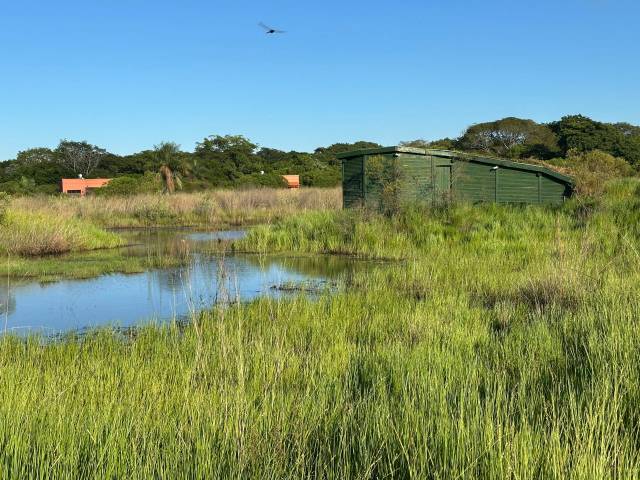
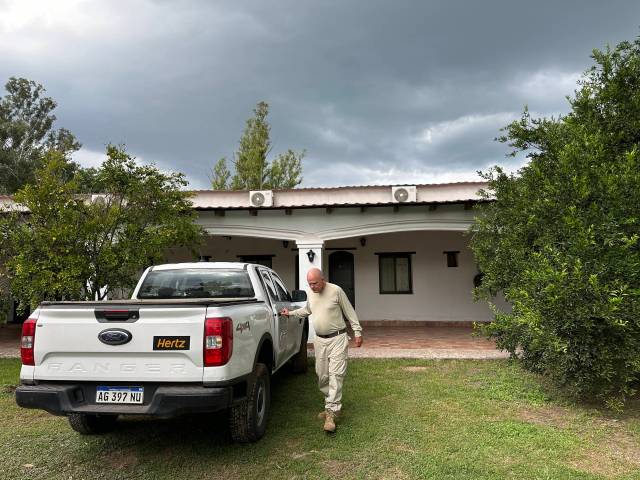
iPhone photos of the Ibera Birding Lodge vicinity
Night 2: A country Chaco “Hotel”
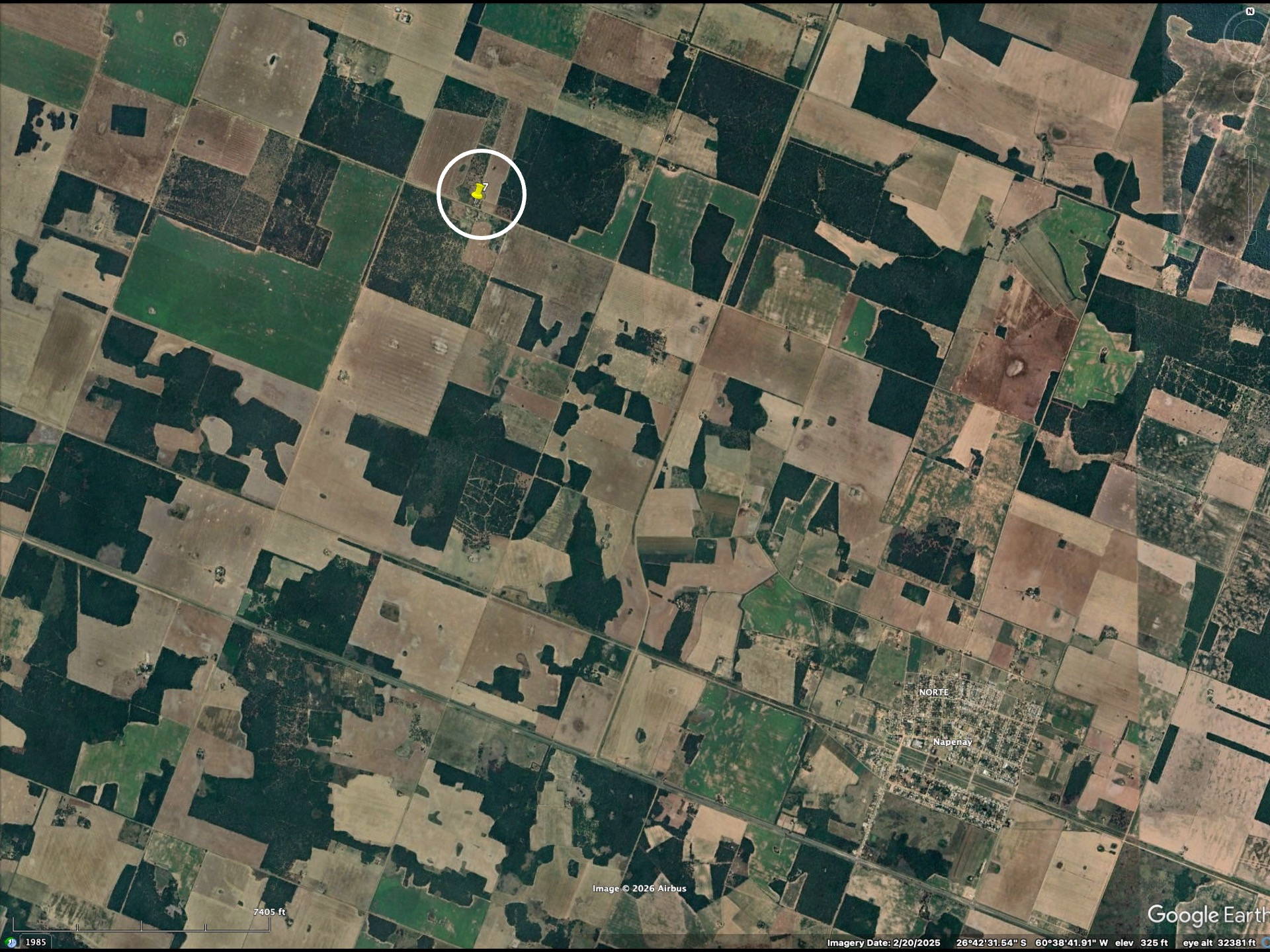
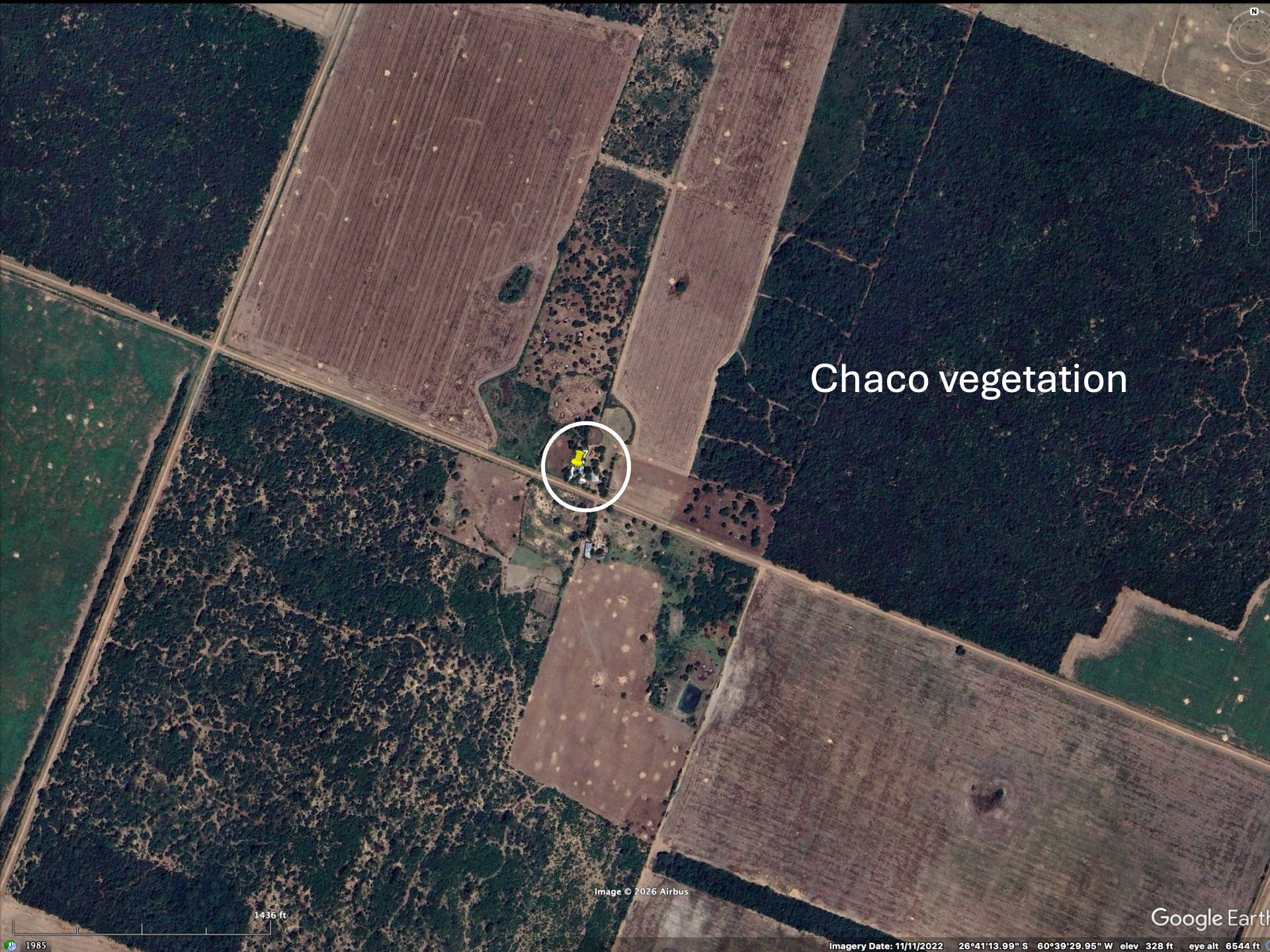
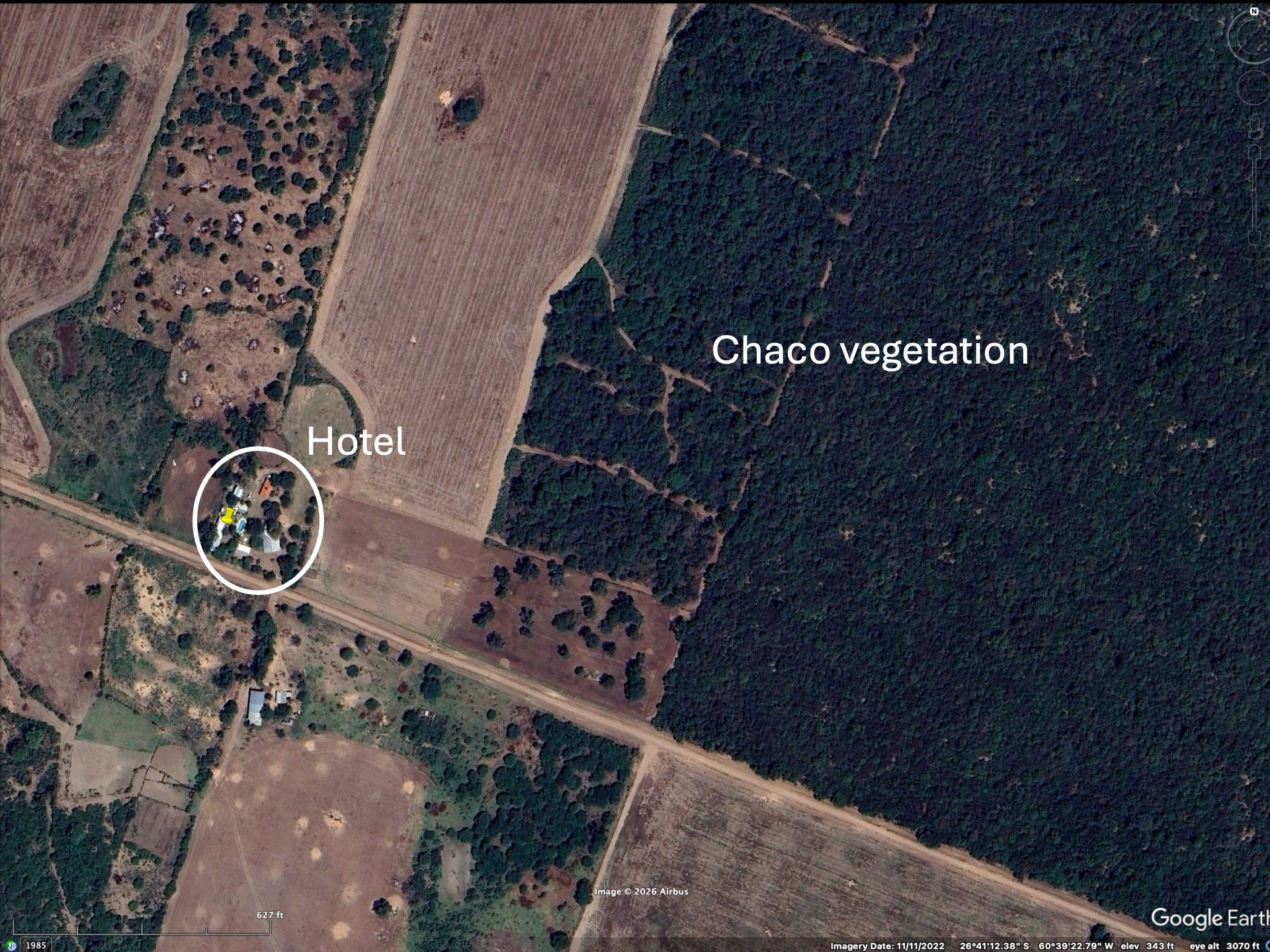
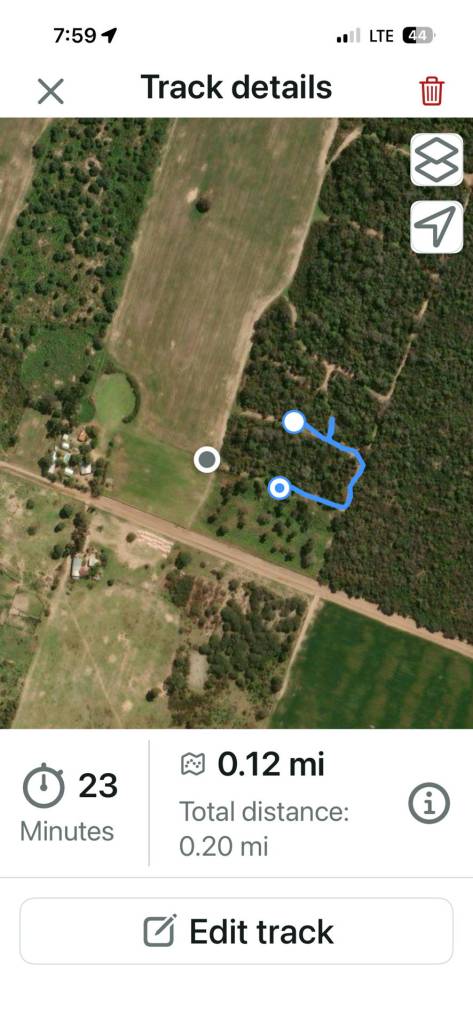
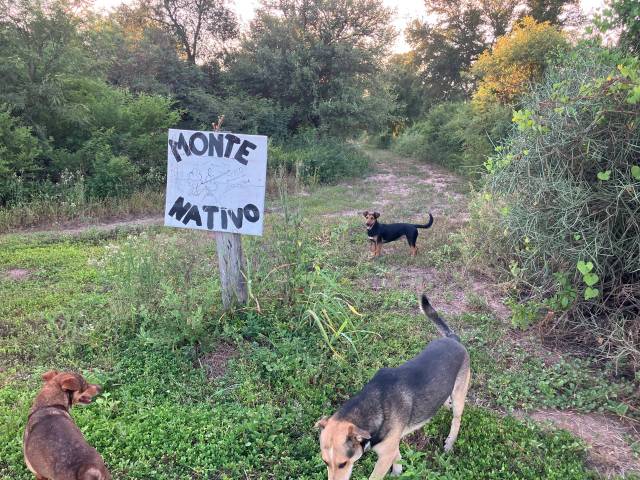
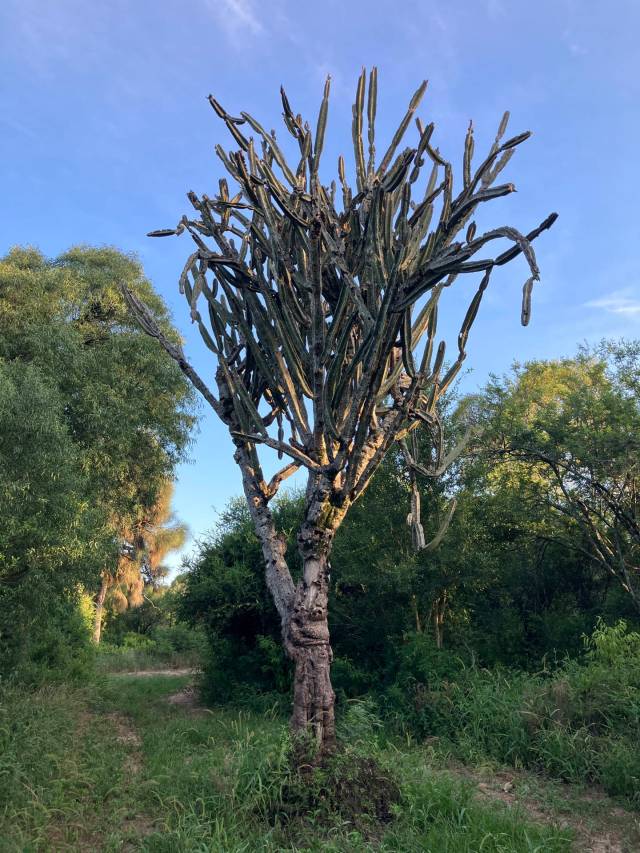
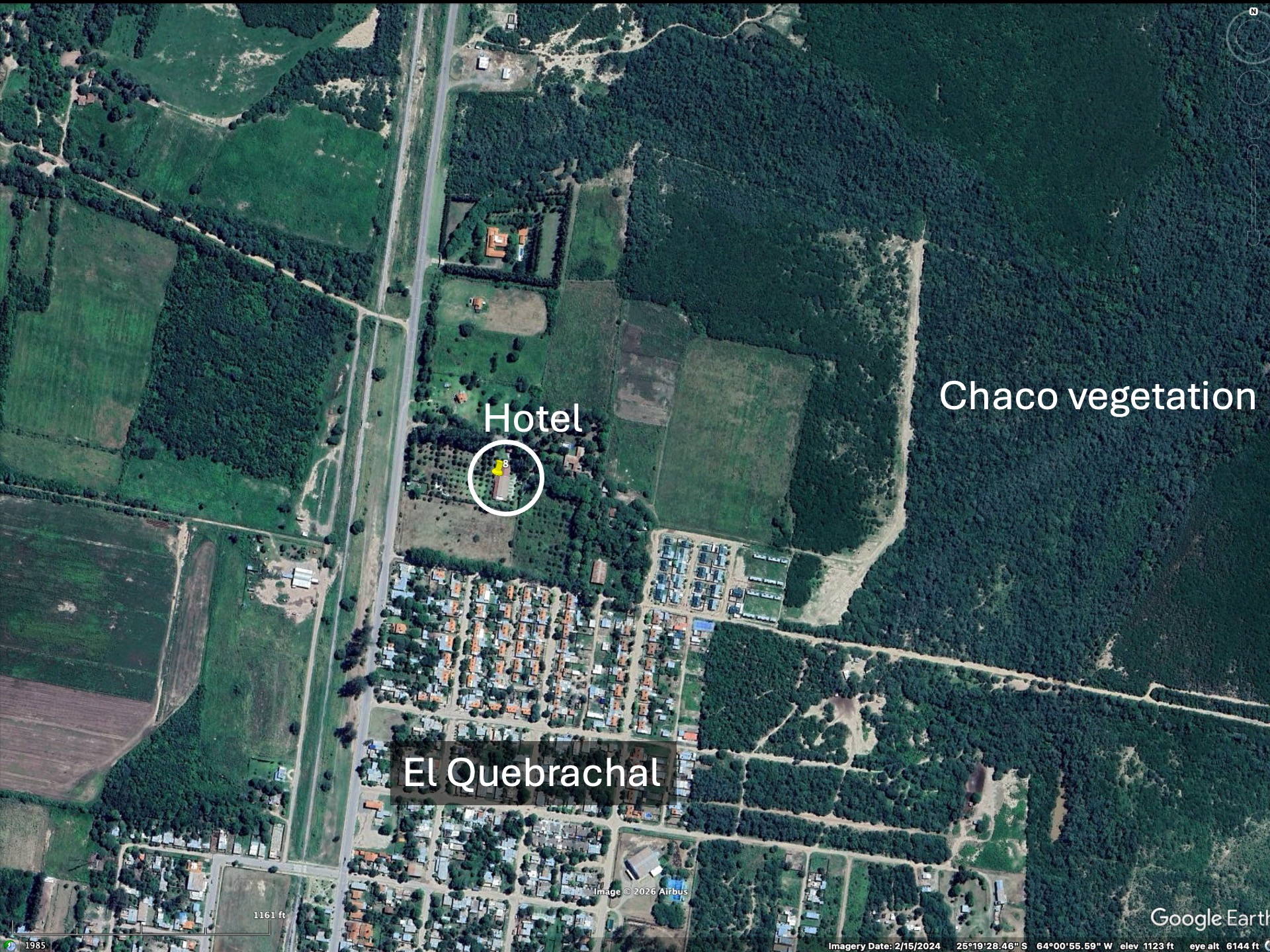
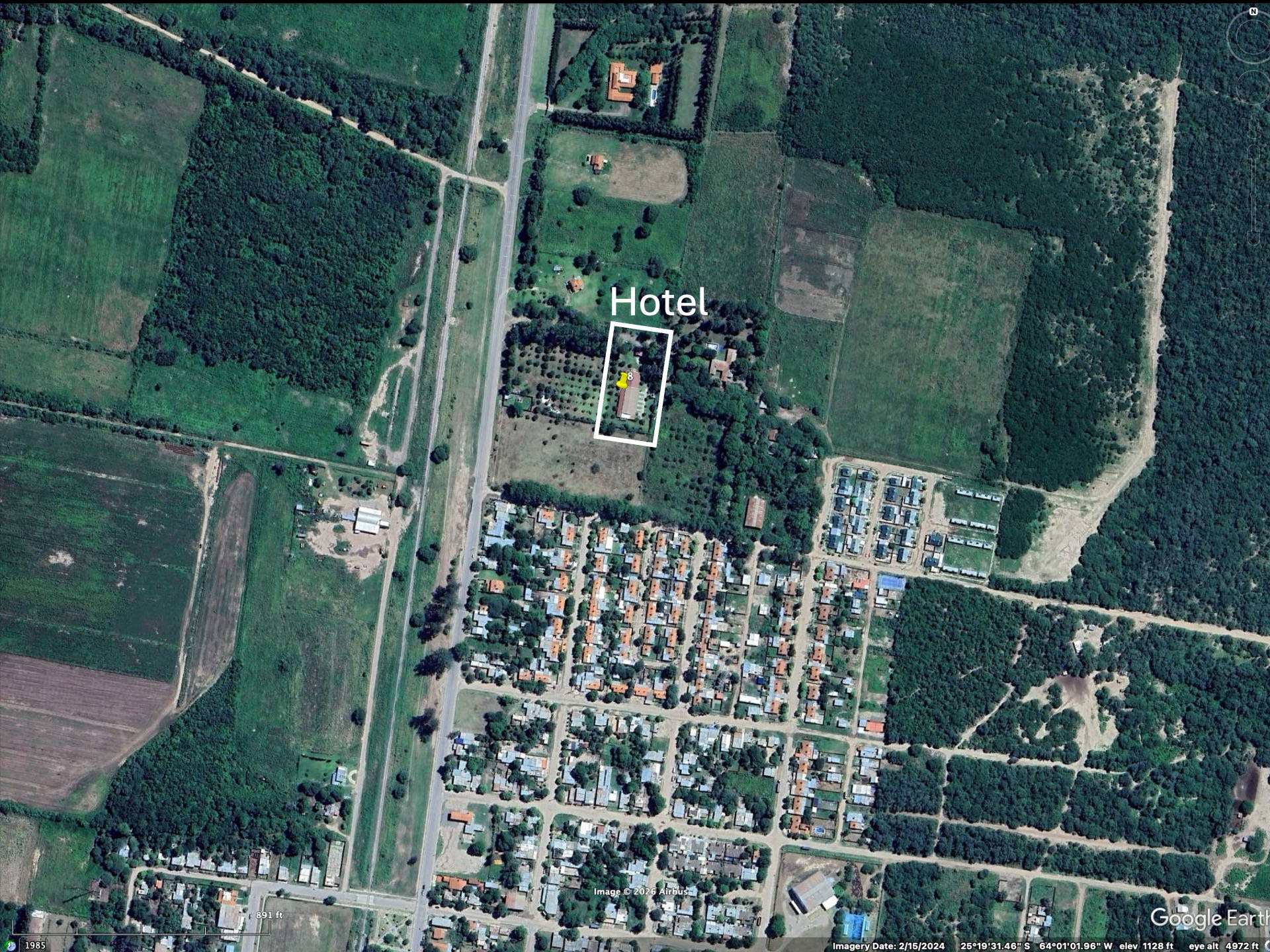
We found on Booking.com a hotel that looked ideal – off the main Trans-Chaco highway about 10 km, and close to large patches of natural Chaco vegetation. As we pulled in, dogs approached our car – fortunately they turned out to be “friendly”. We were able to take a walk the following morning to look for birds and some plants to get a flavor of the location. The Google images below show the location of the hotel and surroundings. The hotel was very small – in terms of available rooms, but was in good condition and frequented by foreigners. Insects were plentiful during the evening.
Olympus photos
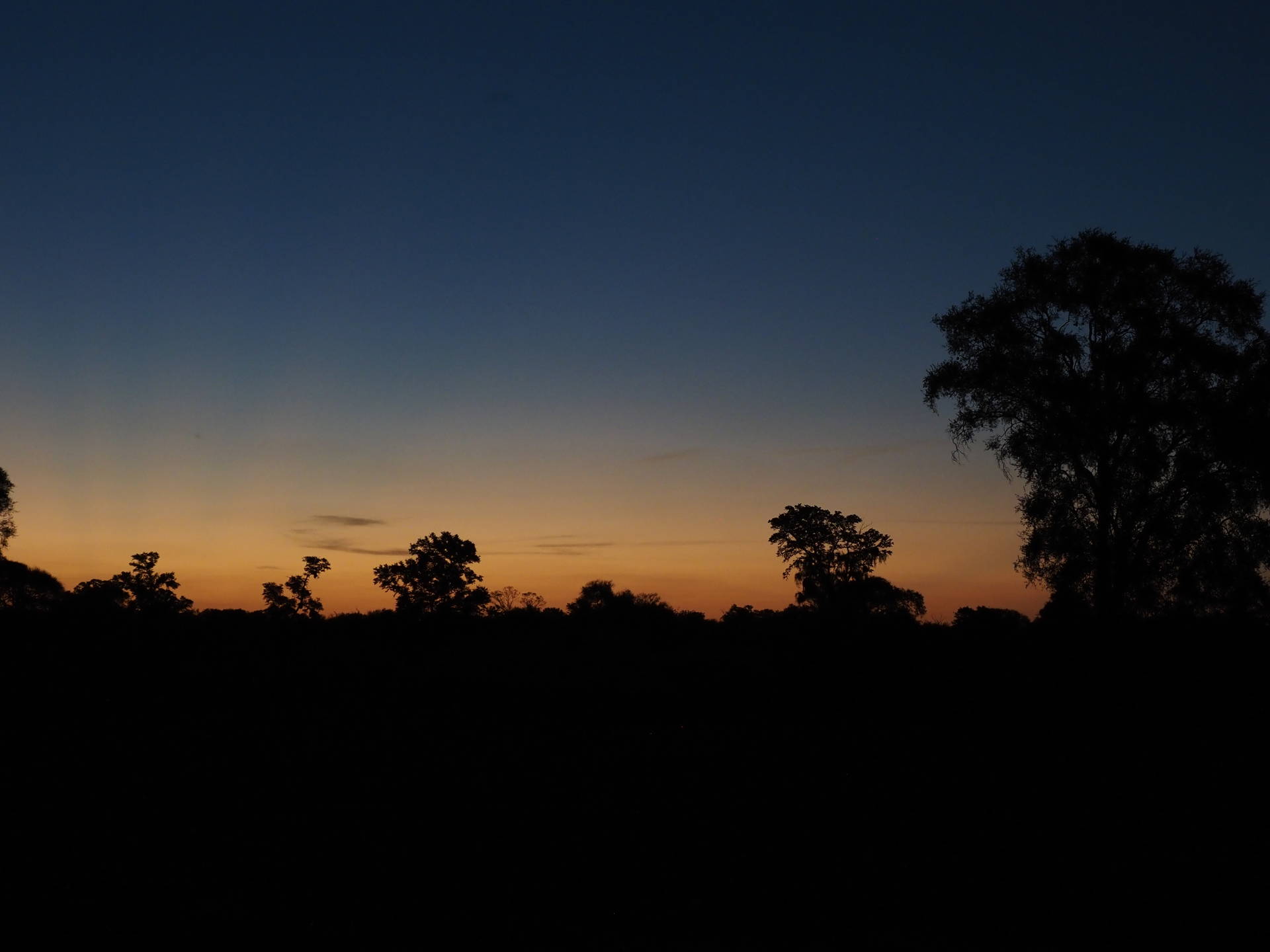
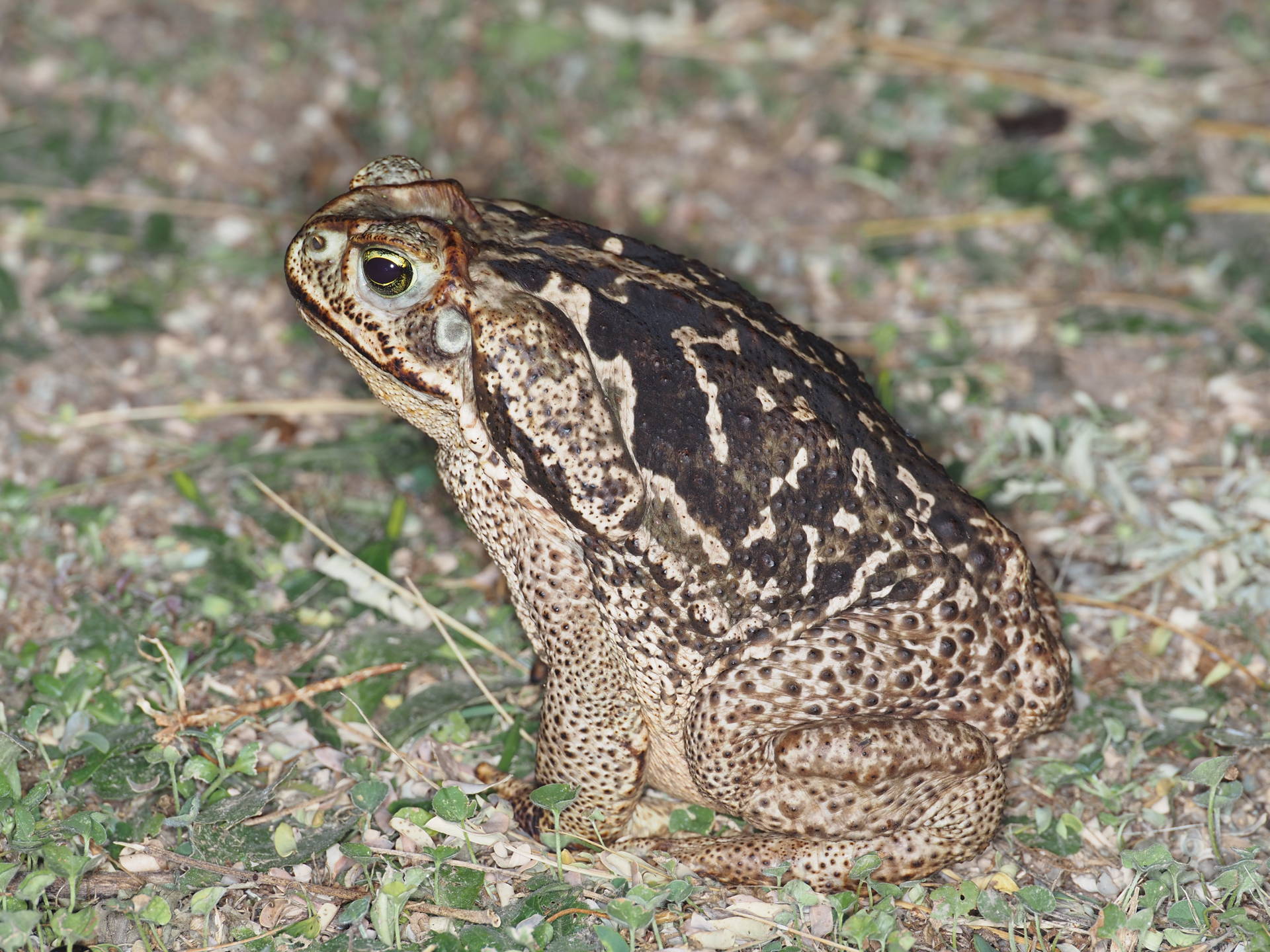
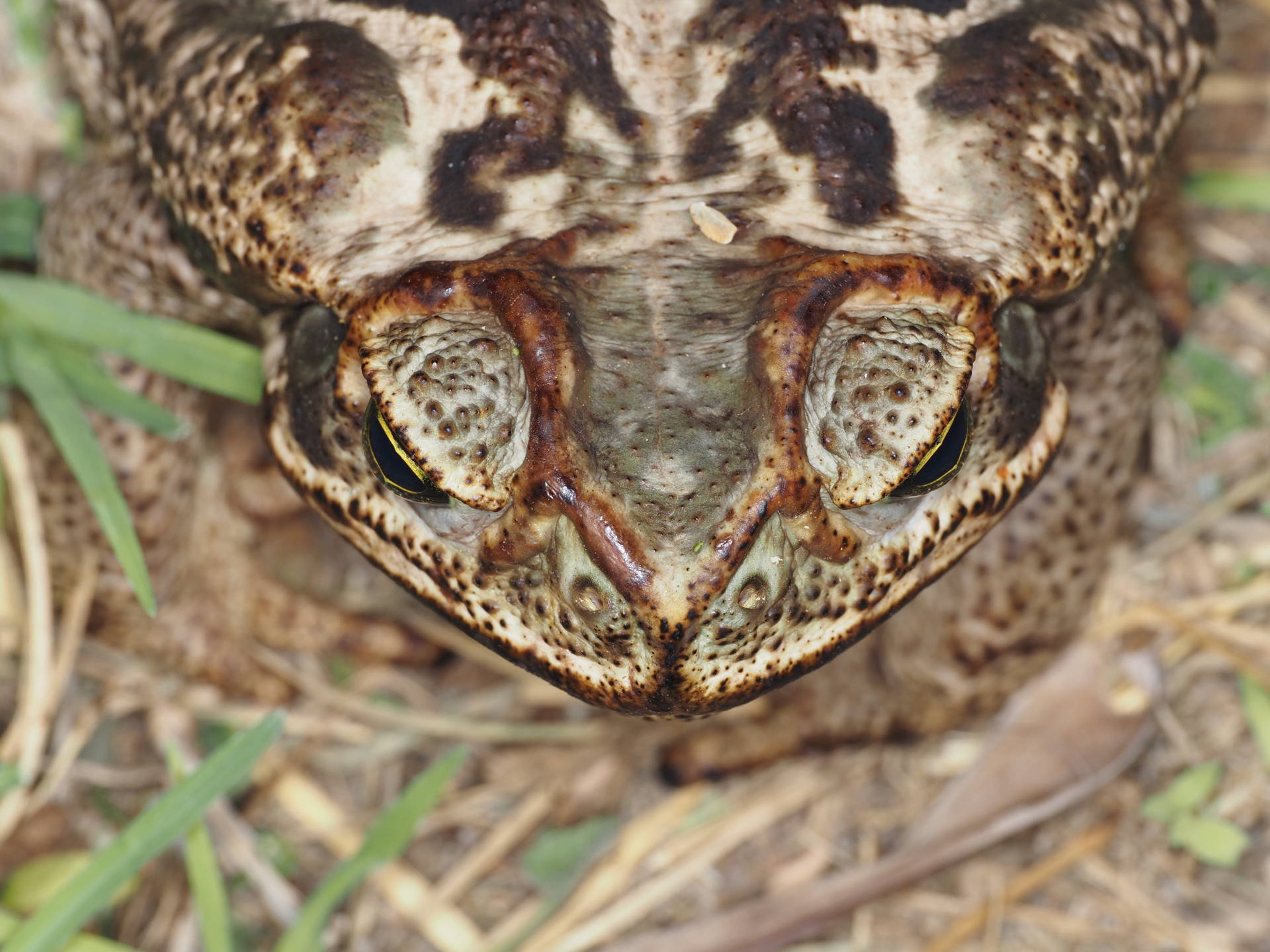
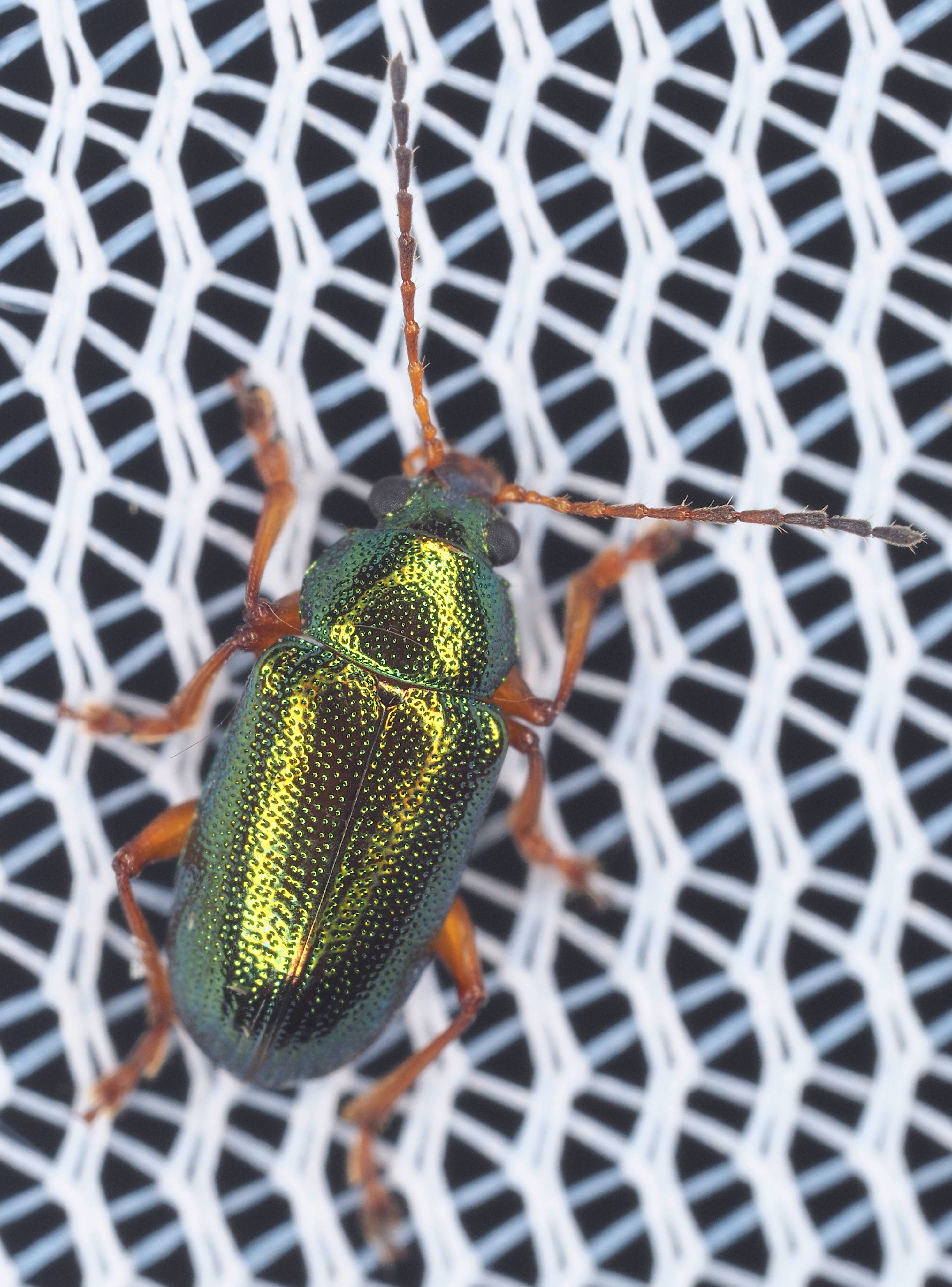
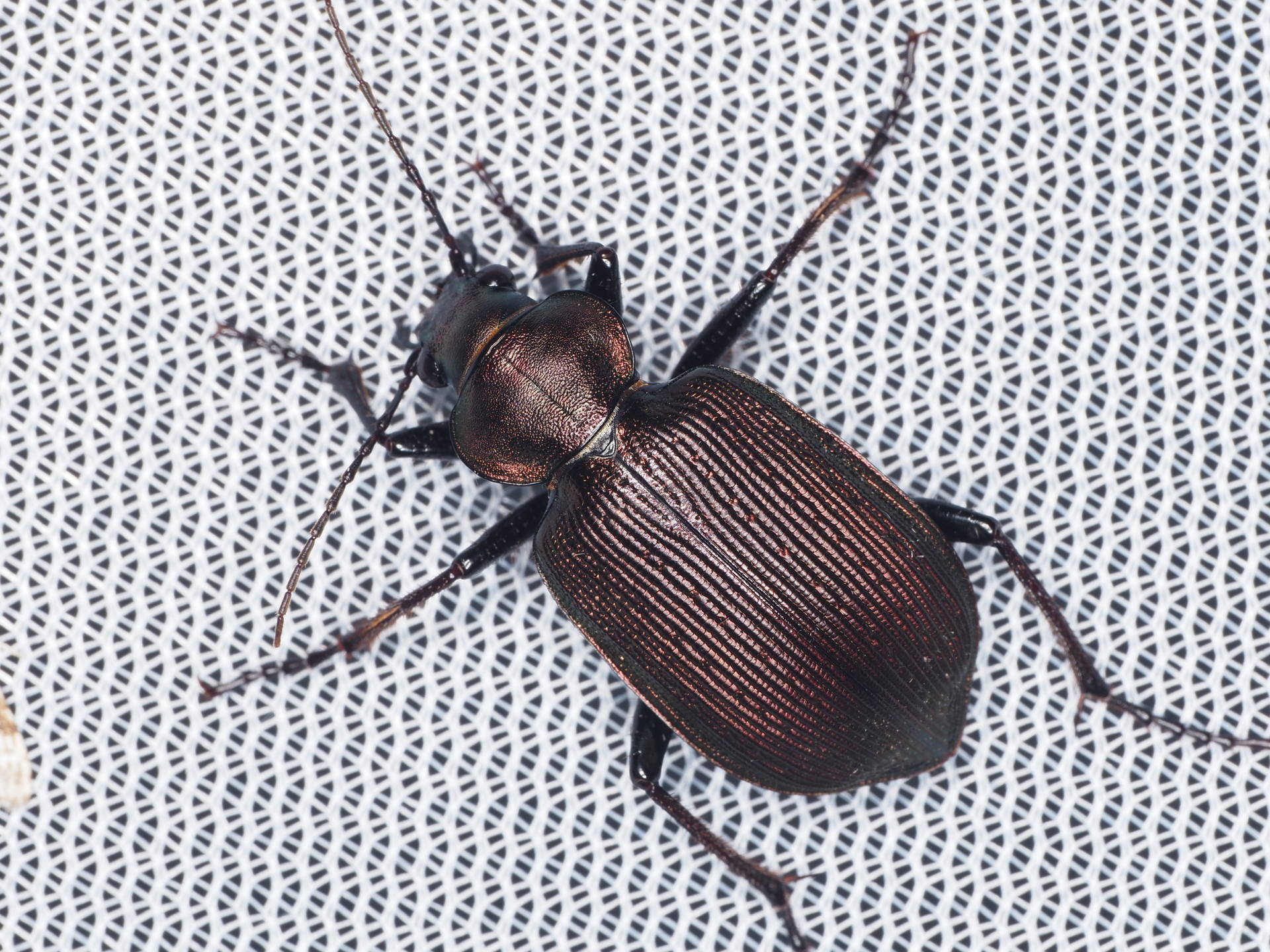
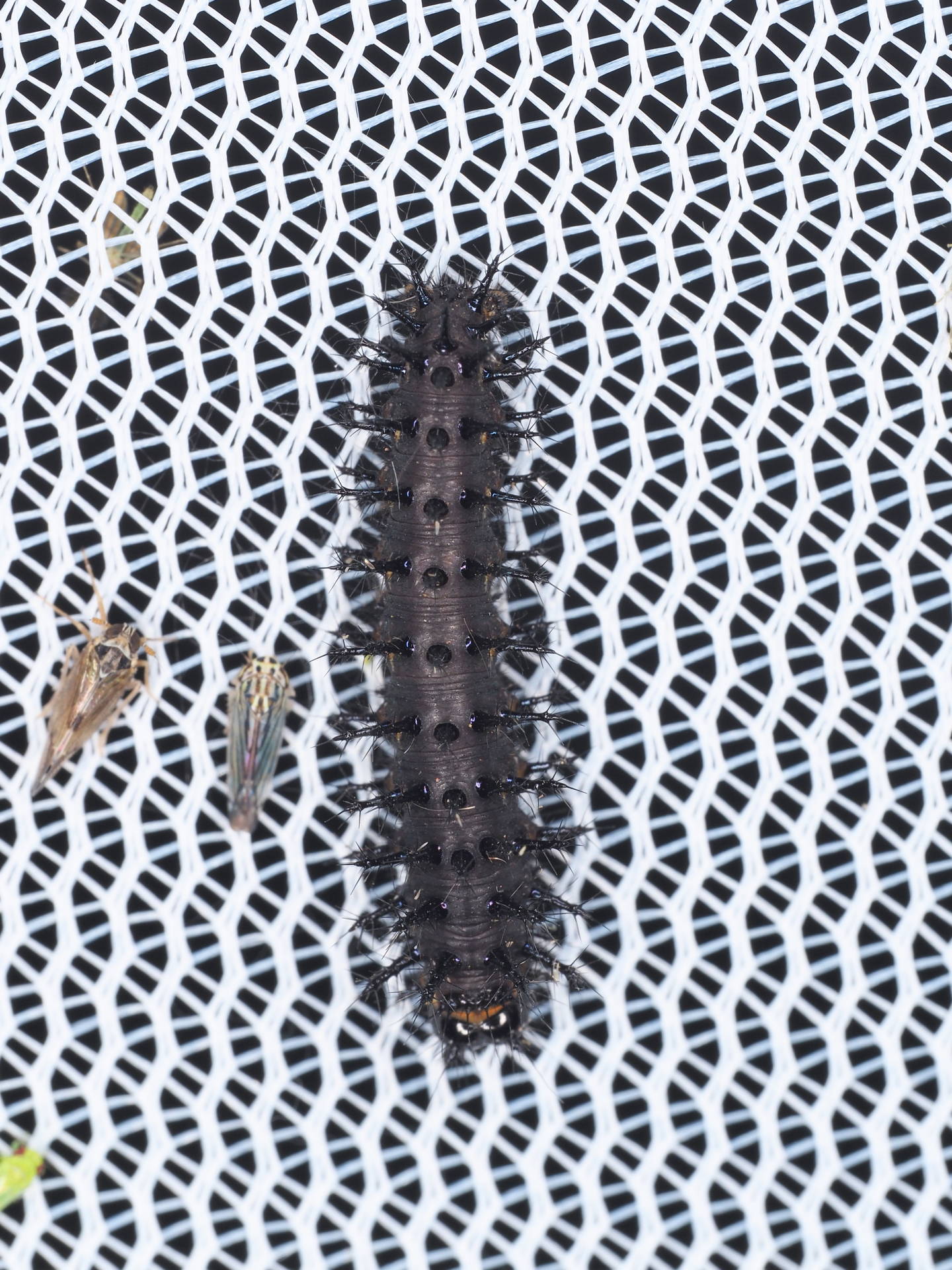
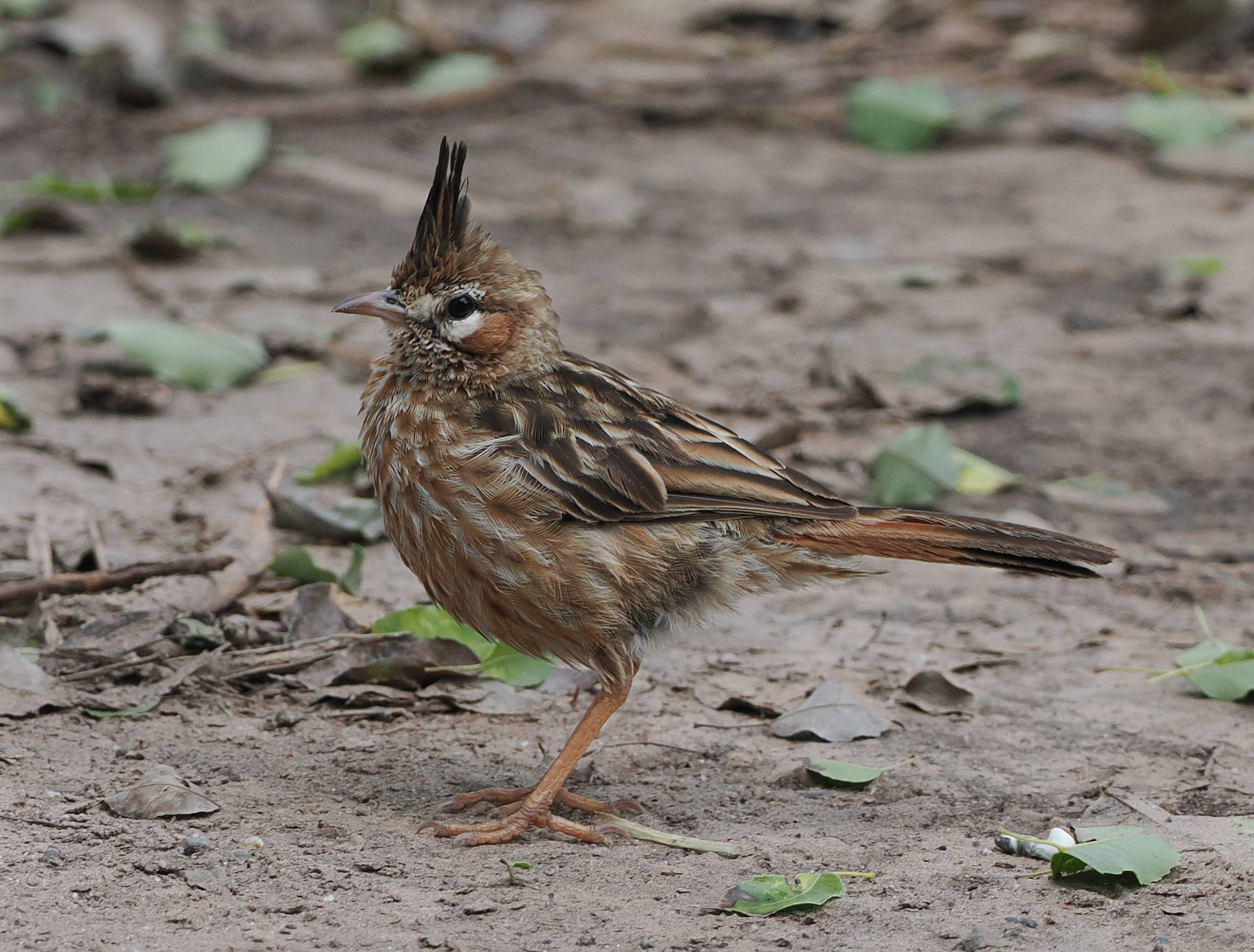
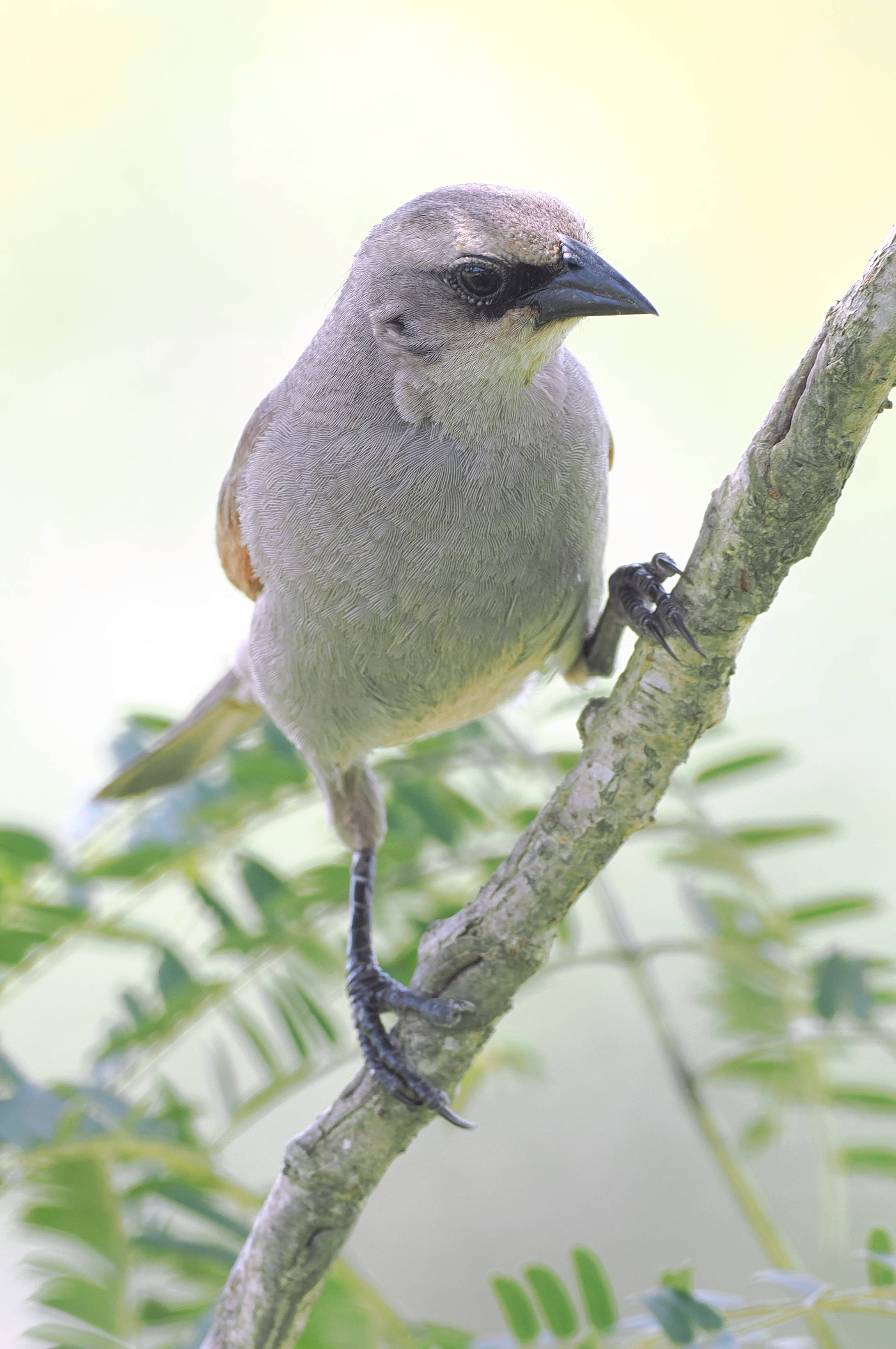
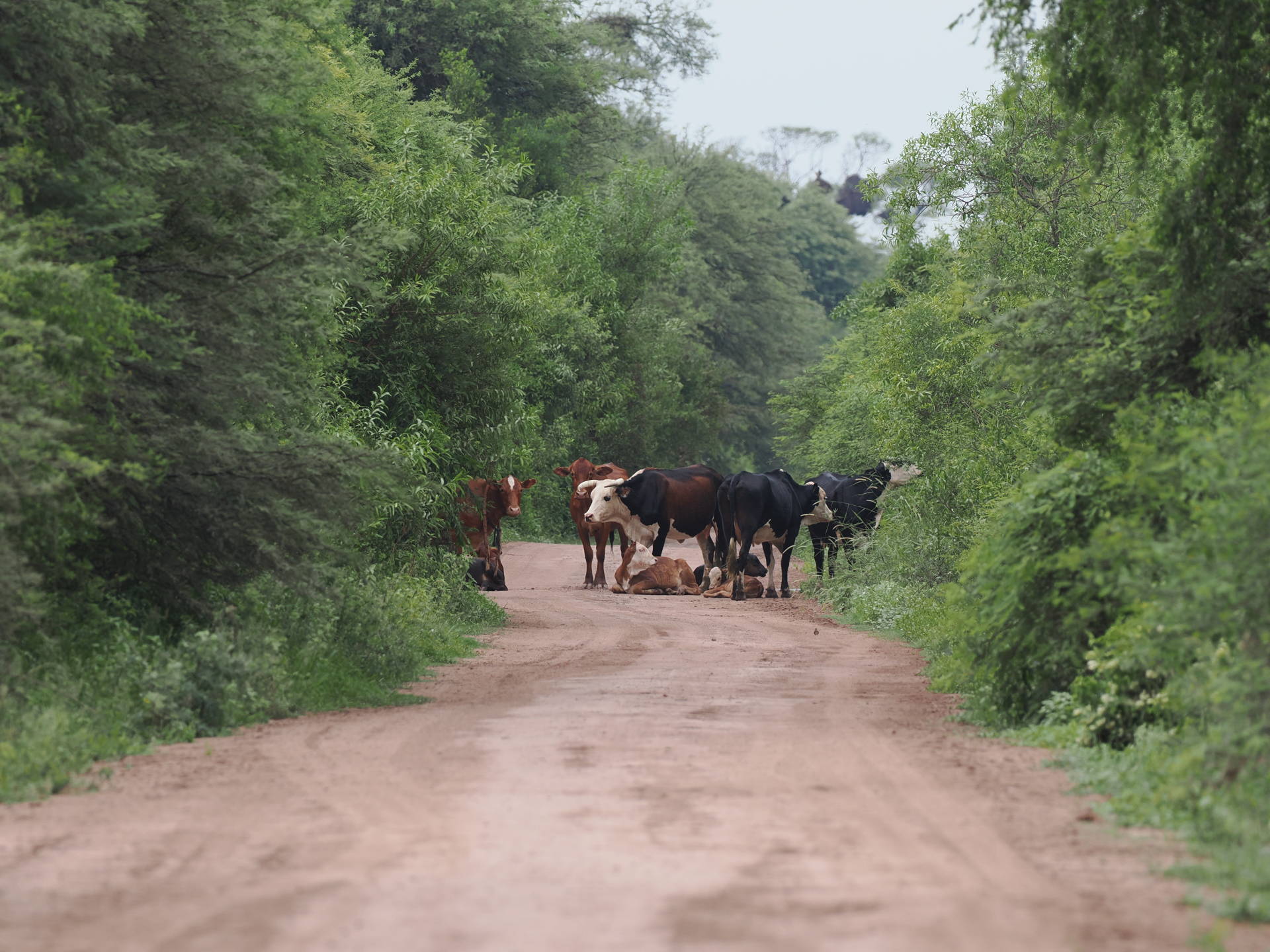
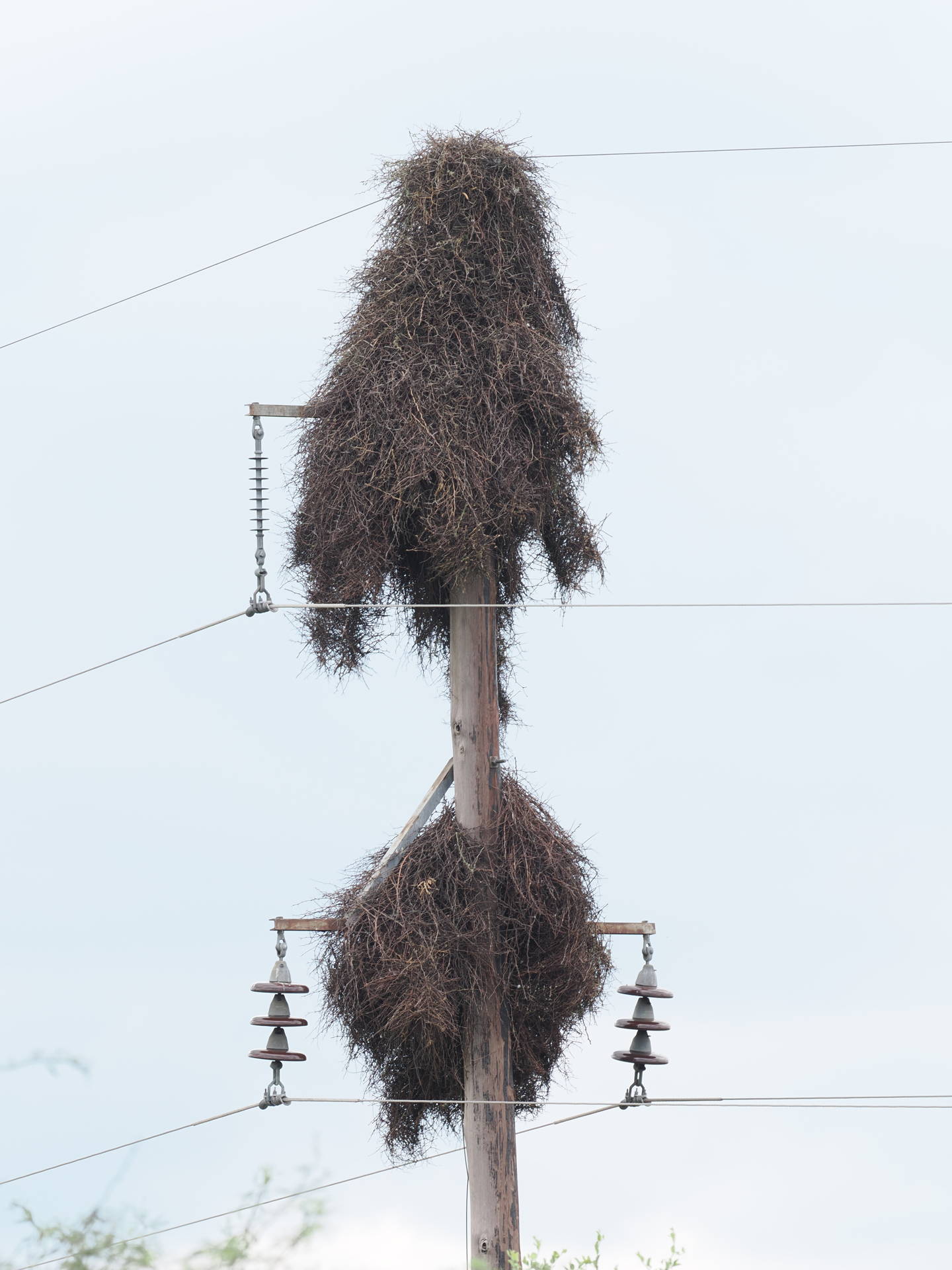
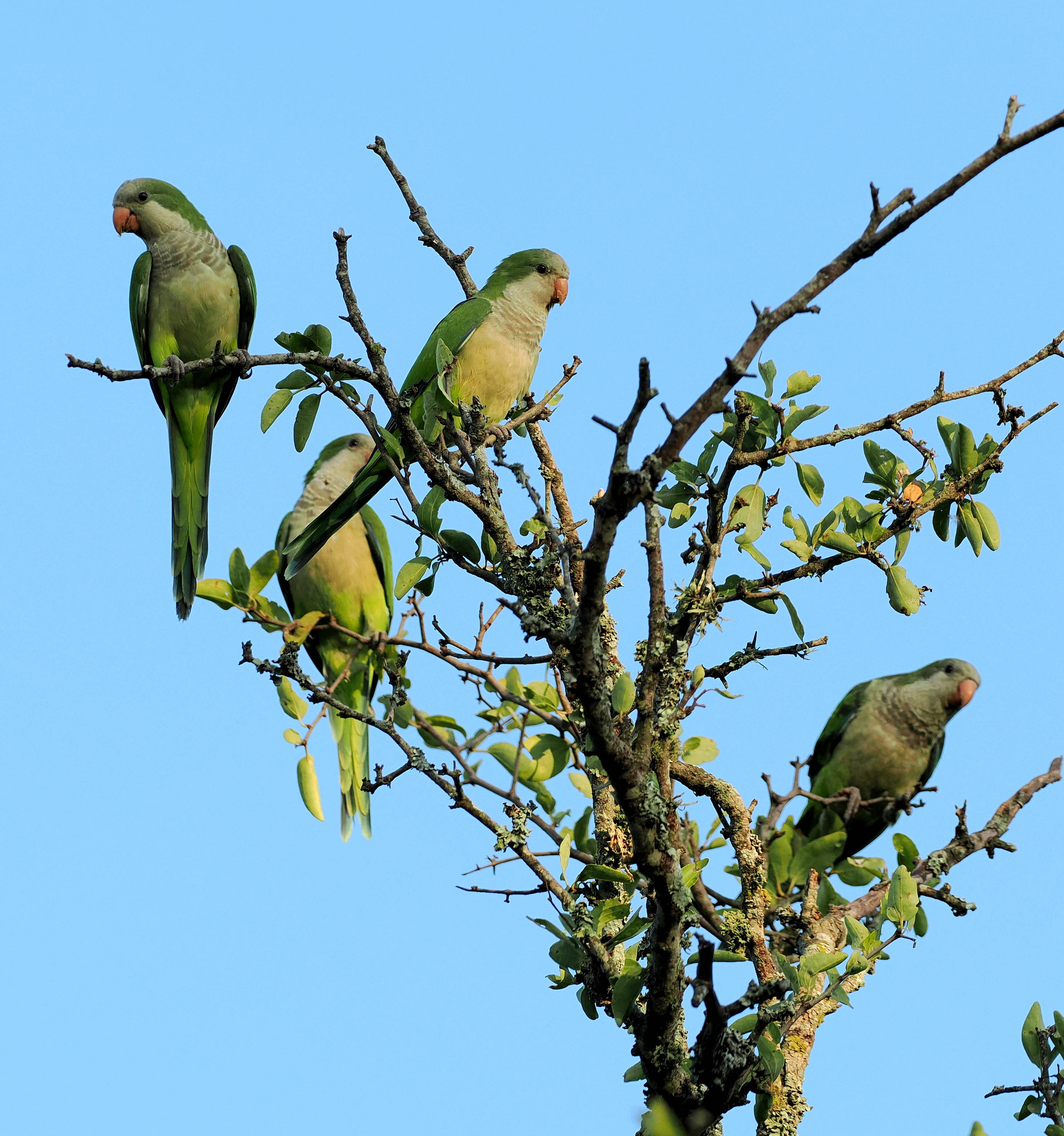
Insects observations submitted to iNaturalist from our Chaco Lodge can be seen here.
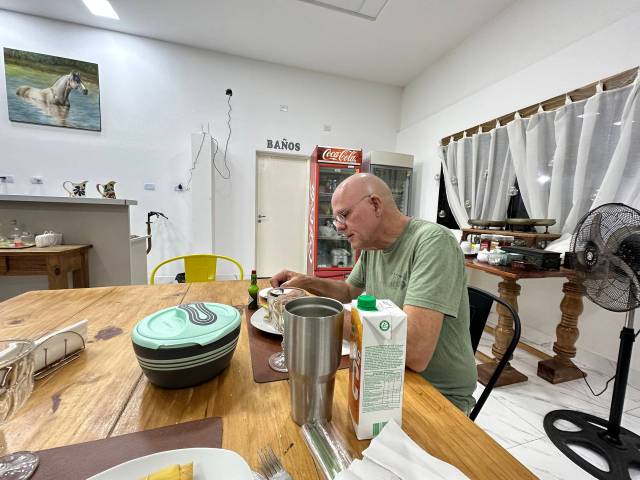
iPhone images…
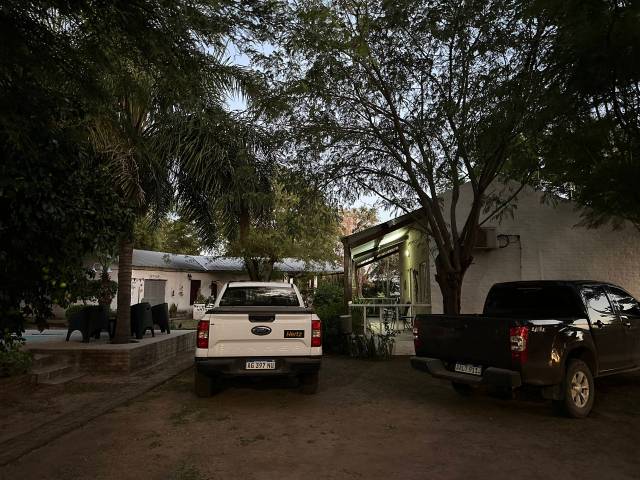
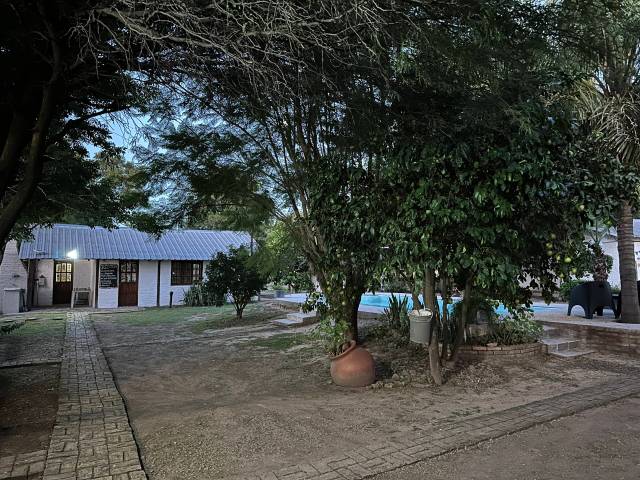
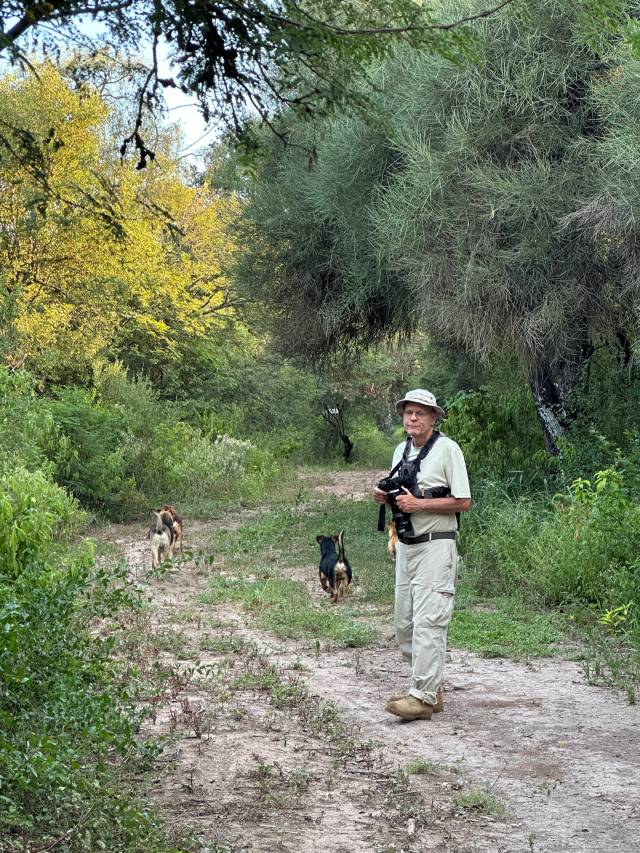
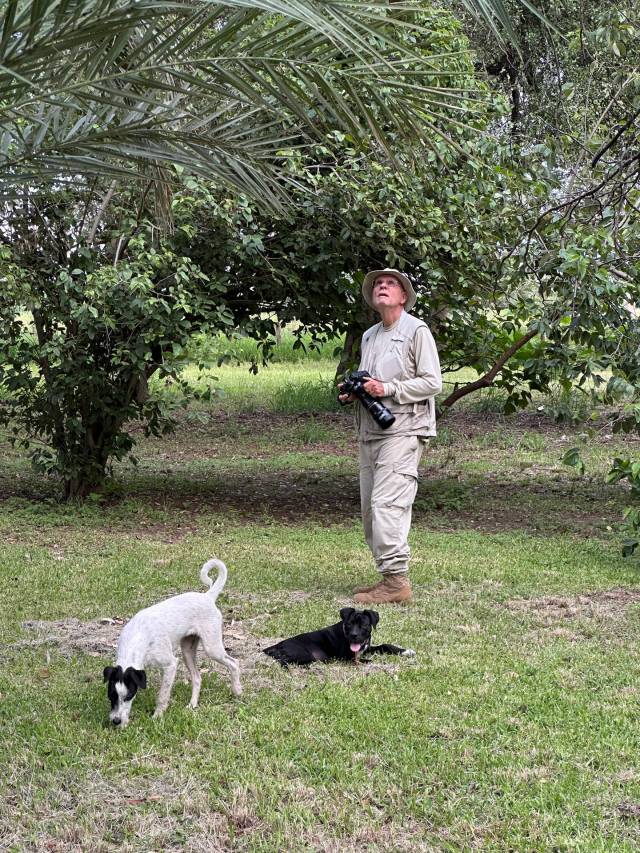
Night 3: A stormy night in Quebrachal
Some 10 miles before the larger town of Joaquin Gonzalez we found accommodations at a hotel in El Quebrachal. We, like all of our accommodations during this trip, was made hours to days before our arrival. The hotel itself was fine, and the owner’s wife (or owner?) showed us around the grounds and pointed out birding aspects.
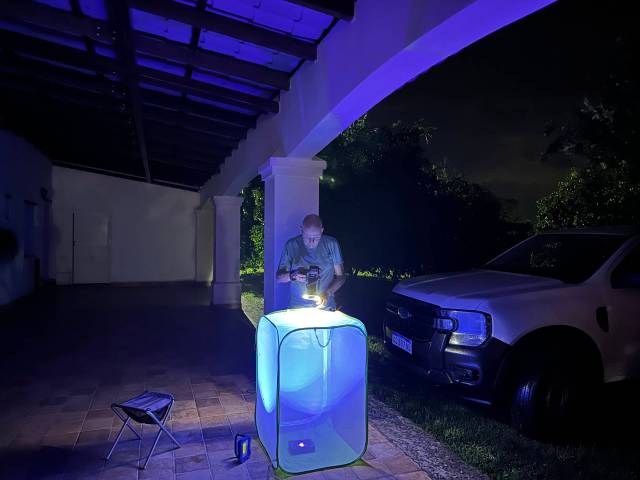
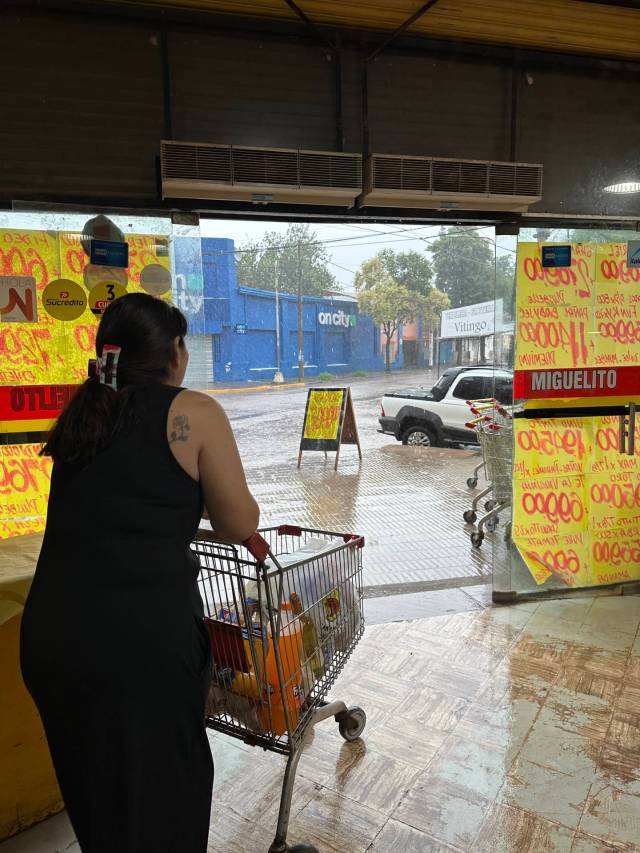
Unfortunately, a major storm developed during the early evening and we lost power for something like 3 hours. This inconvenienced many guests, and it became warm in the rooms without air conditioning, but were were mostly on the large porch looking at insects that came to our battery-powered UV lights. This attracted some attention, but mostly curiosity.
Olympus photos
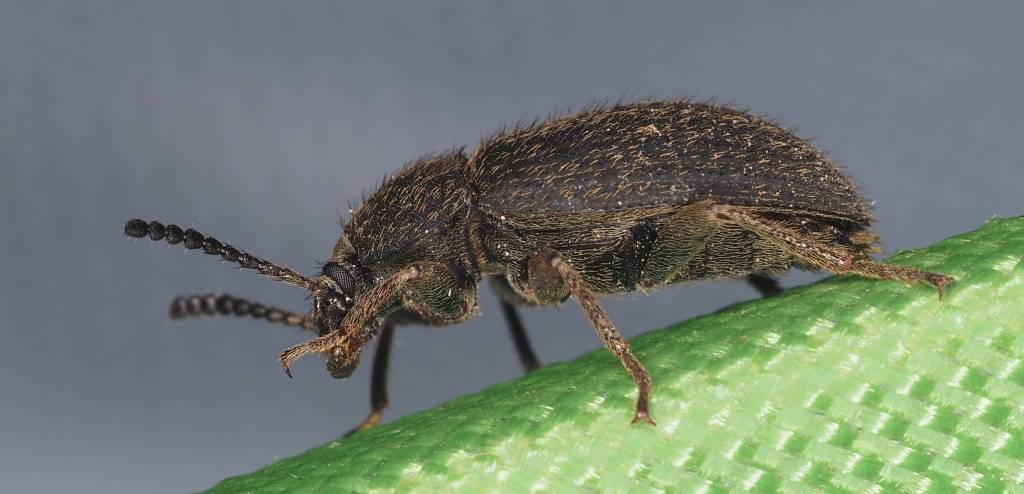
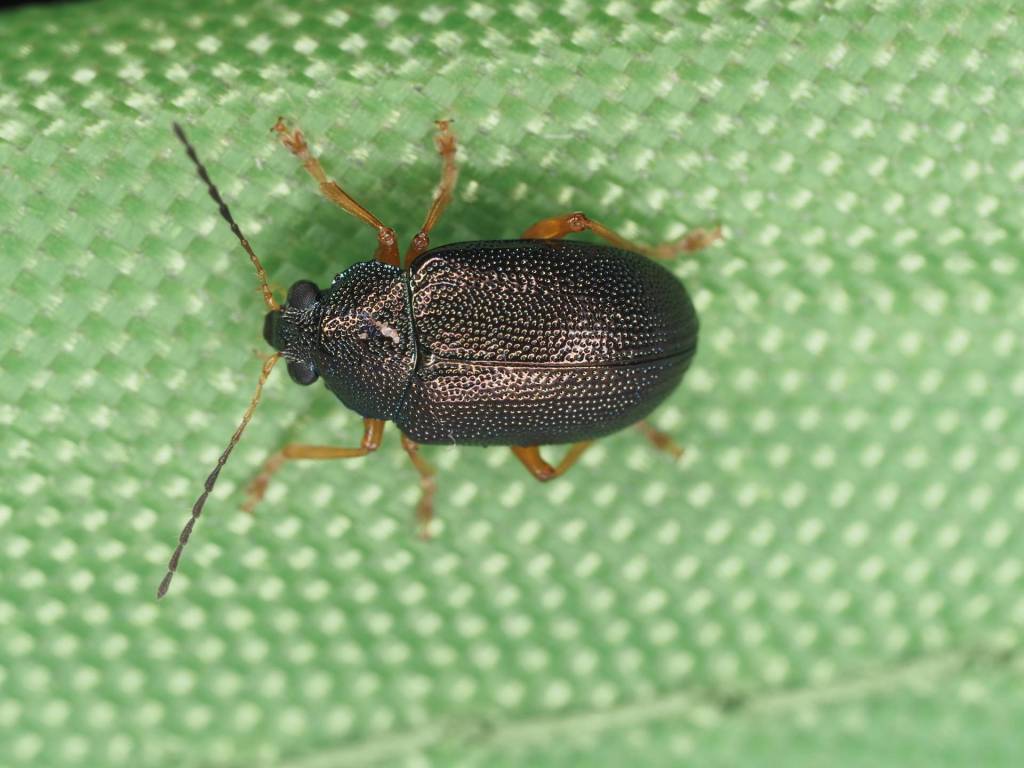
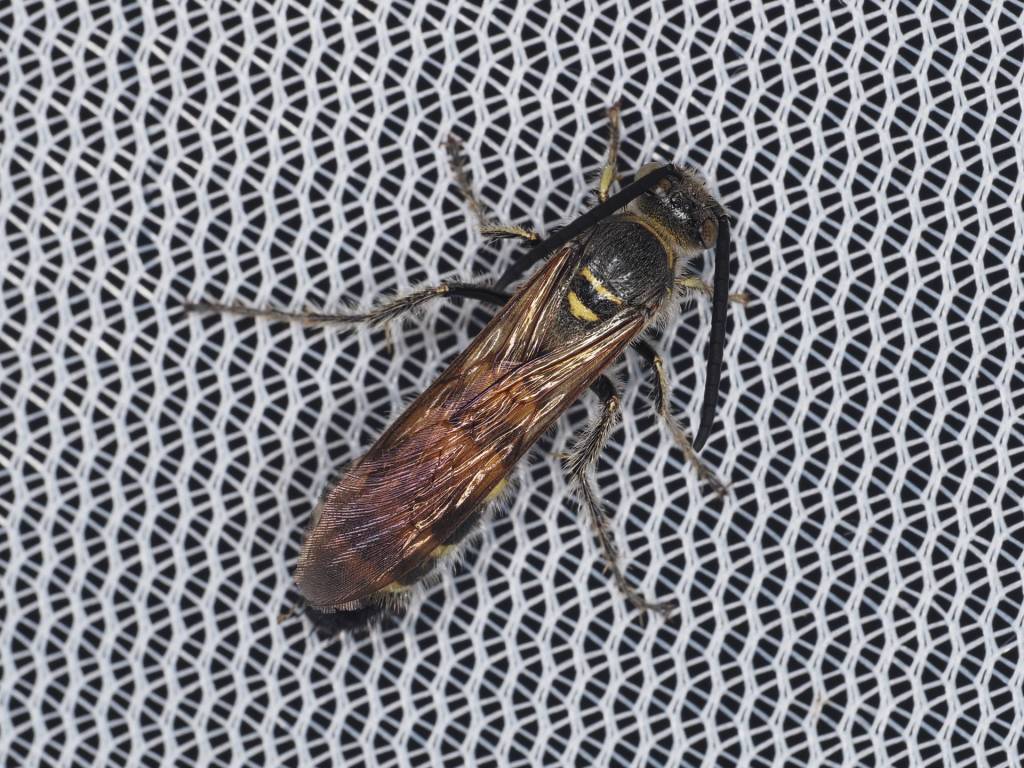
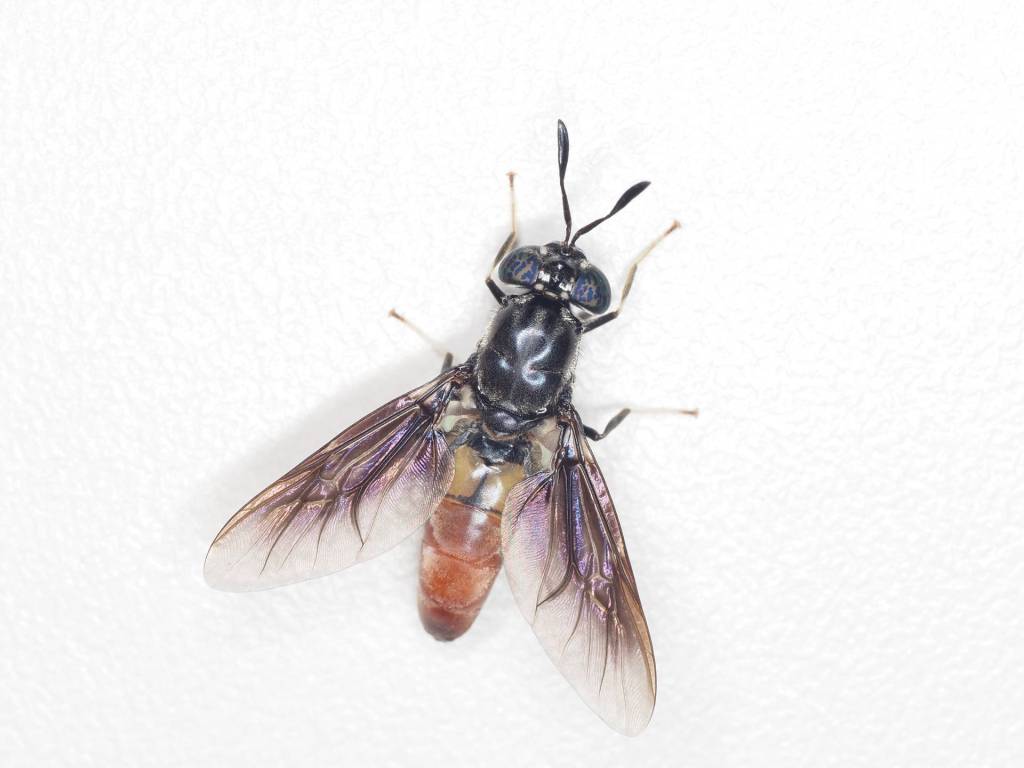
Insects observations submitted to iNaturalist at our Quebrachal hotel can be seen here.
iPhone photos
 THE NATURALIST'S TRAVEL PAGE