Because this webpage has many images and is long there are shortcut links to each segment below. Be sure to use the “TO TOP OF PAGE” links at the end of each major section to get back to this index page. Otherwise you will have to scroll A LOT!
Introduction
Accommodations
Road Conditions
Landscapes
Cacti and other succulents
Epiphytes
Birds
Birds at the Costanera Reserve
Miscellaneous plants and other subjects
Insect Hunting in Argentina
Introduction
We have been to Argentina many times, both for work and for personal travel. Work travels can be discussed elsewhere, and mostly took place in the late 90’s and early 2000’s. But we have merged personal and work travels on various occasions and the latest example of this was in December 2024. We had just completed a 17-day cruise from Ft Lauderdale to San Antonio (port of Santiago, Chile) where I had been providing talks aboard the Holland America Oosterdam. We wanted to take a personal cruise to Antarctica on the Oosterdam, but we would have to wait 15 days before the Oosterdam arrived in Buenos Aires for us to start the cruise we wanted to take. We had various options, but we finally decided to return to areas we had visited multiple times over the previous 25 years. This was northwestern Argentina, well-known for its cacti (among cactophiles) and also for its scenic landscapes.
To visit NW Argentina, we had to fly from Santiago to Buenos Aires, spend the night there, and then fly the next day to Salta, where we rented a vehicle.
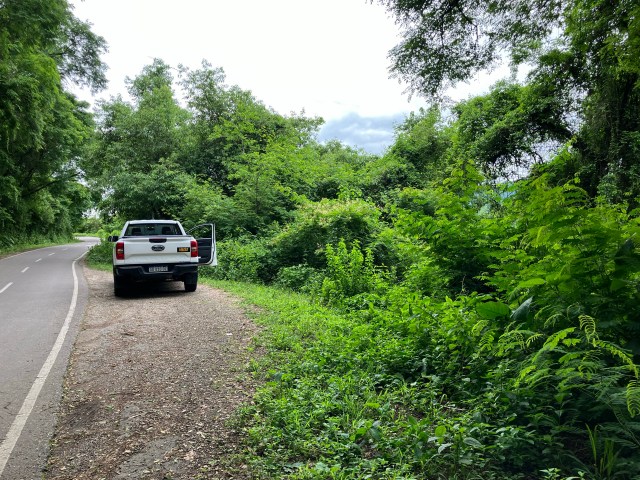
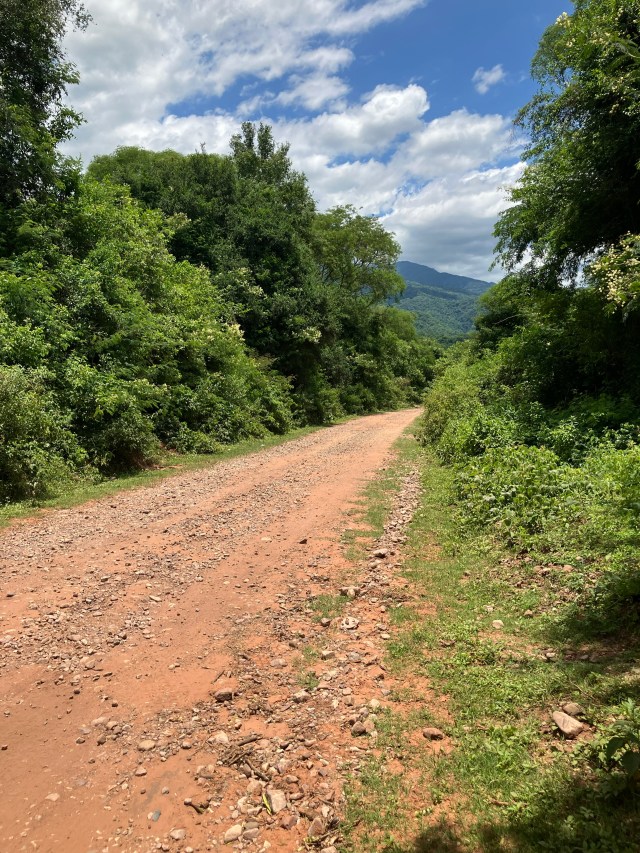
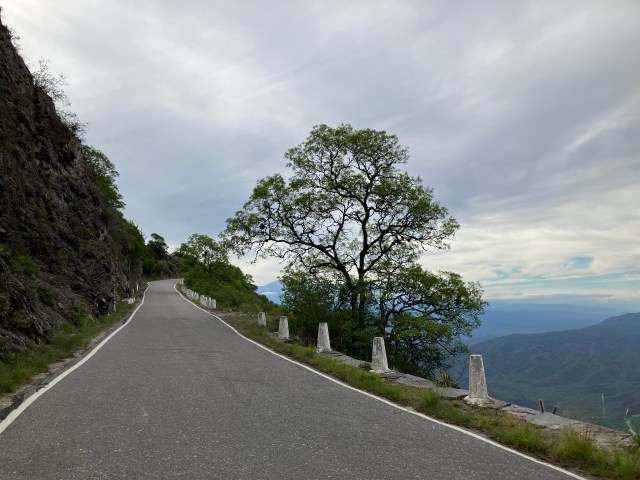
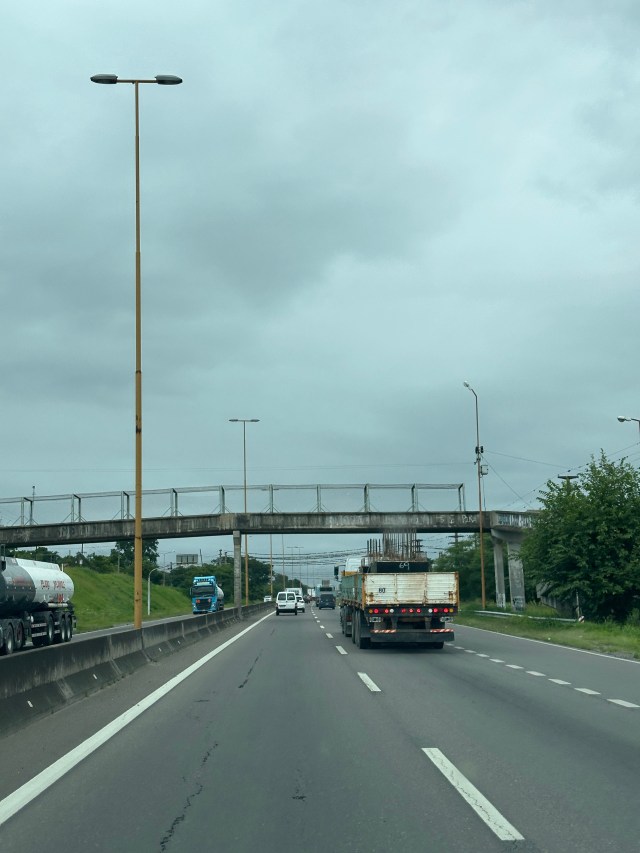
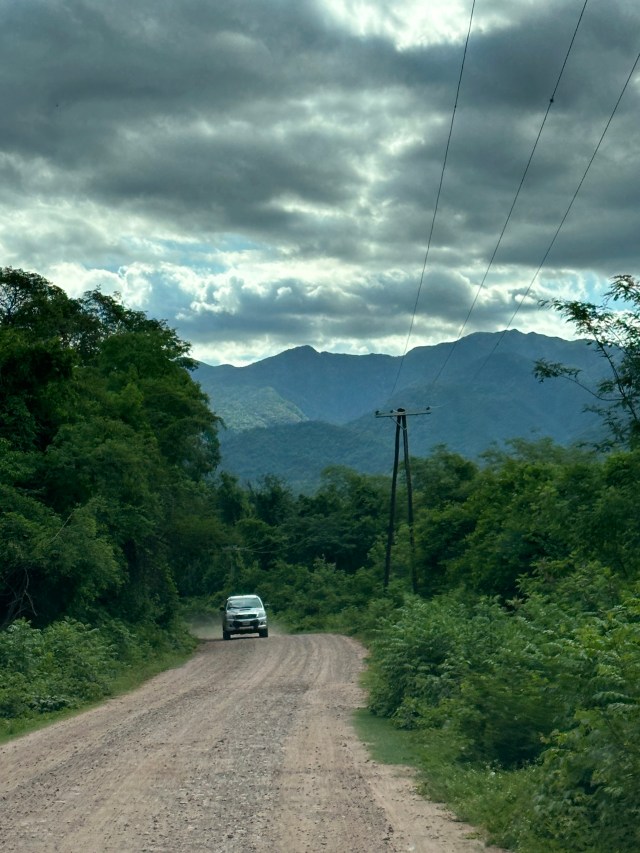
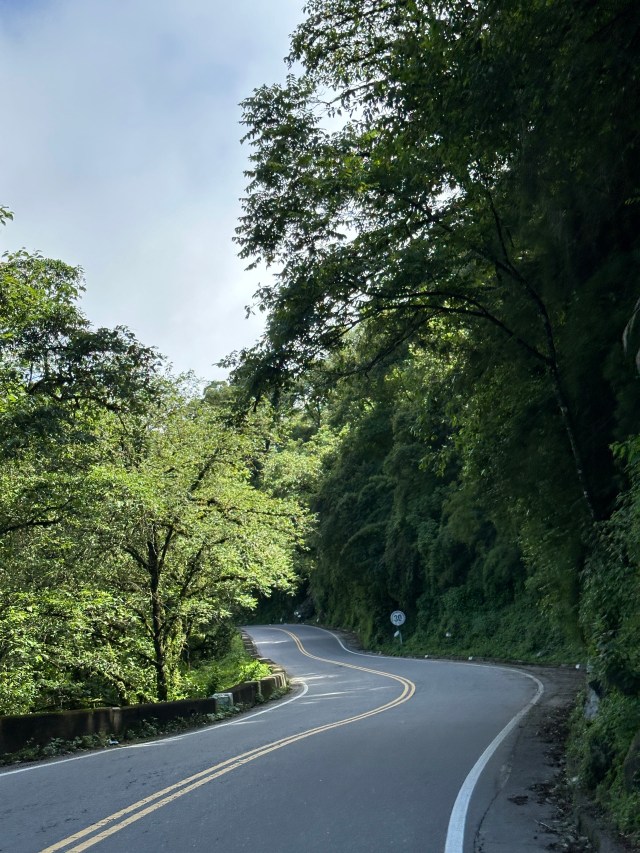
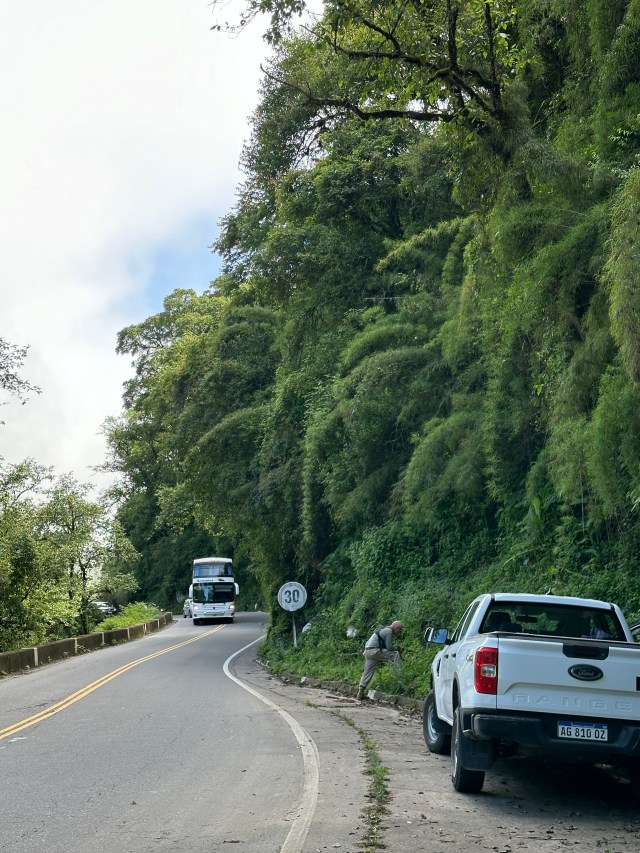
The road network in much of northwestern Argentina defines where you can travel and what areas remain somewhat unreachable. Though there are a modest number of National Parks in the region, for the most part these lack many facilities and some lack road access. Much of our “nature exploration” of the region has been done by the side of the road. This is, in itself, not always a simple task since many/most Argentinean roads in mountainous areas don’t have wide shoulders, and rest areas are almost non-existent. In fact, one has to be driving with a constant eye for places wide enough to safely pull off. Unfortunately, the most convenient and widest spots have usually been discovered by many other drivers – who have used them as bathroom stops. This we can identify with, since publicly-accessible restrooms are very rare in much of Latin America. Yes, you can use them in a roadside restaurant – but these are usually reserved for patrons and are rare in the countryside.
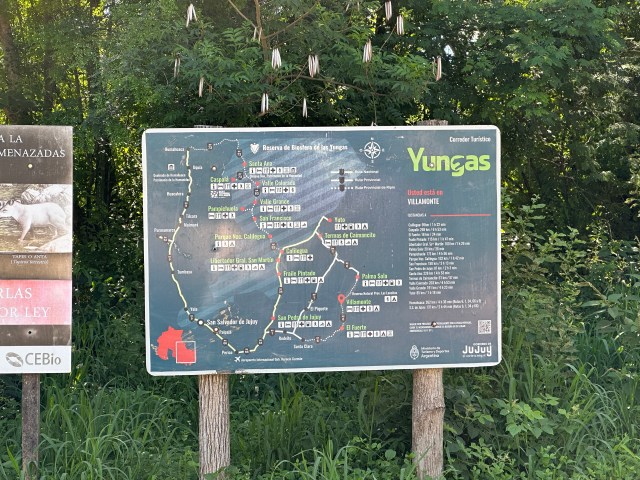
The route we drove is shown in Figure 1 below. We had driven nearly all of these road segments before. We had included a stretch that would reach the frontier with Chile – a high Andean segment that we knew from previous travels had some unique high Andean wildlife. But realism set in after a few days driving and we decided to cut our driving distance and spend more time in fewer places.
Click on the maps below for larger views and a bit of text. DON’T HESITATE TO CLICK ON ANY IMAGE – TO SEE A LARGER VIEW AND TEXT!

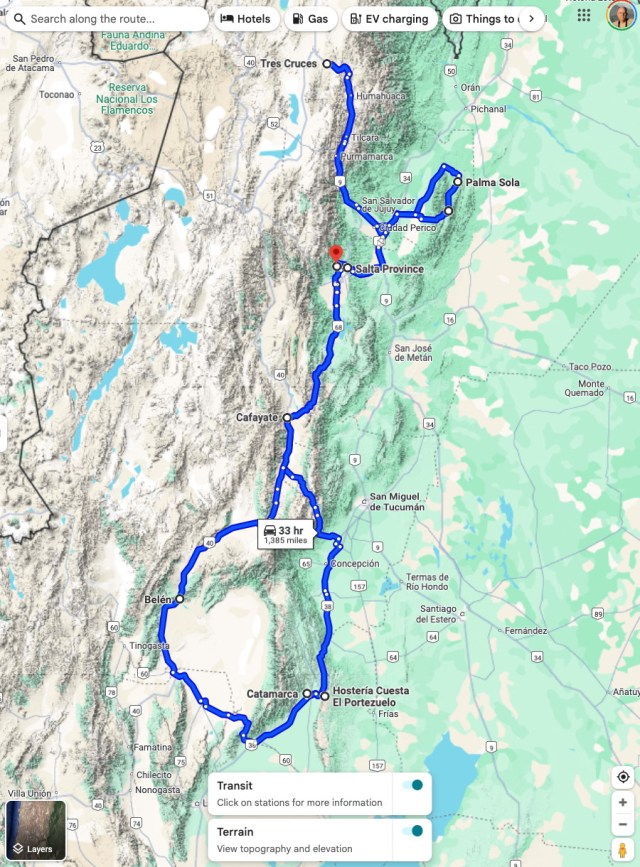
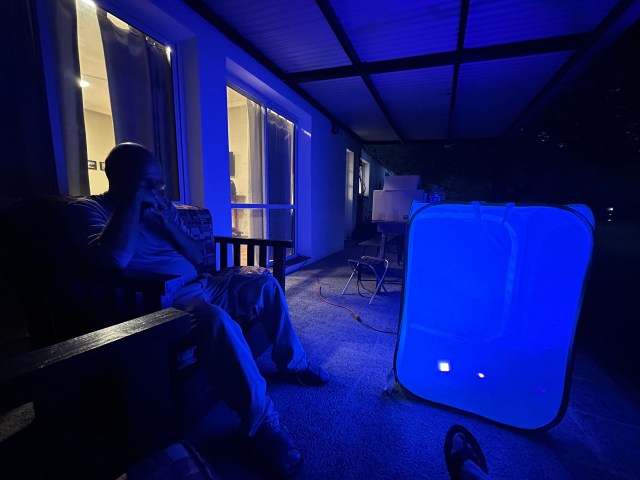
Although we had driven most of the road stretches before, some more than a few times, there was one novel aspect of our travel this time. We came prepared to attract and photograph insects at night. In the past few years we had gotten into insect identification and photography and this involves bringing some simple equipment (ultraviolet light, an electrical extension cord, and a lightweight folding screen box for insects to rest on when they are attracted to the light at night. A typical set-up is shown in Fig 2 below.
The insect photography necessitates some adjustments to our normal traveling strategy. Often we prefer to be up early, since birds and some other organisms like mammals are most active at this time. It is also cooler in tropical and in subtropical locations during the summer months. But, to see and photograph insects at night, one has to be up quite late – to allow for the insects to discover your lights. If one is up late, then it becomes difficult to be up early.
In addition to adjusting our daily schedule to accommodate the insects, we also have had to look for accommodations where it is feasible to observe insects late at night. Traditional hotels in city centers and bed-and-breakfasts are really not suitable. Finding isolated accommodations in the countryside – ideally embedded with natural vegetation – can be challenging. Most accommodations don’t prominently advertise that they are ideal for watching insects at night! Examination of Google Earth imagery is required to evaluate the environment of potential accommodations. Of course, our irregular hours also make having adequate cooking facilities to prepare our meals at any time. Is this sounding like a vacation – or an expedition?
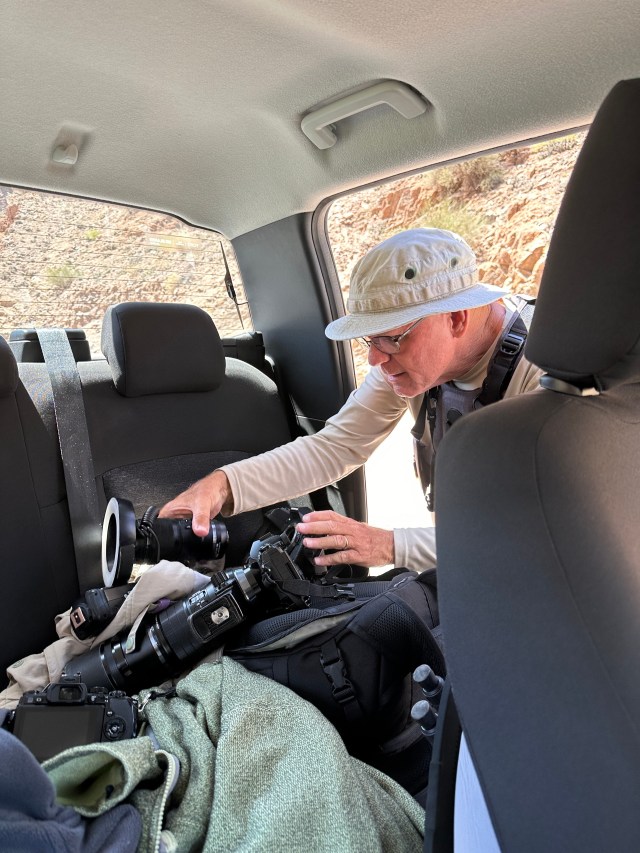
Why such a focus on insects? Well, a country like Argentina has about 1000 bird species – though perhaps only a few hundred birds can readily be seen without making a major effort. There are about 250 mammal species, though only a few dozen dozen are not small rodents or bats. But insects – there are about 10,000 species on iNaturalist – and likely there are many more. Every night will bring a host of new species that you’ve never seen before. Photographing and reporting your observations on iNaturalist helps to build a data base that improves our understanding of where plants and animals live – something that anyone in the World can peruse. To see all of the iNaturalist observations that we made in Northwest Argentina during our 13 days there you can see them at this iNaturalist page. We continue to add observations – by selecting better photos taken of the same subject or finding more images useful for iNaturalist from the thousands we took. When in the field, Rosario uses here iPhone to take photos to submit to iNaturalist, but then I photograph independently the same or similar subjects with my Olympus cameras that are more suited for bird or insect photography. Then over the following days, weeks, or months, Rosario reviews and submits the additional observations to iNaturalist. Some iPhone photos are replaced by better Olympus photos if justified. This process leads to a slow growth in the number of observations submitted. So the numbers you see when perusing our (or anyone’s) iNaturalist page may change with time.
To most effectively blend some insect watching with our other interests that involved daytime exploration for plants (especially succulents) and birds – we had to identify suitable locations where we could do all of these without excessive driving. Given that we only had 13 nights available, we had to focus on certain areas. Two sites proved to be exceptional. The first was the Ecoportal de Piedra at 3000 ft elevation in a tropical dry forest environment. We spent two nights here, in the first part of our trip. The second site was a new “cottage” outside Catamarca, near the southern part of our driving circuit. We spent three nights here and made one daytime excursion from this location.
From Salta, we flew back to Buenos Aires and spent one night. The following morning we took a birding tour at the Costanera Reserva, before boarding our ship (that didn’t leave until the following afternoon). Our Antarctica cruise is reported on elsewhere.
Looking at the maps below that focus on the northern segment of our travel, one can see that we crossed from dry areas to moist (forested) areas multiple times. From Salta to Tilcara there is a transition from wet, yet still seasonal forest to drier landscapes in the Humahuaca Valley which Tilcara sits in. This road continues to the Puna, at 13,000 ft near the border with Bolivia. Then the road the leads south from Salta to Cafayate passes through a scenic canyon that becomes increasingly drier as one proceeds south. The area around, and south of Cafayate, is in the rain shadow of high mountains on both sides. Our route south from Cafayate led over the mountains to the east, reaching 11,000 ft in the pass, and to the resort town of Tafi del Valle. Then the road quickly descended to the lower Chaco terrain to the east, through moist subtropical wet forests. And, after a lowland driving stretch, the road again headed gradually westward climbing through another low pass with moderately verdent seasonal forest. Thus, there are various transitions between relatively moist and dry environments in northwestern Argentina associated with the multiple mountain ranges, This makes the variations in vegetation, and associated wildlife, especially interesting.

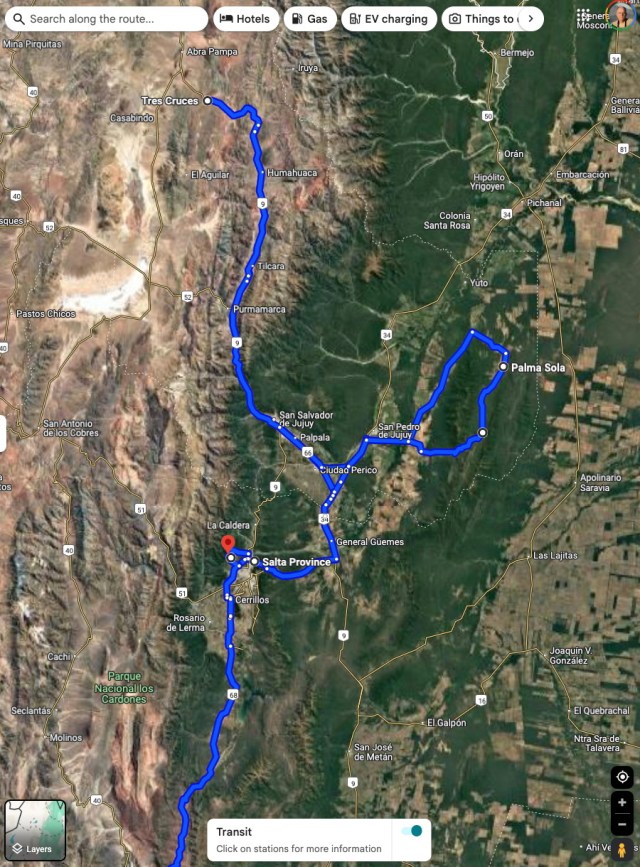
We could summarize our day-to-day activities but this would have little meaning to others. For simplicity we group our materials into general topics and discuss these in sequence.
Accommodations
We have driven extensively in Latin America and in general, Argentina is relatively developed and straightforward to navigate through compared with some other countries. Of course, with the availability of cell phone coverage and apps like Google Maps, navigating through urban areas isn’t nearly as difficult as it was in previous decades. But we still prefer to avoid urban areas to the extent feasible, and many Argentinean cities and larger towns now have by-passes to avoid much of the slow city-center traffic. We do plan our routes out with the aid of satellite imagery from Google Maps or Google Earth, so that we know which routes go through “more natural” landscapes.
Google Street view is available for many Argentinean roads and we use this to evaluate where it is feasible to stop and explore the landscapes we are driving through. Why is this important? Well, a road may have sturdy fences, making crossing into the landscape difficult. Or, the road may be very narrow and there may be no shoulders to pull-off safely. Or the sides of the road are very steep and you cannot get away from the road. Google Street view helps you access the situation along the roadside. The downside of Street view is that these may be updated much less frequently than Google Maps imagery. Some Street view imagery may be more than a decade old, so one has to carefully look at the date of the imagery.
With websites like Booking.com finding and reserving accommodations is much easier than in earlier decades. However, not all accommodations are on these sites – though a great many are. There is much peace-of-mind to be gained knowing that you have a place to stay for the night.
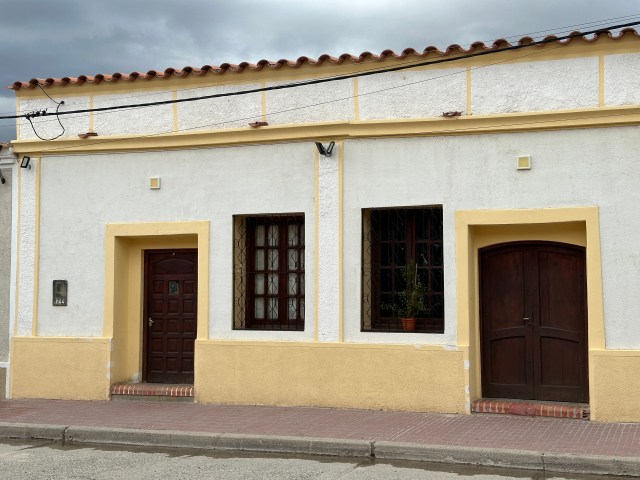
Most accommodations in Latin America are near the centers of cities. Buses take people to cities and that is where most people tend to stay. Outside of towns there are resort accommodations – these usually cater to those wanting a more peaceful ambience. But this doesn’t usually mean a more natural environment. Nice lawns, horses to ride, country restaurants, swimming pools and lakeshores with boating possibilities. They tend to be heavily “manicured”. Most people aren’t interested in birds, insects, reptiles and the likes. “Sterility Guaranteed” might be the slogan for many of these places.
What we are looking for are places embedded in natural landscapes to the extent possible. These are much less common, and can only be evaluated with Google Maps imagery. Why do we want natural landscapes? Now, we want a place to set up our night lights to attract insects. Also, we like not having to drive to see and hear birds. And, we need places where we can prepare our own meals (“self-catering” is the term used in most of the world) – since our “nature observation” hours might be very different from restaurant hours, and sometimes it is very inconvenient to go to a restaurant. In fact, we rarely eat at restaurants anymore, even where we live in Oklahoma.
Despite the difficulties in finding suitable accommodations to match our above criteria, such locations are actually more common in much of the World where we travel than in the US. Self-catering accommodations are rare in the US, or if available, they are often resort cabins that are quite expensive.
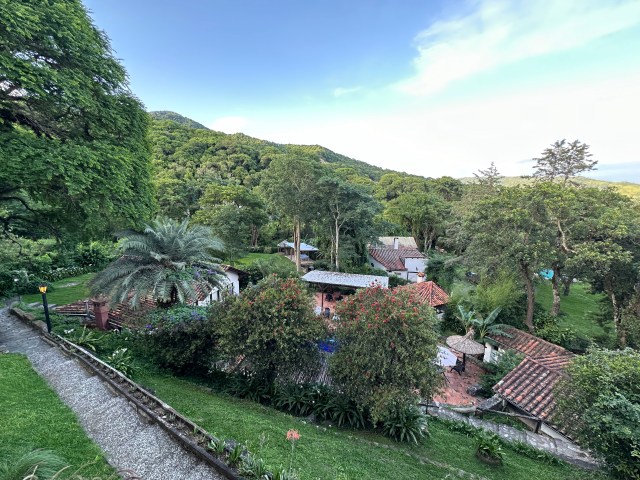
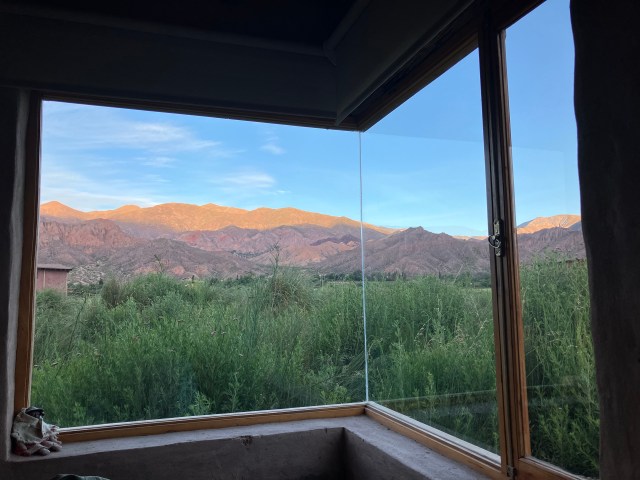
Click on any image below to start a slide sequence and to start reading text explaining each slide.




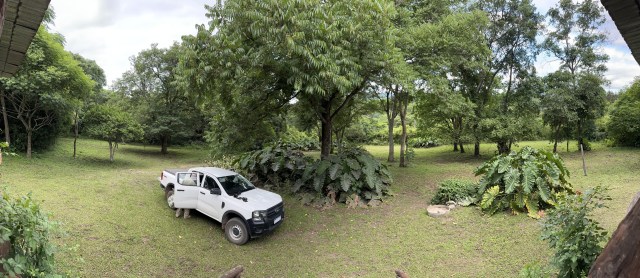
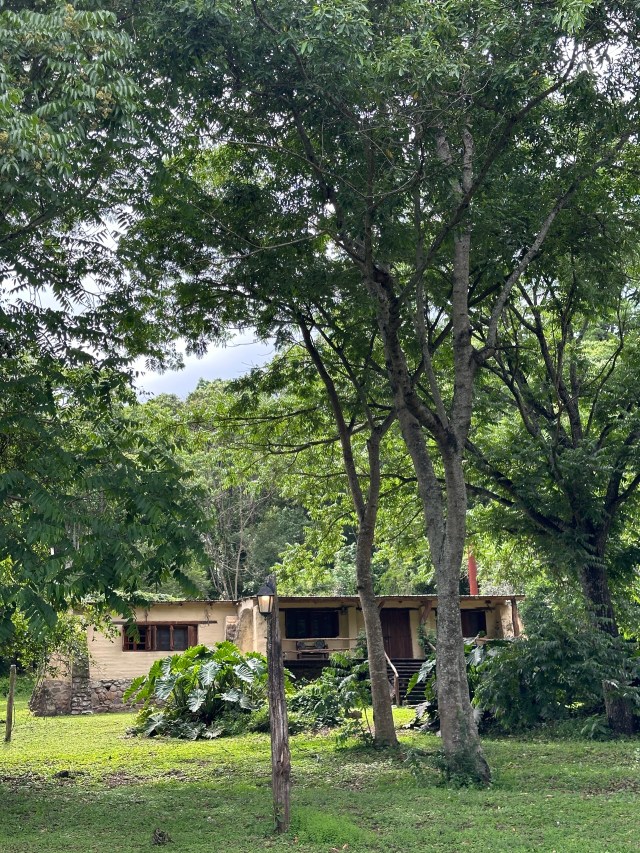
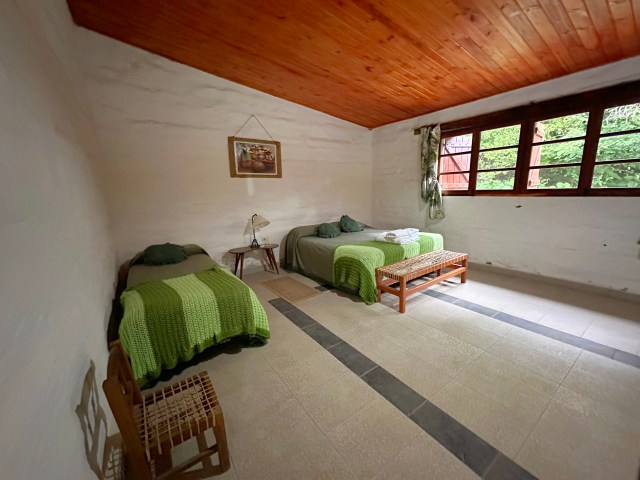
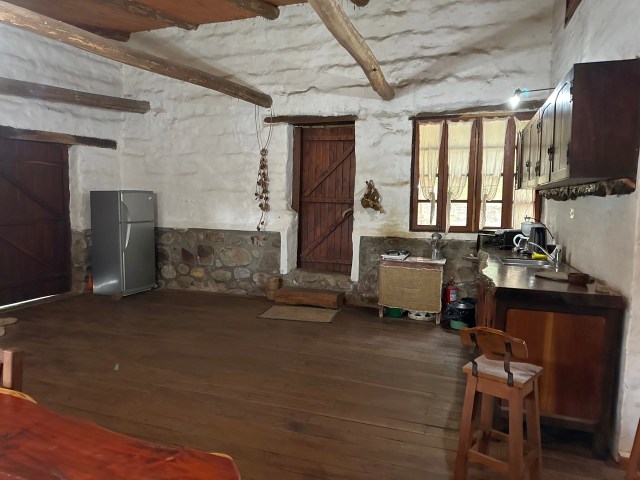
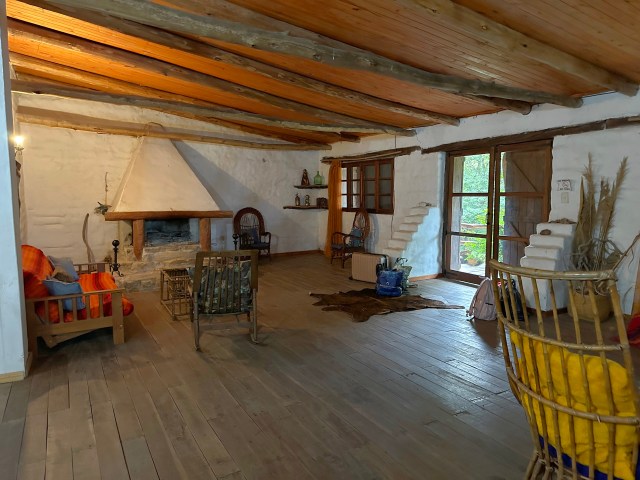
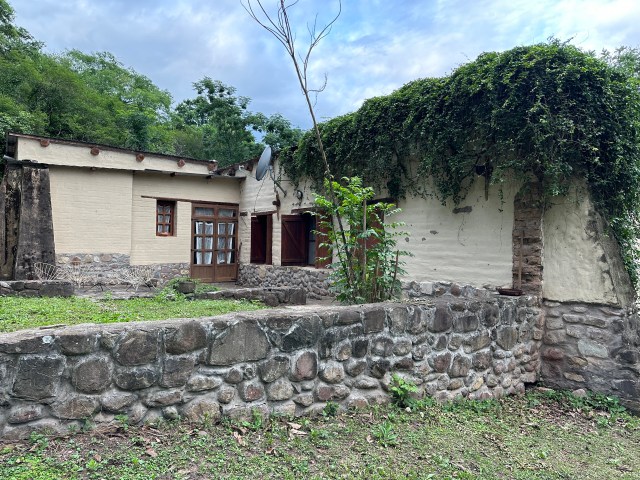
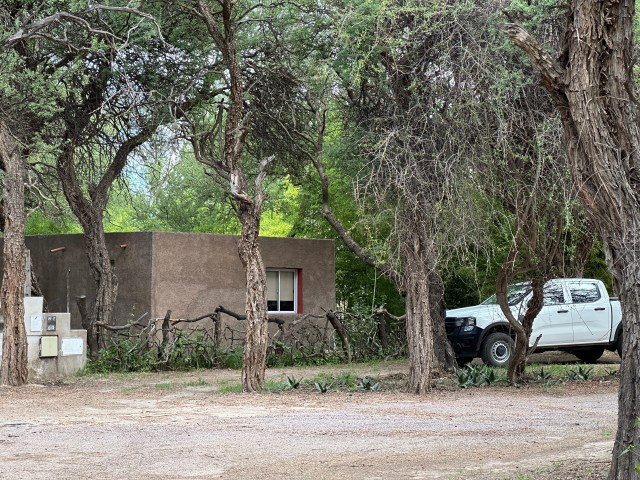
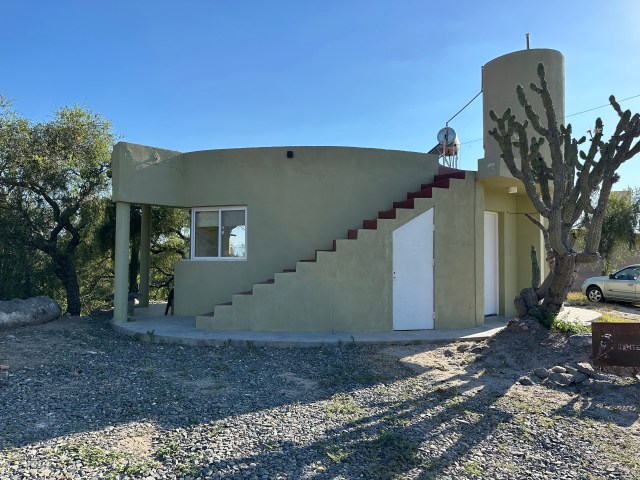


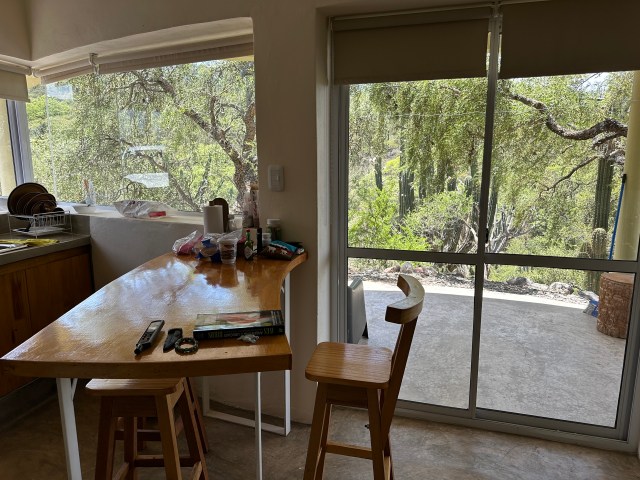

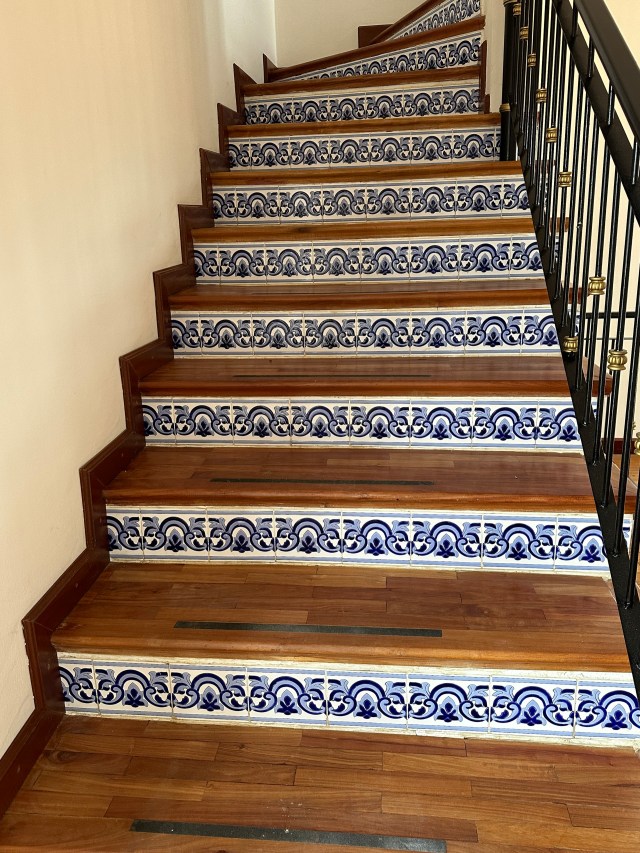
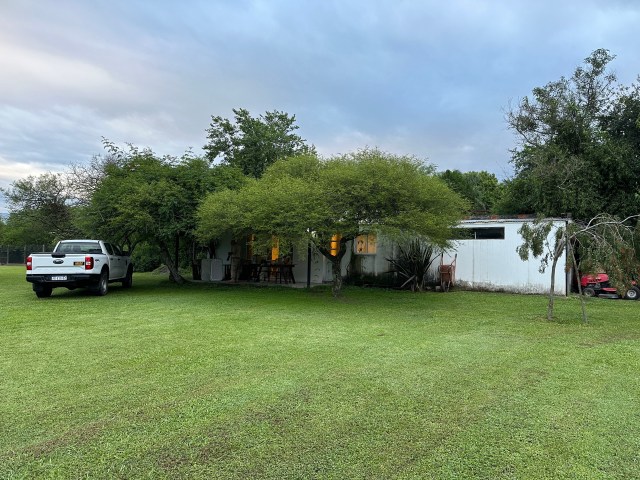



Road Conditions
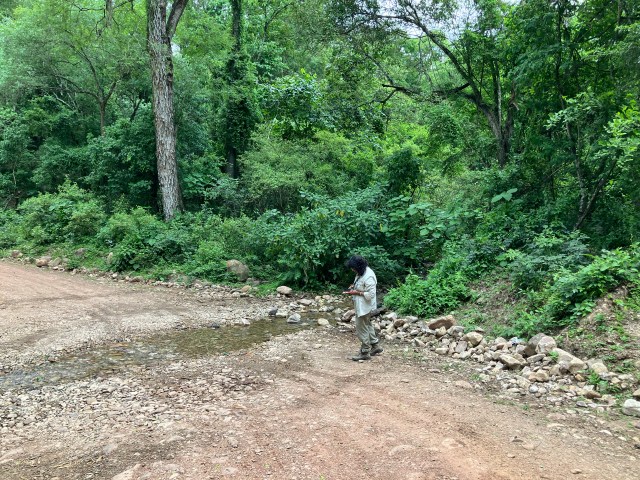
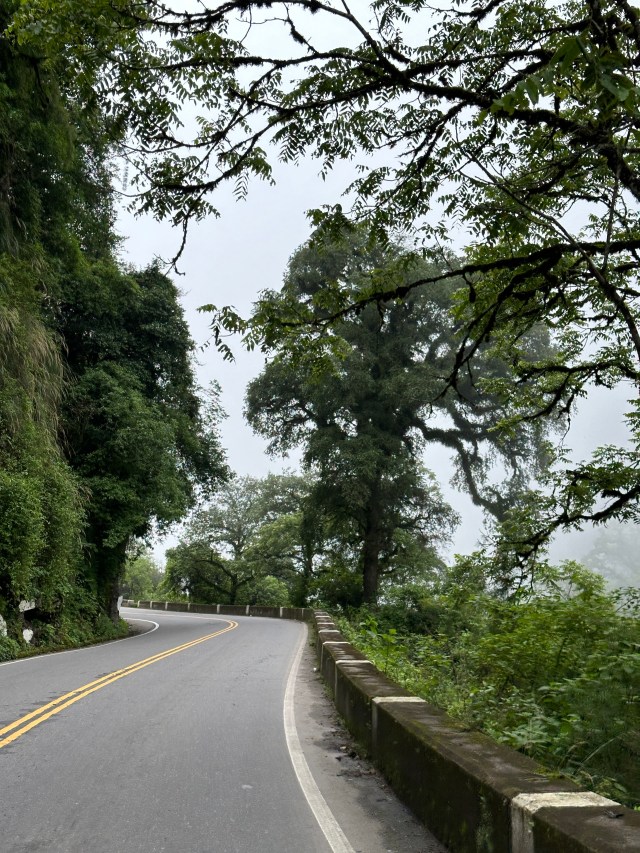
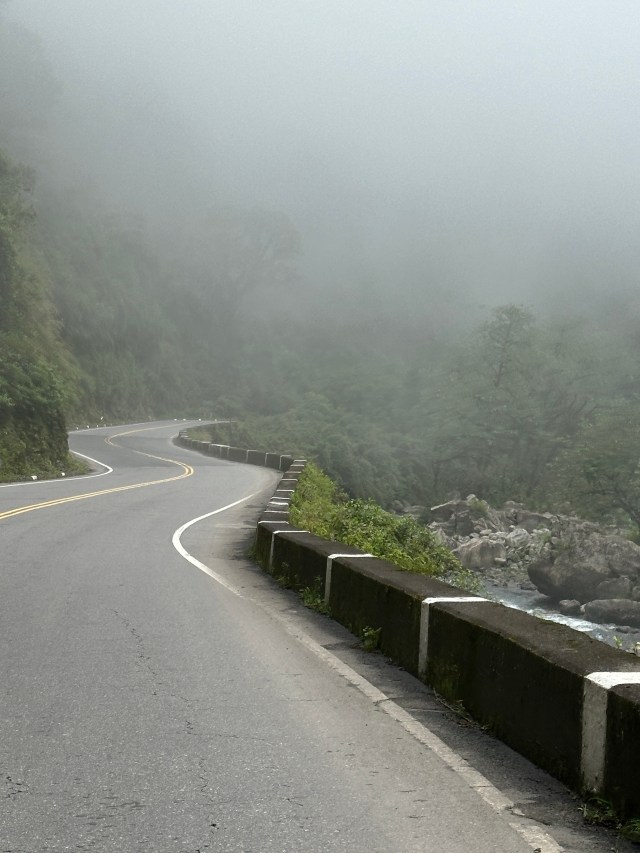
Road Conditions are explained via the images in the gallery below. Driving in Latin America requires some adjustments compared with driving in the US. Click on any image below to start a slide sequence and to start reading text explaining each slide.







Landscapes
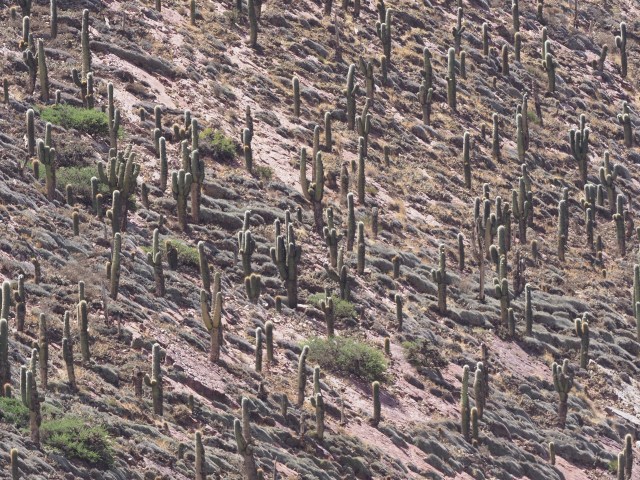
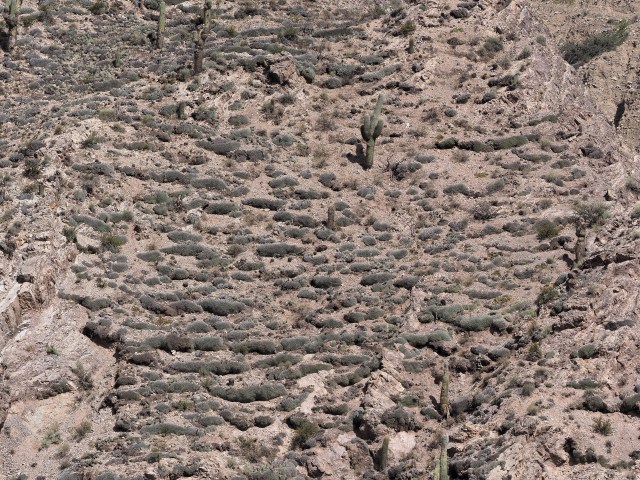
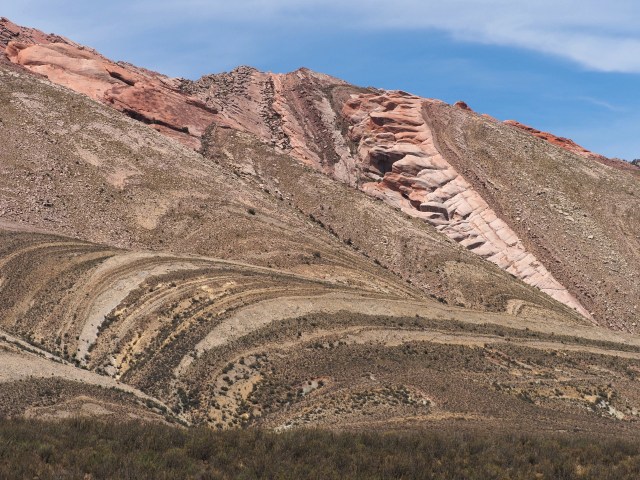
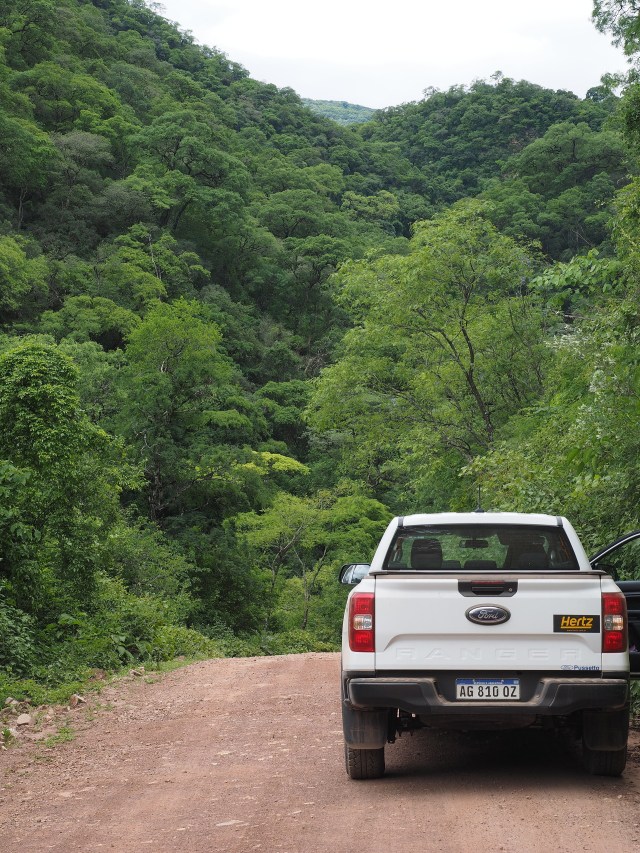
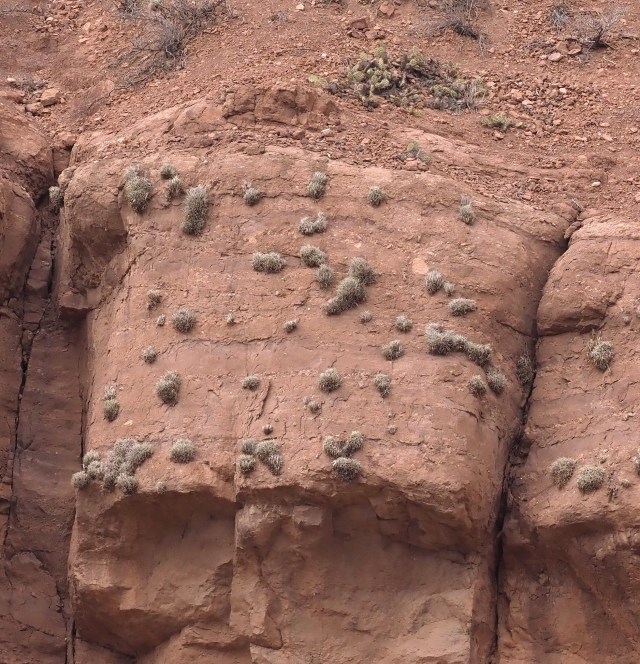
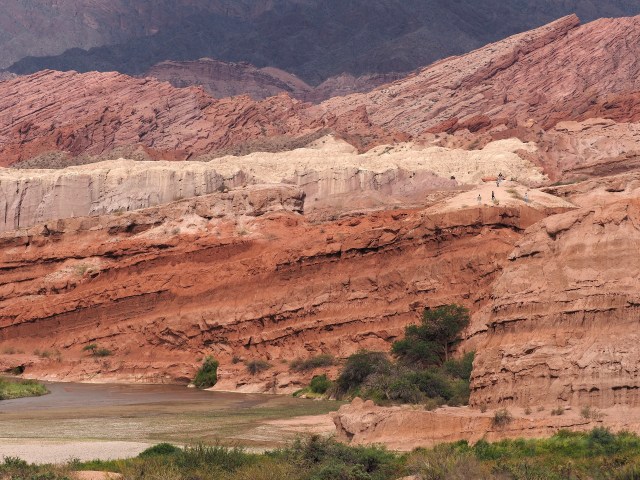
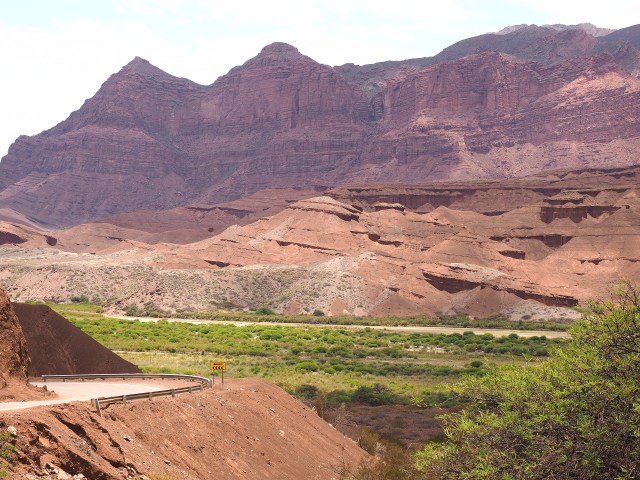
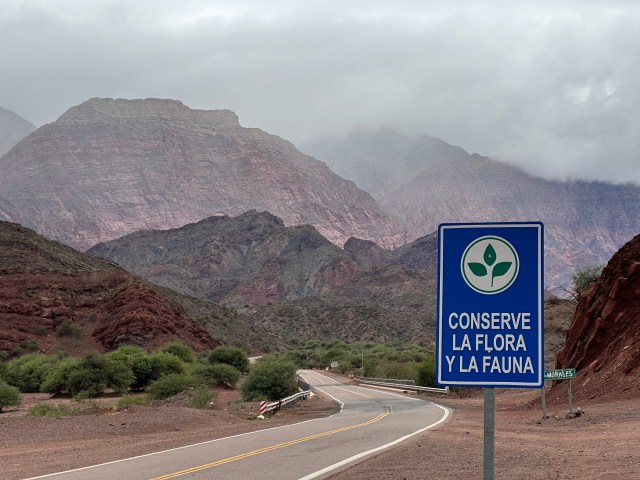
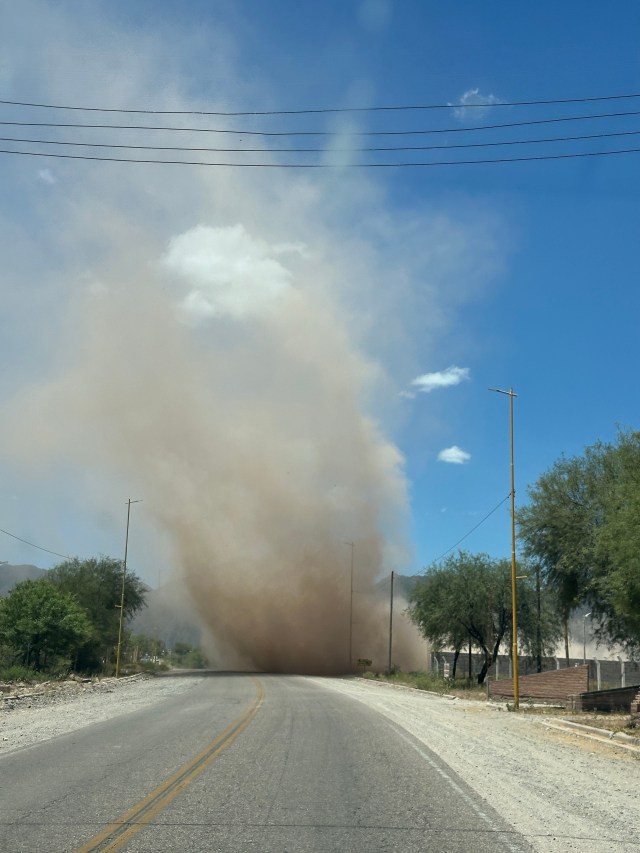
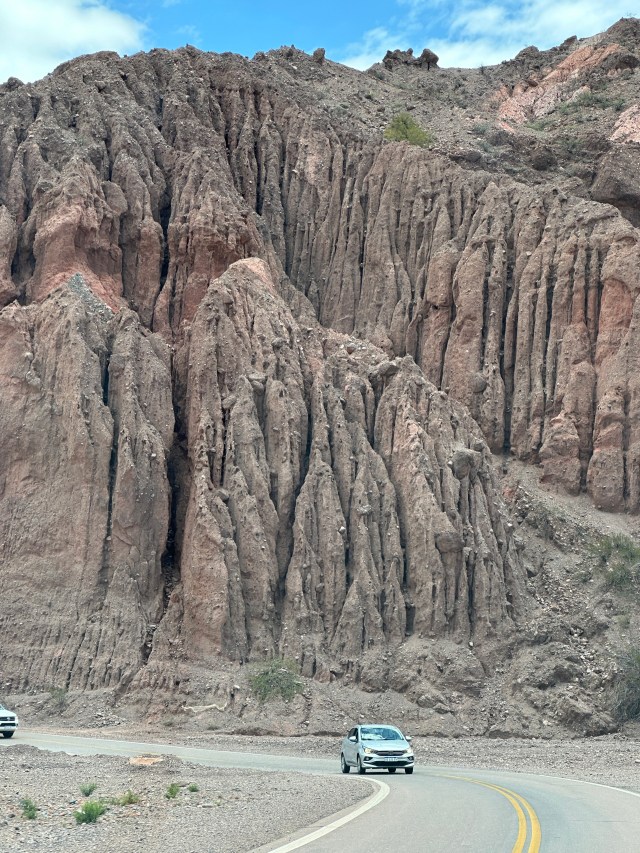
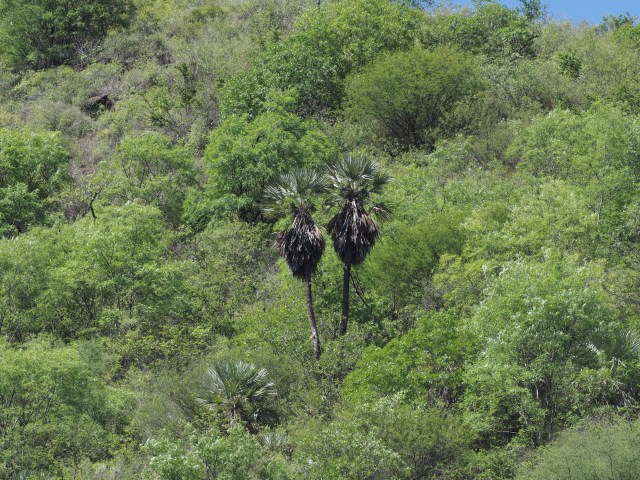
There are many photos of insects, birds, cacti and epiphytes on this page. But the reader will want to know what the landscape looks like – to decide whether there is something worthwhile to justify a visit to the area. Of course we would say the landscape is secondary to all the “subjects” I’ve just mentioned, but we realize that the casual traveler might think first of landscapes. Of course, if you gotten this far in reading our webpage… you aren’t the casual traveler. But let’s assume you are, and have just read some nice simplistic article on TripAdvisor or a travel blog about spending a week in Salta – at some nice resort – where you can relax for a budget price. Now you ask yourself – is there anything I can do while there – after the hours at the pool, sipping local wines, and relaxing? So below are some landscapes along our route, to satisfy those minds that haven’t yet evolved to a higher level… where it is the insects, epiphytes, cacti, and other flora and fauna that drive the passion for travel to remote places of our planet.
Click on any image below to start a slide sequence and to start reading text explaining each slide.









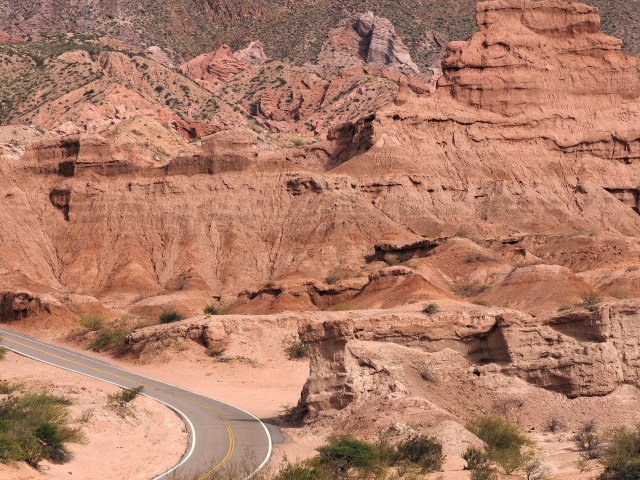
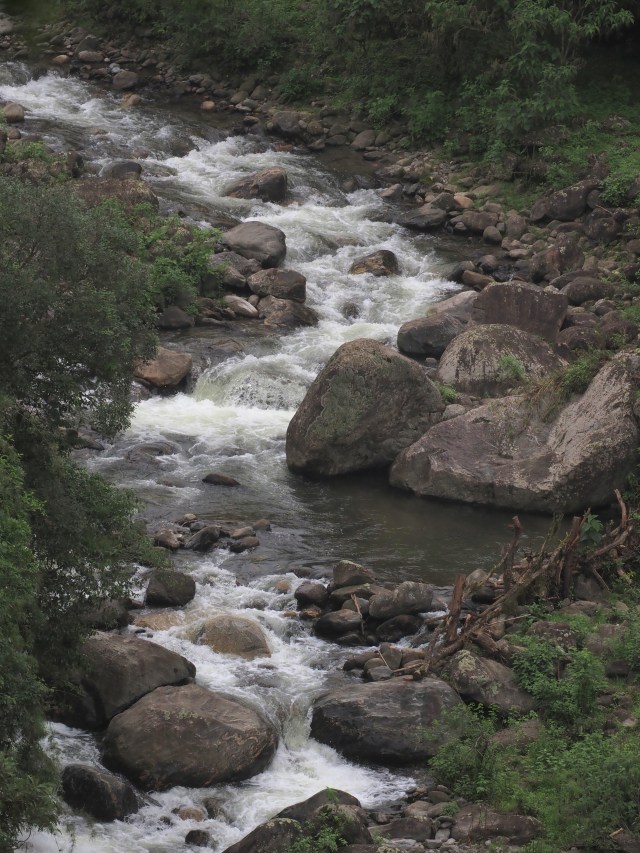
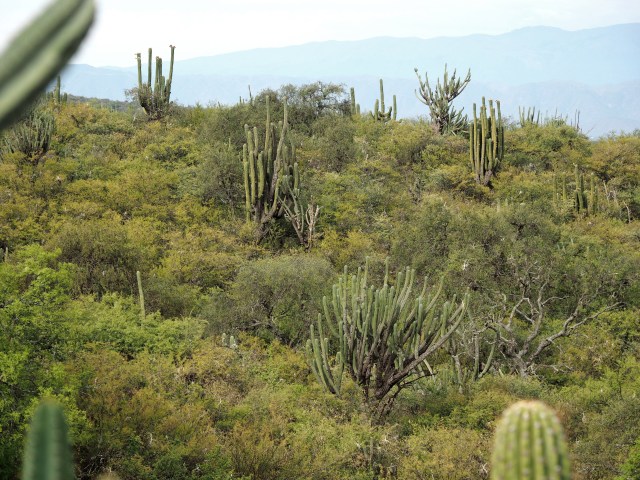

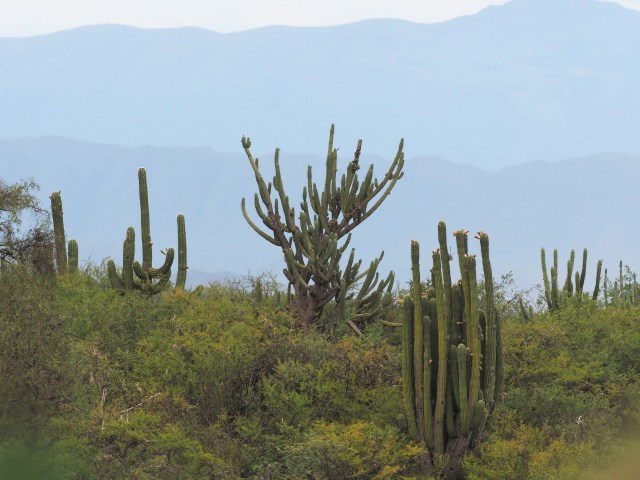

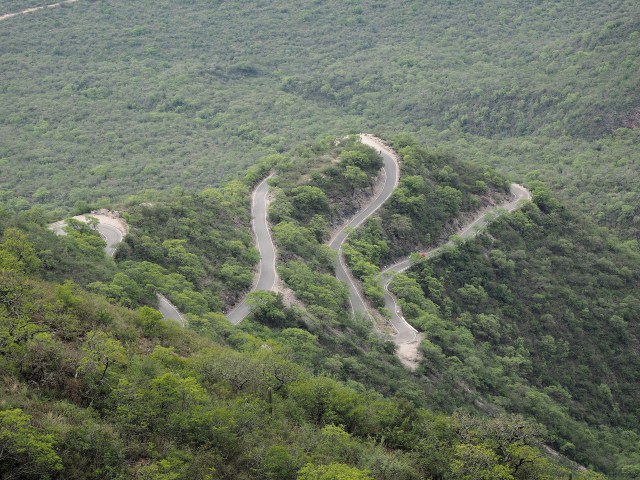
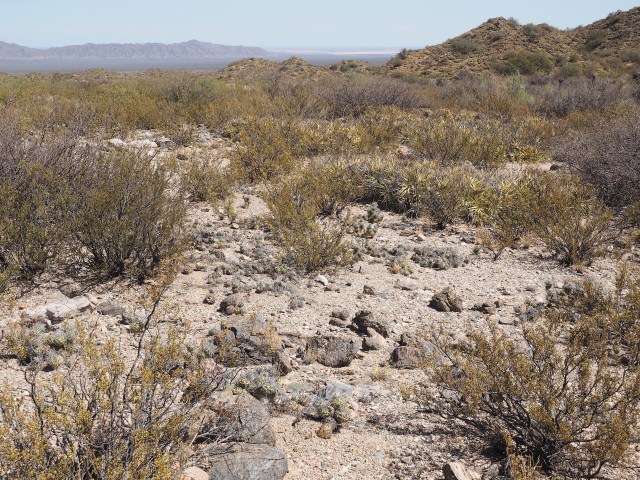

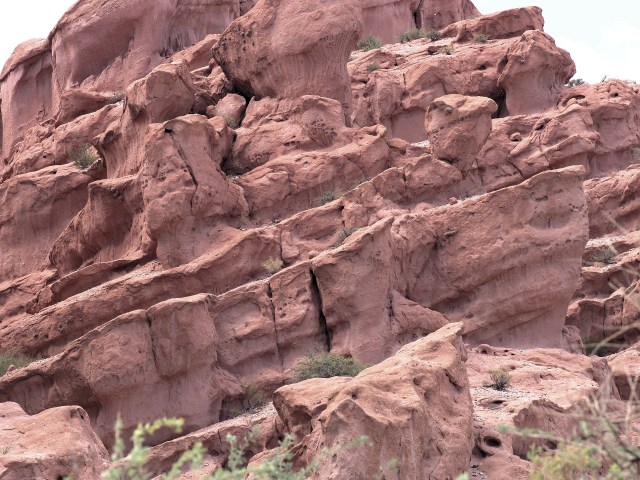
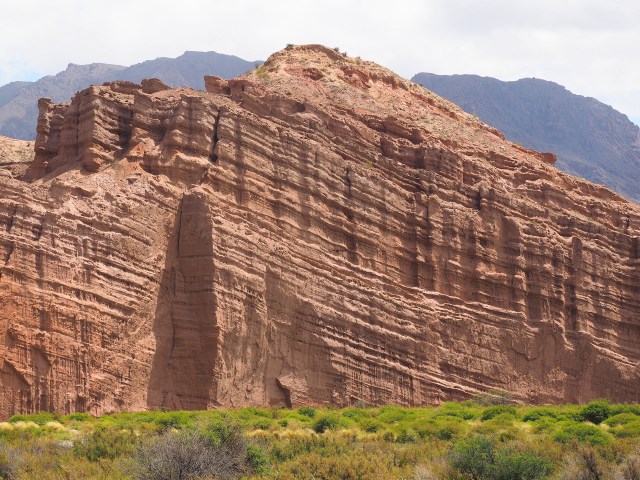
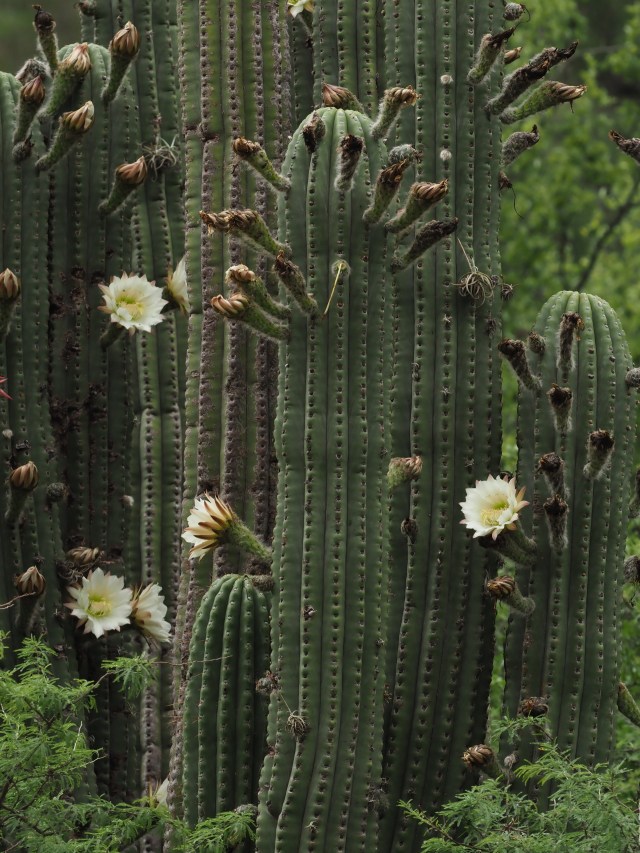
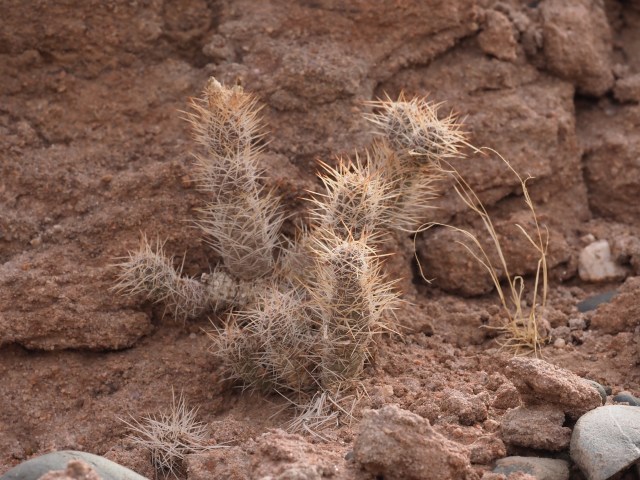
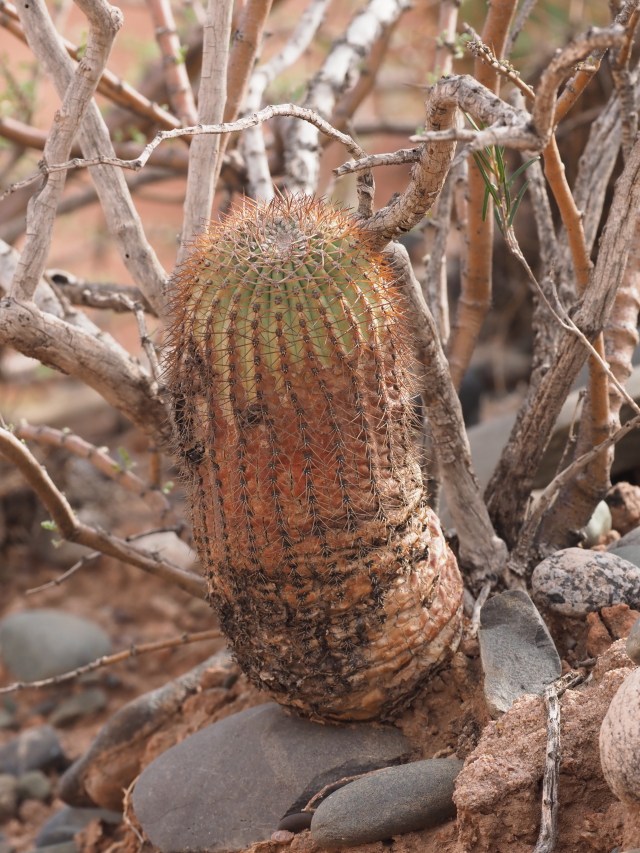
Cacti and other succulents
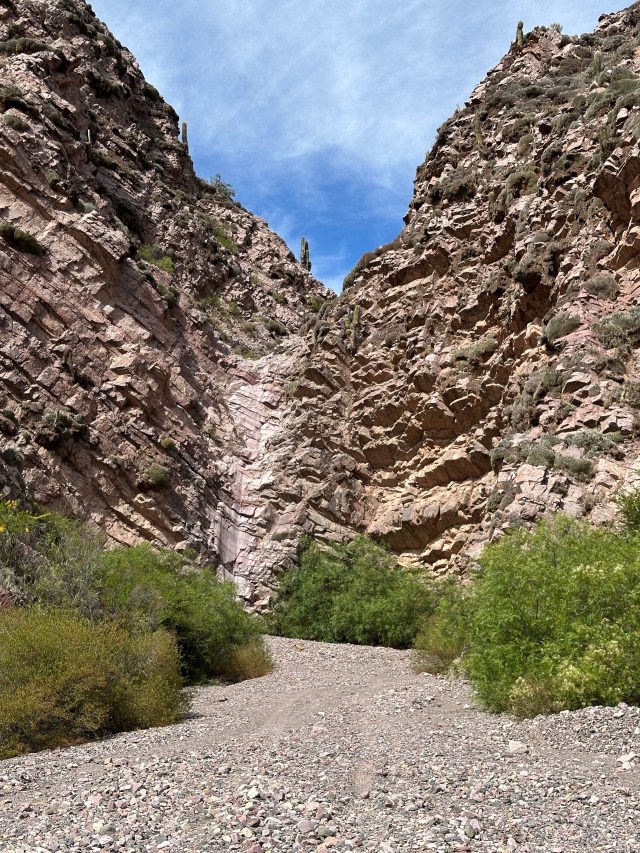
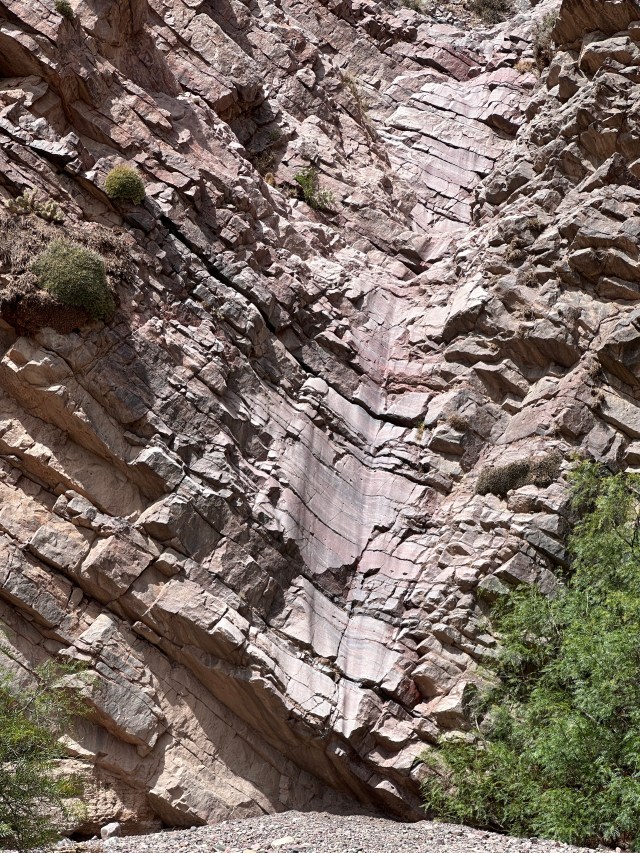
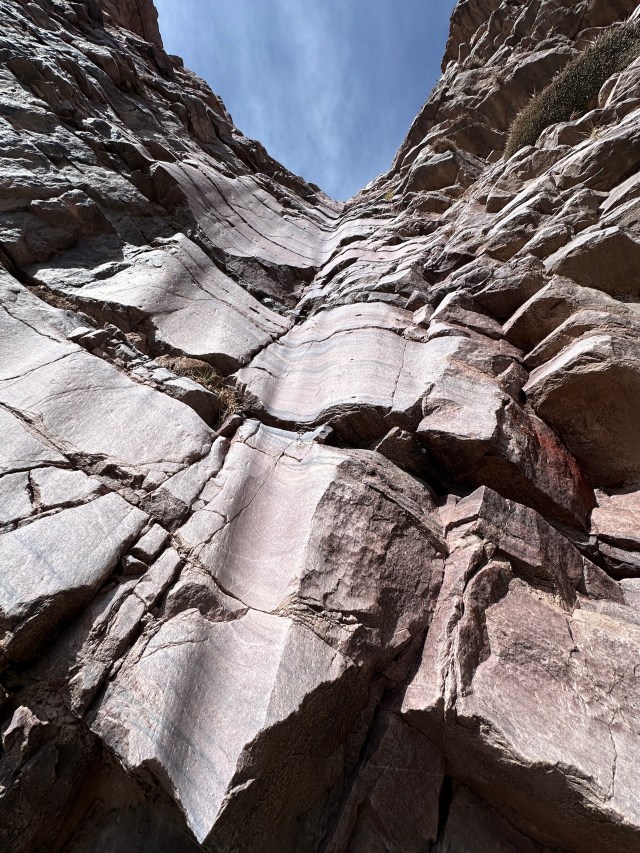
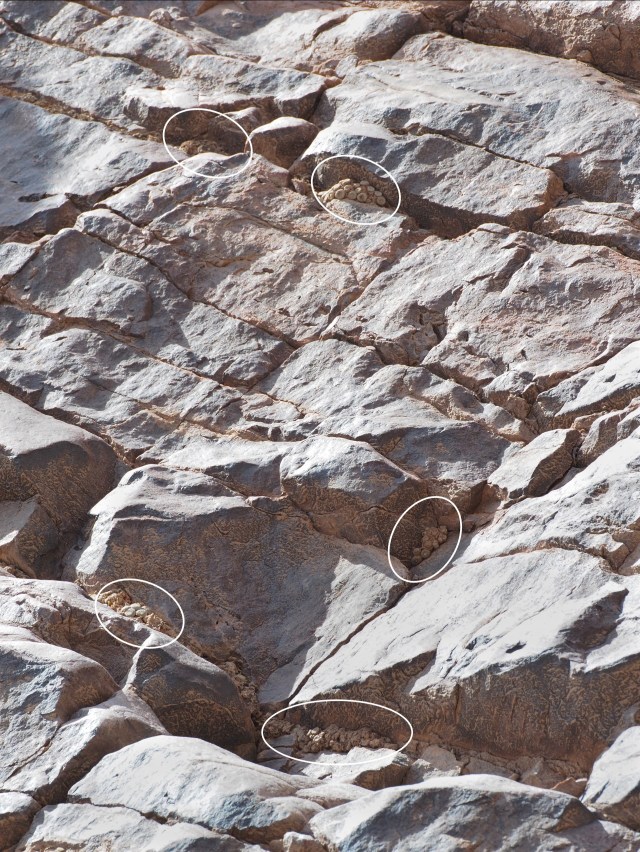
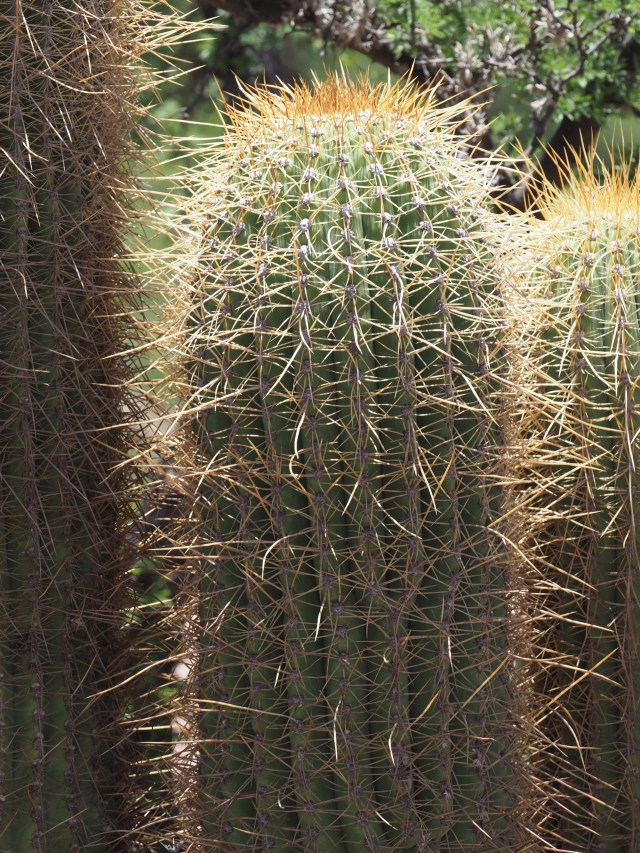
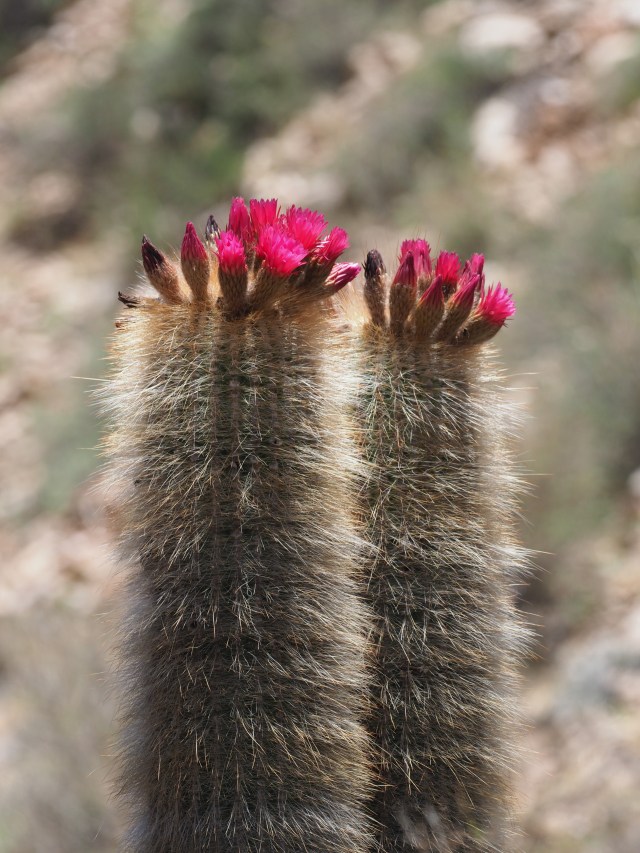
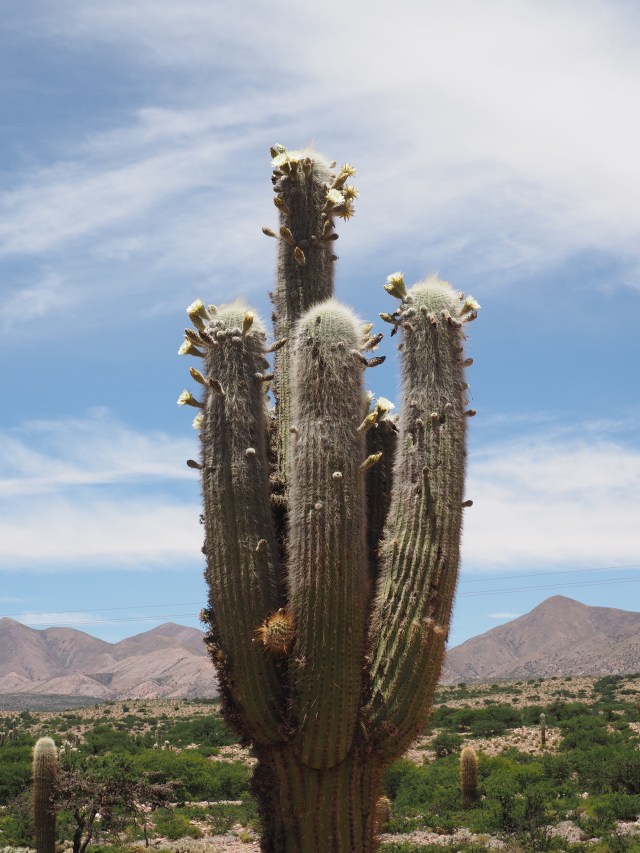
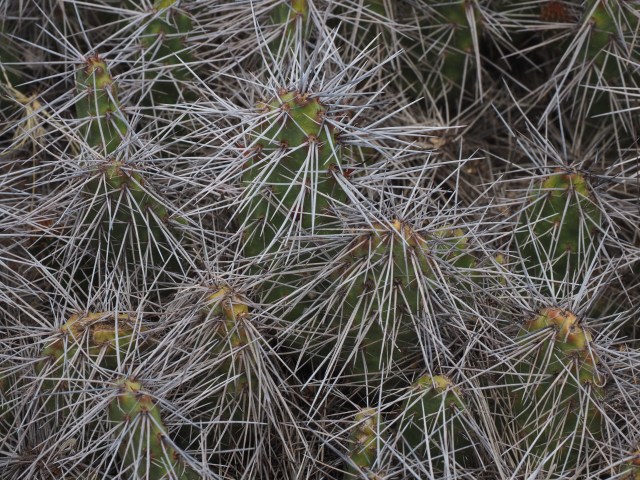
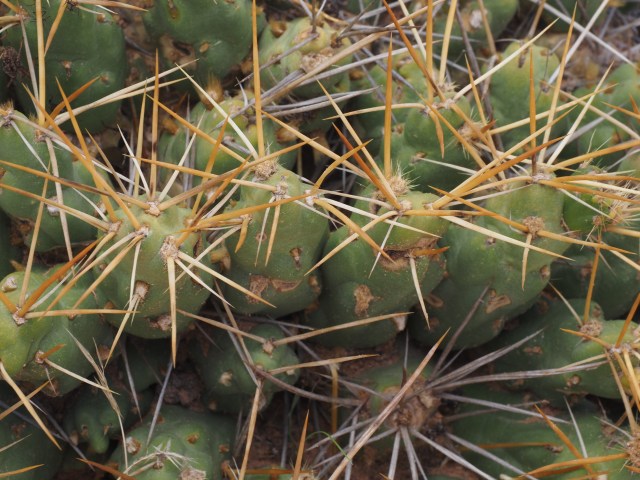
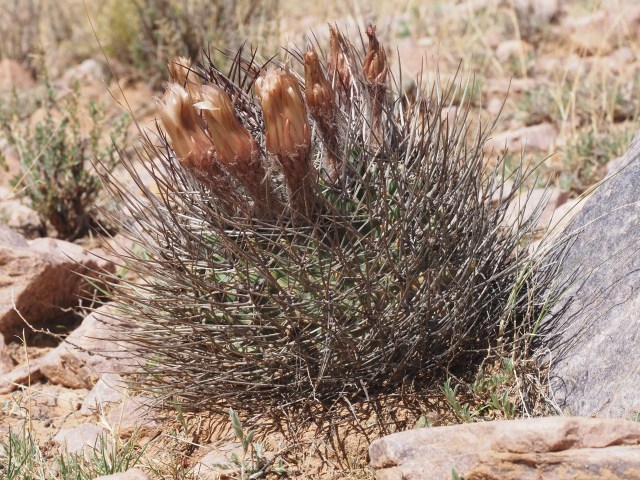
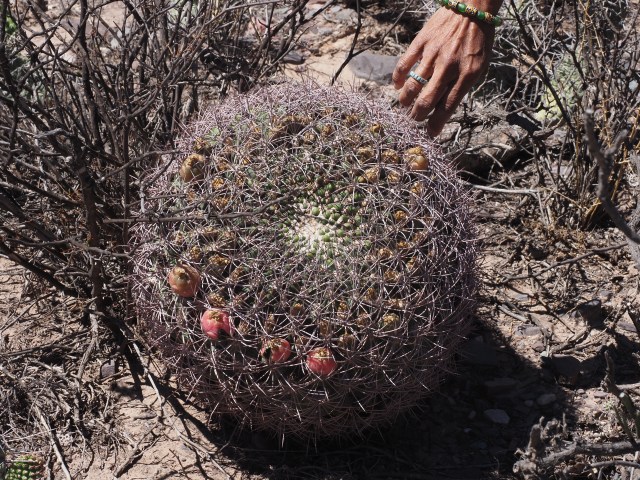
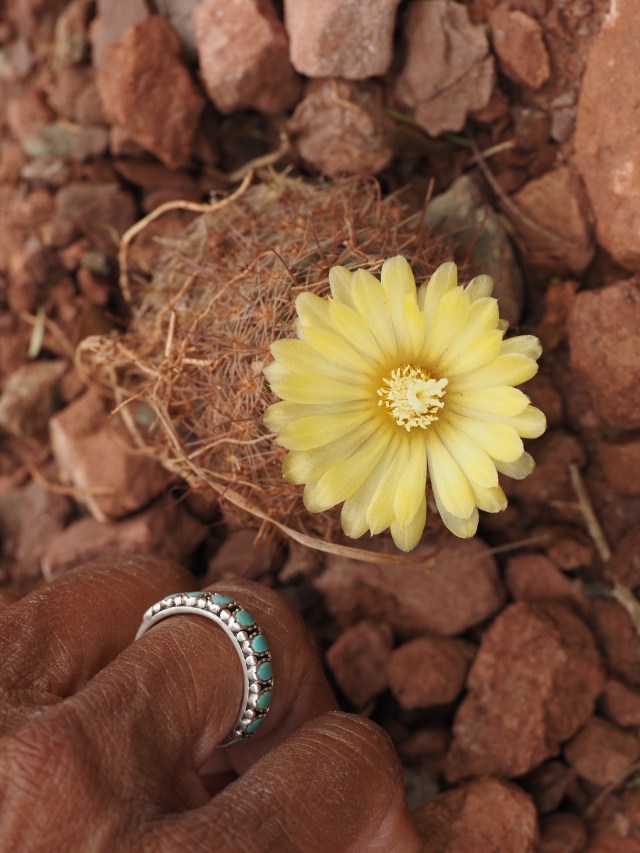
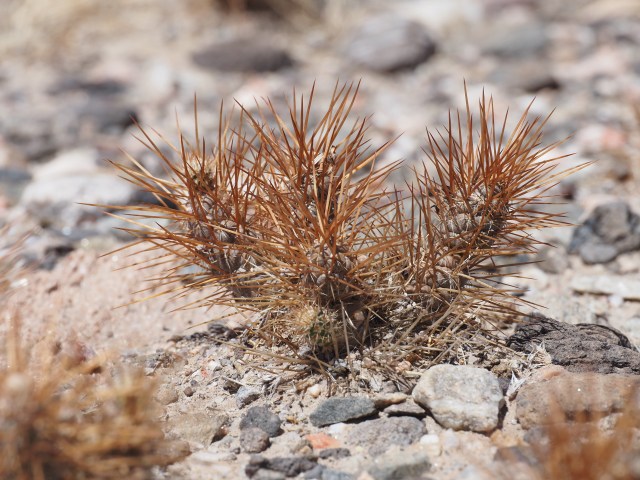
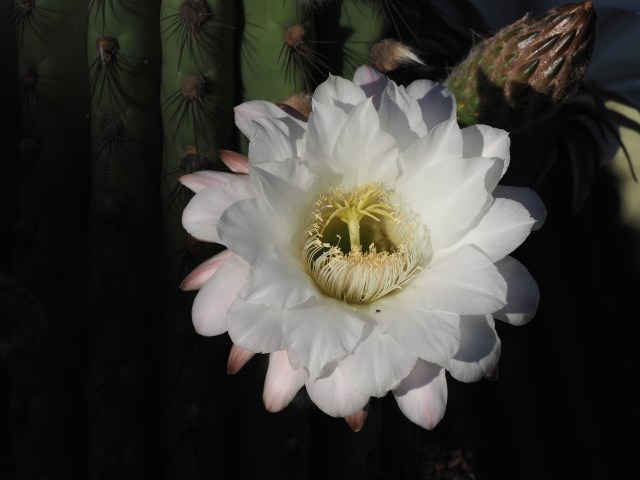
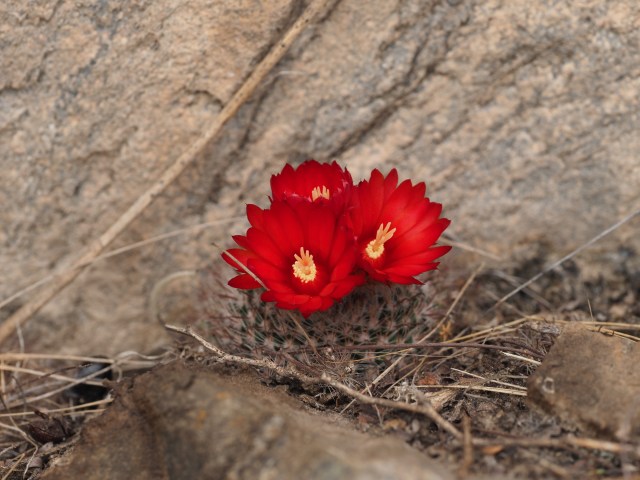
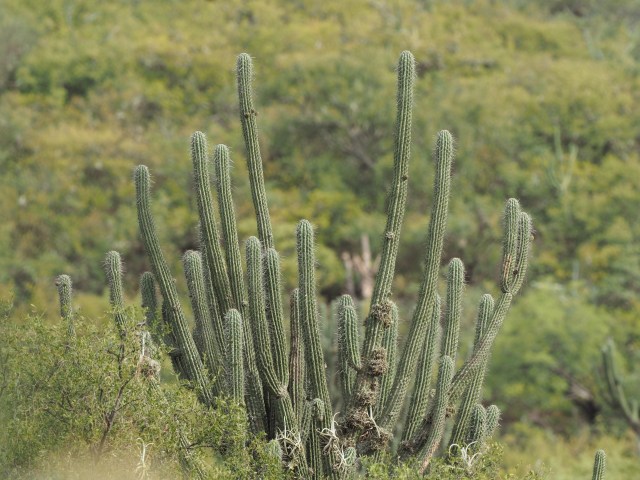
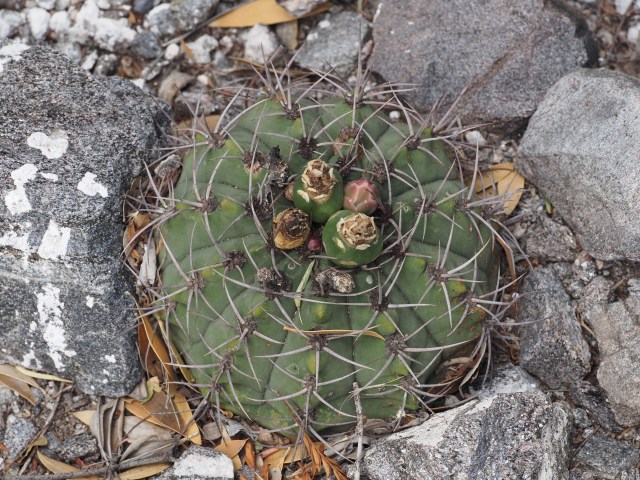
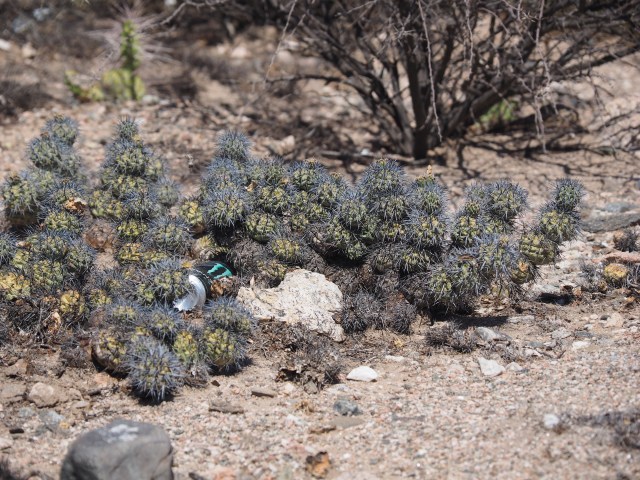
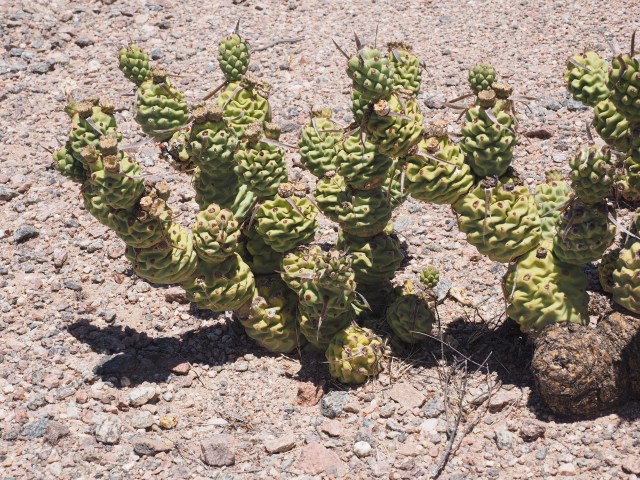
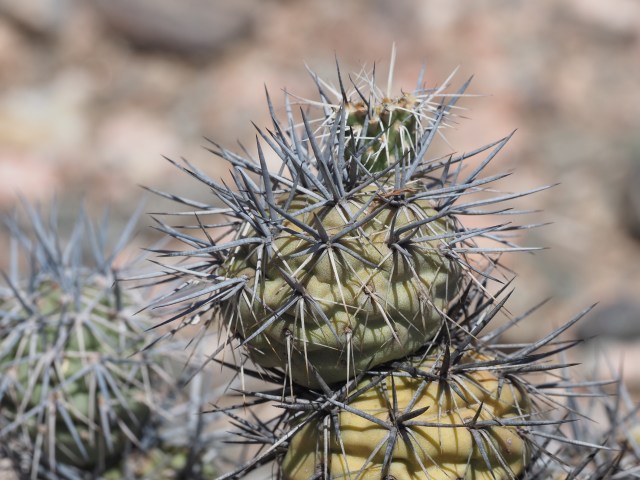
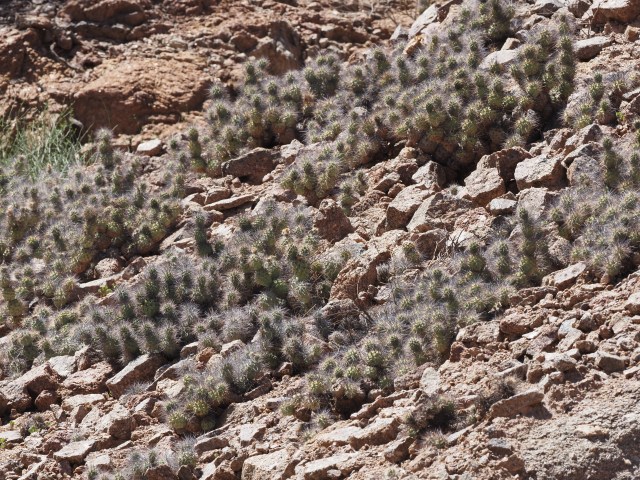
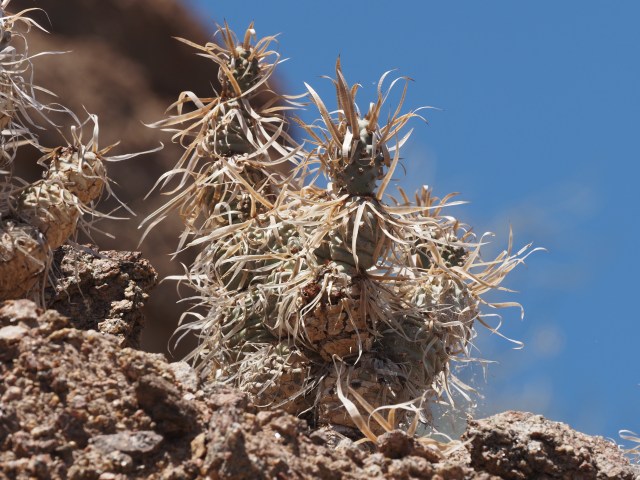
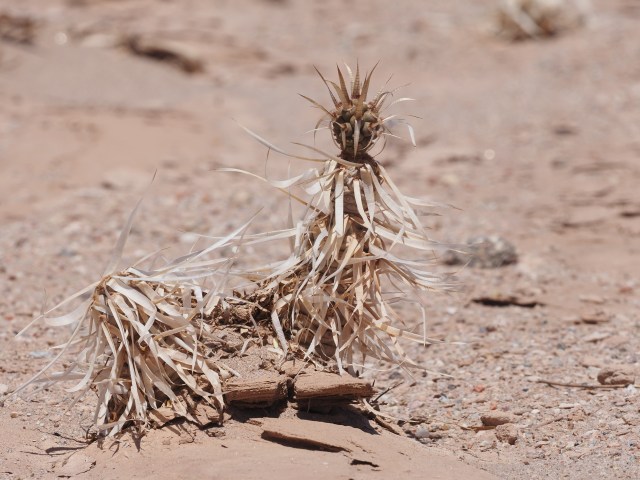
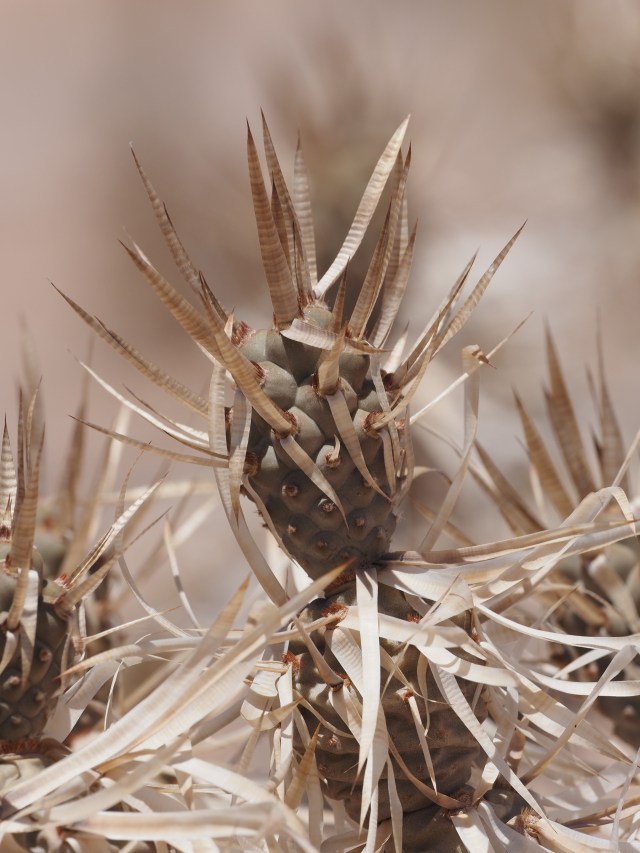
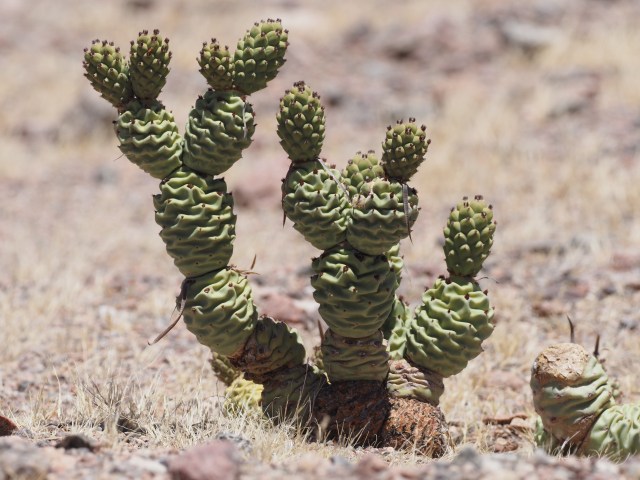
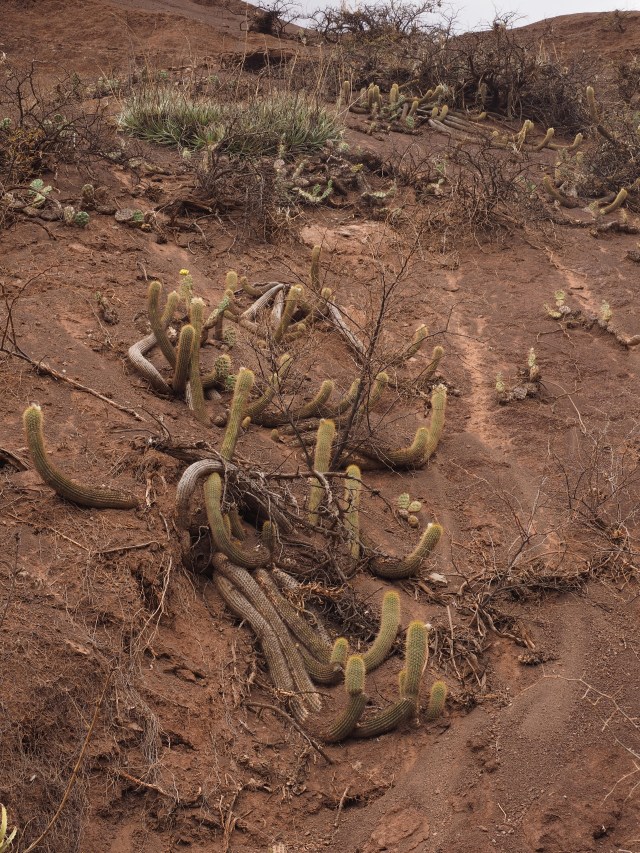
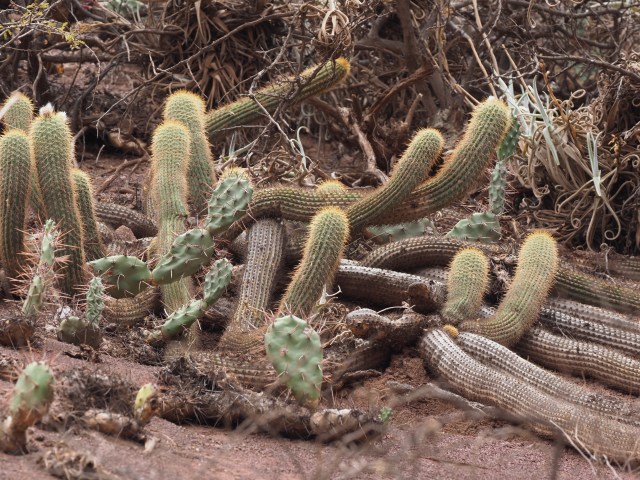
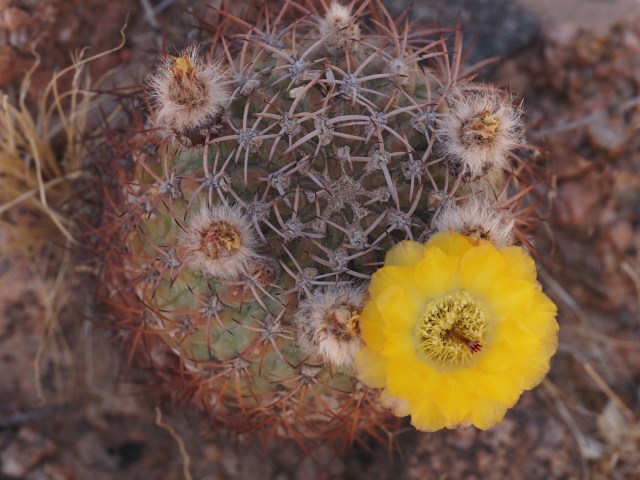
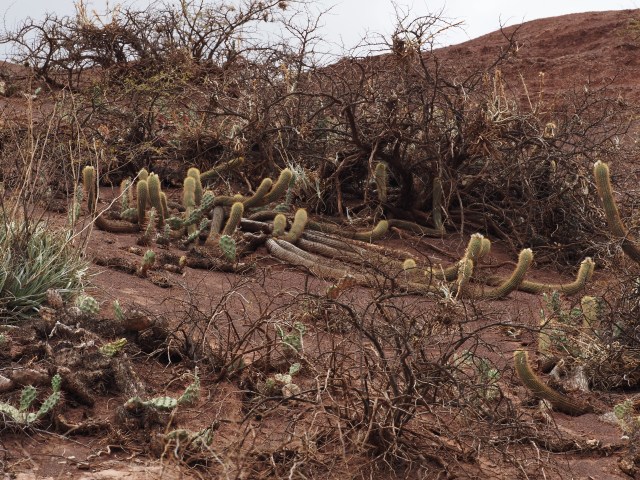
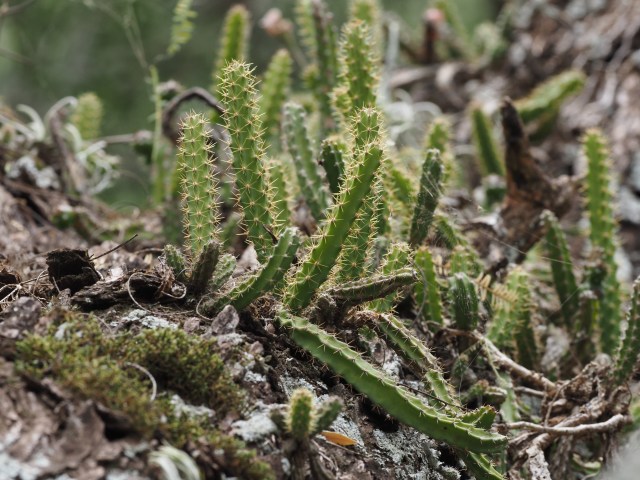
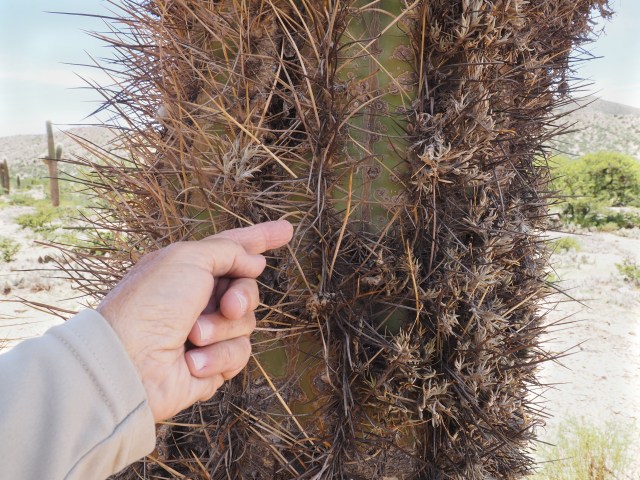
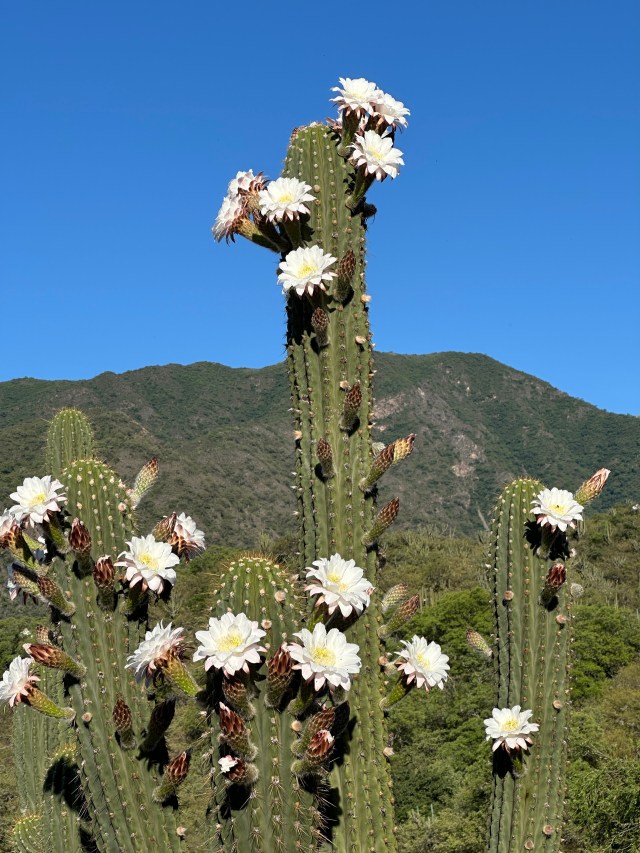
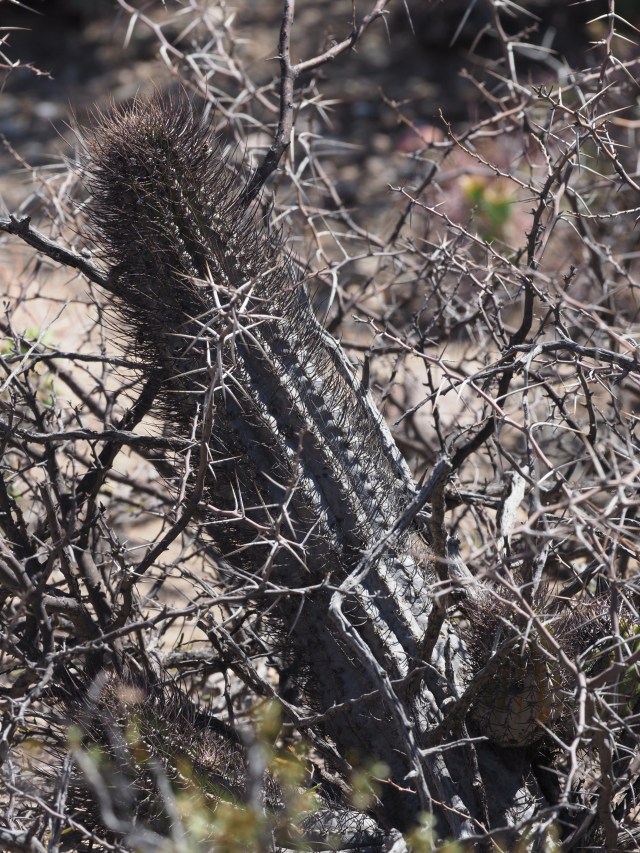
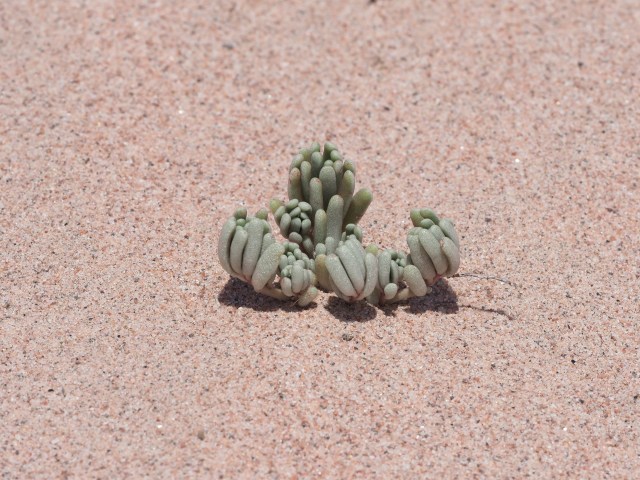
A gallery of cacti images is shown below. Yes, we have had an interest in cacti and succulents for many decades, so it biases where we travel. Northwestern Argentina has a great variety of cacti, both large and small. The largest columnar cacti are Trichocereus, roughly similar in size to the North America Saguaro, while there are many mid- and small-sized cacti. We even saw in one location the smallest reputed cacti species, Blossfeldia liliputana. The images below don’t illustrate all the cacti species we saw. To see what we saw and where we made the observations you can go to Rosario’s iNaturalist page. To see just the cacti, as well as their tentative ID’s go to: this iNaturalist page.
Click on any image below to start a slide sequence and to start reading text explaining each slide.































Epiphytes
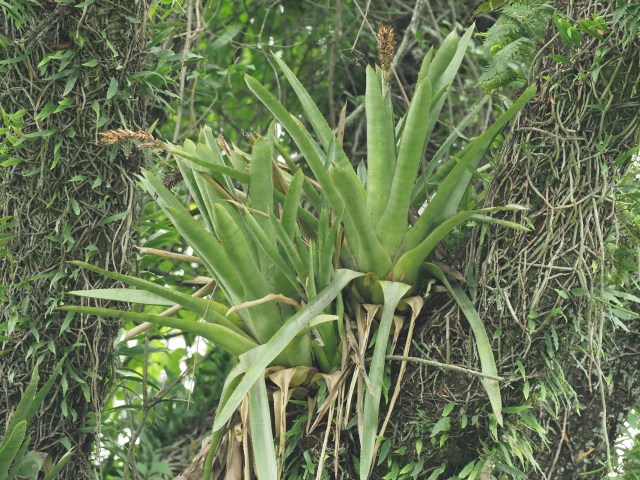
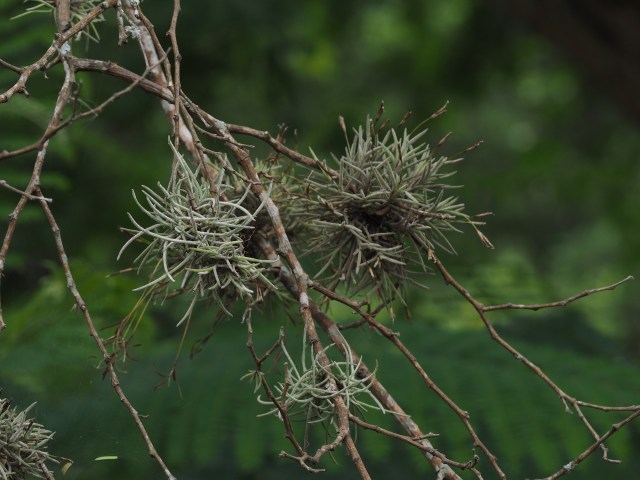
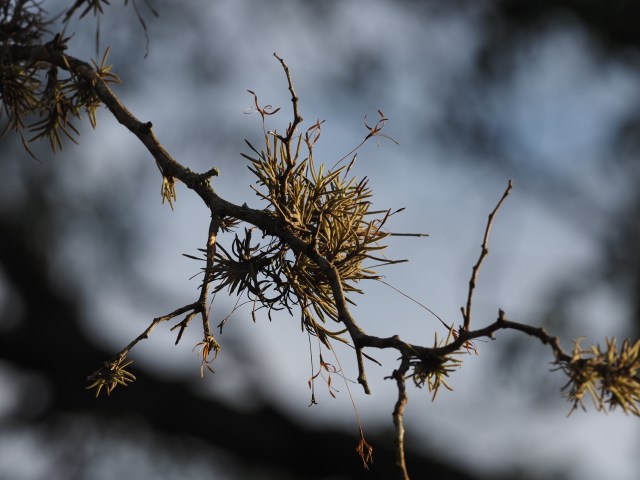
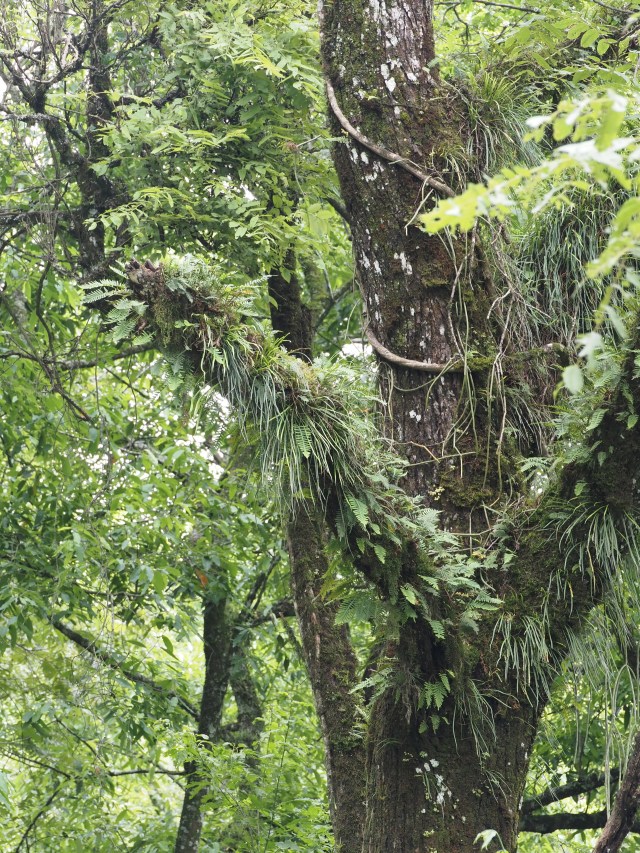
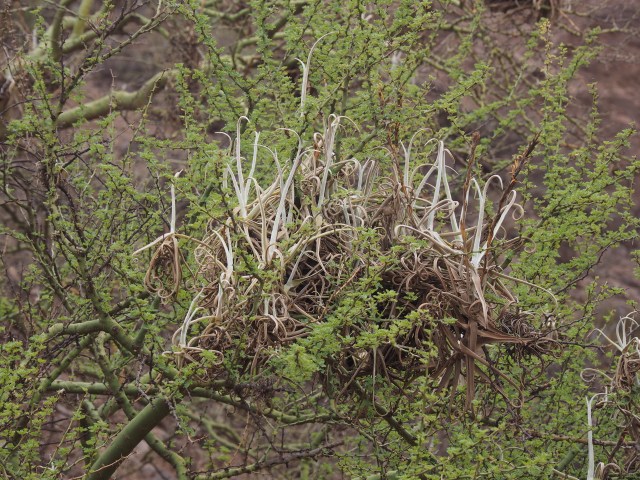
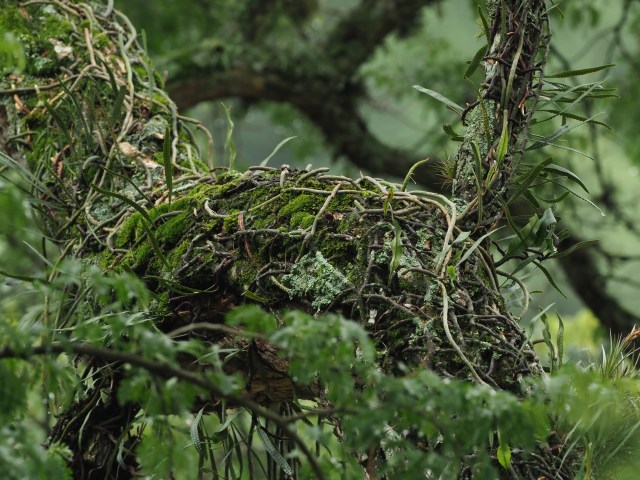
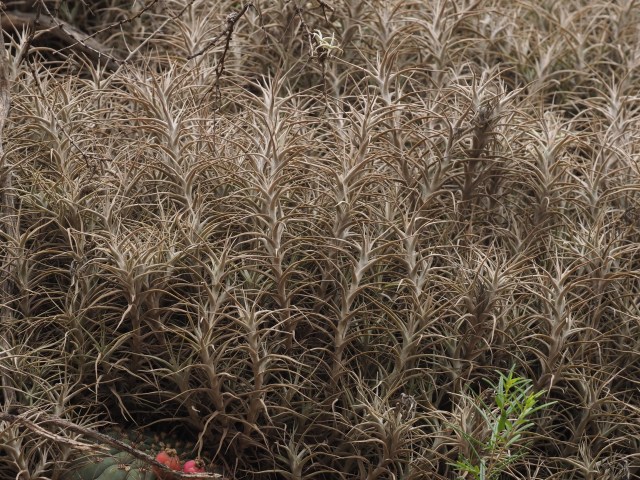
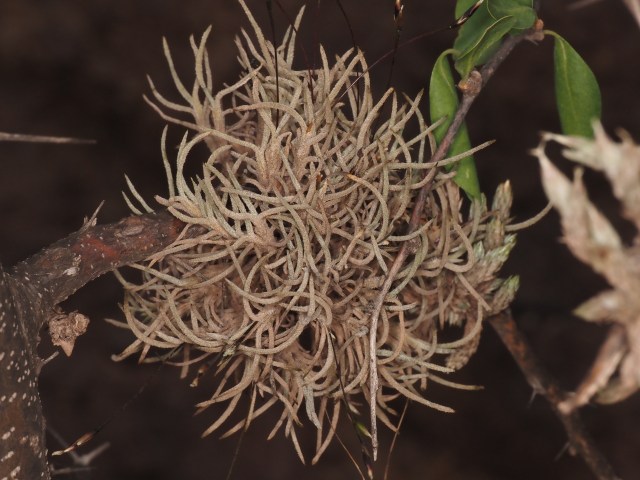
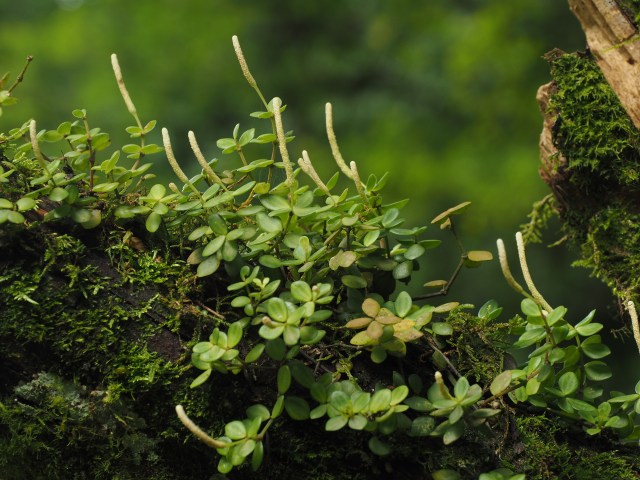
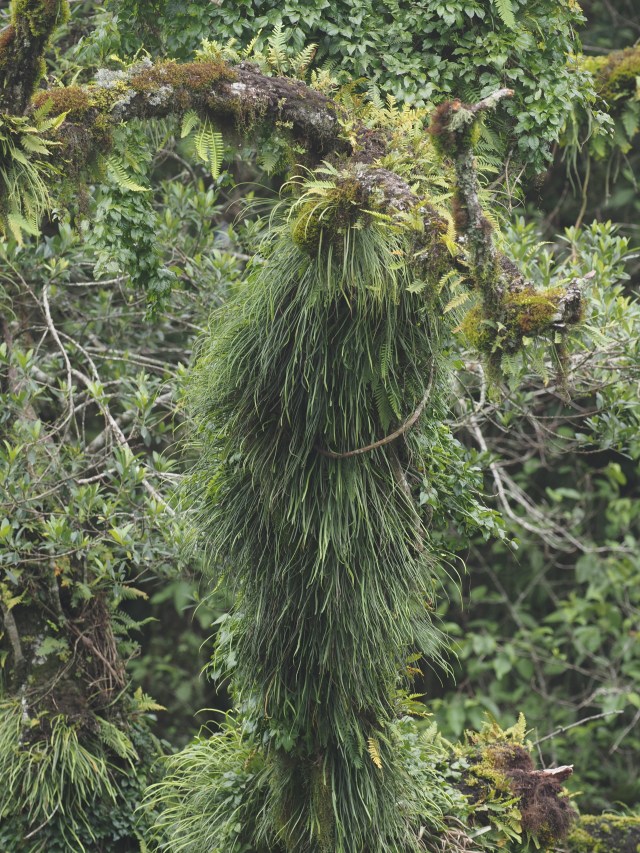
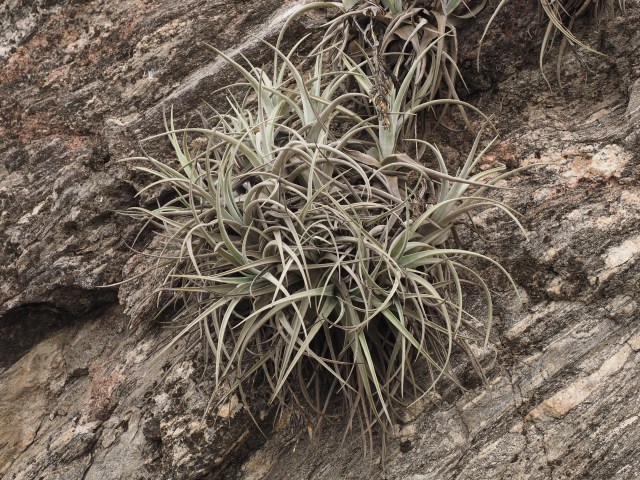
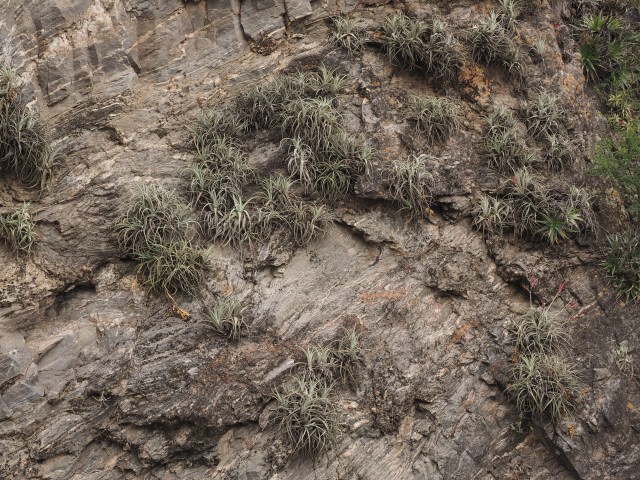
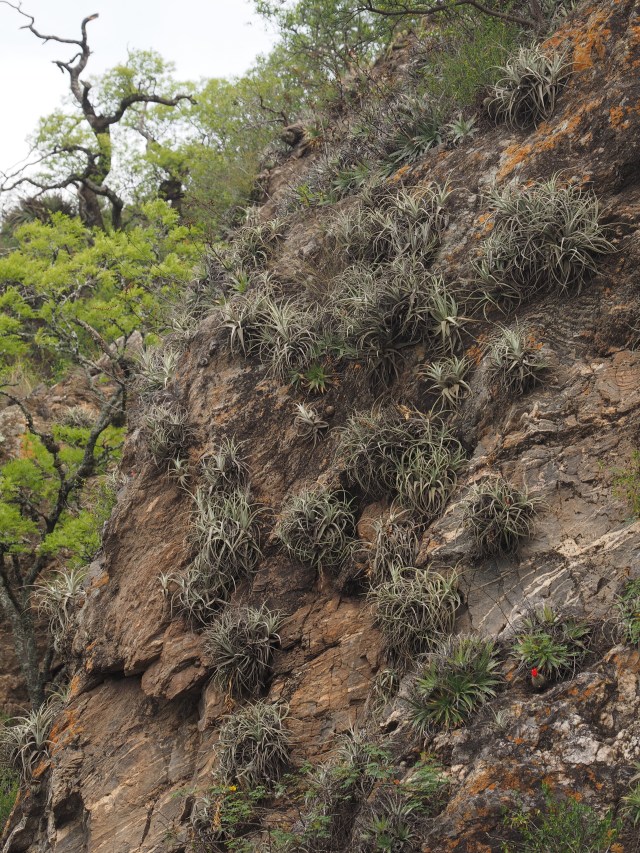
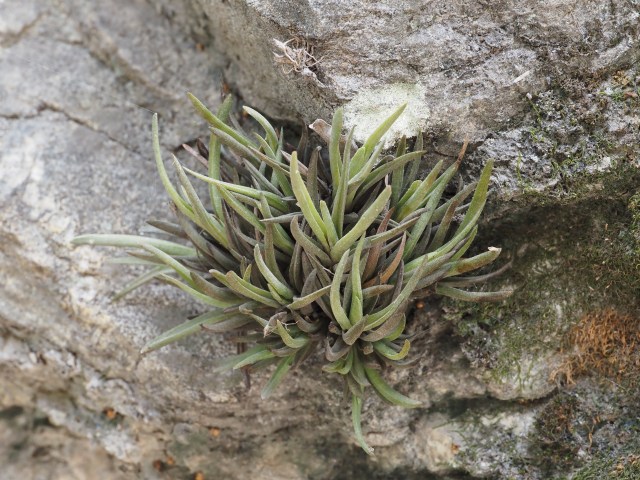
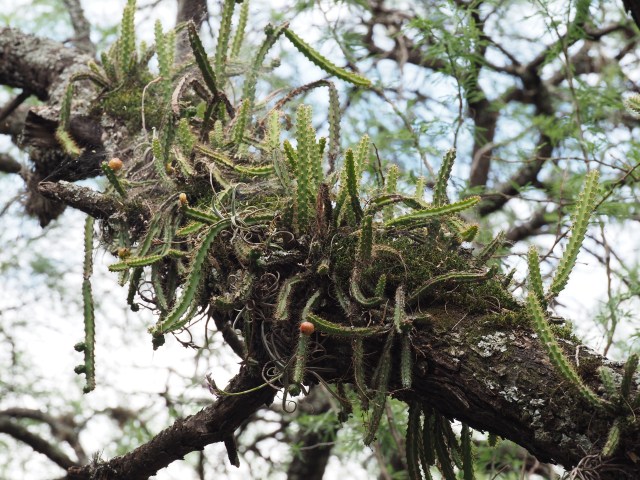
Epiphytes, plants (or lichens) that grow on other plants, are, to visitors from higher latitudes, one of the more apparent features of the wet tropics as they are rarely found in climates where freezing conditions occur. In rainforests, most epiphytes are found in the high canopy – where there is more available light. Unfortunately, visitors to rainforests often have a hard time seeing epiphytes close up, since they are far up. In northwestern Argentina the trees are not nearly as tall and many epiphytes are more adapted to dry conditions and are more accessible. In addition, steep rock faces are also suitable habitats for many epiphytes – in which case they are called lithophytes.
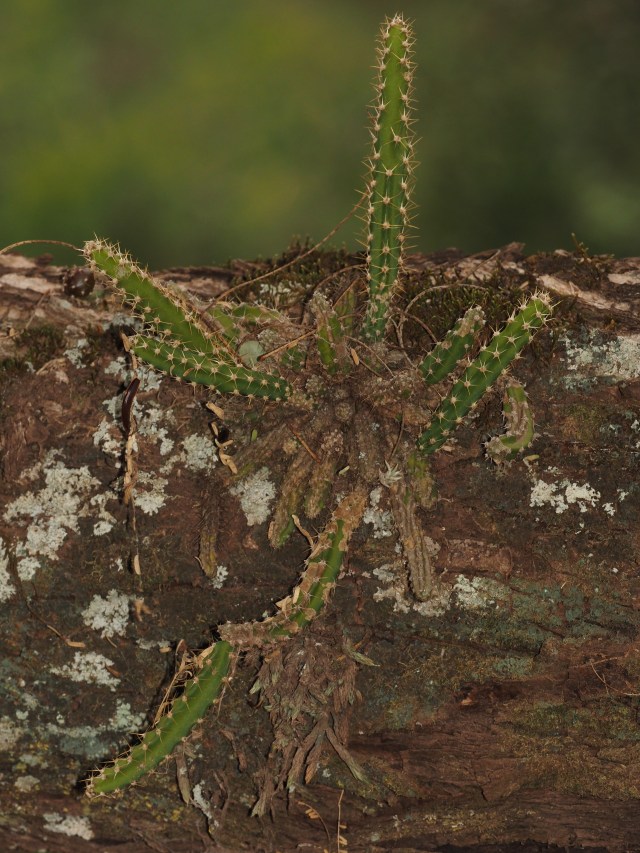
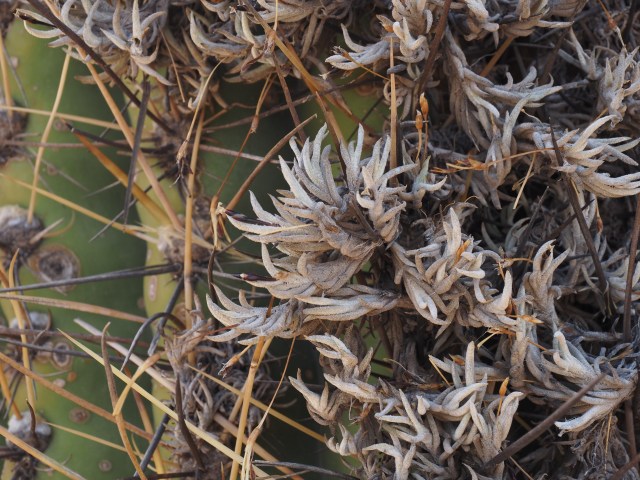
Most of the epiphytes in Argentina are members of the bromeliad family, belonging to the genus Tillandsia. Tillandsia are found throughout the Americas – from the southern US to central Argentina. Most are found in dry areas. A few species are found in the Atacama desert of Peru and Chile where they subsist on fog drip rather than conventional rainfall. There are a few epiphytic cactus found in Argentina – after all, growing on a tree trunk is a very dry environment most of the time!
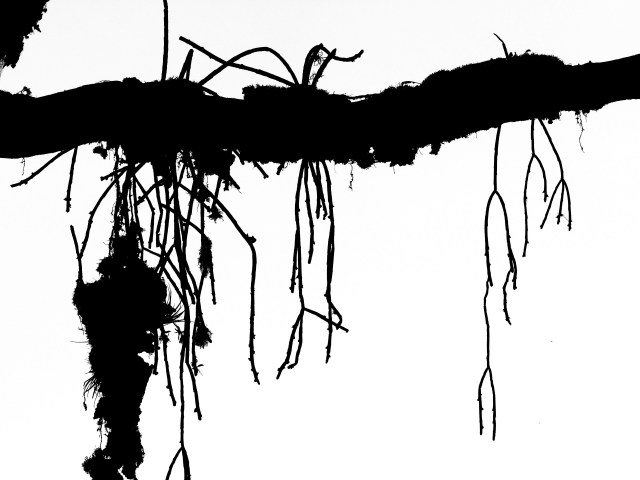
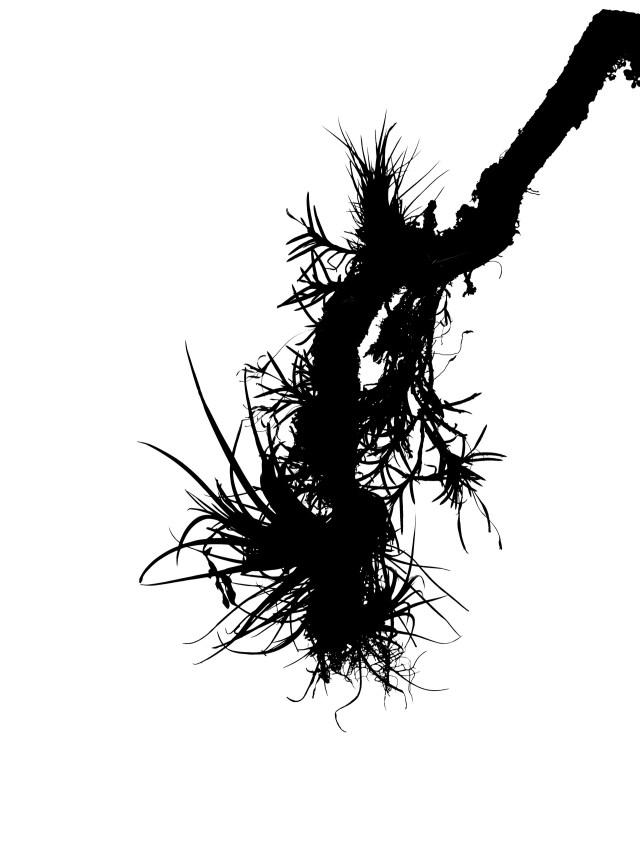
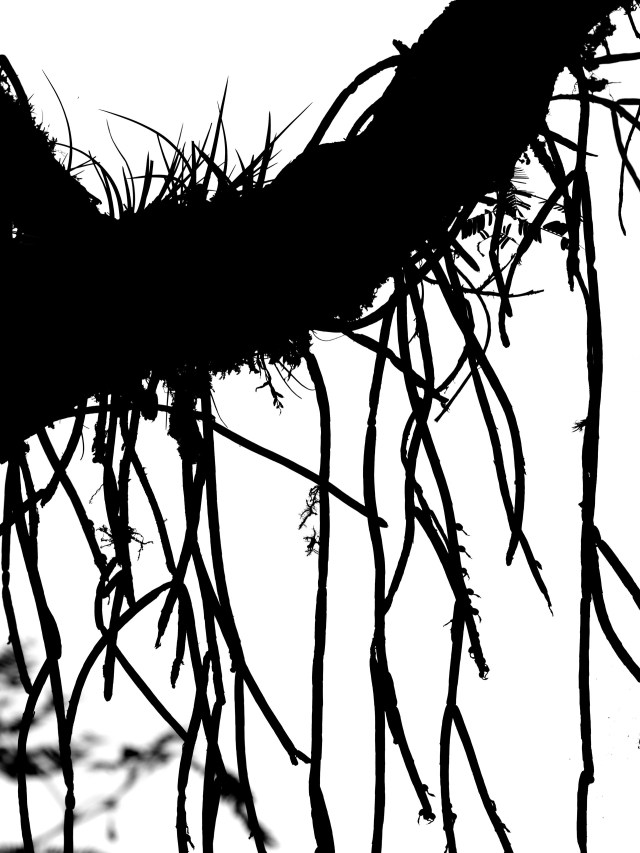
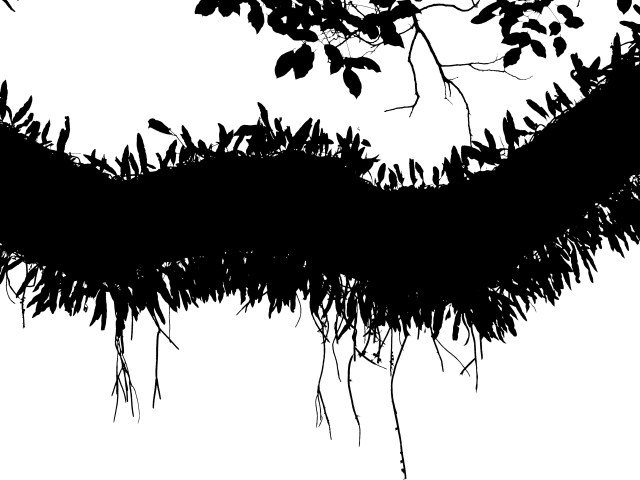
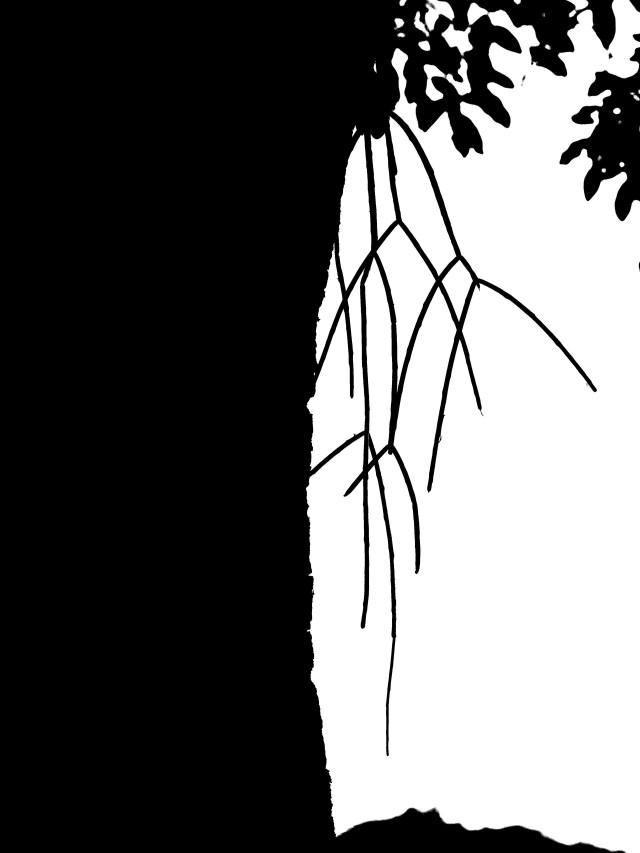
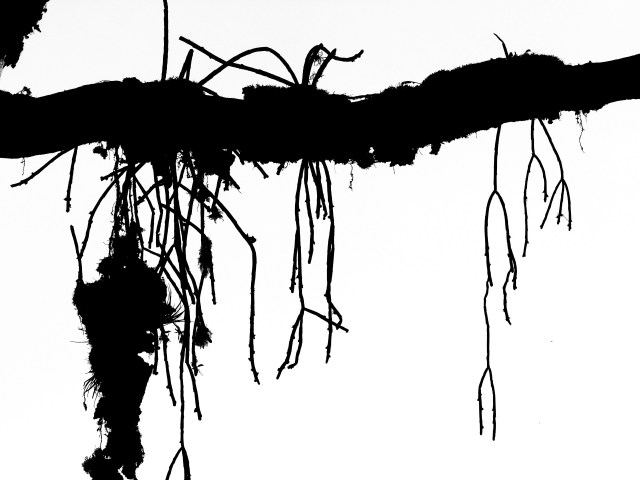
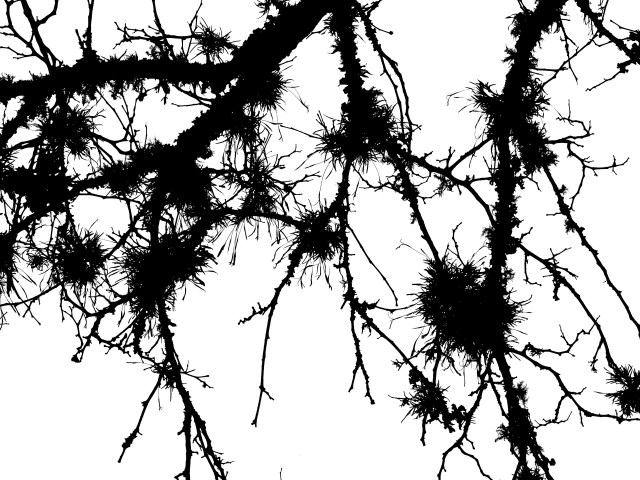
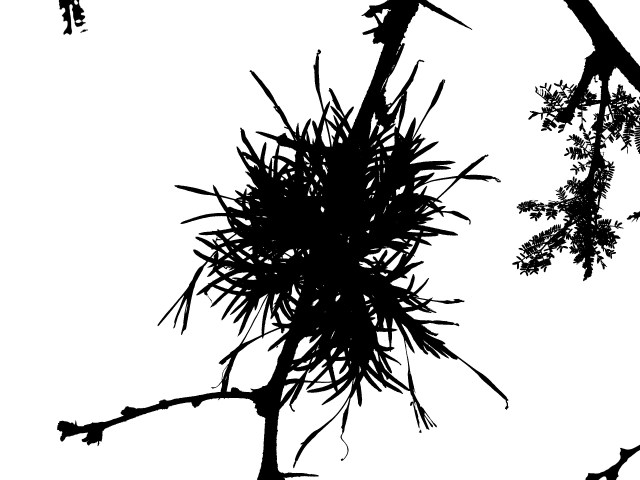
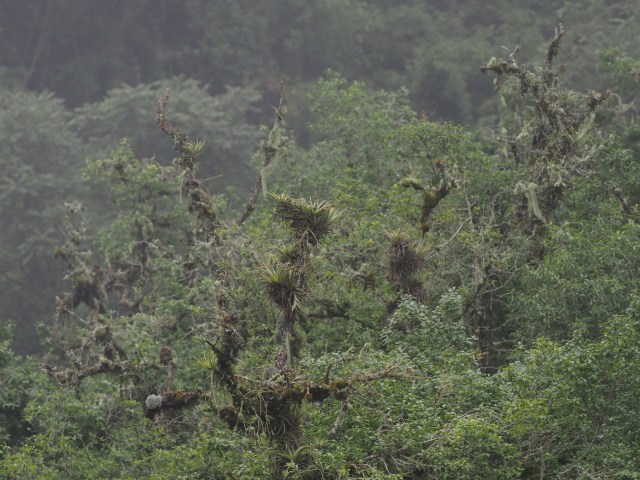
Silhouettes of epiphytes
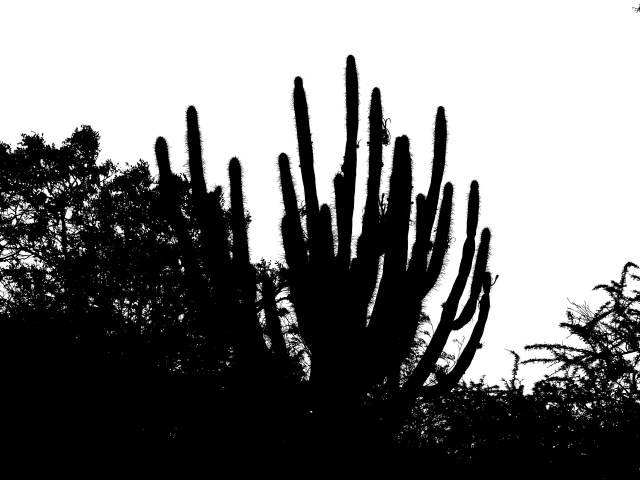
Below are silhouettes created from regular color images of epiphytes that we saw. This is done by greatly increasing the contrast of the images and removing the color saturation. Often, a silhouette is what you see – when looking up towards a bright overcast sky. So silhouettes are a good educational tool to learn to identify some of the types of epiphytes at a distance. Click on any image below to start a slide sequence and to start reading text explaining each slide.



SOME EPIPHYTIC PLANTS
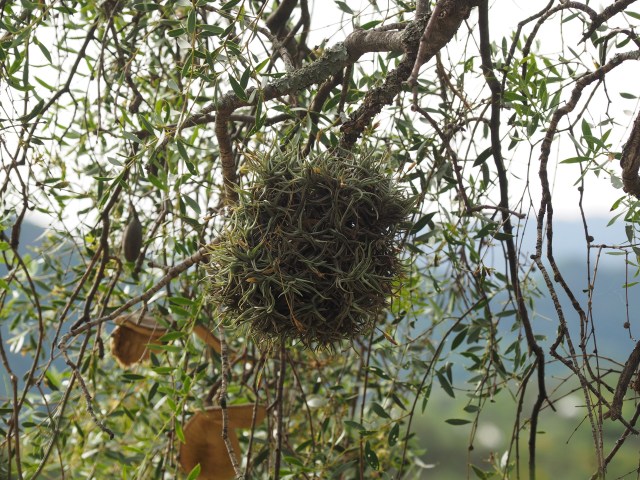
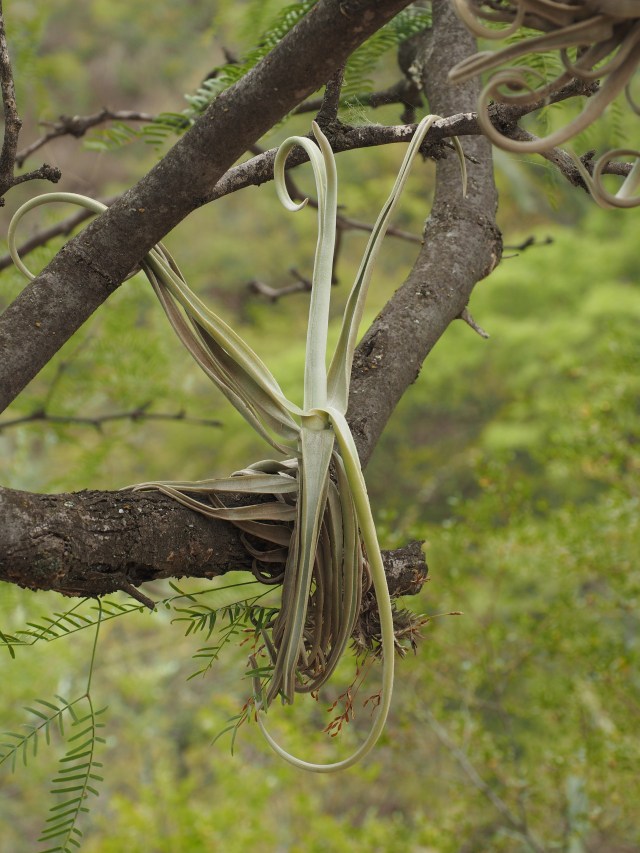
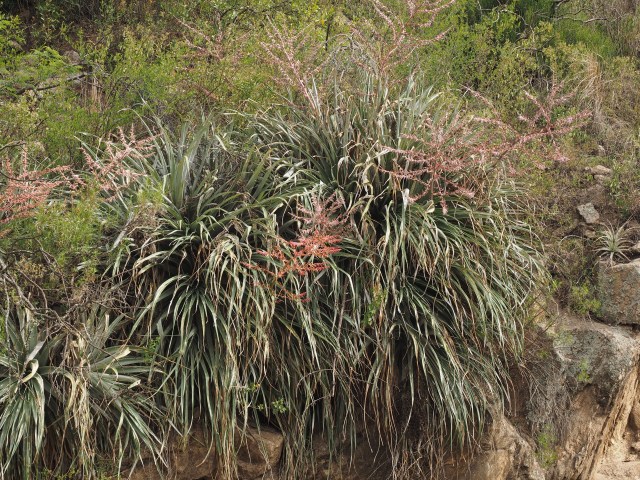
Images of various epiphytic plants seen on our travels in northwestern Argentina are shown in the gallery below. Many remain to be identified by iNaturalist. We will add names when they appear. Our observations on iNaturalist of the Bromeliad family can be seen here. Click on any image below to start a slide sequence and to start reading text explaining each slide.


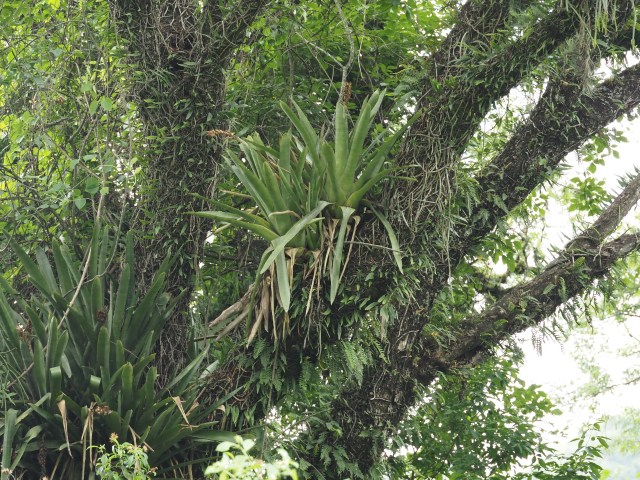
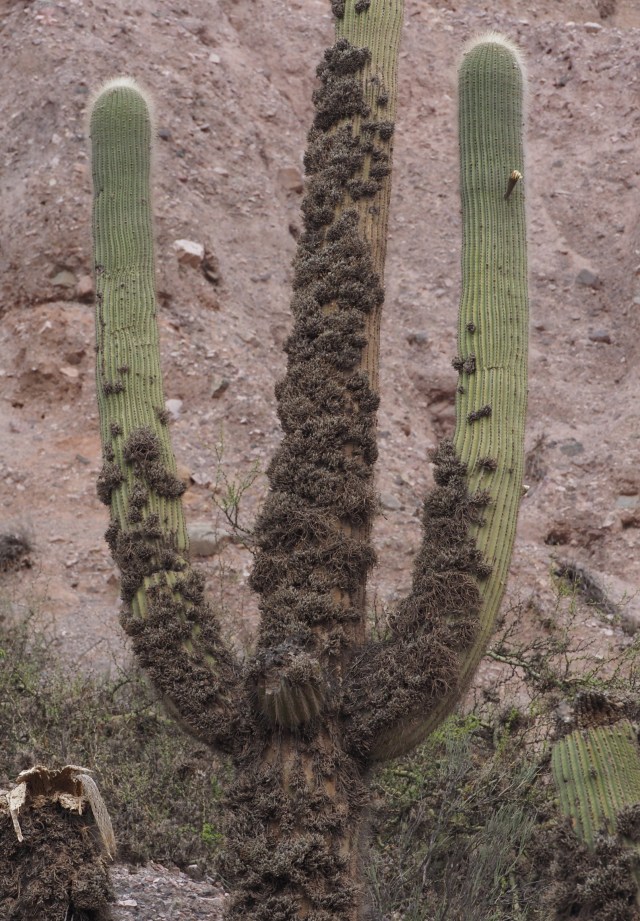

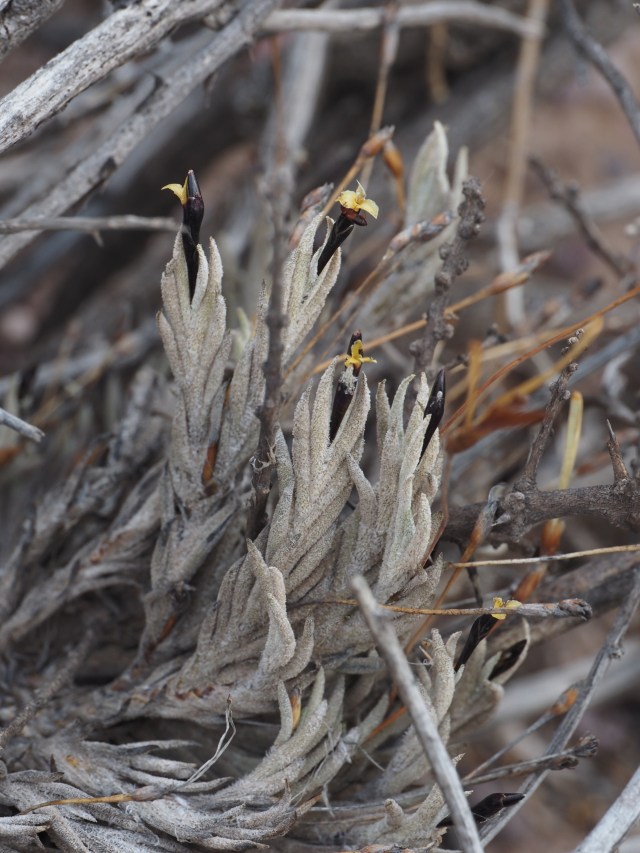
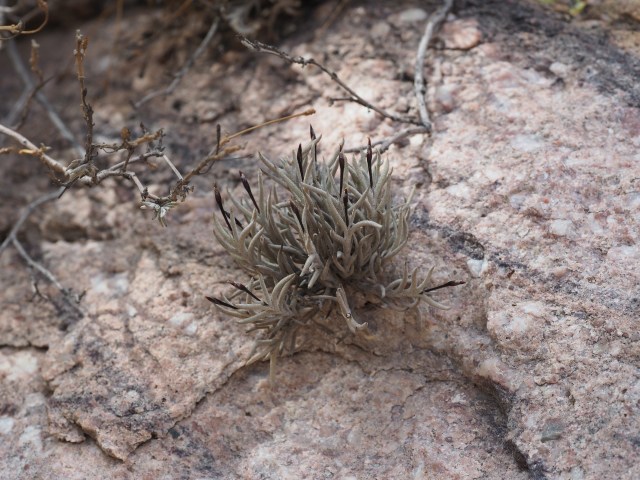












Birds
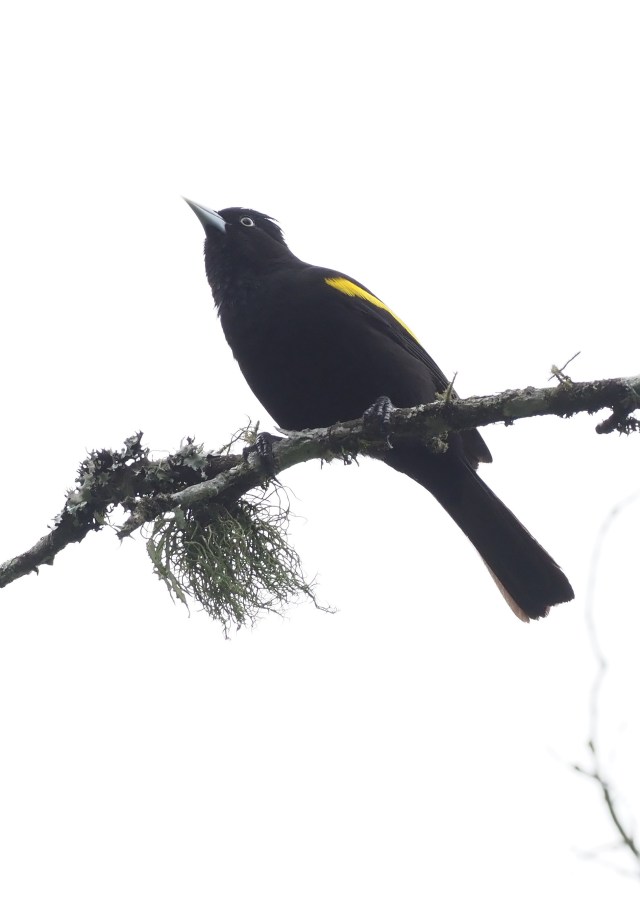
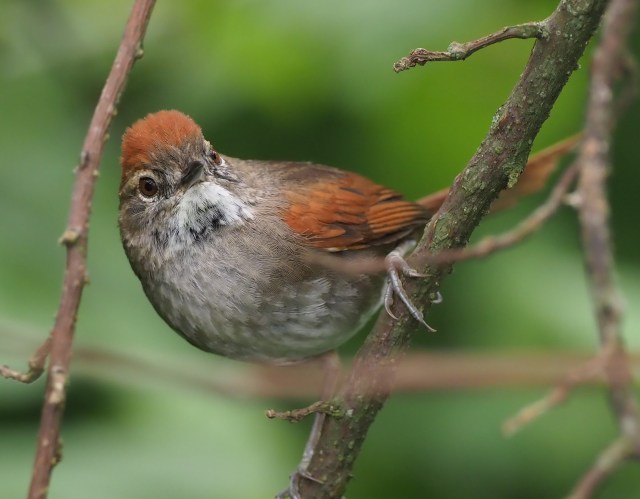
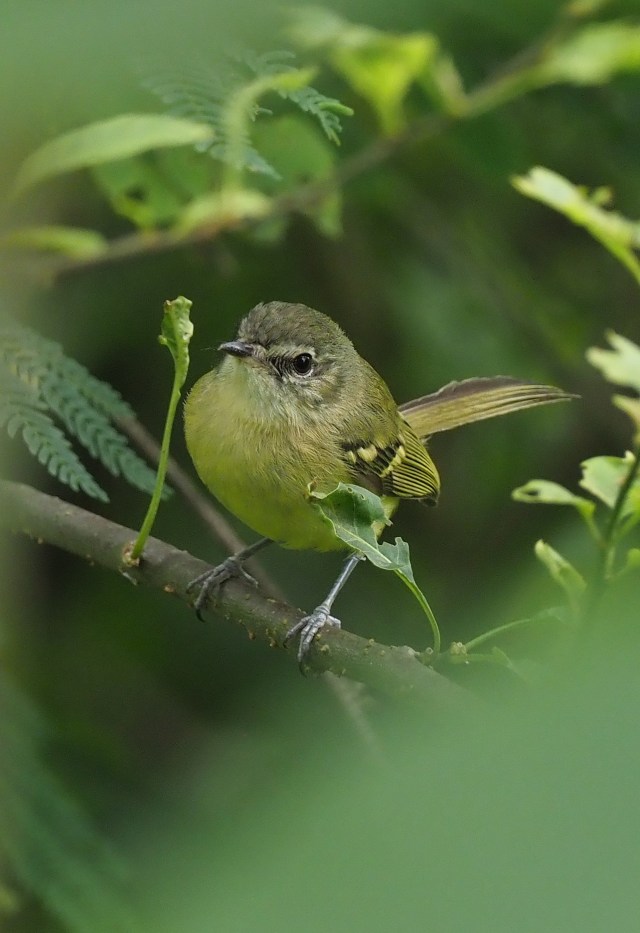
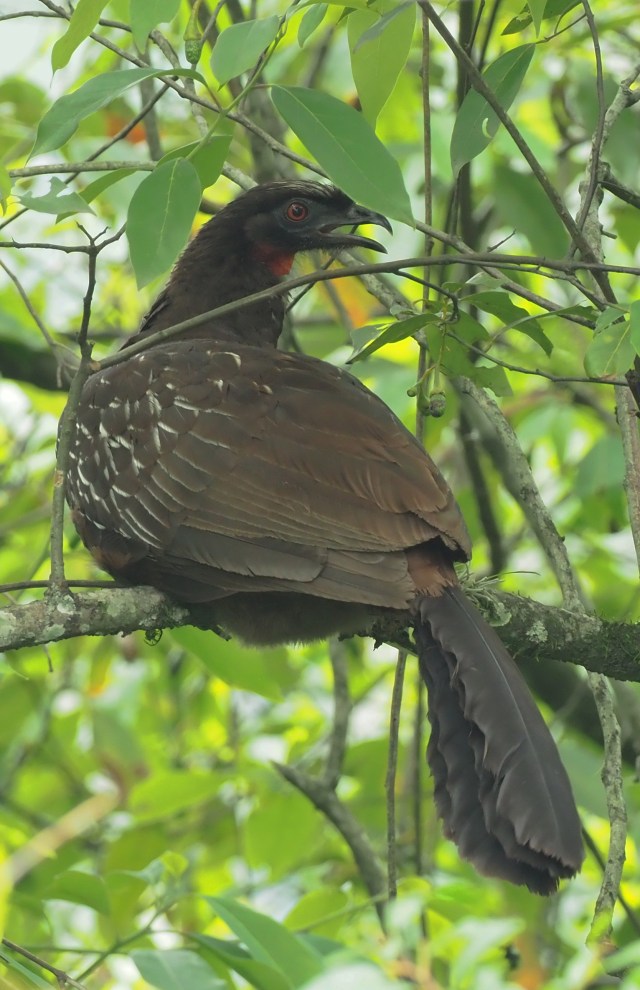
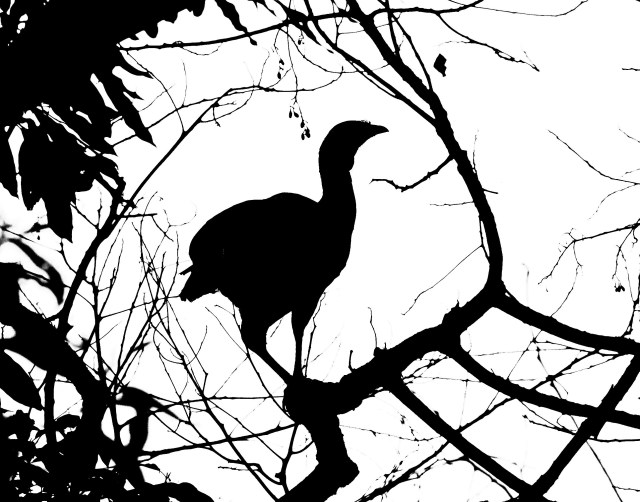
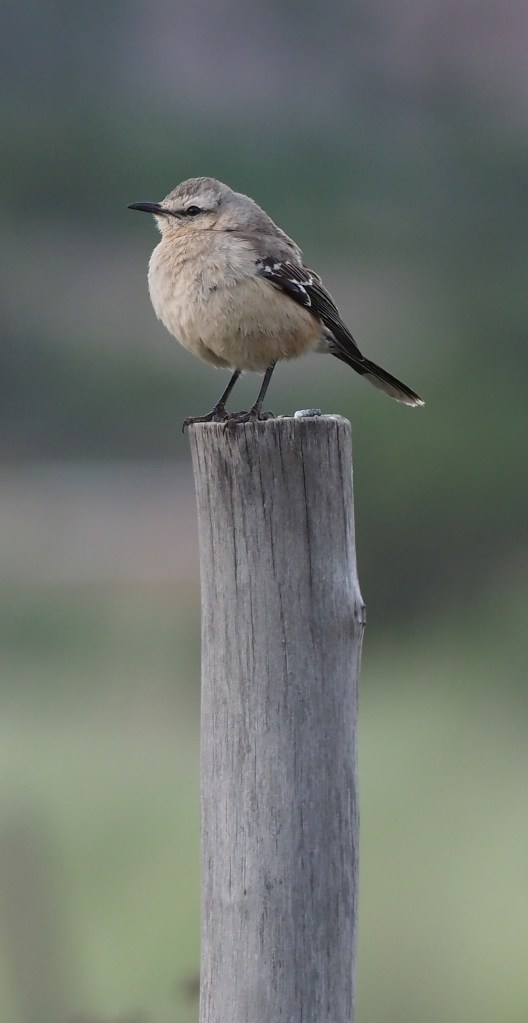
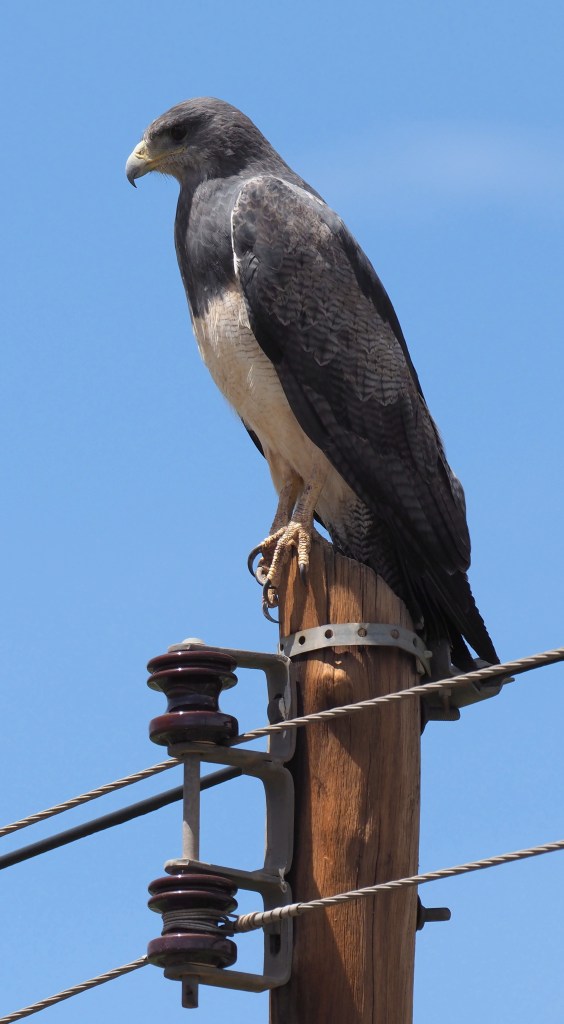
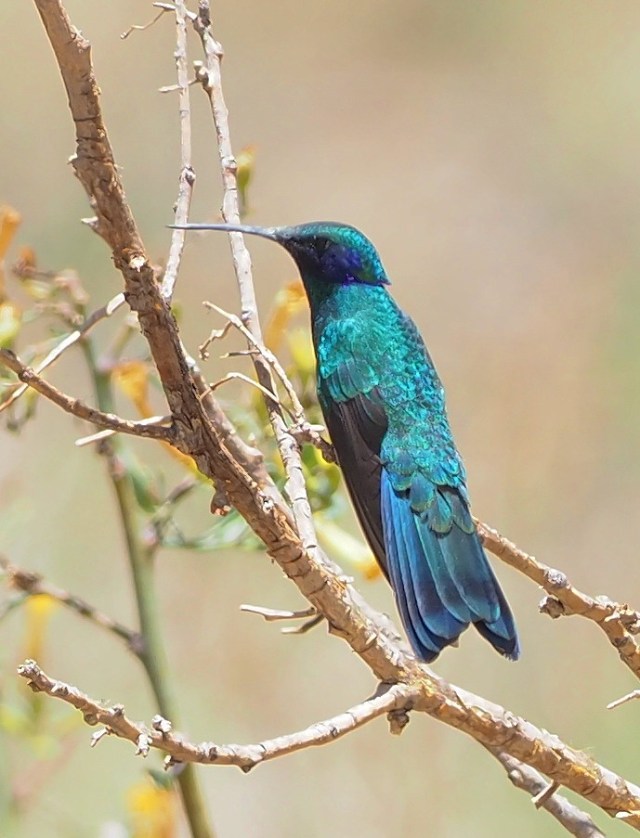
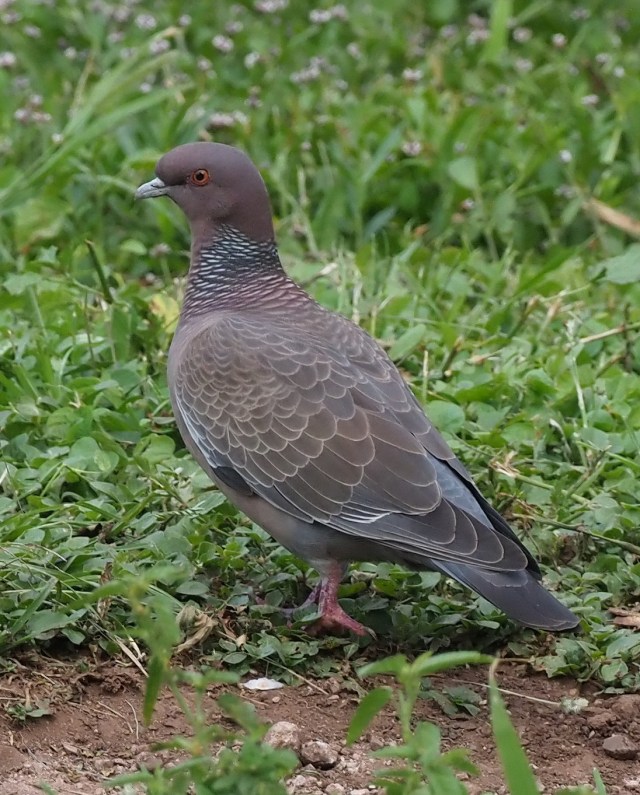
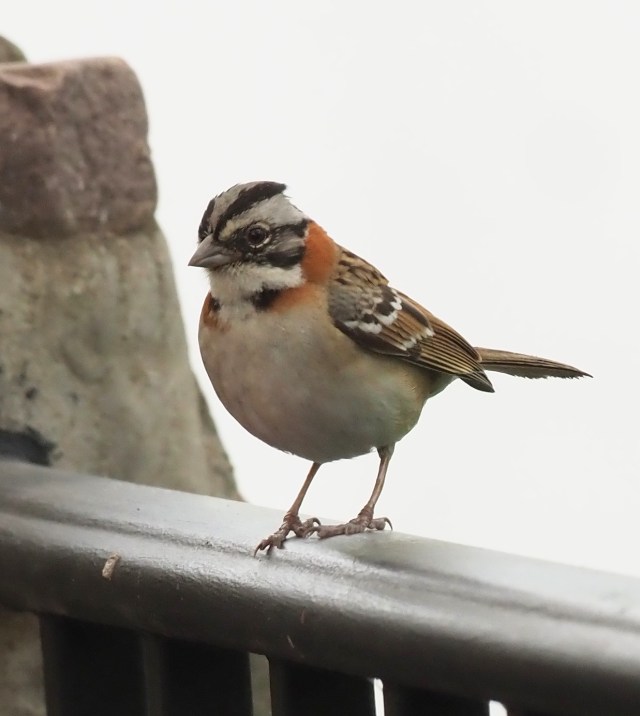
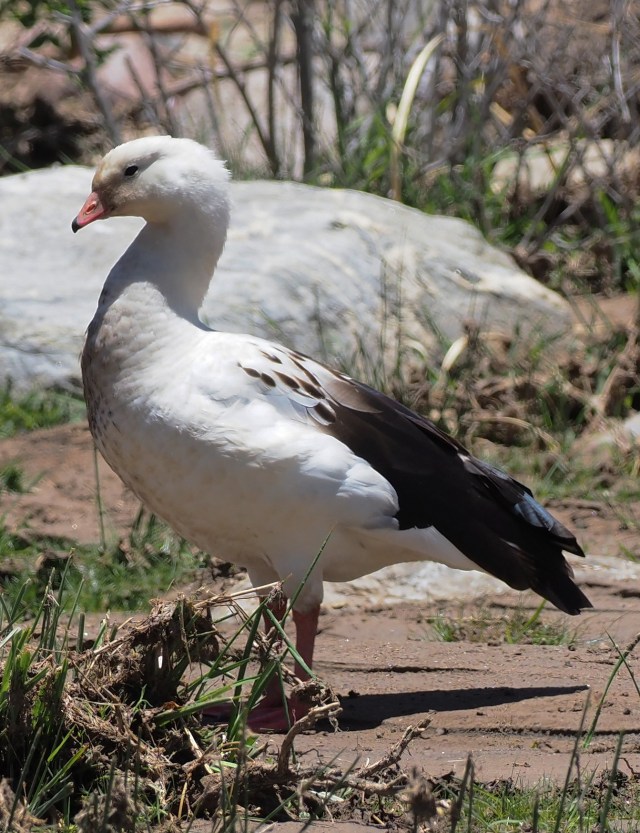
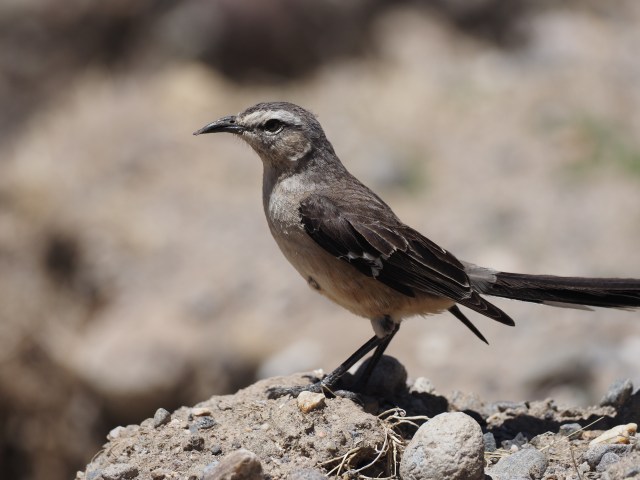
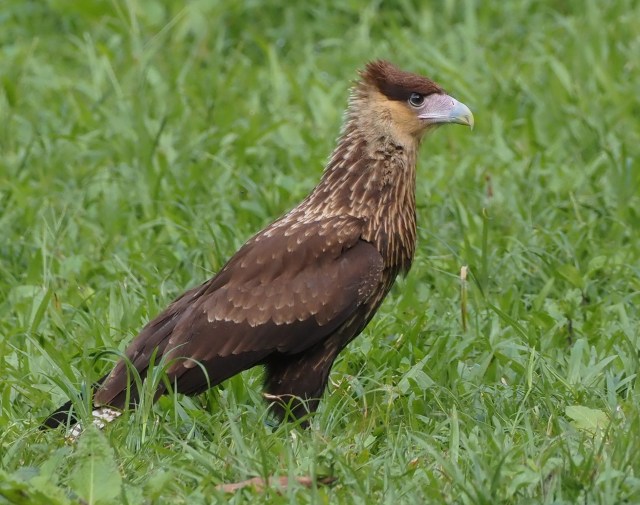
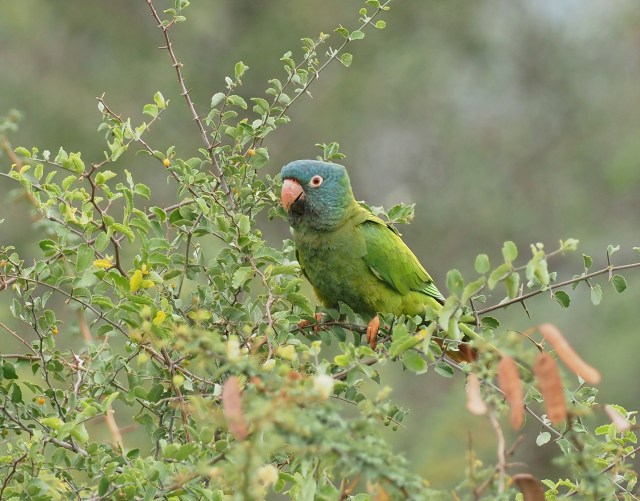
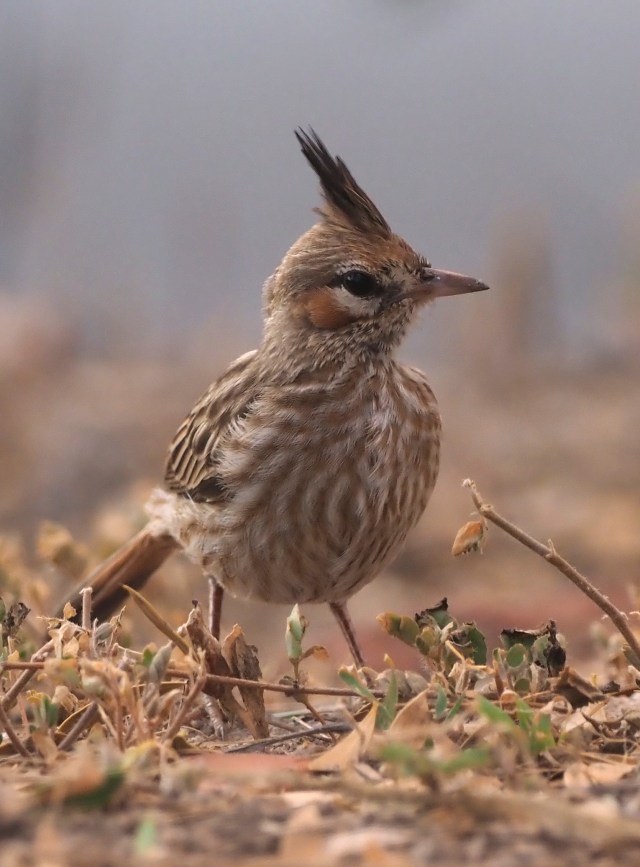
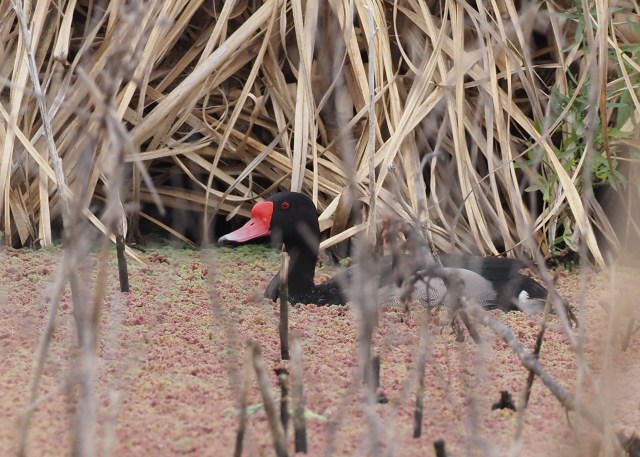
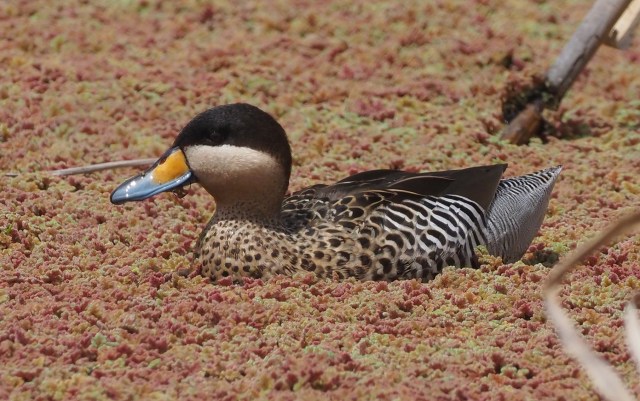
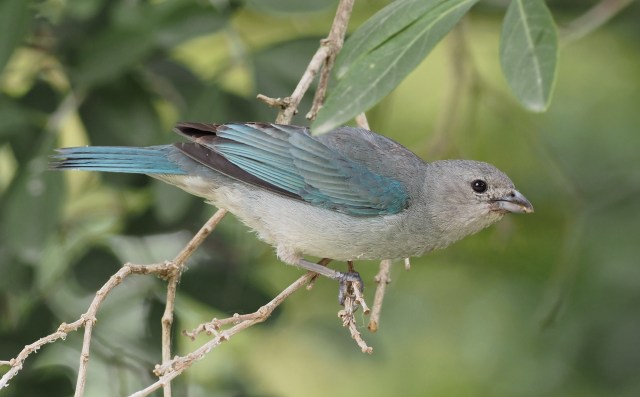
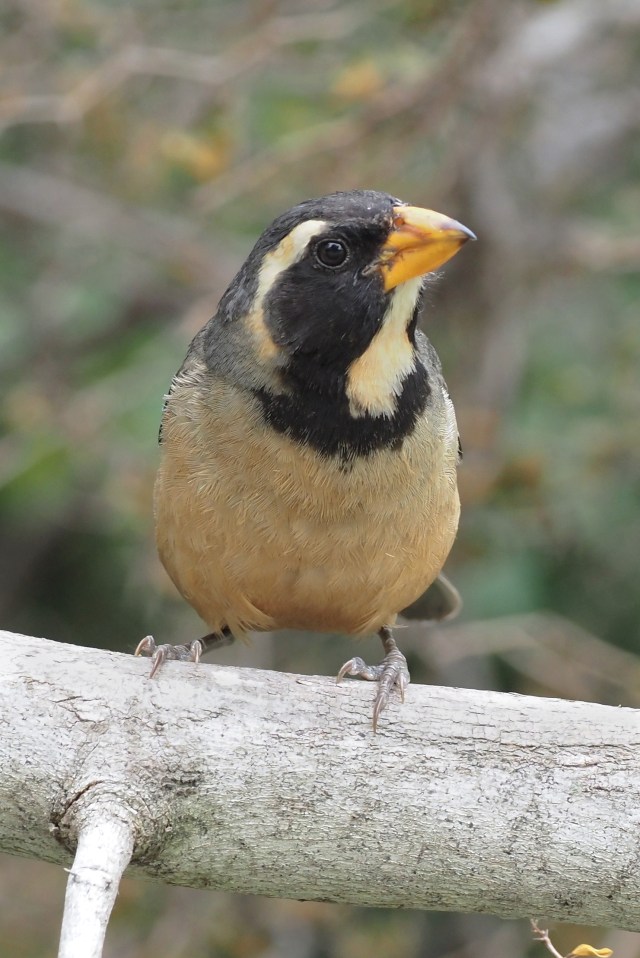
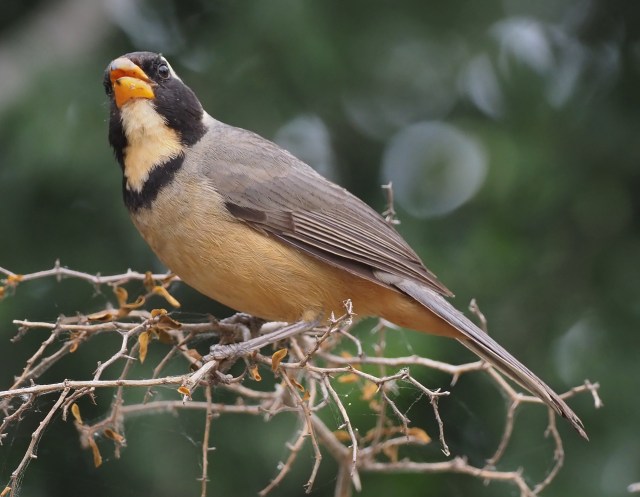
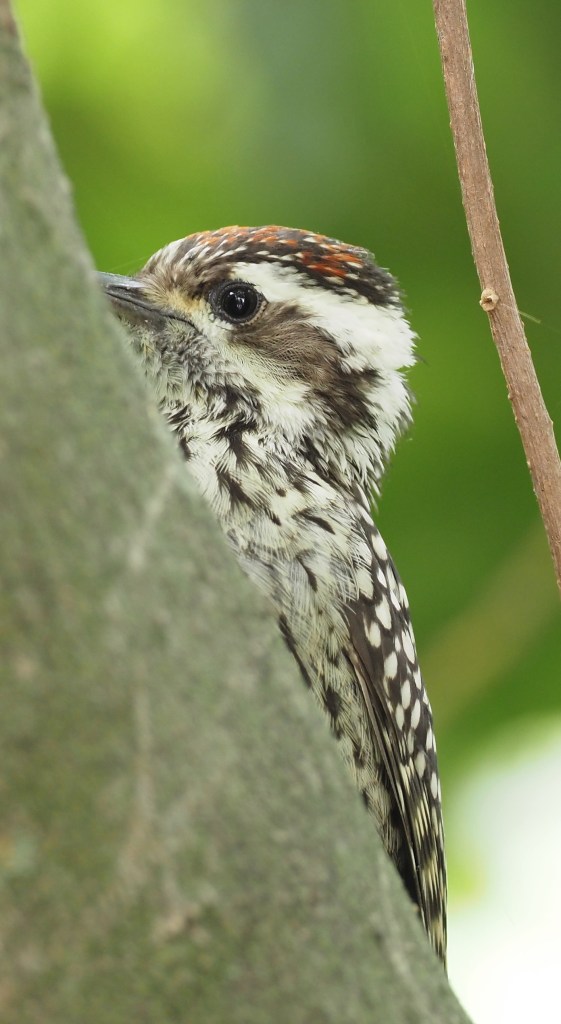
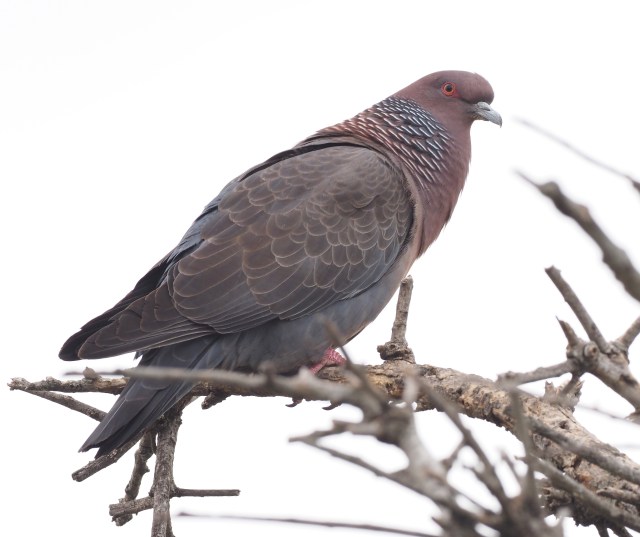
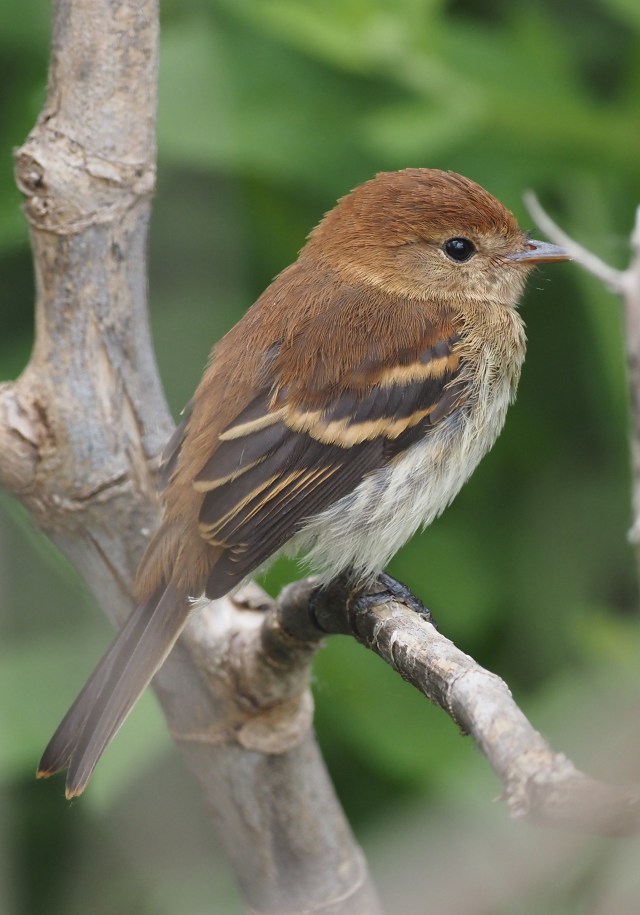
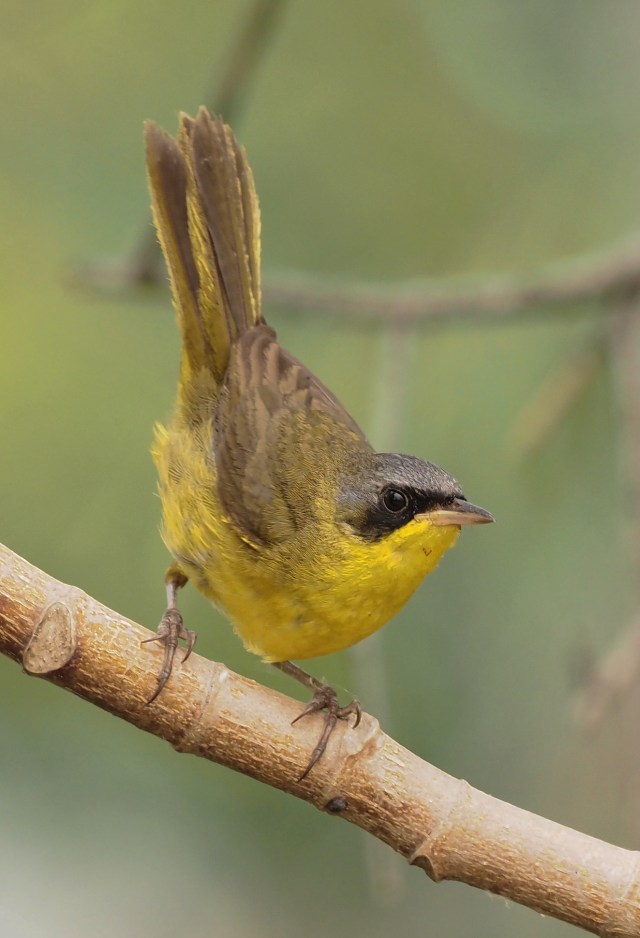
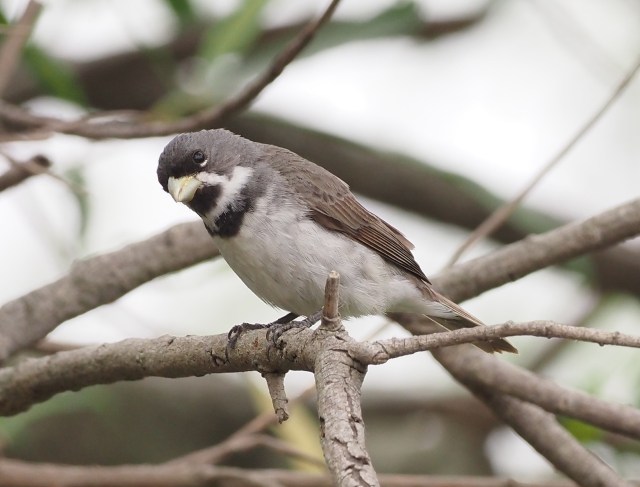
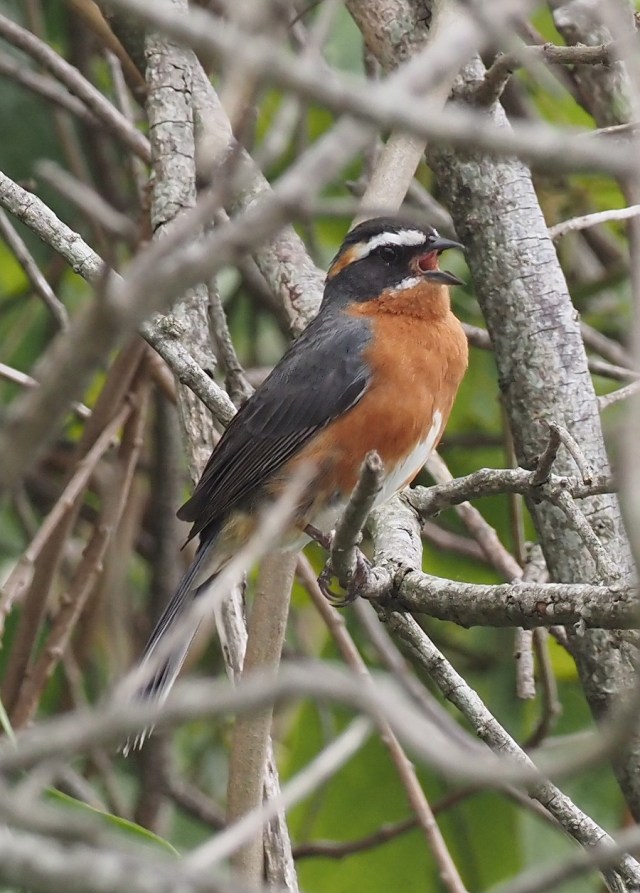
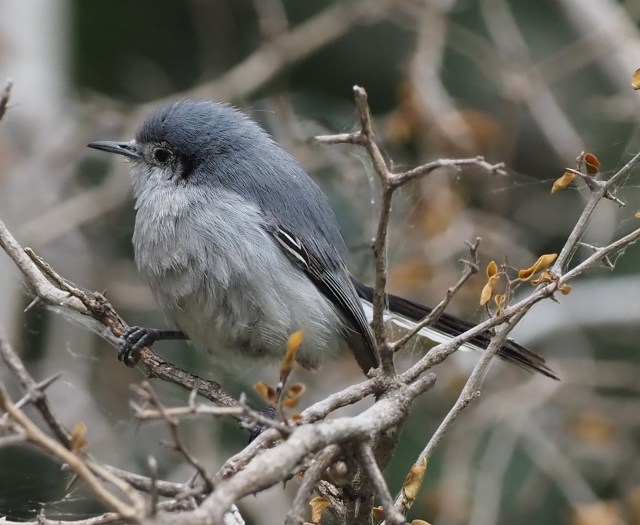
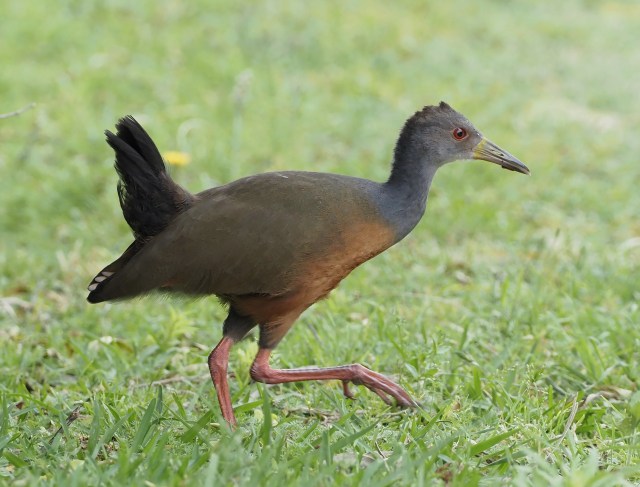
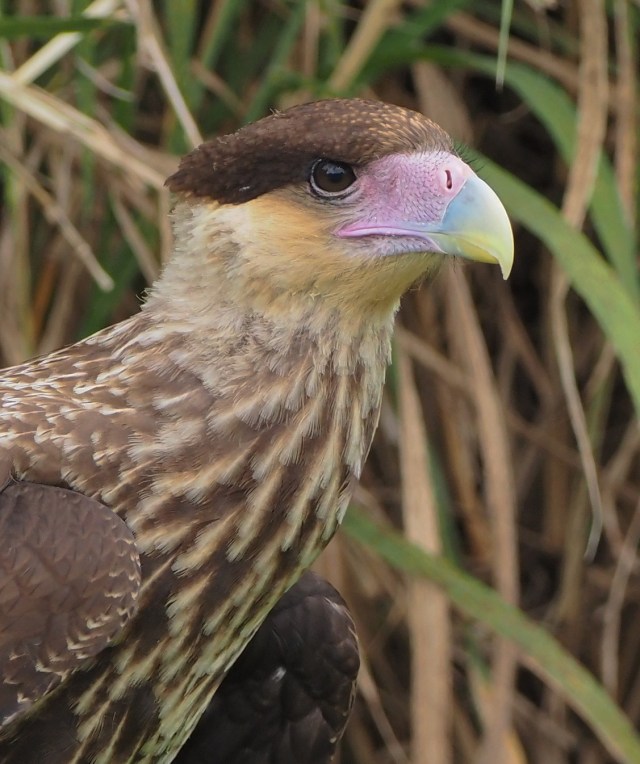
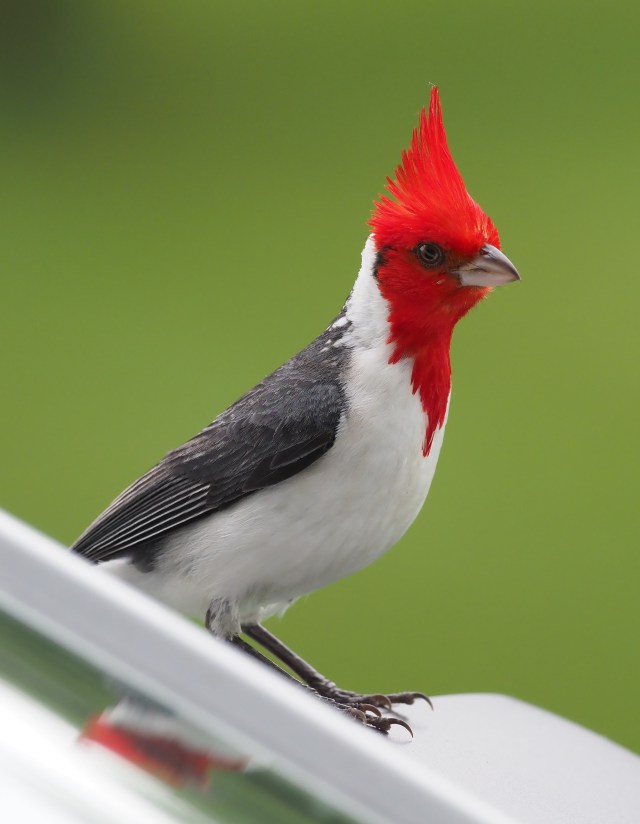
On our Argentina trip we didn’t visit any bird-specific sites. We were always on the lookout when we go out of our vehicle to see what plants, insects and anything else was around. There were no birding sites that are well-known in NW Argentina, in the sense of a Wildlife Refuge with boardwalks or such. Half of the birds we show below were seen on a morning outing with a birding guide at a reserve in Buenos Aires on the day we boarded our ship. This reserve is mostly used by locals to jog or walk as it is the largest open space close to the city center. It is also somewhat safe, since it has gates and is closed at night. Only in the last couple of years have they added boardwalks specifically for birdwatching, and these are very good and being dead-ends, minimize traffic of those who come to the reserve only to walk. (Not that there is anything wrong with walking!). The birds we reported on iNaturalist (requires photo) for northwest Argentina can be seen here. For the Costanera Reserve in Buenos Aires you can seen the iNat observations here.
The first gallery below shows birds seen during our travels, and the second gallery shows the Buenos Aires Reserve birds. Click on any image below to start a slide sequence and to start reading text explaining each slide.















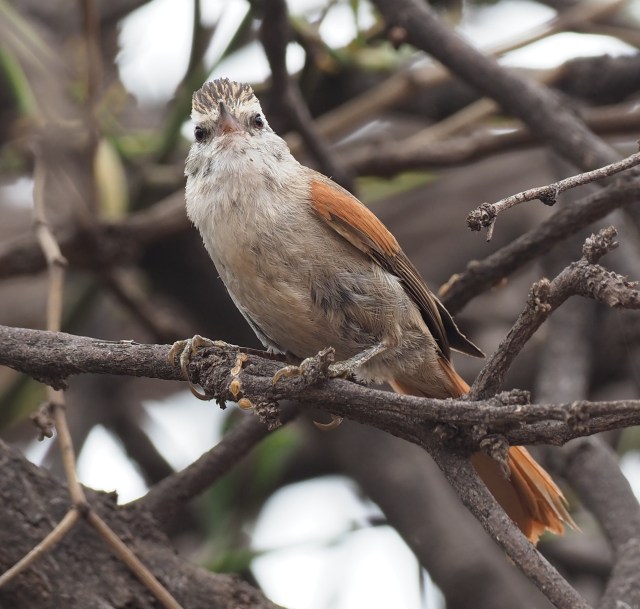

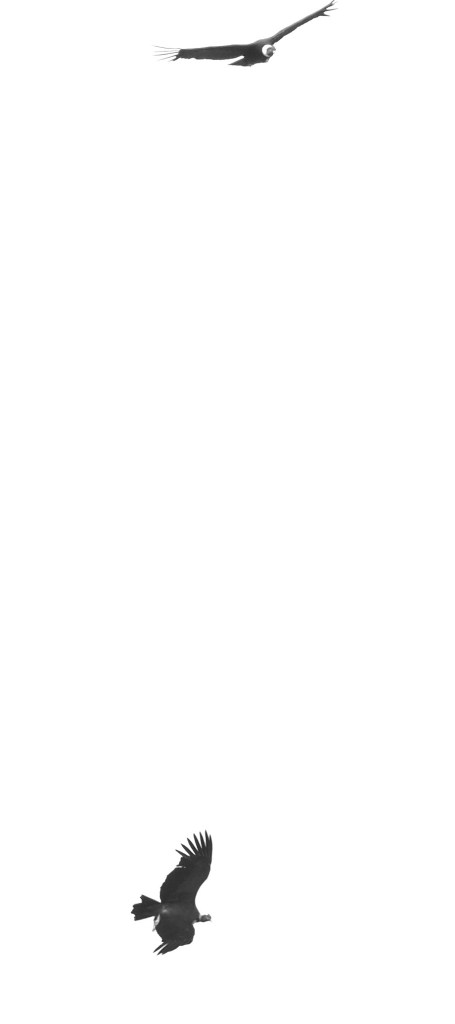
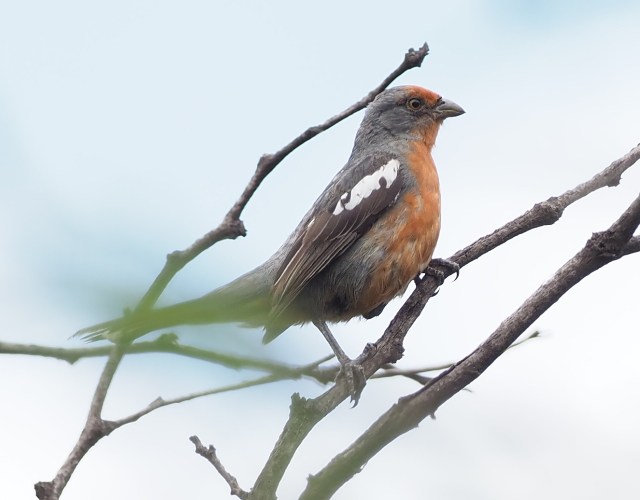

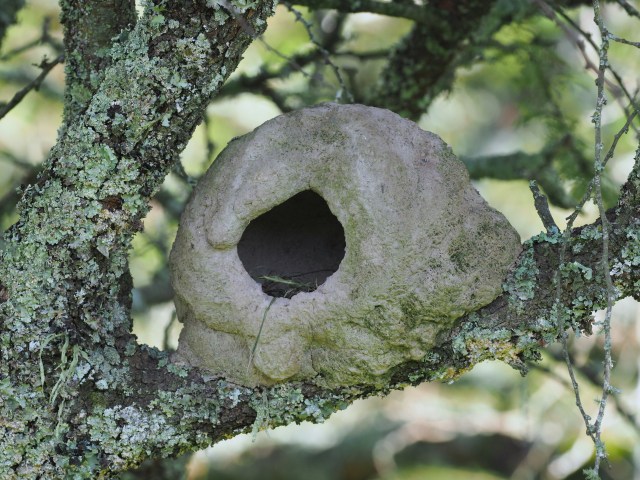

Birds at the Costanera Reserve
We had about 4 hours walking the Reserva Ecológica Costanera Sur with our free-lance birding guide Diego Emmanuel Oscar from Sandpiper Tours. It turned out that he was of the same group as the birding guide at the Ecoportal de Piedra where we stayed. A small birding community in Argentina? Not really, since many people have an interest in birds, but perhaps there aren’t many people who try to make a living by guiding people interested in seeing birds.
The Reserva Ecologica is an interesting place. A map (below) shows that it lies between the urban core of Buenos Aires and the Rio de La Plata estuary. The outline should give a hint of it’s origin – it is fill dirt. It’s origin lies in the era of the military junta of the 1970’s and early 1980’s. A redevelopment activity, bringing large freeways into the core of Buenos Aires, required the demolition of thousands of houses. This debris, mostly concrete and brick (since this is used for most construction in Latin America), was dumped in the river, delimiting areas that would then be filled in with debris, and eventually with river sediments. This land was to be used to expand the city eastward into the shallows of the Rio de la Plata. With the fall of the government after the Falklands war, this project didn’t happen, and the land became “abandoned to nature. In 1986 the area, about 350 hectares or 865 acres, became the Reserva Ecologica Costanera Sur. Thus, for about 40 years it has been gradually developing, with a mix of trees, grasslands, and wetlands becoming slowly more “natural”. It is now heavily used by porteños for walking, jogging, and escaping from the urban bustle. It is closed one day a week (Monday) for maintenance, and is closed at night.


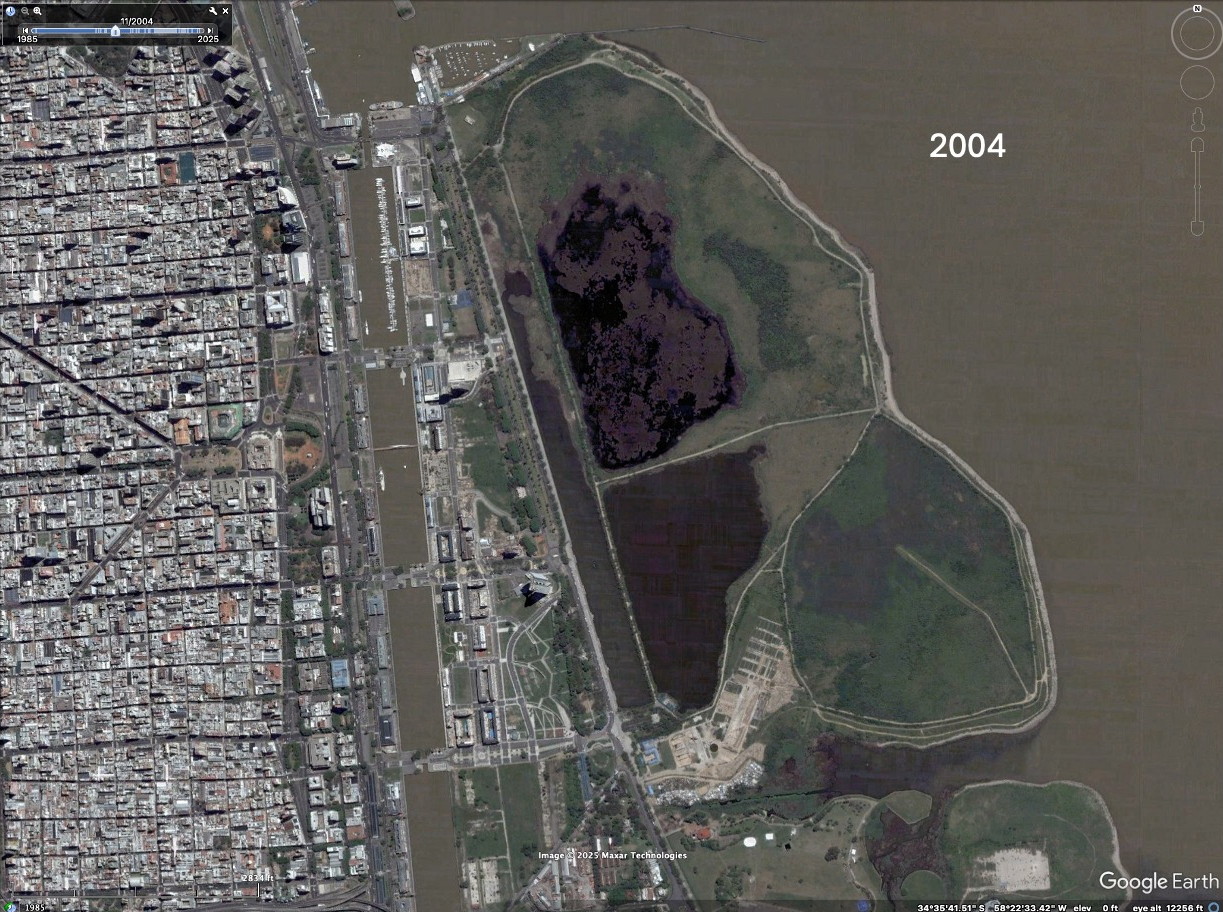


Click on any image below to start a slide sequence and to start reading text explaining each slide.
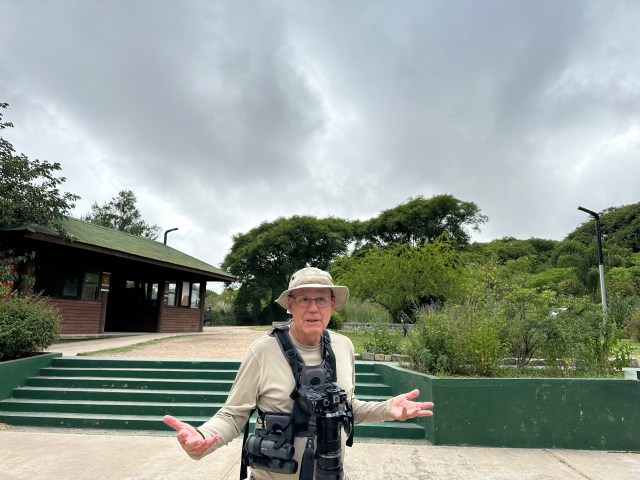


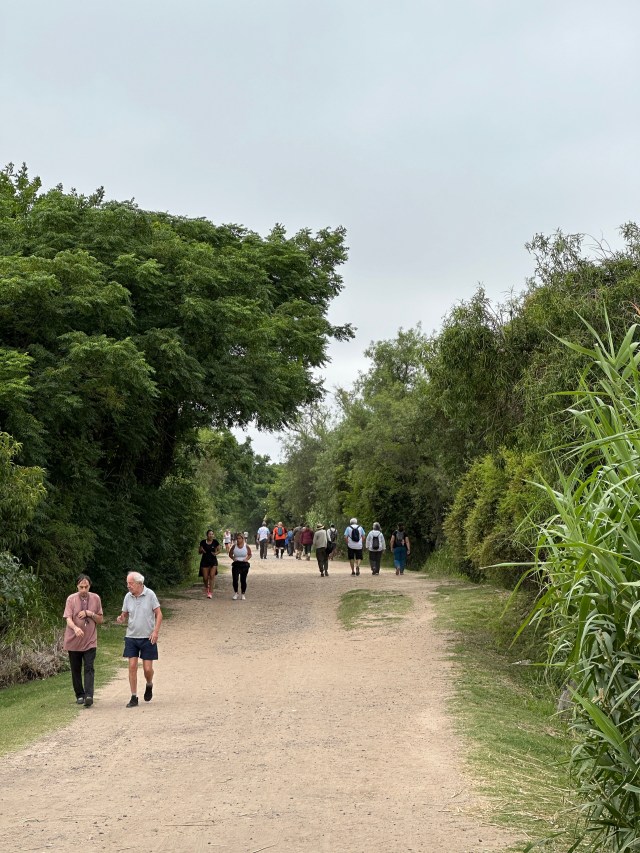

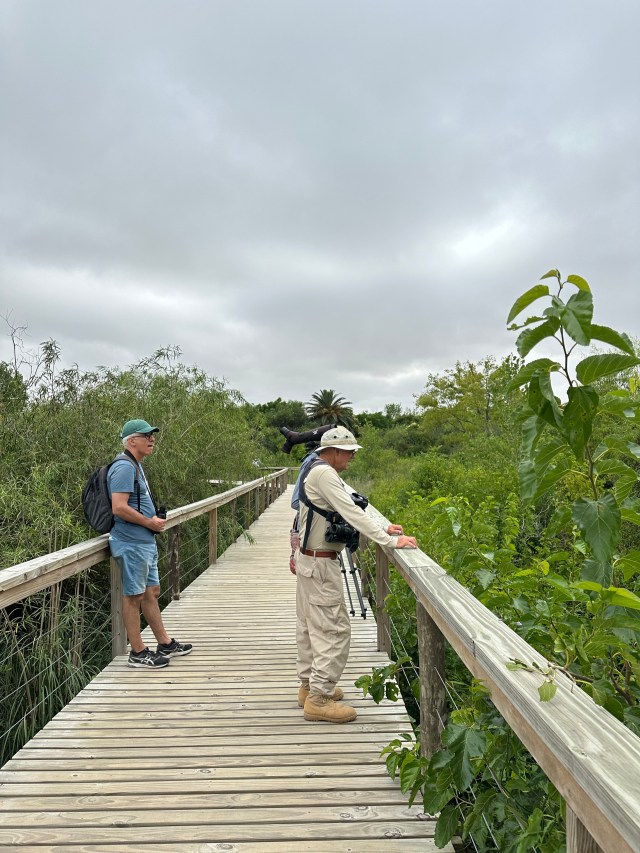
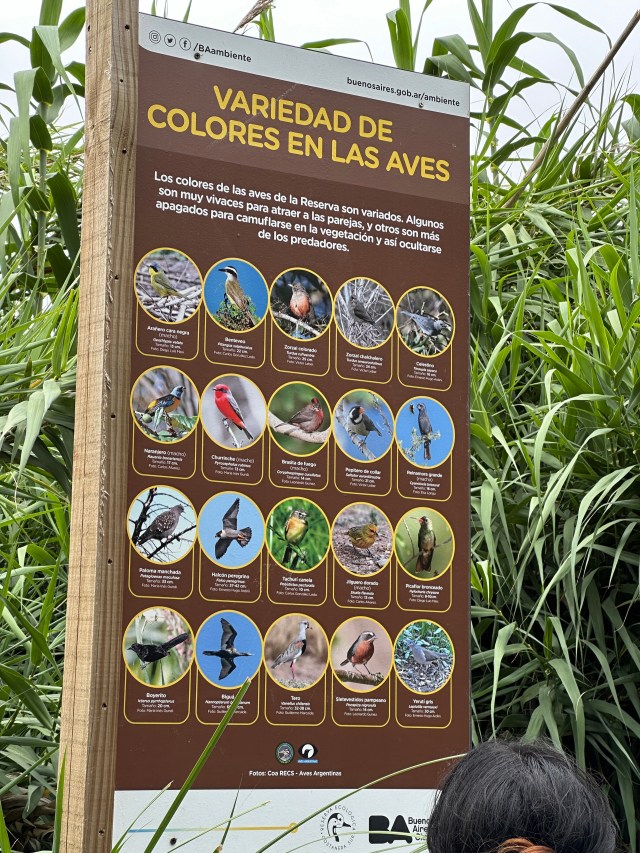

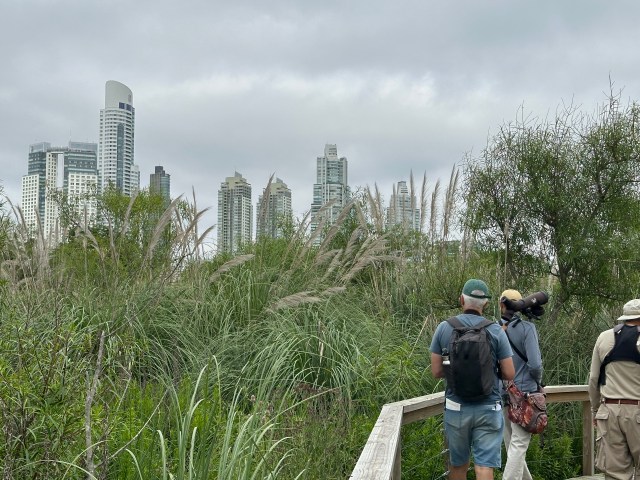
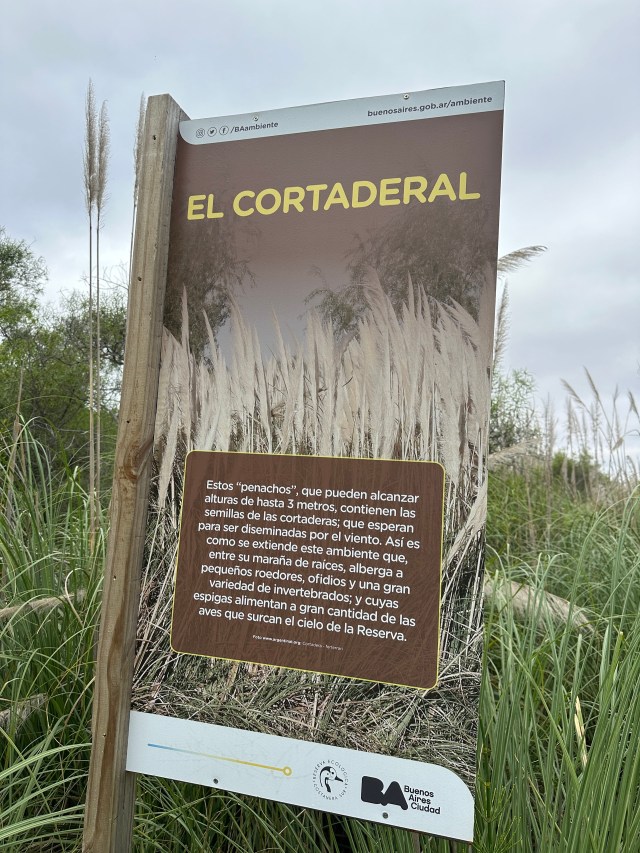
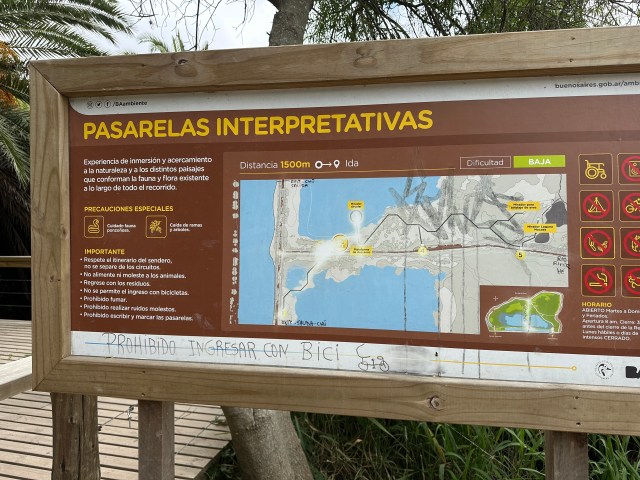

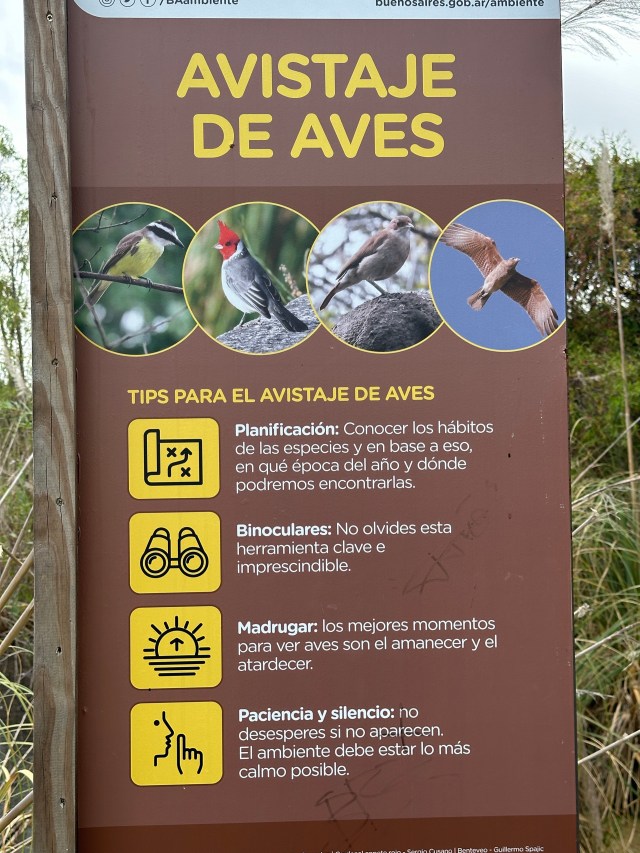


Click on any image below to start a slide sequence and to start reading text explaining each slide.
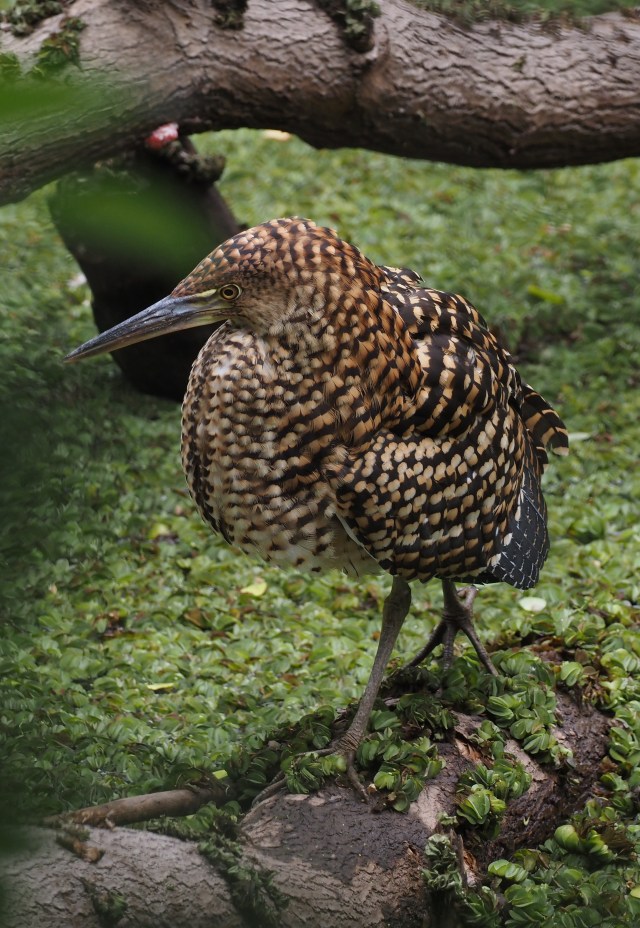
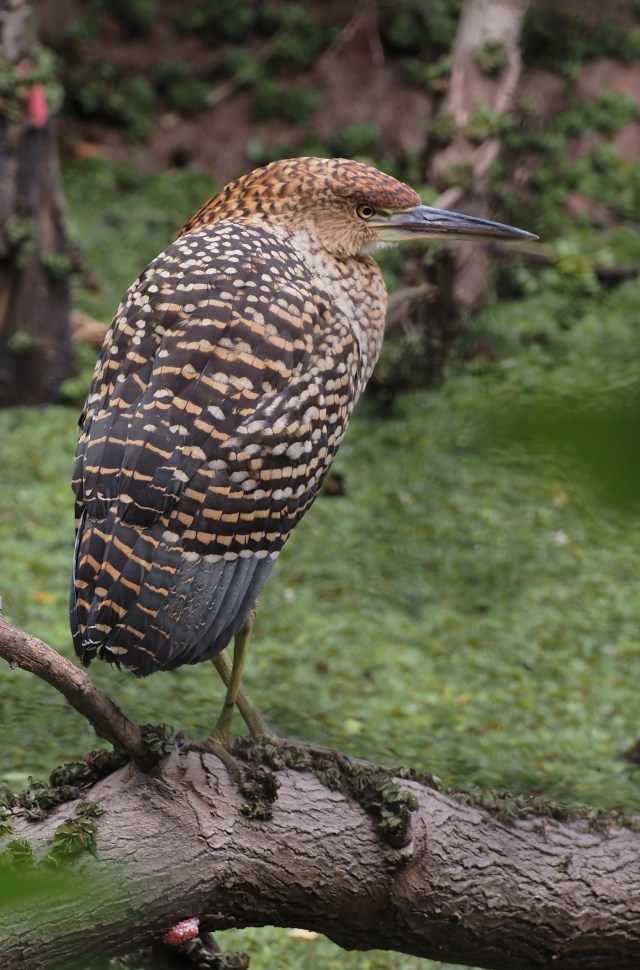
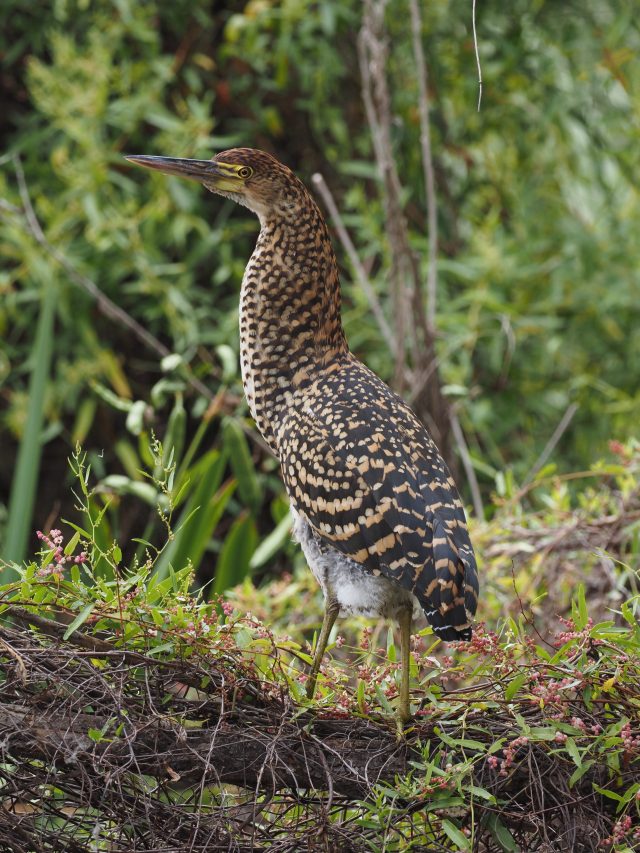











Miscellaneous plants and other subjects
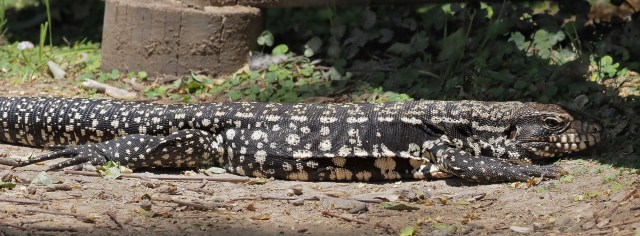
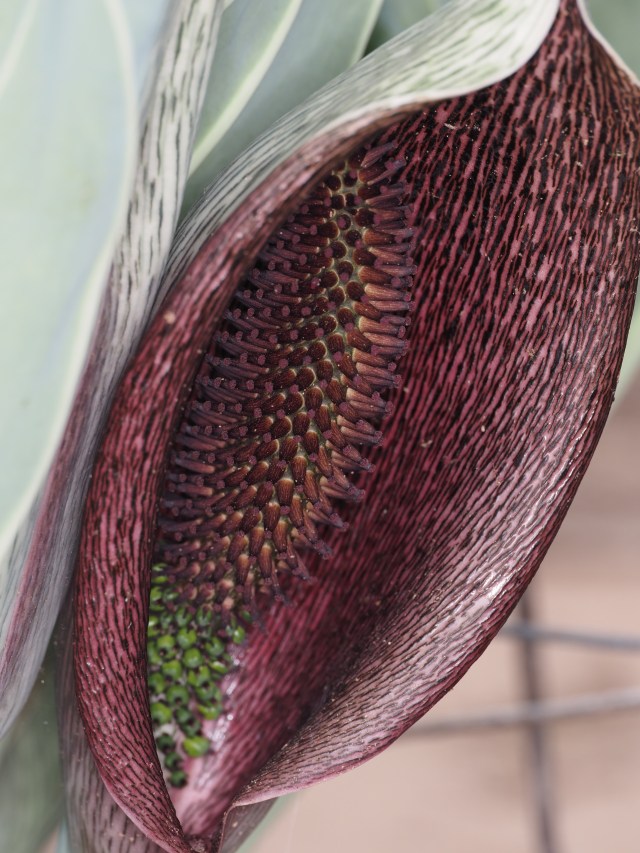
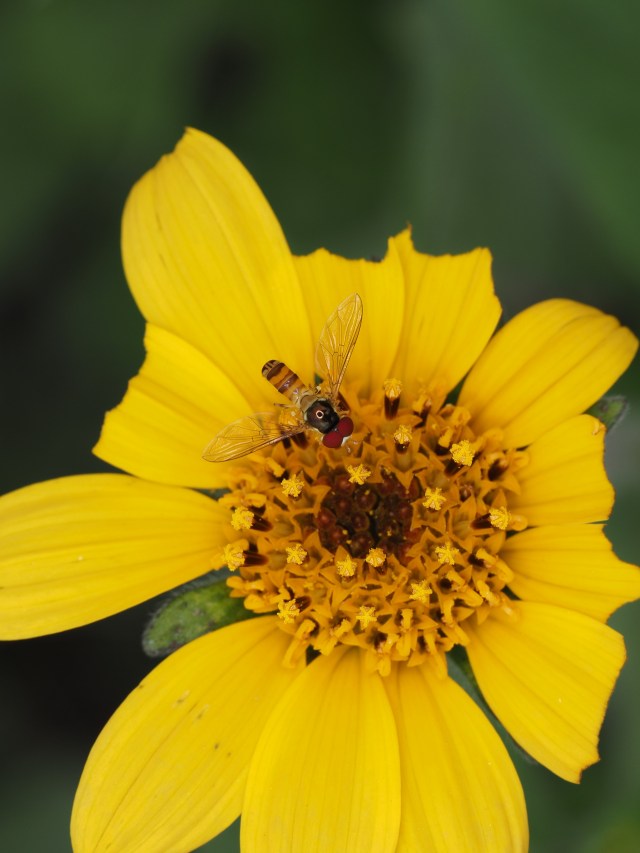
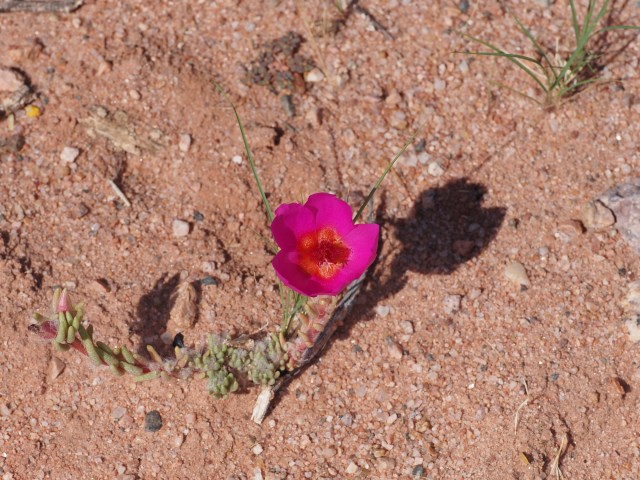
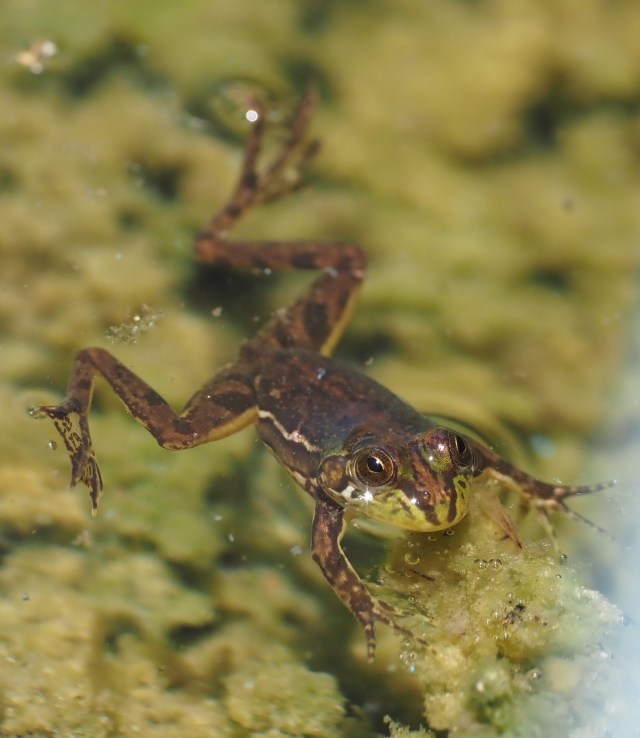
This section shows some photos that didn’t fit elsewhere – but that might be interesting and educational to the reader. Click on any image below to start a slide sequence and to start reading text explaining each slide.



















Insect hunting in Argentina
A new activity we have recently added to our travels is the photography of insects. Although this can be done in the daytime, a greater variety of them in somewhat greater convenience can be seen at night with the aid of ultraviolet lights. We brought one battery powered UV light, as well as one 110/220 volt UV light. These are both low power (20 watt) and are portable. We also bring a folding screen mesh cage (sold to rear Monarch butterfly larva) where we put the lights in. This effectively attracts insects, who are especially sensitive to UV light, to land on the cage, where we photograph them.
The set-up is shown in the following short video.
Examples of the insects photographed at two locations are discussed below.
Ecoportal de Piedra
We spent two nights at the Ecoportal, a location at higher elevations (about 3000 ft) between sierras northeast of Salta. Because this web page is too long as it is, the photos of some of the insects we saw at Ecoportal de Piedra and vicinity are discussed on this page: https://thetravelingnaturalist.org/insects-of-ecoportal-de-piedra/. rather than being put in a gallery below.
Monte Zion, Catamarca
We spent three nights at a nice “cottage” (made of concrete, not wood) about 10 miles southwest of the center of the city of Catamarca. This cottage was mostly immersed in natural vegetation typical of the region, with the large back patio facing the short forest. As such it was ideal for observations of both birds during the day and insects at night.
The photos of some of the insects we saw at Monte Zion and vicinity are discussed on this page: https://thetravelingnaturalist.org/insects-of-monte-zion-catamarca-argentina/
 THE NATURALIST'S TRAVEL PAGE