Of special interest to cruise ship naturalists (under construction)
OK, our cruise ships shouldn’t look like the ships on the left, in Montevideo Harbor. But we pull into a port, or tender from our ship to the dock, and we expect to see something nice. Paying the big bucks ought to get us something, right? In this section, I will describe some of the more interesting ports stops we have had since August 2022, when I started cruising as a guest lecturer. Now, we aren’t paying a lot for cruising as my wife and I have most of our expenses covered (flight to and from the ship, room and board and a few smaller perks). The only thing I have to do is give a 45 minute talk on each sea-day. This varies from say, 6 talks on a shorter cruise with lots of ports to 15+ talks on a longer, cross-ocean voyage. We’ve never been longer than 32 days, with most cruises in the 20-28 day range. Now, I’ve written a bit about cruise lecturing elsewhere – it actually is a lot of work. If you want to relax and enjoy the cruise, don’t do lecturing. But I like to engage the public and try to interest them in what I find interesting, so I see it as good work. But if you’d like to spend time at the casino, at the bars, at the specialty restaurants, and at every evening show, well – lecturing is not for you!
We have visited quite a few ports on 14 cruises since August 2022. Not even most ports that Holland America ships visit, but a fairly wide geographic coverage. We don’t intend to visit all ports – we select cruises that cover routes that 1) I know something about 2) have plenty of sea days 3) we want to visit ourselves and finally, but not least 4) the beginning or ending of the cruise (or both!) are of interest for us to take land travel at our own expense. Let me clarify the last point.
To join a long cruise and provide lectures during a segment of such a cruise, one has to usually fly from the US (or whever you live) to a distant location, and then fly back to the US from wherever you get off the ship. Some points of embarking or debarking (“disembarking”) may be of little interest to us like Amsterdam, Cape Town, or Sydney. OK, I’m being a bit facetious here! But if one were to get off in Dakar (Senegal), Recife (Brazil), or any number of small South Pacific islands, there might not be much to do (short of the beach). We are natural history explorers and want to see places that have interesting – and accessible – plants, animals, and with trails suitable for exploring nature. Ideally without too many people.
In summary, we do tend to spend our own money on our cruise travel – but most of it is before or after the cruise during our personal travel on land. Cruises are great for seeing pelagic birds that you typically cannot see from the shore, and to a much lesser extent some whales, dolphins, and some other marine life. But most port visits are 8-5 and don’t allow for nighttime (nature) exploration, or for nice photo opportunities of subjects ashore near sunrise or sunset. Recently we have gotten into insect photography and use a set-up to attract moths at night. You can’t do this from the ship!
So find below our biased summary of some of the interesting ports for “nature-exploration”. These may help the relatively small percentage of cruisers that are genuinely interested in nature and don’t feel like they need an excursion to see it. Sometimes excursions are the only way to get into a natural environment, but they tend to be too rushed and try to do too many different things in their effort to satisfy as many people as possible. Genuine nature tours are rarely offered, even by locals in ports. It usually requires too much specialized knowledge that most tourism operators don’t have.
The ports below are not necessarily in any order (at the moment) but are most urgent for select cruises currently underway. I will add more ports as my time permits.
Since this page is long, you can jump to different ports via the links below:
Cairns, Australia
Most visitors to Cairns will opt for excursions to Kuranda, a higher elevation site inland a few miles that can be reached by a cable car or by bus or taxi. Many excursions go there. We have not done the cableway (for price and inability to get close enough to vegetation), and because we have made a handful of visits to Cairns area lasting days with our own rental vehicle.
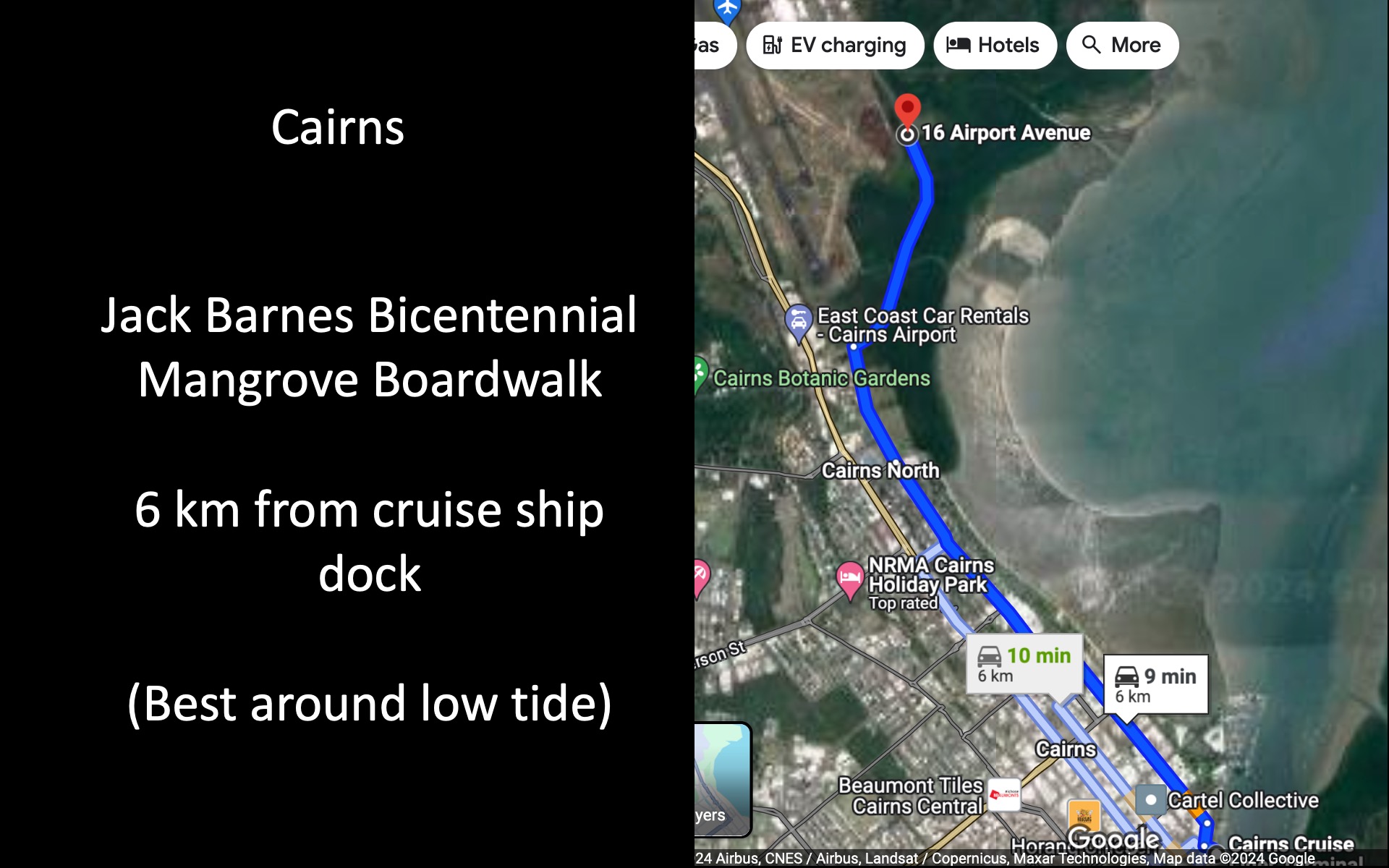
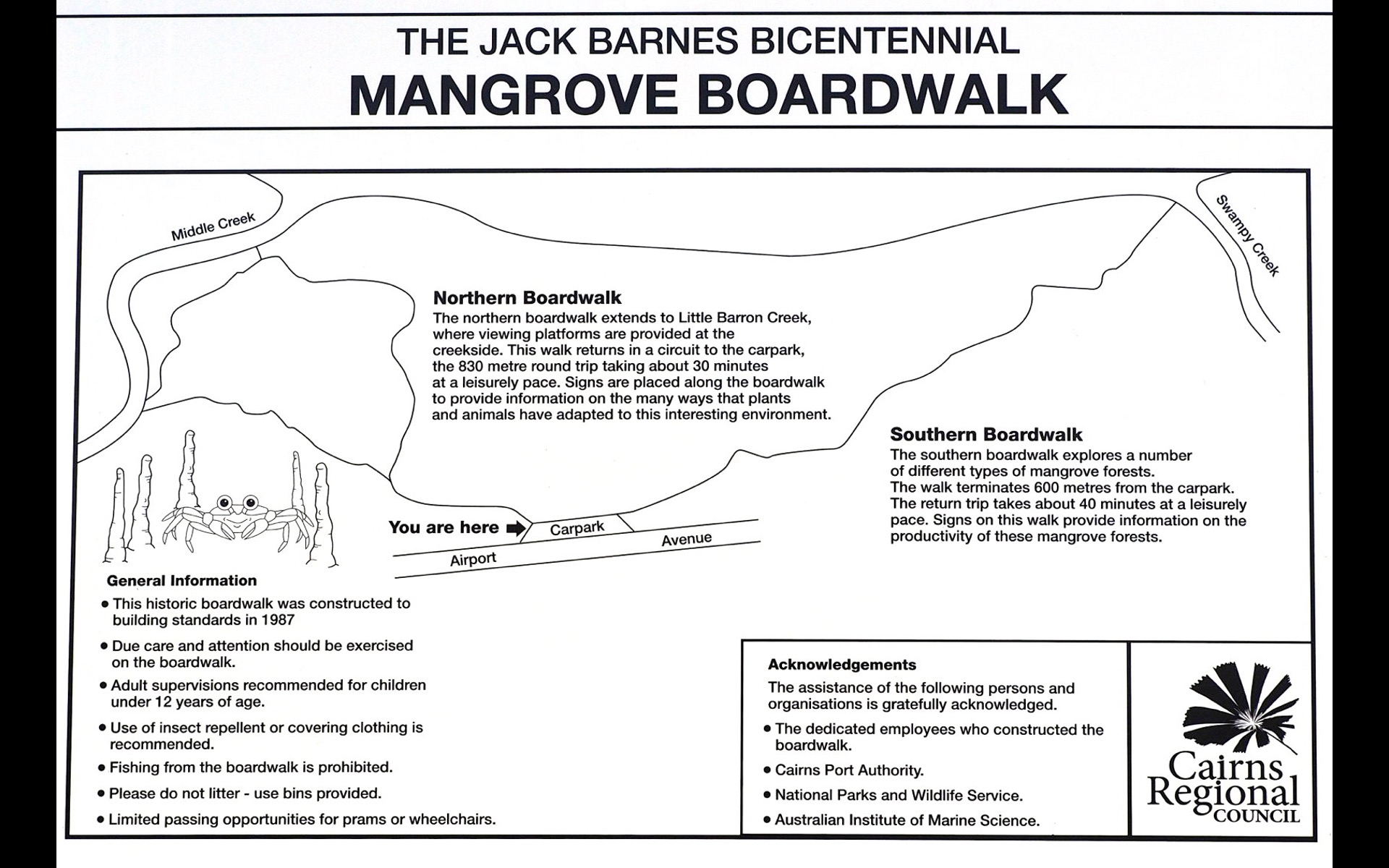
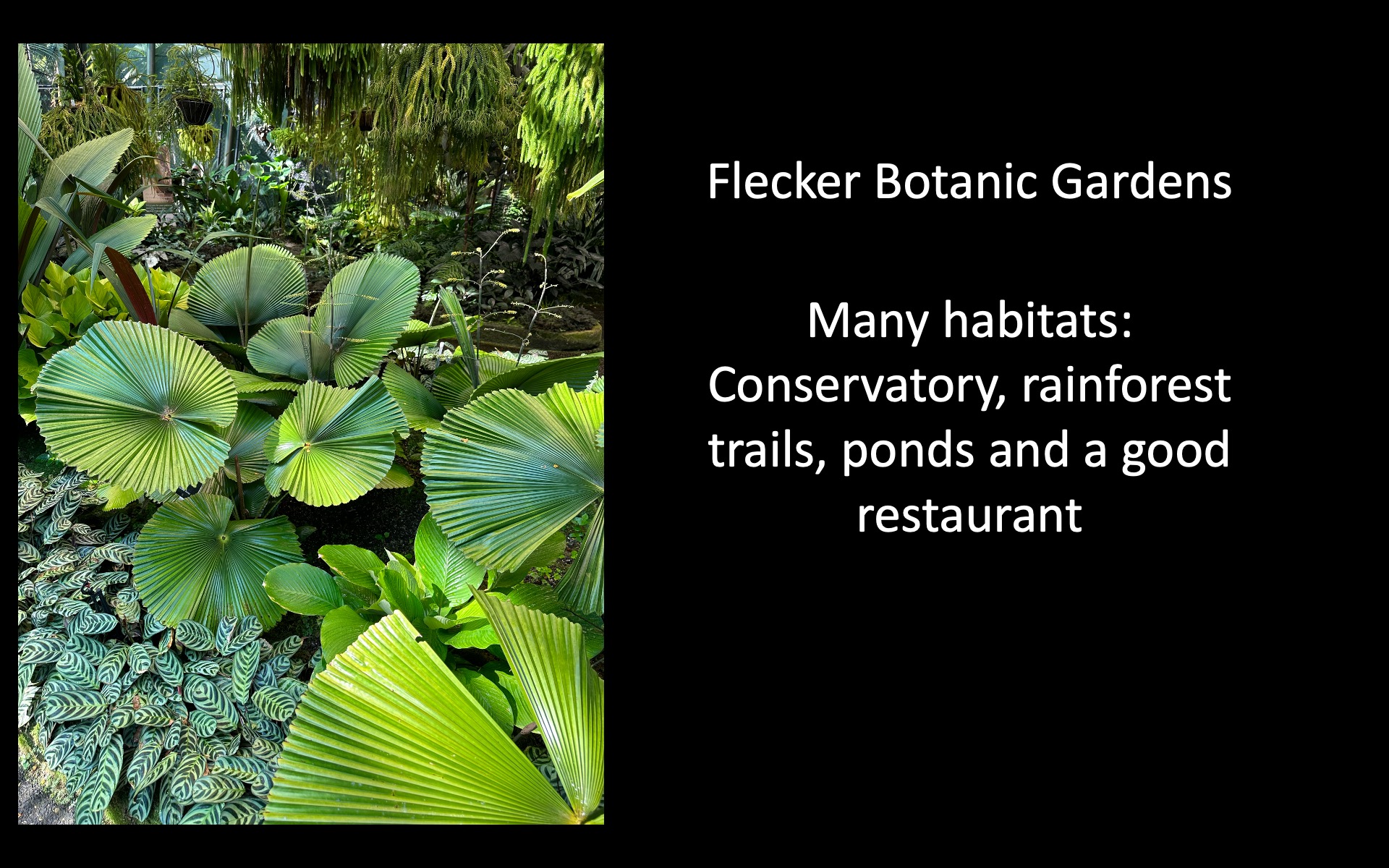
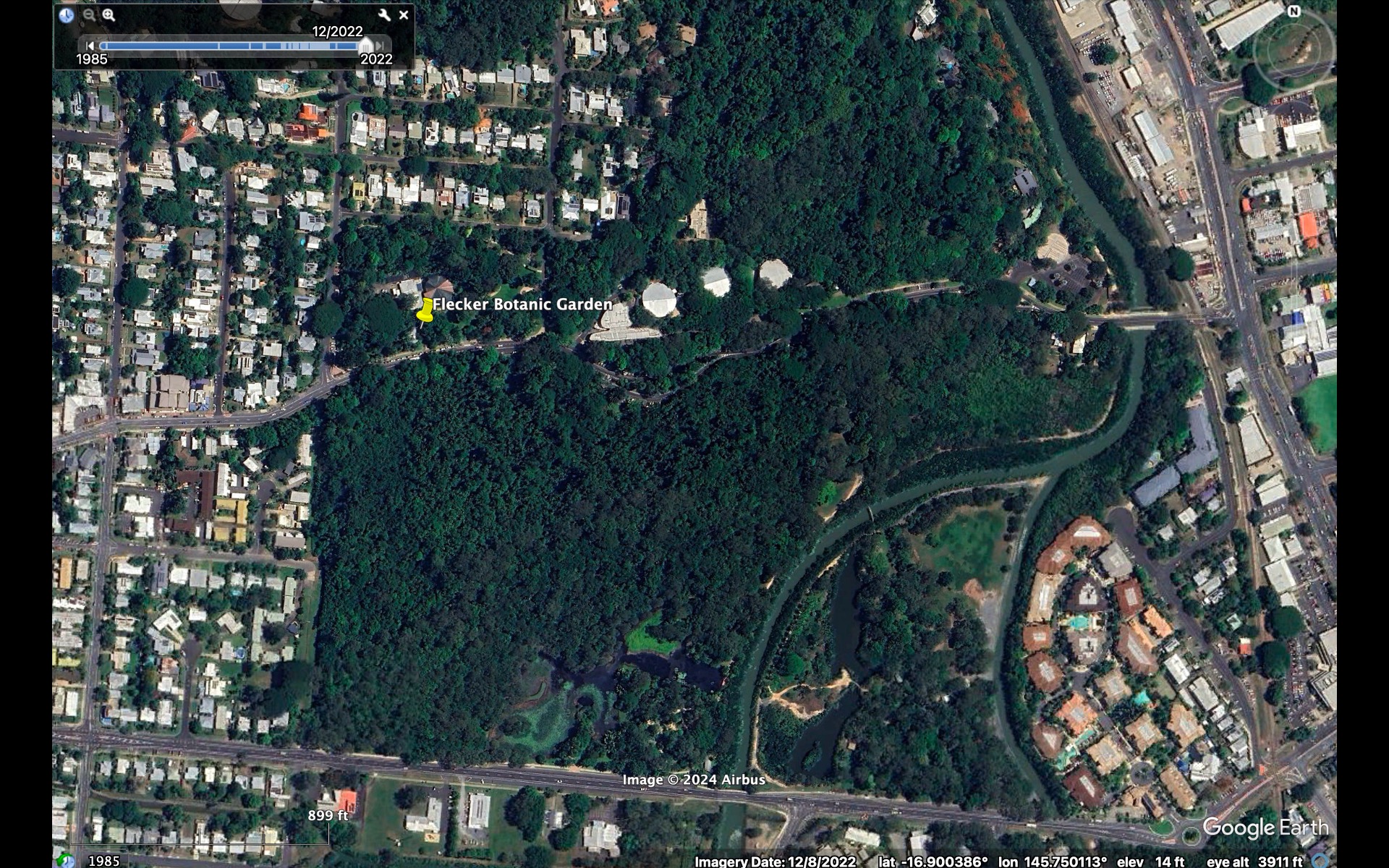
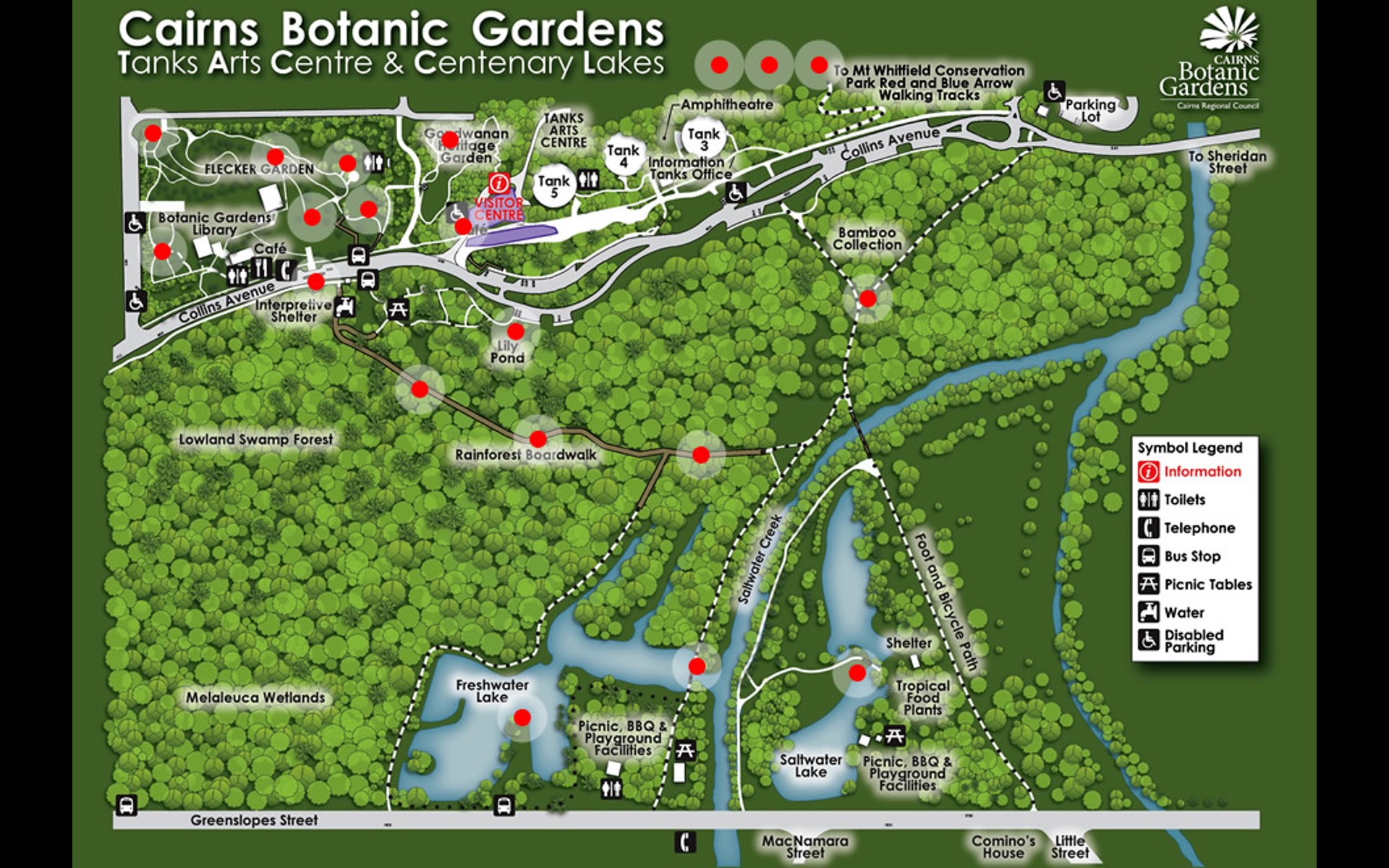
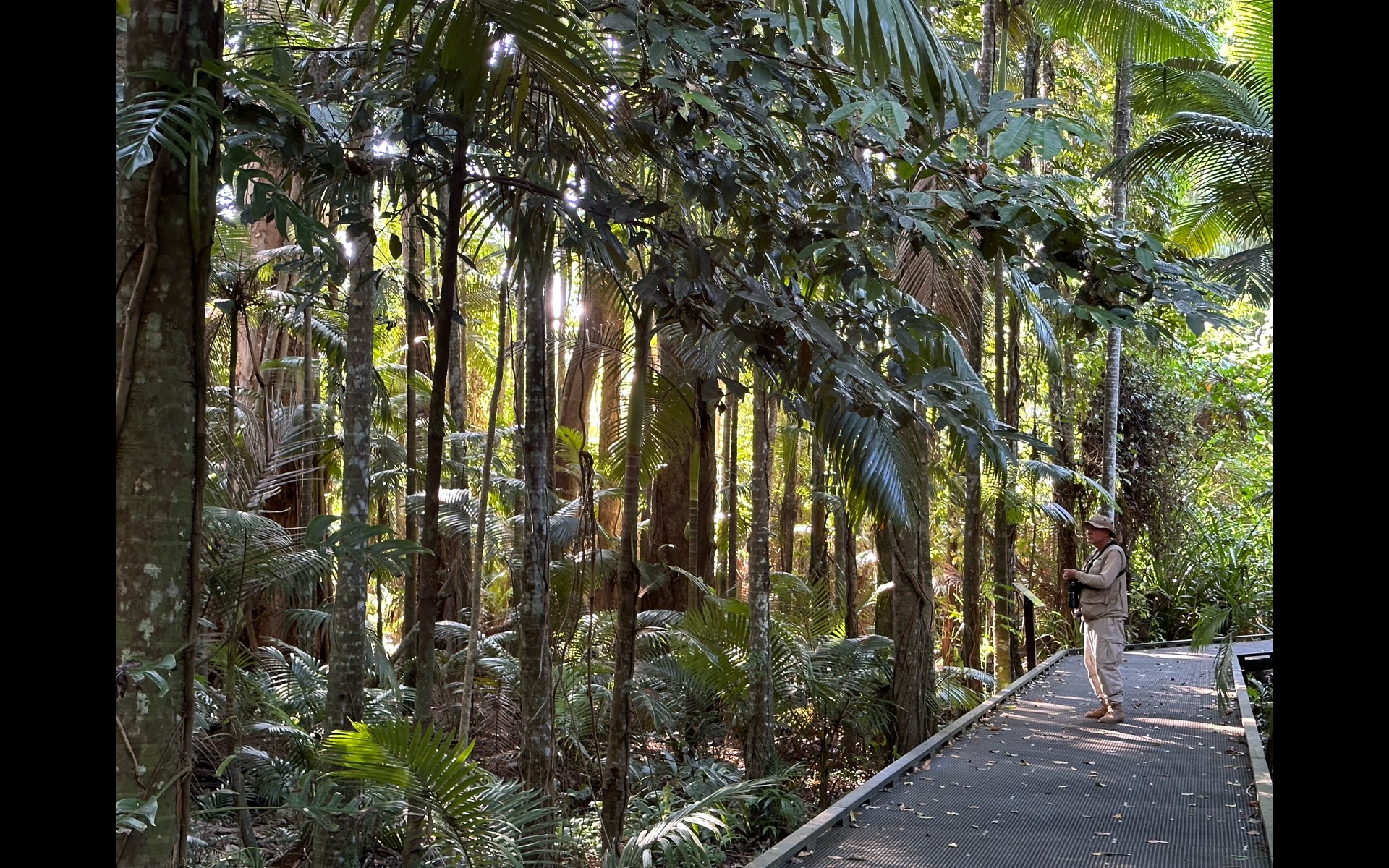
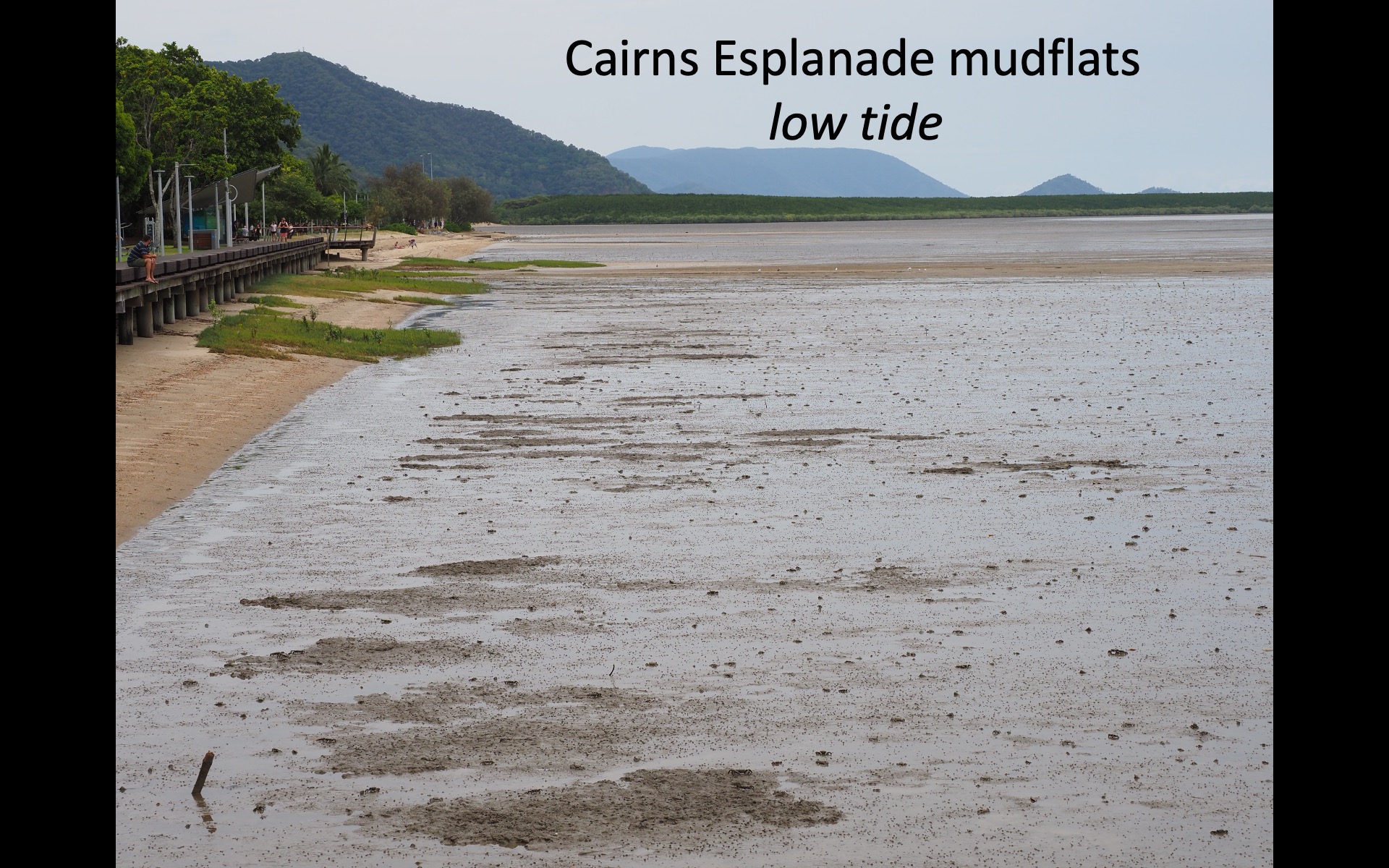
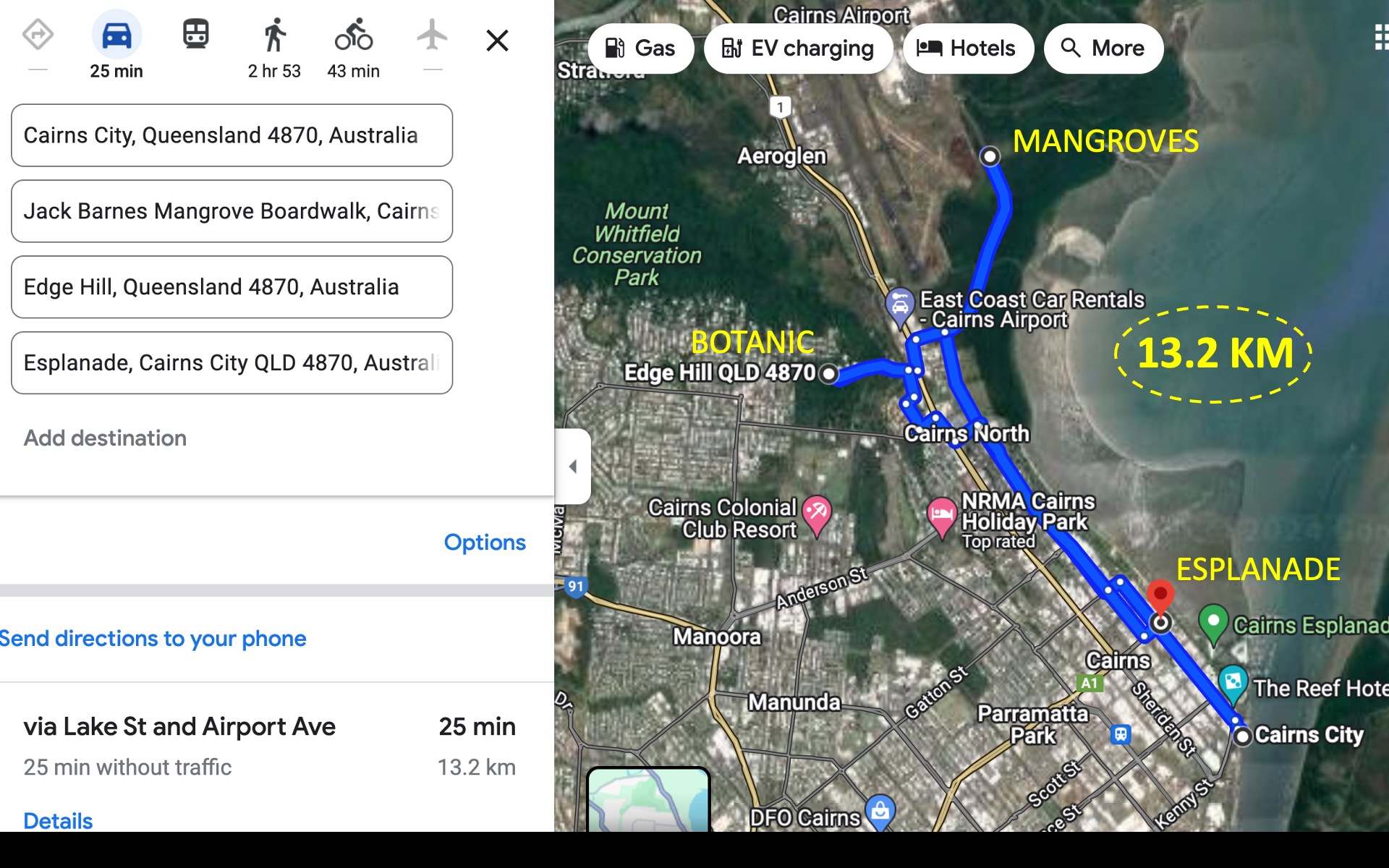
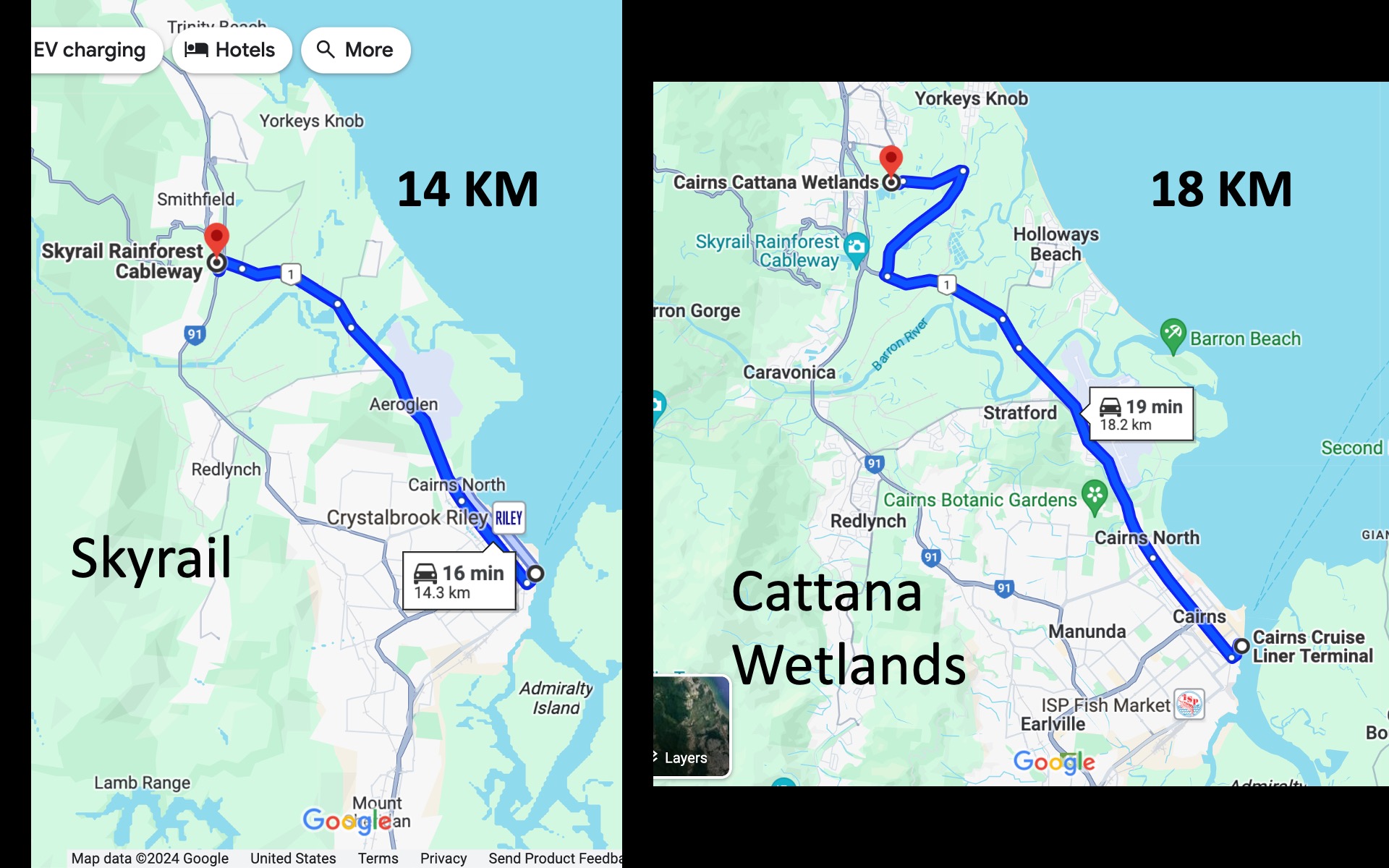
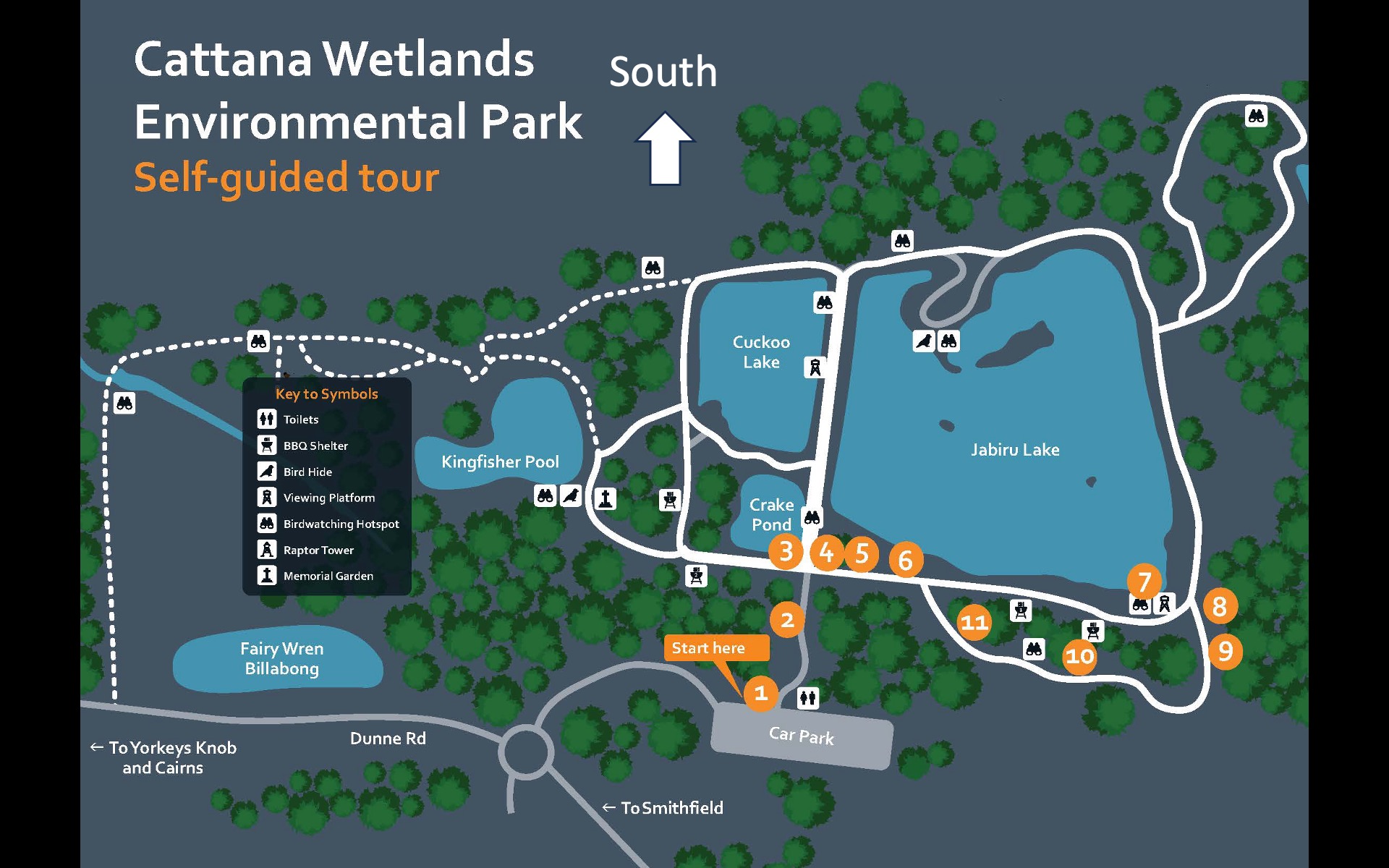
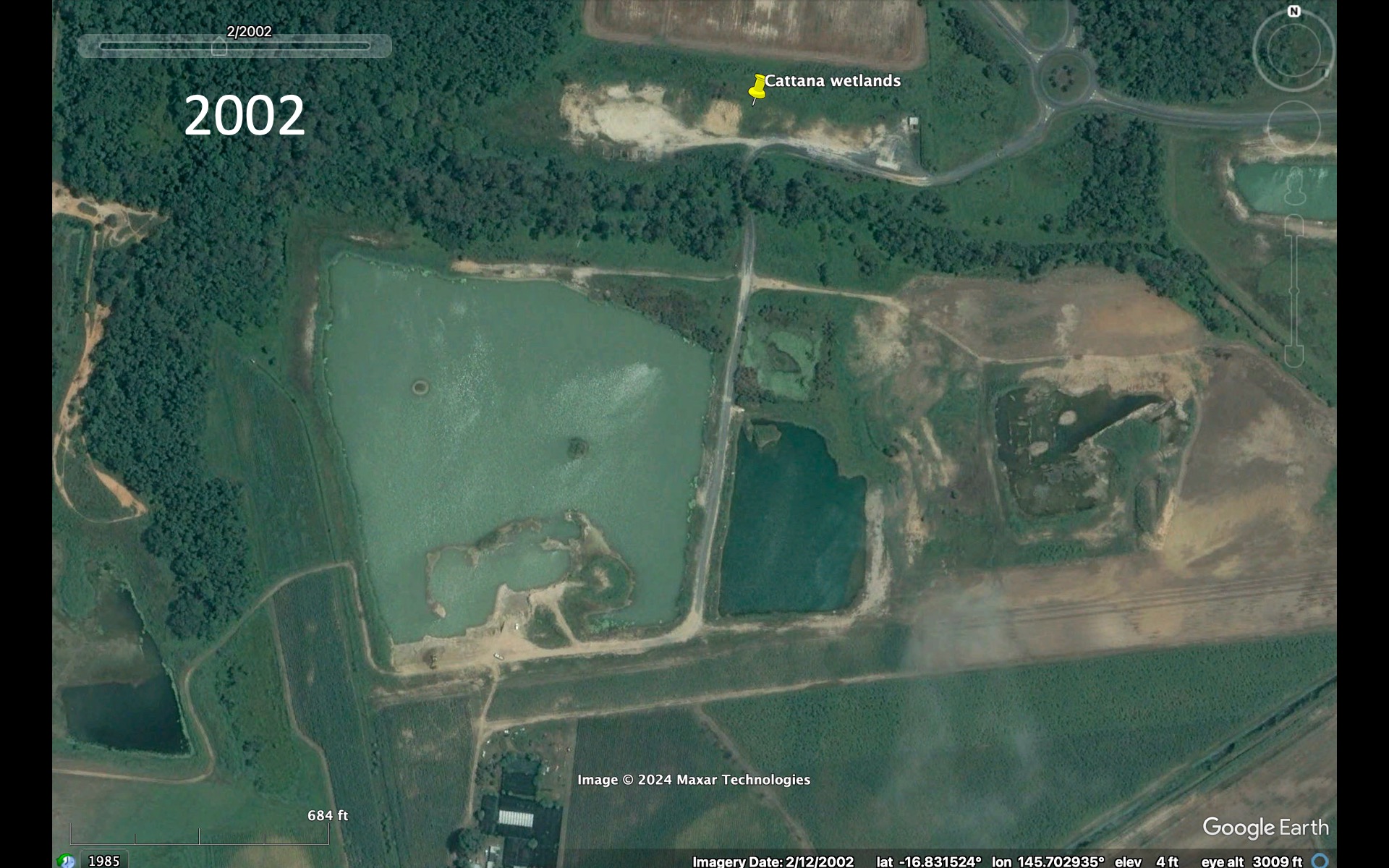
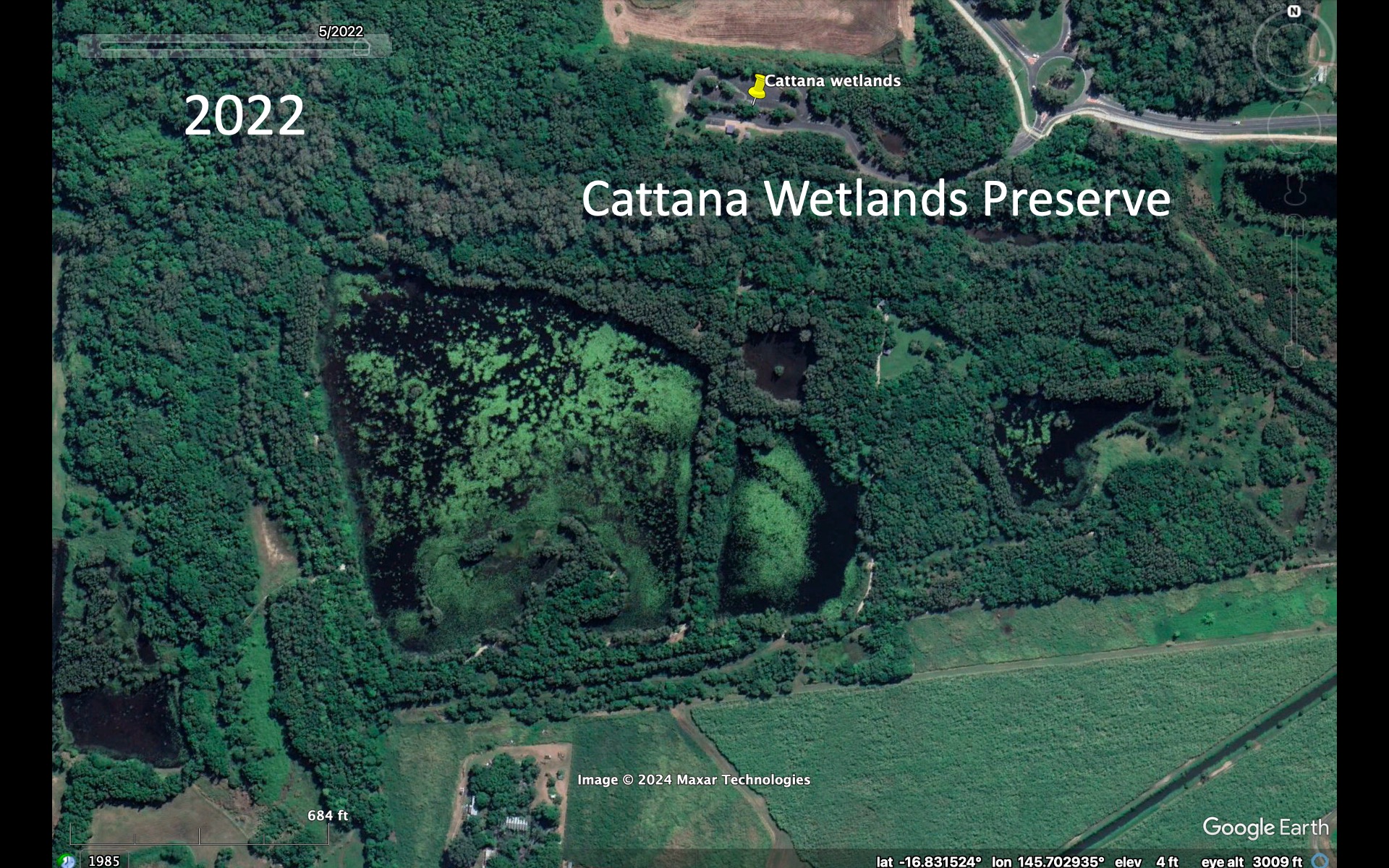
Our short list of places to visit during a day stop in Cairns are 1) the Jack Barnes Bicentennial Mangrove Boardwalk just outside the Cairns airport, 2) The Flecker Botanic Gardens with its multiple trails, 3) The Cattana Wetlands (a longer taxi ride) north of the city, and 4) walking along the Esplanade and its mudflats (at low tide).
Now let’s get real. This is Northern Australia during the rainy season. You will sweat. Get over it. At least you will have a shower when you get back aboard. So go forth and focus on what you are seeing that you can’t see at home – and ignore any discomfort.
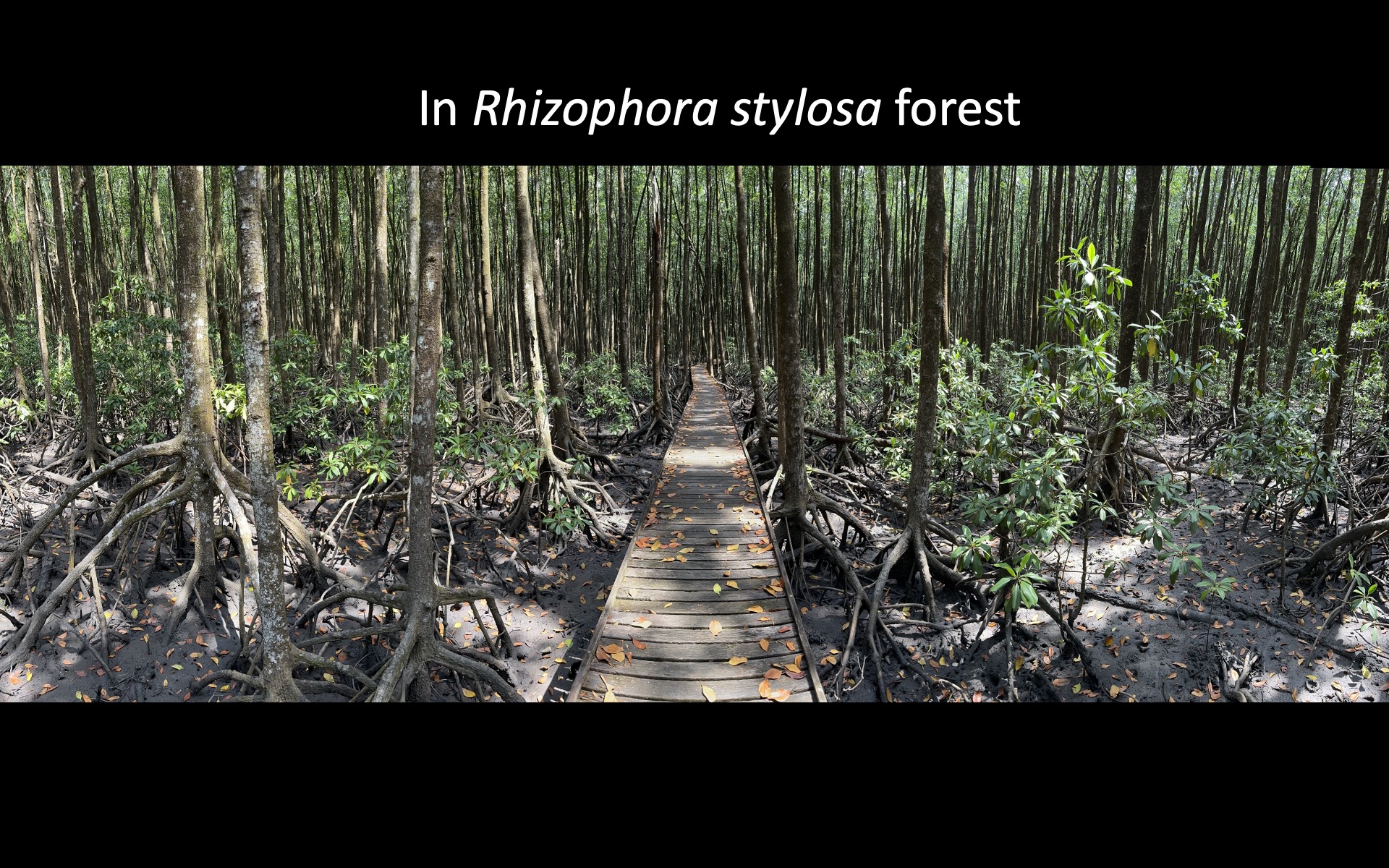
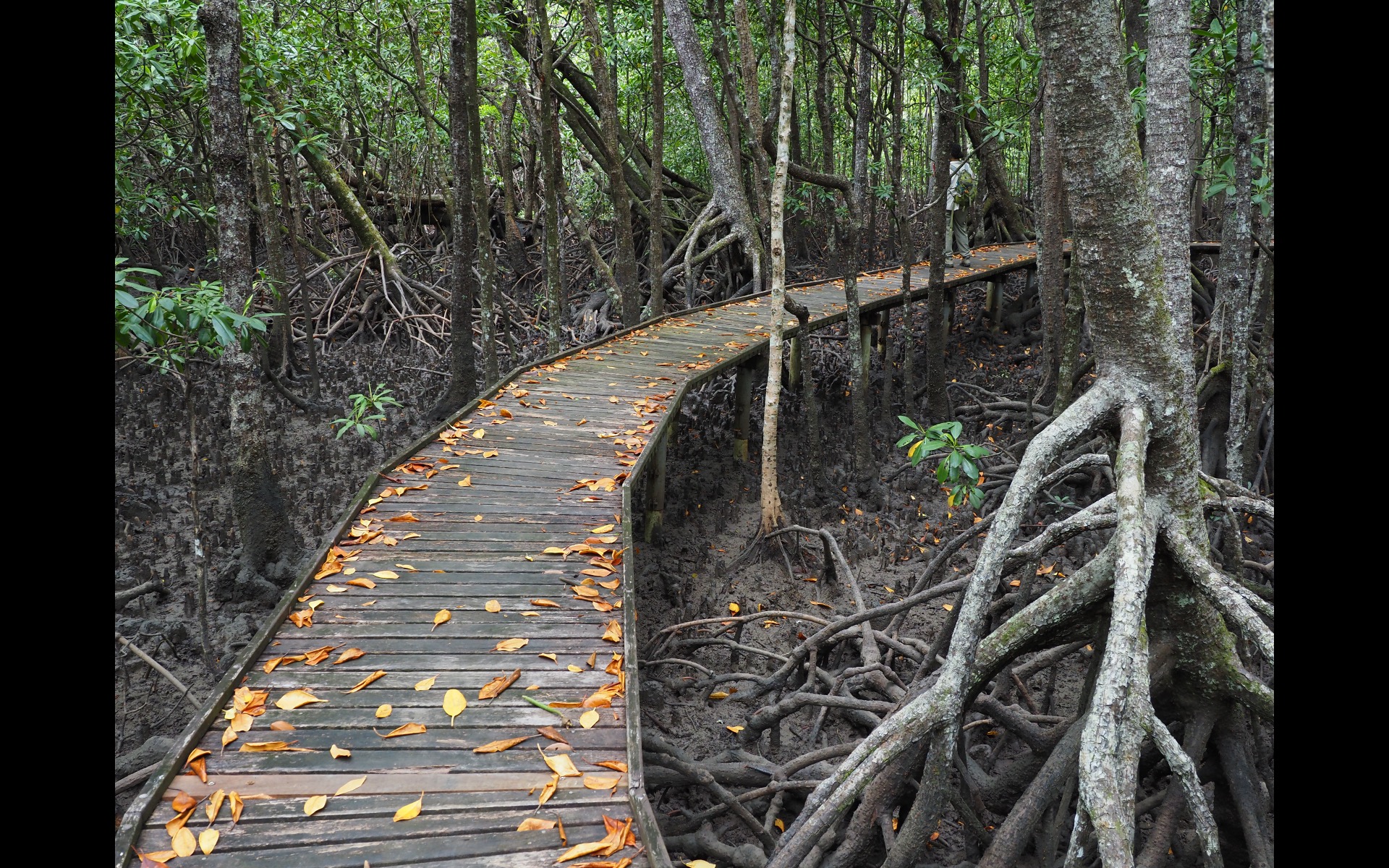
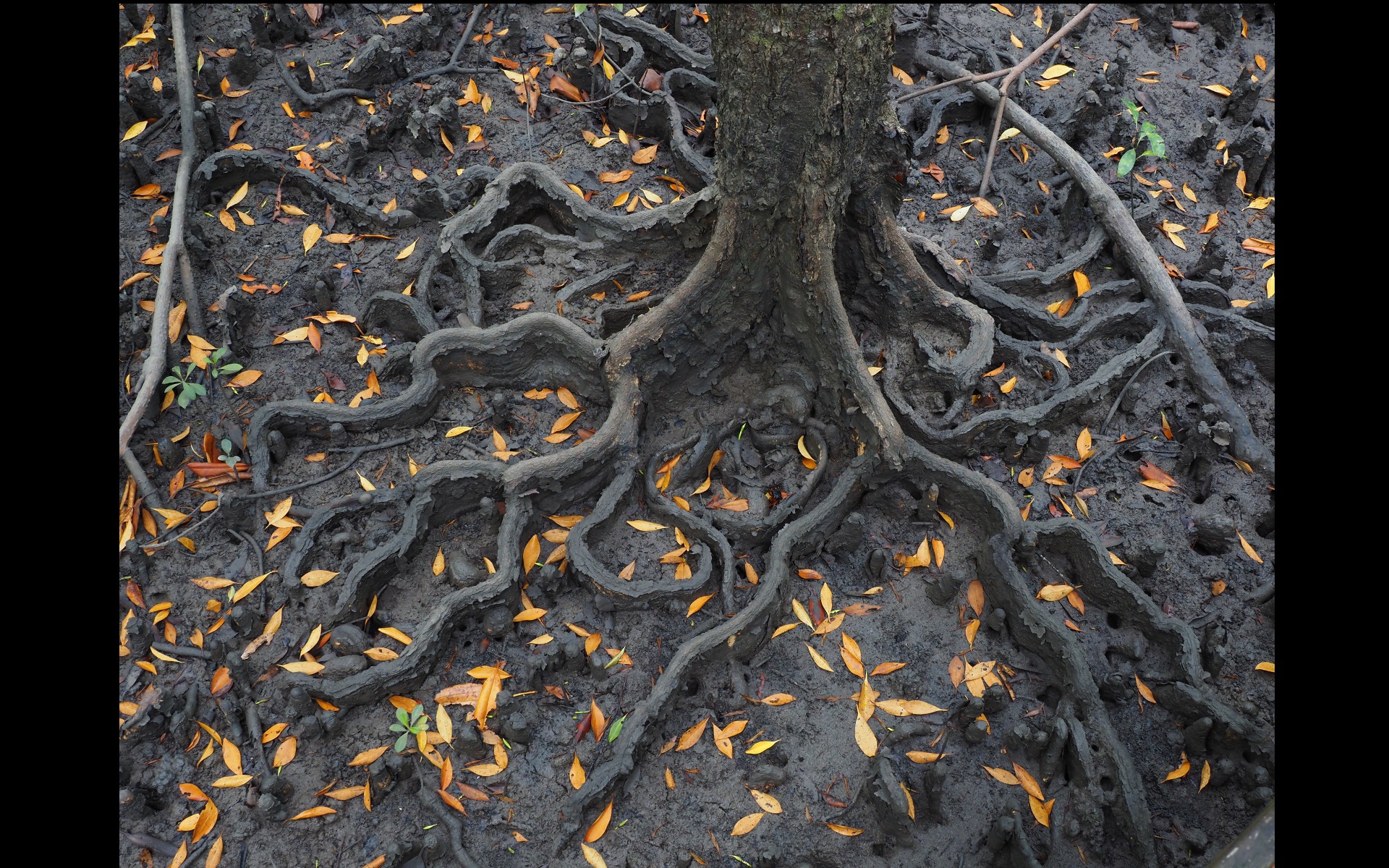
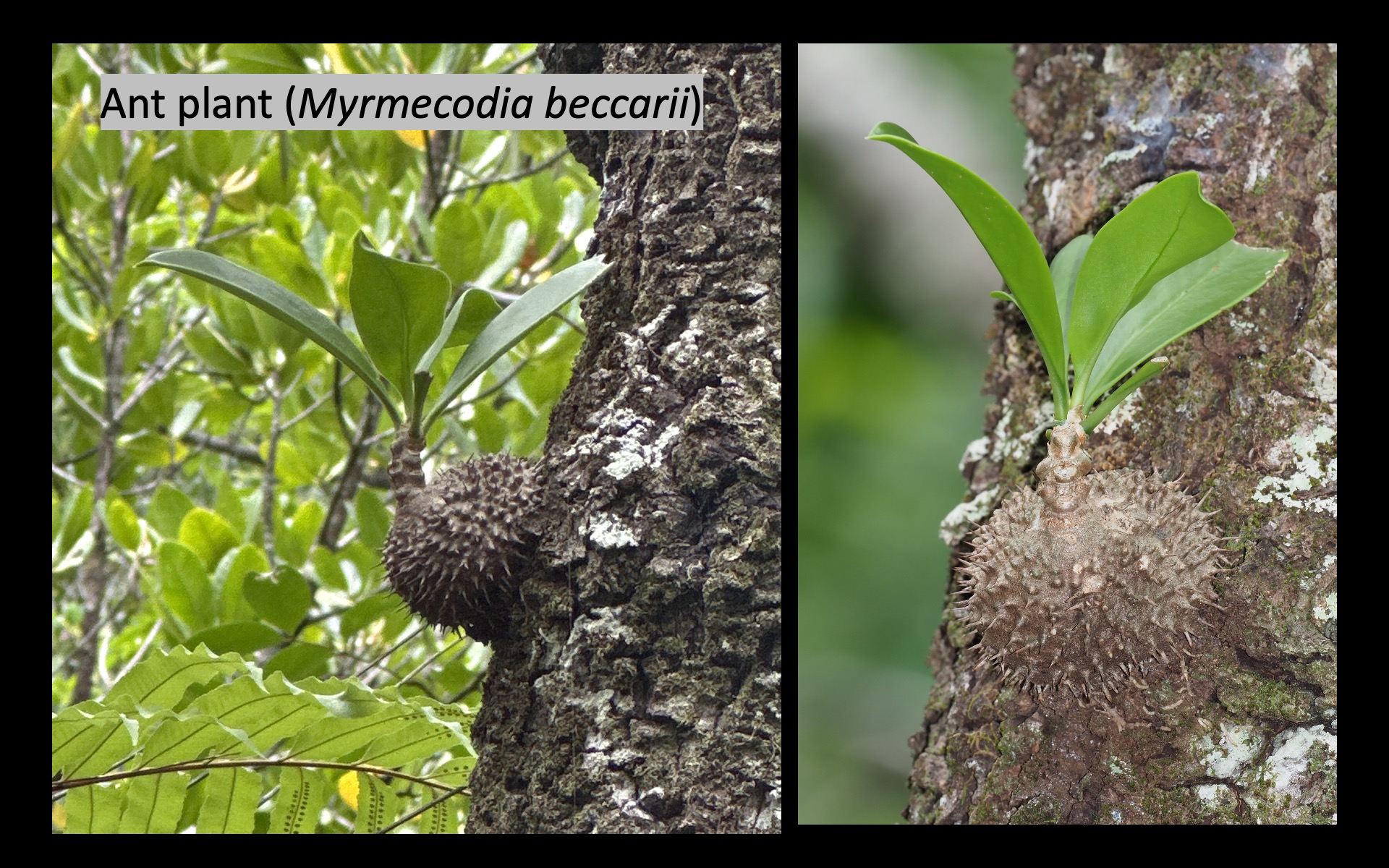
We have visited the mangrove boardwalks three times – each time seeing different things. Hundreds of photos. There are a half-dozen different mangroves found there – quite interesting zonation due to subtle salinity differences between the inland parts and the open shore. I’m into mangroves and give talks on this subject, but here I’m just going to say that you should go and see for yourself. Don’t try to walk there! It is a bit too far and too warm.
Click on the first slide below, then step through the slides and read the accompanying captions.






Darwin, Australia
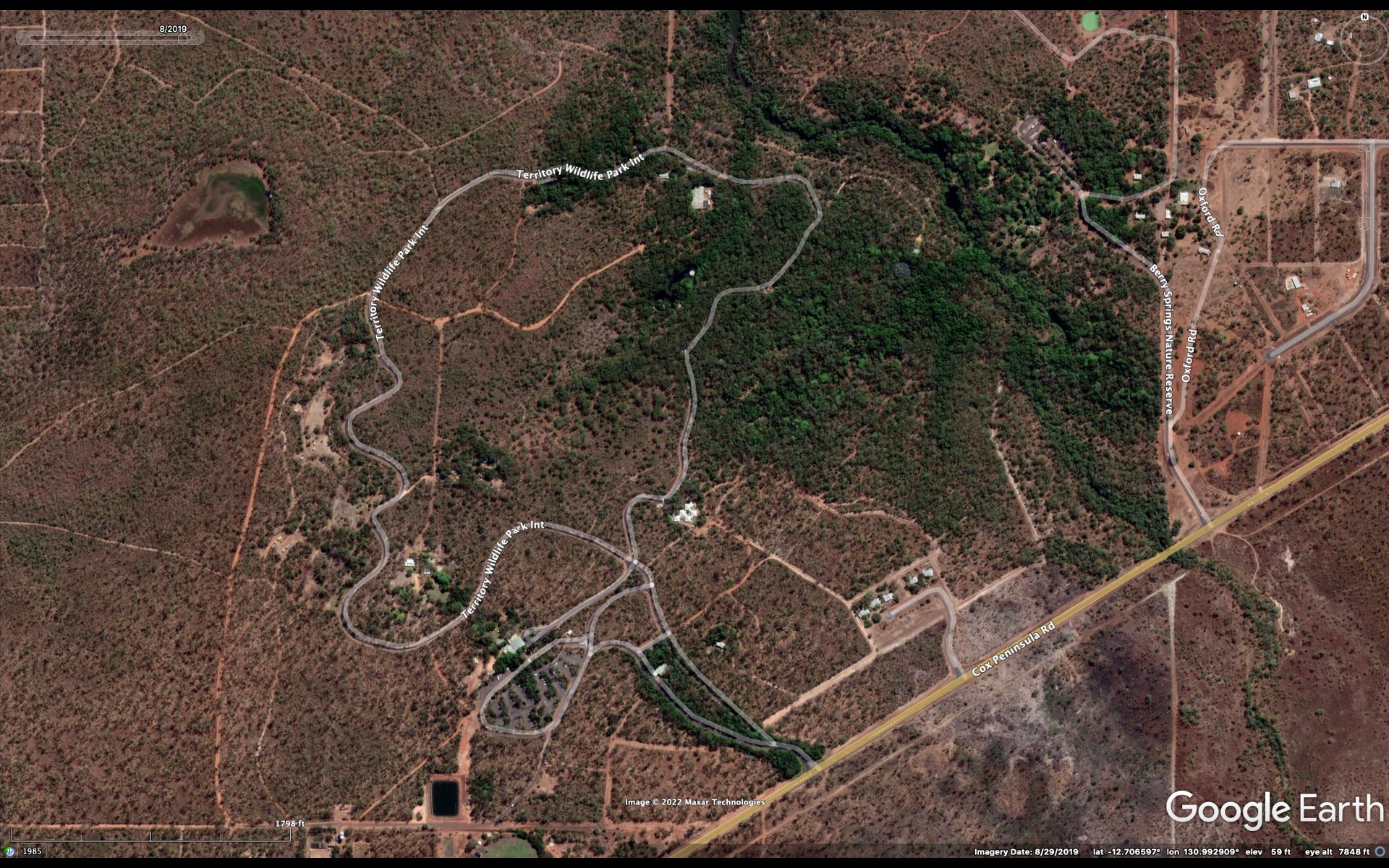
The best place to see and learn about northern Australia’s wildlife and flora is at the Territory Wildlife Park. It is a good distance outside Darwin – about 40 minutes or so, but if you want to learn as much as you can in one day about the tropical north of Australia this is the best place to go. It is run by the Northern Territory Gov’t, so it does not have the excessive amount of commercial stuff that many private attractions tend to have. It will be an expensive taxi ride – so go with others to split the cost. There will be ship tours there, but while these are certainly most convenient, they rarely don’t provide enough time to see the park (see my comments below).
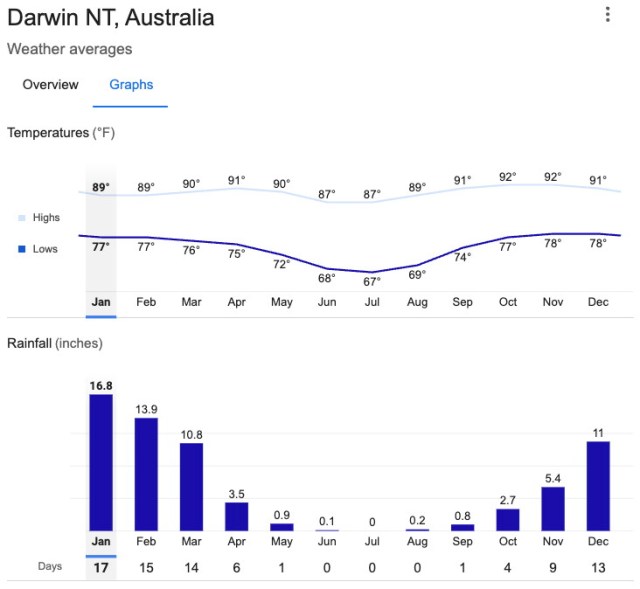
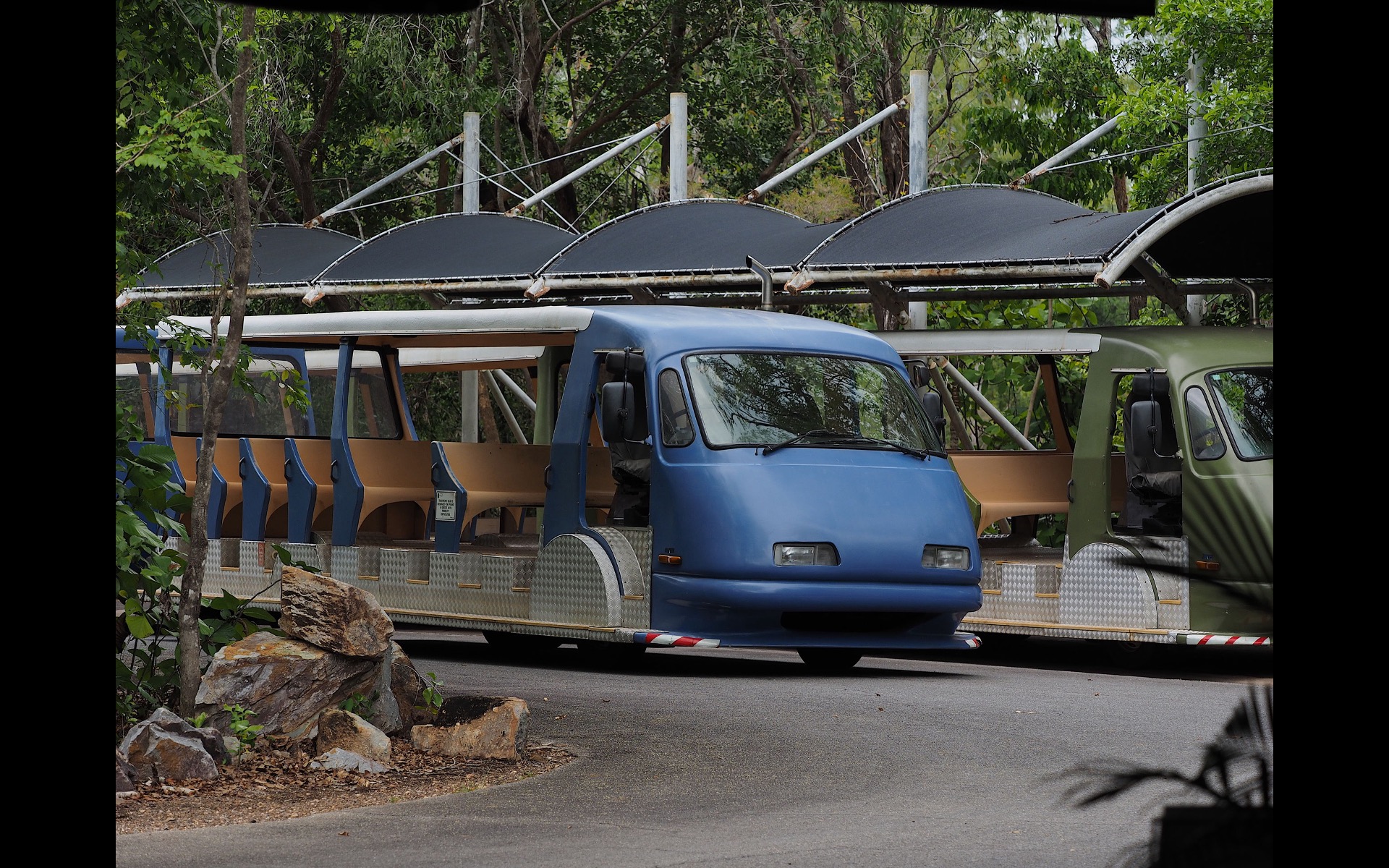
Now, if you go to the Territory Park you must be prepared to sweat. Darwin is hot and humid when most cruises visit, 90˚F in the daytime and 75˚ at night. It will likely rain sometime during the day in January-March period. But it will be green! The excursions to the Territory Park usually don’t provide enough time to see everything. We rented a car and spent 4 hours there – but we were there on a long port stop and wanted to see other places. Four hours is barely enough time – seriously. (If you Google “how much time to see the Territory Wildlife Park” you will see the answer the “AI” gives is 4-6 hours) There is a small restaurant if you get hungry. Now, we have been here at least three times – two on long personal trips to Australia when we were driving. So we had no time constraints. But this place deserves as much time as you can give it. The slides below show what it is like, but the key things to do, in our opinion, are: the aquarium, the bird aviaries, the Pandanus, Lagoon, and rainforest boardwalks, the nocturnal house, and the various walking trails that connect these features. This long list is not in any order. There was a large fruit bat colony on the rainforest trail when we were there last – but these can move around so no guarantee they will be there. And we haven’t even see the bird show – which seems to take up much of the time on ship excursions. Large Monitor lizards and much other wildlife ambles through the grounds – there are almost no fences and lots of animals cross through the park from the surrounding lands. Just keep your eyes open – interesting organisms can be almost anywhere.
Click on the first slide and step through the slides and read the accompanying captions.







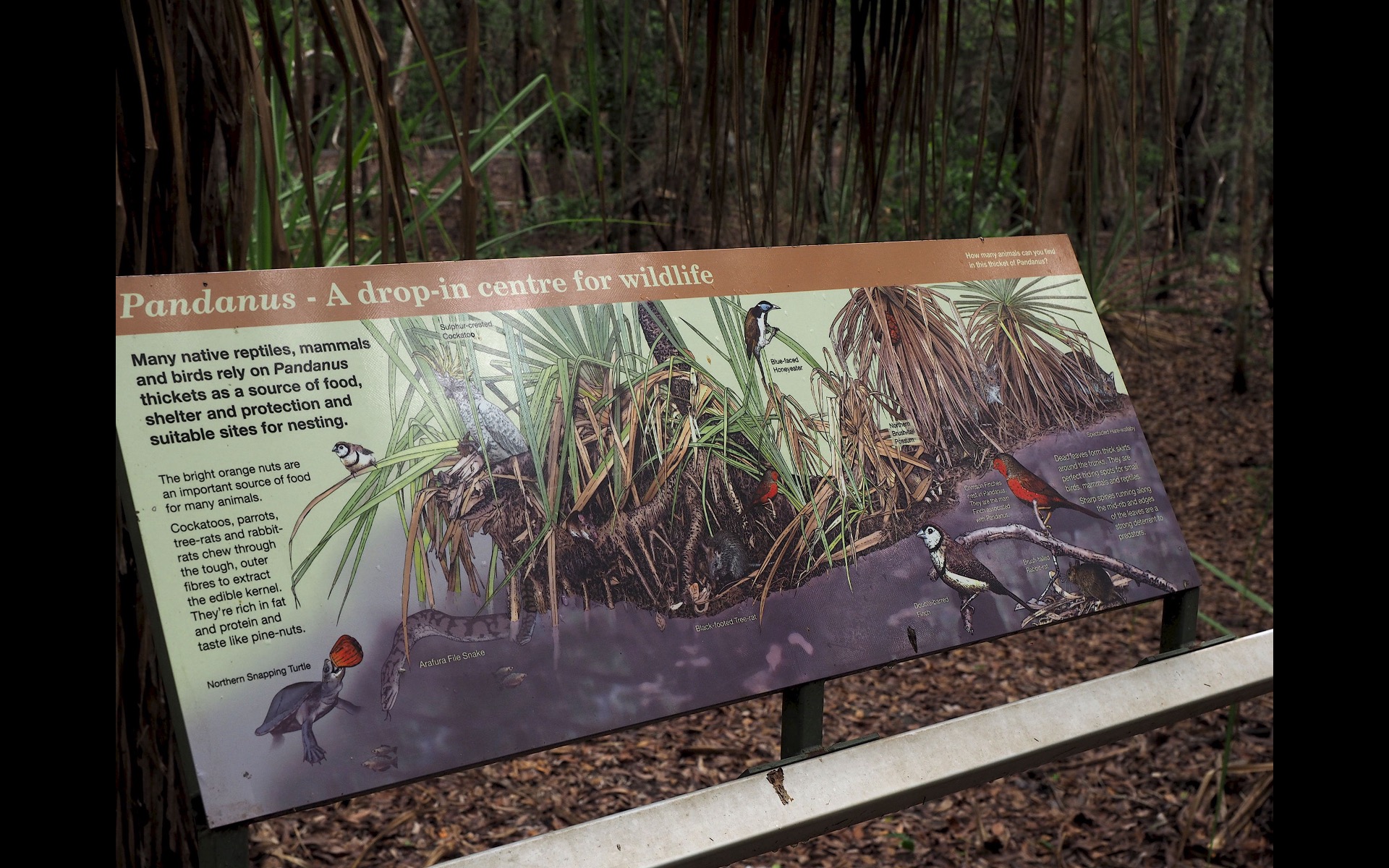
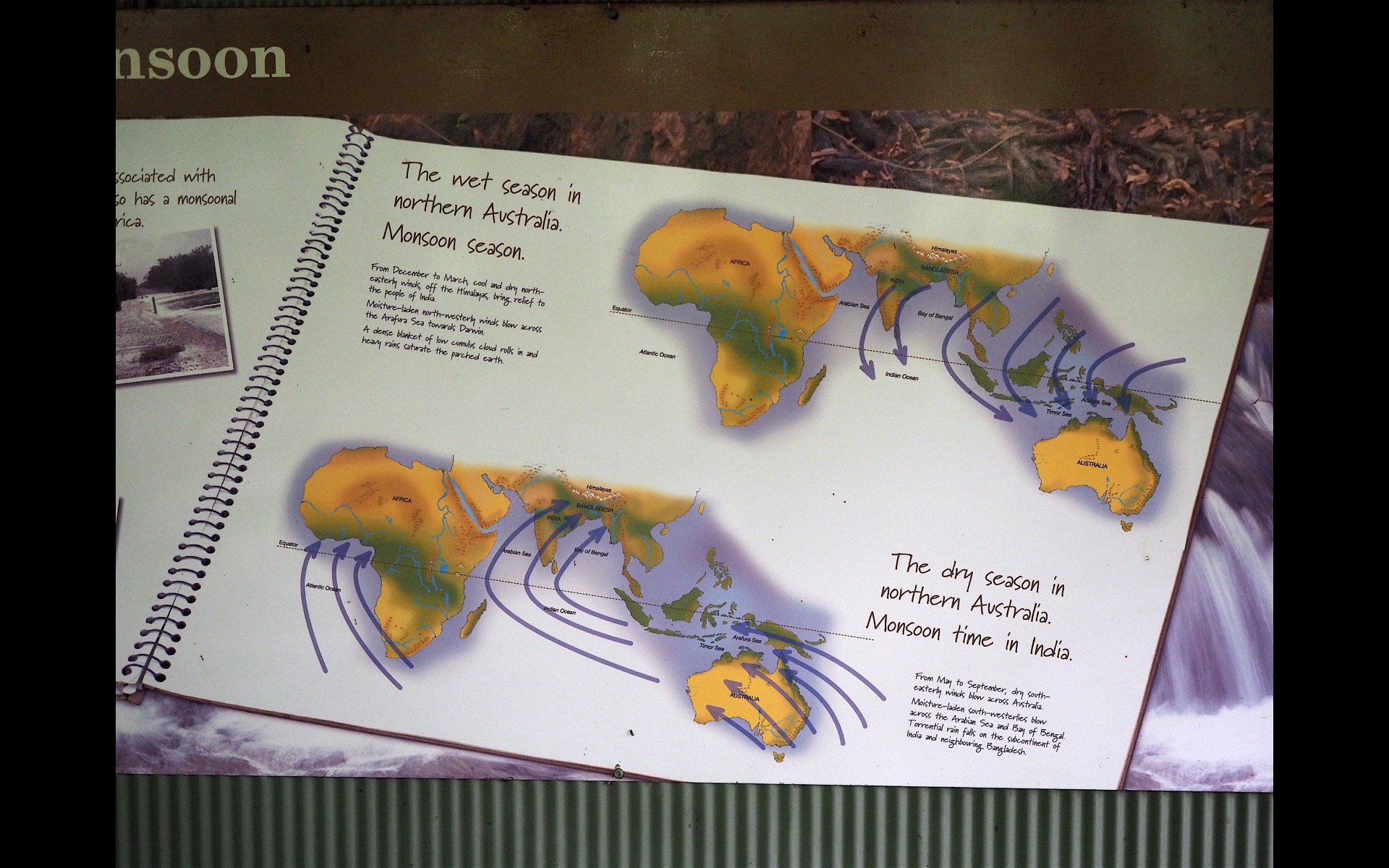
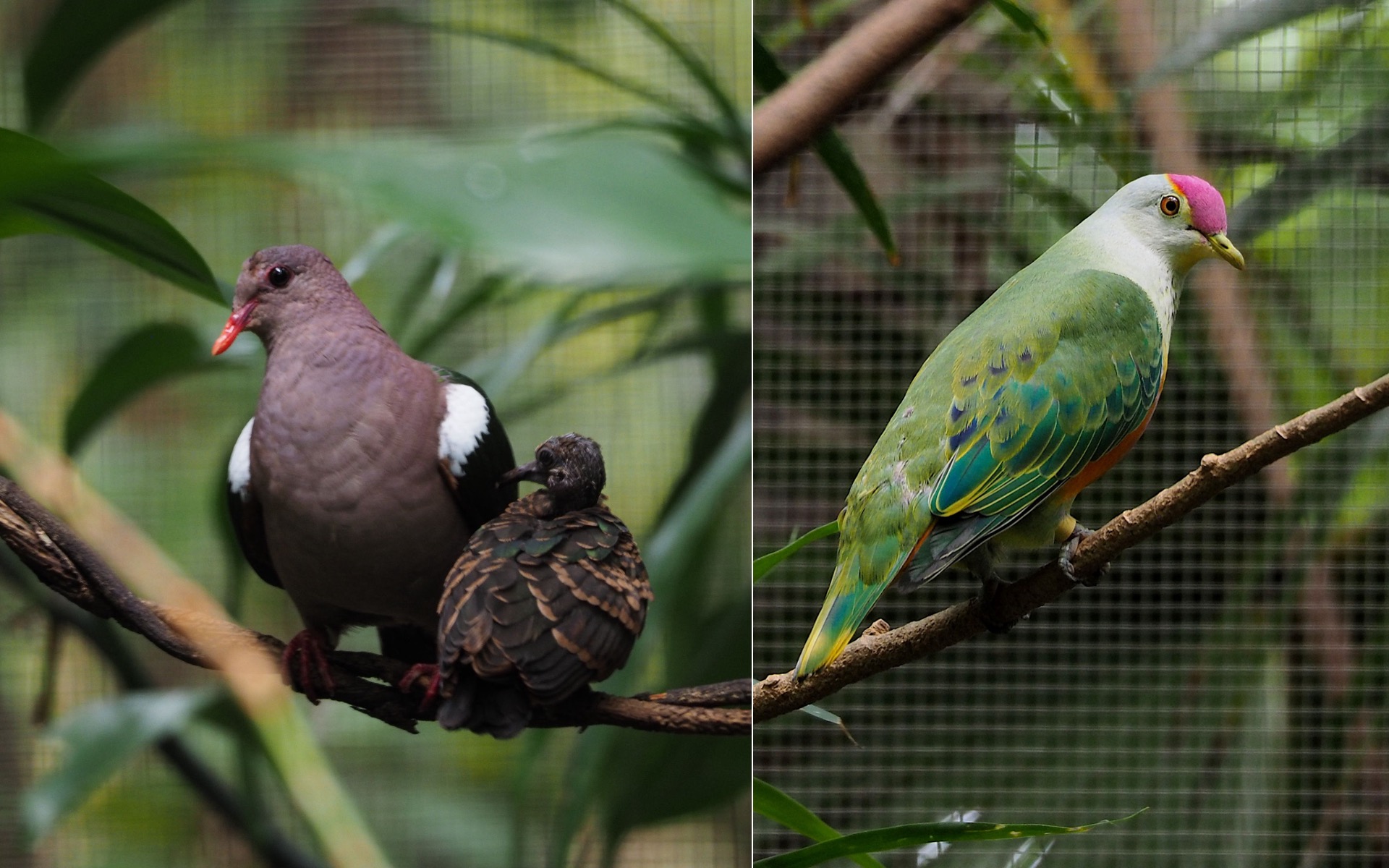
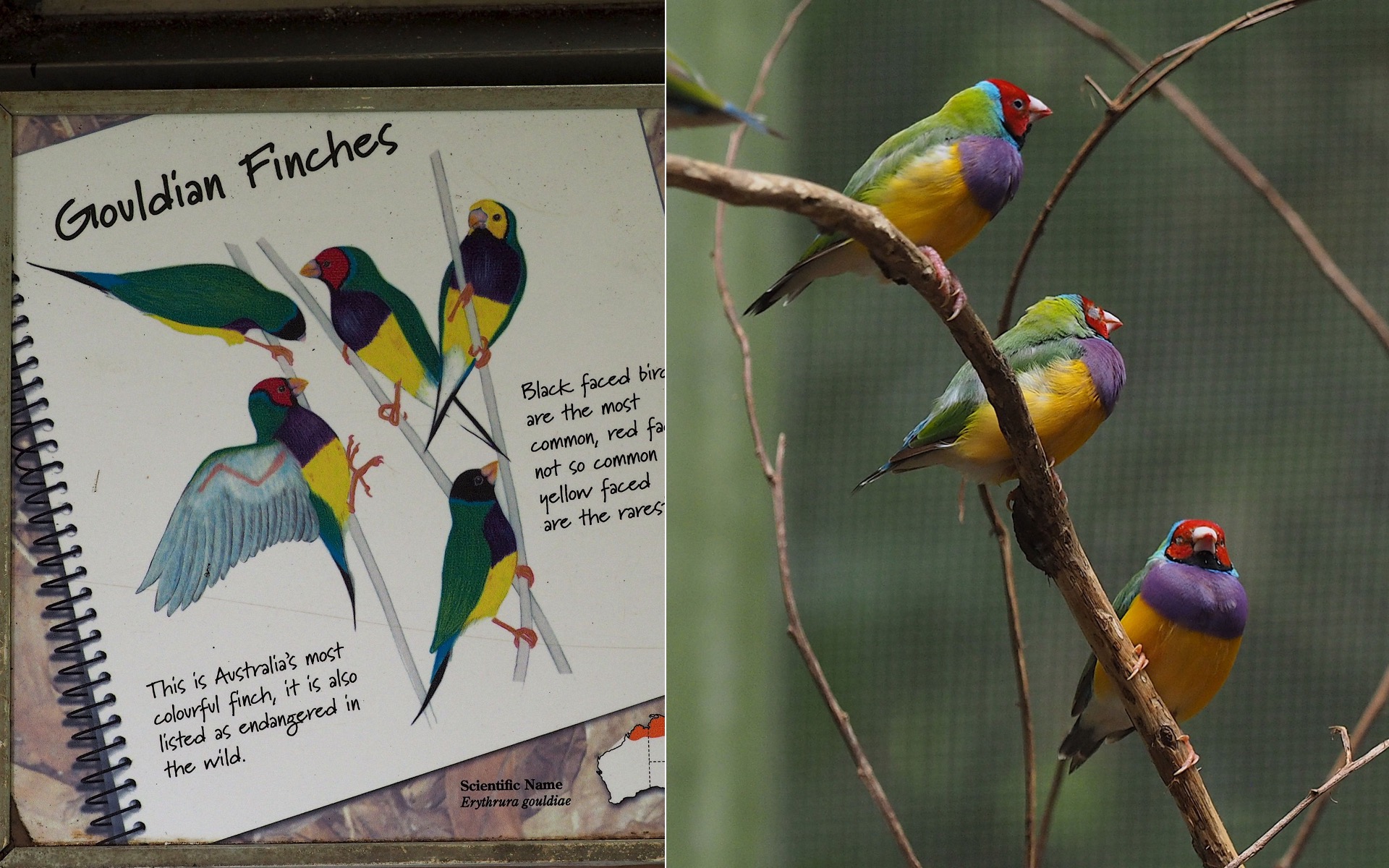
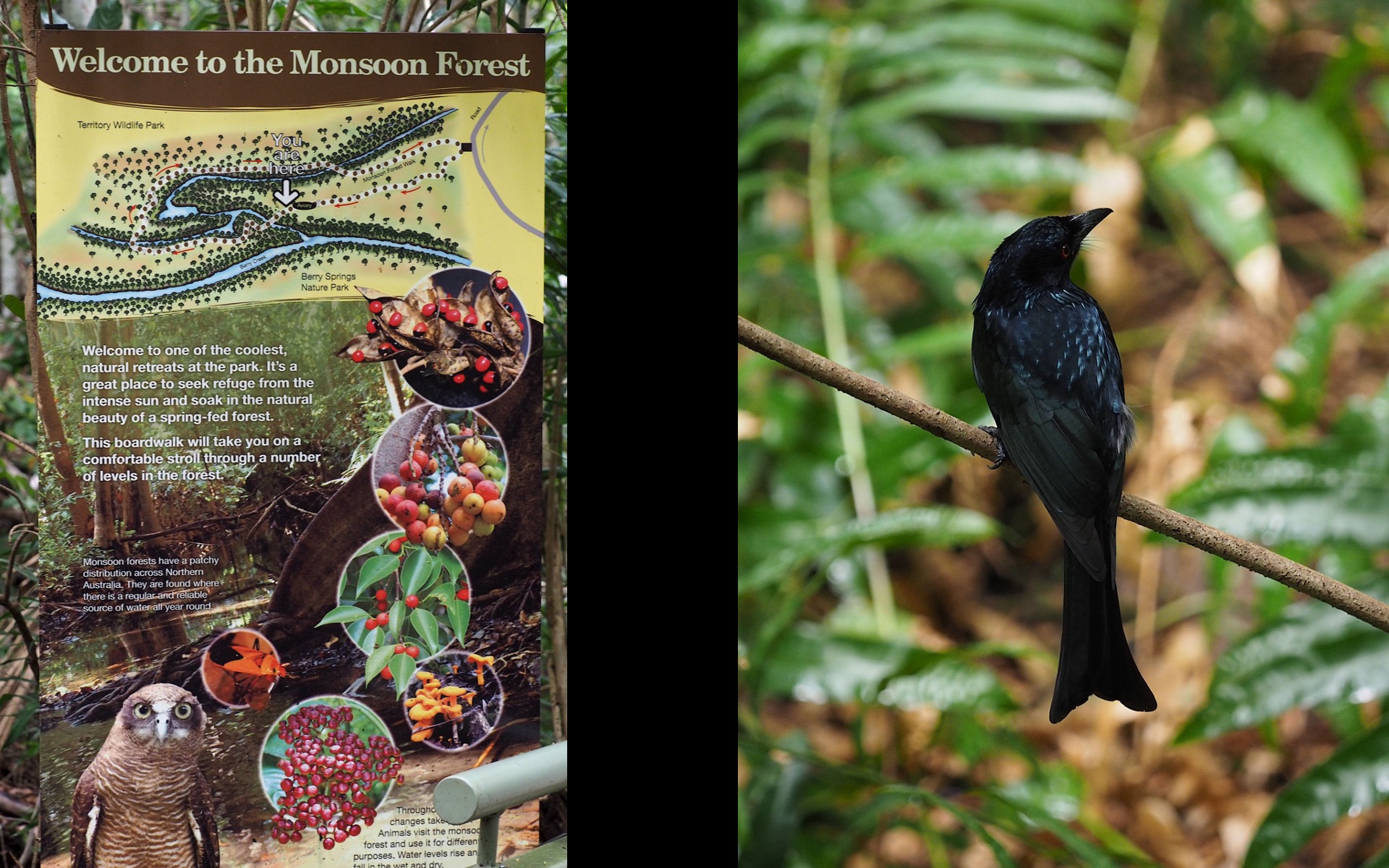
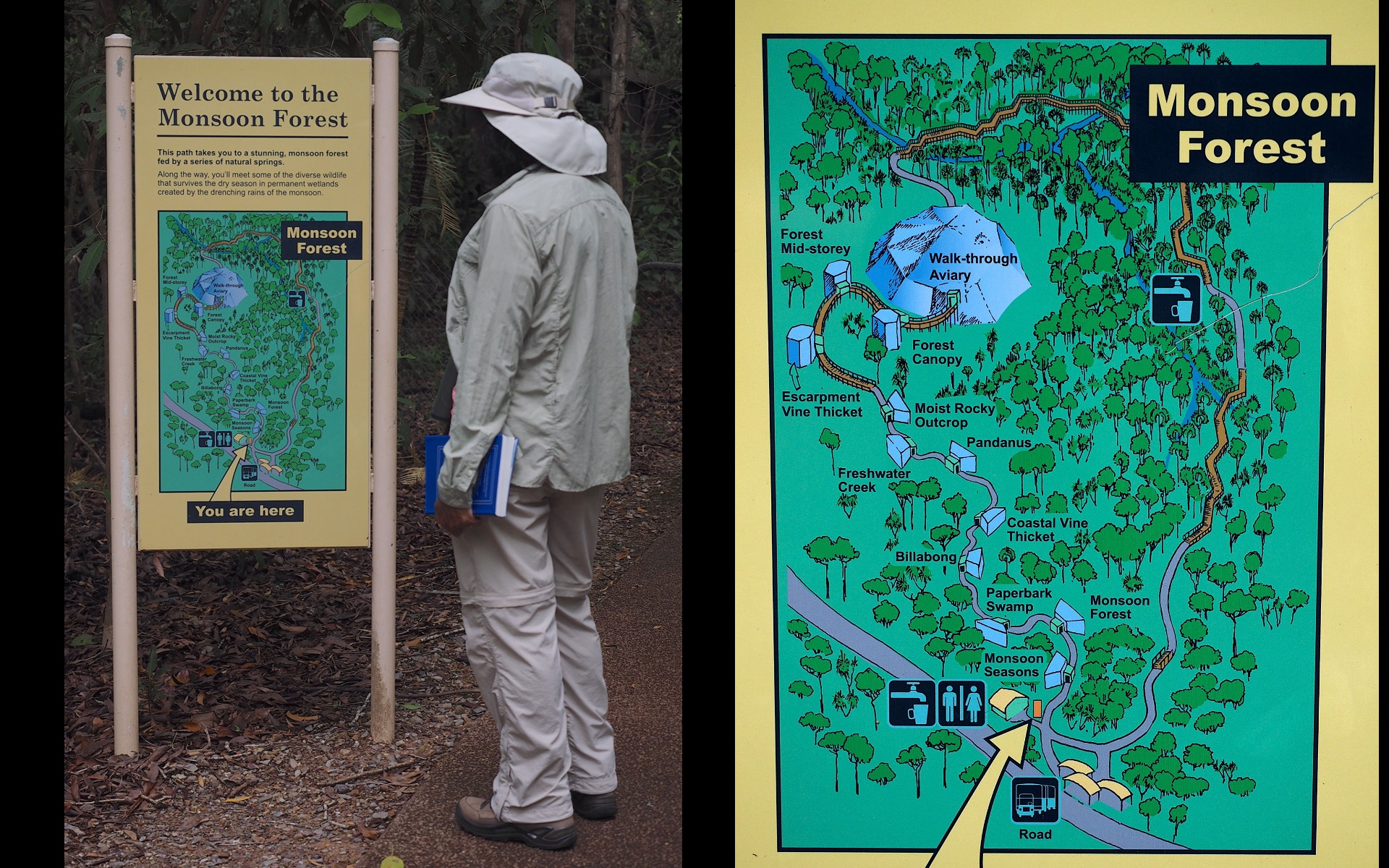
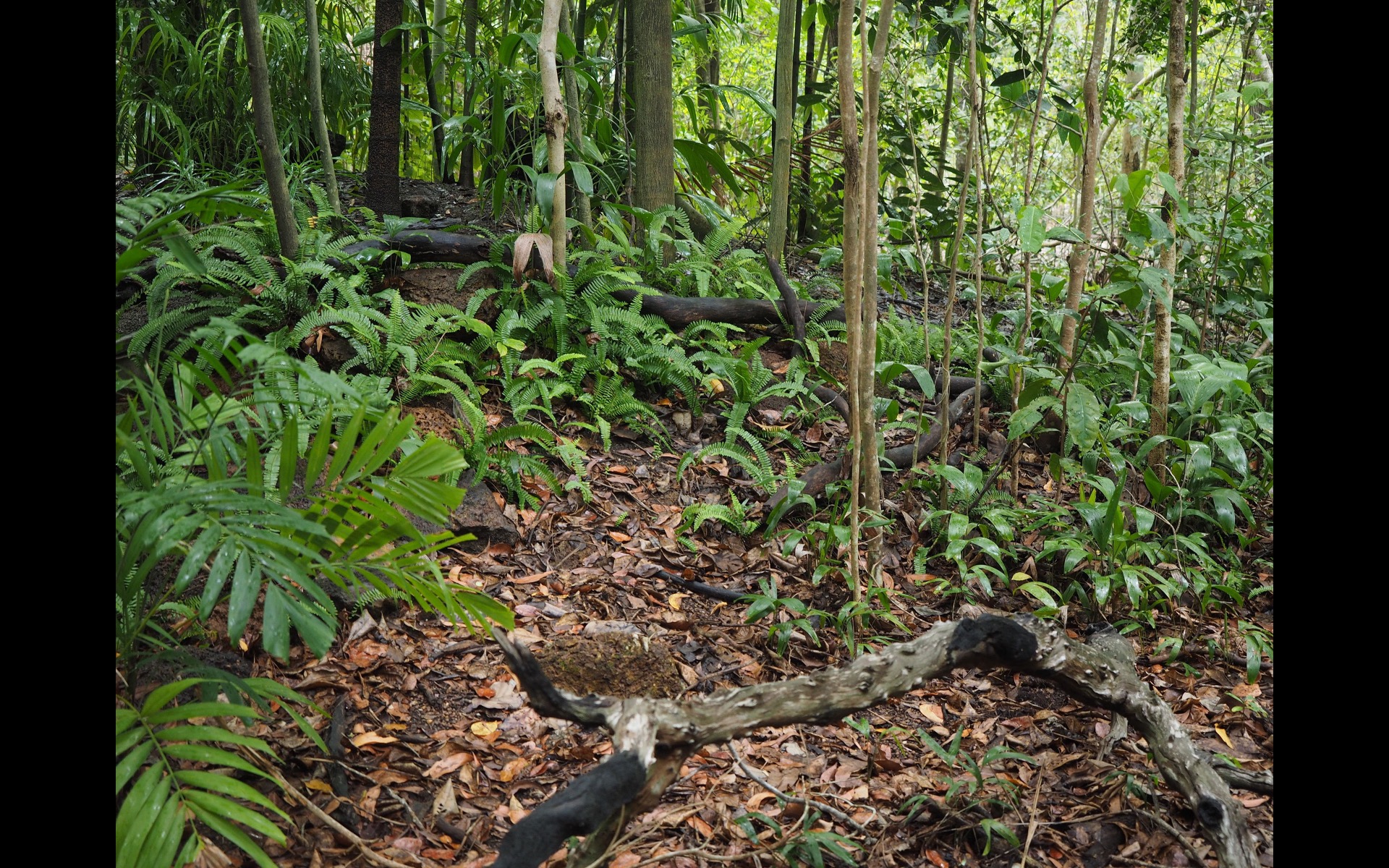

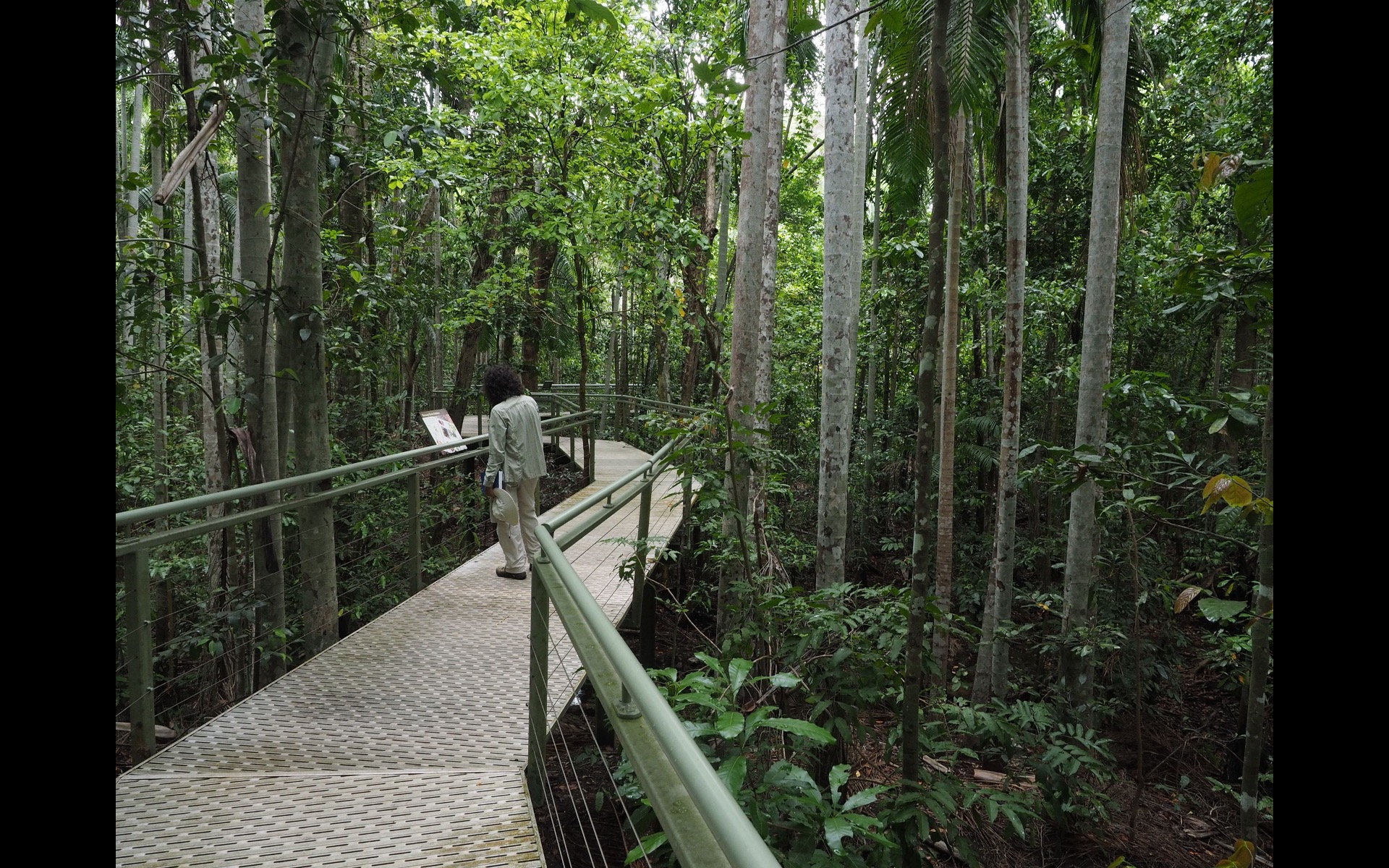
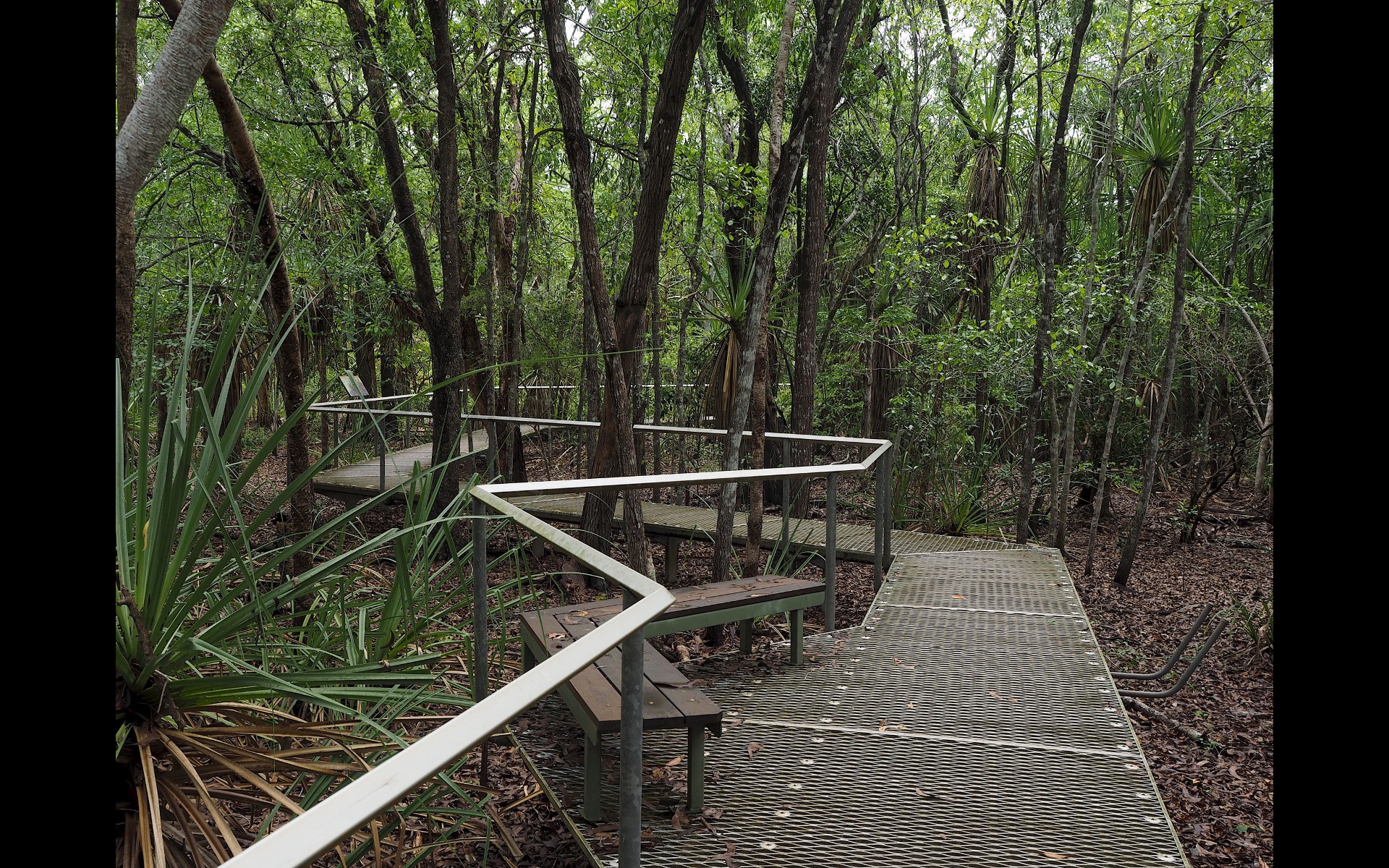
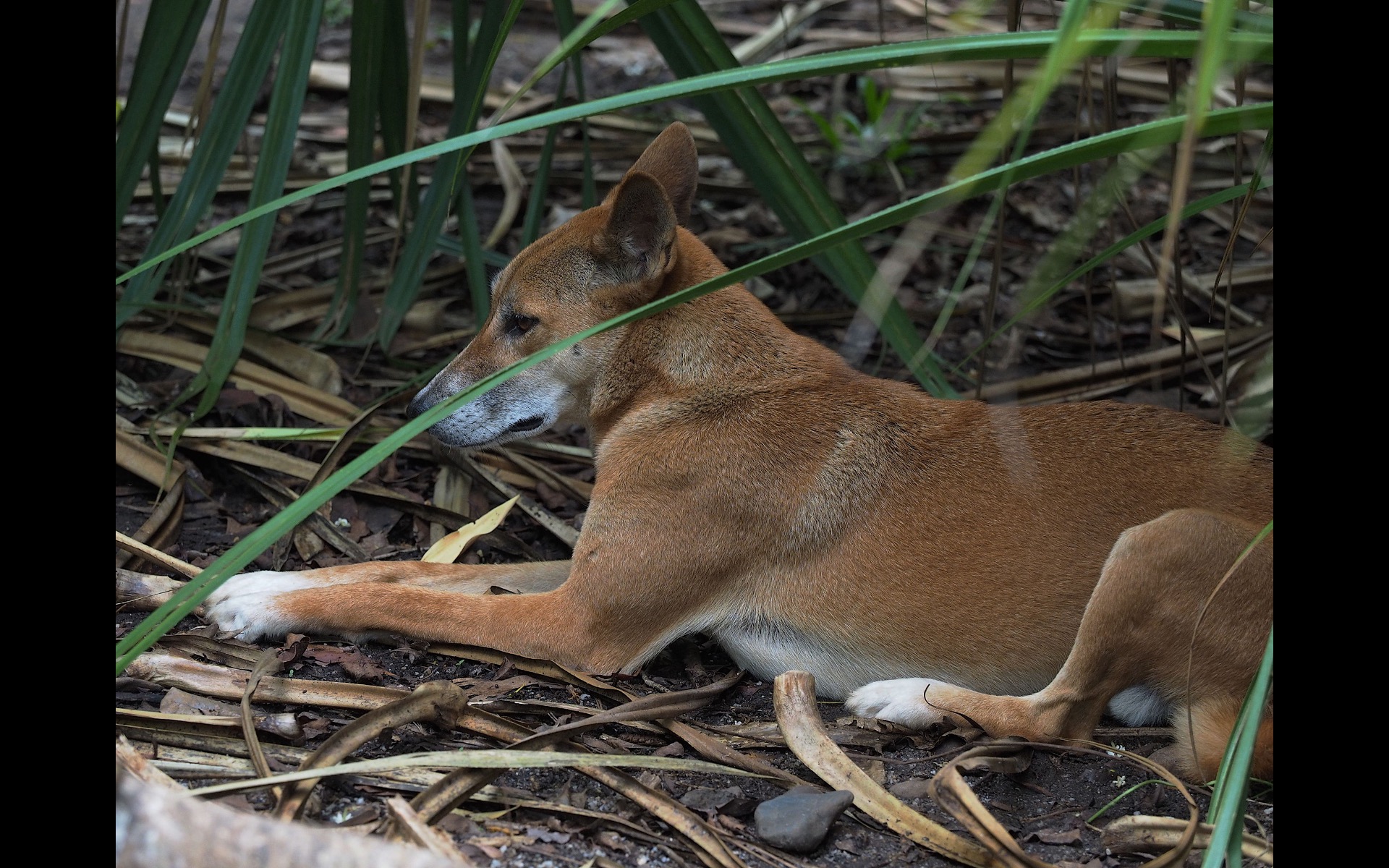
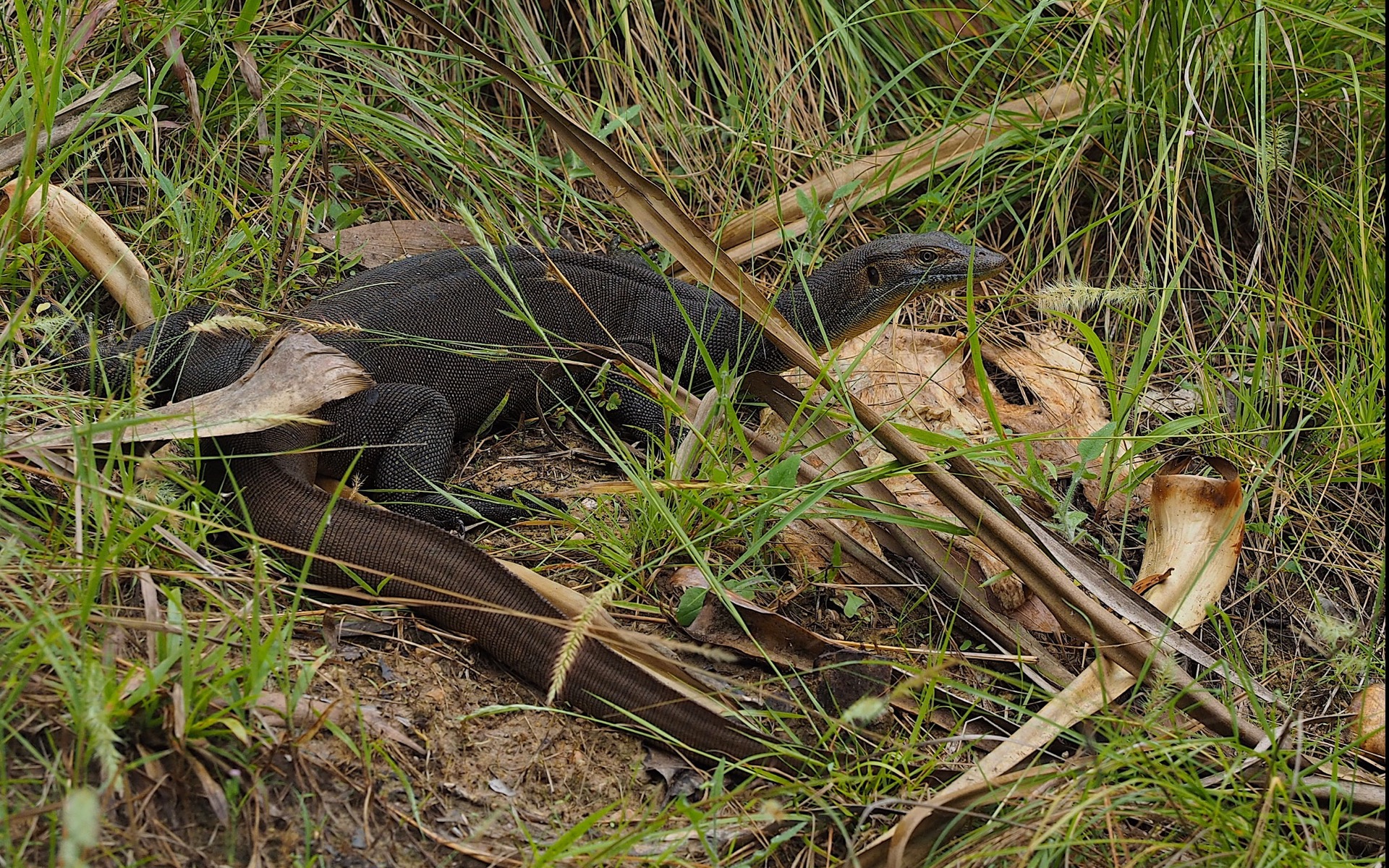

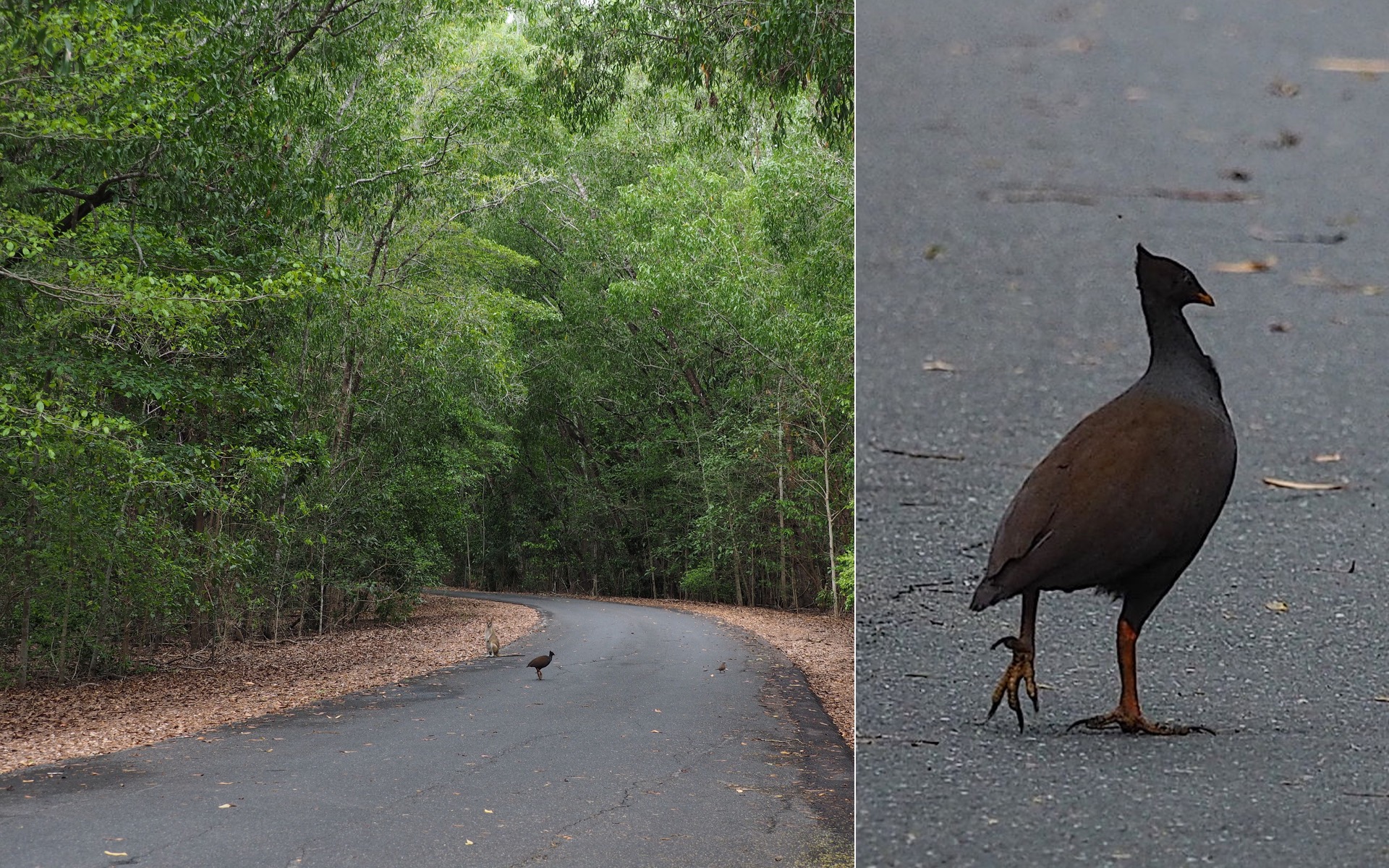

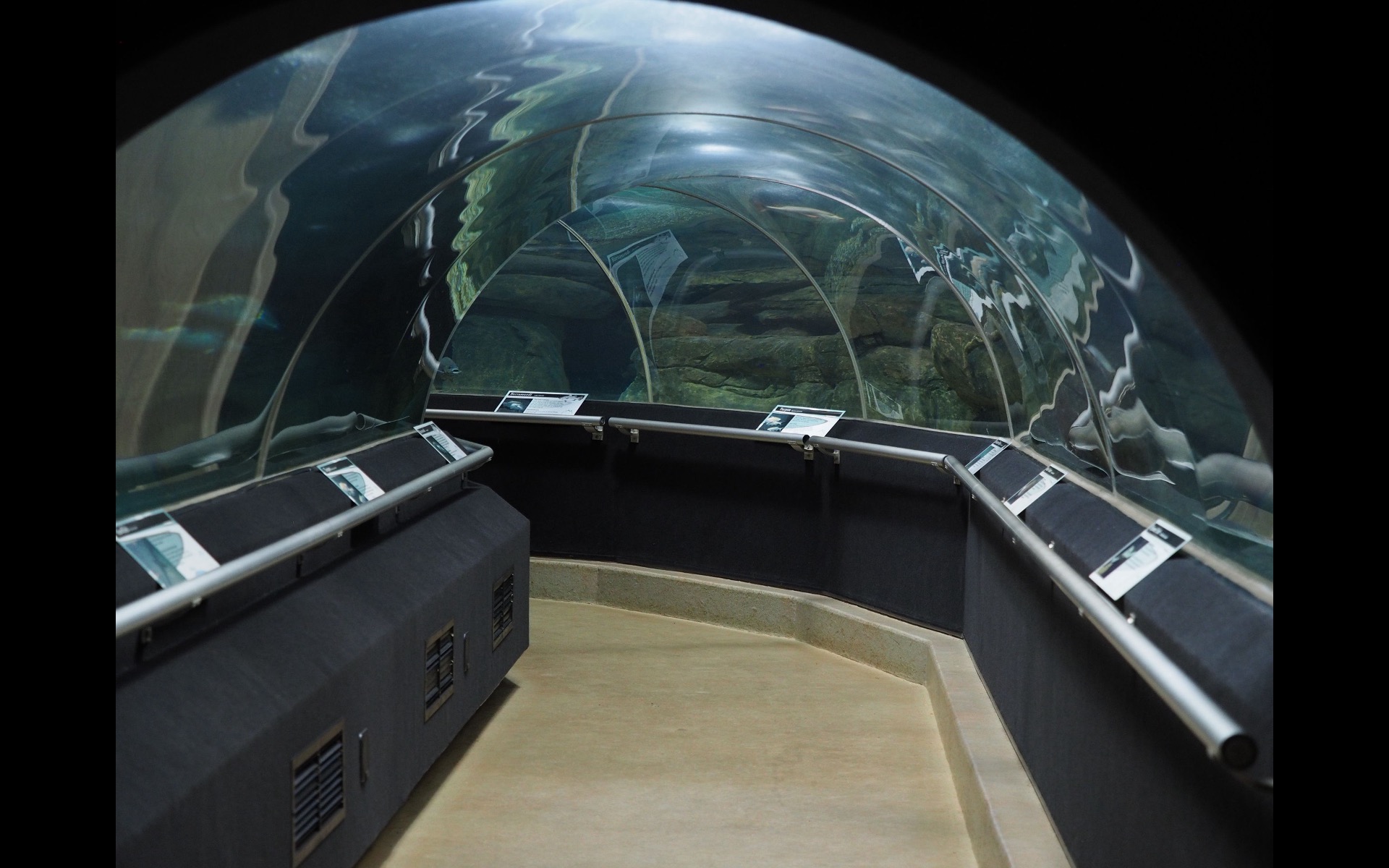

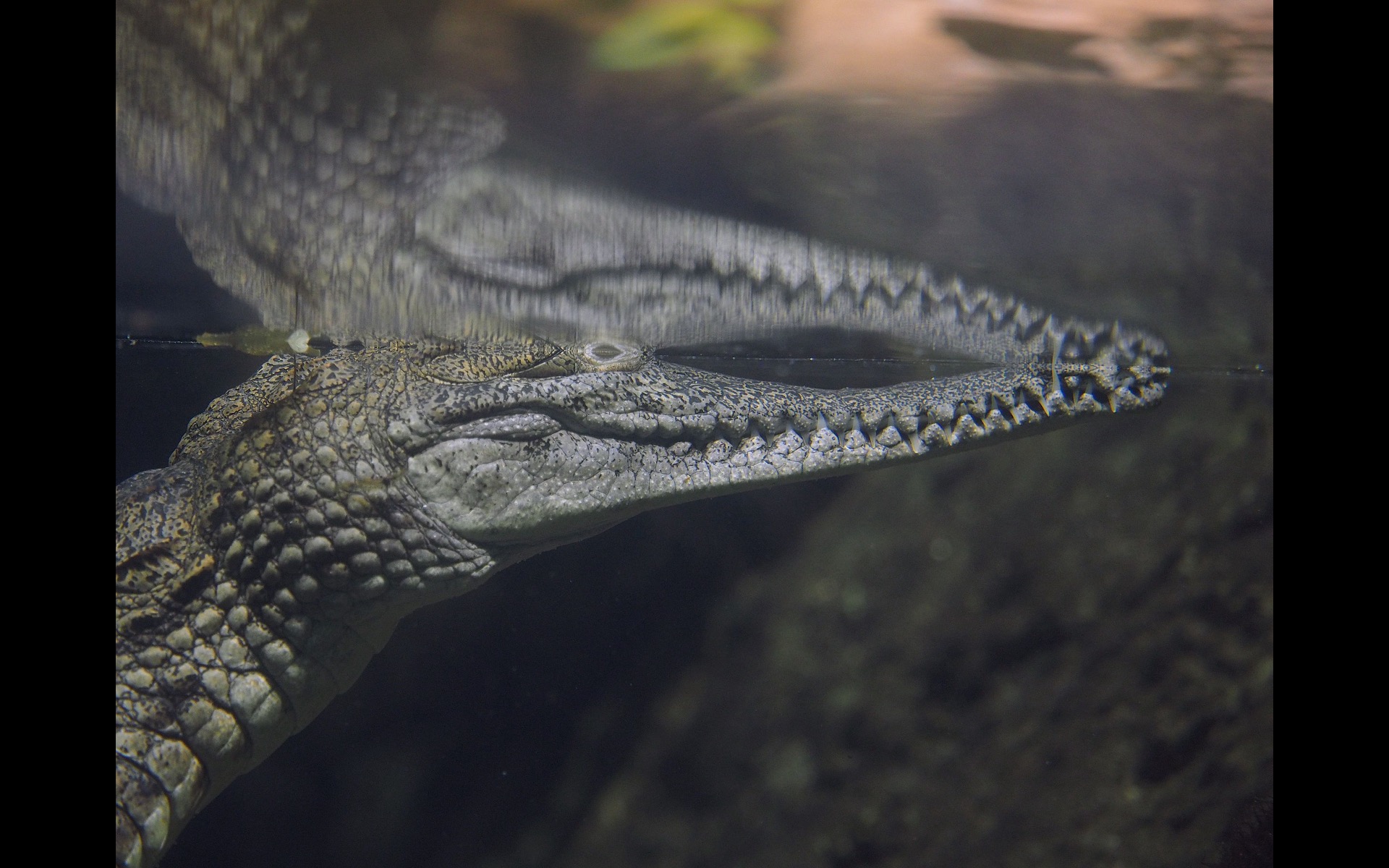
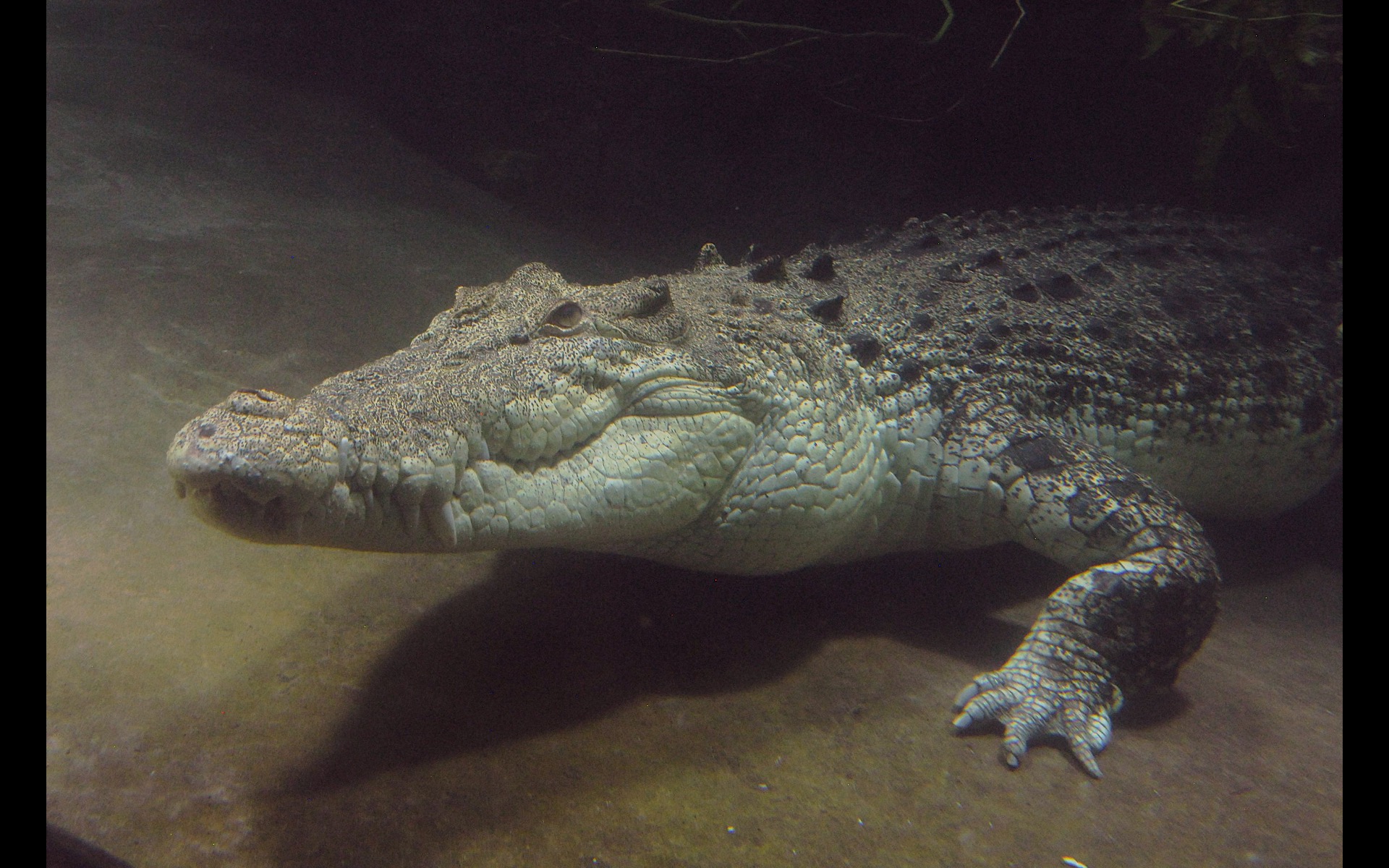
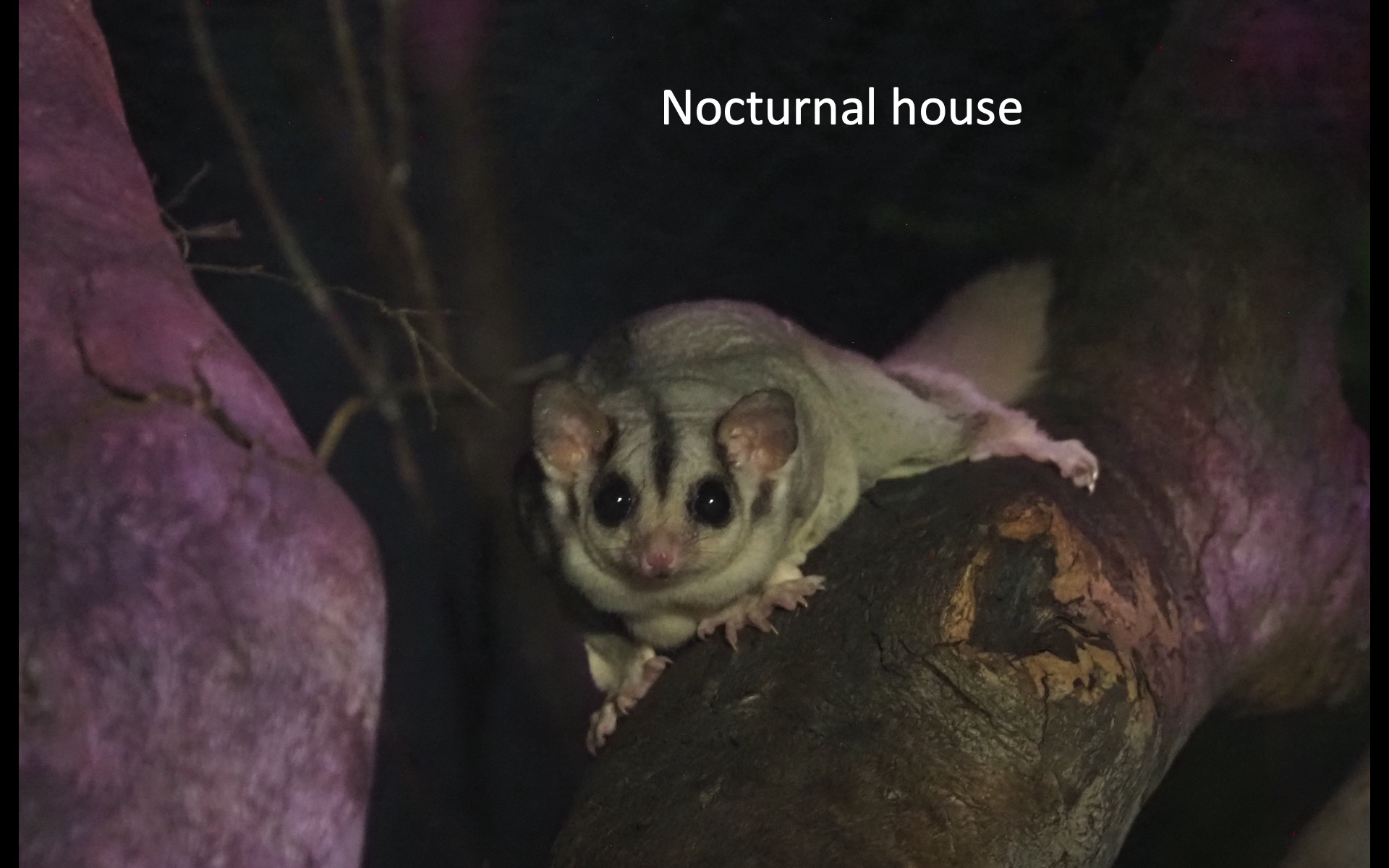

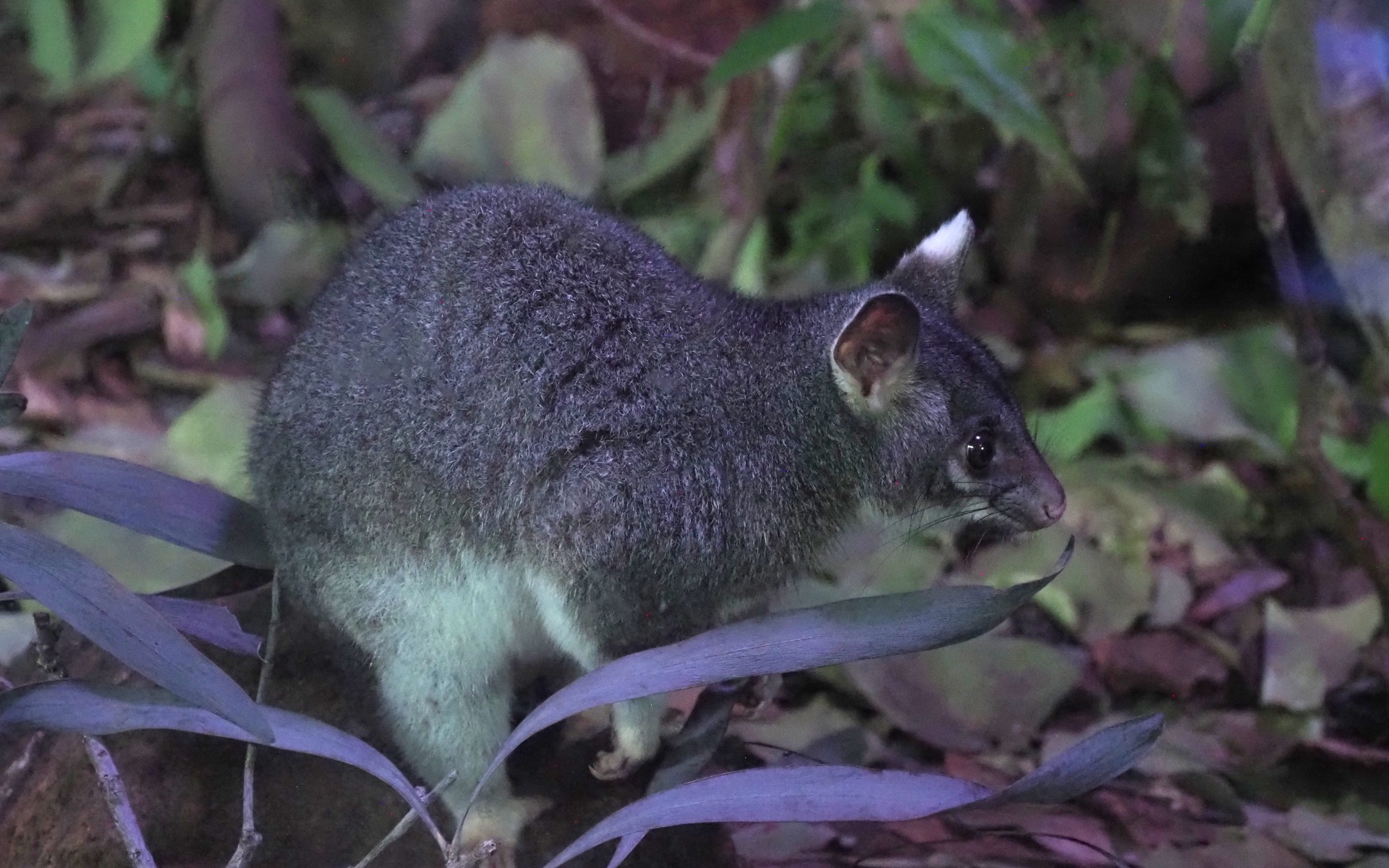

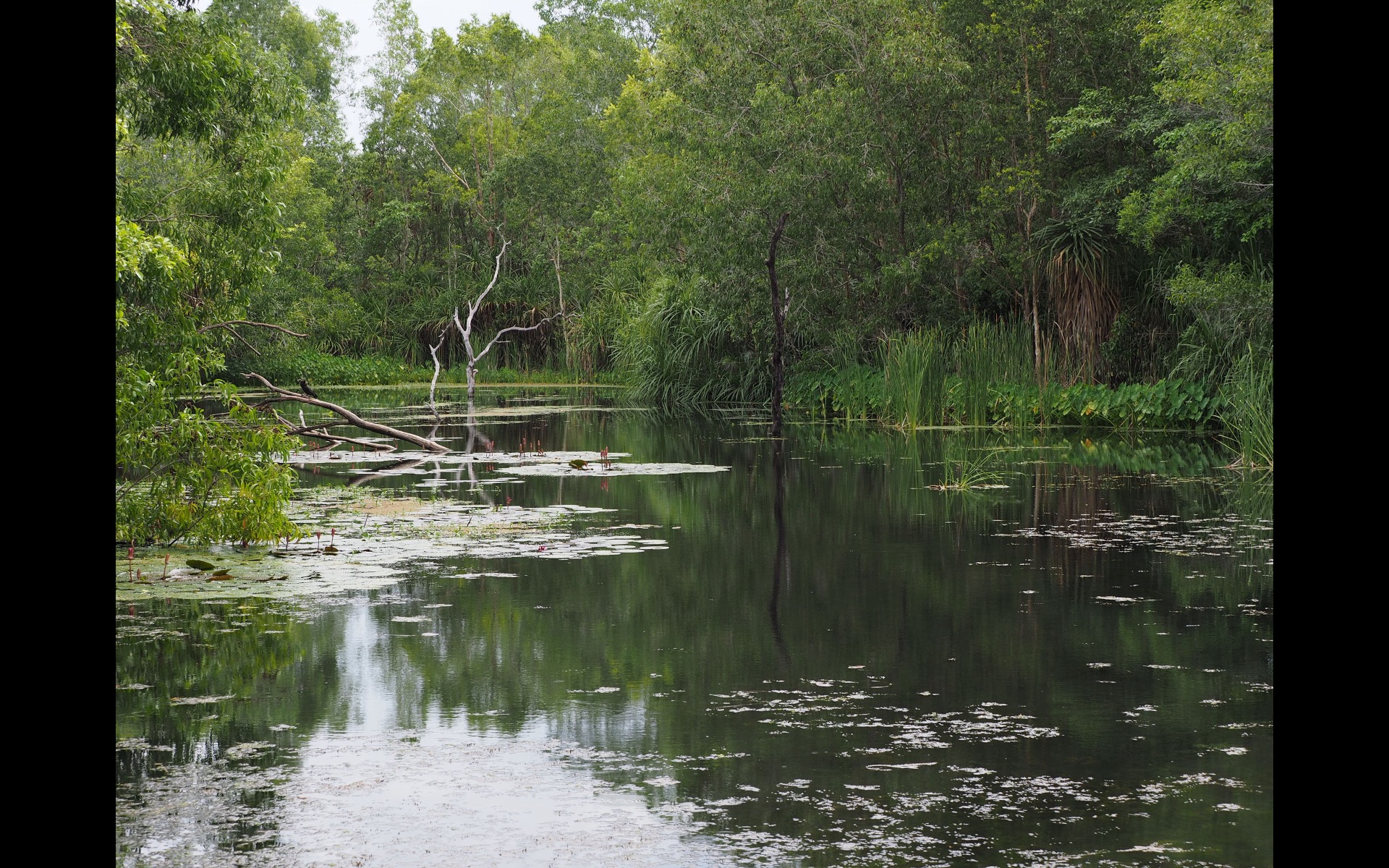


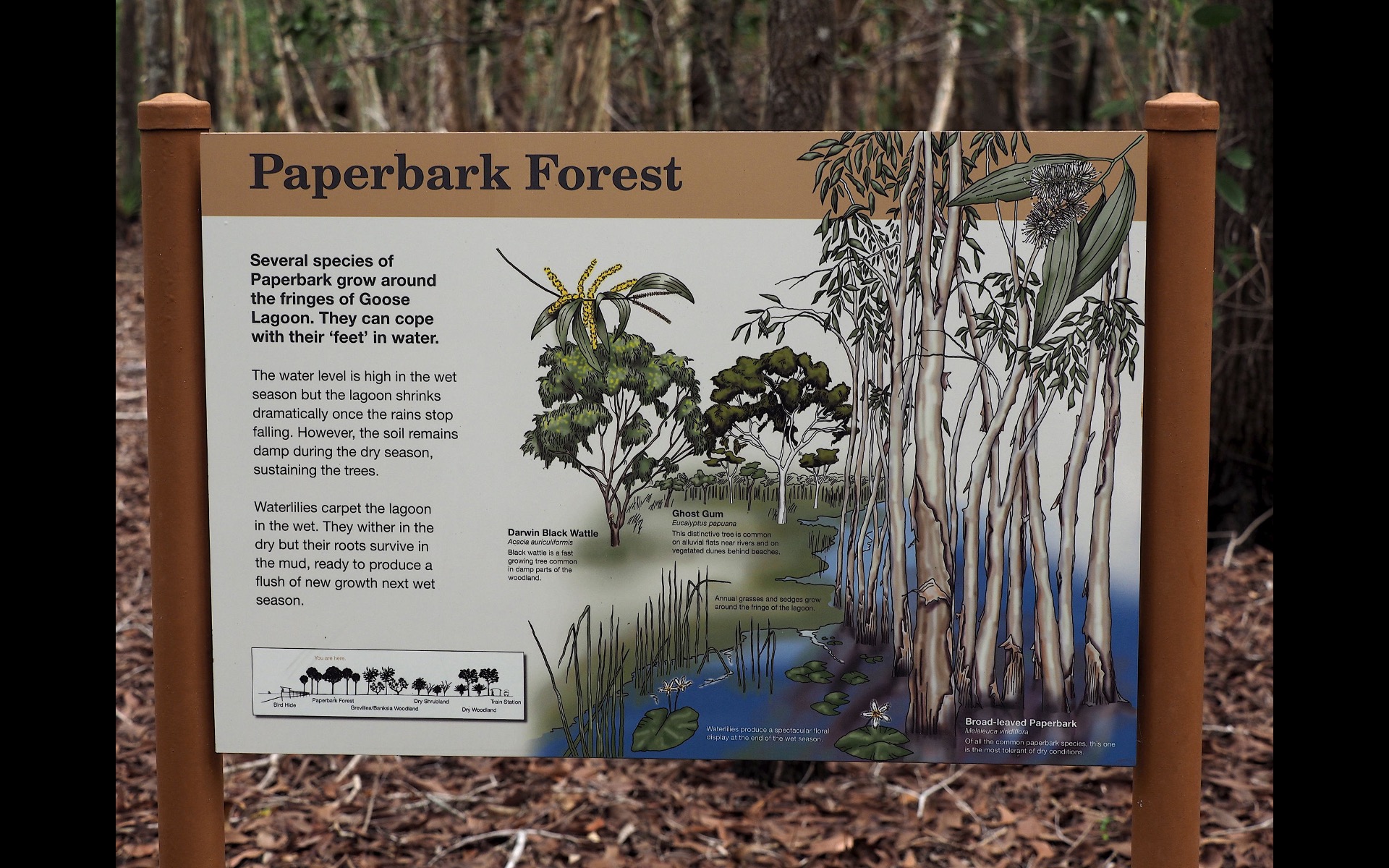

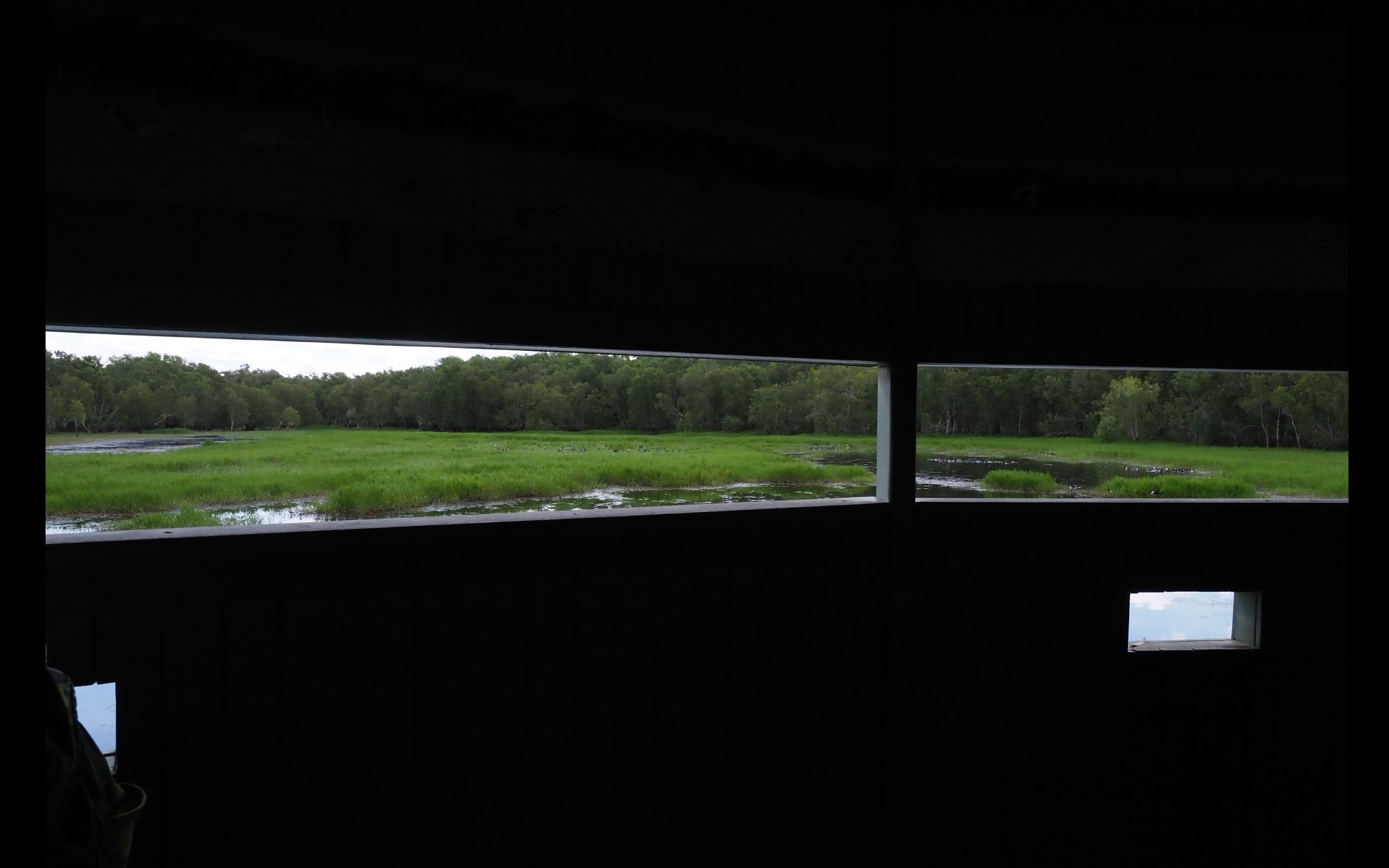
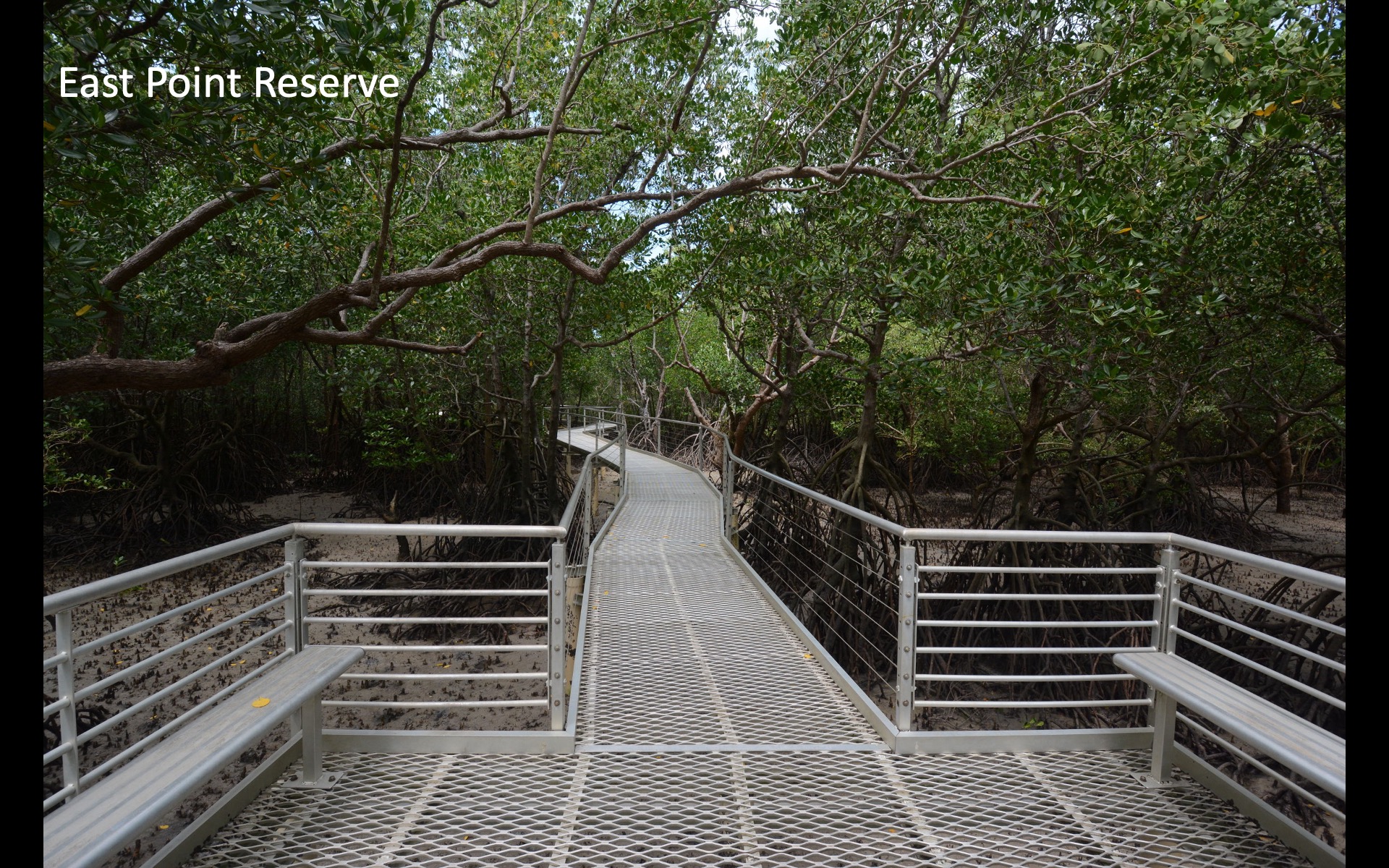
There are places closer to Darwin that are also of interest to the naturalist. The Eastpoint Park has a mangrove boardwalk that will show you a mangrove you won’t likely see in Cairns. It is “nice-looking” in a mangrove sort of way. Best to go at low tide.
Out of town, about the same distance as the crocodile-jumping tours on the Adelaide River, is Fogg Dam Conservation Reserve. There are two boardwalks/trails there that will give you a similar exposure to flora that you might see at the Territory Park. Plus various birds. And probably a healthy supply of mosquitos. But there aren’t really any mosquito-borne diseases around Darwin, so just accept your blood donation to support the local ecosystem. You will probably be nearly alone at Fogg Dam, since most tourists (and excursions) head to see the crocodiles jumping at meat bait instead. Click on the first slide below to see text and advance through the images.
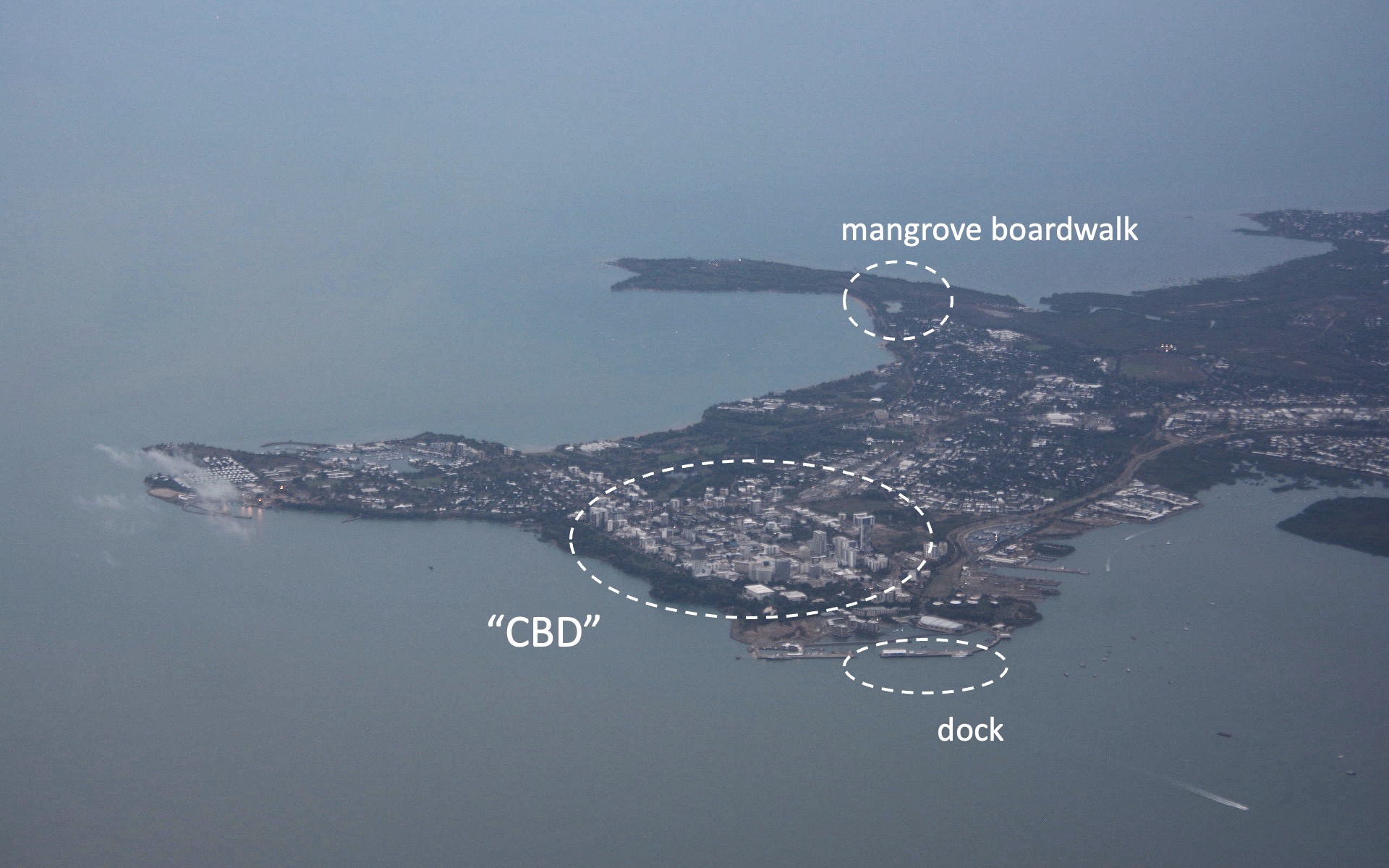
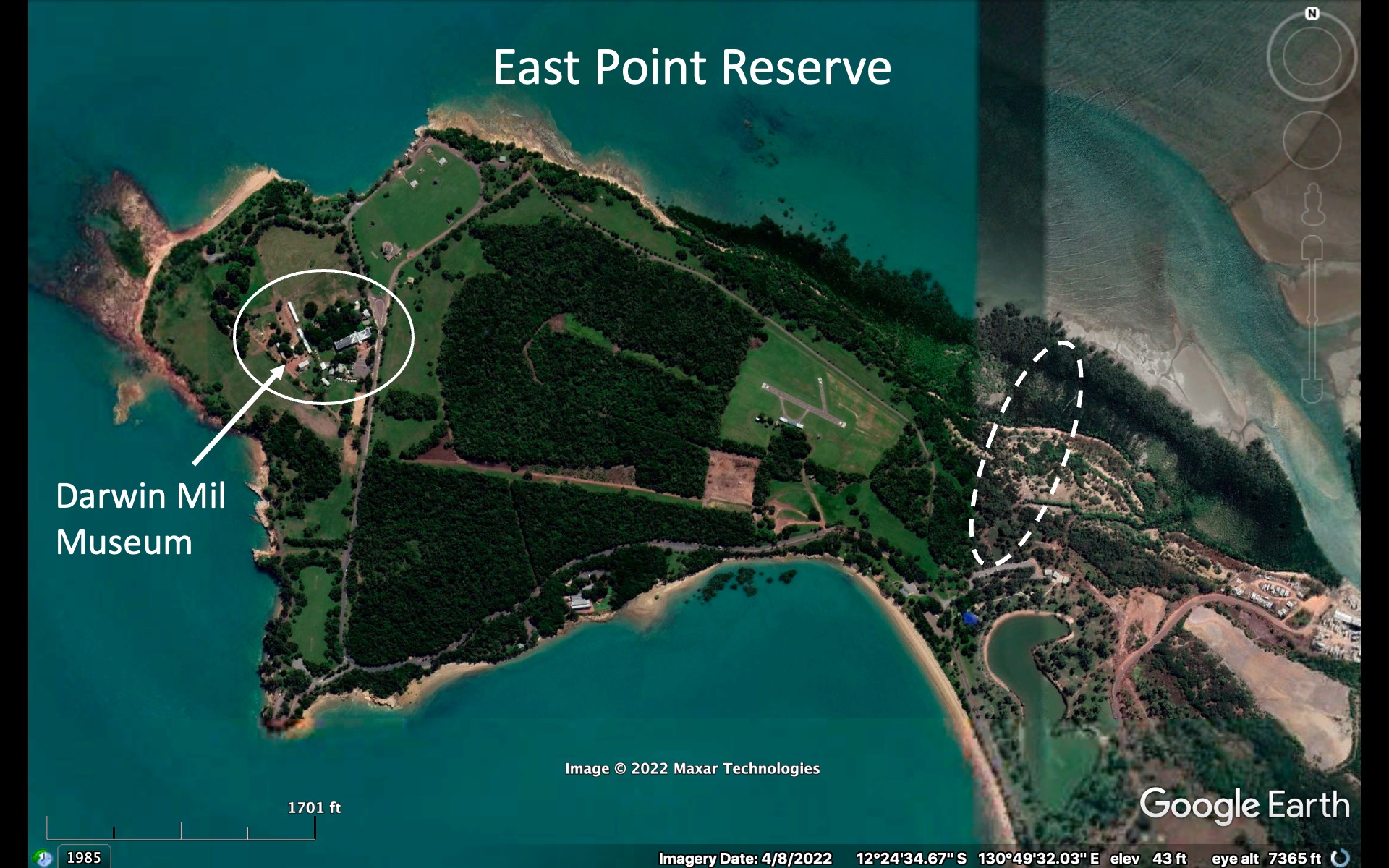



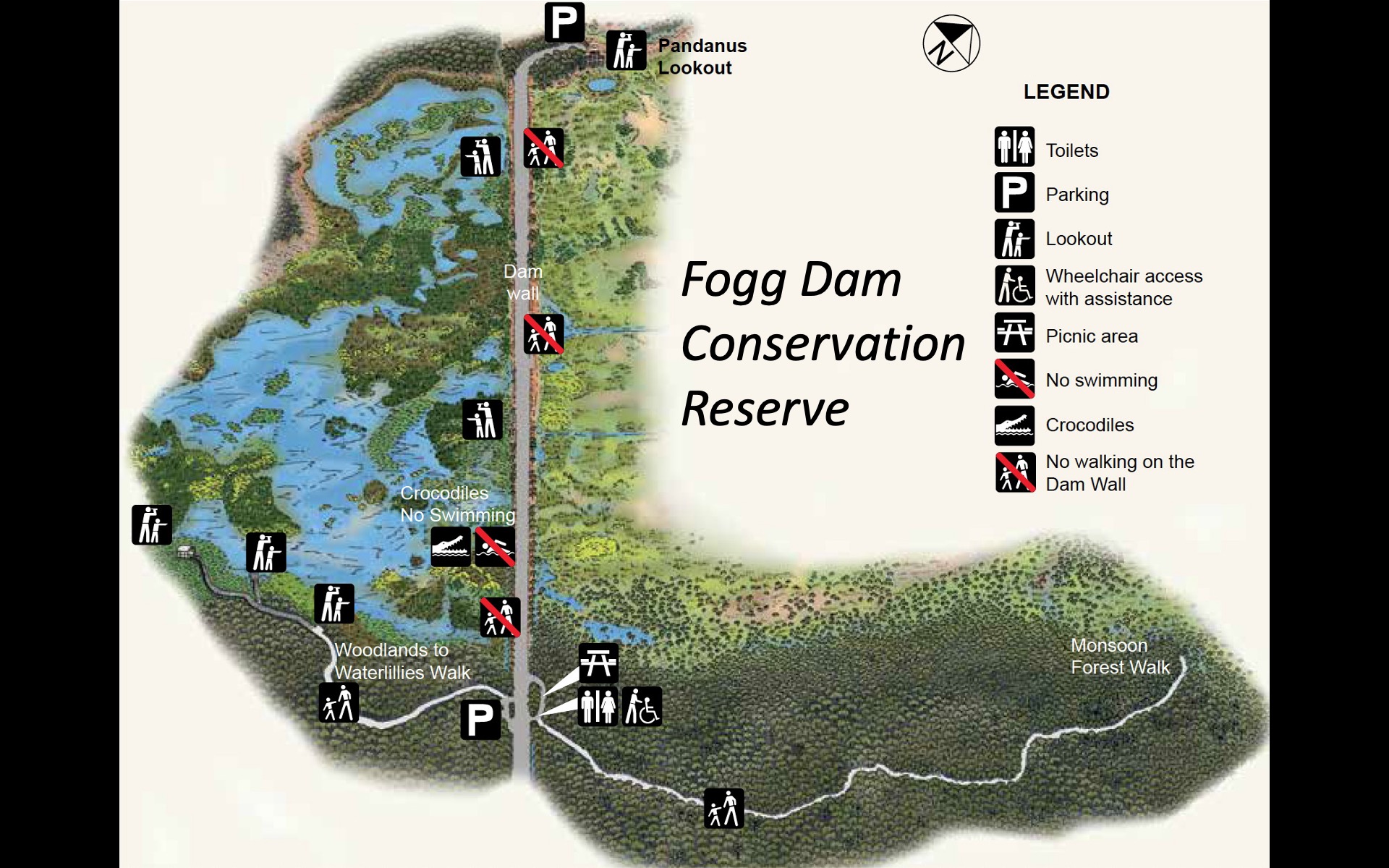
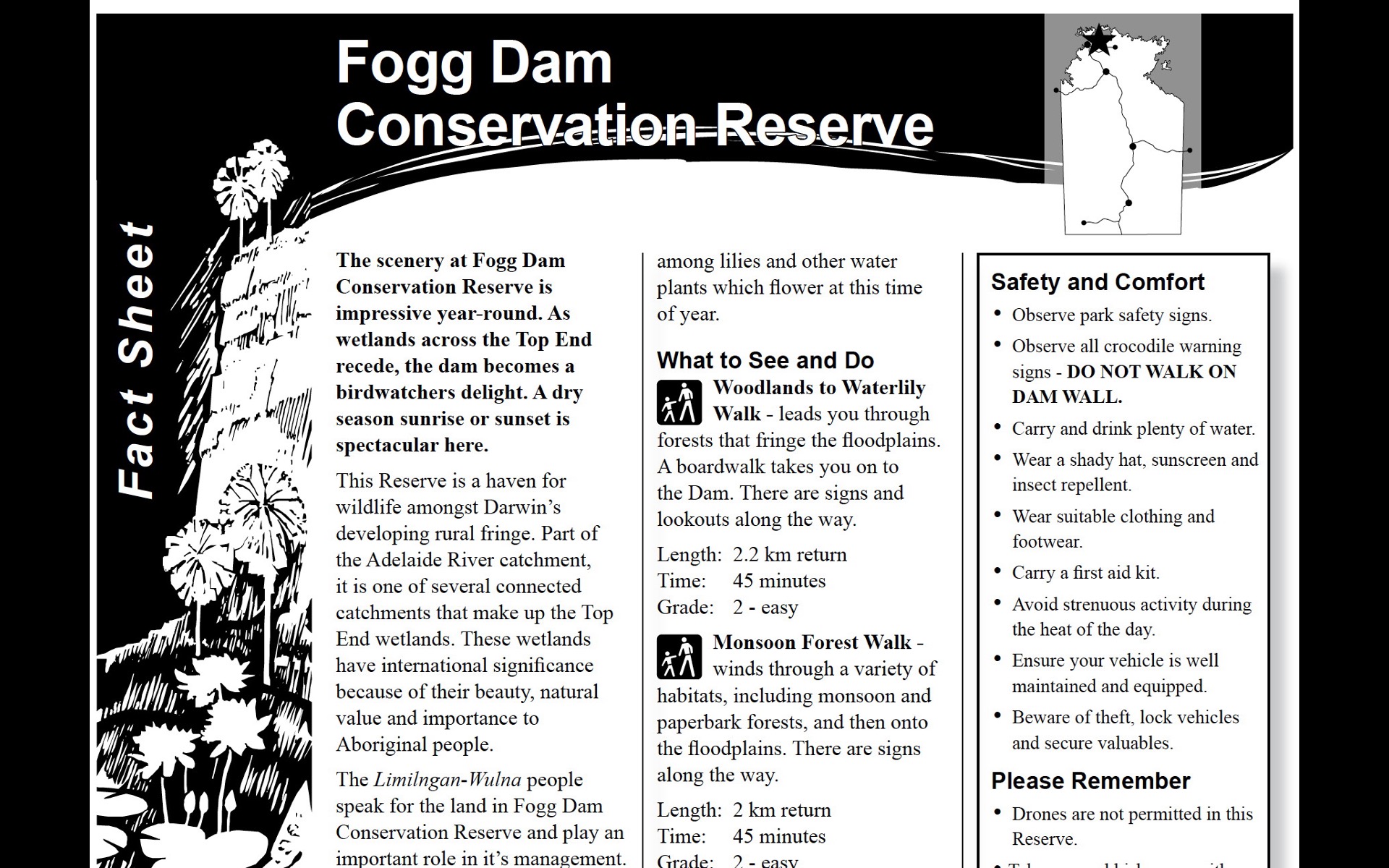
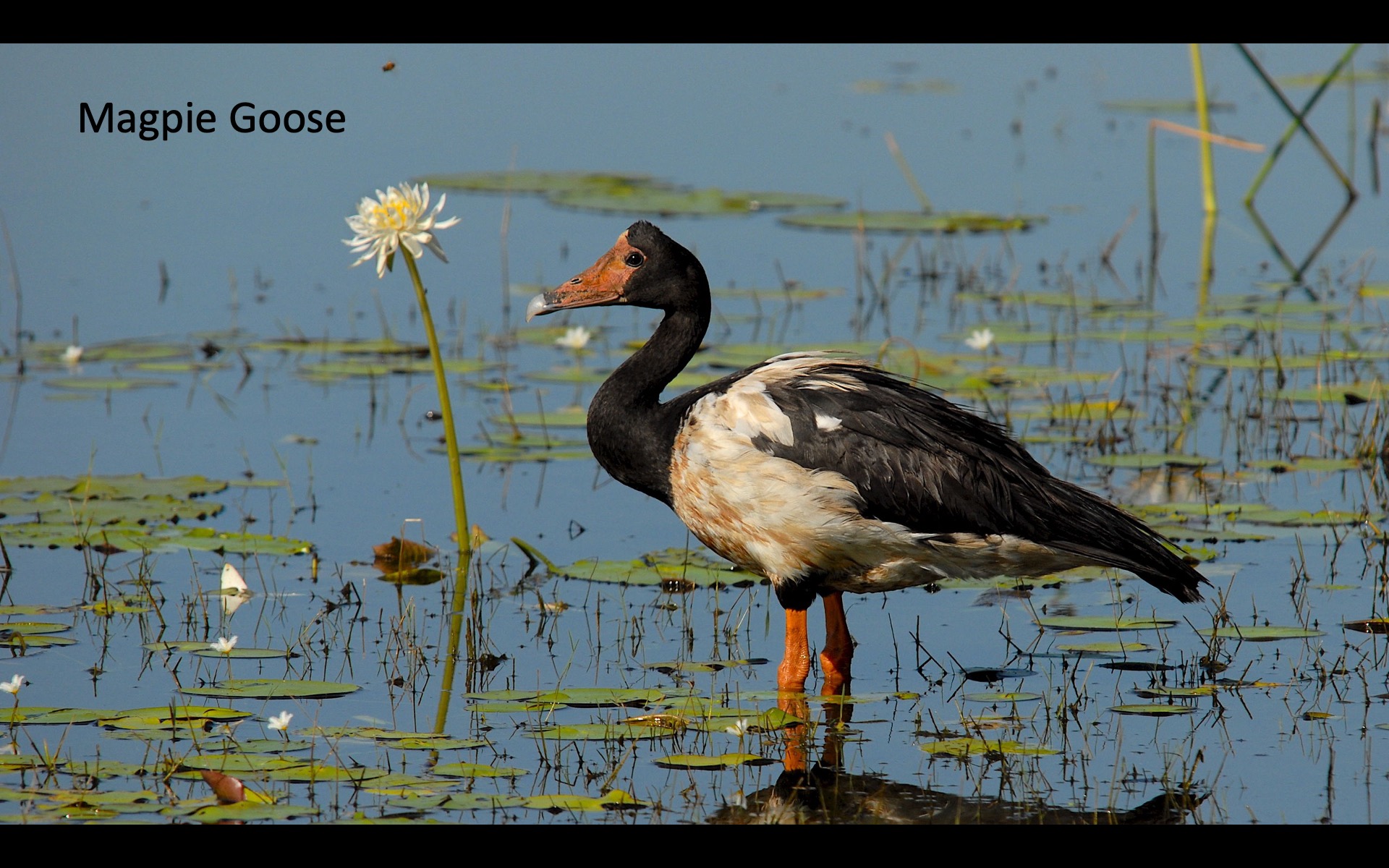
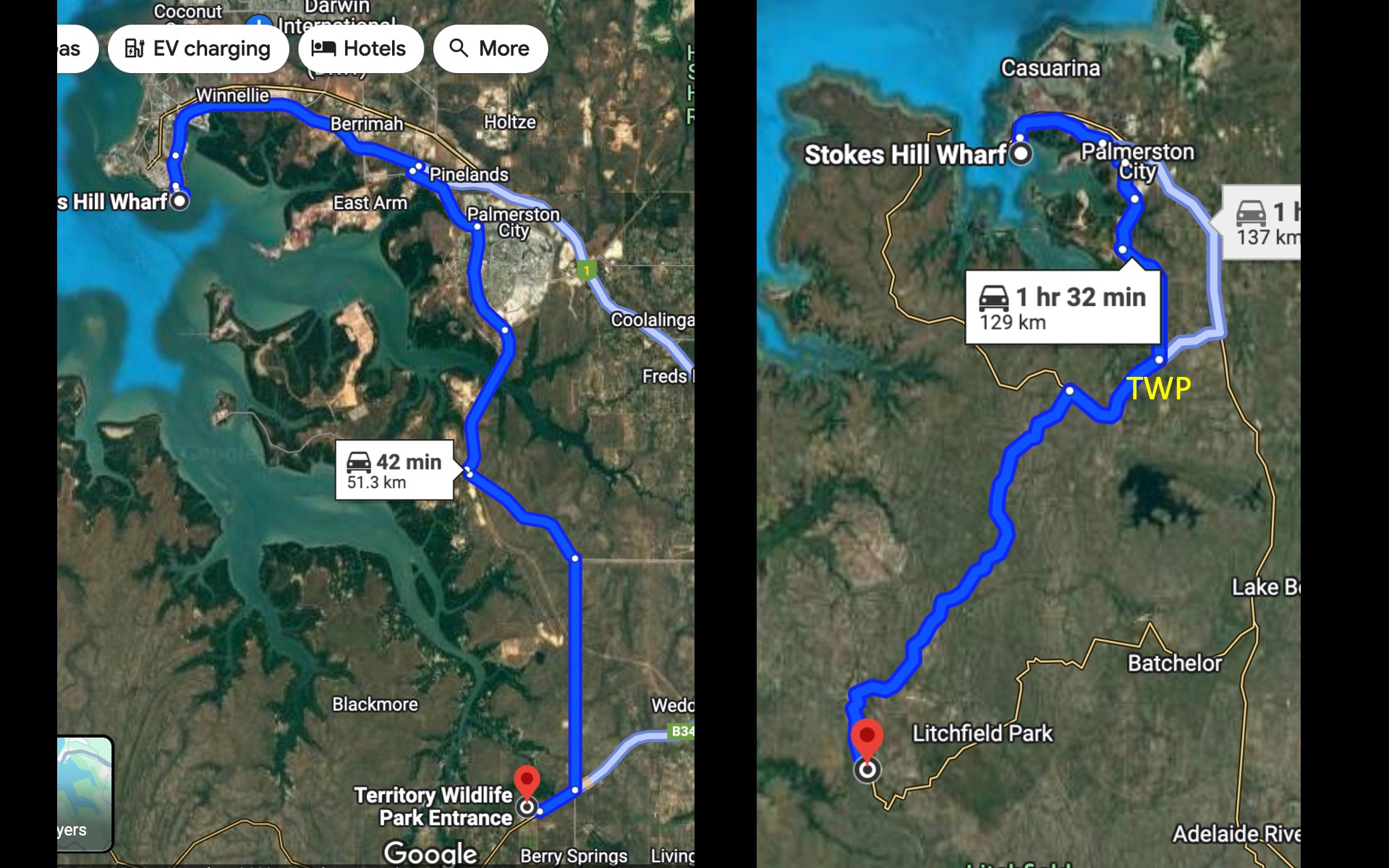
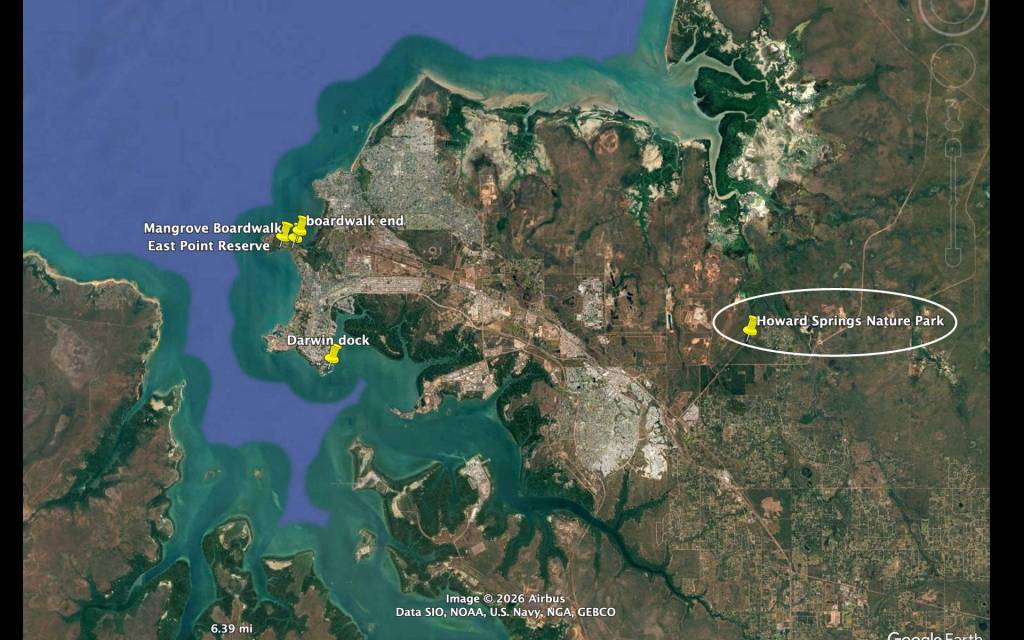
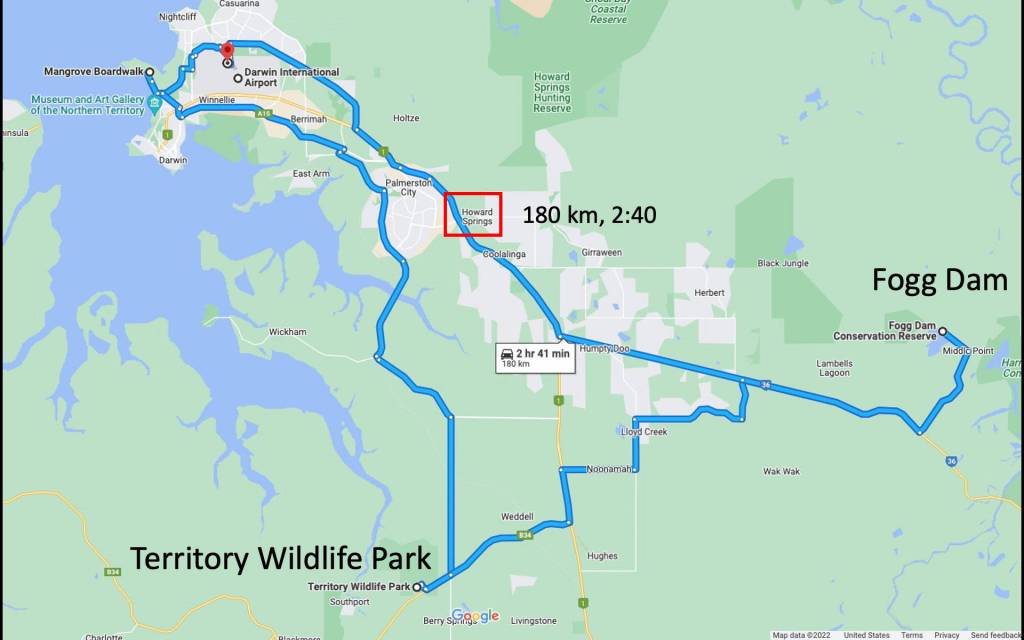
A place we discovered on our last trip to the Darwin area (we spent 10 days there before a cruise across the Indian Ocean) was the Howard Springs Nature Park. This has nice trails (good for birding) with lots of informational plaques. Howard Springs is closer (30 km) to the ship’s dock in Darwin than the Territory Park (51 km), or the most popular excursion (sadly), the Adelaide River Jumping Crocodile attraction (75km), so it may be feasible to do in shorter stops in Darwin. See maps below for location of Howard Springs. Fogg Dam (68 km), with two trails and a low dam where wildlife can be seen (no walking on dam due to big crocs) is only for die-hard naturalists. You can even visit at night (I remember because we did it once). For a long port stop in Darwin, you could do Territory Park until it closed and then something else closer to Darwin, but long Darwin stays are rare.
Singapore
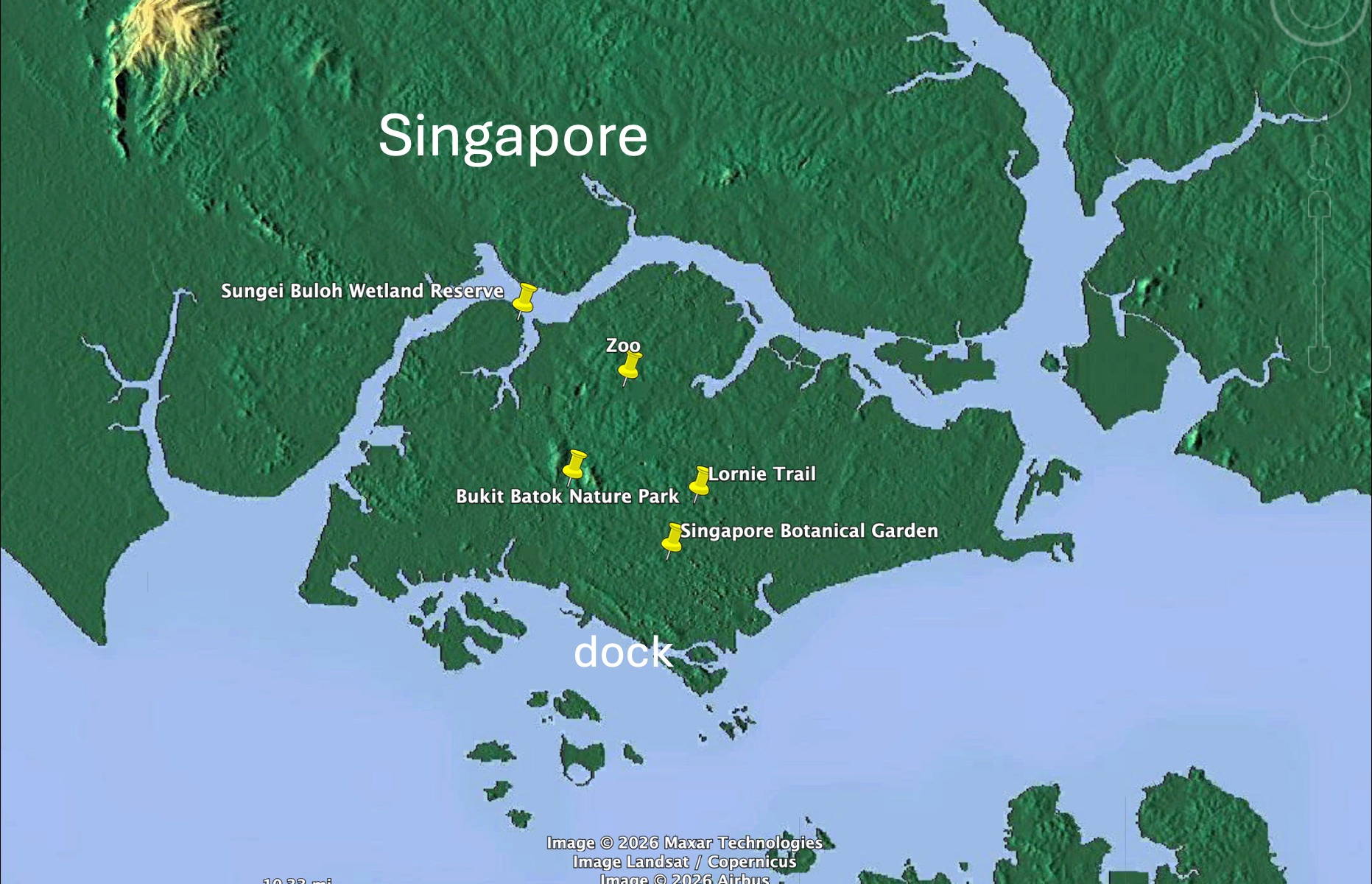
Singapore was the one port where we could have easily spent several more days, since there was much to see and there is an excellent metro to get around . But even the metro and bus network doesn’t get you to the “nature” places without real walking or taking a taxi. So we took a taxi (Uber also available) to a distant nature park, with the intent of seeing other places on our return. It turned out we really didn’t have time for more than the one place we visited.
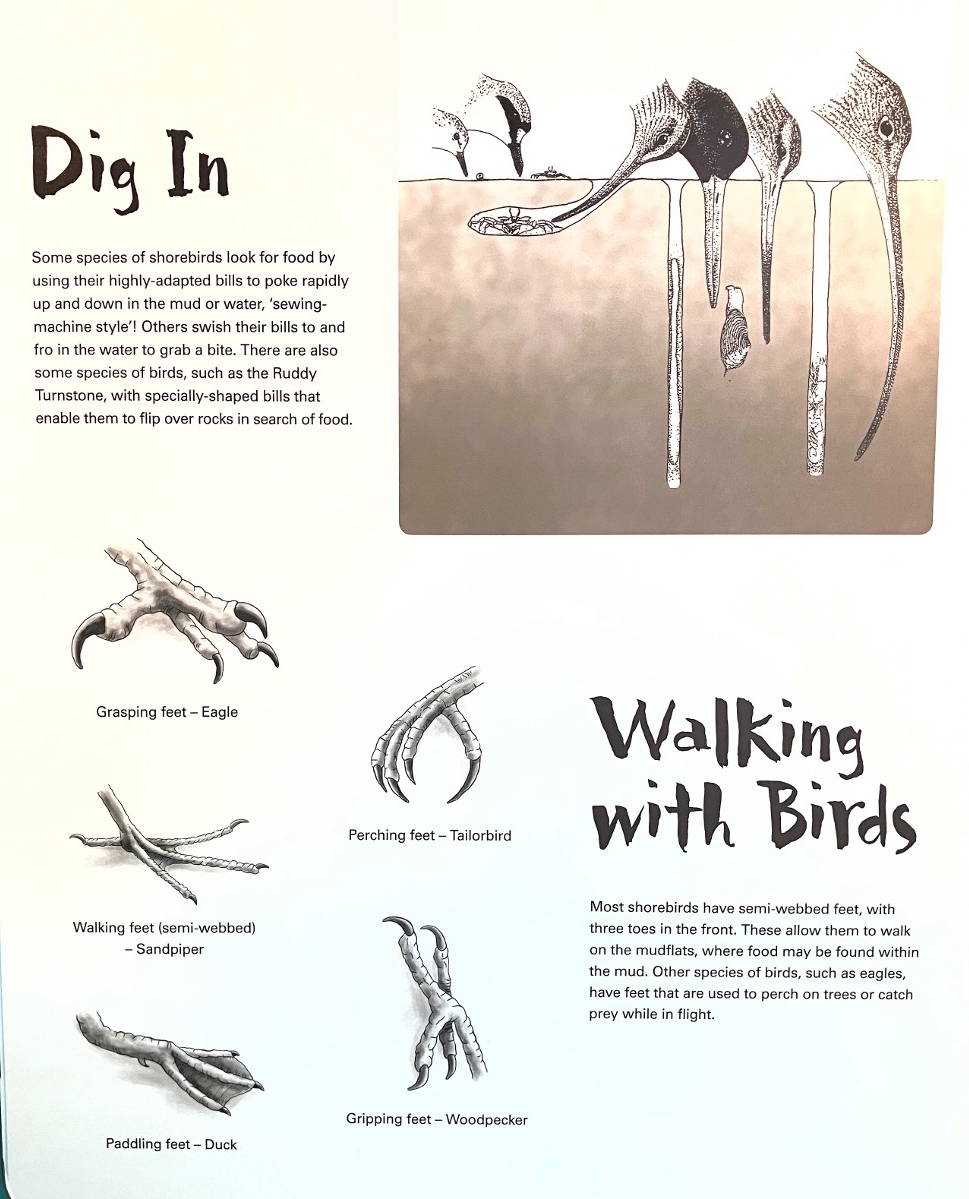
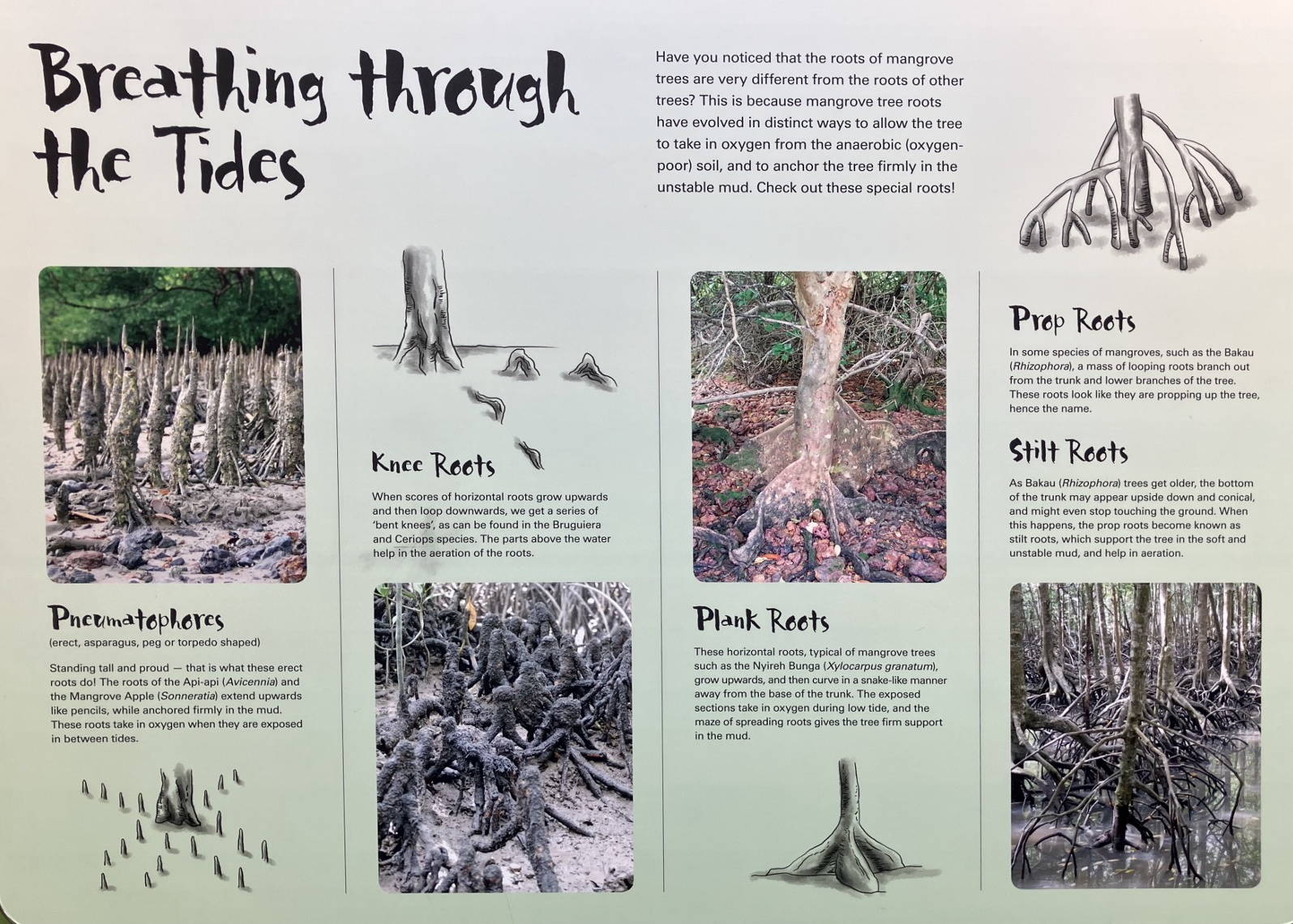
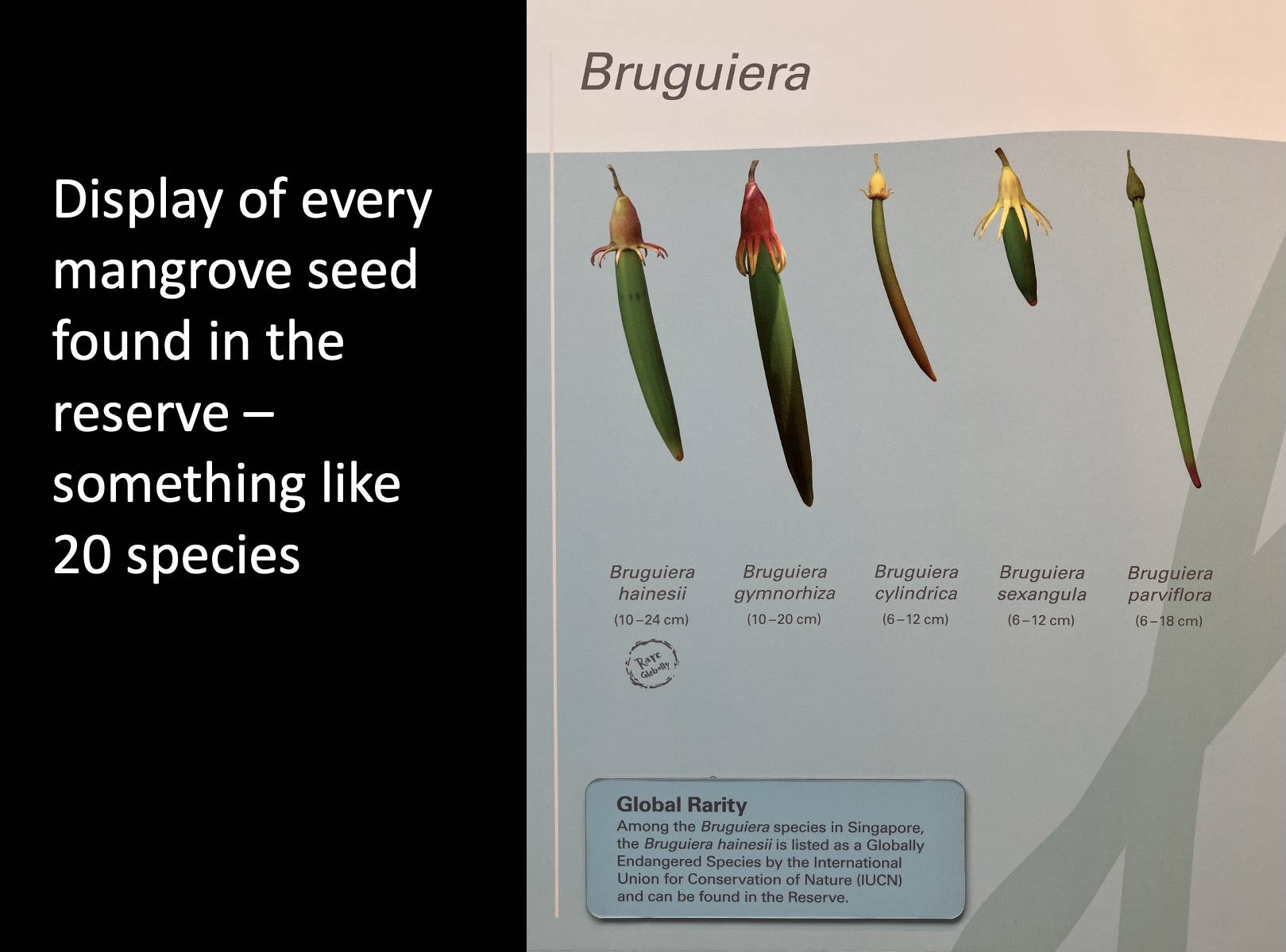
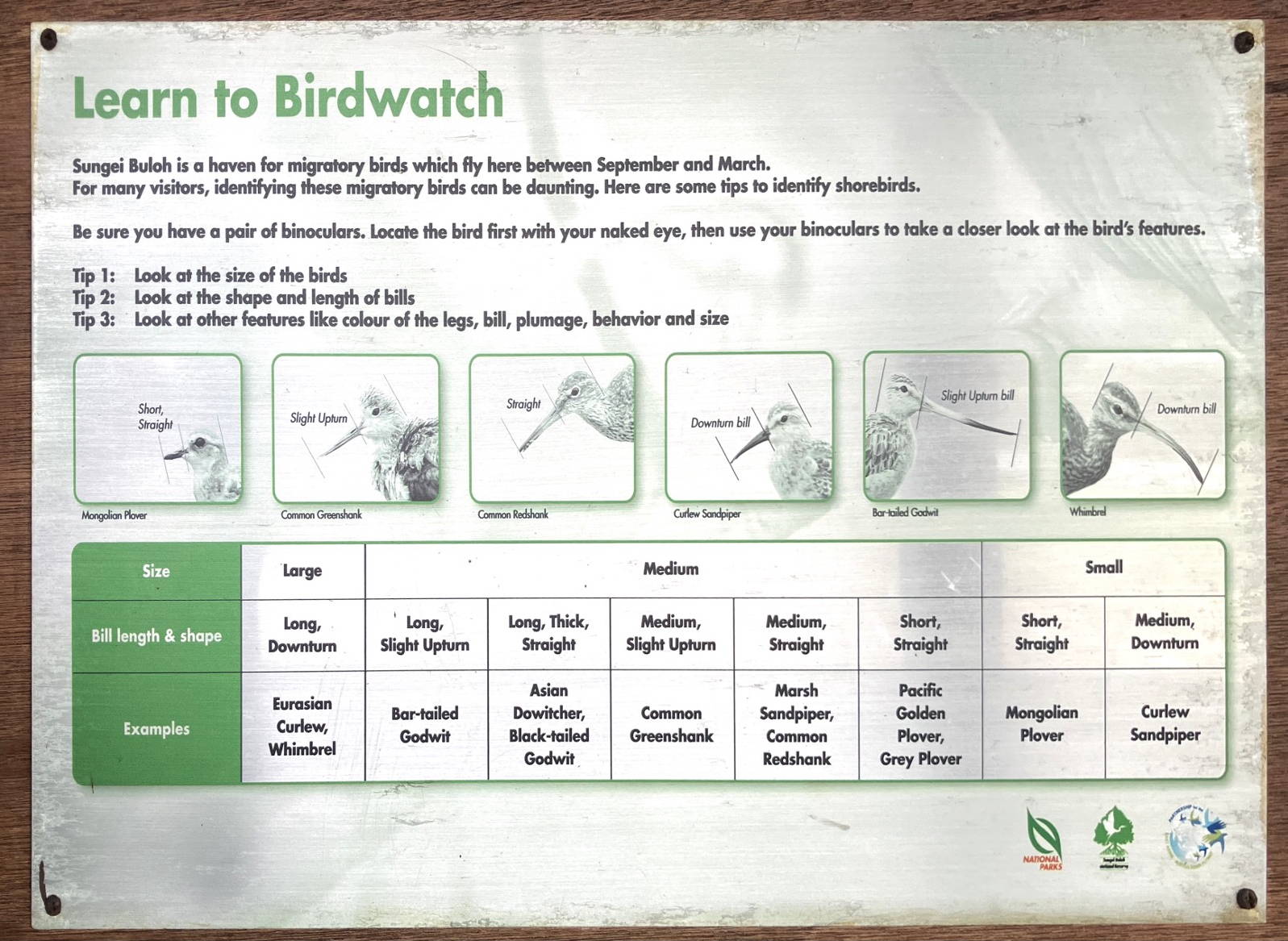
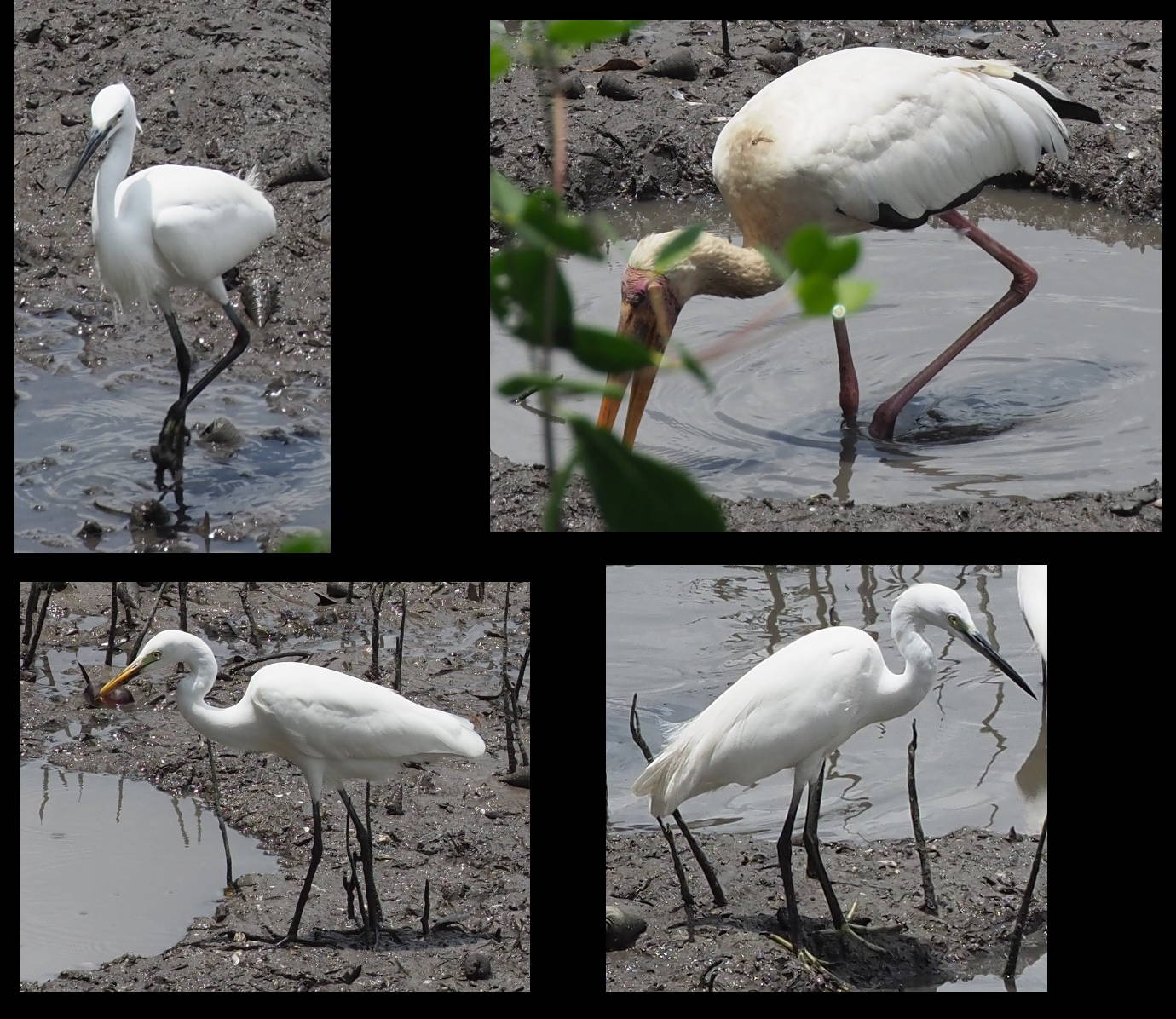
Singapore had the best facilities for the nature parks (and probably pretty much anything else) we tried to visit on our cruise . But it is just large enough to make getting around somewhat time consuming – though the roads were excellent and the traffic not excessive. The map below shows the route we took to the Sungei Buloh Wetland Reserve on the north side of Singapore. It is just a stone’s throw (perhaps superhuman one) from Malaysia. One of the down sides of this location is that, despite Singapore being very clean, Malaysia isn’t quite as clean, and there was lots of floating trash in the waters of the reserve.
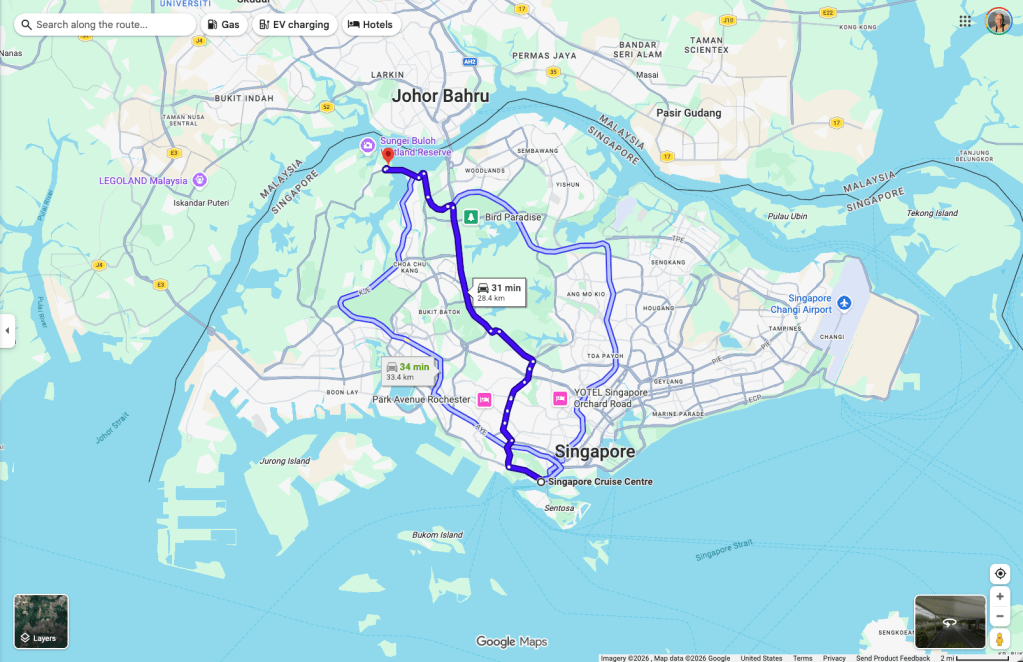
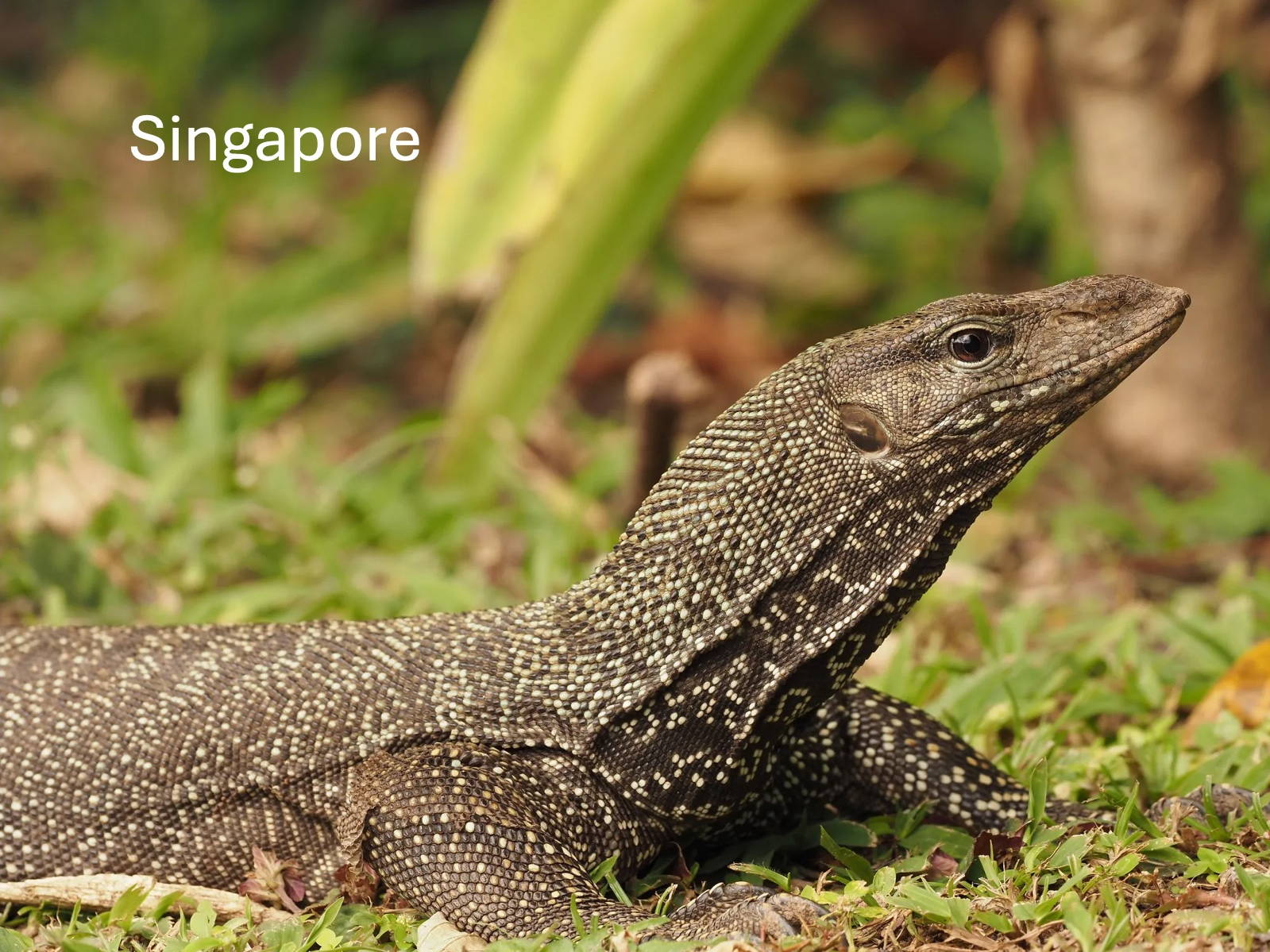
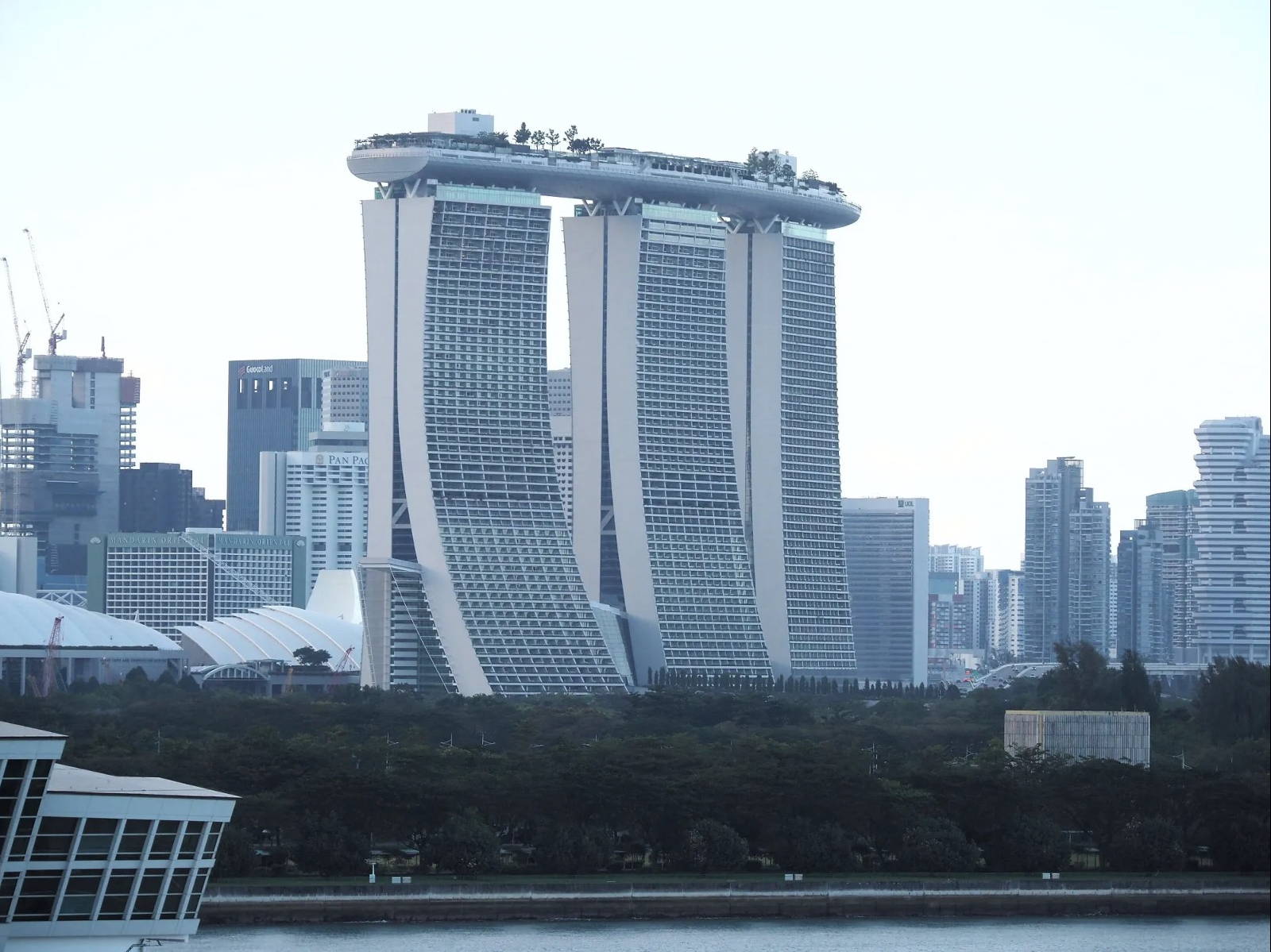
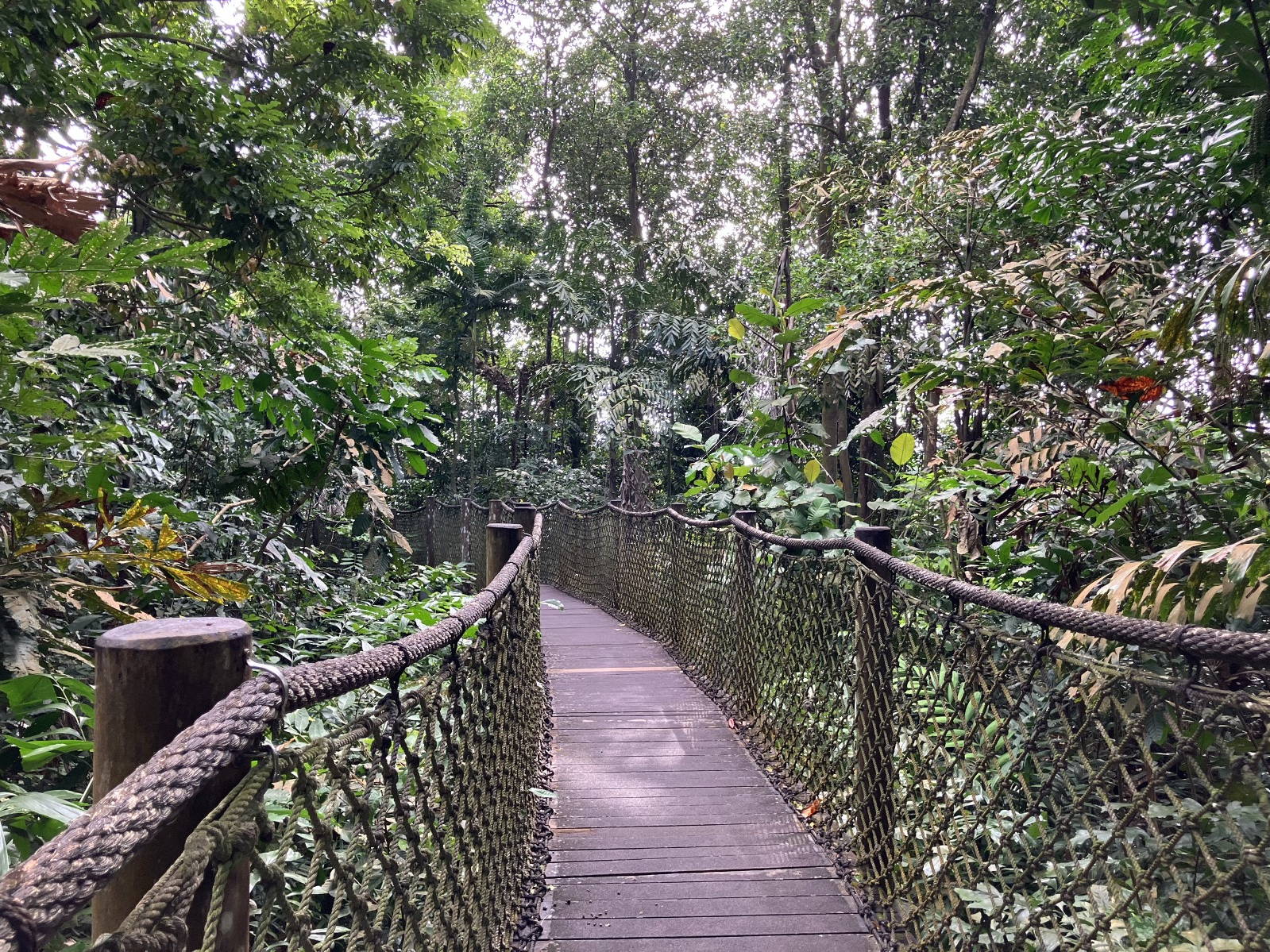
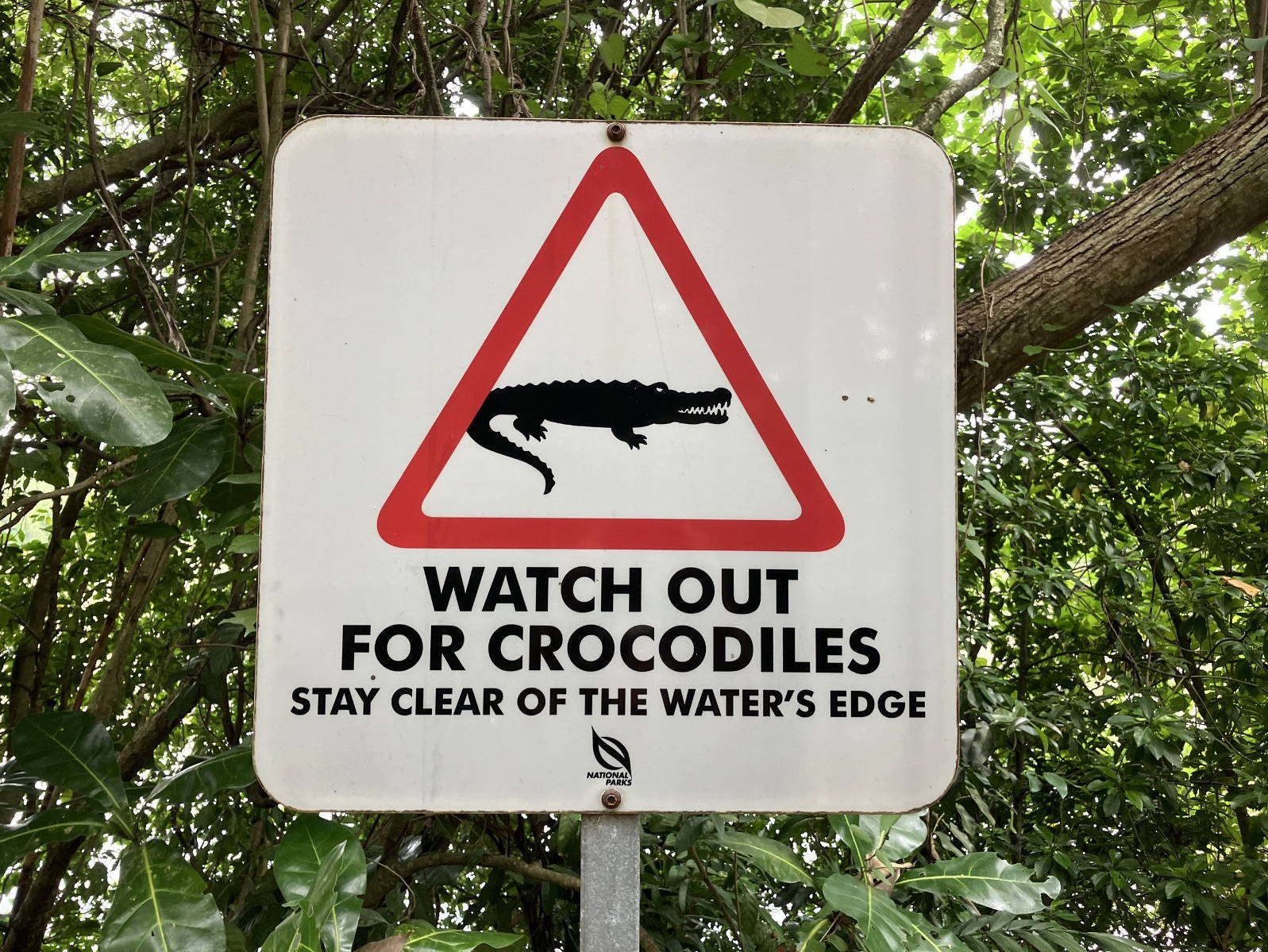
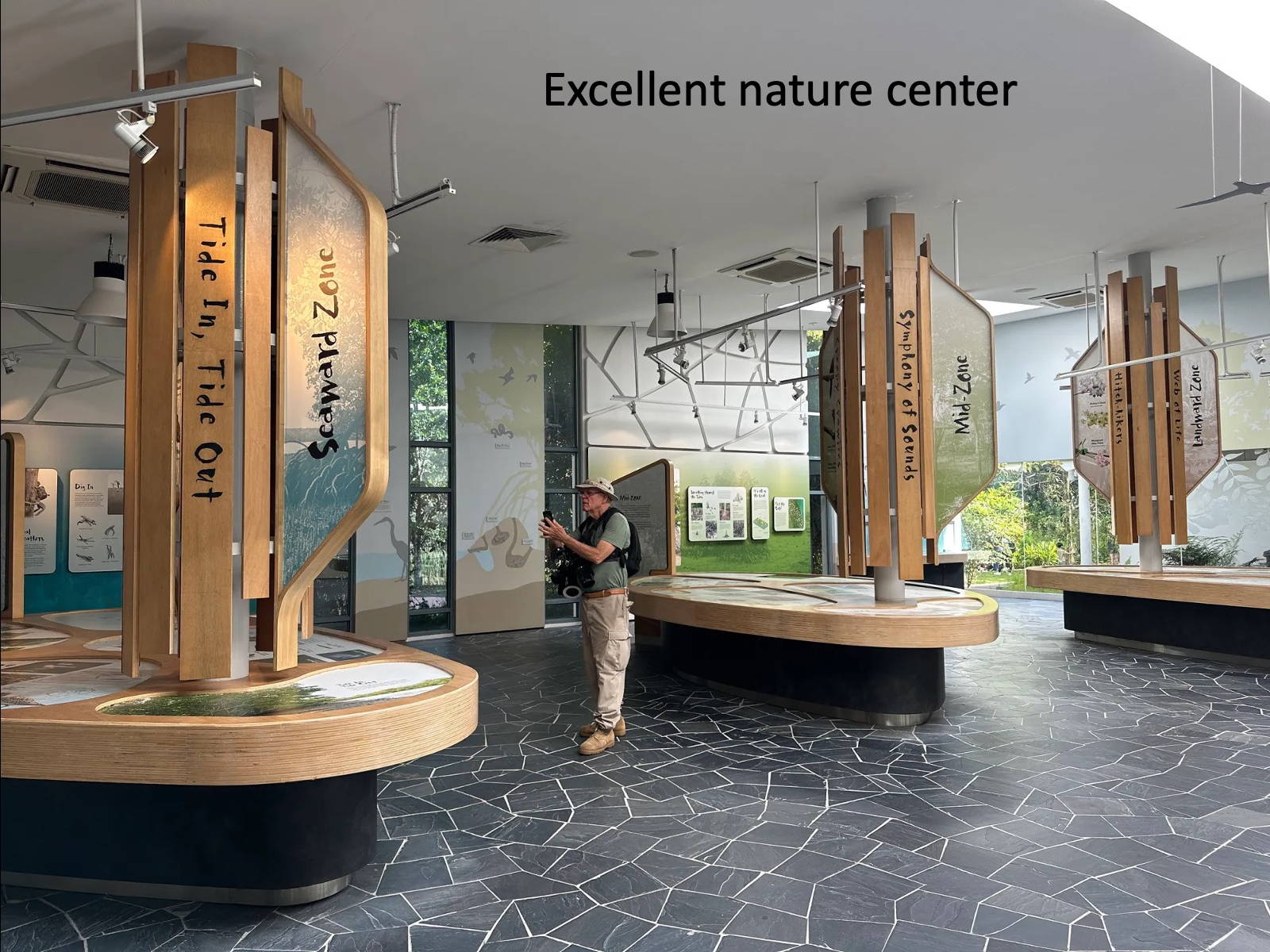
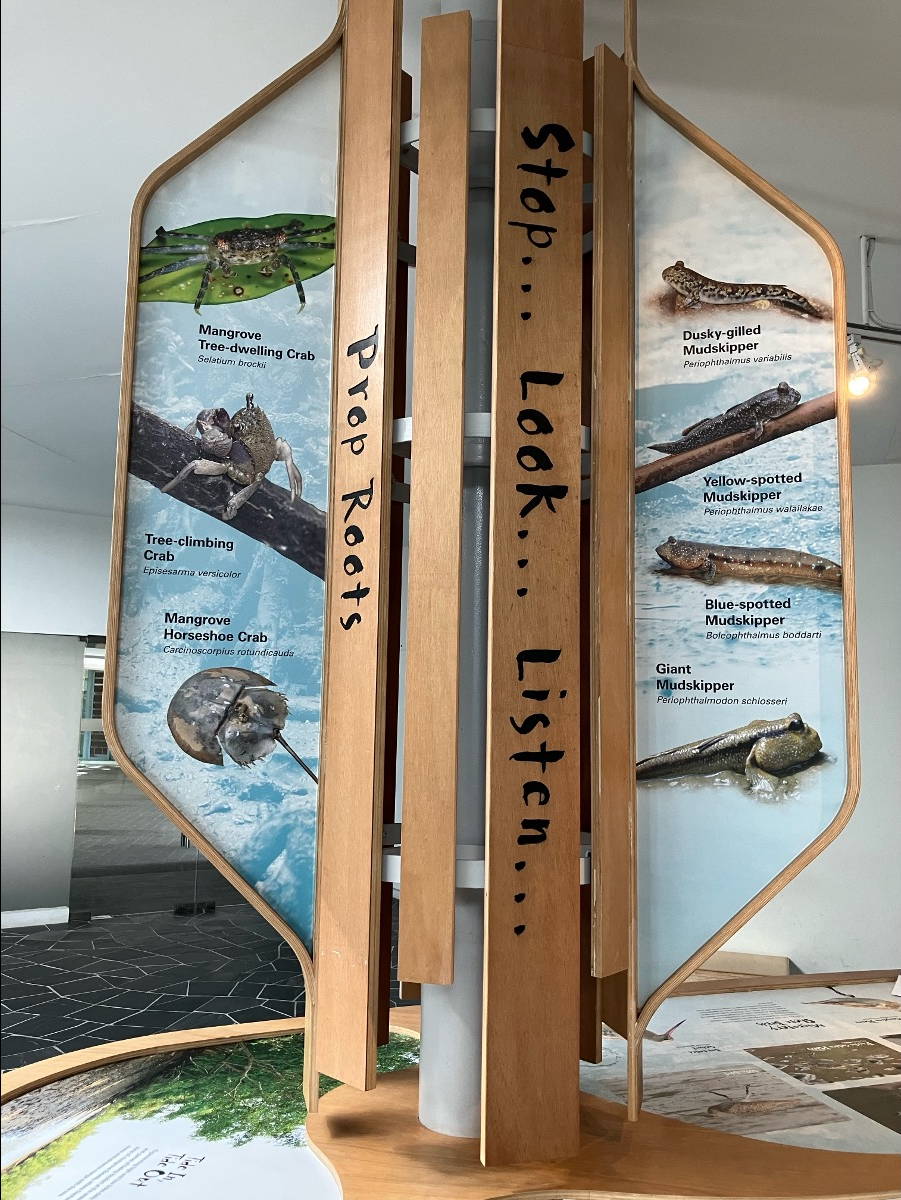
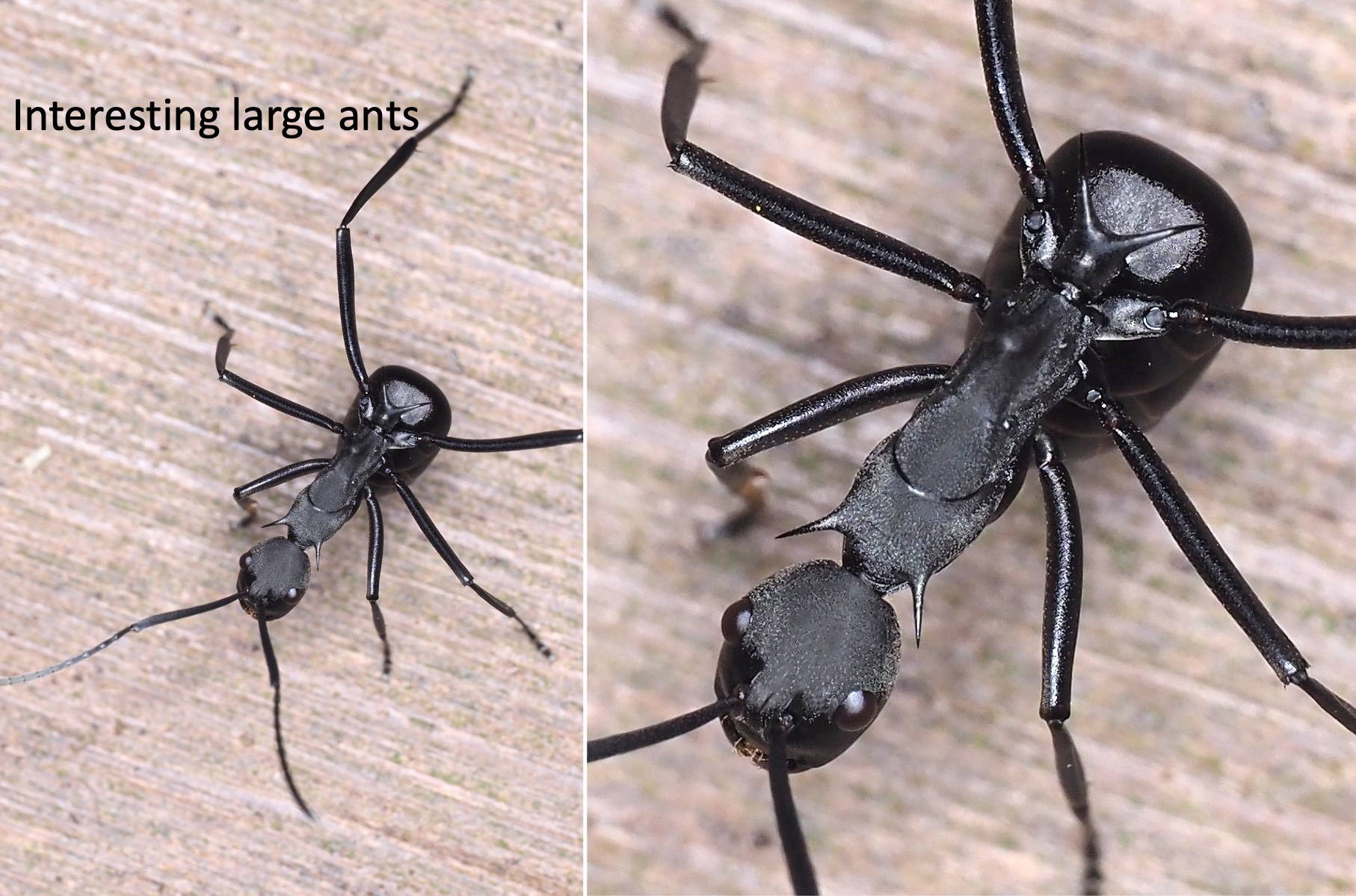
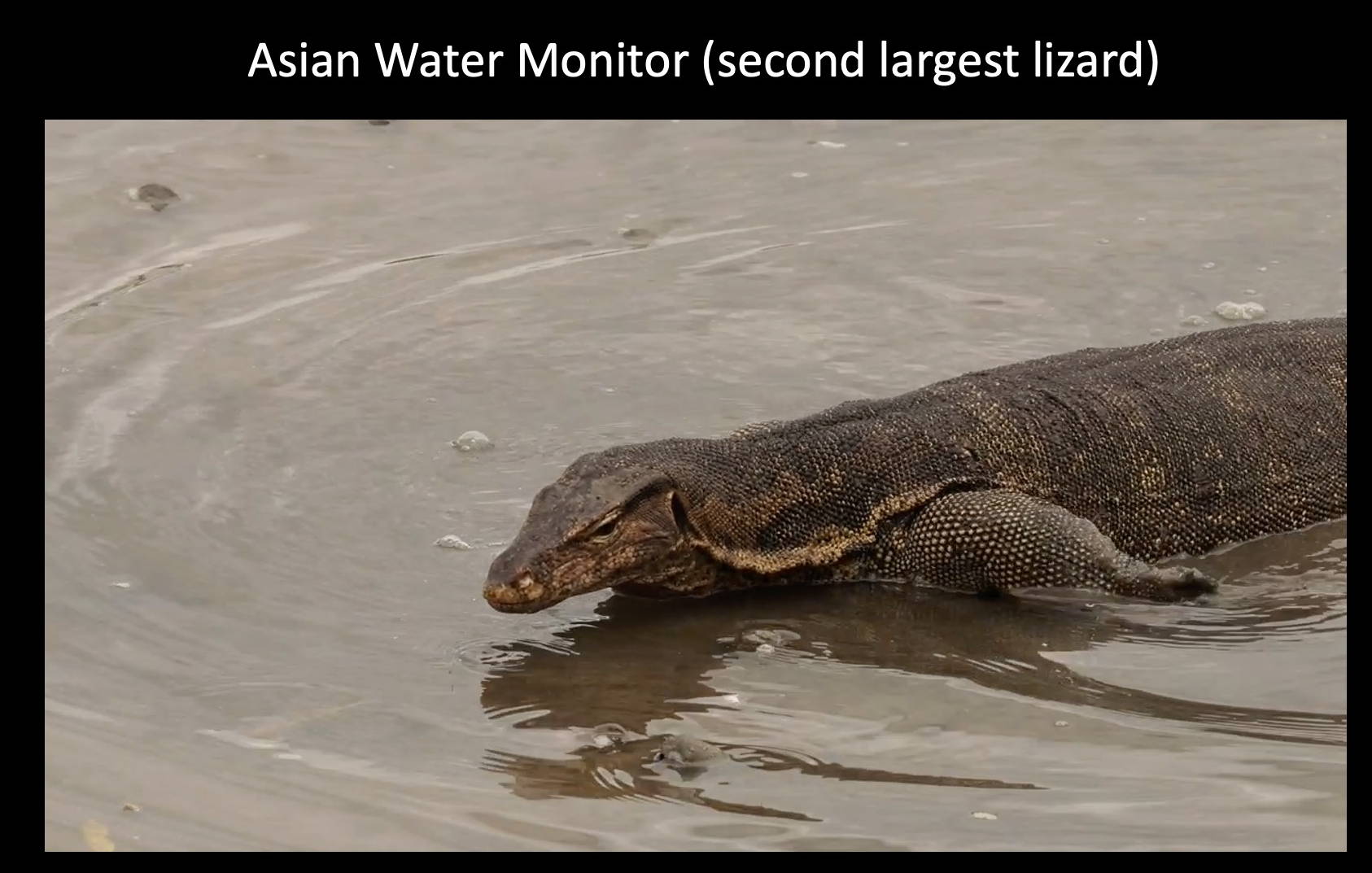
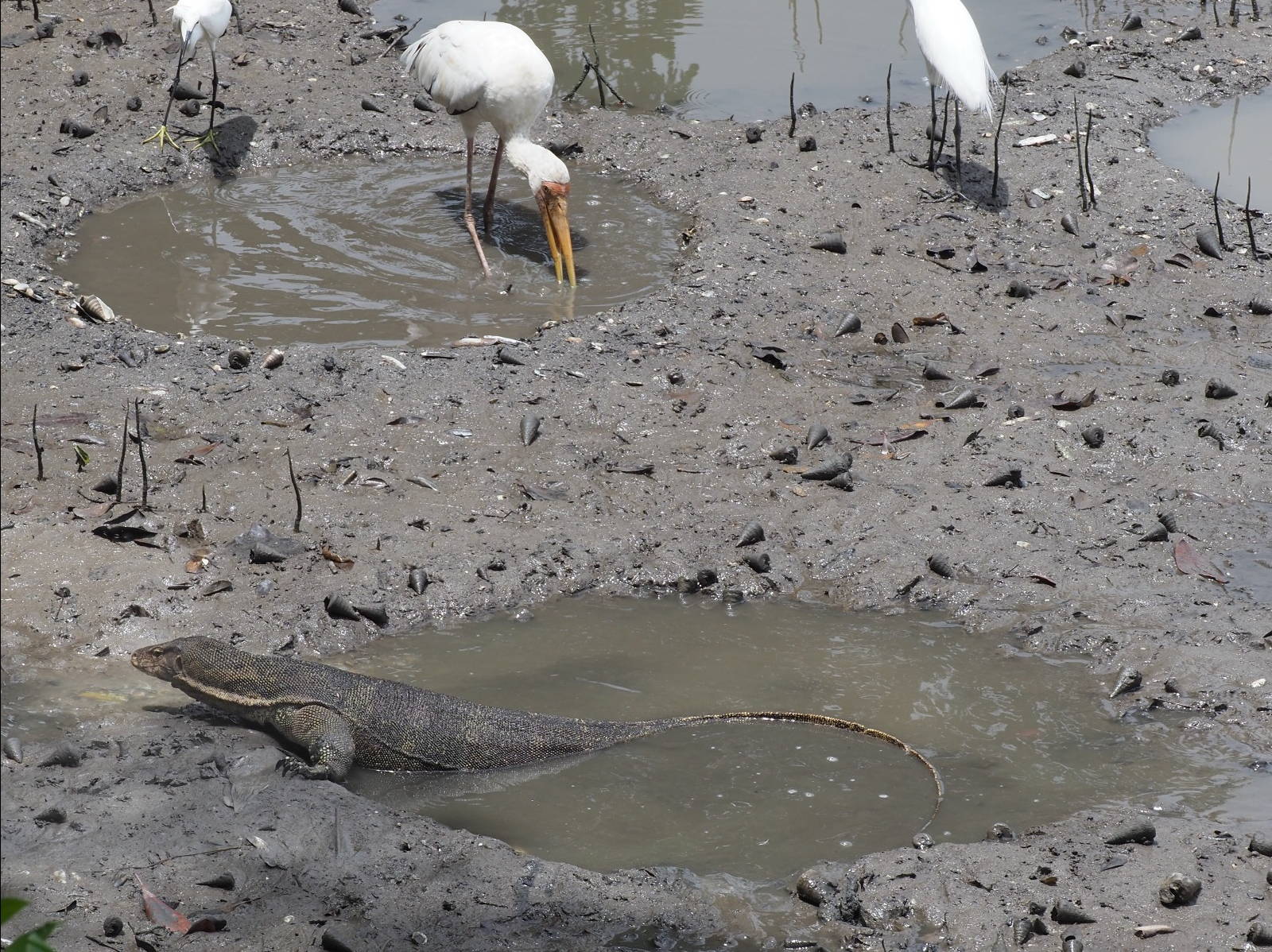
Below are some photos, mostly from the Wetlands Reserve in Singapore.
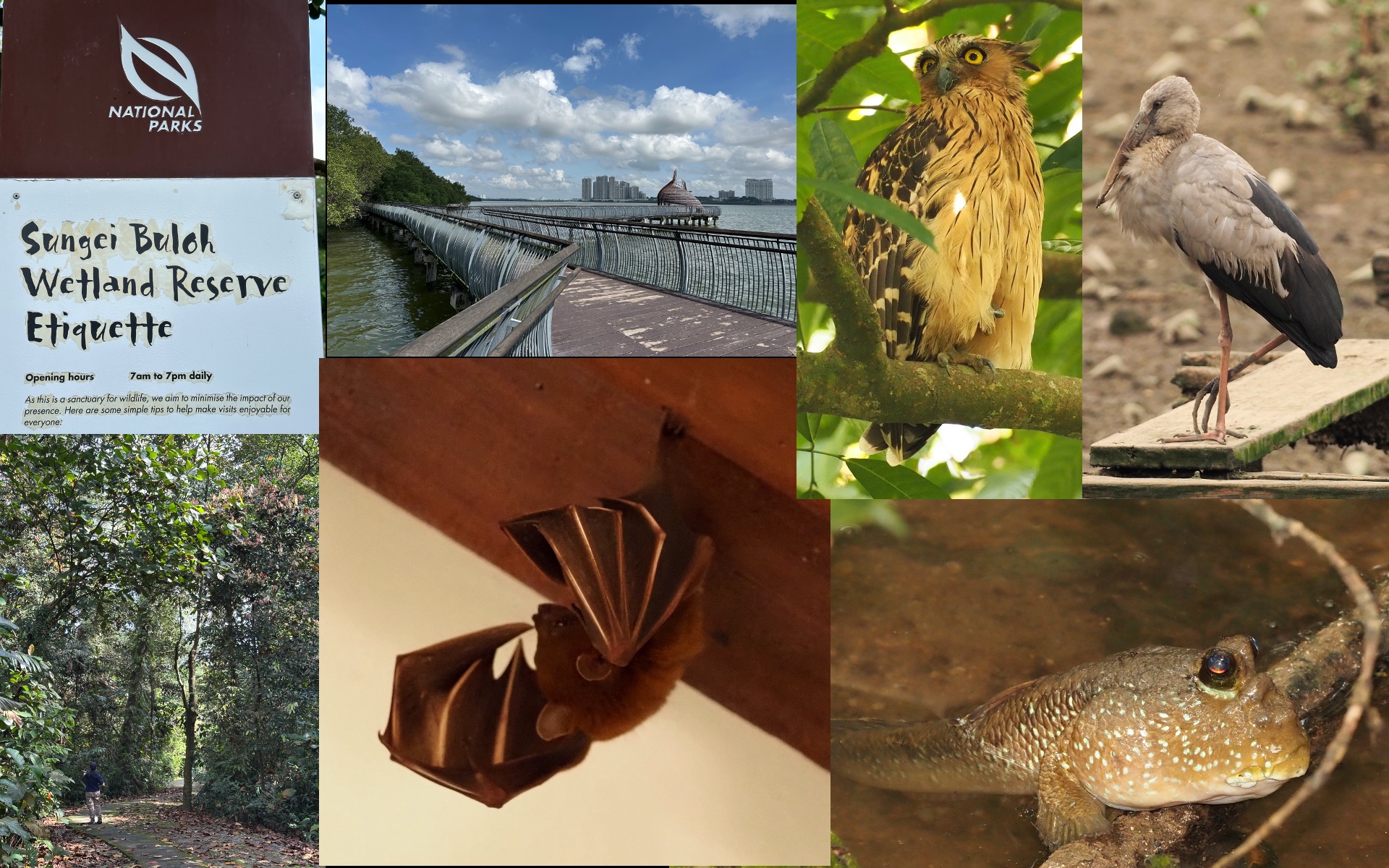
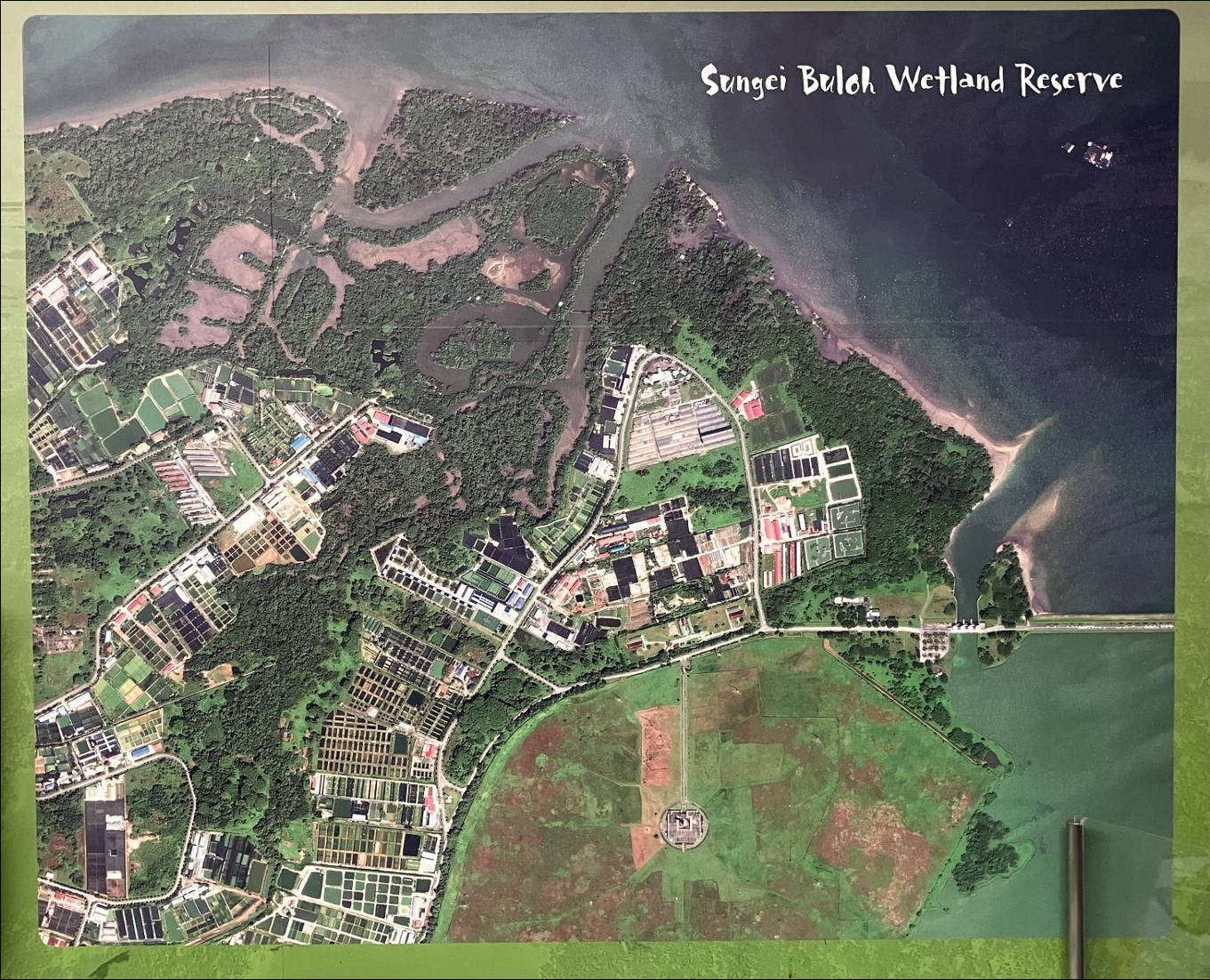
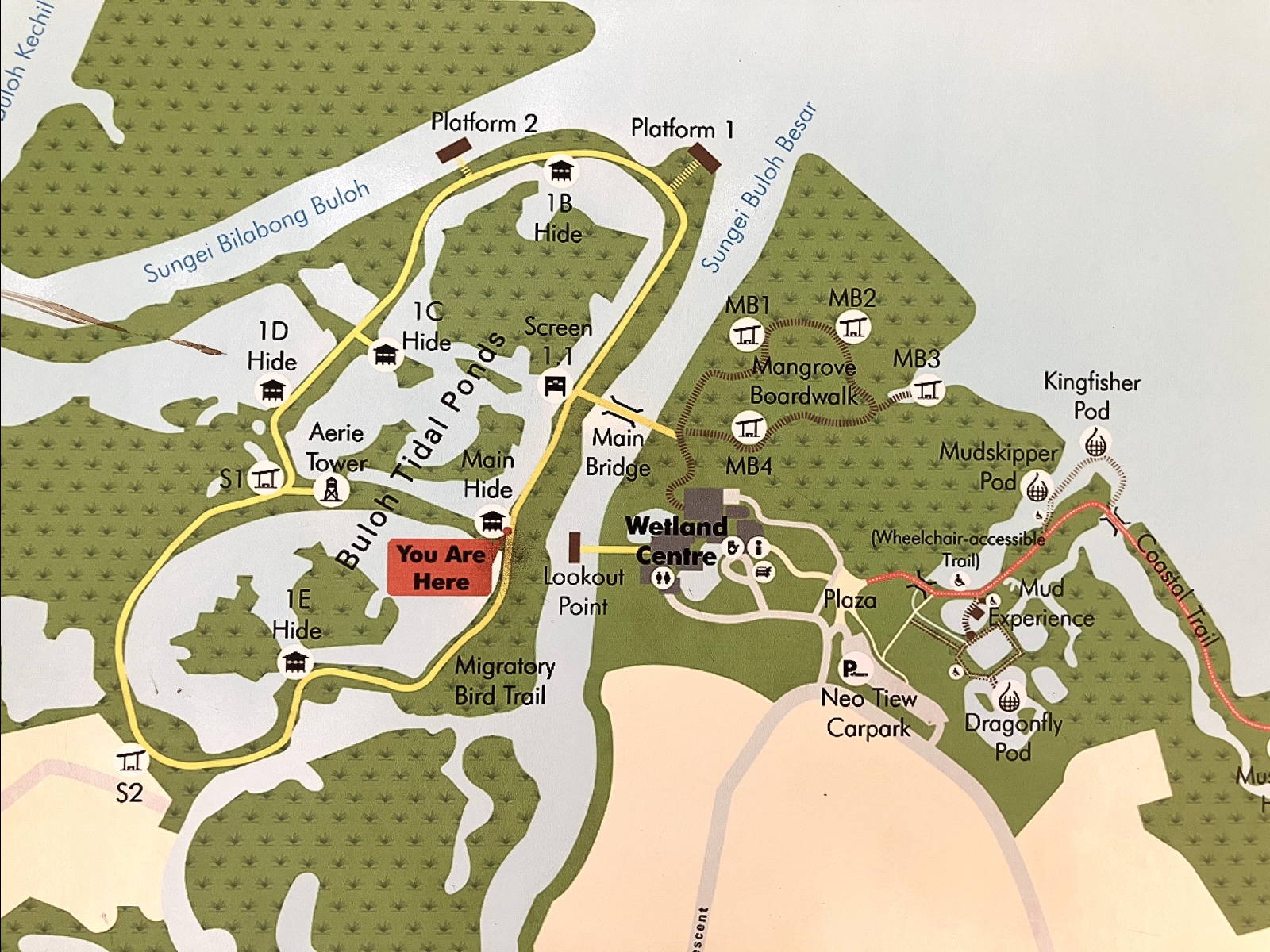
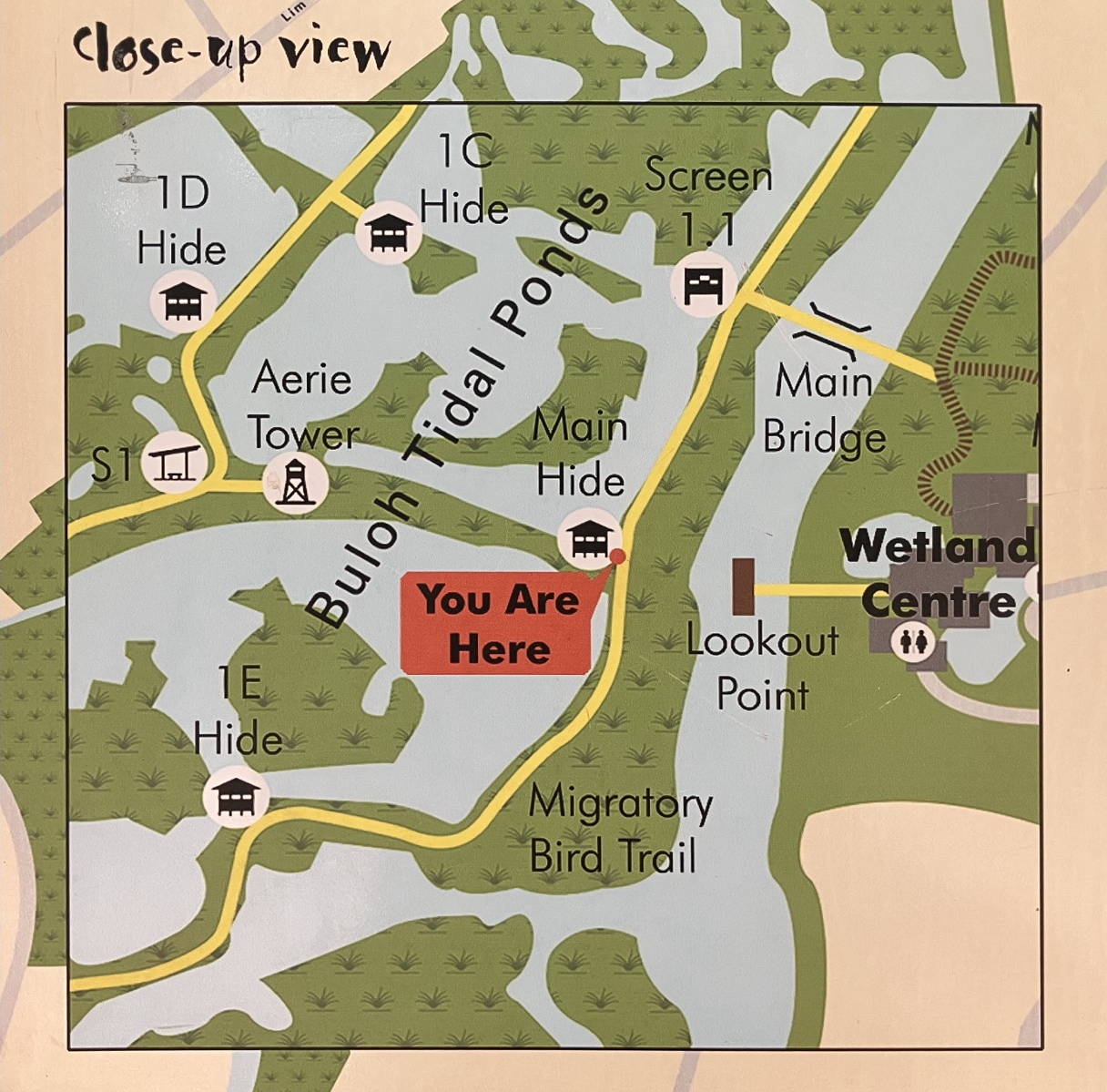
Noumea, New Caledonia
There are a handful of good nature-related destinations around Noumea – too many for a one-day visit. Our entire time was dedicated to a full-day taxi rental to visit a national park where there were unique endemic plants and animals. But there are much closer sites, several of which could be visited in a day or less.
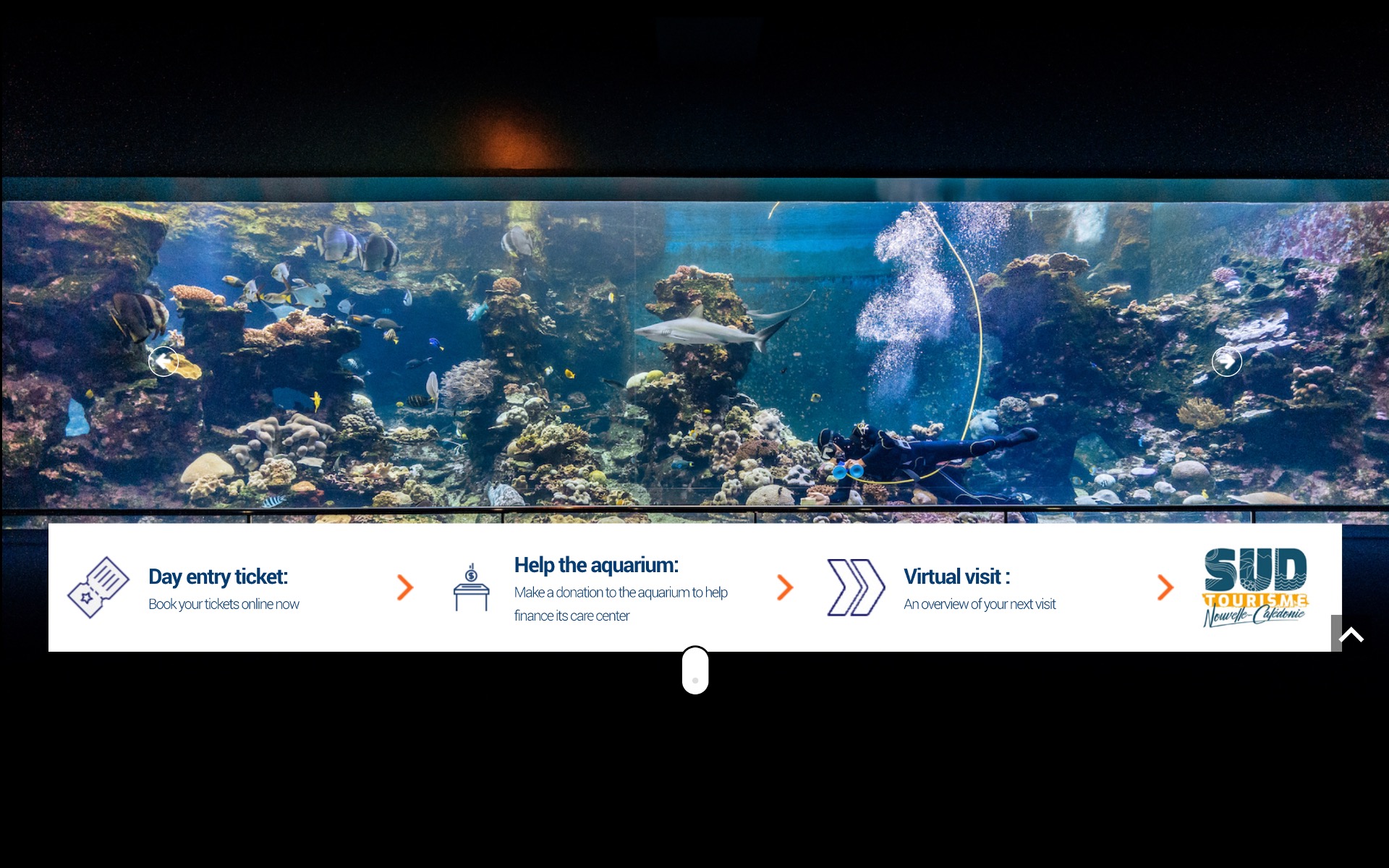
Close to the port would be the Aquarium des Lagons, considered among the best in the southwest Pacific. We did not visit it but it is only 3 miles from the dock and Trip Advisor reviews are very positive. Normally we frown on such attractions but this seems more educational than many such aquariums.
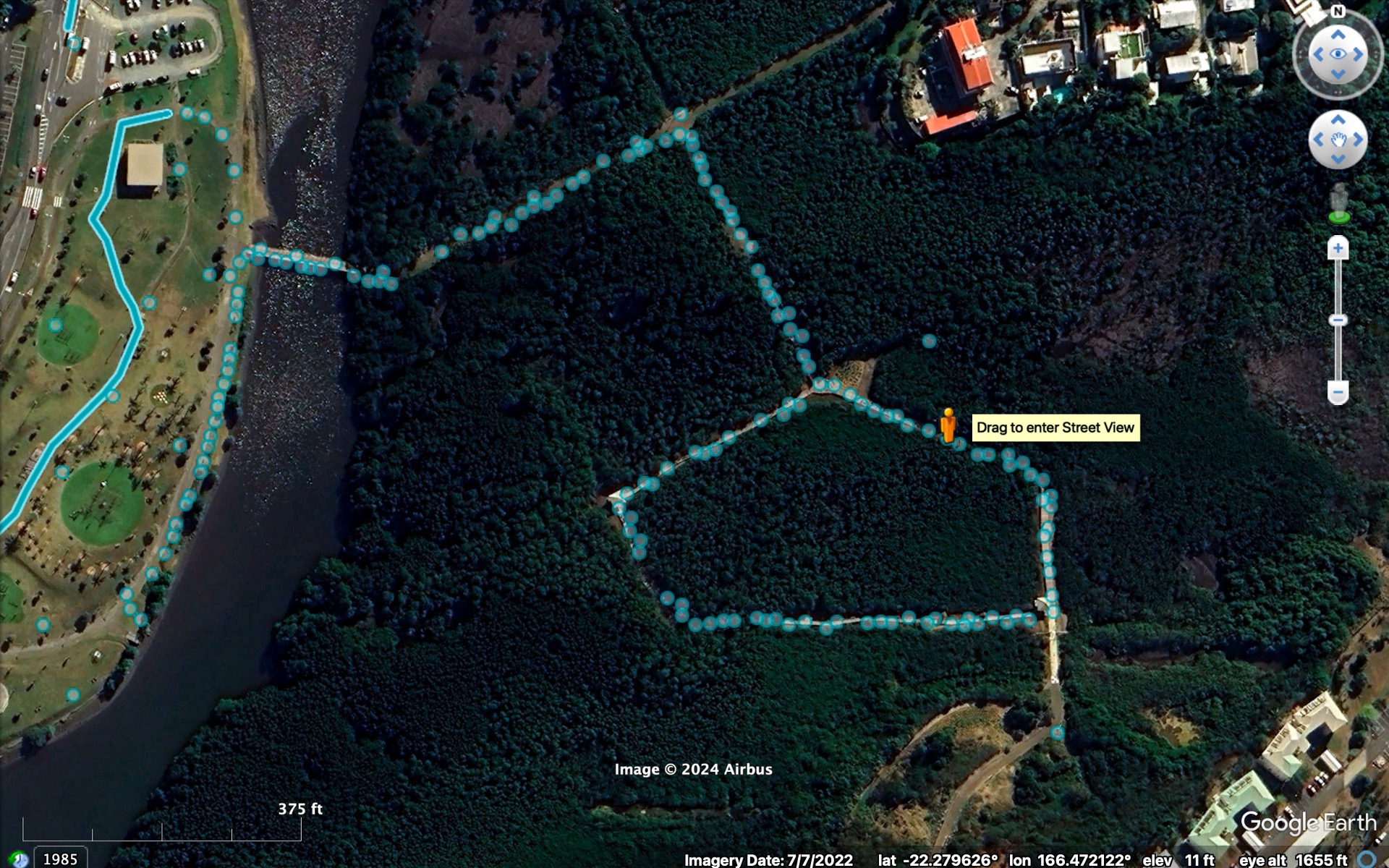
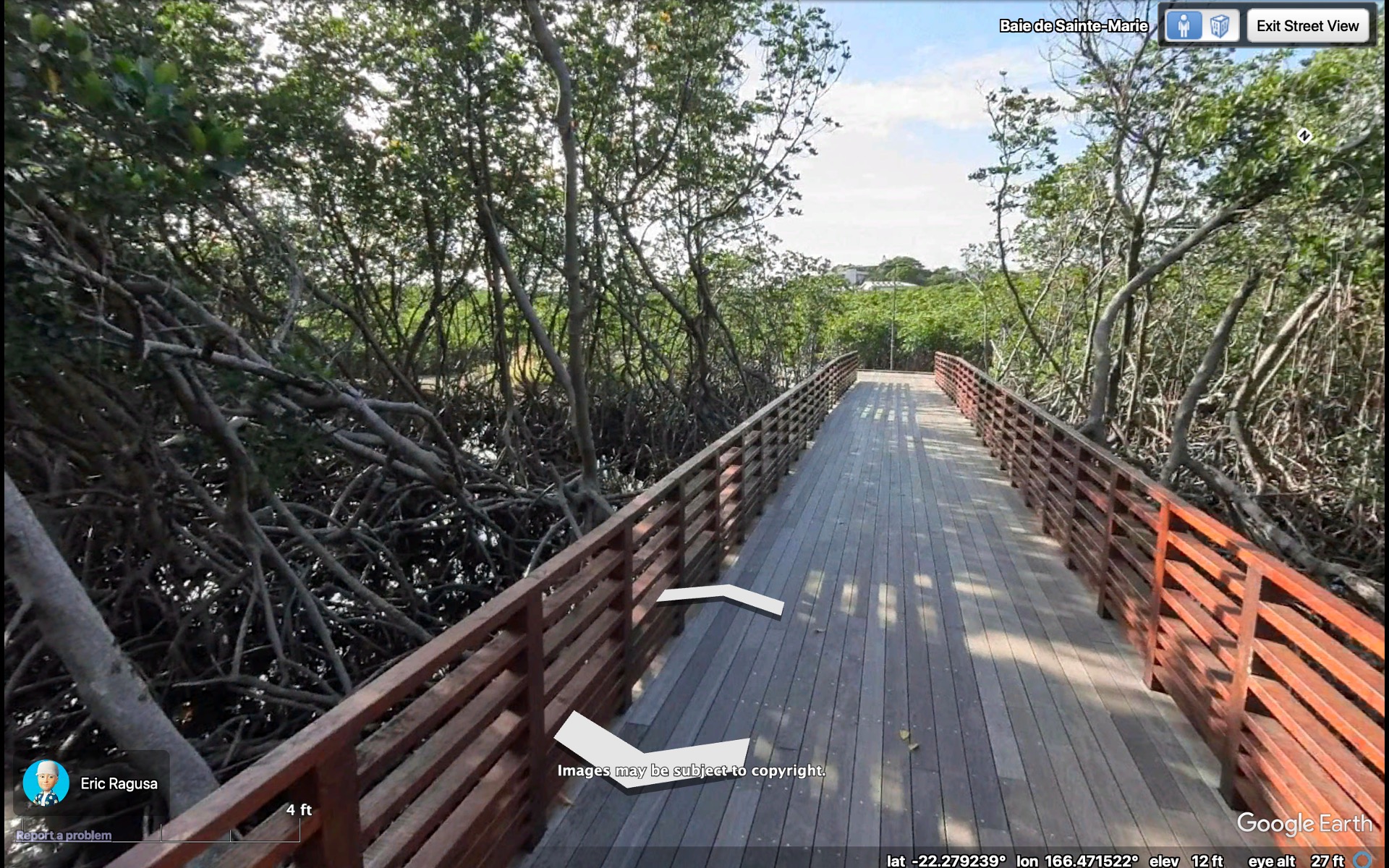
There are boardwalks through the mangroves about 3 miles from the ship and “street view” images show what this is like (see below). I would suggest you visit the Cairns mangrove boardwalks instead – though you can’t guarantee the weather! Of course, mangroves aren’t for everyone – warm, muggy, mosquitos – perhaps in quantity.
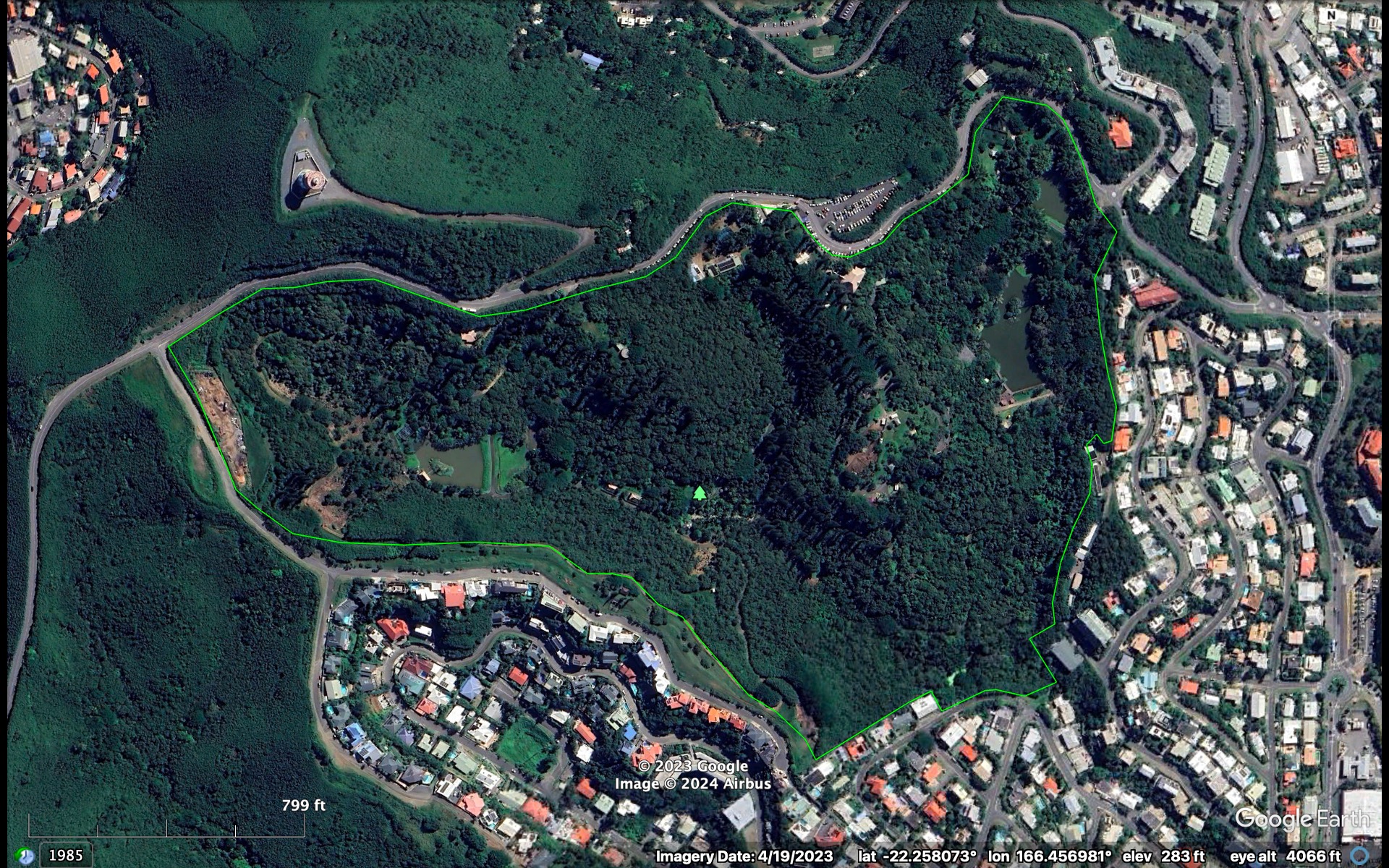
There is a zoological and botanical garden complex, the Michel Corbasson Provincial Zoological and Forestry Park (PPZF), north of the port that might have enough natural landscapes to satisfy nature-oriented individuals. Usually zoos have too many non-native cultivated plants from everywhere, and the animals are likewise often from everywhere. But this complex focuses on the native species of New Caledonia. We did not have time to visit it, but it is likely much easier to see many of the native animals of the island here than in the wild.
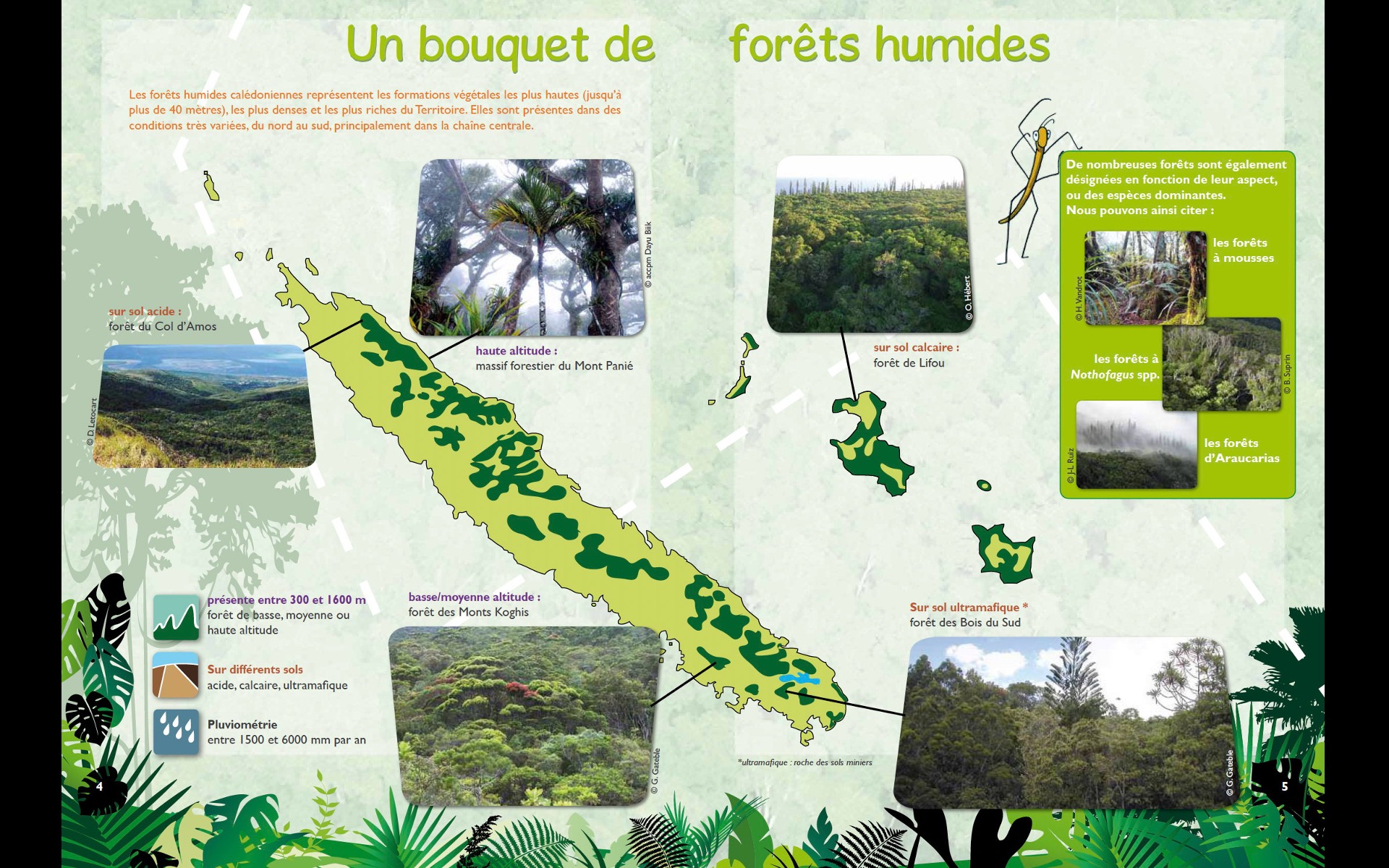
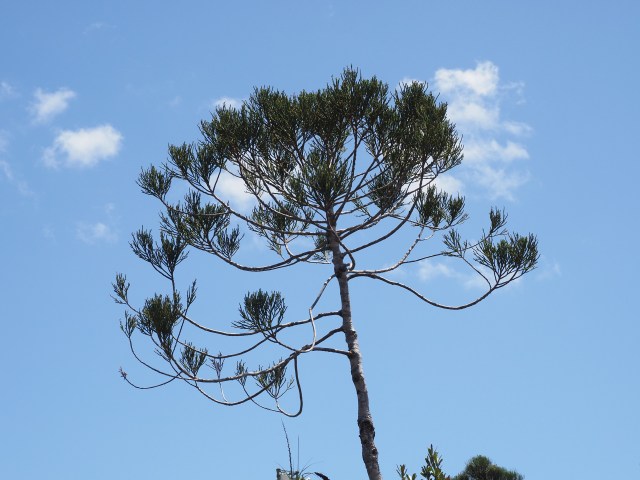
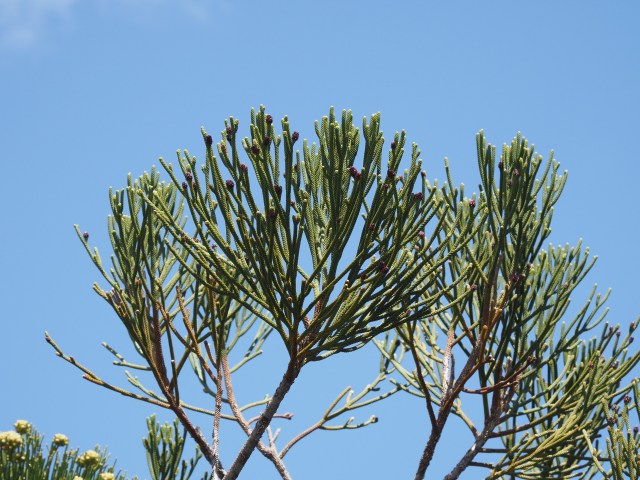
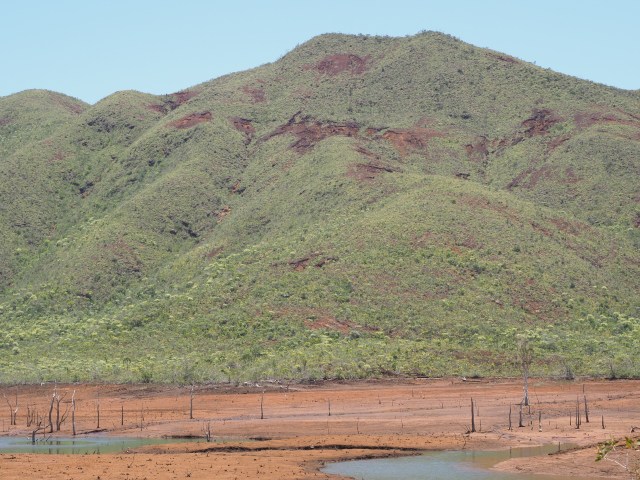
Finall, if you can get off the ship early, are not too “risk-averse”, and are very interested in unique plants and in small animals, then the Blue River National Park might be for some of you. Seriously, I say “risk-averse” because it is a fair drive (Google says 55 minutes, 28 miles) to the park entrance and you will want your transport to come with or wait for you to make sure you don’t miss the ship’s sailing. Access inside the park is controlled by a shuttle bus, so you don’t have complete freedom to travel where and when you wish. It is a botanically unique landscape (greatest diversity of Araucaria – “Norfolk-Island Pines” and such) with plants adapted to the heavy metals (nickel etc) in the soils that are normally toxic to all but specially adapted plants. But if you don’t appreciate this too much it will be a so-so excursion. And, needless to say, the ship won’t likely offer such an excursion, though there are local tour companies that do. Let’s face it, most tourists to New Caledonia come from France, and they have more time on the island than cruise ship passengers.
Click on the first slide below, then step through the slides and read the accompanying captions.




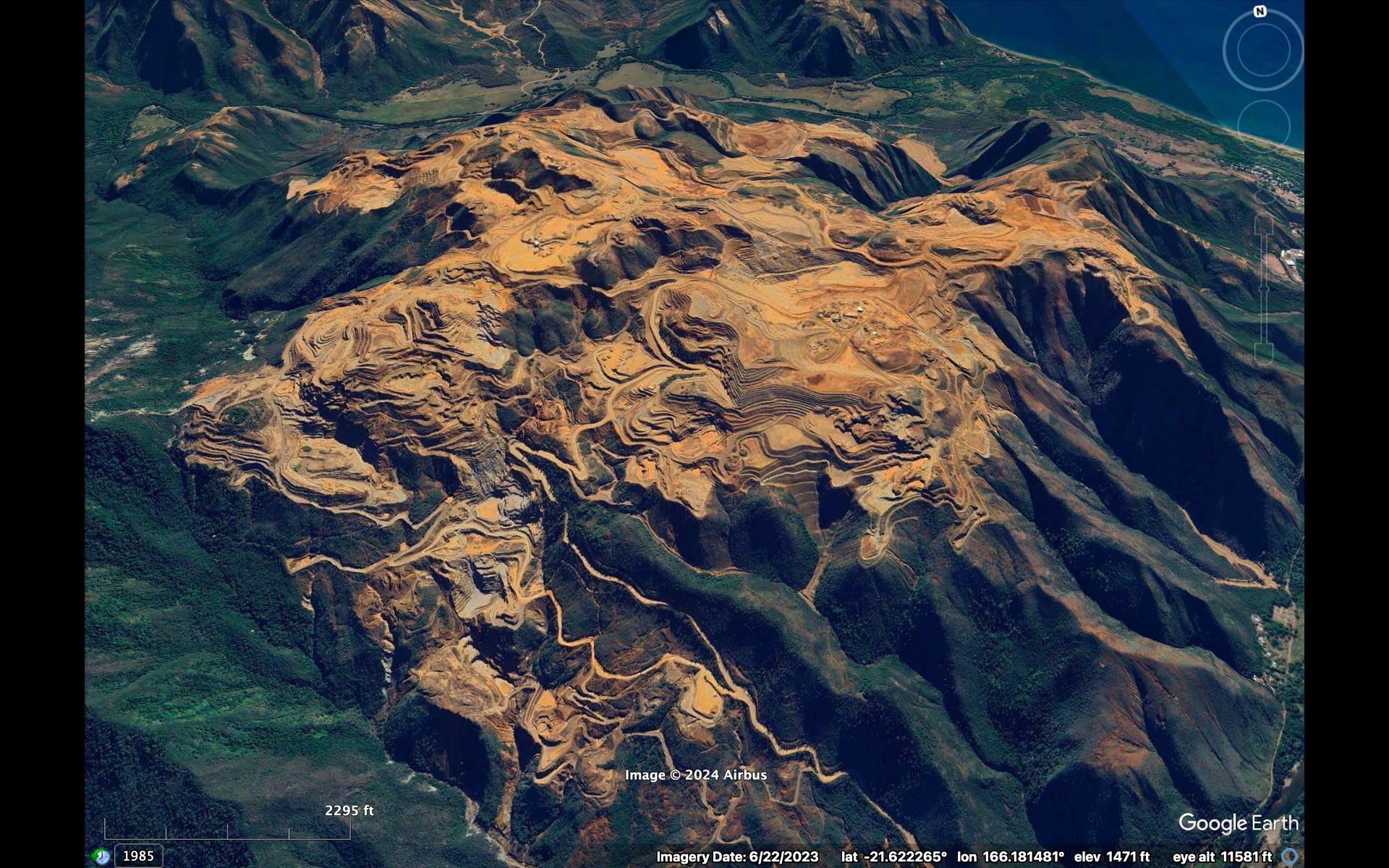
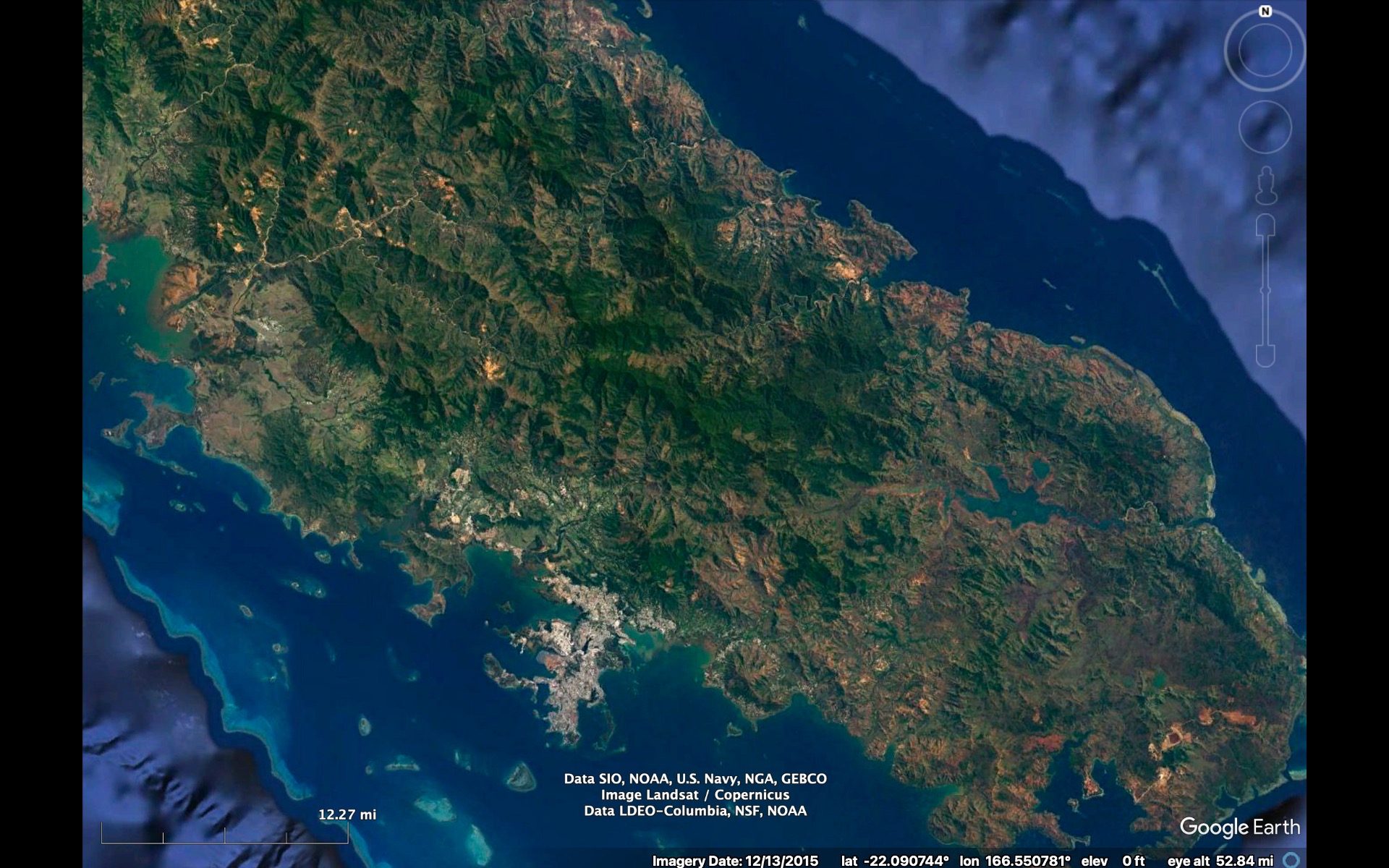
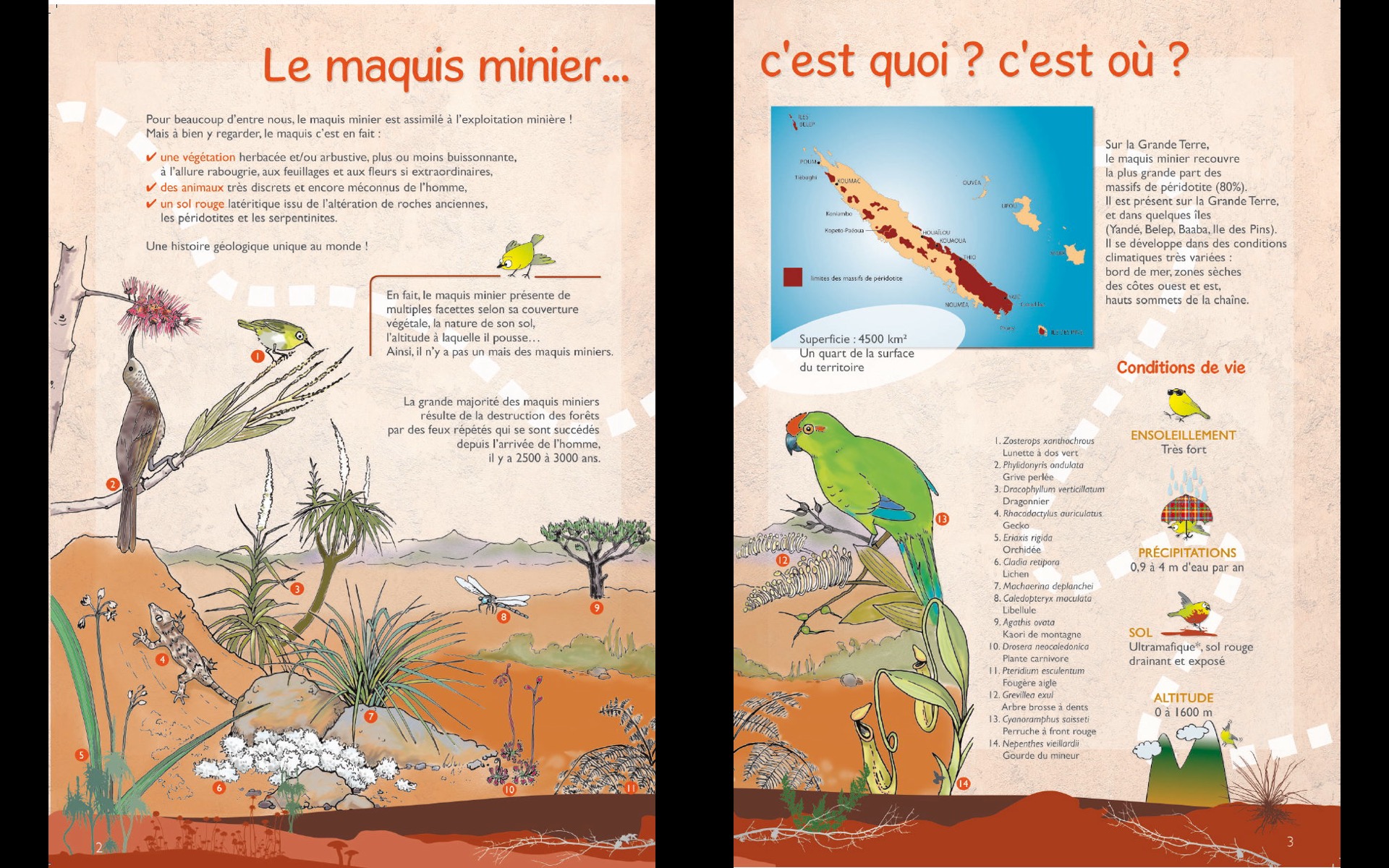
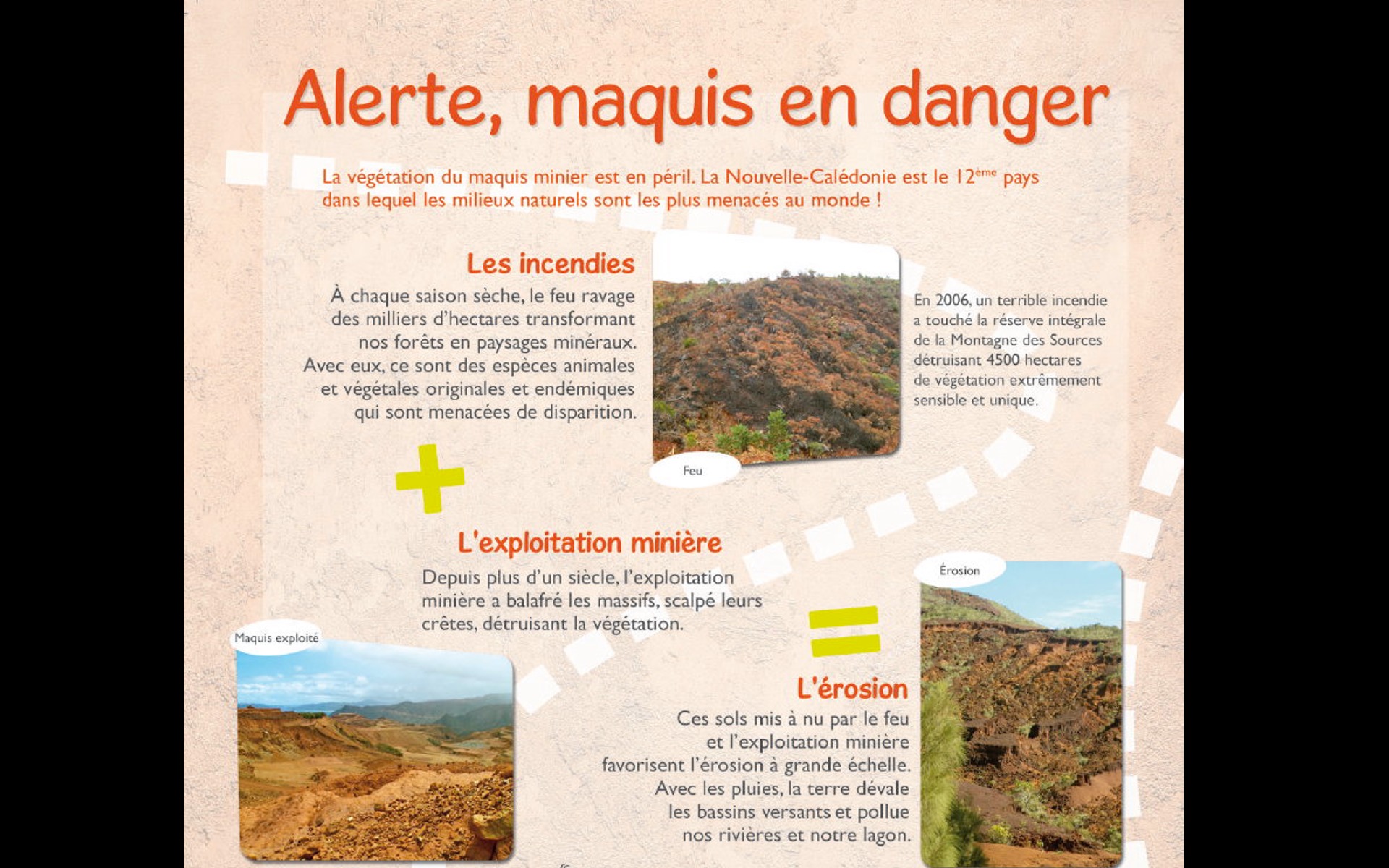
Below are slides from a talk I gave prior to arriving in Noumea. The largest known reserves of nickel are found in New Caledonia, so mining for this dominates their economy. Unfortunately, it is open-pit mining and destructive to the landscape. The island is geologically unique – with the underlying rock in many places being upper mantle material from long ago that was upthrust and is now exposed. The term for the soils derived from this rock (peridotite) and weathered to serpentine, is called “maquis minier” in French.
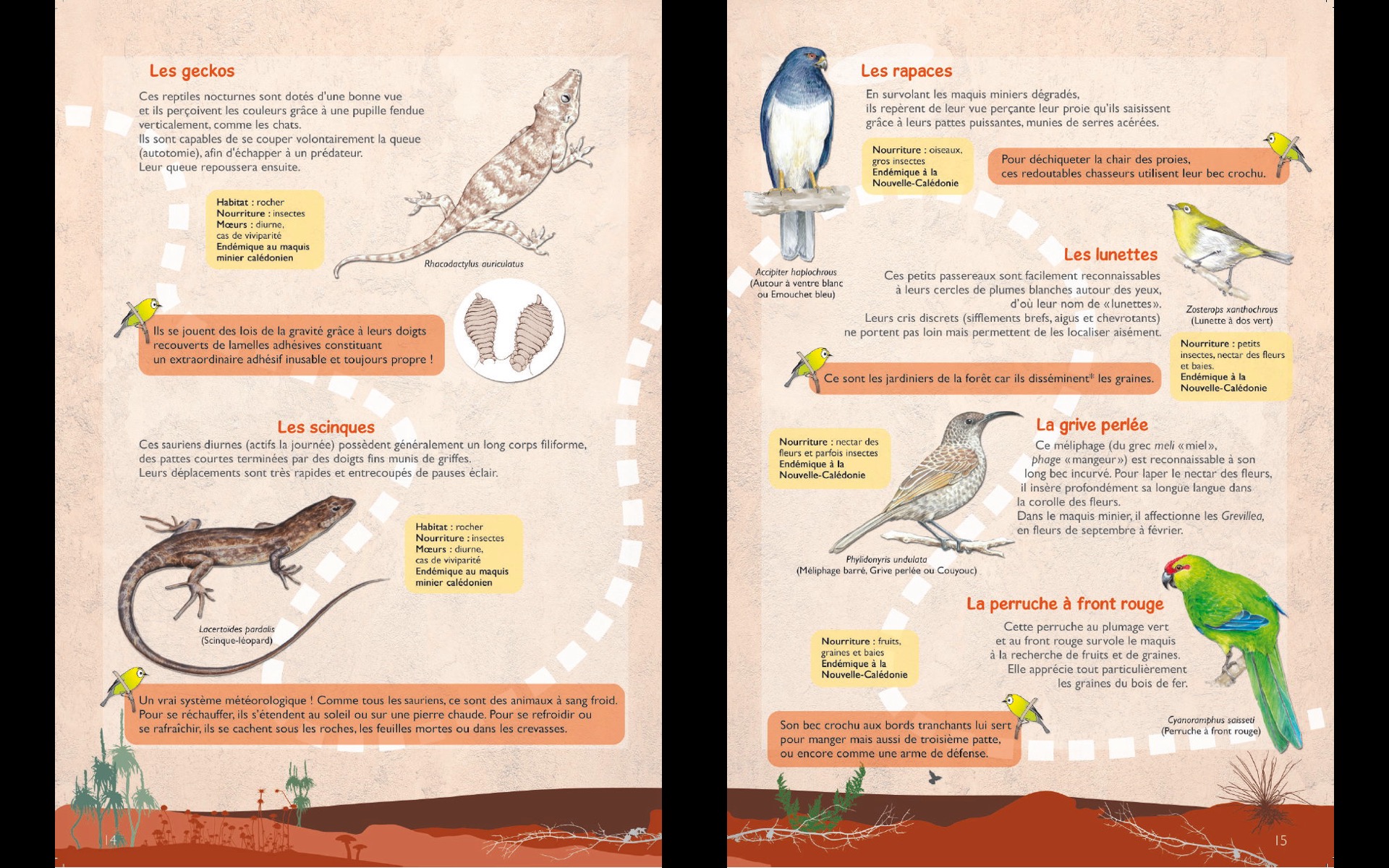
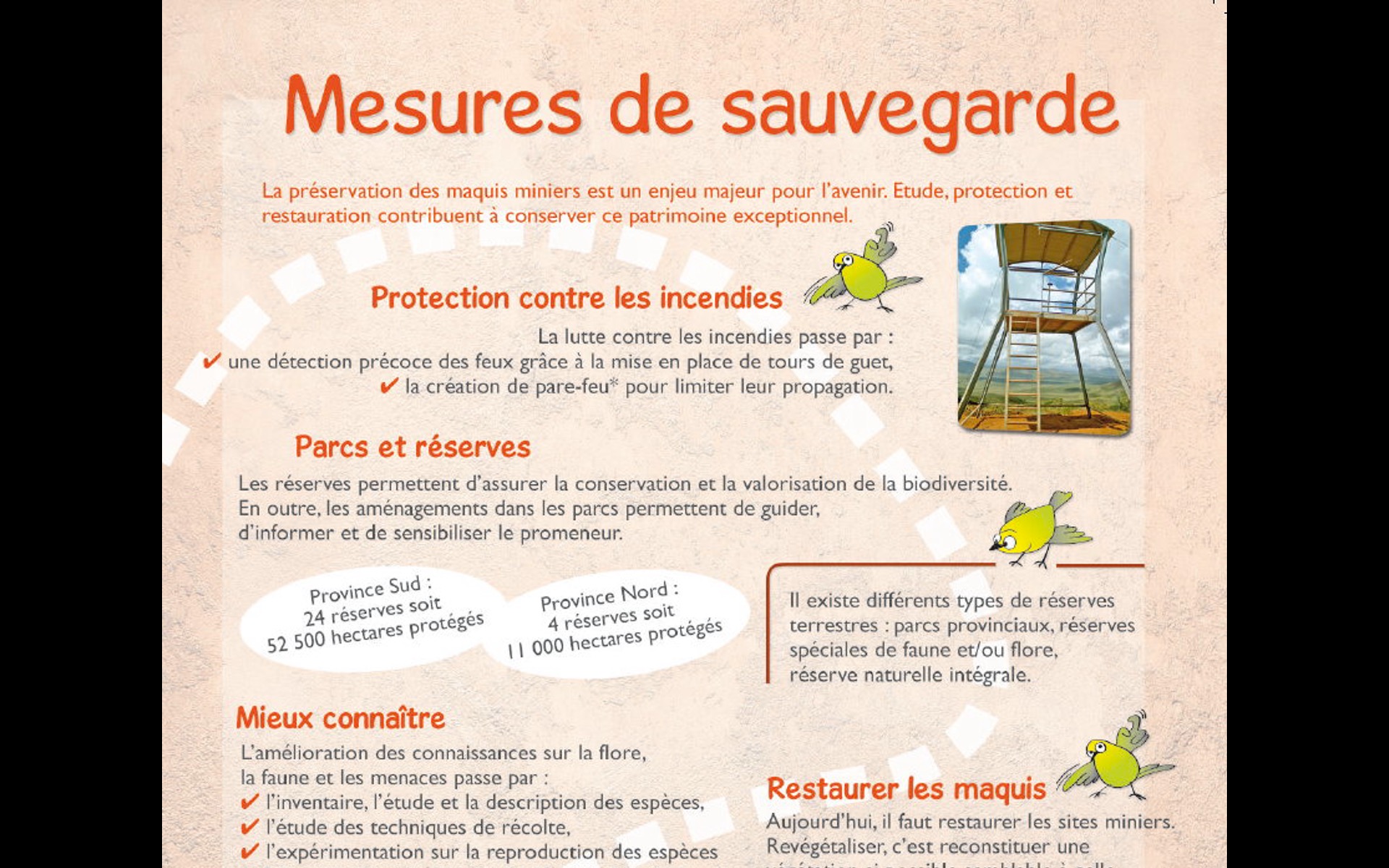
A Non-Governmental Organization in Noumea (CIE.NC) has produced many very educational materials about the environments in New Caledonia. Unfortunately for English-reading people these materials are in French for the most part. But I’ve put the slides in (and showed them to my audience) because the are so good in presenting the concepts and examples or plants and animals. See the text accompanying the slides to get a better idea of what they are showing.
Click on the first slide below, then step through the slides and read the accompanying captions.






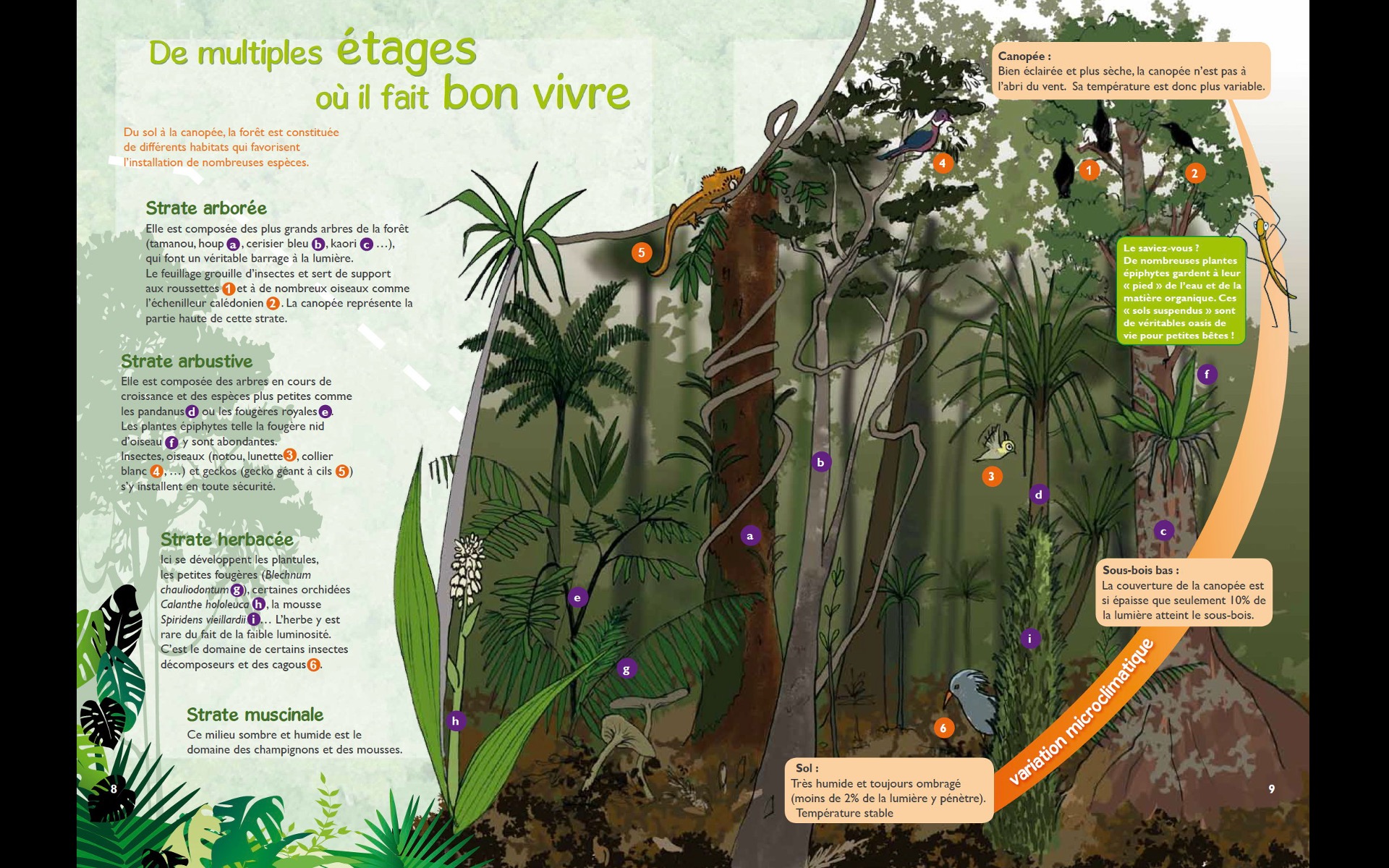
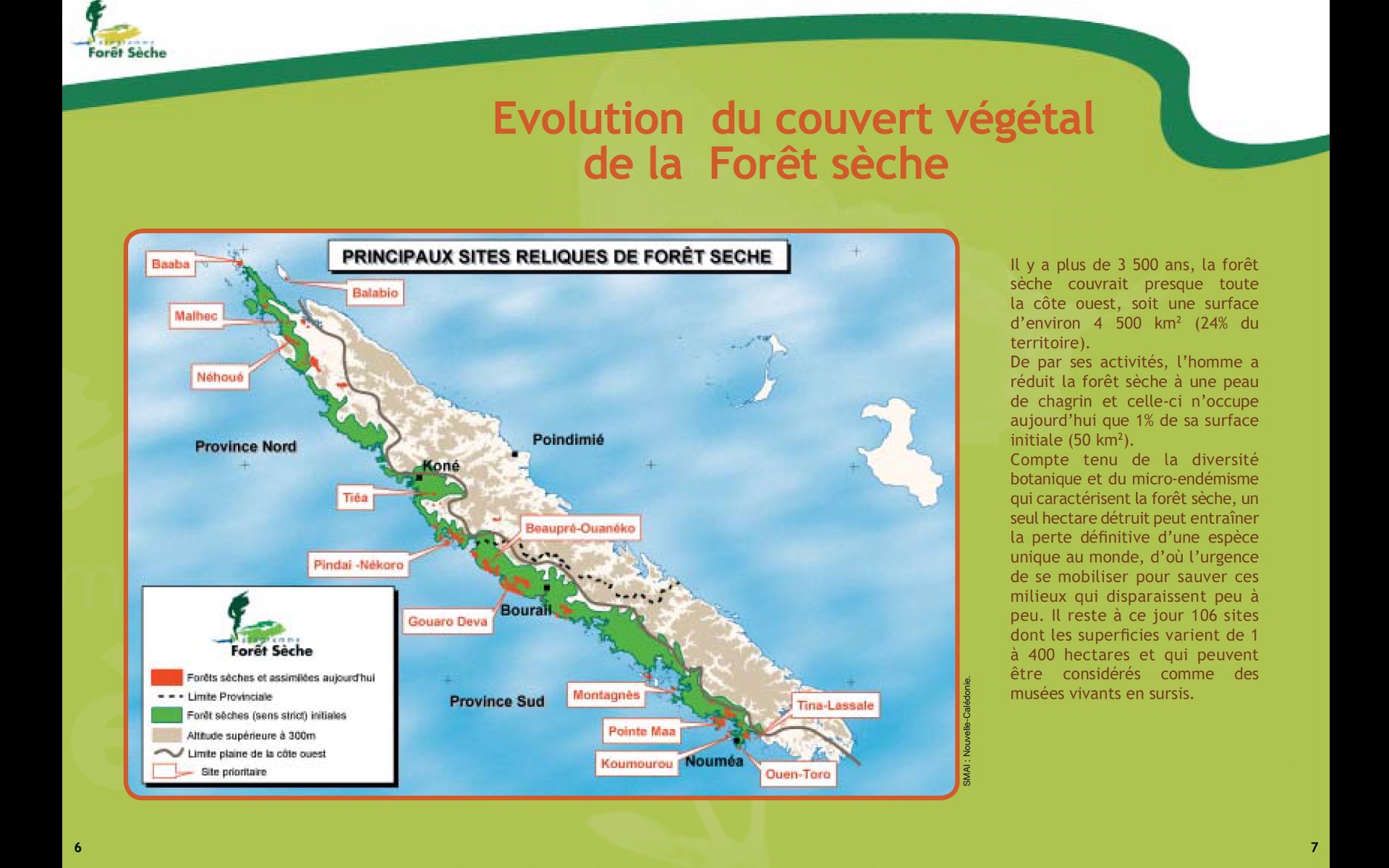
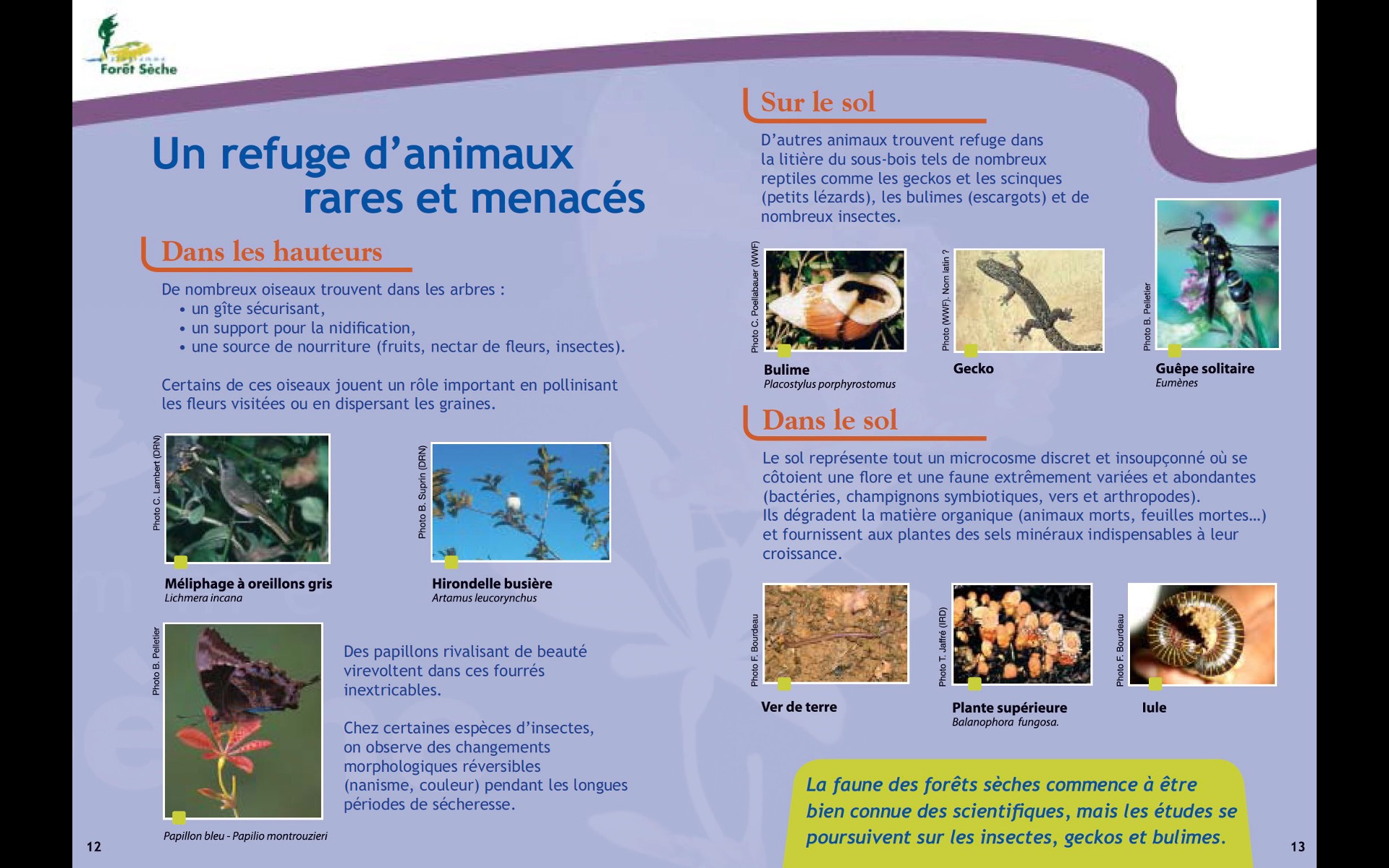
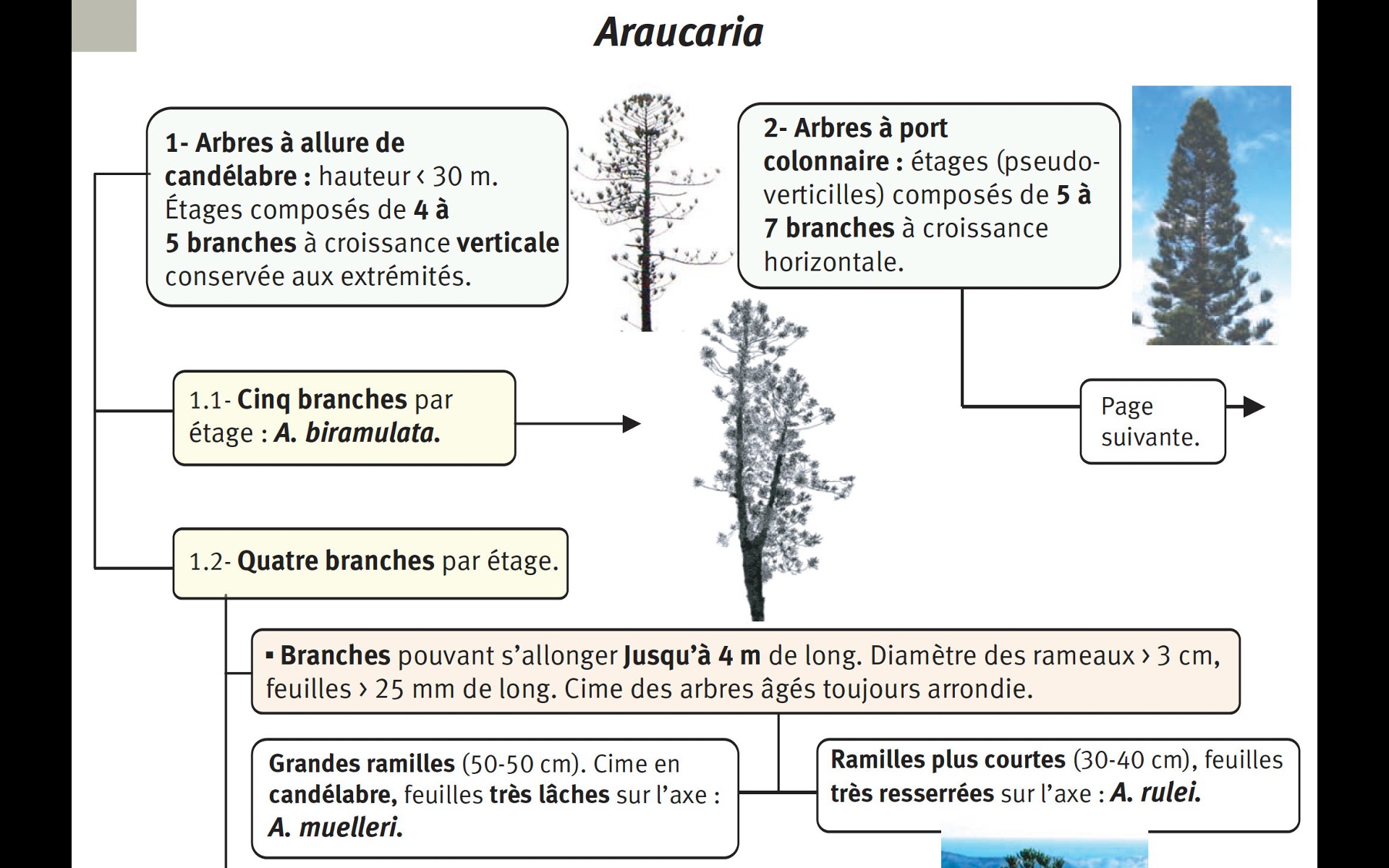


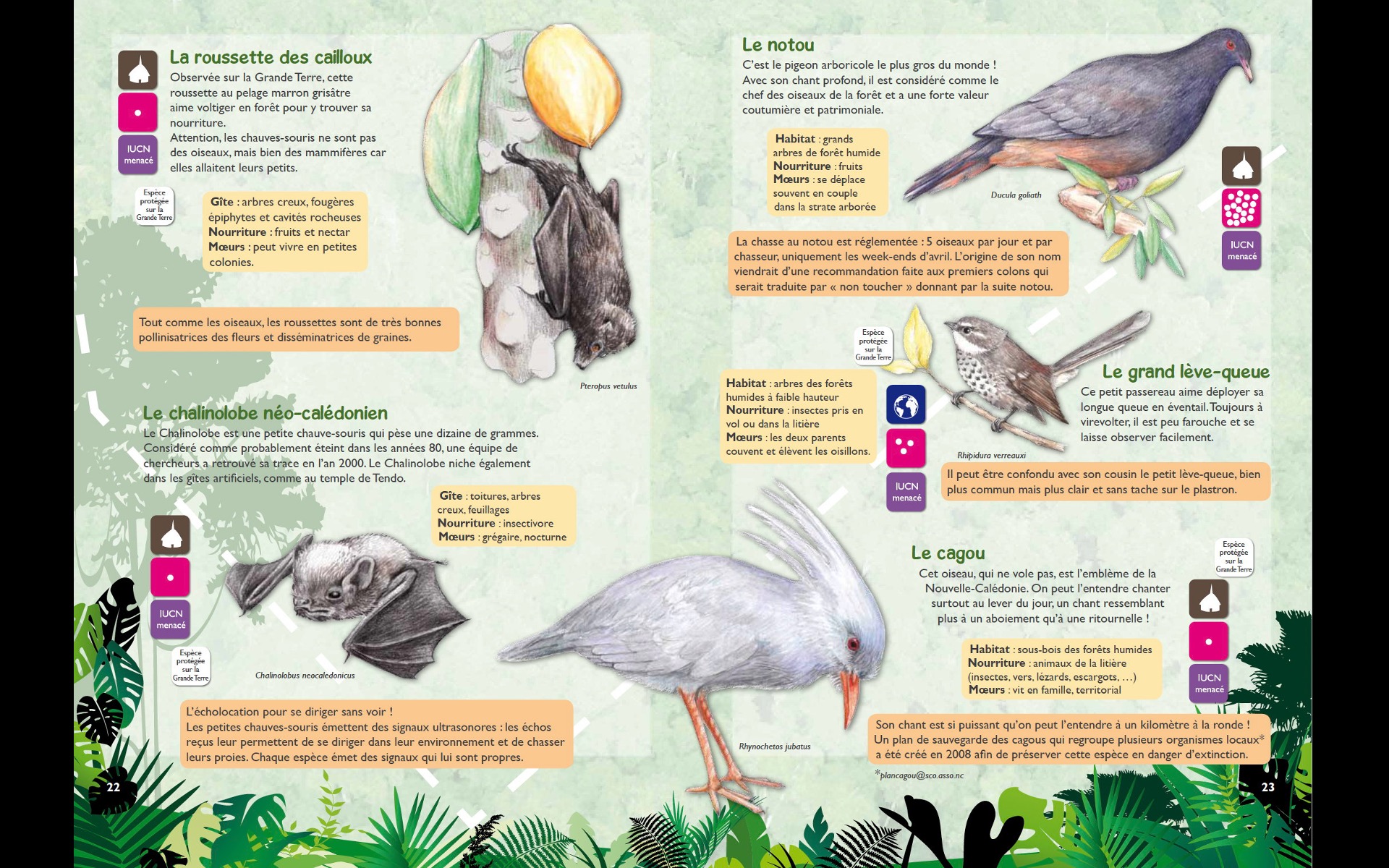
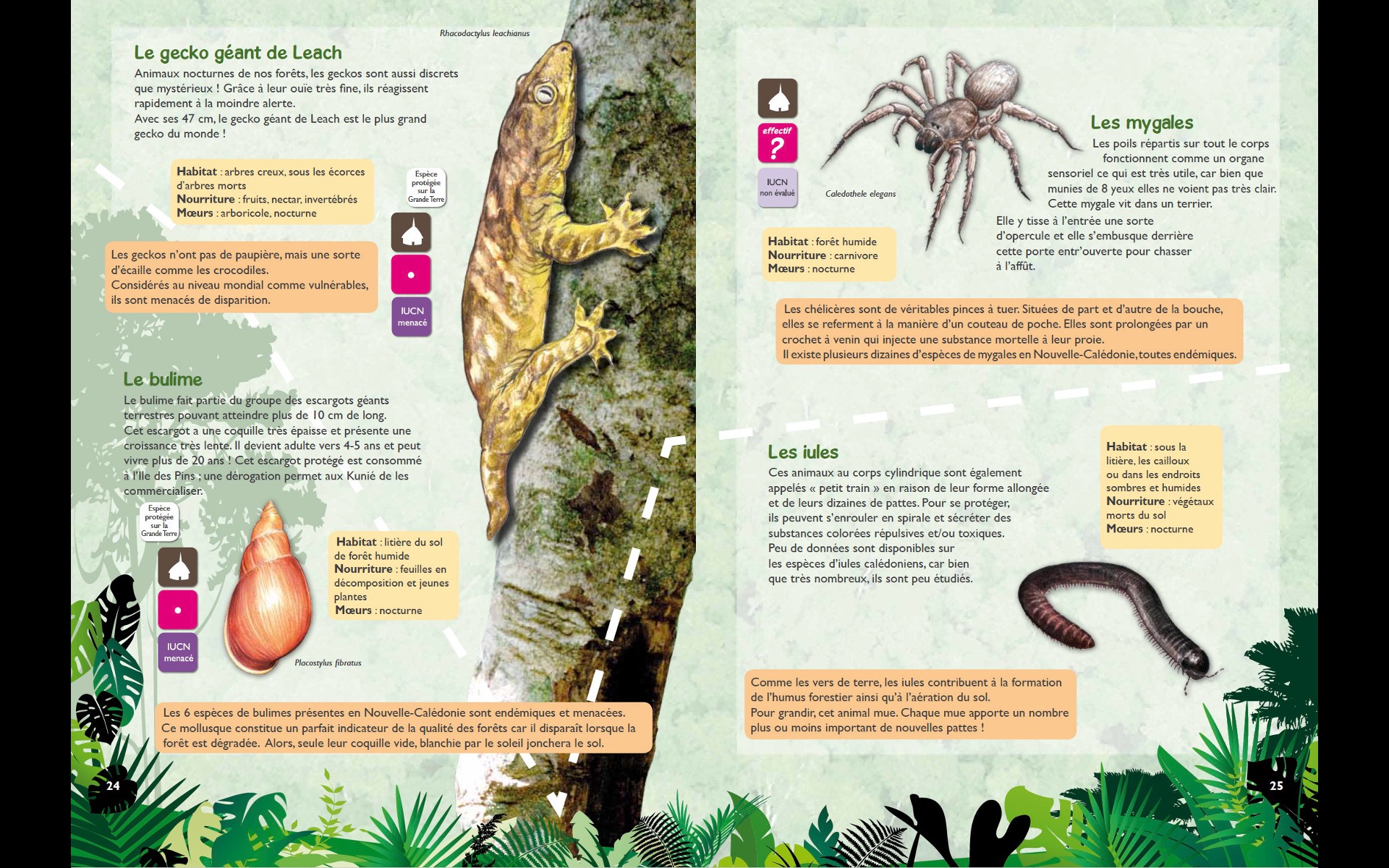
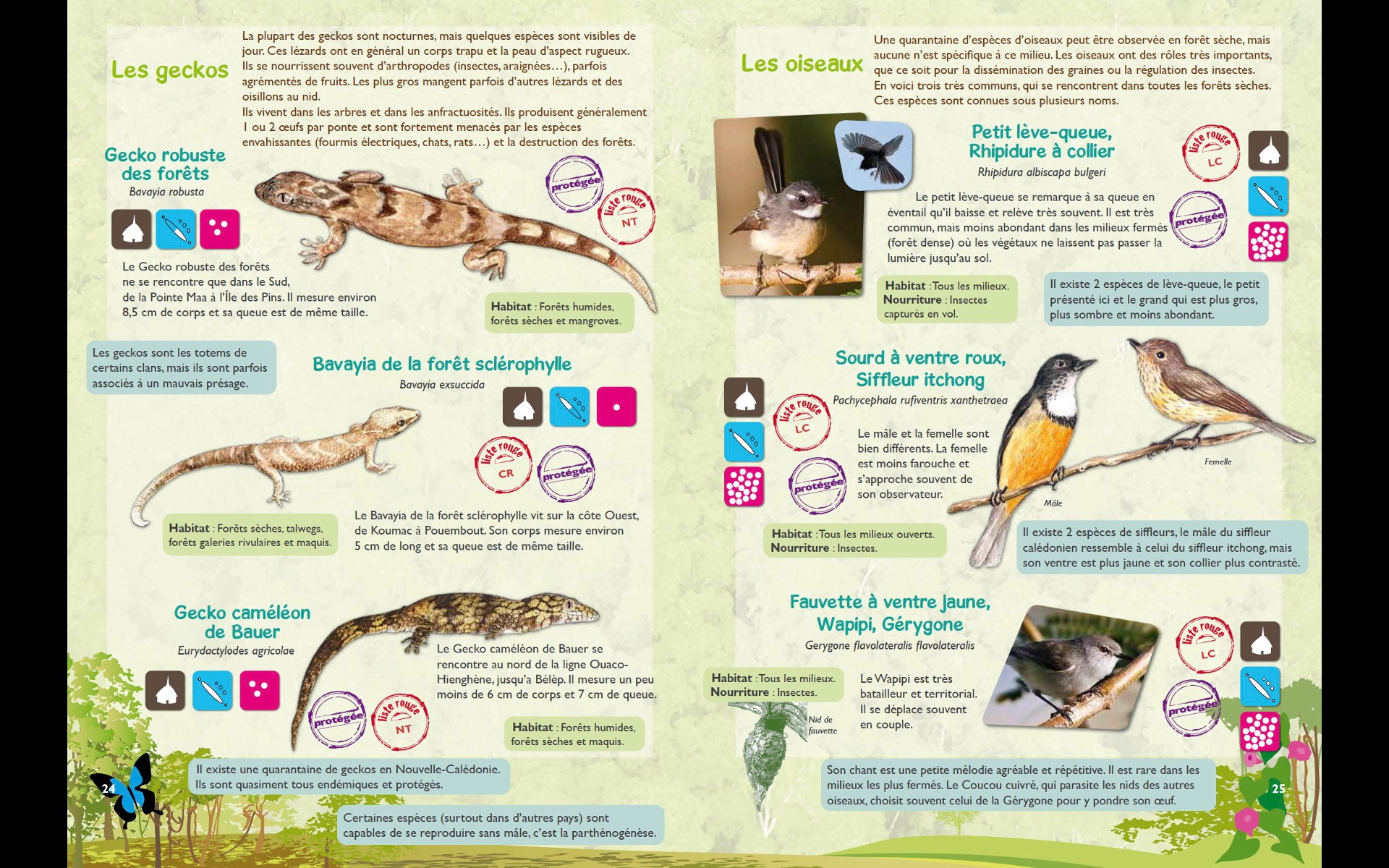
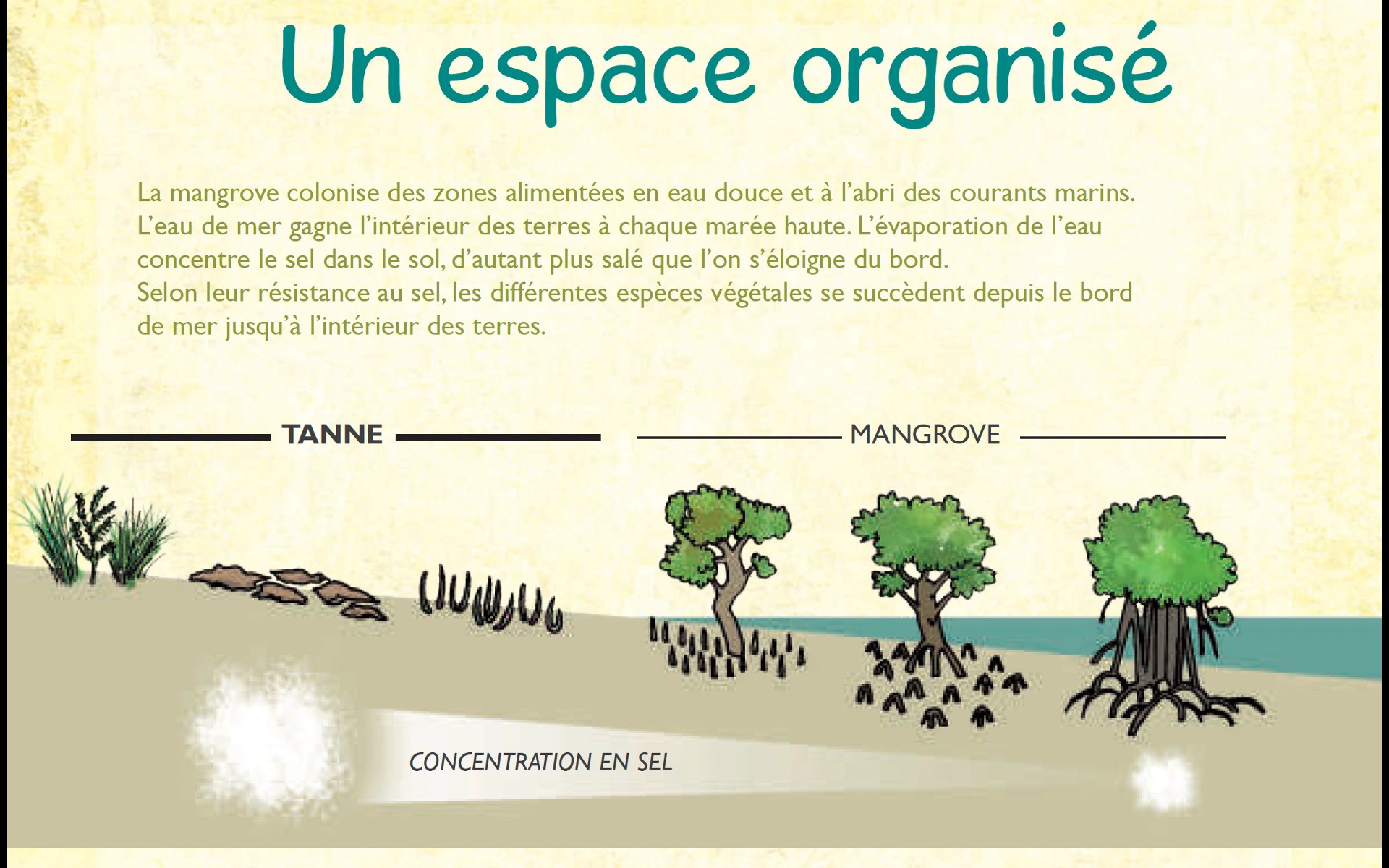


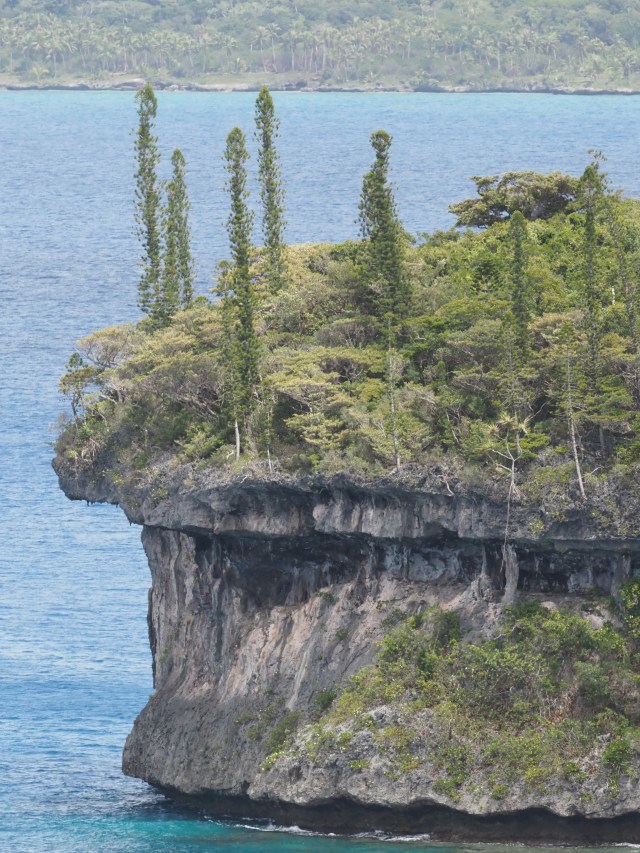
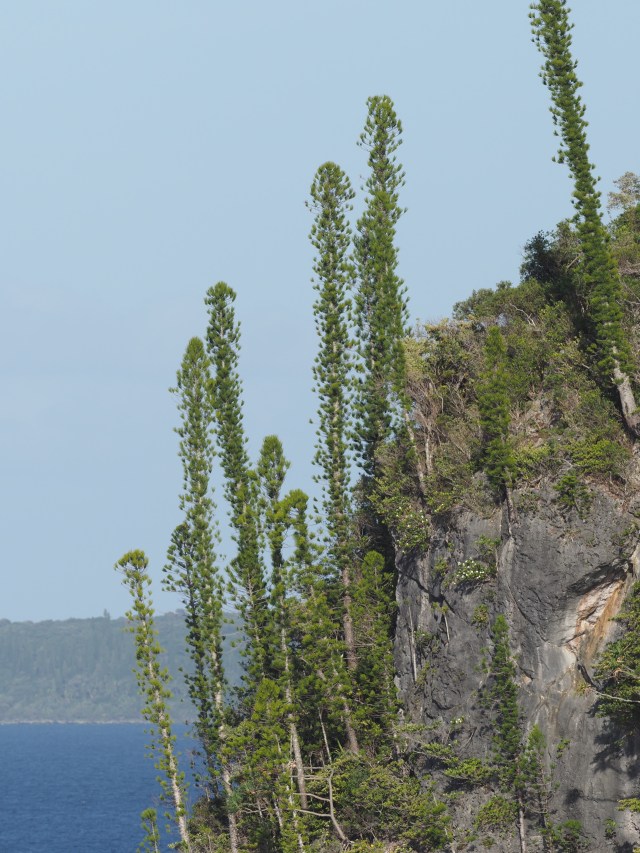
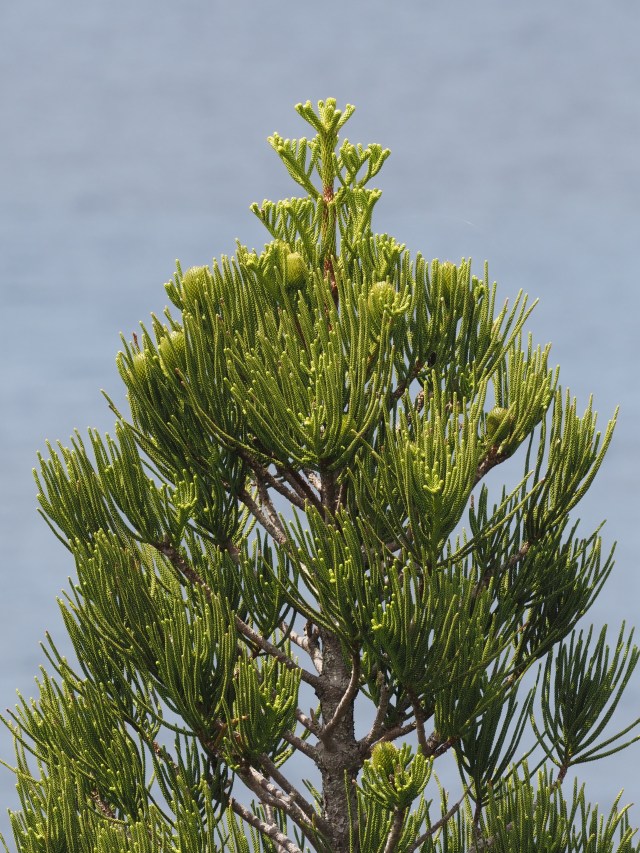
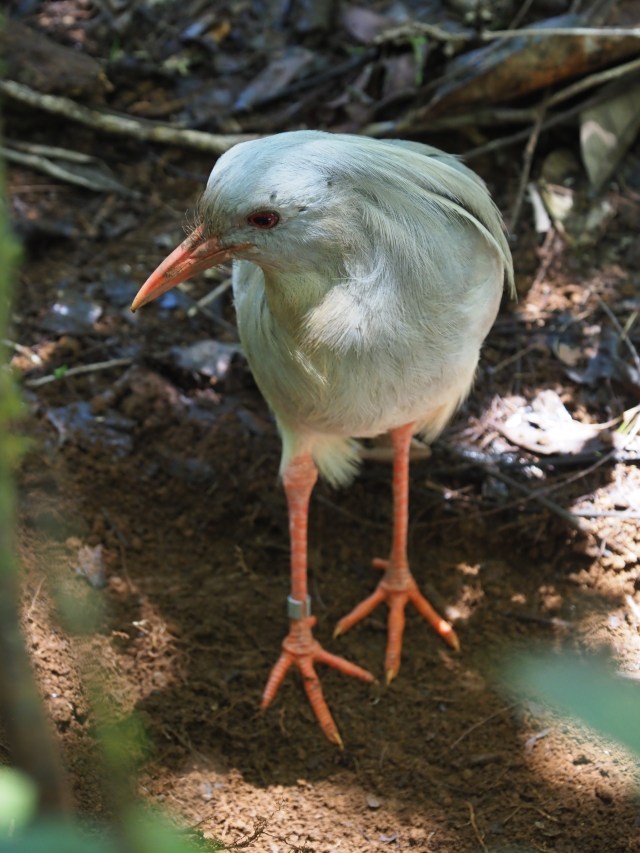
Below are a few slides related to New Caledonia. The Araucaria photos highlight this Southern Hemisphere conifer that has the greatest diversity of species in New Caledonia. The Kagu is a bird endemic to the island, you won’t see it anywhere else. The Zoo in Noumea is likely the easiest place to see it (and lots more) but we saw it in the Blue River National Park.
 THE NATURALIST'S TRAVEL PAGE