This page summarizes our travel to participate in a Holland America cruise segment, traveling from Suva, Fiji to San Diego, California. We flew to Fiji on Oct 17th, arriving in Suva on the morning of Oct 19th and joined the ship on Oct 24th. The pre-cruise activities are summarized here (yet to be completed…), while the cruise activities are summarized below.
Versions of the talks I presented on the ship as a lecturer are presented below. I say “versions” because I have added simplified text to each file to try to explain the reason for presenting the slide. This might not have been exactly what I said when I presented the talk. Also, to minimize possible copyright issues, I may have removed some figures that were taken from the internet where the source might possible complain (even if I give credit). But the essence of the talks should be apparent to anyone who attended, and even to people who didn’t make the talks.
TALK 1. TROPICAL COASTS AND CORALS
TALK 2 PACIFIC VOLCANOES AND EARTHQUAKES
TALK 3 TROPICAL ISLAND WEATHER
TALK 4 TROPICAL ENVIRONMENTAL ISSUES
TALK 5 BIODIVERSITY OF ISLANDS
TALK 6 CITIZEN SCIENCE AND WHY IT IS IMPORTANT
TALK 8 CLIMATE AND CLIMATE CHANGE
TALK 9 EXPLORING THE WORLD WITH GOOGLE EARTH
Pre-cruise activities in Fiji
We spent 5 nights at the Rainforest Lodge just above Suva at an elevation of about 800 ft above sea level. It is the accommodation most frequented by birdwatchers since it is a short walk from the entrance to the mostly-natural Cola-do-Suva Forest Reserve.
Some snorkeling photos
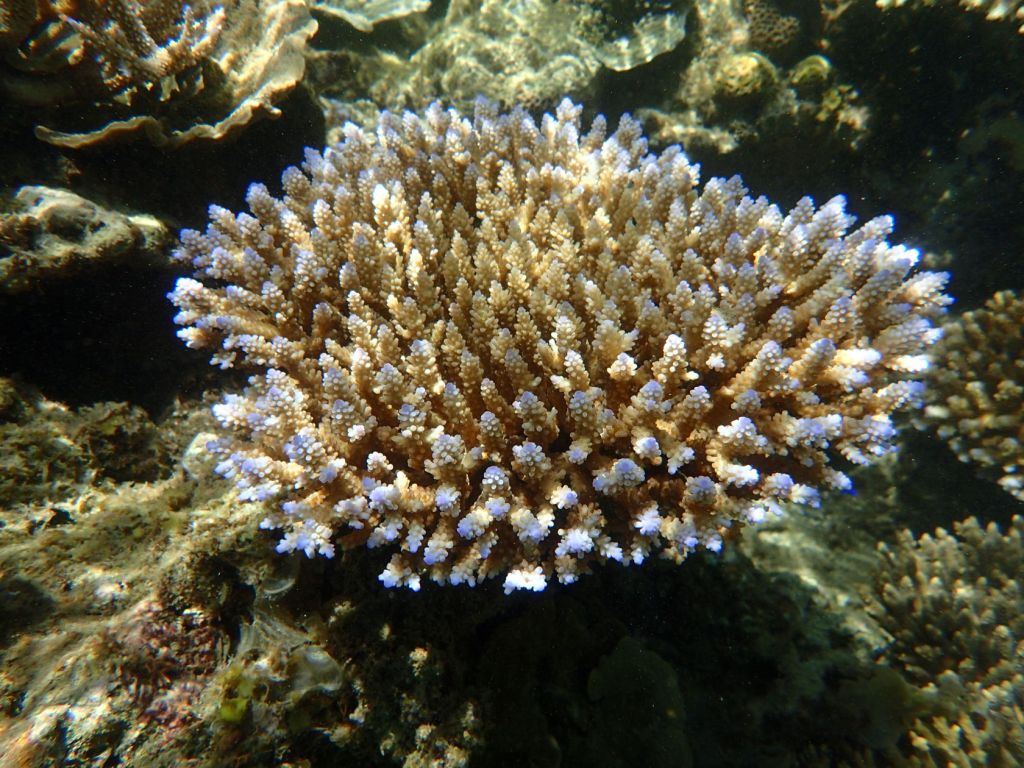
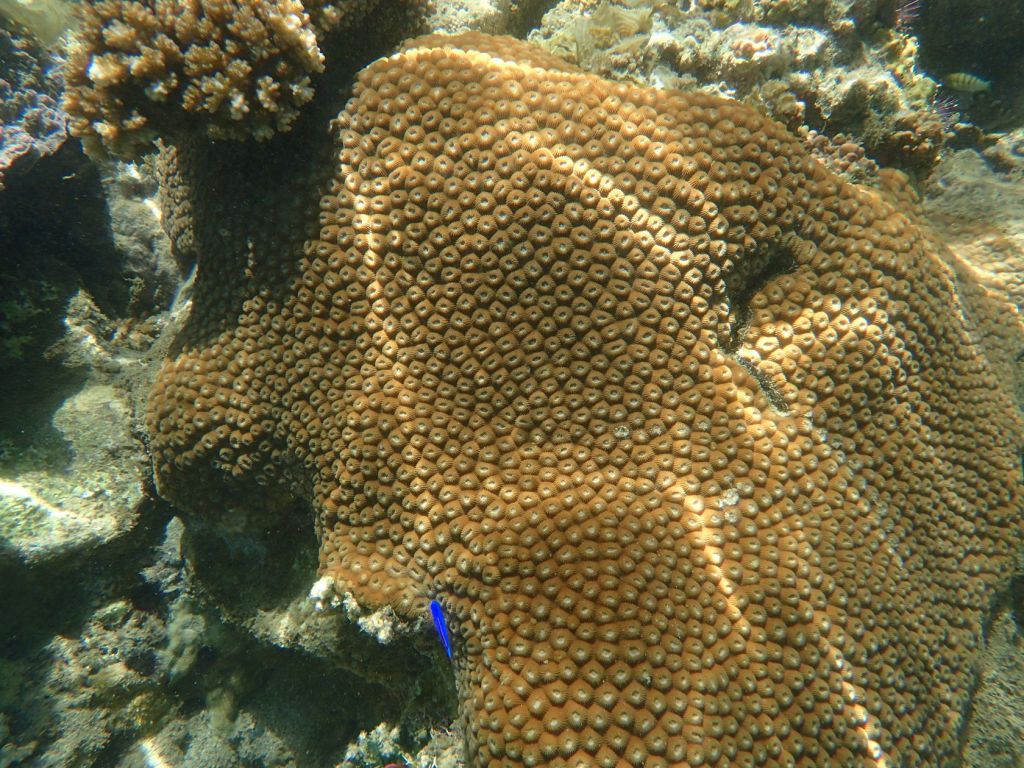
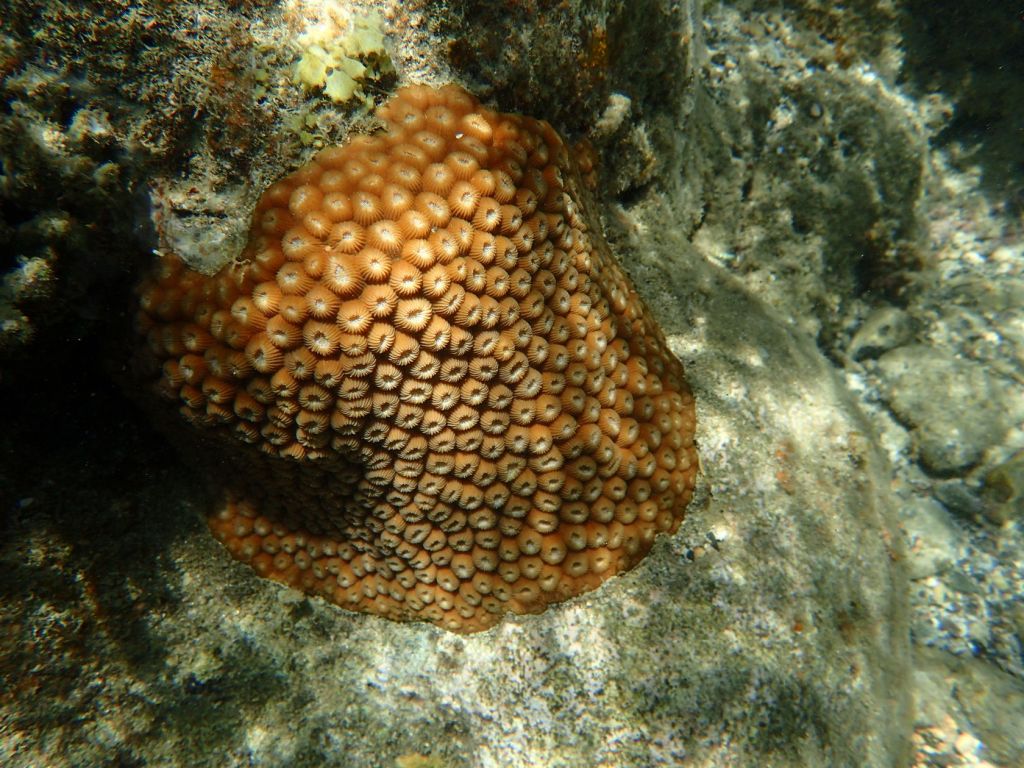
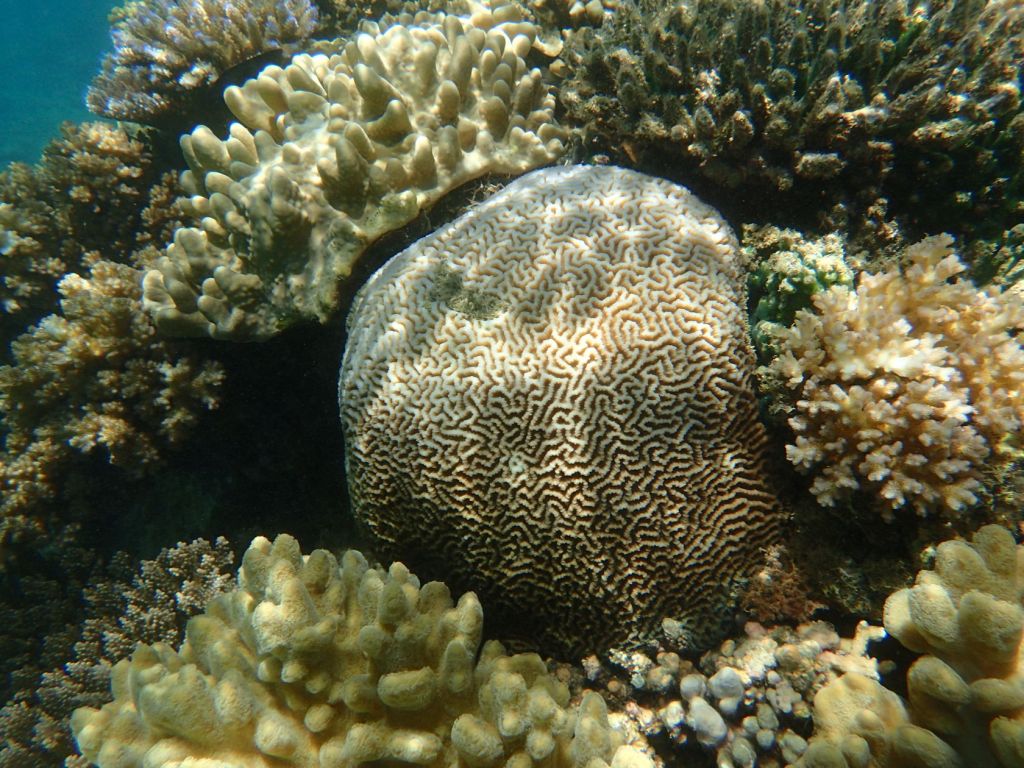
We attempted to snorkel four times during the cruise. Conditions varied and only one of the efforts was on an organized tour to a small motu on the barrier reef of Moorea, French Polynesia. The other snorkeling efforts were from the shore, in Fiji (at Split Rock, just outside Savusavu) and on Dravuni and Fakarava. We were able to get somewhat close to corals in Tonga as well, but were were not dressed to snorkel. Finally, in Tahiti at the dock there were corals growing on platforms that had been in the water for many years.

I will describe the snorkeling spots below, in order that we visited them.
Dravuni Island, Fiji
This was a tender to a small, floating dock on the sandy beach. We walked south towards a rockier area where it was apparent that there might be something other than a sandy bottom. I had seen this from Google Earth imagery so there was little uncertainty. The only problem was that the tide was low, and that it was difficult to get into the water when we went ashore. For this reason, our first visit to the beach was fully dressed and we went up a short hill partway to see what natural vegetation was there. We also photographed various items along the beach.
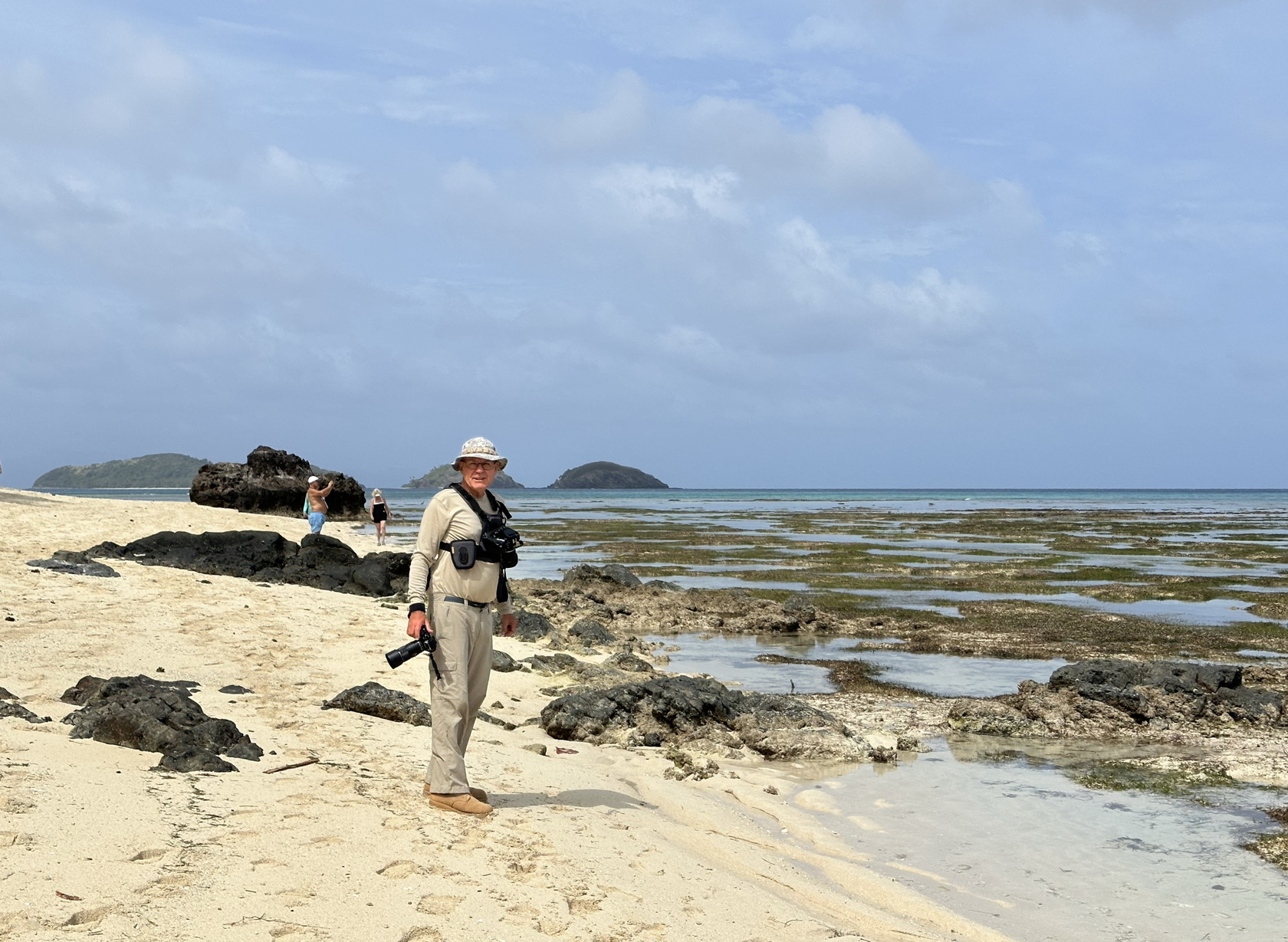
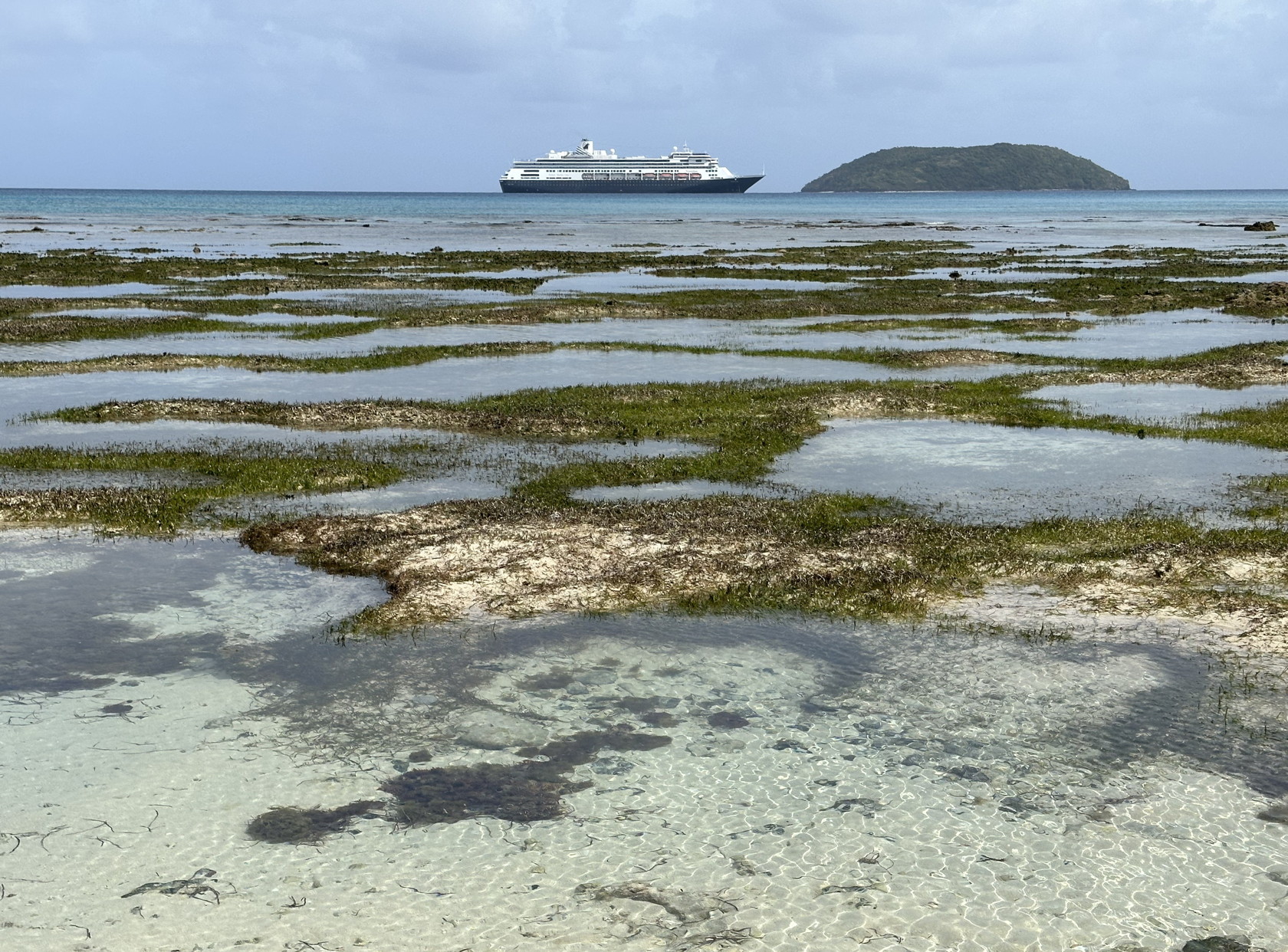
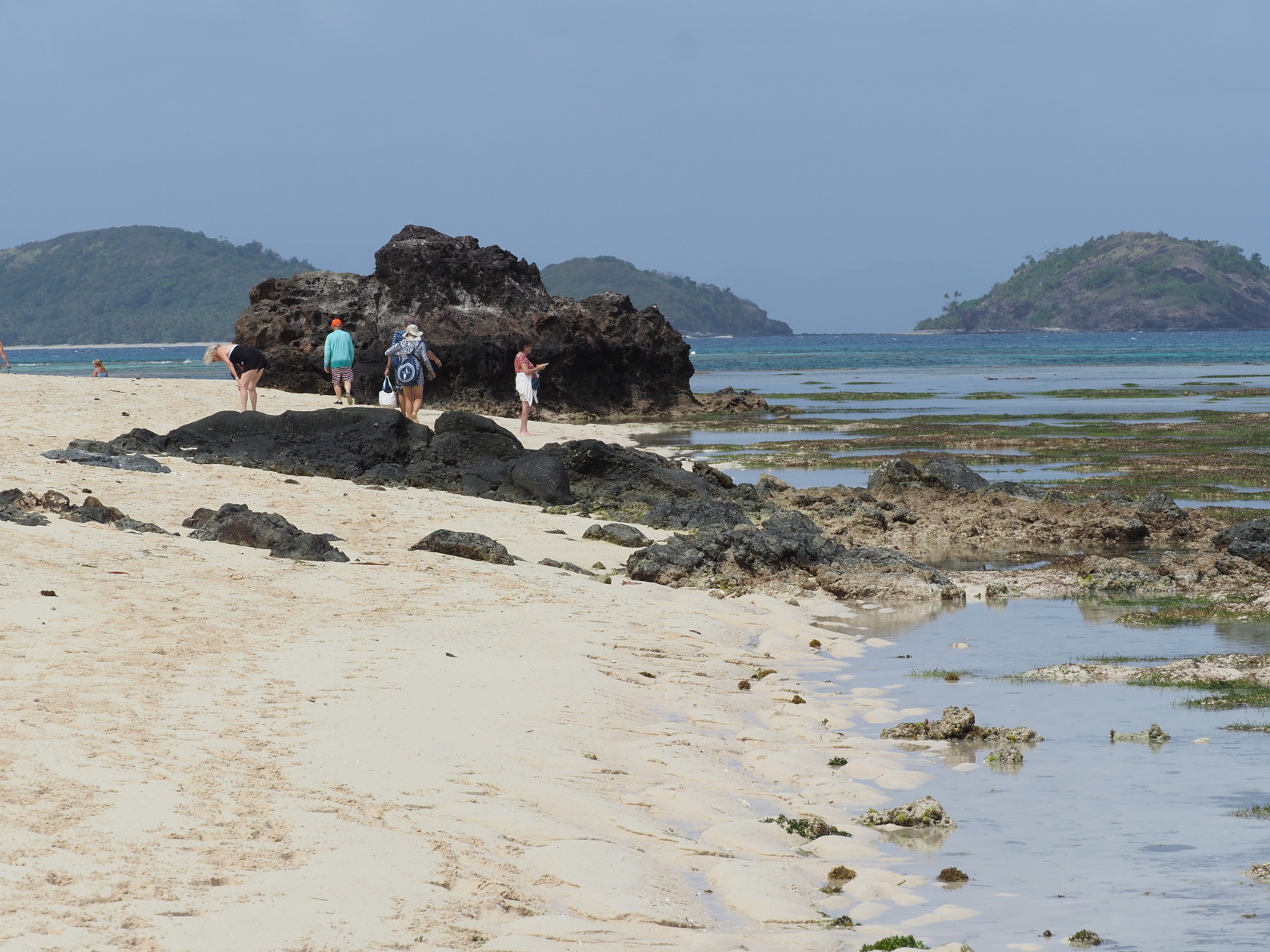
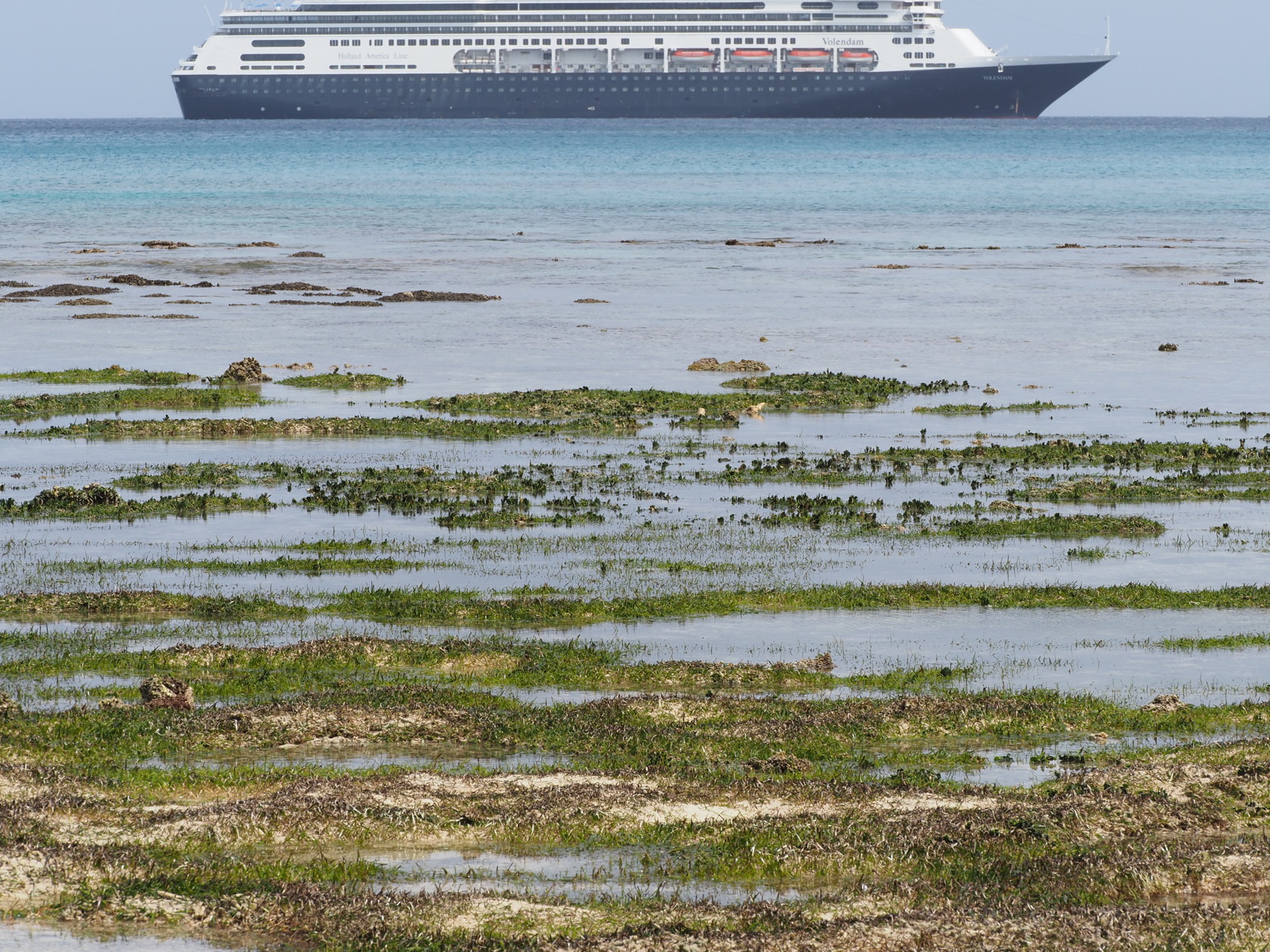
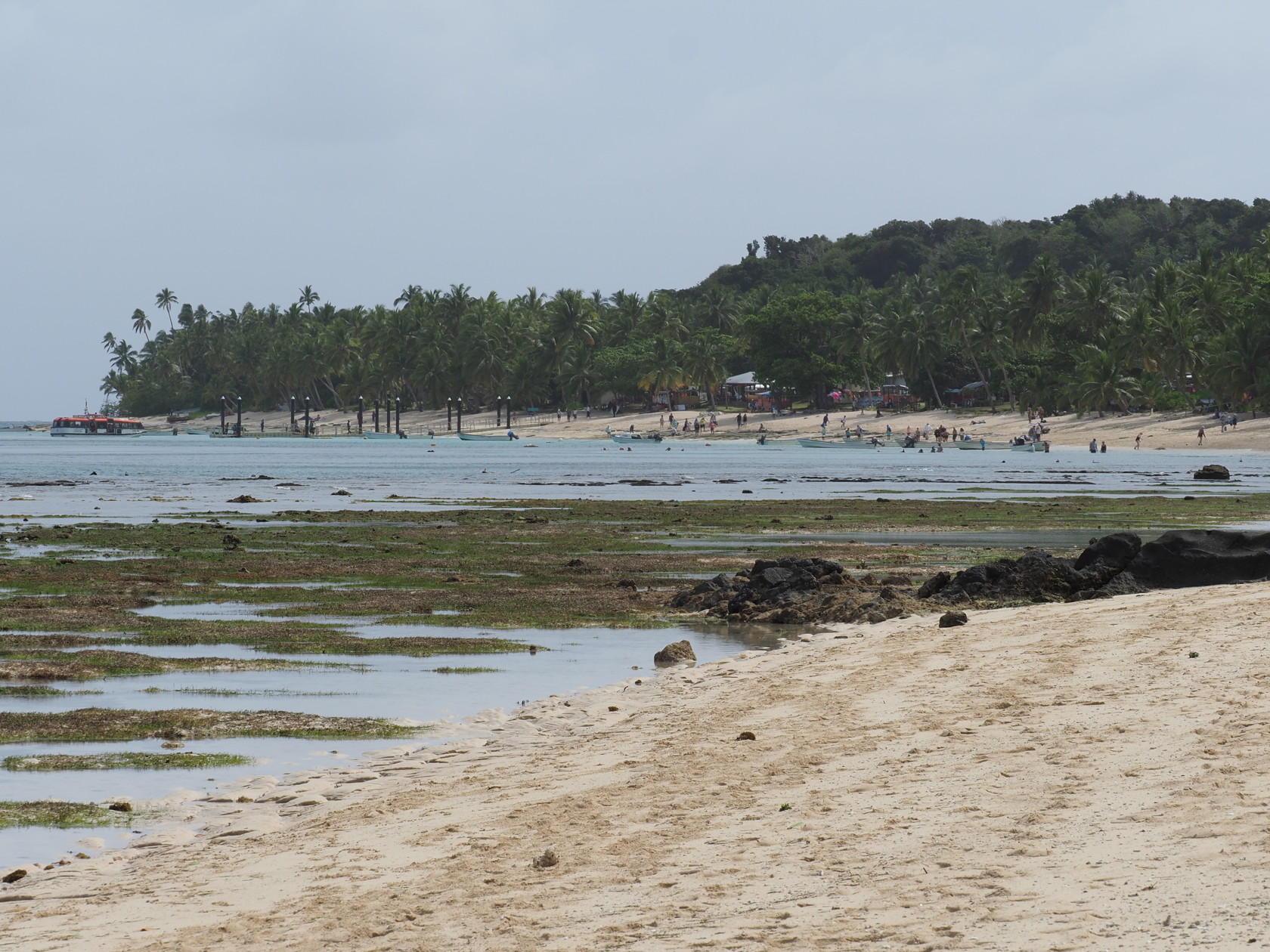
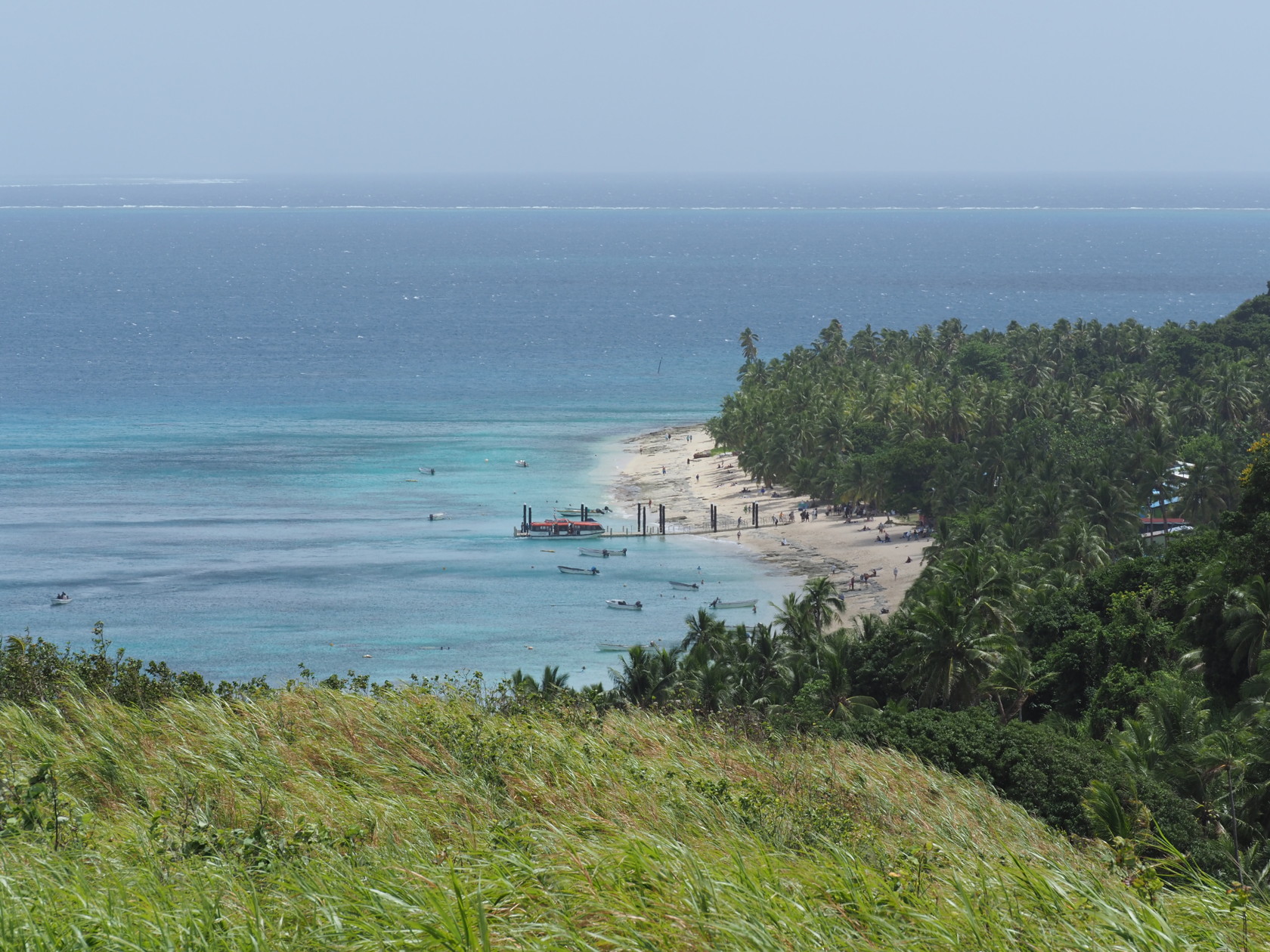
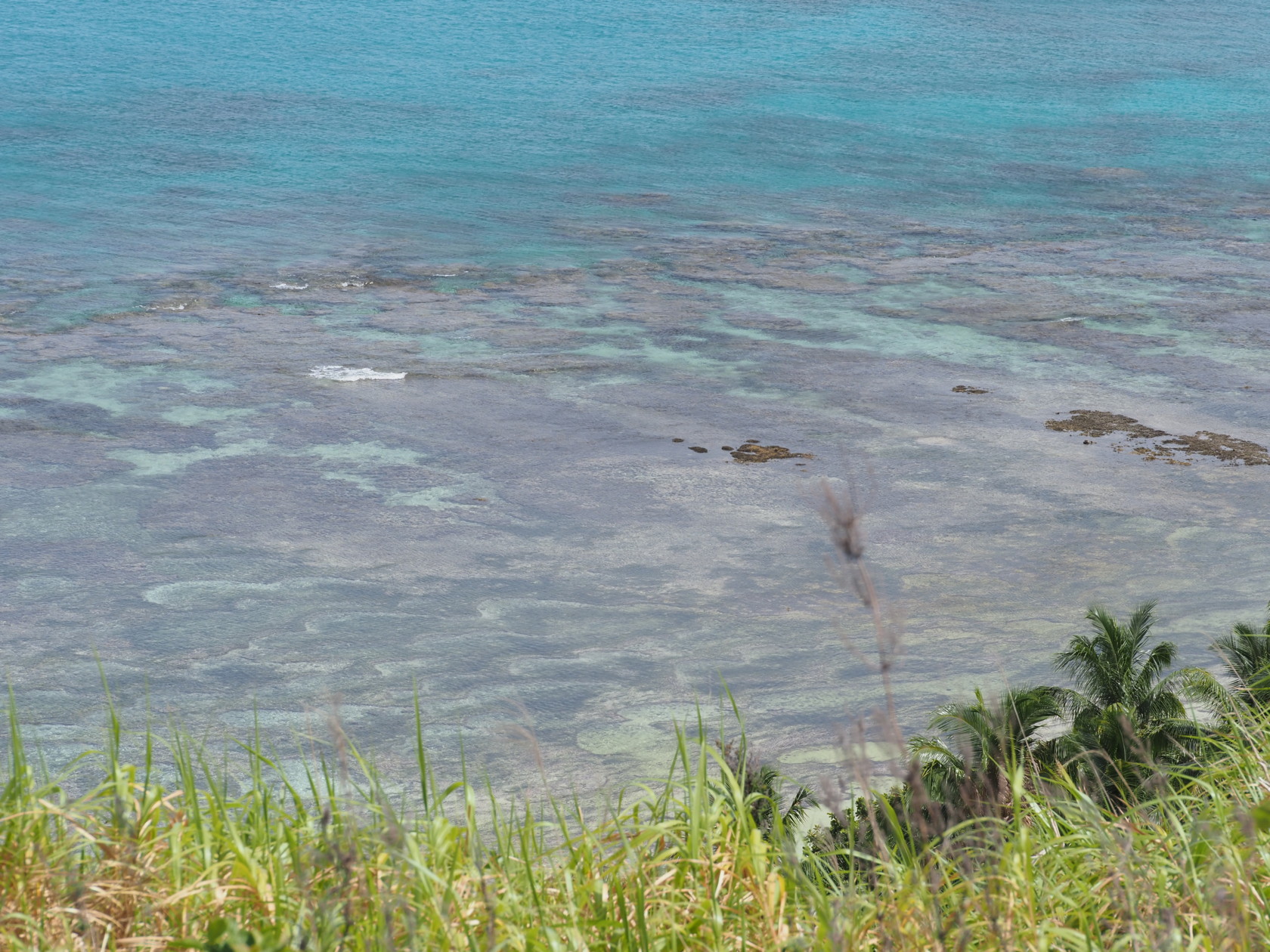
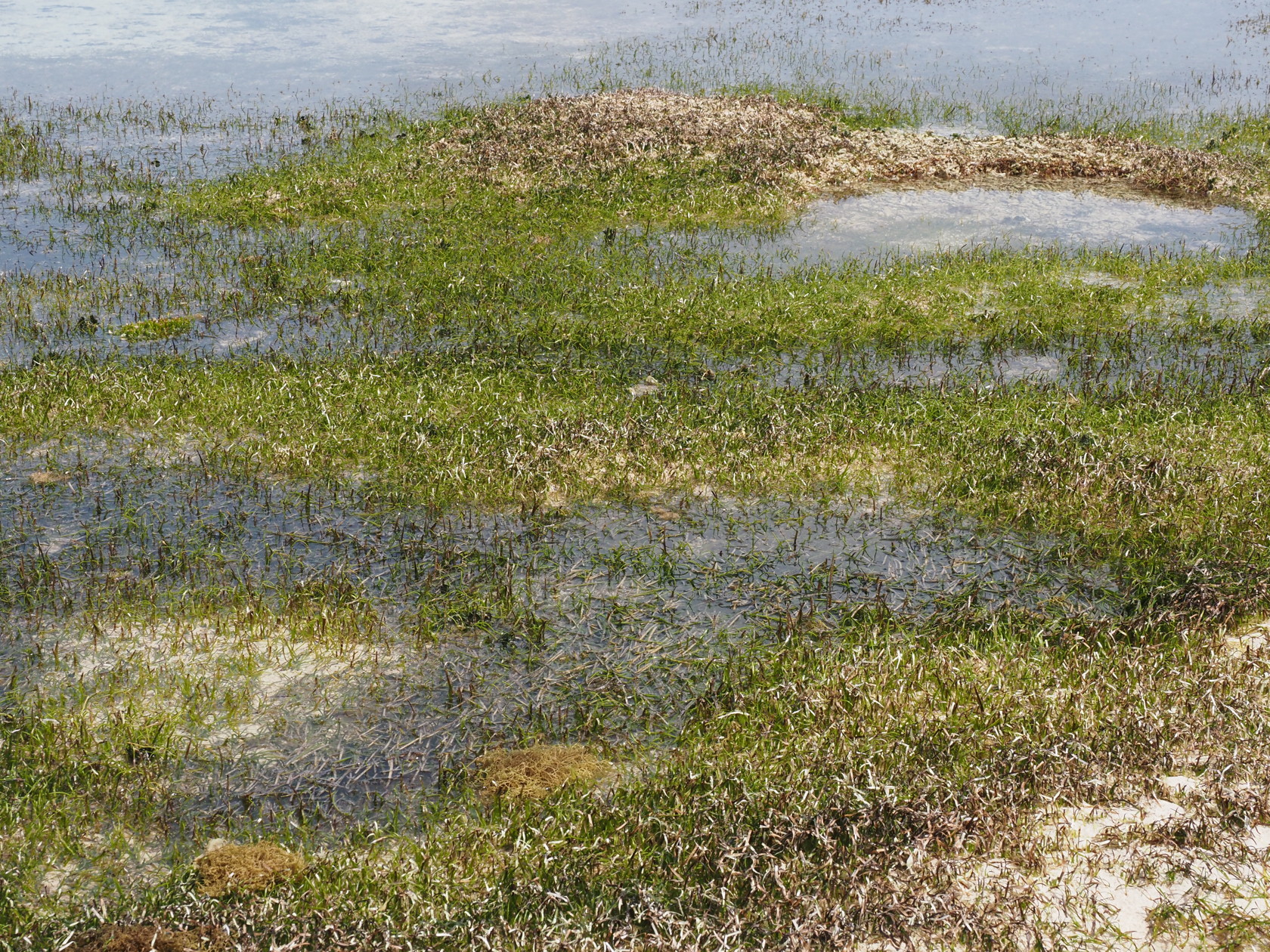

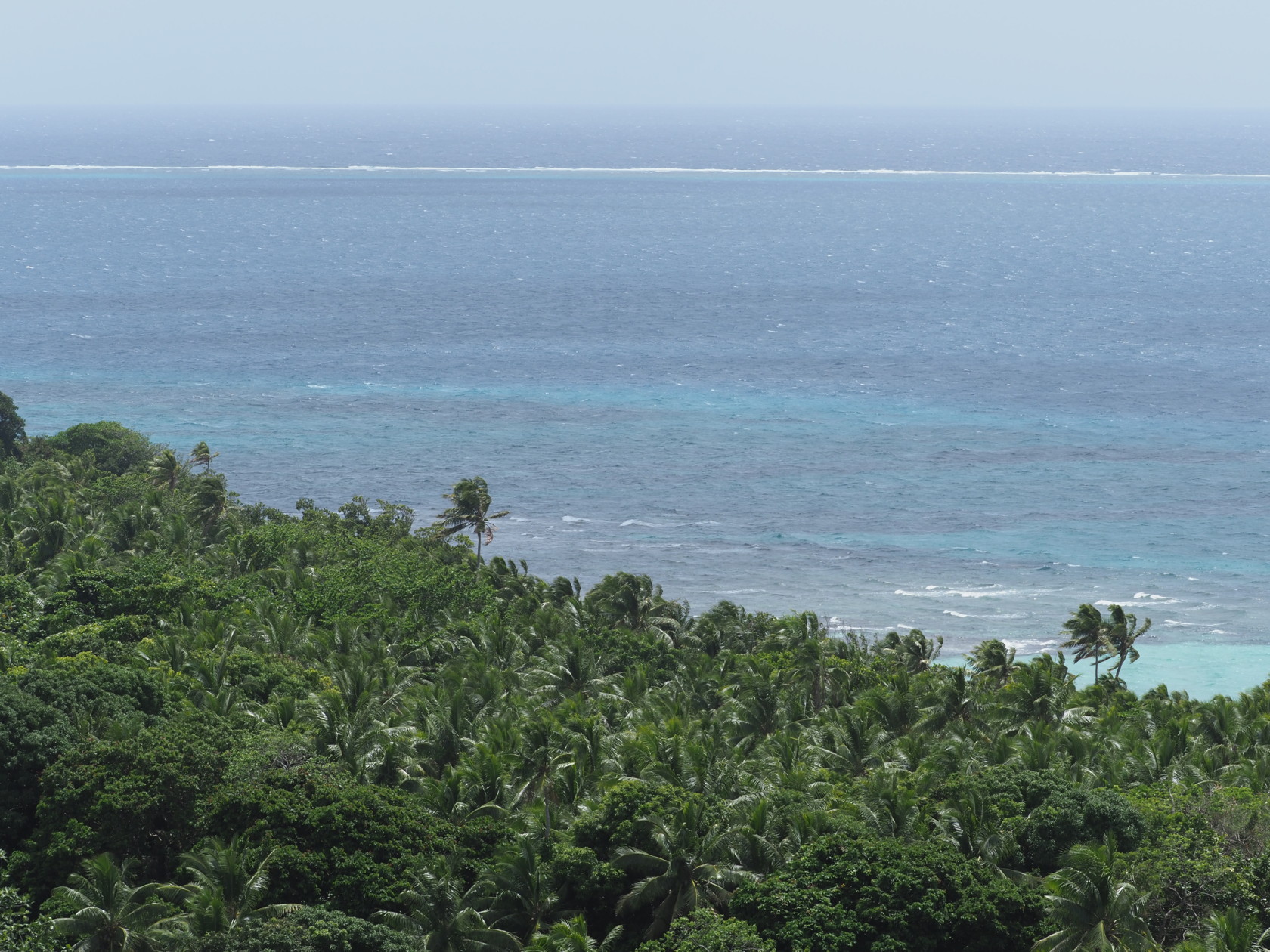
After lunch on the ship we returned to the beach to try to snorkel since the tide had come in some. Snorkeling at low tide can be difficult since you may have to walk a long way to get to water deep enough to actually snorkel in without rubbing your stomach on rocks or corals. Walking with bare feet isn’t advisable (sharp coral fragments and possibly nasty fish) and fins aren’t feasible to walk with for long distances.
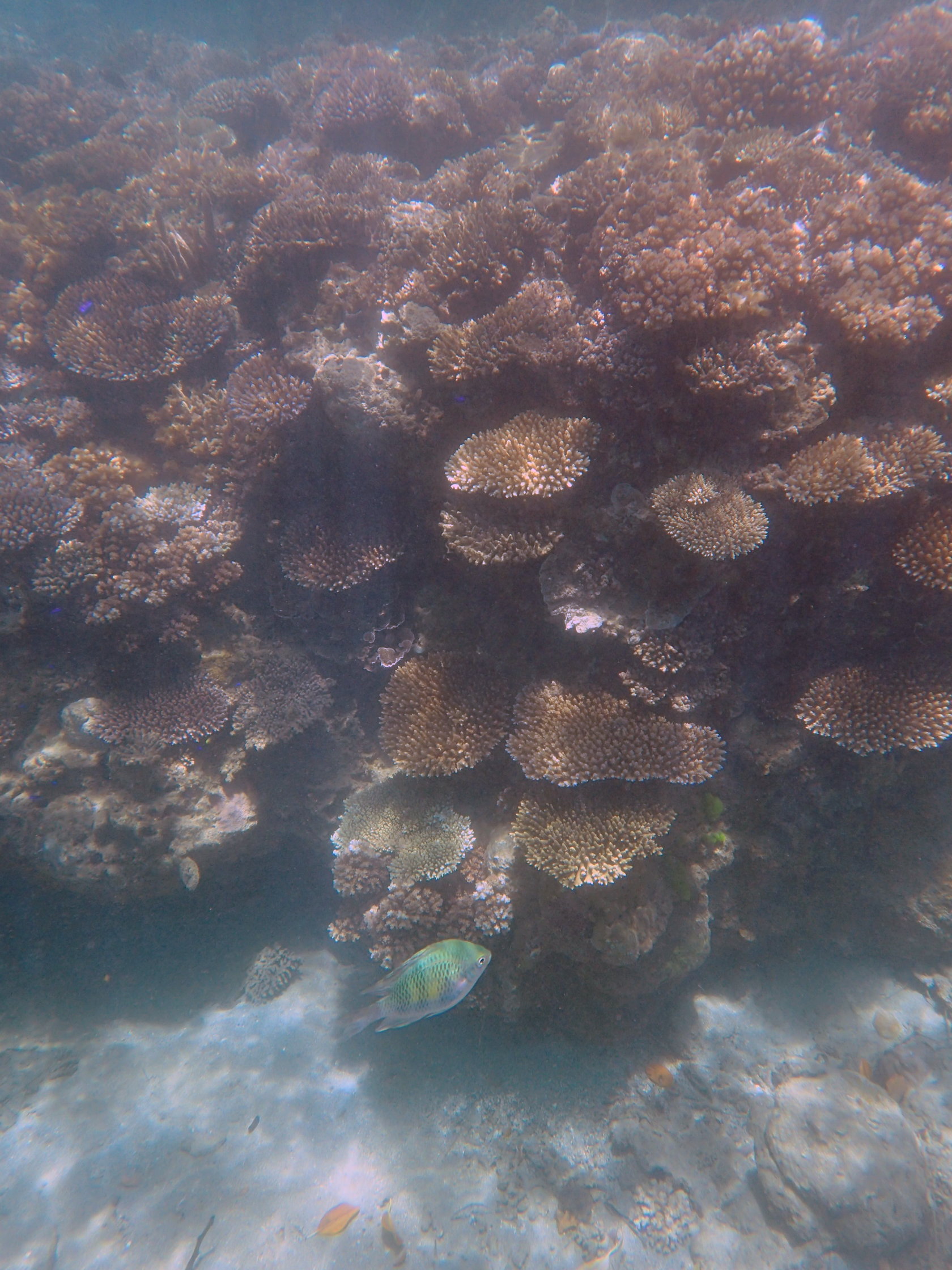
I was able to snorkel some. I was initially disappointed by the seagrass and sand upon entering but another snorkeler pointed to an area where he said there were corals. Sure enough, as one went out the water cleared up some and coral encrusted boulders appeared. I didn’t feel comfortable going very far out since I was soon the only person in the water, but did go far enough to see many interesting features. Some of the photos, taken with an Olympus TG-4 underwater camera, are shown below.


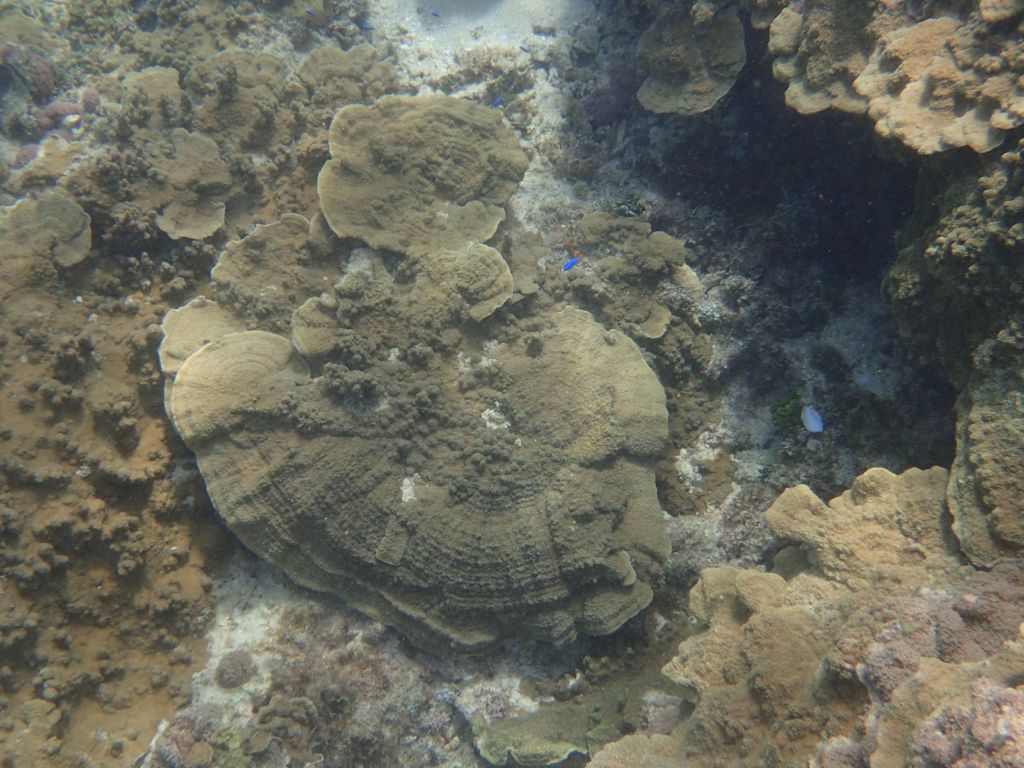
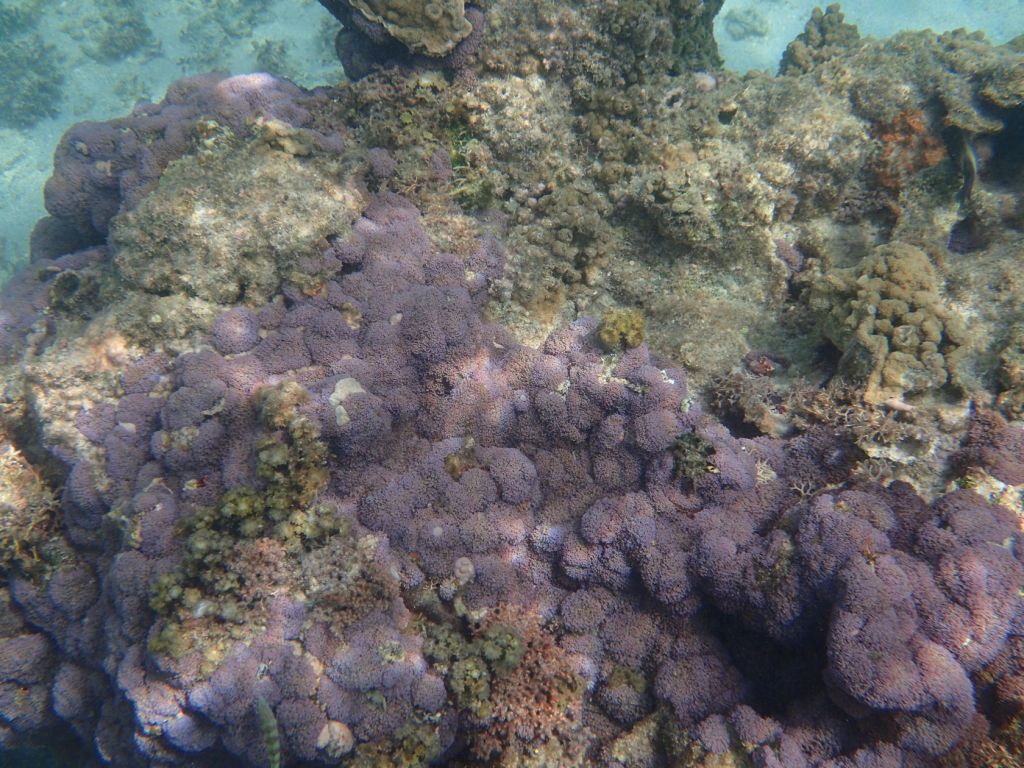
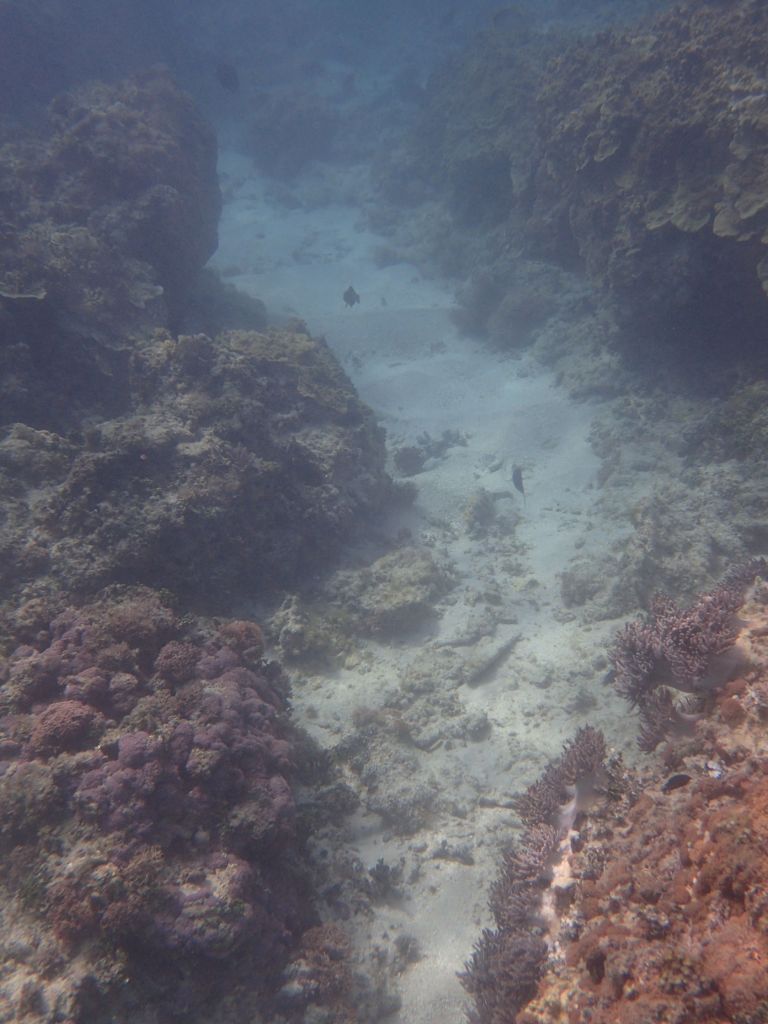

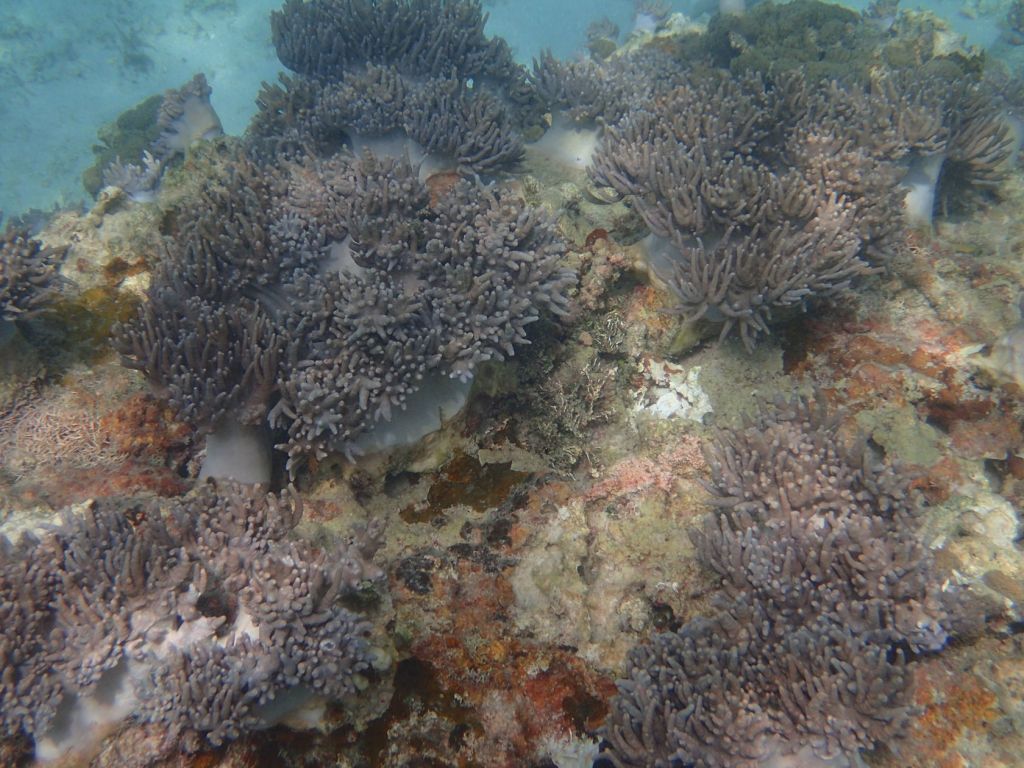
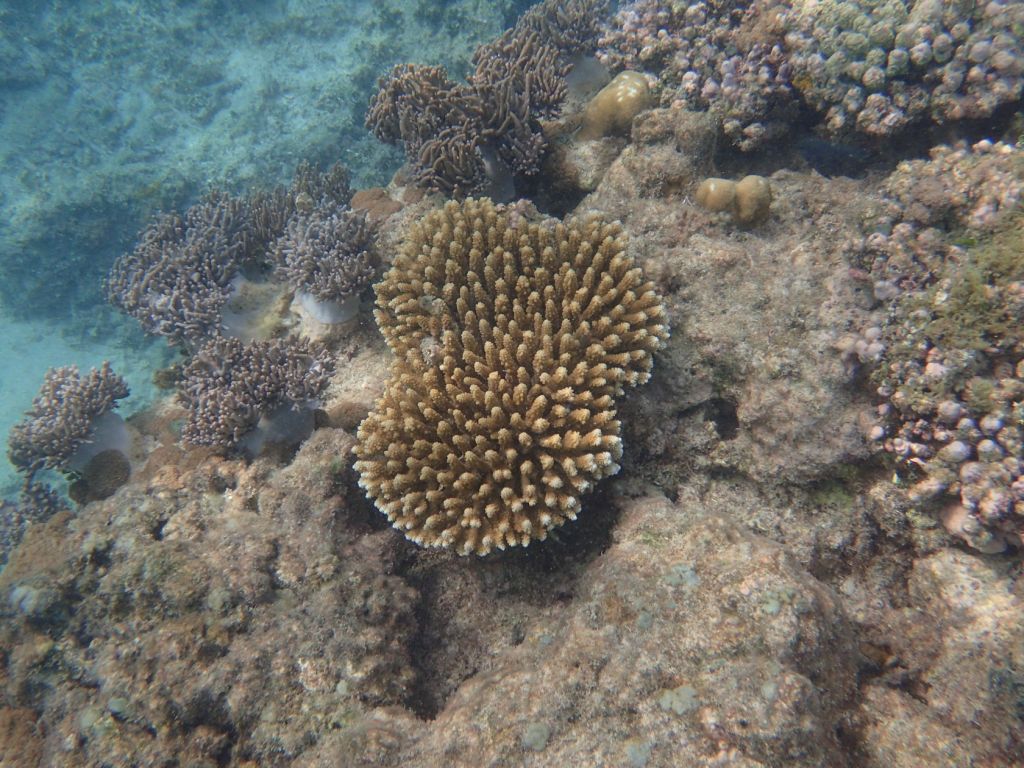
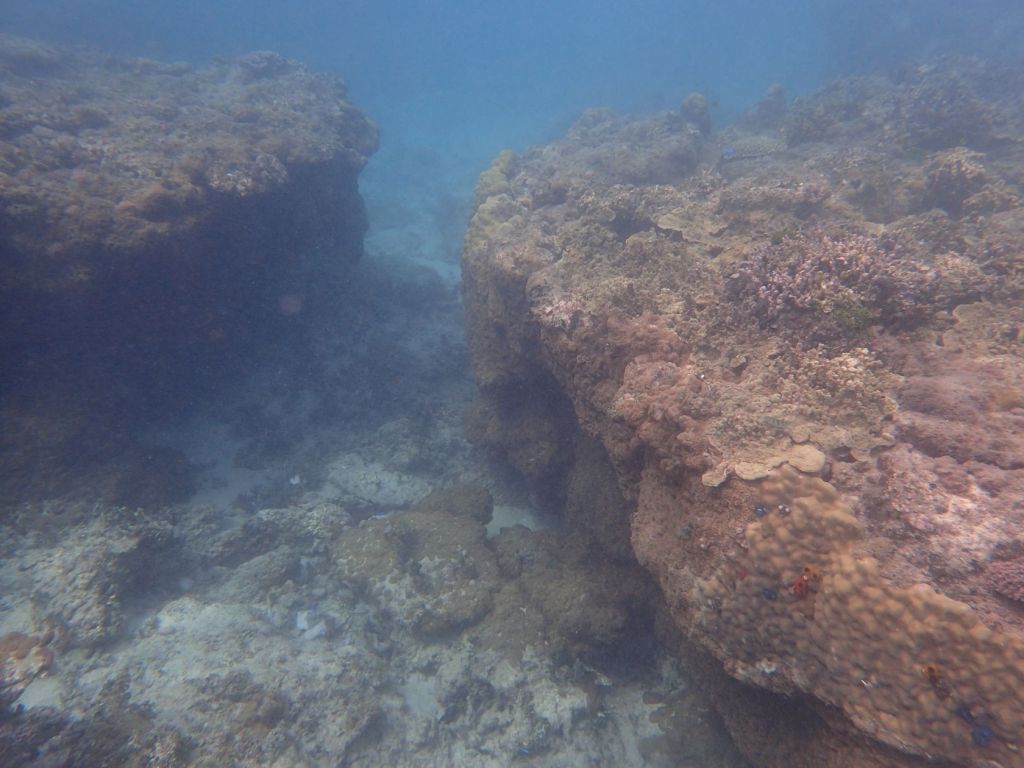
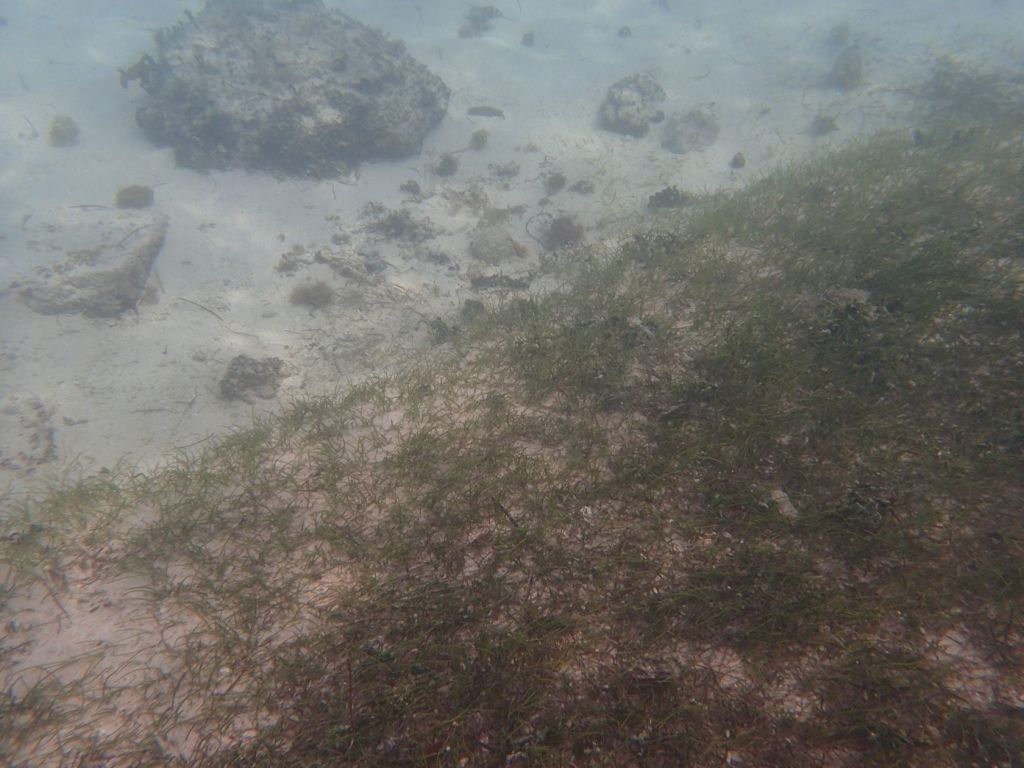
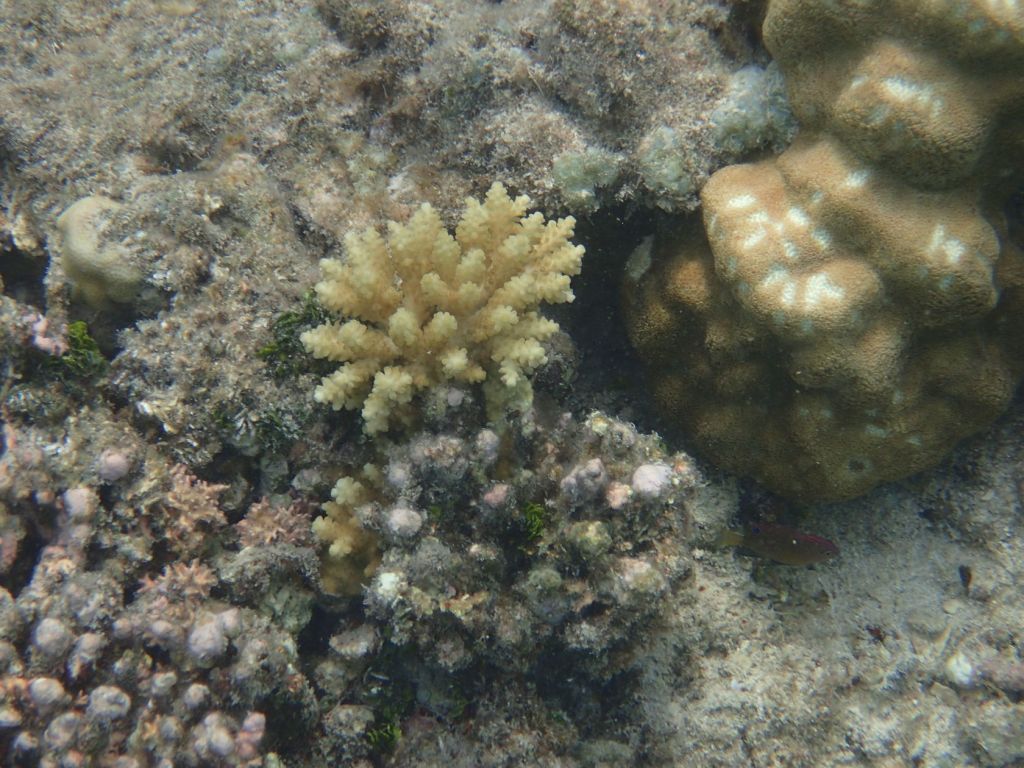
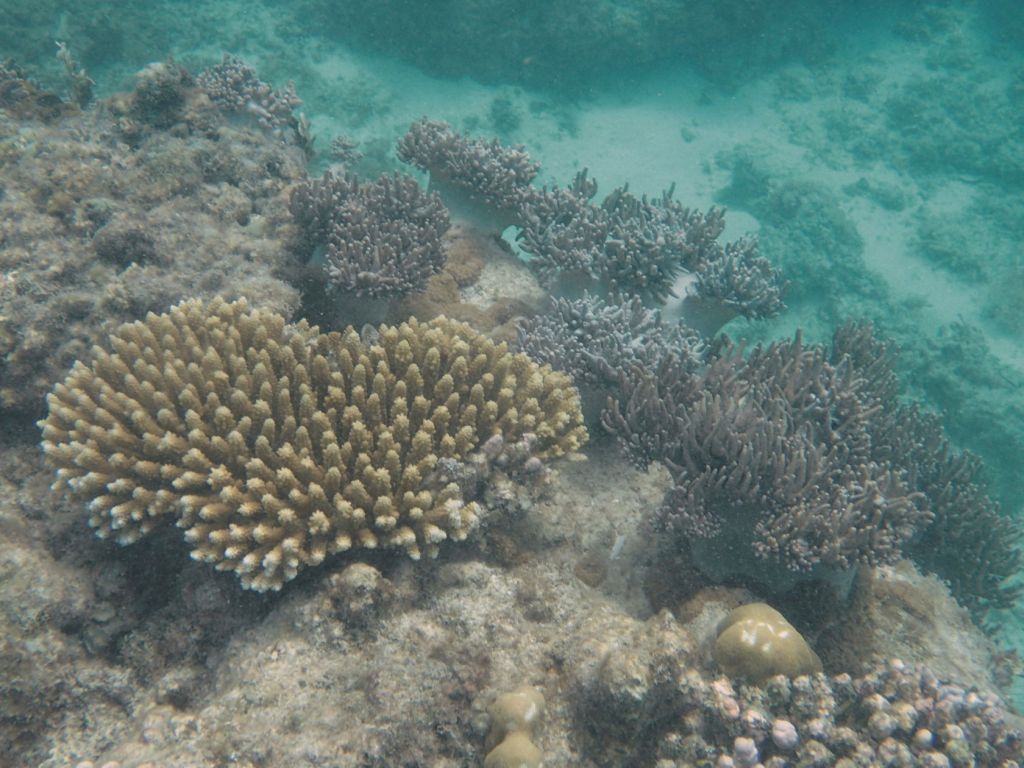
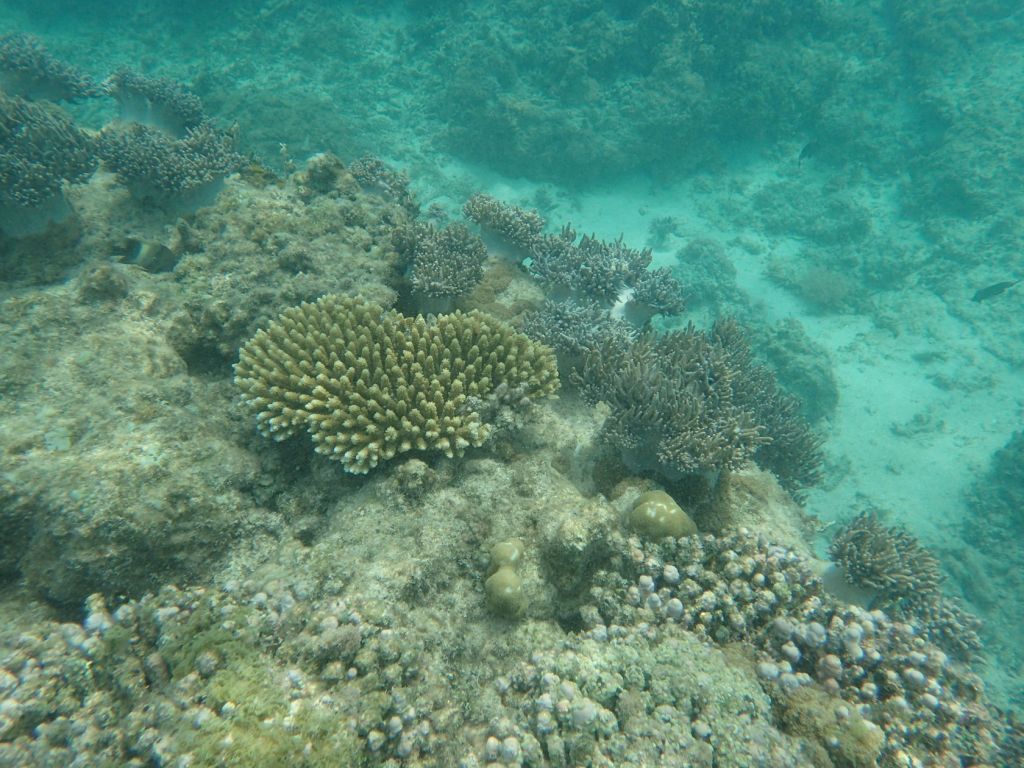
The Olympus TG-4 has an underwater setting that adjusts the color balance to produce more natural colors (at least in shallow water). I put the camera setting dial in this mode BUT discovered that my hand would move the dial to other settings while I was snorkeling. Sometimes I would shoot many photos in a mode other than underwater and this produces a greenish/blueish cast to the photos. I have yet to figure how to fully correct this cast – most photos shown here are those taken when the setting was in underwater mode. All photos were jpg’s, not RAW, so correcting color is a bit of work. Next time I’ll save as jpg and raw and triple check the camera frequently to make sure the setting dial doesn’t change. (It is easy to shift it I discovered). I tried to be more careful on later snorkeling outings but it would still shift – but I was checking more frequently.
An example of a photo without underwater mode and a correctionI made after the fact is shown below in the two left images. The third image shows what the “underwater” mode of the camera produces – for a somewhat different scene nearby. It looks better than my corrections.

Savusavu, Fiji (Split Rock)
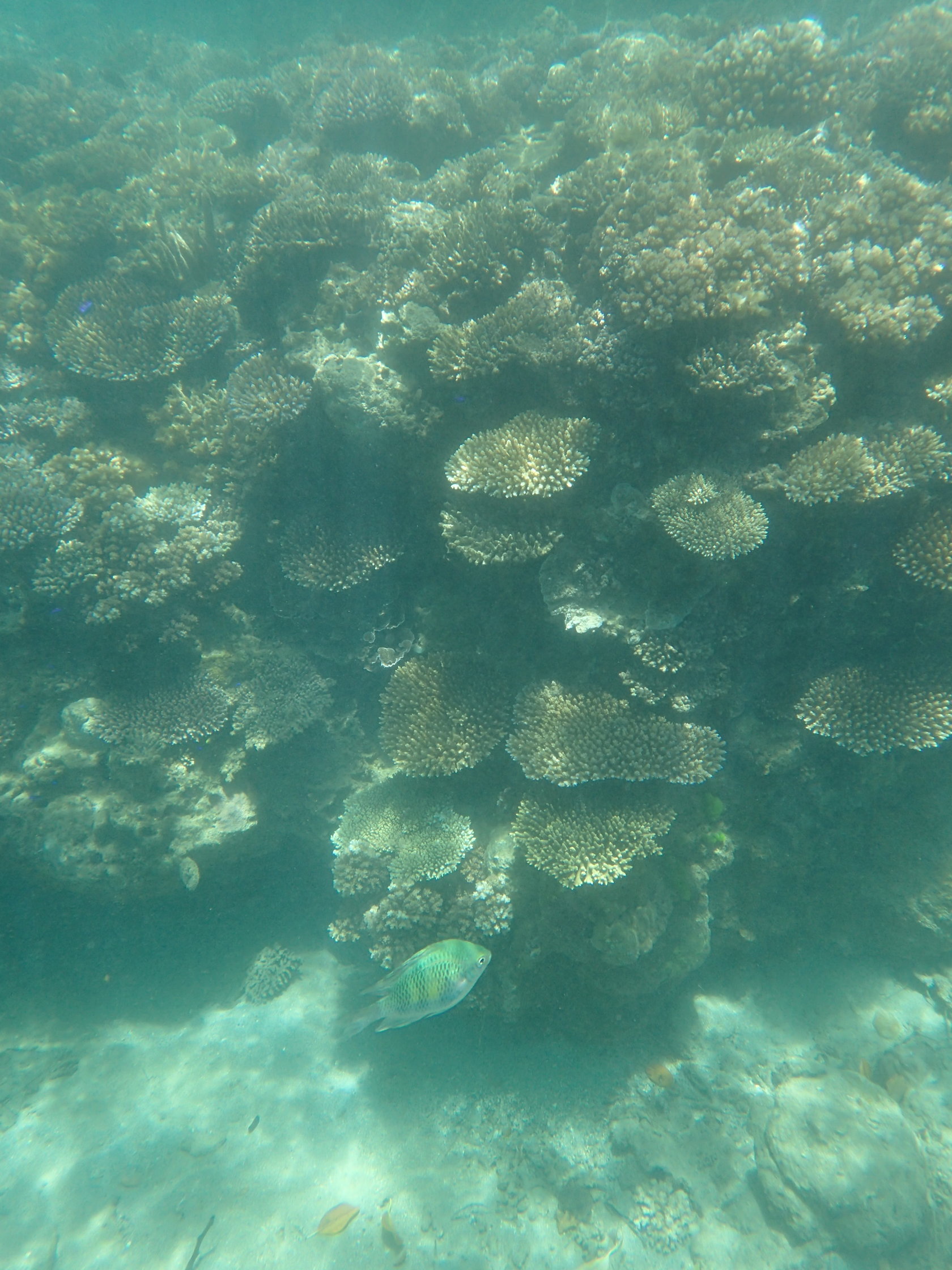
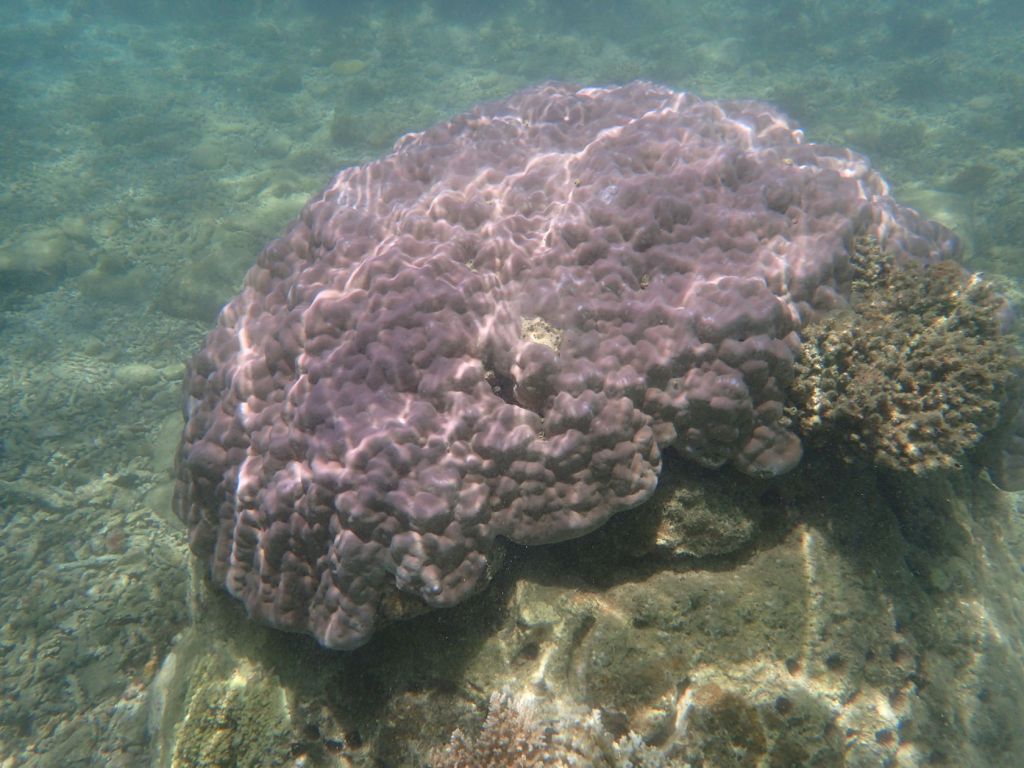
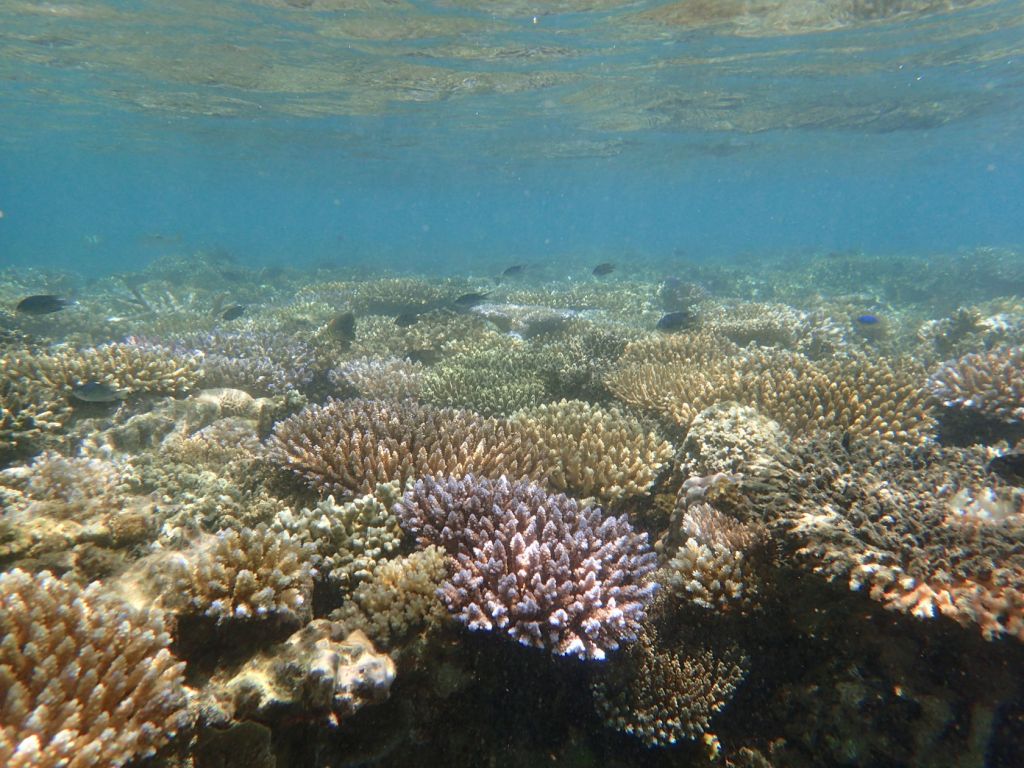
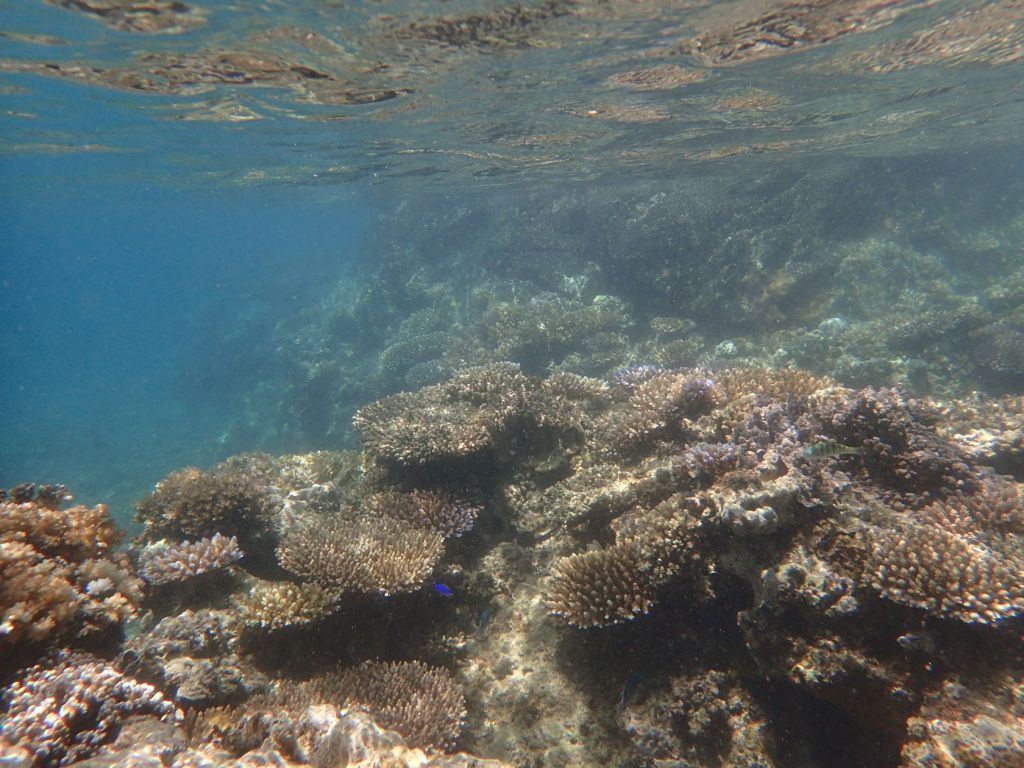
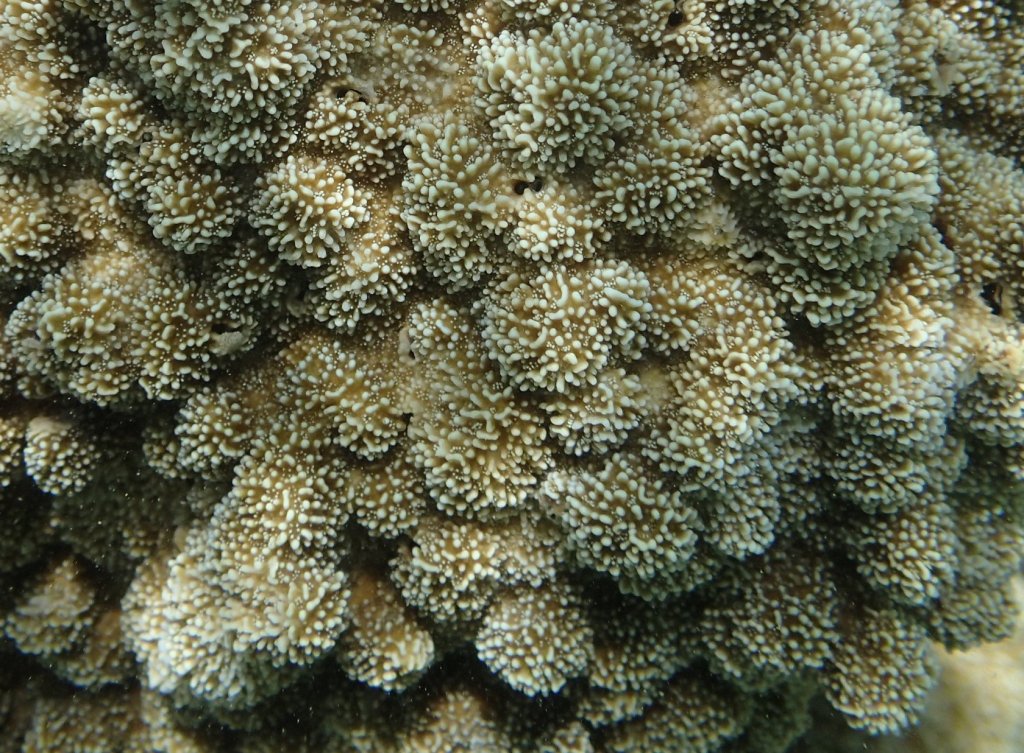
Our second snorkel site was about 3 miles out of town from the tender dock in Savusavu on the second largest island in the Fiji archipelago. I had seen a video of snorkeling at Split Rock and knew that it looked good. It was also accessible from shore but required a taxi ride (or 3 mile walk) to get to it. From Google Earth imagery it didn’t look like anything special. But I was wrong and it was probably the best site I snorkeled at.
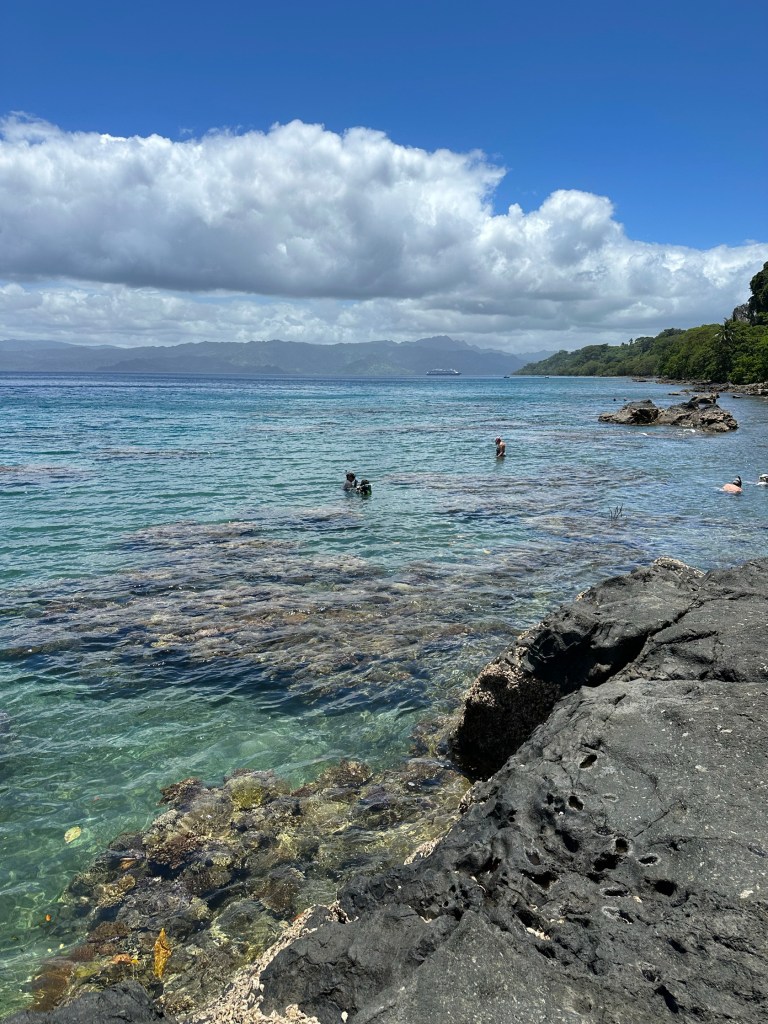
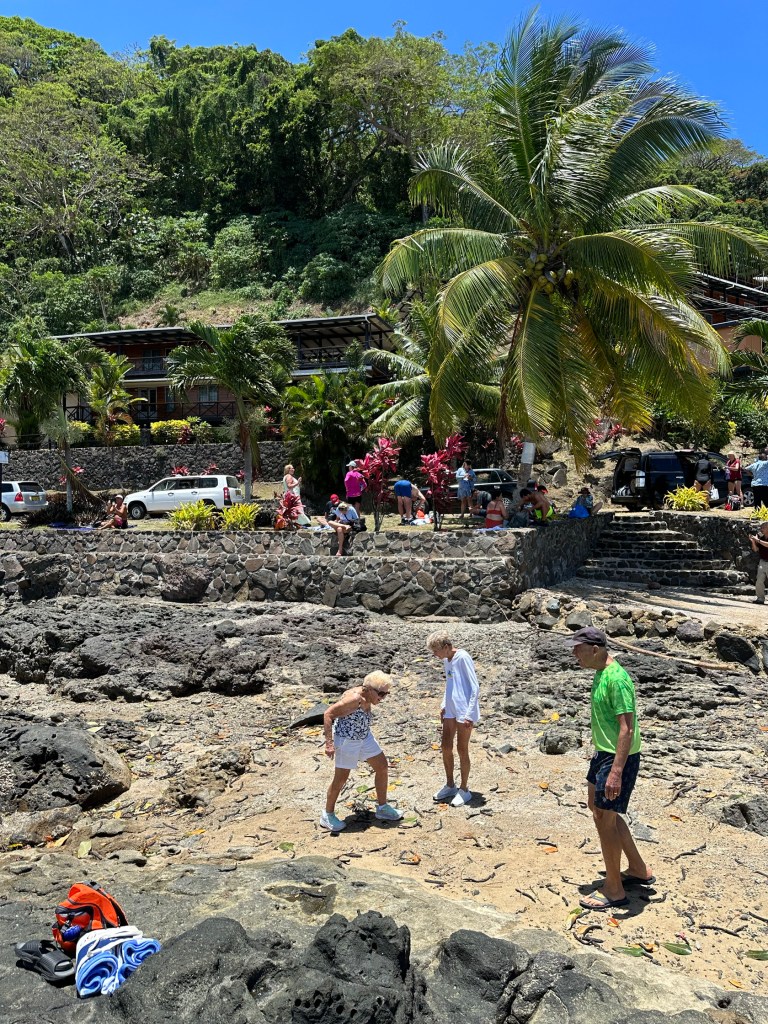

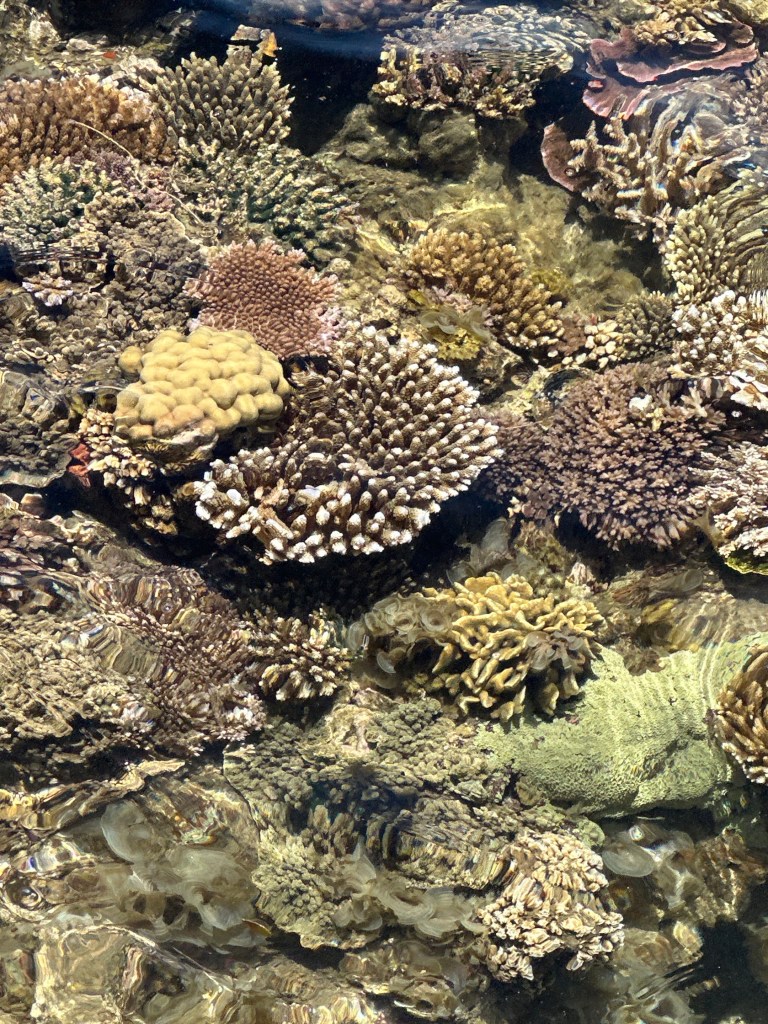
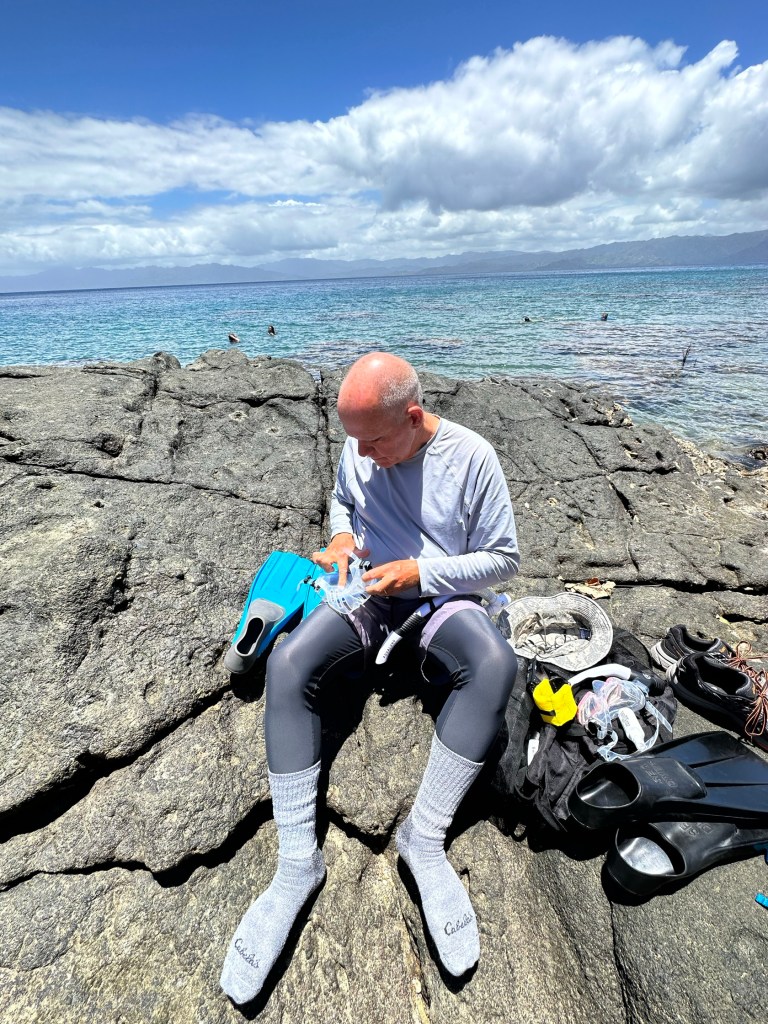
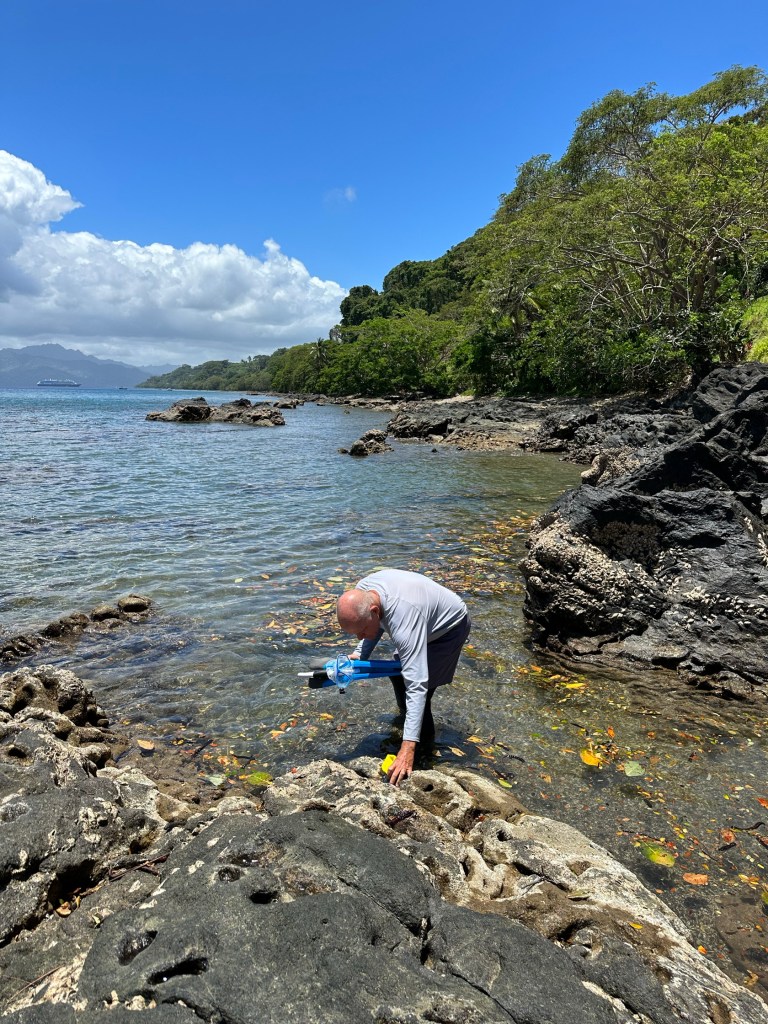
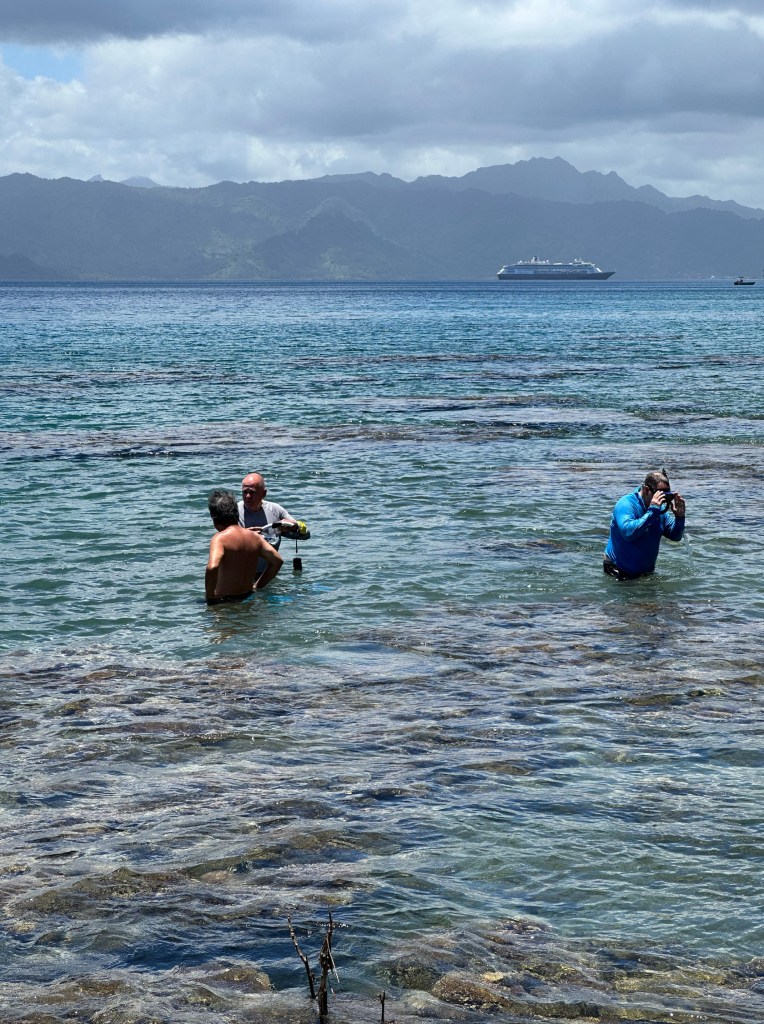
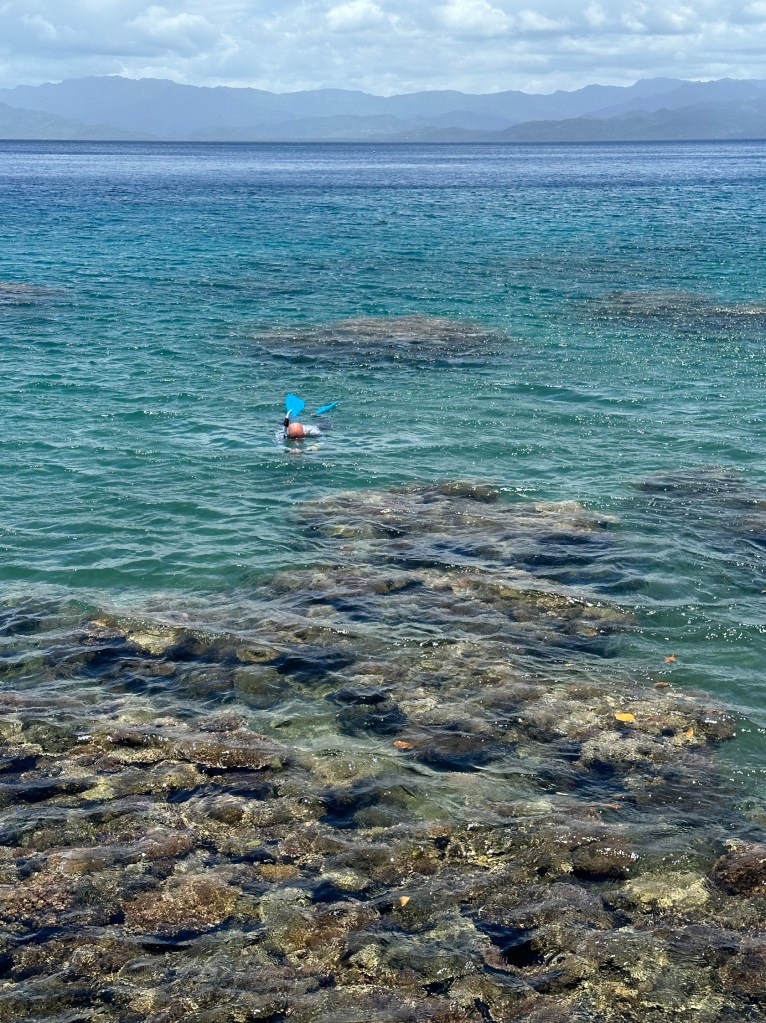
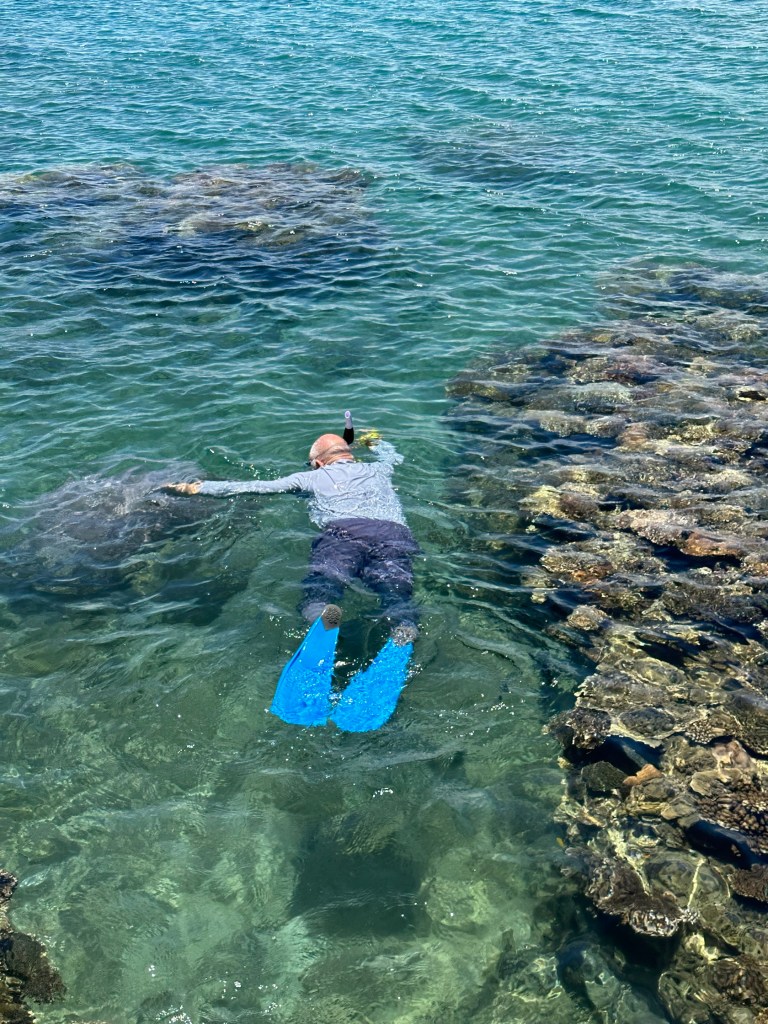

Access to the water at Split Rock wasn’t that easy. We arrived near low tide and the only feasible entrance into the water was cluttered with floating mangrove leaves. And it was mostly too shallow to snorkel right away. Once one got far enough into deeper water so as to not scrape the rocks/corals the viewing got better and it one snorkeled far enough offshore (only 50 or so feet) the visibility got much better. However one still had to snorkel between the coral heads and such, rather than swim over them.
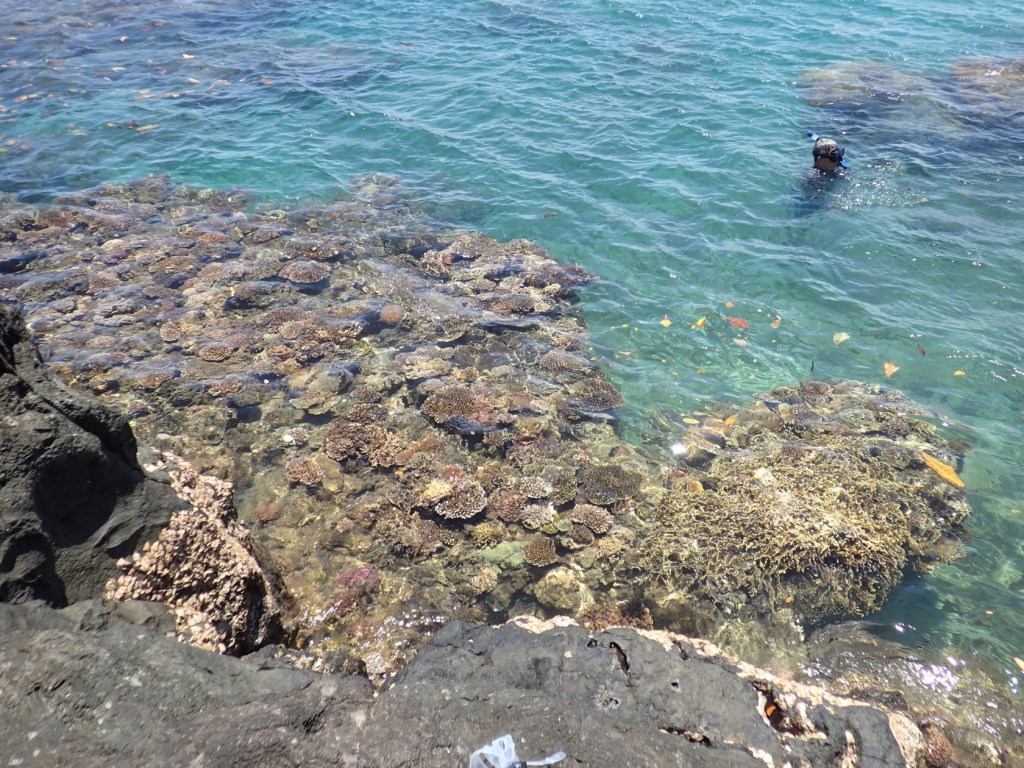
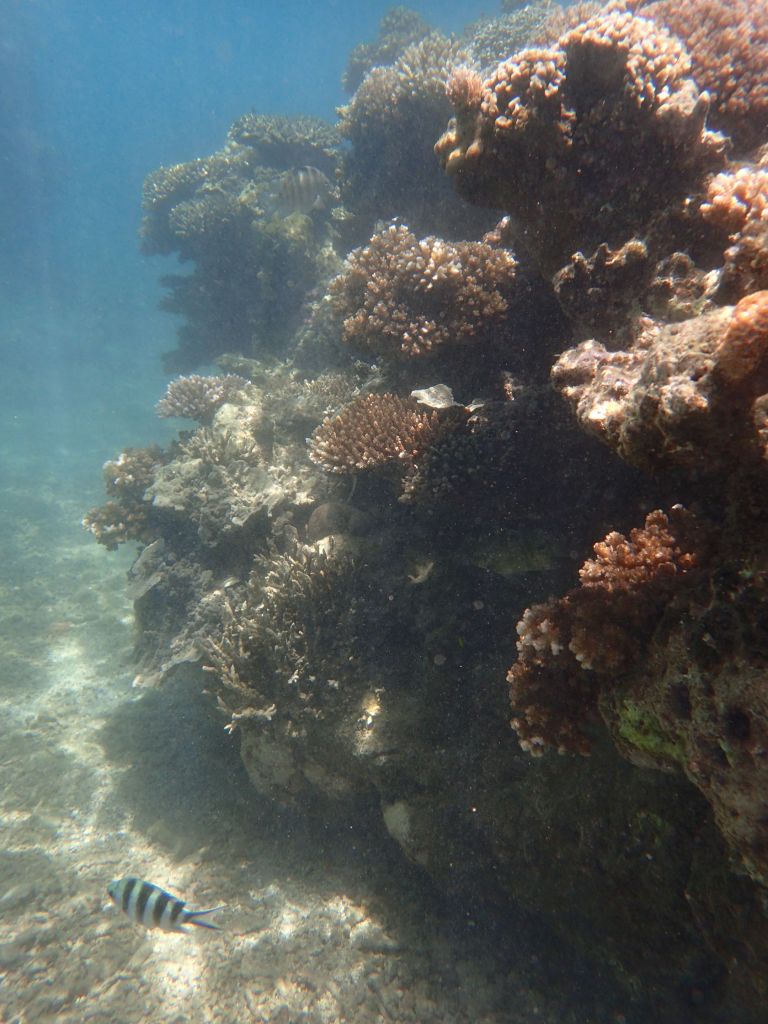
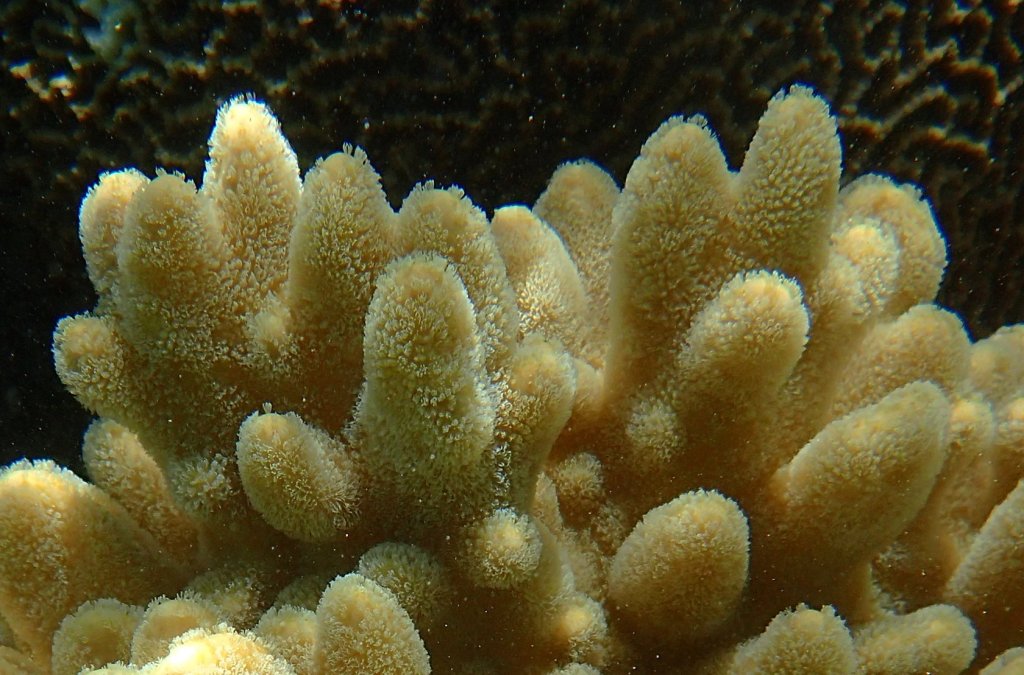
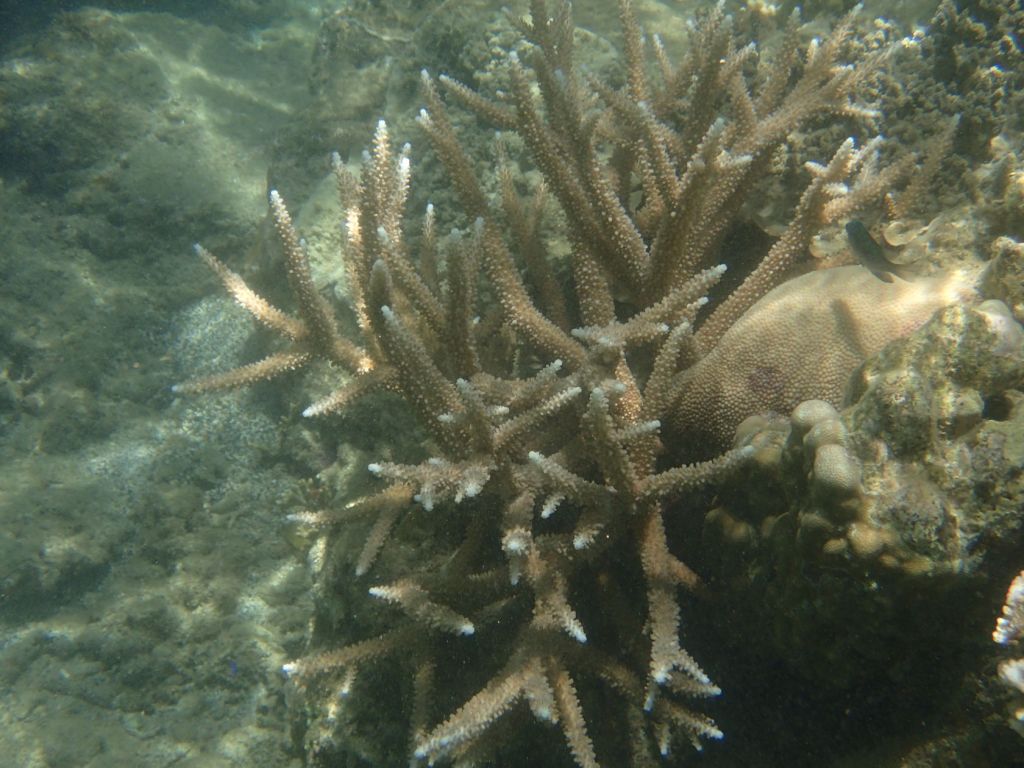
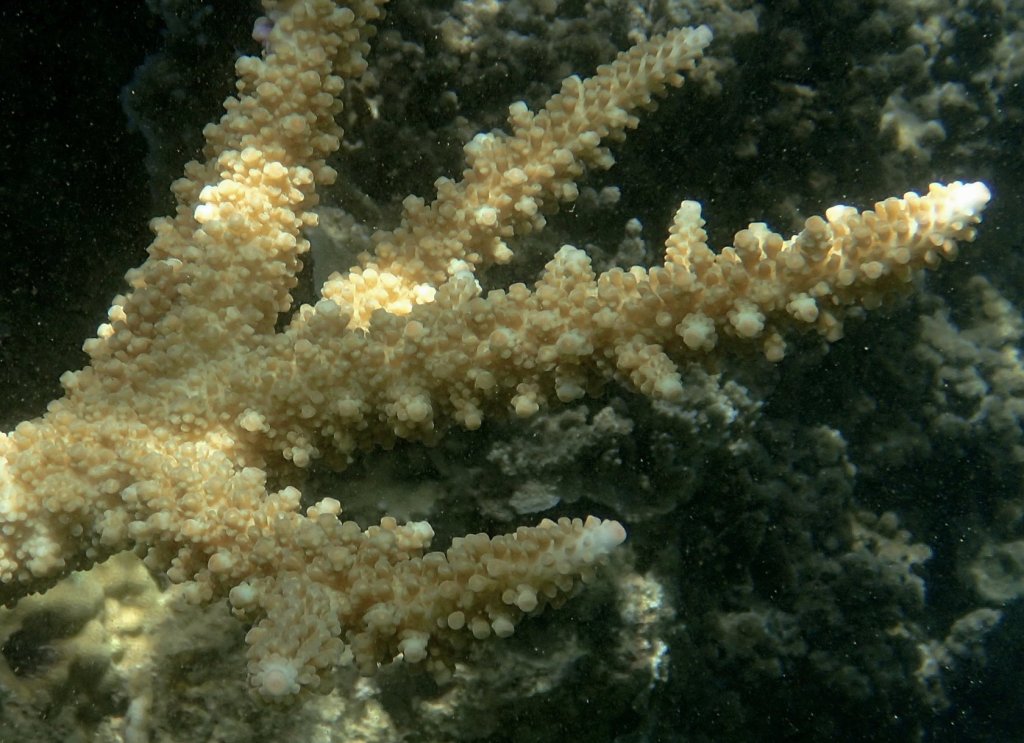
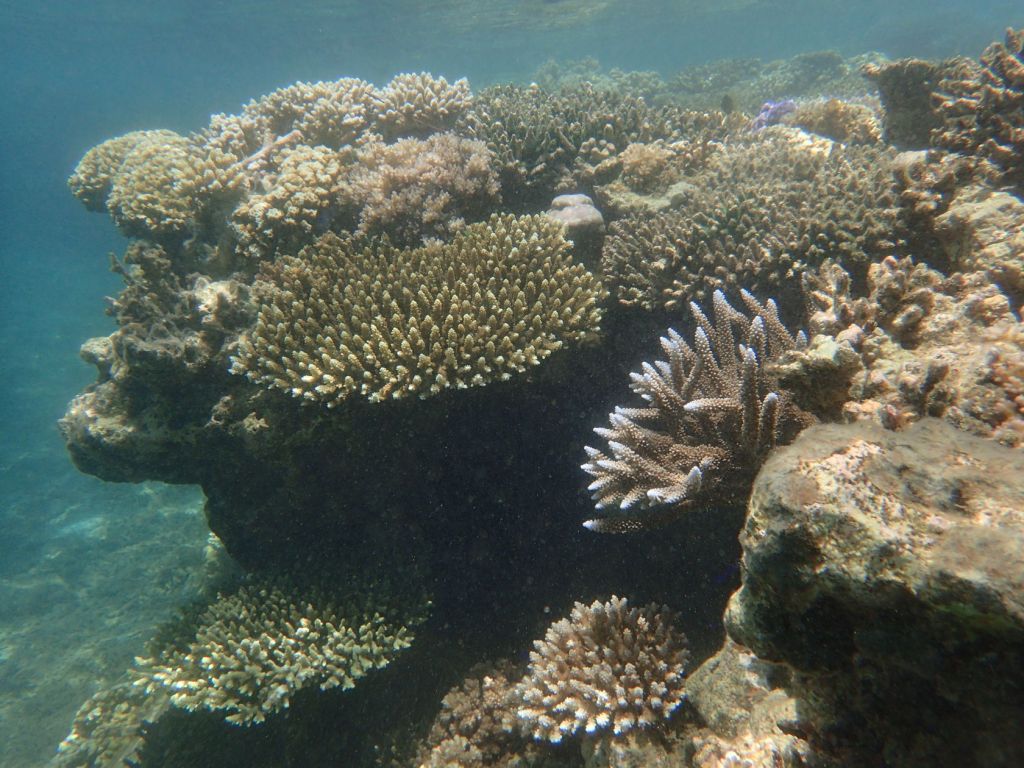
One of the amazing things about the Split Rock site is that the above-water rock allowed you to look down (at low tide) into the corals without getting into the water. The second and third photos below shows this view.
There were quite a few people snorkeling at Split Rock throughout our time there.







Tonga
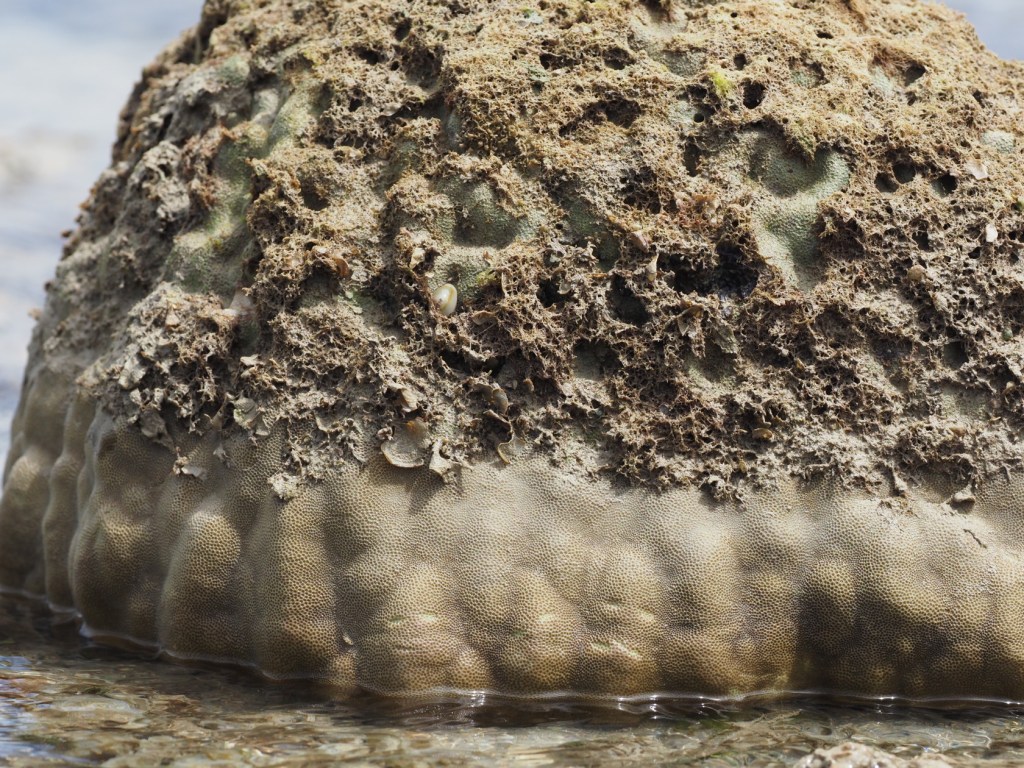
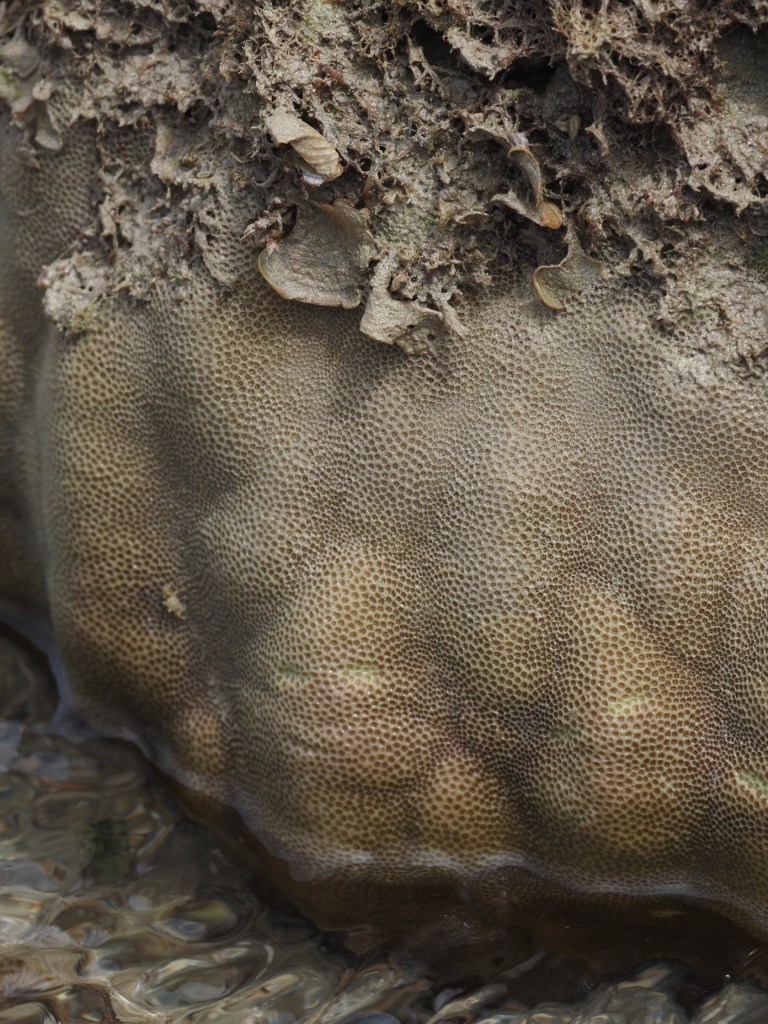
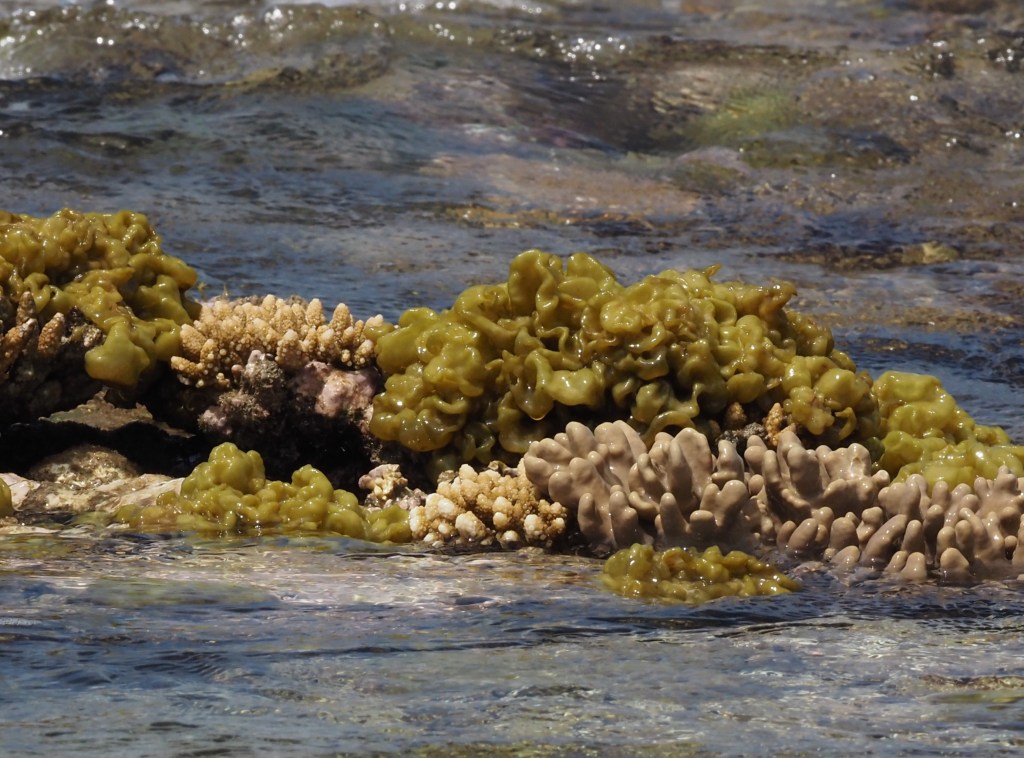
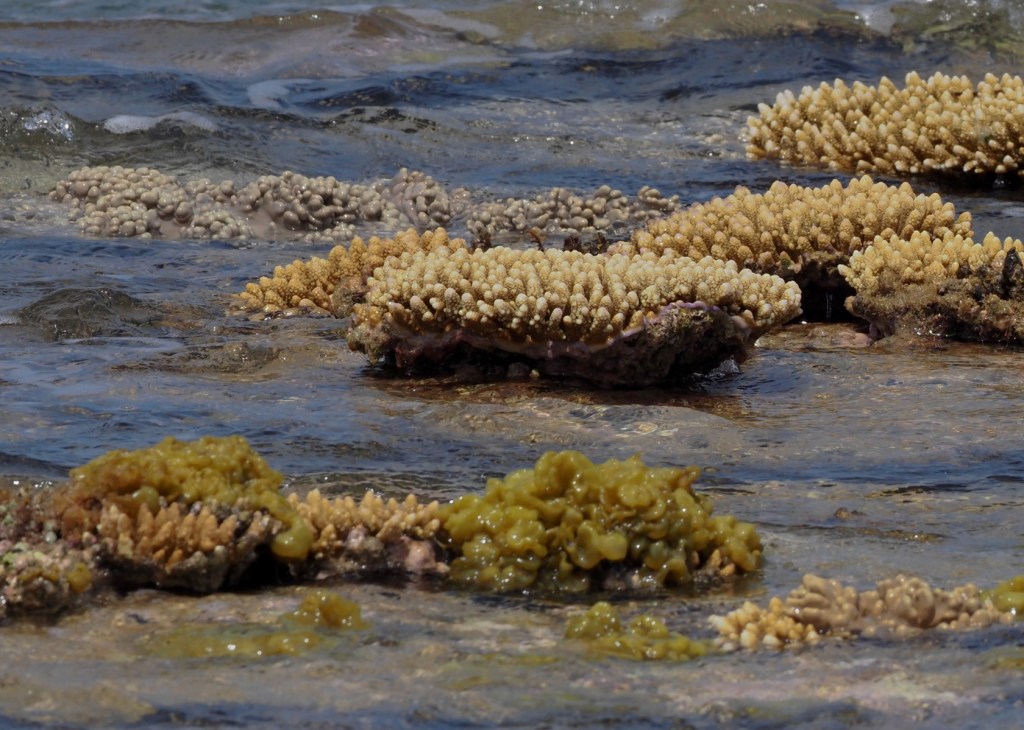
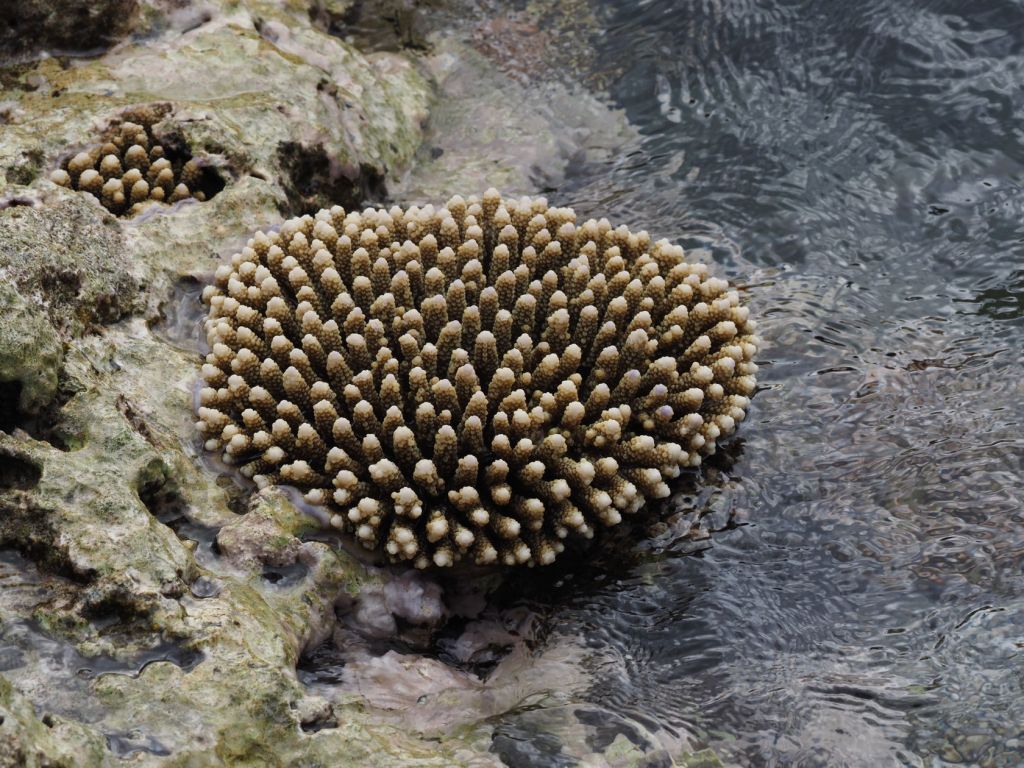
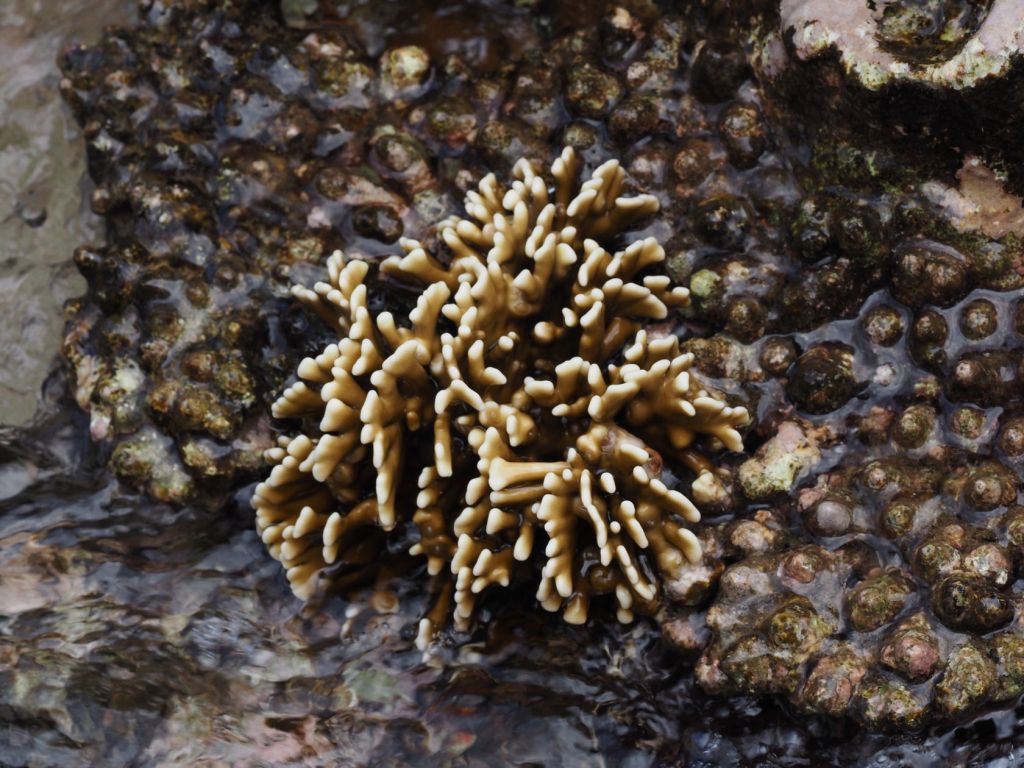
We did not snorkel in Nuku Alofa, Tonga, but we walked along the rocky shoreline next to the dock where the ship was tied up. We could see various shells and corals at the low tide. Some views are shown below. Keep in mind these were taken with a telephoto lens and one couldn’t get really close to the corals and sponges where the waves were breaking.




Moorea
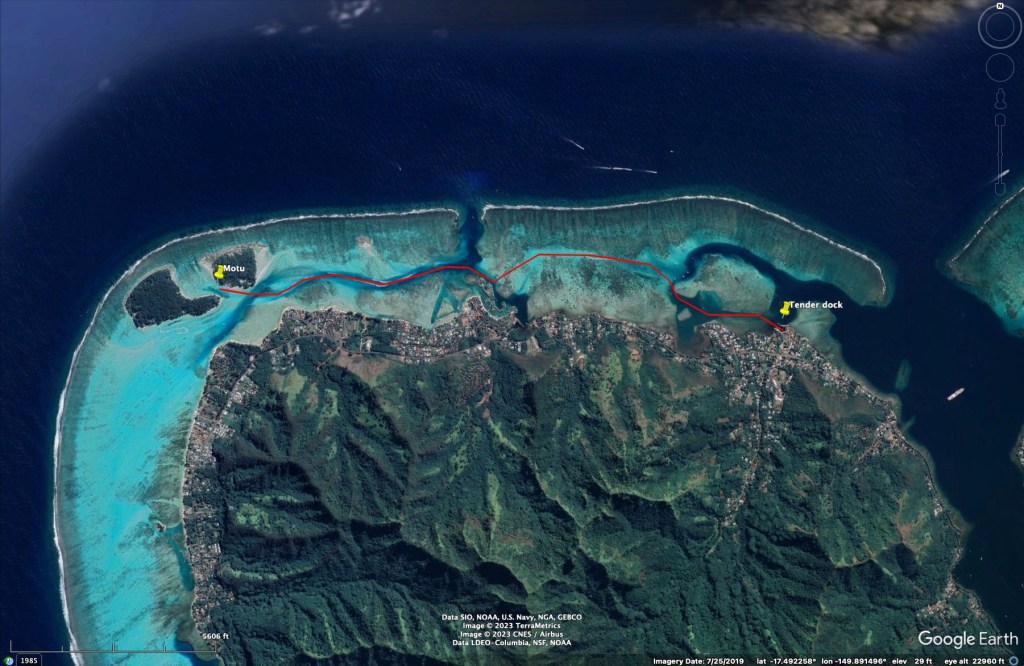
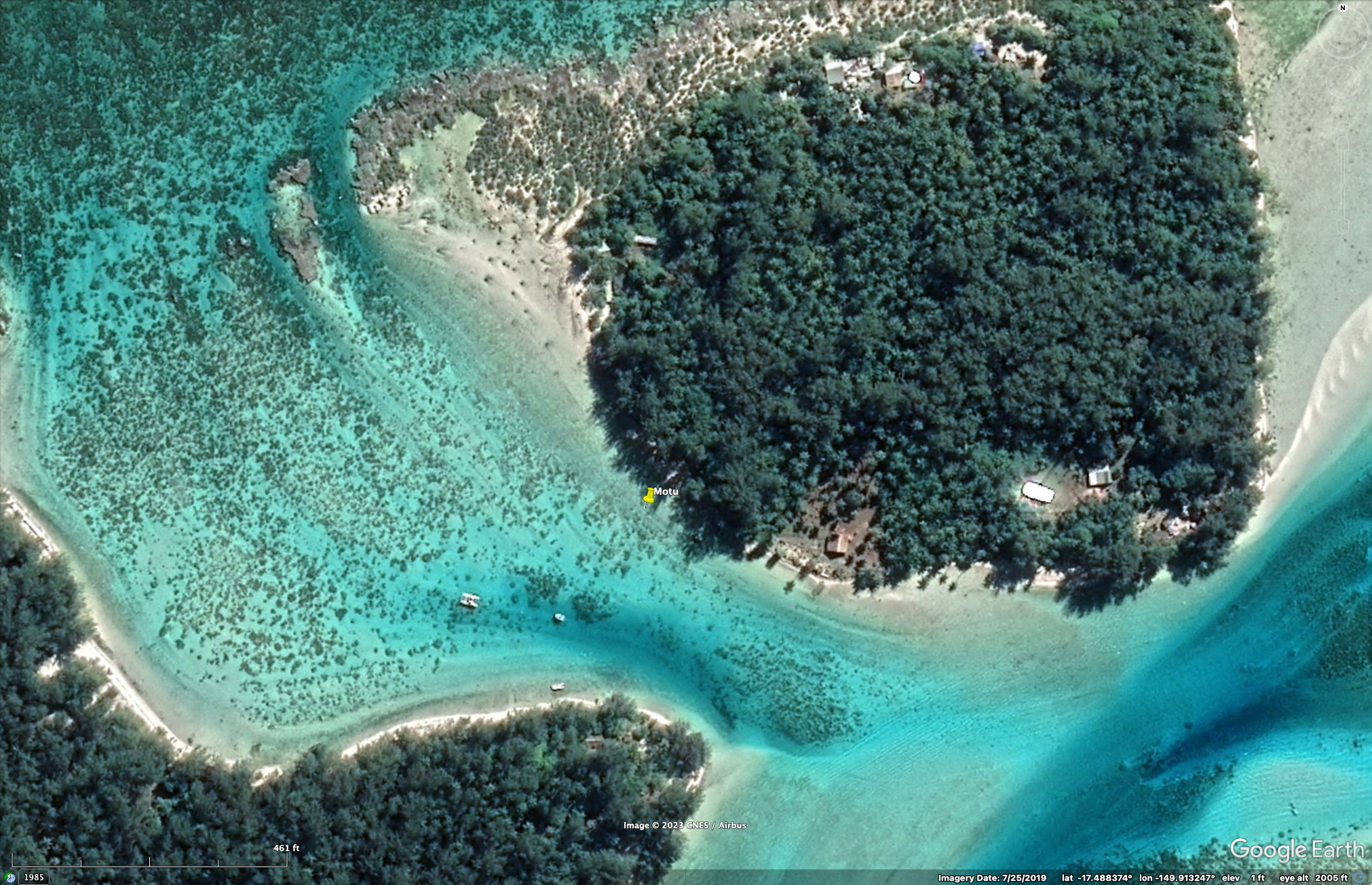
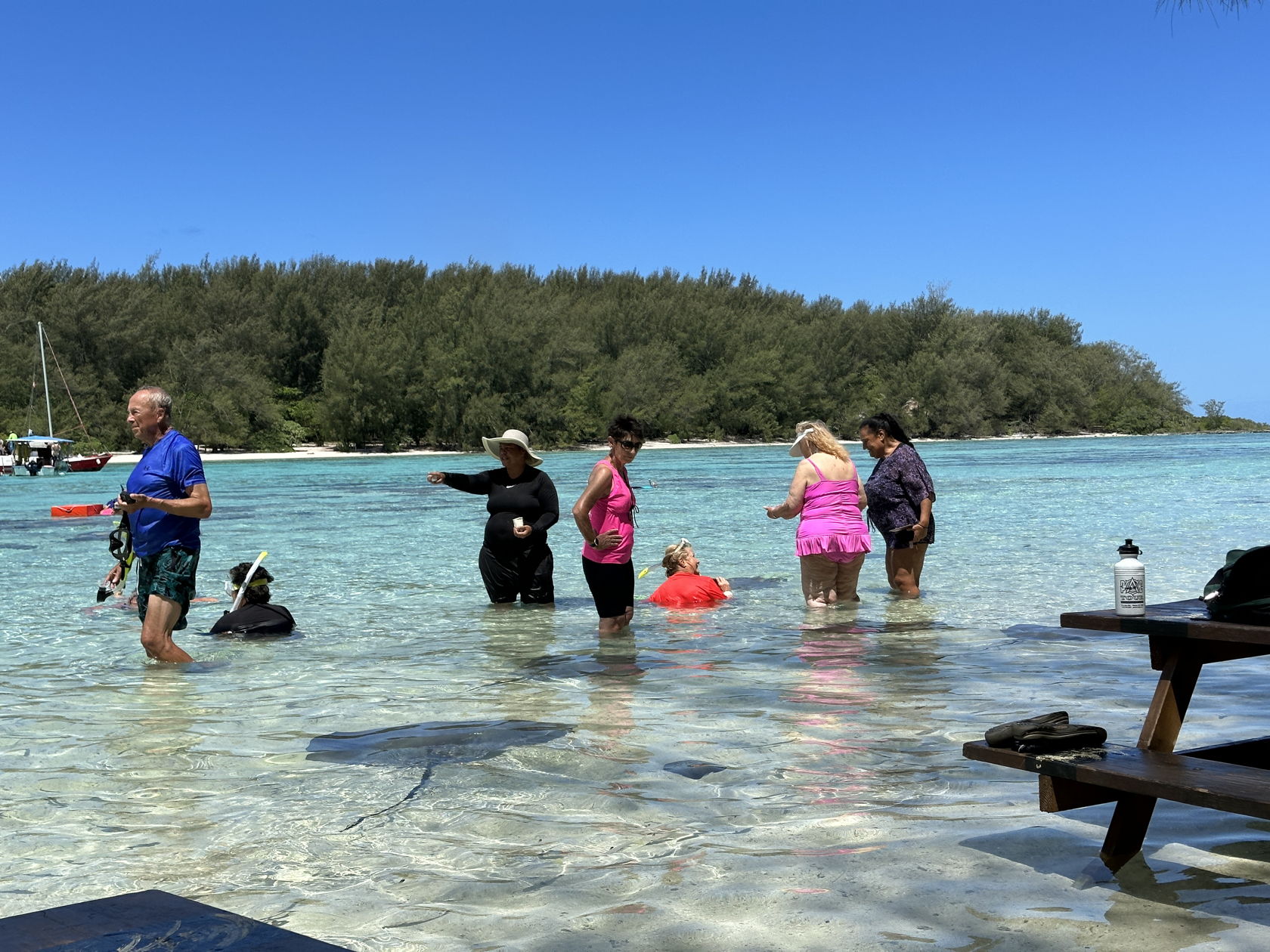
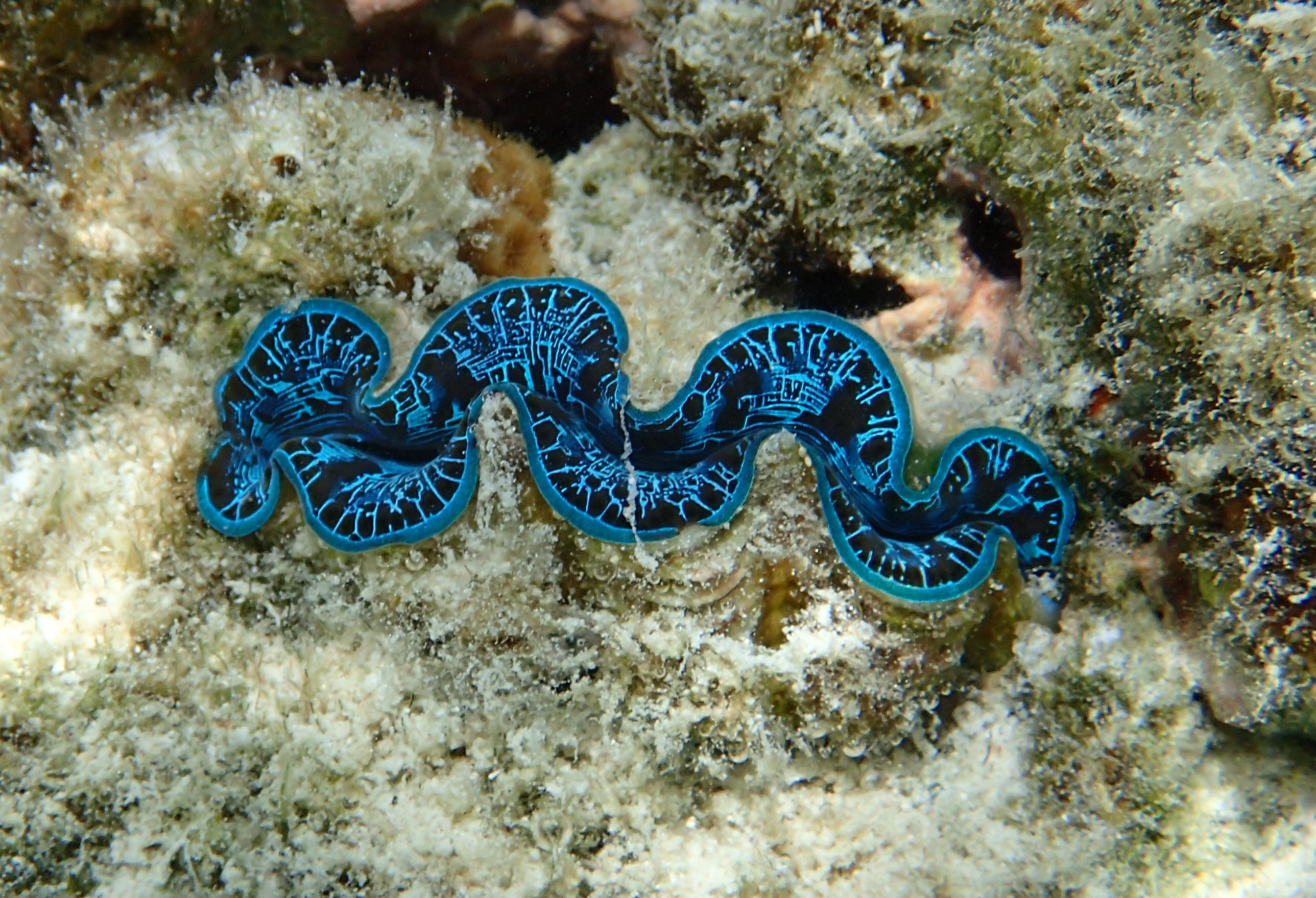
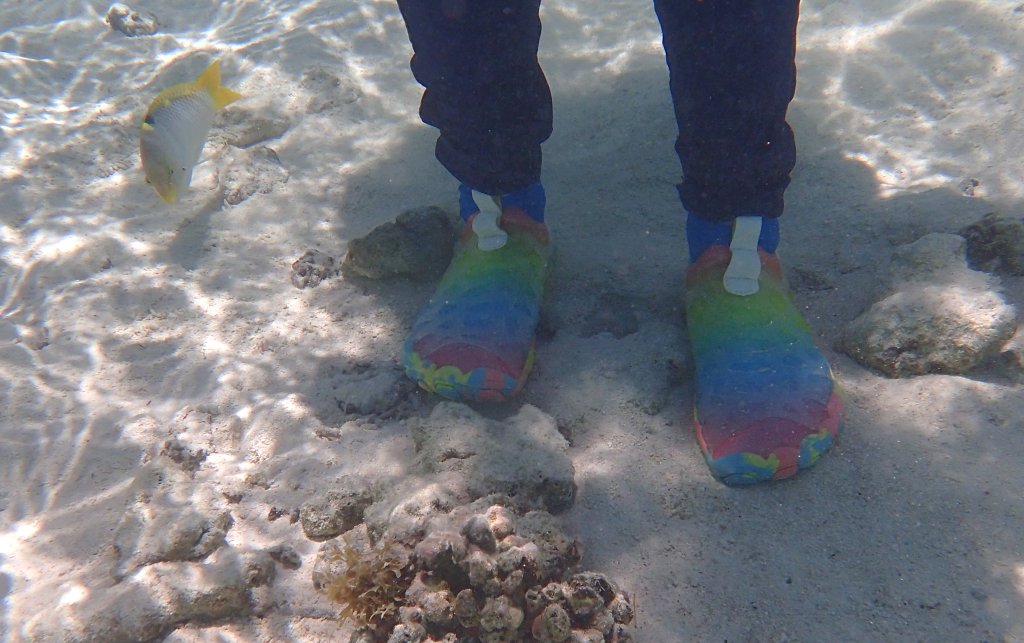
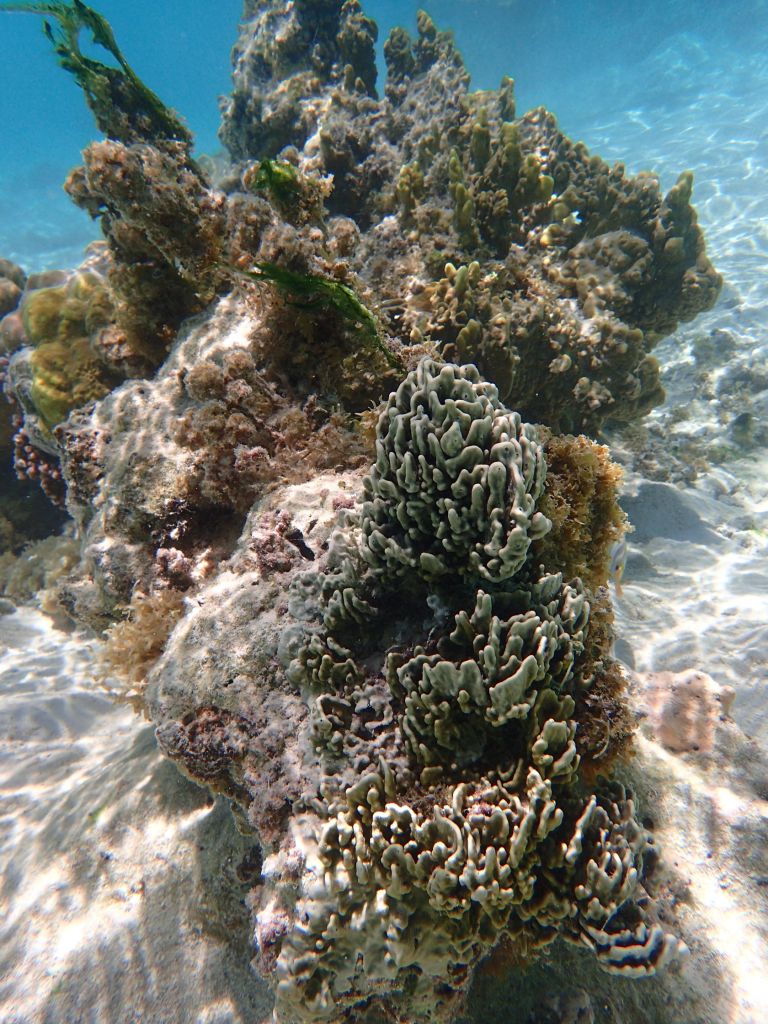
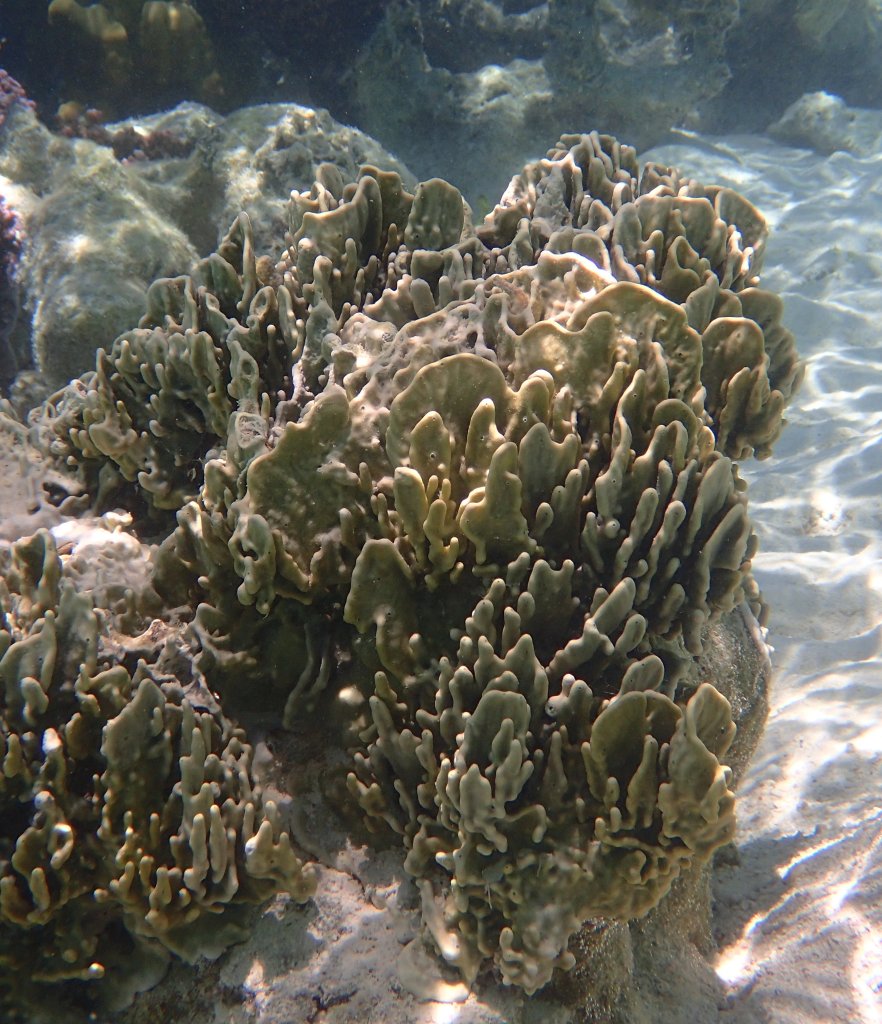
We took a tour (at the tender dock) to a “private” Motu to snorkel. A Motu, in French Polynesia (and perhaps elsewhere in the South Pacific), is a small island that is part of the barrier reef that surrounds an island or is part of an atoll. This was well-known and there are not many motu’s around Moorea. There was a steady stream of tour boats going to our motu (you can even see the boat activity in the second Google image below) and while it was a “private” motu, the motu was divided up into many private pieces of land and you could not walk wherever you wanted to. Also, our snorkeling area was roped off (though you could go under it to go outside). But going outside was a bit risky, since slow moving boats were coming to and from the motu. In any case, we saw quite a bit from the small area that we snorkeled in.

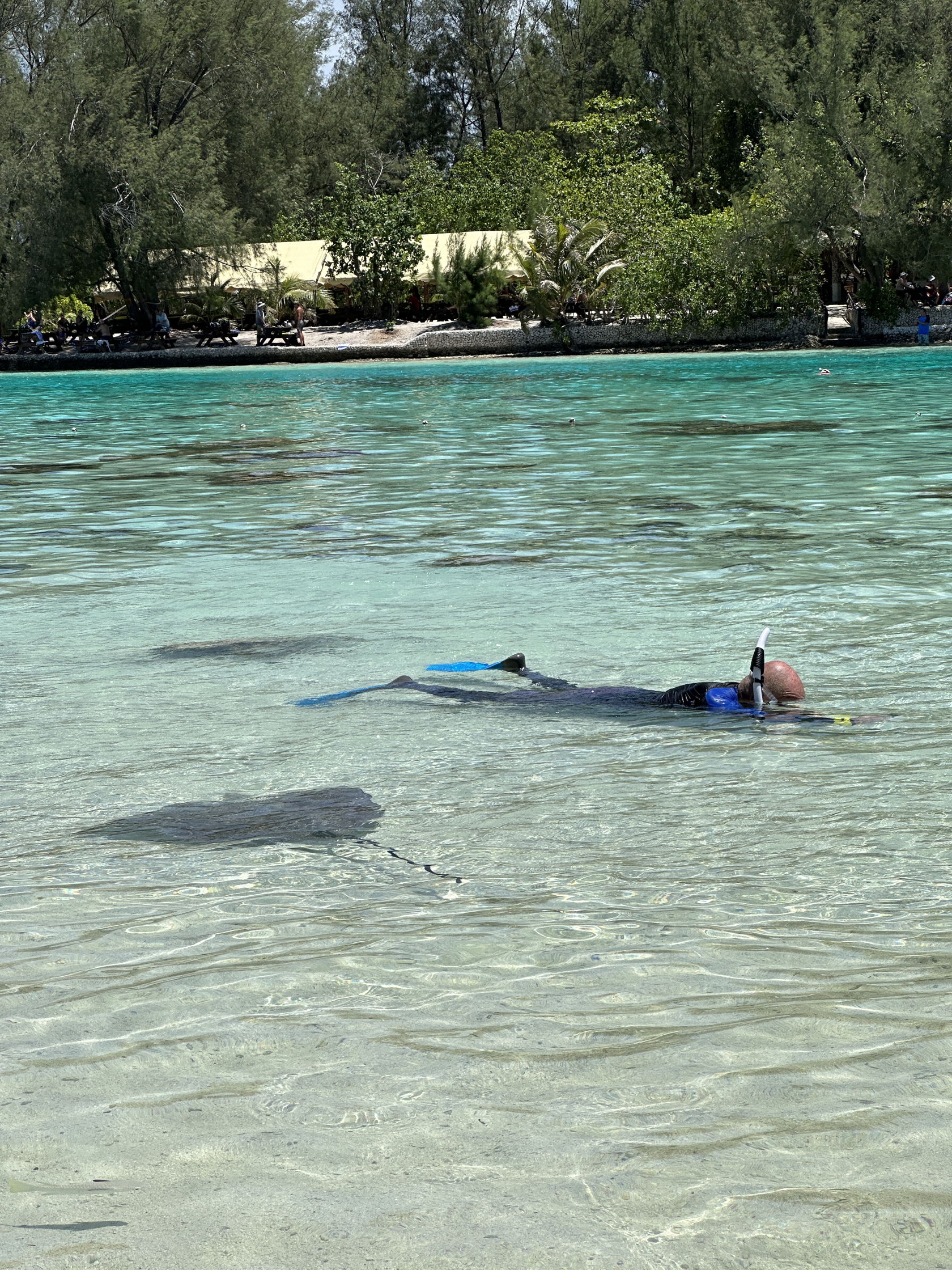
We discovered, after we arrived and waded ashore, that they feed bread crumbs to the rays that are numerous at the site. We didn’t like this since the rays are large and have sharp stingers (that no one mentioned) and the food also drew in some Black-tipped reef sharks. Small, but…anything with a mouth can bite…
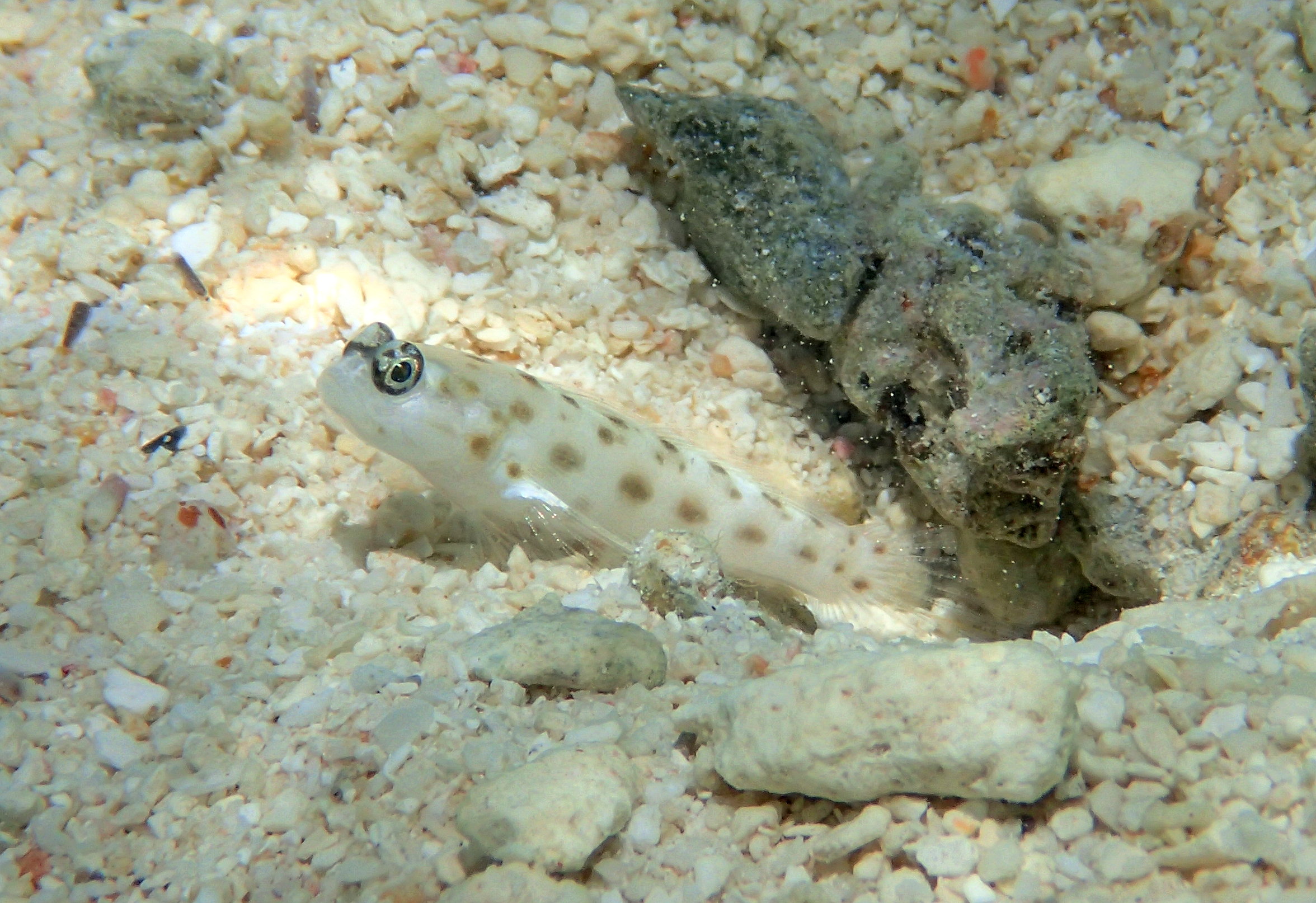
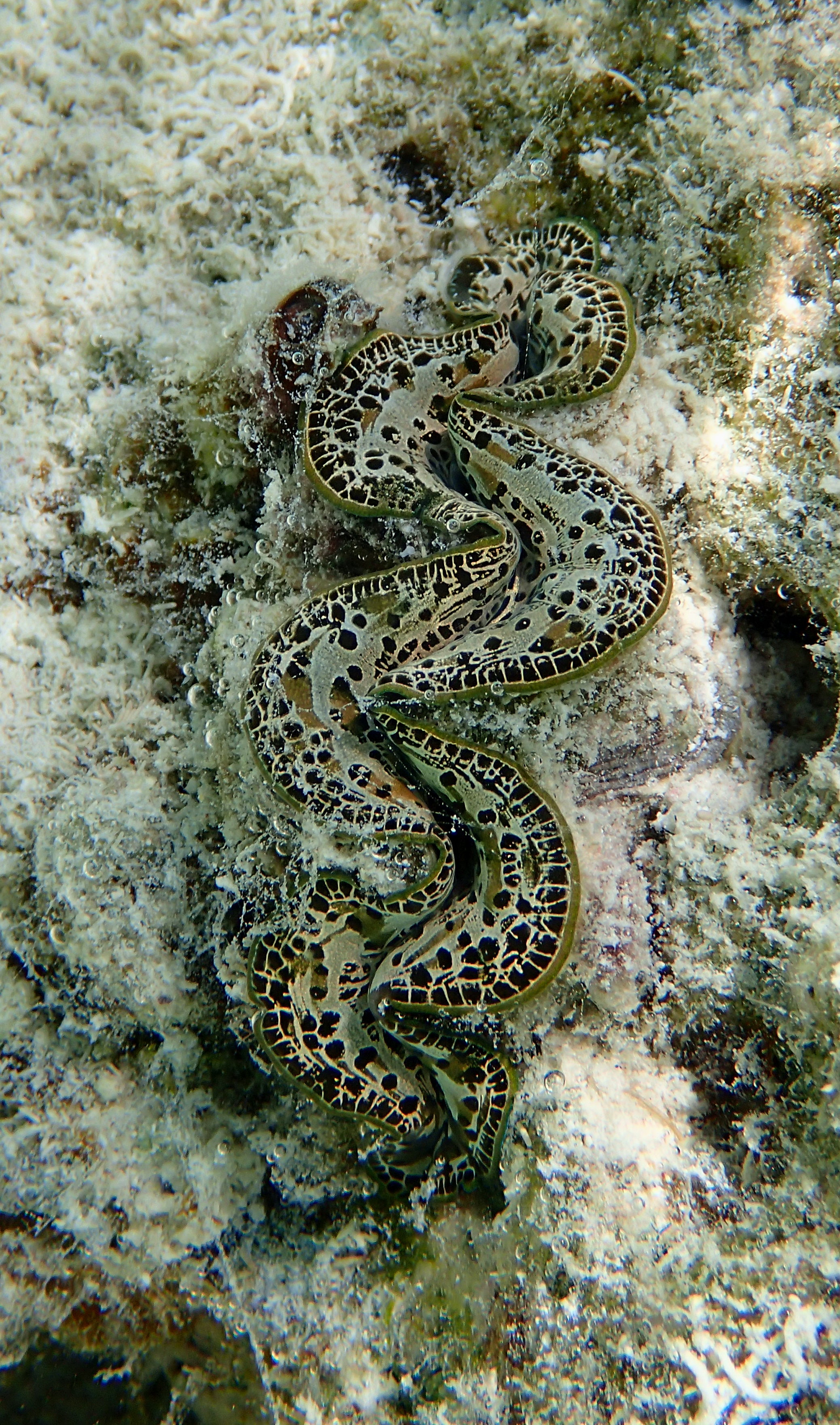
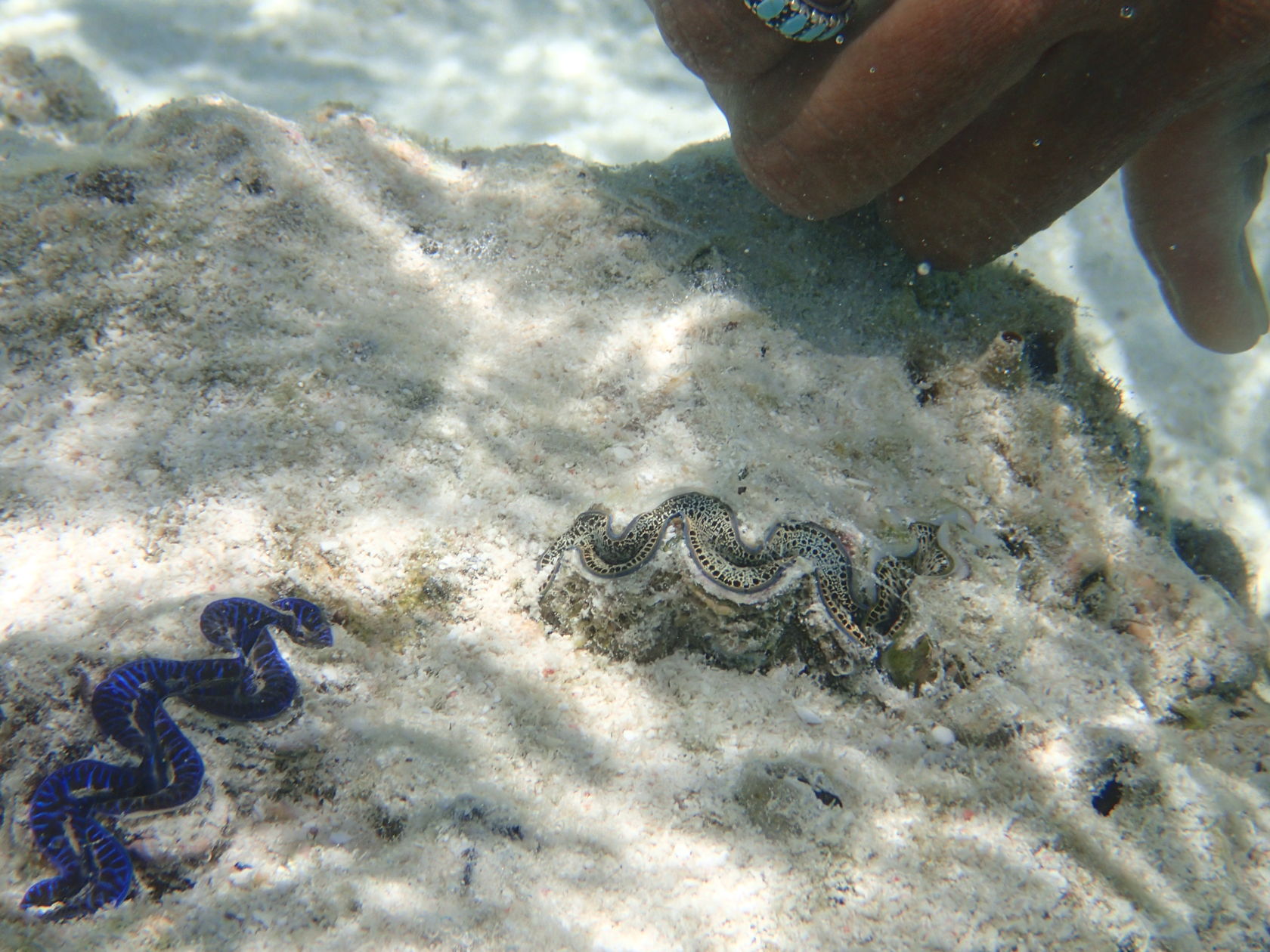
Below are photos from the Moorea motu site






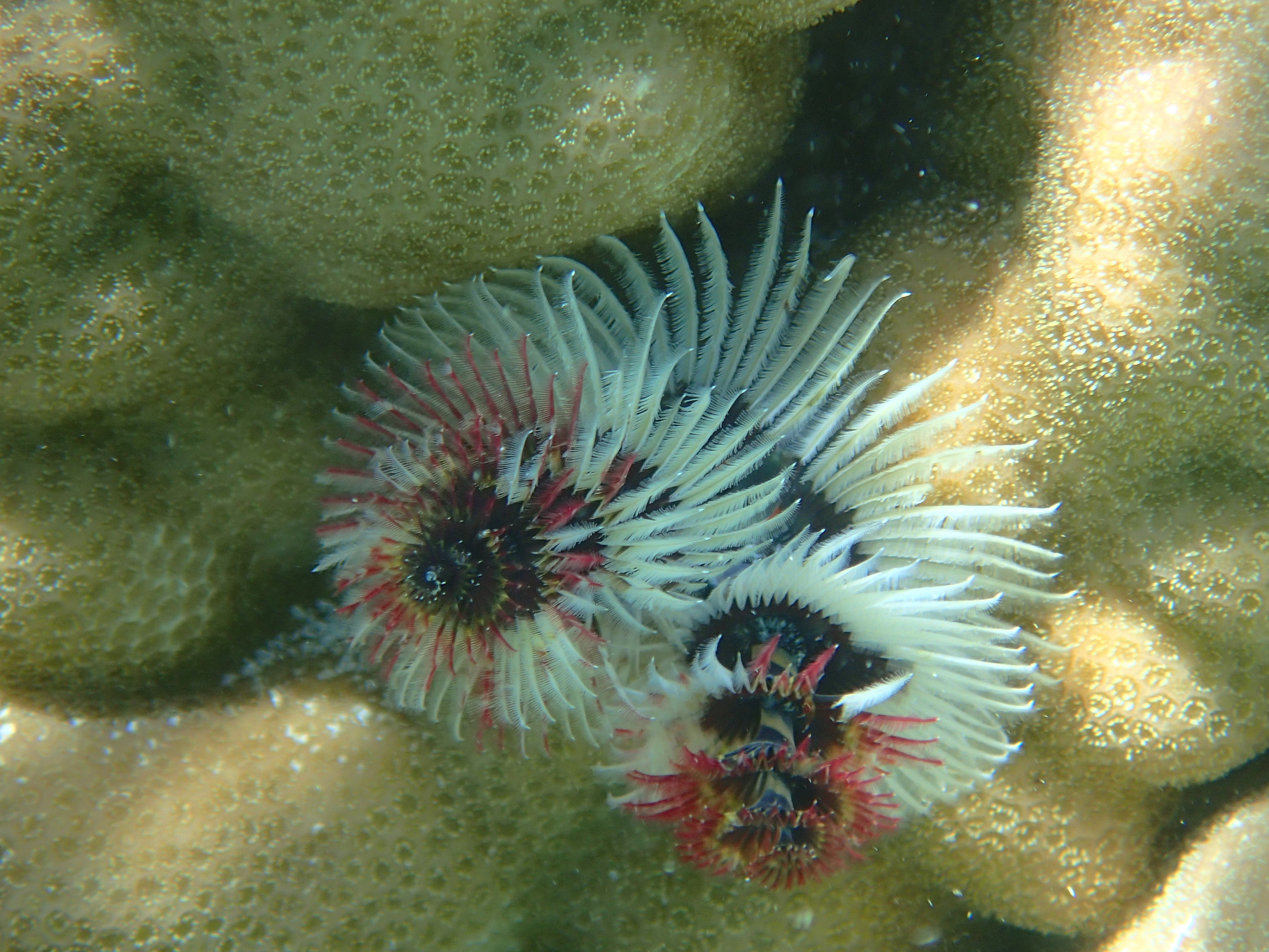
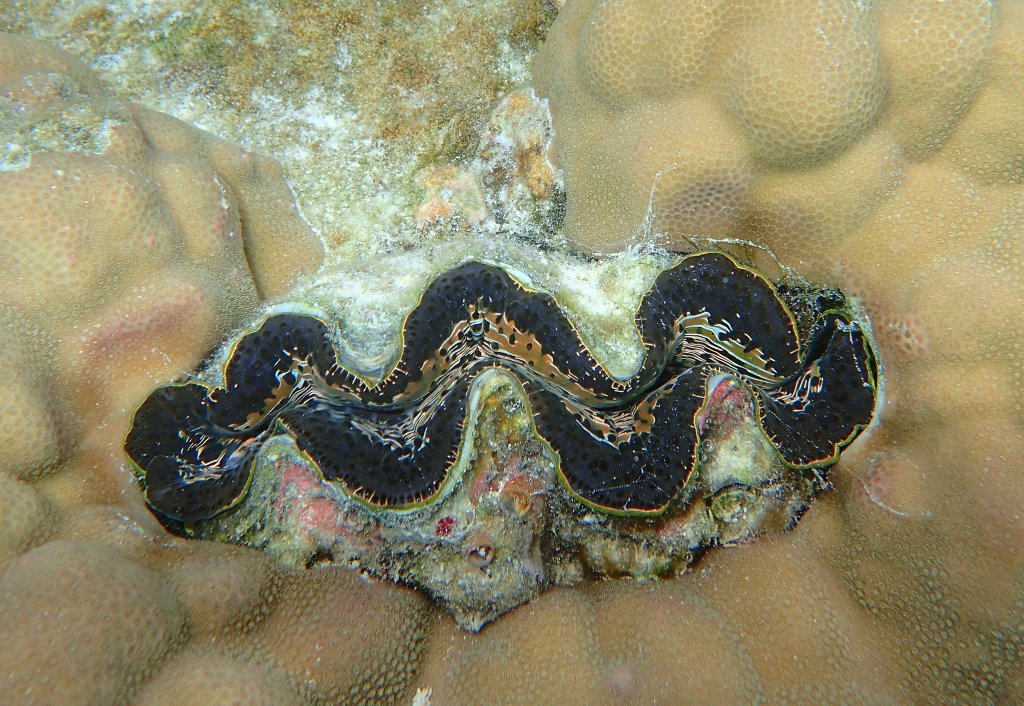
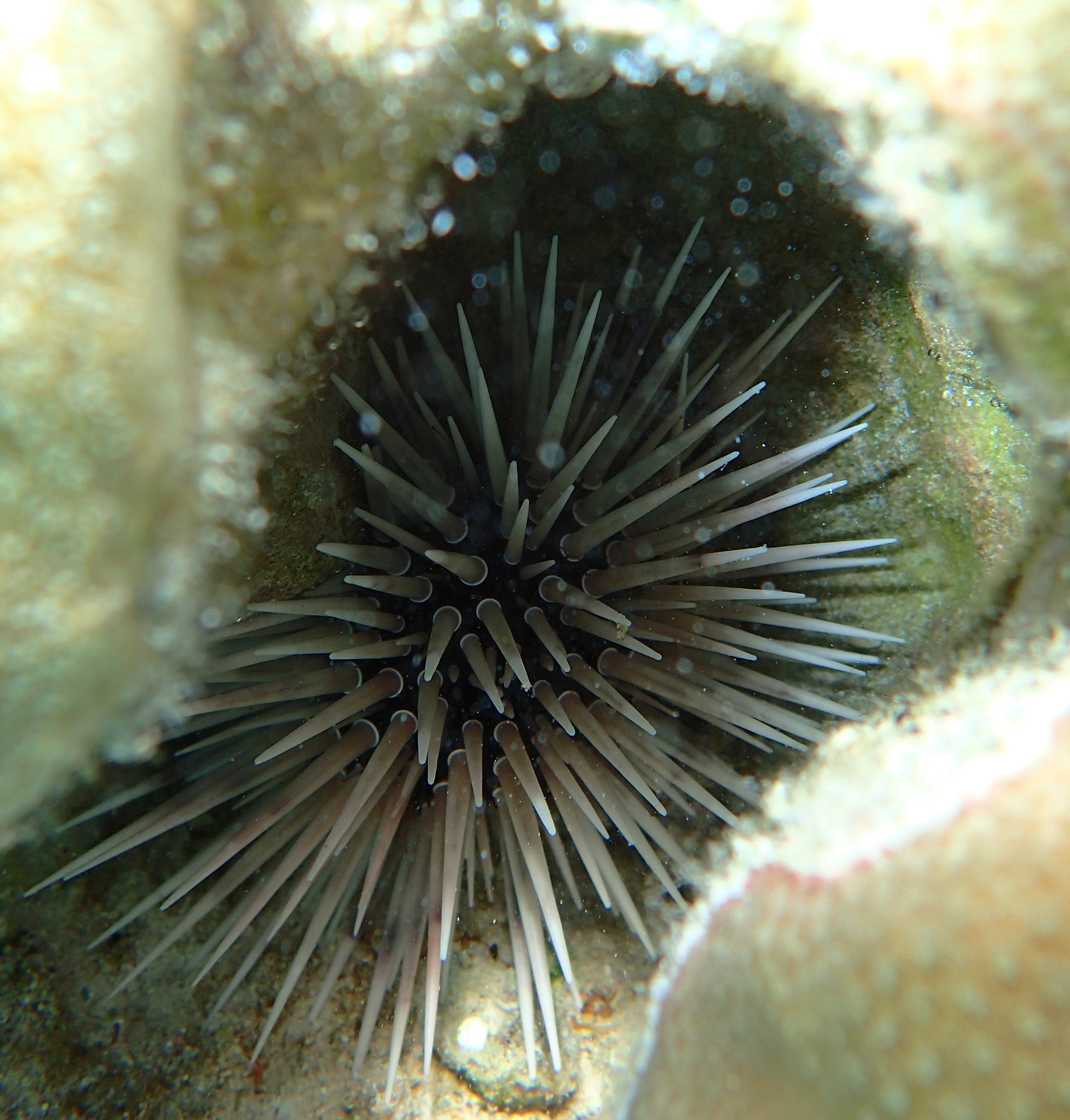
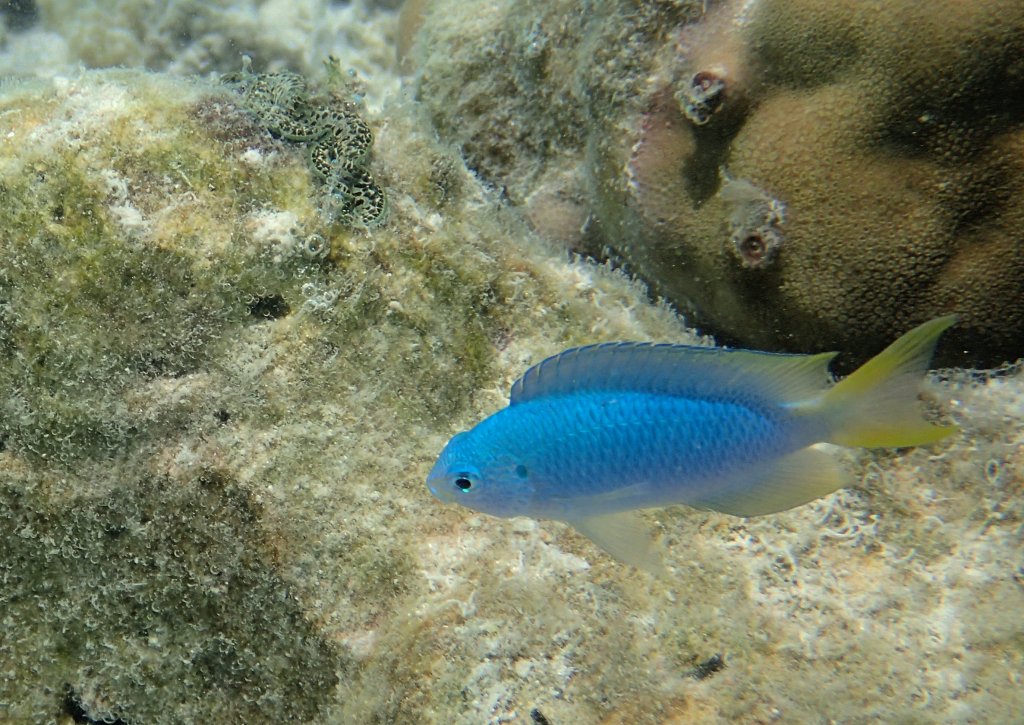





Fakarava
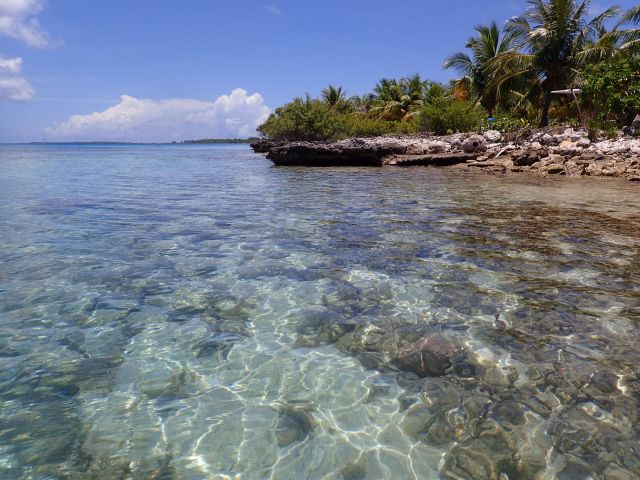
Fakarava is a long way from Tahiti, yet it and the archipelago is part of French Polynesia. It is the only true atoll we visited on the cruise – no remains of the original volcanic island are evident – only the reef. The atoll is large – almost 40 miles across! Our ship entered through a channel gap in the fringing reef (there are two such gaps). There were strong tidal currents in the gap and waves associated with the current.
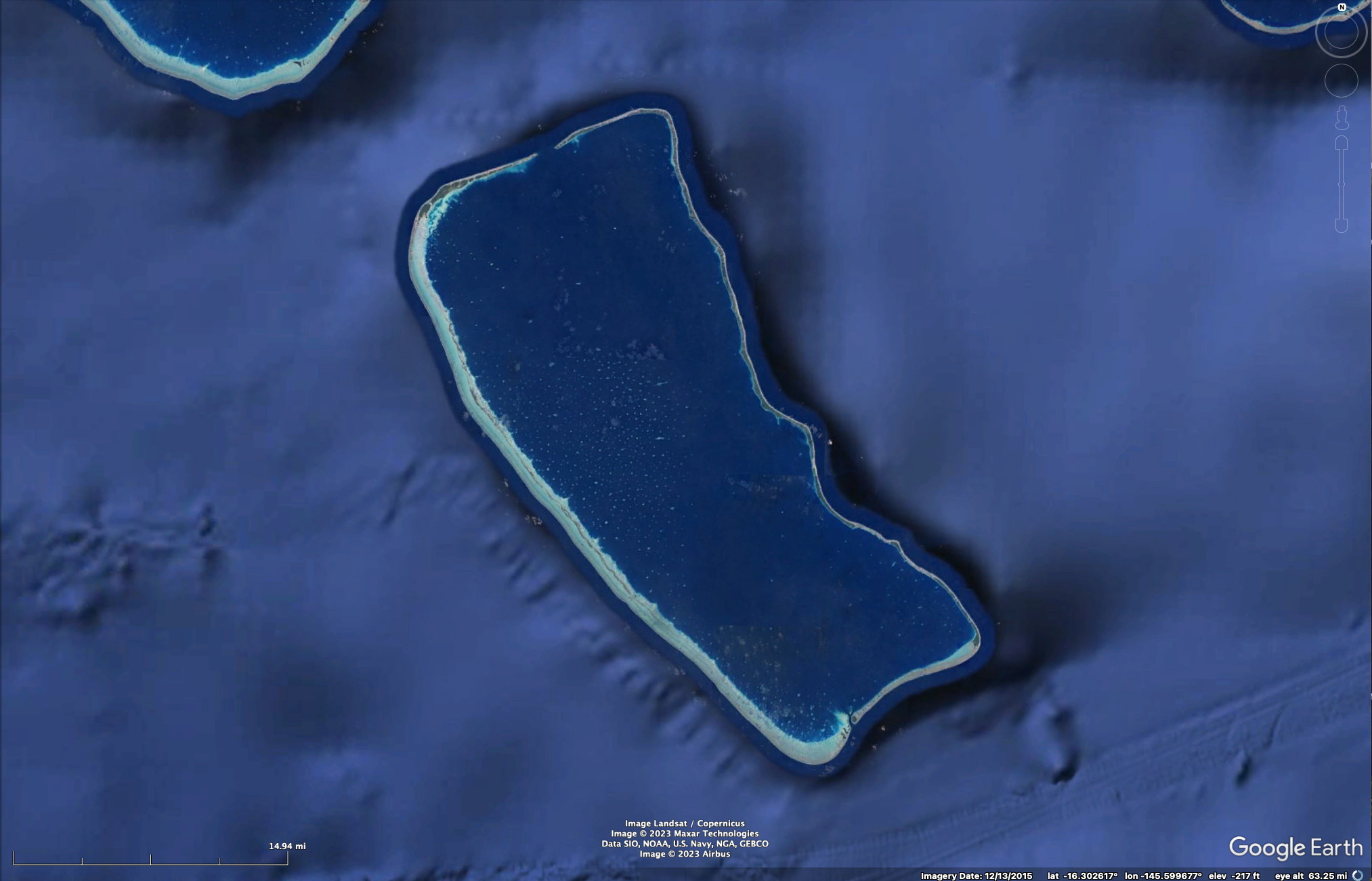
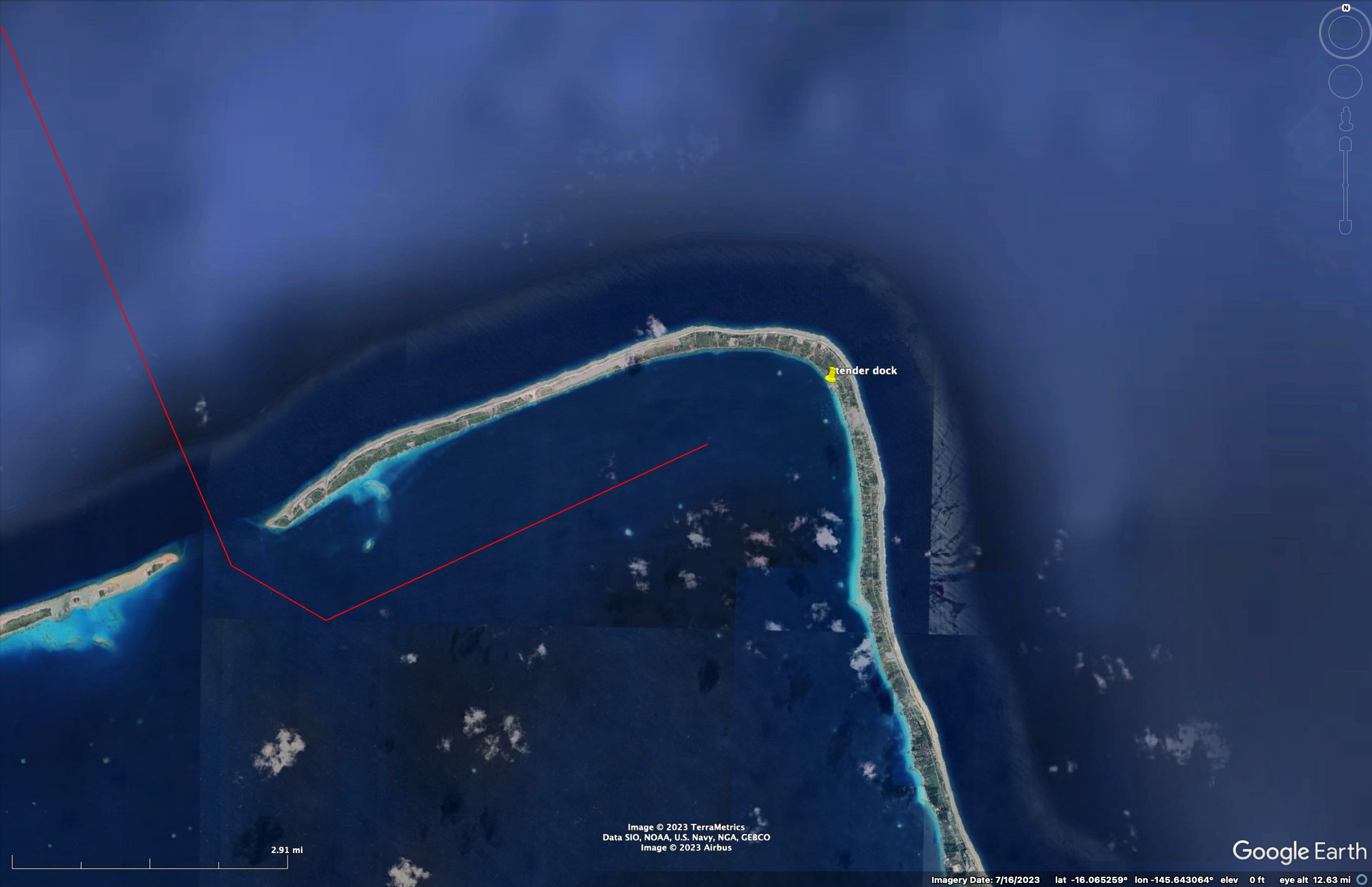
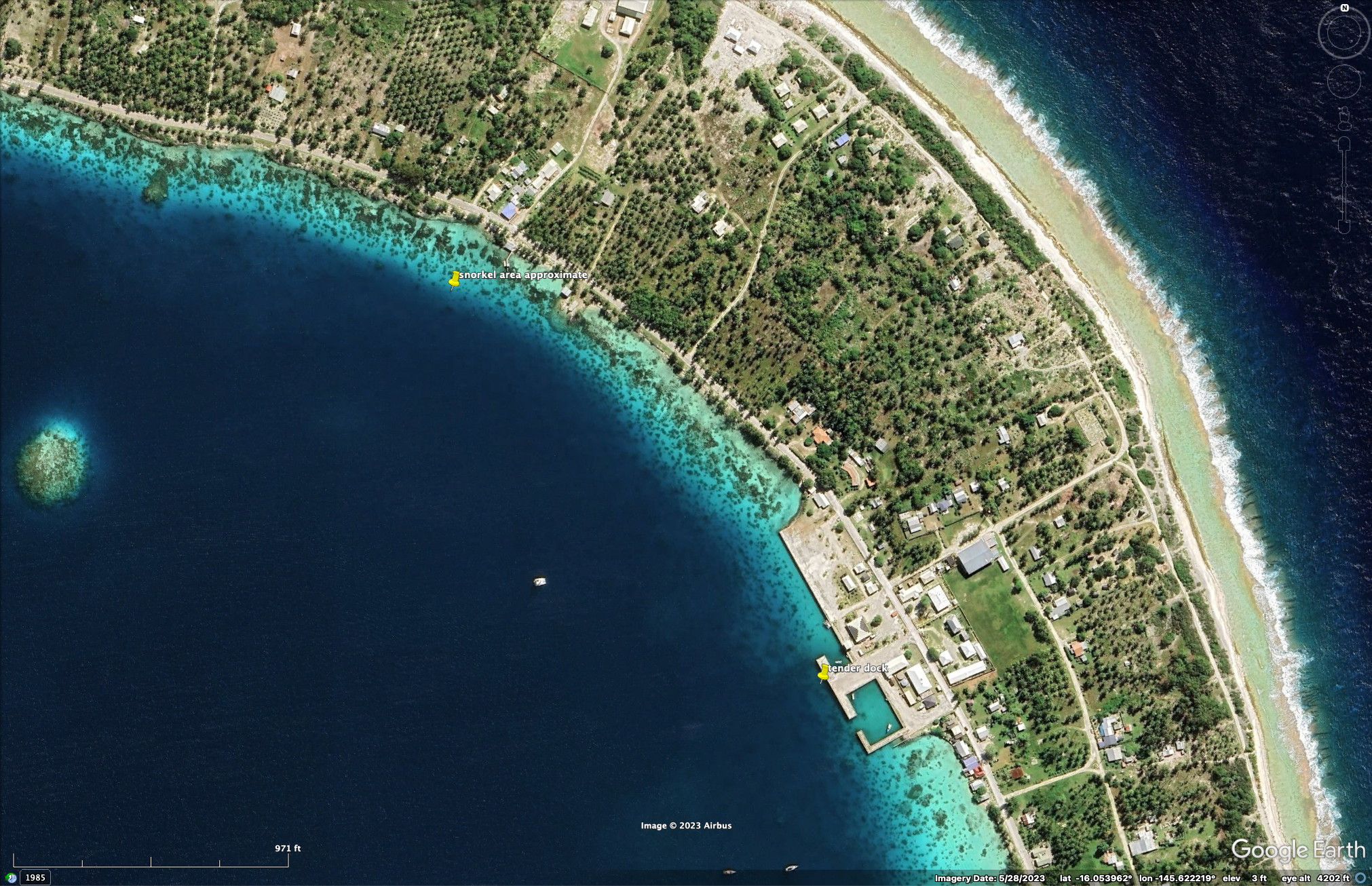
We tendered ashore and walked a ways from the tender dock towards the north, eventually finding several places to access the interior lagoon. Getting into the water wasn’t easy with fins on, and I didn’t have water shoes, so I used my sneakers. But then, in the water, you have to transition from the sneakers to the fins… not so easy. I threw the sneakers ashore. Repeat for the process getting out – with Rosario’s help.
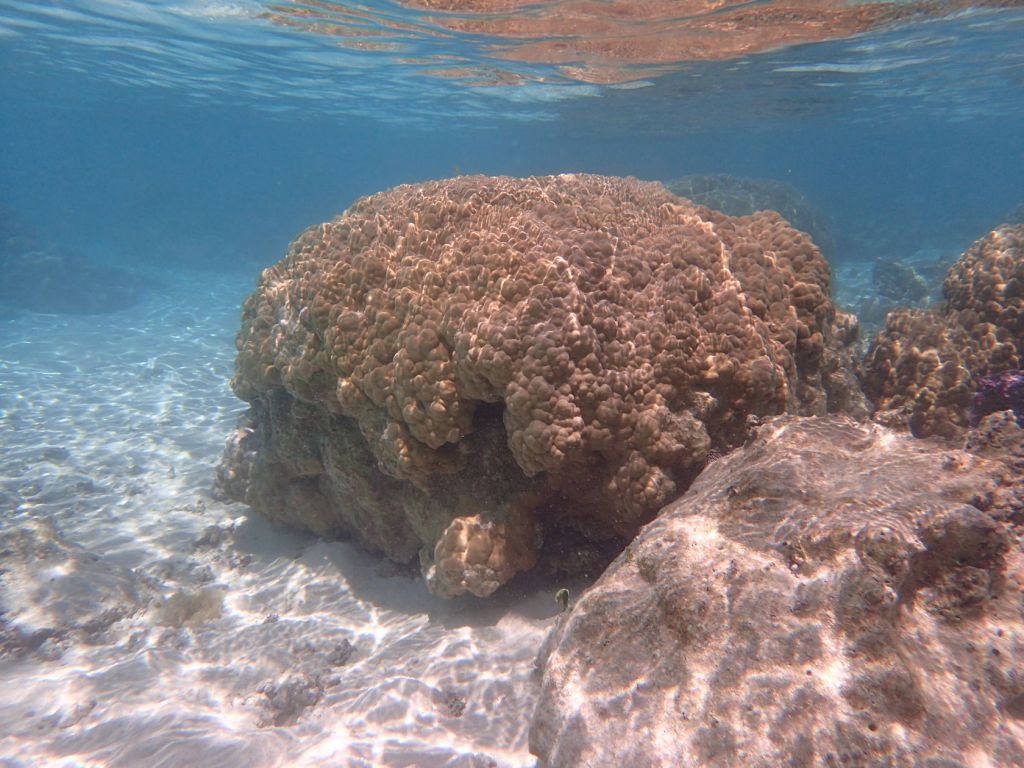
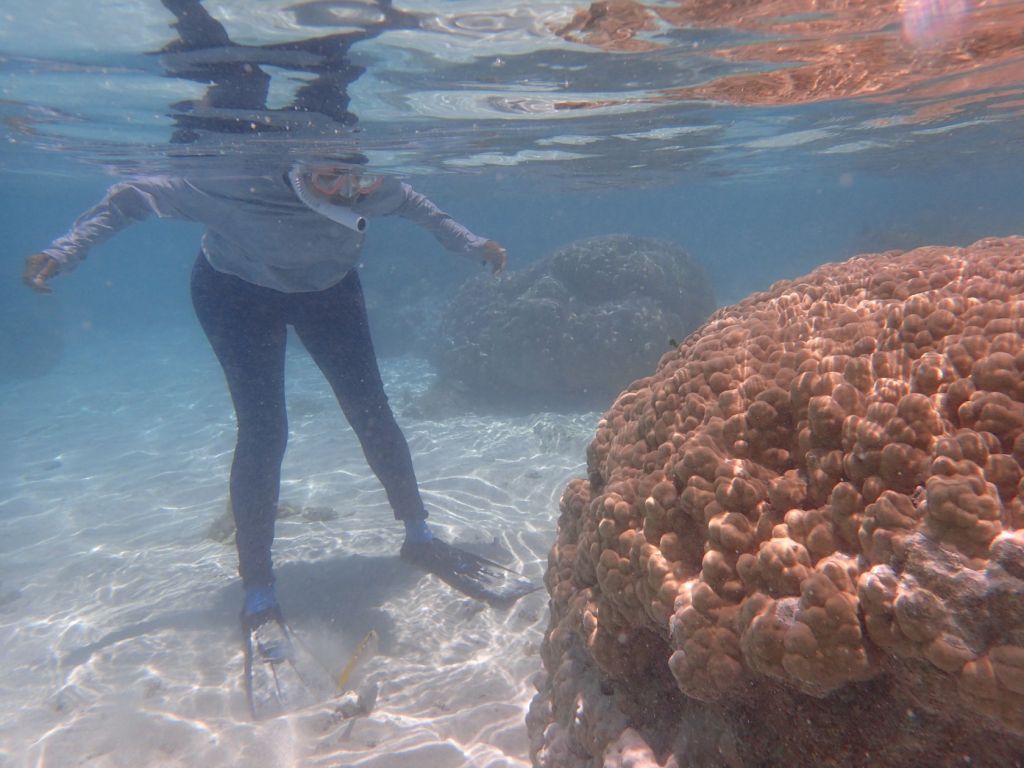
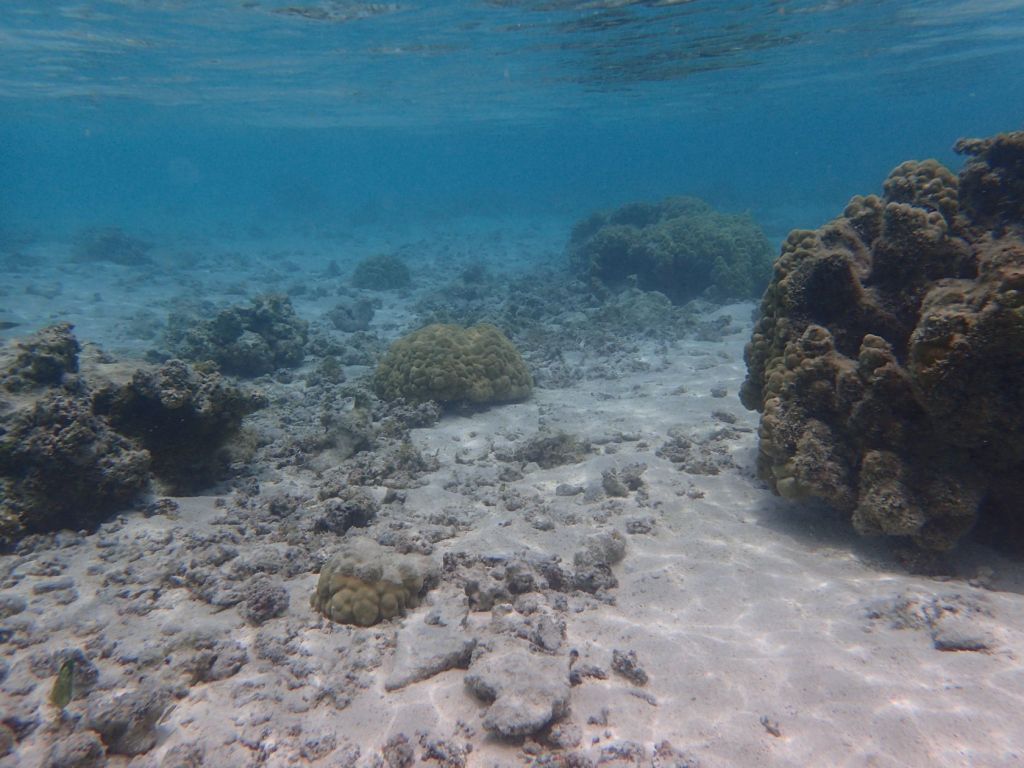
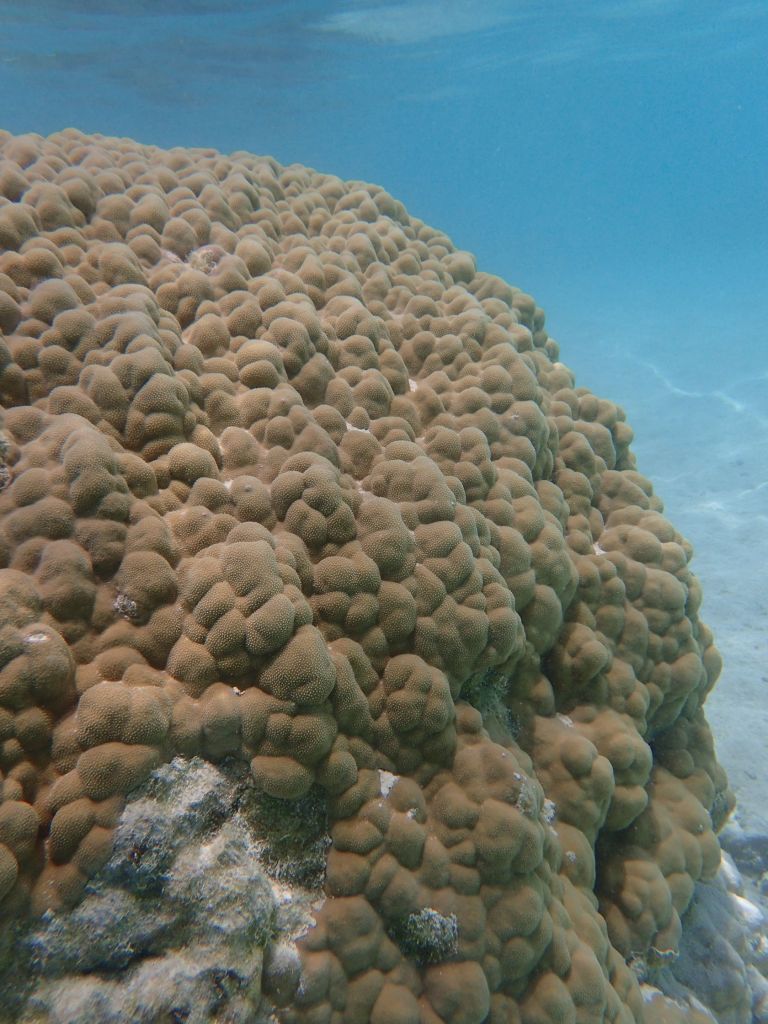
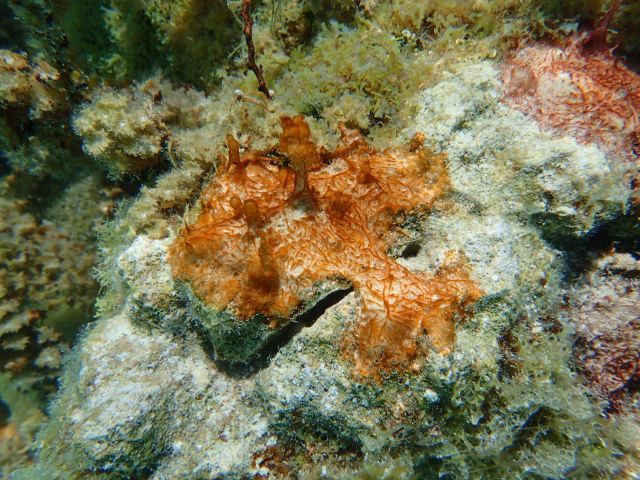
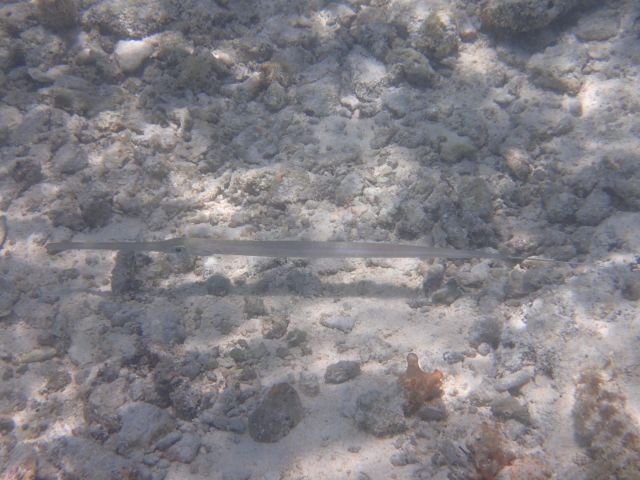
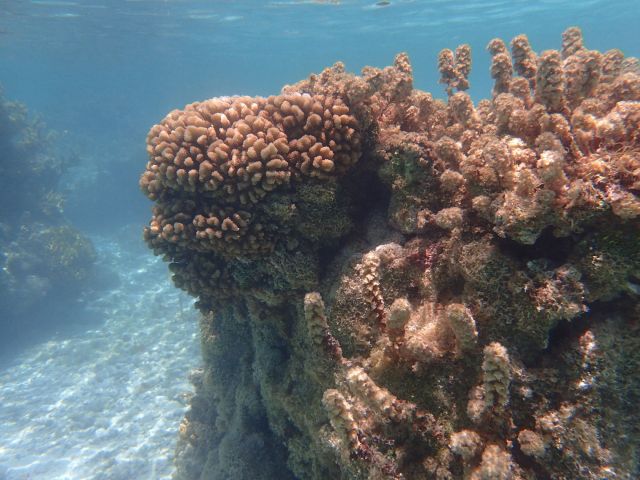
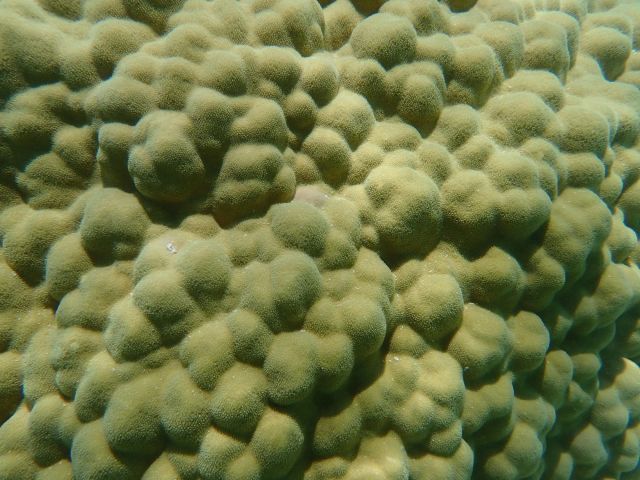
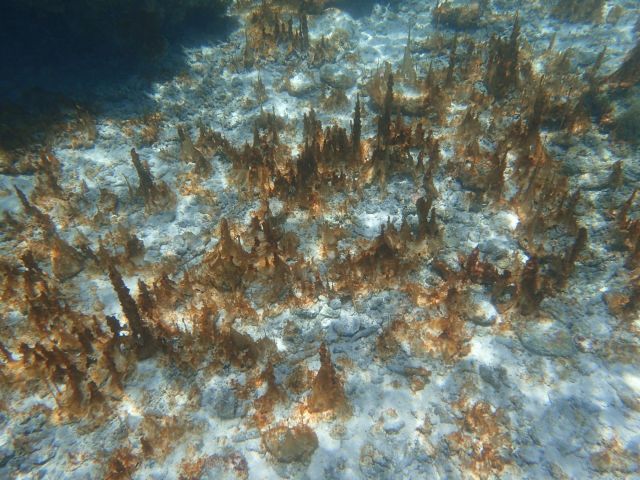
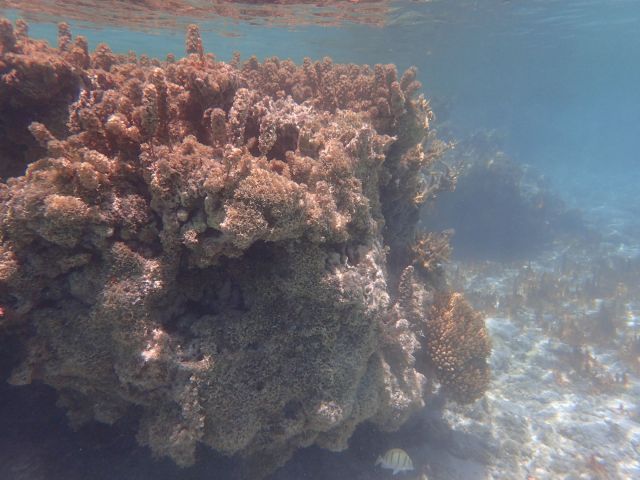
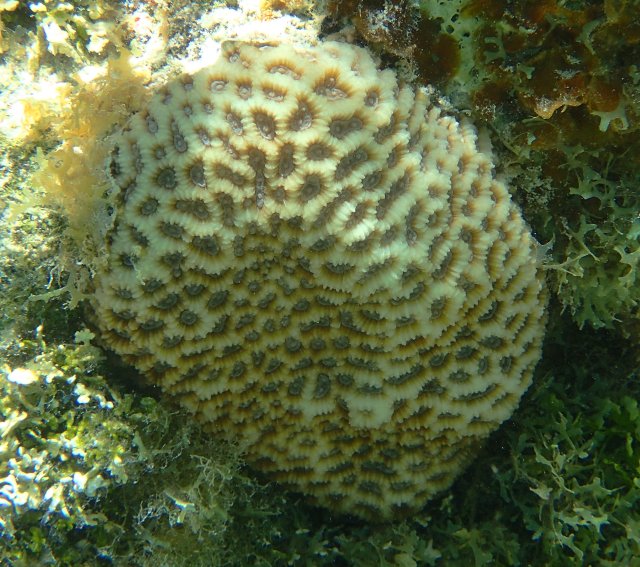
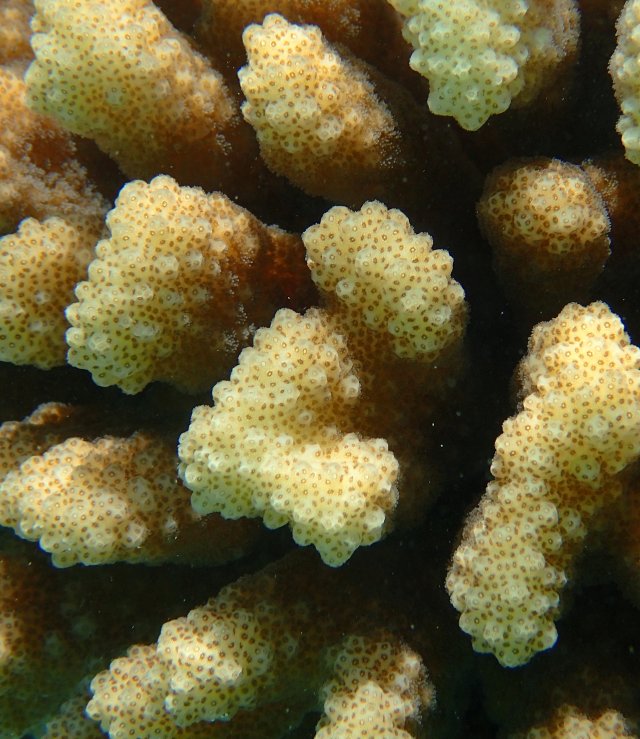
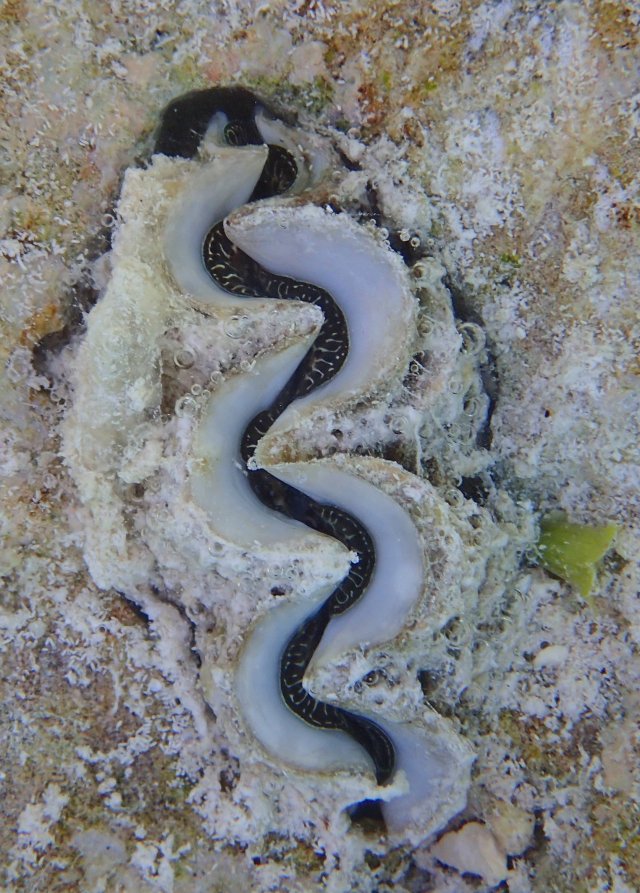
The snorkeling at Fakarava was the least impressive of any of the sites where we snorkeled. Water clarity was not great and there was more algae present on the corals and rocks than in other sites. But there were the usual fish and a variety of corals.








 THE NATURALIST'S TRAVEL PAGE