Summary of our cruise
Here we quickly summarize our cruise route. The cruise was billed as a Midnight Sun one – which we did indeed experience for approximately 5 days when we were above the Arctic Circle around the Summer Solstice. Weather was very good the first part of the cruise but was cloudy/rainy by the time we reached Reykjavik, but the Scotland ports were overcast but otherwise OK. The cruise route is shown in the figure below.
In fairness to those passengers who didn’t see the “midnight Sun” during the cruise – either due to cloudy conditions or the simple fact that local midnight (when sun was directly north of us) was well after midnight and many people were asleep, I should state that the “Midnight sun” looks just like any other near-sunset condition. Anytime the sun is within 5 degrees of the horizon will replicate what the sun / sky brightness looked like at local midnight during our cruise.
To those who weren’t on the cruise, I gave 6 natural history talks in exchange for the “almost-free” cruise for Rosario and I. Cruise ship lecturing is a good option if you don’t need a salary, are retired, and like to “entertain”. People who know me must think I’m nuts – they must think I certainly wasn’t an entertainer when they knew me. And before you run off and decide you too can do this for free cruises read my summary of lecturing here.
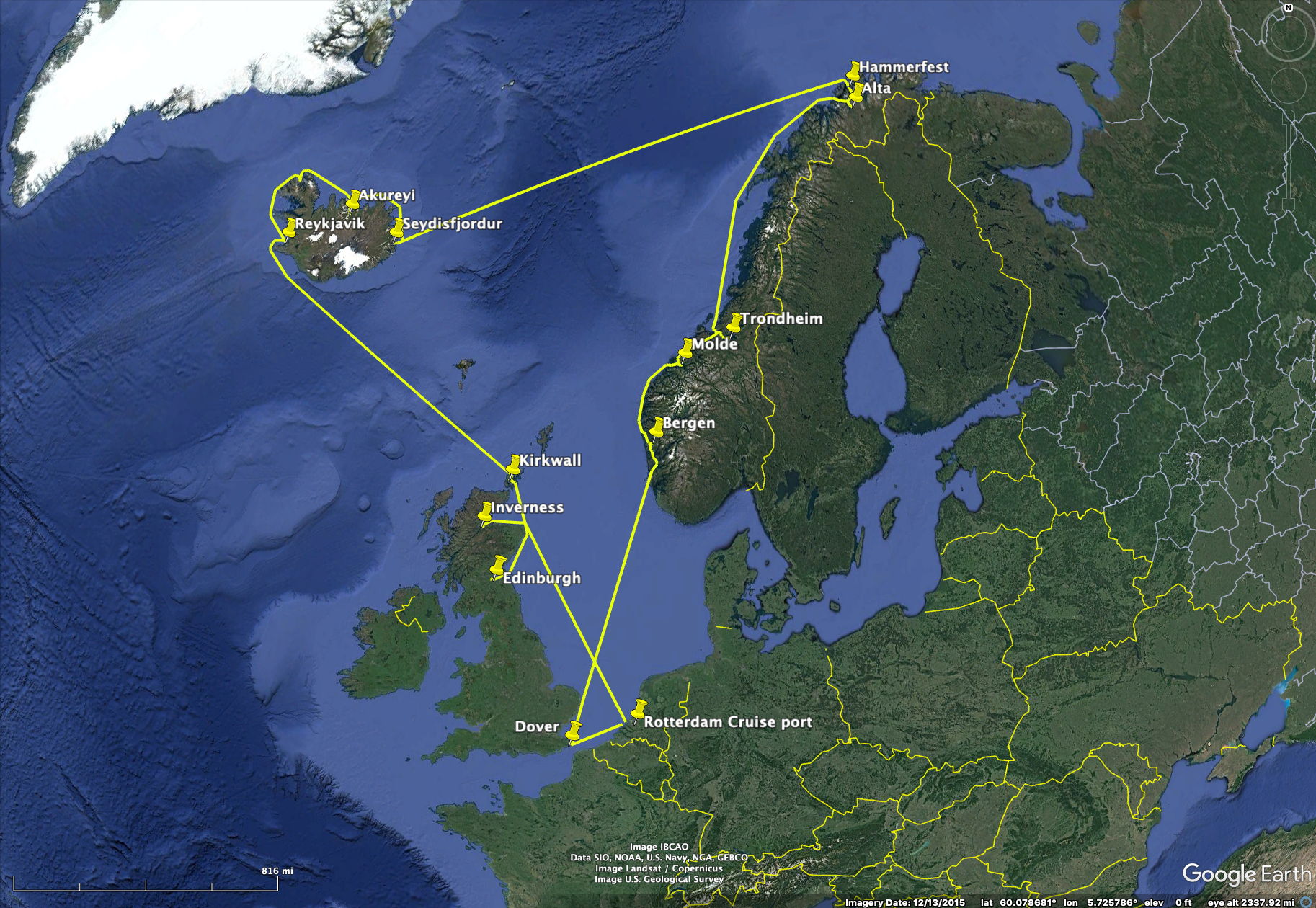
NOTE: BE SURE TO CLICK ON THE PHOTOS – EACH PHOTO HAS A TEXT DESCRIPTION! CLICK ON ANY ONE AND THEN YOU CAN STEP THROUGH THEM.
Dover
We did not get off the ship in Dover despite having spent much time researching options. There was dense fog a fair part of the day, though it was clear just inland. Rosario was not feeling 100% as well with a migrane. Had it been easy to walk off the ship and into a town we might have done so, but the bus transport required to get away from the dock and the lengthy walking required after than was more than we wanted to deal with. The photos shown were taken from the ship around our departure time.


Norway
Bergen
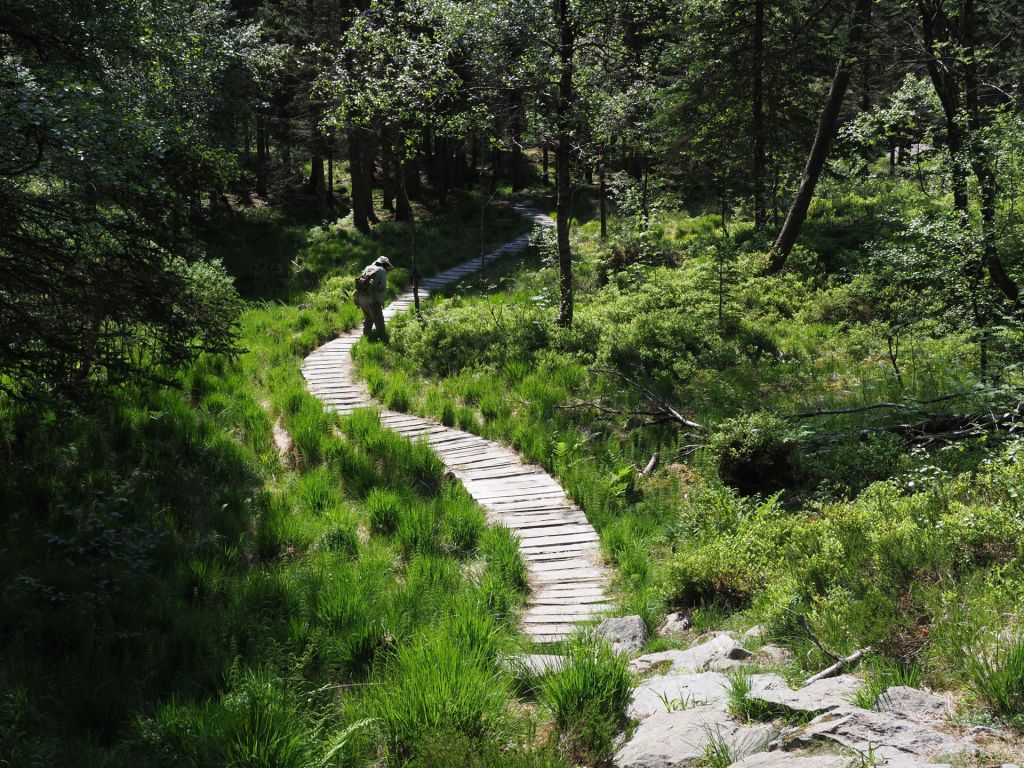
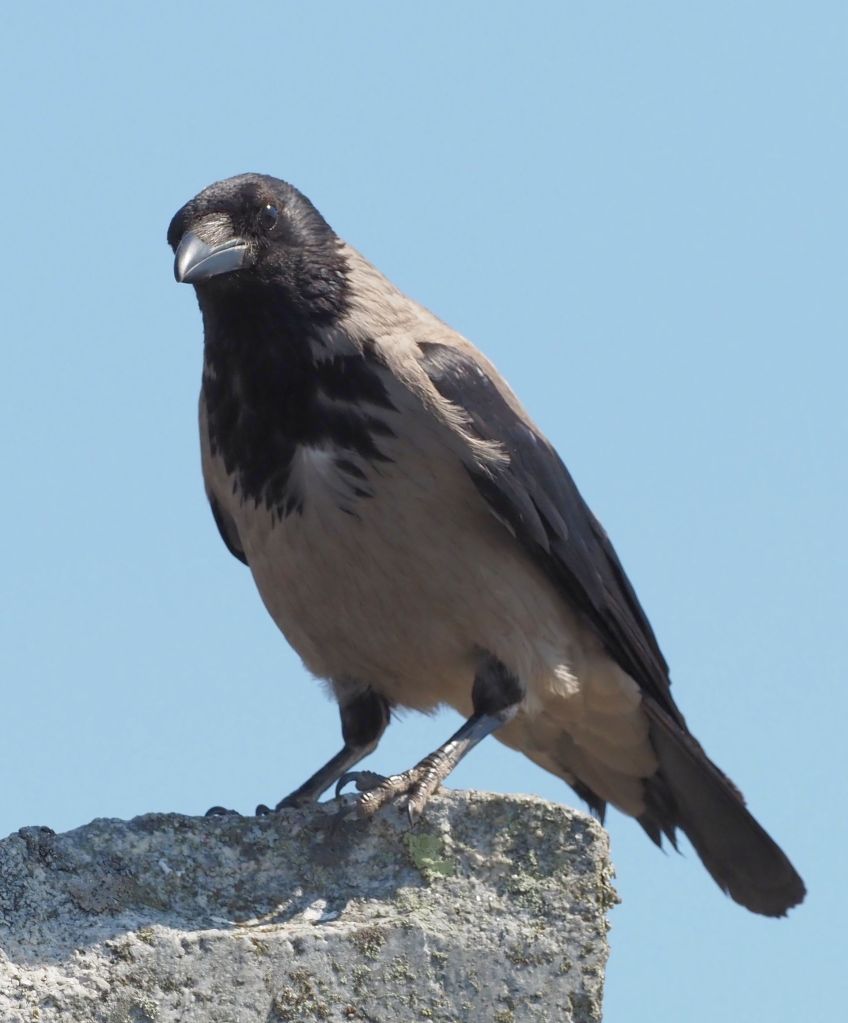
The first port of call in Norway was Bergen, which like most major coastal towns in western Norway, is along a fjord that is well inland from the exposed coastline. Although the climatology of western Norway is very rainy, our visits were clear and with above normal temperatures. There are two docking locations in Bergen for cruise ships. On our first visit in 2018 we docked closer to the main tourist section but on our latest visit we docked farther away (but closer to the city center).




Molde
Molde is, like Bergen, inland along a fjord. The town is lain out along the water as the terrain rises from the waterfront towards a ridge behind the town. We chose to walk towards the hills, along a trail that was well signposted and used by many people. It ultimately led to a lookout (and restaurant) at about 1200 ft elevation that could also be driven to. We choose to walk, knowing that we wanted to see what was along the route, rather than just the view at the destination. We also realized that we wouldn’t make it all the way to the top.


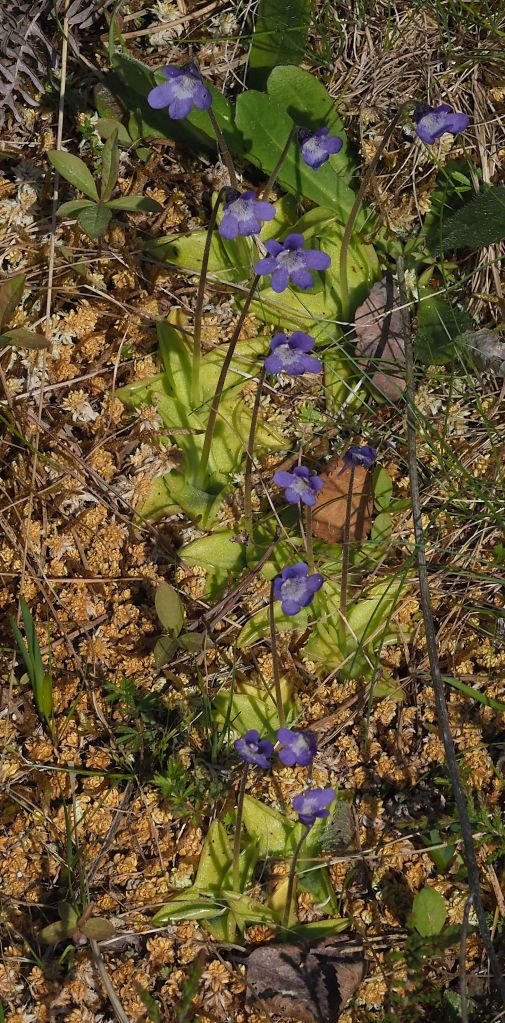


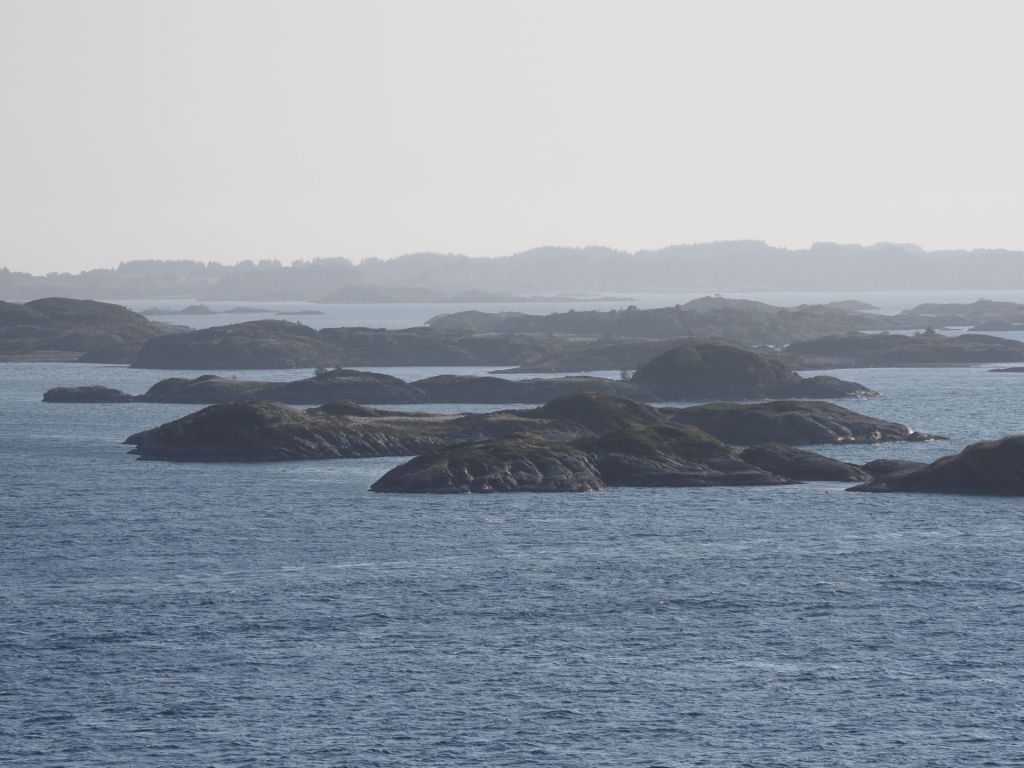


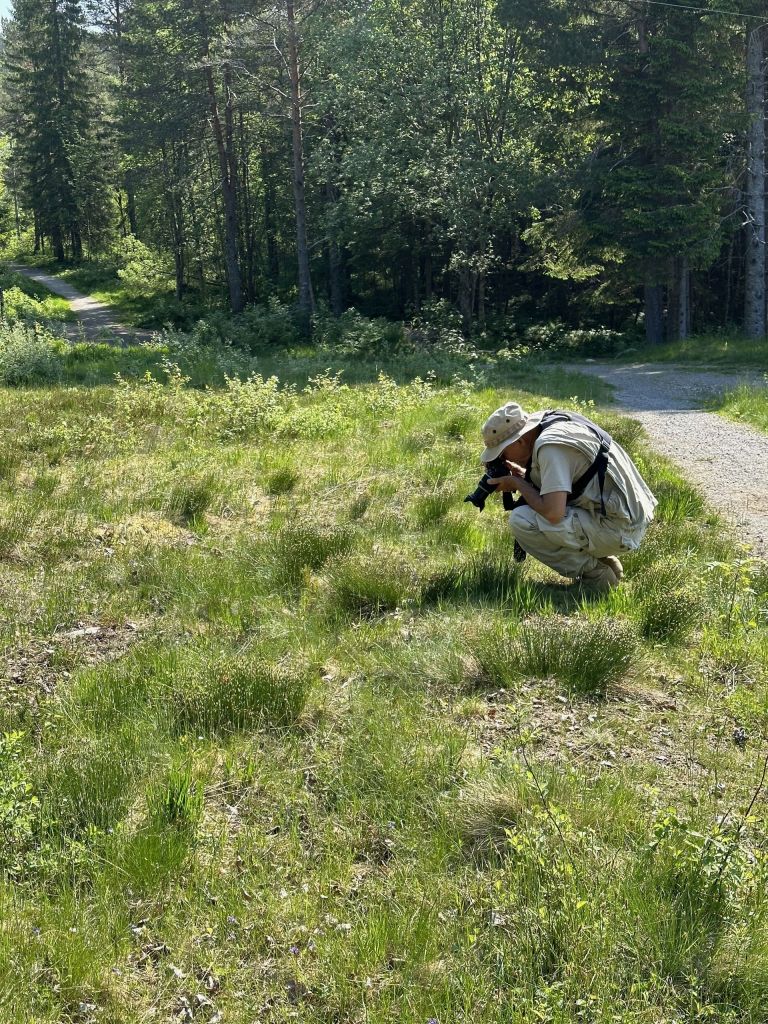

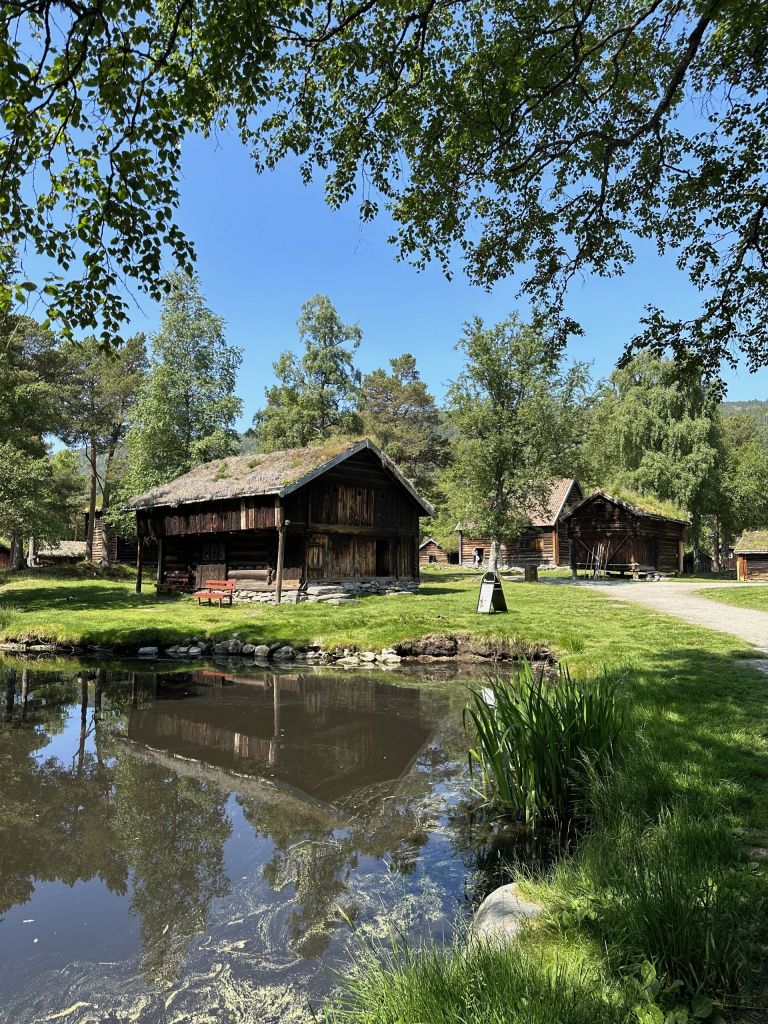

The trail passed through residential sections of Molde and past a historical museum before climbing into more natural environments along a stream. We saw our familiar Pinguicula vulgaris and also a Drosera species, as well as various early summer wildflowers. The regular forest birds were also evident.
Trondheim
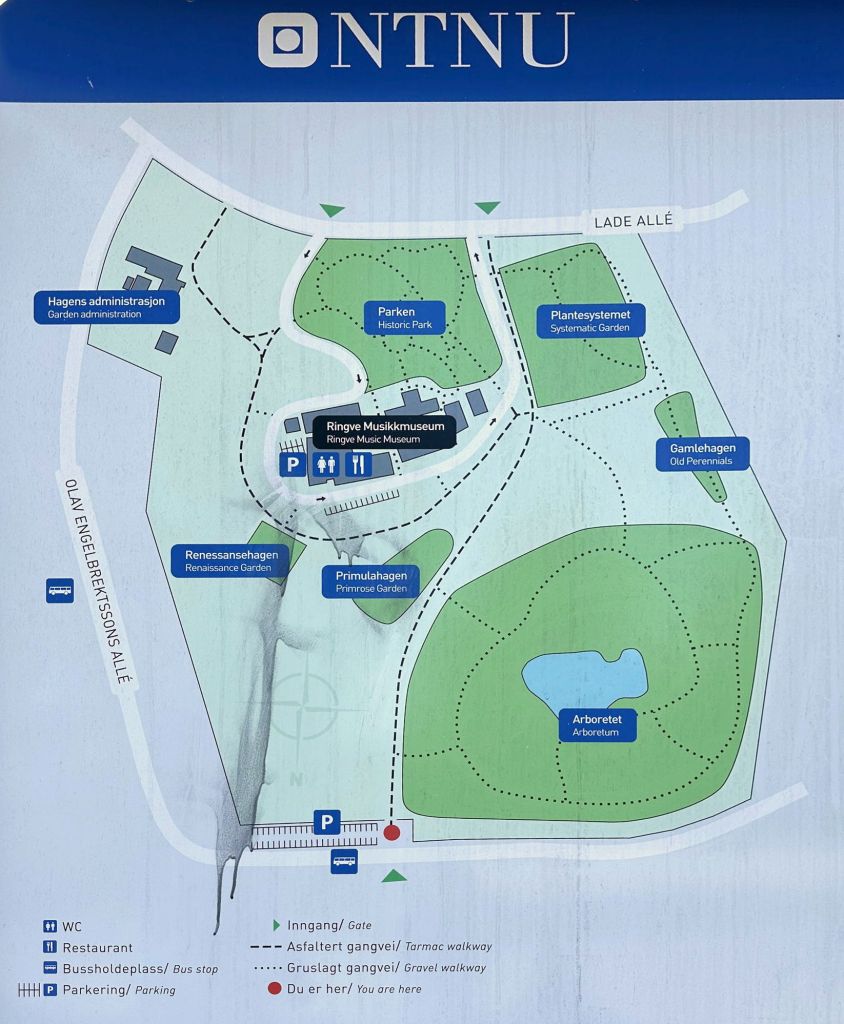
Trondheim is the third largest city in Norway. Because we had been there on a previous cruise and didn’t really want to revisit the main touristic center again, we opted for heading to a more natural area around the Botanic Garden. But this was a bit too far to walk so we decided to splurge an take a taxi. For the 2+ mile trip this cost us nearly $30! I suppose it was good, since it finally convinced us that taxi’s in Europe were to be avoided at any cost. This lesson we should have learned in the Netherlands, where we had to take taxi’s with our luggage. Some people rented bikes in Norway, and electric scooters were also available. Our fears of falling, not being able to carry camera gear and such prevented us from considering this option, but for younger or less burdened folks this can be an effective option for getting around many towns. Locals do use them, but they also know the rules of the road and how to get around.
The Botanic Garden proved to be a very nice location for seeing birds, with a large pond that had natural vegetation surrounding it. From there we walked to the coastline and through various forest patches that were a mix of plantation and semi-natural forest. Even better for seeing some native birds.
We decided to walk back to the ship to save the taxi fare, and while it was somewhat long and our feet were hurting some, we did see parts of the city that were “less-touristy” and more typical. Basically a modern city with lots of apartment buildings. Curiously, Norway has a very large number of Tesla electric vehicles on their streets, more that I had seen anywhere else.
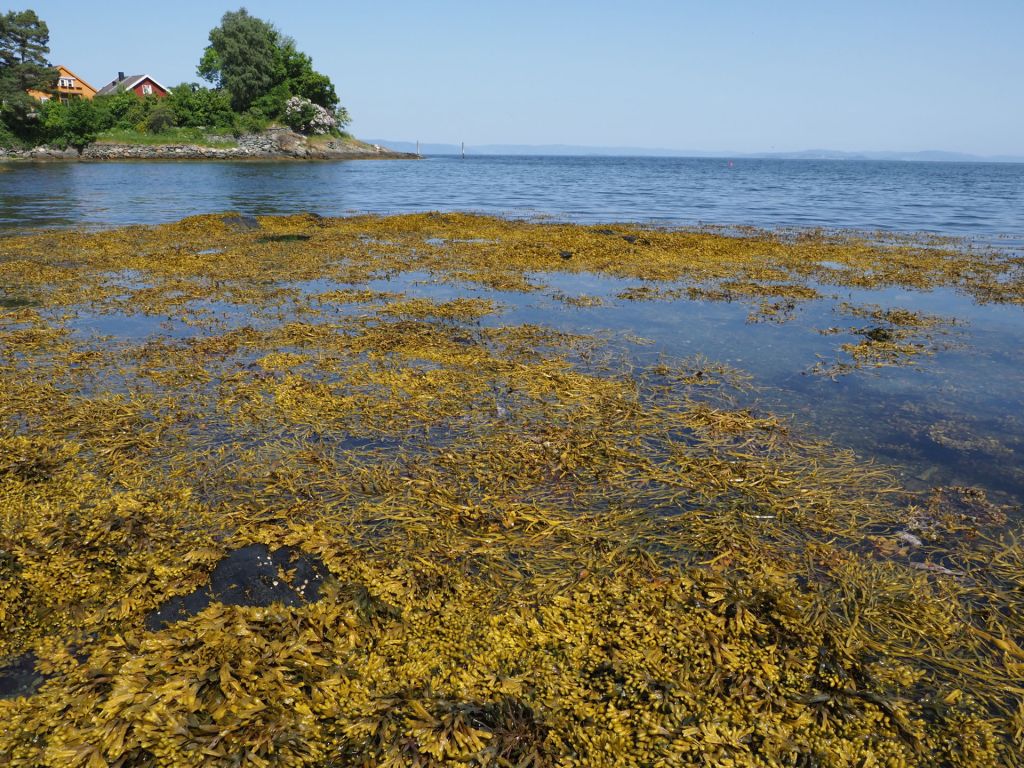
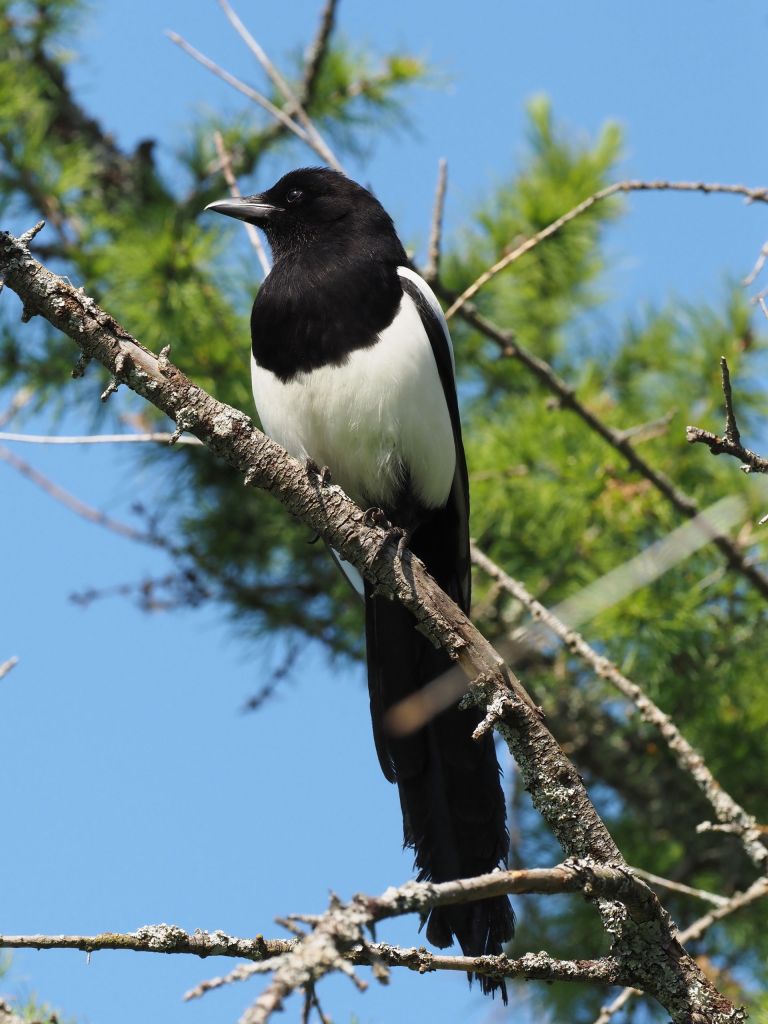


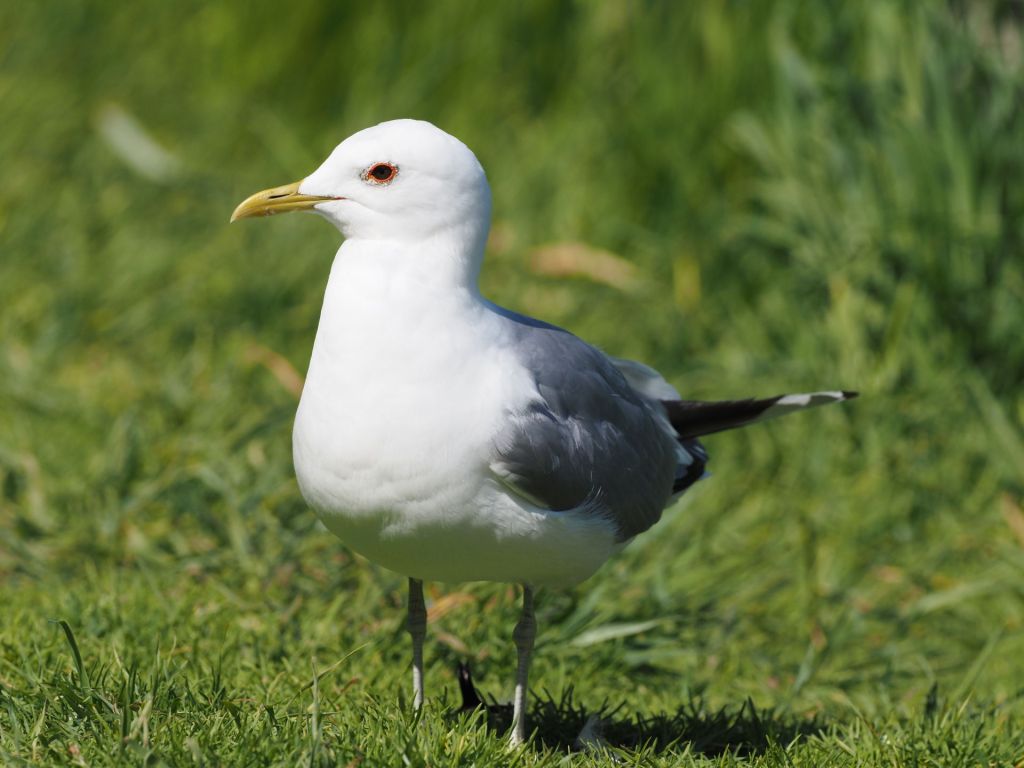


There are much larger areas outside Trondheim that are natural, with hiking trails, but these are not walking distance from the port and would require a taxi (public transport is more limited to this area). For. a small group splitting the taxi fare this would be good. Bicycling wouldn’t be ideal, since the area is more than 1000 feet above sea level – a hefty uphill bike ride.
Alta
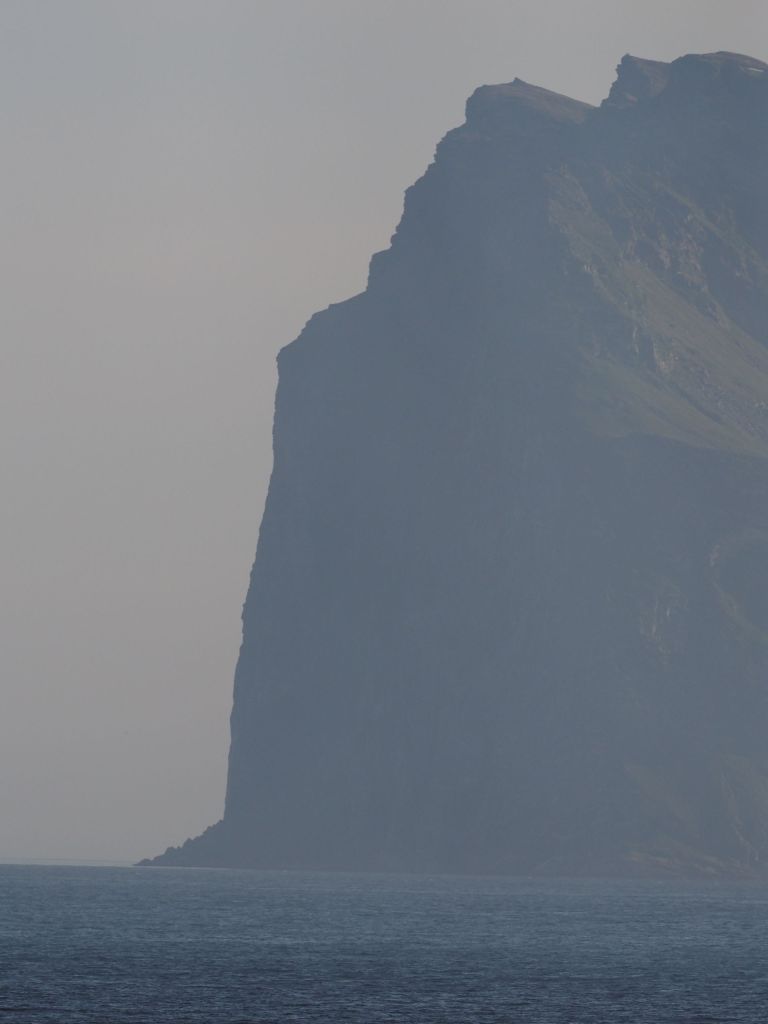
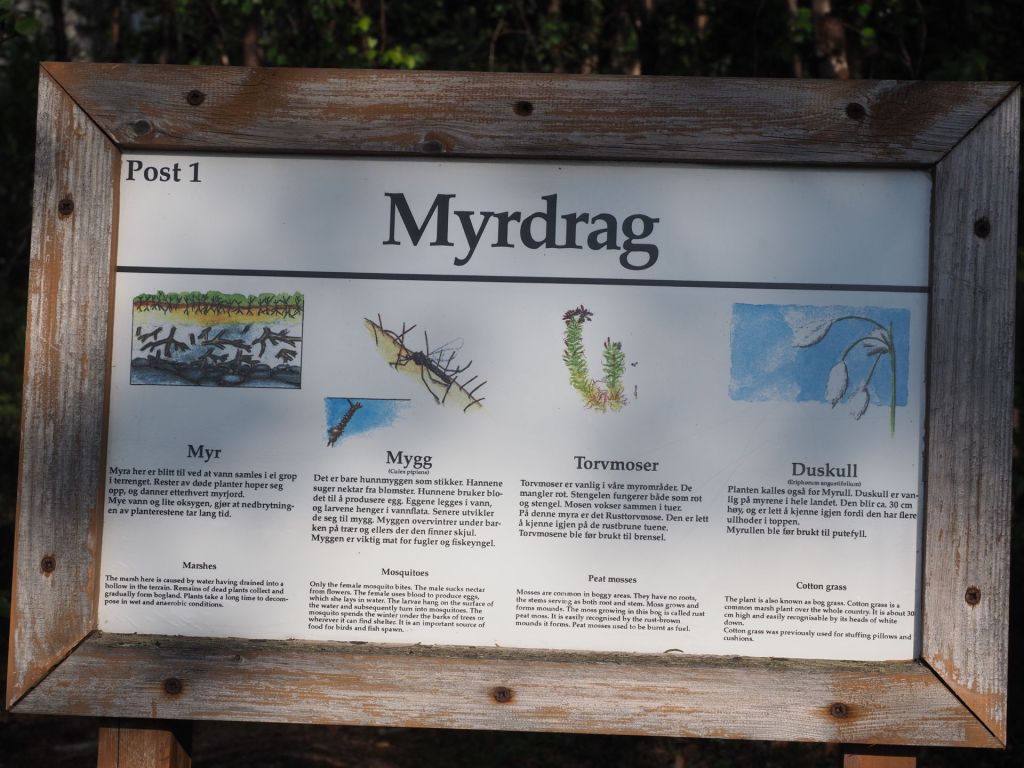
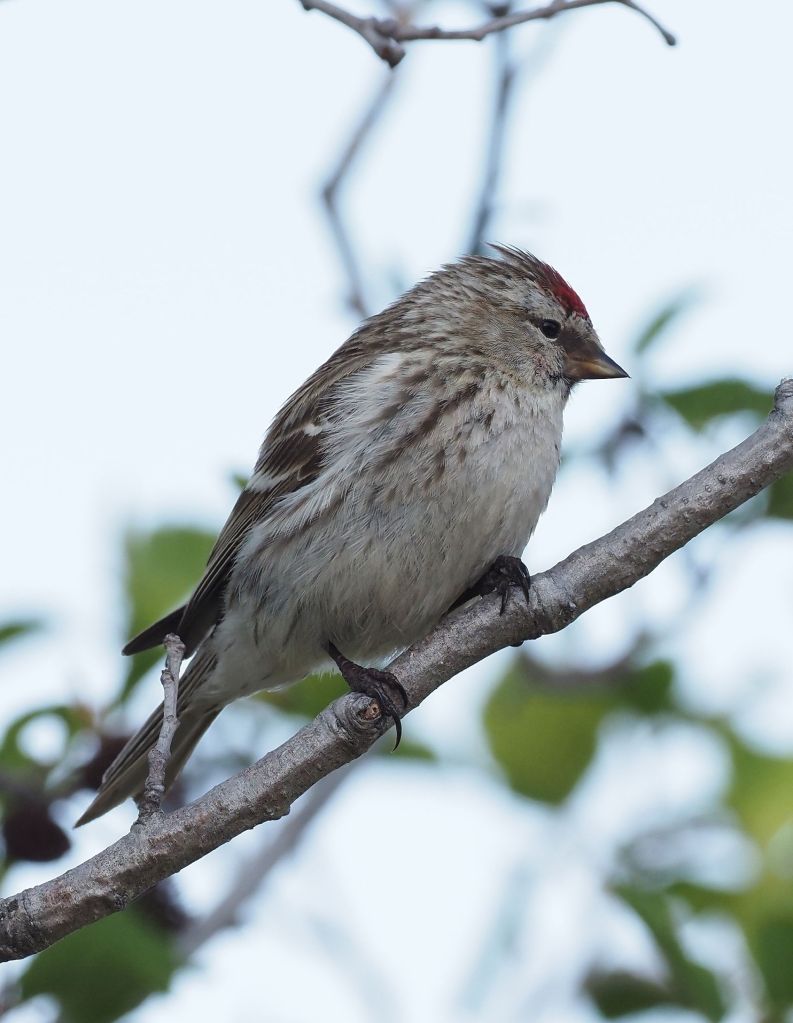
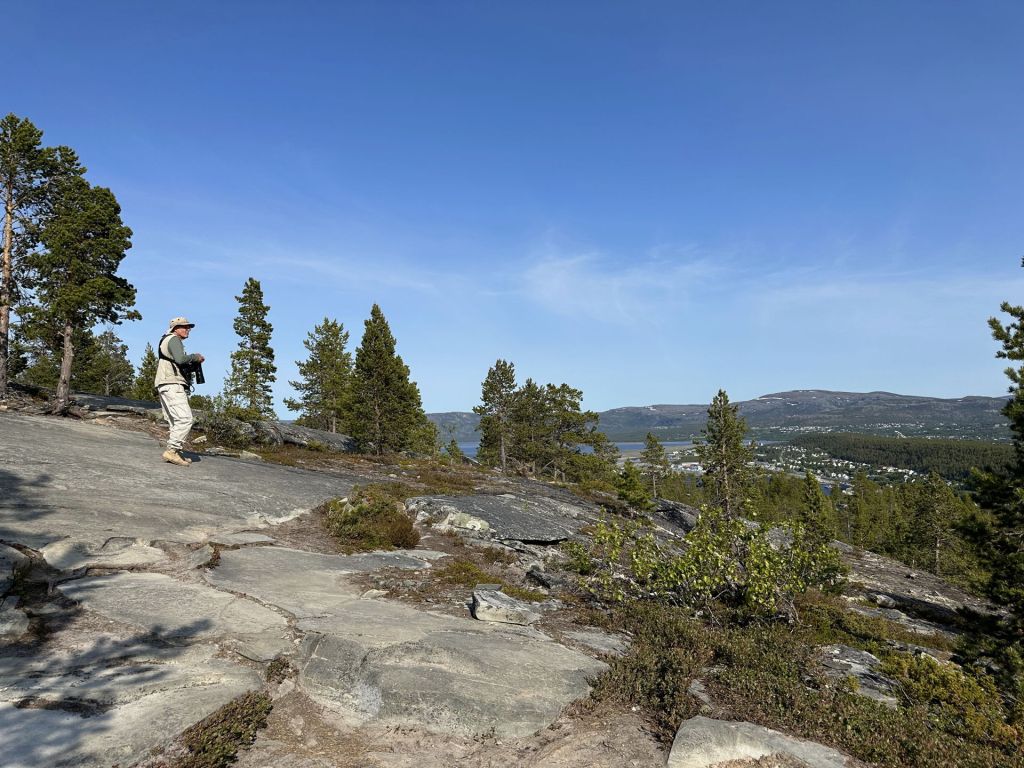
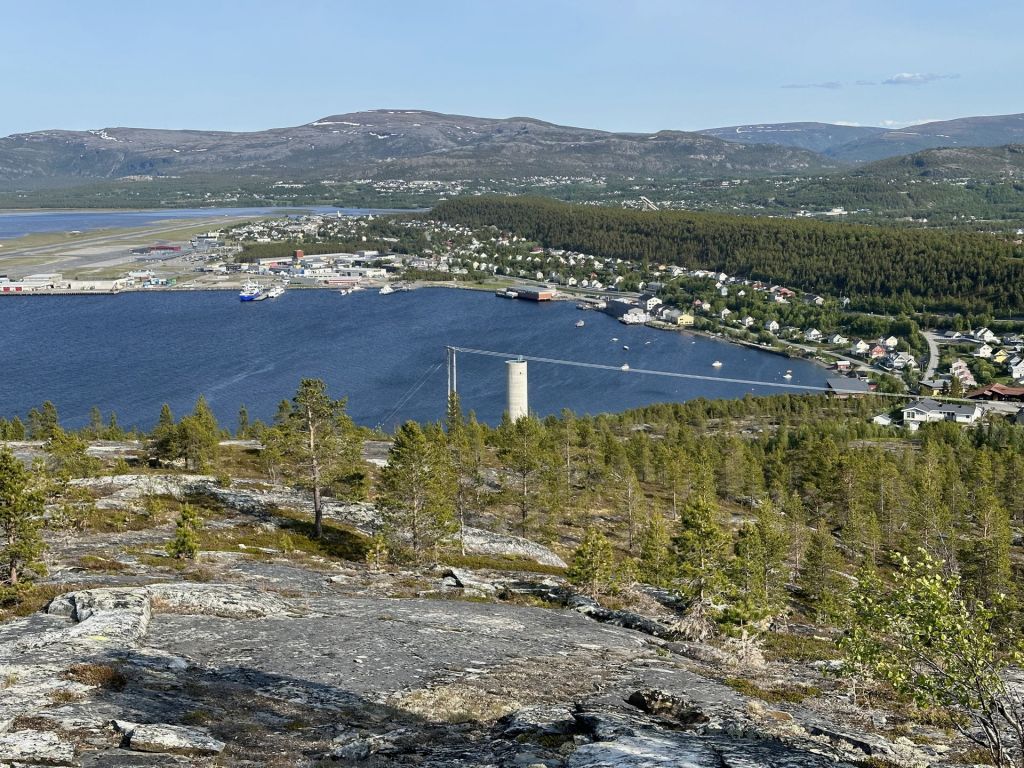
Alta is a larger town that required a bus ride from the ship’s tender port near the airport. Since a natural area was between the dock and town we decided to take a hike to see the natural hillside rather than visit the town. The walk to the trailhead for the hike up the 600 ft high hill was straightforward, mostly along a bikeway. There were many interesting plants along the route. Once at the trailhead there were options. Most people do the hike to the top of the hill for the views. We started this route but didn’t complete it, rather turning around and taking side paths that got us on a circular nature trail (with plaques) that had almost no one on it.







Hammerfest
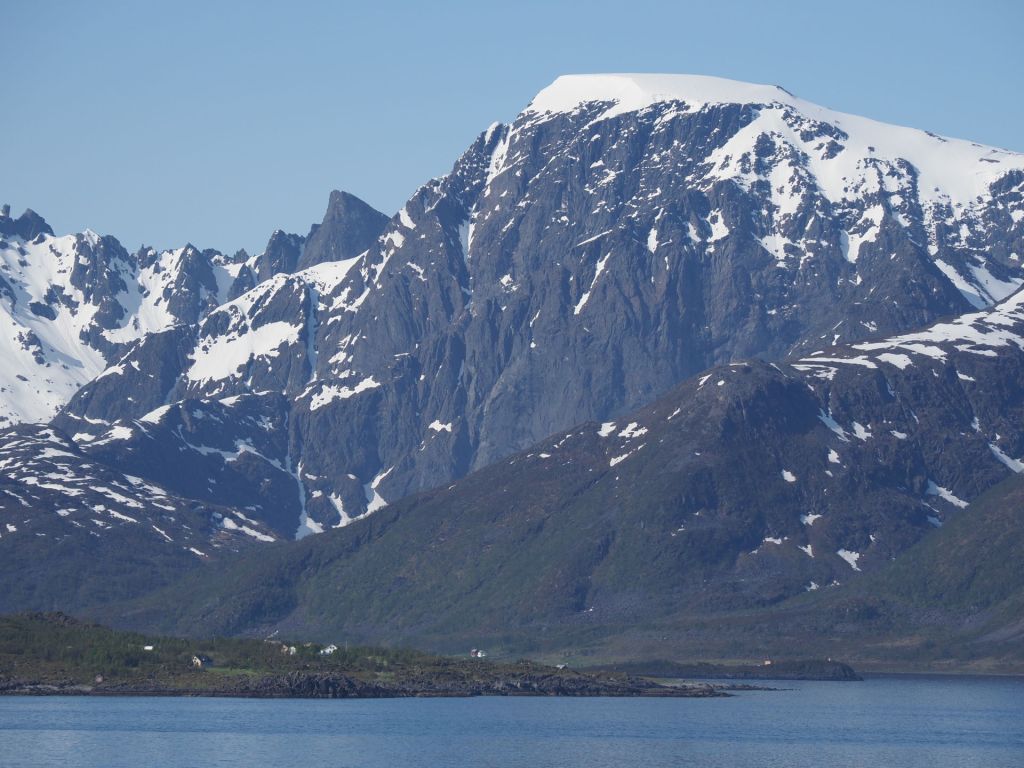
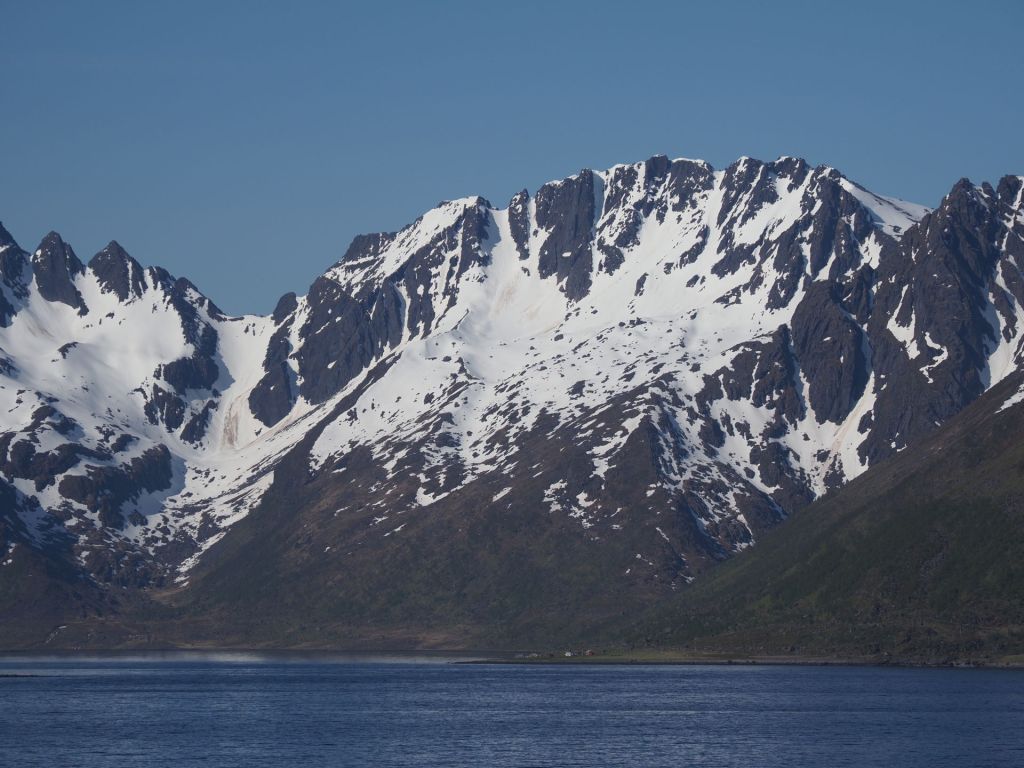
Hammerfest was perhaps our favorite port visit in Norway. It was very small, yet there was no tender and the dock’s immediate area had an interesting variety of marine life that could be easily seen in the calm water. We decided to not take the available shuttle bus into the town center but rather walked up the hill from the dock, through residential areas, to where a road was indicated to lead into tundra. This required a bit of navigation and a little bit of cross-country walking trough tundra vegetation before reaching the dirt road we were seeking. It turns out that this was a very lightly used dead-end road that was gated and led to a shooting range. It was used by a few dog walkers that we met and told us this information (the gate’s signs were in Norwegian).

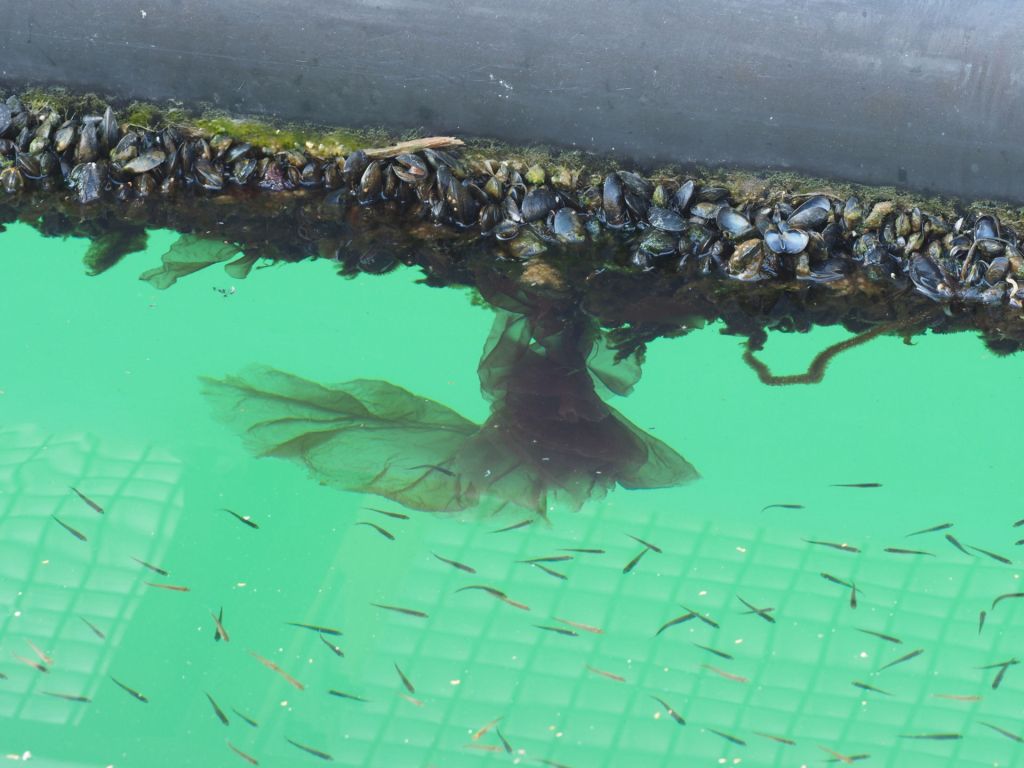
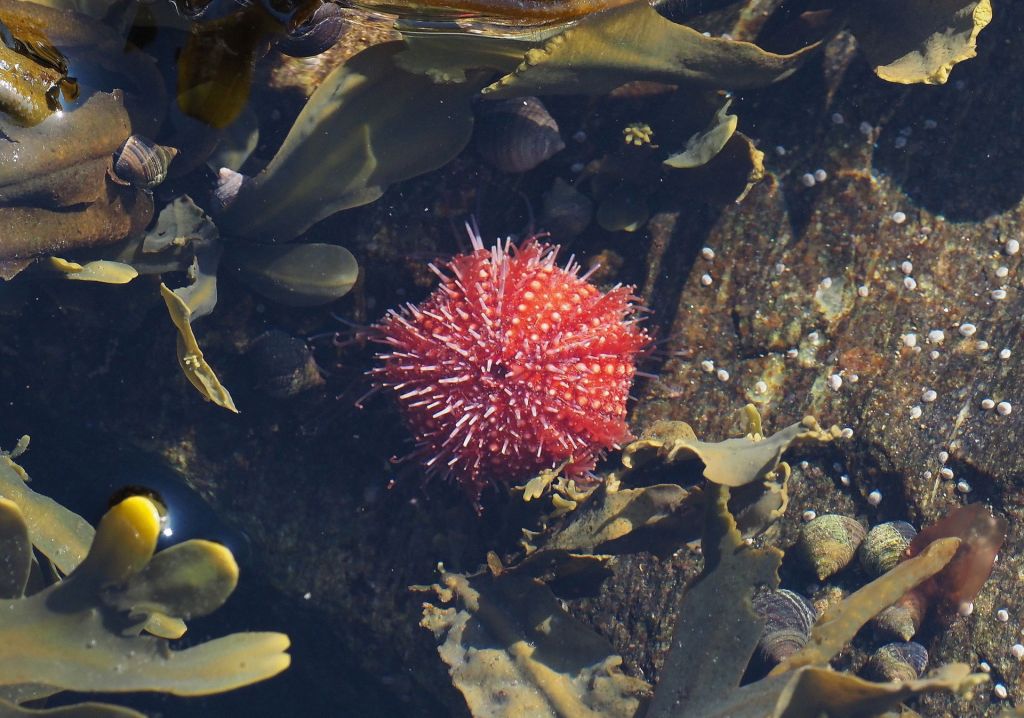
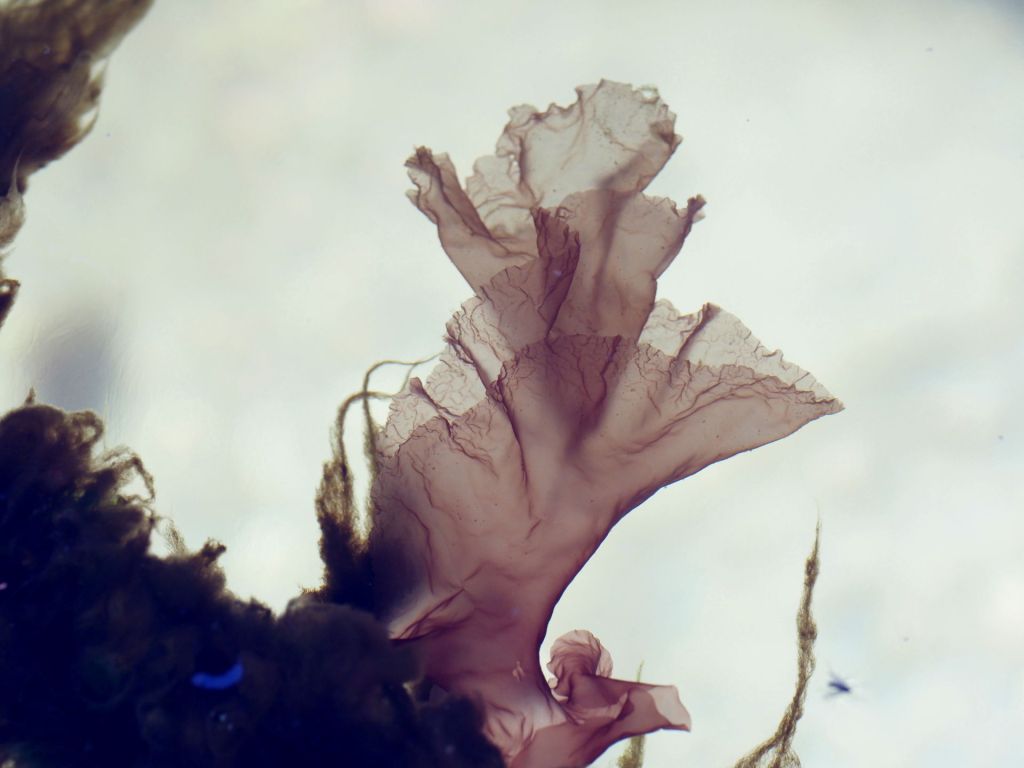


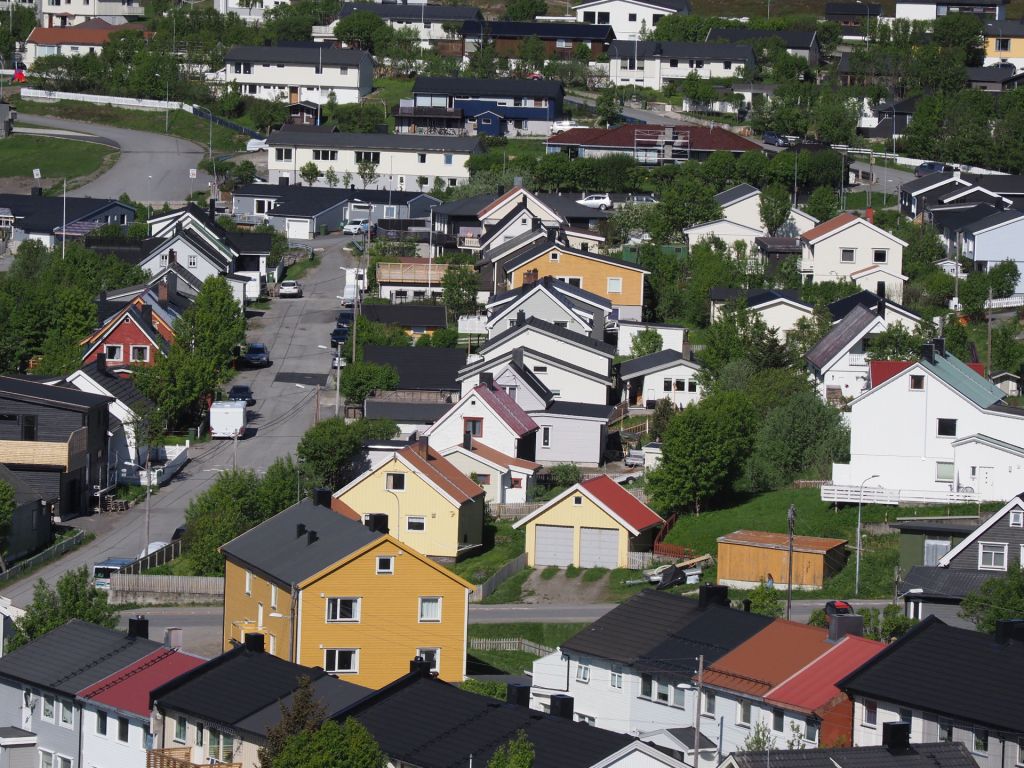
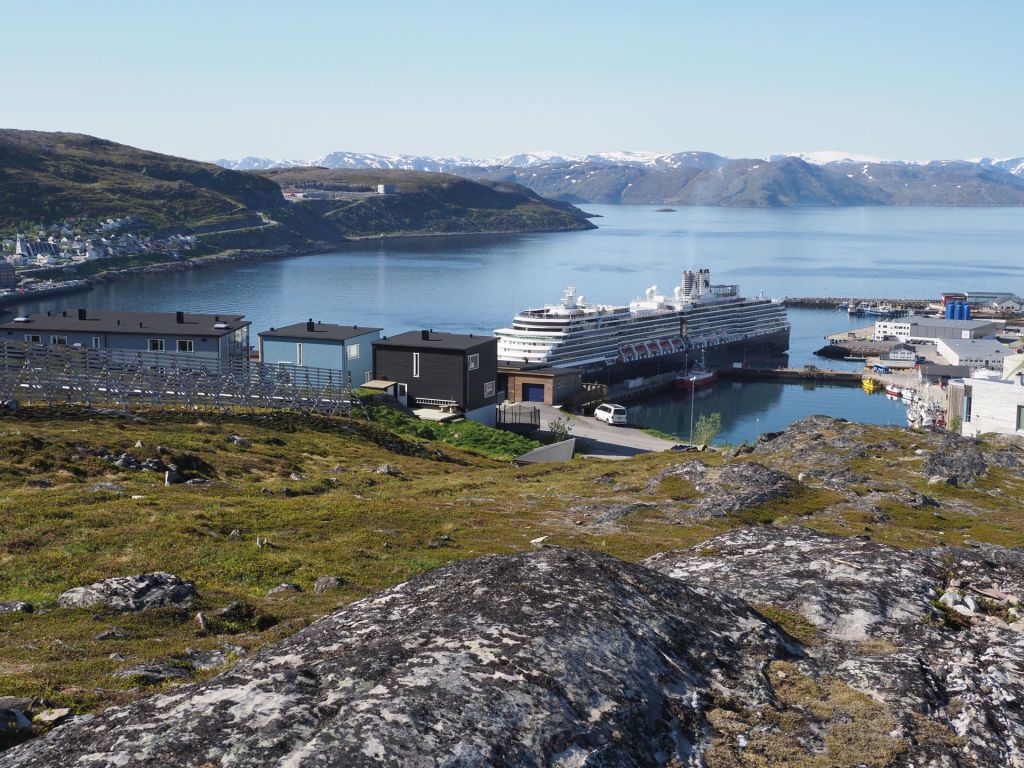

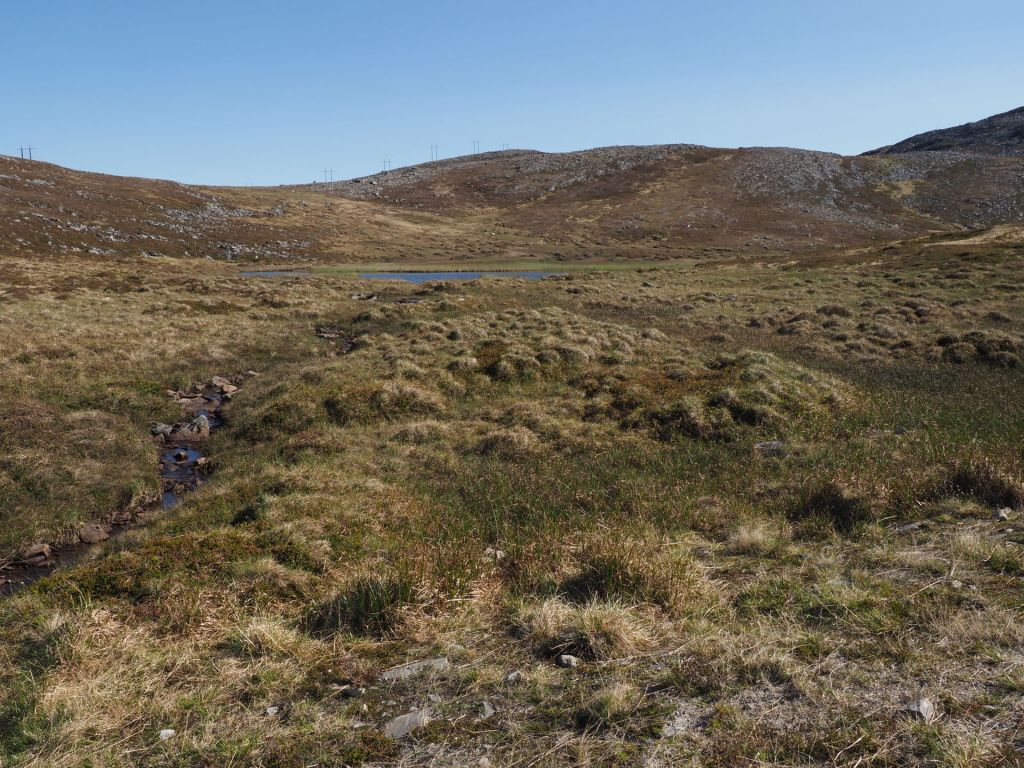
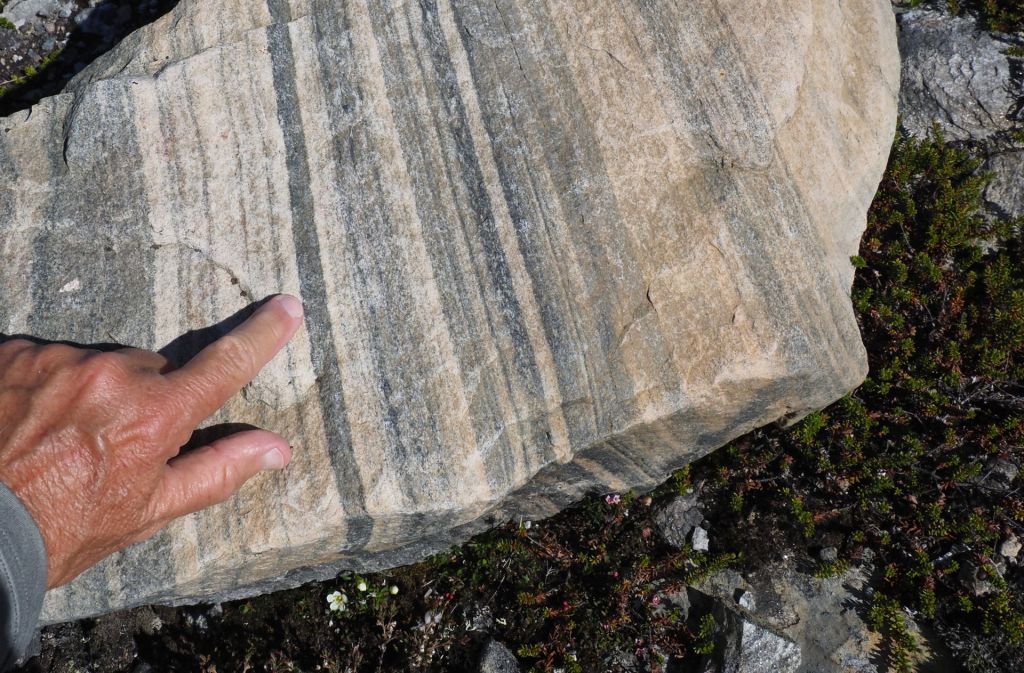


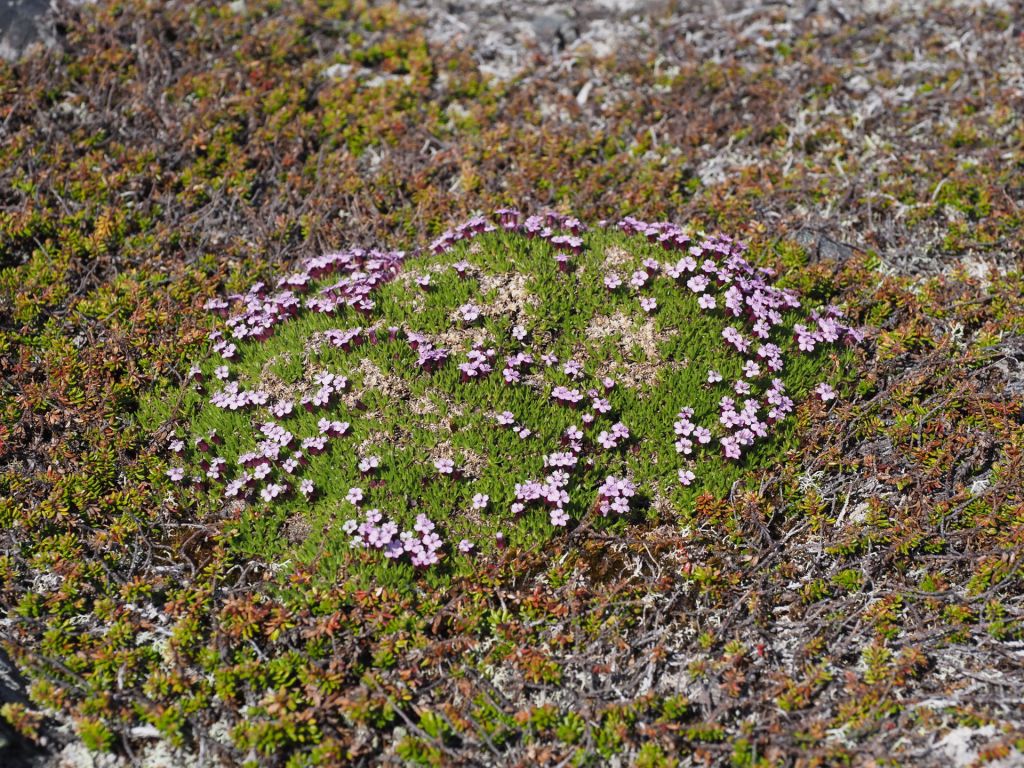

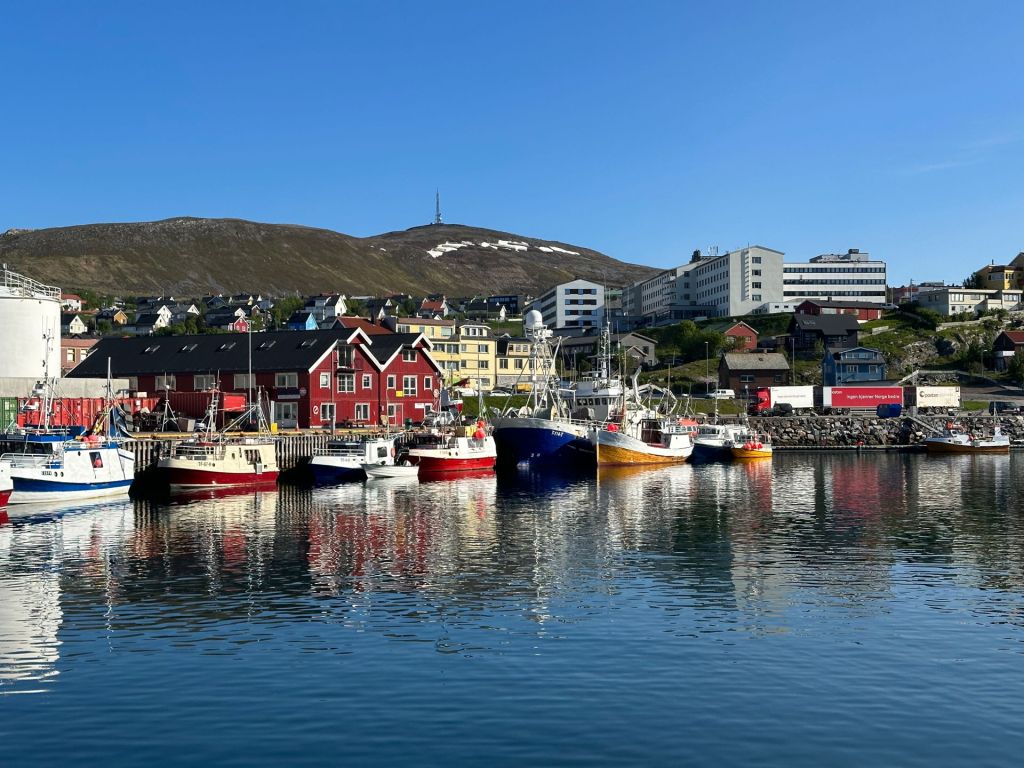


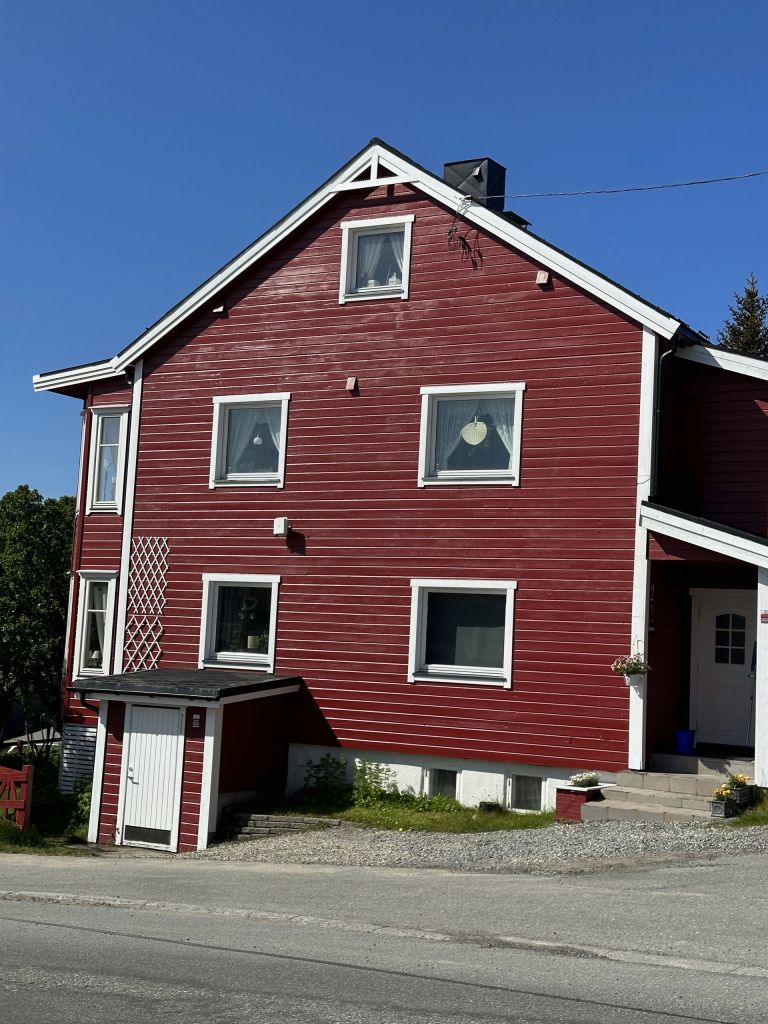

The arctic tundra vegetation we saw along our walk was interesting, and perhaps the most natural vegetation (fewest human modifications) that we saw in Norway. Of course, there was little potential use of such landscapes. We were surprised to see a handful of reindeer grazing in the distance with their calves nearby. Of course, like many passengers, we had see reindeer walking through the parts of town we visited and were told by locals that they come down in summer for “better food” in town.
After leaving Hammerfest we did scenic cruising detour to cruise past the North Cape (Nordkapp) – considered the northernmost accessible point in Europe (the northernmost Norway point is a few miles away). Even from our ship far below (the Nordkapp lookout is about 1000 ft above the ocean), we could see that there were lots of people there and many camper vans. The weather was good, justifying the detour that I estimate was at least 55 miles one way. We then headed straight to Iceland.
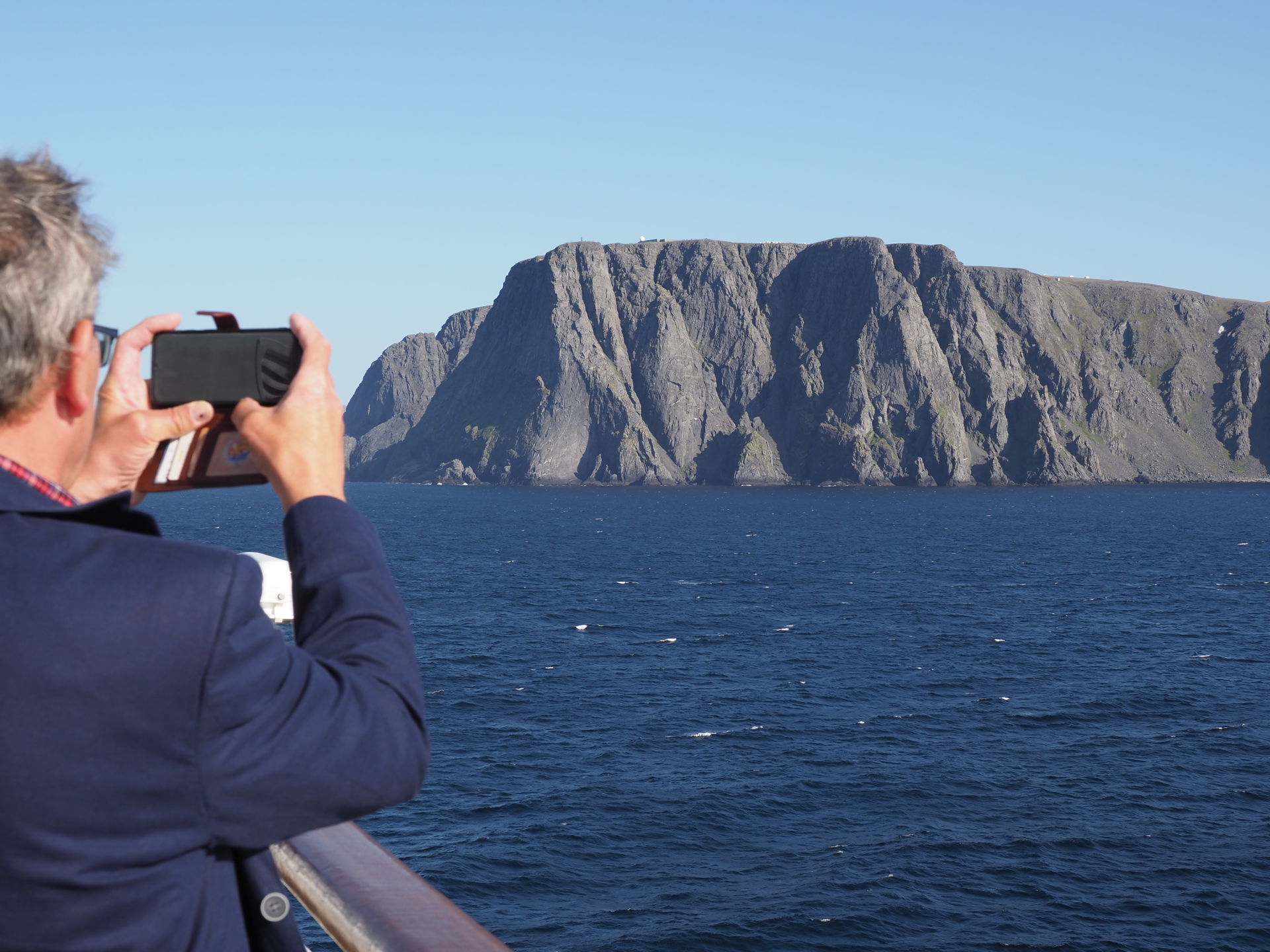
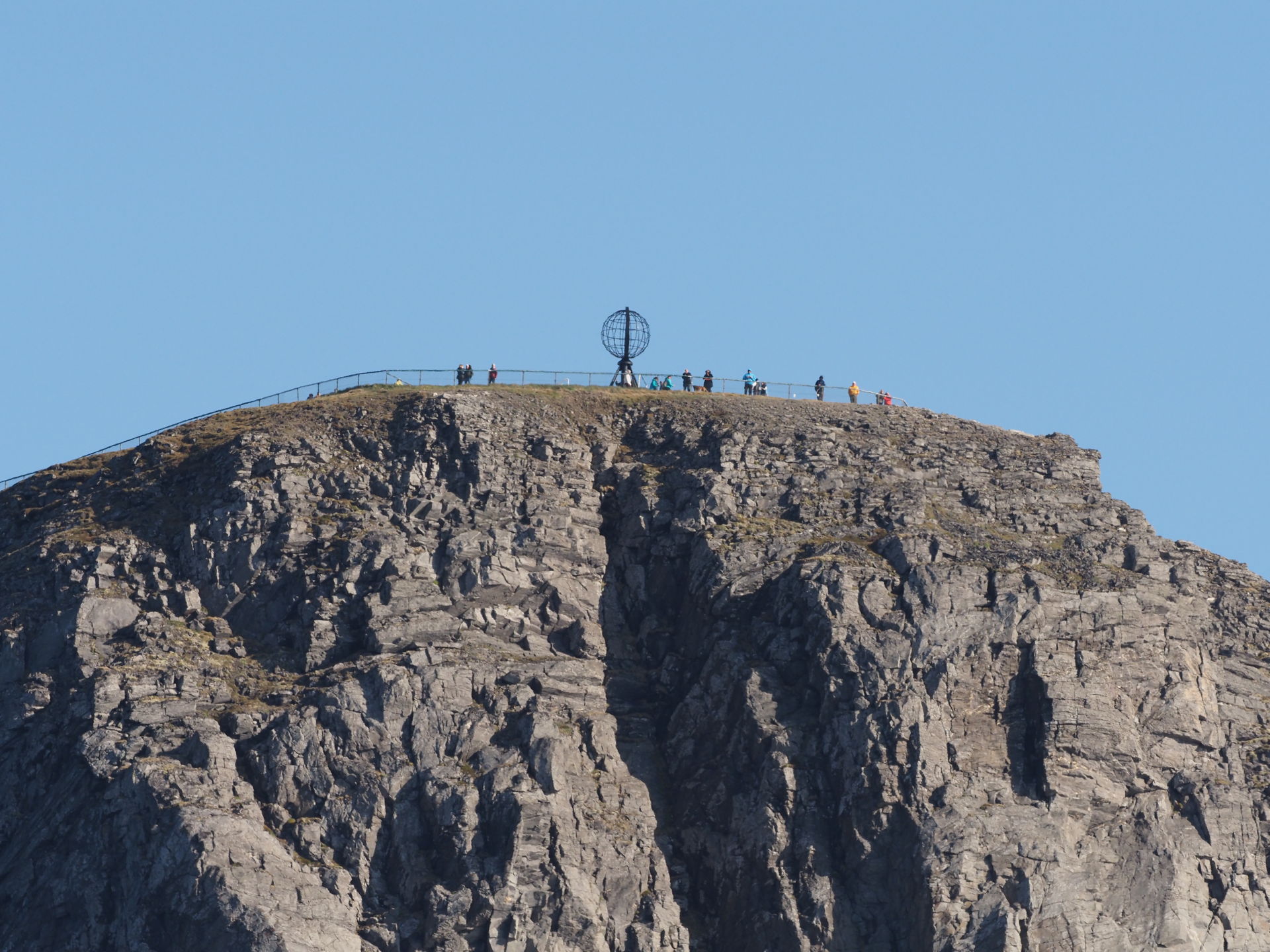

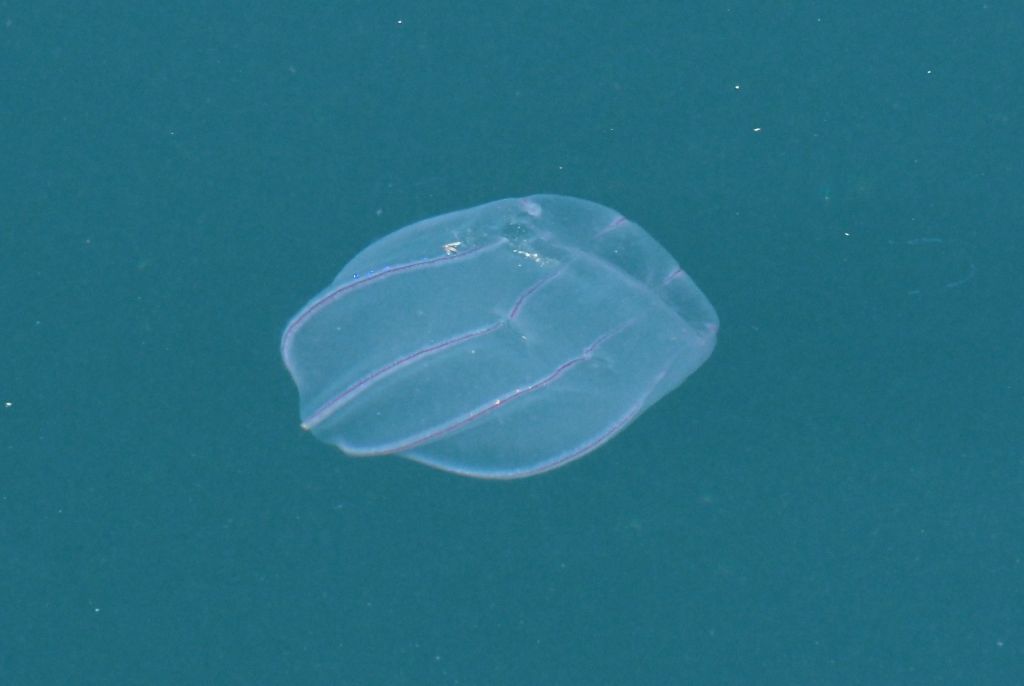
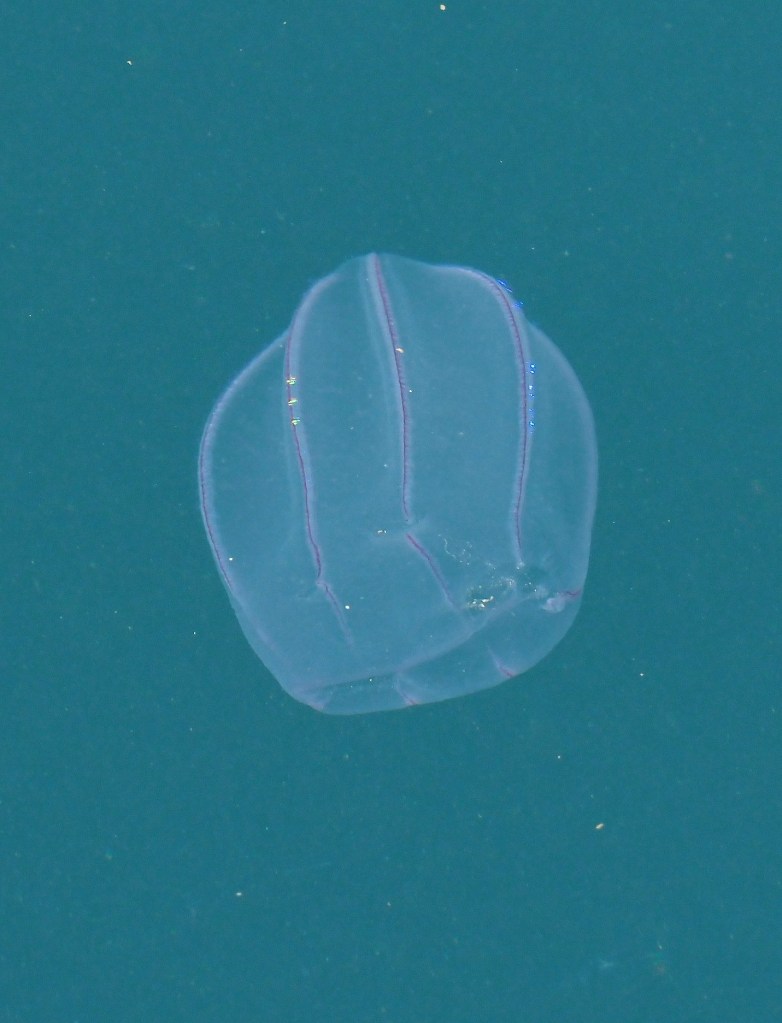
As the ship did a rotation so both sides could see the Nordkapp, the wind waves were temporarily blocked by the ship on one side and in the calm waters we could see a great many small jellyfish in the upper layers. These were mostly comb jellies, with lesser numbers of the Lions Mane Jellyfish. No wonder there were lots of seabirds in the area.

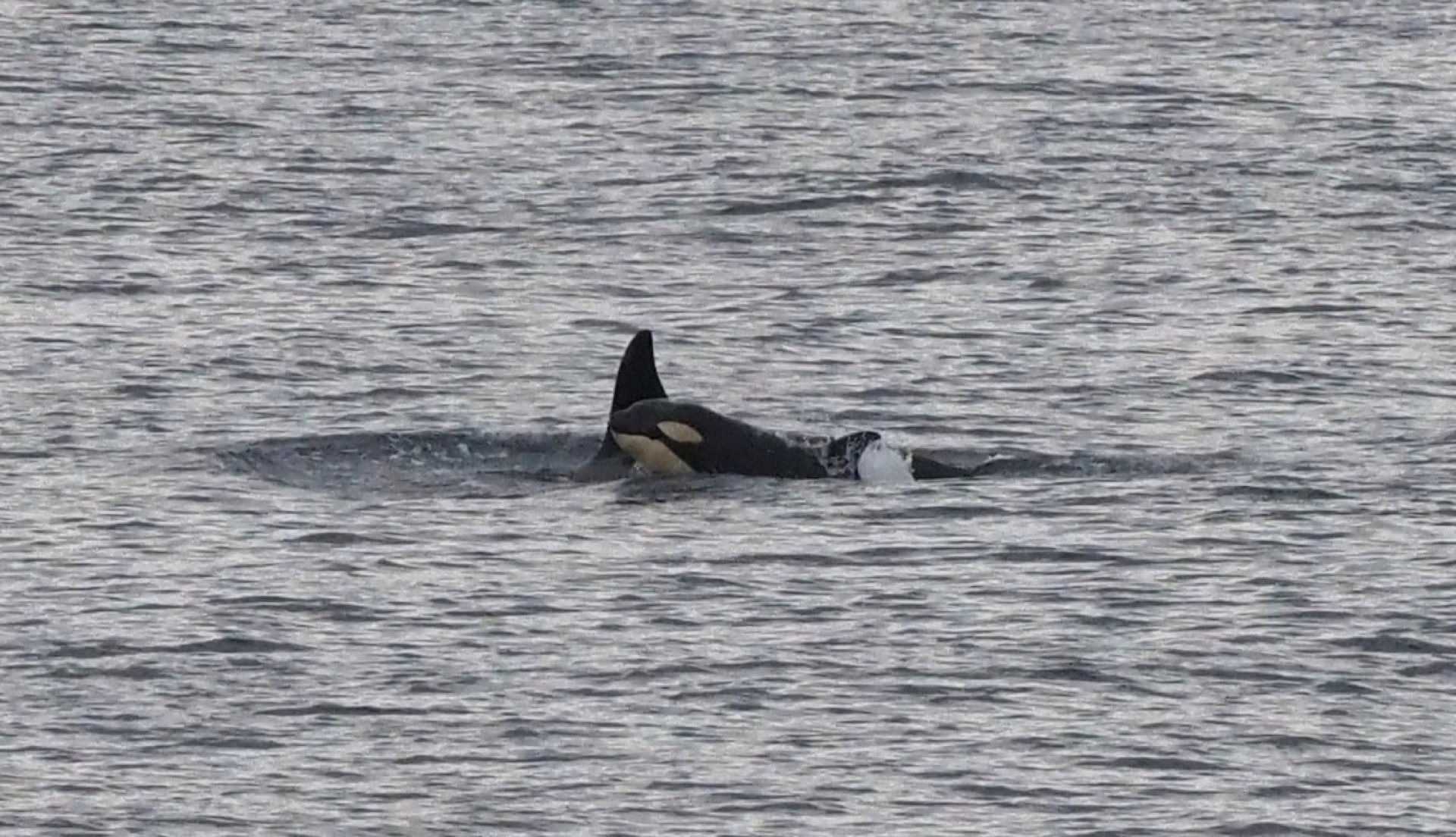

Enroute to Iceland we kept lookout for Whales but didn’t see too many. Some Killer Whales (Orca) were spotted and I managed a few distant shots. I was confused by the variation in their dorsal fin size and upon looking it up, discovered that males have the tall dorsal fins (tallest of any whale in fact) while females have shorter dorsal fins.


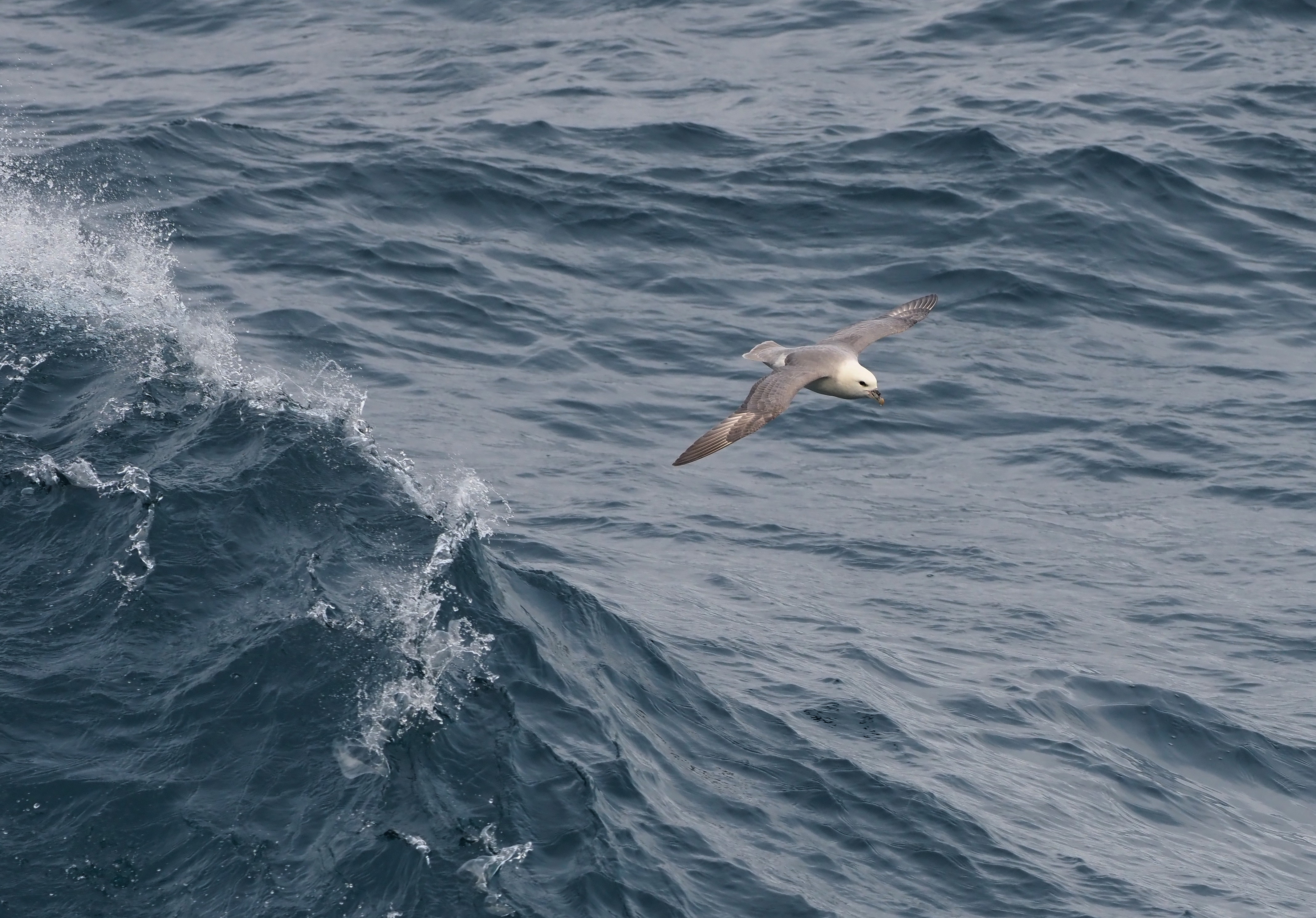
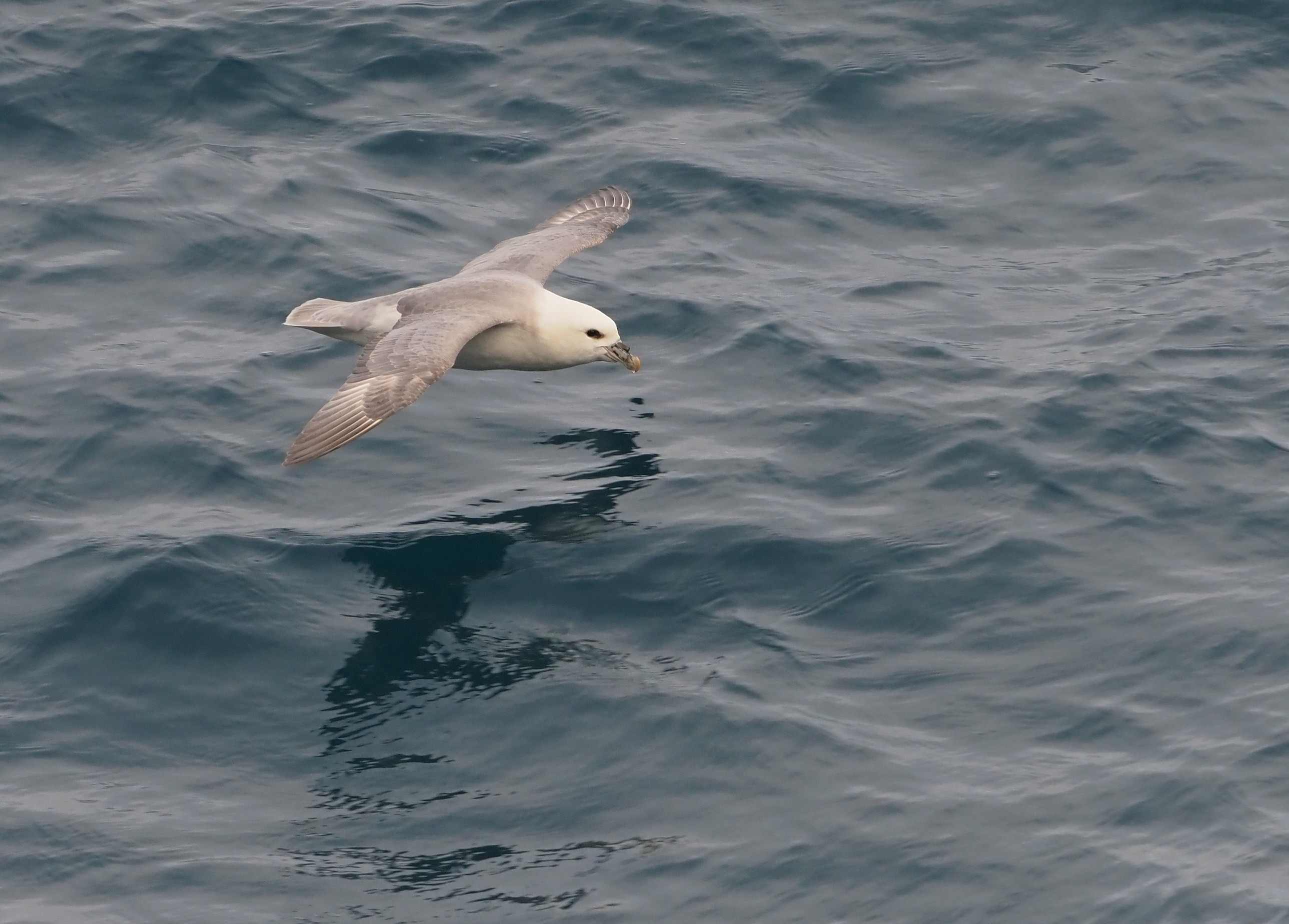
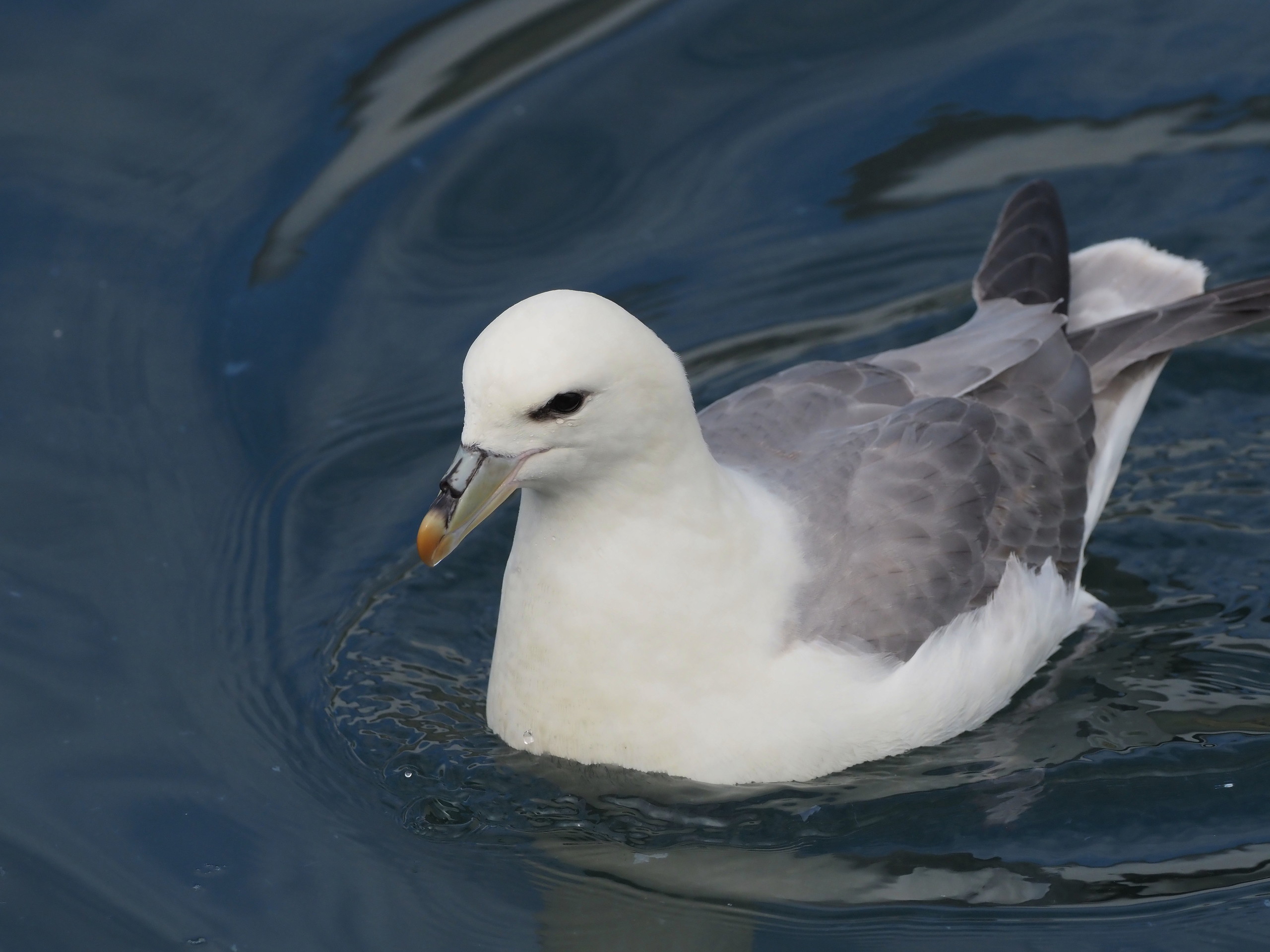
Despite the lack of whales en-route, some seabirds, notably Northern Fulmars, kept us company. I tried to get sharp photos with the bird-tracking algorithm on my Olympus with only partial success. However, without the algorithm photographing the birds with my 300mm telephoto would have been nearly hopeless.
Iceland
Seydisfjordur
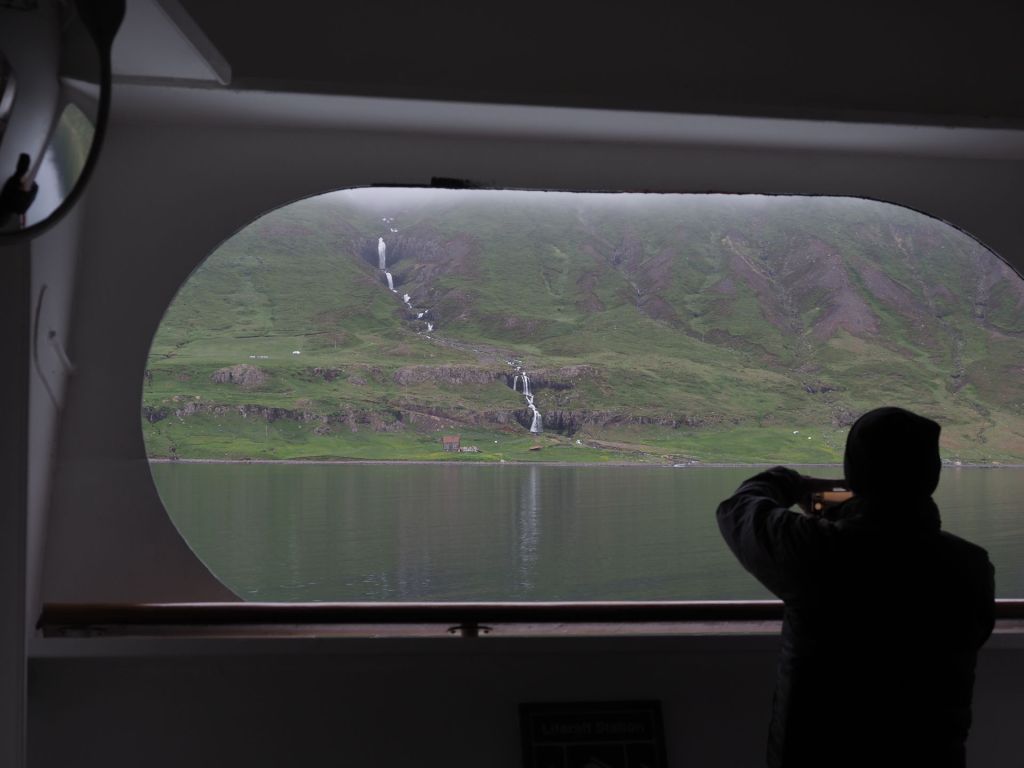
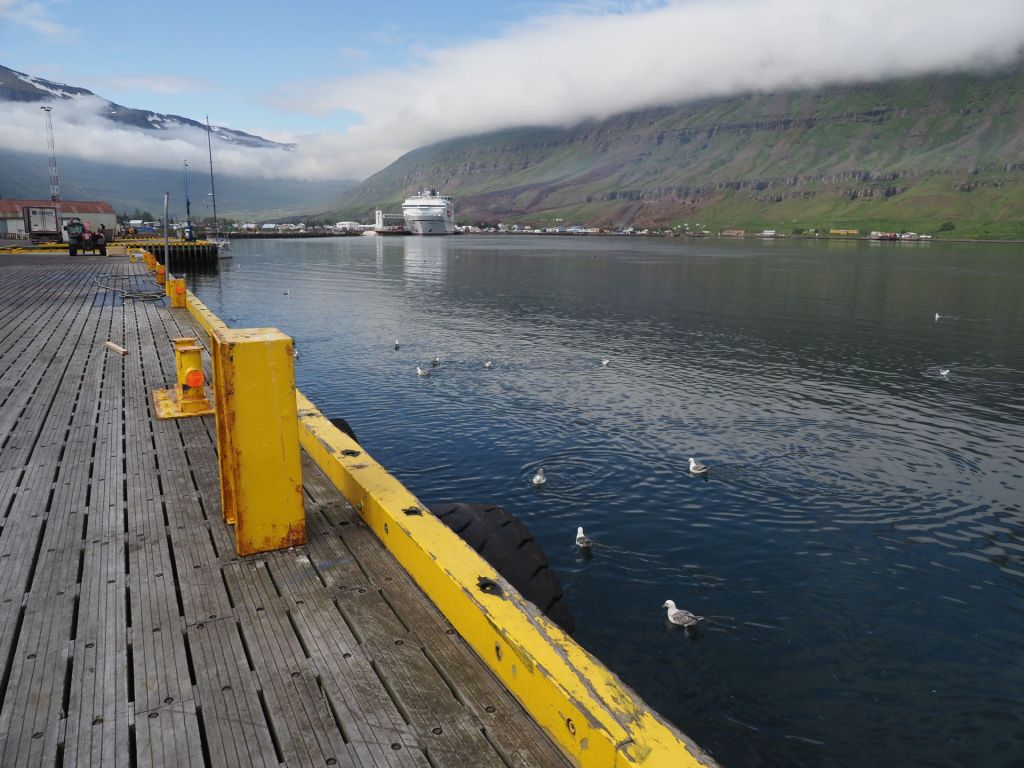
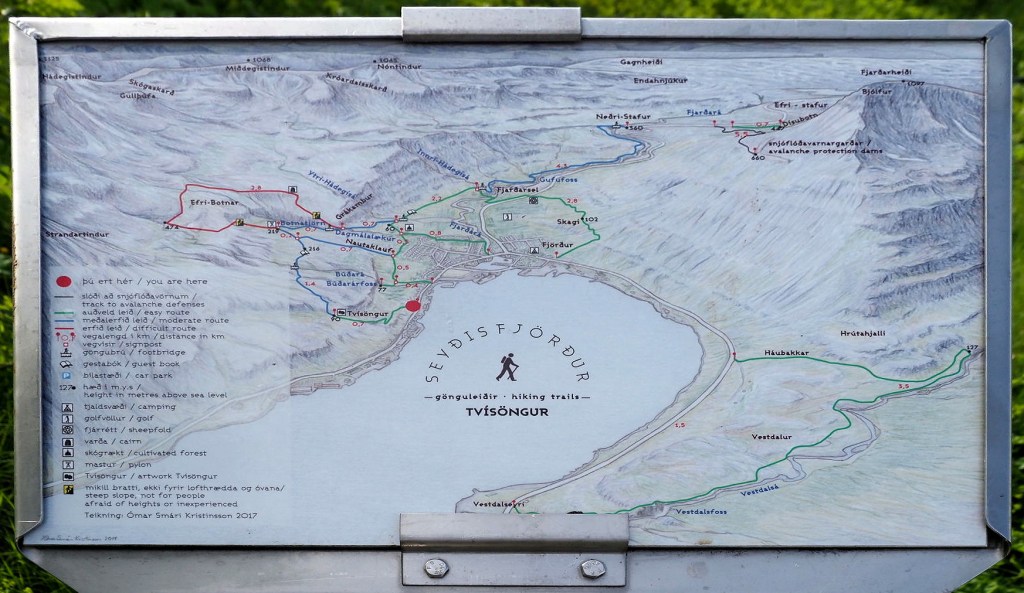
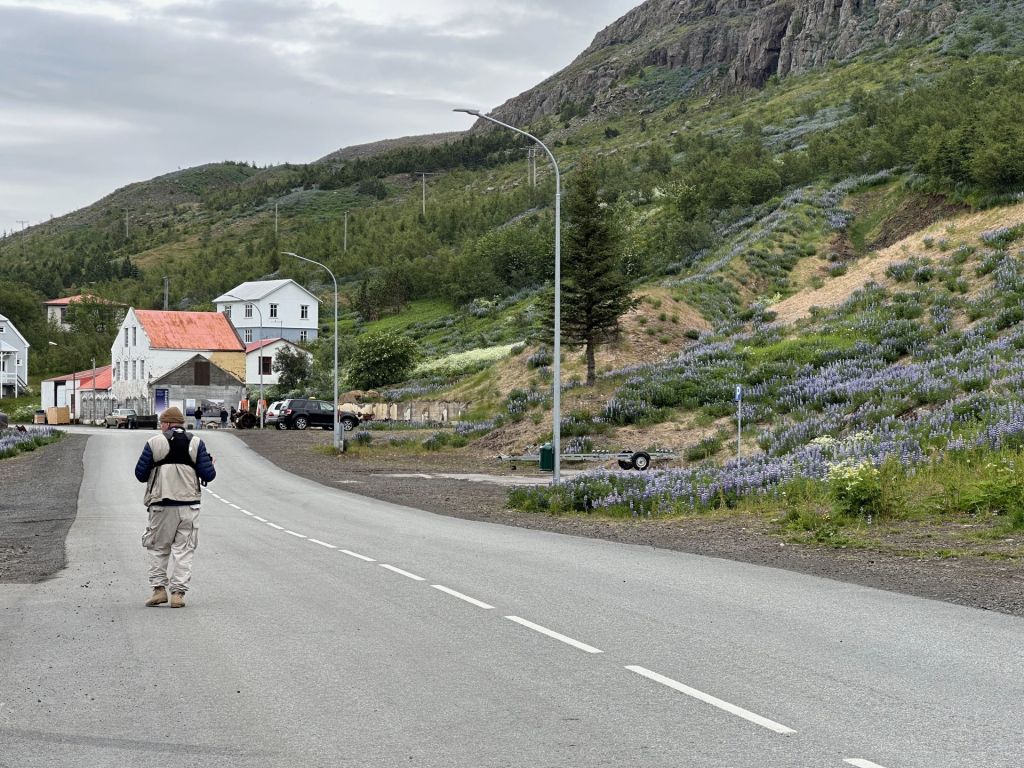
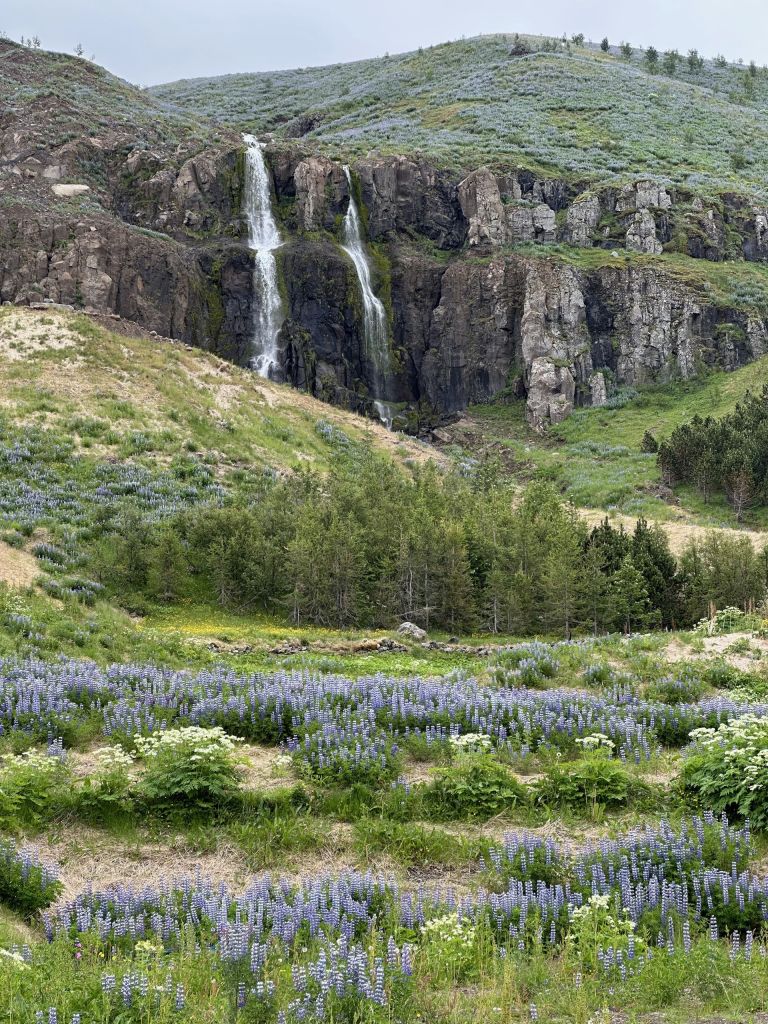
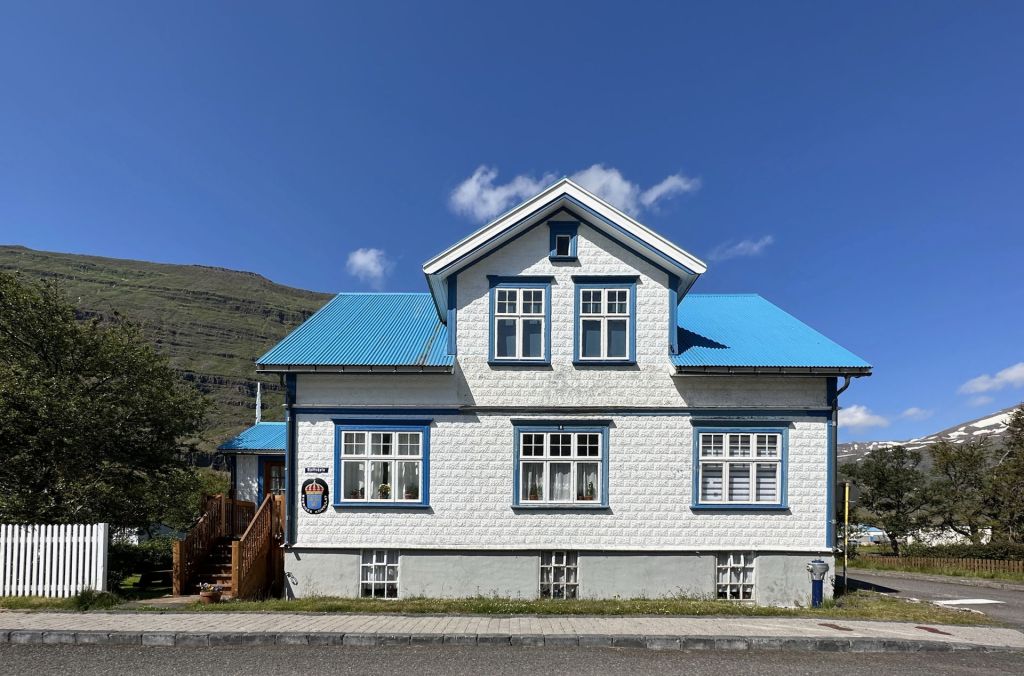
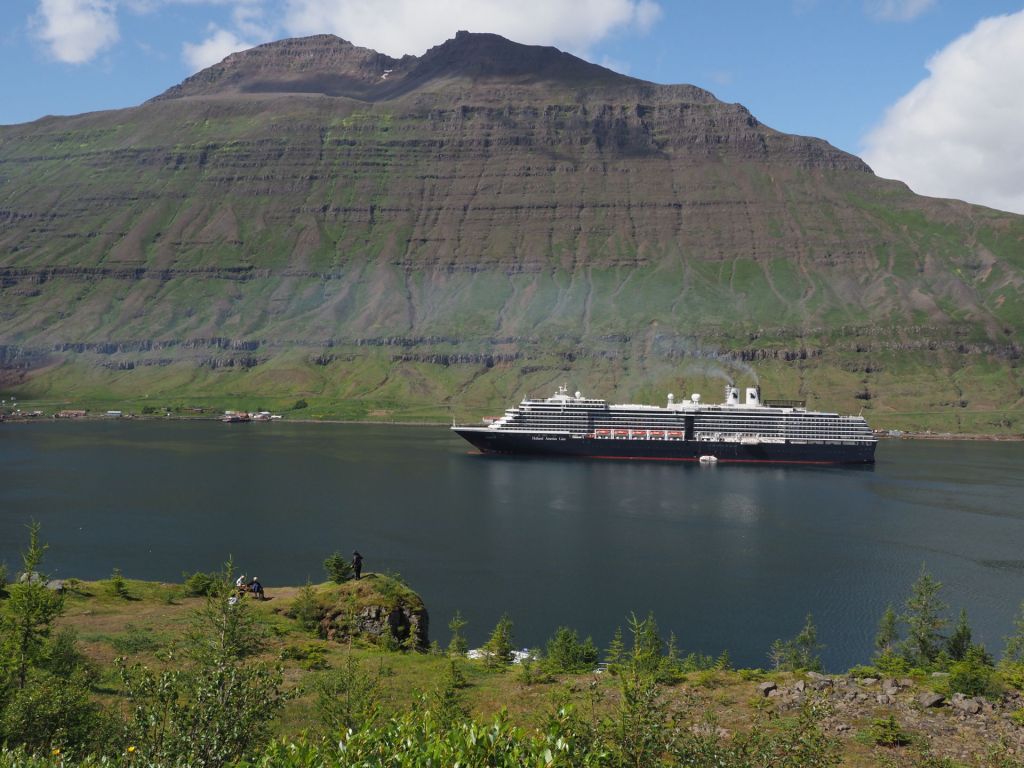
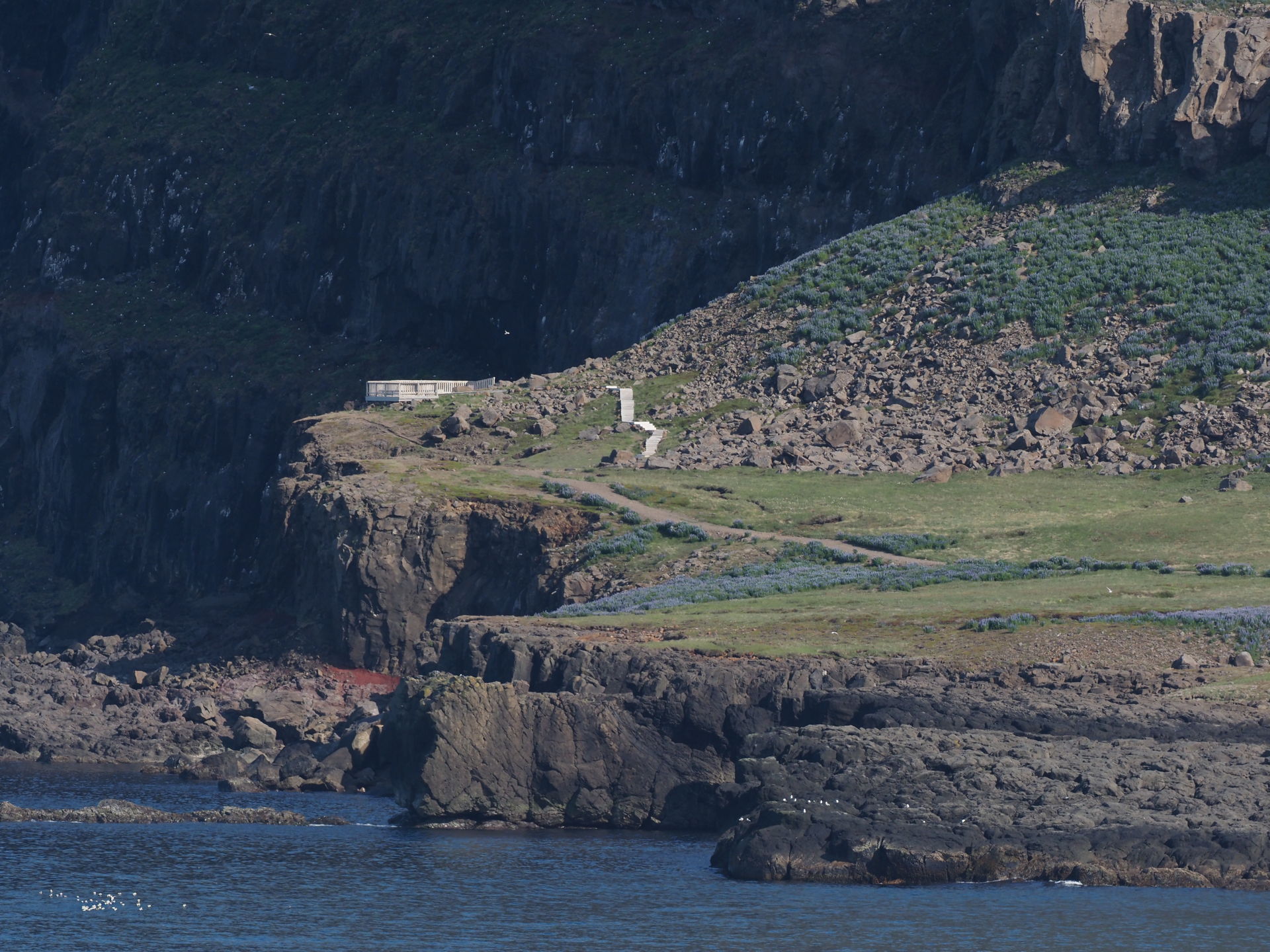
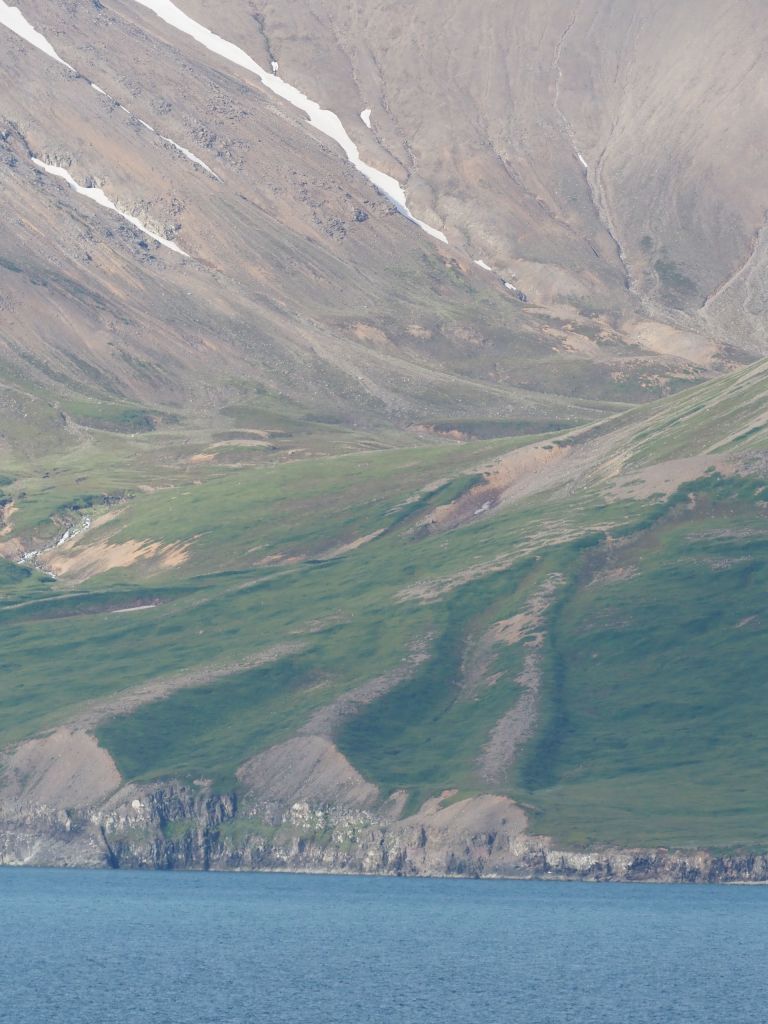
Our second visit to this small port town, we finally discovered a formal trail network that climbed above the fjord and allowed us to visit natural landscapes that were not actively grazed by sheep. The trail is steep in places and the trail (4×4 road) has many loose rocks that require careful footing in places, so it would not be for many cruise ship passengers. But it isn’t dangerous in any way other than possible slipping, and leads to a concrete monstrosity that is advertised as “art”. There are some interesting acoustics associated with the small concrete domes, but otherwise the only reason for hiking the trail up perhaps 300 ft in elevation is for the view of the fjord and the abundant wildflowers along the way. We didn’t have energy or time to hike the full trail network that goes for at least a few more miles and loops, but more energetic walkers with less time constraints could find this productive.















Akureyri
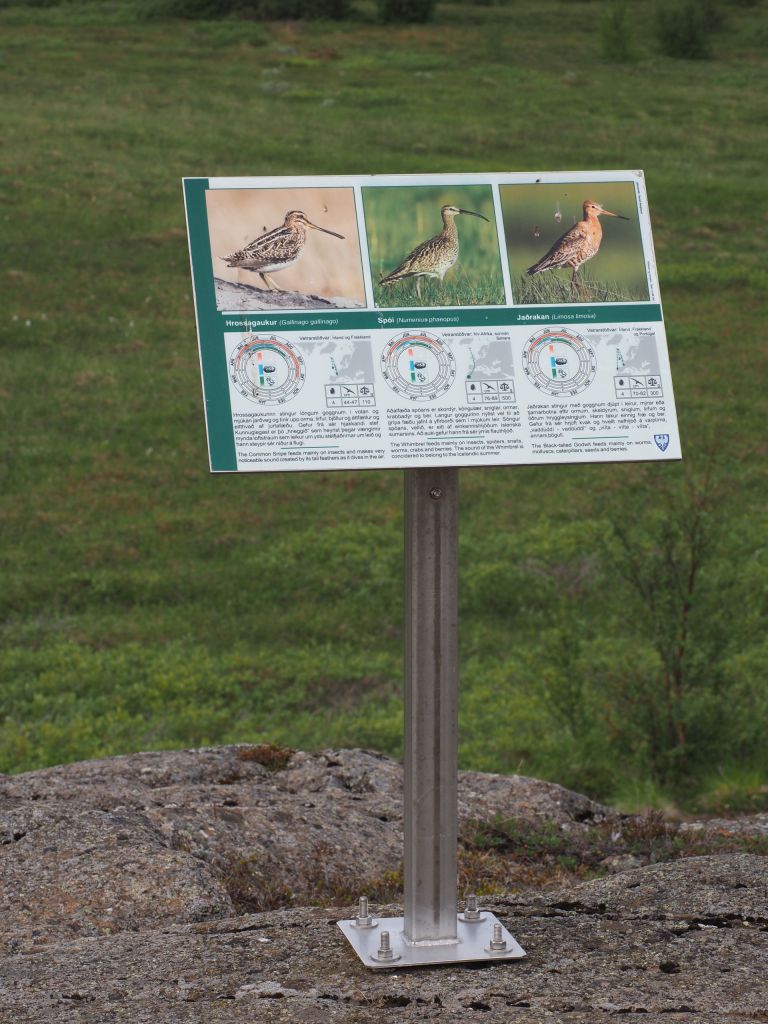
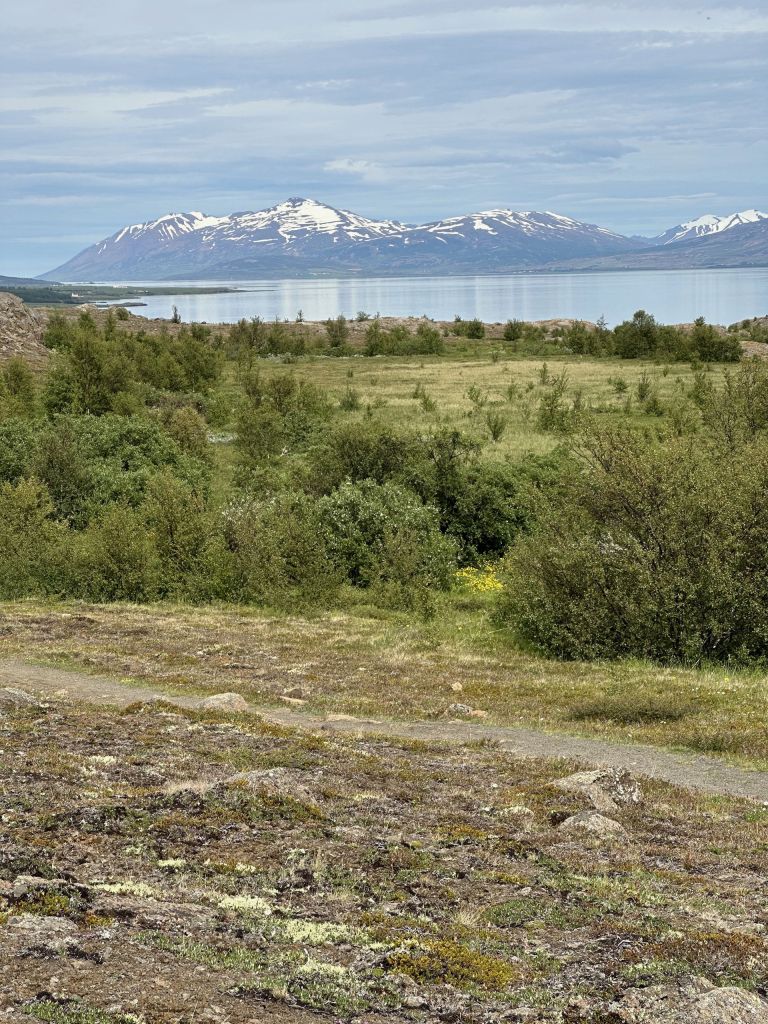
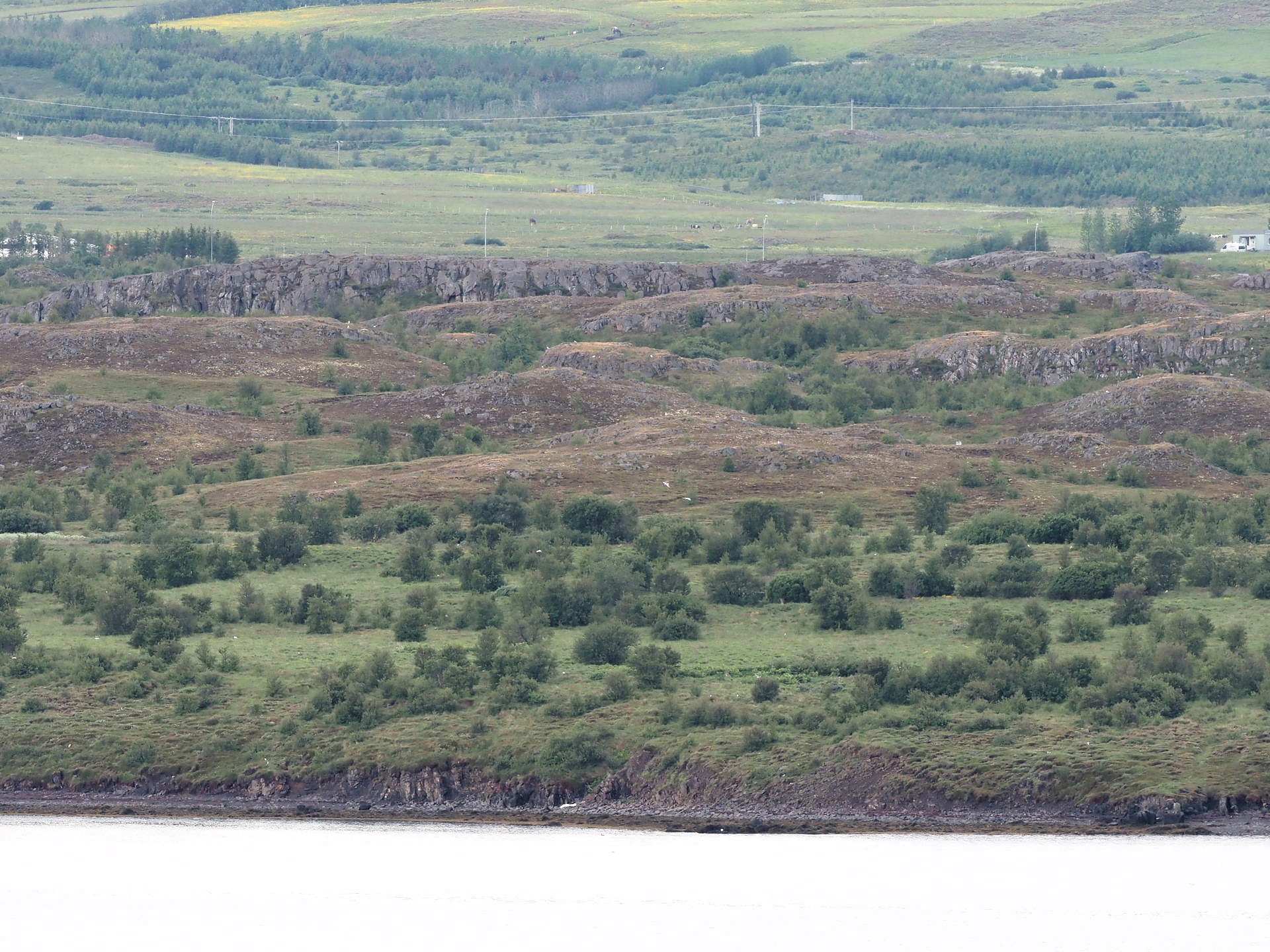
A search of Google Earth imagery before our cruise suggested a natural area north of the town was a potentially productive walking area to see nature. Had we explored further via Googling and if we had known the name of the area (Krossanes) we would have found an incredibly useful webpage on the official Akureyri website for visitors. It has pdf images of the plaques at the nature reserve and an excellect map of the trails. Once you arrive and hike the trails you will see the plaques (the map is at the parking lot), but for planning purposes and an idea of what you will see go to the website first.
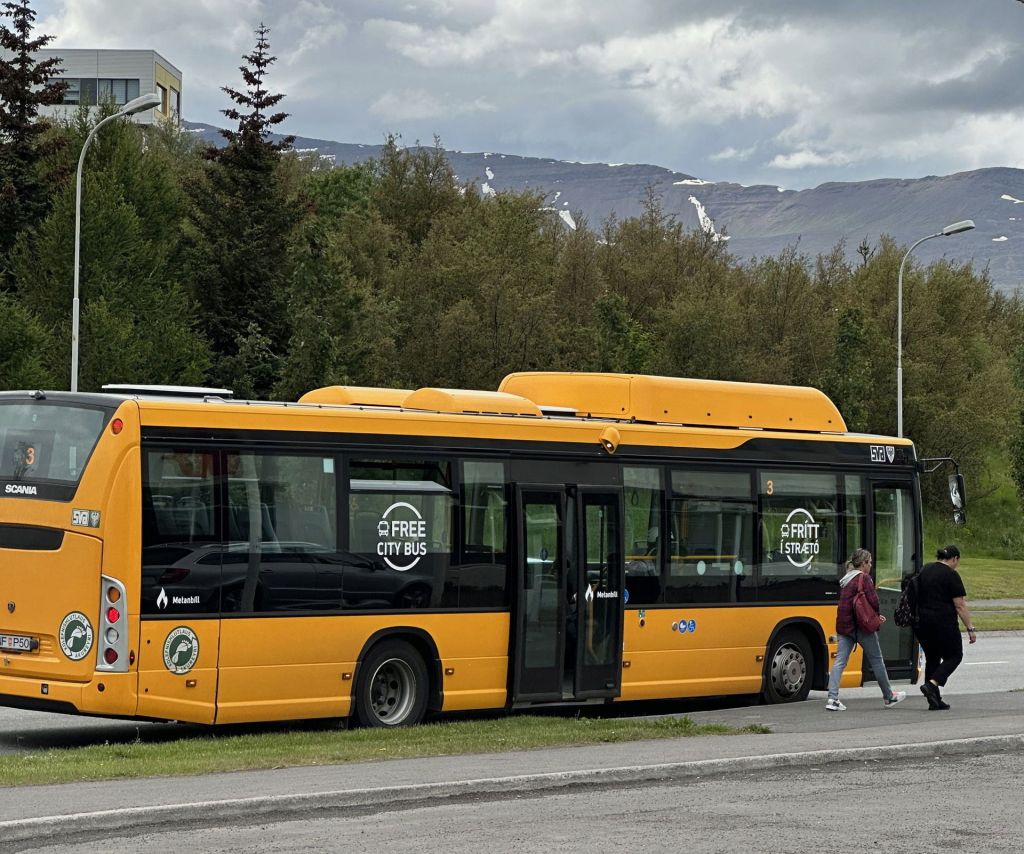
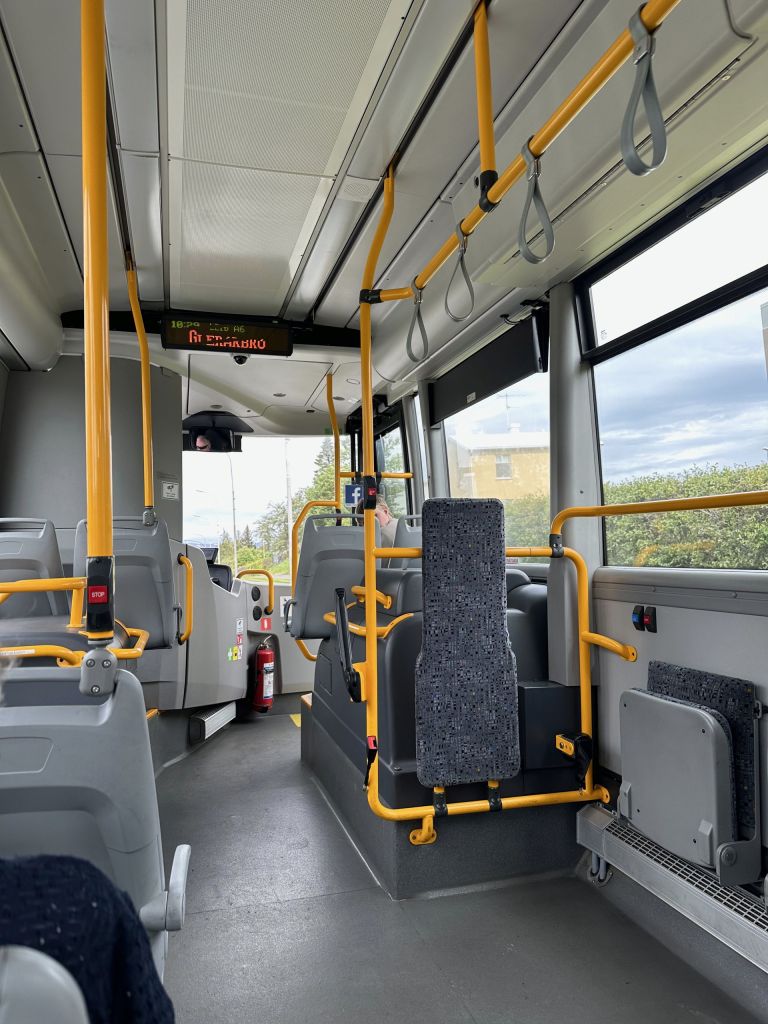
Getting to the hiking area involved a surprise. Since we first went to the visitor information center near the dock I asked how one might get to the area north of town. The person pointed out that the bus network in Akureyri was free and he found a bus route map that showed the various bus routes. The times he wasn’t sure of but the bus station was just across the street! So we went and waited not too long for the hourly bus to start its route. Via the bus we were able to get closer to our destination and to save a hill climb of a couple hundred feet elevation. Since we were not sure of the bus route, we probably could have saved another half-mile of walking.
The Krossanes reserve walk itself was probably the highlight of our Icelandic experience, other than what followed later that evening. Of course, having a sunny warm day helped. So did doing the walk on a weekday when most locals were working. From the relatively few locals we saw along the walk we suspect that it is a favorite place for dog walking and hiking after hours (and in summer there are a lot of “after-work” hours available!)
Most cruise ship visitors will opt for the excursions offered by their ship to the “Diamond Circle” attractions. One we did on a previous cruise included the Godafoss (waterfall), the lava formations at Dimmuborgir, and the Hverir geothermal fields. There are variations possible on this tour, since various other attractions are in the same general area and all require a bus trip from Akureyri (about 55 miles one-way to the farther attraction of Hverir). Even the Godafoss is 20 miles from Akureyri.
Some general comments are in order about the Diamond Circle attractions. Tours last between 6 and 10 hours and leave little time for other activities by cruise ship passengers. Be sure your tour leaves margin to make your ship’s sailing time (there are many tours offered by Akureyri companies that are not associated with your cruise ship). Our impression is that there was too little time at each stop. Consider the need for bathroom stops – often inside a tourist shop with a long line. And, needless to say, you won’t have the attraction to yourself. We felt rushed on such tours we have taken in Iceland.
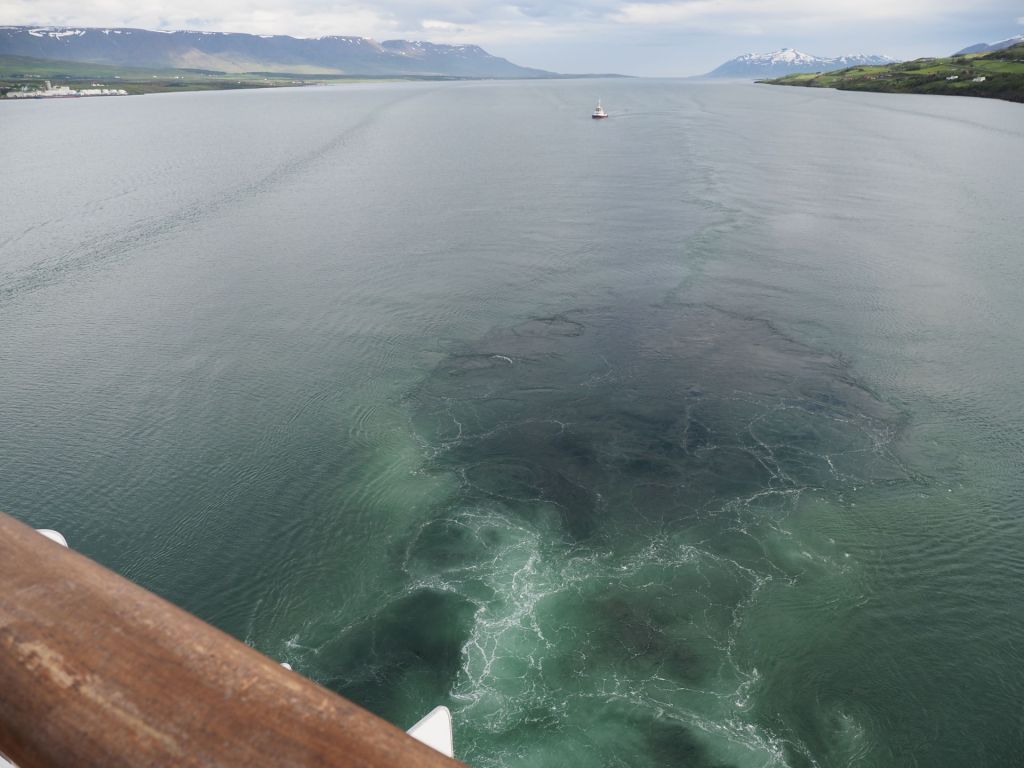











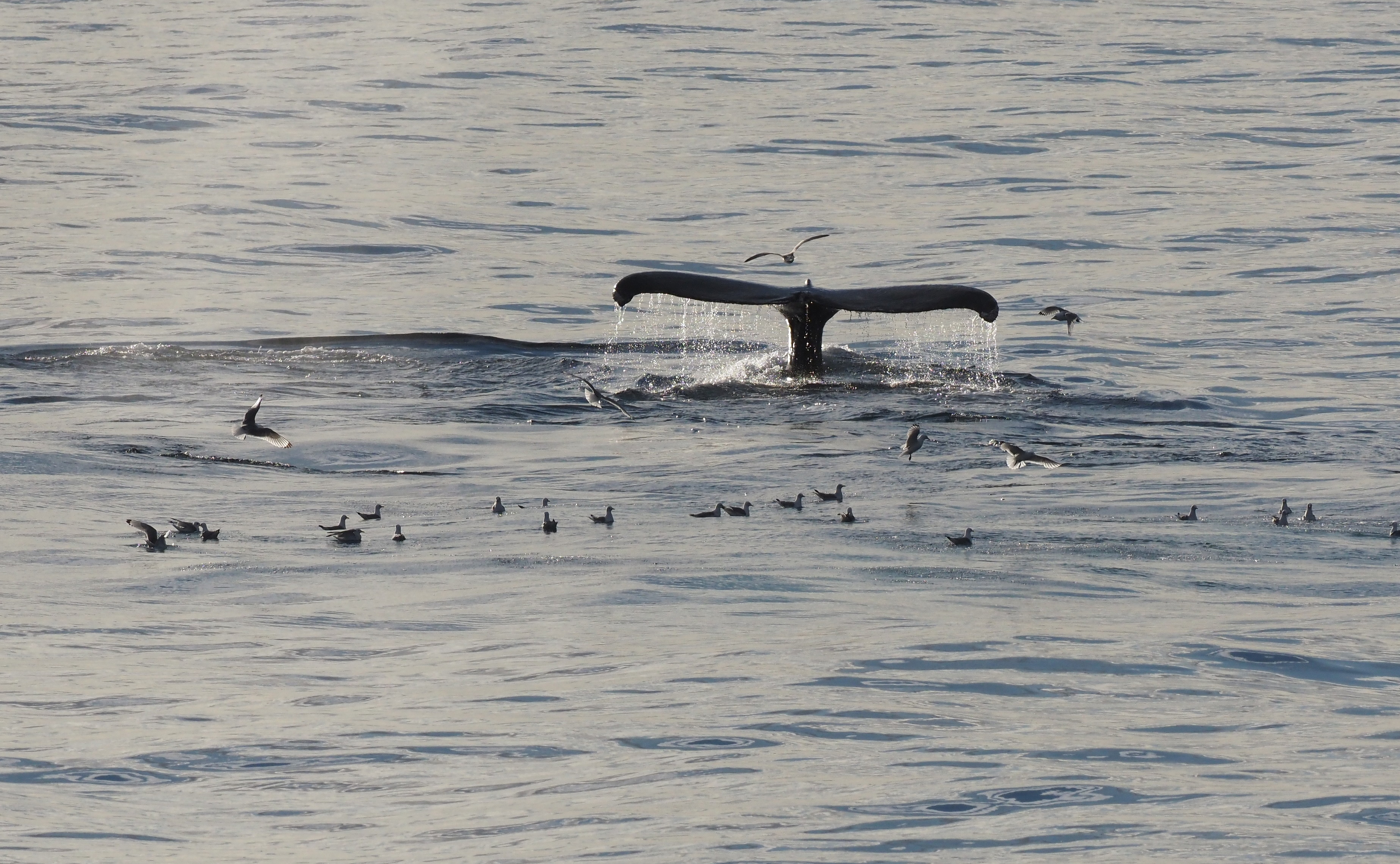
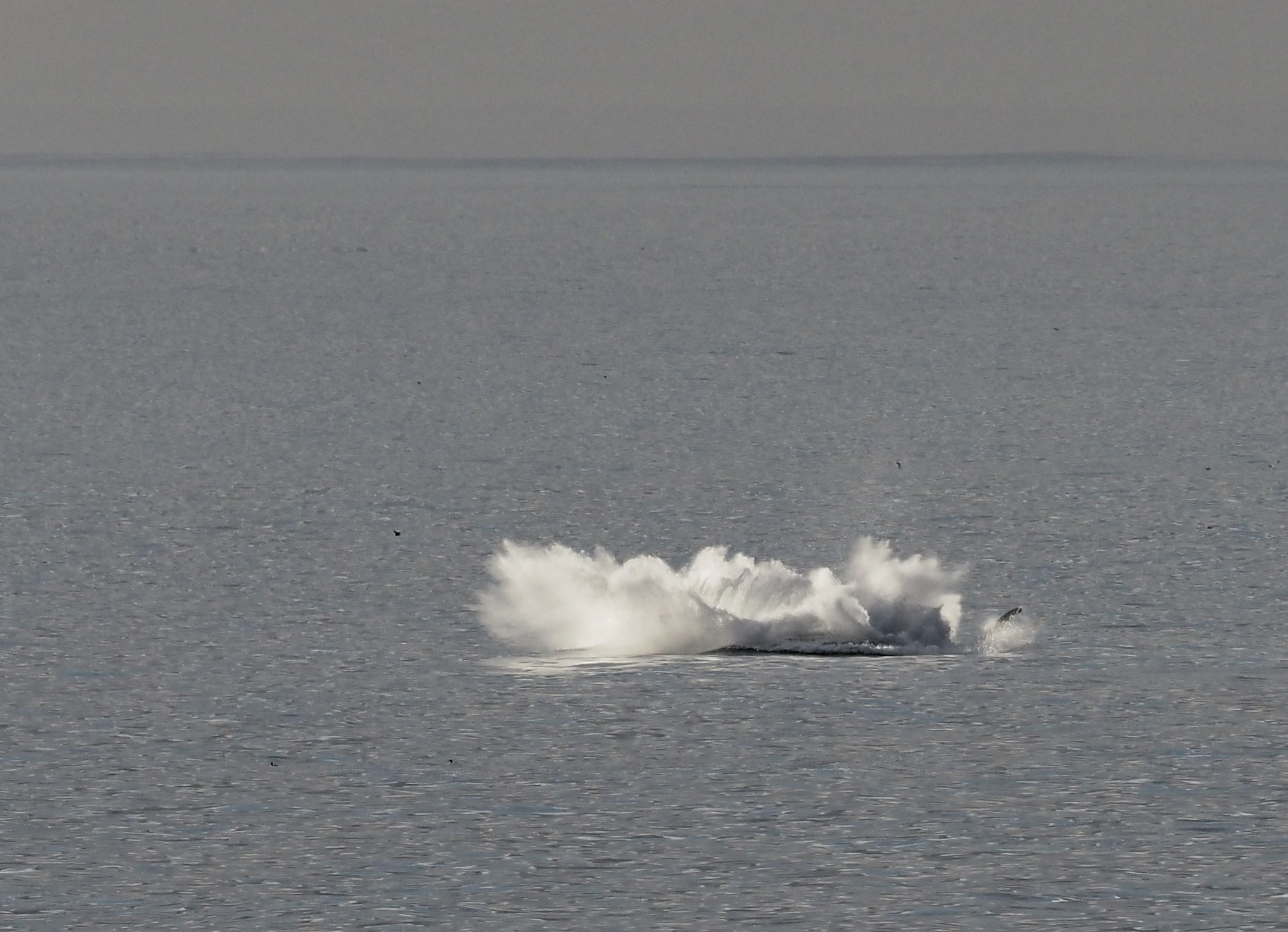
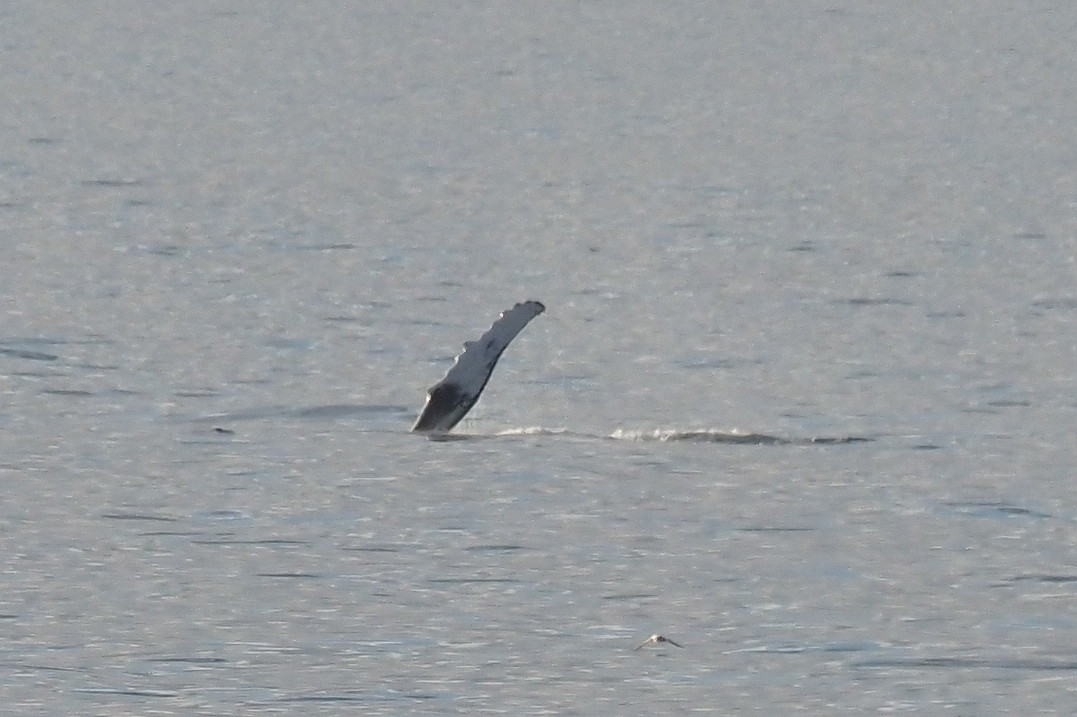
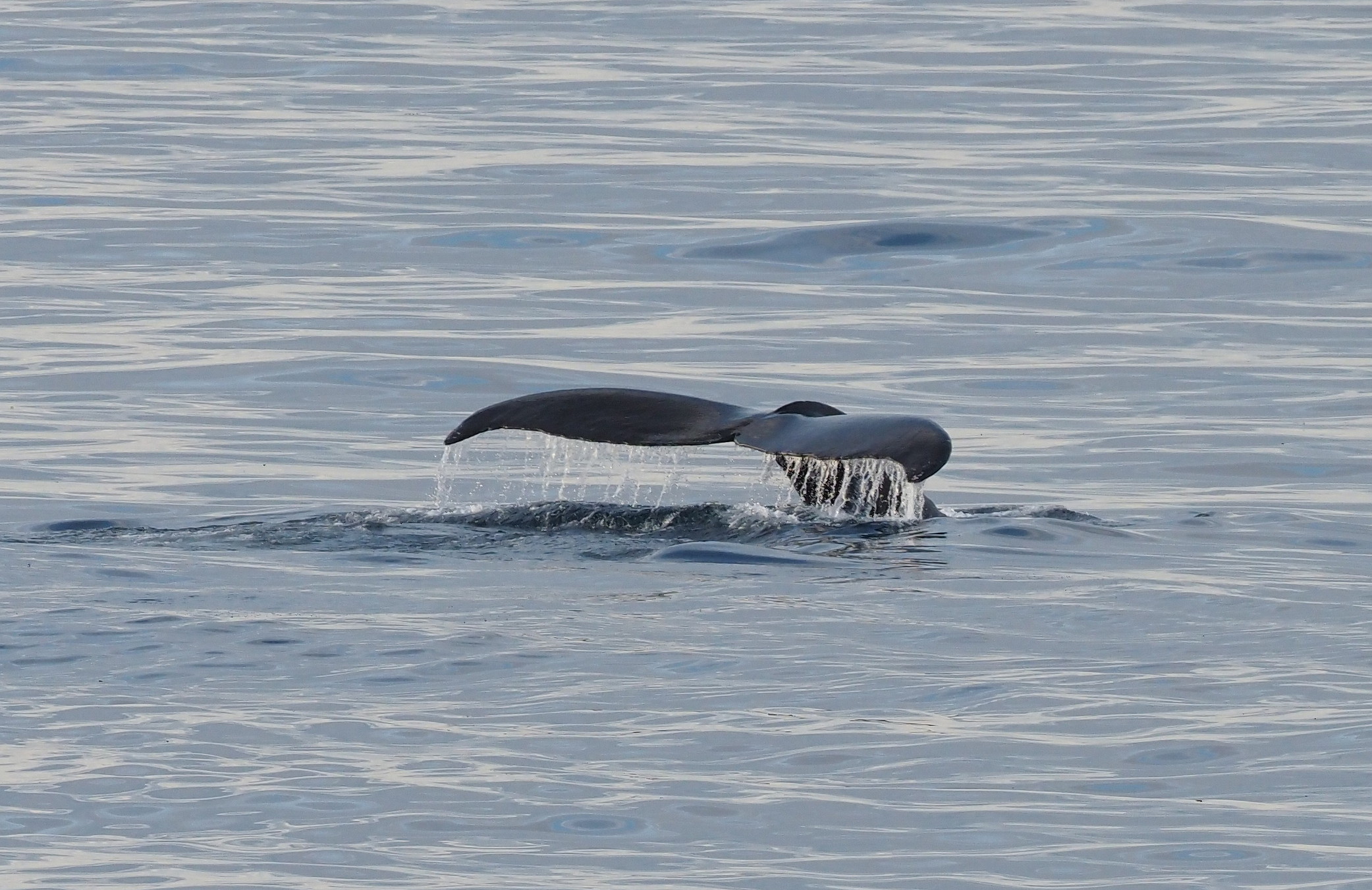
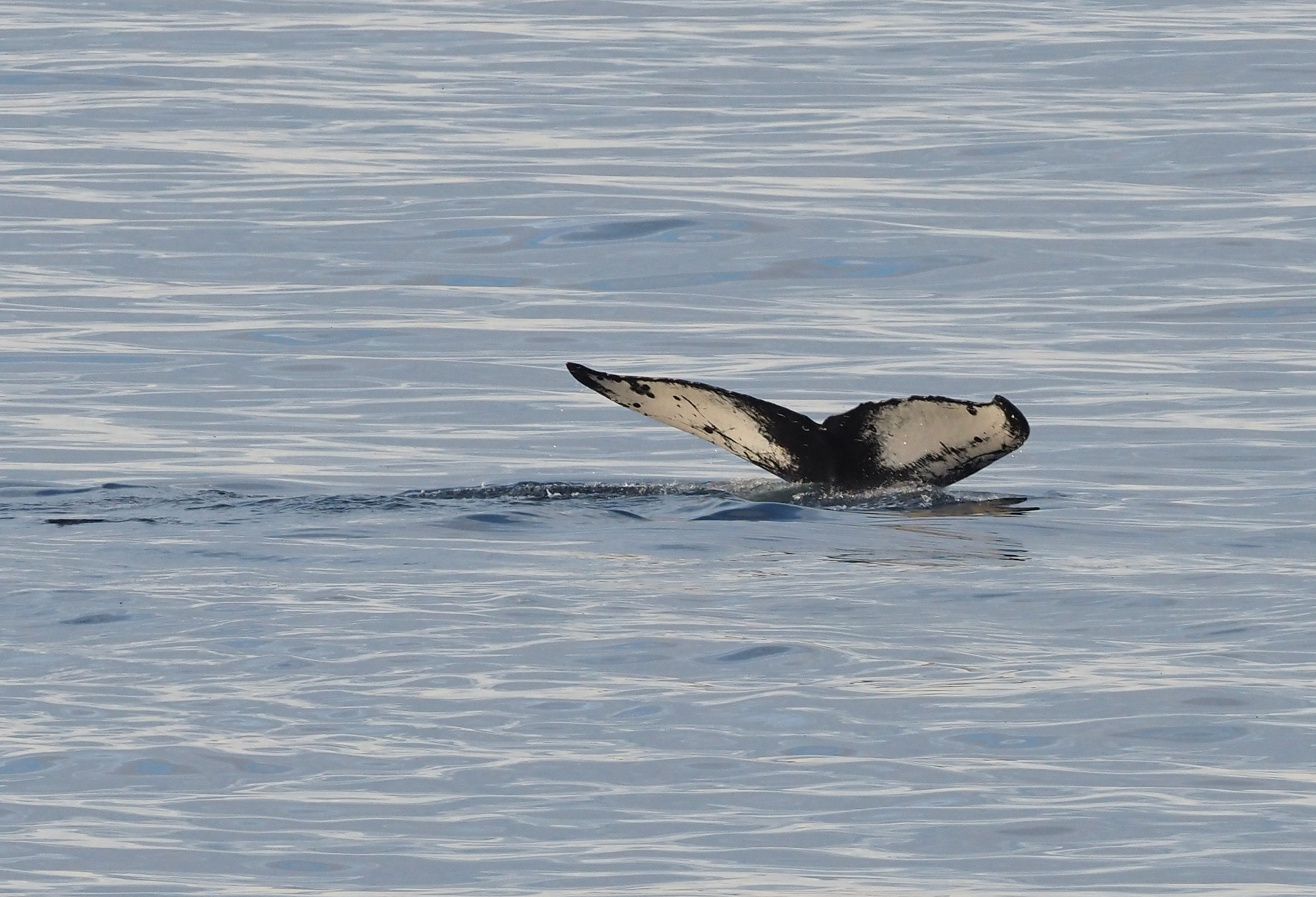
The highlight of our cruising around Iceland were the whales we say after leaving Akureyri – over a period of at least 3 hours. Here are some whale photos taken by me (Mike Douglas) from the evening of June 23 on our cruise around Iceland. All photos were taken by an Olympus mirrorless camera (OMD EM1X) with a 300mm fixed focal length telephoto lens. All images shown here are crops from the original images and have been slightly sharpened and brightness/contrast adjusted. The whales were not really that close to the ship in most cases, hence some of the images are not particularly “crisp”. There were, we guess, about 30-50 whales seen over a several hour period after leaving Akureyri. Click on any image to begin the sequence and the full-size images should be visible by clicking on the “i”. The whales were identified by iNaturalist to be Humpback Whales (Megaptera novaeangliae). See Wikipedia for much more detail.




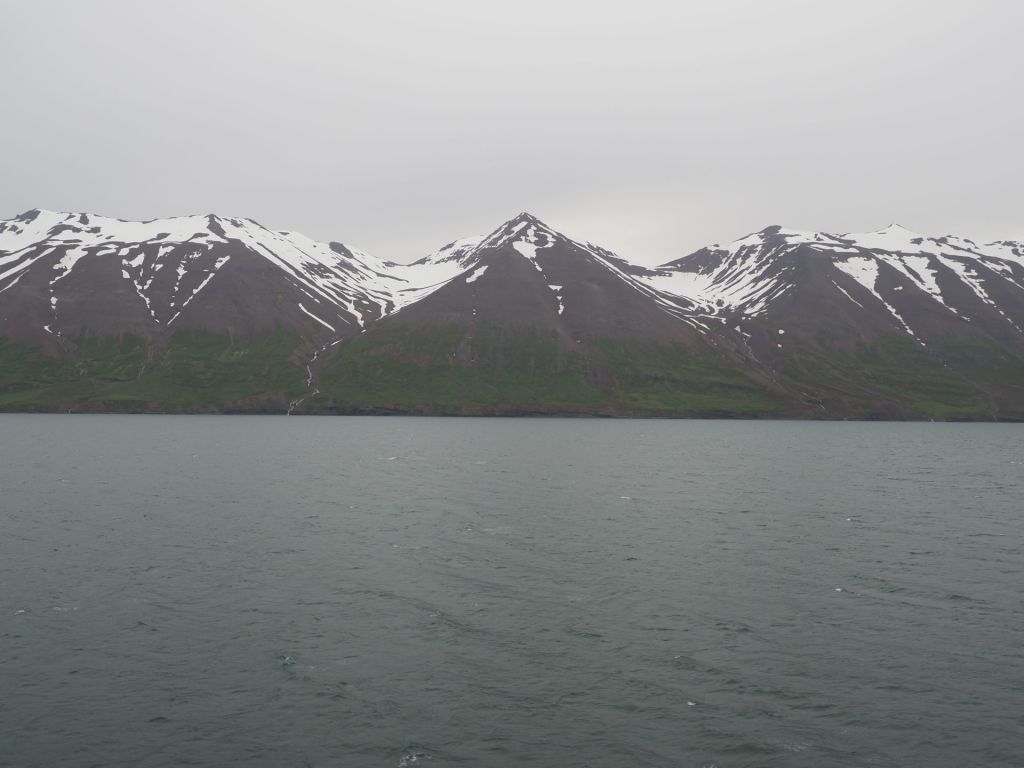
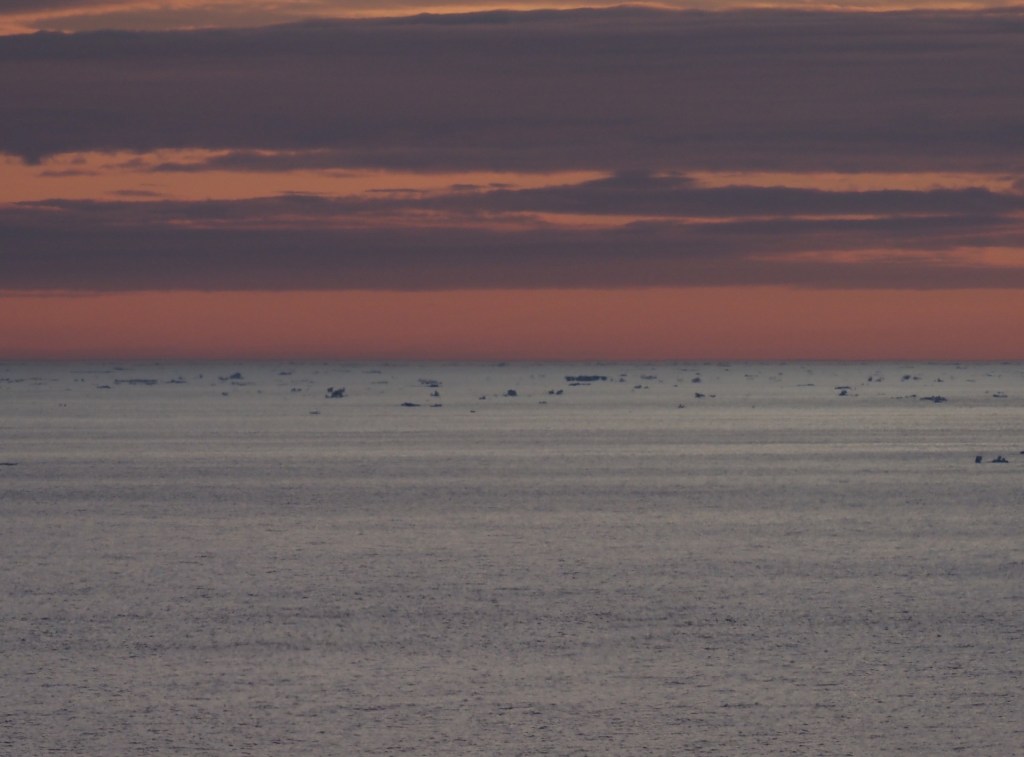
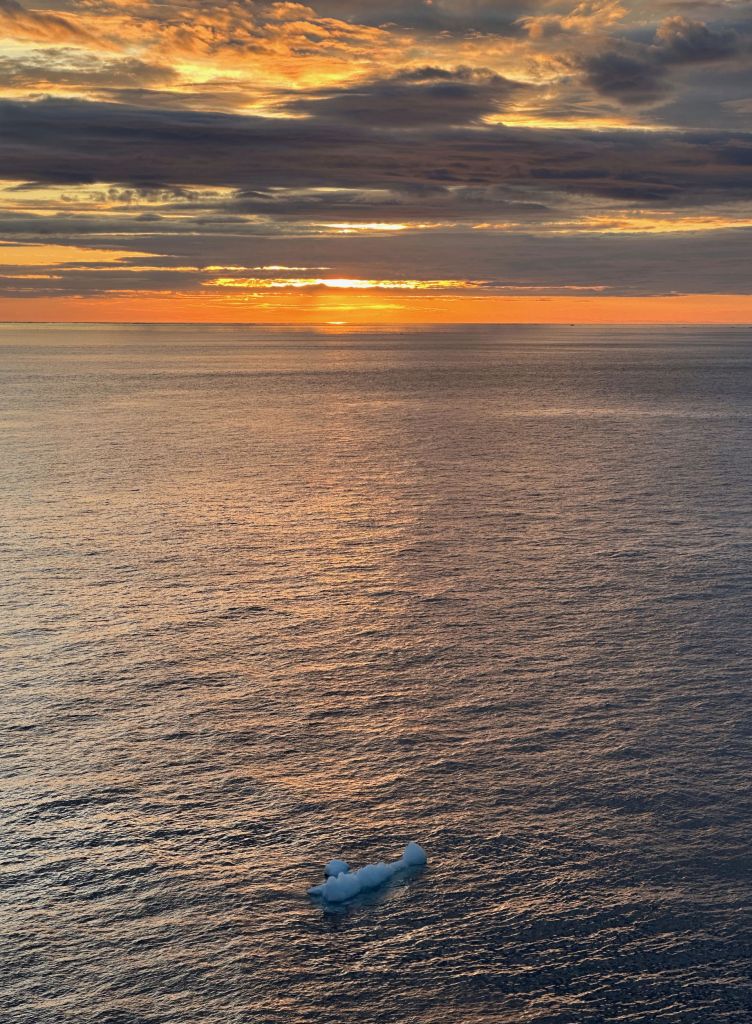
Finally, not to be outdone by the whales, floating sea ice was seen near midnight from the ship, a minor change in direction was needed by the ship to avoid denser sea ice concentrations on the way to Isafjordur. This isn’t common, but the east Greenland Sea-Ice edge was only about 50 miles away and sea ice can drift towards Iceland under suitable wind conditions.





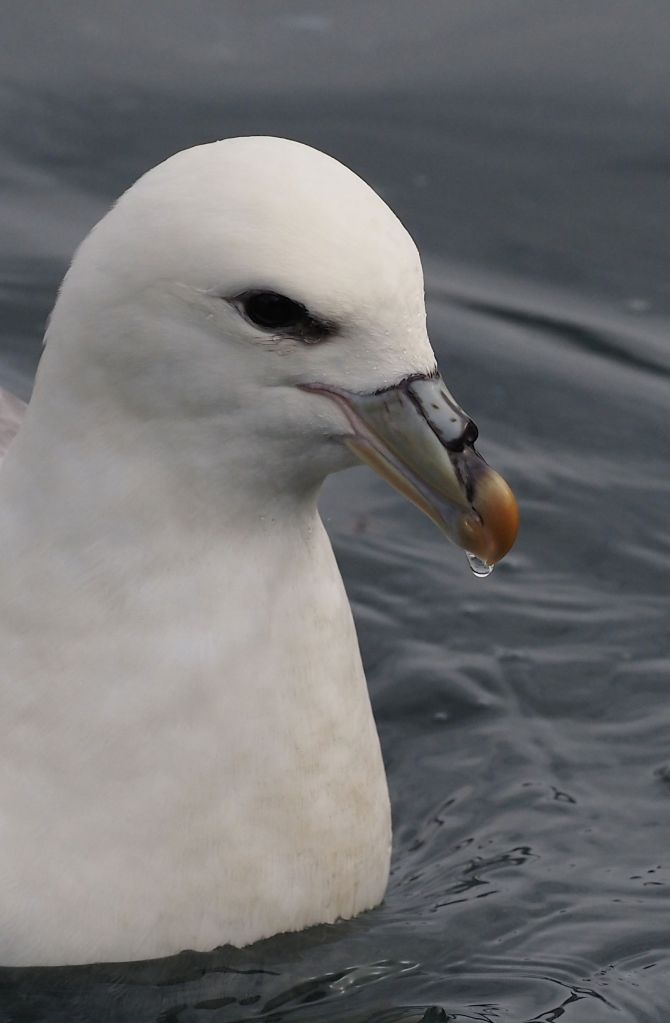
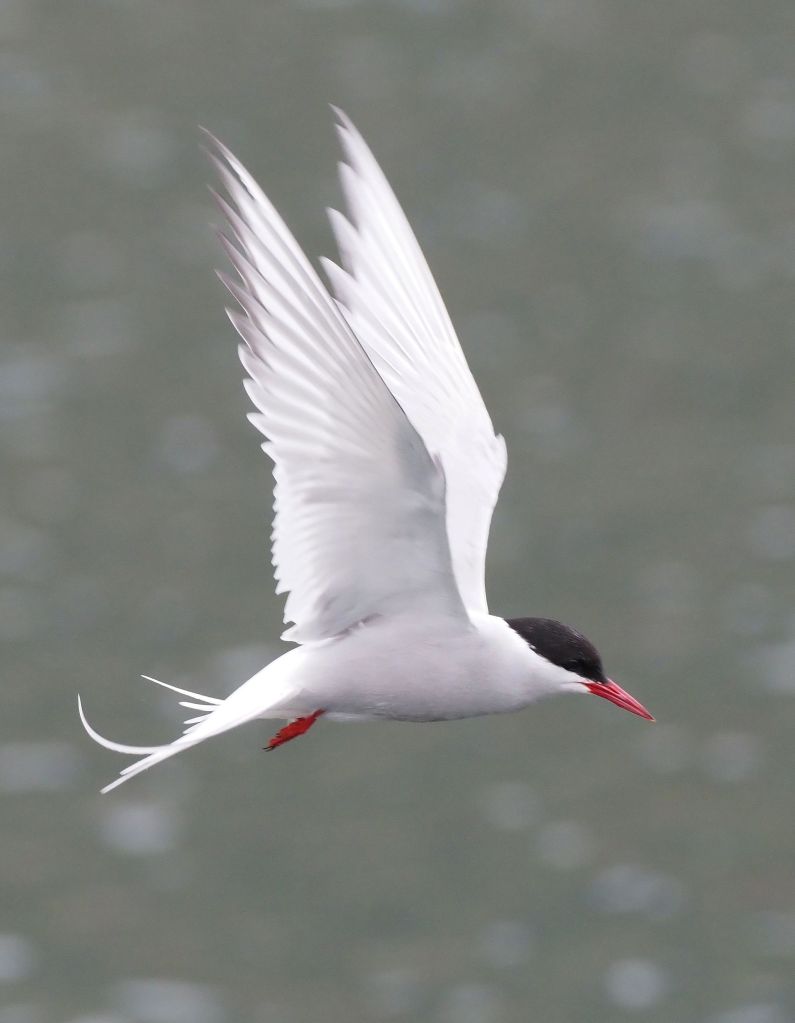
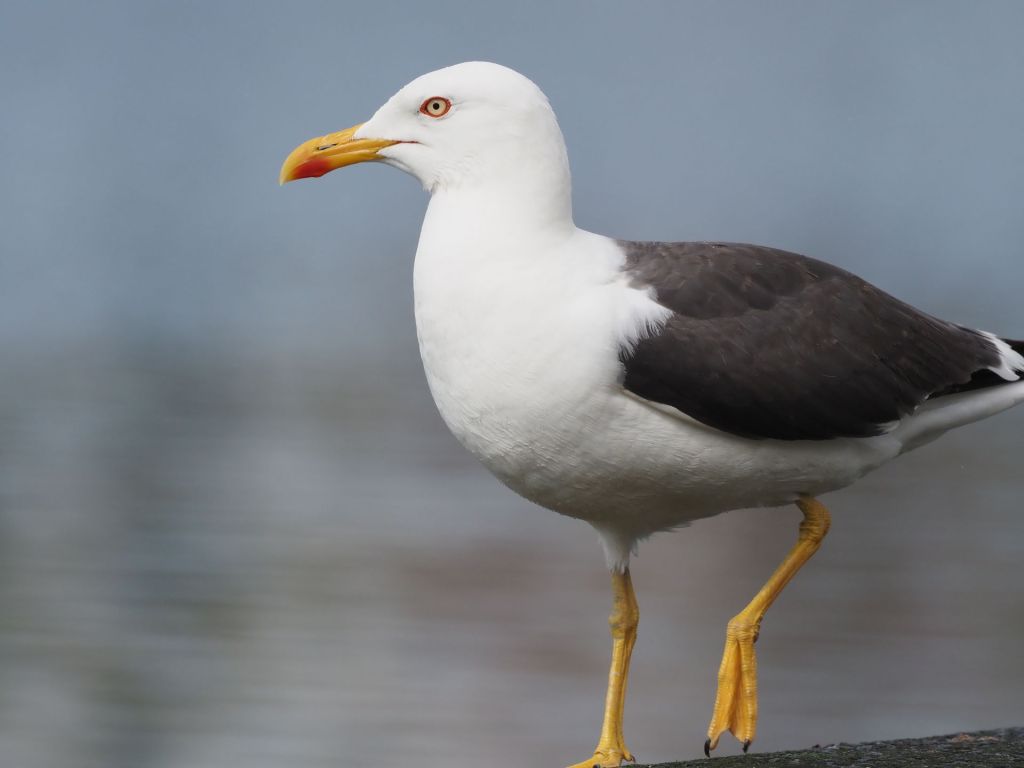
Above are some “Gull-like” bird photos. Click for more text.
Isafjordur
The small port of Isafjordur does not have too much to offer at the local level (other than a small walkable town). We did see an interesting jellyfish we’d not seen elsewhere in the calm waters of the fishing port. Natural attractions were too far to walk to, in our opinion. Bus tours, puffin- and whale-watching tours are offered by the local tour companies. We were able to dock an a new port area under construction while another Holland America ship following us (Nieuw Statendam) had to tender to shore.


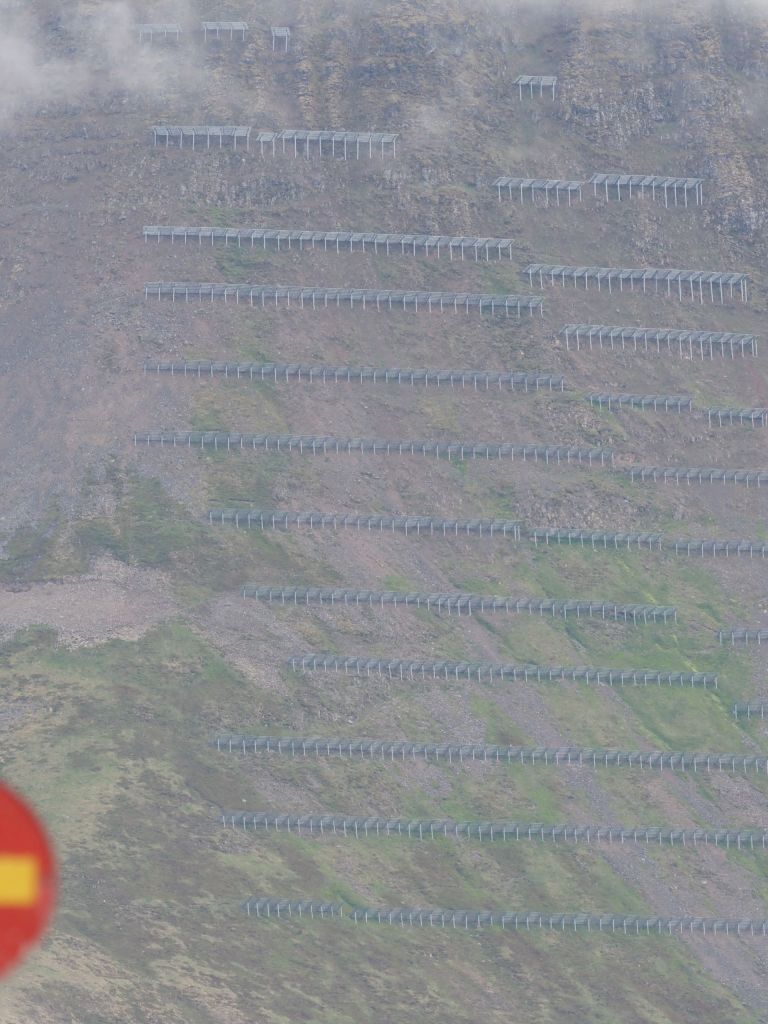

Reykjavik
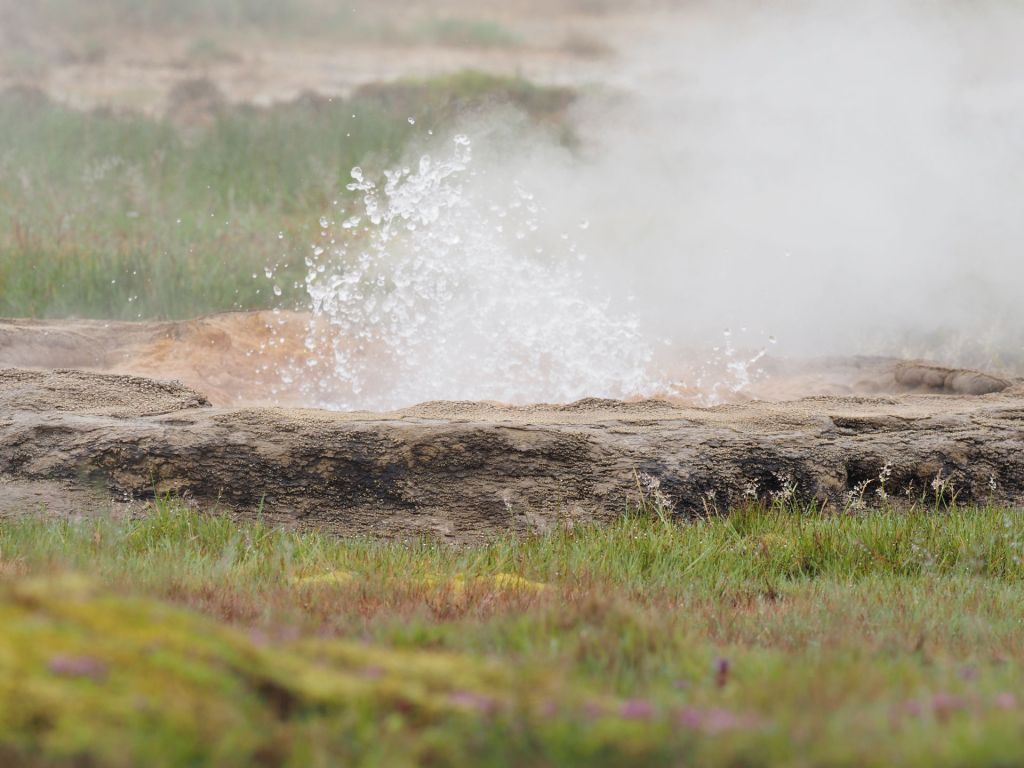
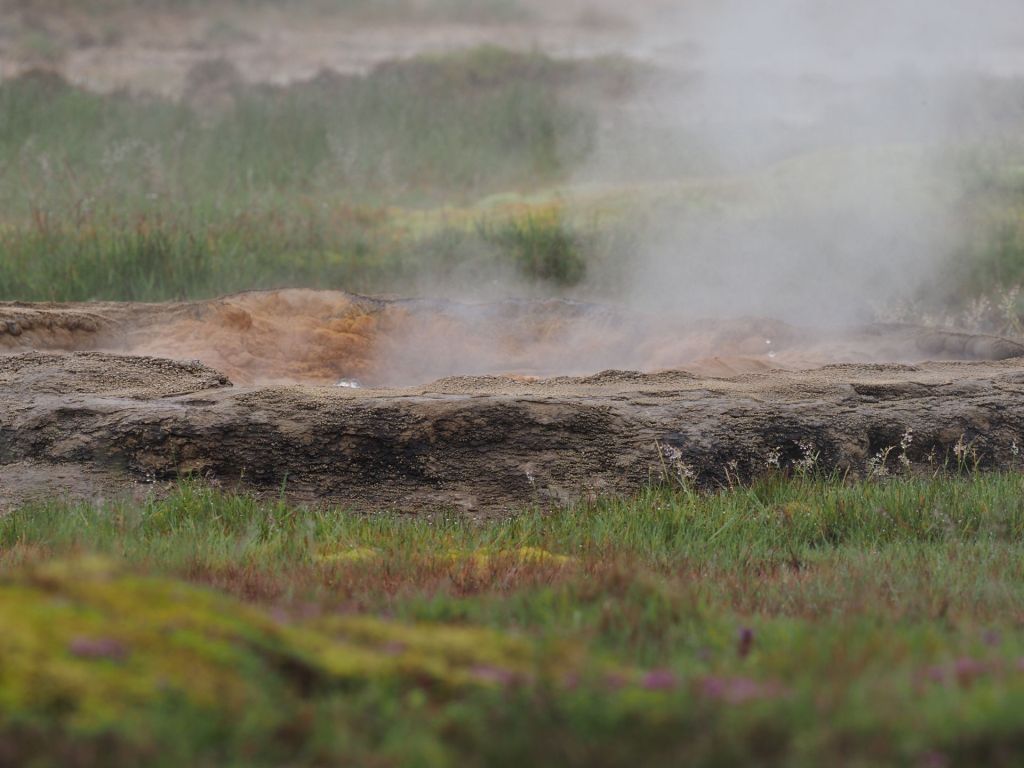
Most cruise ship tours focus on the “Golden Circle” which includes a visit to the Thingvellir National Park (glorified crack separating the European and North American tectonic plates), a geysir field (the original “geysir”), and a waterfall (Gullfoss). In fairness, these are interesting attractions – if the weather is fine. Our first visit had good weather and our second visit this year was mostly rainy. We knew the rainy forecast, but thought that getting out of Reykjavik was still best – since we had an overnight stay. We had cancelled our rental car reservation based on the poor weather forecast for where we had wanted to go (south coast area).
The Golden Circle attractions will be crowded… just be prepared for the crowds.
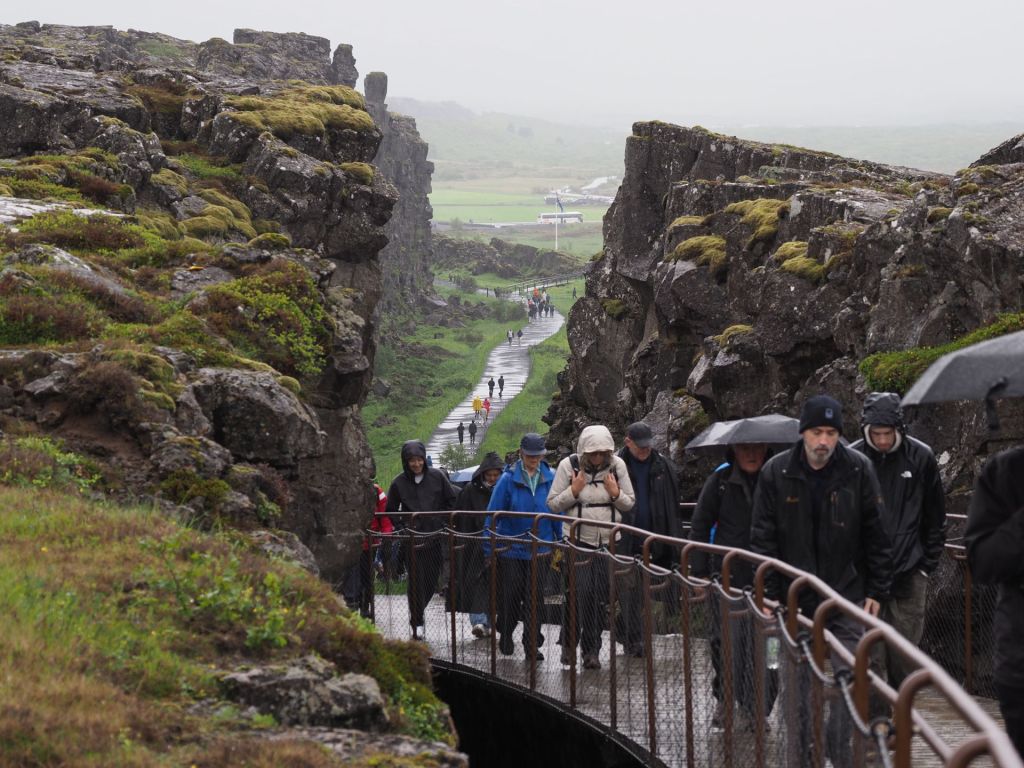
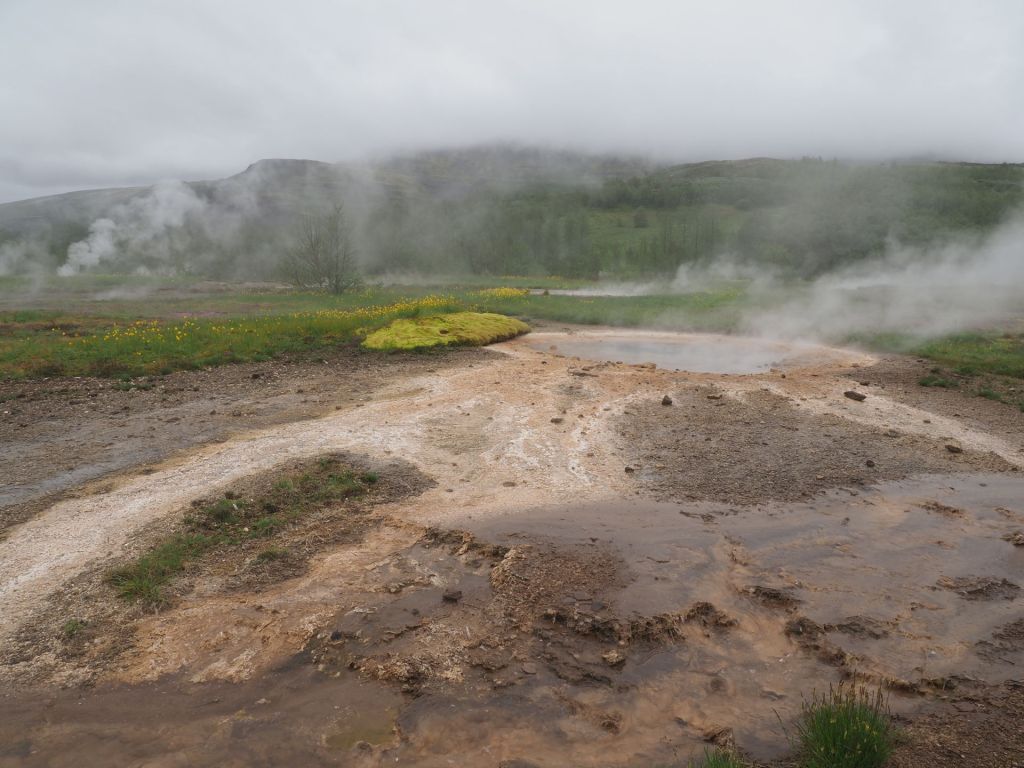


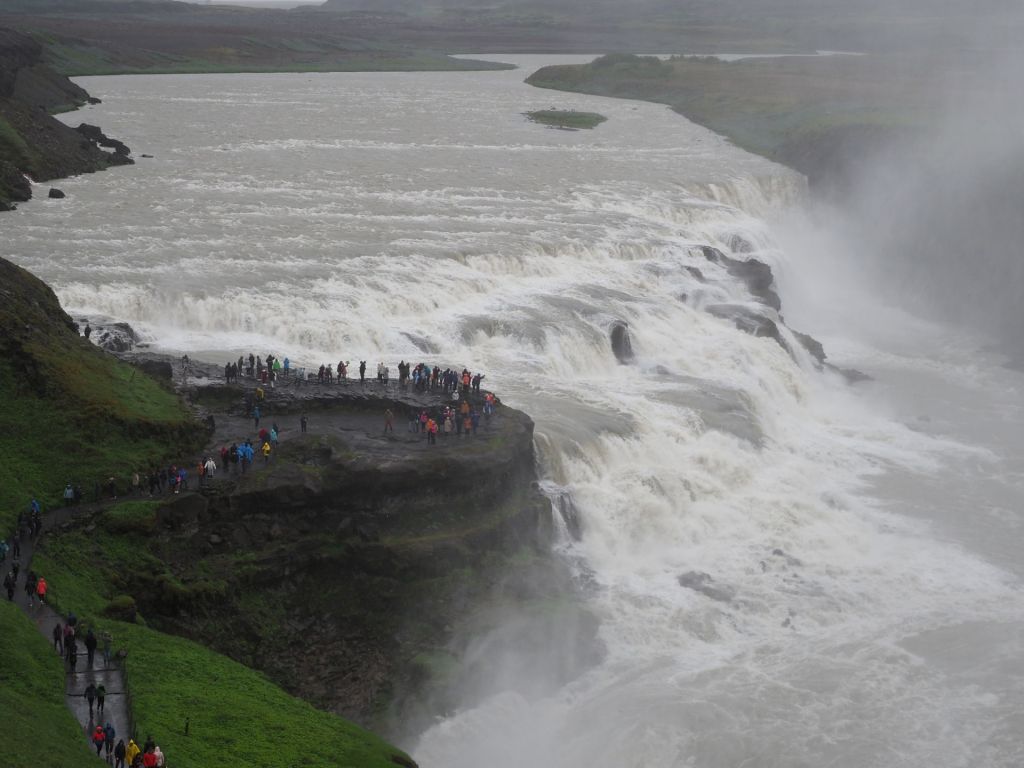


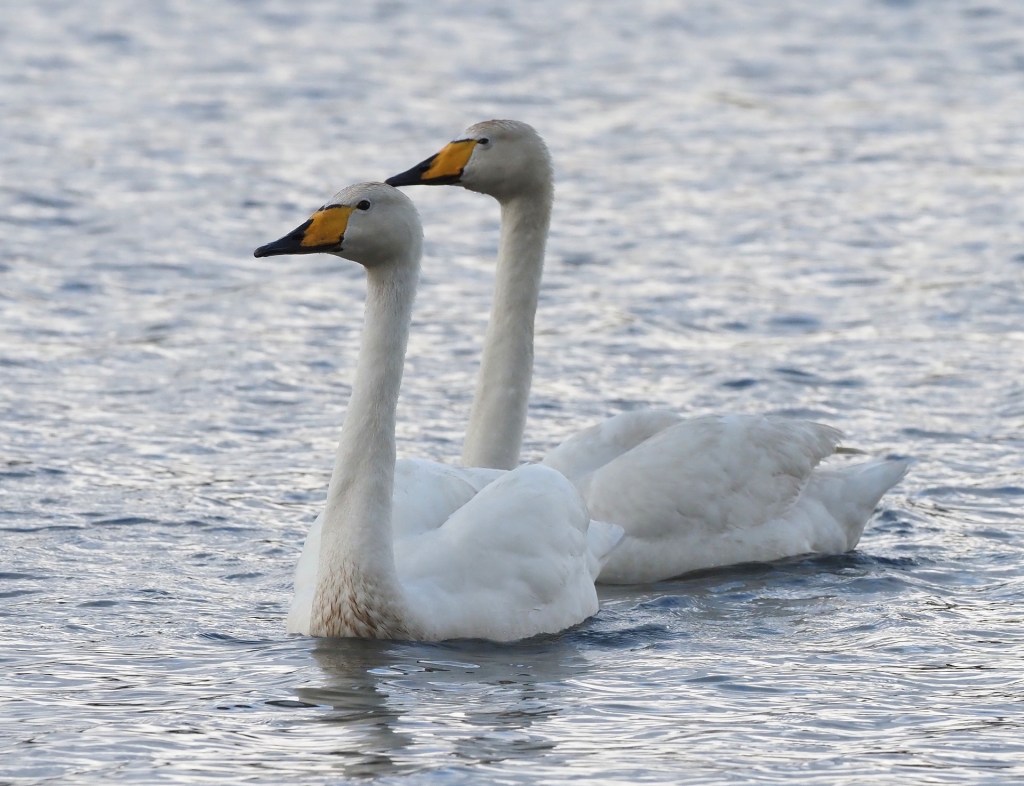
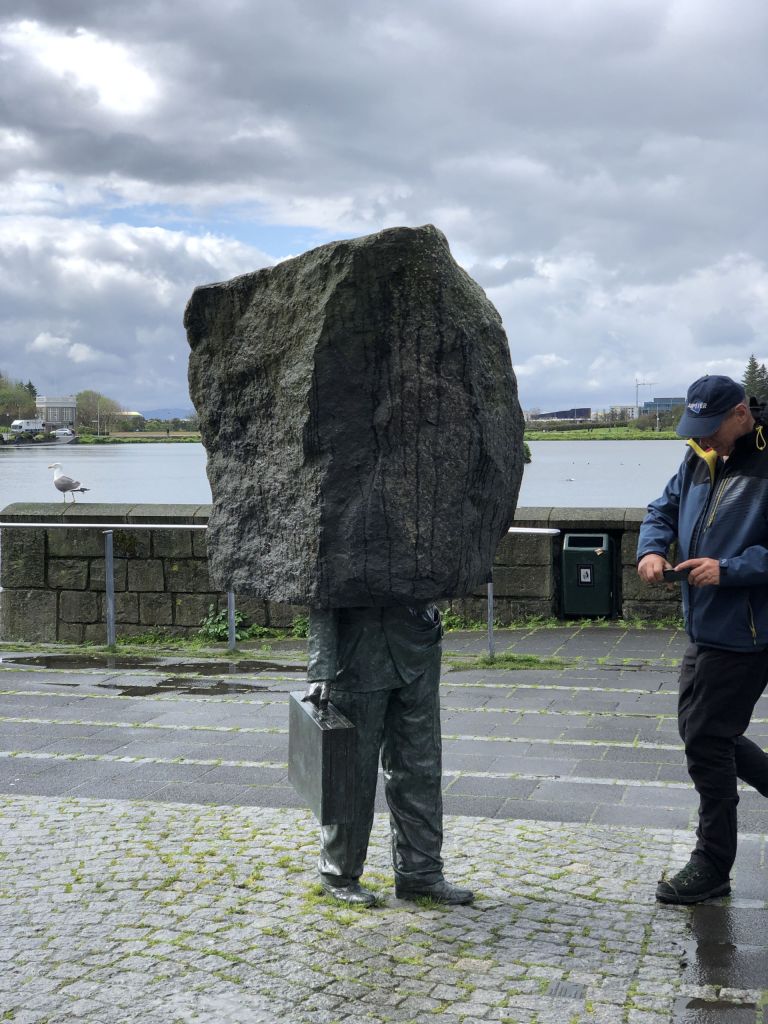
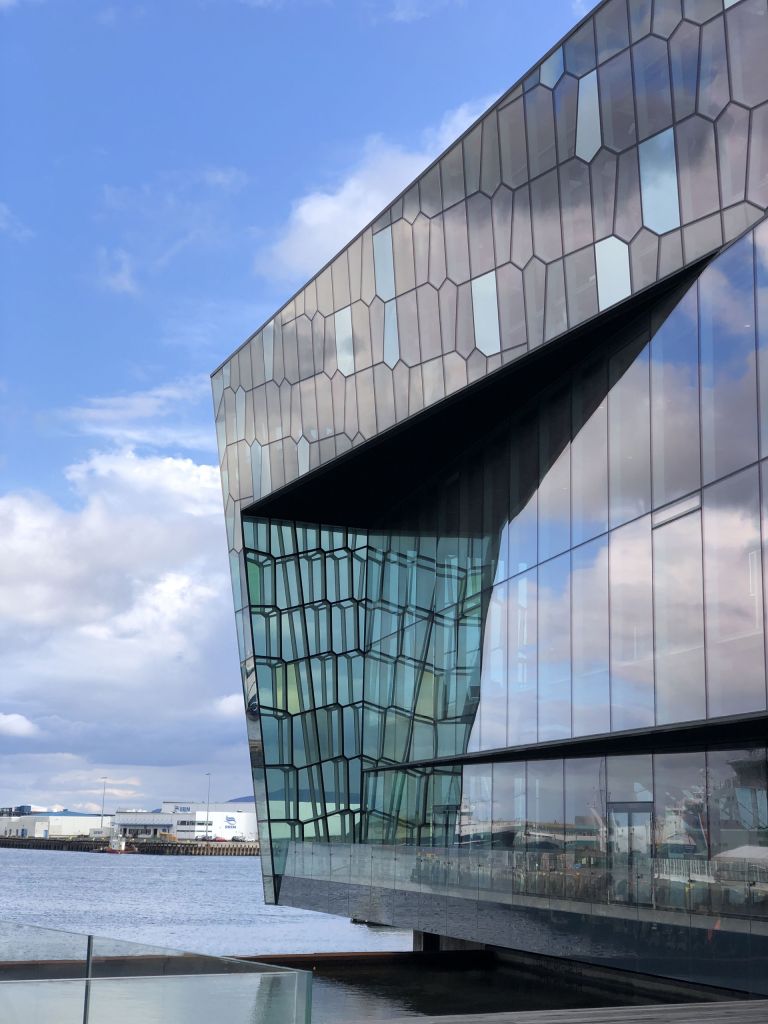
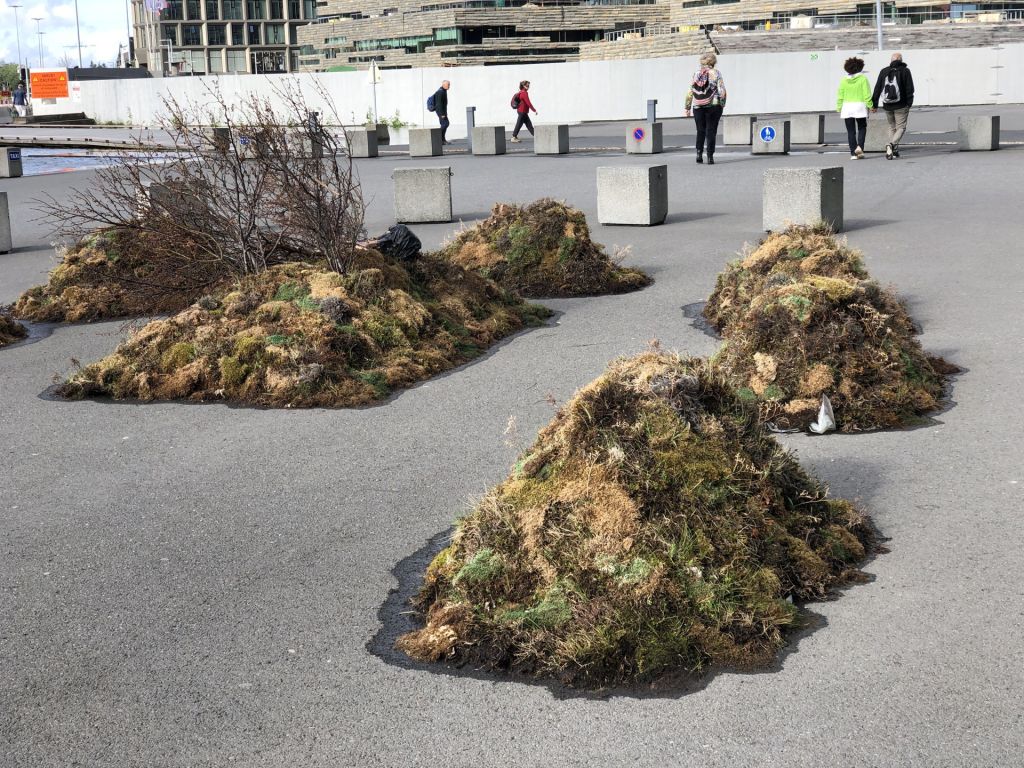
A free shuttle bus took us from the cruise ship port towards the city center, where we walked towards a “natural-ish” series of large ponds within the city. Scatterer rain showers complicated our walk (we didn’t want to carry our rain coats) but we had some good photo opportunities for some birds we hadn’t seen close up elsewhere.






The UK (Orkney Islands and Scotland)
Kirkwall
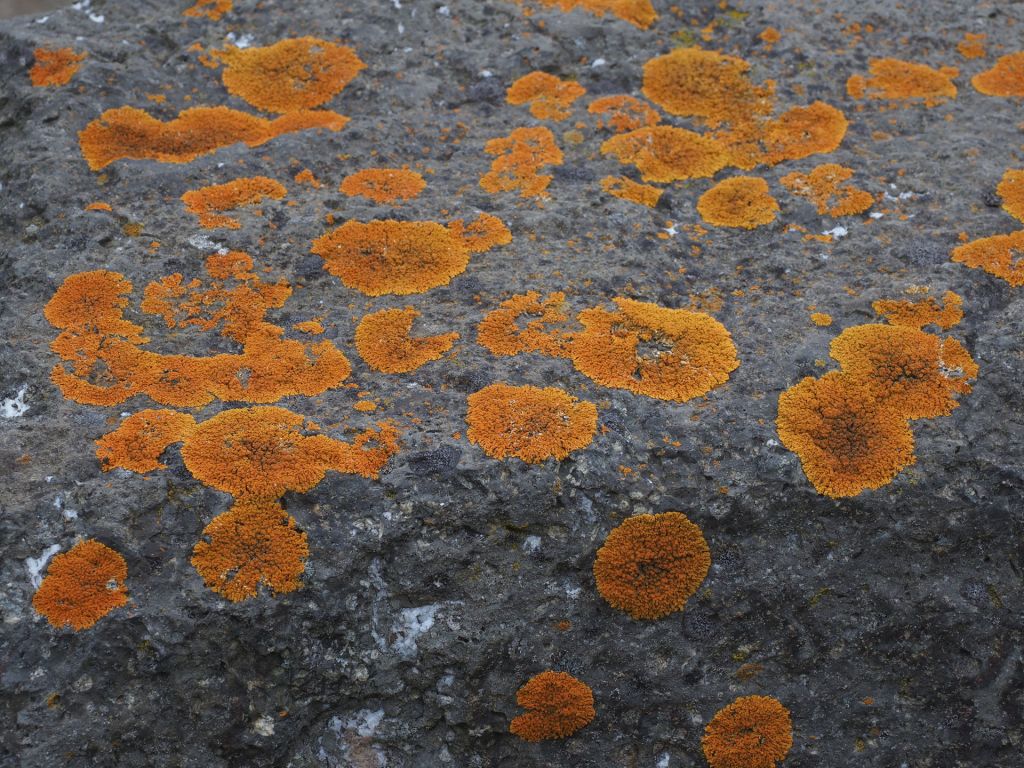
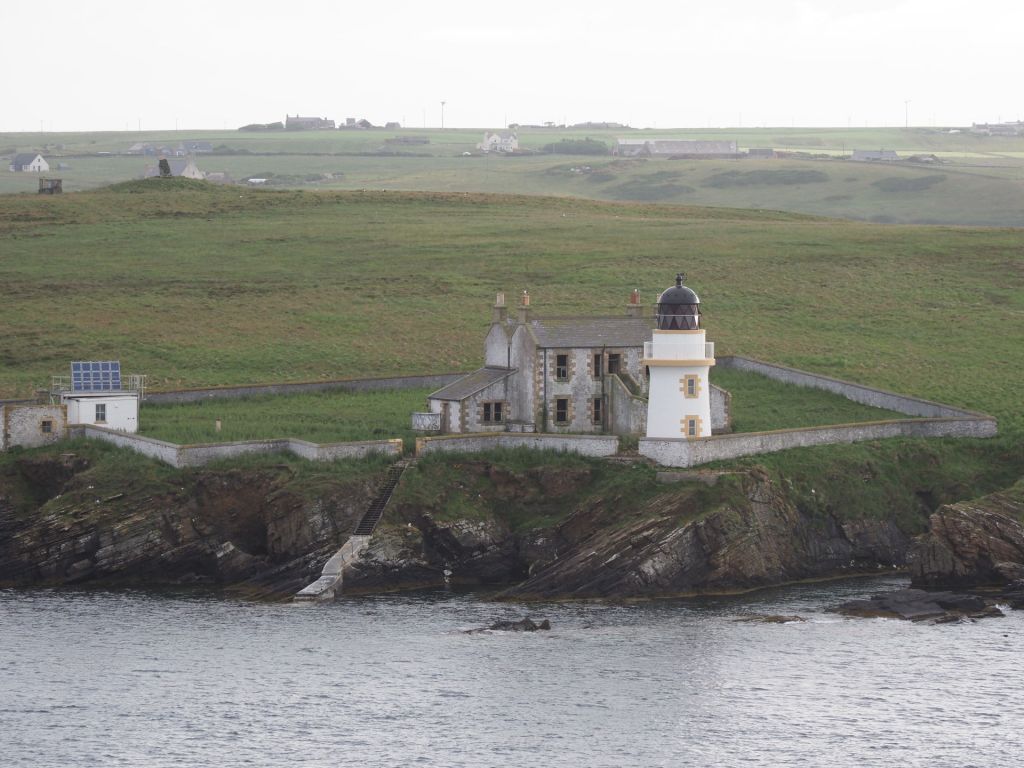
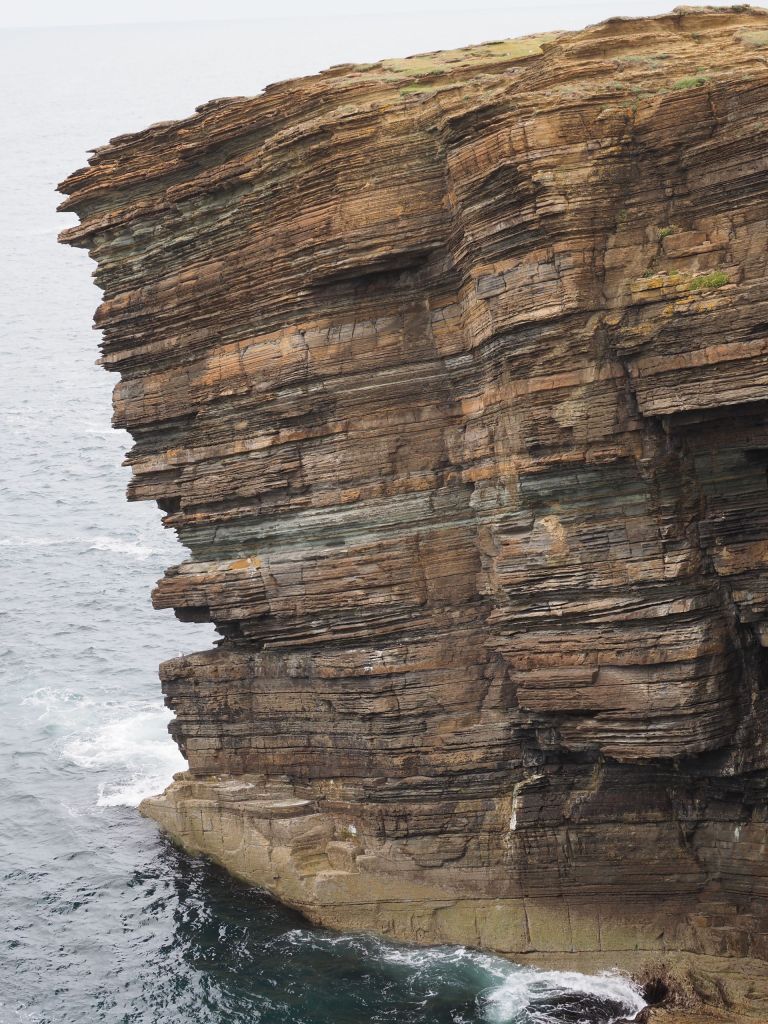
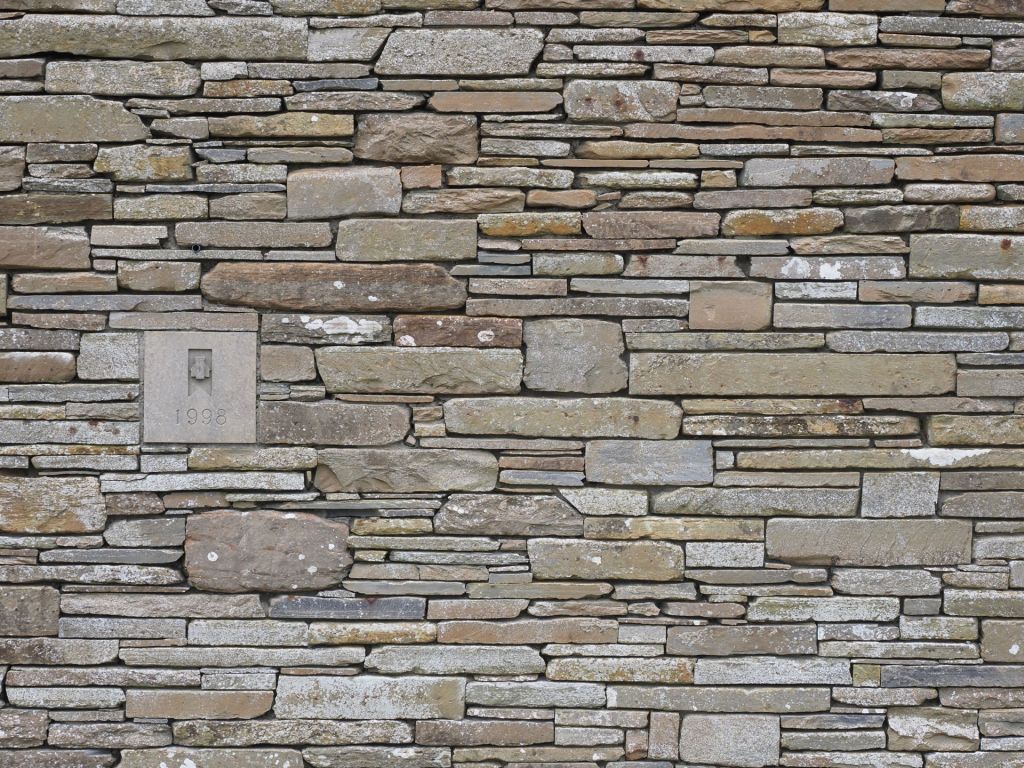
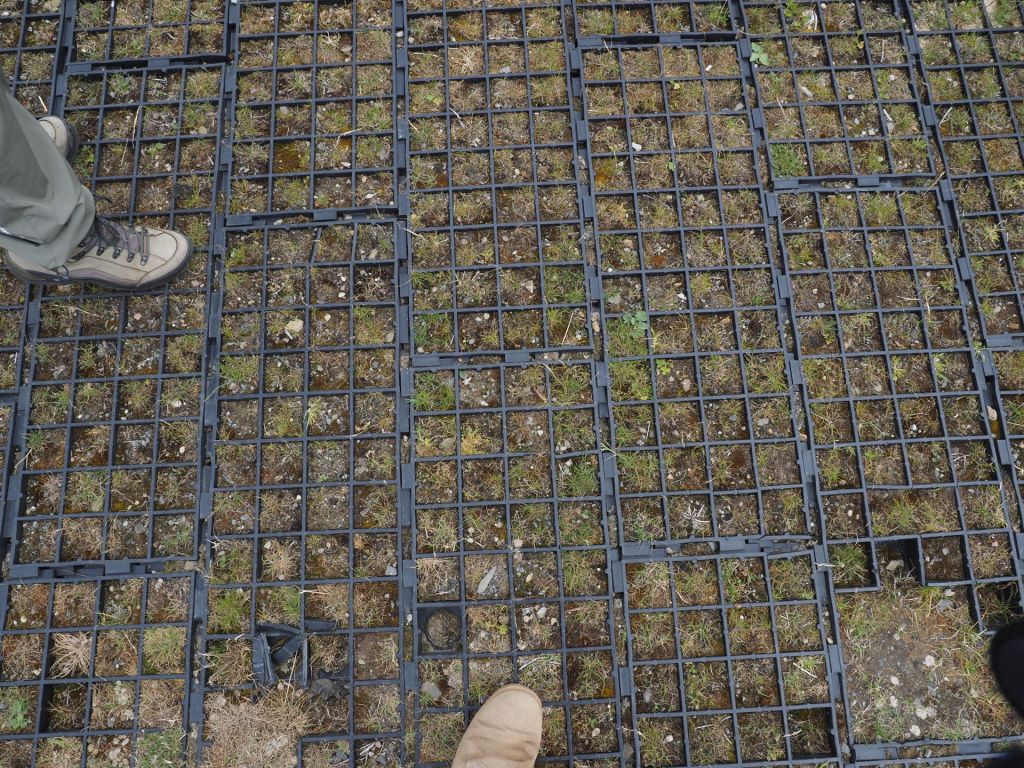
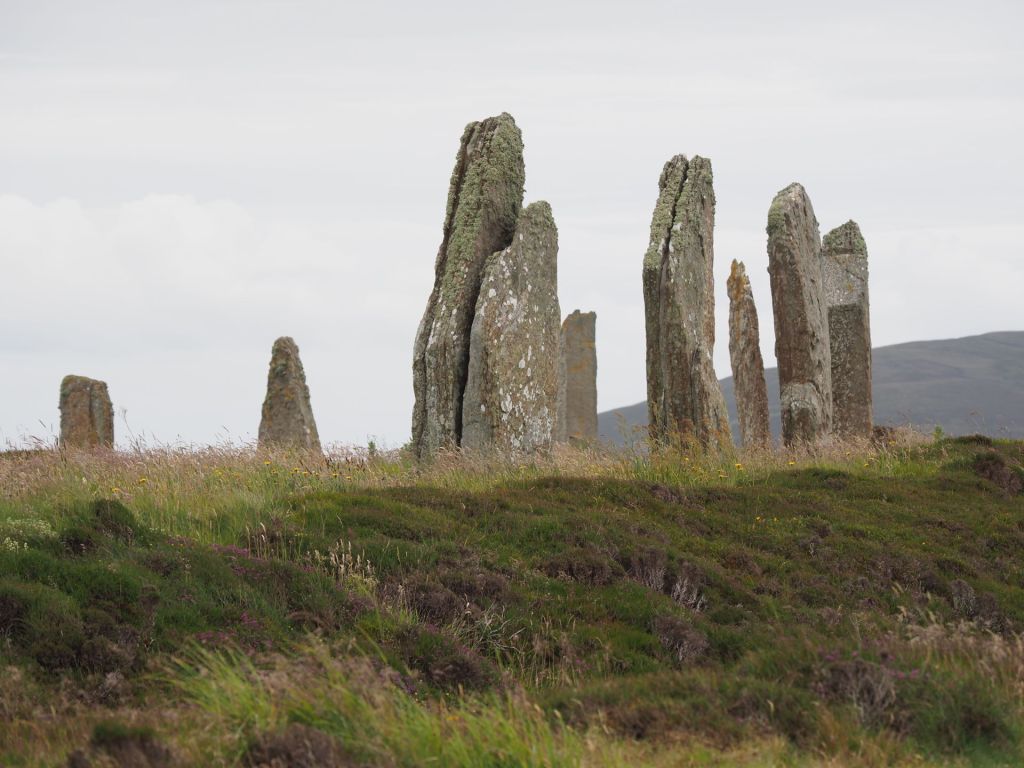
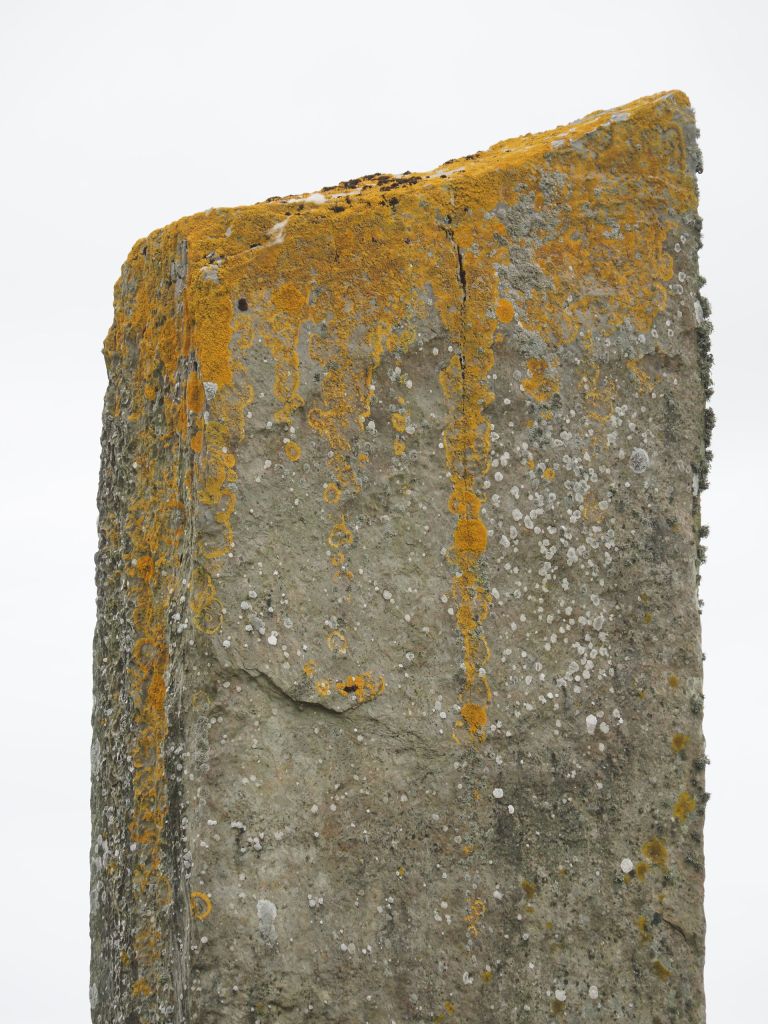
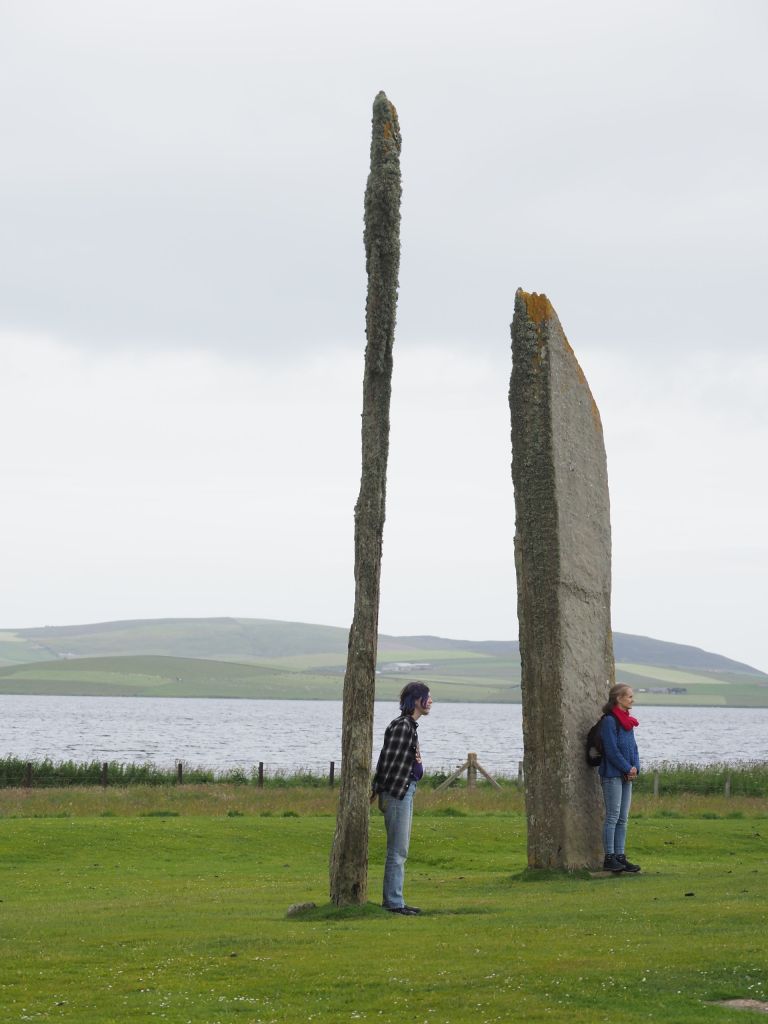
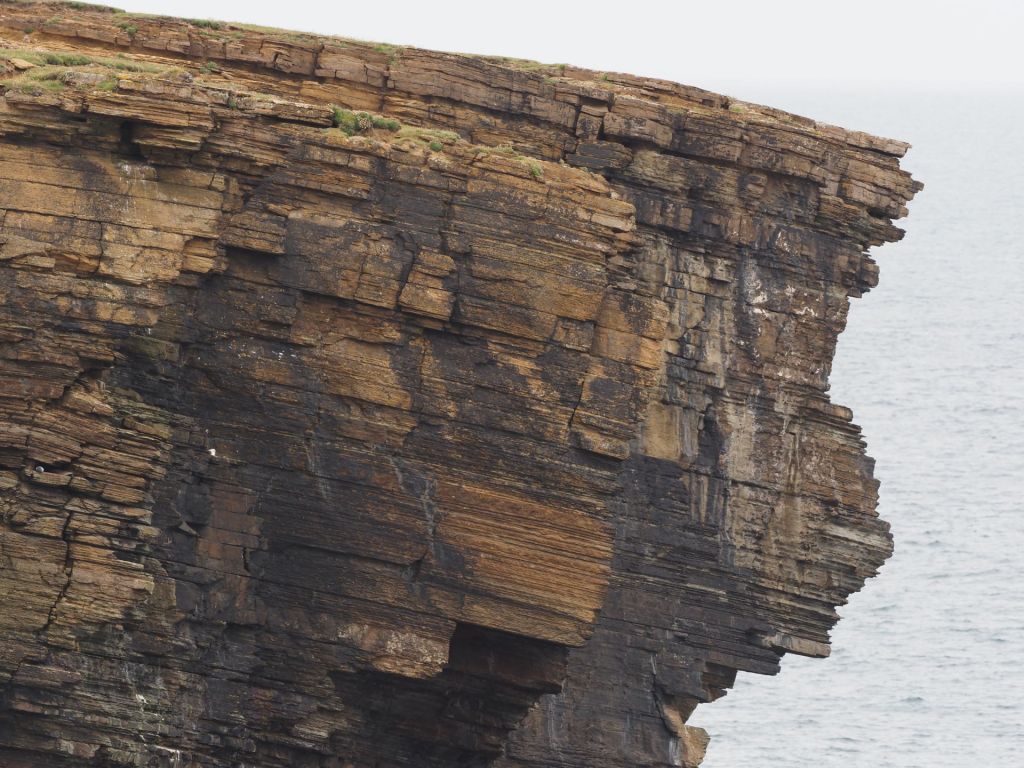
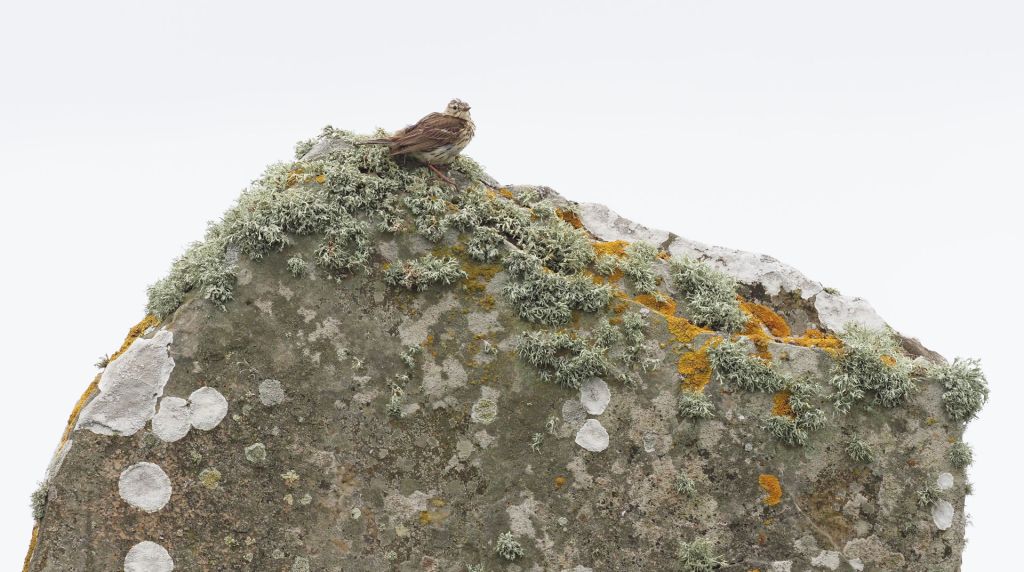
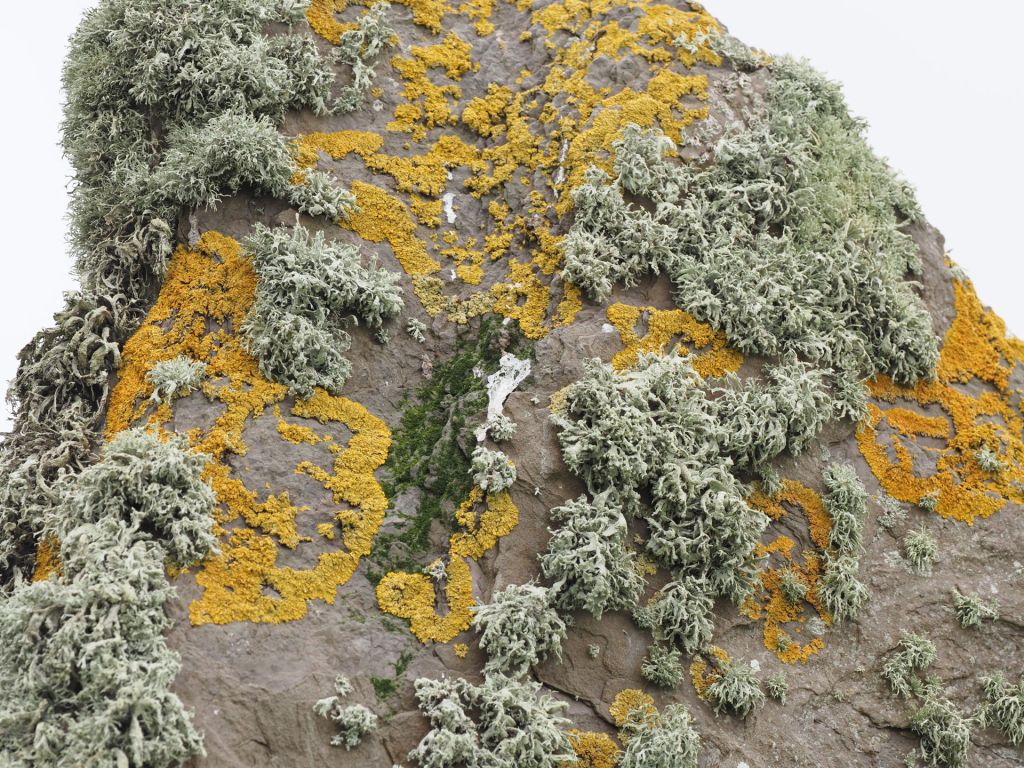
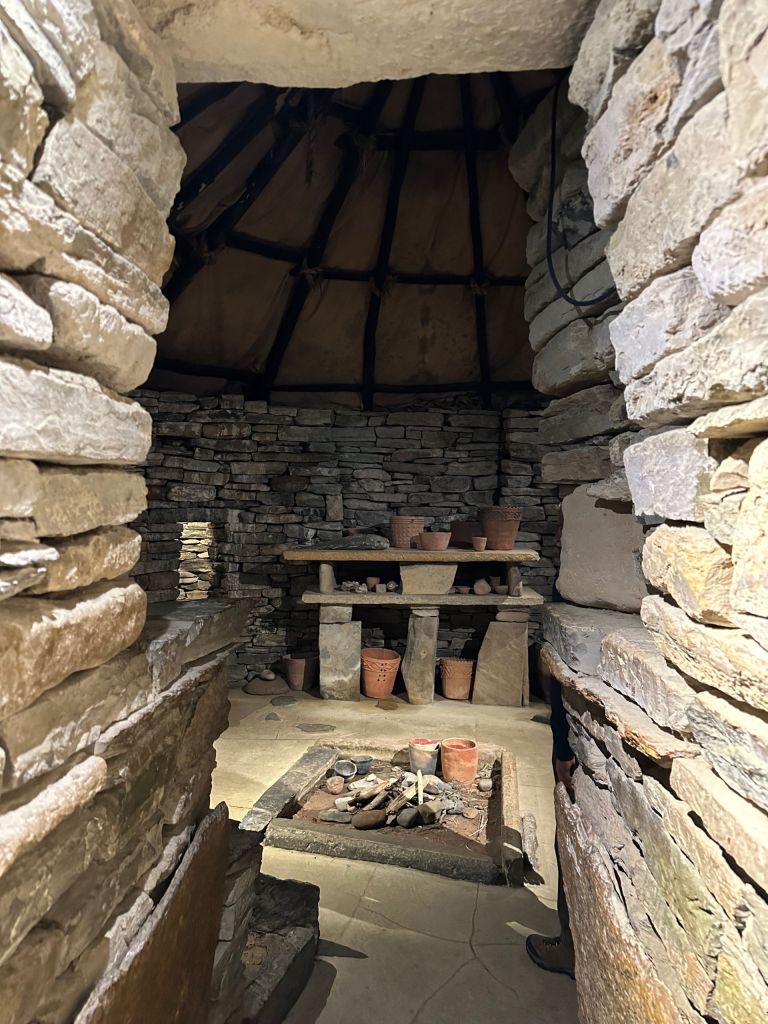
Kirkwall is a small town in the Orkney Islands. Honestly, until this past cruise I could not have distinguished between the Orkney, Shetland and Faroe Islands on a map. It was just a part of the world I hadn’t been interested in. But the ship stopped at Kirkwall, and we decided to take a tour because it wasn’t feasible to walk anywhere given the distances. In fairness, our tour hit the highlights of the island (there are many islands comprising the Orkney’s) – the impressive Yesnaby cliff overlook, a 4000 year old village site at Scara Brae, and several standing stone monuments (Ring of Brodgar, Standing Stones of Stenness) that are the Orkney equivalents of Stonehenge. The narration was interesting – clearly you won’t get nearly as much out of a self-driving experience without a local person narrating your tour. We did see some birds, lichens (on the standing stones) and wildflowers. Our only regret is that we barely had any time at the best site (to us) – the cliffs at Yesnaby. We could have spent hours walking the cliffside trail that apparently runs for some distance.












Edinburgh
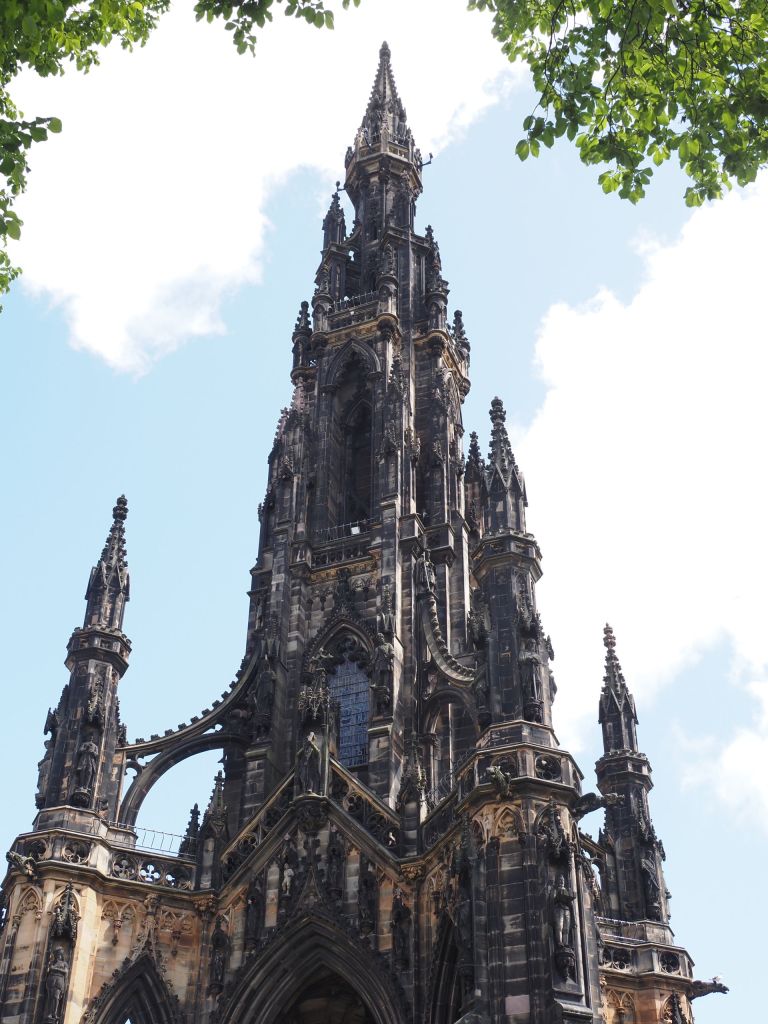
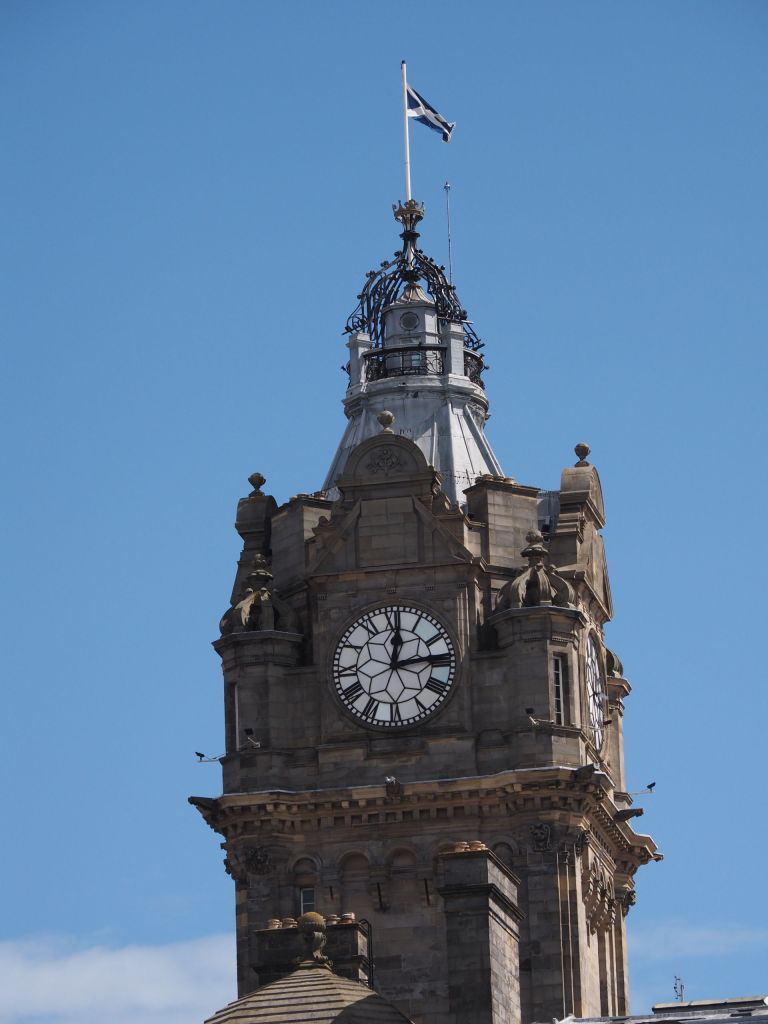
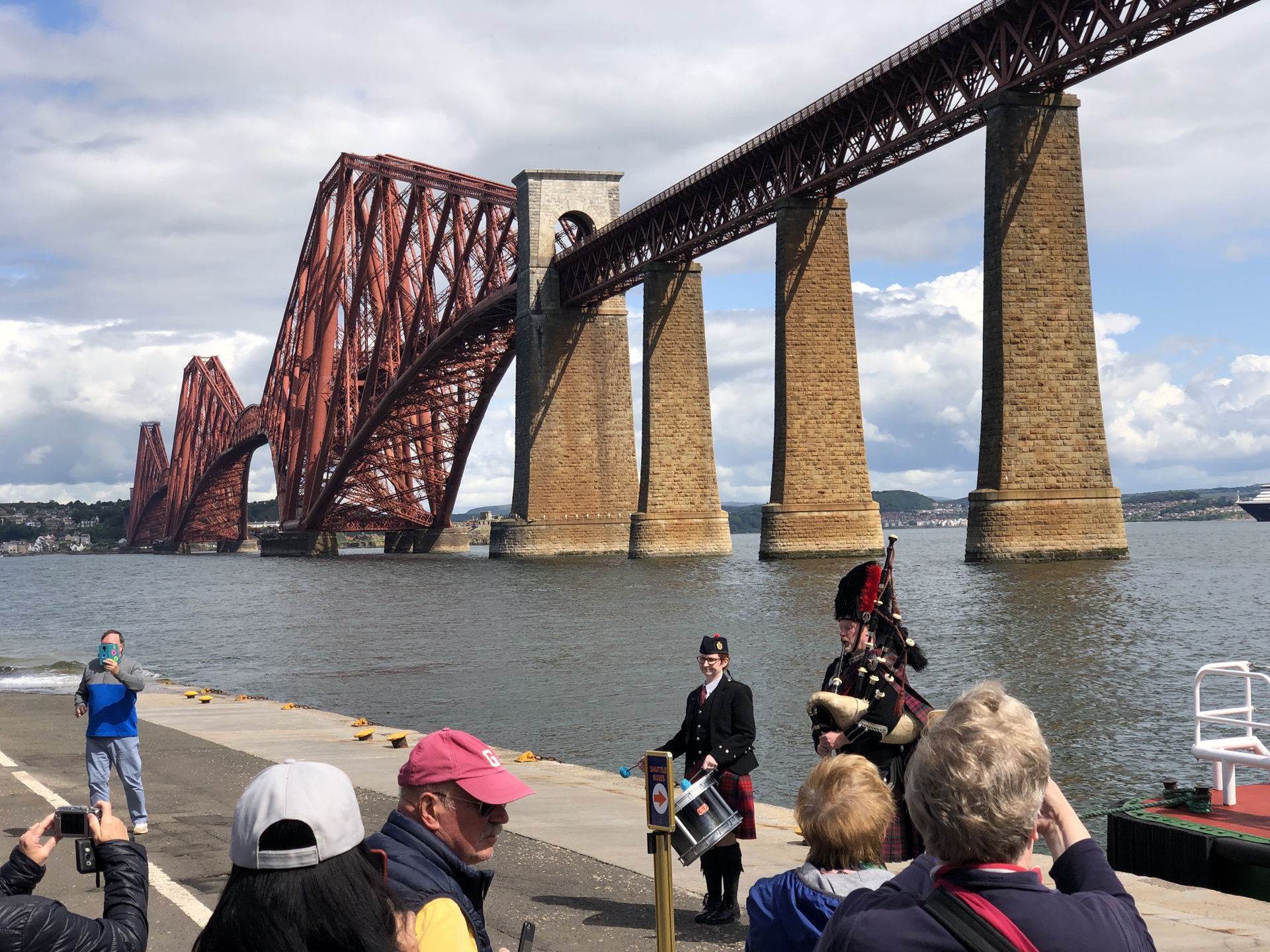
Our visit to Edinburgh was anticlimactic. We took the shuttle bus in to the city from the port of South Queensferry – about a 30 minute ride. After an hour or so, trying to navigate among the hoards that were swarming along the “Royal Mile” shopping street, we had had enough. We headed towards the train station – eager to take a train ride. We managed to purchase tickets for the return to the nearest station to where the ship’s tender port was and it took less time, and cost less, than our bus ride into Edinburgh. Walking back to the ship involved walking through a neighborhood, along forested pathways, and down a long flight of stairs in the forest. But it was so much more pleasant than enduring the crowds of downtown Edinburgh. And as for the acclaimed architecture of Edinburgh. -we thought it was hideous. (Our cruise Director had described Edinburgh as the most beautiful city he had seen – clearly he needed further travels in our opinion! Art and architecture is clearly in the eye of the beholder…)

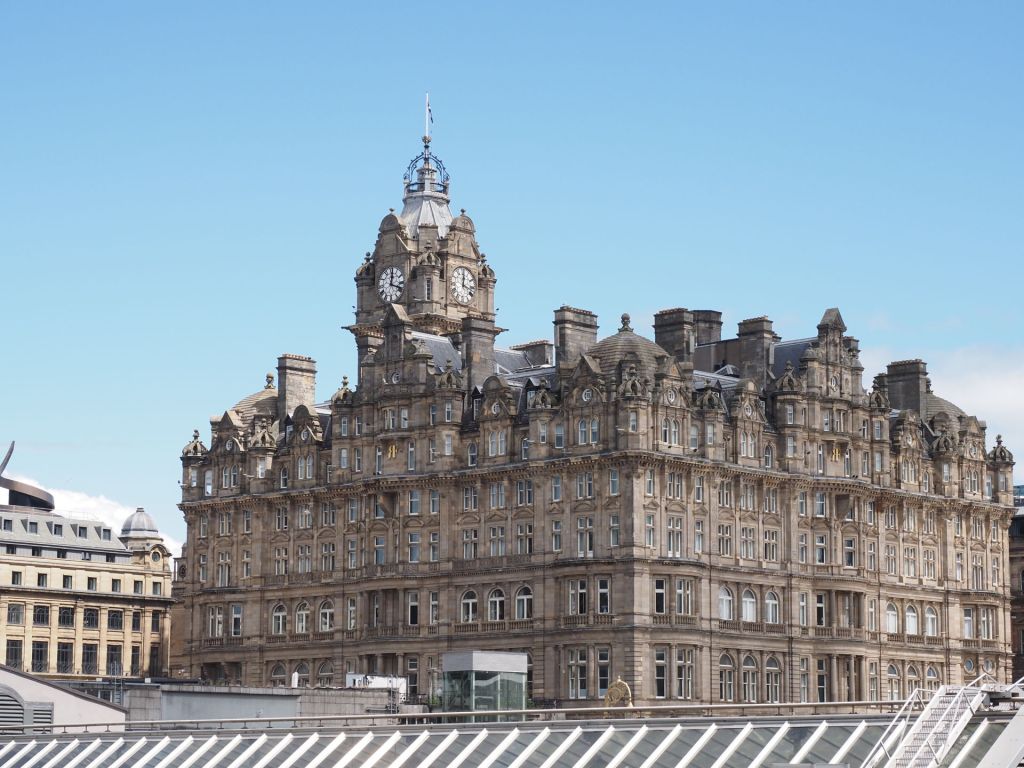
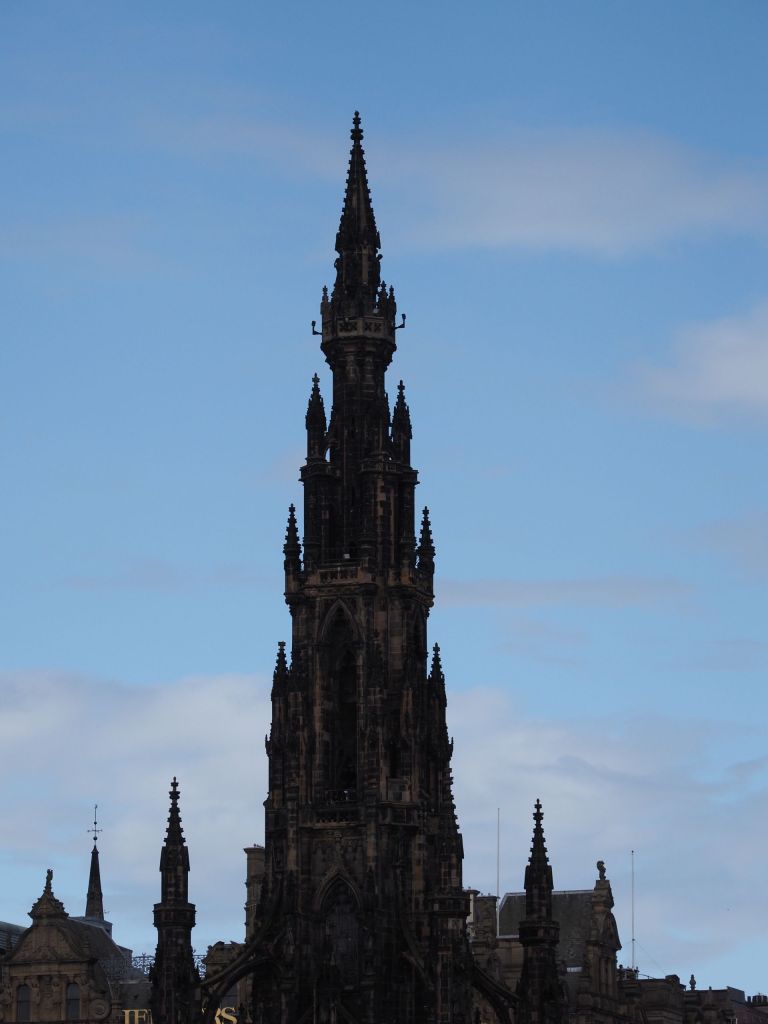

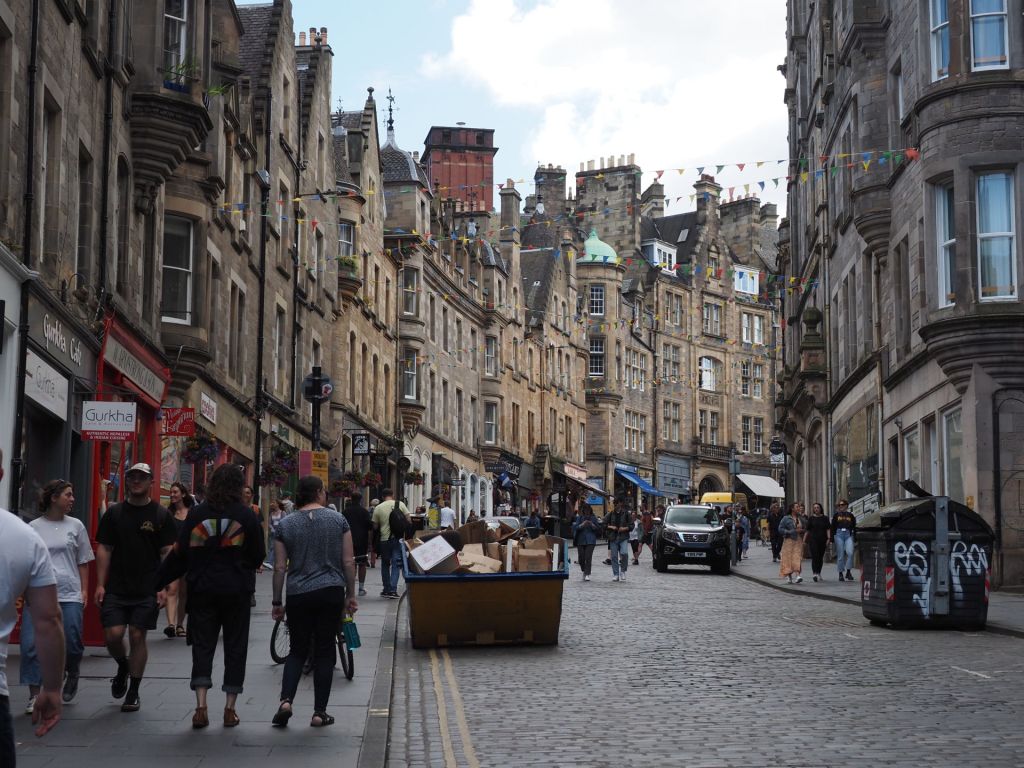


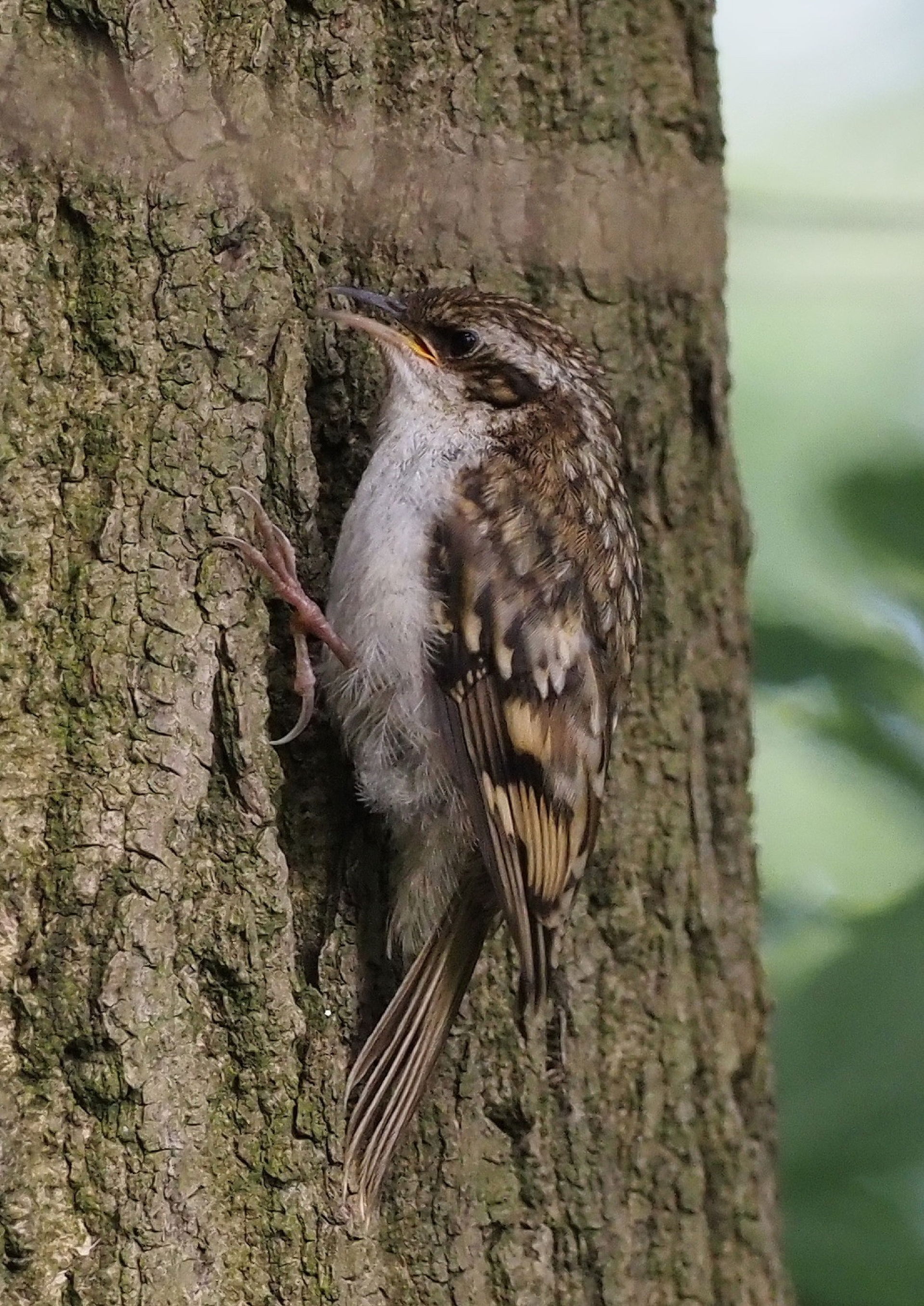
Once we took the train back to the station nearest the ship’s tender port, we had a leasurely walk through a nicely forested old railroad track that had been converted into a bicycle and walkway. Here was saw a variety of birds, including a new one for Rosario. We eventually (after a long flight of rustic steps) arrived at the shore area and spent time exploring the rocky shoreline – now that it was low tide. Various birds could be approached closely here, as well as large beached Lion’s Mane Jellyfish.




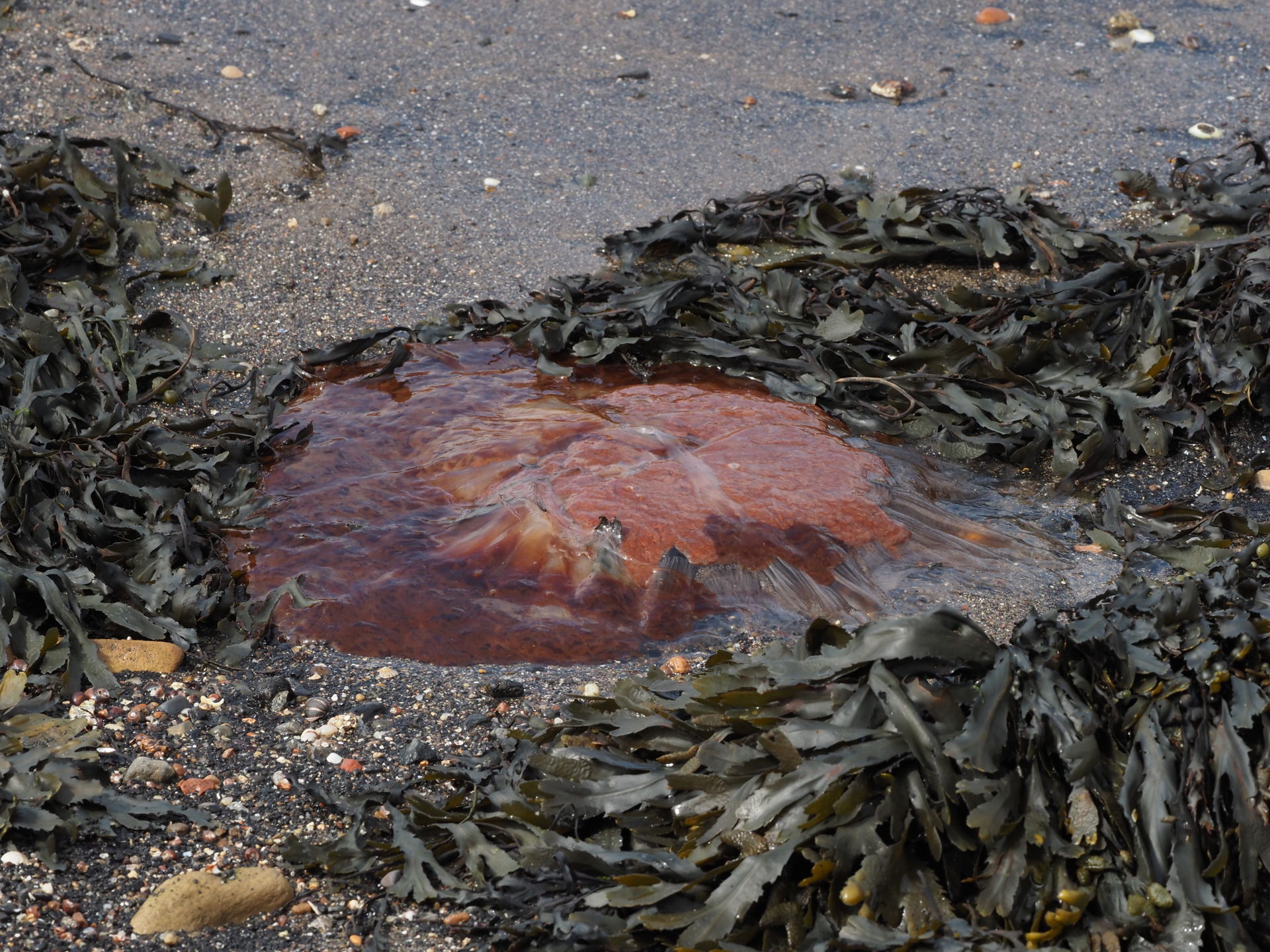

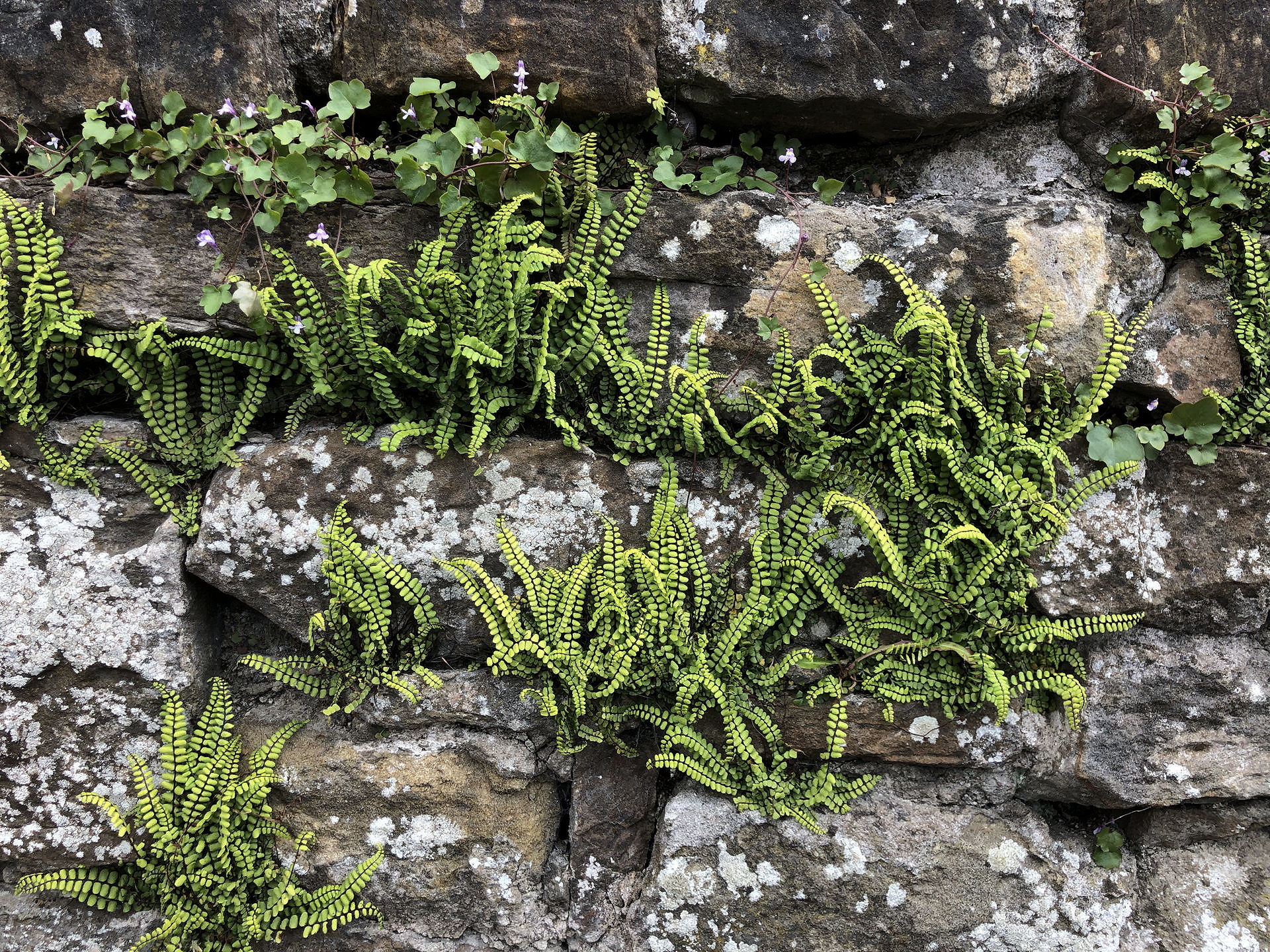
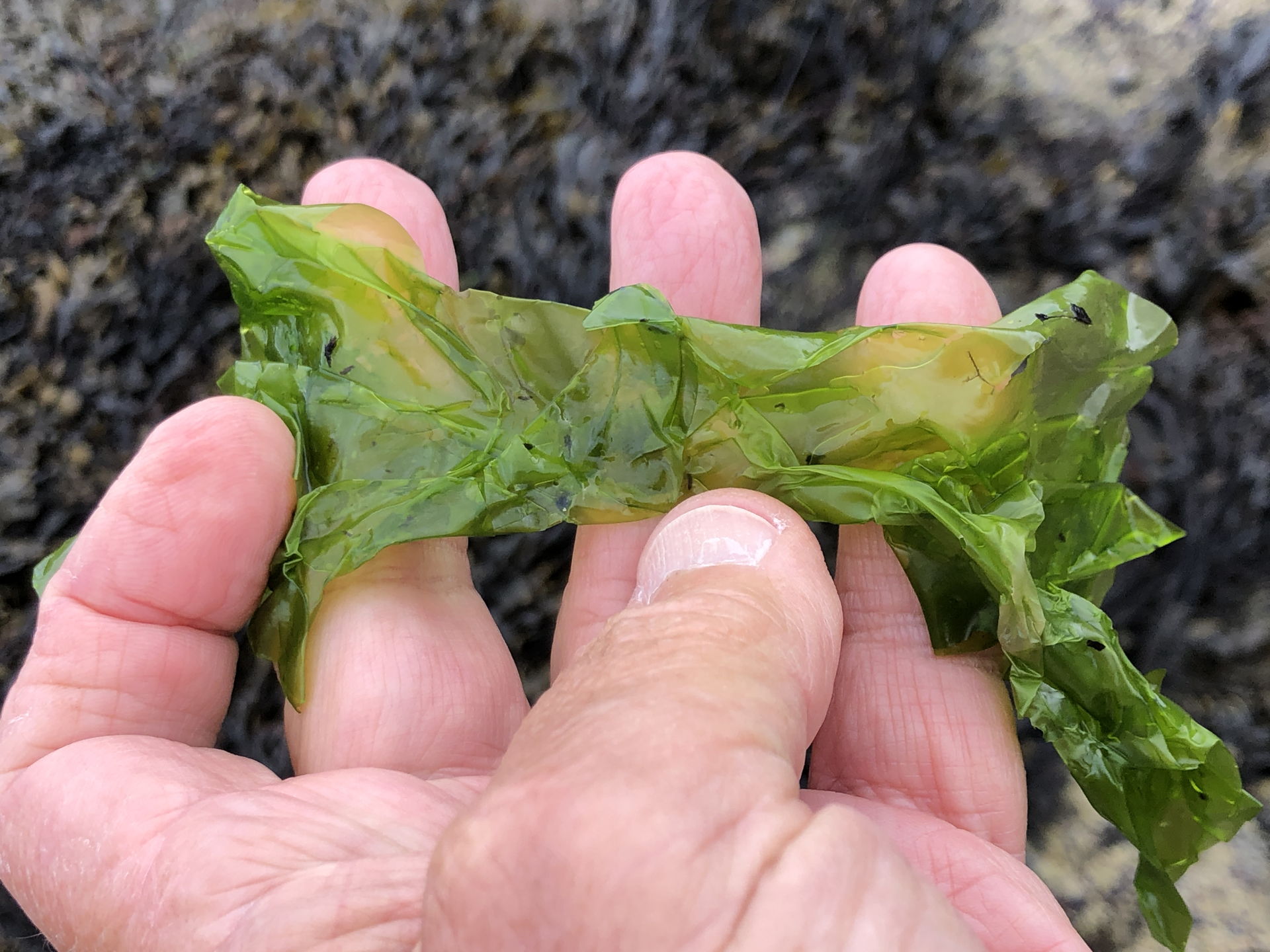
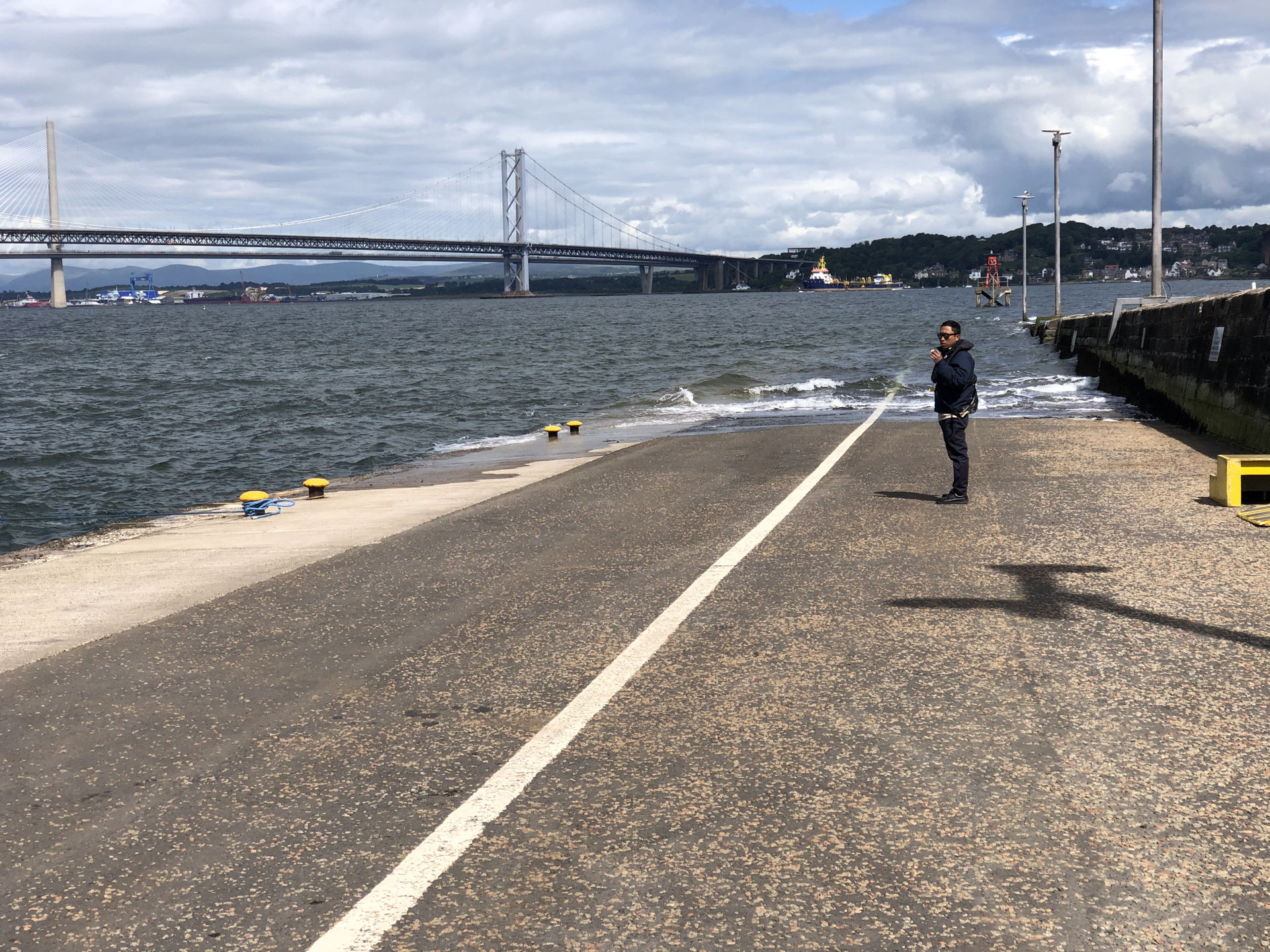

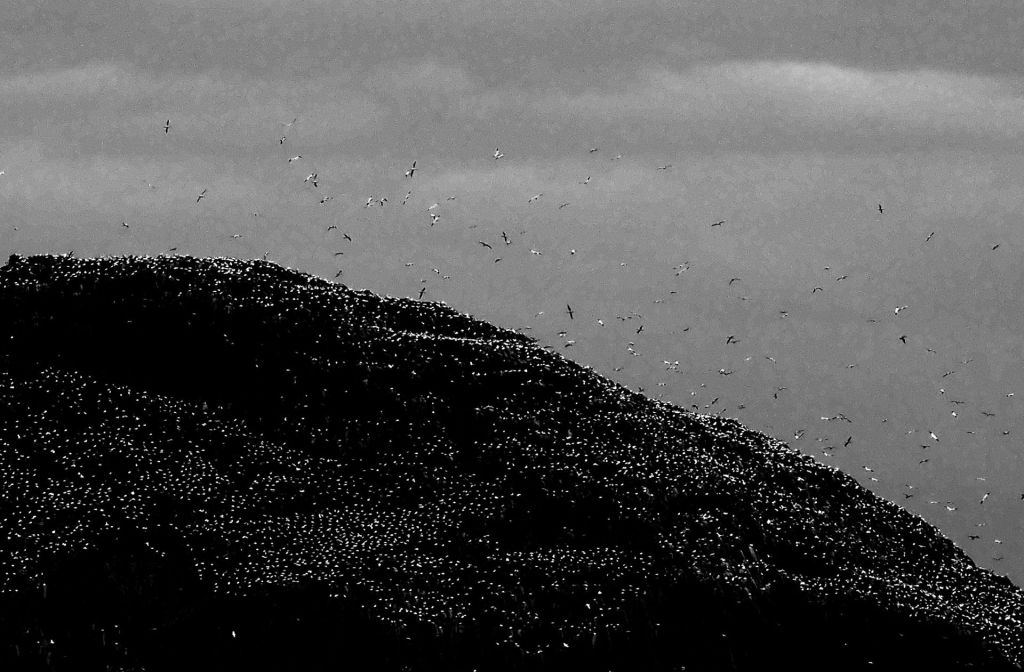
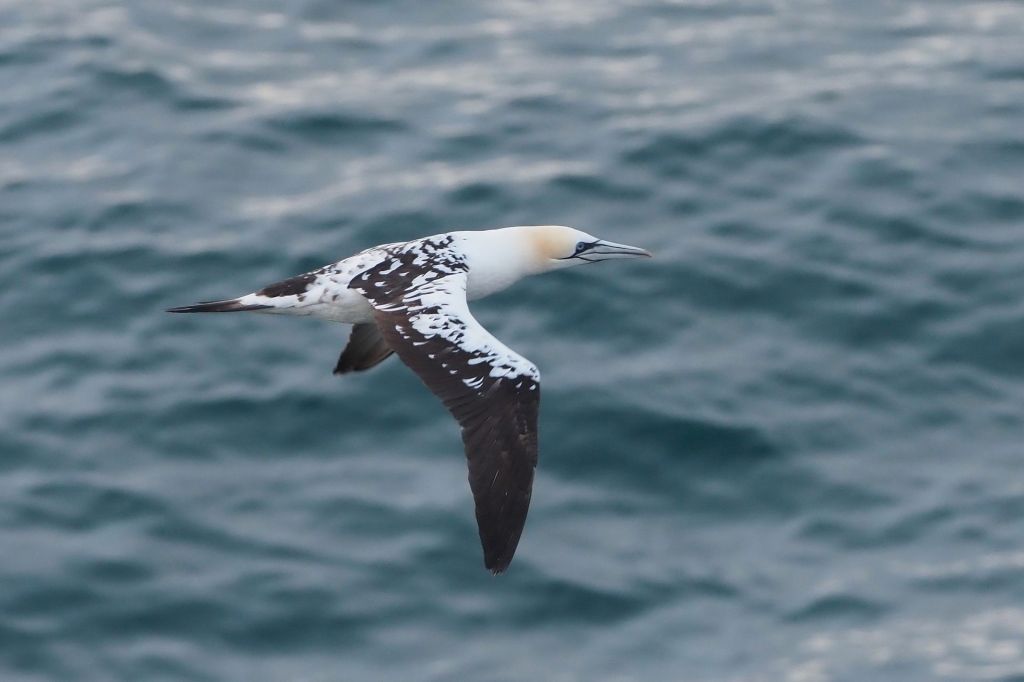
The final aspect of our visit occurred as we were leaving the estuary. We had noticed that Northern Gannets were relatively common around the Edinburgh waters and as we approached a small island near the open ocean we could see that it was covered in guano. It turned out that this island was the largest Northern Gannet colony anywhere. There have been as many as 150,000 birds on the island, which is a nature preserve now.



Inverness
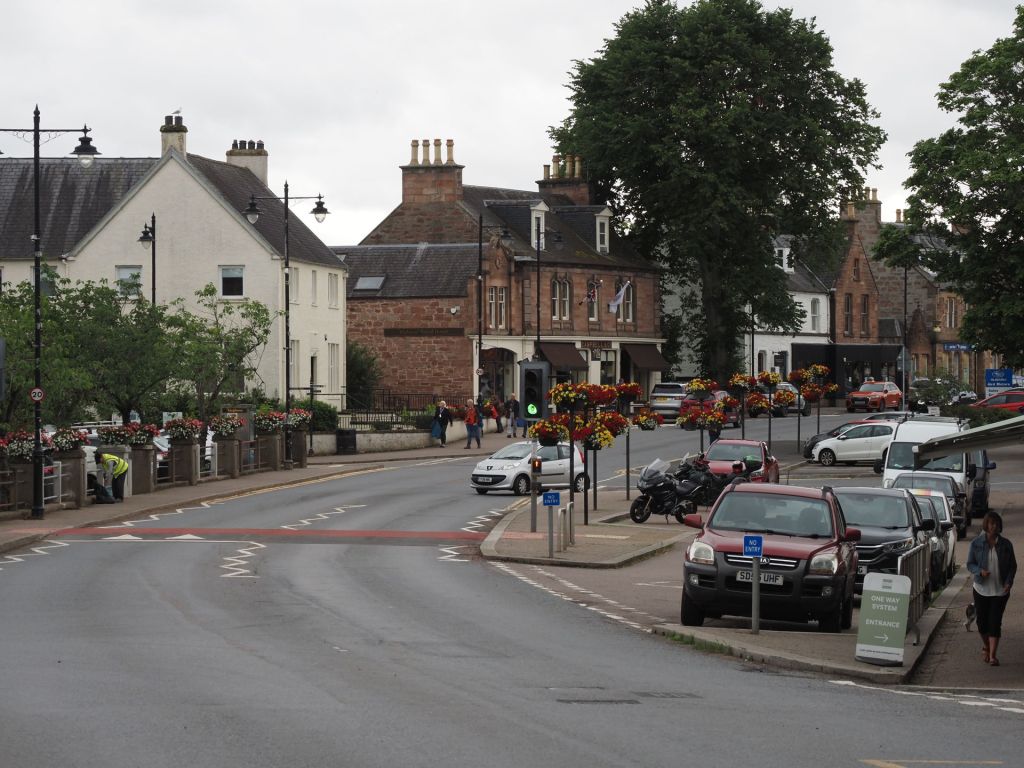
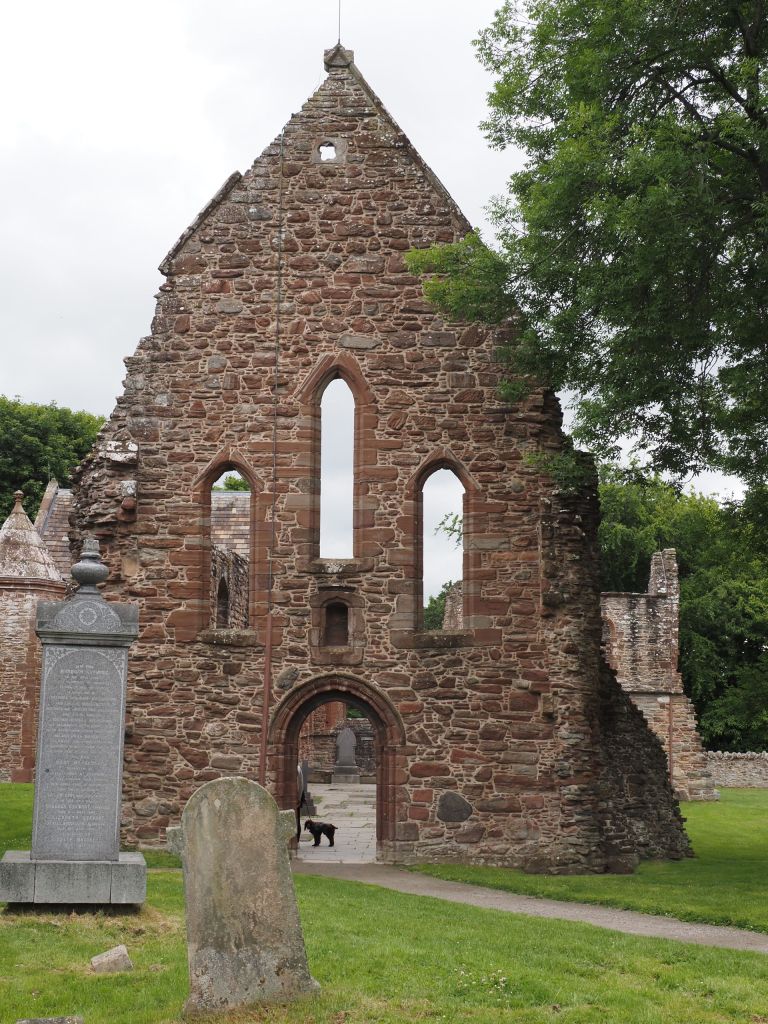
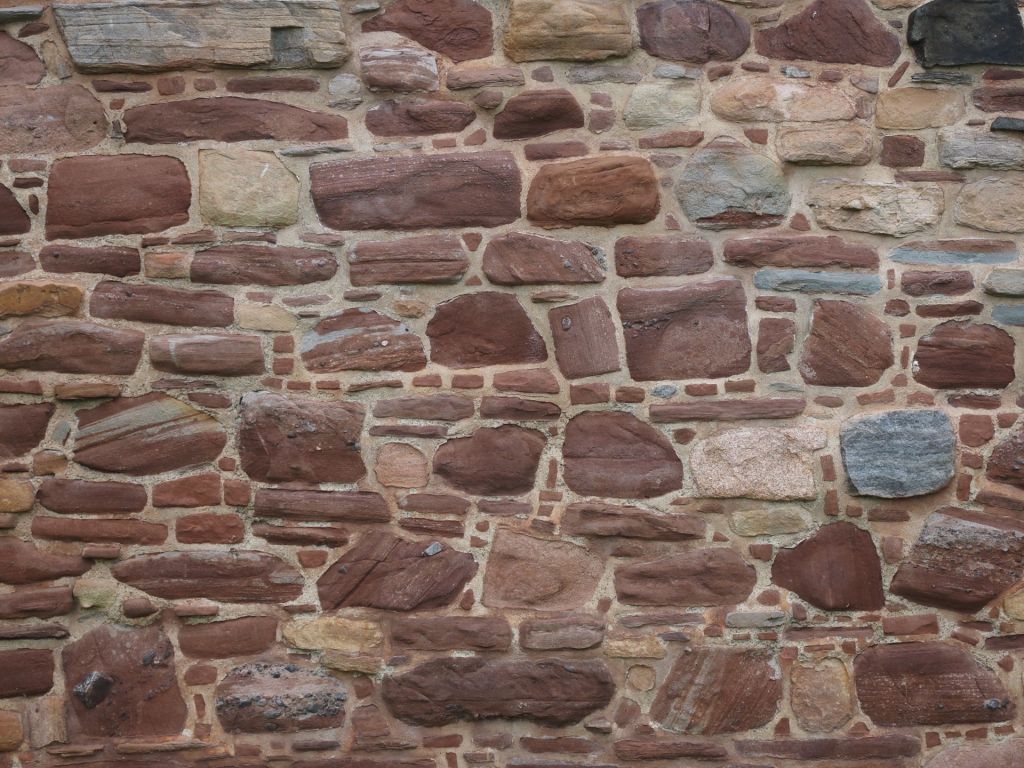
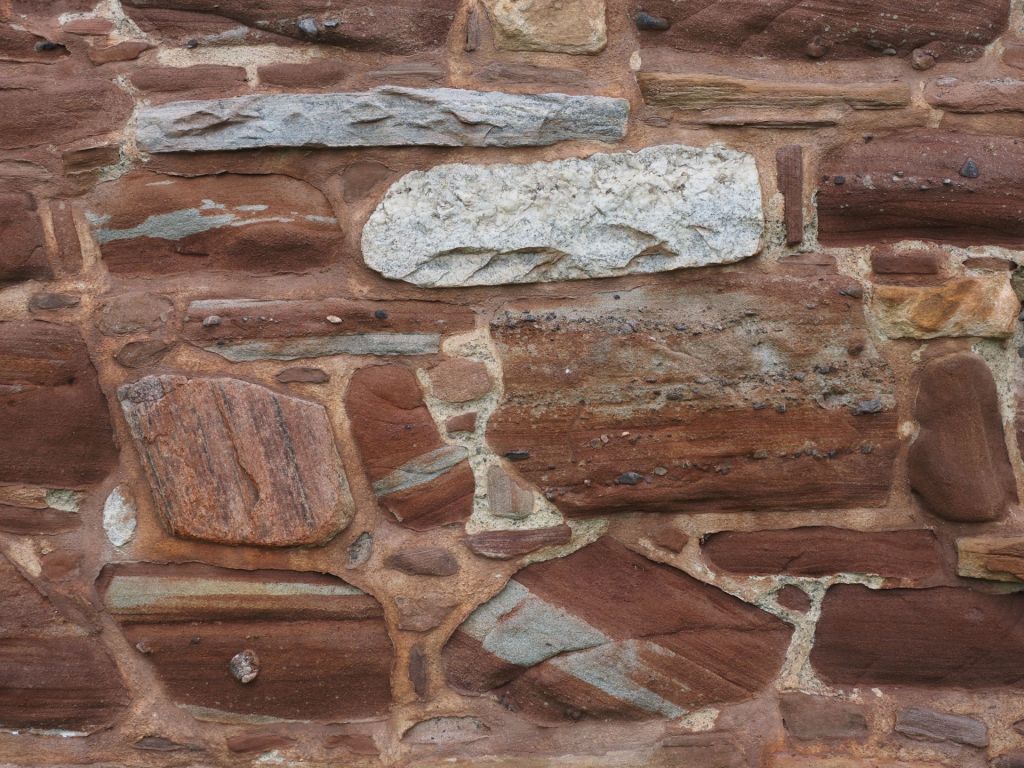
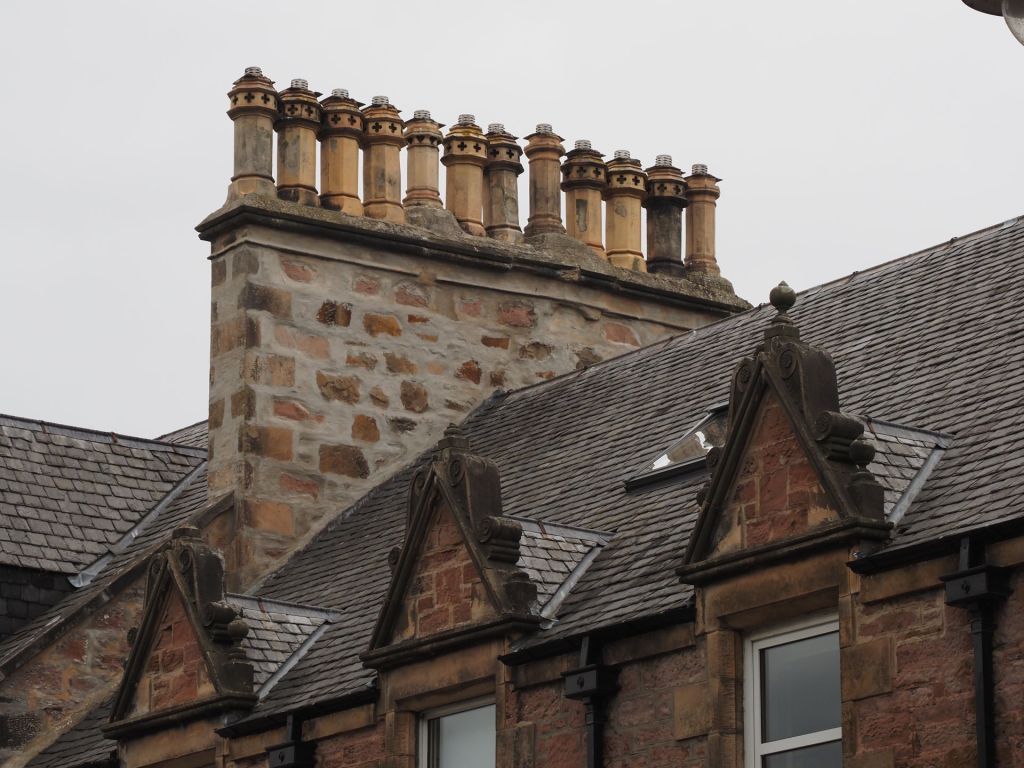
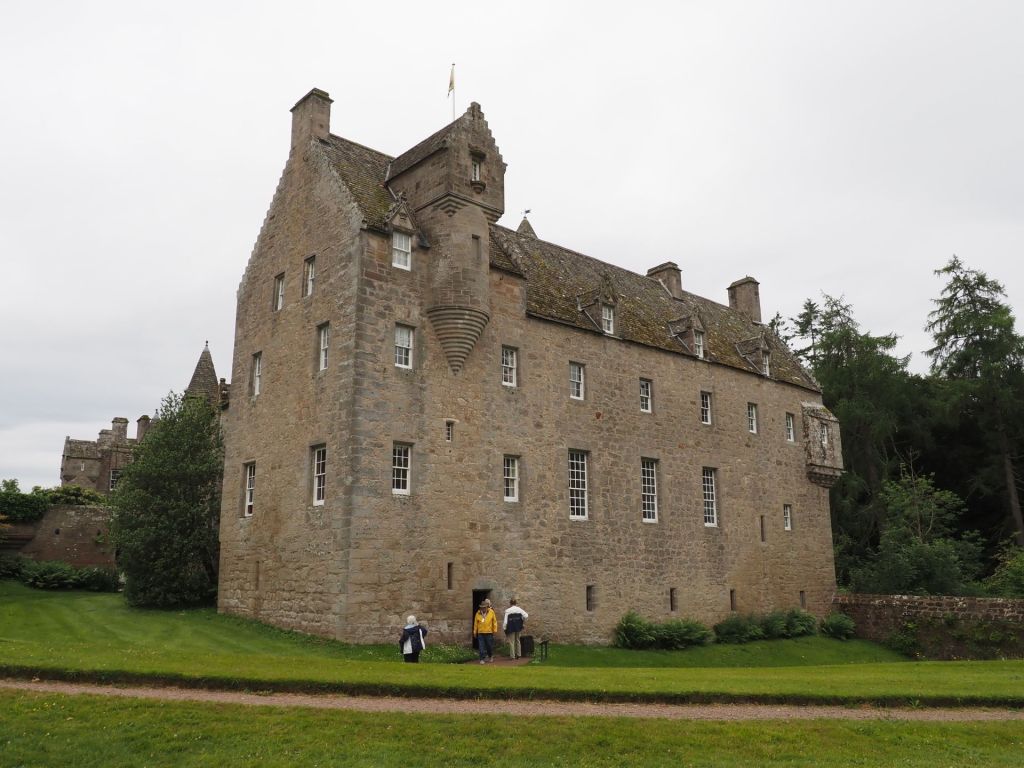
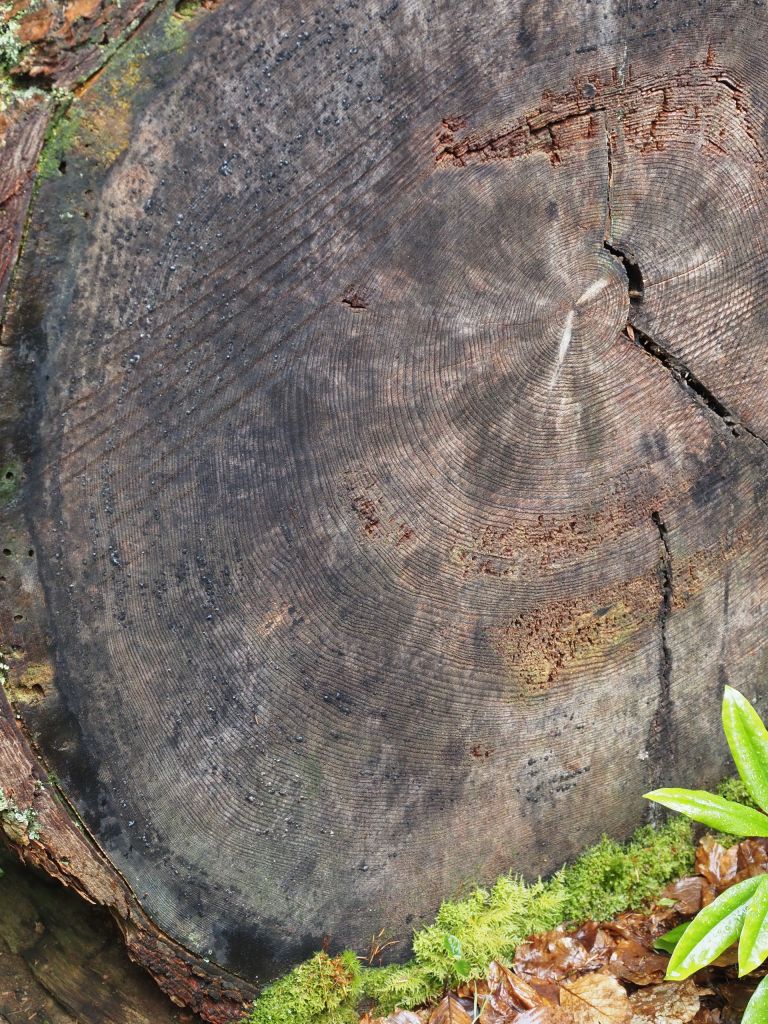
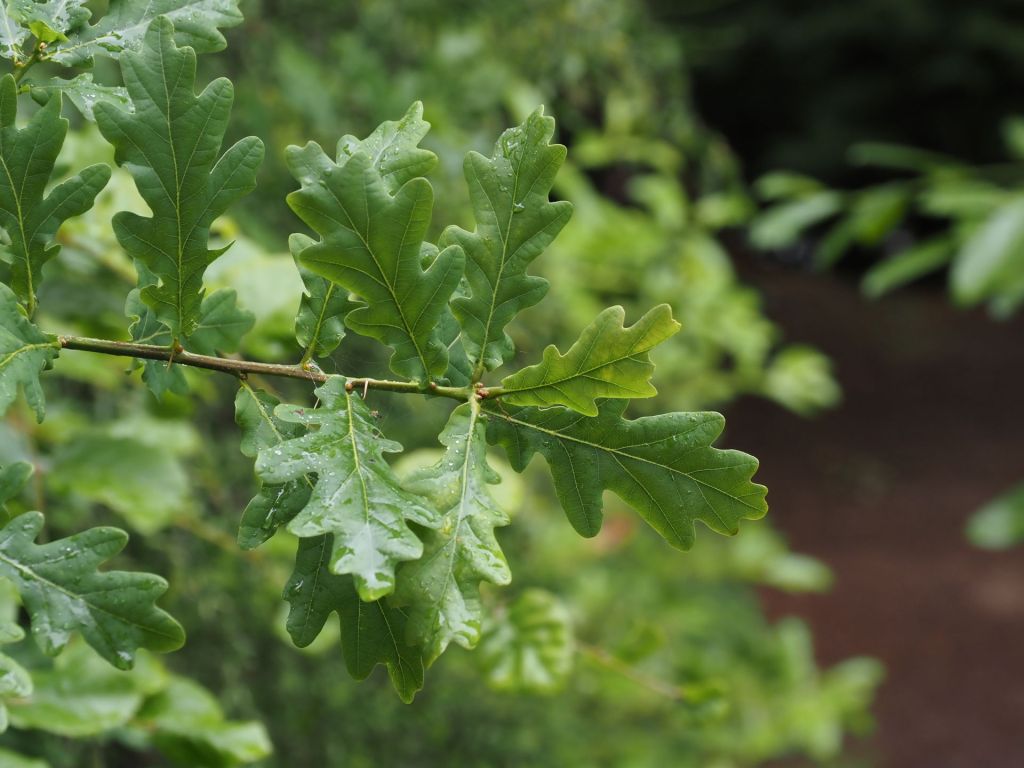
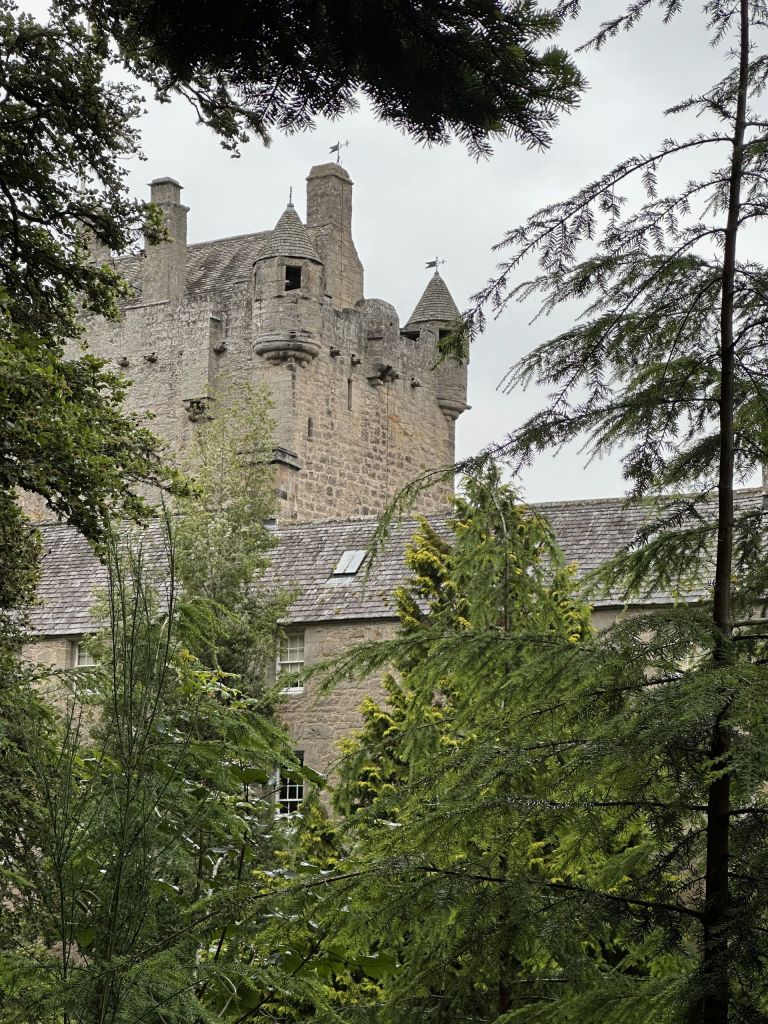
Our last port visit of the cruise was to Invergordon, a small town on the opposite side of a firth (estuary) from the main city of Inverness. It is about a half-hour bus ride to Inverness. We chose to take a tour that visited four locations. The first was Beauly, a small town along the way where we had just time for visiting an old cemetery, the second was a very quick roadside stop on a busy highway for photos of Loch Ness. Then we had more than an hour for a lunch break in downtown Inverness, and finally a longer visit to the Cawdor Castle outside of Inverness. During our lunch break we walked along the Ness River and saw a quieter part of the town where people go for walks. And at the Cawdor Castle we did the requisite visit to all of the rooms (relatively interesting) but enjoyed most the walk along a quiet trail among old growth trees in the “Wild Garden”. No one on our tour went there and it was very pleasant among the forest – admittedly planted with many non-native trees. There was a very large Giant Sequoia from California – the larger trees in this part of the garden must have been several hundred years old.












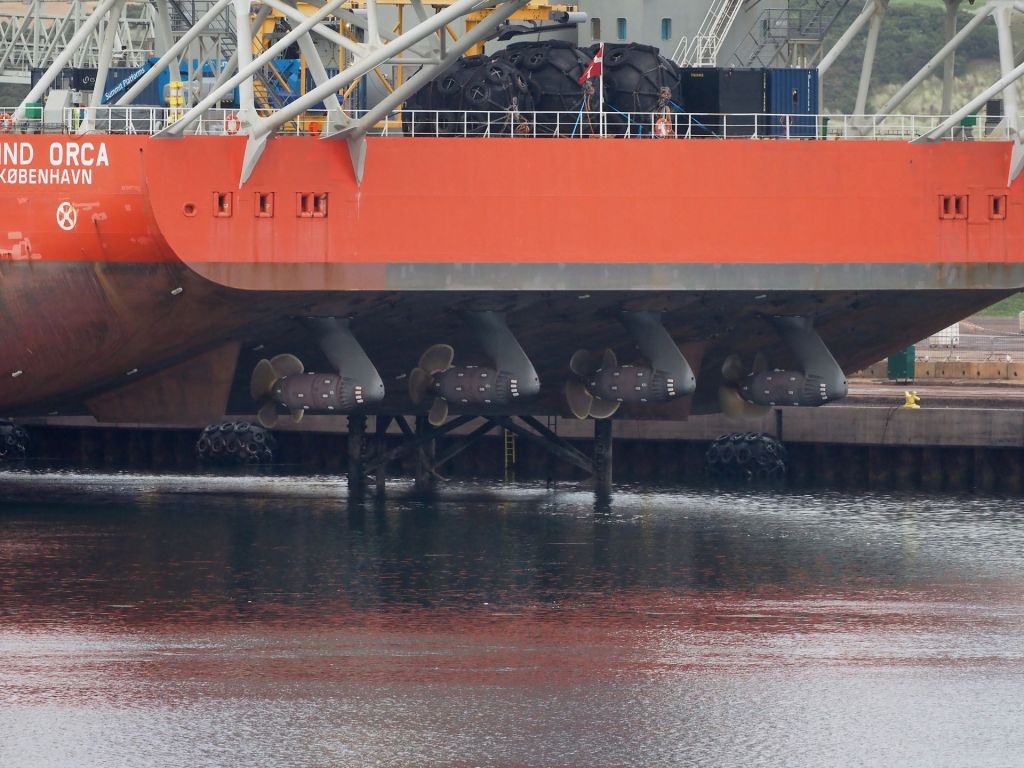
On our way out of the Invergordon area we noticed a variety of oil-drilling and wind turbine installing ships. Here are a few photos of them.




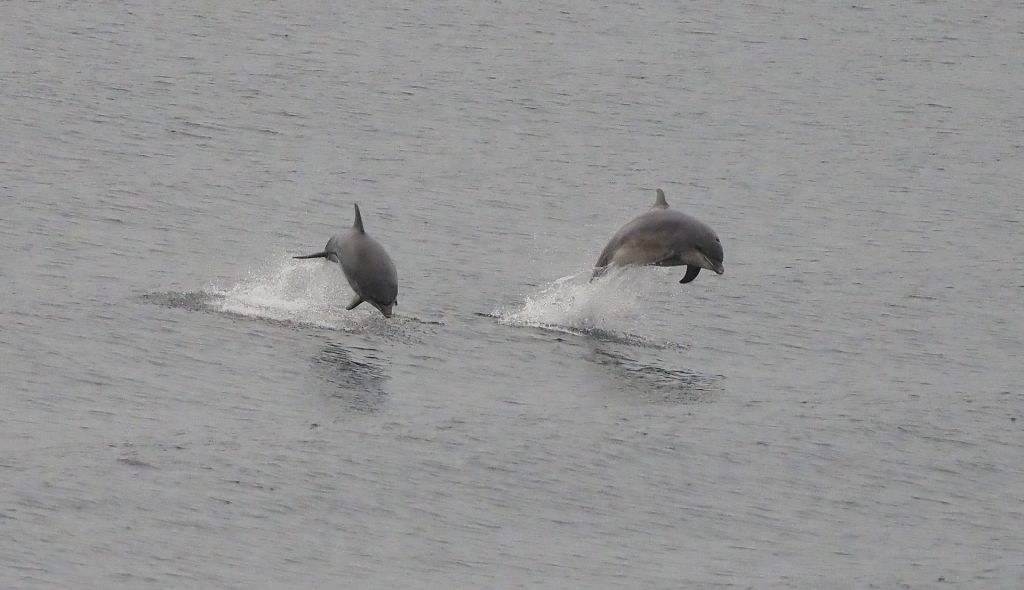
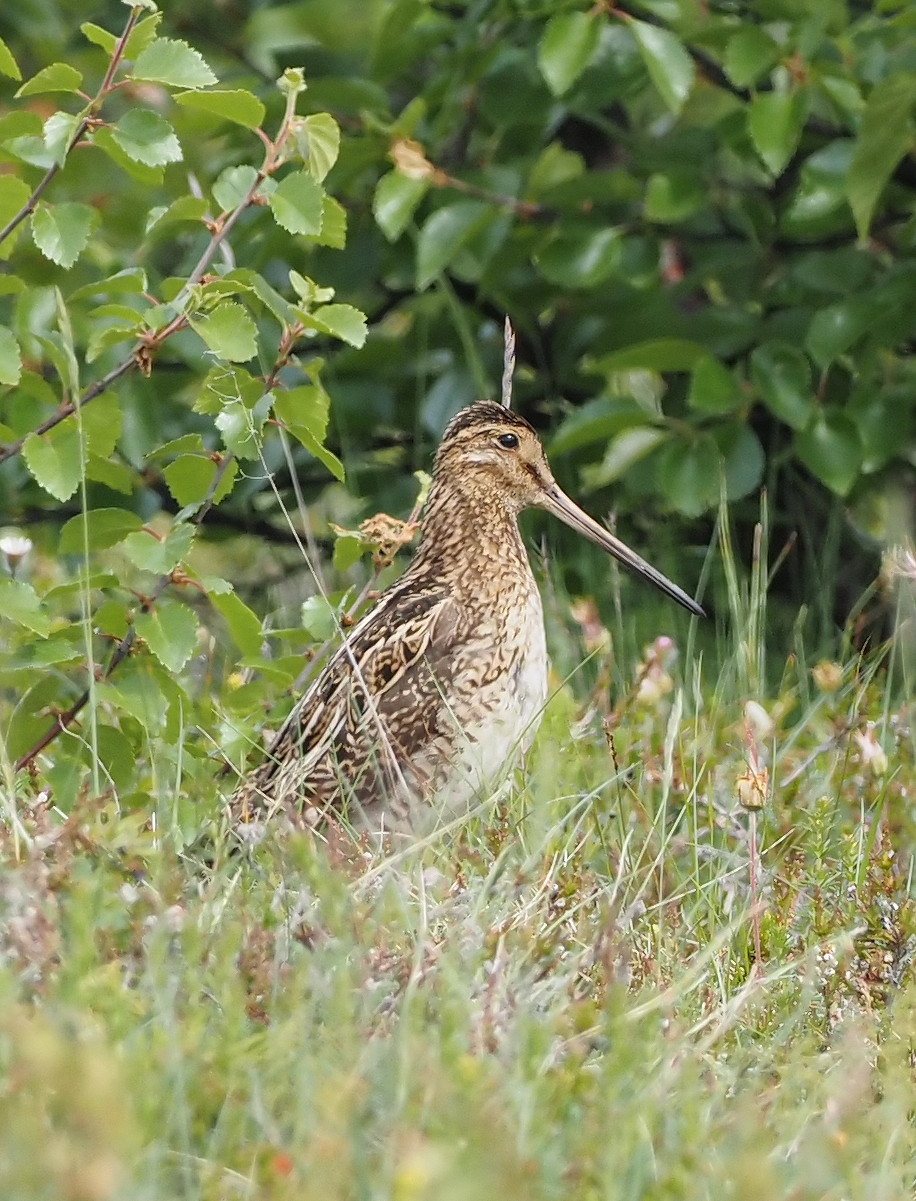
A few miscellaneous birds seen in Iceland are shown below. Click on any image to start viewing the sequence – the identification of the birds (common name in English) is given below the images. We could have placed them where we saw them but those sections were already long.






Some thoughts about our cruise
Would I recommend this cruise to others? That might be a common question that people might ask. Of course, we didn’t pay for nearly all of it, so it is easy for us to say yes. But for paying passengers who haven’t been to this part of the world it might not be our first choice. The two northern Norwegian ports at Alta and Hammerfest we liked because they were walkable without an urban feel, and of course Bergen is nice (if the weather is good), but you don’t really see any of the iconic Fjords with the ports on our cruise. To see deep fjords you must visit small ports like we did on our previous cruise in 2018 (Flam and Hellesylt).
Most Iceland cruises visit the same ports. We are not big fans of mass tourism, and the waterfall attractions, though impressive, are pretty much the same. When you’ve seen one waterfall you’ve seen them all – right? Perhaps not, but the geothermal attractions are less impressive than similar features in Yellowstone and most Icelandic attractions are not in a full natural setting. That is the waterfalls have farms and sheep grazing nearby, and the geothermal features are often developed for energy, hot water, or touristic spas.
The UK destinations on our cruise we interesting, but by this time we were not really interested in more old churches or tourist shops. But we didn’t have special expectations, so we were not overly disappointed.
We like to spend lots of time on the promenade, walking and looking for whales or pelagic birds – or anything else. Unfortunately the water (and this air) temperatures on our cruise were rather cool 6-10˚C, so it wasn’t balmy. But that comes with the territory.
BEFORE OUR CRUISE
Rotterdam
We spent two nights prior to our cruise in Rotterdam, having taken a taxi (ouch!) with our luggage from Gouda. The hotel was only perhaps 100m from the train station, so if he had traveled with smaller roller cases (like many europeans do) we could have taken the train. In fact we saw many people, tourists and locals, using small suitcases that they didn’t mind dragging across the cobblestone streets for a half mile or more.
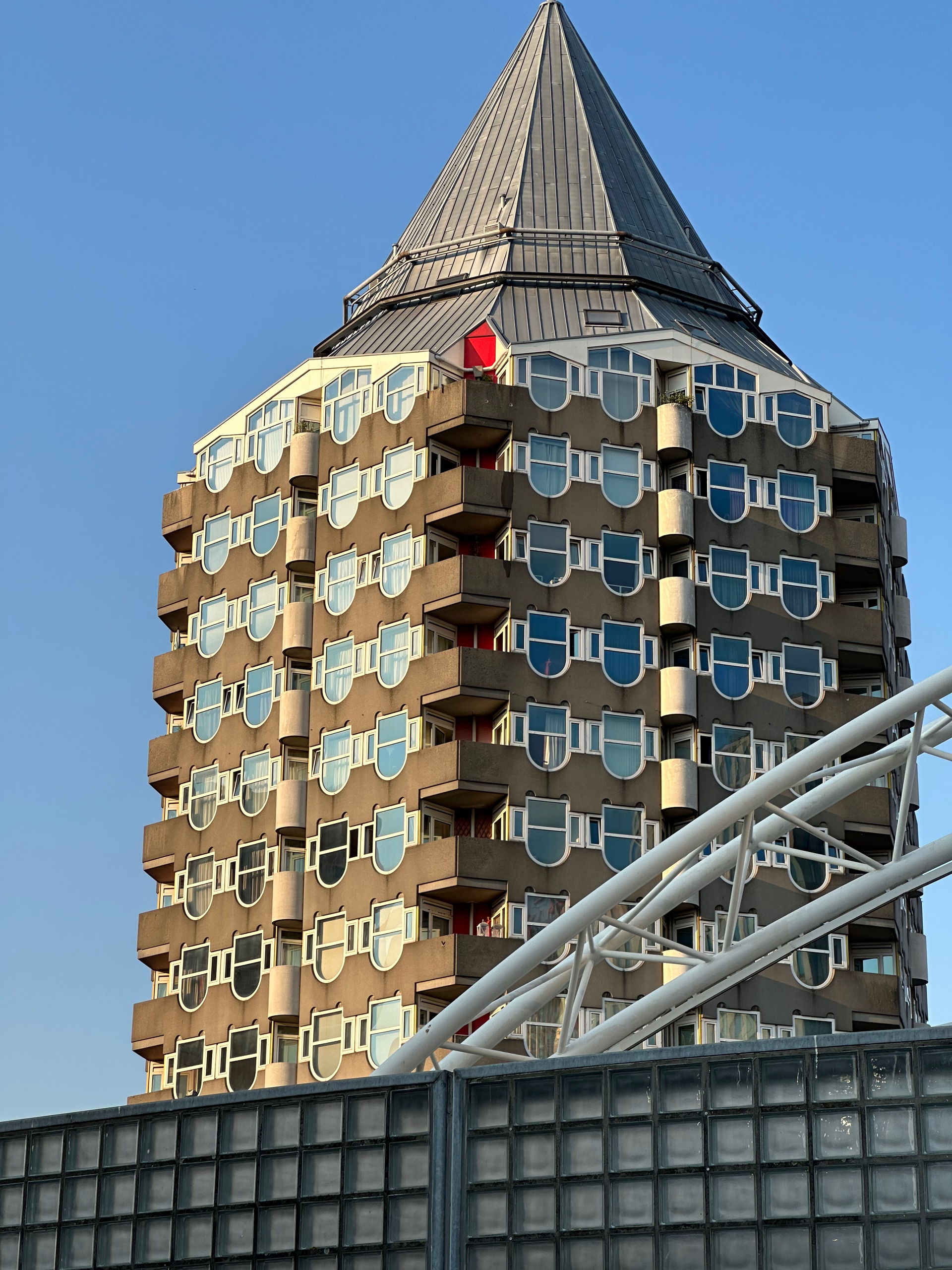
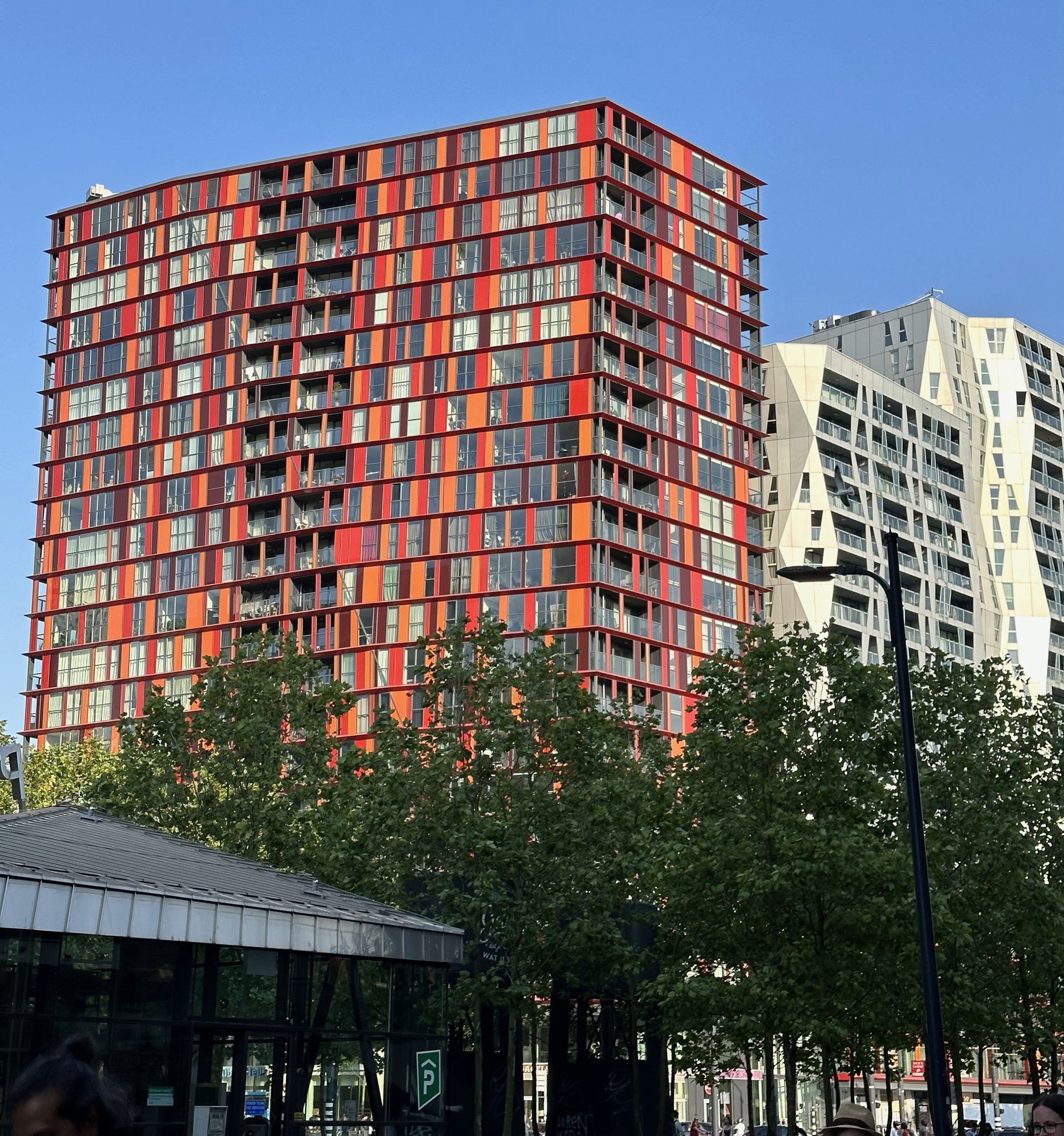
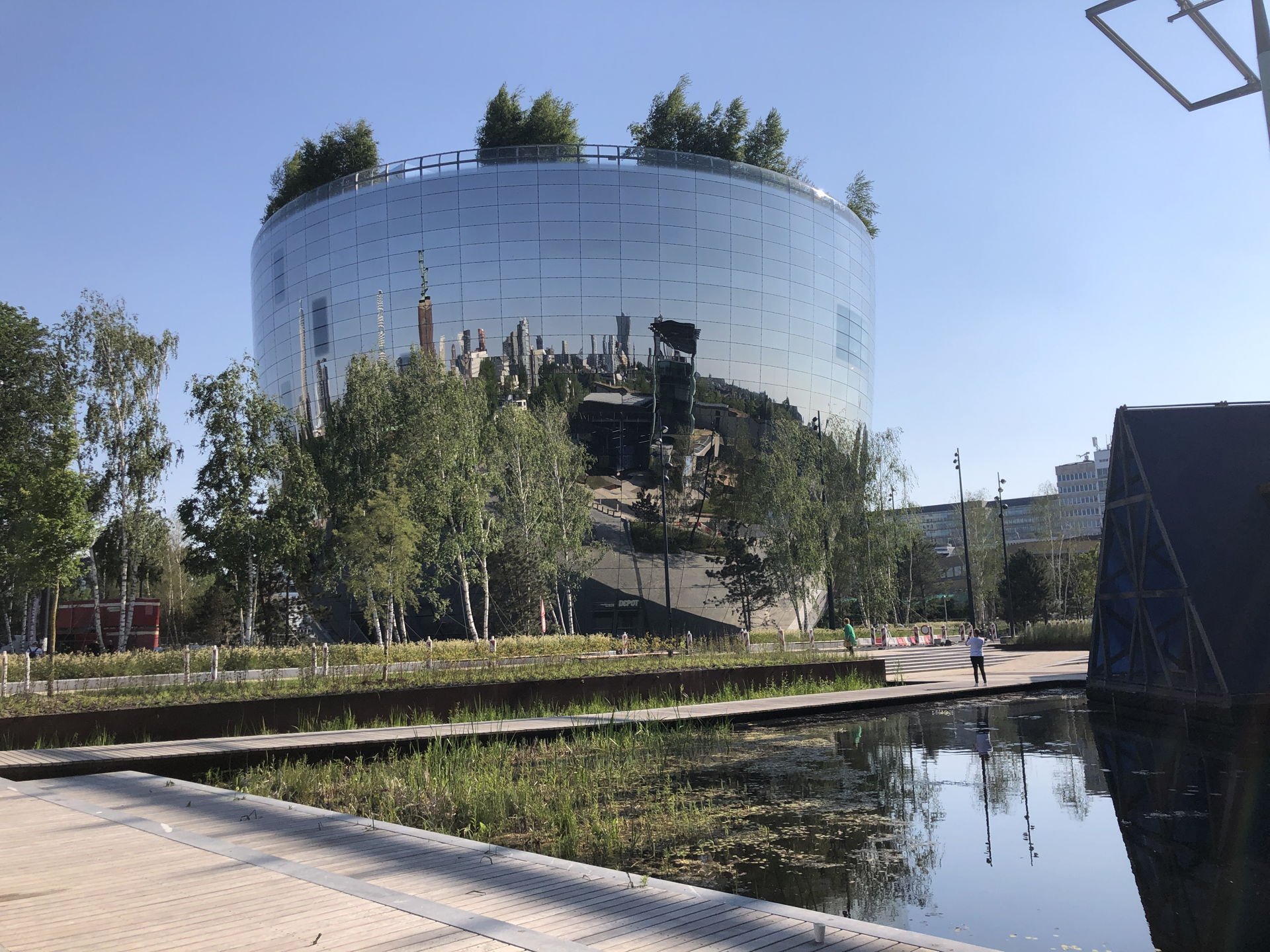
Rotterdam is a relatively modern city – well it was largely reconstructed after WW2 when it was largely destroyed. And the Dutch have shown some pretty amazing designs for many of the larger buildings. I wonder whether these designs are truly functional or just for “curb appeal”, but in any case they are striking. Some examples are shown in the images below.











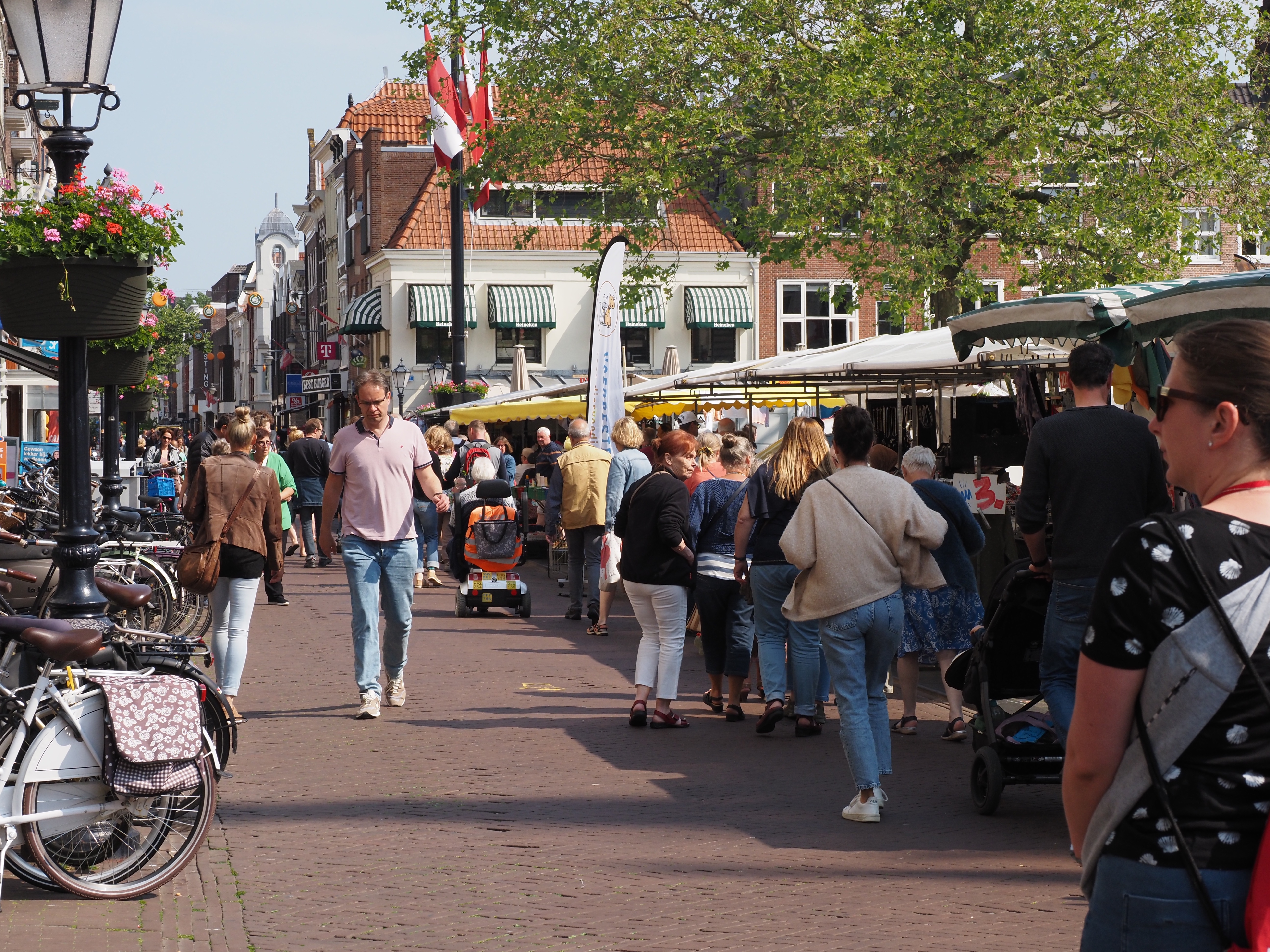
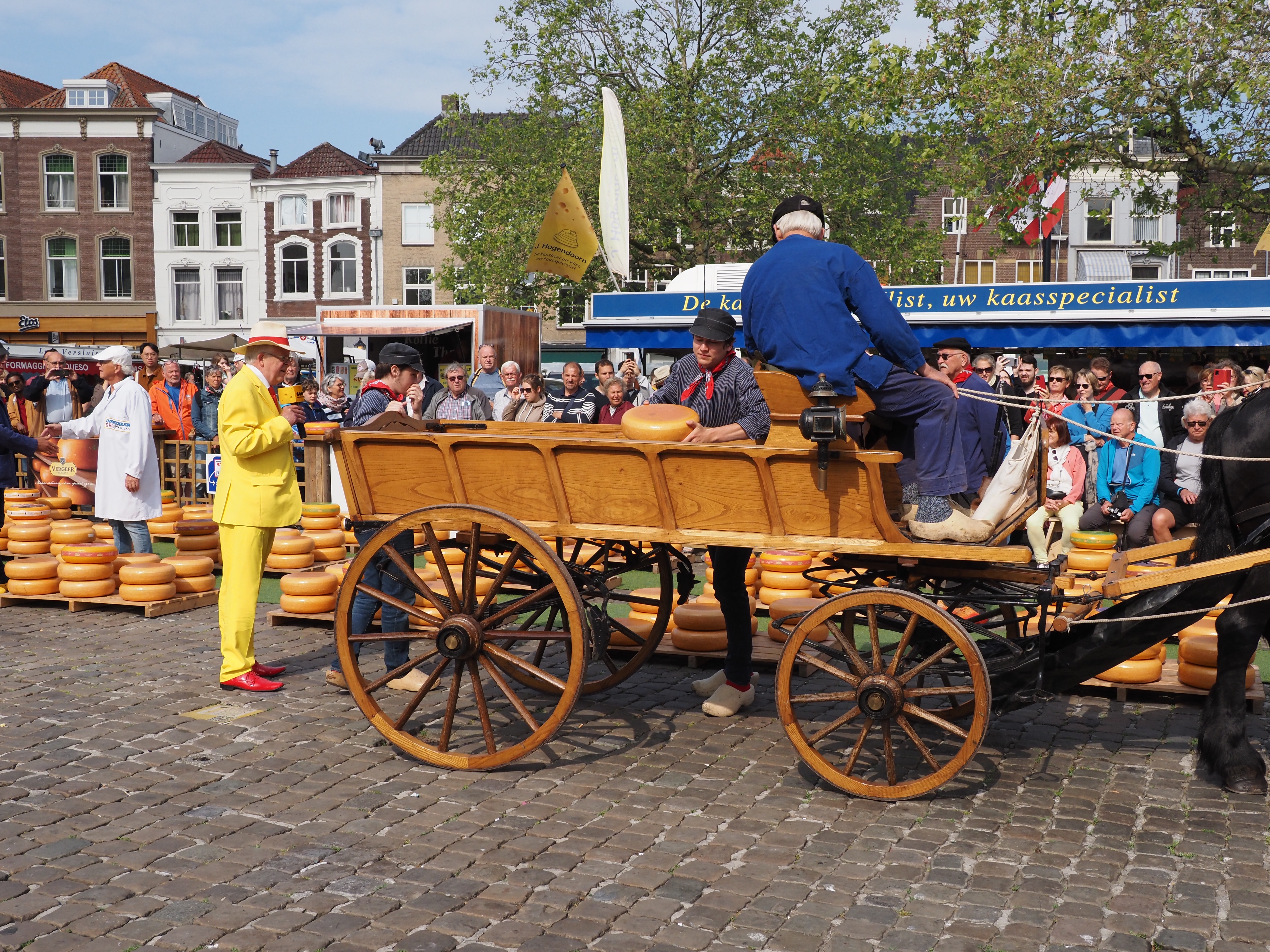
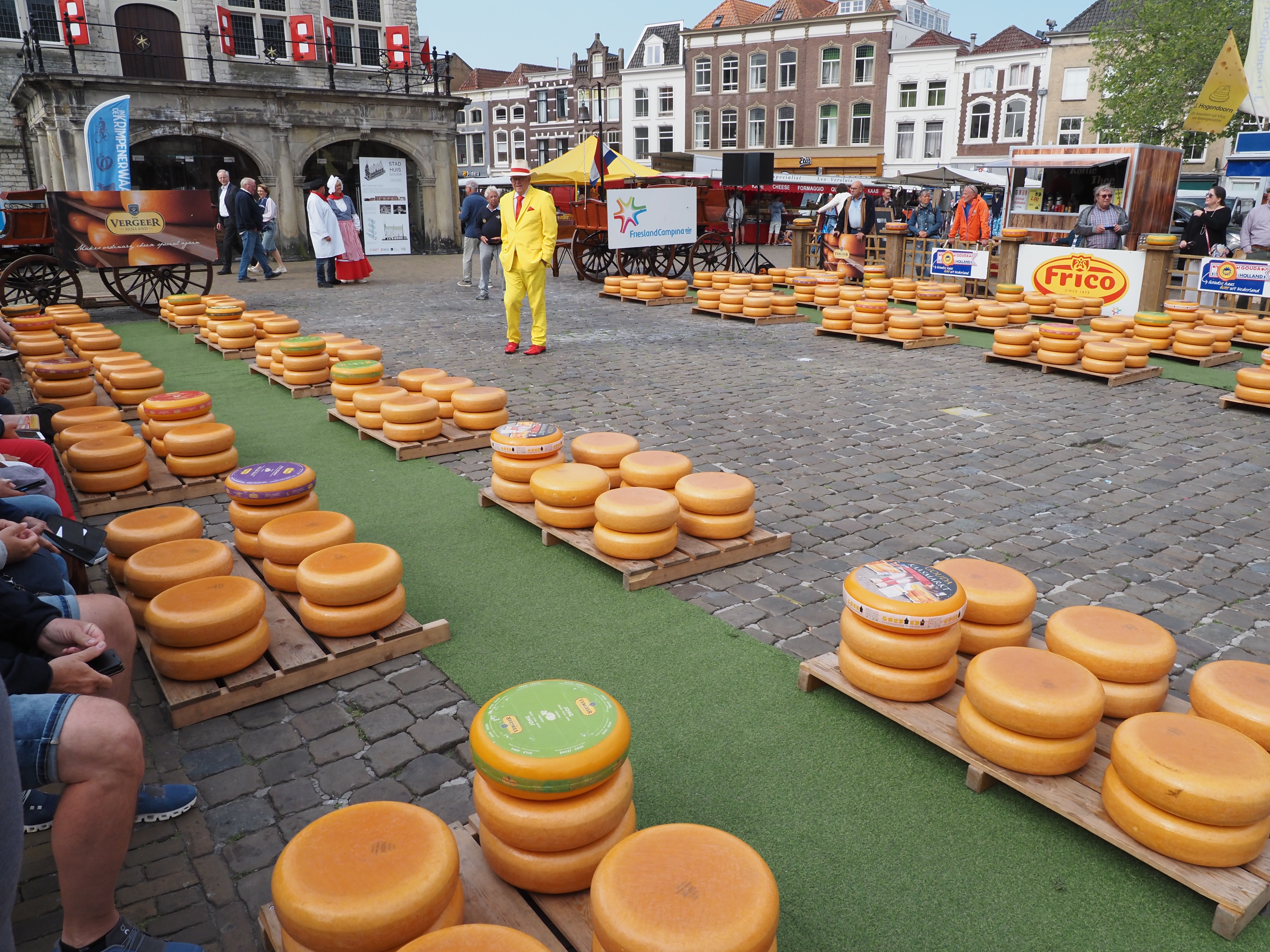
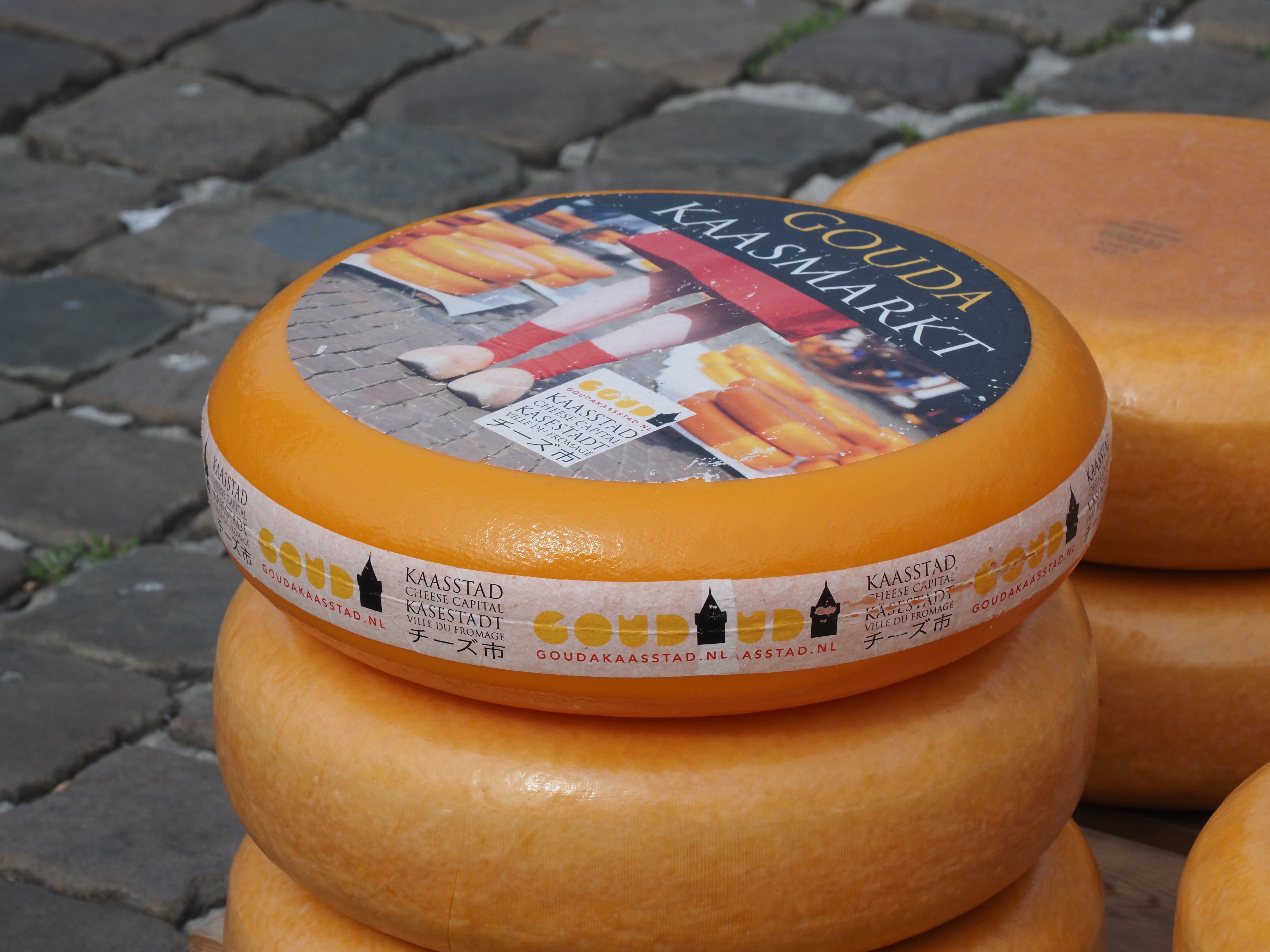
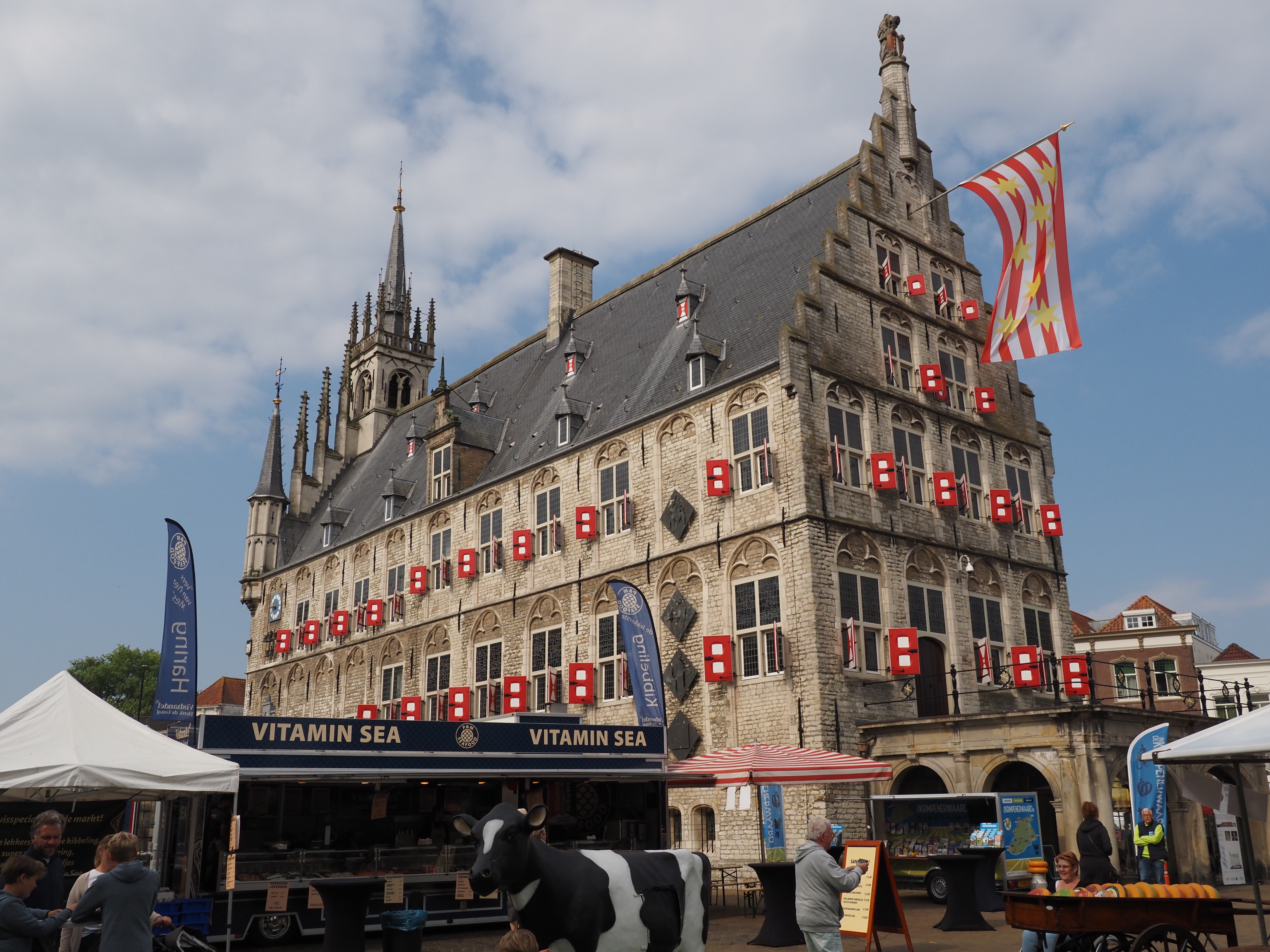
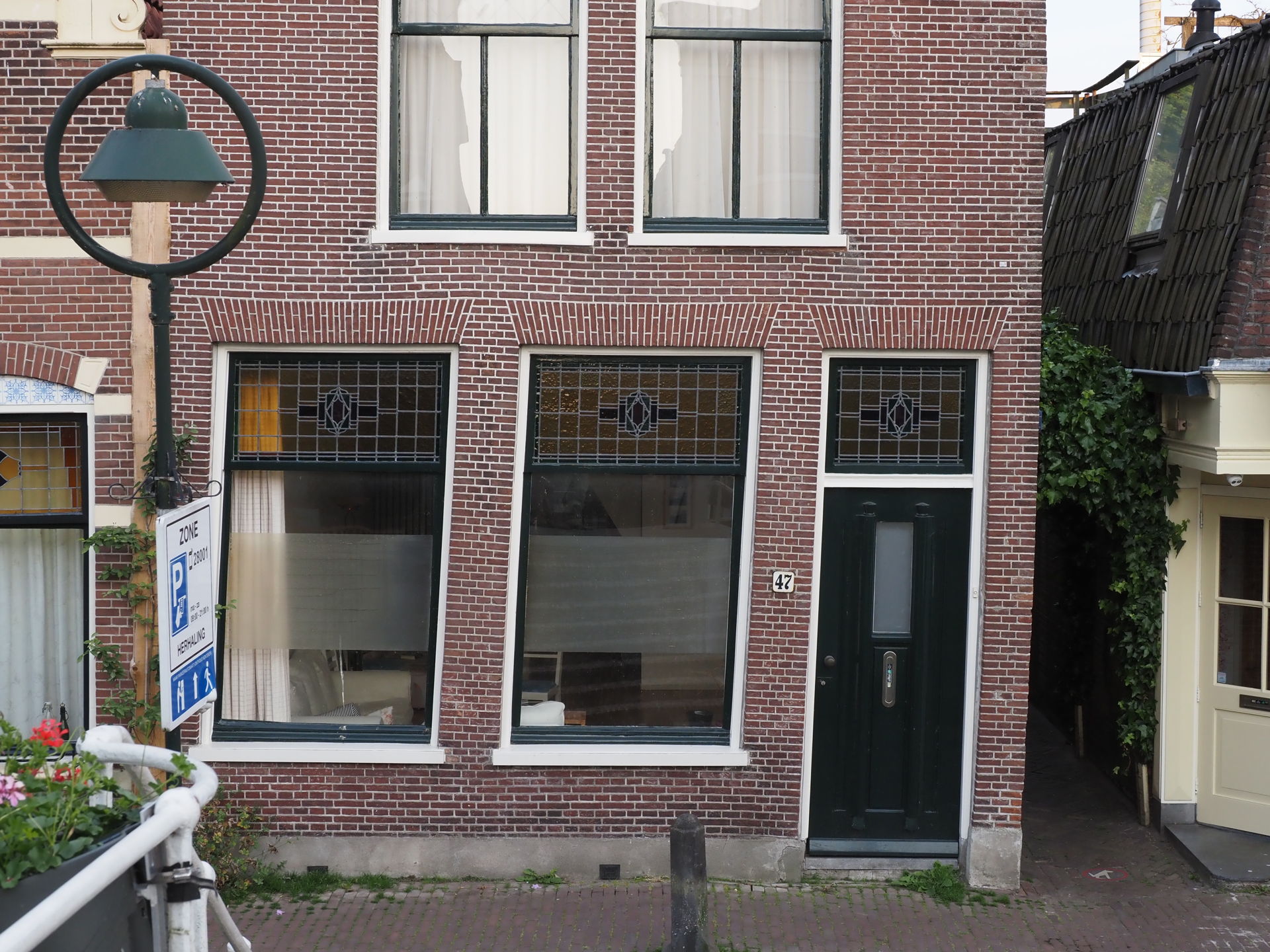
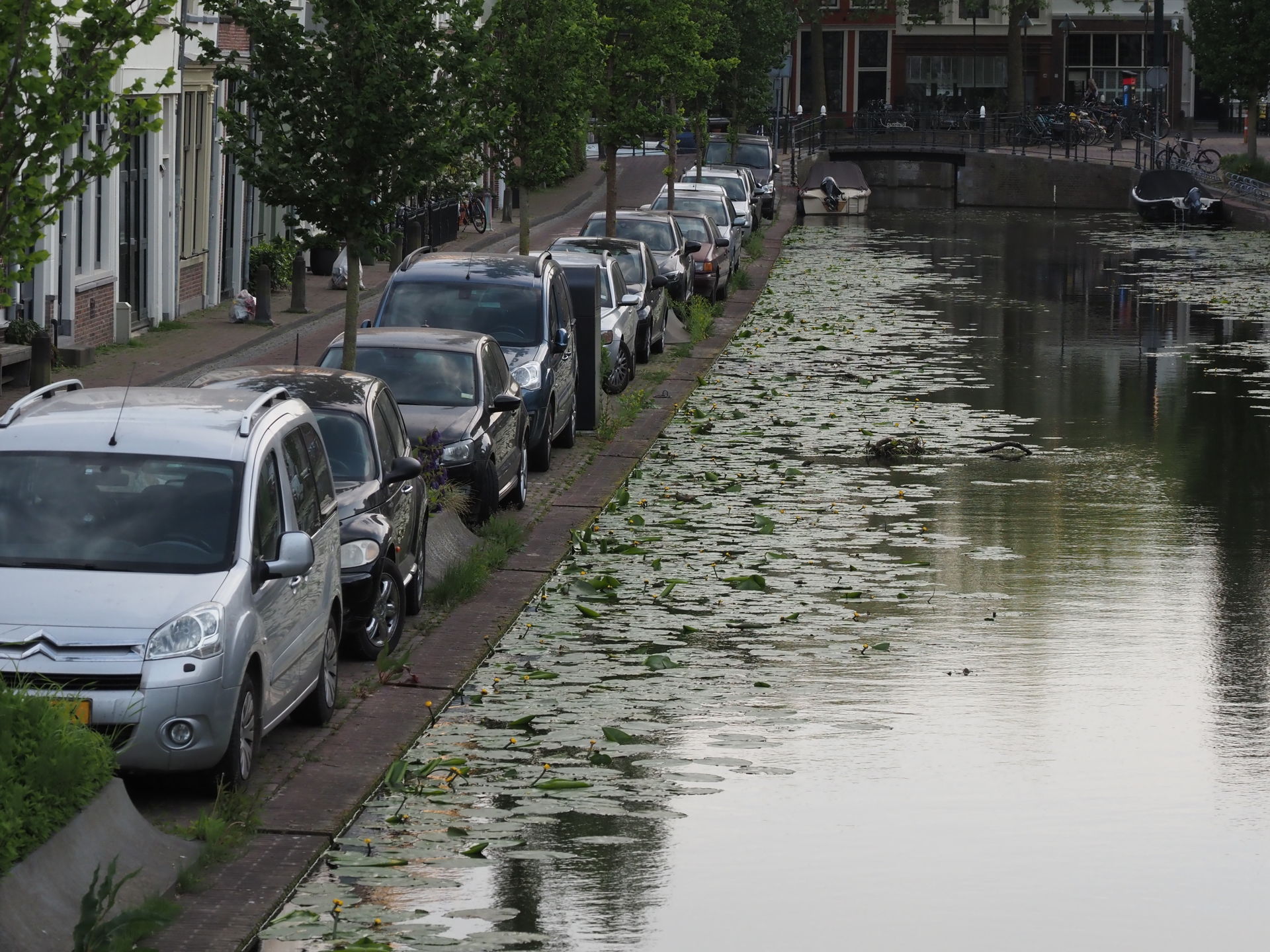
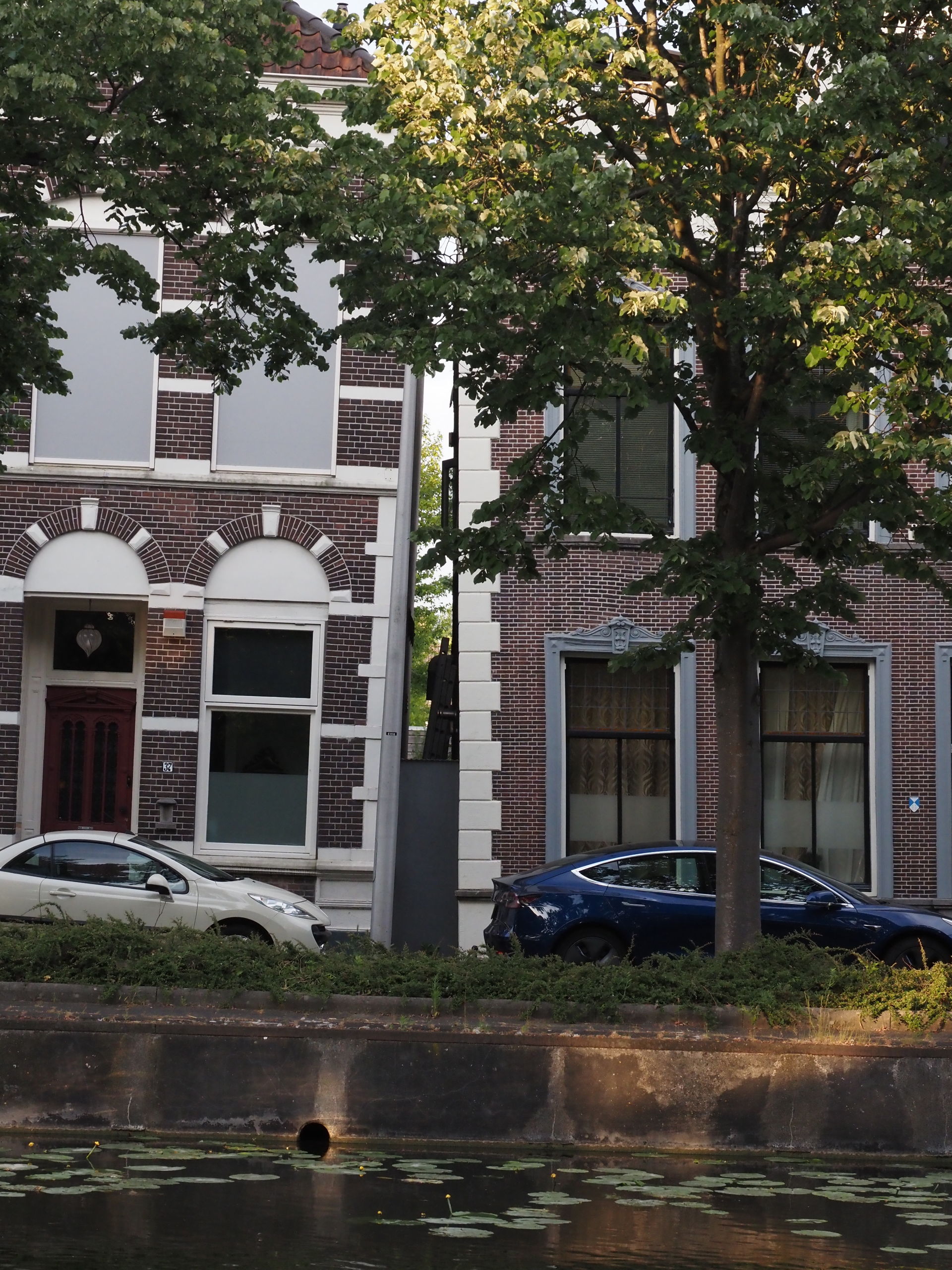
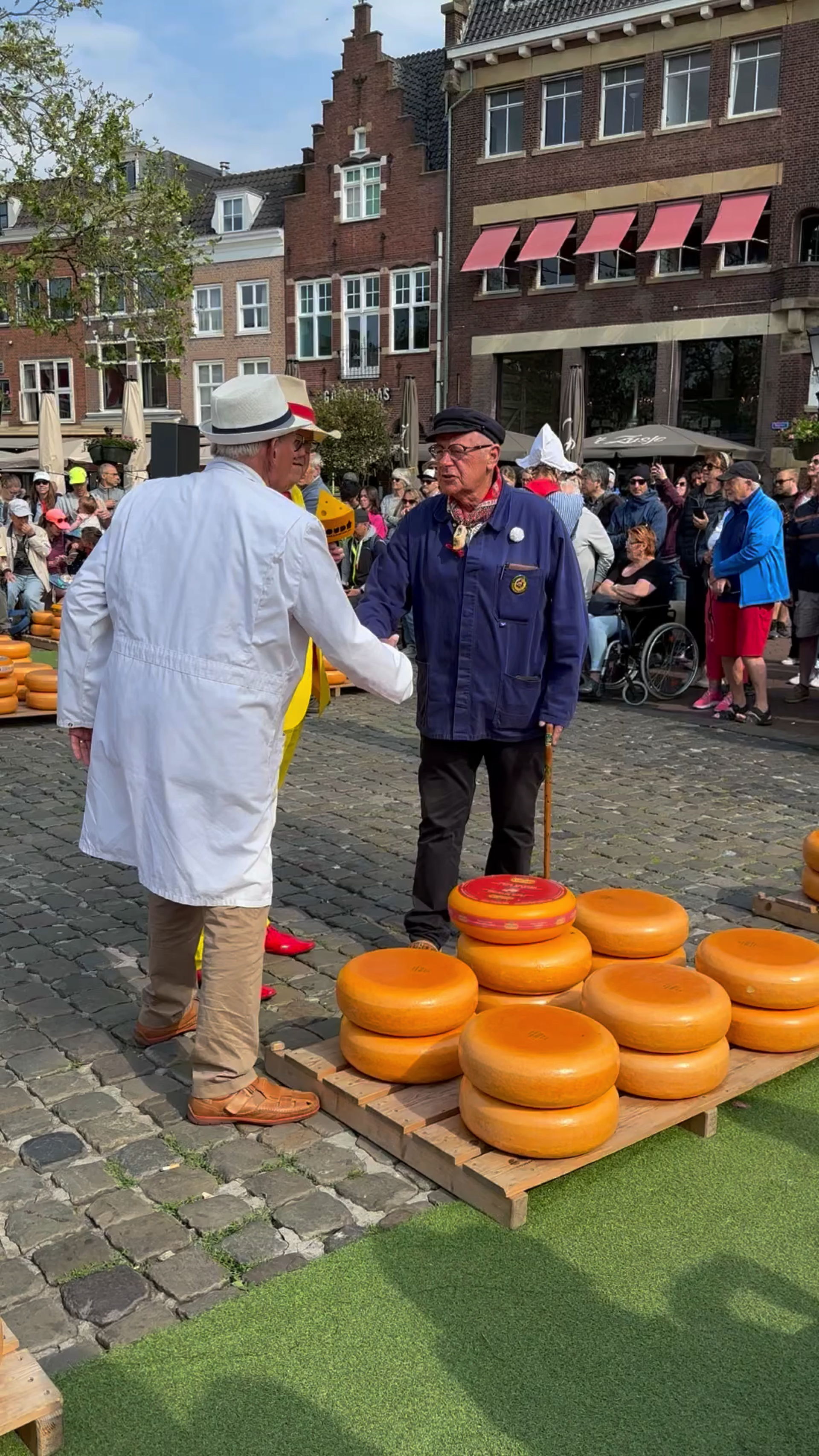
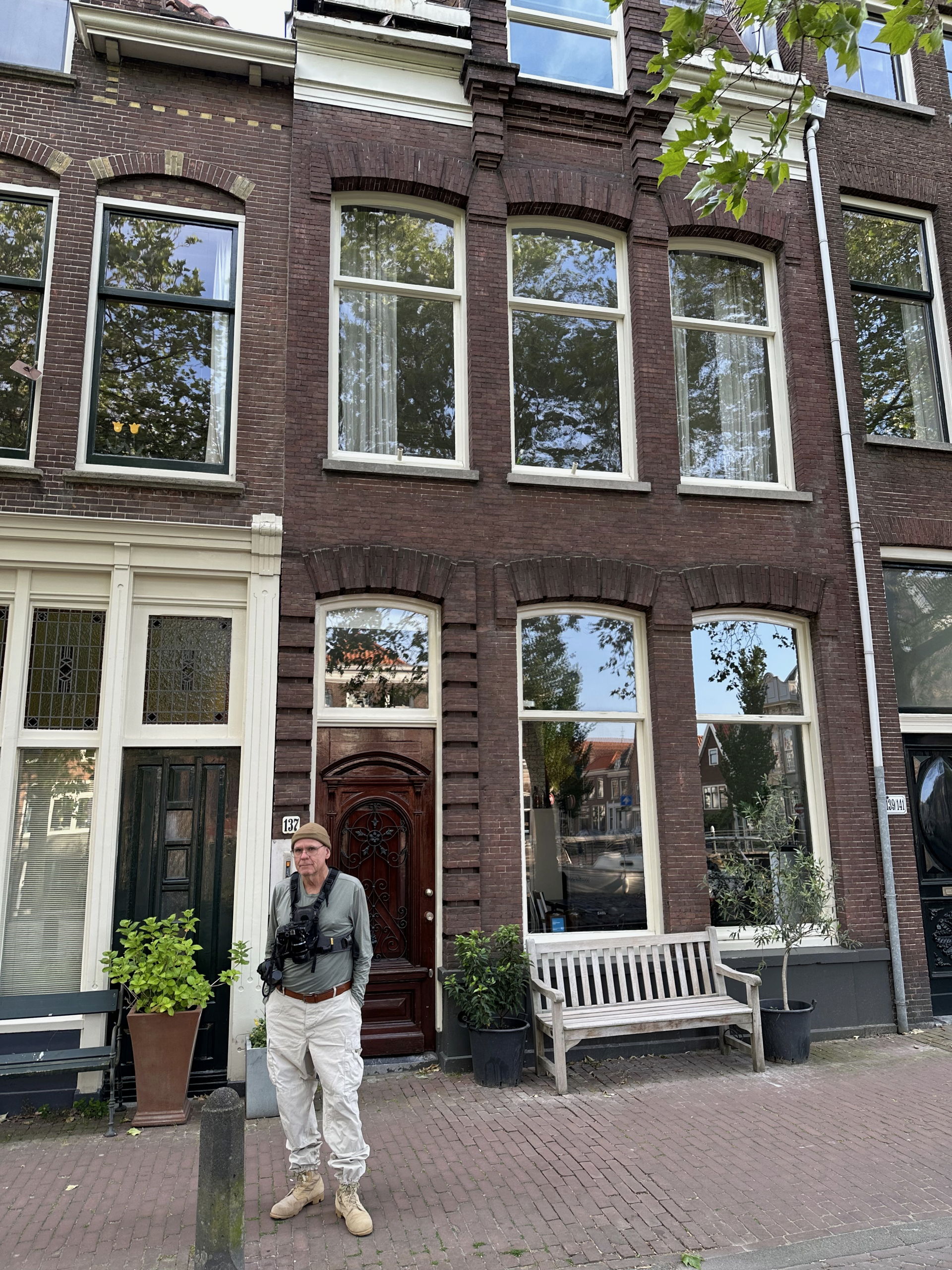
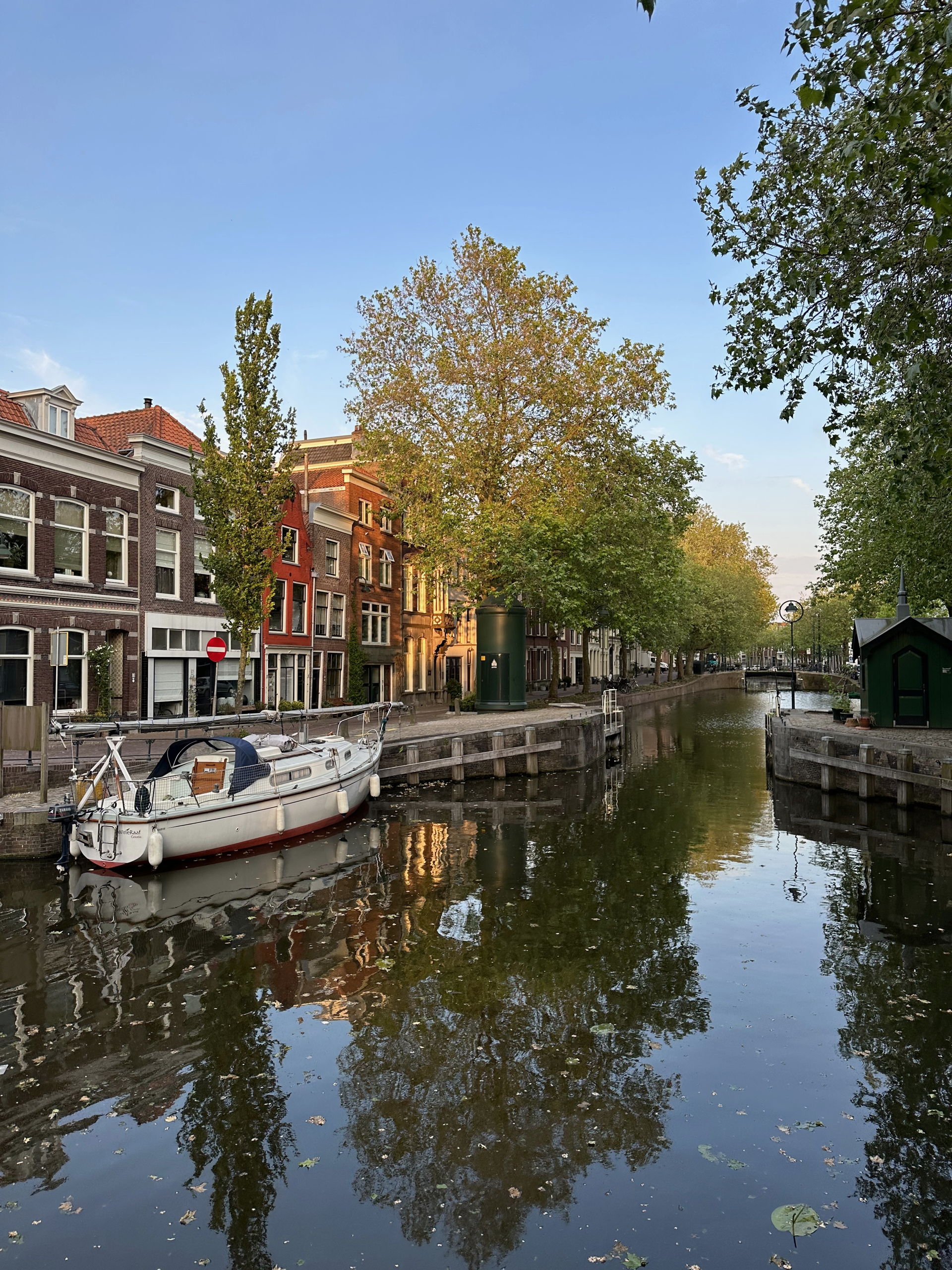
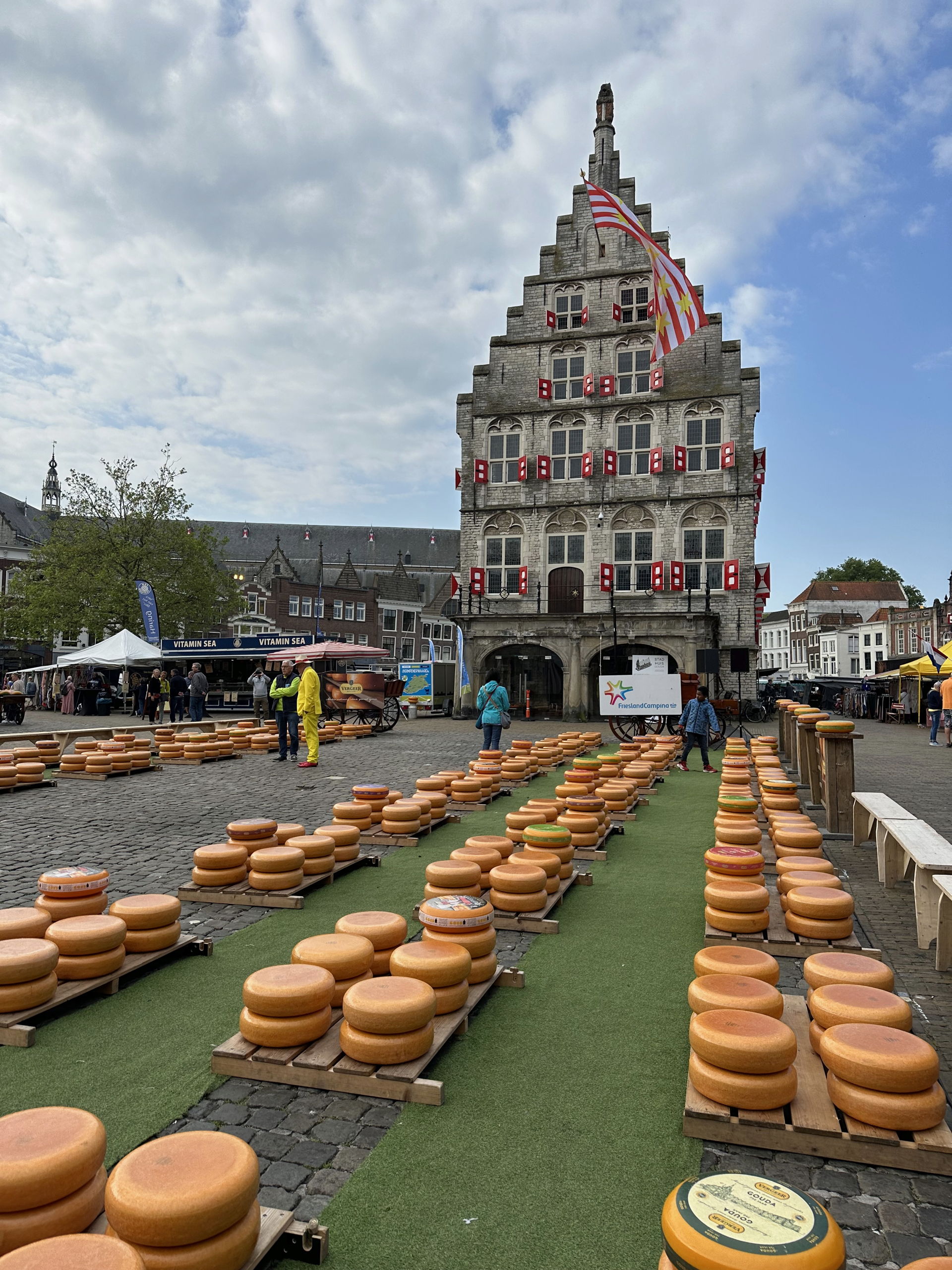
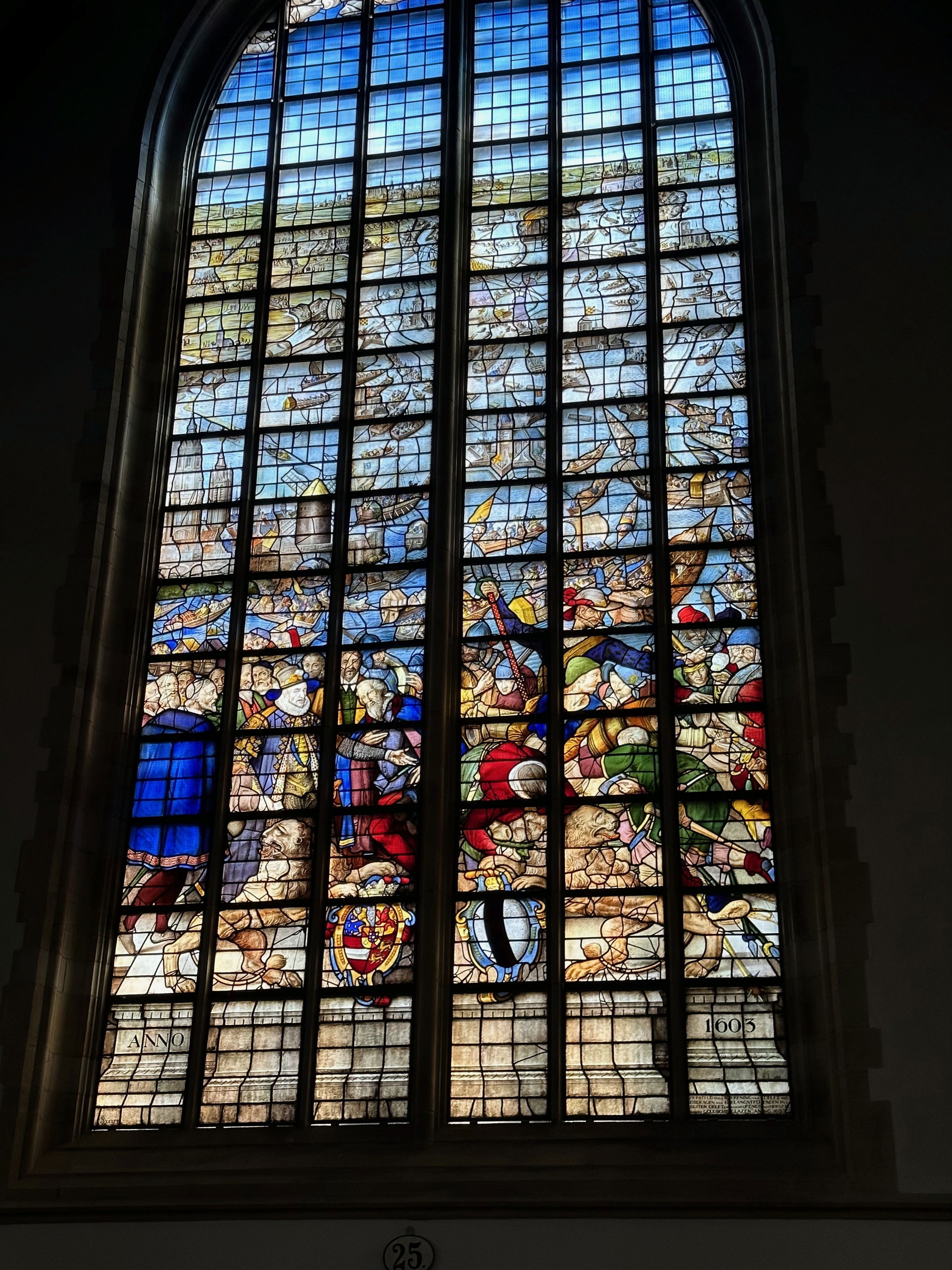
Prior to Rotterdam we spent three nights in Gouda, a smallish town known for its cheese. This was a good decision because Gouda is walkable and had a variety of interesting activities while we were there including a market day and the weekly cheese demonstration.














 THE NATURALIST'S TRAVEL PAGE