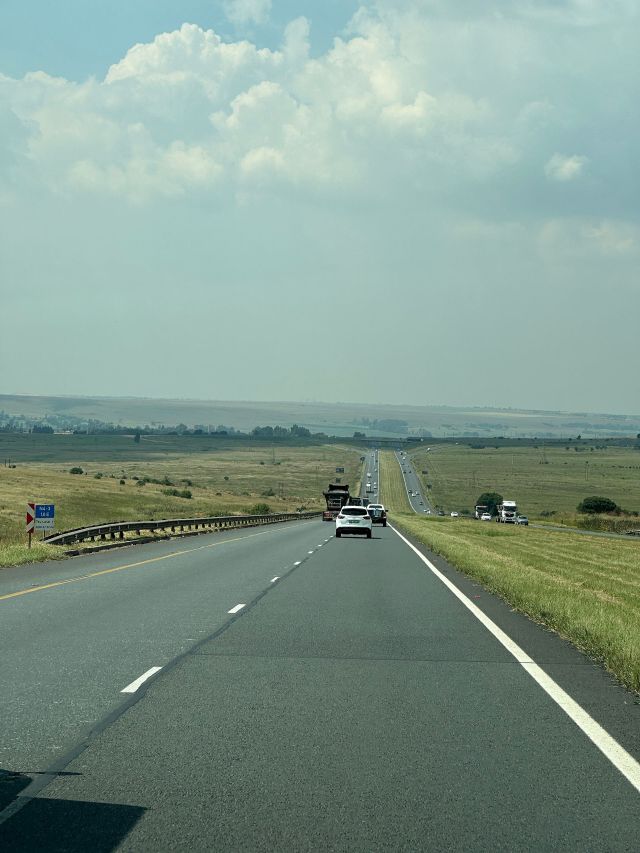
We spent 15 nights in Kruger National Park in Mar-Apr 2025. After crossing the Indian Ocean on Holland America’s Zuiderdam, we got off our ship in Durban, went directly to the airport and flew to Johannesburg, where we spent the night. Then, the following morning we picked up our rental 4×4 and started our drive to Kruger National Park (about 250 miles east via a toll highway). Because of the need to buy groceries and other items, we had booked a night at the Hippo Lodge outside the park. You cannot enter the park after hours, so we had learned from previous experience that it is best not to try to rush to the first Kruger rest camp before the gates close.
Once inside the park you are free of the usual advertising, shops, commercial traffic and such. Once you enter the park (after paying appropriate fees) you cannot leave the park until you are checked out at your last rest camp. Many people go for the day in the southern part of the park where there are many accommodations just outside the park. As you proceed northward in the park there are fewer such day-visitors.
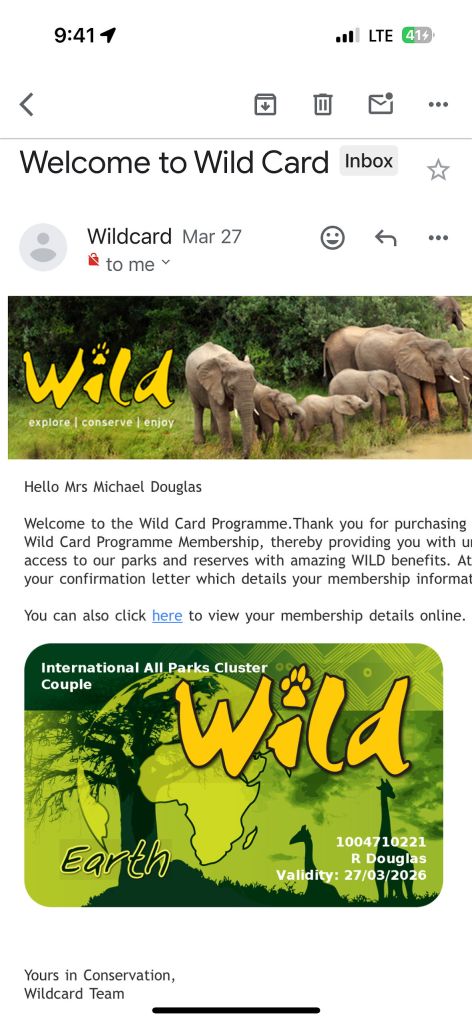
We should say that the daily fees for the park are substantial compared with US National Parks (which are something like $25 for a week). Kruger’s daily cost would have been much more than this per day, so we usually buy a ‘Wildcard” that allows for yearly entrance to any SANPARK parks. For foreigners this is about $350, but pays for itself after about a week in Kruger. This is much less than in East African parks.
We stayed in various rest camps inside the park. We stayed 3 nights in key rest camps (Lower Sabie, Mopani, Punda Maria), with two nights in Satara and Berg en Dal. We only spent one night in Pretoriuskop and Olifants (where we had never stayed before). To see an earlier write-up about Kruger, prepared a few years ago, see this webpage: https://thetravelingnaturalist.org/kruger-national-park-2/. It has maps and details about the park, rest camps and such.
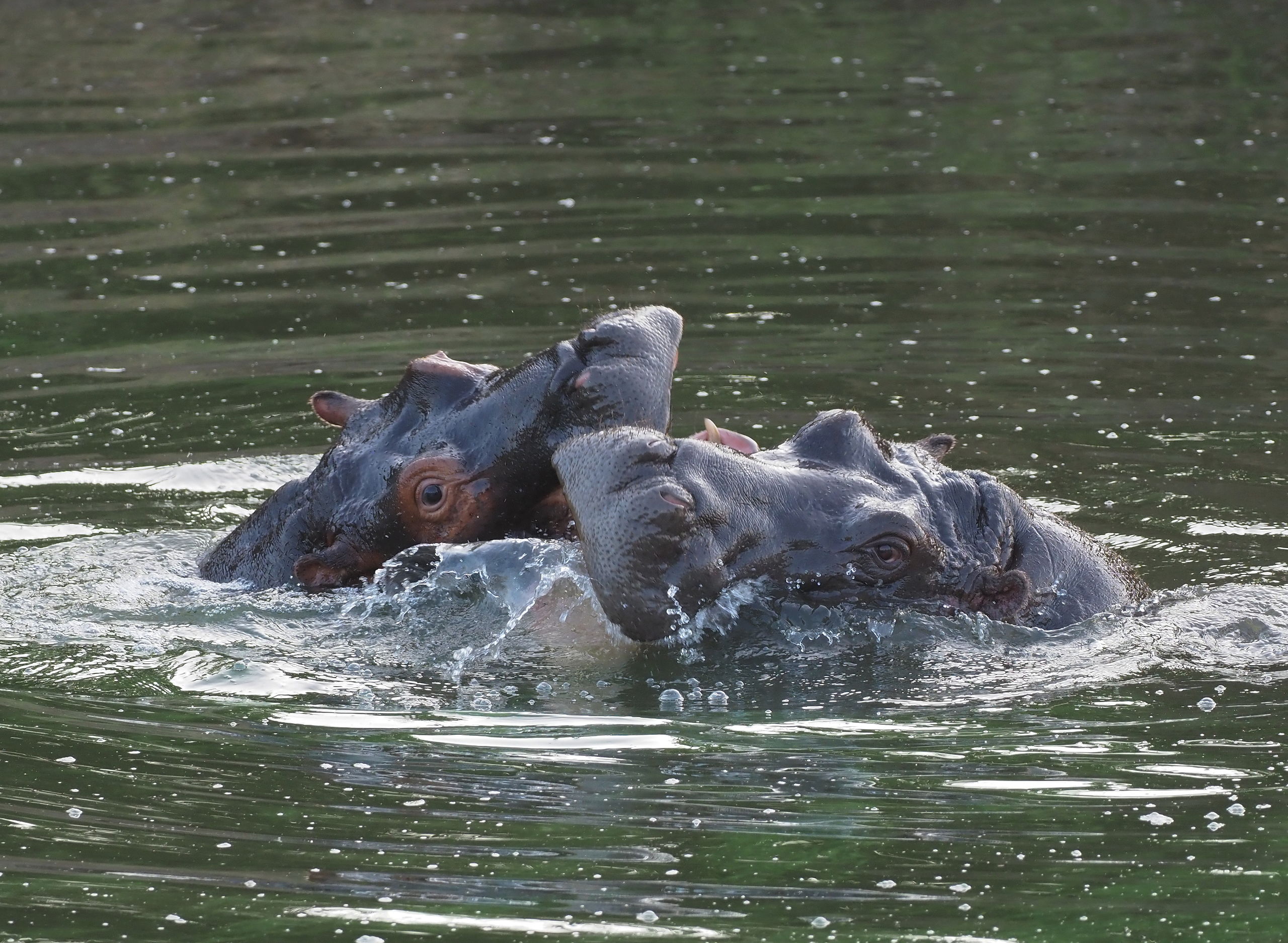
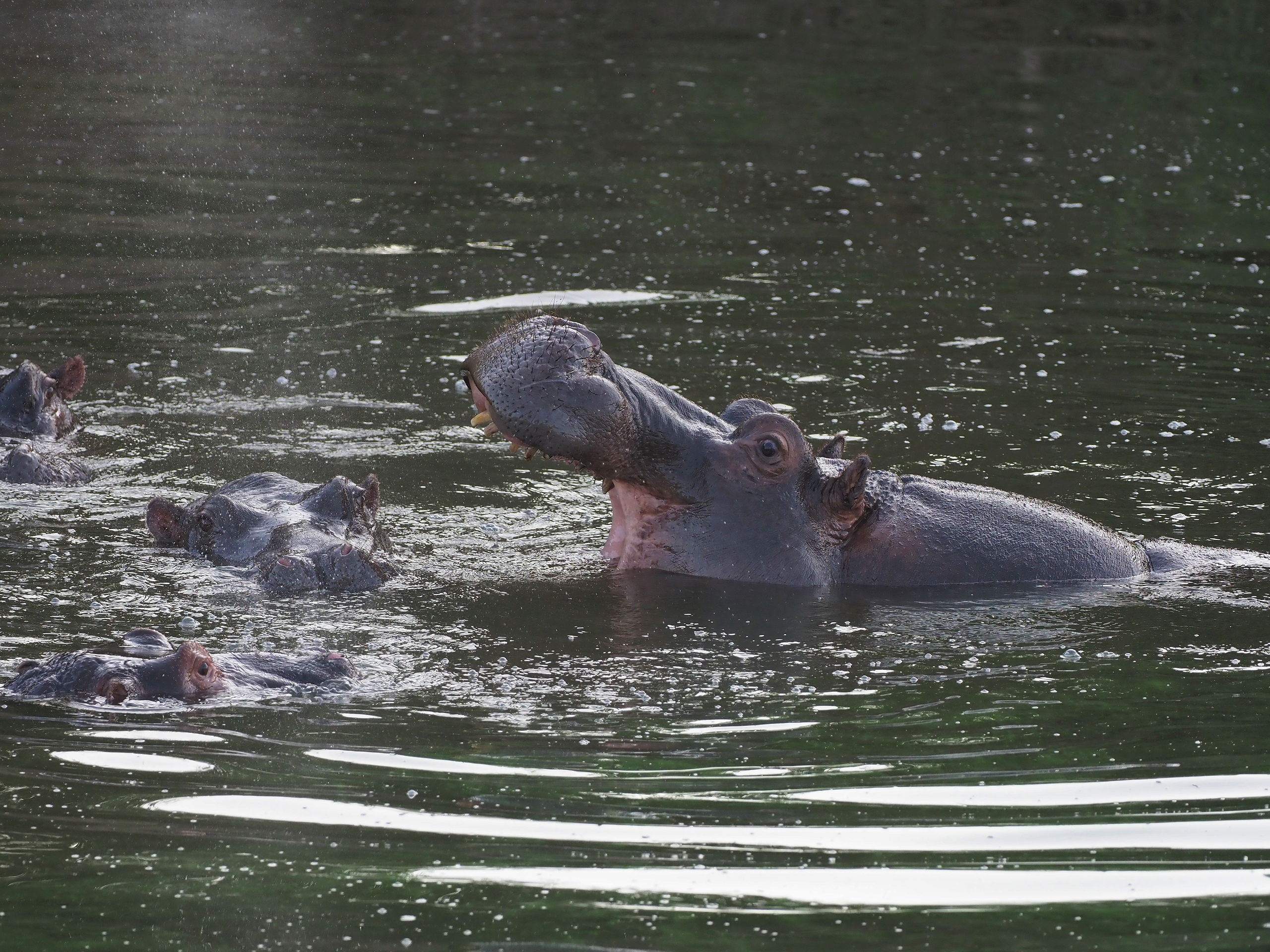
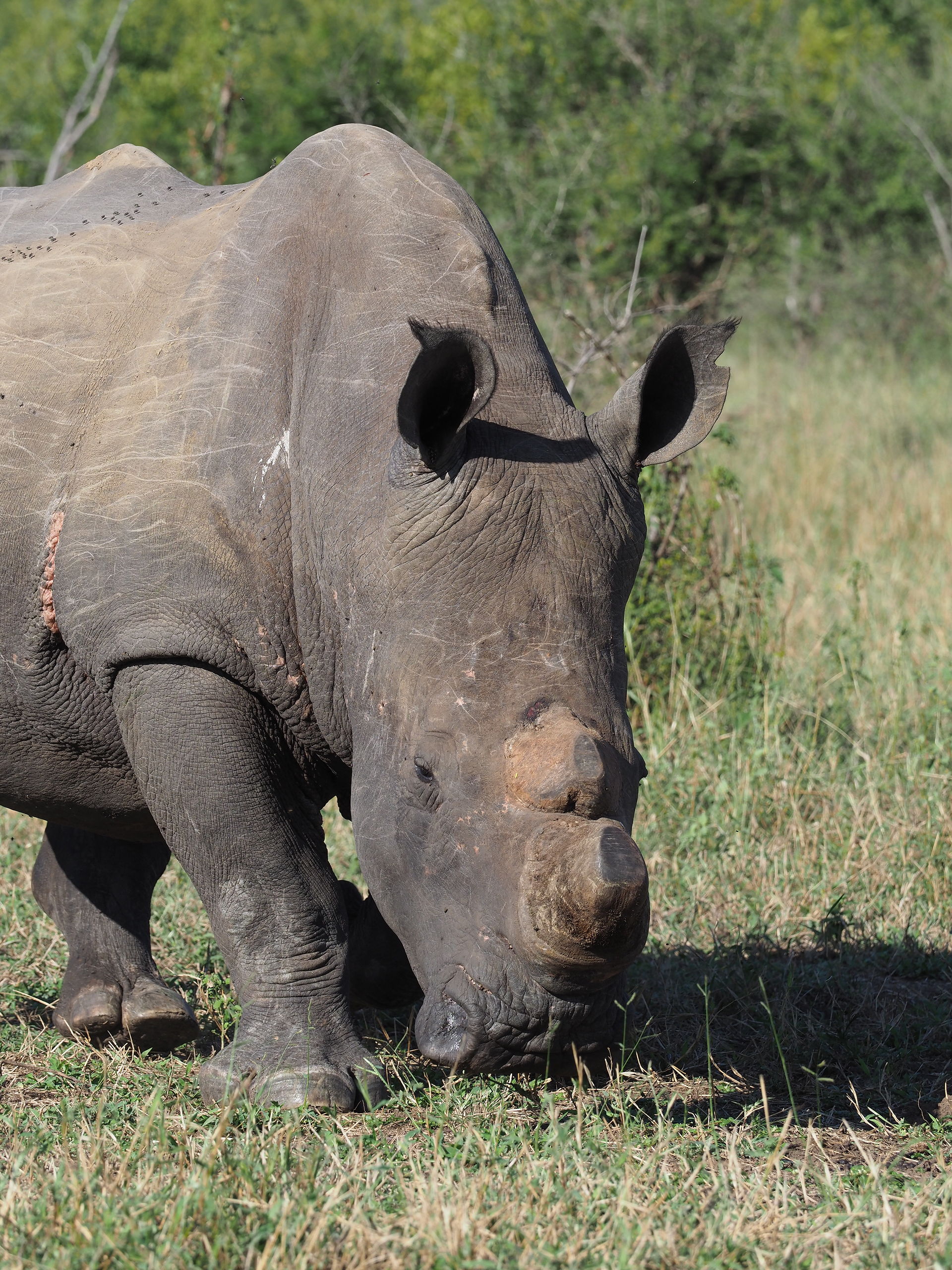
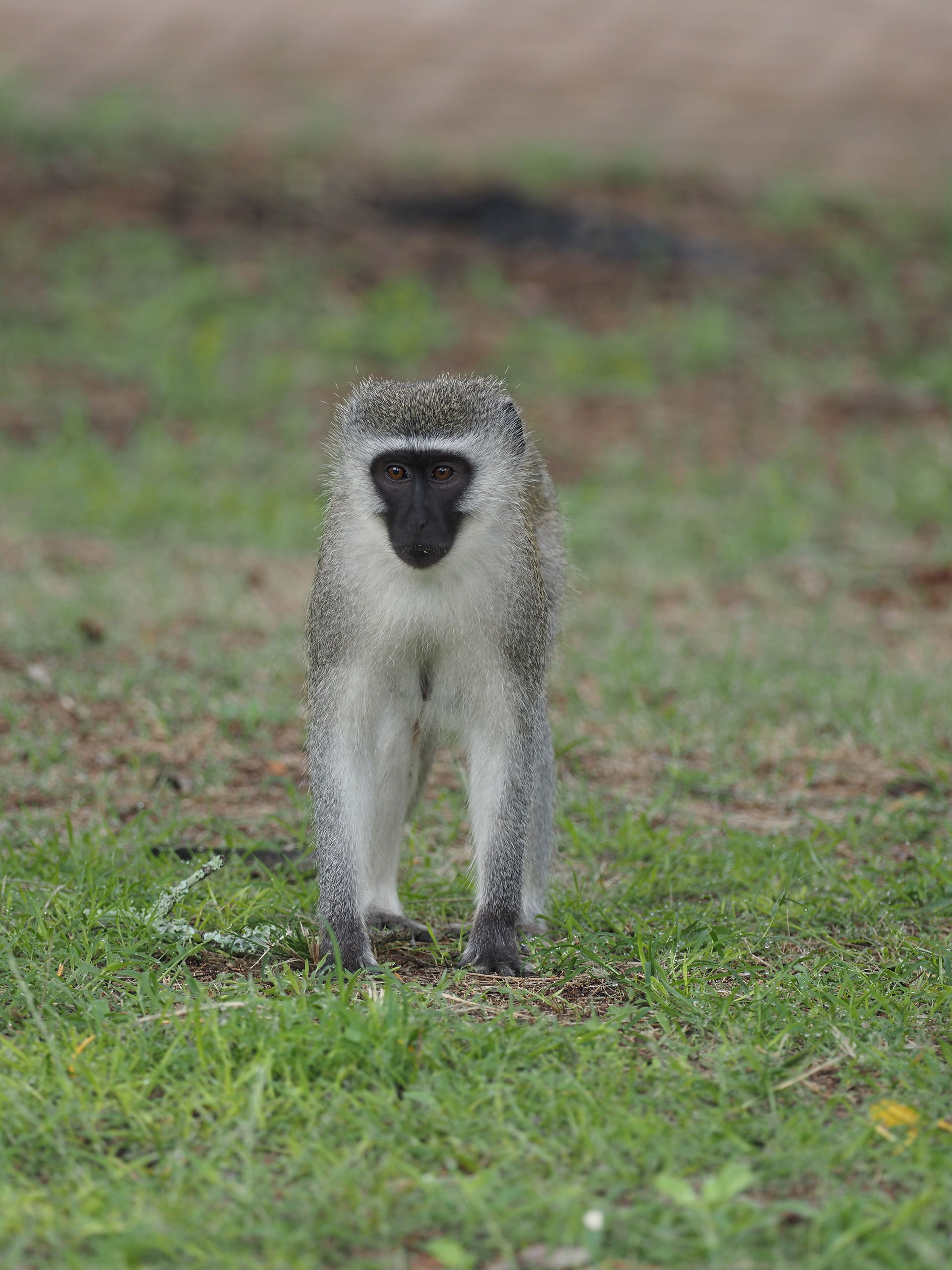
Some photos are shown below… they are grouped into categories for simplicity. All of our observations submitted in Kruger to iNaturalist during this trip can be seen here. Be sure to click on the photos to see the accompanying text. You only need to do this once for each mosaic – then step through the images with the arrows on the right or left.
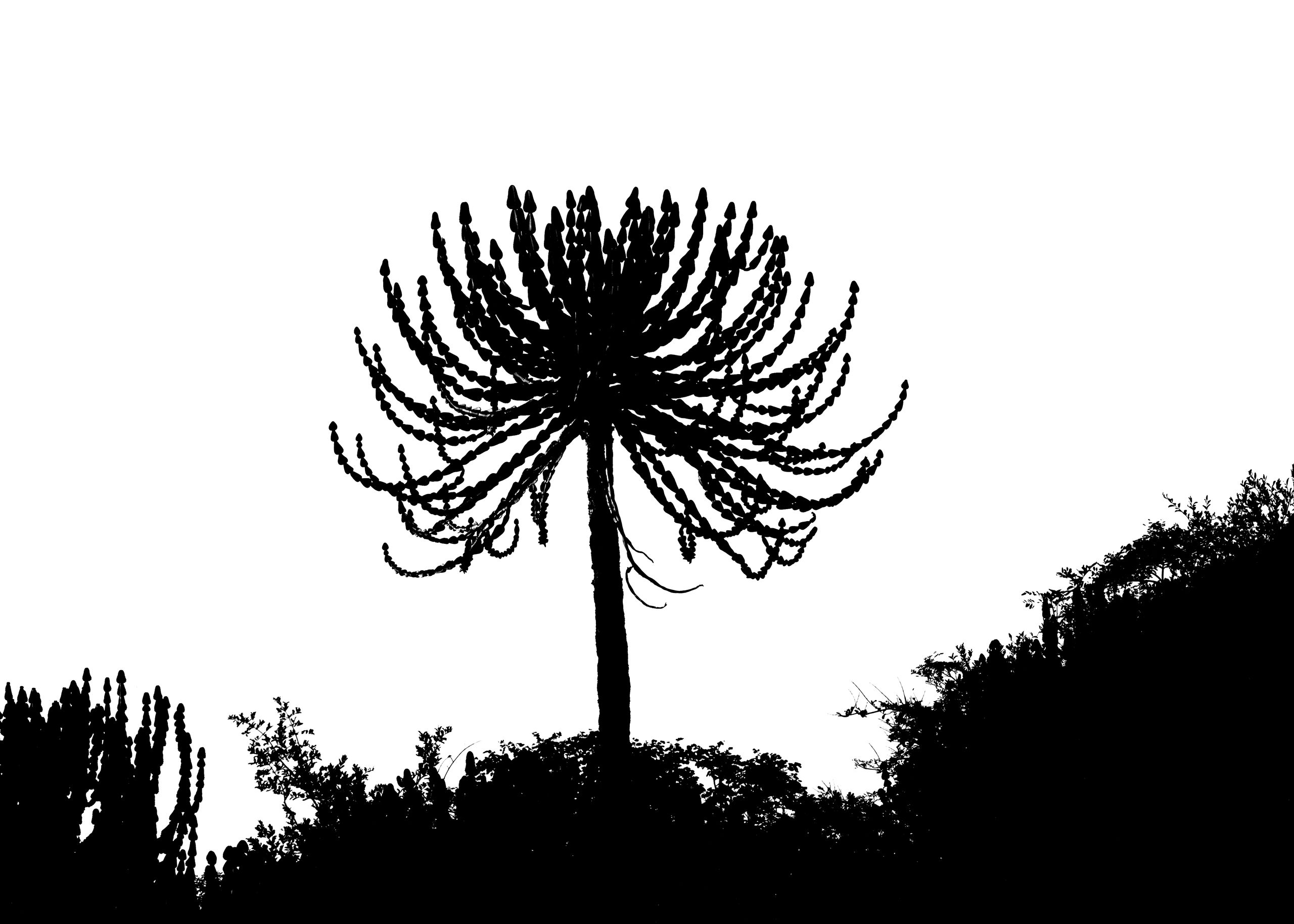
Landscapes

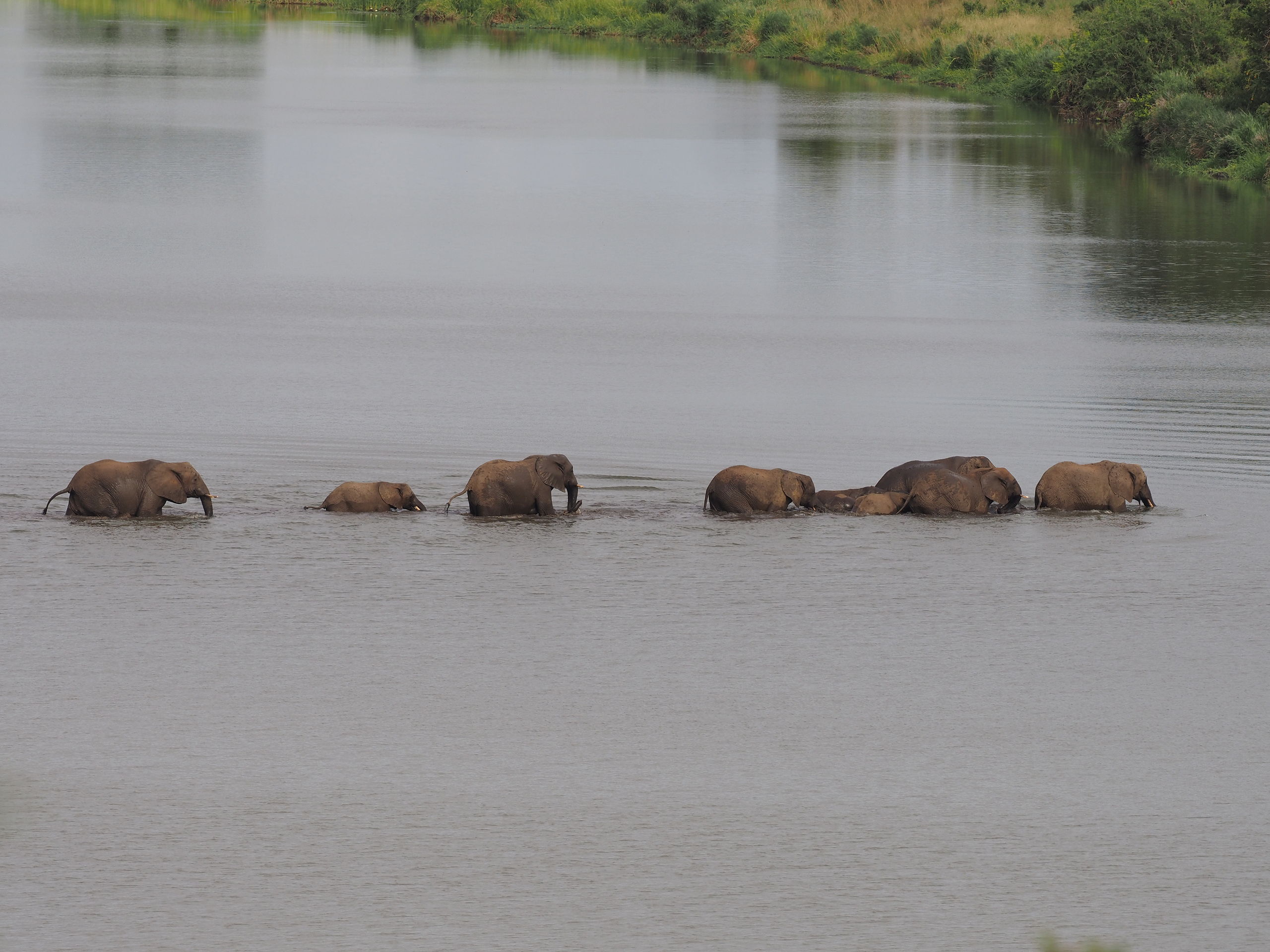


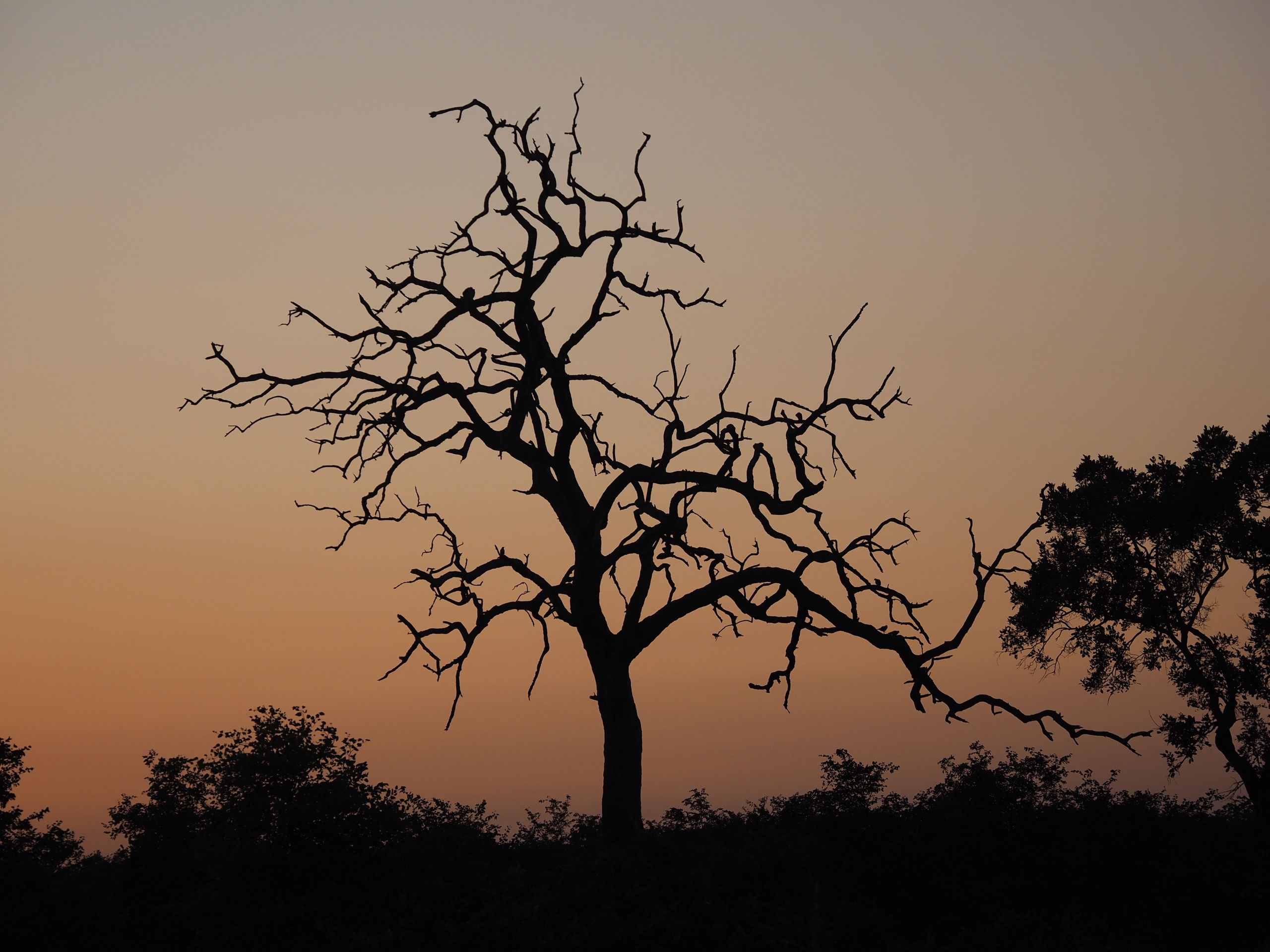
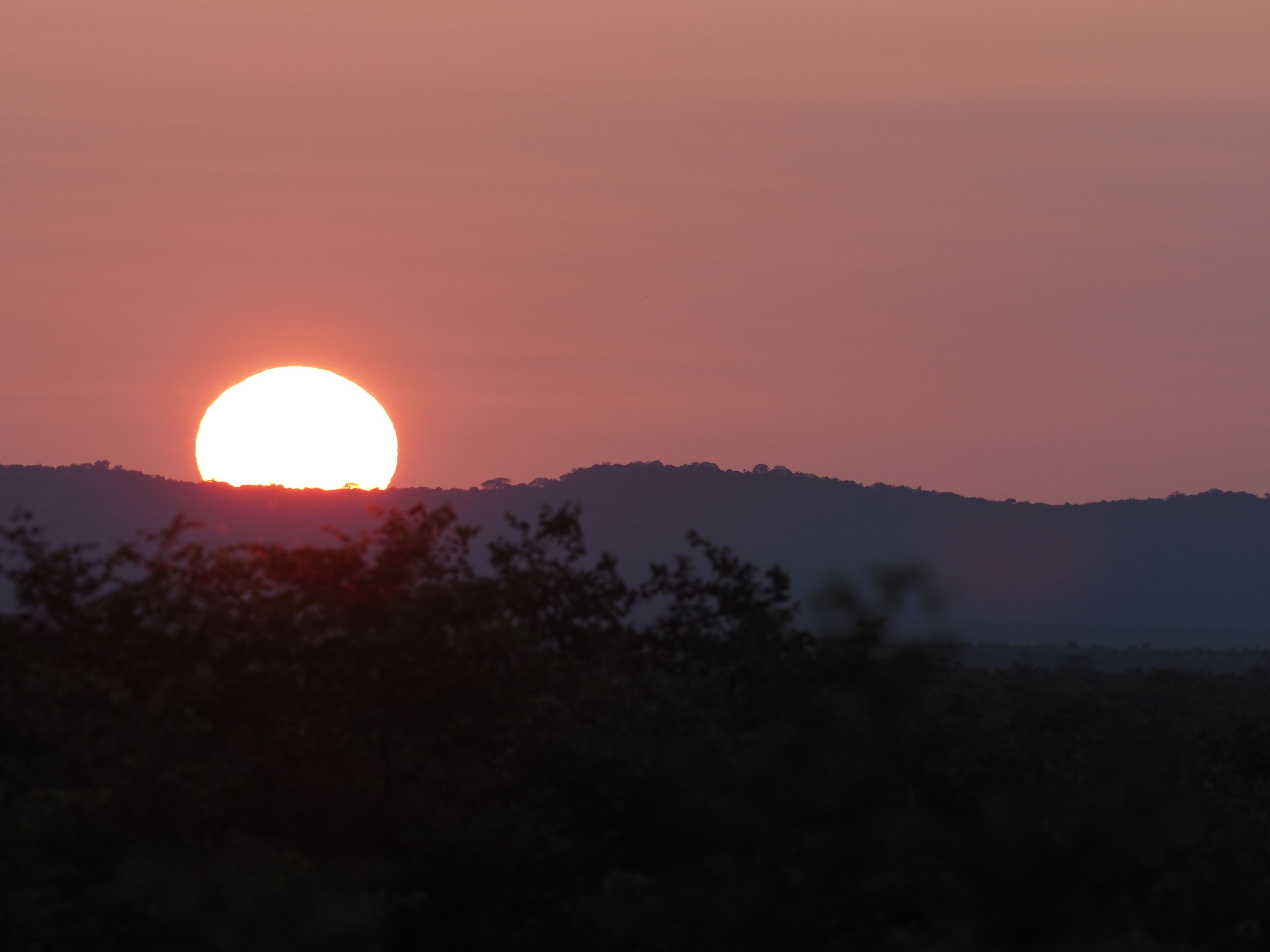
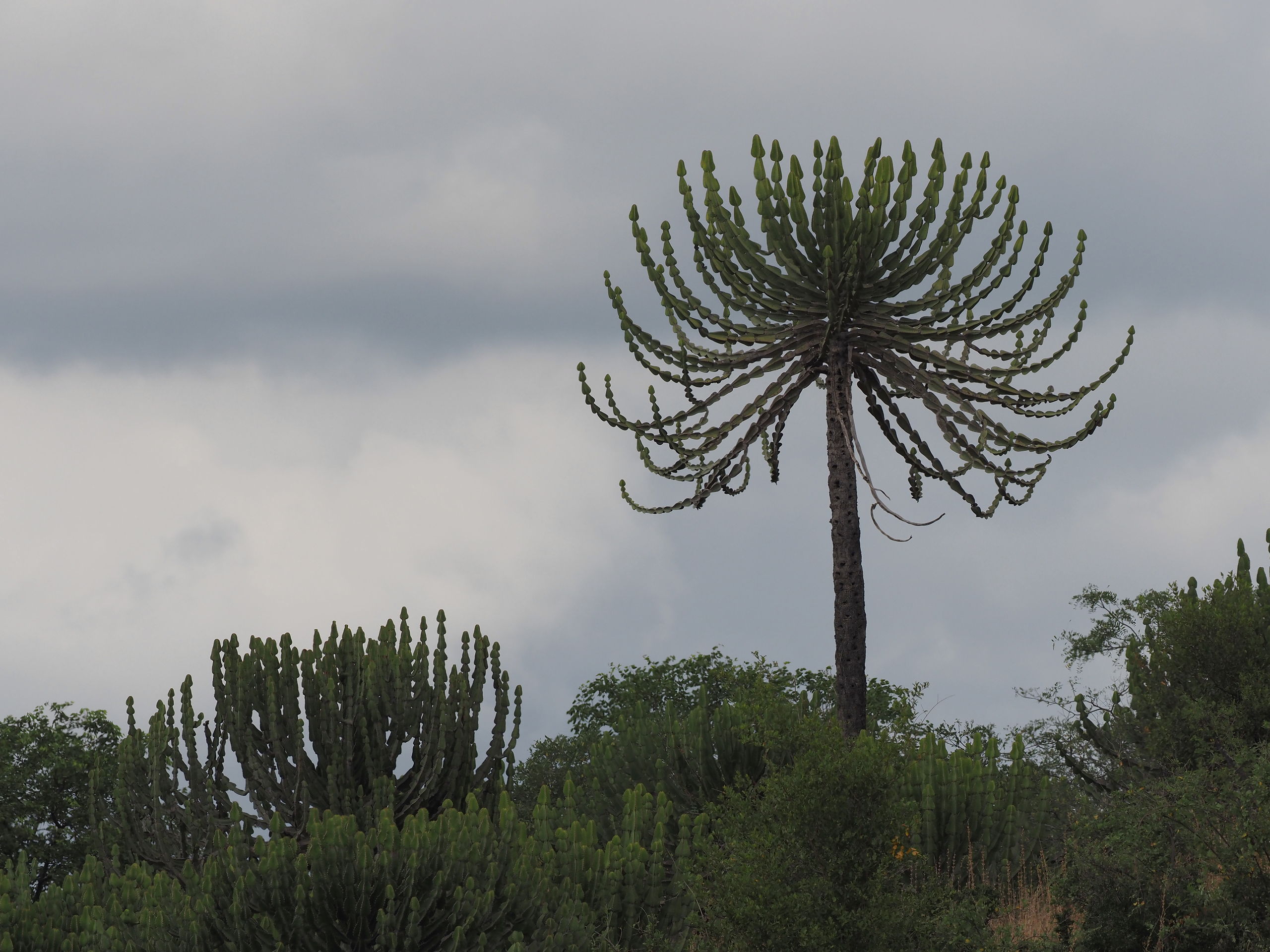
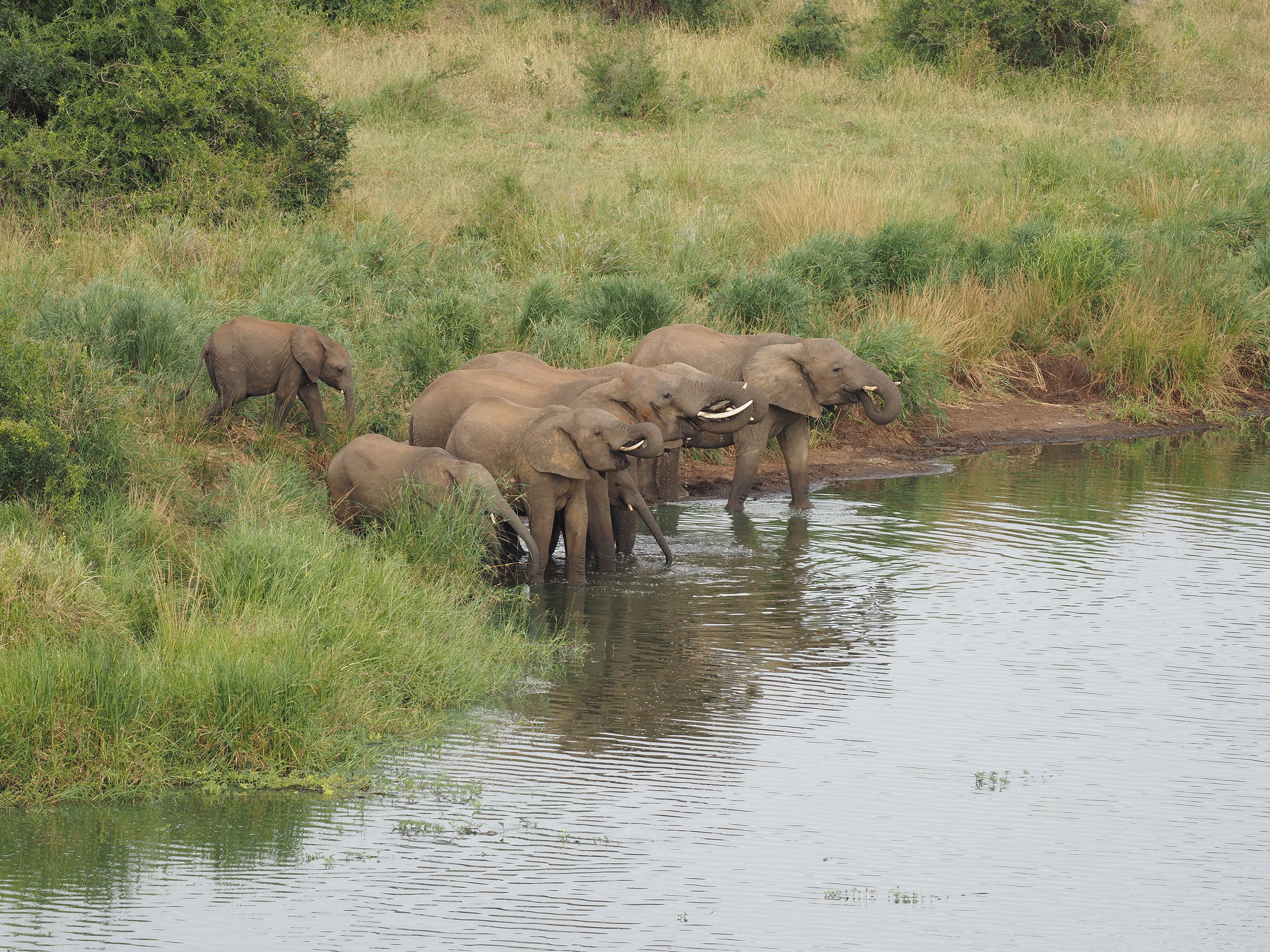
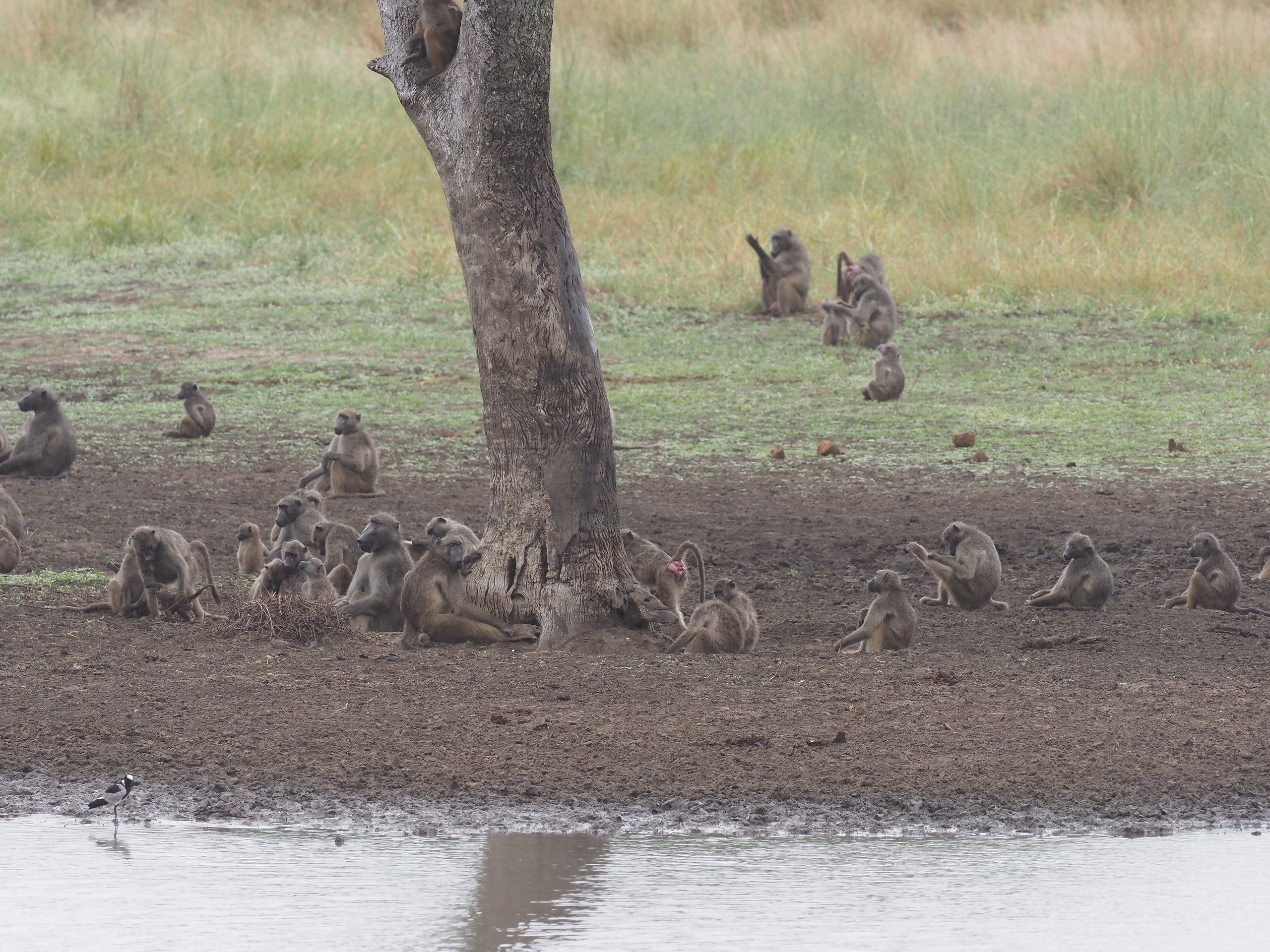
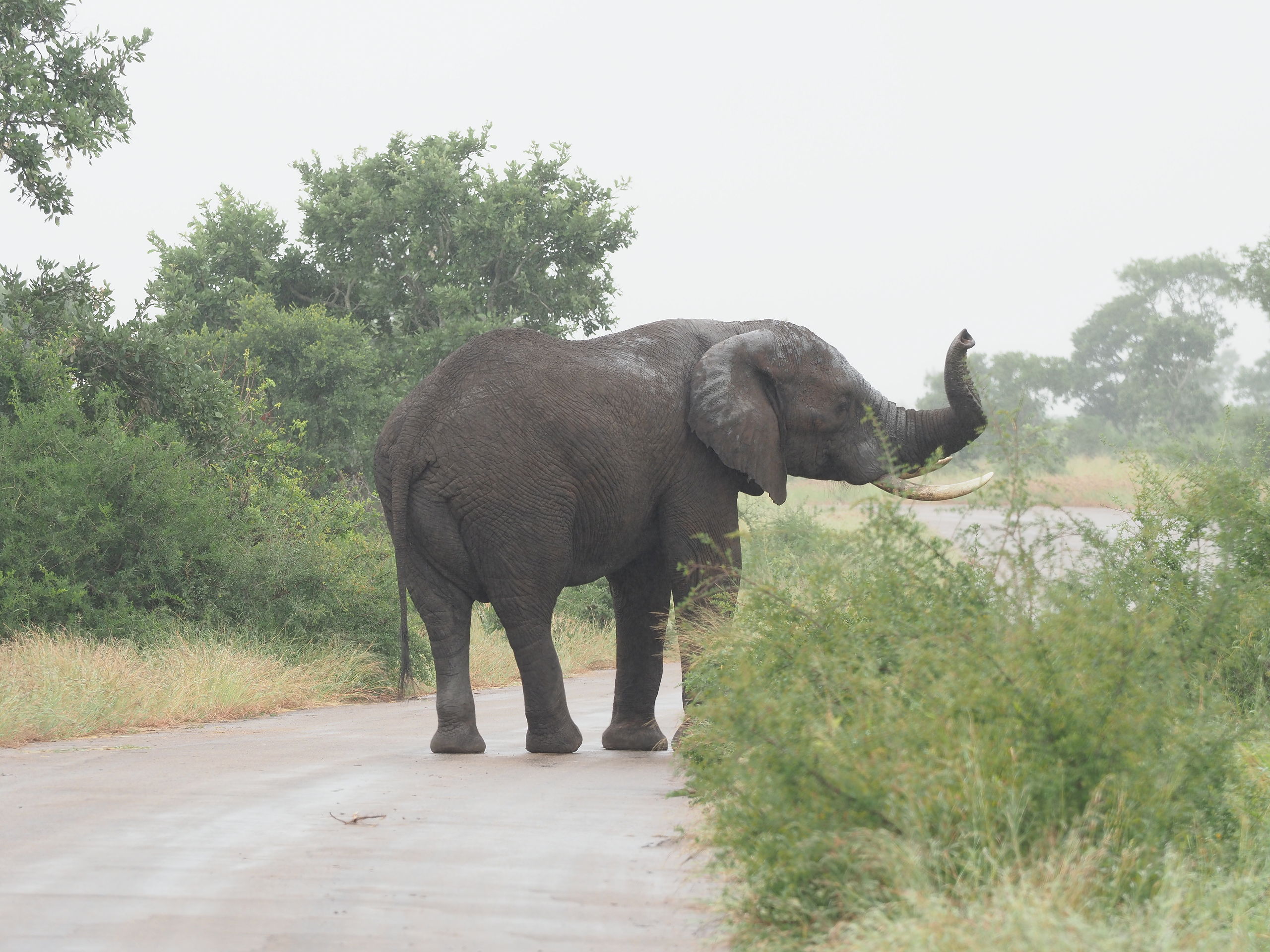
Mammals




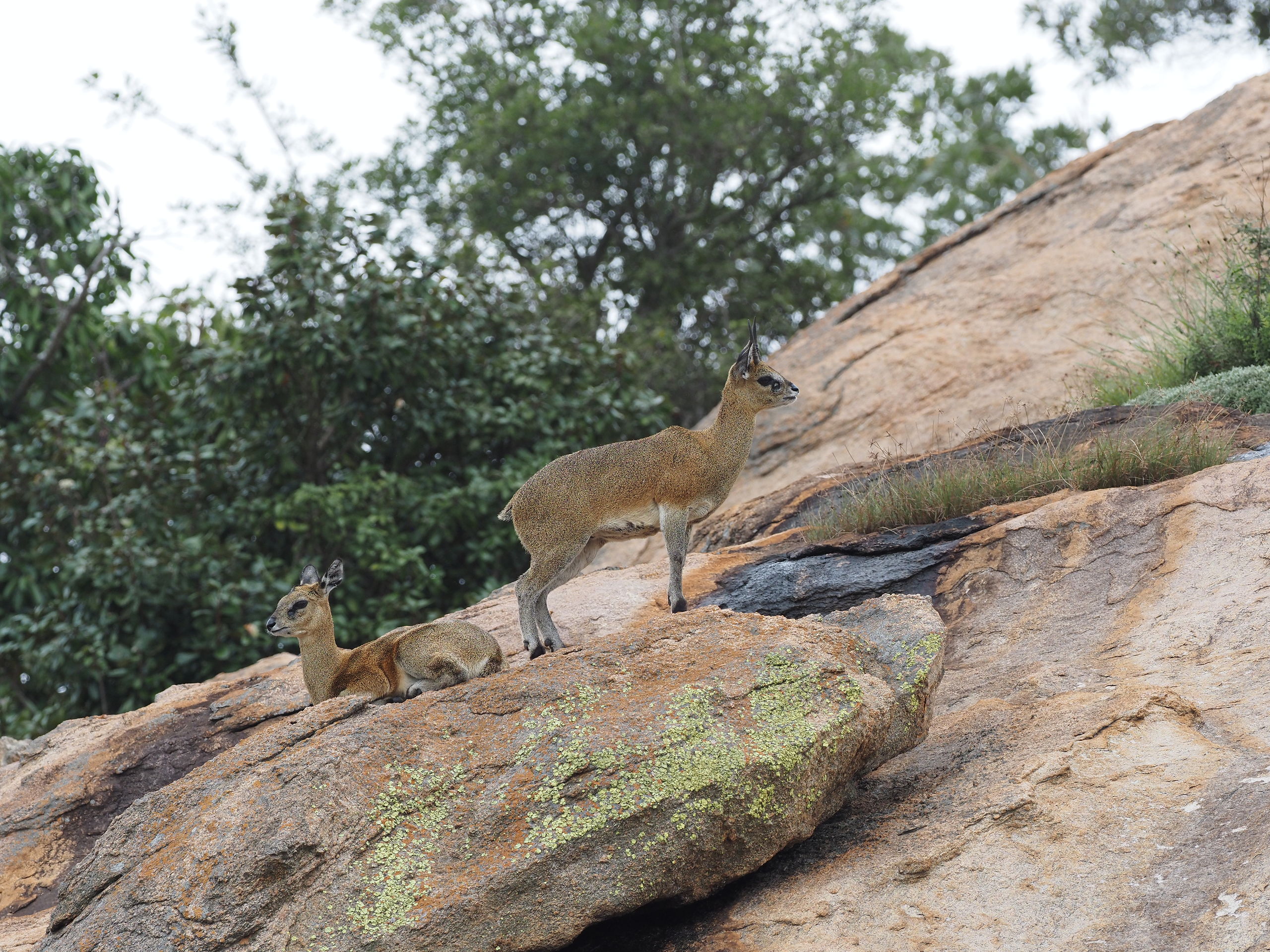
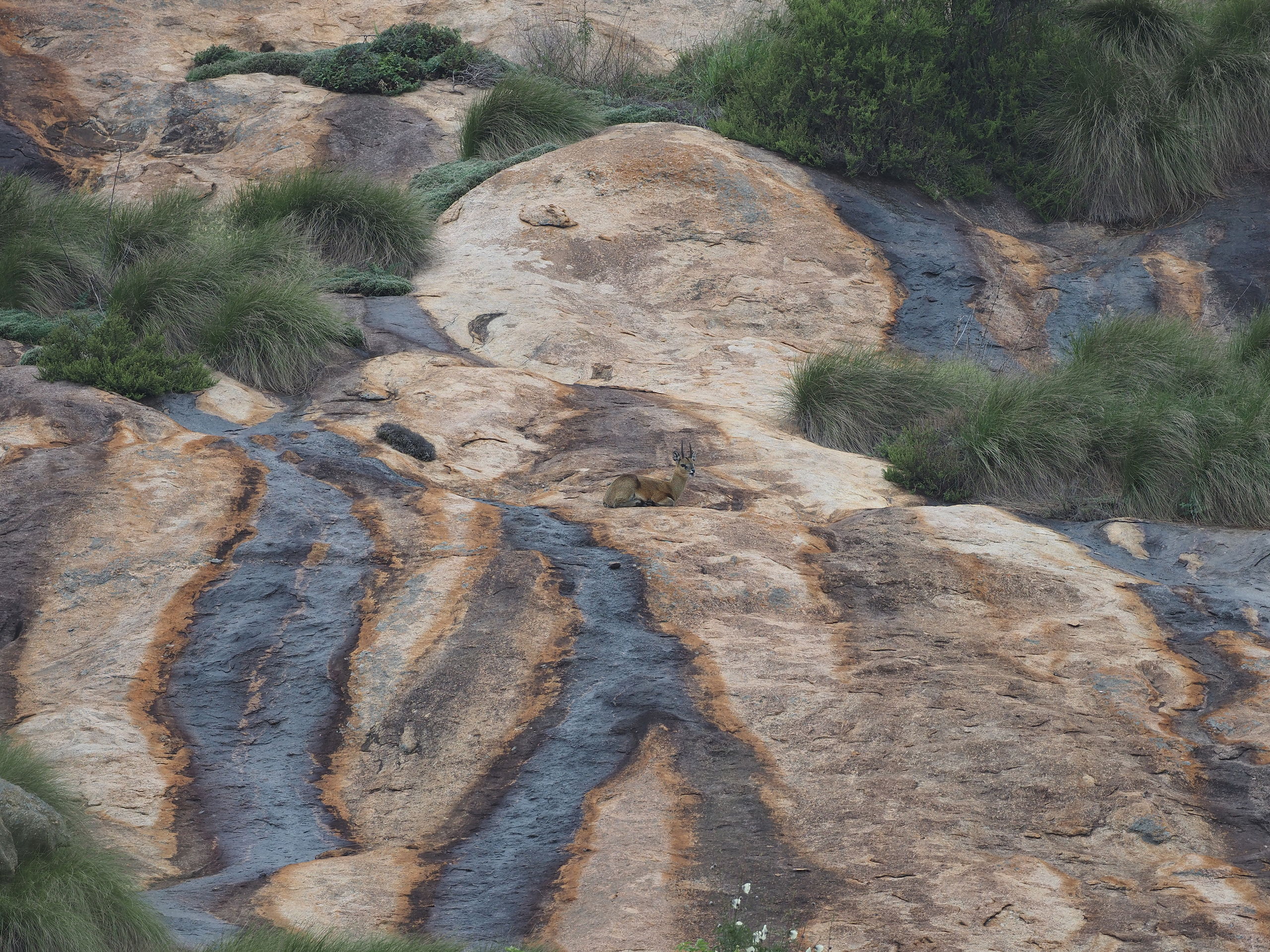
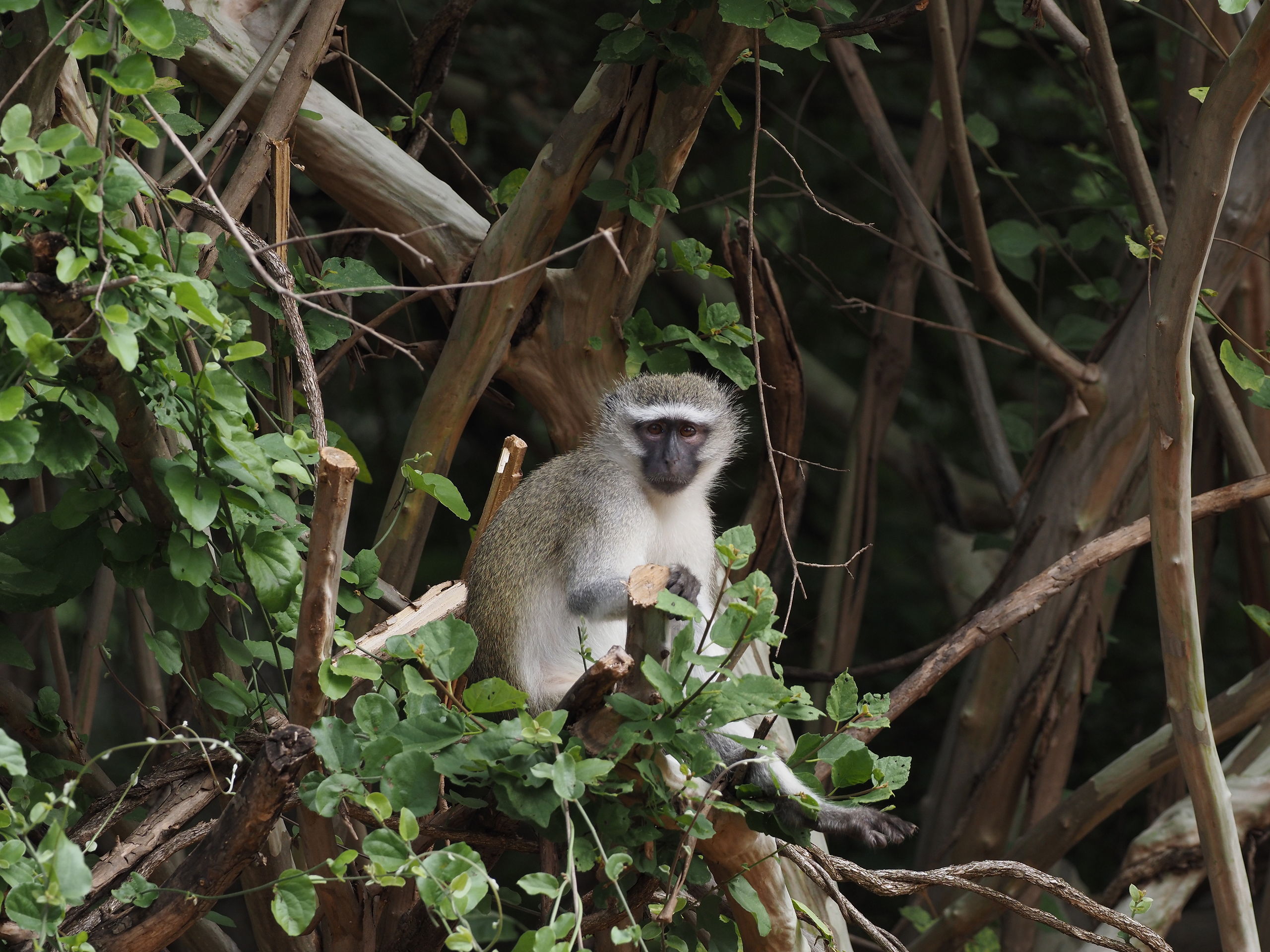
Birds
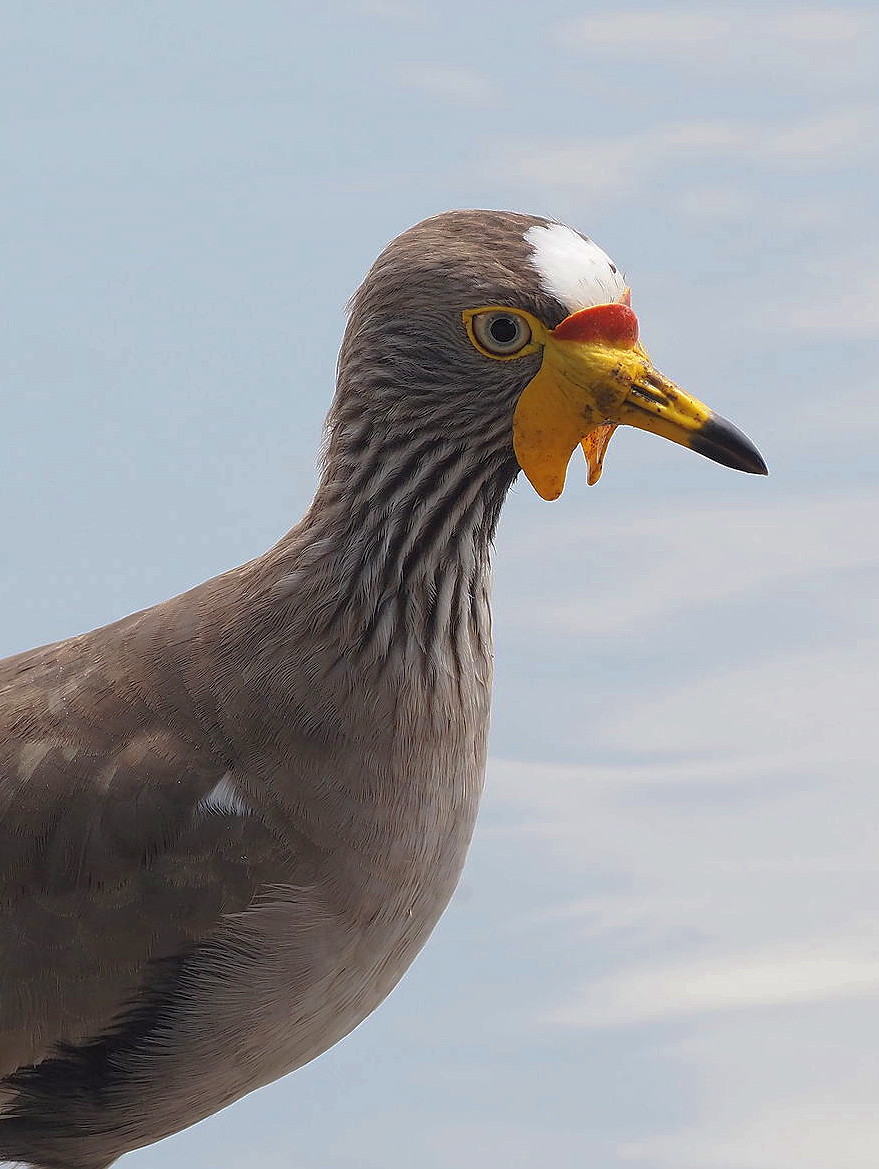
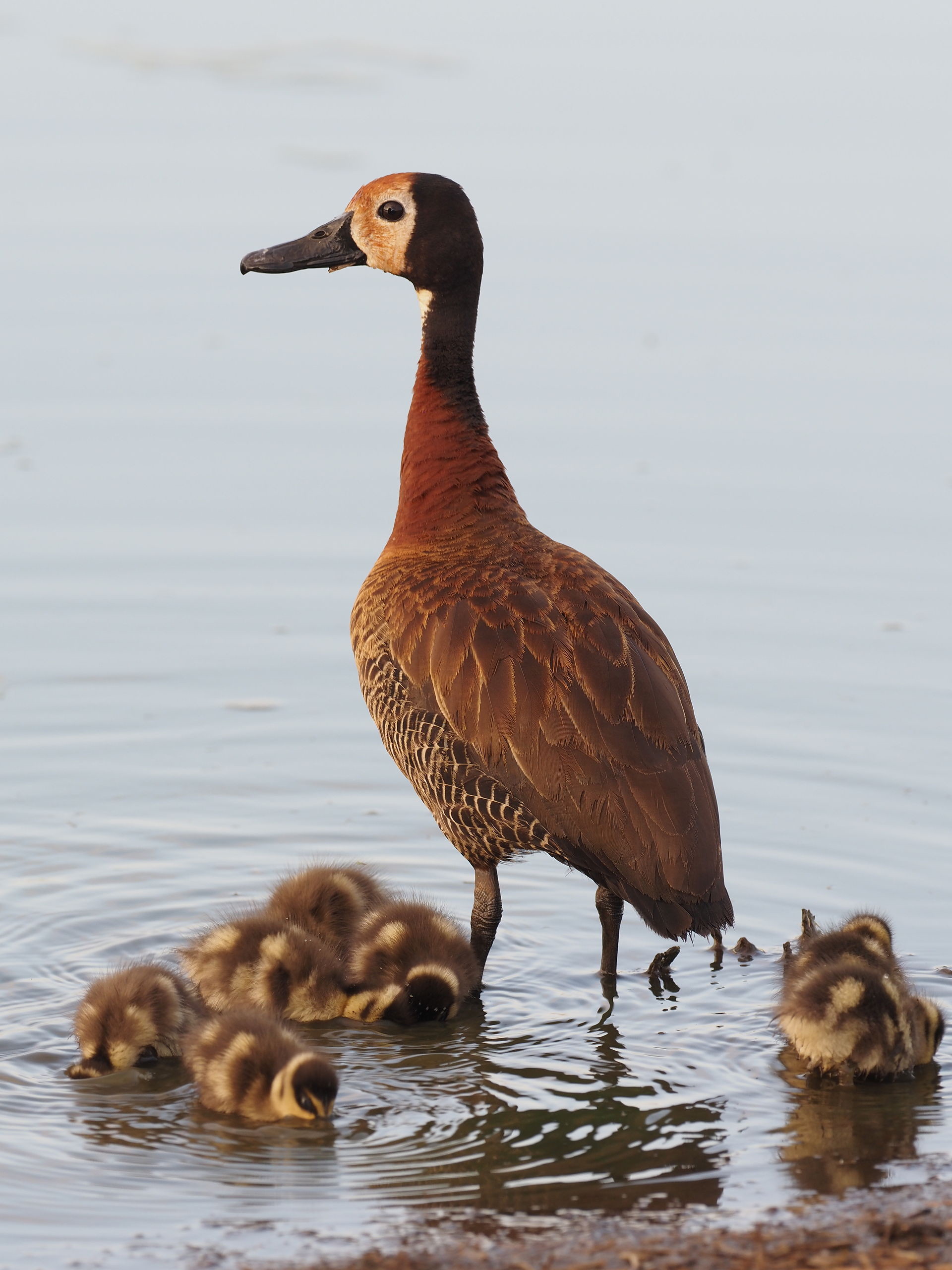
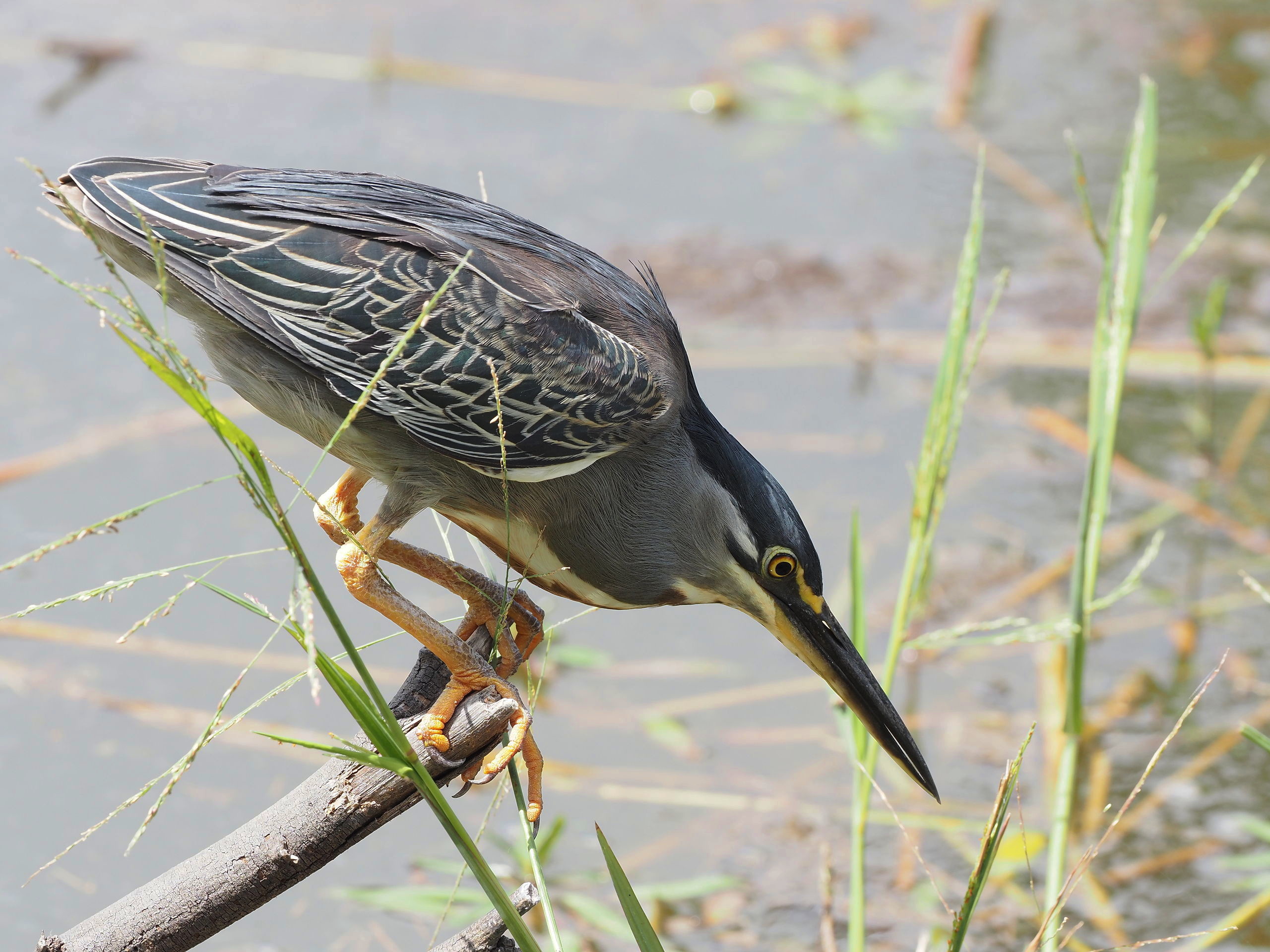
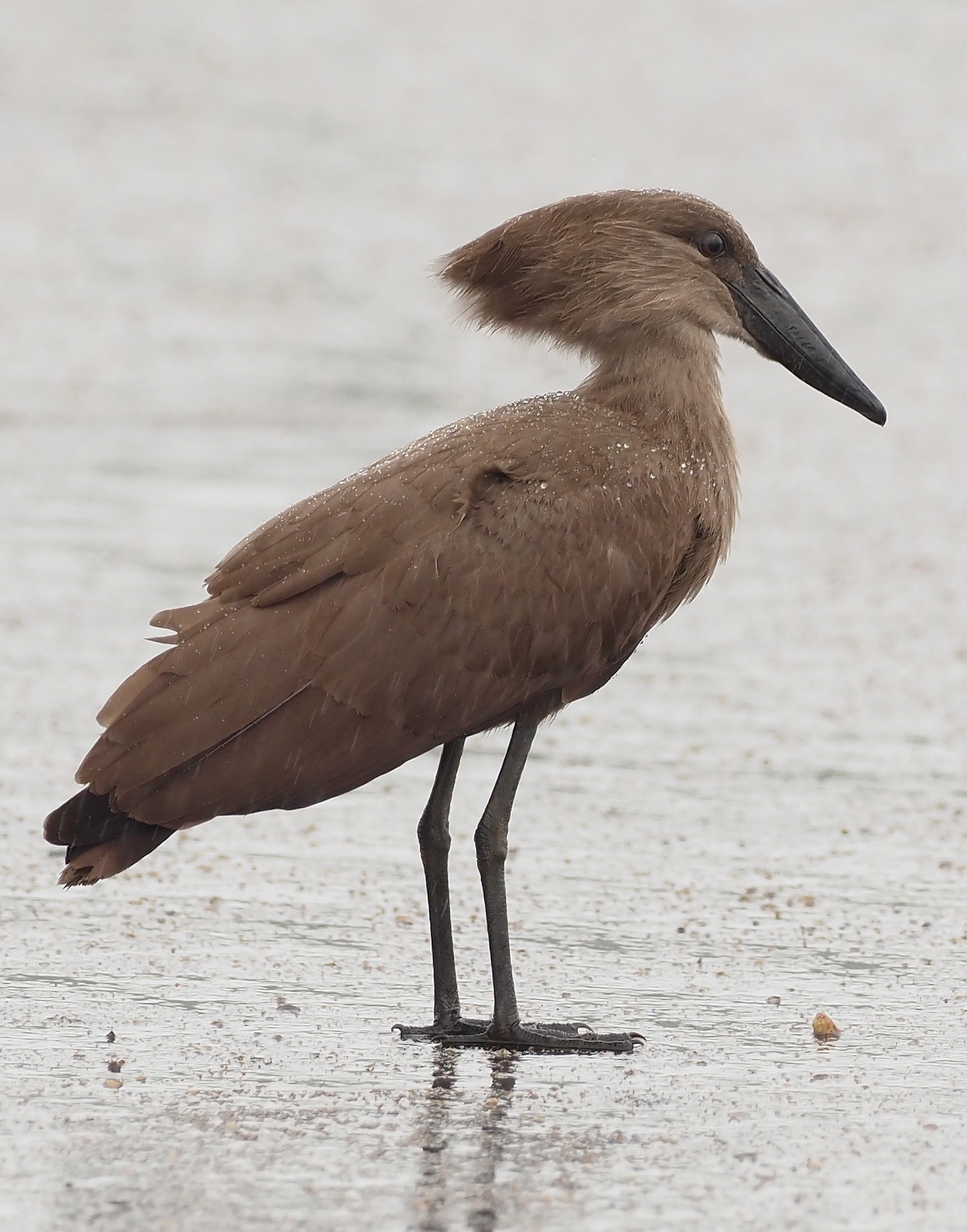
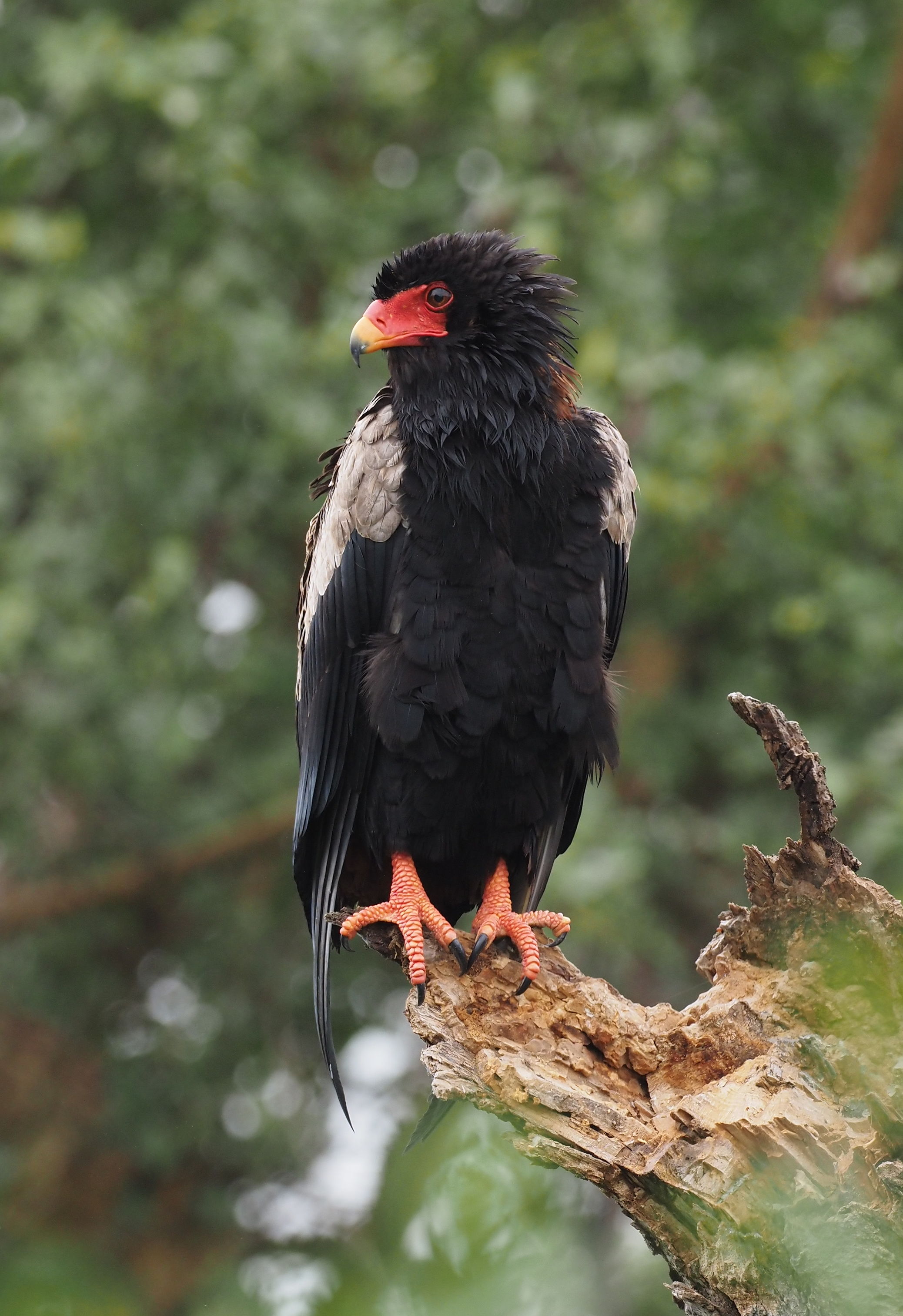
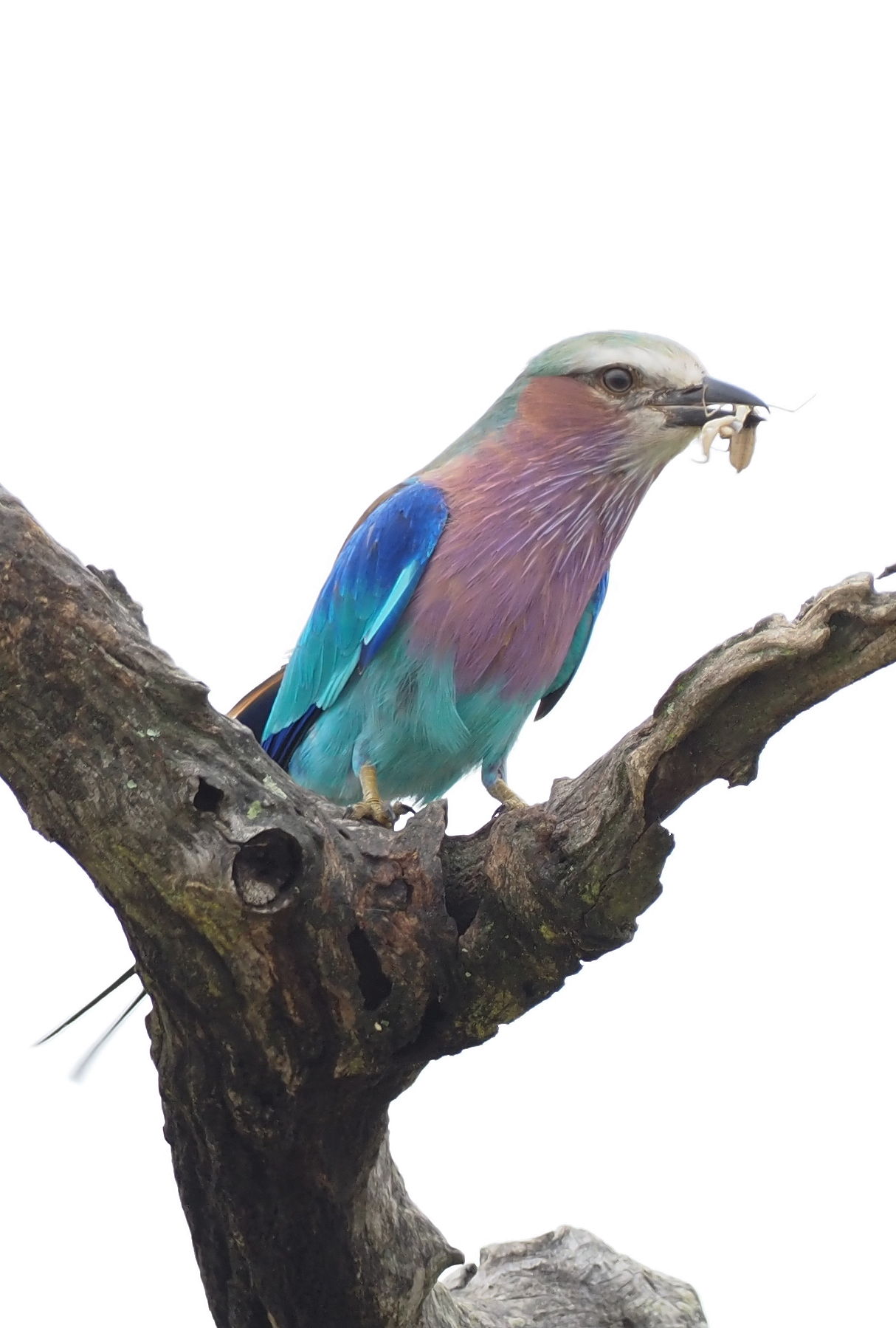
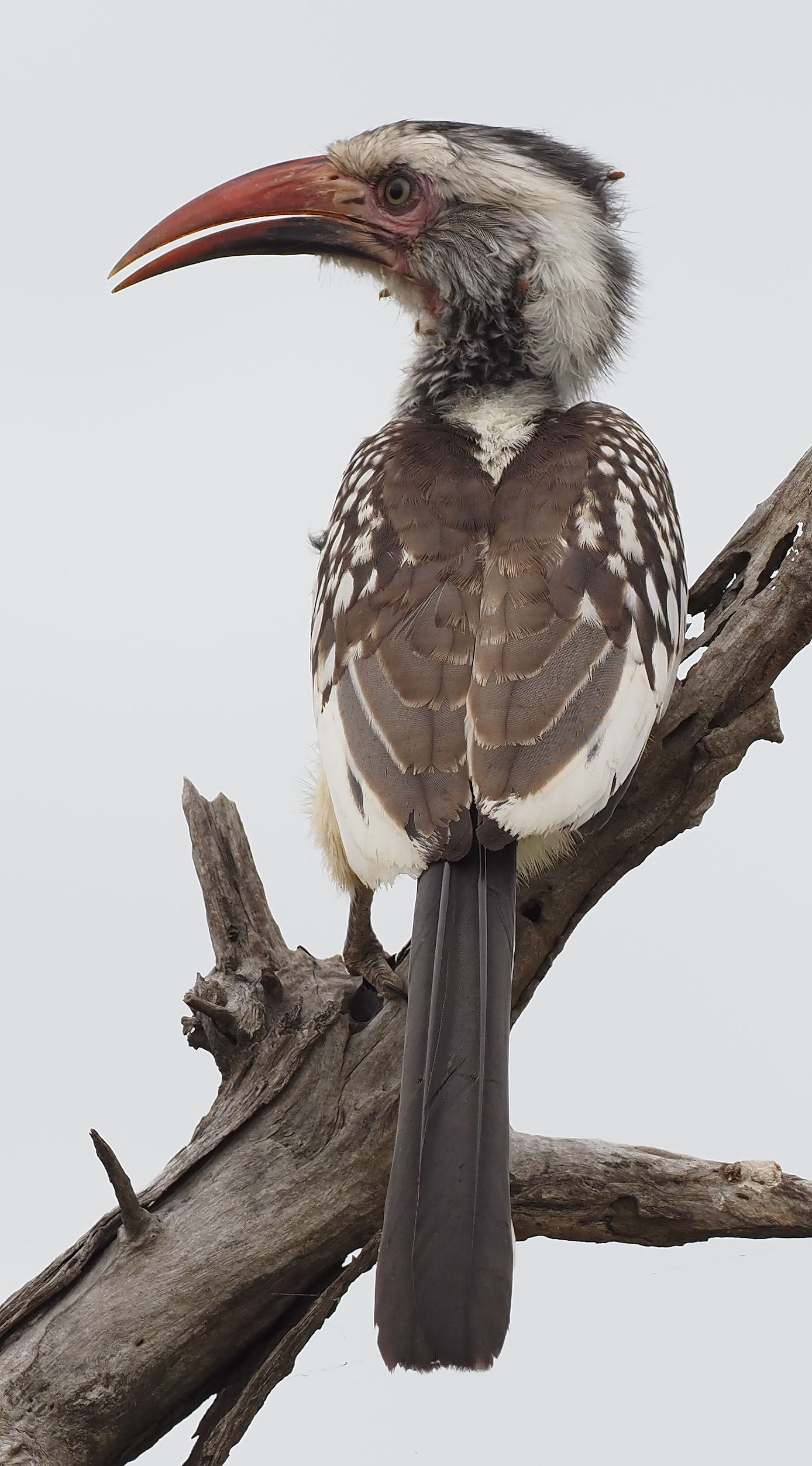
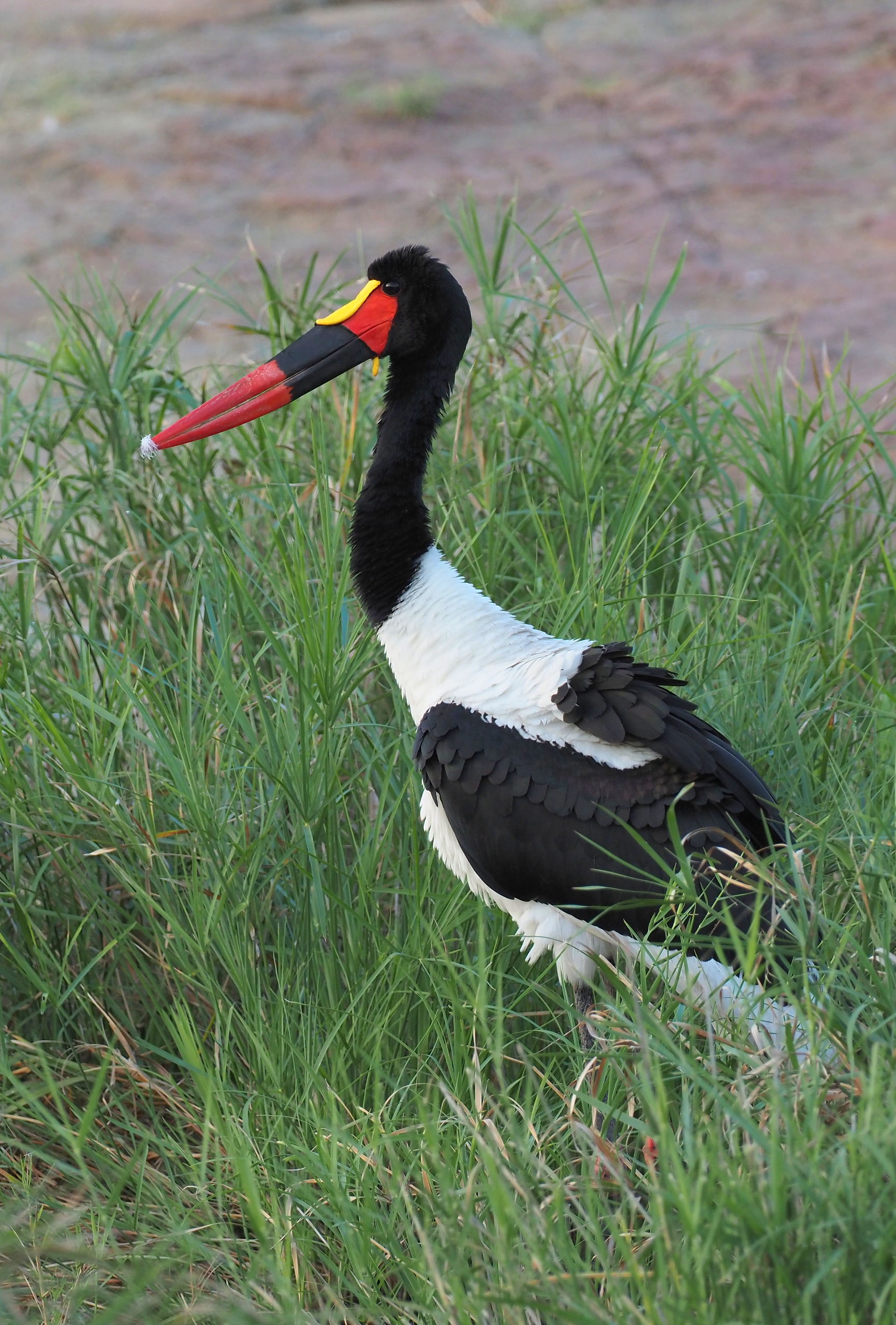
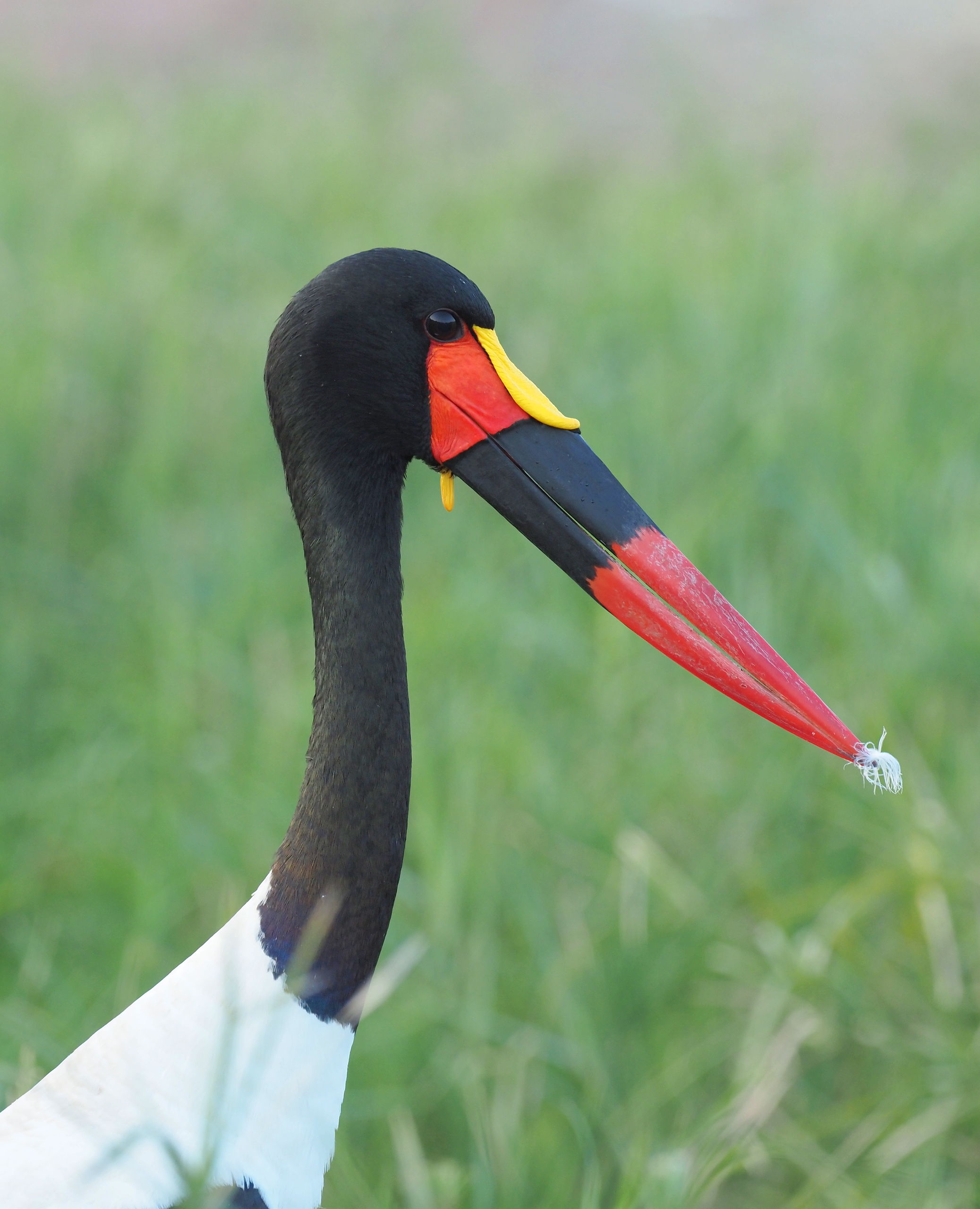
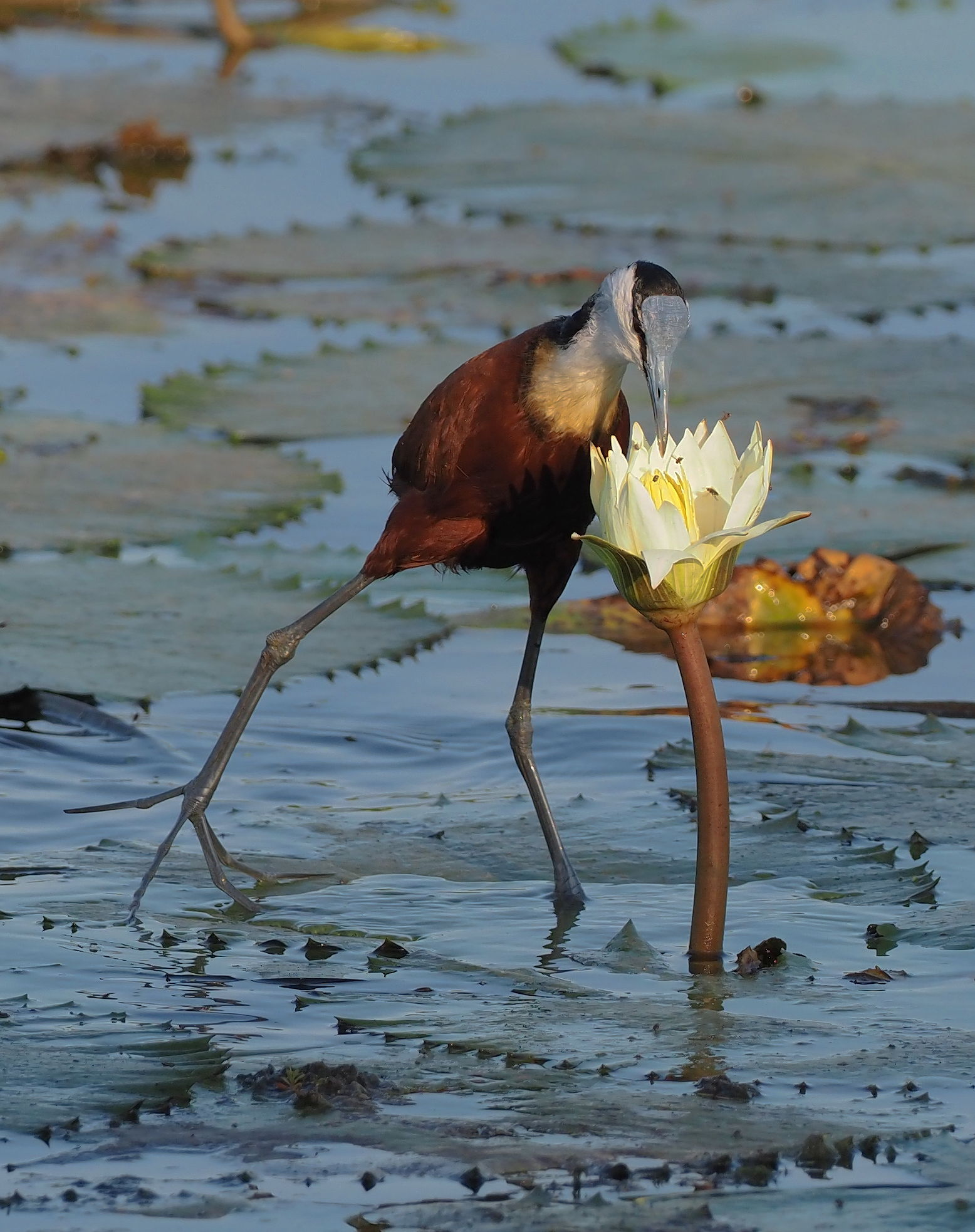
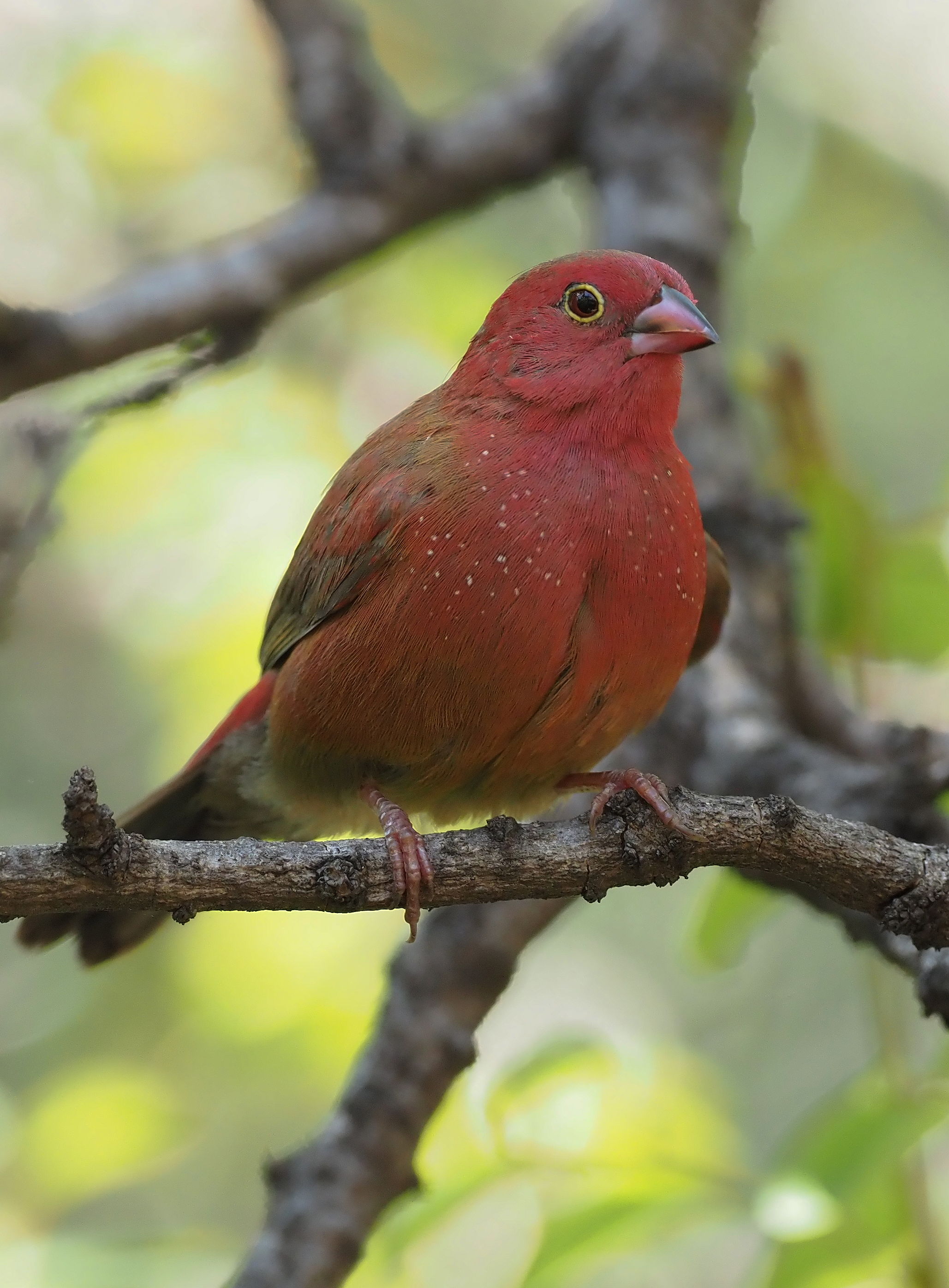
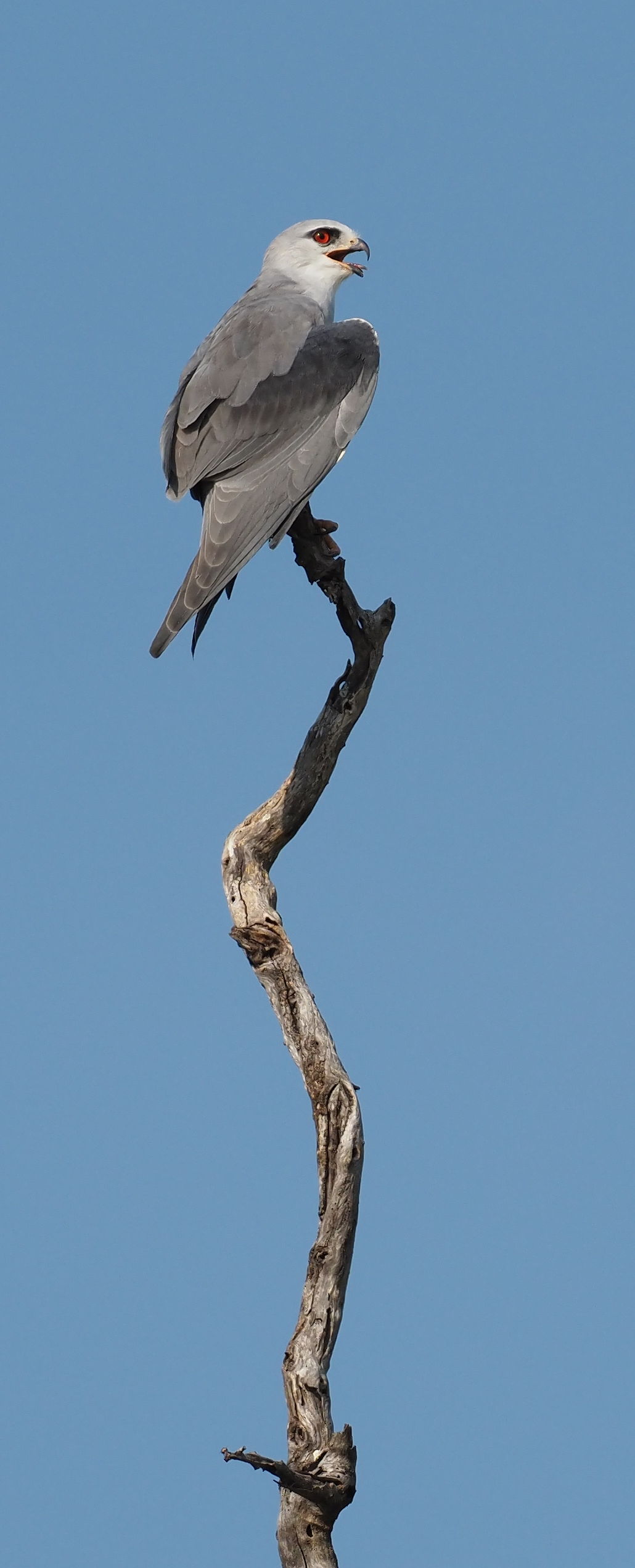
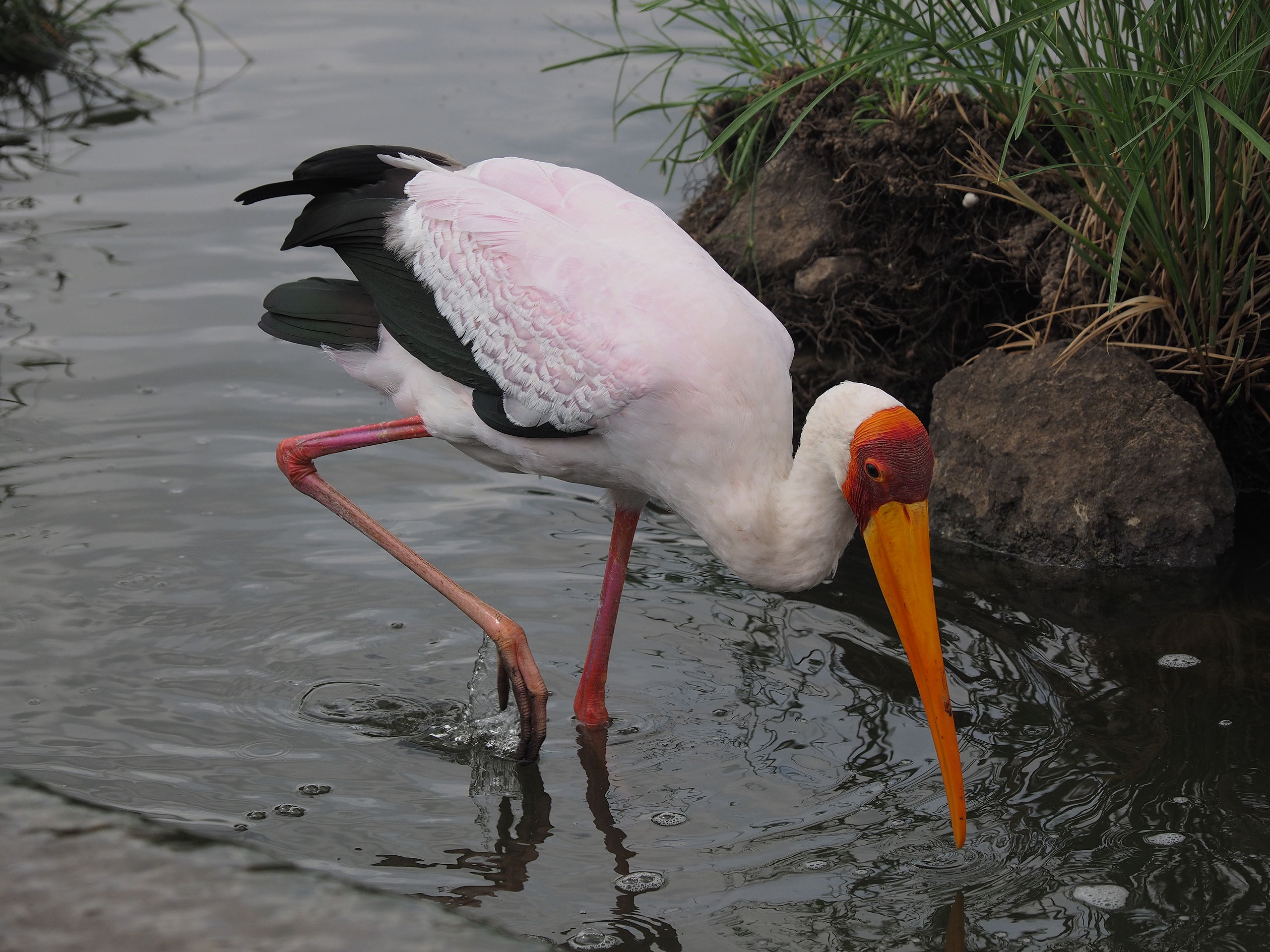
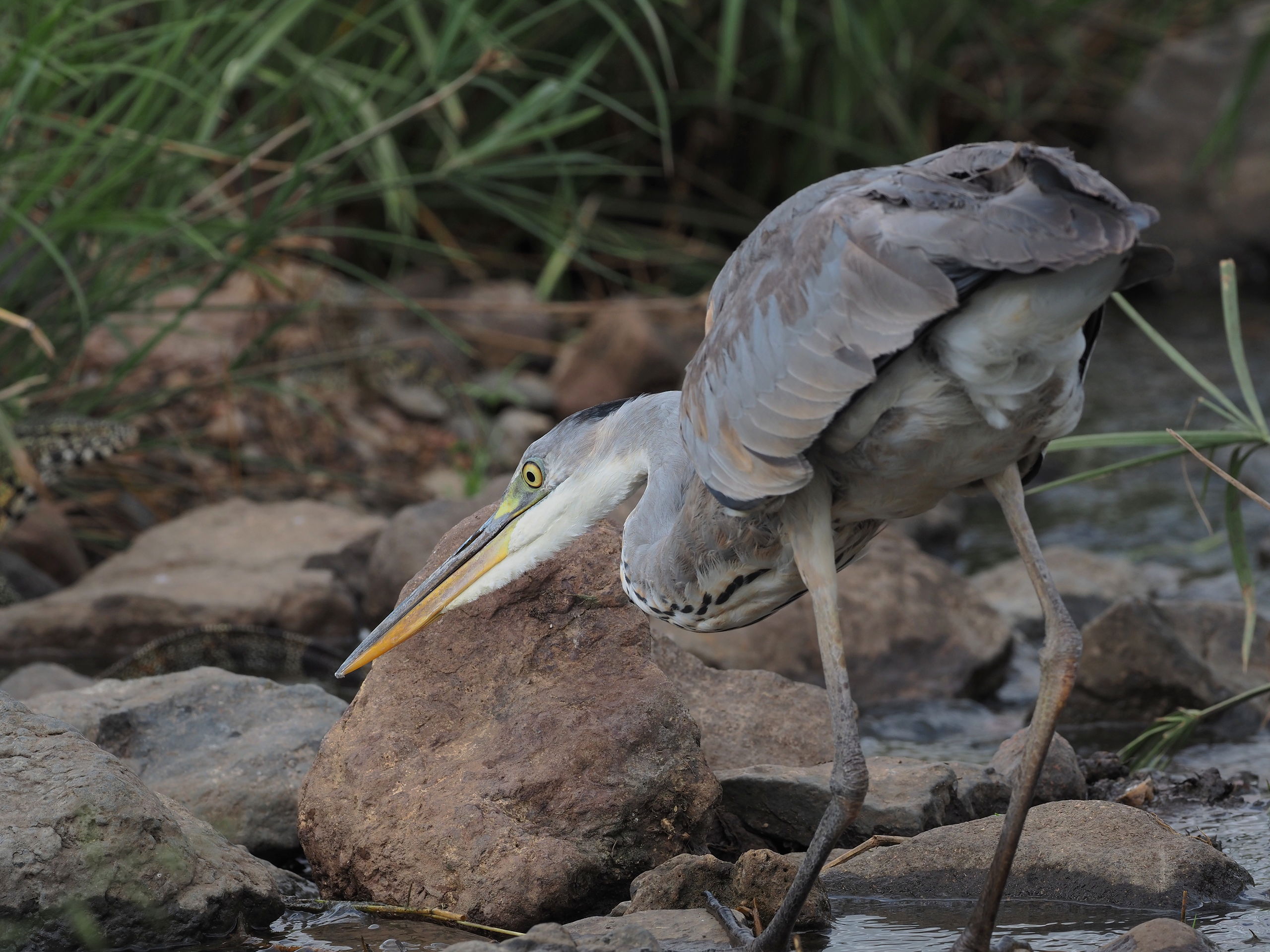
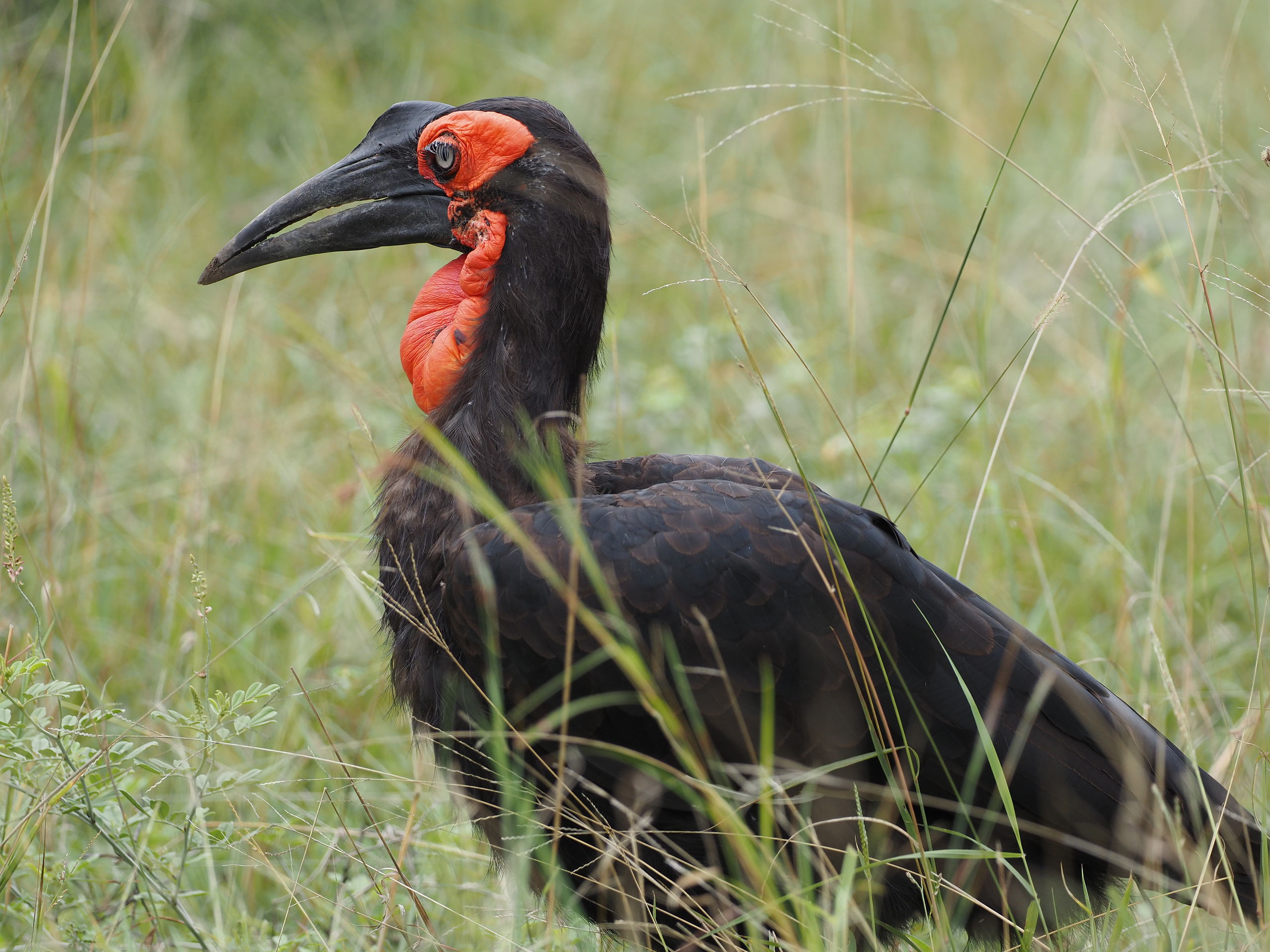
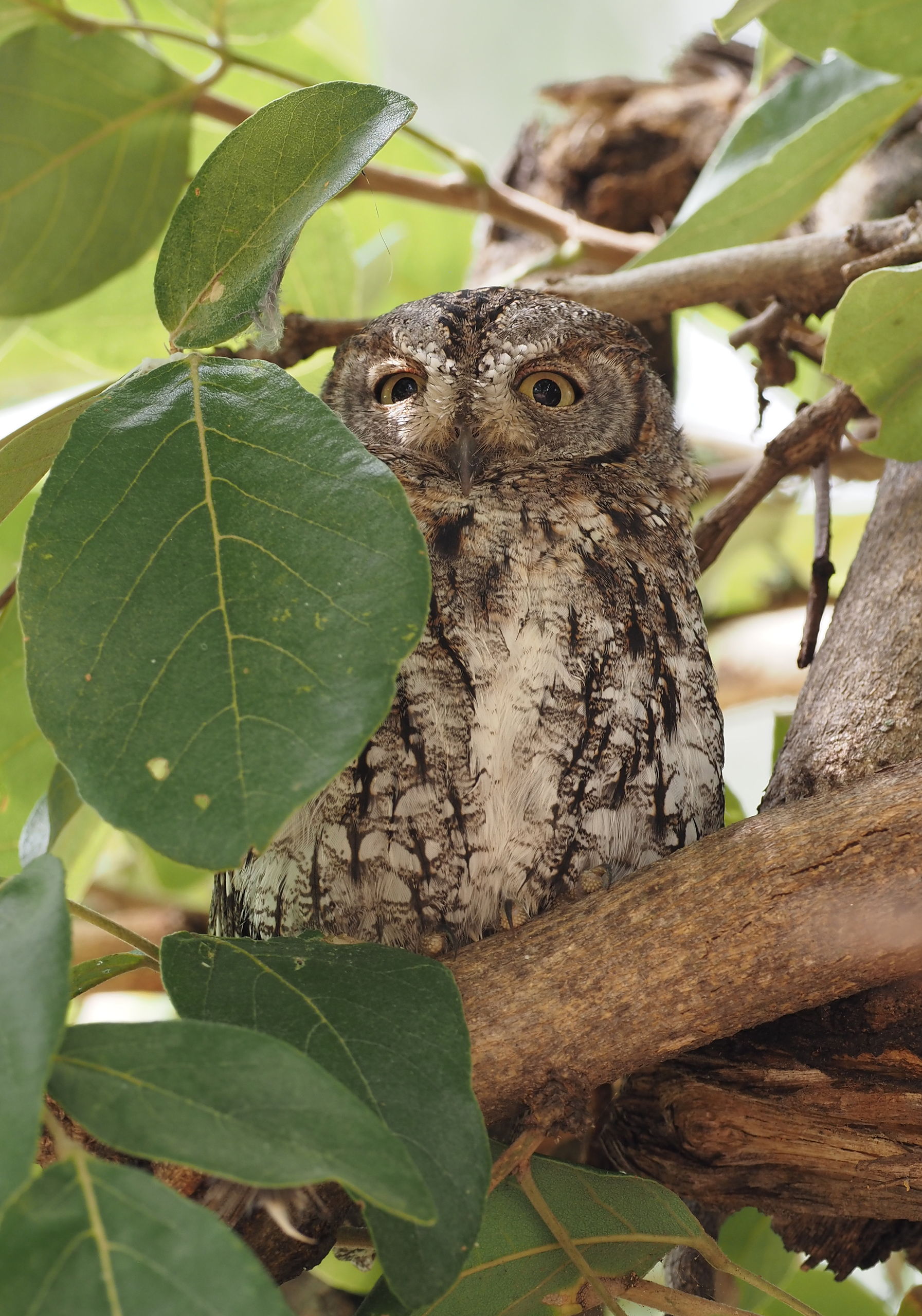
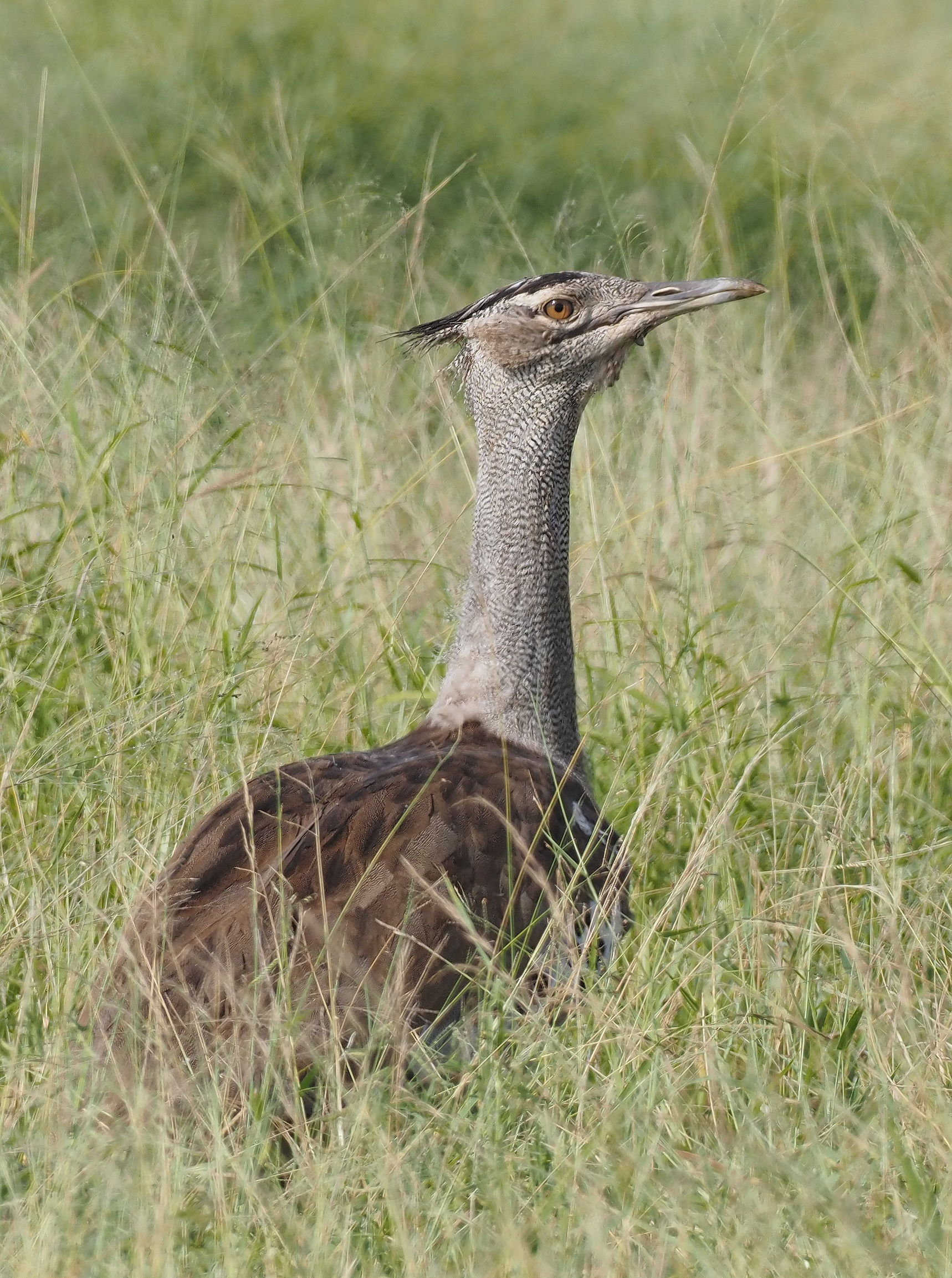
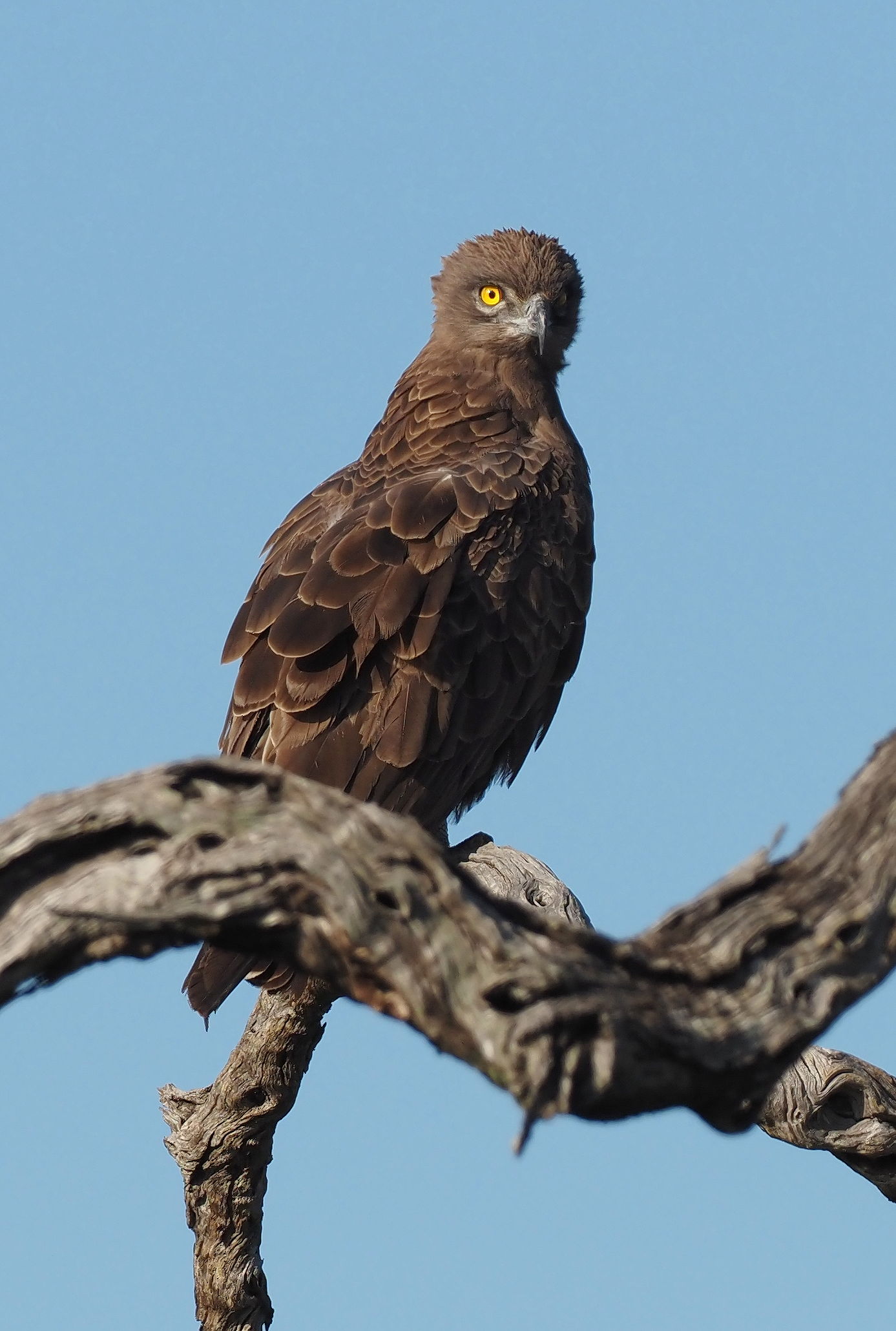
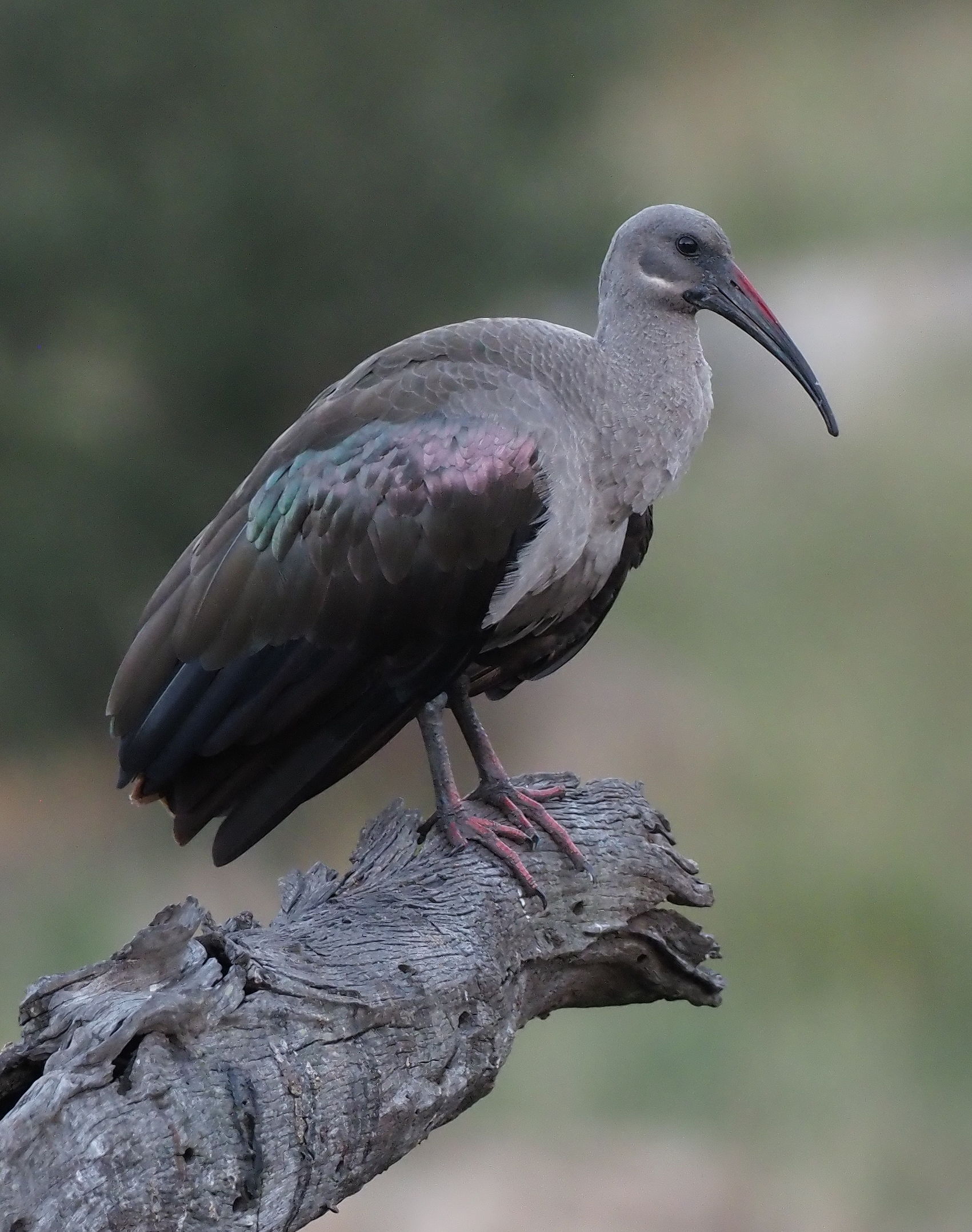
Birds are best photographed either at rest camps or at the many wildlife hides in Kruger. Well, there aren’t that many hides… these are larger than your normal bird hides you will find in many US parks. And they aren’t called bird hides because much more than birds come to the water at the hides. Most – perhaps all, of the photos below were taken with an Olympus mirrorless camera and a 300mm f4 fixed focal length lens. Zoom lenses are better for composition, but are usually optically not as good. But since birds are hard to get close enough to “fill the frame” you still have to crop the images anyway. Photos below are crops from the originals. All of the bird photos submitted to iNaturalist for Kruger during our last visit can be seen here.









Insects
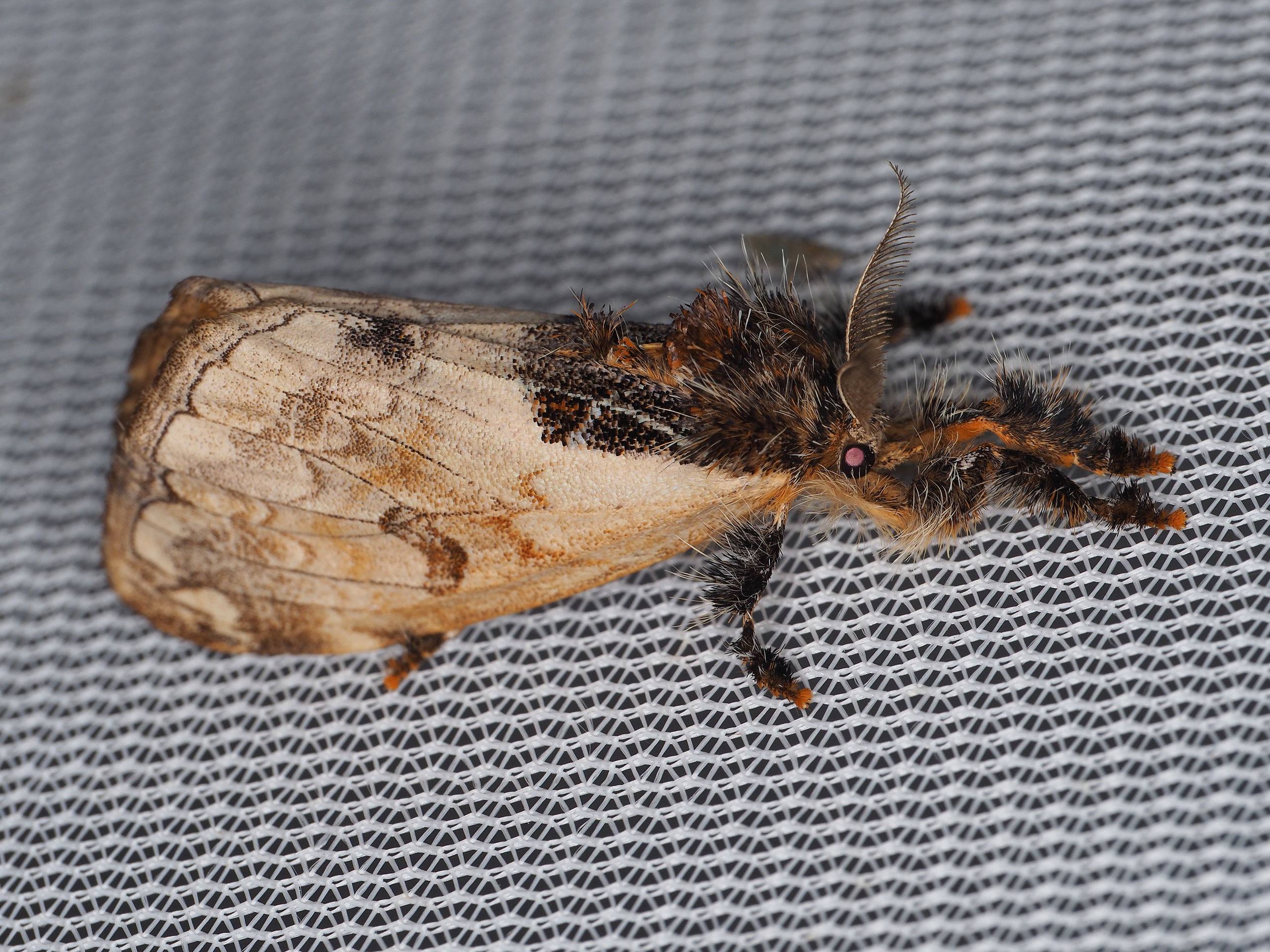
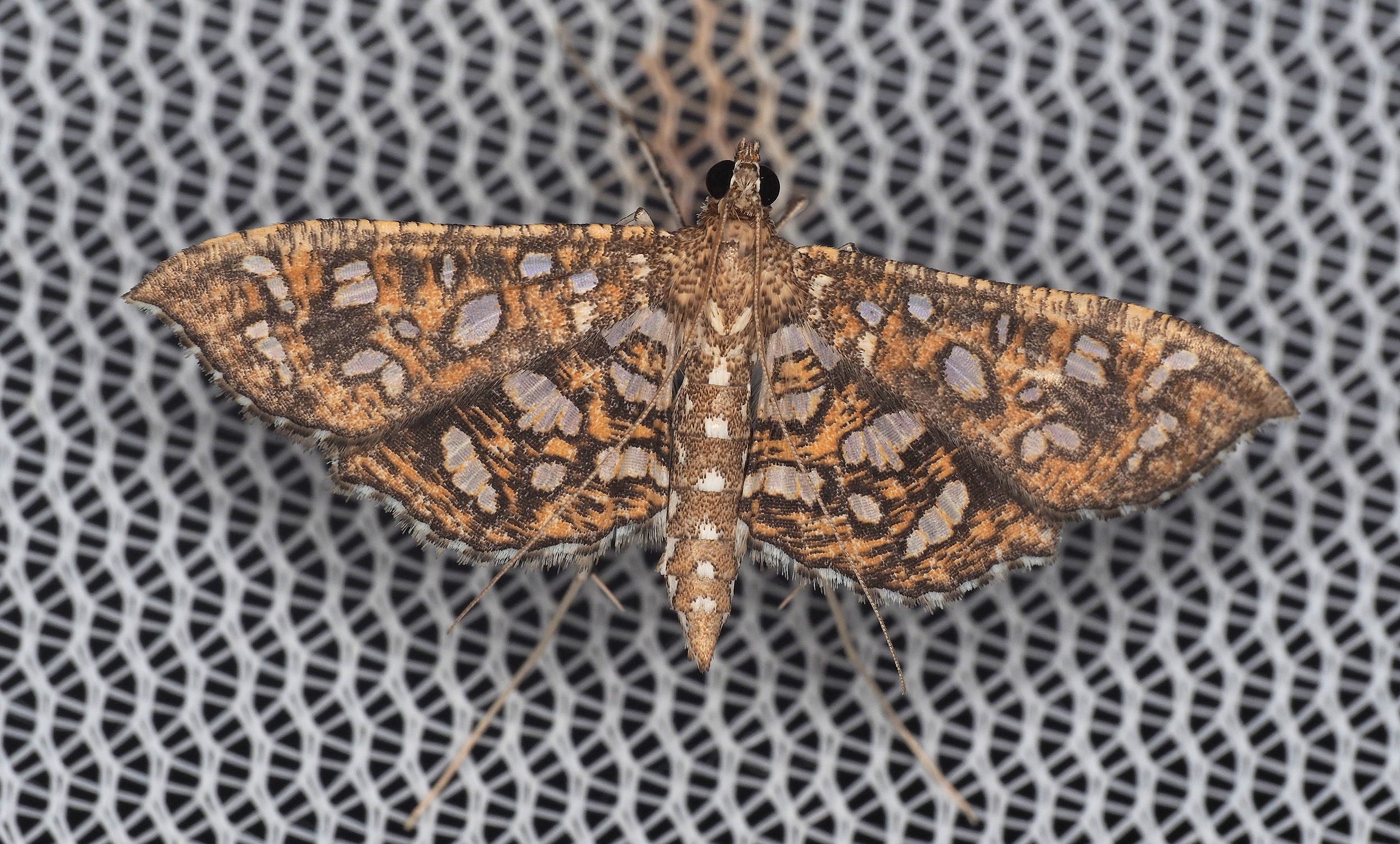
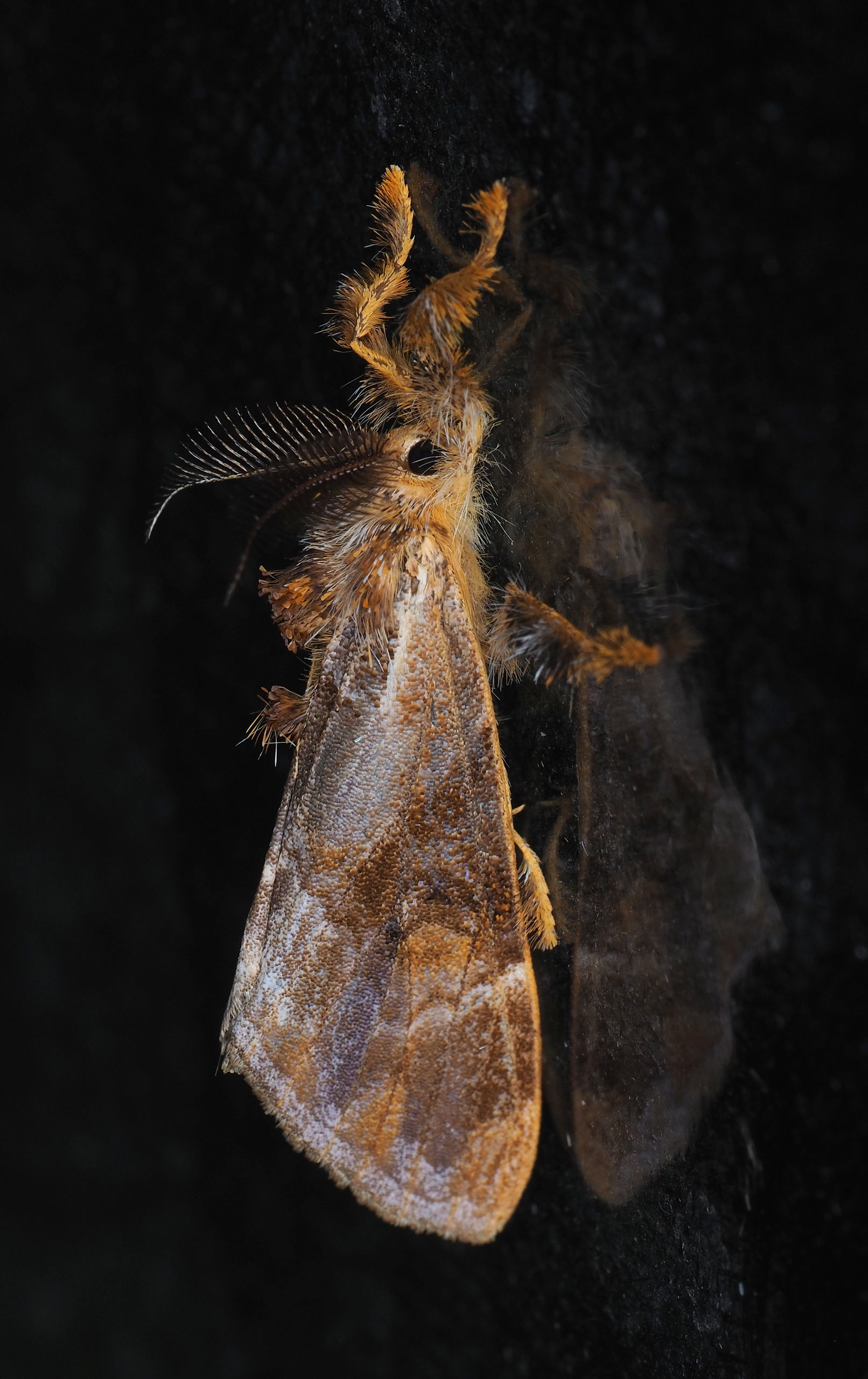
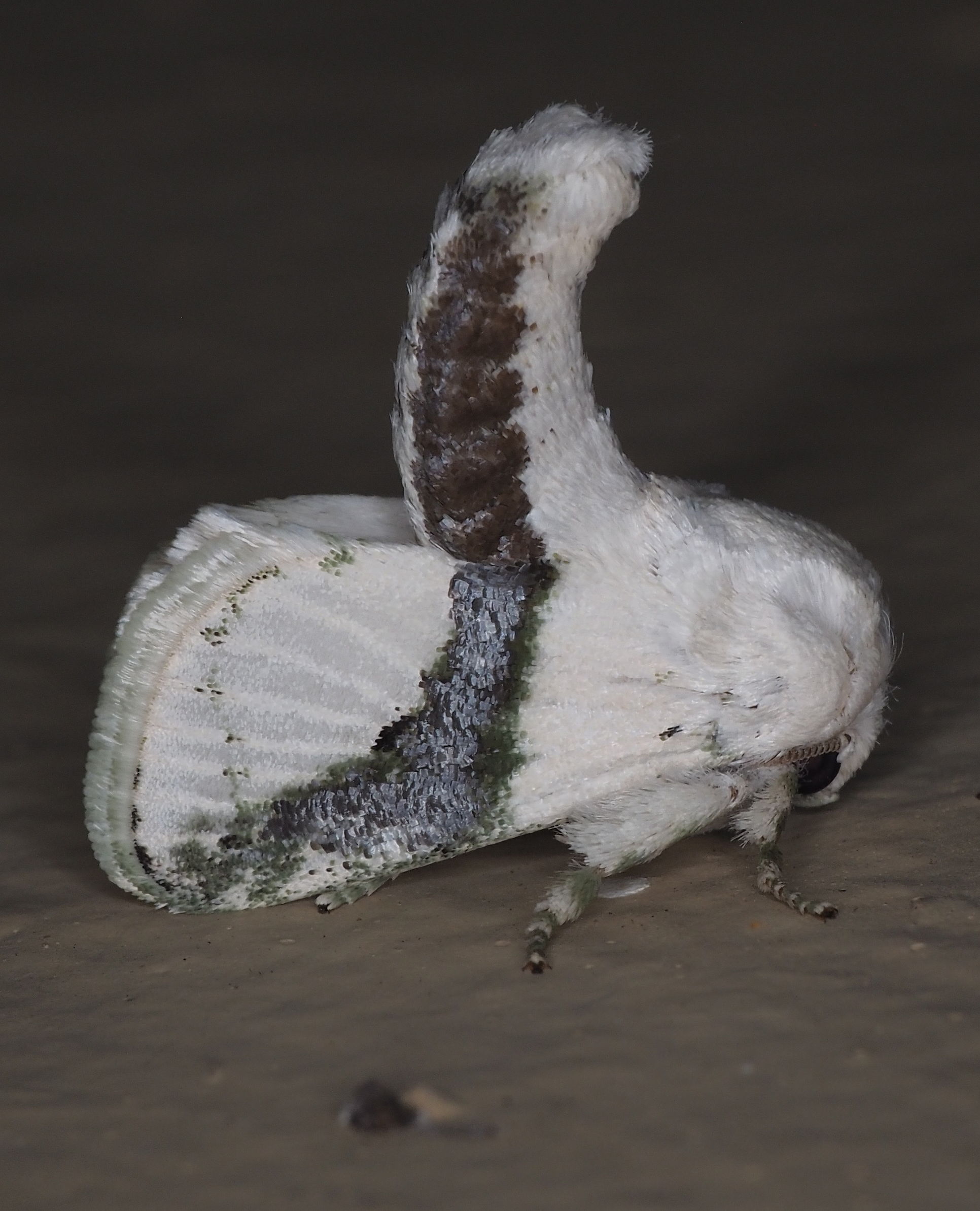
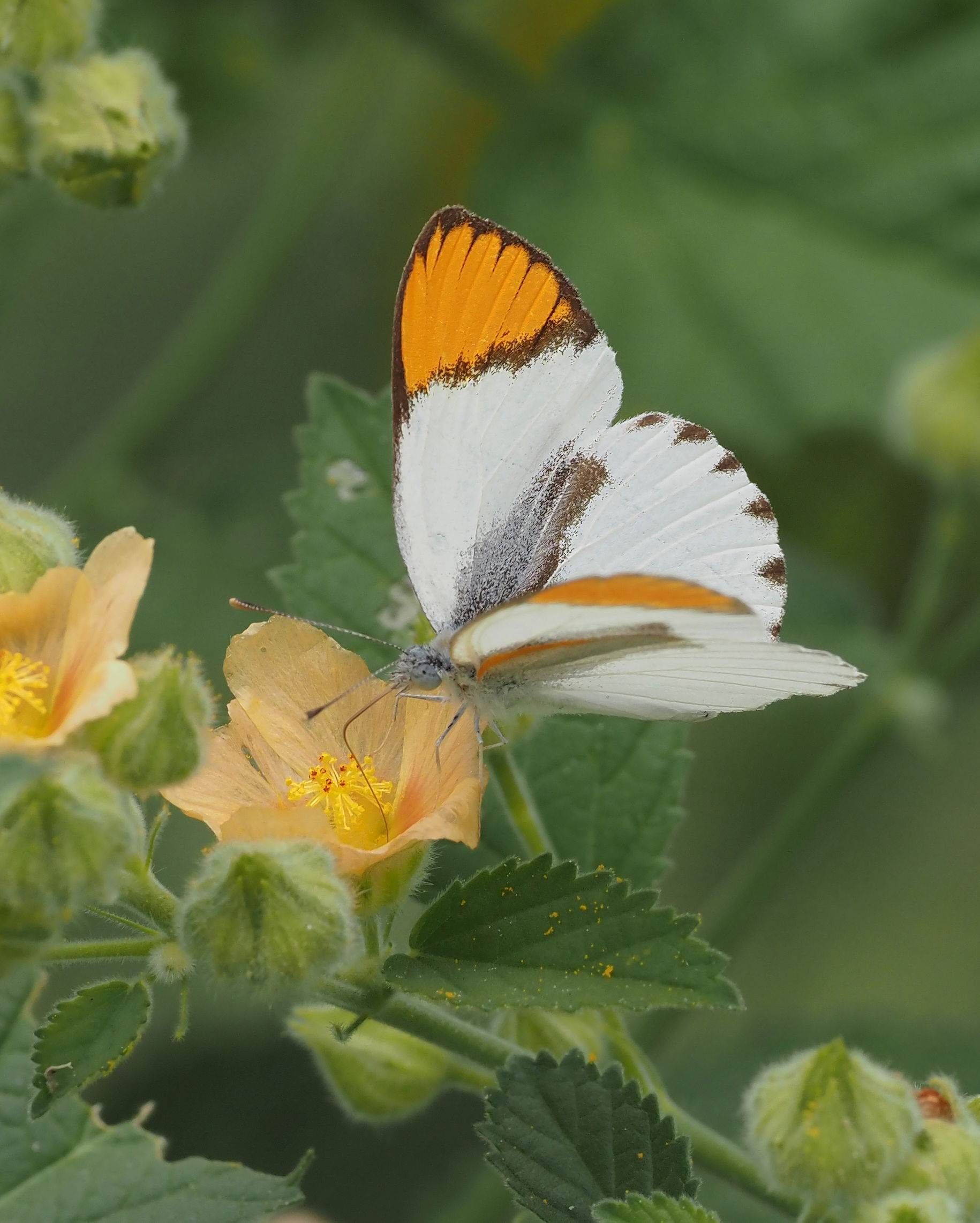
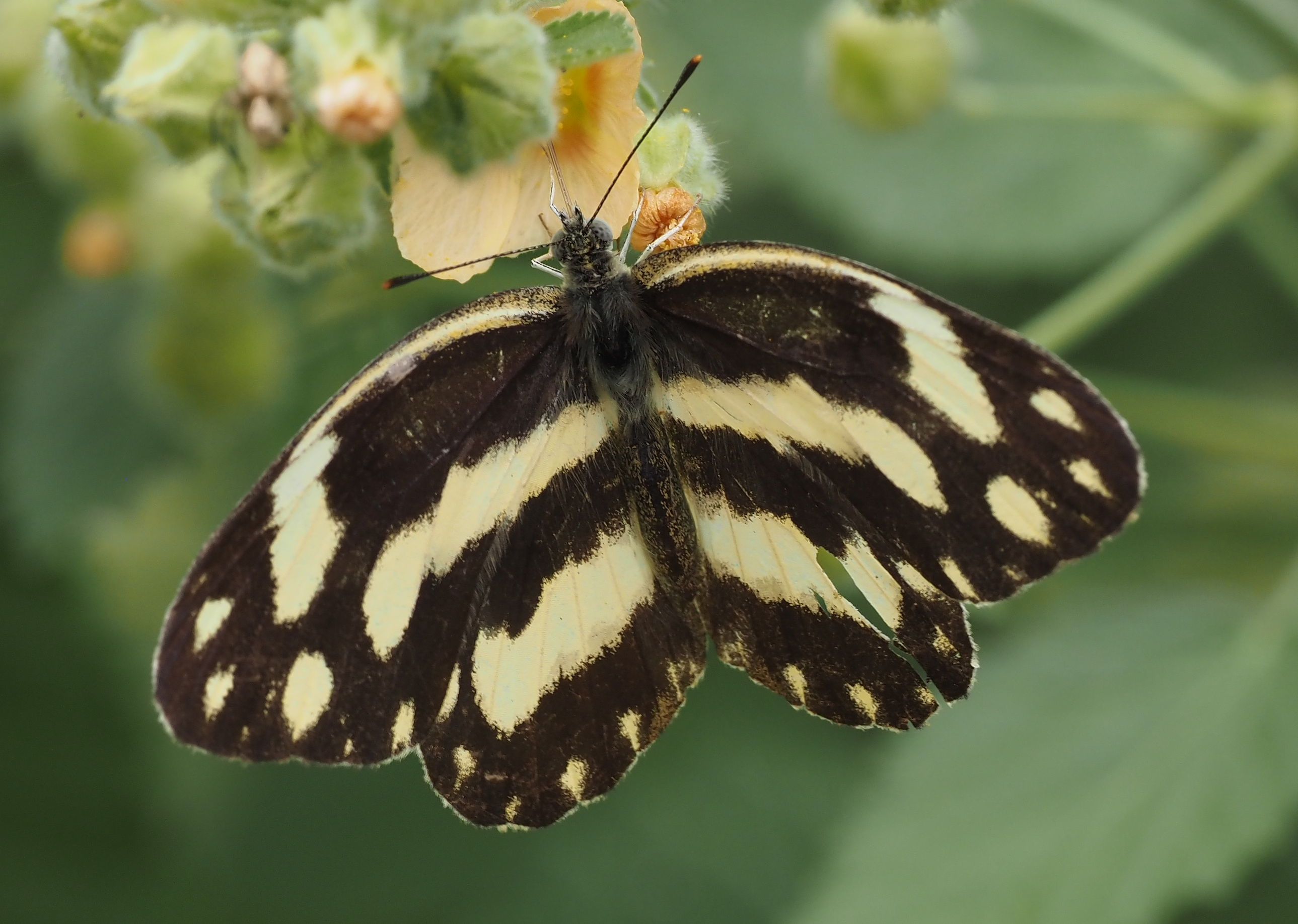
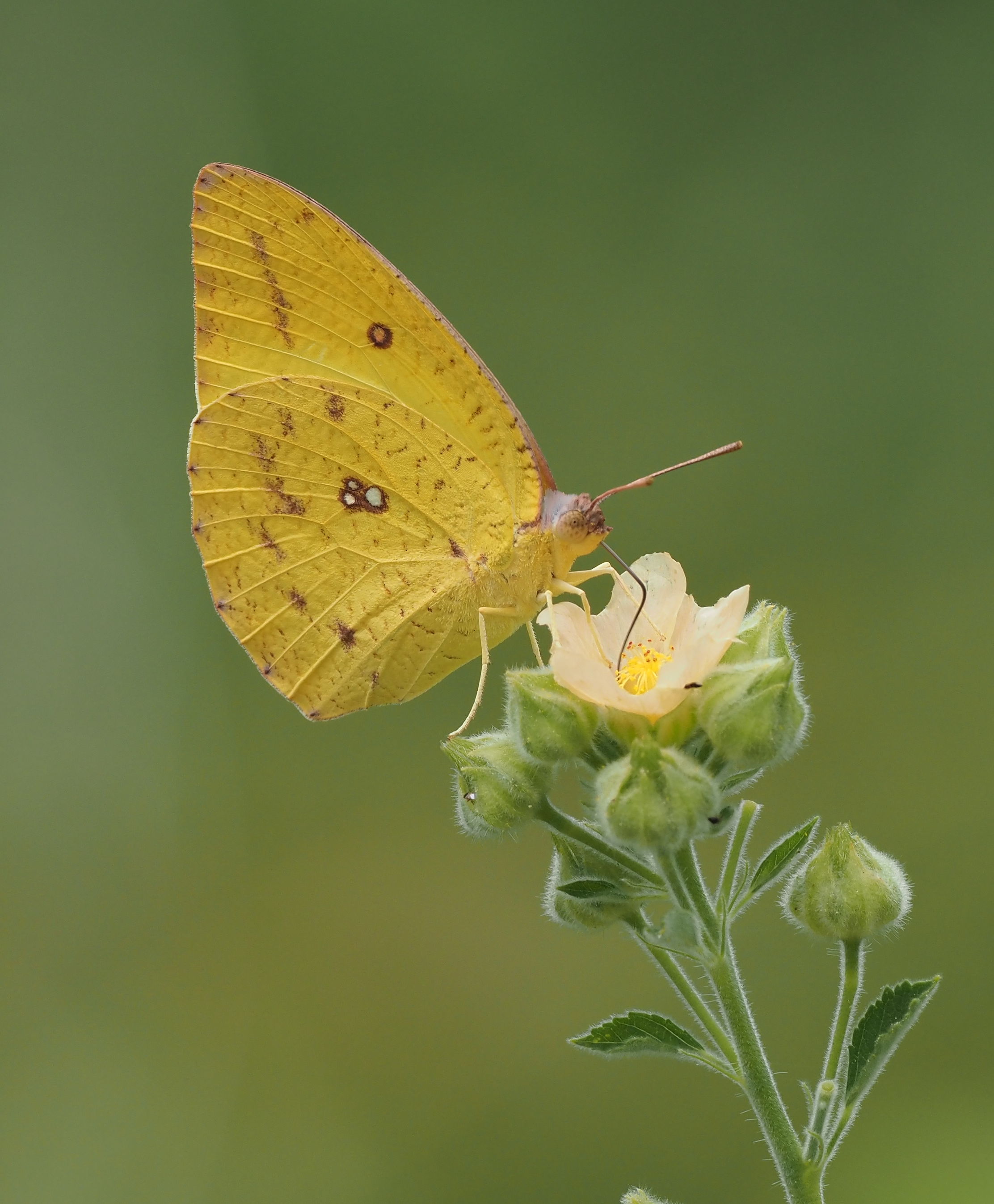
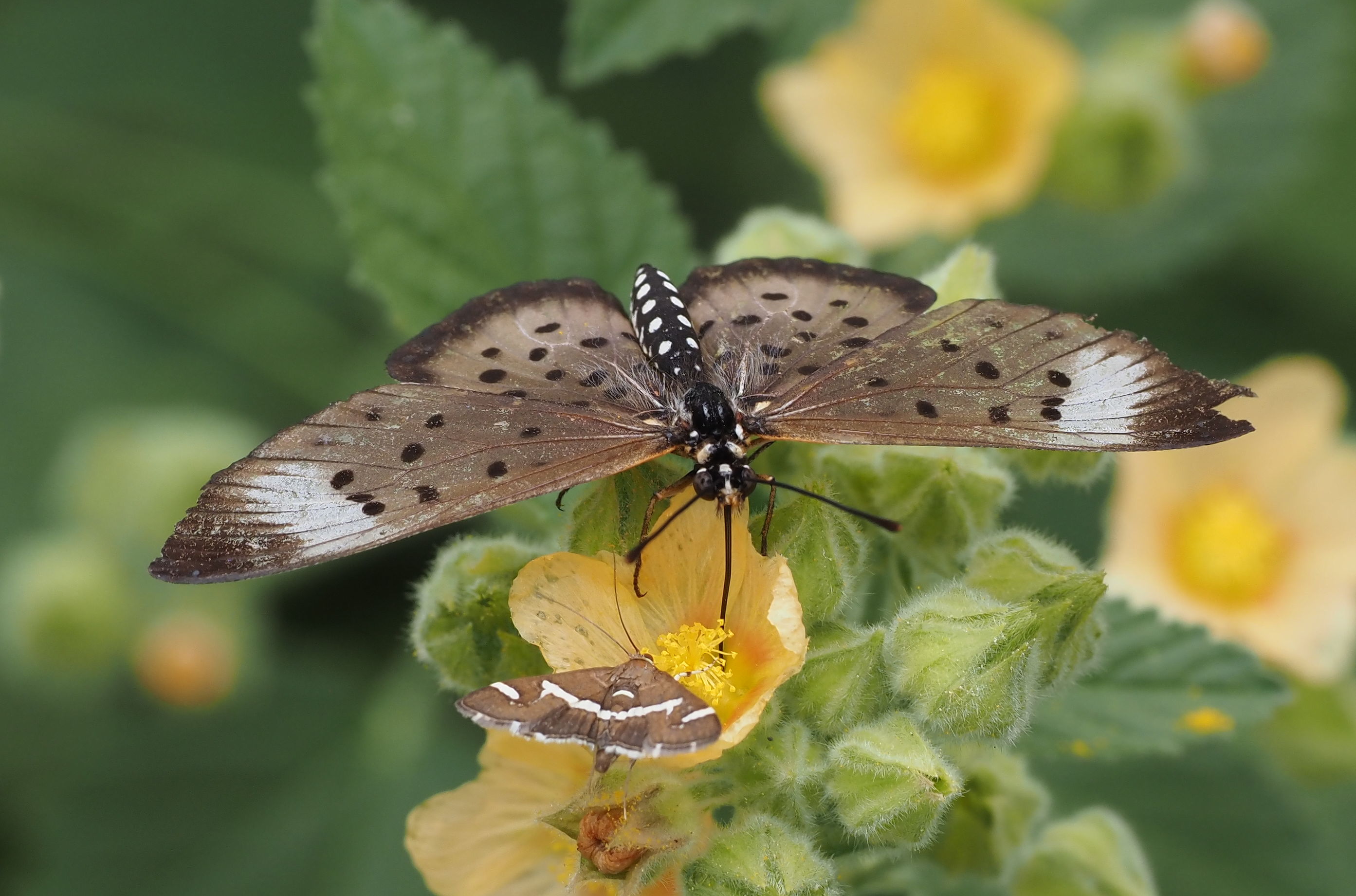
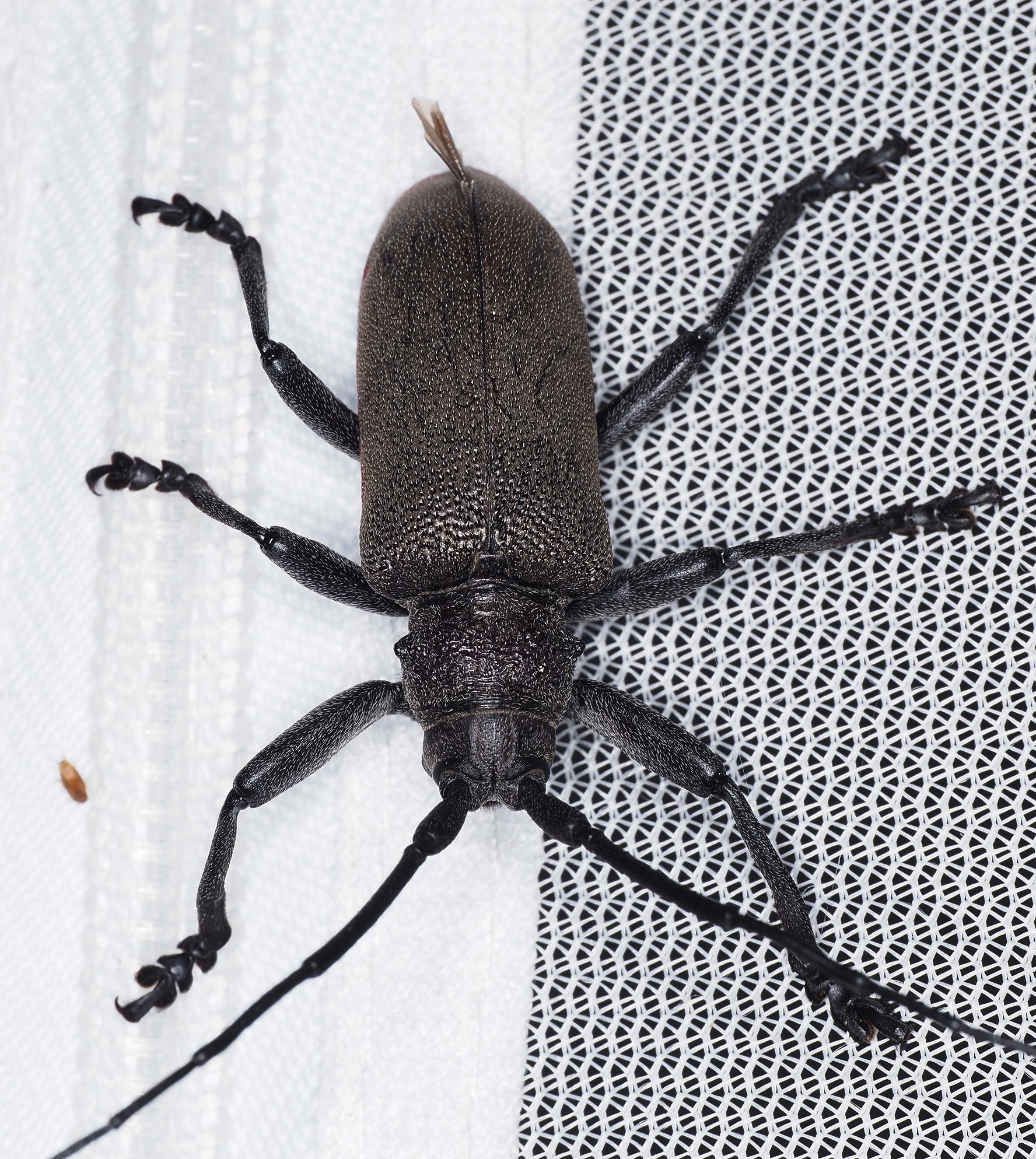
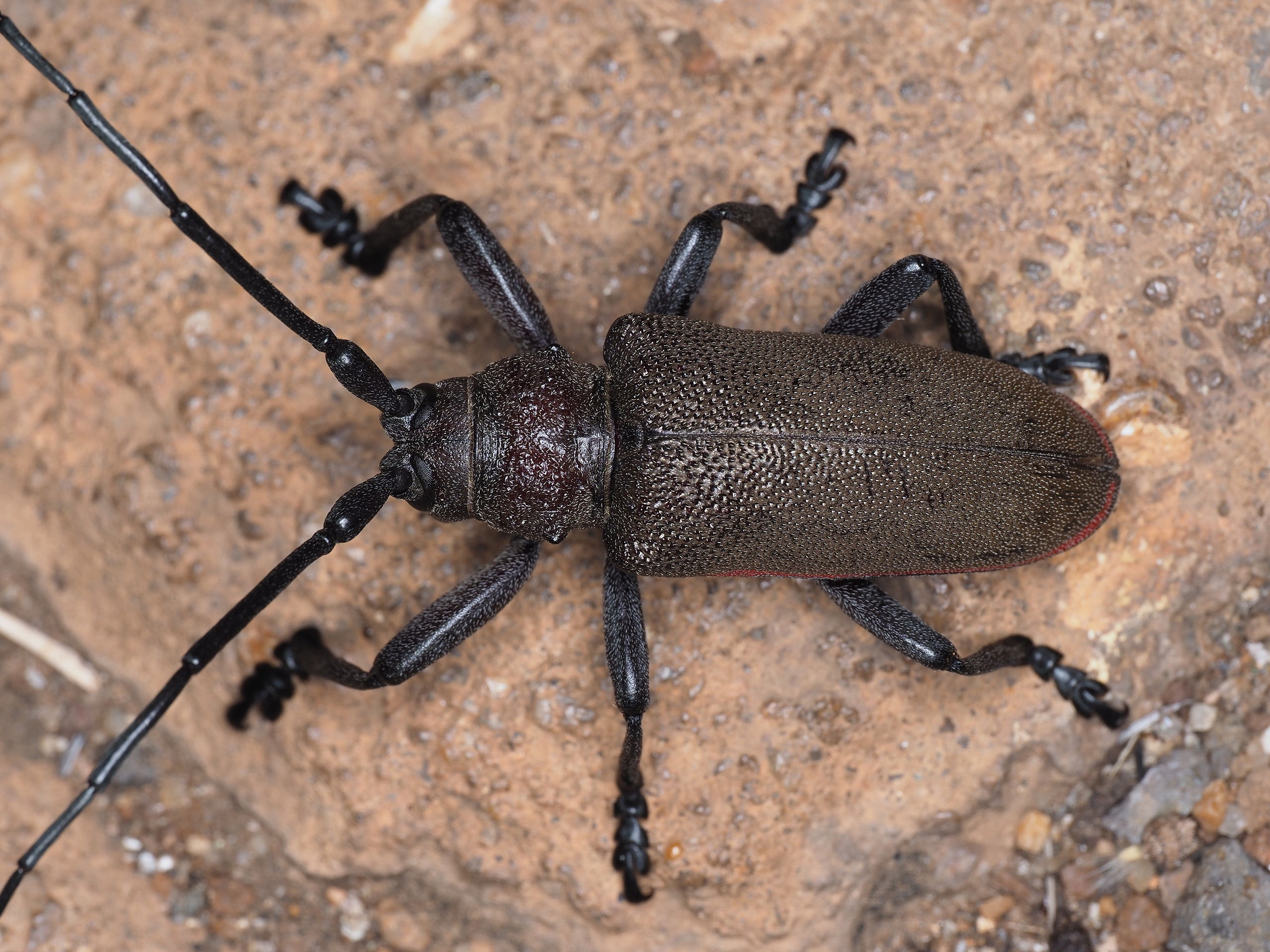
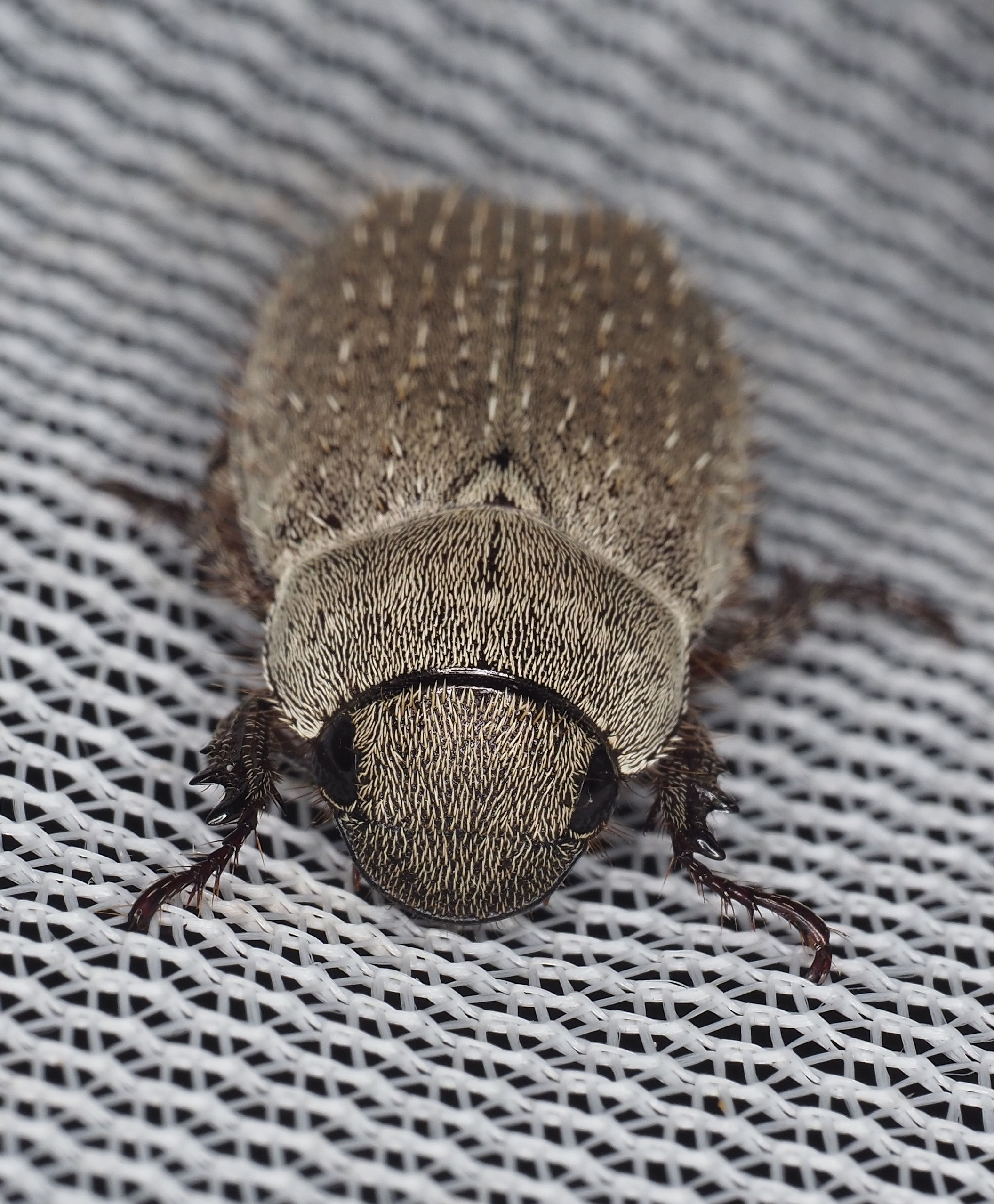
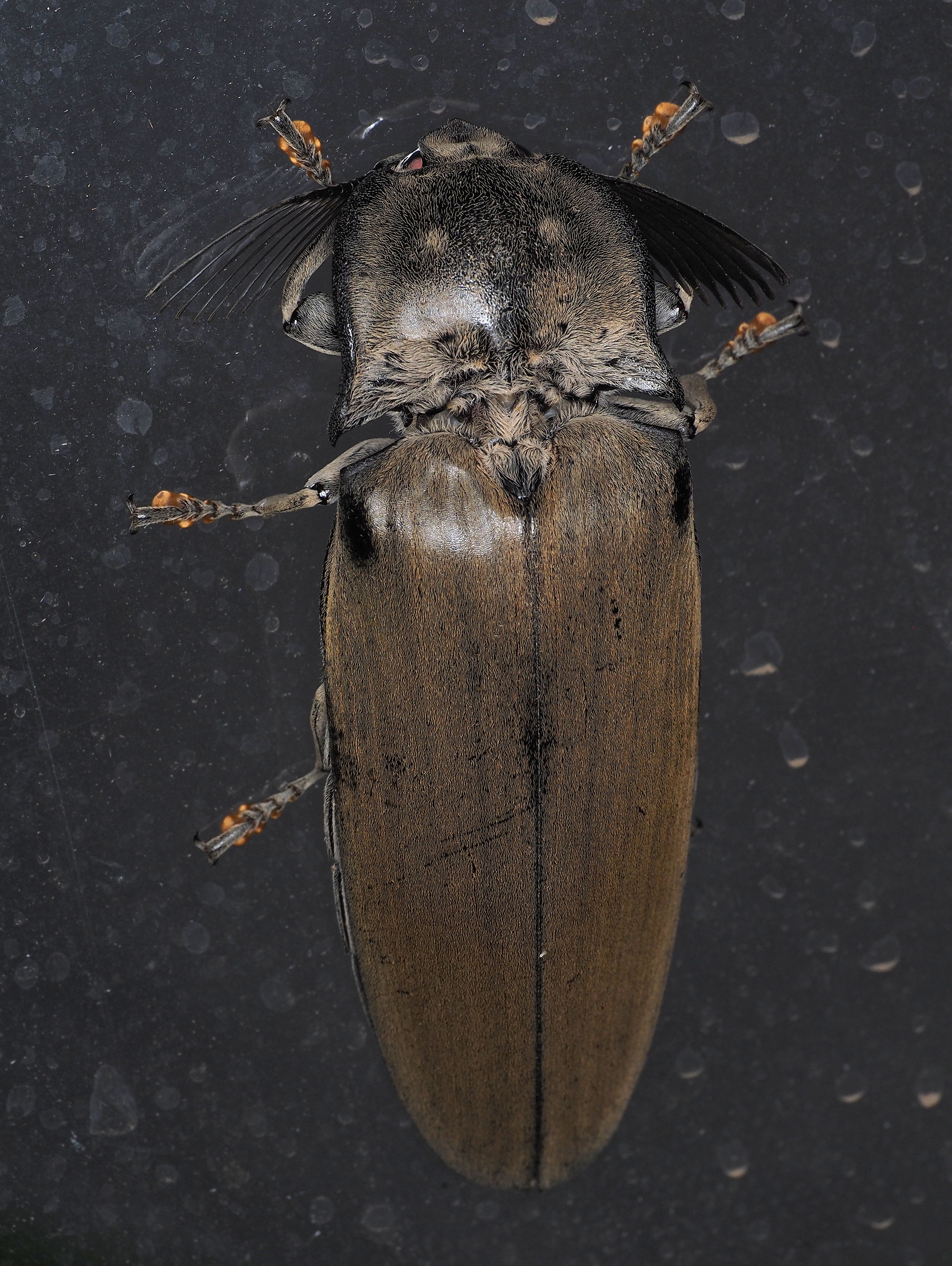
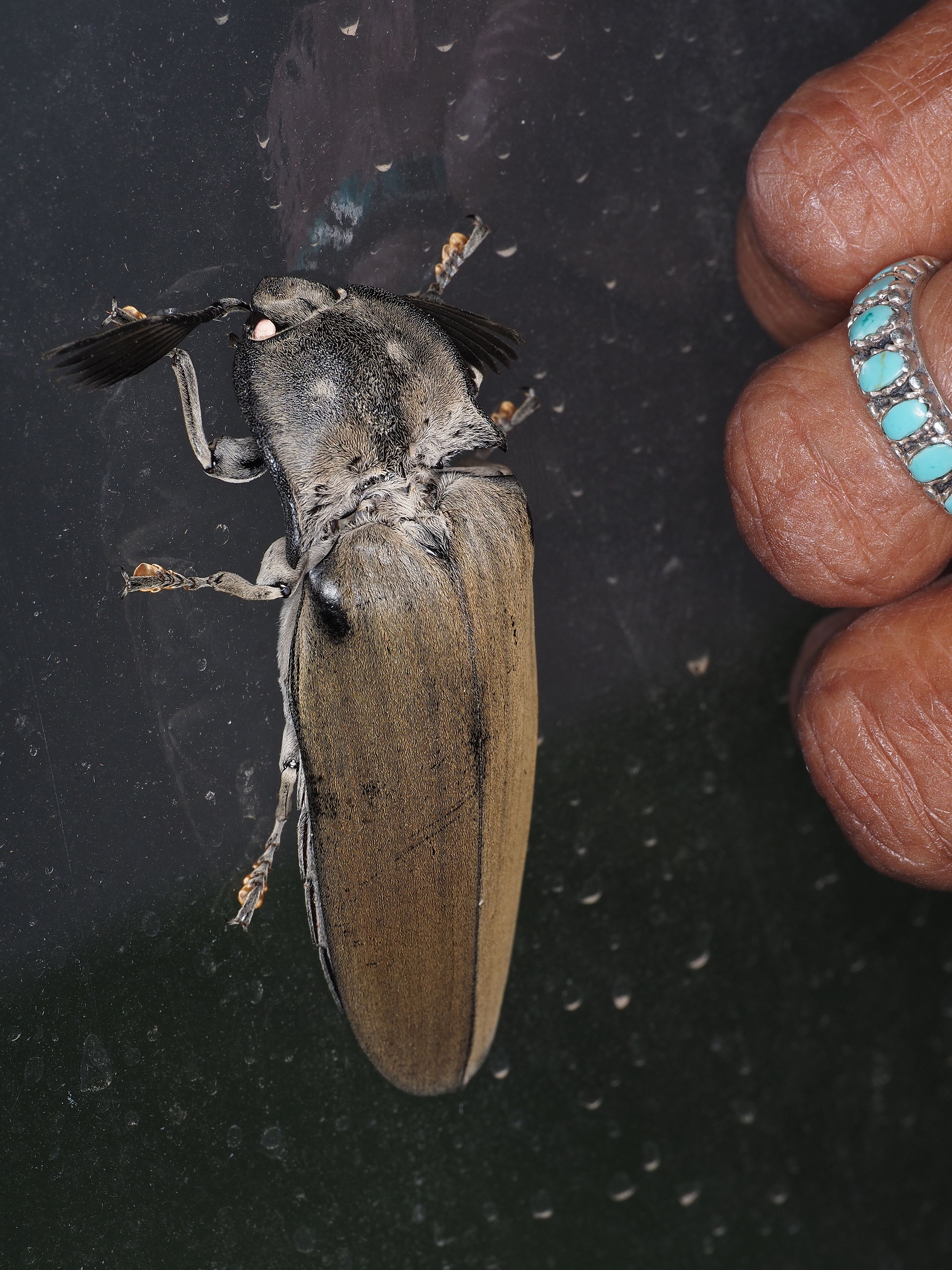
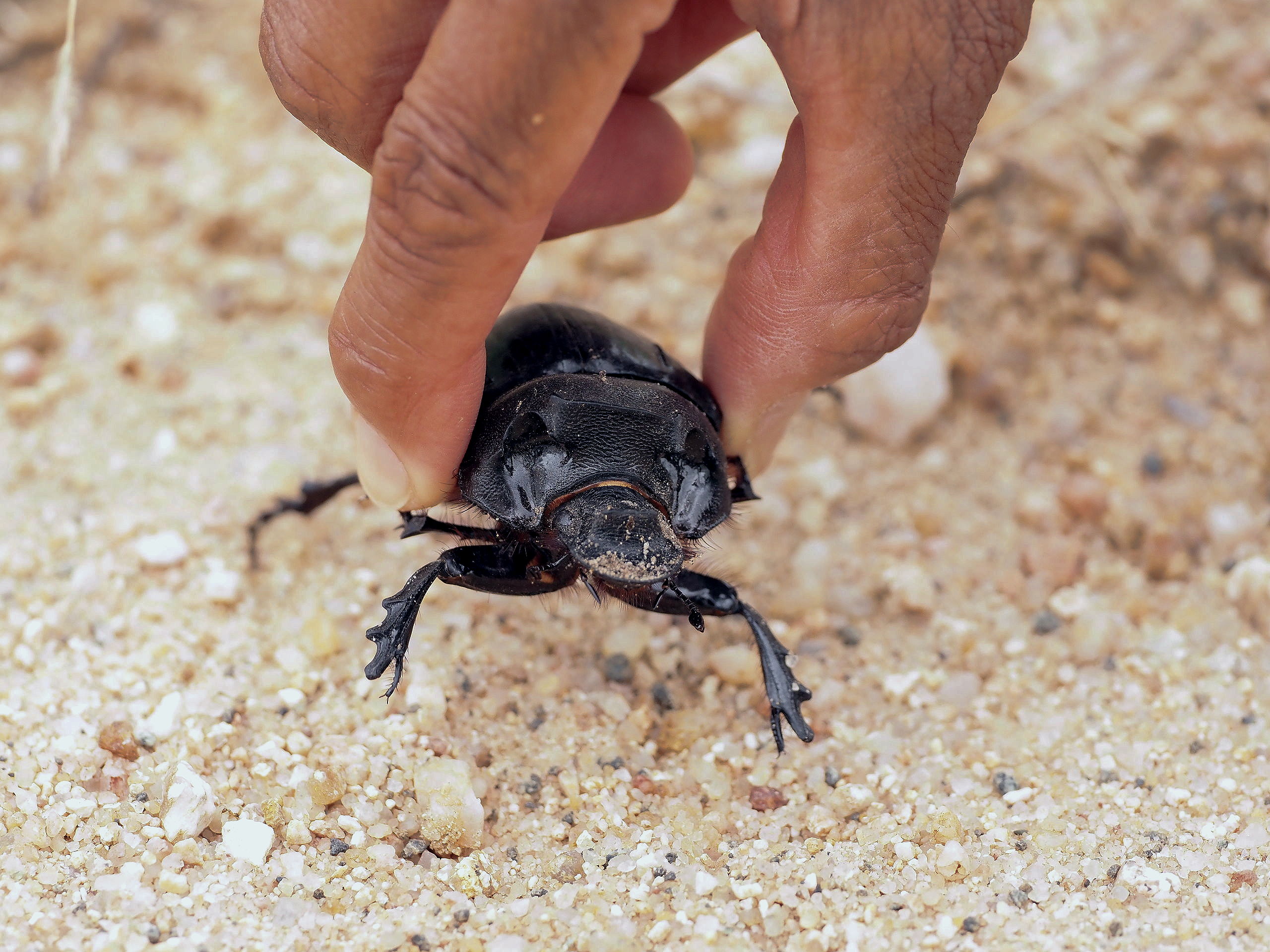
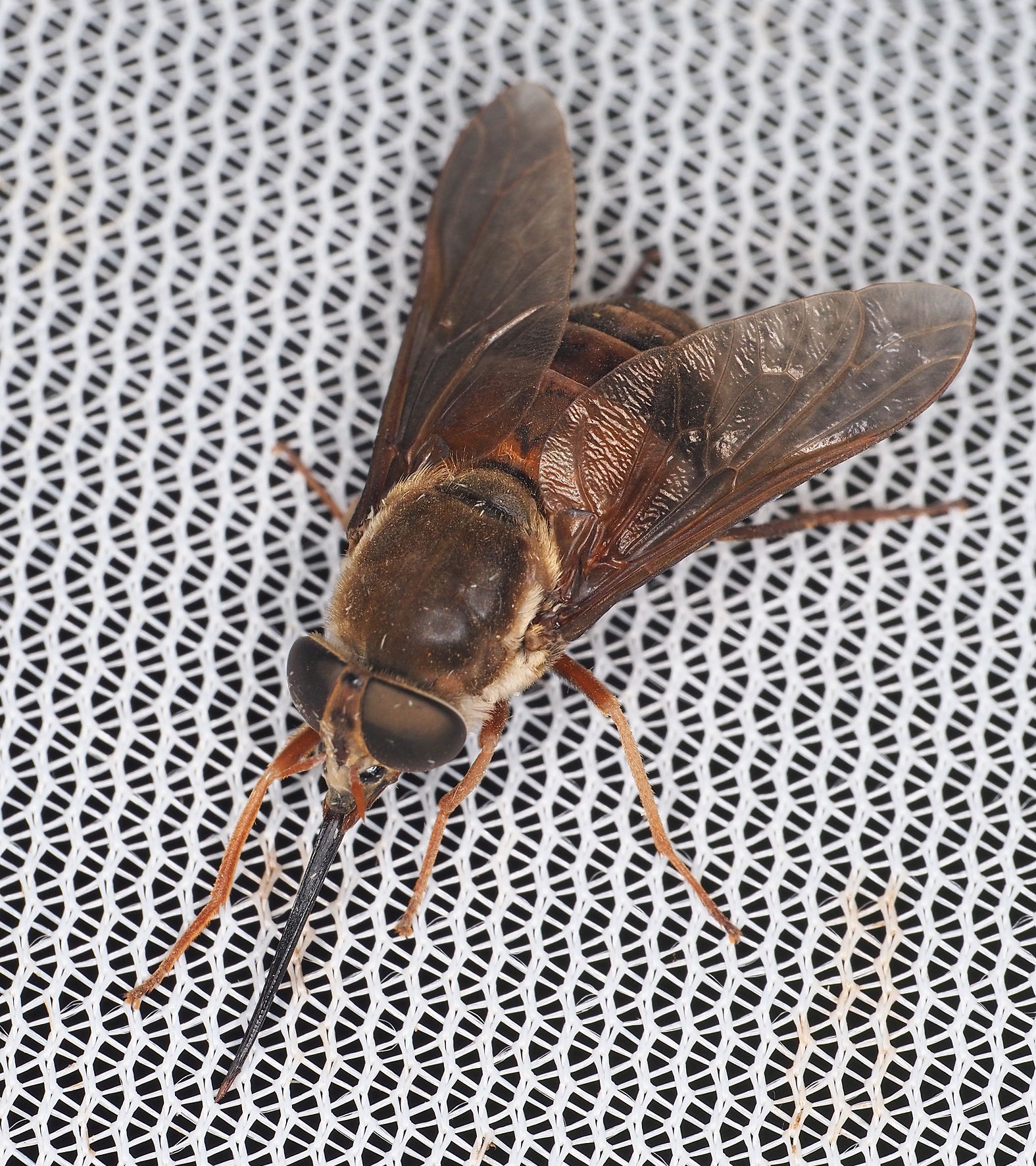
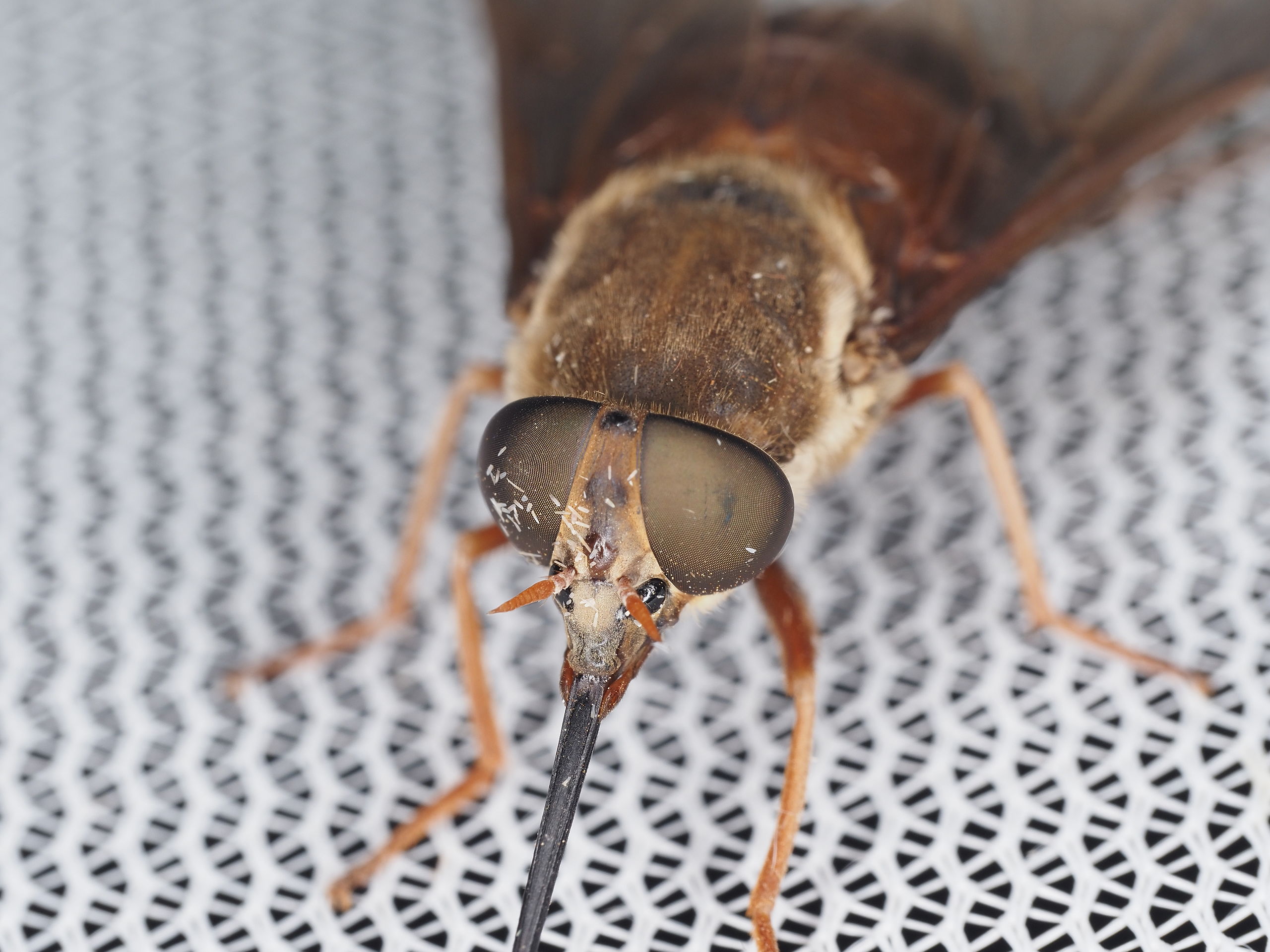
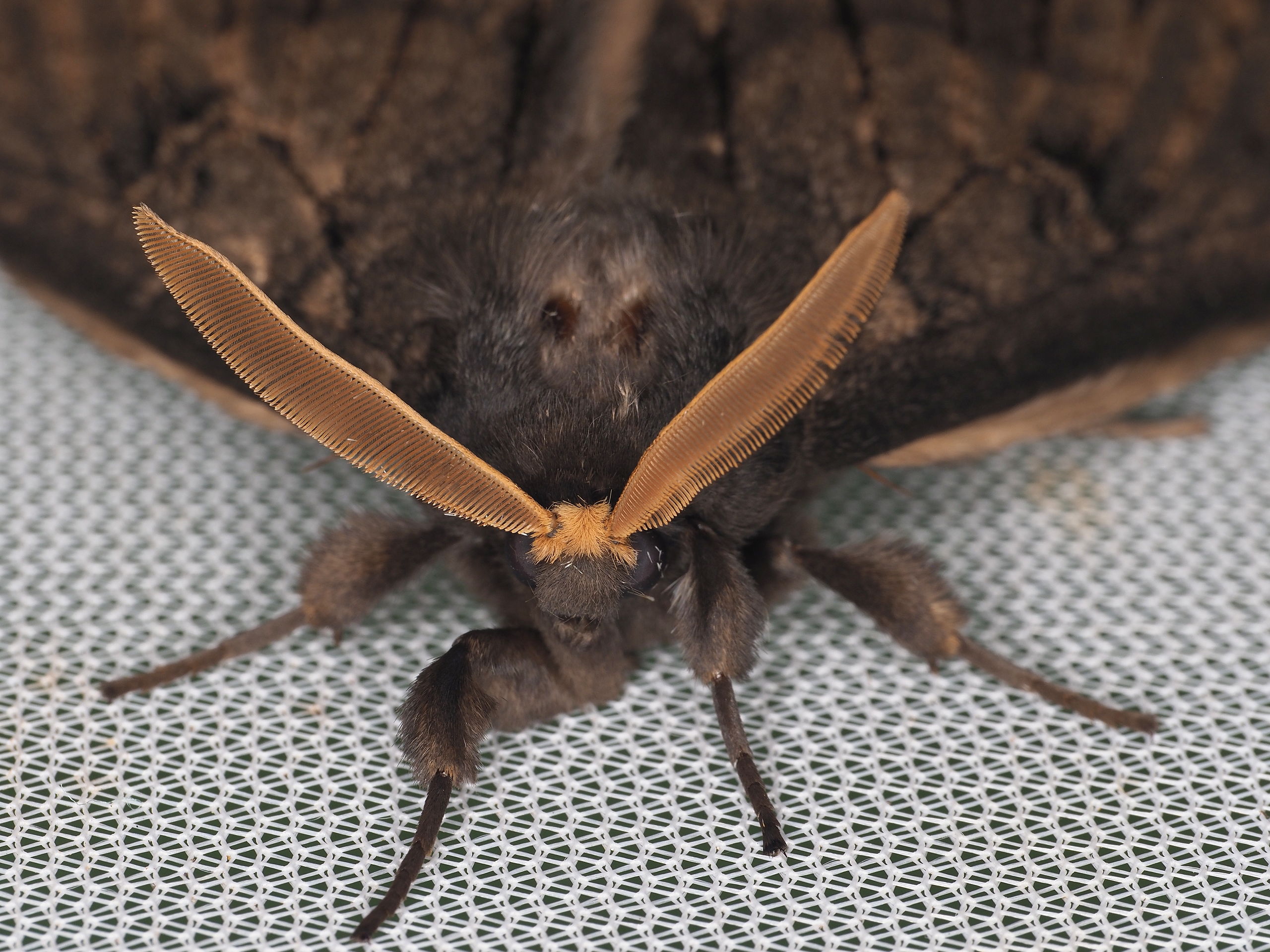
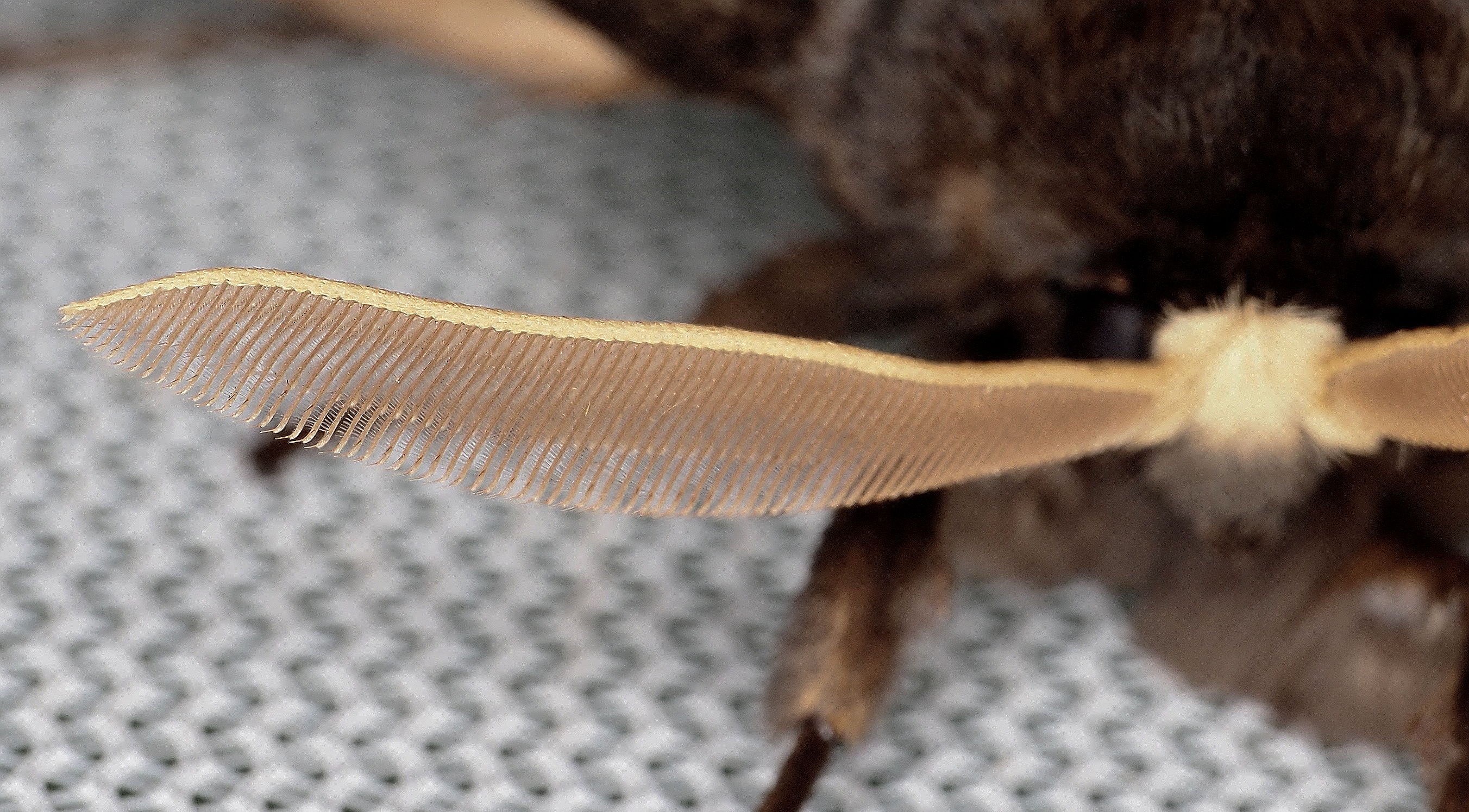
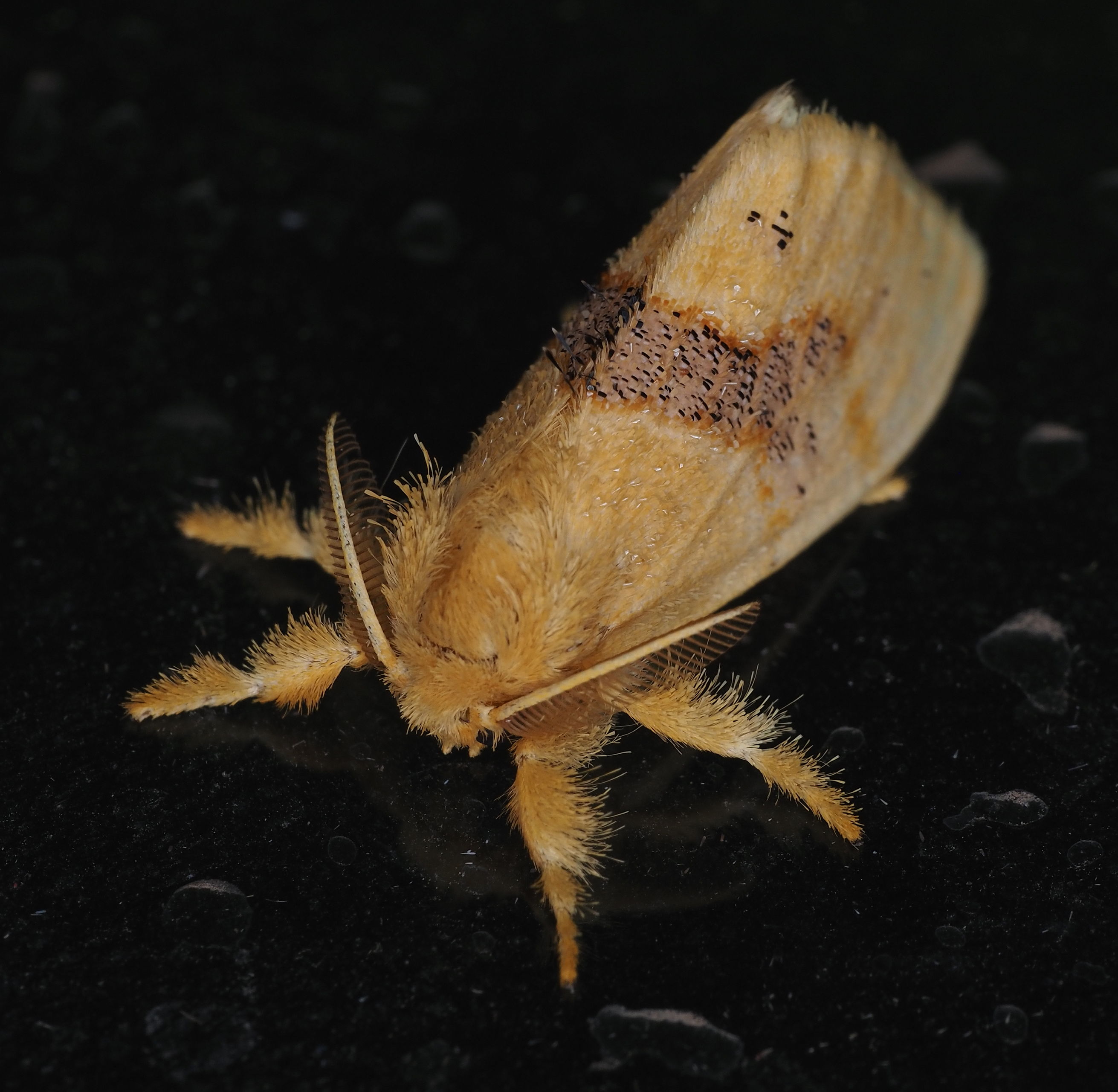
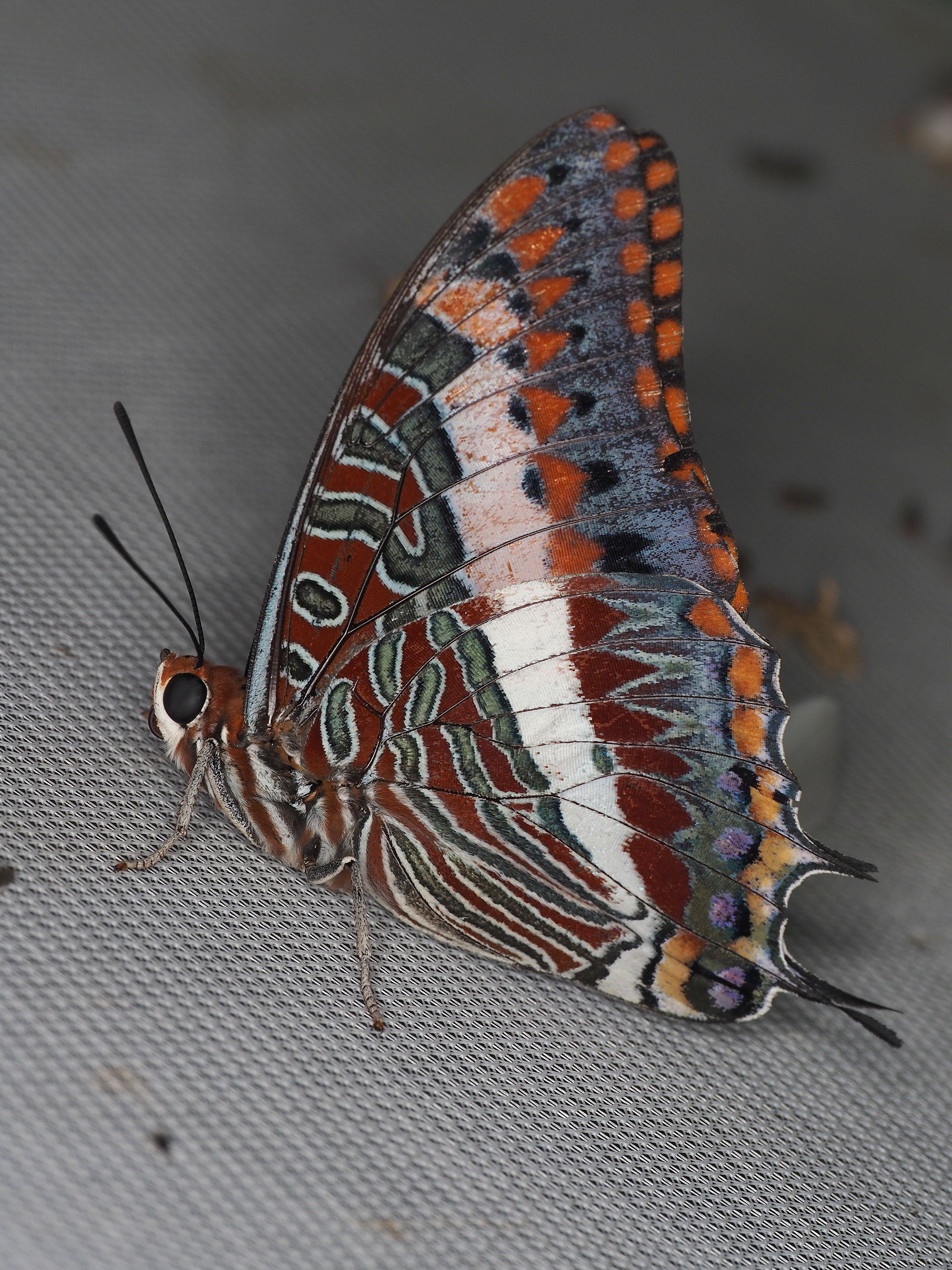
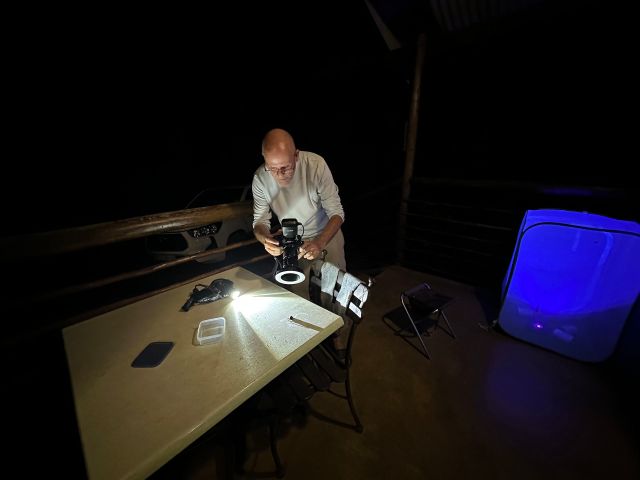
This was our first trip to Kruger where we made preparations to photograph insects at night. We brought ultraviolet lights and our insect “cage” to put the lights in and we spent several hours each night seeing what came. Not all insects come to lights, so we also walked around inside the camps to see what was around. This is a huge advantage of staying in the rest camps in Kruger – most are large and have substantial natural areas. And the separation between most cottages is enough so that any lights you might have outside to attract insects won’t be obvious to nearby chalets. Our lights are relatively dim as well, compared with some very bright lights used at “moth night” events in the US. The selection of insects below is just a very small subset of what we saw. Our observations are on Rosario’s iNaturalist page. For example, at the Lower Sabie rest camp here are the insect observations. All of the Kruger insect observations we submitted to iNaturalist can be seen here. Many of the identifications are tentative, and some like “moth” are obviously not sufficient!







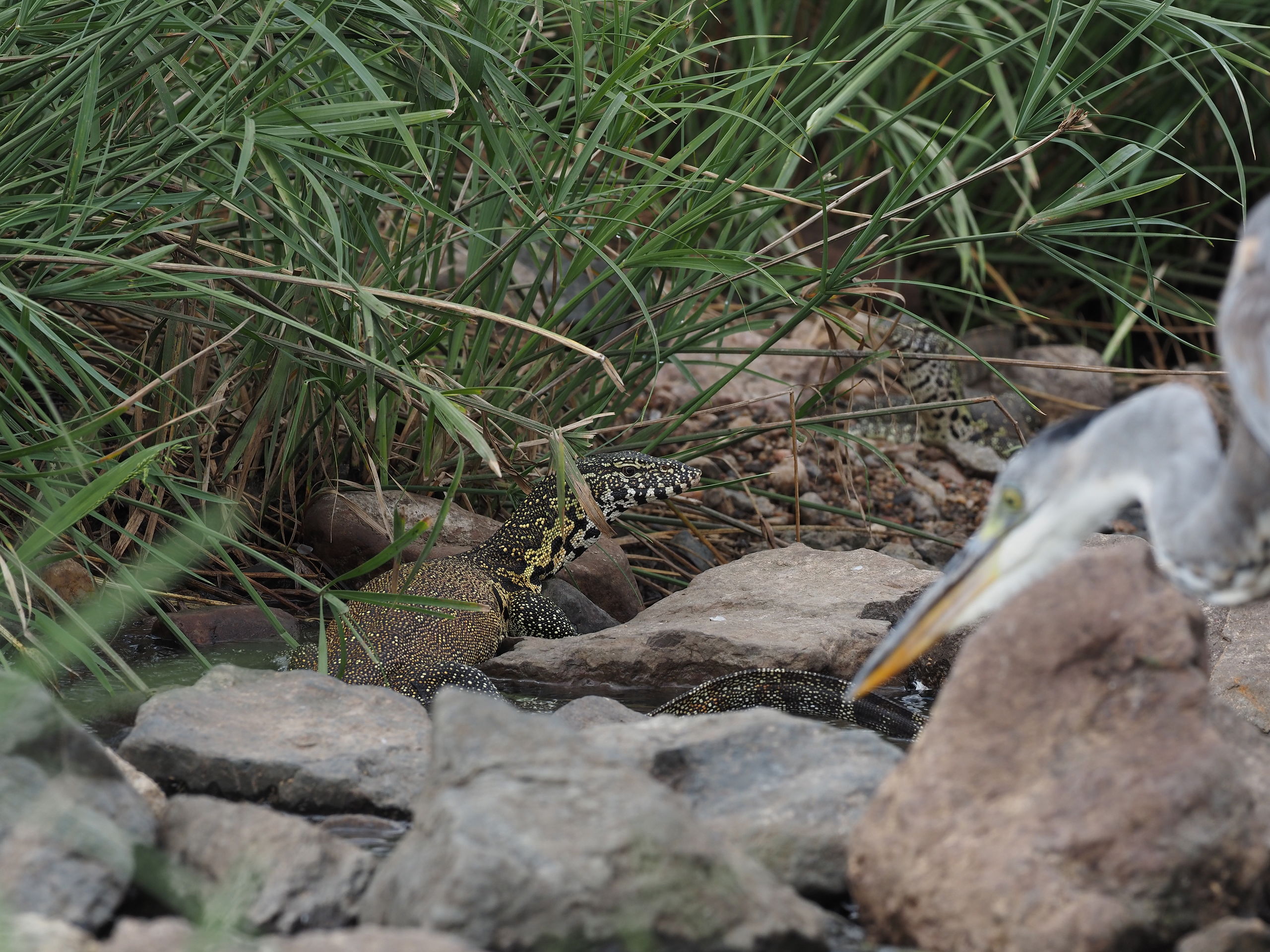
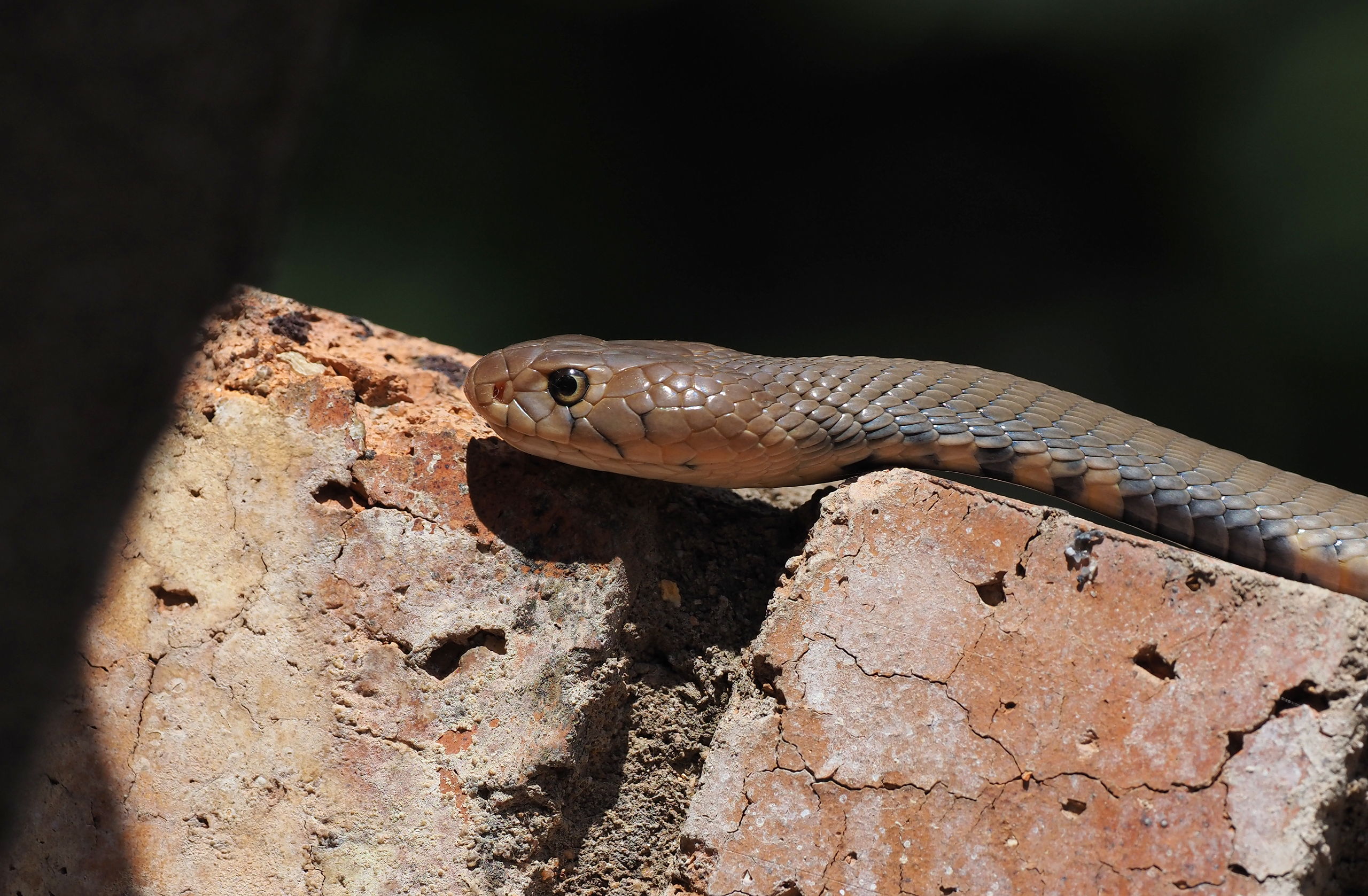
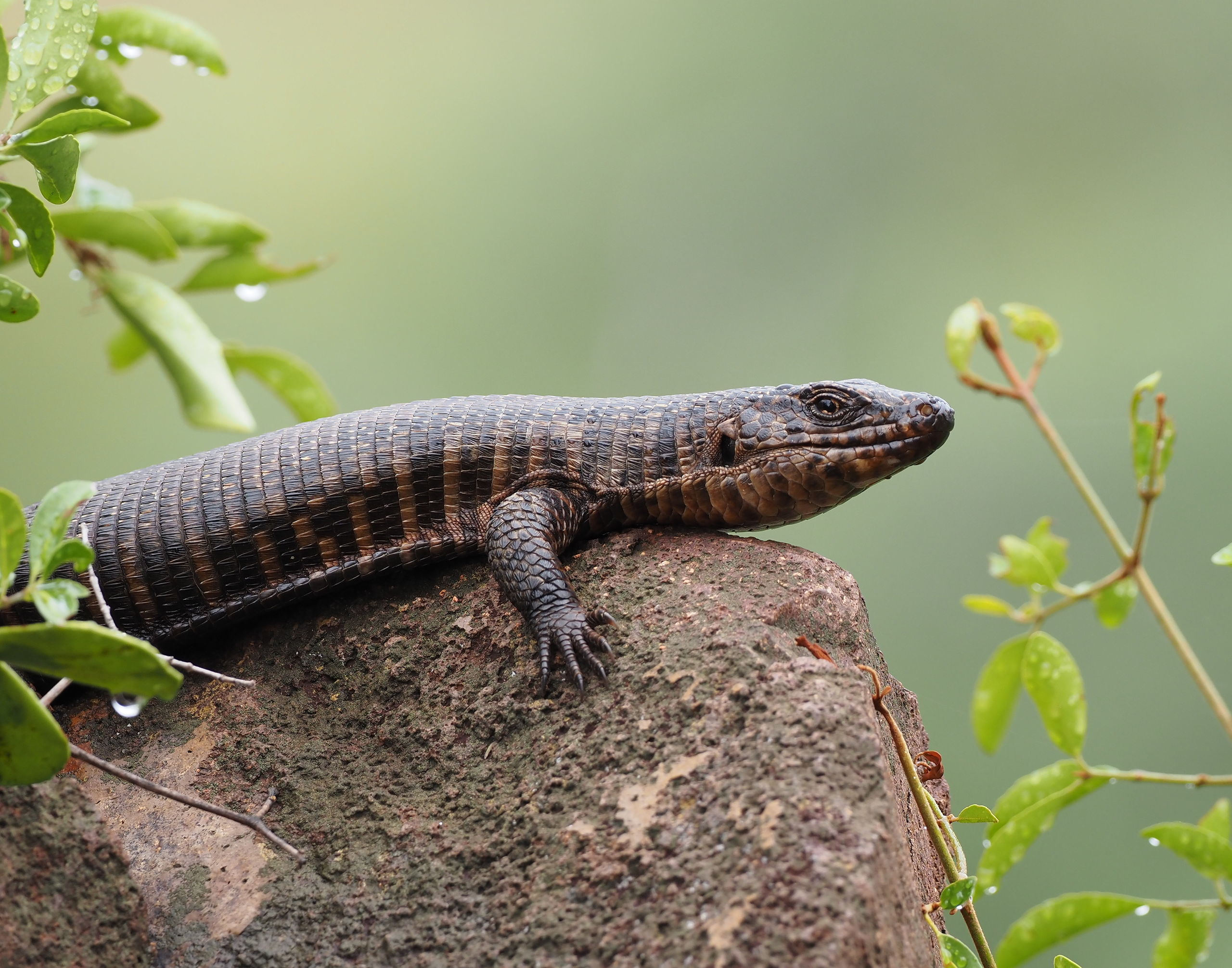
Reptiles
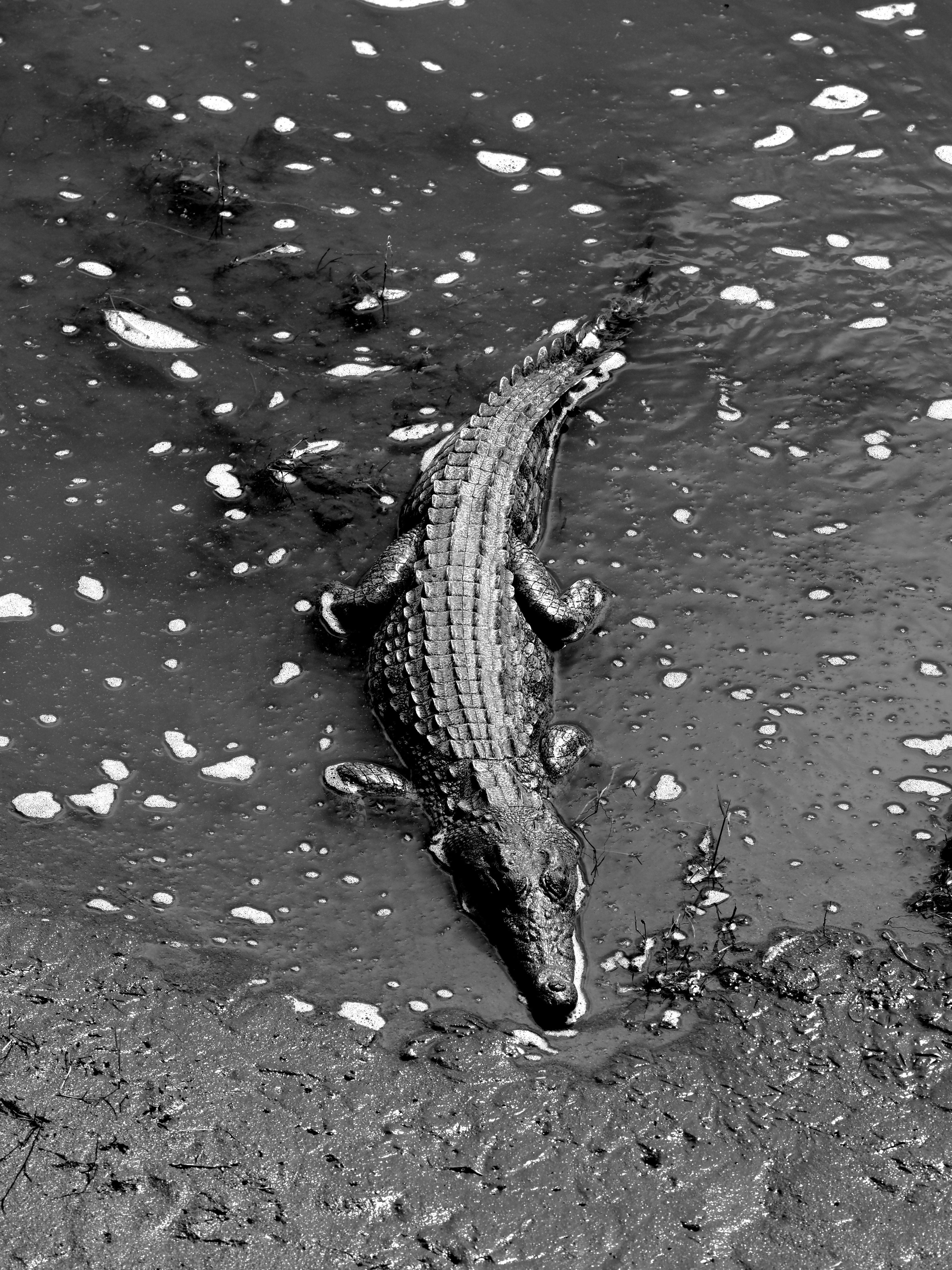
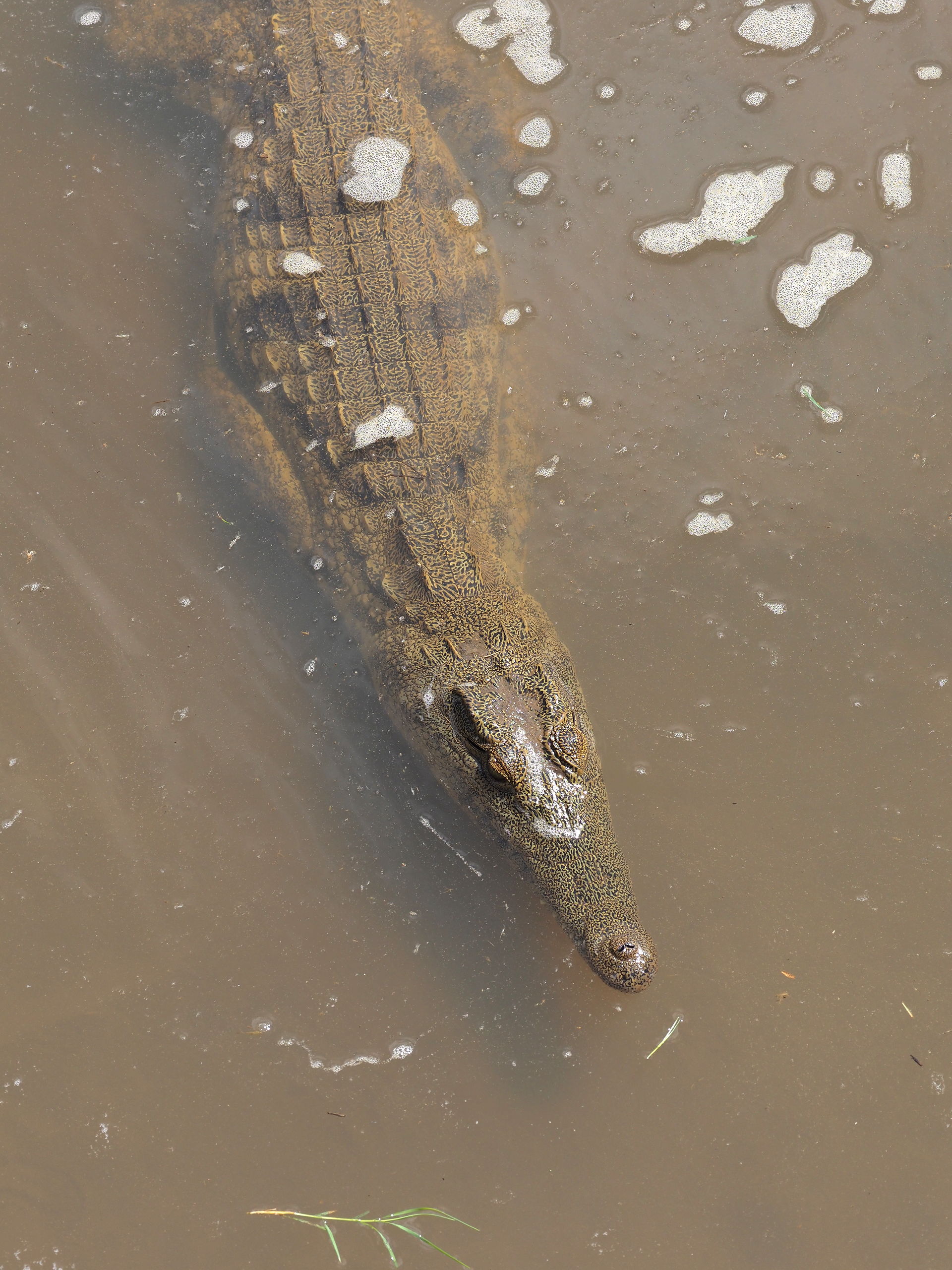
We don’t specifically look for reptiles or amphibians in our travels (except for some rare night-driving episodes in remote locations) so what we photograph is mostly what we just come across along the sides of roads or trails. Plus, you can’t leave your vehicle while inside Kruger, so the best photography is done inside the rest camps.


Iphone Photos
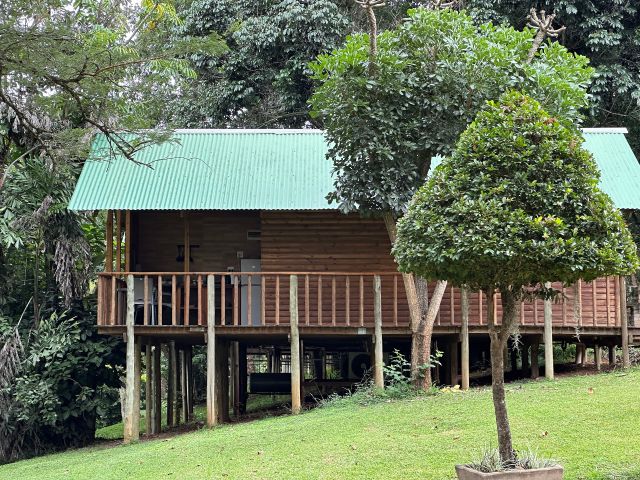
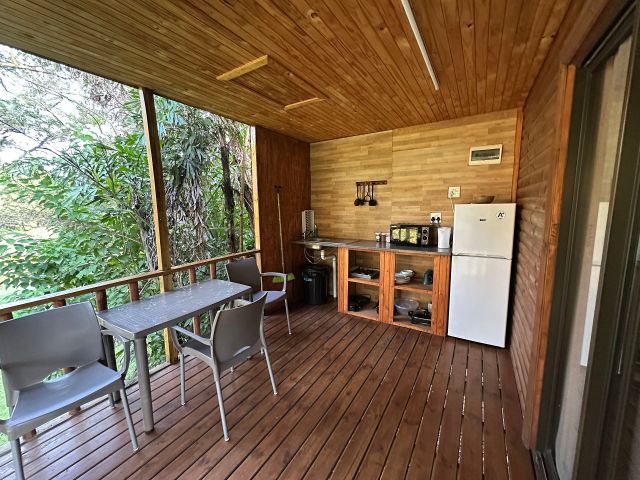
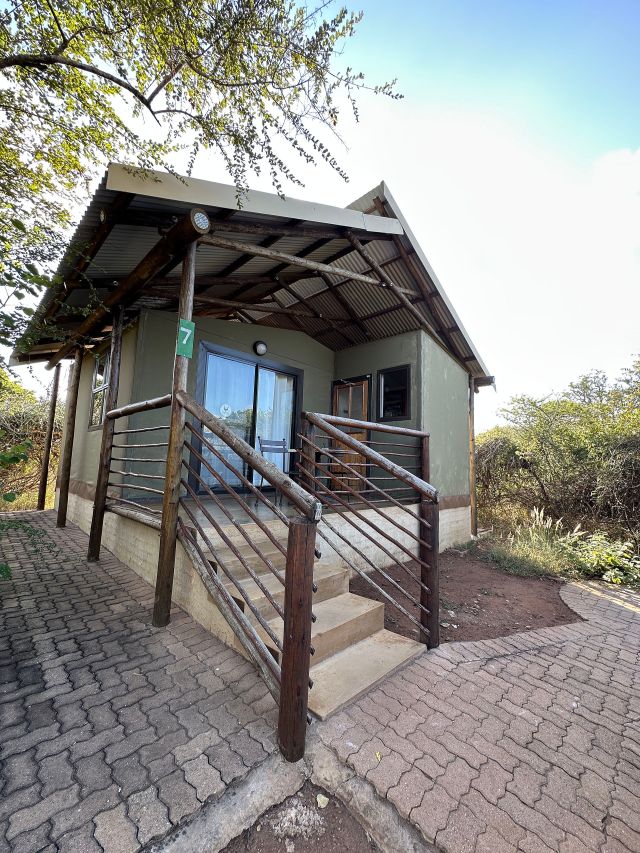
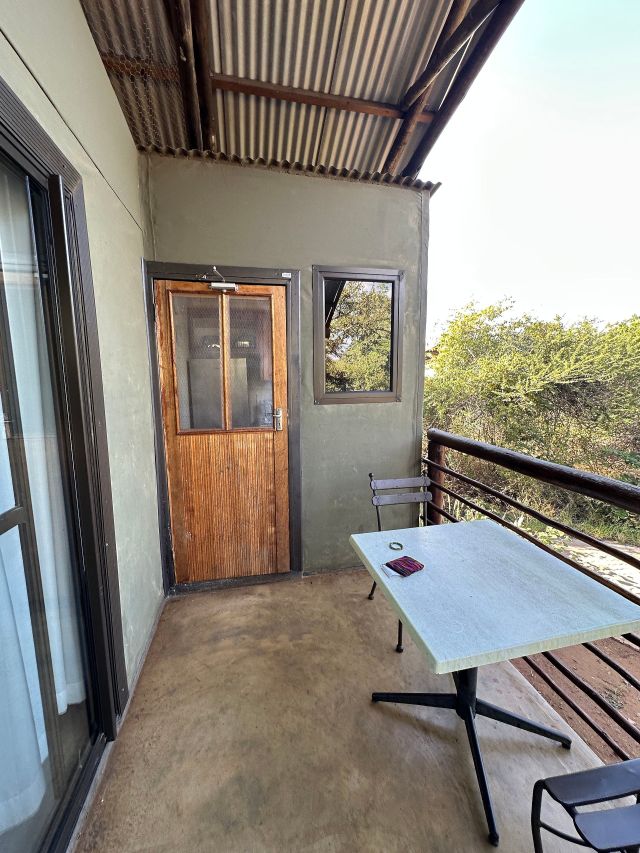
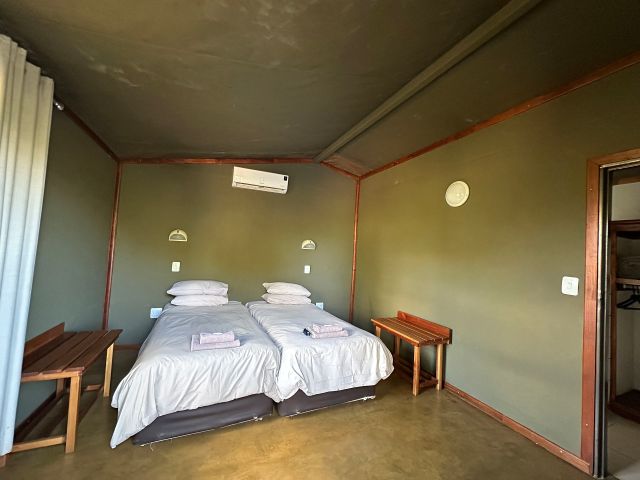
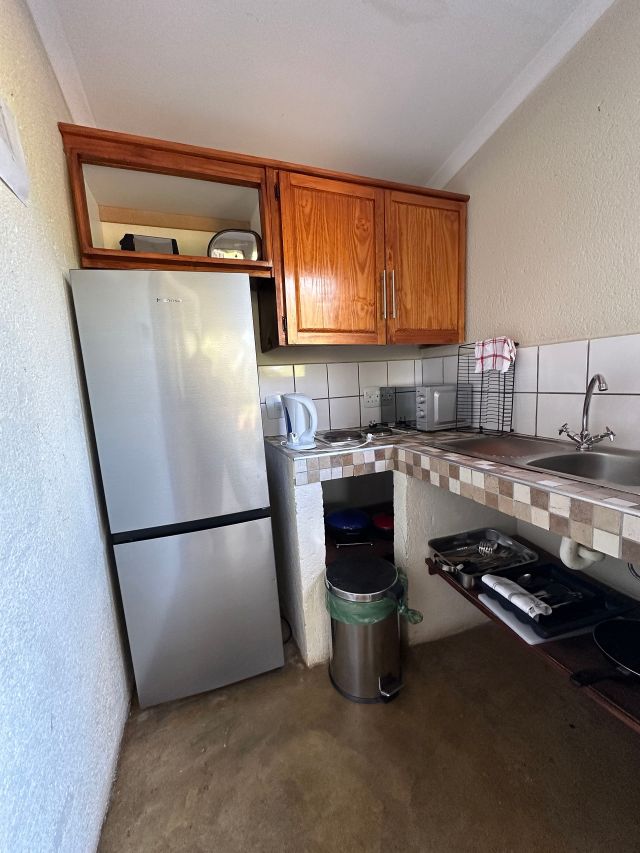
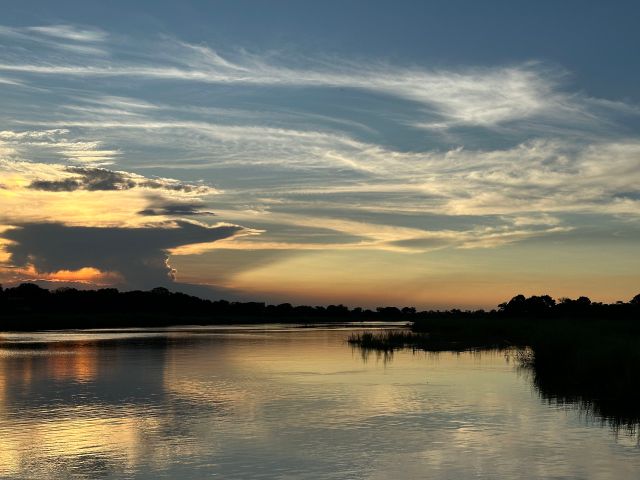
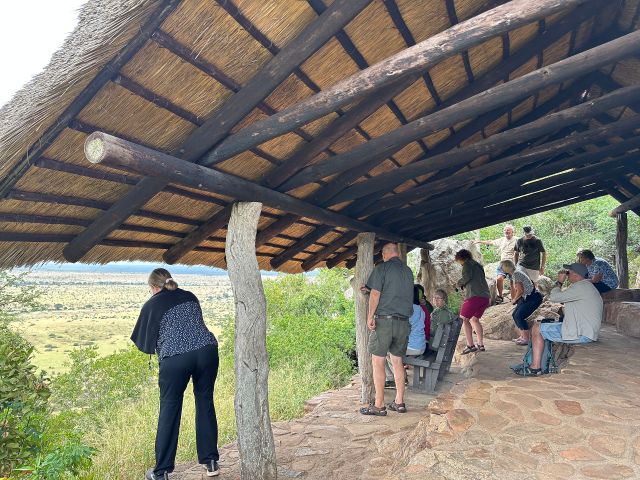
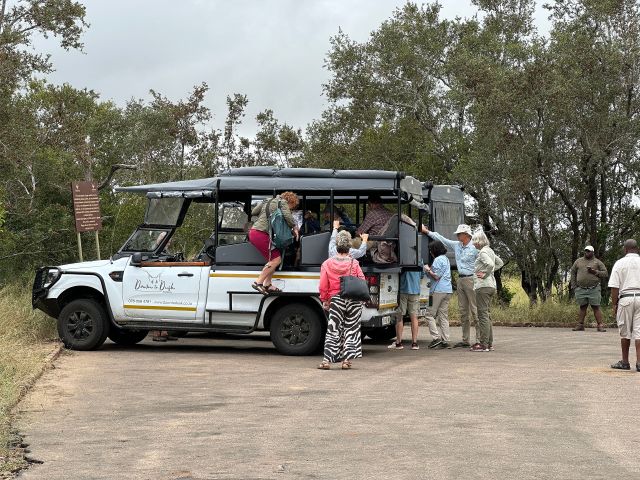
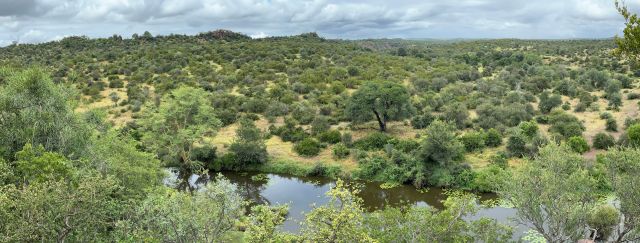
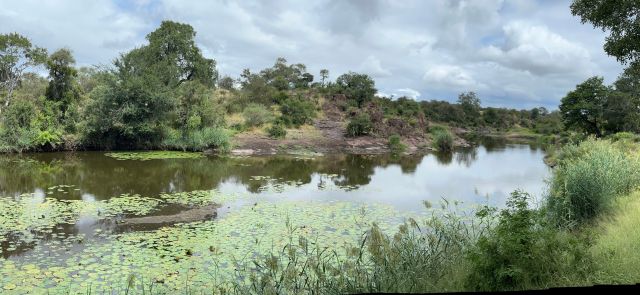
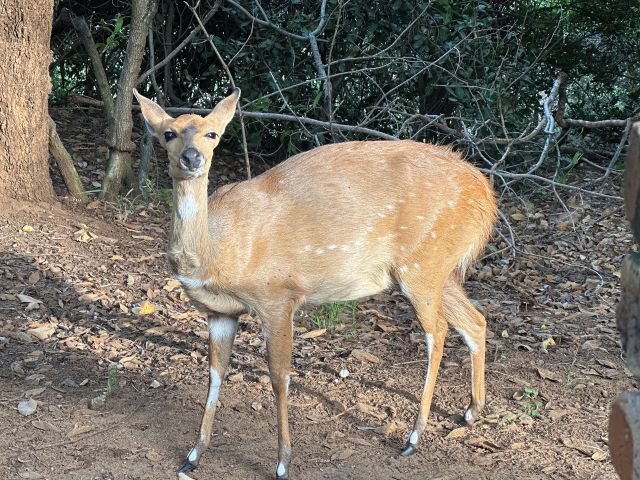
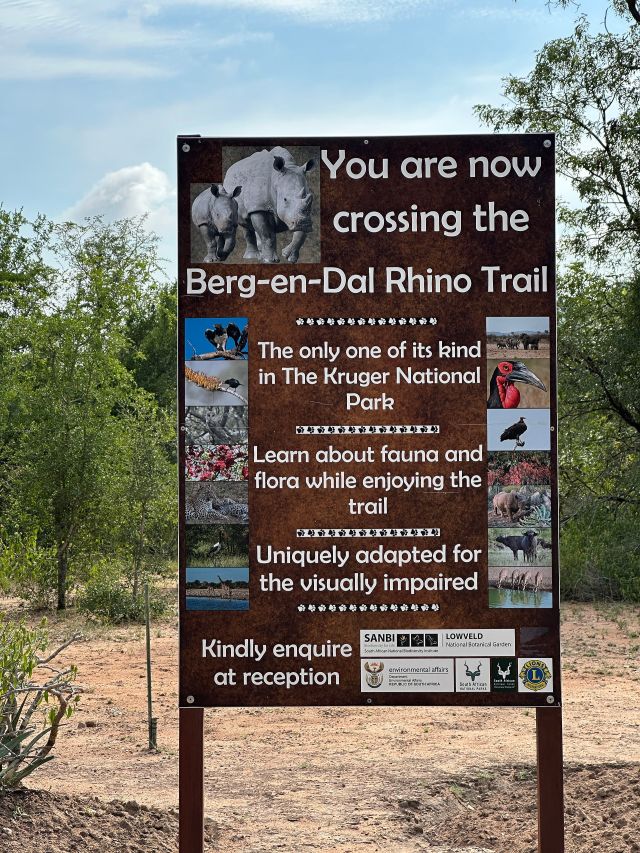
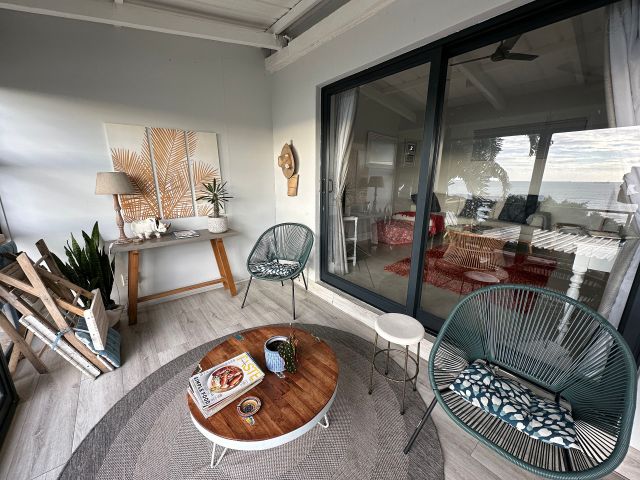
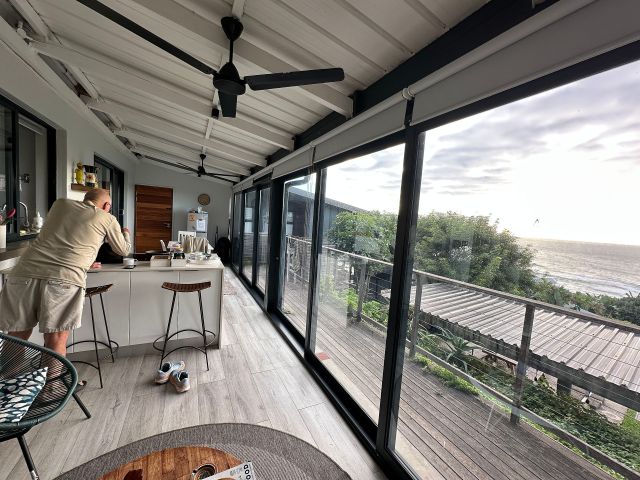
For most animal photos we use our Olympus mirrorless cameras, but for some landscapes and photos of the roadside scenes, accommodations and such it is much easier and less intrusive to use our iPhones. Rosario’s iPhone is a 14pro, mine is a simpler one (SE), since I use it much less.





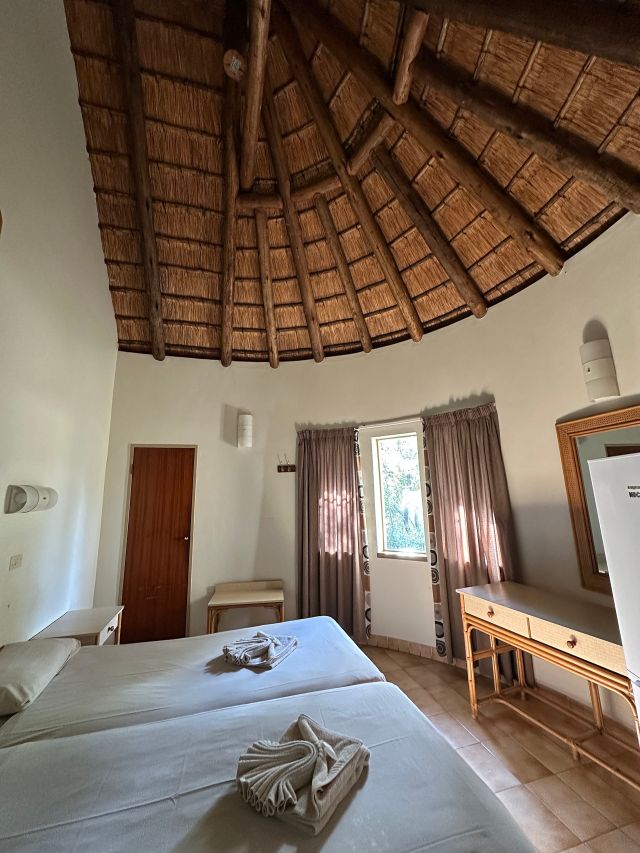
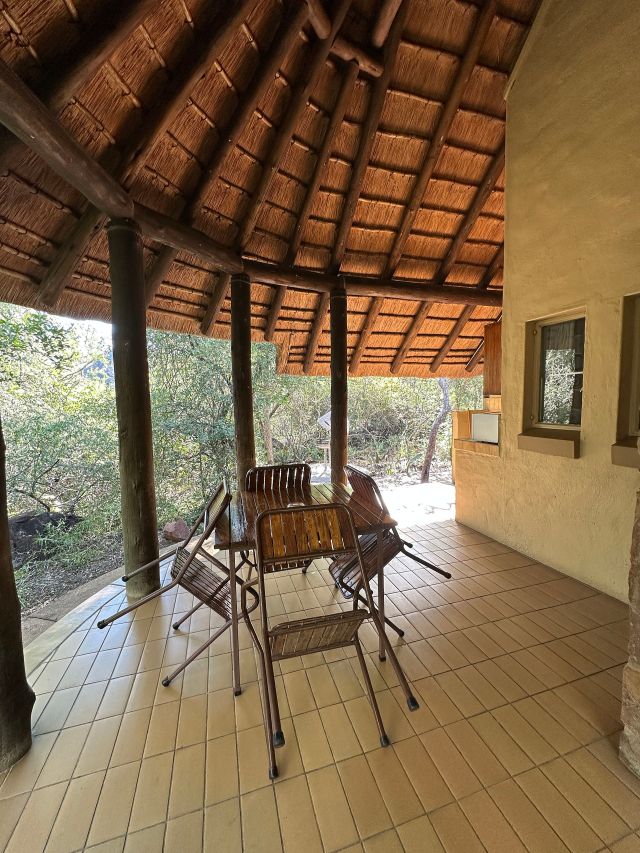

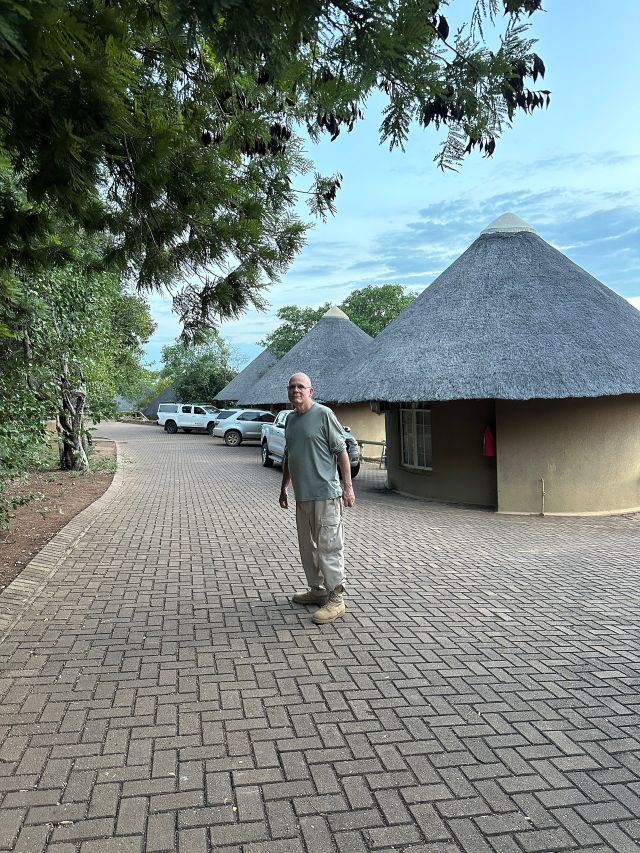


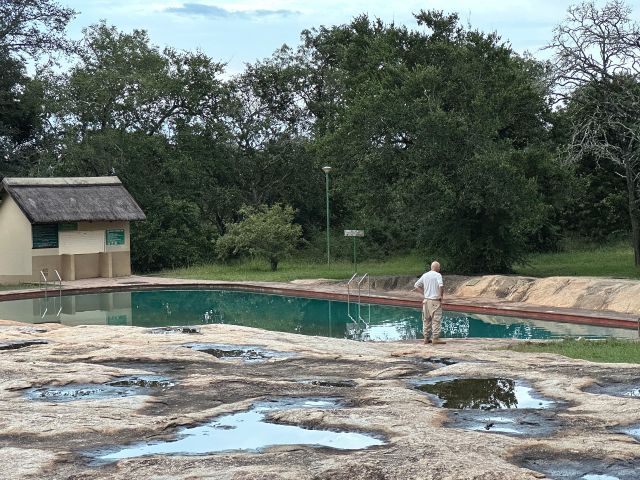

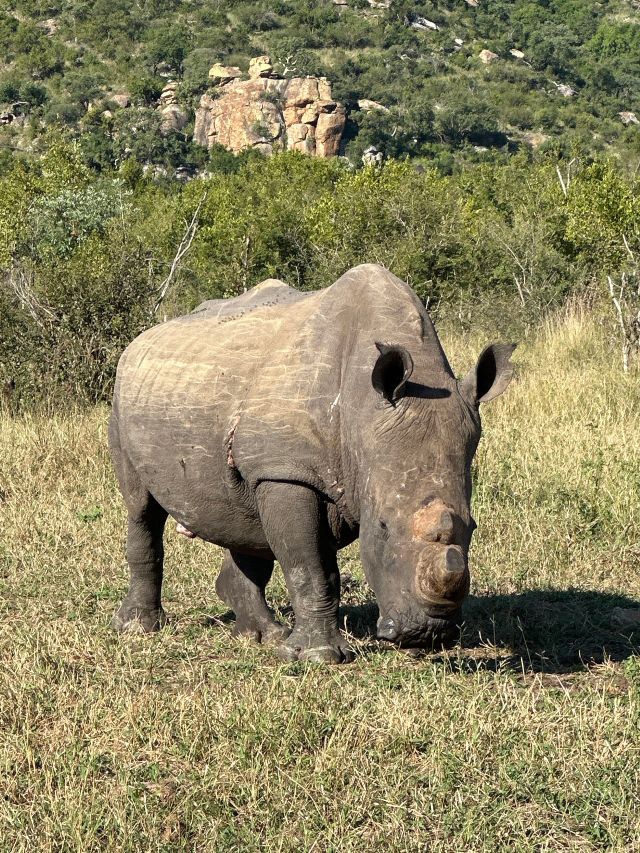

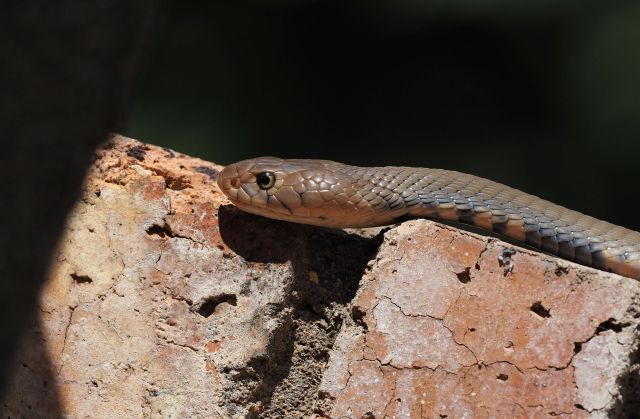
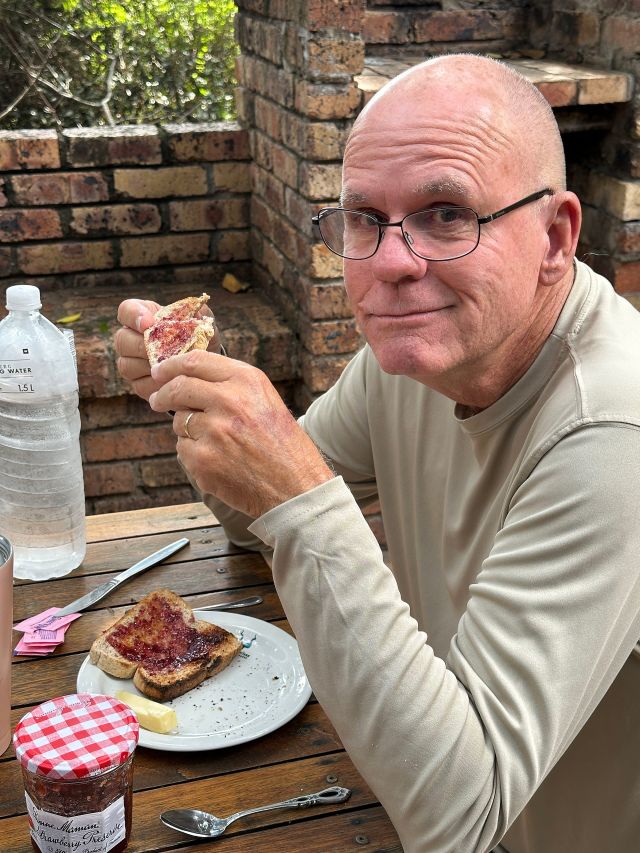


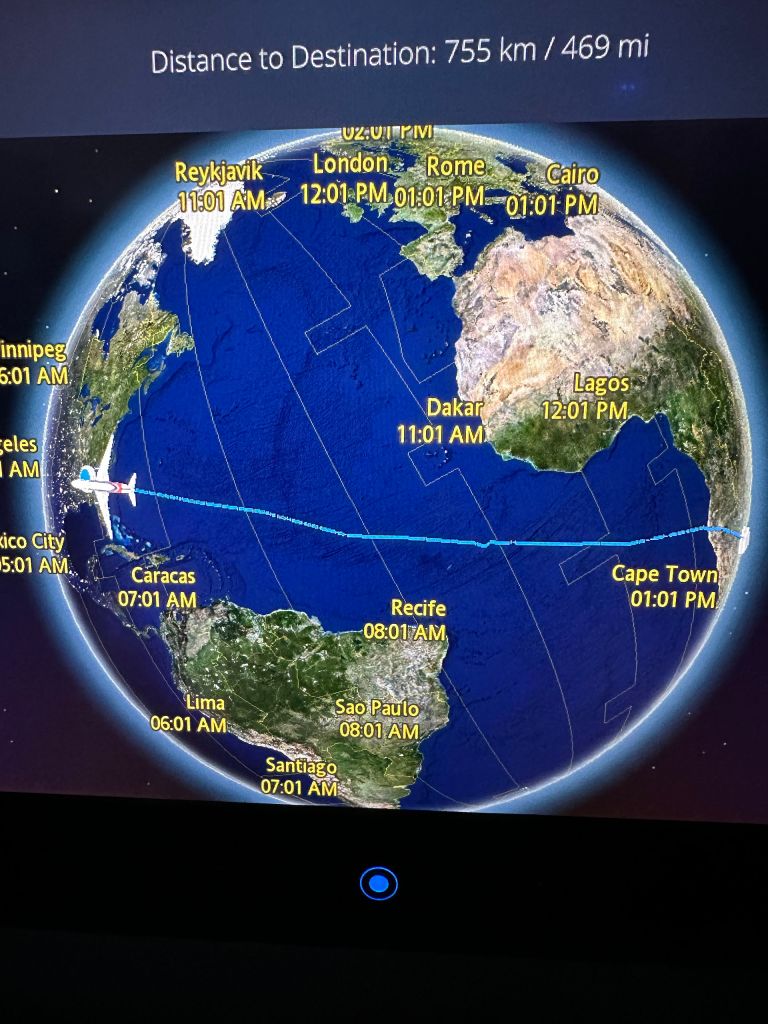
Below is a screen shot on the way home… It really is a long way from Johannesburg to Atlanta. About 16 hours and 8 time zones to Oklahoma. It is much easier for Europeans to fly to South Africa – an overnight flight and only 1-2 times zones difference.
 THE NATURALIST'S TRAVEL PAGE