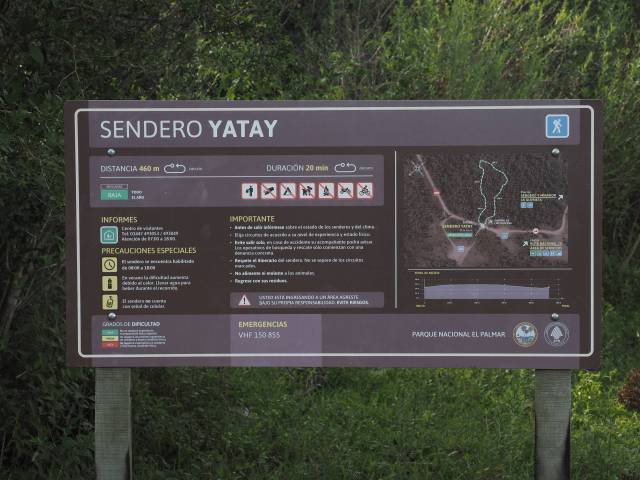
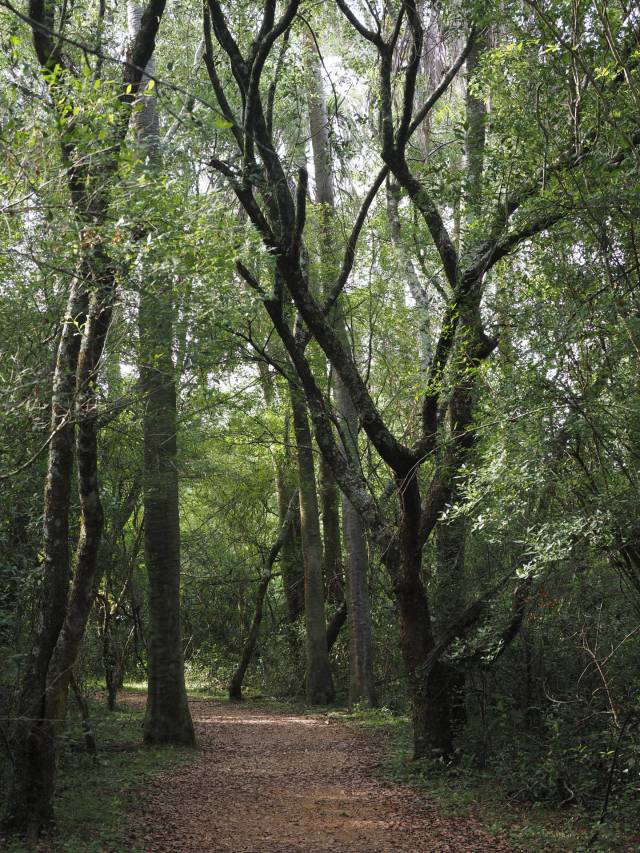
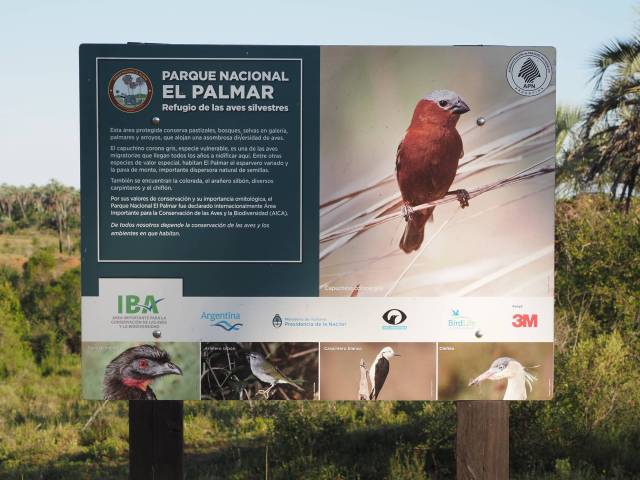
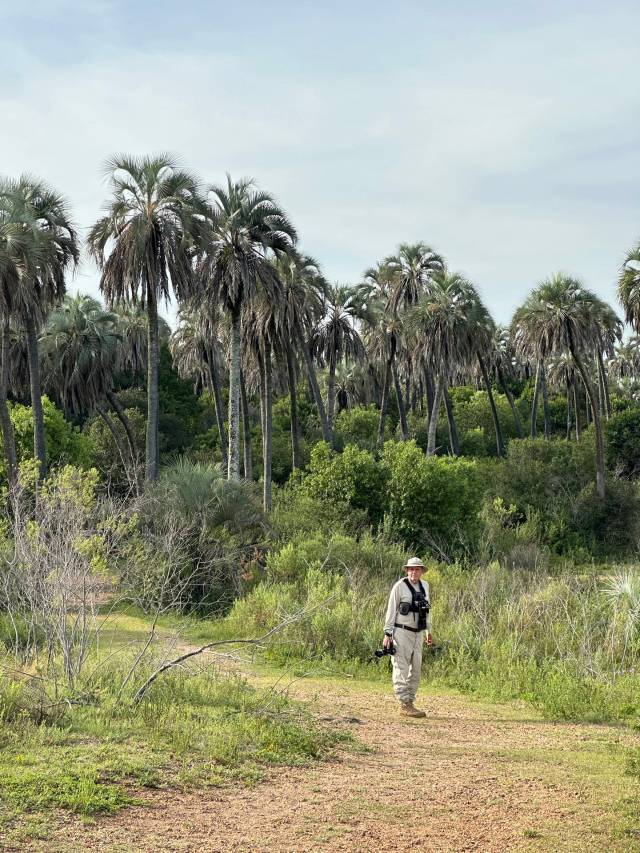
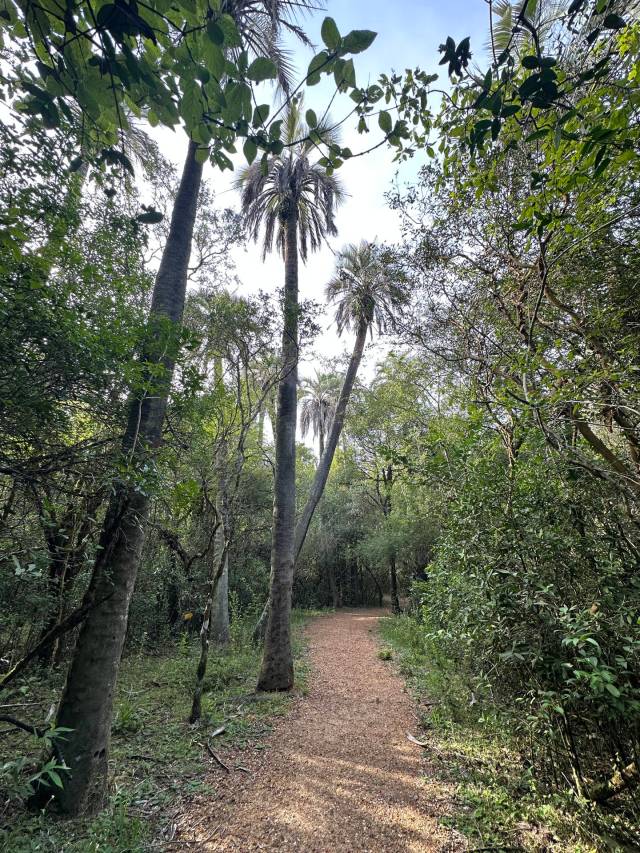
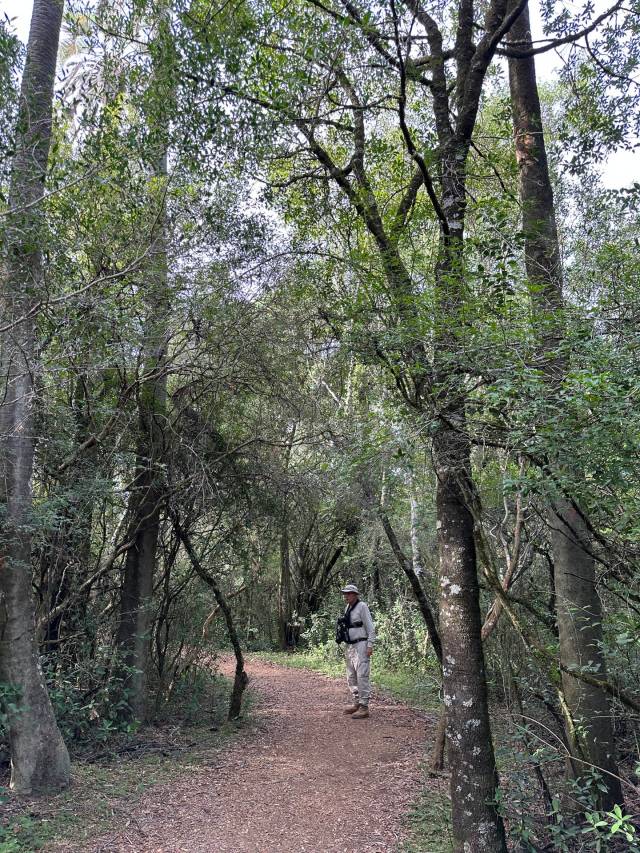
About 225 miles north of Buenos Aires is the Parque Nacional El Palmar. Often, we don’t take National Parks too seriously in Latin America as the facilities (or even level of protection) can be minimal. However, this park impressed us, in both the facilities (several nature trails with plaques), information center, and even food and camping facilities that were being used by many people since this was the summer school vacation. We realized that Argentineans do camp with tents, even in warm climates. We might note that the camping and other main facilities were very close to the Rio Uruguay, where people could swim or canoe. It is quite a large river (and 1100 miles long), forming the border of Argentina and Uruguay for close to 400 miles.
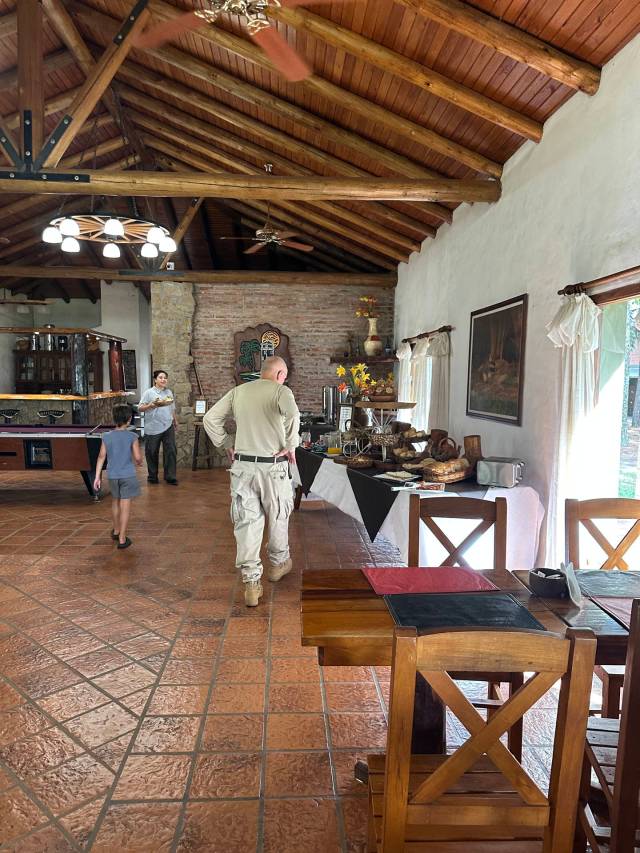
We decided to spend two nights at a complex just across the highway from the park entrance after seeing the park entrance and recognizing that we needed both some rest and time to explore the Park the following day.
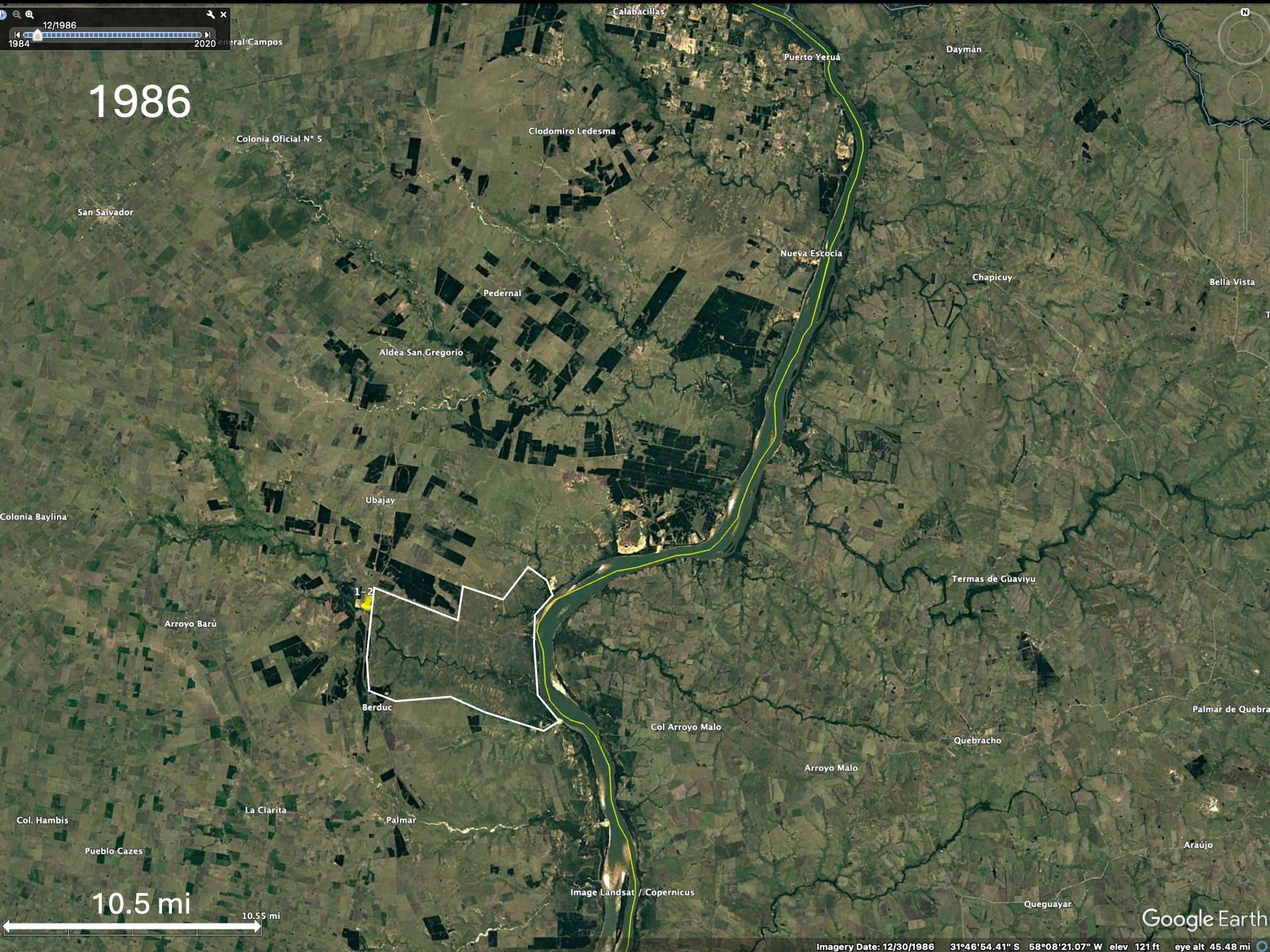
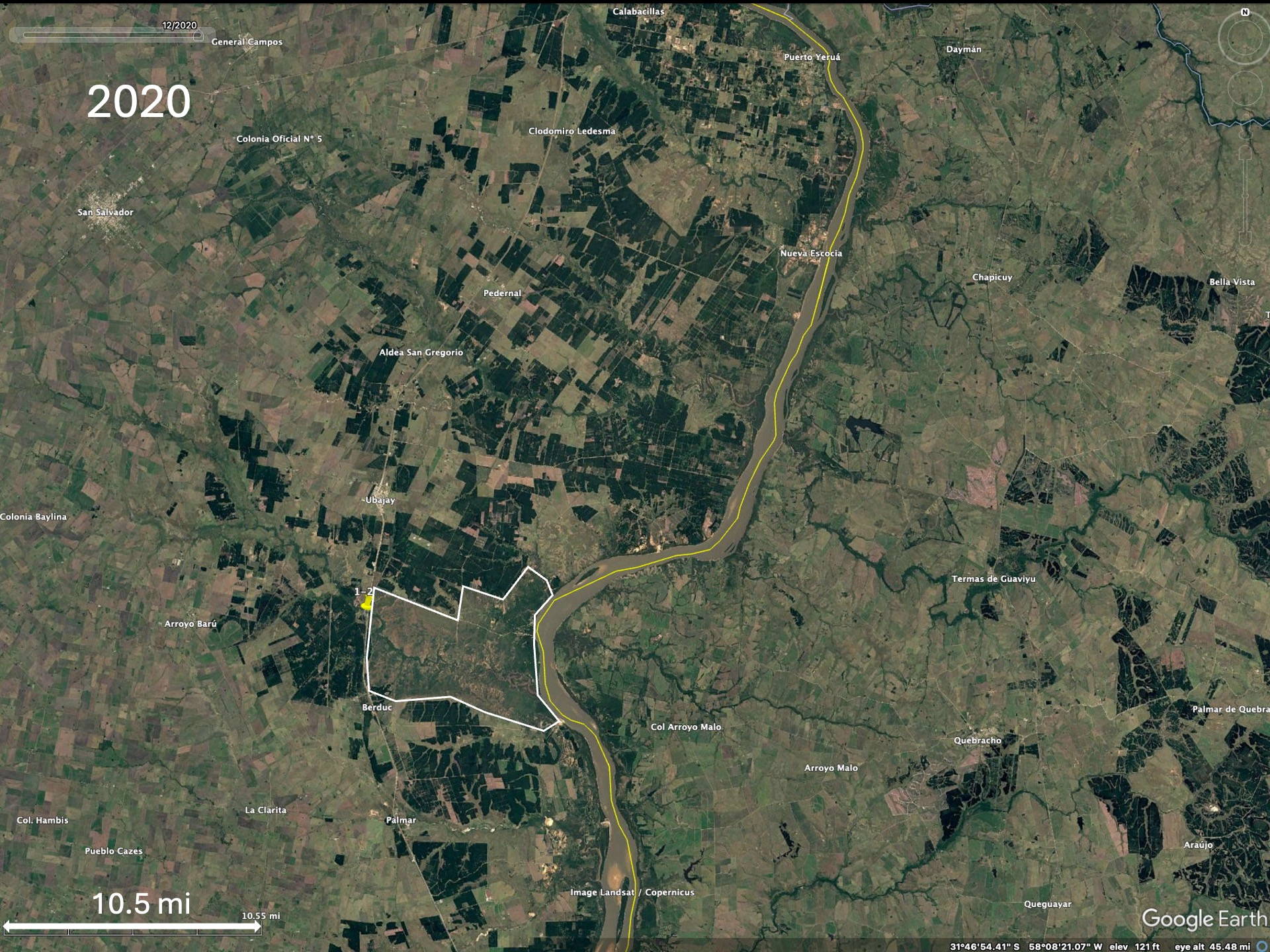
The above image comparison shows how agroforestry plantations have increased between 1986 and 2020 surrounding Parque Nacional El Palmar (polygon in white). The park is now nearly a biological island in a sea of agroforestry monoculture.
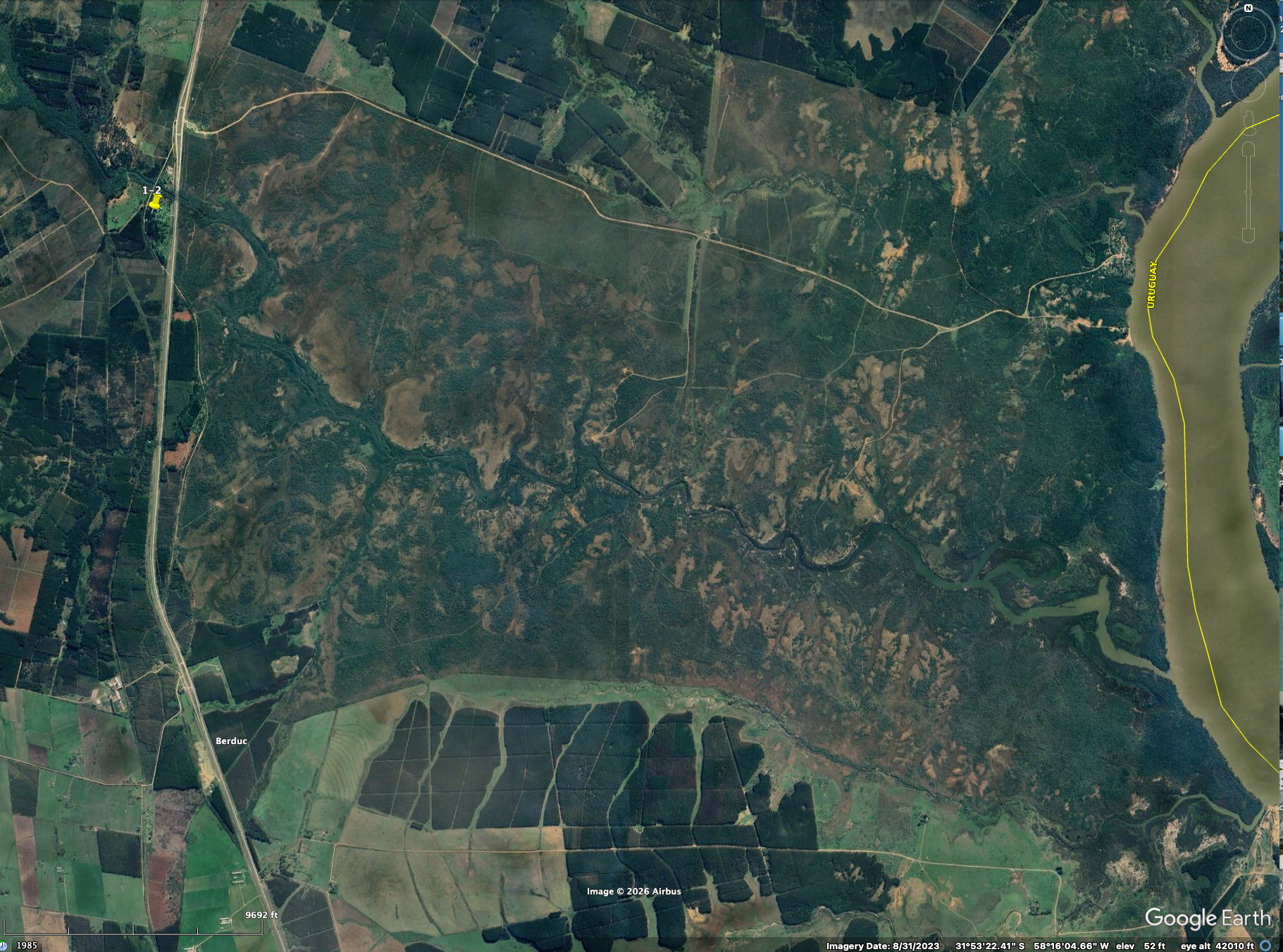
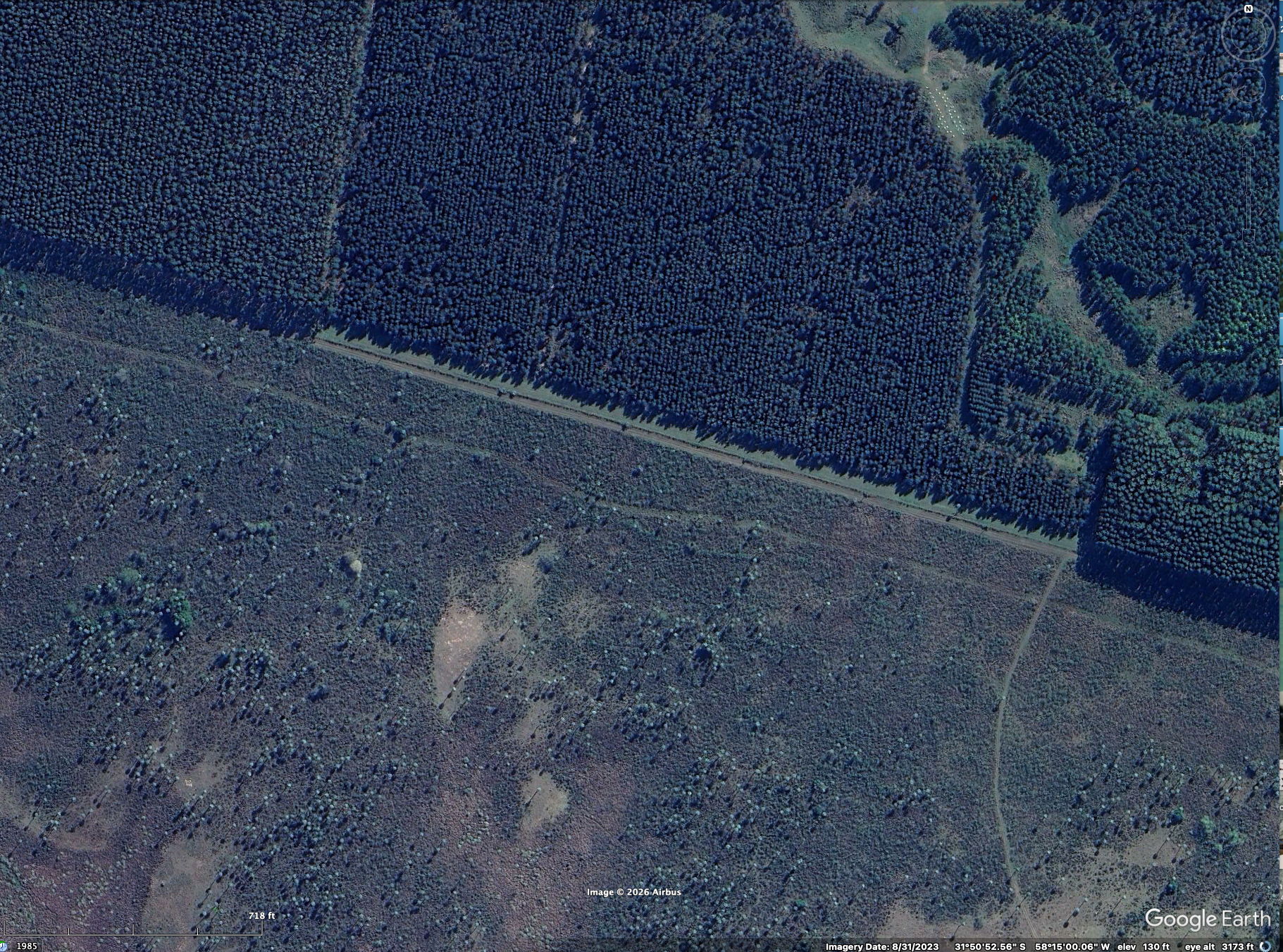
Above images show the area of the Parque Nacional El Palmar (left) and a close-up view of the northern boundary with the sharp transition of a forest plantation (dark areas).
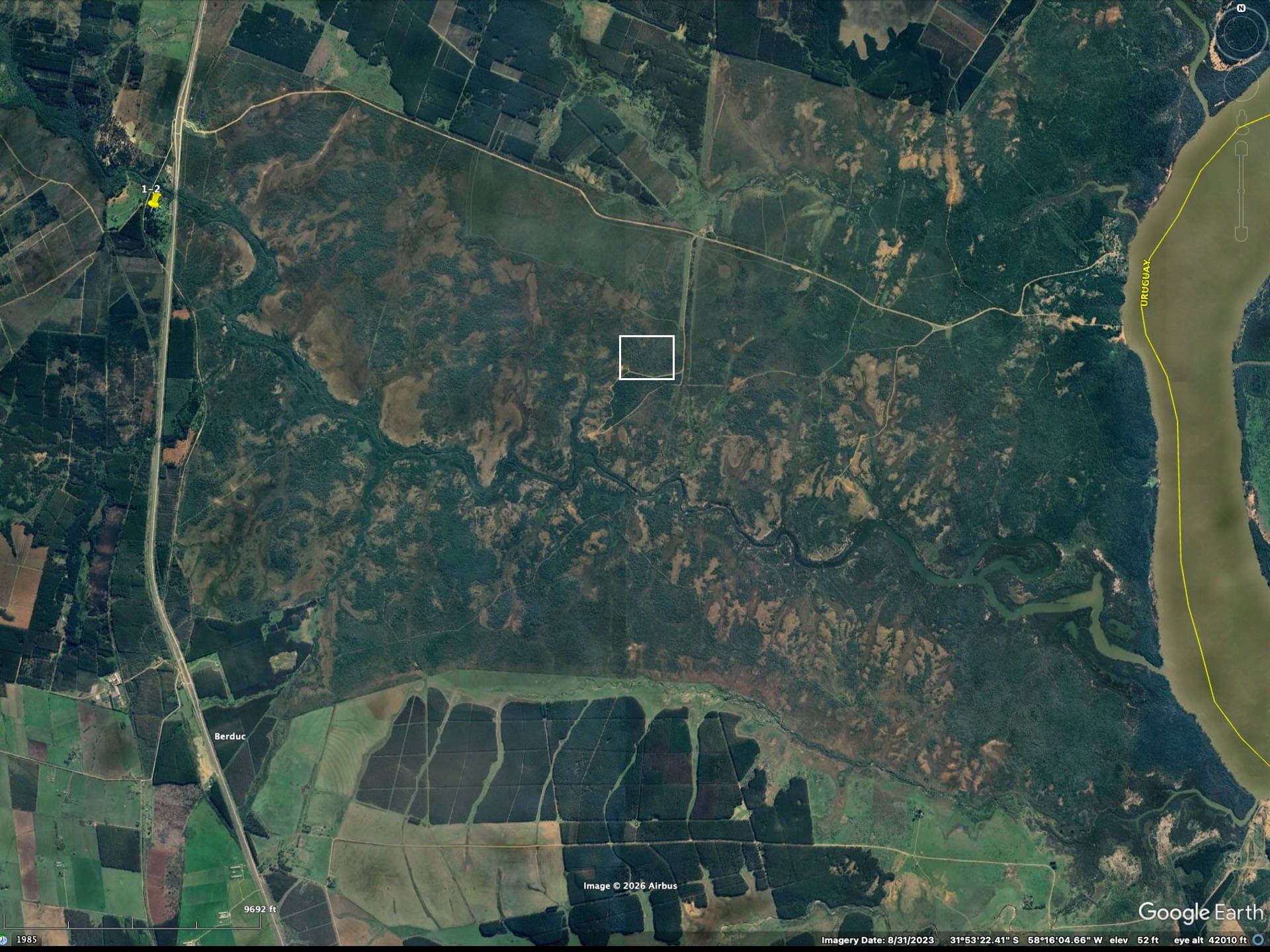
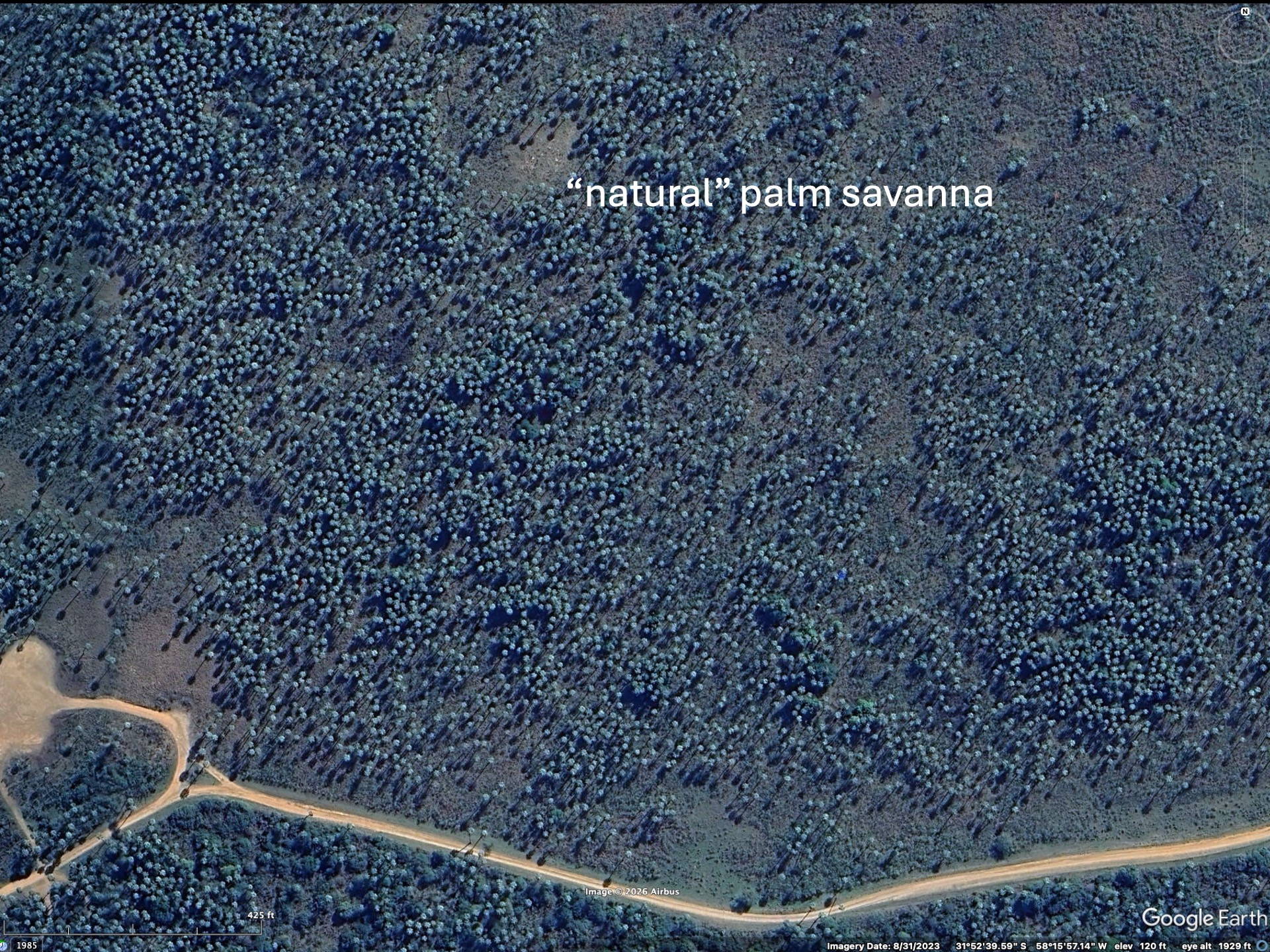
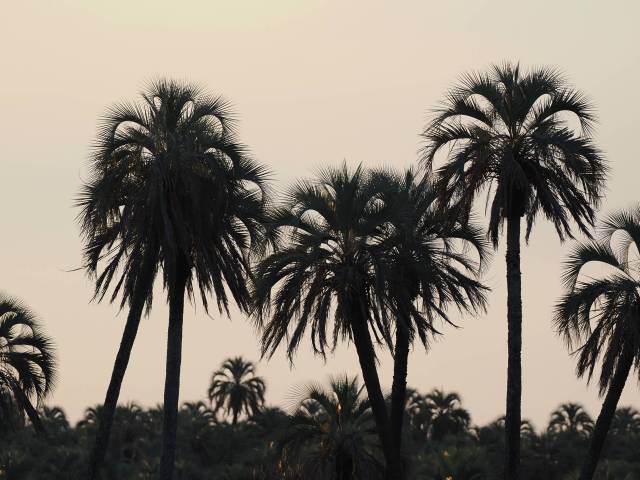
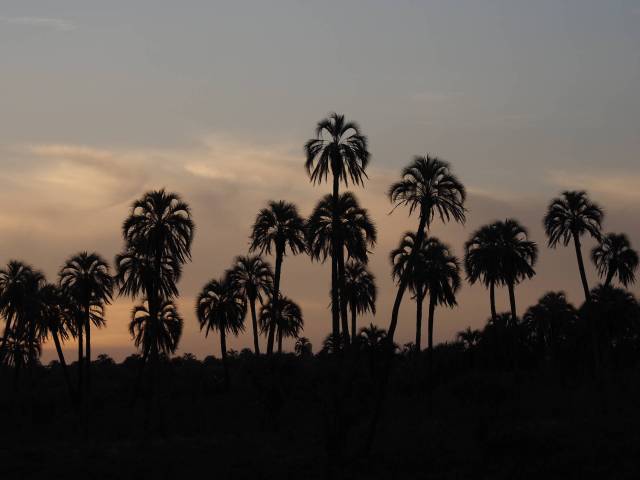
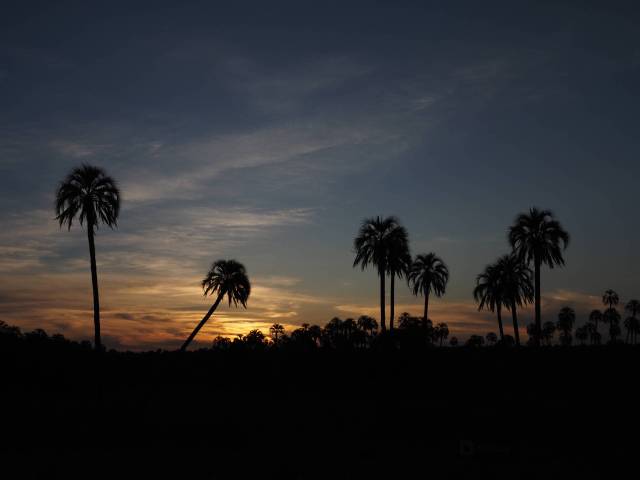
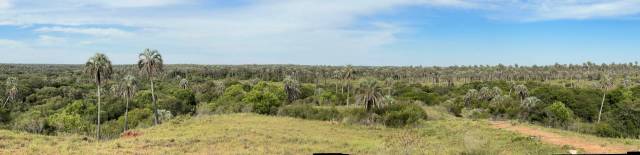
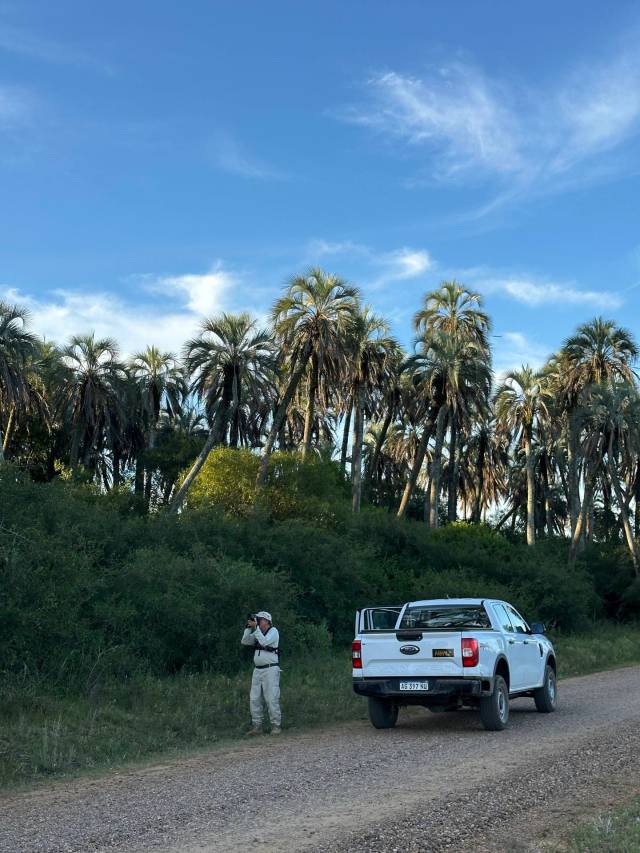
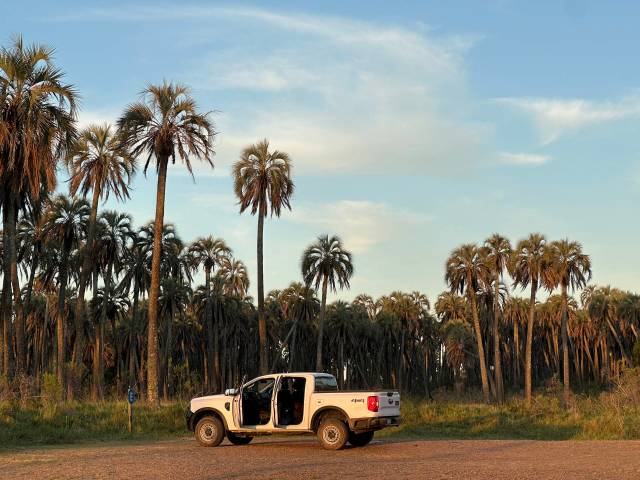
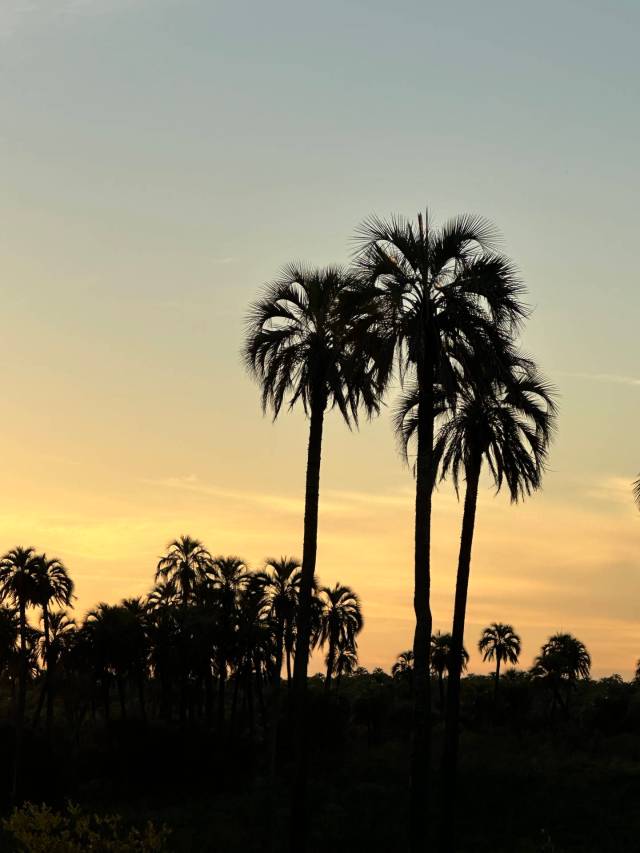
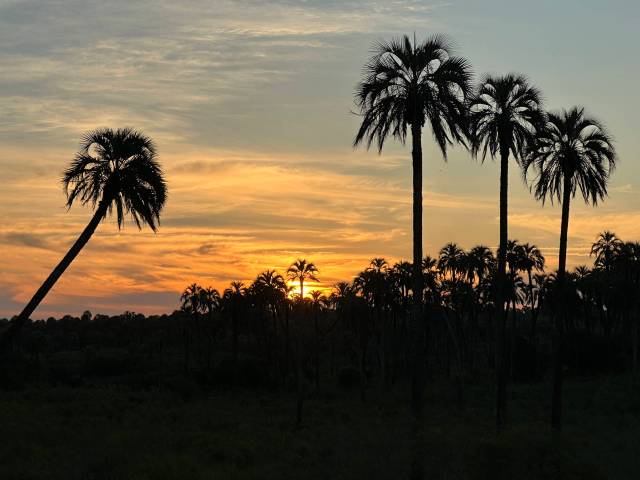
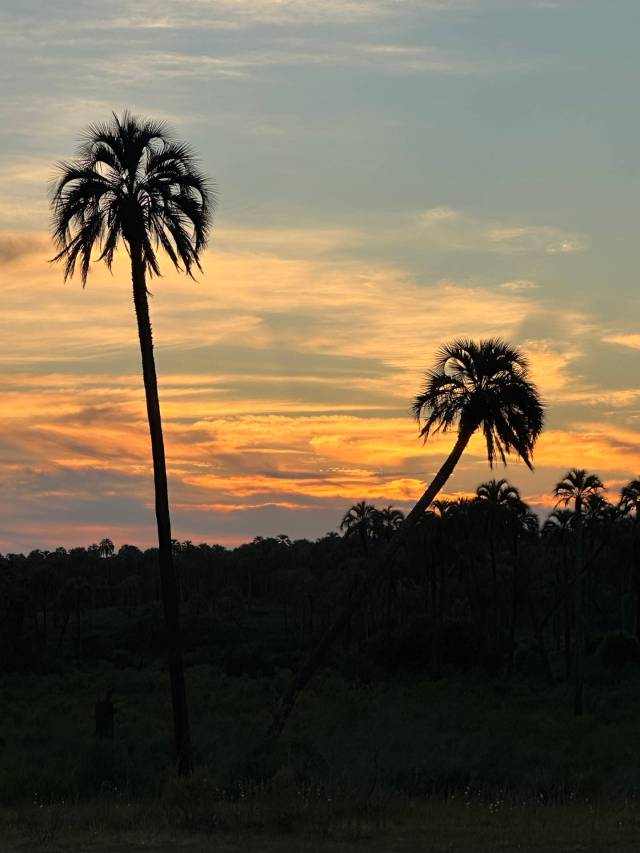
Above images show the Park and the white rectangle (left) is shown in more detail on the right – it is a dense palm savanna.
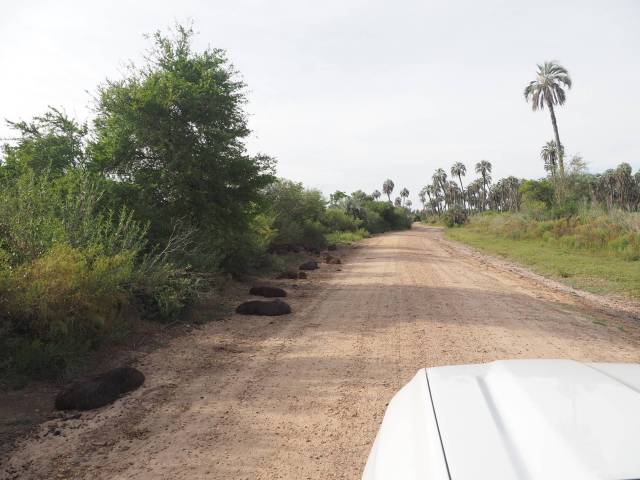
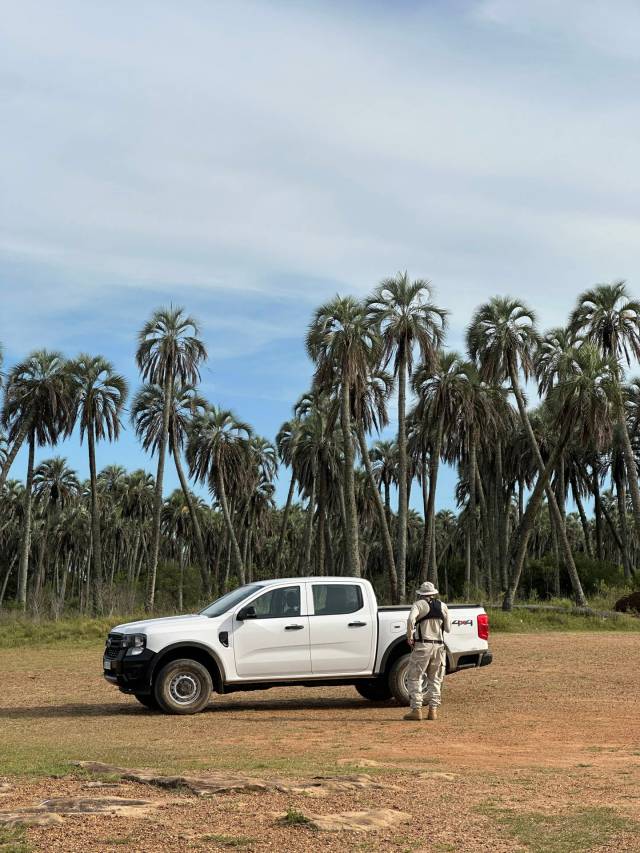
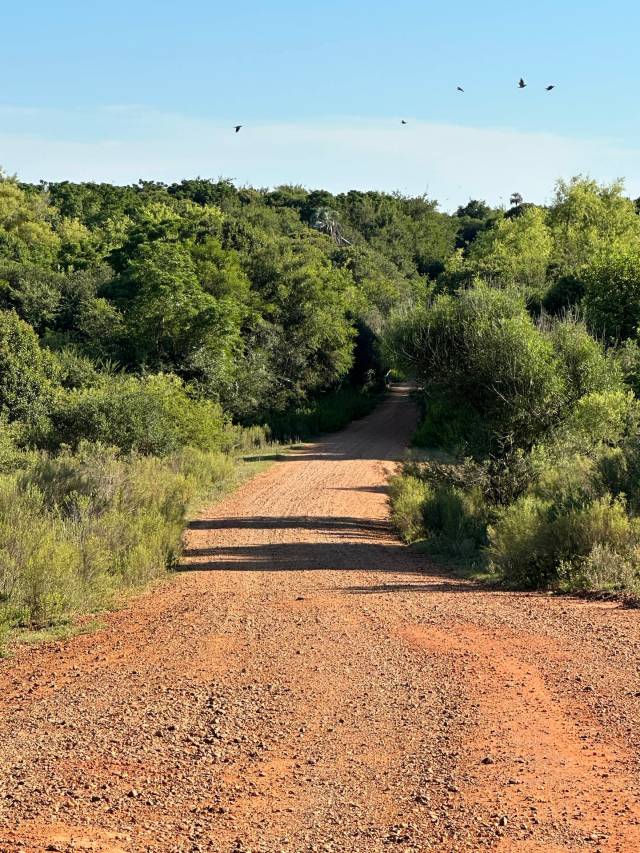
Although the roads were all dirt in the park, they were well-graded and there had been enough rain in recent weeks that there wasn’t excessive dust from the tourist vehicles.
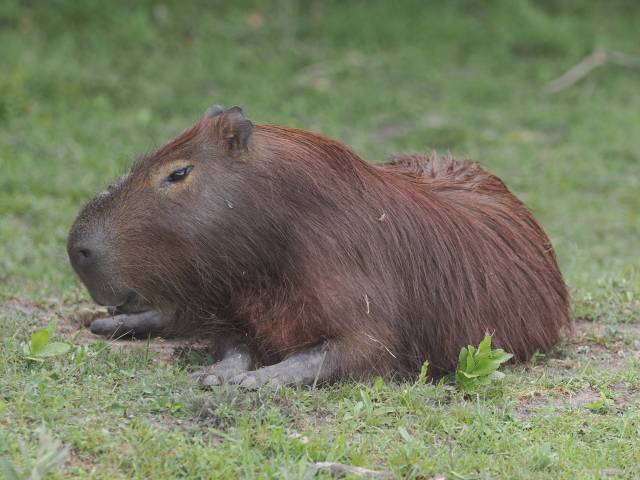
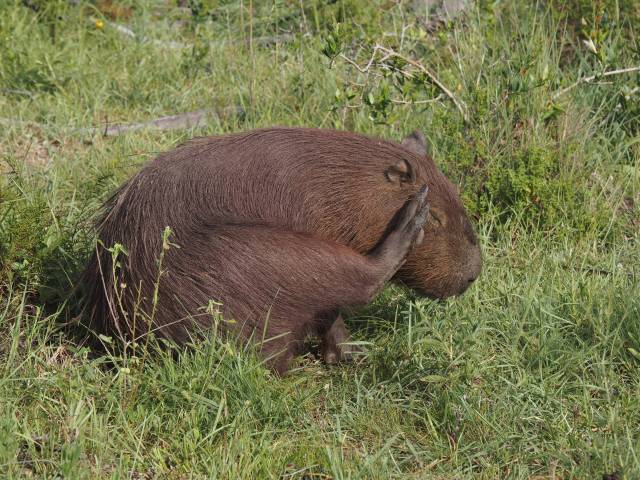
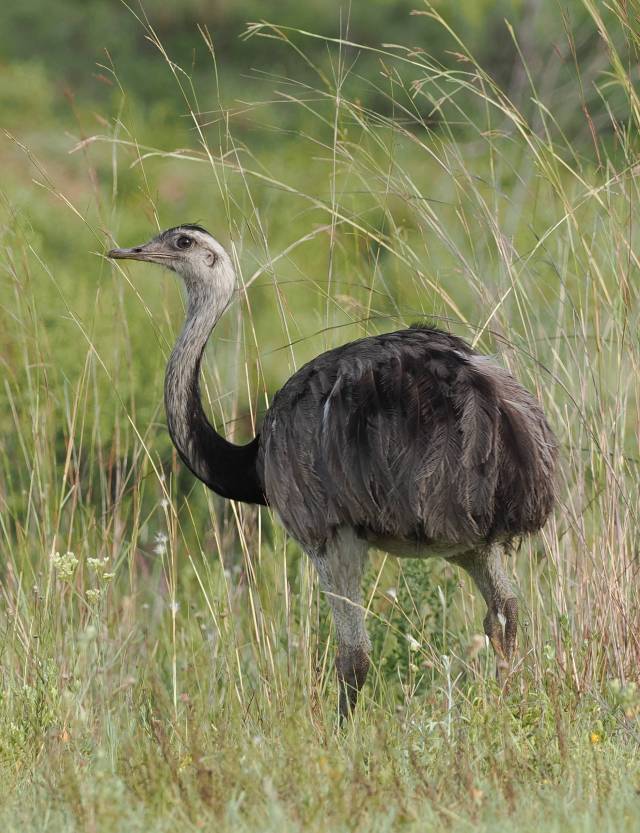
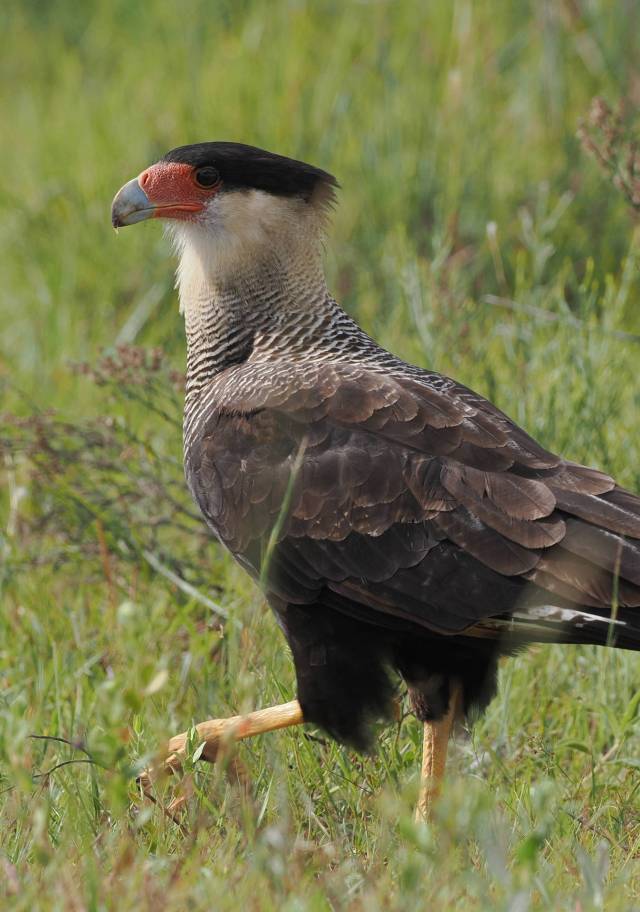
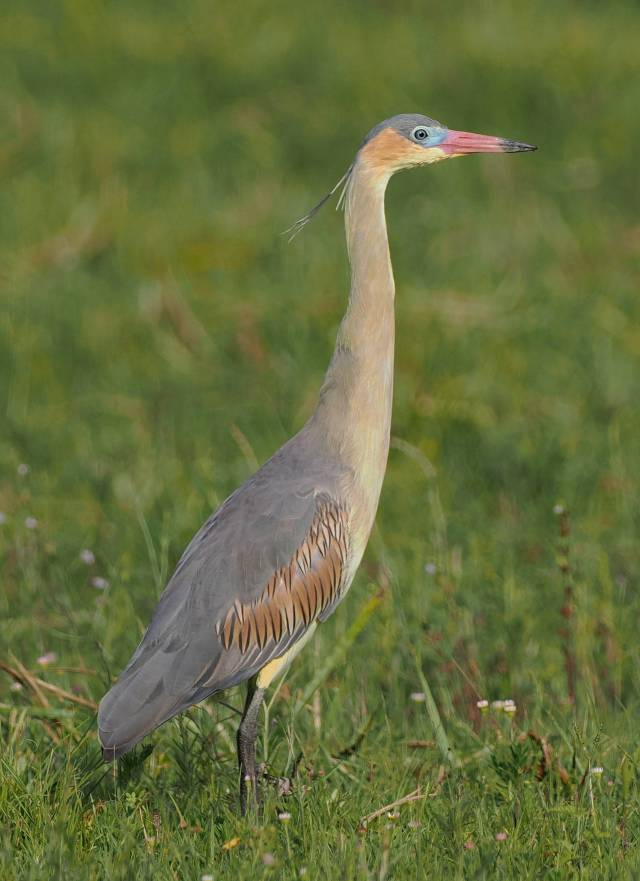
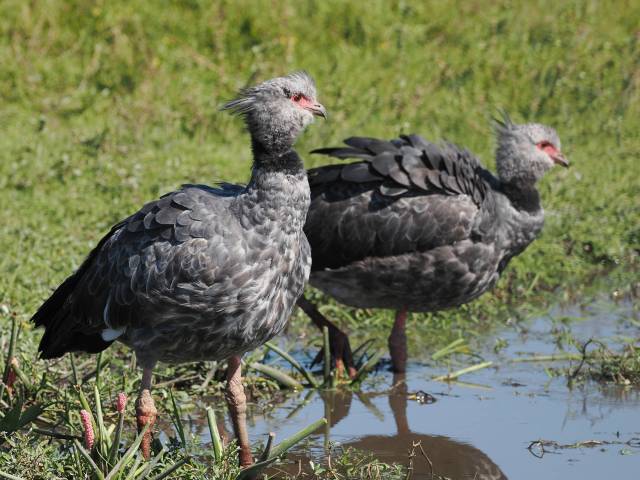
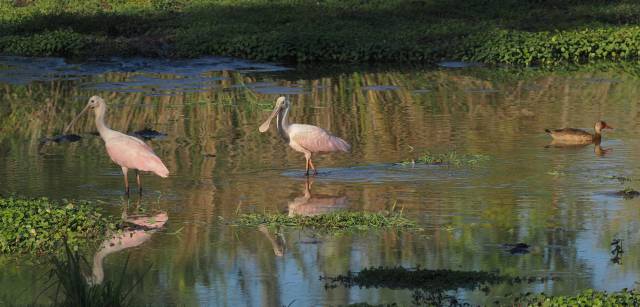
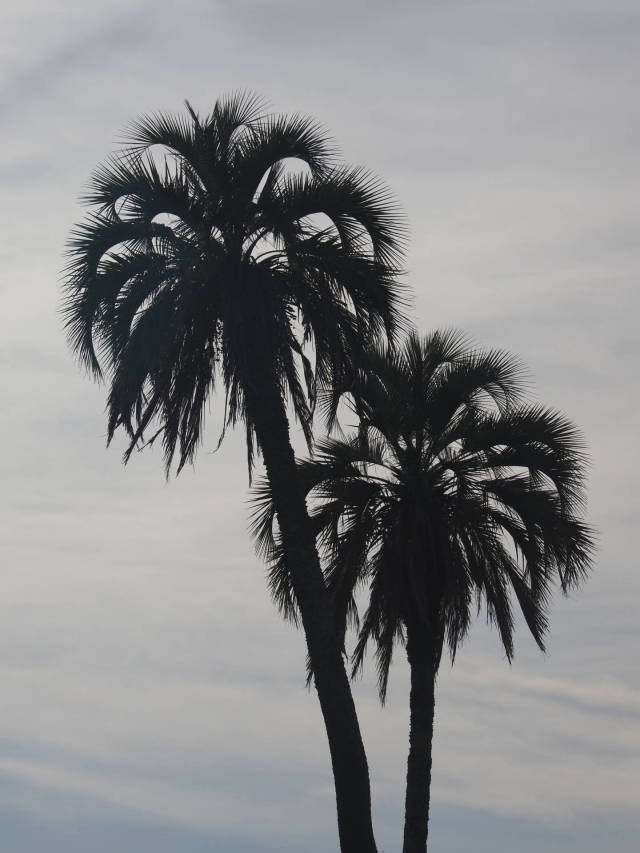
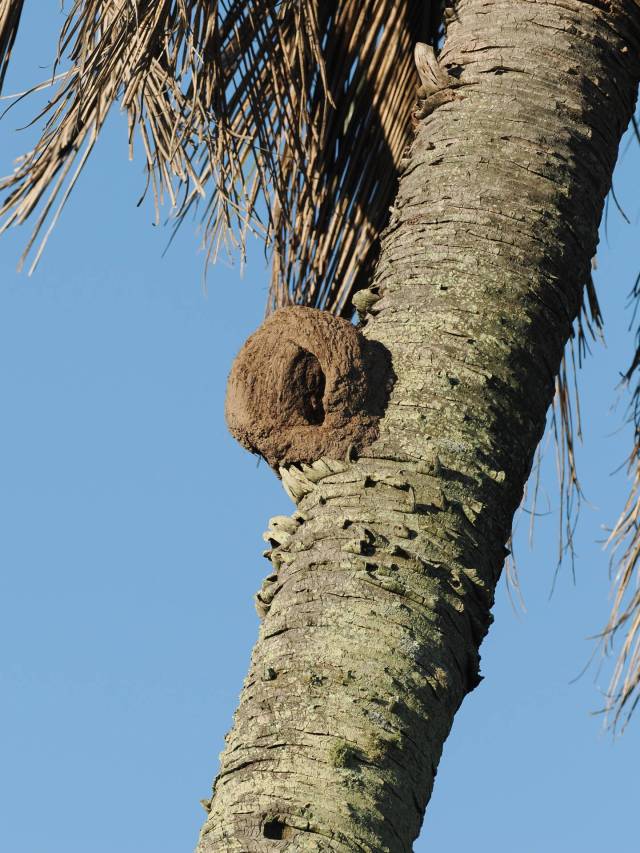
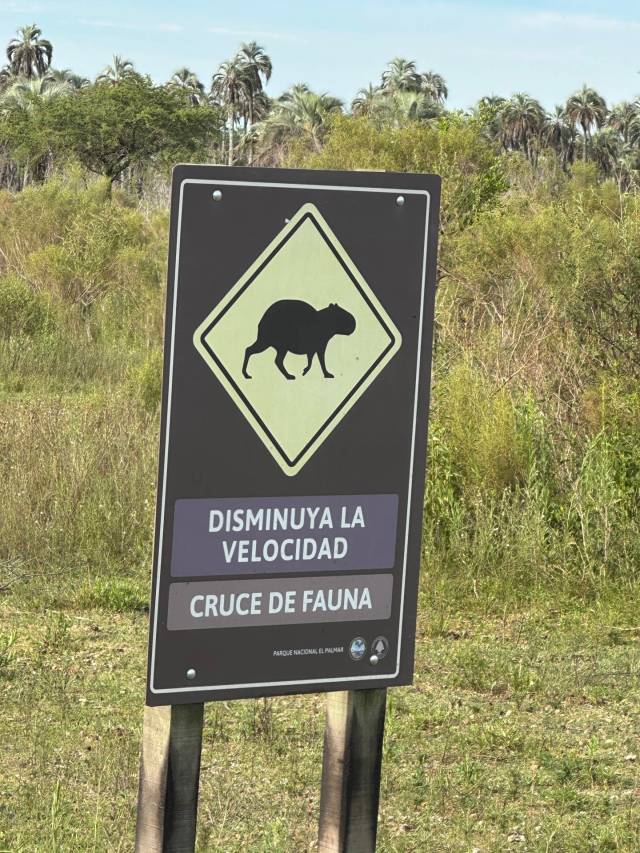
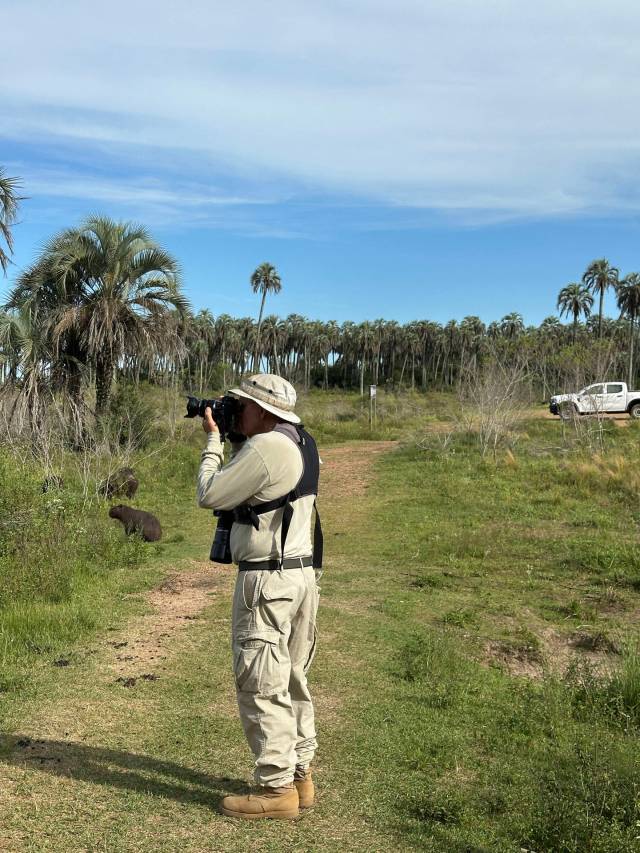
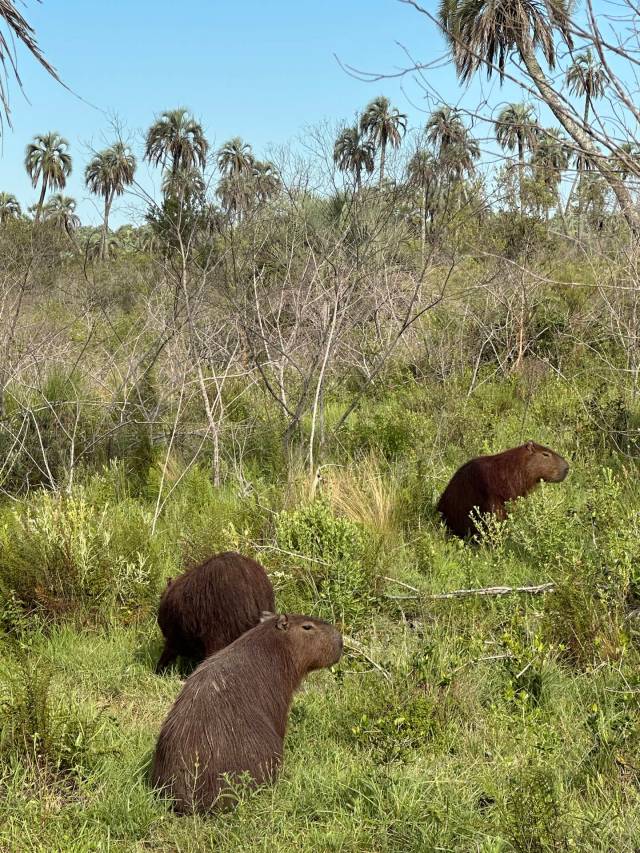
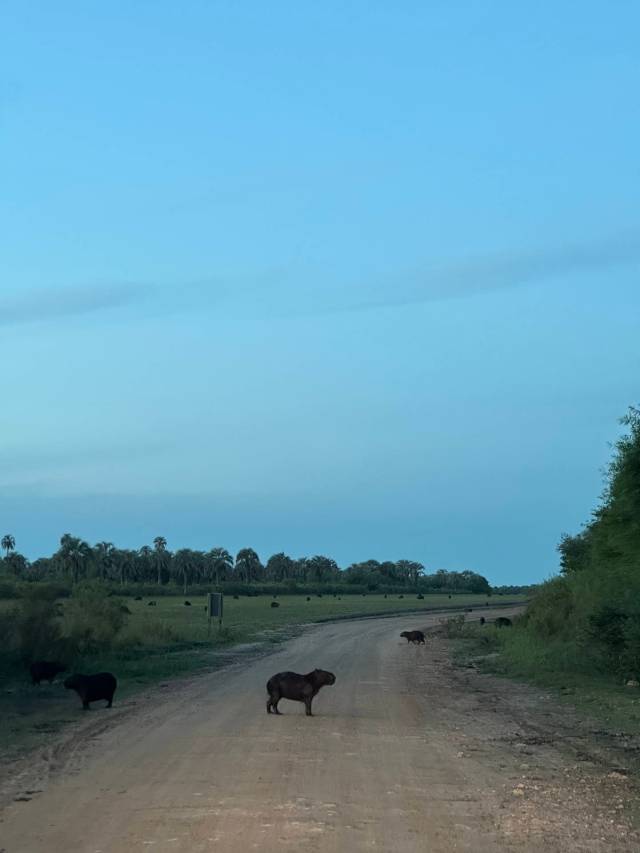
Immediately apparent once entering the park were the large numbers of Capybara. They seemed oblivious to our vehicle. A rhea and many other birds were present and the palm savanna was very impressive. Outside the park there were very large tracts of Eucalyptus and Pines being grown for wood (presumably lumber). In fact most of the “forest” in this part of Argentina was of these introduced species – plantation forests.
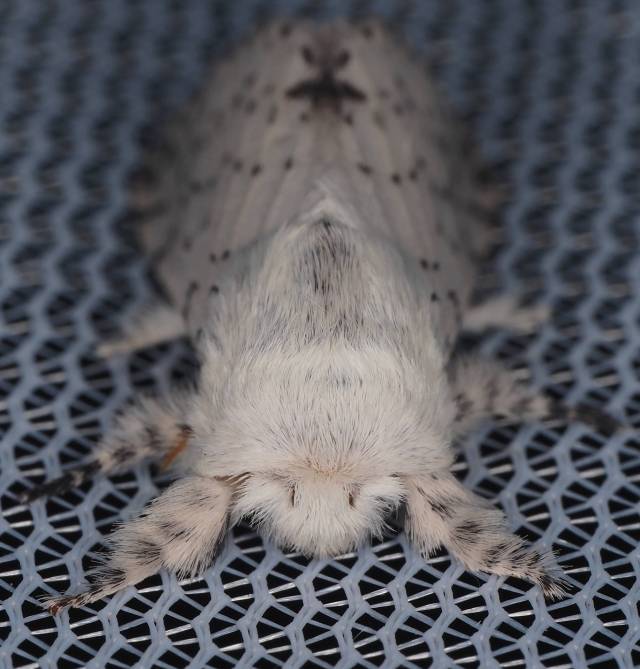
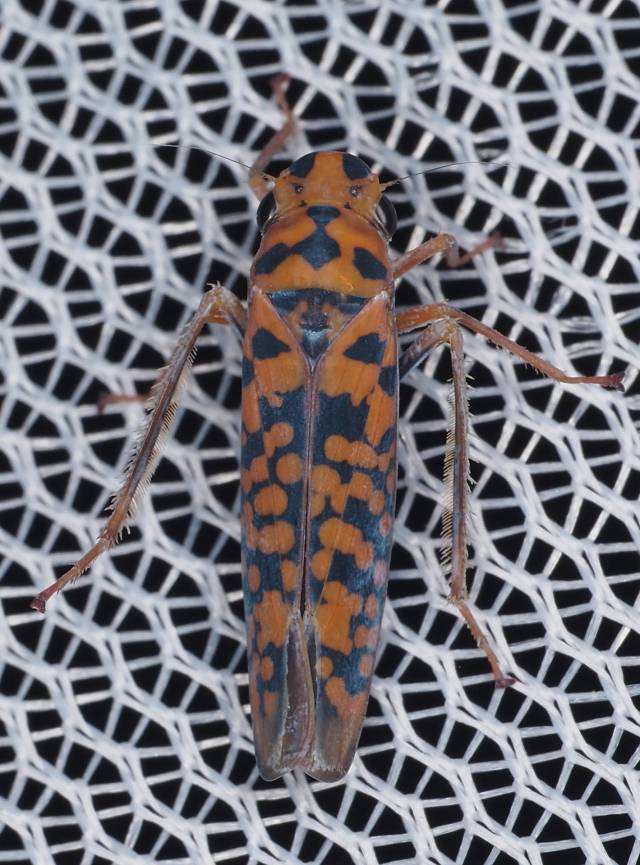
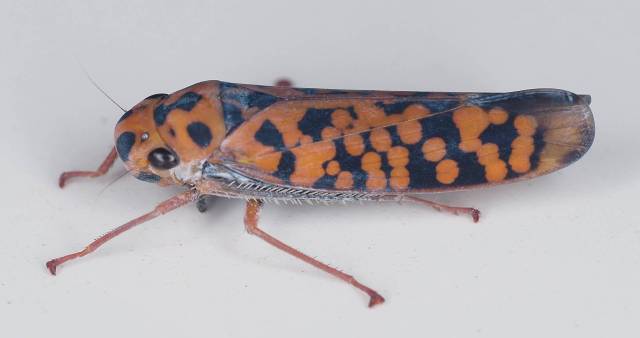
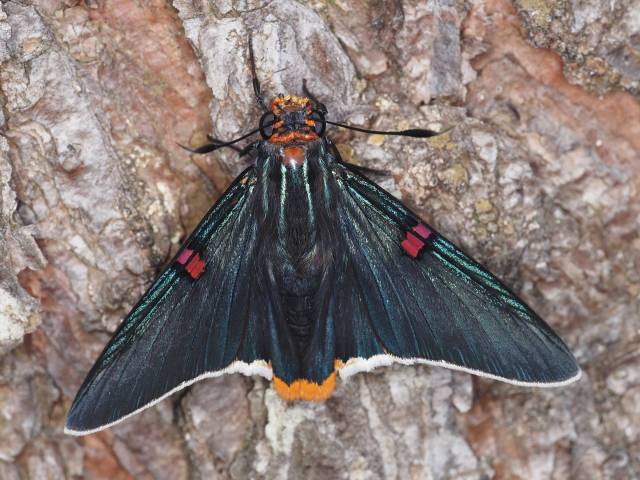
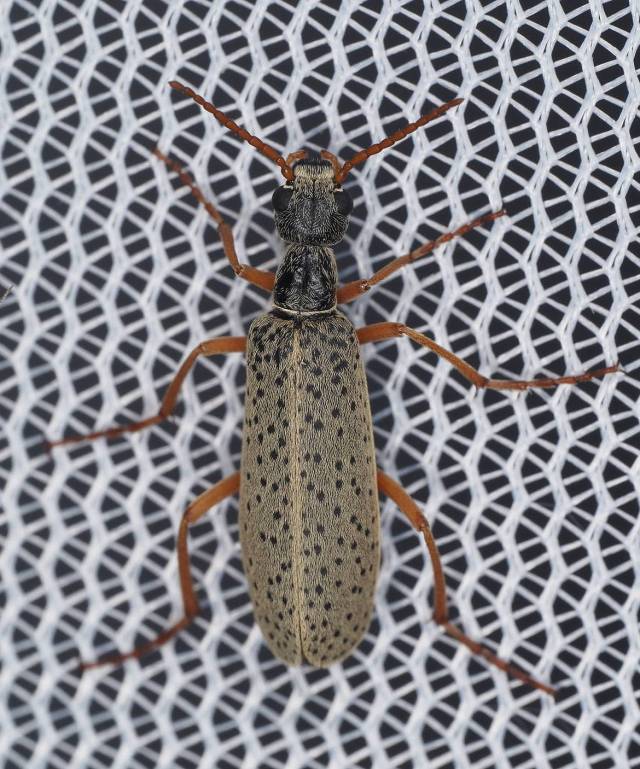
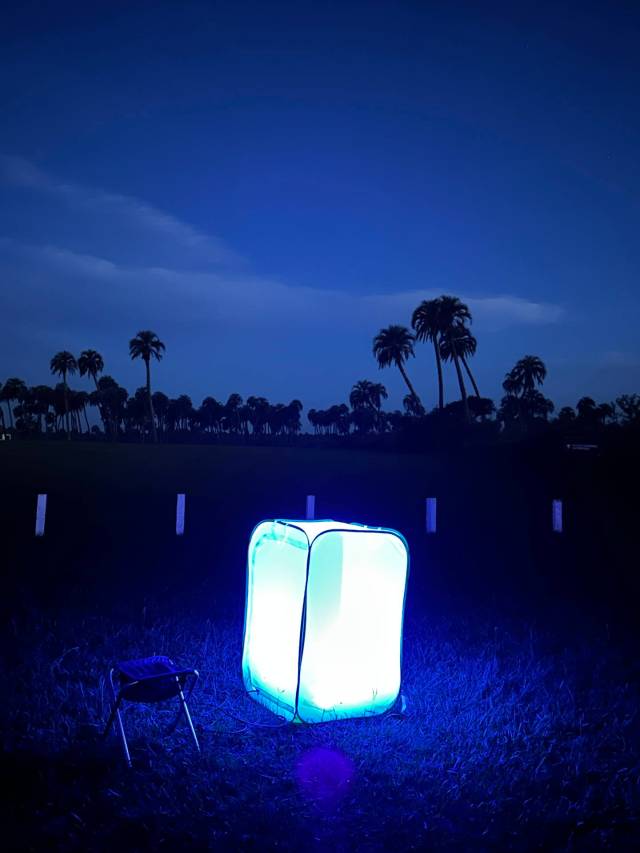
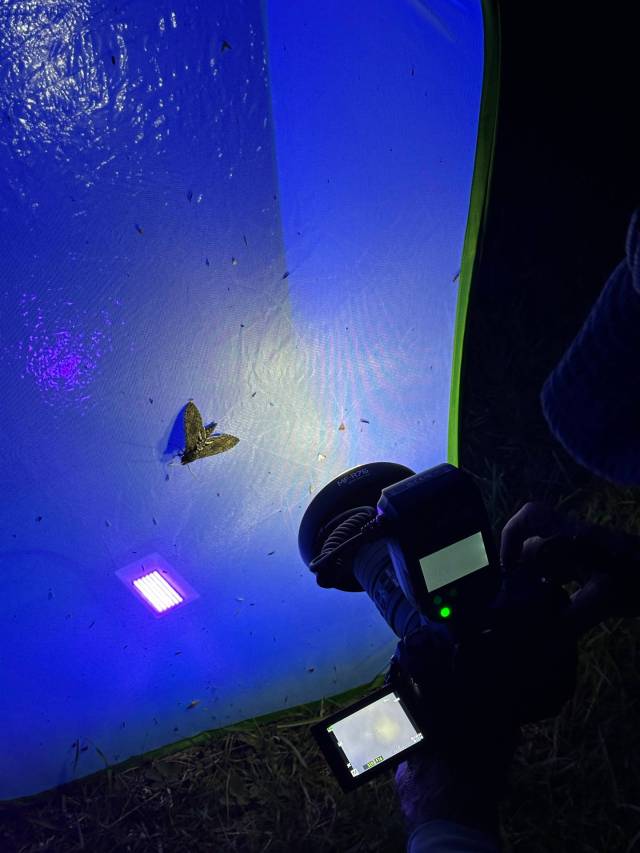
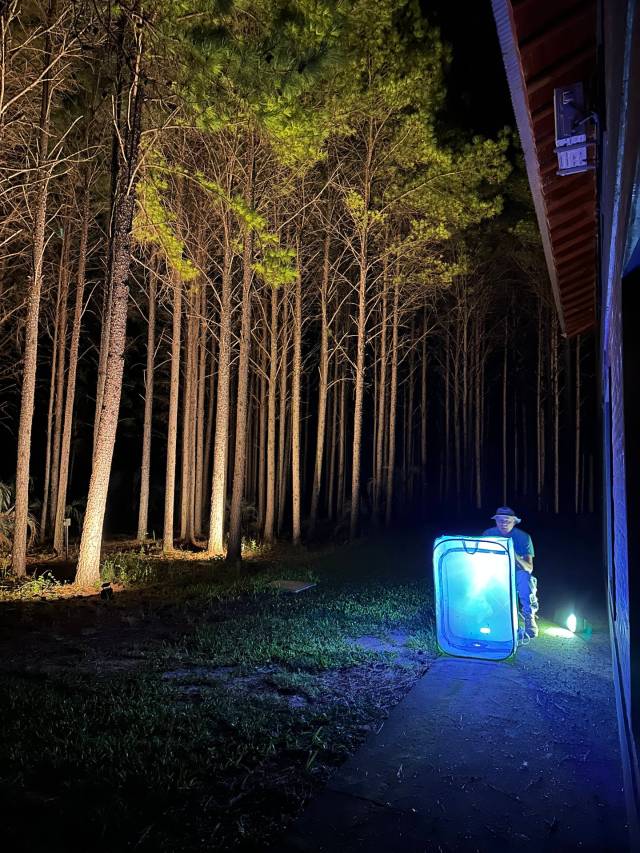
We spent one evening observing insects just outside the entrance to the park (one could drive into the park at any hour but we had paid admission for only one day). As usual iin many countries (and now, sadly, in the US) there were higher fares to enter the park for foreigners.
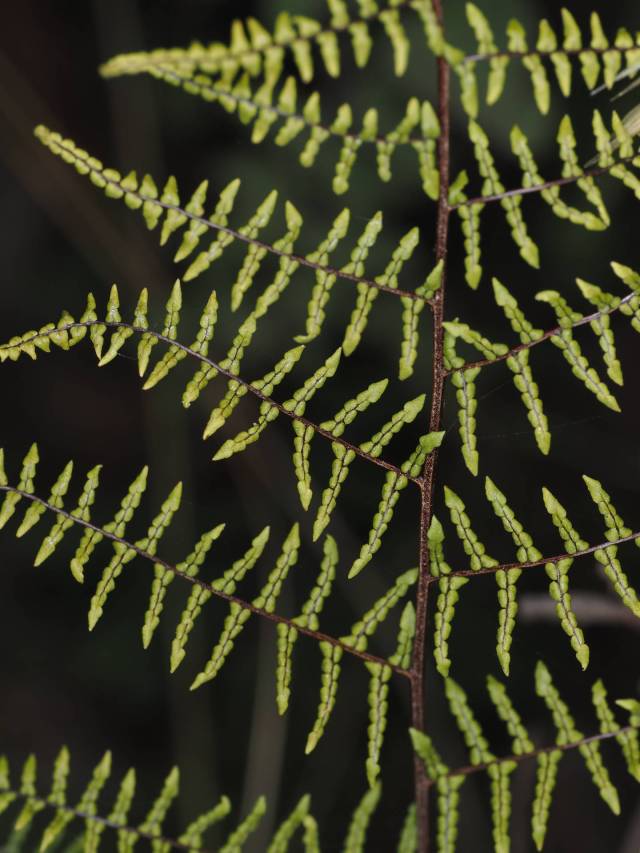
Olympus photos…
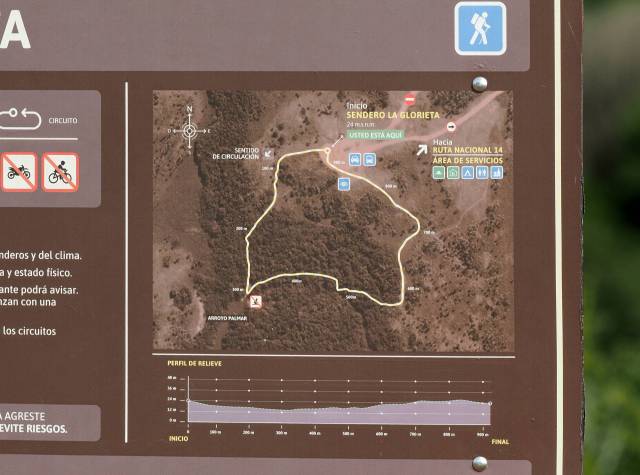
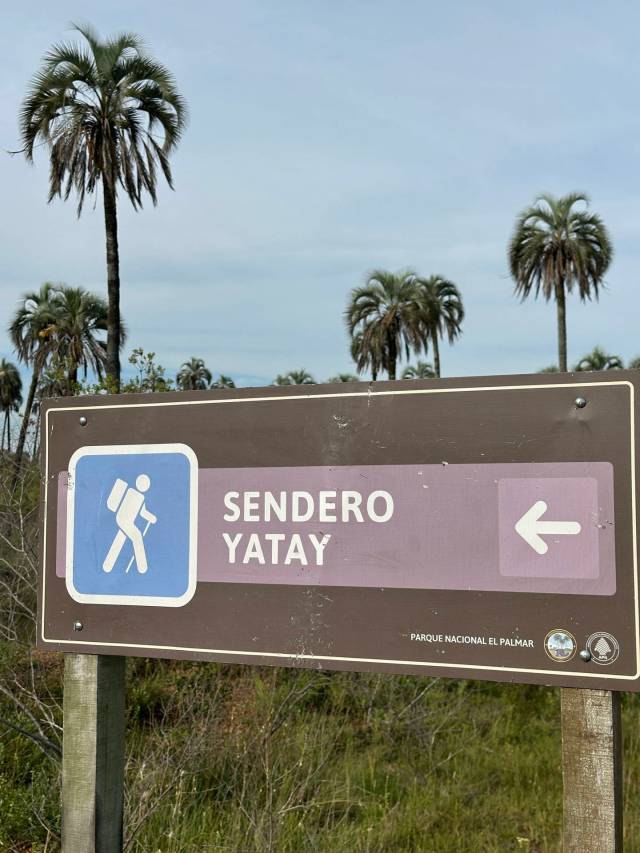
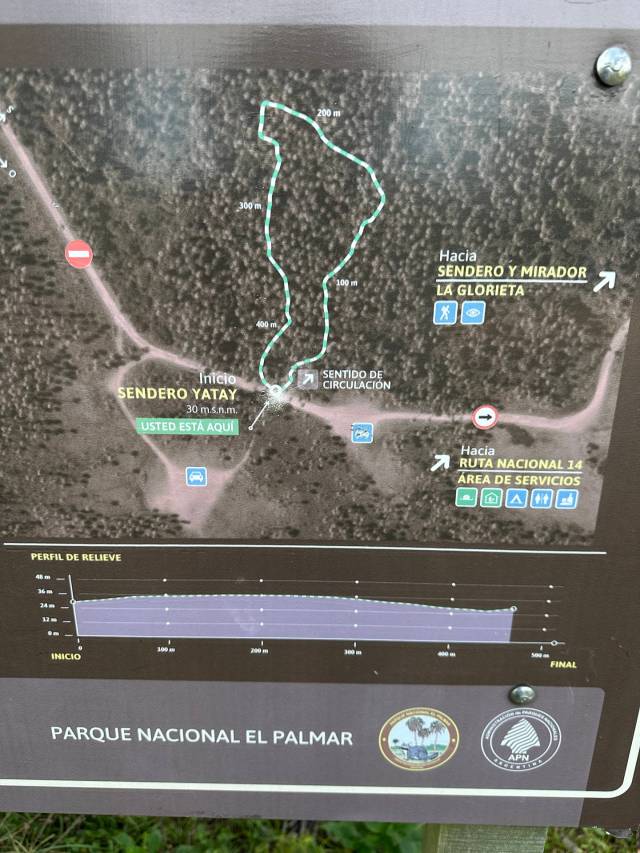
iPhone photos…

 THE NATURALIST'S TRAVEL PAGE