In past years we had participated in two guided tours that focused on succulent plants. One was in Brazil and the other in Madagascar – both regions where language and logistics would have been somewhat difficult for us to do extensive independent travel. With Rosario’s expanding interest in birding in recent years we had never considered strongly taking a birding tour because we felt that this is something we could arrange for ourselves and because the typical costs for such tours (or most any natural history tour) was about $300 per person per day. But, eventually we decided to arrange such a birding-focused visit to Panama, where Rosario mostly grew up, as we had not been there in many years.
Panama birding is most often associated with the Canopy Tower and Canopy Lodges, venues that fall under the ownership of the same individual. The most unique aspect of the Canopy Tower is that it lies within the Soberania National Park rainforest environment just outside Panama City and is a refurbished radar tower originally built by the US Military.
We arranged a two-week birding package at the Canopy Tower and Canopy Lodge to experience a version of a birding tour experience. Typical birding tours start in the US, fly with a dedicated US guide to the country of the tour, and then often work with the help of local guides during the tour. Such tours are small – usually no more than 8 or 10 participants, and are somewhat expensive considering that the US guide’s travel costs and fees must be shared among the tour participants.
Our arrangements were slightly different from a typical birding tour. The Canopy Tower and Lodges offer tours for individual birders not on tours. They pick up such participants at the airport (for a fee) and transport them to the lodges. Then the individuals participate in daily morning and afternoon excursions, with breakfast, lunch, and dinner provided. In this manner the daily costs are somewhat less than by taking a tour organized in the US. Both the lodge and tower staff speak English, so speaking Spanish is not necessary for visitors.
Because we wanted some time to try some Panamanian food in Panama a City and make sure we and our luggage arrived, we spent our first night in Panama City at a hotel near the restaurant and food stores we wanted to visit. After this first night we were picked up by the Canopy Tower personnel and transported to the Canopy Tower just outside Panama City. Our first week was spent at the Canopy Tower, and we were then transported to the Canopy Lodge in the Valle de Anton for a second week of birding. Transportation between the lodges is free to Canopy participants – it takes several hours to travel between the lodges.
Many birders to Panama stay less time than we did. Tours range from a few days to a week at each facility. We did not visit the most recent Canopy Camp accommodation in the Darien – this is more than a three-hour drive from Panama City.
Each of the Canopy facilities (Tower, Lodge, and Camp) offers something different. In the material below we summarize our impressions of the Tower and Lodge – we stayed for a week at each. We also discuss our experience with other birders and the notion of “birding lodges”.
Canopy Tower
The Tower is the iconic aspect of Panama birding. It is what serious birders think about when Panama comes up.
TOWER comments:
The Tower is hardly a luxury hotel. Birders don’t expect that, nor do they want that. The water is turned off after 10PM so that plumbing noises don’t disturb people sleeping. There is no elevator and the stairs to the outside observation deck are steep (but safe) and you have to duck your head while climbing them if you are tall. There is no air conditioning or heating, so parts of the Tower can be quite warm on a sunny day. However, in the morning or evening hours it is comfortably cool and no AC is really needed because the metal building and windows allow the building to cool down quickly without sunlight.
Food at both the Tower and Lodge was acceptable – not exactly fancy dining and some of the food was clearly limited in quantity. All meals were buffet style, but there were usually only three or four items on the buffet to choose from. The kitchen was next to the buffet/dining area on the third floor of the tower, so everyone ate together – although birding groups ate at different tables to keep the groups together. The cooks were responsive to any food shortages on the buffet.
As many reviewers of the Canopy Tower have noted, one of the main problems with dining is that people want to keep looking out the windows that wrap around the room. At night there are night monkeys and possums coming to bananas they put out for them. In the daytime birds perch on the adjoining Cecropia (and other) trees. Dining is often interrupted by comments like – look out there, is that a King Vulture? Or – Night Monkeys are back at the feeder – good photo op!
The Tower is structured as follows. The entrance, a large mural, and a very small gift shop and reception are on the ground floor. Up the first flight of stairs (unmodified metal from the Tower’s radar days – I know because I worked in a trailer attached to such a radar tower for a number of years) is the guide and single rooms. Somewhat farther up is the main guest room floor. And above that is the dining room, kitchen, lounge, bookshelf, and main room for everything. A narrow stairwell (room only for one person at a time) leads up from this room to the outside observation deck. This deck offers a 360 degree view and you can walk around it to see in any direction. Guides with scopes are there with coffee about an hour before breakfast (typically at 8 AM) to assist in spotting birds in the surrounding canopy.
The Tower (or Lodge for that matter) is really not meant for non-birders, or at least non-naturalist inclined individuals. You can certainly get less expensive food and more comfortable accommodations in Panama City for the same or lower prices. Some birders do exactly this, but then must arrange transportation to birding localities. What you mostly pay for at the Tower is convenience, ambience, and camaraderie with other birders (may not always be a good thing if you value privacy). And of course you have two guided excursions daily with the local guides. And after our experiences on these excursions, we can say that without such guides it would be exceedingly difficult to see many of the birds that we saw. Having good local guides in Panama isn’t a luxury – it is a necessity.
Day visitors are allowed at Canopy Tower, but must arrive after morning breakfast and we rarely saw any since we were either on a morning or afternoon tour or at lunch.
The tower’s environment is excellent – it sits atop Semaphore Hill at about 800 ft elevation. This is why it is about 4 degrees Fahrenheit cooler than downtown Panama City, which is close to sea level. It is surrounded by pristine tropical forest of the Soberania National Park. We wished we had more time at the tower to relax, walk the road up to the tower and look at moths at the lights. But there was rarely spare time, unless you chose to skip a morning or afternoon excursion. Mike skipped the afternoon excursion twice at Canopy Lodge while Rosario made all of the excursions.
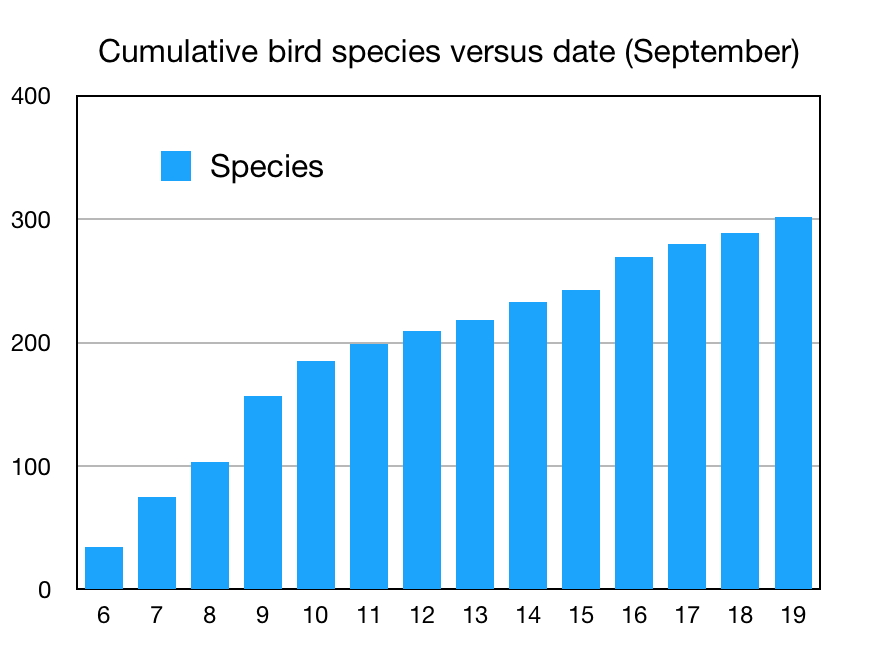
I (Mike) came to appreciate that birding tours are all about identifying as many new bird species as possible in as little time as possible. Given the cost of travel for birding and all-inclusive lodges, this is a reasonable perspective for many birders to have. But the surroundings of the birding excursions was often in human-modified landscapes. Walking the Pipeline road and the Plantation trail segment were the most natural environments – especially the Plantation Trail at the base of Semaphore Hill. Of course walking in a natural forest environment doesn’t necessarily get you the greatest number of bird species; the guides knew where to see the greatest variety of species in a given time. The twice-daily excursions, taken together, had the objective of having you see the greatest number of species for your time in Panama. Naturally, the more days you had been birding, the fewer new bird species you were likely to see each day. Our statistics for new birds seen each day are summarized in the figure shown below.
One might note that many Panamanian birds that we saw were not the spectacular types like toucans or macaws. And many of the views were not ideal – sufficient for an clear identification but distant or brief. The ambience isn’t like what might find on the Anhinga Trail in Everglades National Park or on a boardwalk in a US National Wildlife Refuge. Such facilities are a luxury in many parts of the world, including Panama.
Little information on the tropical rainforest environment was provided to birders. Birding guides are birding guides – excellent for finding birds but often not particularly useful for providing other environmental information. Some may know a fair amount – but don’t volunteer their knowledge. Given that most visitors to Panama are from non-tropical countries, some introduction to tropical environments would be useful. Of course, given the very full days, it is not clear just when such information might be provided.
Some additional training in tropical natural history should be given to the guides – all of them. Otherwise there are missed opportunities for attracting others who aren’t 100% birders. Army ants, epiphytes, the structure of tropical trees, lianas, palm diversity, etc. Most birders wouldn’t mind hearing a bit of these details as we walked during the tours.
The lunch breaks were long enough for genuine rest, after the meal. On most days, a one-hour nap was possible before the afternoon excursions.
Although there were plenty of birding guidebooks at both the Tower and the Lodge, many other books seem dated and some were not always relevant to the lodge’s focus… But the humid environment probably doesn’t encourage investment in expensive books. Plus, most people simply don’t have the time to look at them, given the fairly intense schedule. Sadly, birding apps are taking over the role of field guides, and when guides are present there is little need to page through field guides trying to identify birds.
There was a moth light and sheet at the Tower, outside and under a platform. Little mention was made of it and we discovered it almost by accident. Once we did, we helped other guests discover it and there were some very impressive moths that came to the UV light. We were usually able to photograph them before our morning excursions, though we often were too tired to look at what came in the evening.
Canopy LODGE comments:
The Lodge is located on the outskirts of the small town of Anton, about two hours west of Panama City. It lies on one side of an eroded volcanic edifice and is next to a river with real flowing water (and heavy flow after rains). Unfortunately, this river makes it hard to hear birds. Nice for non-birder ambience but not for hearing birds. The plus side is that some water birds can come to the river, plus interesting large basilisks (lizards) are usually resident on the rocks in the stream. We saw a Tiger Heron fishing along the river one evening.
One drawback of the lodge location is that it lies along a road with a modest amount of traffic – not standard driving to and from Panama City, but trucks and other vehicles that access the multitude of chicken farms that are located a few km away from the lodge – to the north. Traffic is not continuous and the river masks light noise from the road, but we did hear occasional trucks that made considerable noise. At night there was no noise other than the river.
The Lodge is cool – yes cool – as it is at about 2100 ft elevation. And perpetually humid (we stayed in the rainy season). So things dry out very slowly. A light jacket or sweater is needed at night, especially if there is any wind. This is so since meals take place on a covered, but otherwise open, veranda.
The finishings in the lodge’s rooms were spartan and the lights were too dim to see well, yet they appeared to use standard bulbs rather than higher efficiency lights. In our room (#4) there was the smell of sewage from outside and hot water was not always available, or ran out very quickly. Due to the very high humidity during the wet season period we were there, clothes and towels didn’t dry well. Heated towel racks would have been nice, but perhaps electricity is expensive…
The grounds of the Lodge were interesting and a few short paths took off, leading to a tree house and to views of the river upstream. Unfortunately we only discovered this by accident after a few days. It would have been nice if someone had shown us these aspects of the lodge’s grounds on the first day we were there. In fairness, given the twice-daily excursions and the eating schedule there was, like at the Canopy Tower, barely any time to explore the Lodge’s grounds.
There was a moth light on the upper floor of the lodge and it was turned on one night, but then afterwords it was off. Construction and painting was going on in preparation for the coming high season so perhaps this was the reason for this.
General Comments
Both the Canopy Tower and Canopy Lodge would benefit from some posters showing the main tropical bird groups to be expected in Panama. Some visitors might not be familiar with the various Antbirds, Tanagers, or other tropical bird groups. Not a substitute for field guides, but for perusing during mealtime and such. As it was, the book selection in the Lodge and Tower was reasonable, but the books were in very humid conditions and appeared relatively moist/musty. I don’t think they were getting enough use. Perhaps in the high season they do, but it is more likely that most serious birders travel with their own personal copies of guidebooks.
Although we did see different birds at the Tower from those at the Lodge, there was a fair overlap in birds between the two sites. The fruit feeder at the lodge attracted some birds that we never saw at the Tower, and the higher altitude (3000-3500 ft) forest patches around the Lodge had a somewhat different fauna. We are not sure that 2 weeks is justified among these two venues, but both sets of day trips were different and it would be hard to decide what combination would work best. The Tower had the best local ambience and the observation deck experience was particularly valuable. We wished we could have spent an entire relaxing day at the Tower, without the constraints of the morning and afternoon tours. Walking up and down the Semaphore Hill road (with essentially no traffic except to the lodge) would have been nice. It is mature forest and quieter than the Canopy Lodge ambience, with its river.
Our visit to Panama was during the low/green season to take advantage of considerably lower rates for the 7-day packages. We also wanted to avoid the larger birding groups during the dry season and the windier dry-season conditions. Finally, some agricultural lands are burned during the dry season and we wanted to avoid that – though in Panama this is not nearly as widespread as farther north in Central America.
Although we visited during the rainy season (euphemistically termed the “green season” in many tropical parts of Latin America) rain only interfered seriously with one or two of the excursions in our 14 days. The morning excursions were usually rainless, since cloud development is strongly controlled to the daytime heating of the land and sea-breeze development in Panama. Afternoon excursions had higher rain chances, but on most days there was no rain.
The road leading up to the Tower is restricted access – to Tower visitors only. So it can be walked for birding, and one morning and evening we did this. Although the Tower is less than a mile from the canal with its ships, the area is relatively quiet – it is far enough from major roads or city noises.
The daily excursions
The daily excursions were usually via vehicles, either open or closed, to locations within a half-dozen miles of less from the Tower or lodge (with some exceptions for day-long excursions). The open vehicle (“birdmobile”) was suitable only for shorter trips in areas with less traffic – as it was very windy at highway speeds. Most trips were via small vans that tended to be more comfortable. The morning excursions left around 8:30 AM – after breakfast. This initially surprised us as we had been led to believe that very early birding was best in tropical (or any other) locations. But our early AM observation deck observing perhaps sufficed and it really was more practical to eat something before venturing forth for 3-4 hours.
Excursions generally returned promptly near noon to meet the scheduled lunch time. Then, around 3:30pm an afternoon tour commenced – usually to a nearby location. We returned from these excursions about a half hour before sunset, so that sunset could be observed from the observation deck. A period of going over the day’s observed birds then commenced with dinner following around 7:30PM. After dinner it was off to bed – to repeat the cycle again the next day.
After a few days, and especially after a week or so of this routine, I (Mike) felt that a day’s rest would be desirable. We were both longing for such a day – that never came. And near the end of our 14 days birding, we felt that we had been there long enough – in fact too long. I knew I shouldn’t have felt this way, but the resemblance of our daily routine to a “forced march” was hard to shake. I suspect that if we had arranged two separate one-week visits to each Panama birding lodge I would not have felt this way. But the travel costs and associated inconveniences would have been double.
The guides
All of our guides – and these could vary from one day to the next, were very good at finding birds. Some had better English than others and the effectiveness of their communication with the tour participants varied. Some guides were more talkative than others. Some guides clearly knew a lot, but didn’t always offer this knowledge unless asked. They clearly knew what birders wanted – this was a bit of a problem for us since we are “generalists” and interested in plants, insects, reptiles and amphibians, mammals etc as well as birds. The Canopy Tower and Lodge clientele is usually hard-core birders. Those with mandatory must-see birds to add to their life lists, with blinders on so that nothing but birds are seen. I am somewhat joking here – most birders we met in Panama had diverse interests, but some didn’t. And the guides must have been conditioned by what birding tour participants want to see – and that is birds! As such, they made sure everyone who wanted to see a particular bird that we found had seen it before we moved on.
Guides were very good at quickly setting up spotting scopes and getting them pointed at the bird of interest. I had always assumed that scopes were for distant water birds, waders, and feeder birds that barely moved – at least that is what we use ours for. I thought it somewhat crazy to see the guides hauling around a scope and tripod to try to see small birds in the Panamanian forests. But I was wrong. I got some of my best views of such small birds via the scopes they set up. And how they pointed the scopes so quickly was amazing to me – I have a hard time pointing at the right feeder in our backyard!
I should say that I was mostly dedicated to getting photos of the birds we were trying to see in Panama. Rosario got the good binocular views – my views were usually out-of-focus blurs through my camera’s viewfinder. Of course, the photos were useful for verification or later scrutiny of what we saw.
There are about six guides permanently associated with the Canopy Tower, Lodge, and Camp. Some are relatively new, others have been guides for many years. But except for one, who has a college biology degree, none of the guides has formal training in biology. As such, there are limits to what they can present to visitors with authority or deep background. Much of what they know has been learned from visitors and other guides. Some of the non-birding focused tours (e.g. tropical biodiversity, reptiles, butterflies) that are advertised on the Canopy Group’s website are offered by outsiders who are not regular guides.
Some suggestions for the Canopy Tower and Lodge
Introductory material for visitors is needed (climate, weather, rainforest, specific locations and their unique aspects, disturbed and pristine habitats, flora and fauna info). This could be via a video or posters. It is hard to justify talks to visitors since time is already very short for all of the activities and most birders want to be birding, not listening to talks. Or better yet, a pdf that includes much background material about all of this. Of course, some might view this as “proprietary” and not want to have it widely available, but details on the specific excursions – where they go and how to get there, need not be included. Excursions do change in location, are weather dependent, and depend on what birds have been seen recently. But the basic background information on Panama, the flora and fauna details etc would be valuable and could serve as additional advertising for the Canopy Tower, Lodge, and Camp.
Perhaps a short course for all of the guides to improve their backgrounds in certain “non-birding” areas of tropical biology would be valuable. One really doesn’t know what to ask the guides about things like how many army ant species are here or is the rainy season best for insect activity? Or is this secondary forest and what palm species is that?
Consider bringing some local university biology students into the organization to broaden the background material that can be presented to visitors. I realize that the Canopy Lodges are a for-profit activity and without clients there would be none of these activities but more educational outreach to the Panamanian community would be potentially valuable. Unfortunately, the daily costs are beyond what most Panamanians would pay, even those interested in birds. I wish there was some lower-cost means of involving locals (perhaps at another venue, or with Canopy guides assisting for a modest fee). Perhaps this is already being done and we just don’t know.
Consider offering talks/lectures on ecotourism strategies to the Panama business community to broaden their activities.
The problem with birders
The problem with birding lodges, in my opinion, is that they cater to birders. Birders can be very specialized in their interests. Often they must see that new bird – it is the goal of their trip to the lodge. No matter that they have great views of anteaters, or frogs calling in a pond, or lizards on a log. It will be a failure if they don’t see that bird that their life list requires. The end of our “About Us” page on this website is worth repeating here:
In 2010 while visiting Mole National Park in northern Ghana we strolled into the park office looking for a guide. Mr. Zak Wari the chief park ranger approached us and said: “you want to see birds”. When asked how he knew we were interested in birds he replied that he had noticed we both had good quality binoculars. In his experience average tourists do not often carry binoculars with them but birders always do. This is actually an astute observation and we have often observed that even in outstanding places for wildlife viewing, not everyone has binoculars.
We told Mr. Wari that we were not hard-core birders and that we would be happy to see anything of interest (nature related) besides birds that he could point out to us during our tour. His reply was: “Then you are not birders – you are “nature lovers”...
Guides the world over know what birders want – new birds that they haven’t seen. We are not such birders. Lodges like the Canopy Tower and Lodge cater to such birders because they are willing to pay for seeing new birds. If there were such a large potential clientele of general nature-oriented tourists the Canopy Lodge would offer more general nature tours. But far more specialized birding tours are offered to US, Canadian, and European tourists than more general natural history tours.
In what follows is a selection of some of our photos to illustrate the lodges, the daily outings, and some of the birds and other groups of animals and plants that we saw. Each photo has a description of what we are showing, so don’t just glance at the photos – read the descriptions!
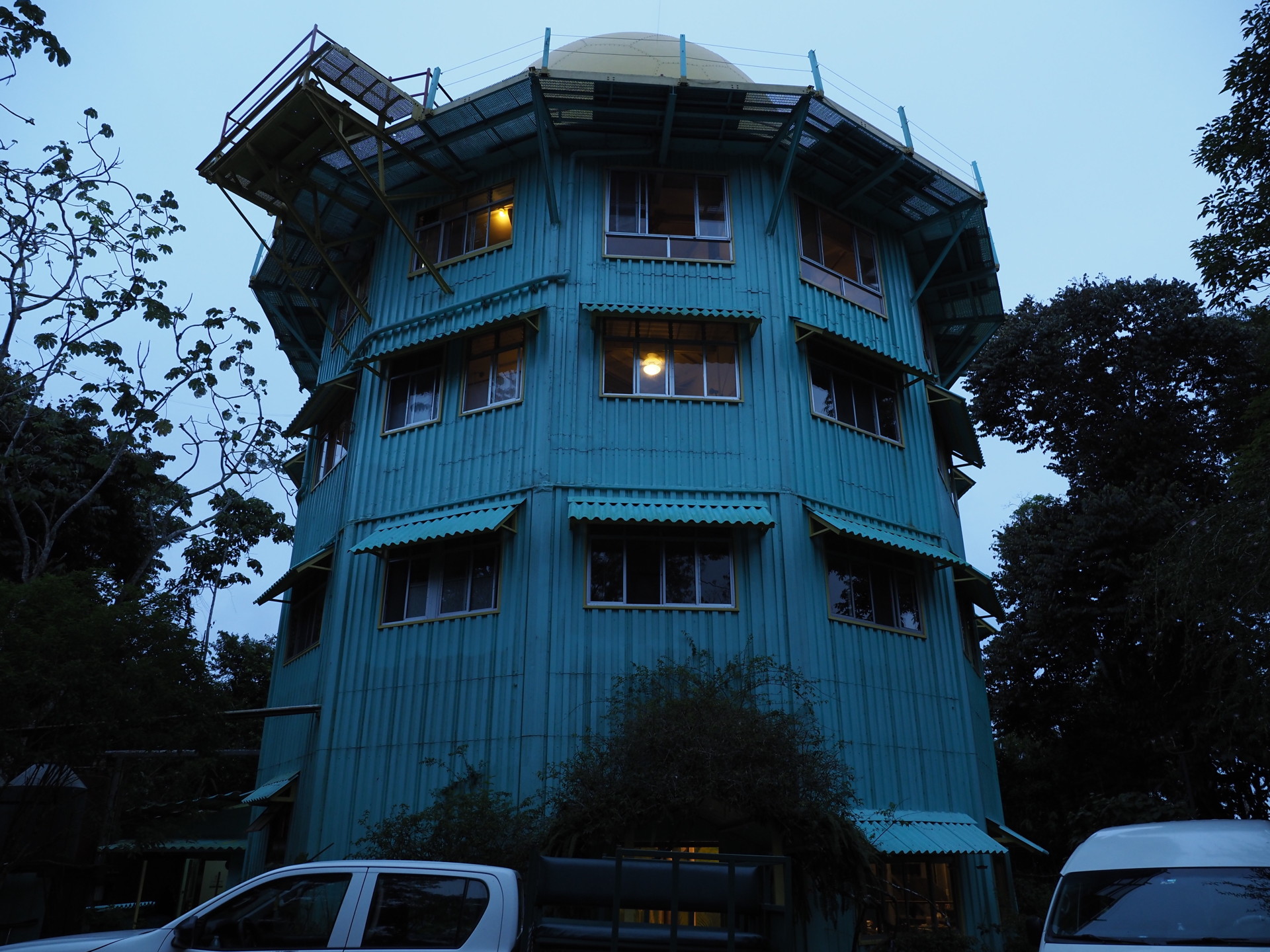

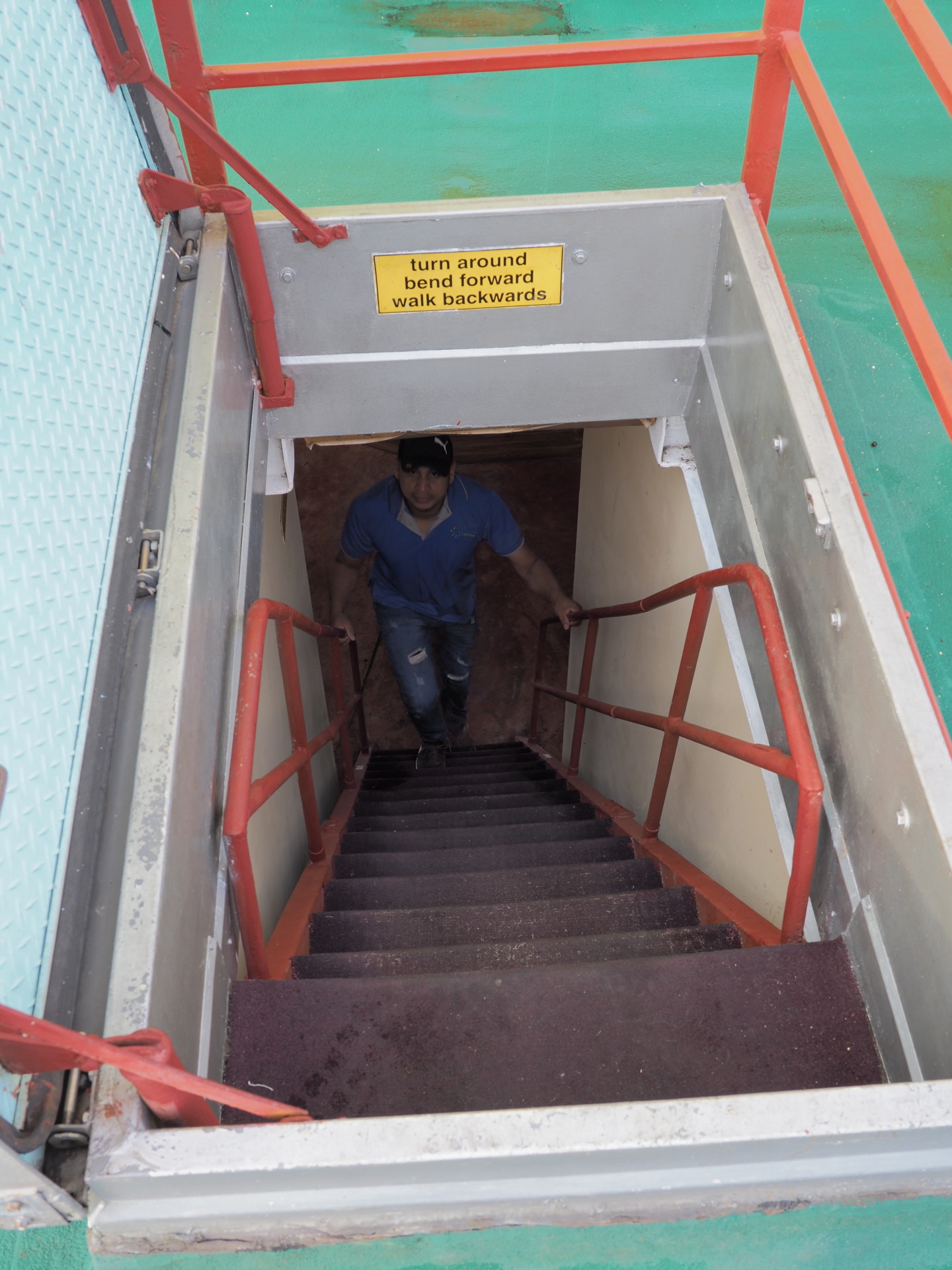
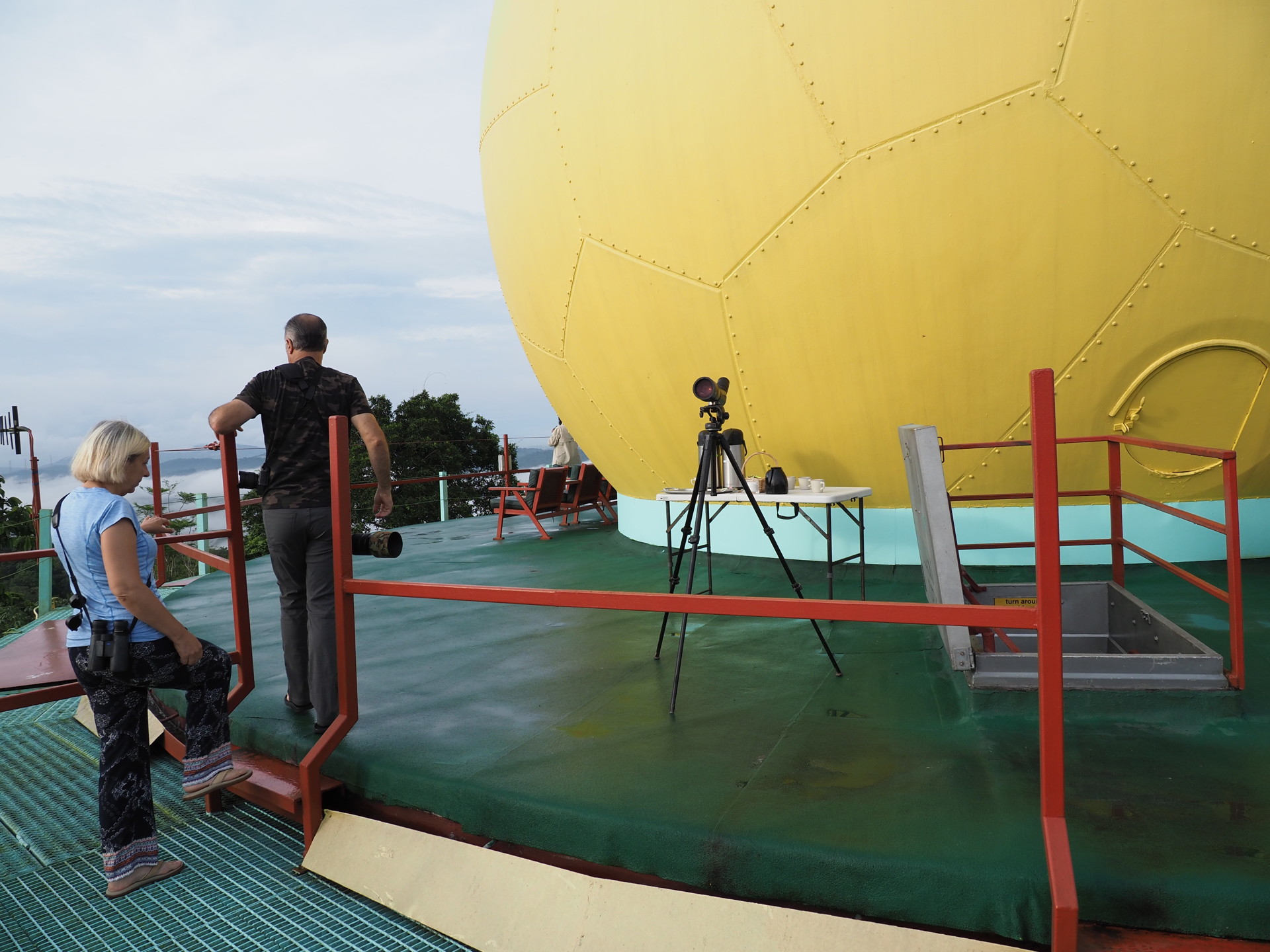
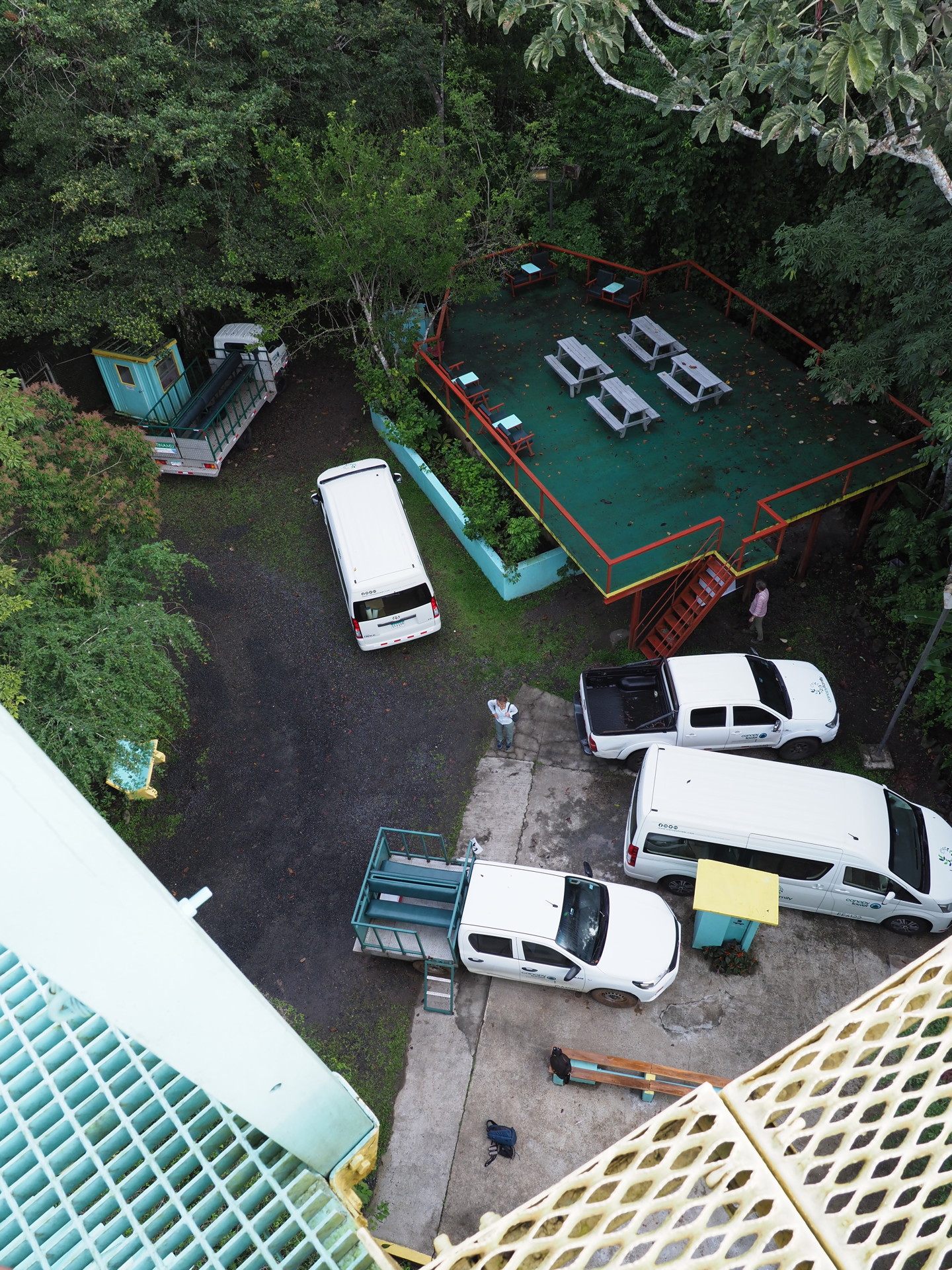
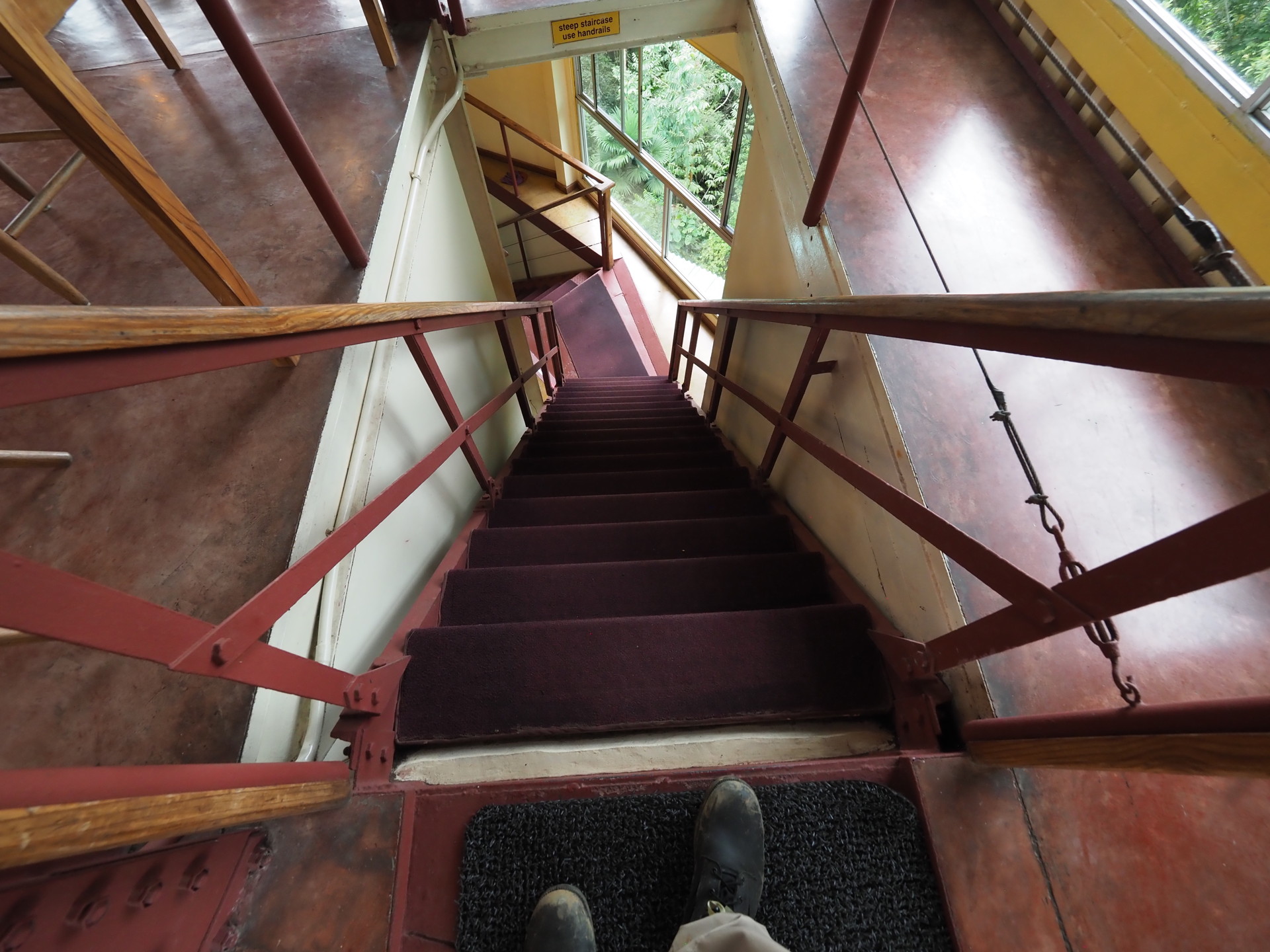


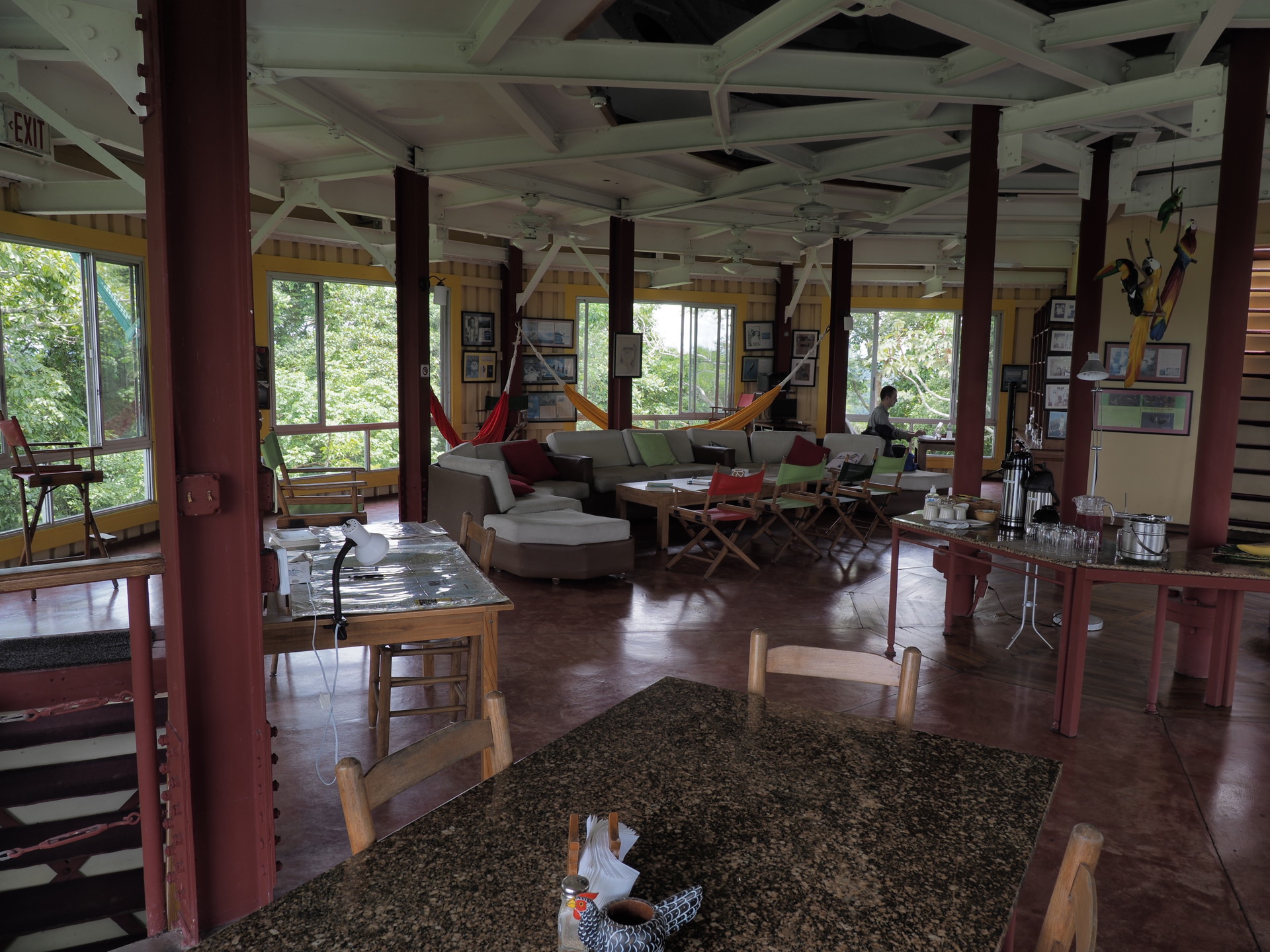
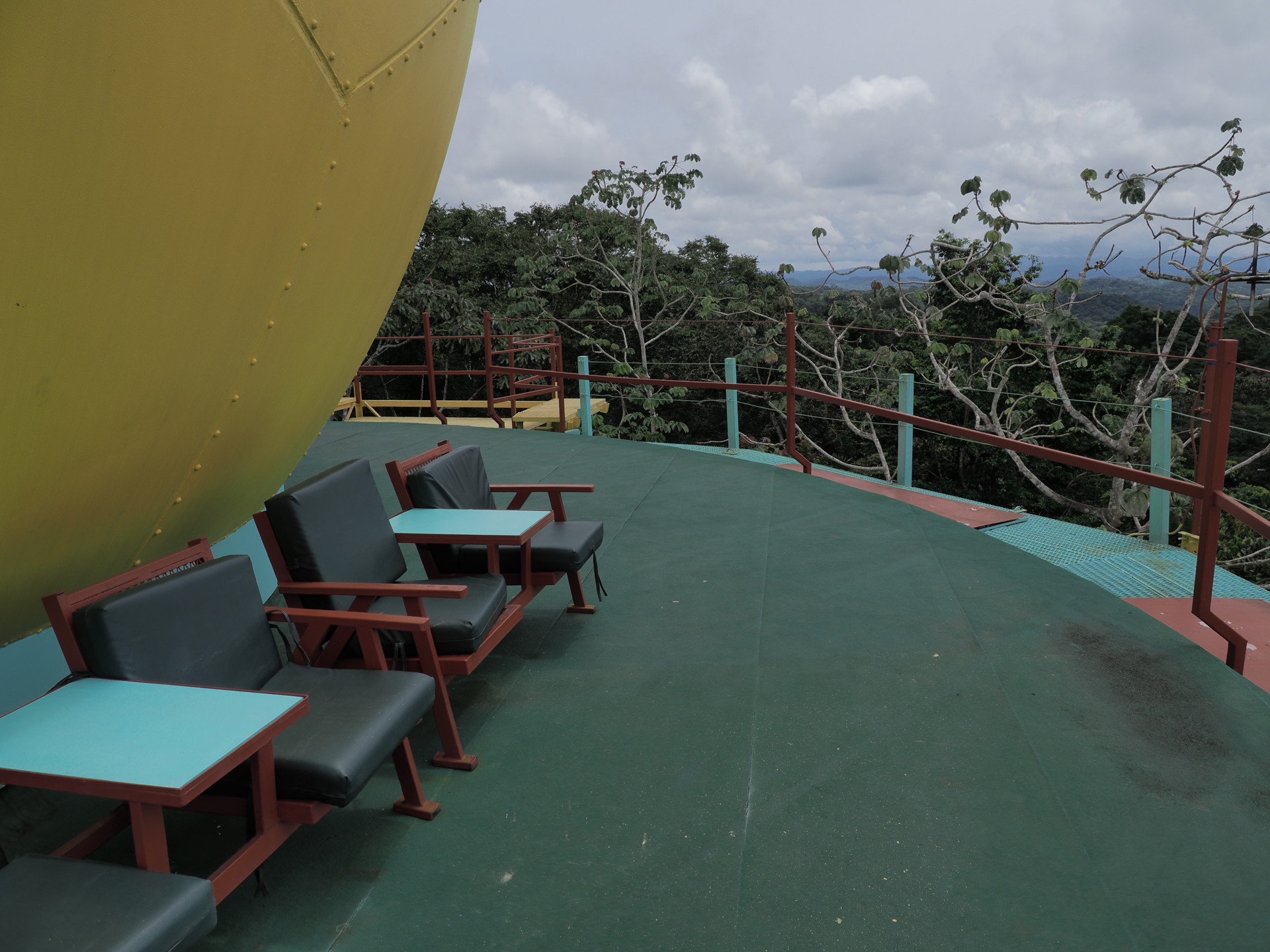
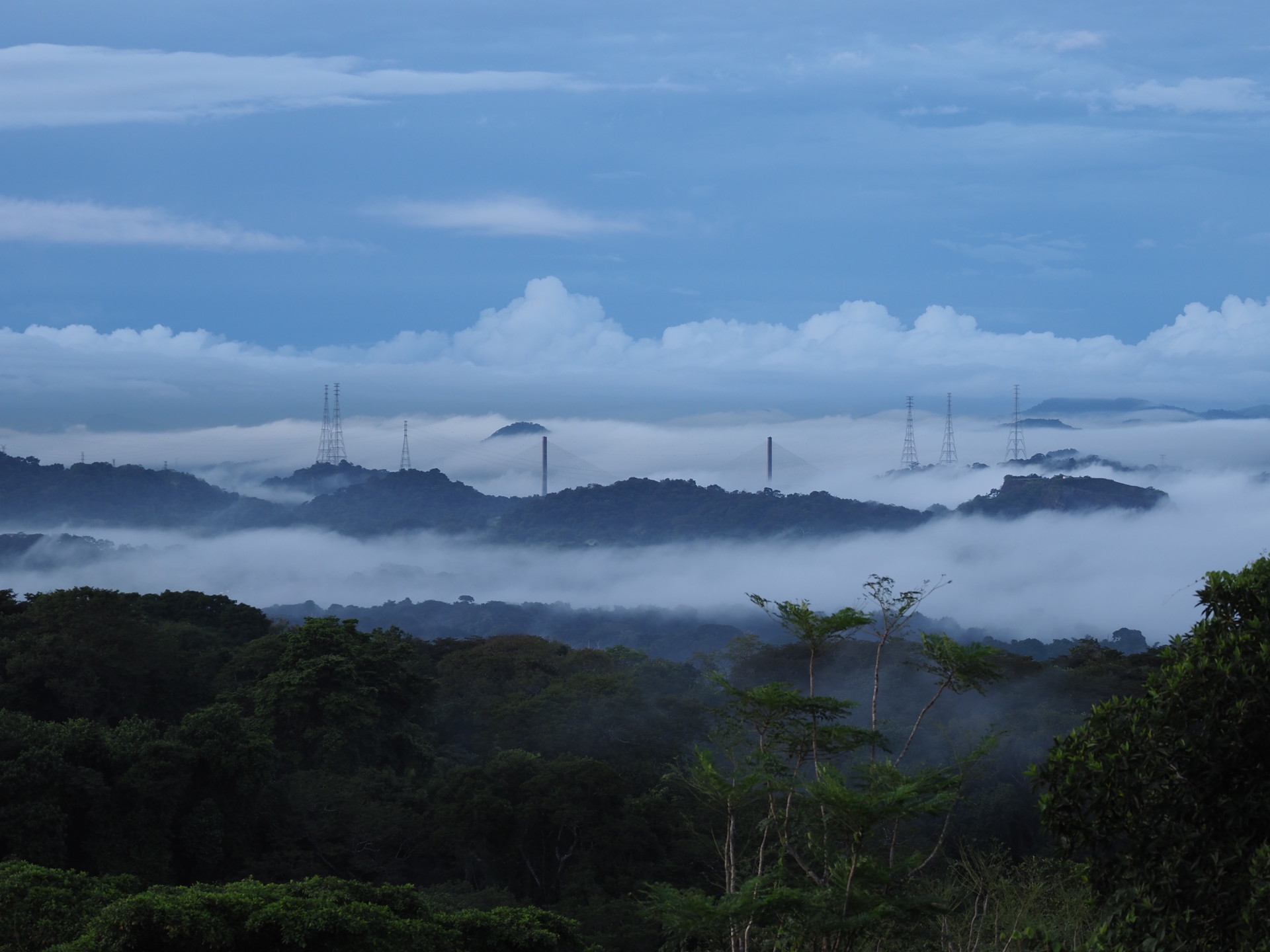
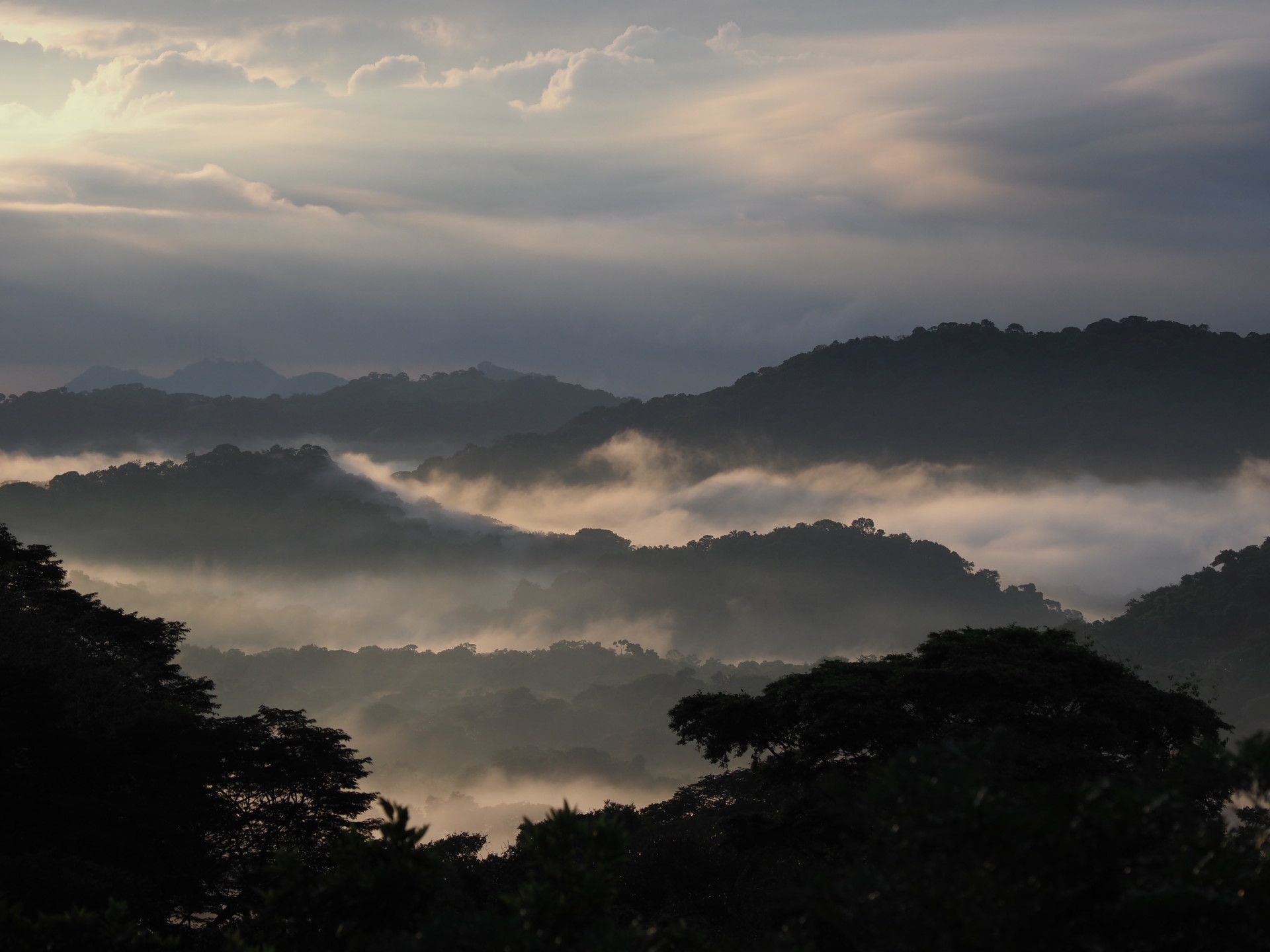

Images of the Canopy Tower. See individual images for an explanation. (Click on any image to start viewing the sequence – advance with the arrows.)
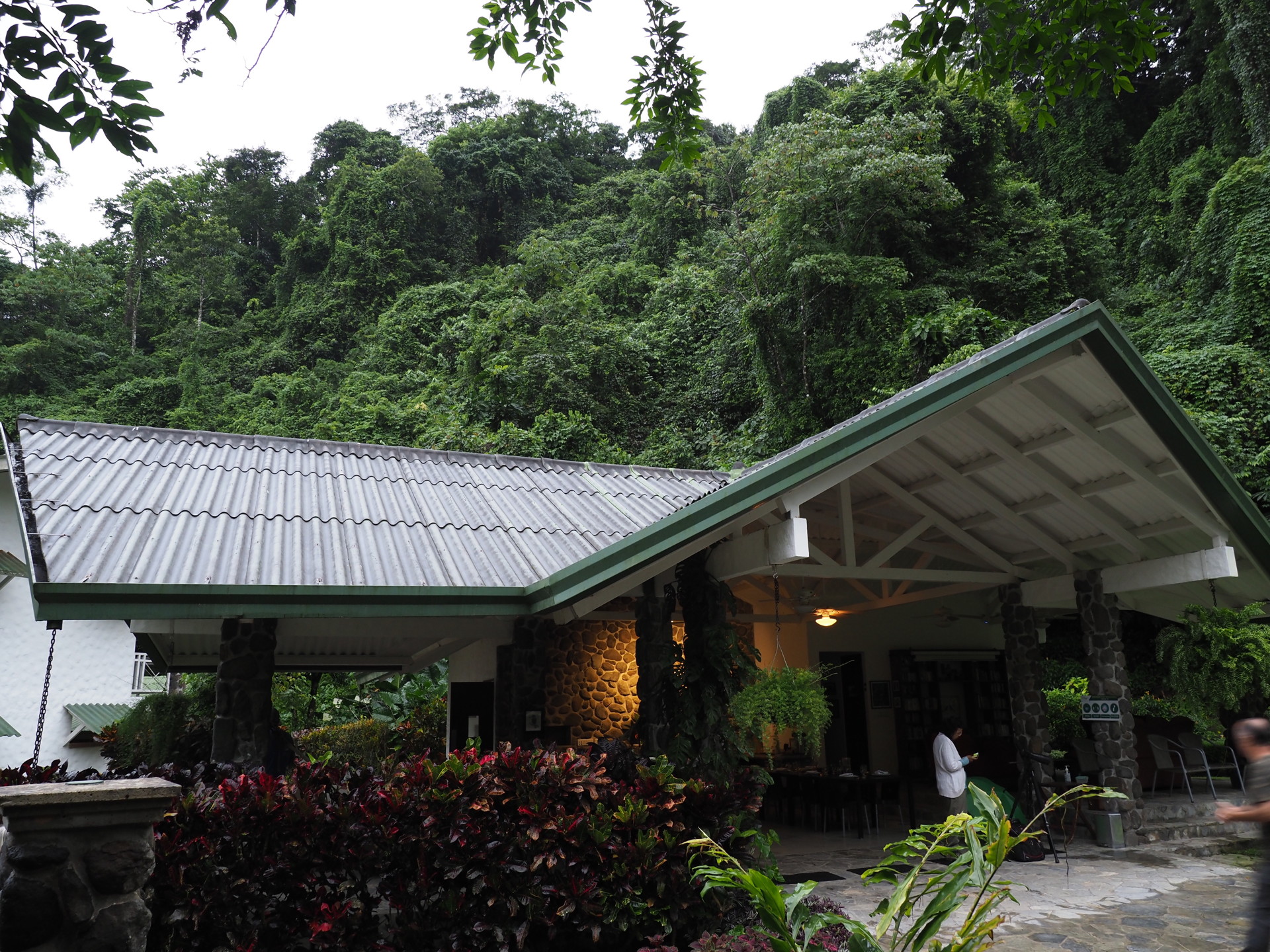
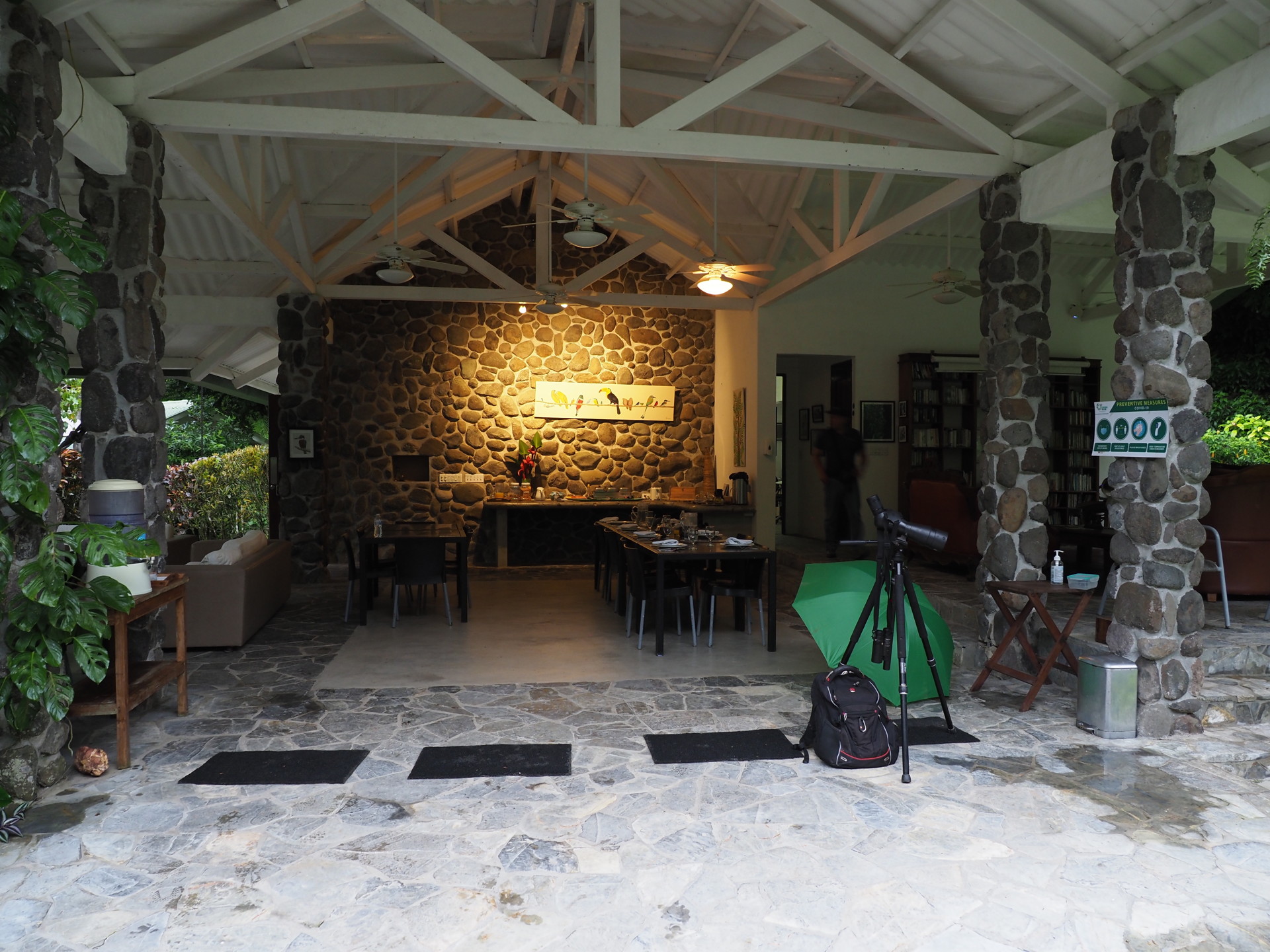

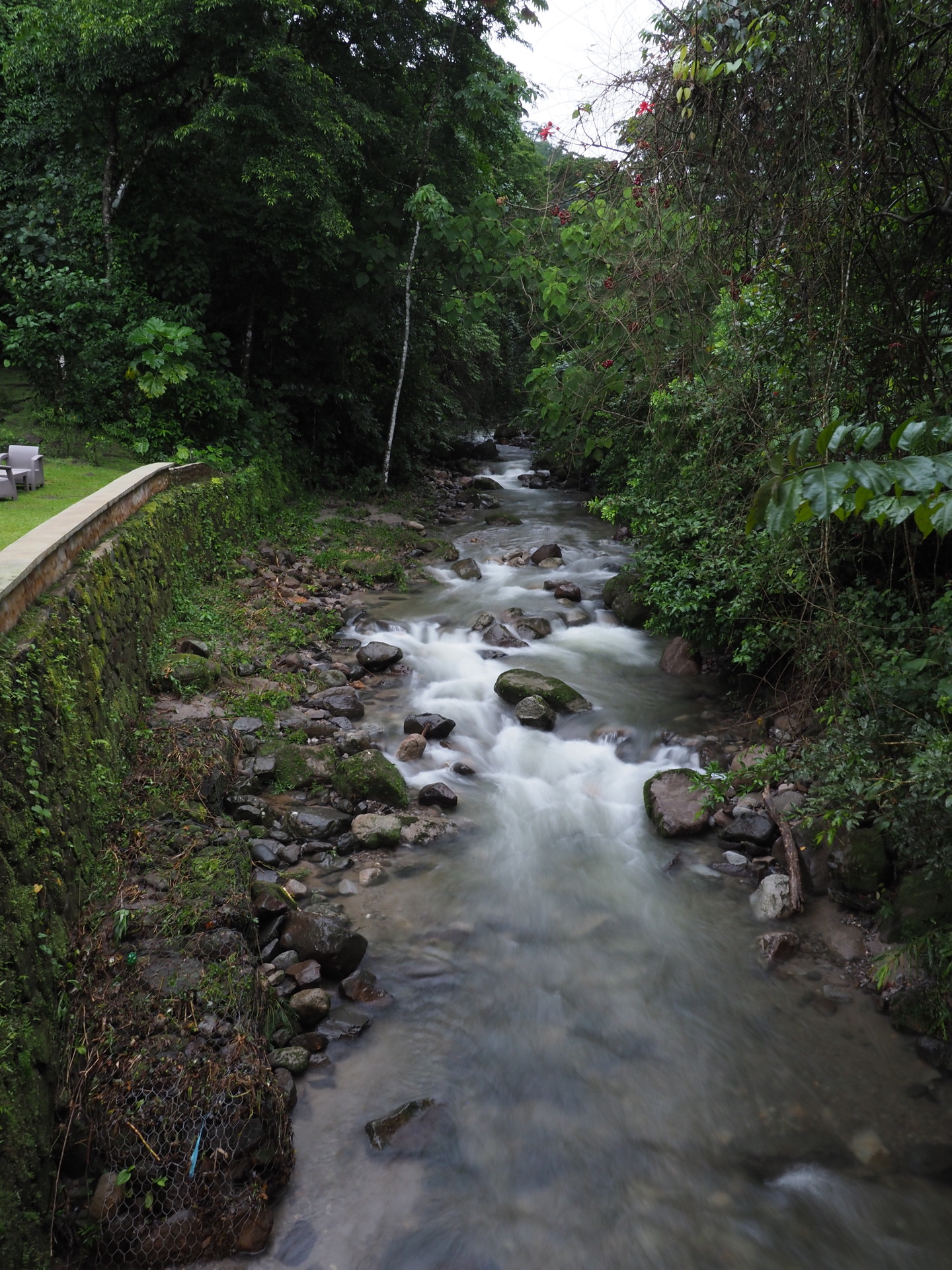
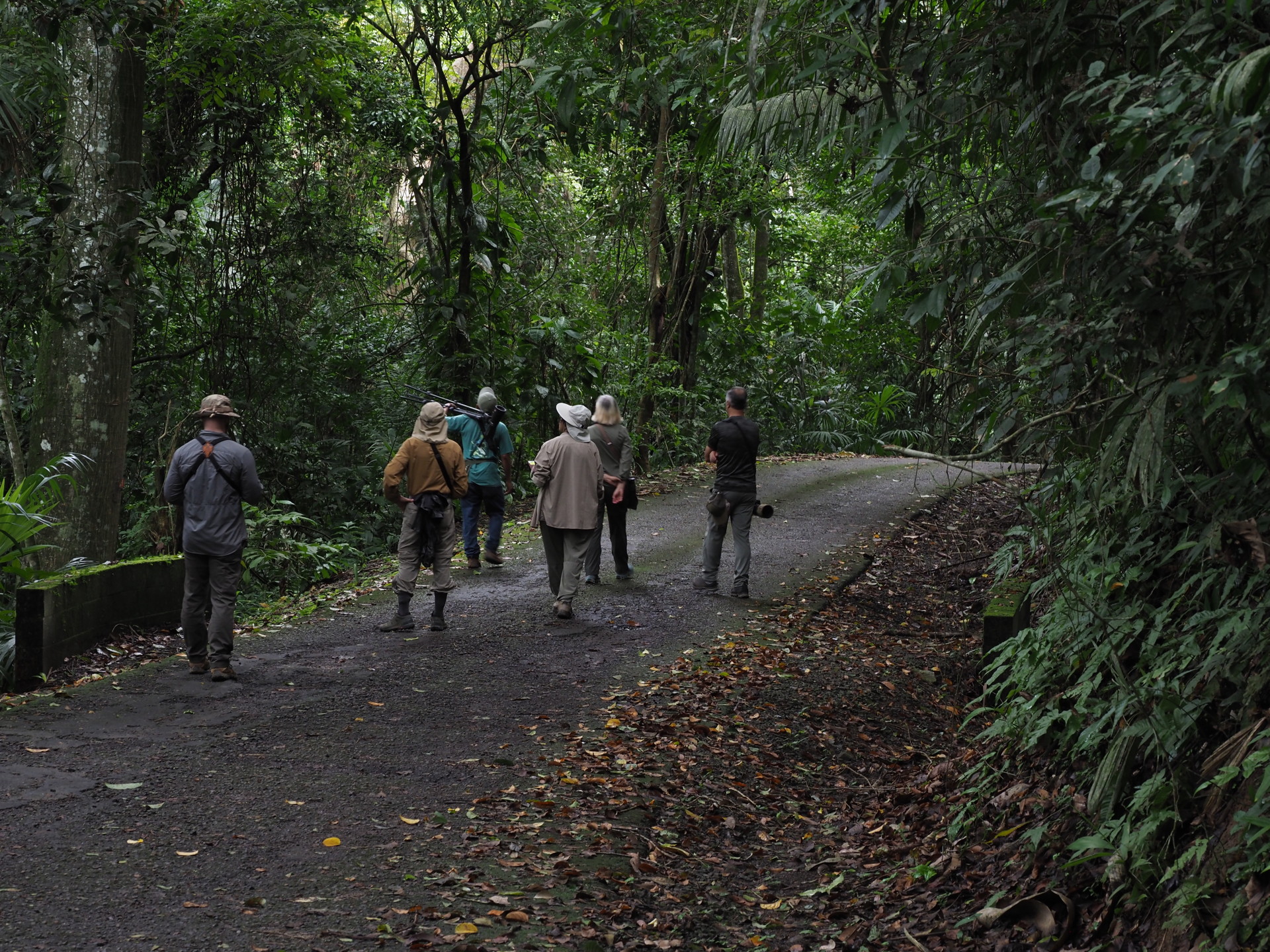
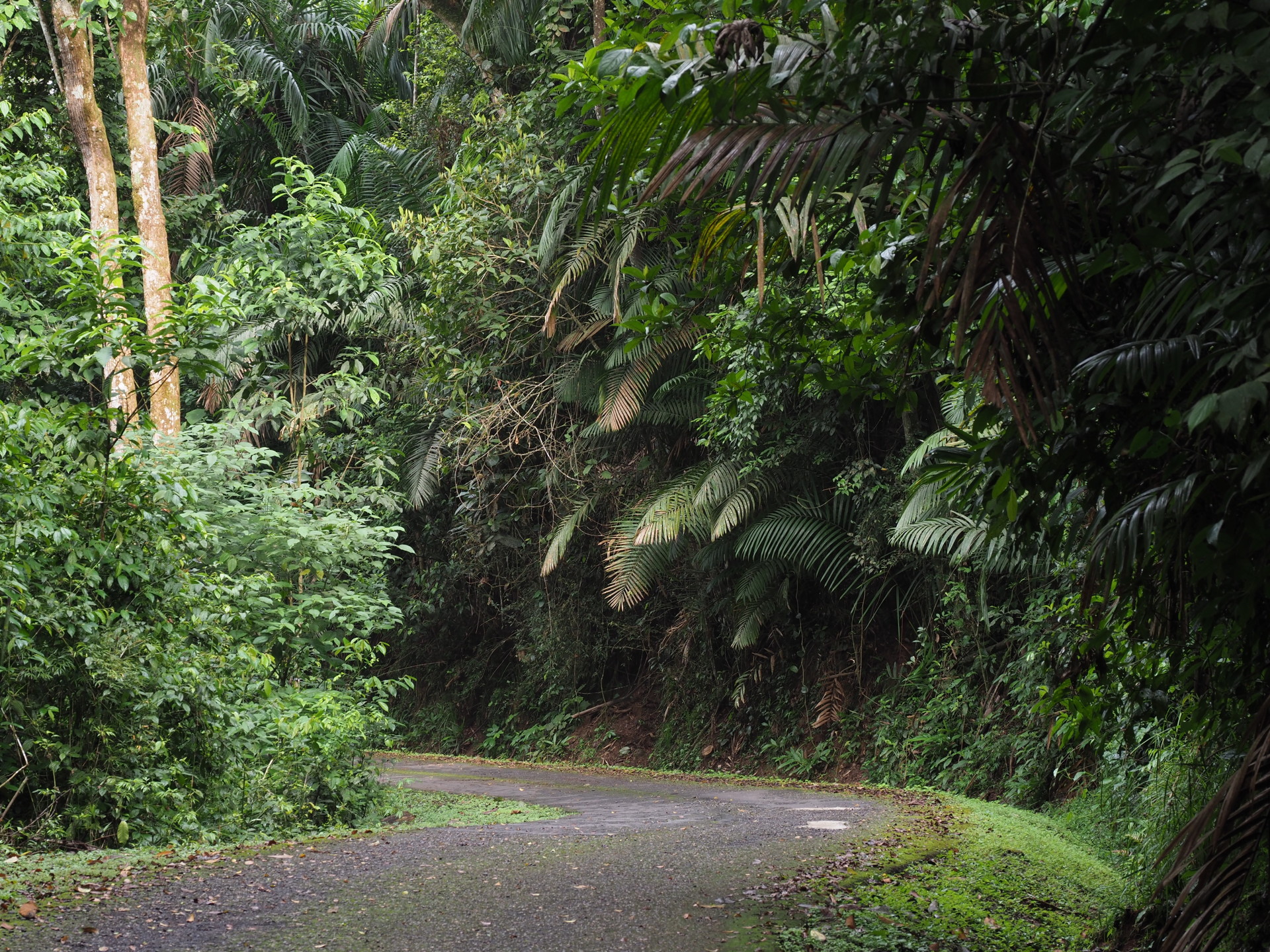

The road to the Canopy Tower was walked downhill one day to where the Plantation Road began.

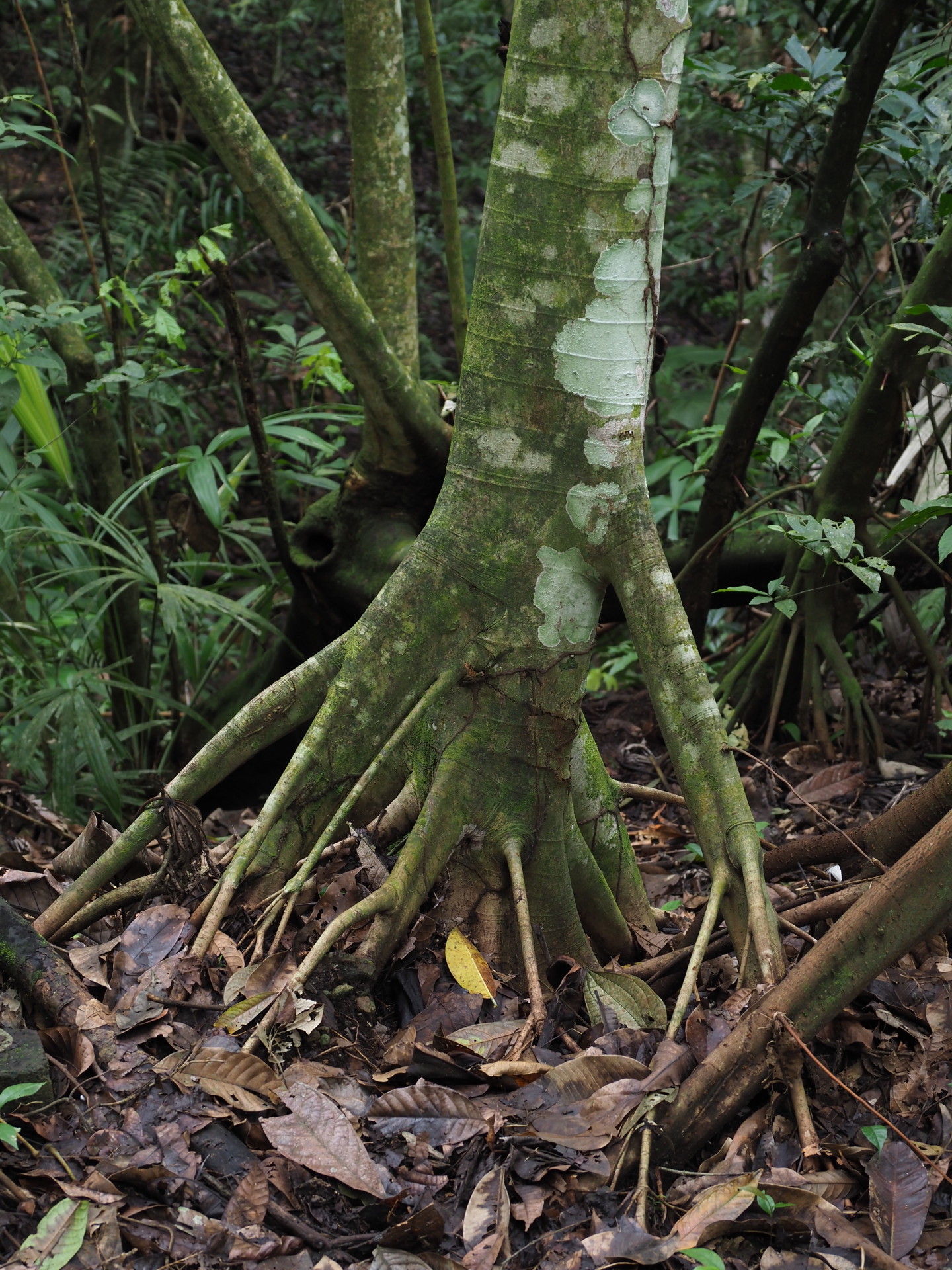

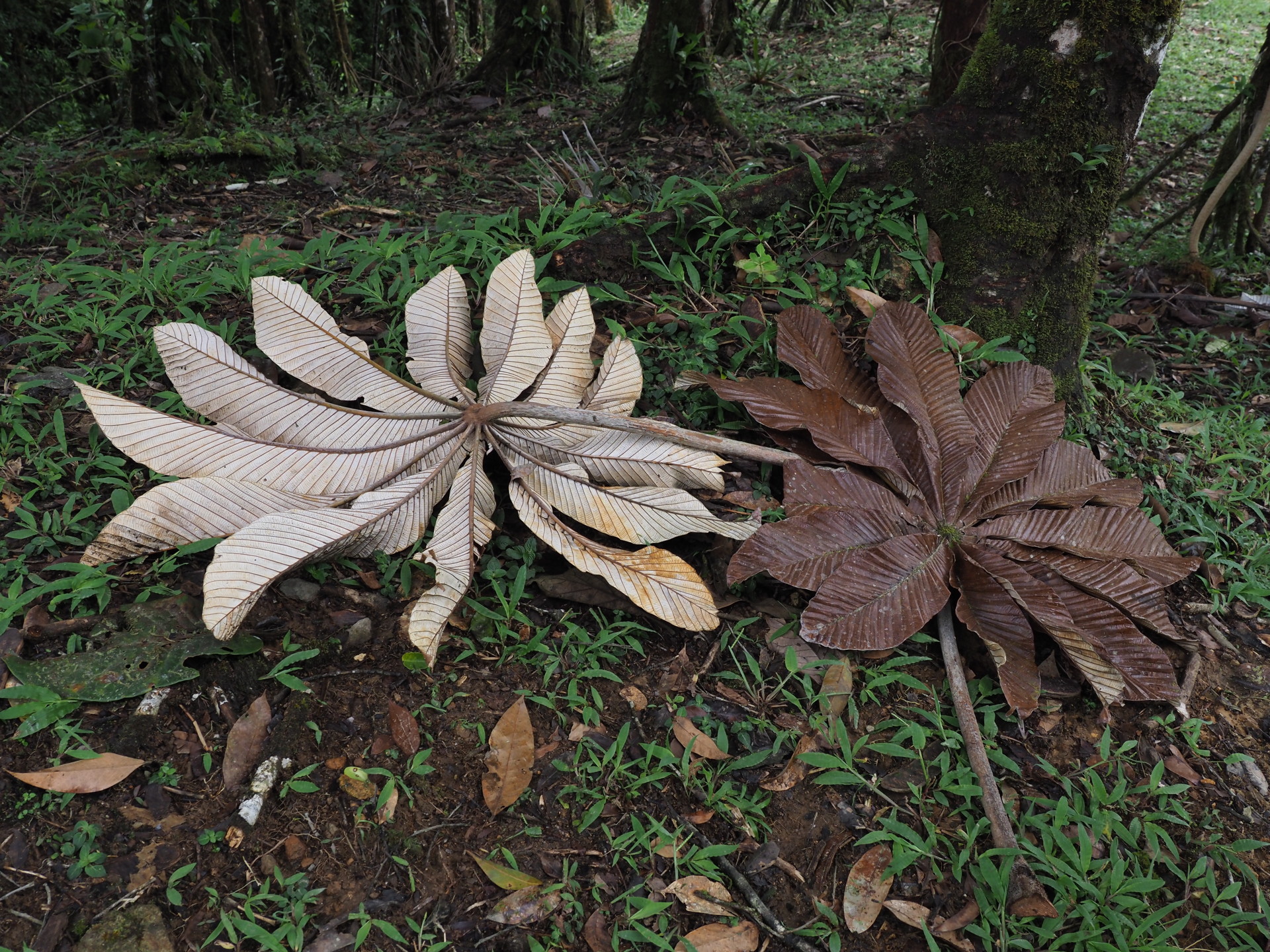

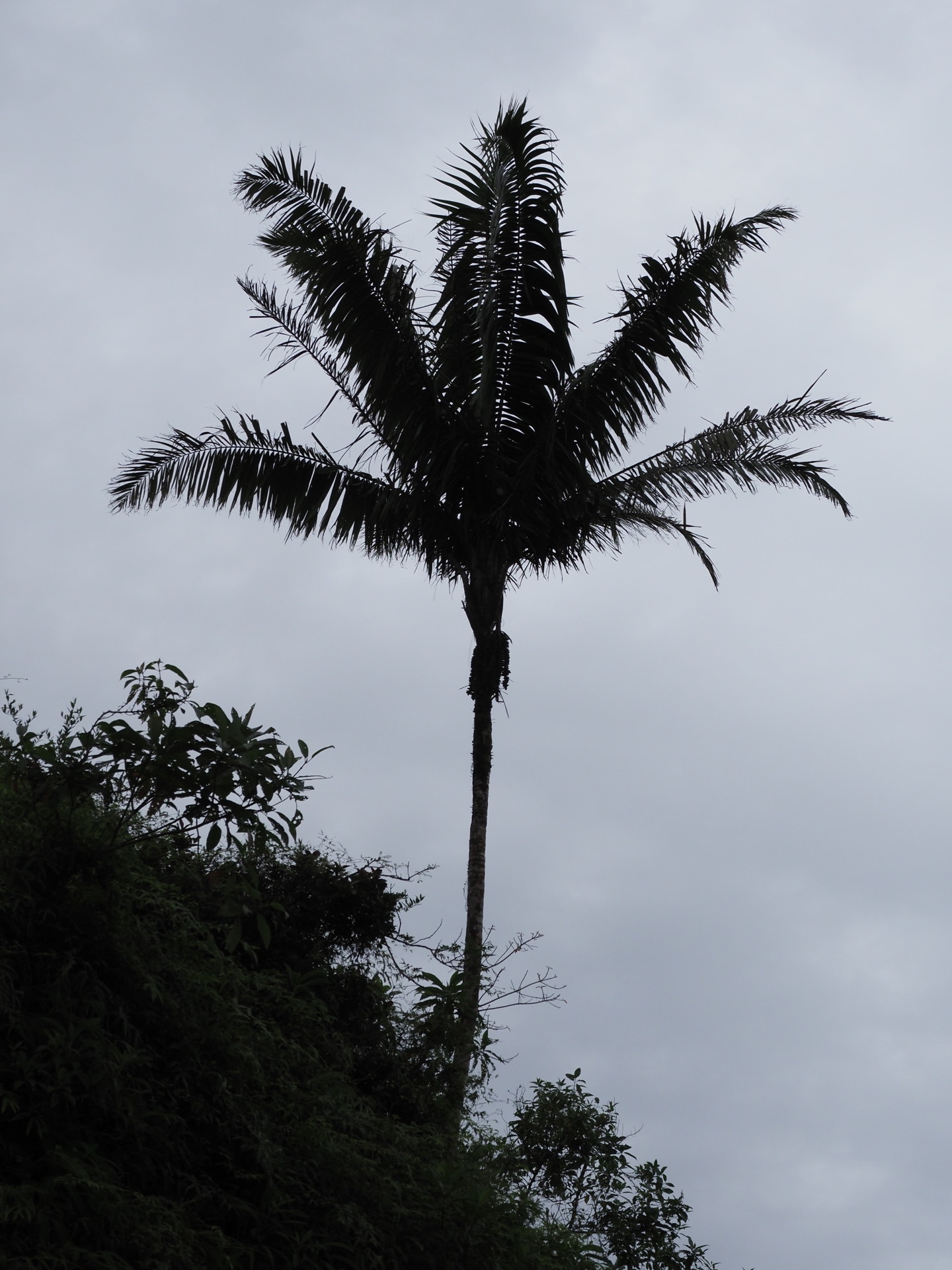
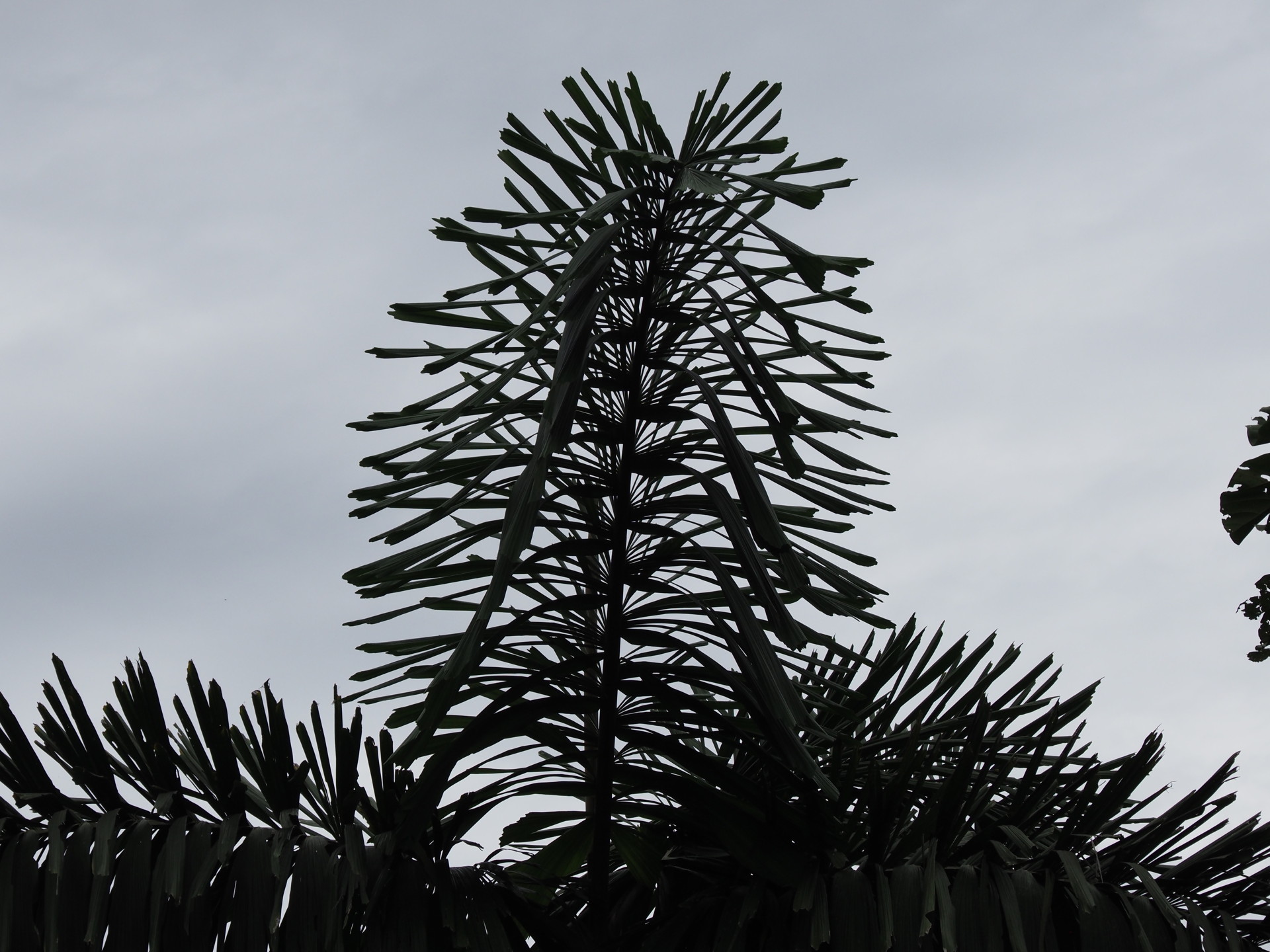


The material below is incomplete – right now just an assortment of photos

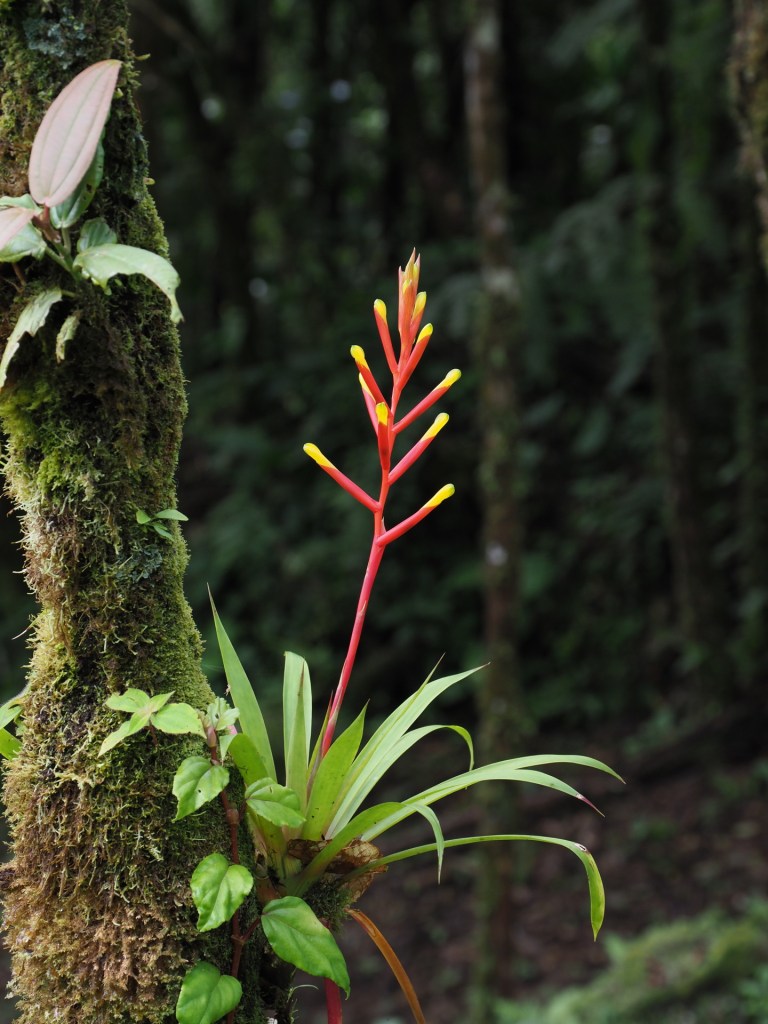
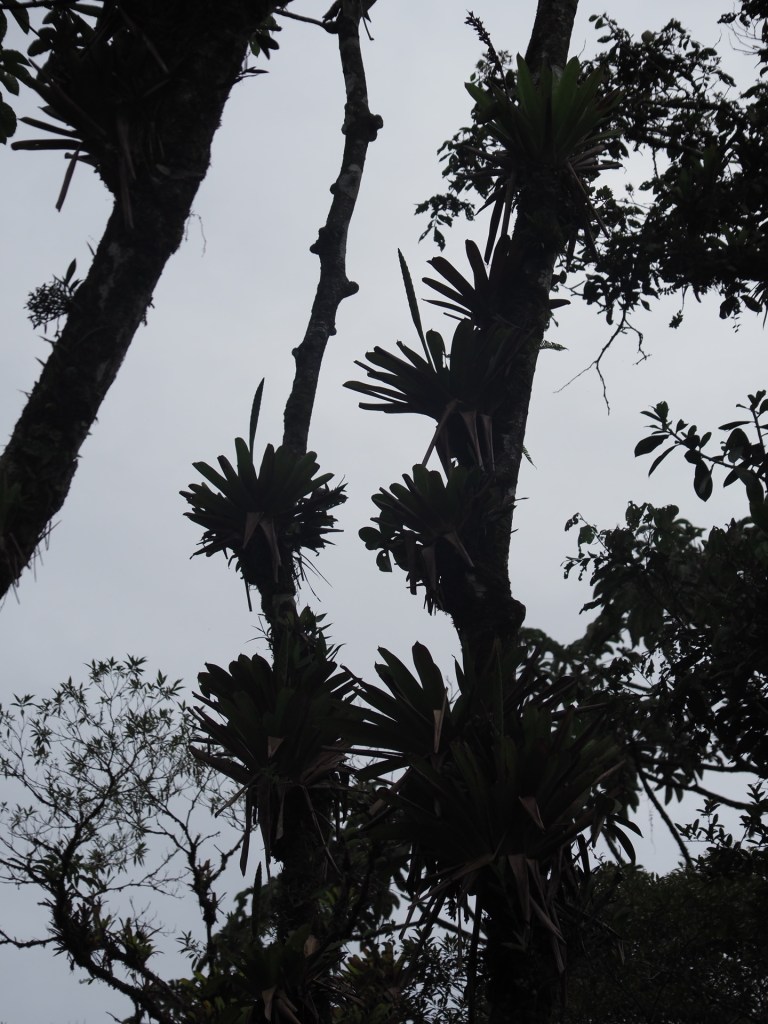


Above: mostly epiphytes and a tree fern…


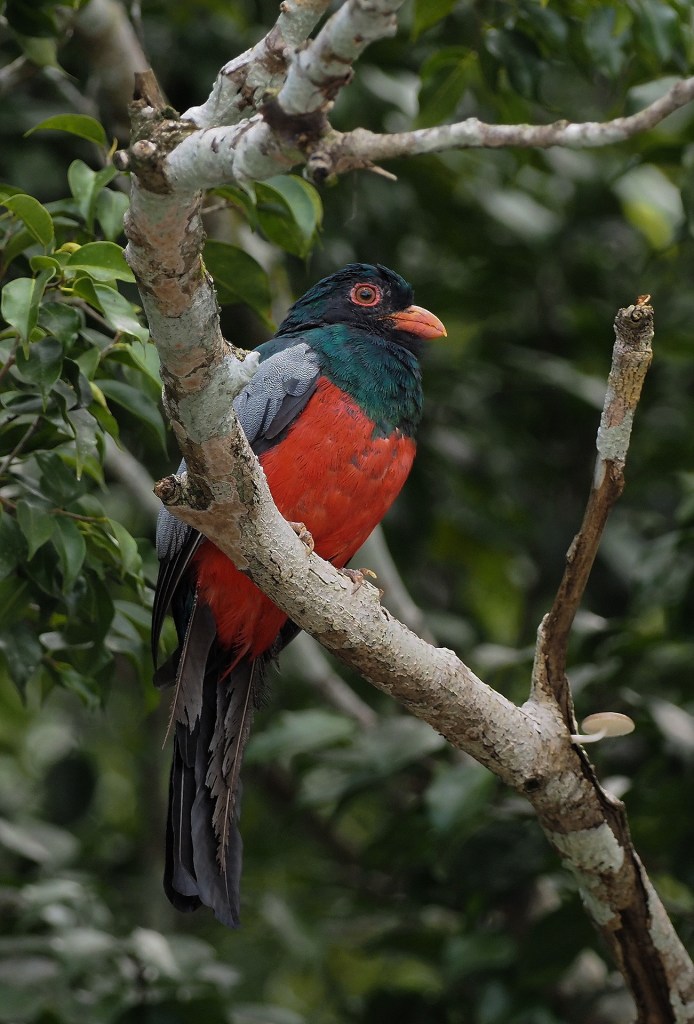
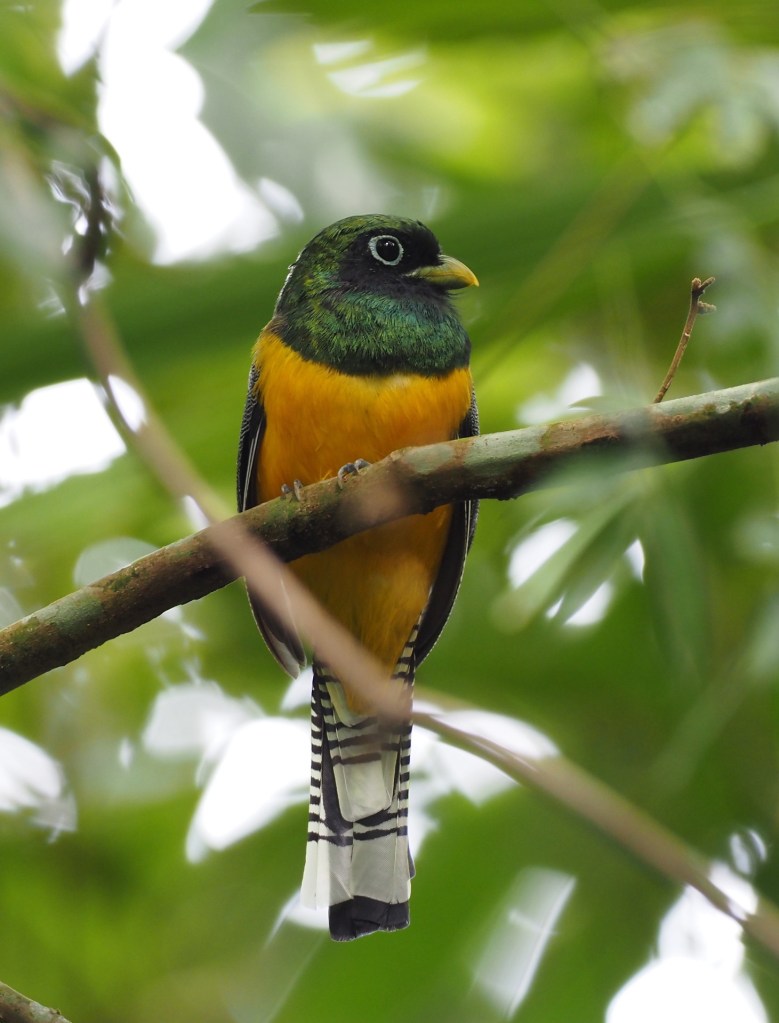


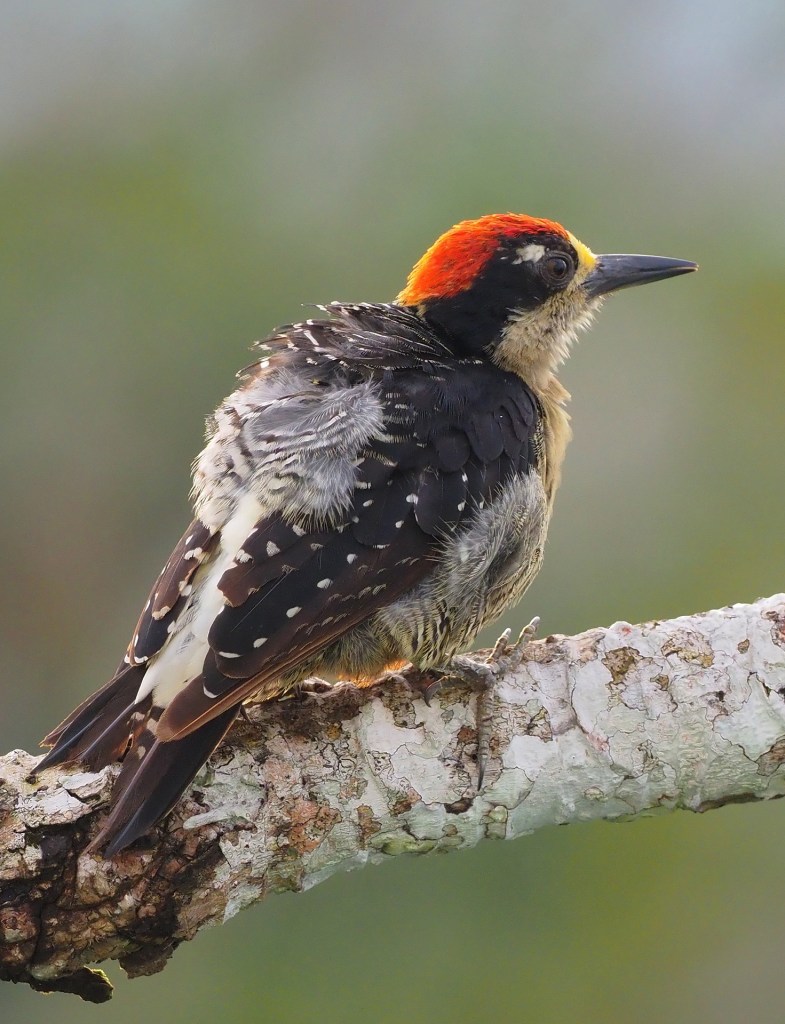
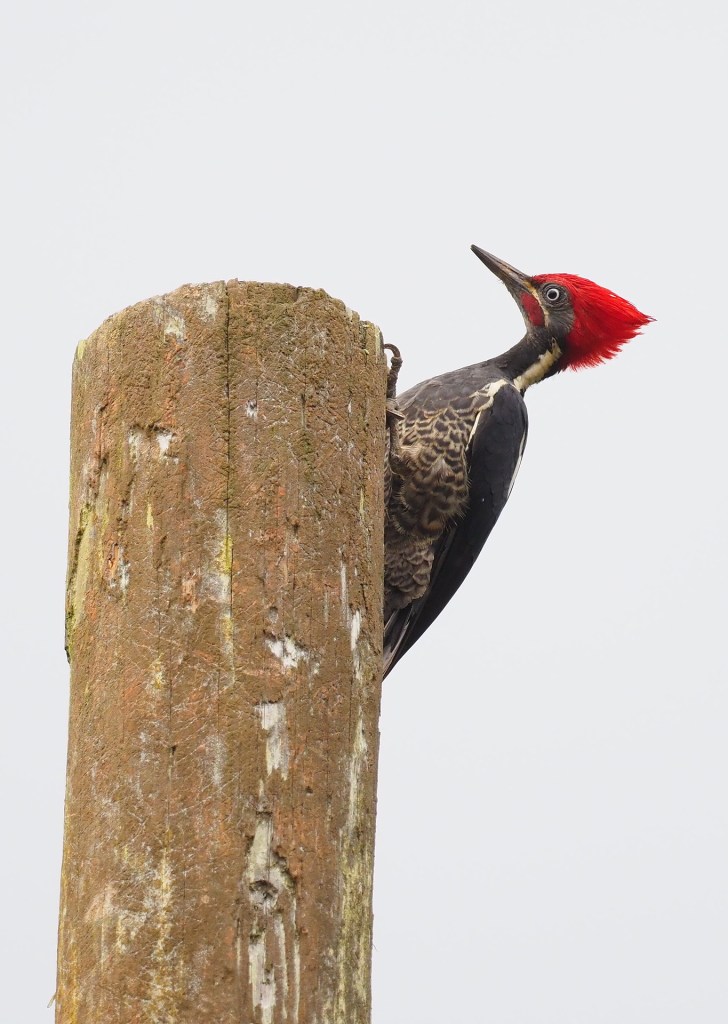
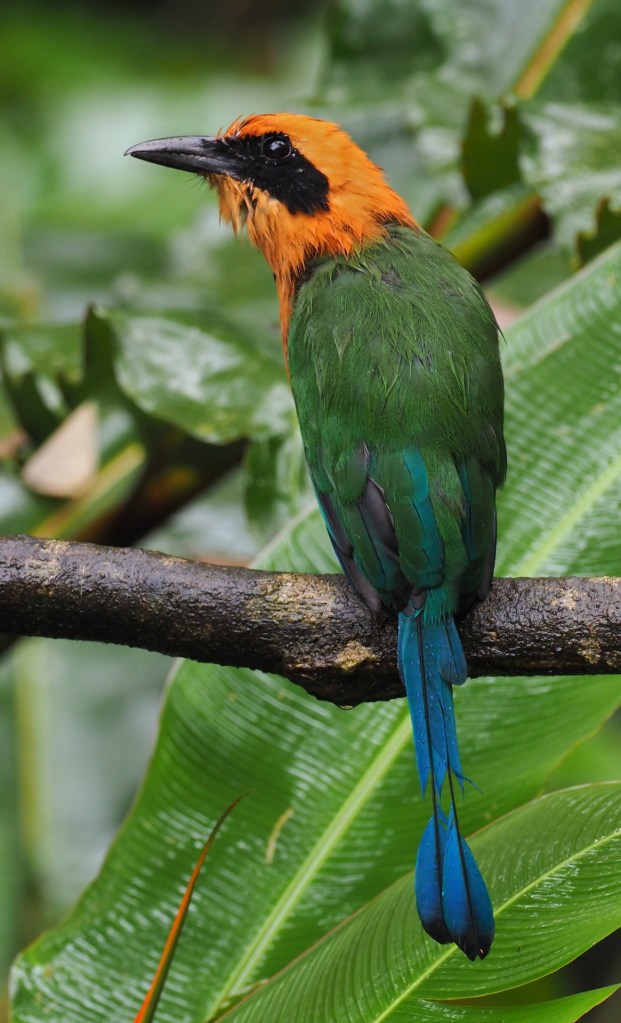

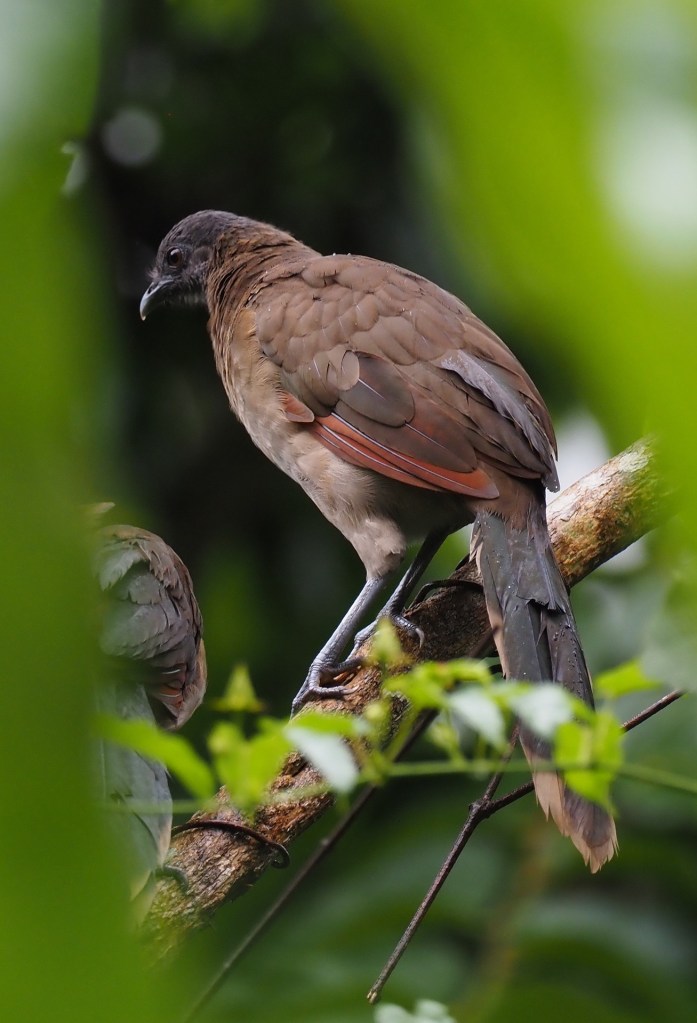

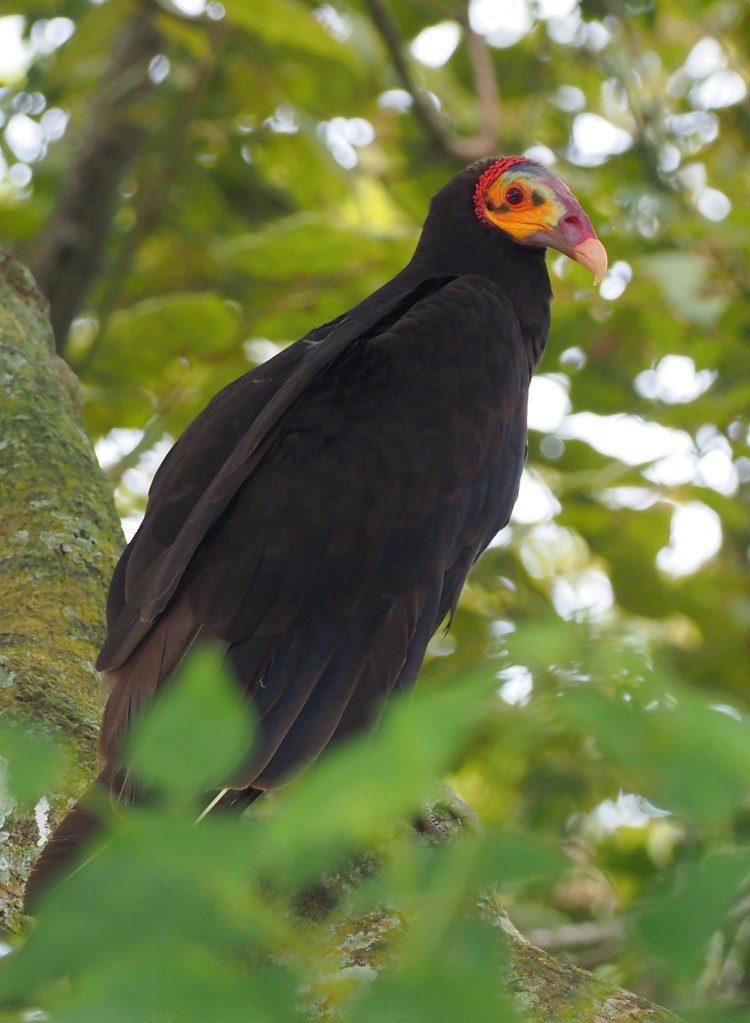


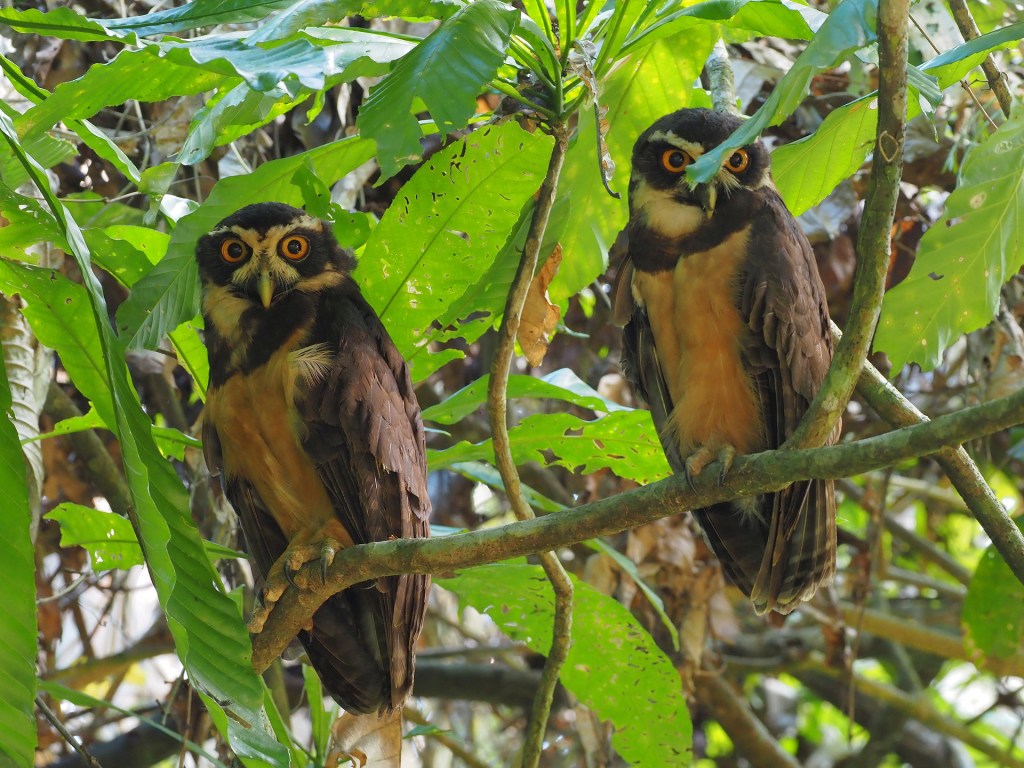

Above: birds…

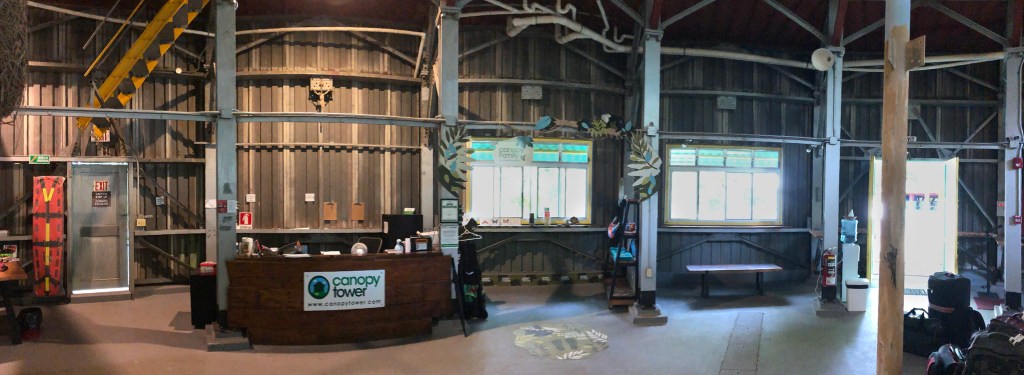
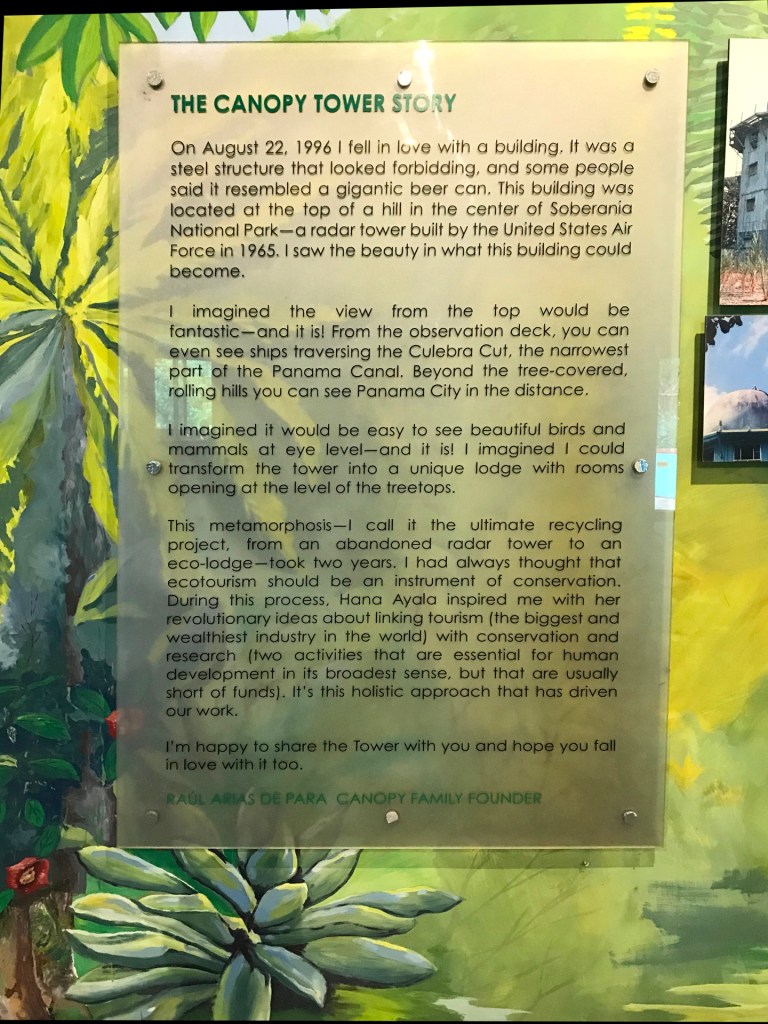

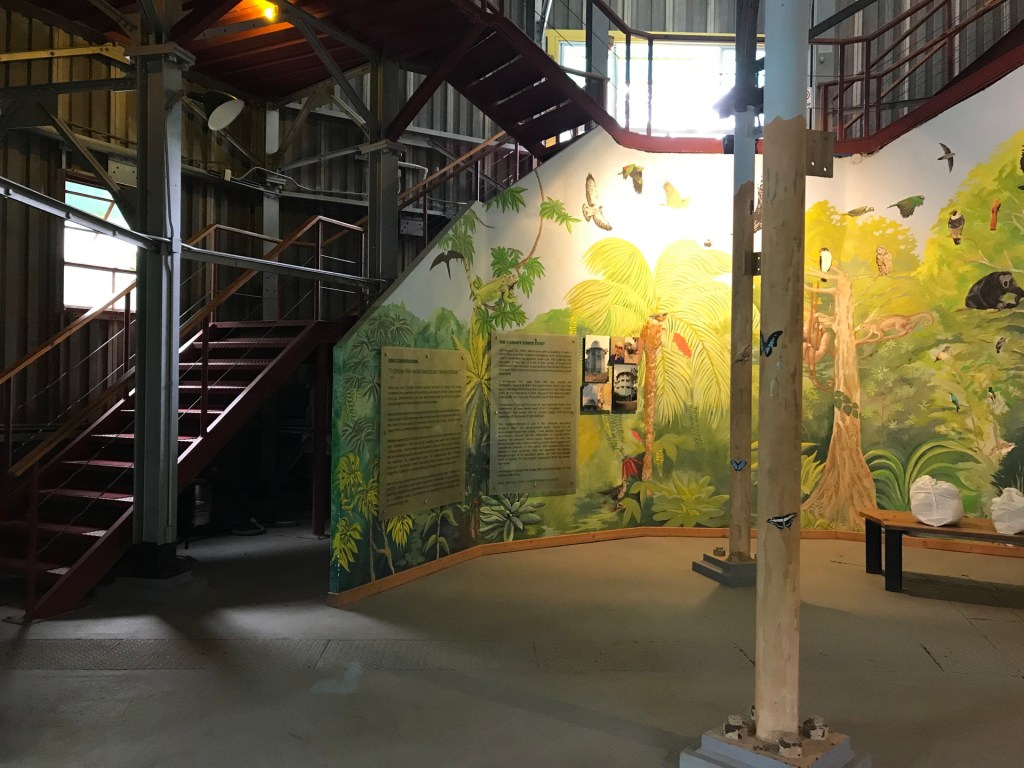
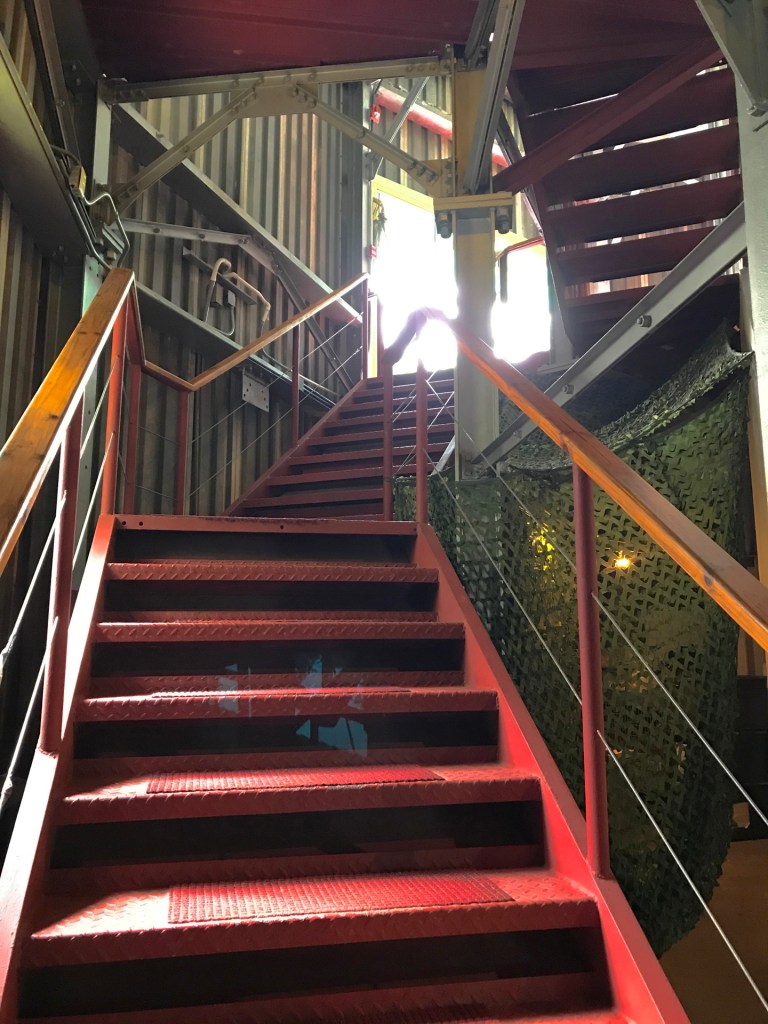
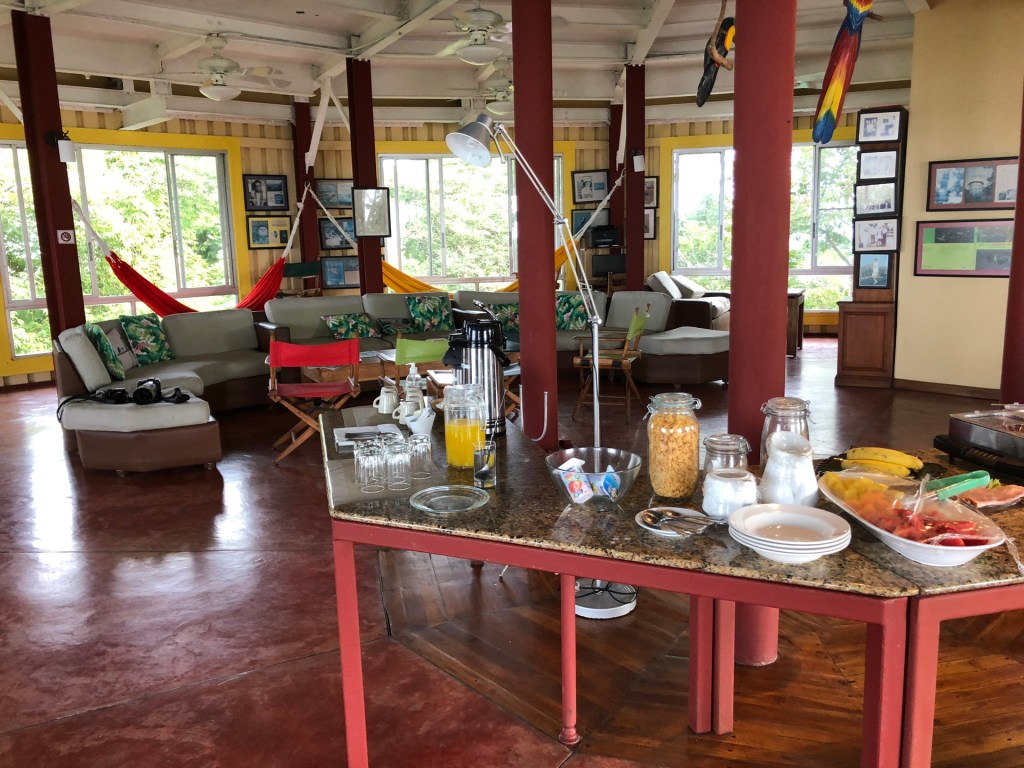
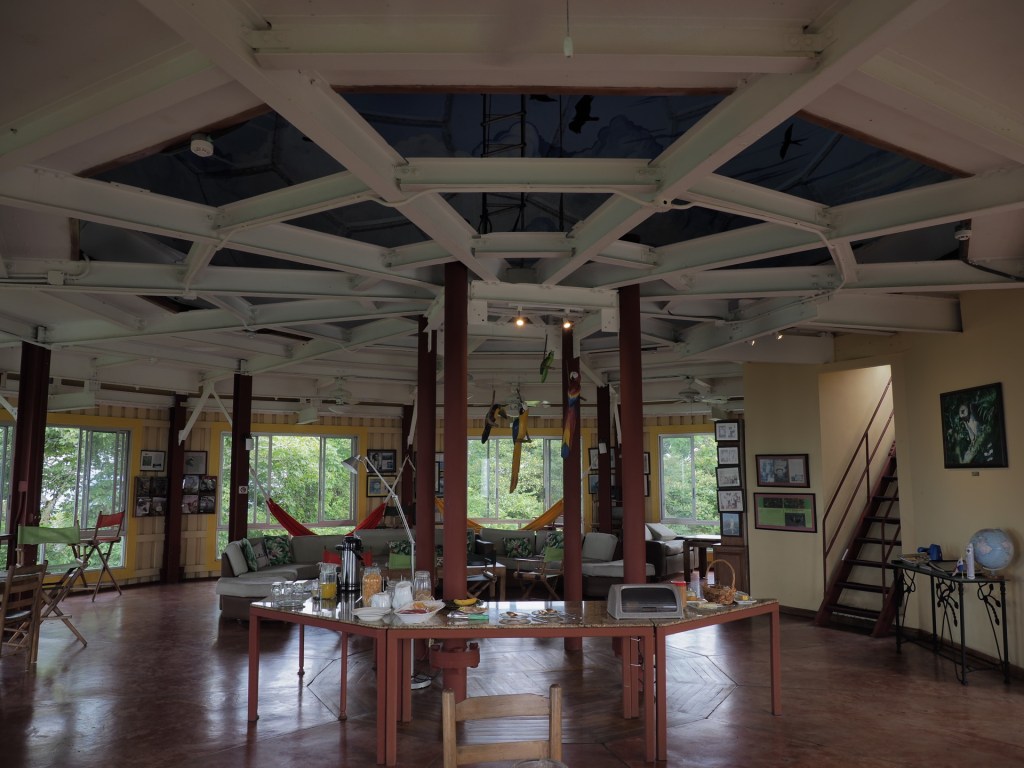
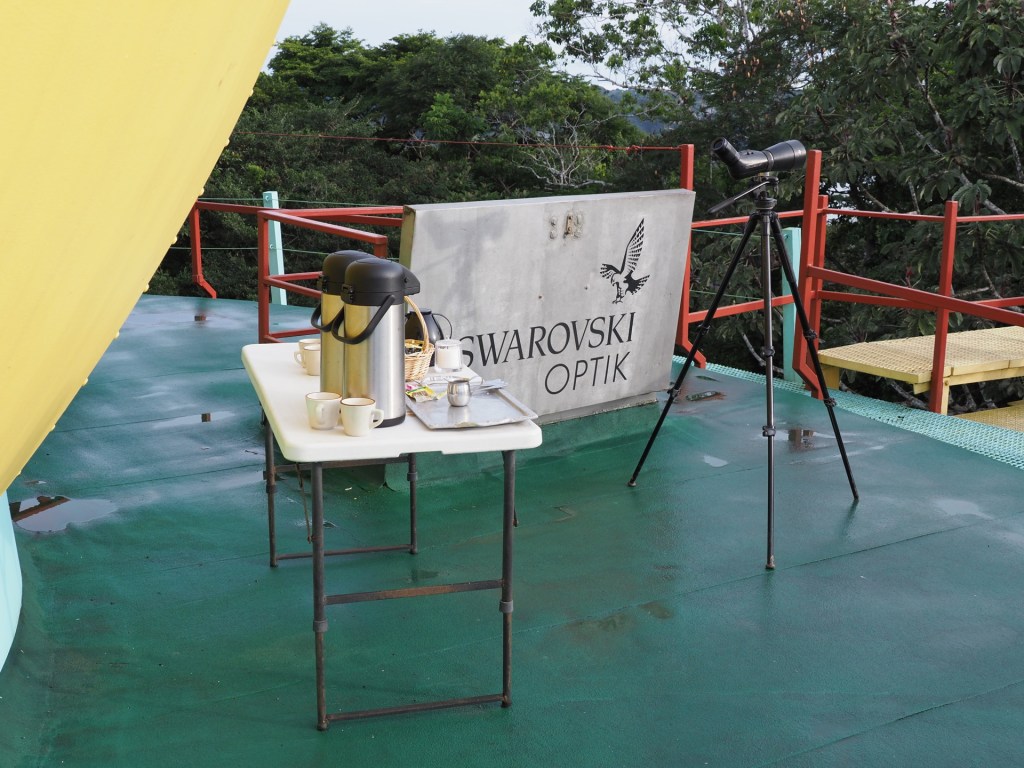


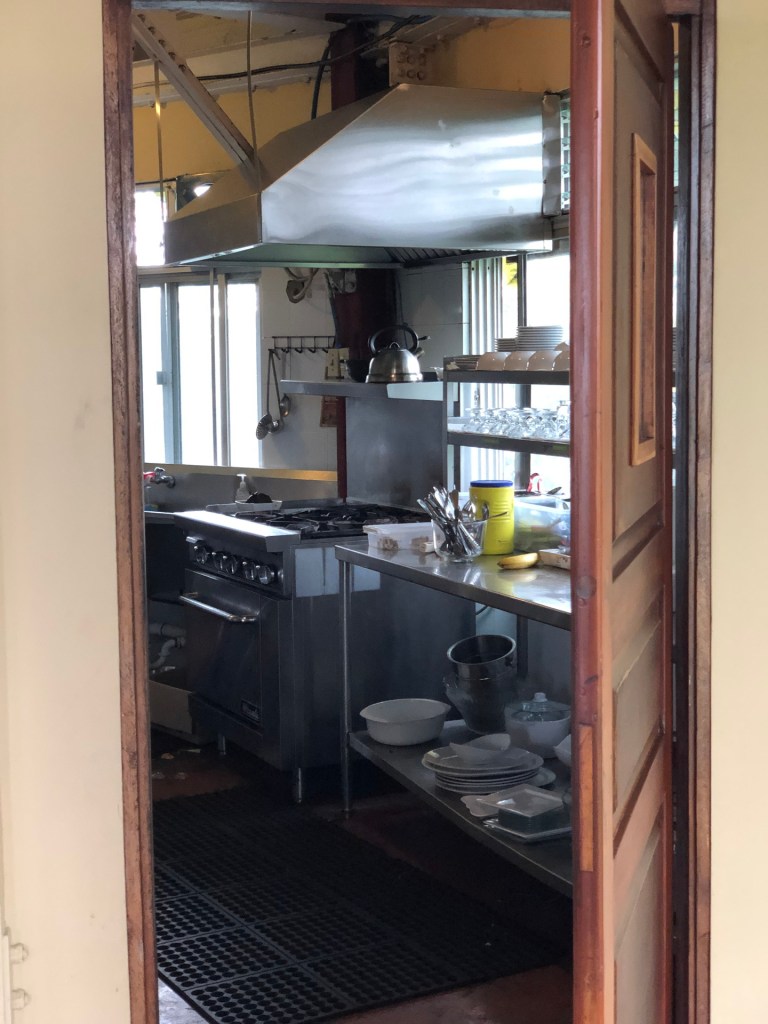

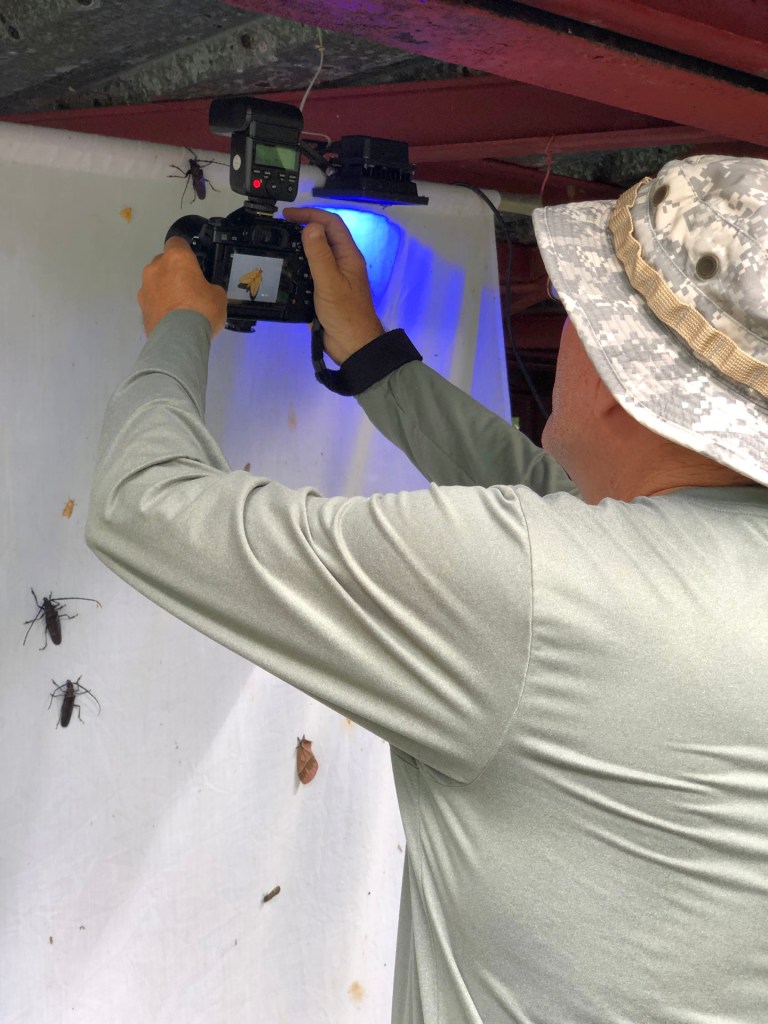

Above: mostly Canopy Tower photos – many redundant but some highlighting the insects and books
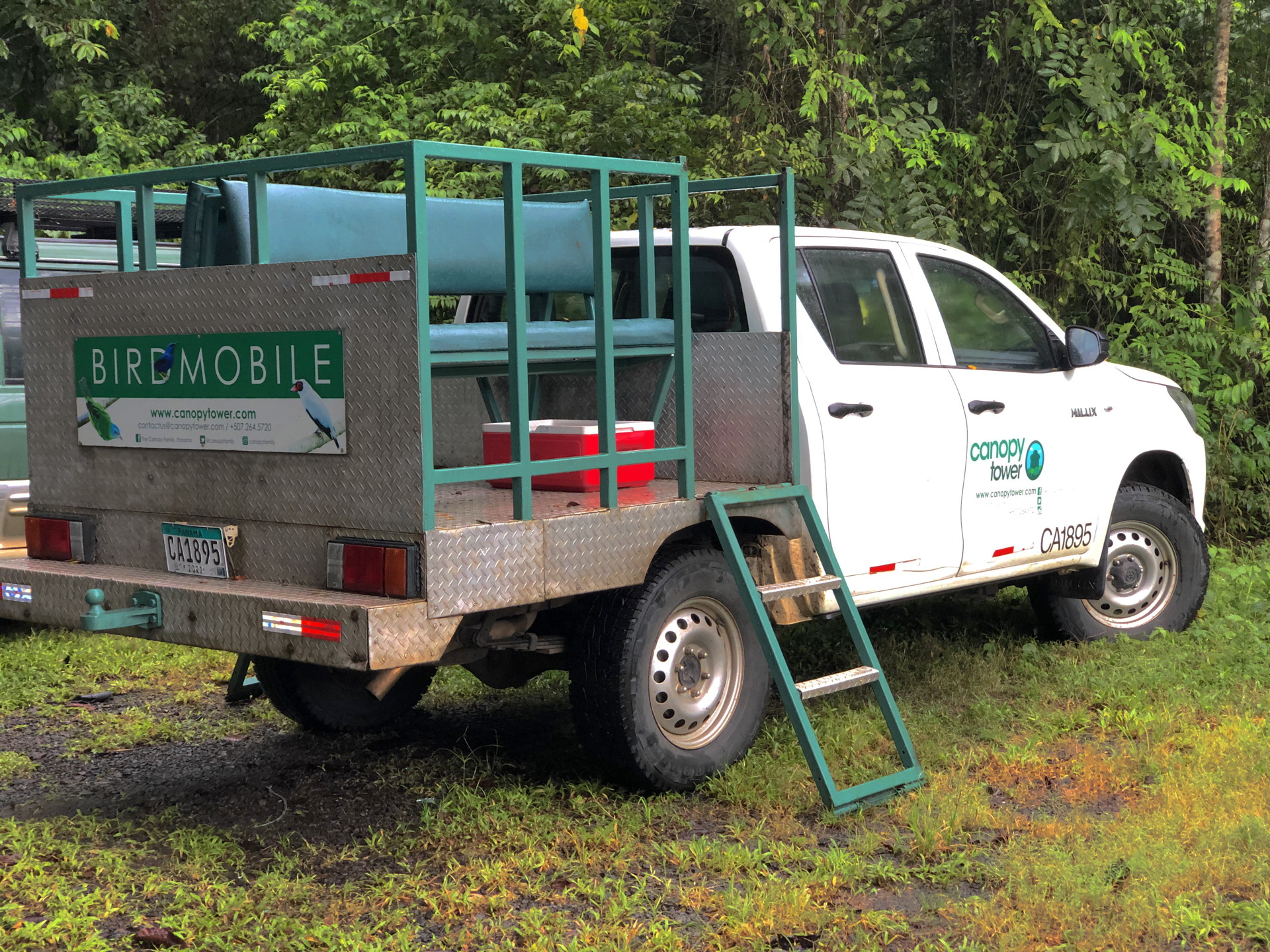
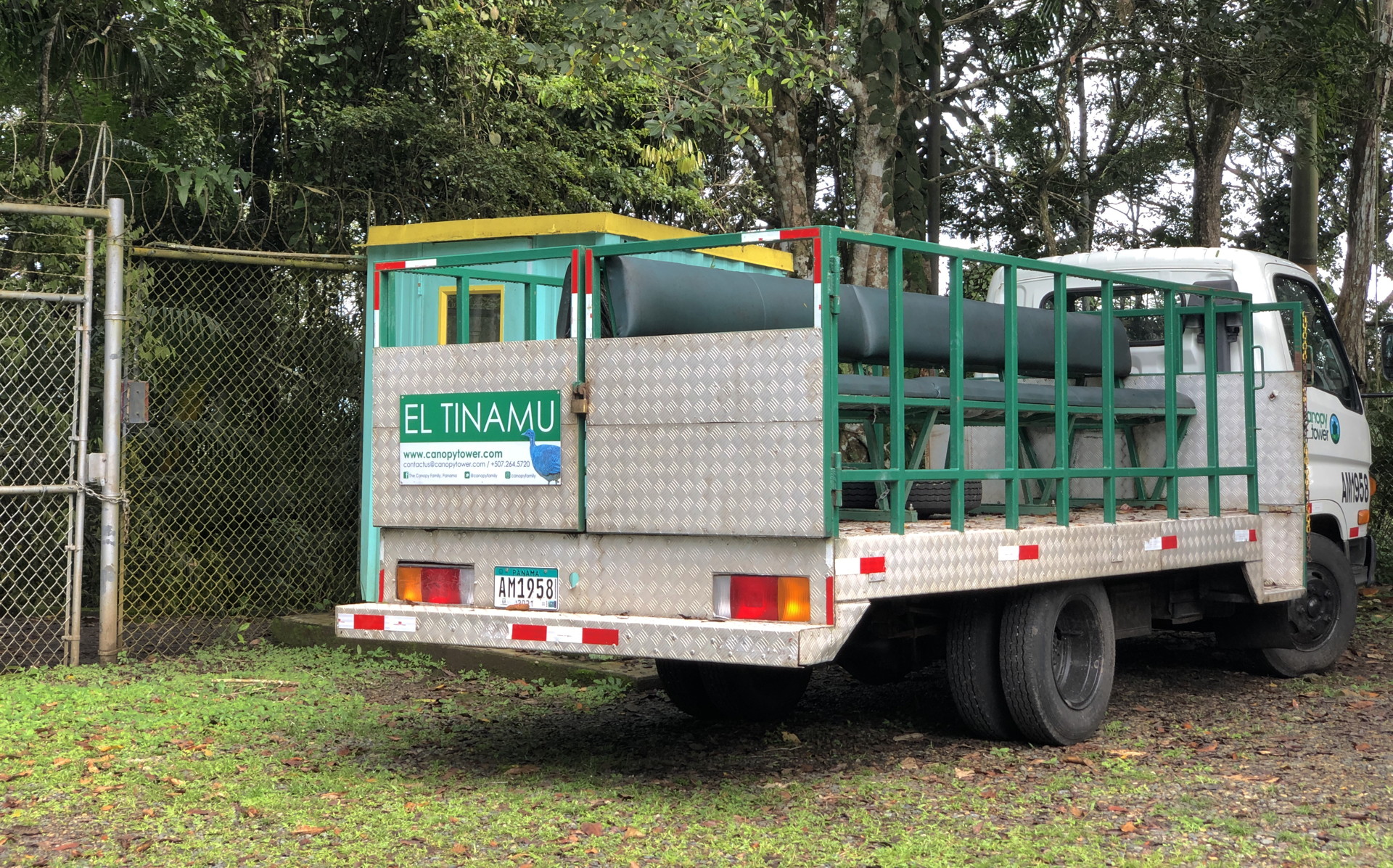

Above: The trucks used to transport tour participants on shorter trips (mostly non-rain conditions).

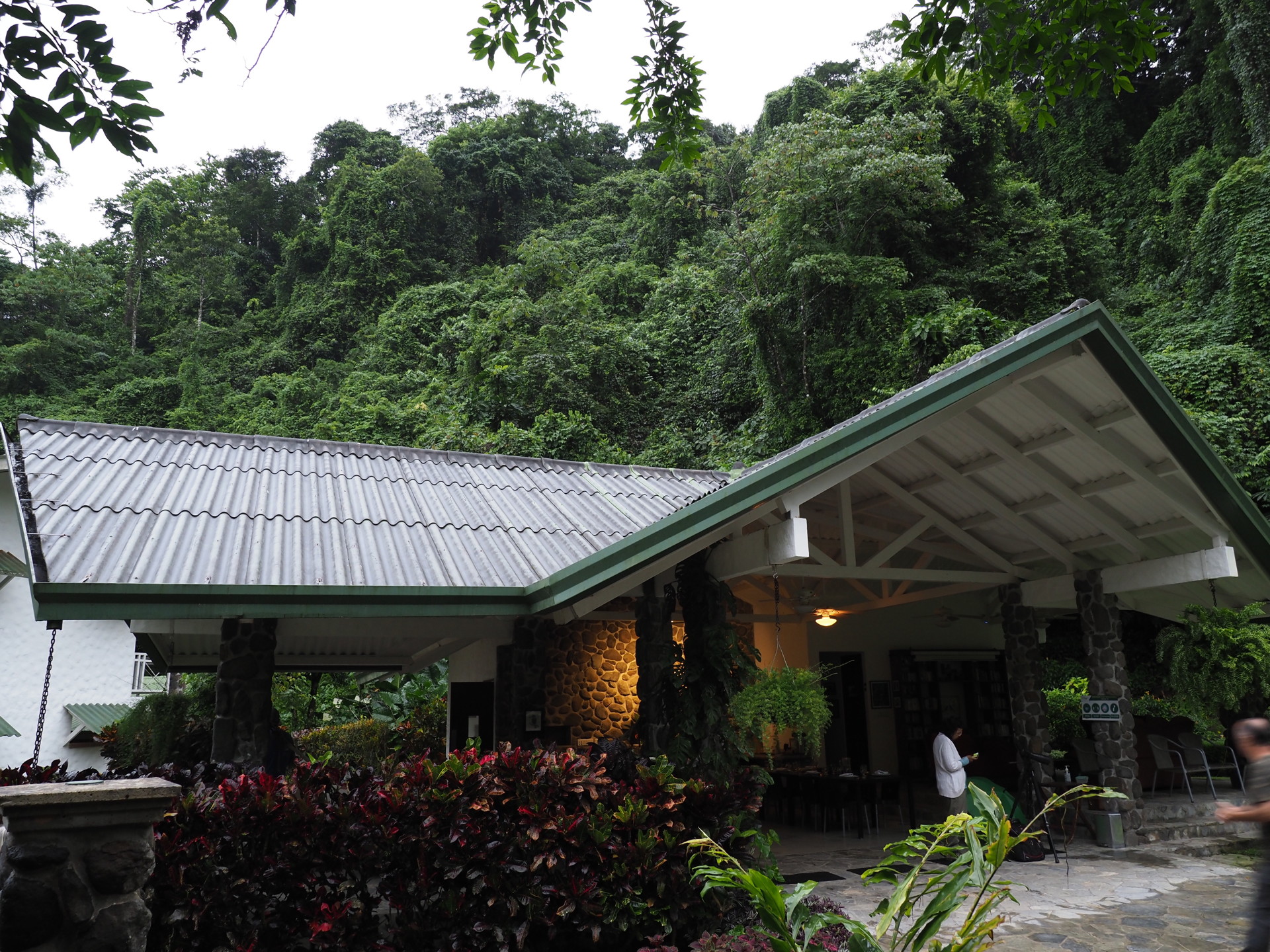
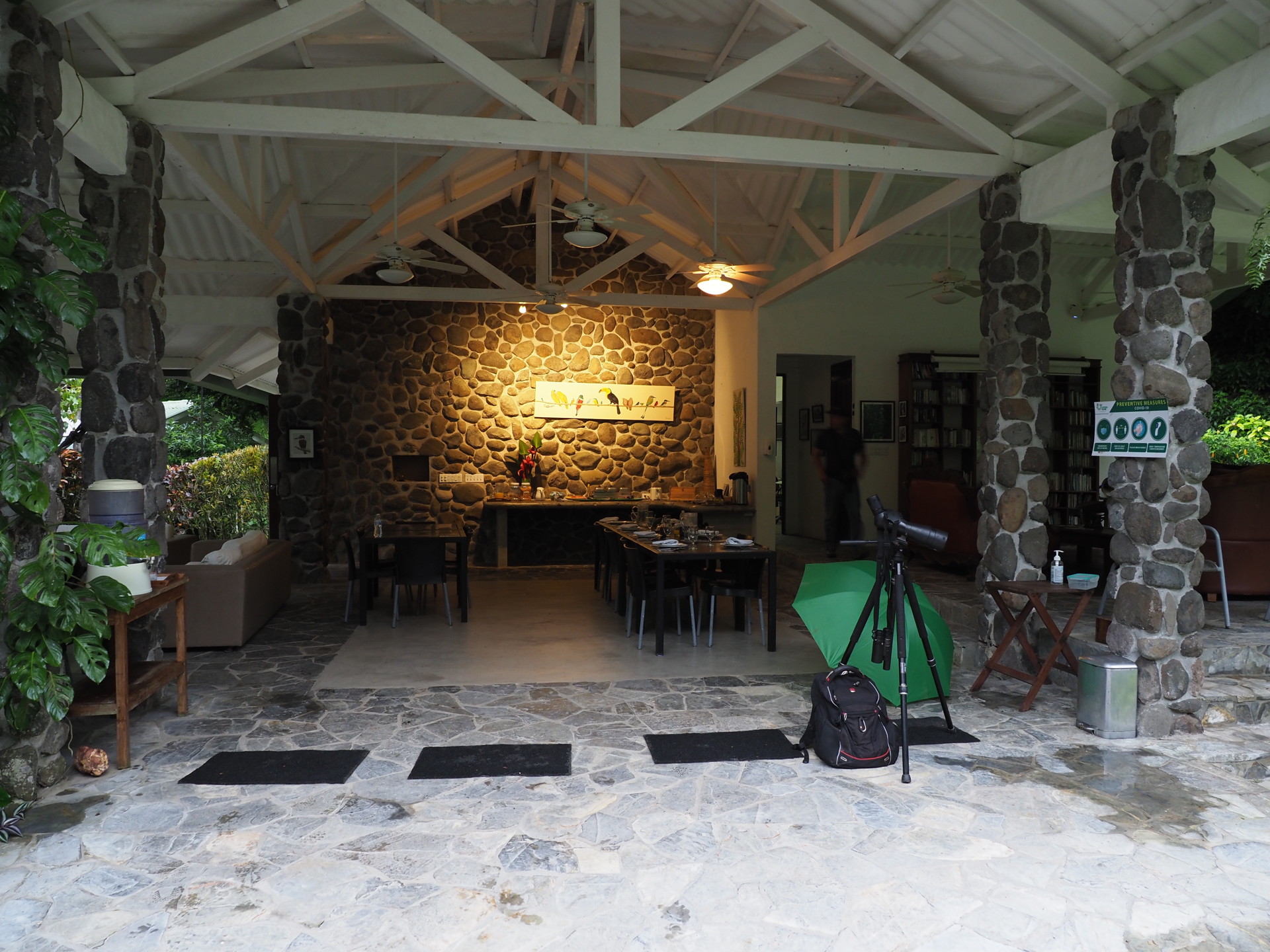


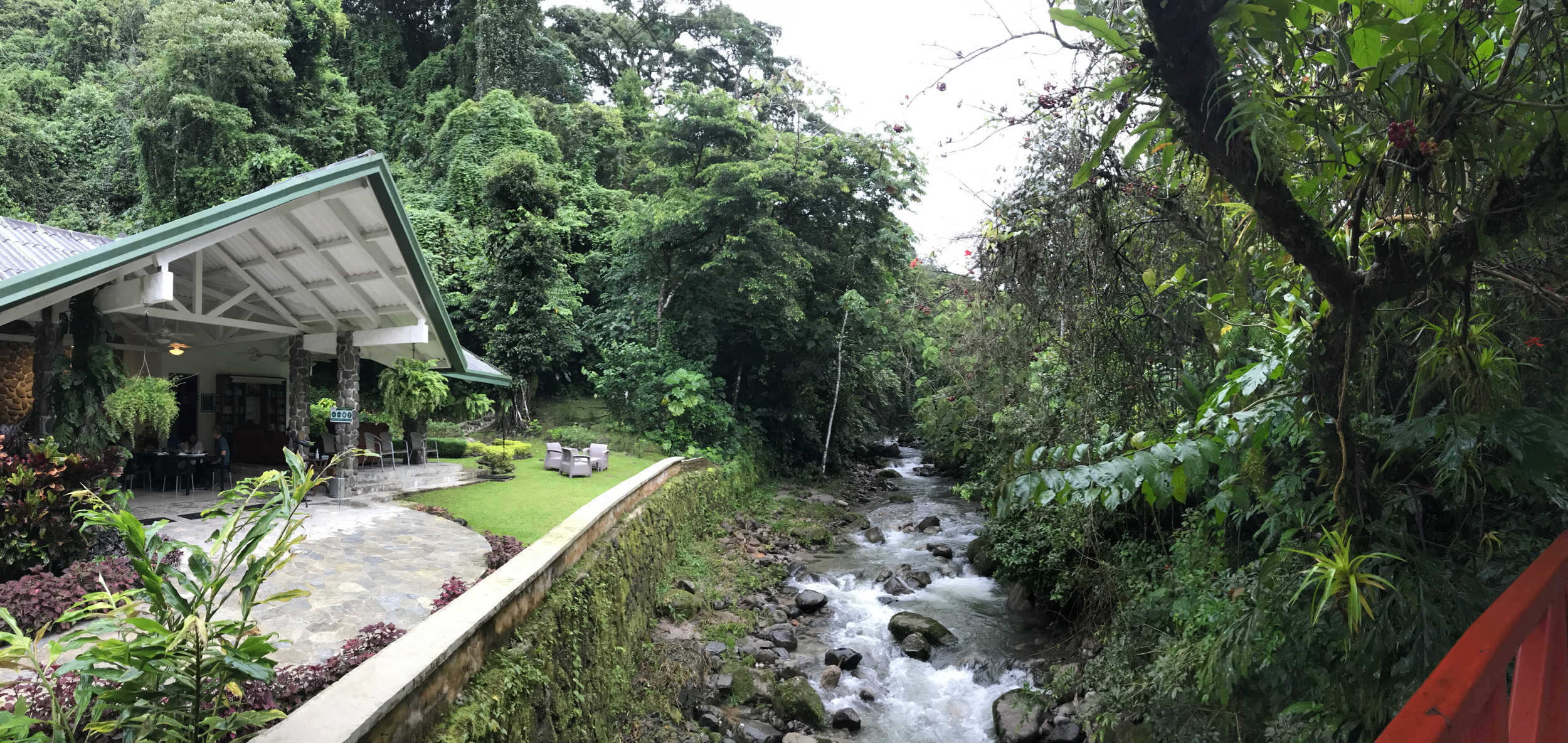
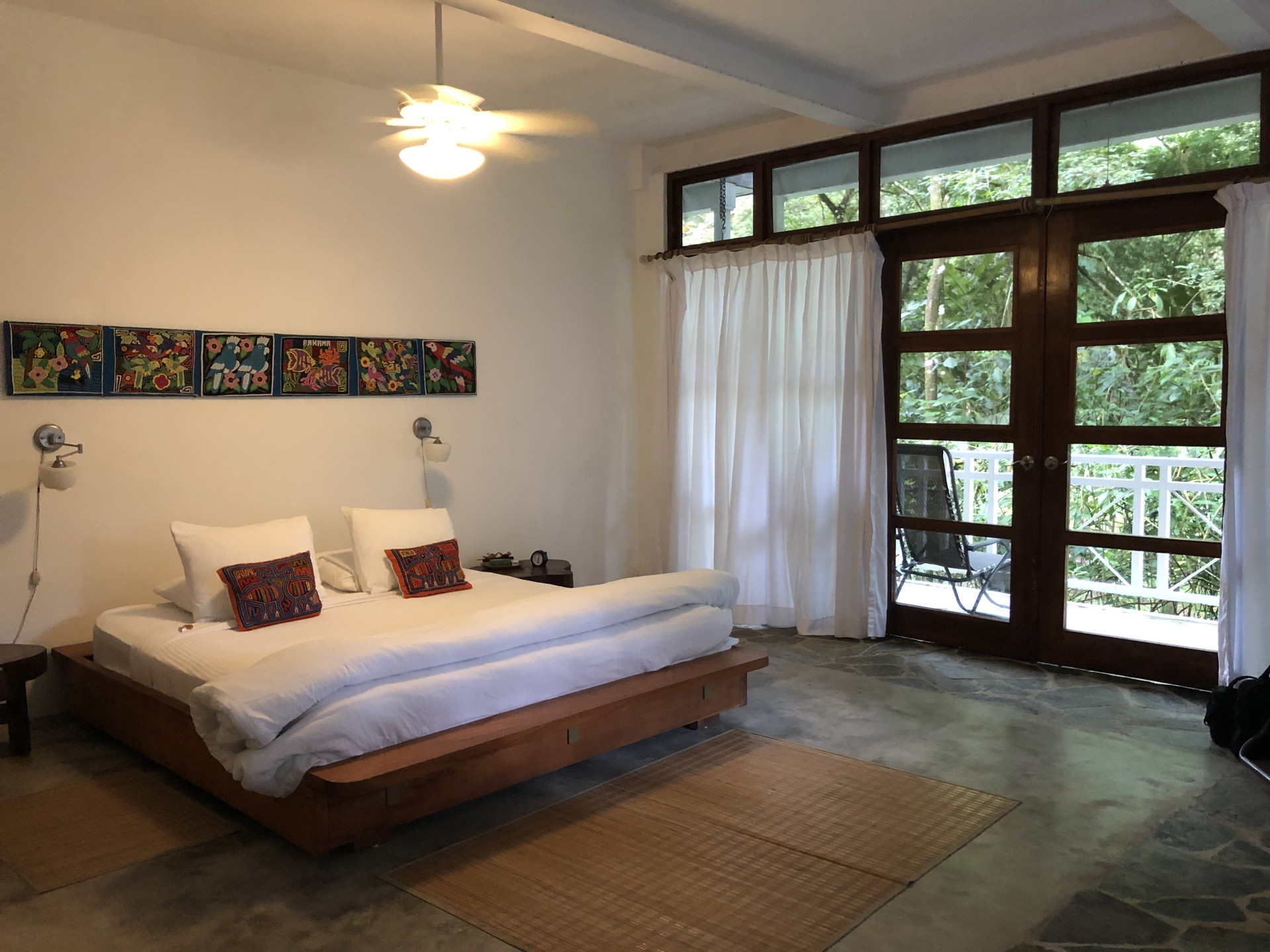
Above: views of the Canopy Lodge in Anton.
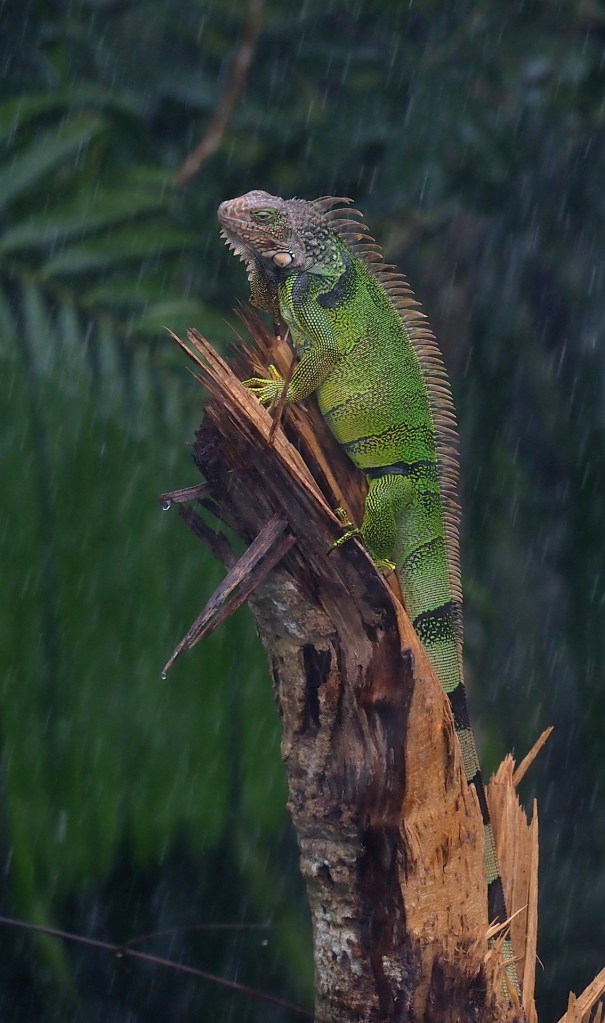
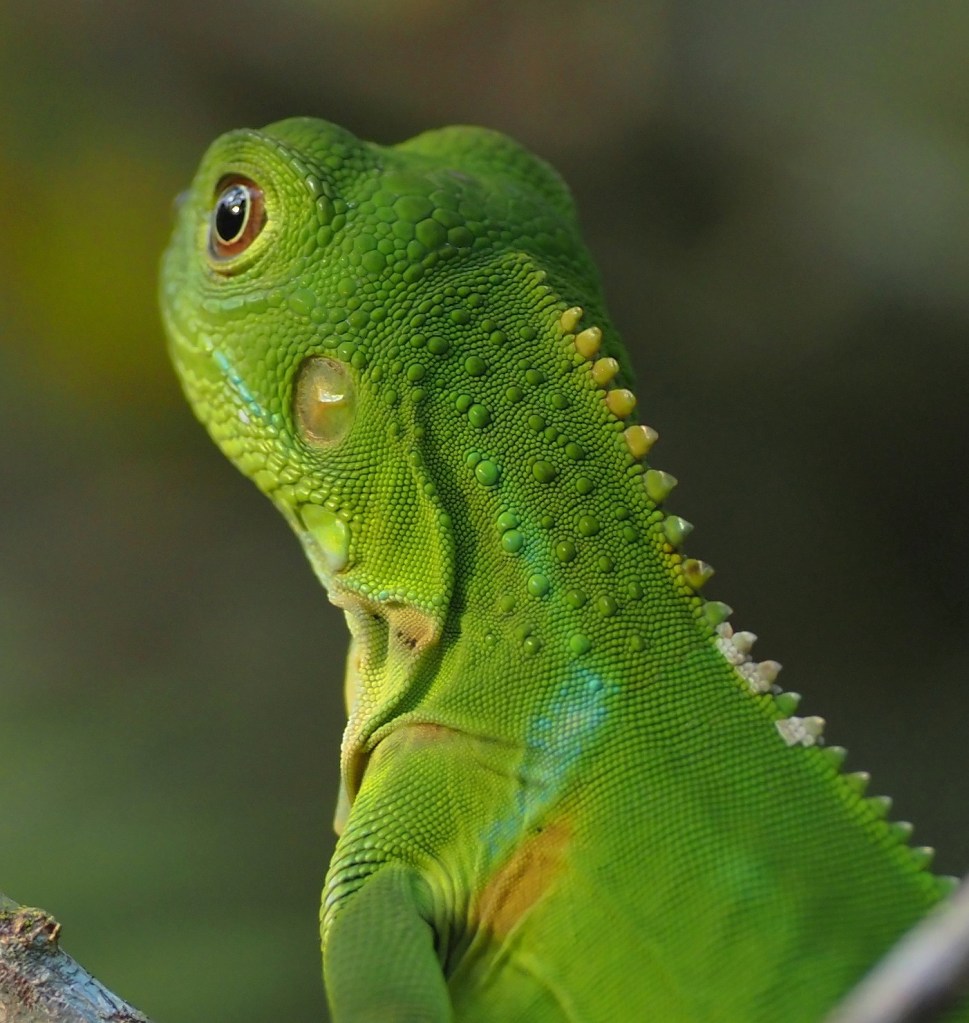
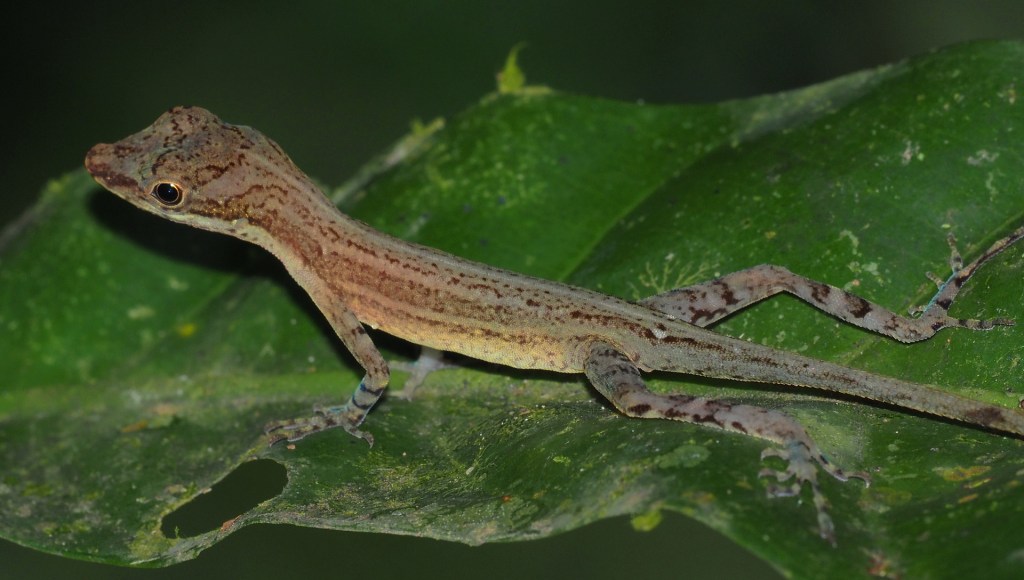
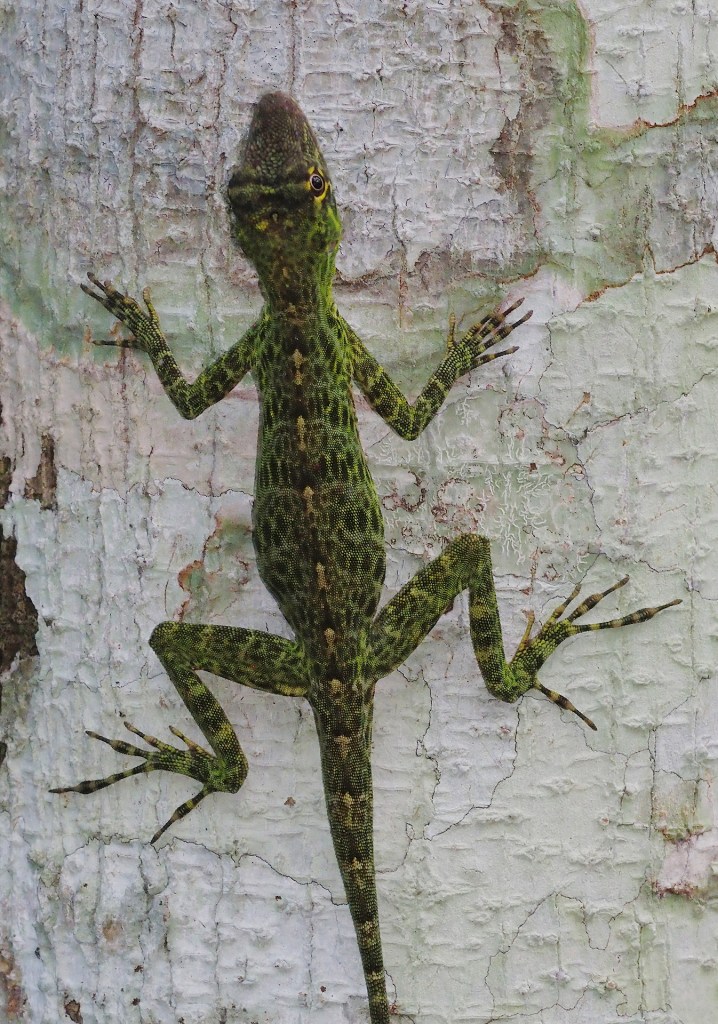
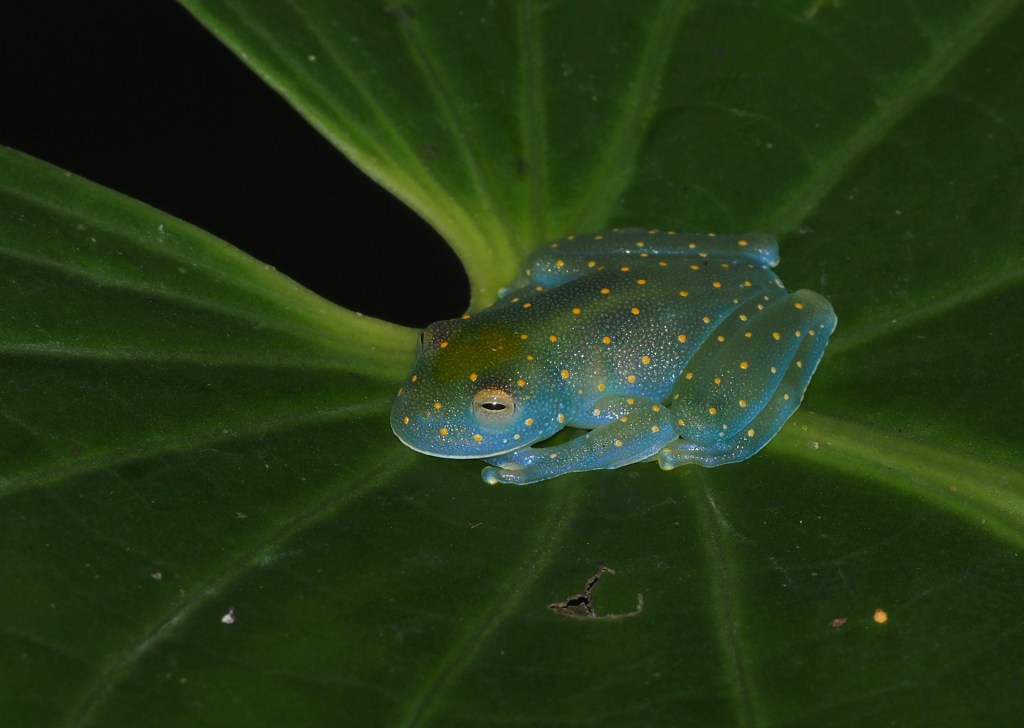
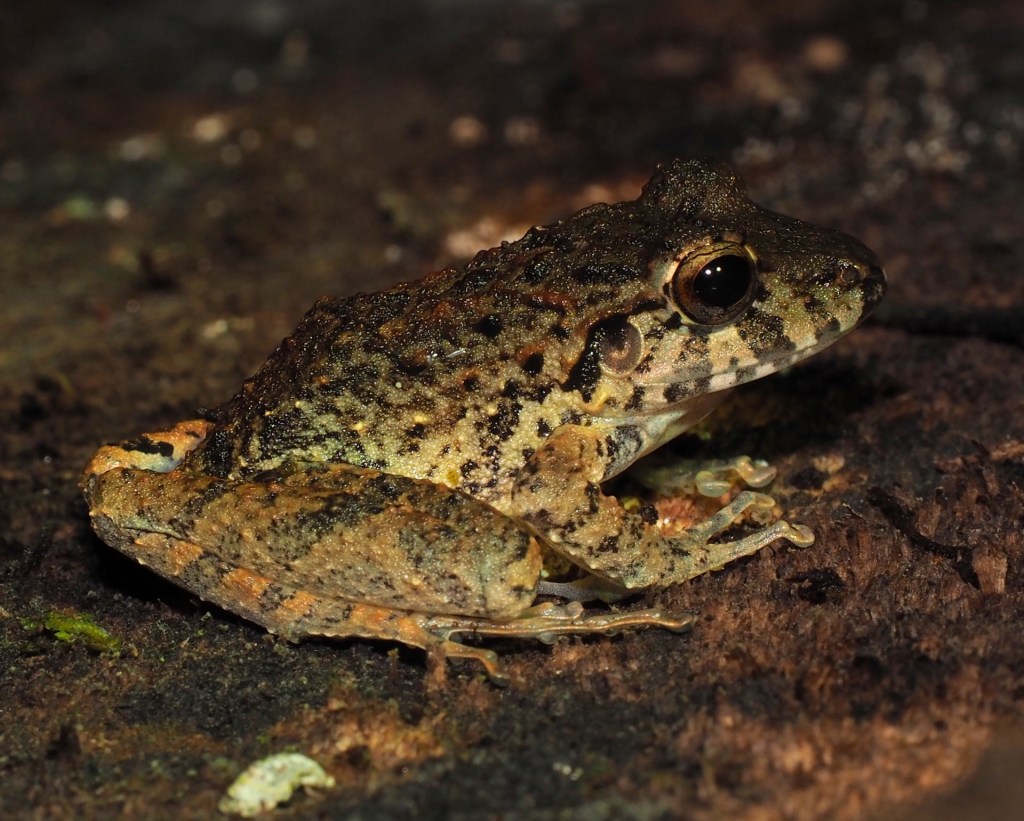
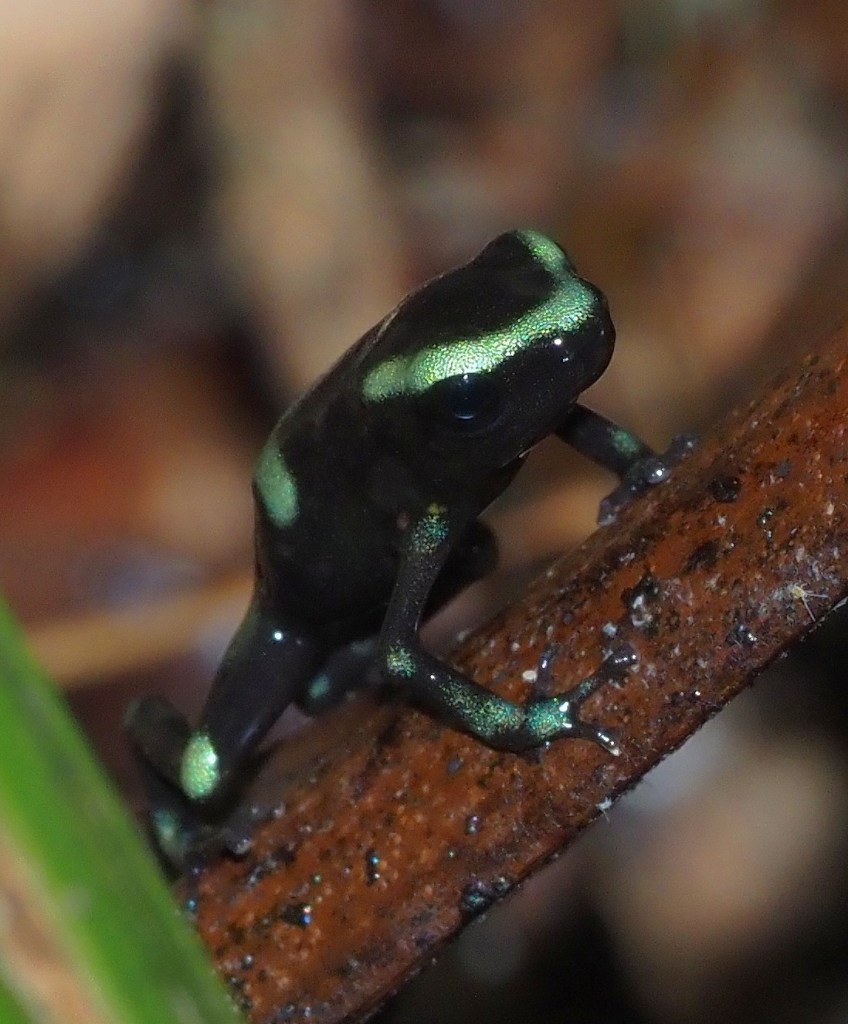


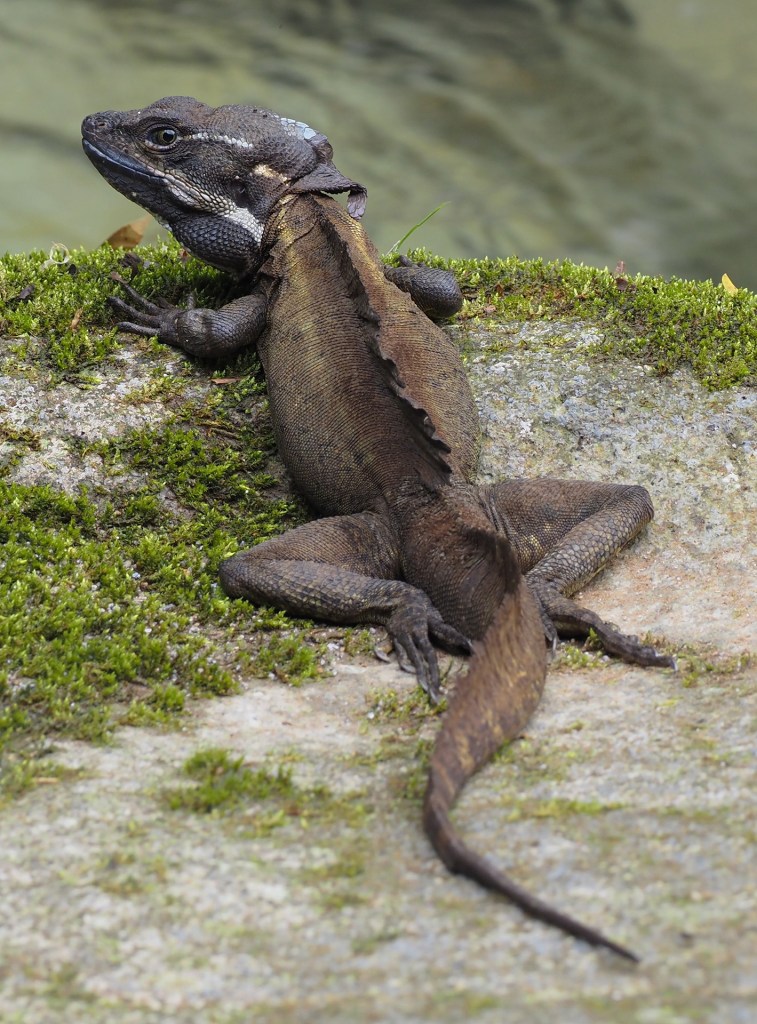
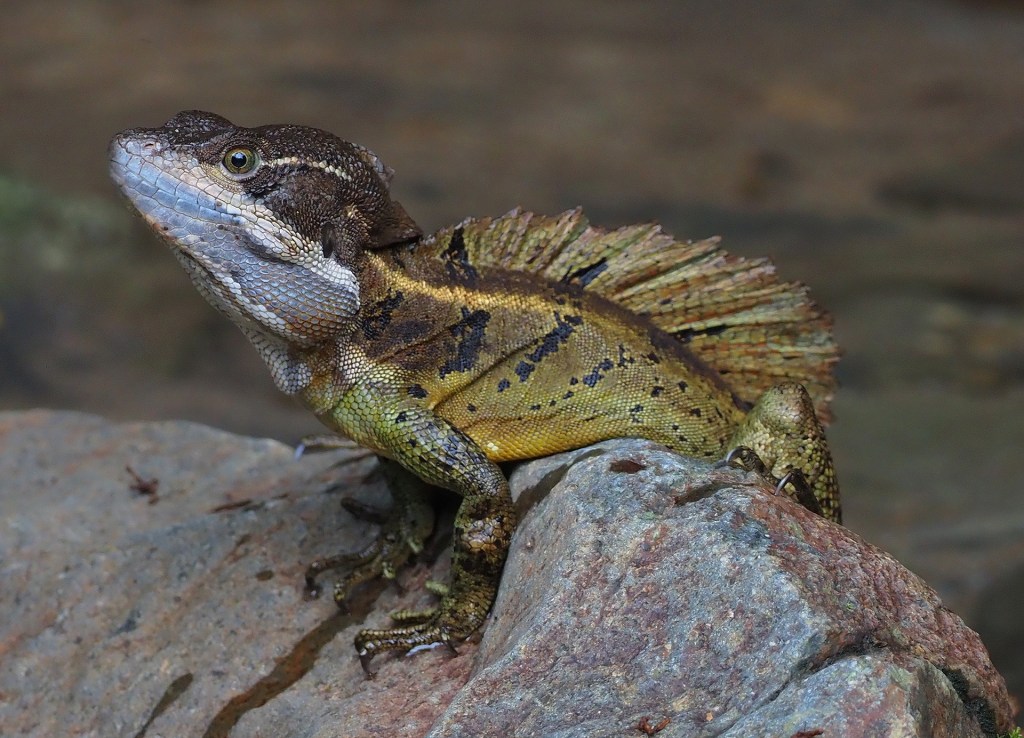
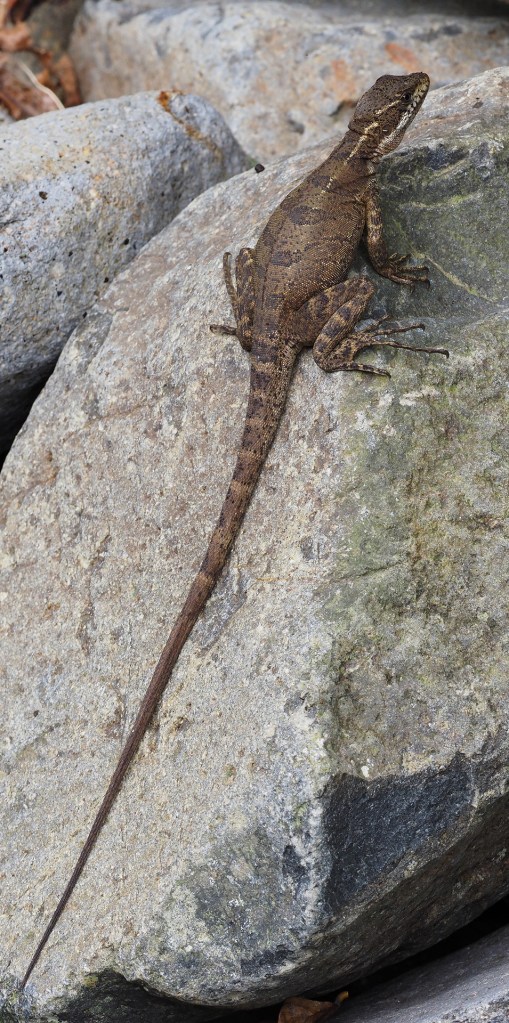
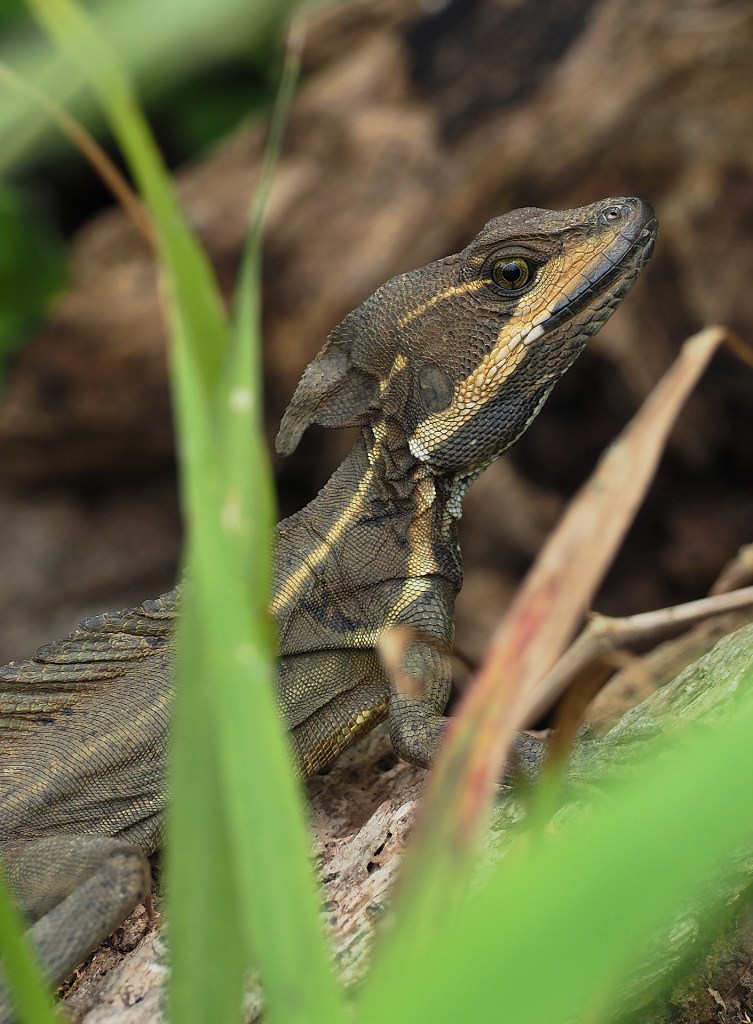
Above: some reptiles and amphibians we saw. Details to follow…
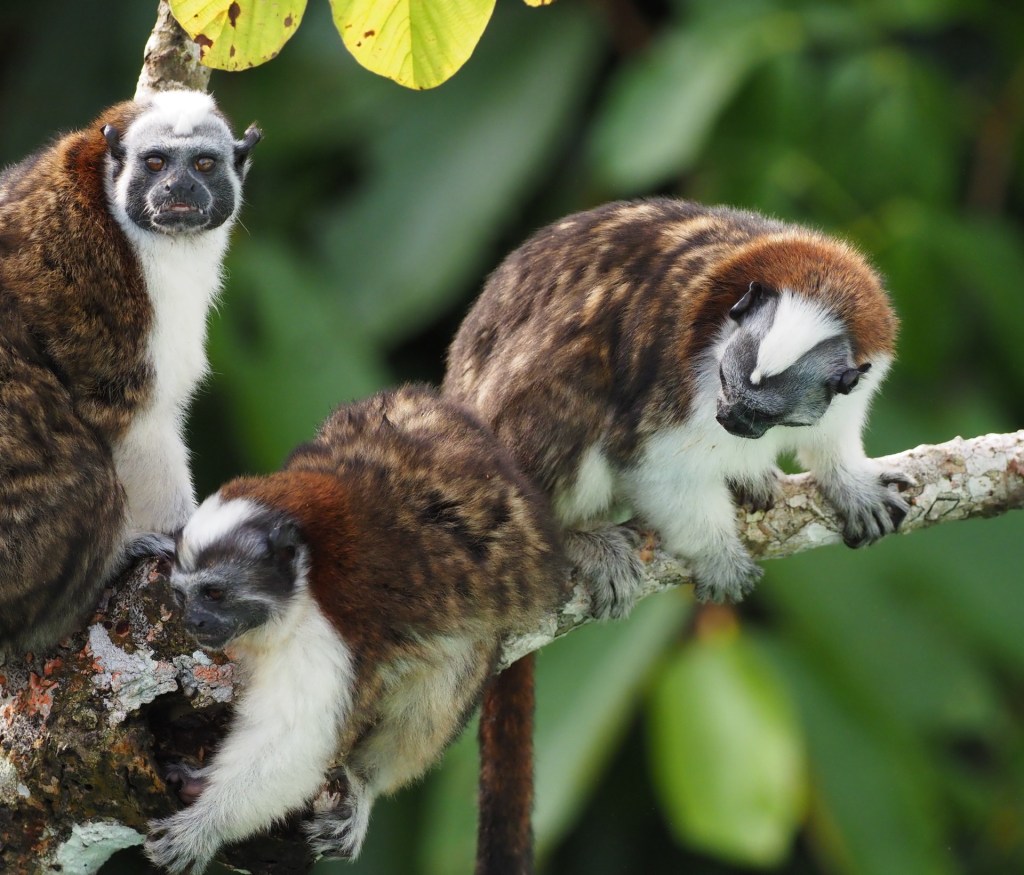
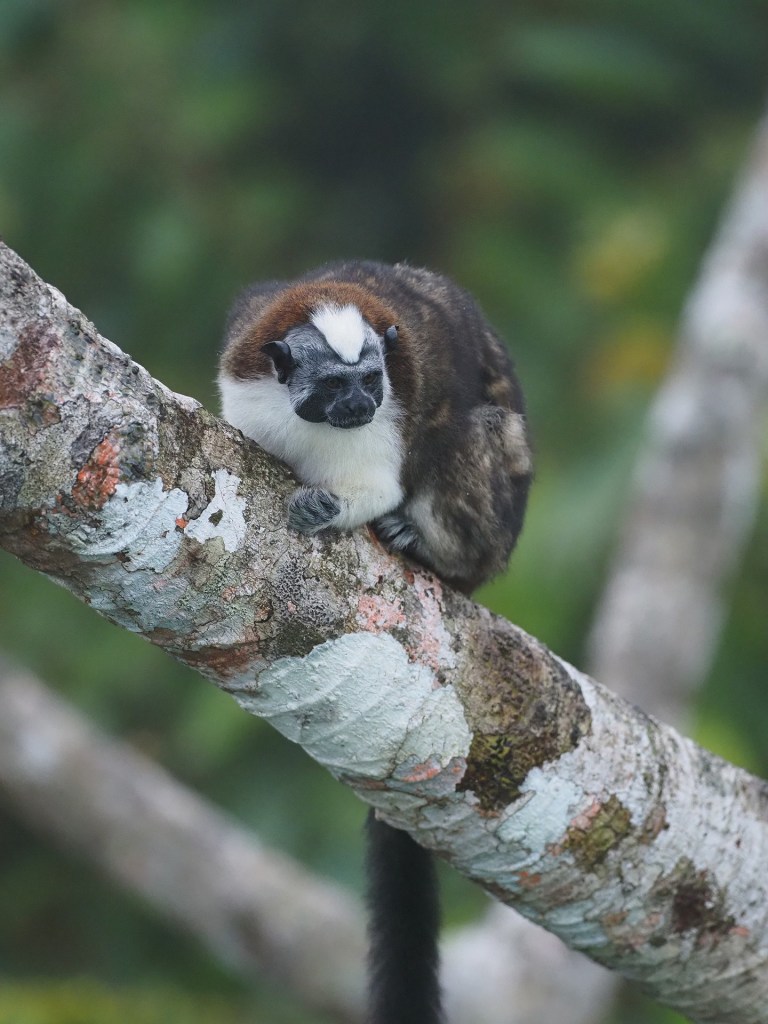


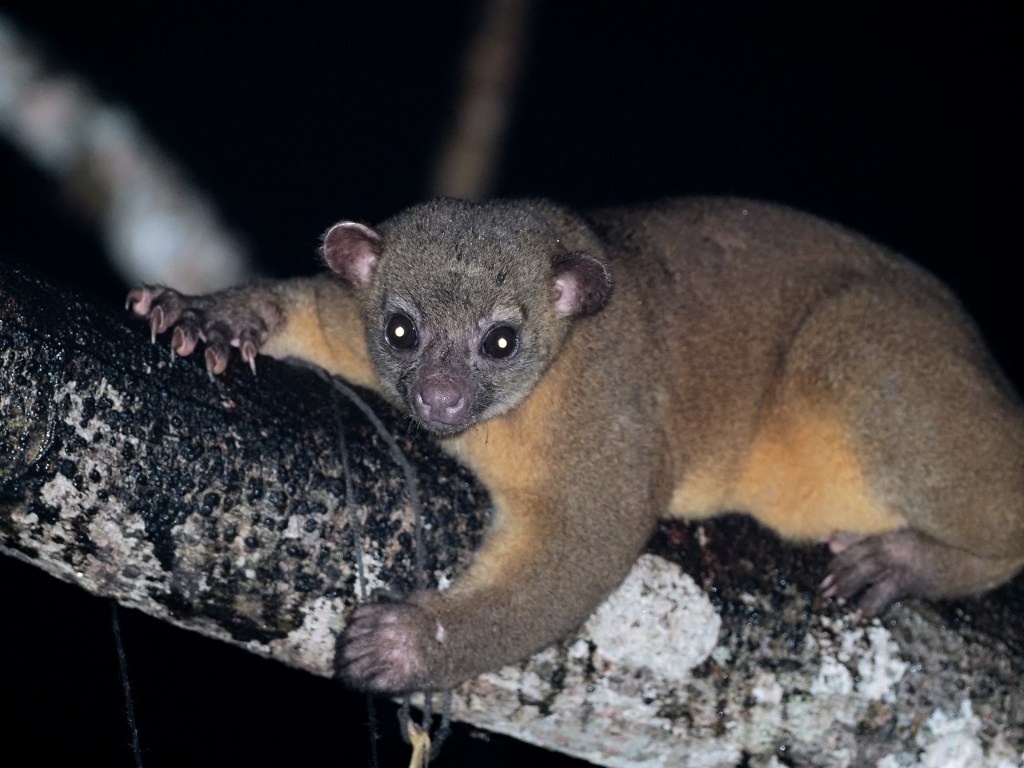
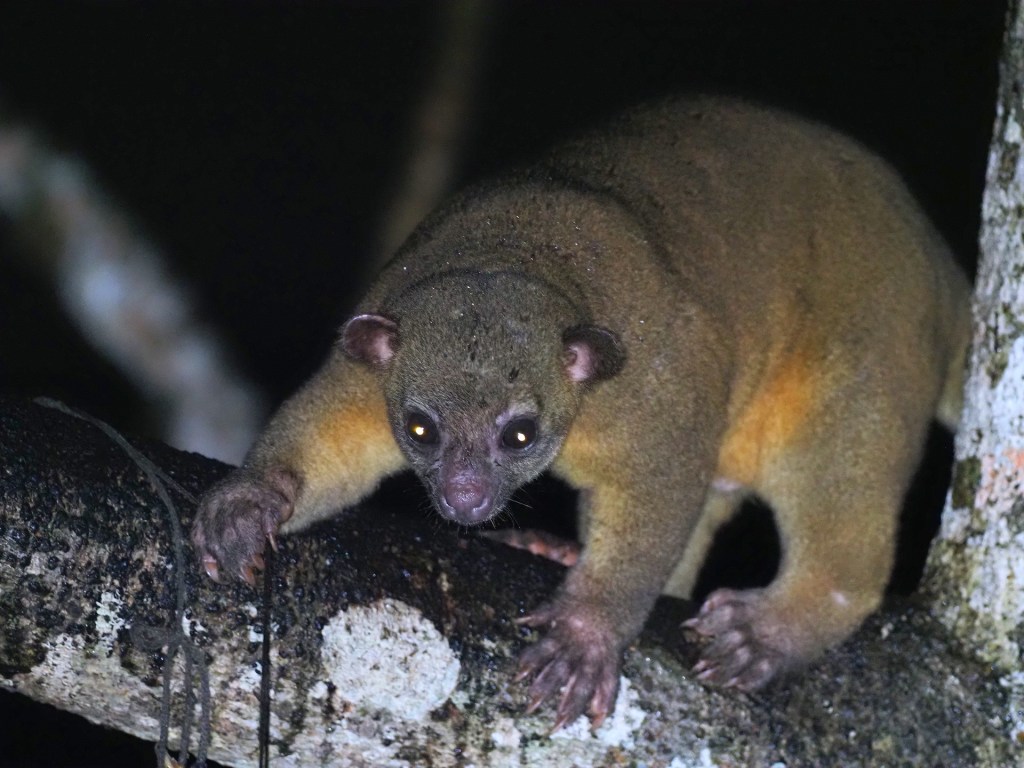


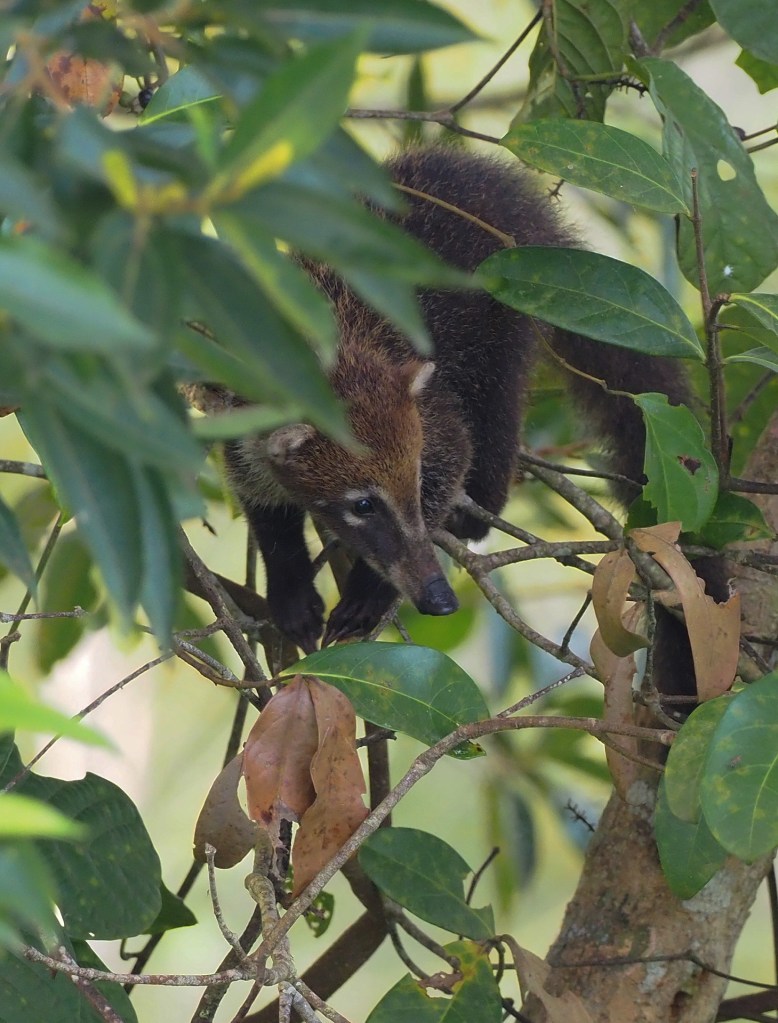
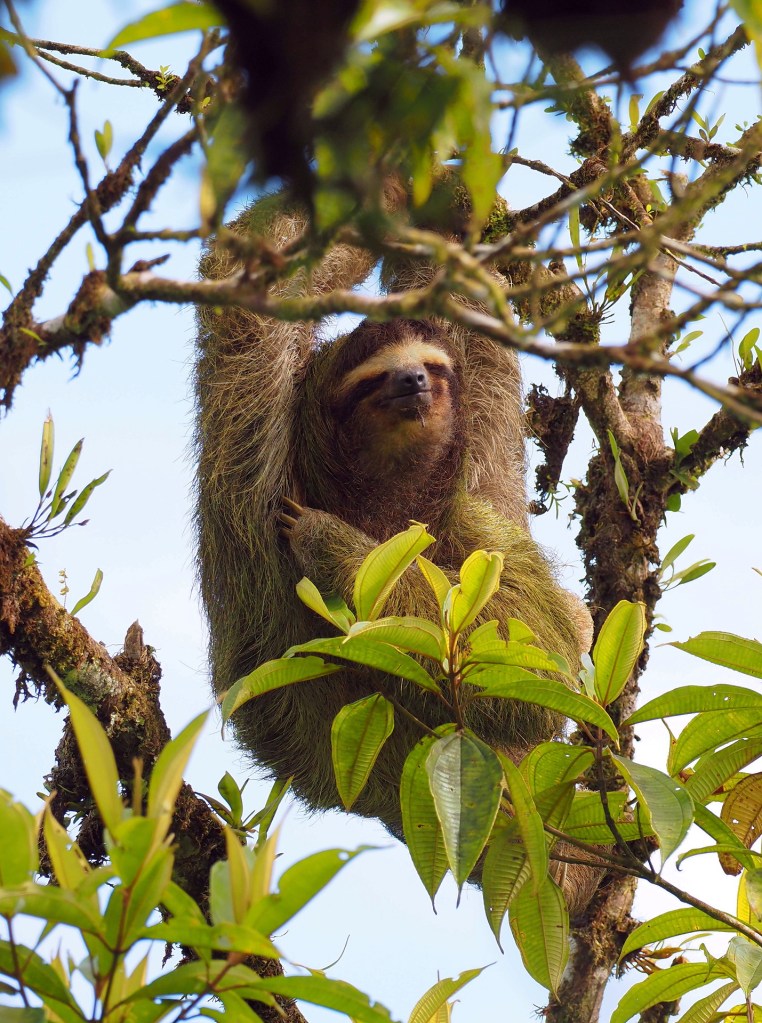
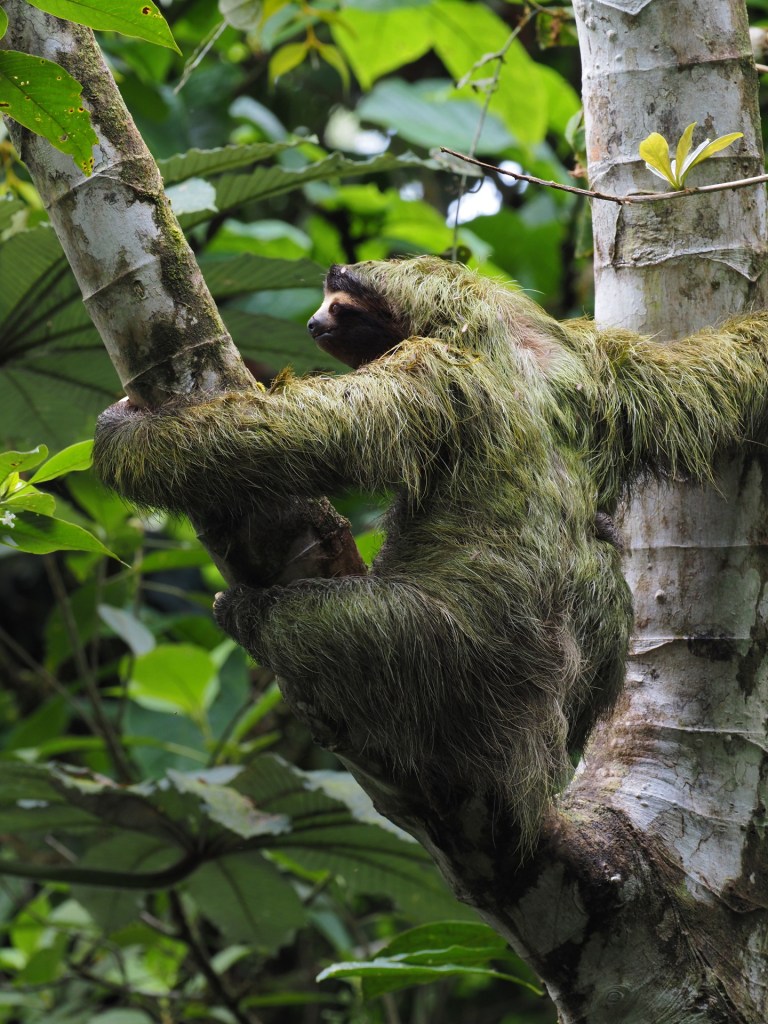
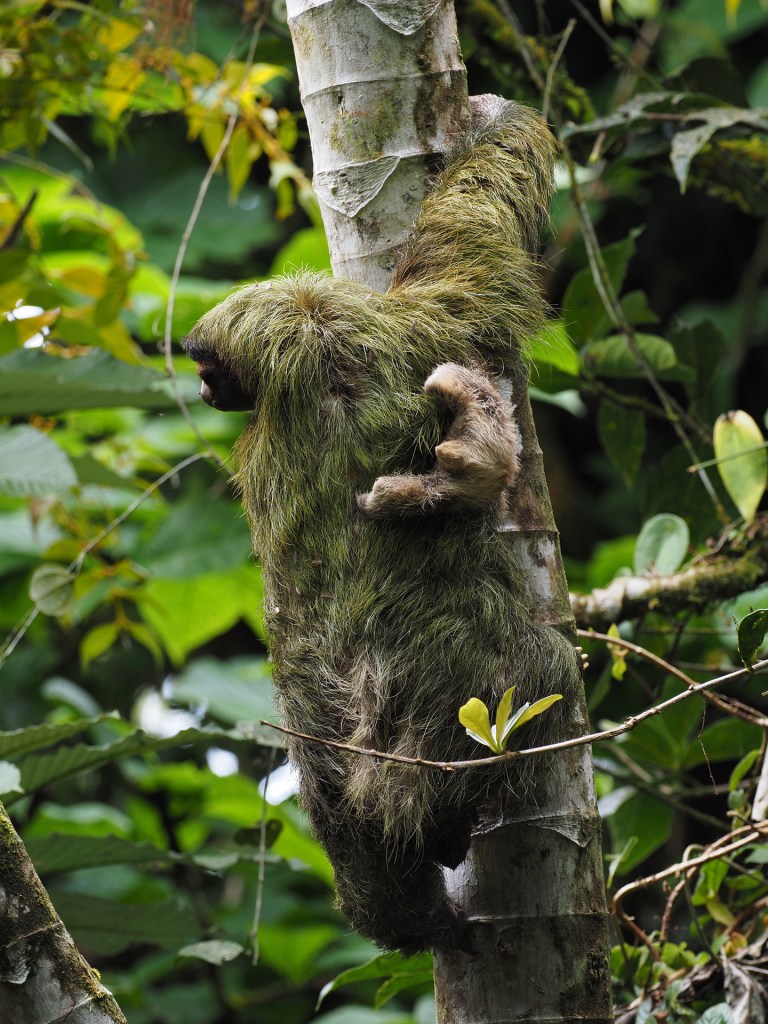
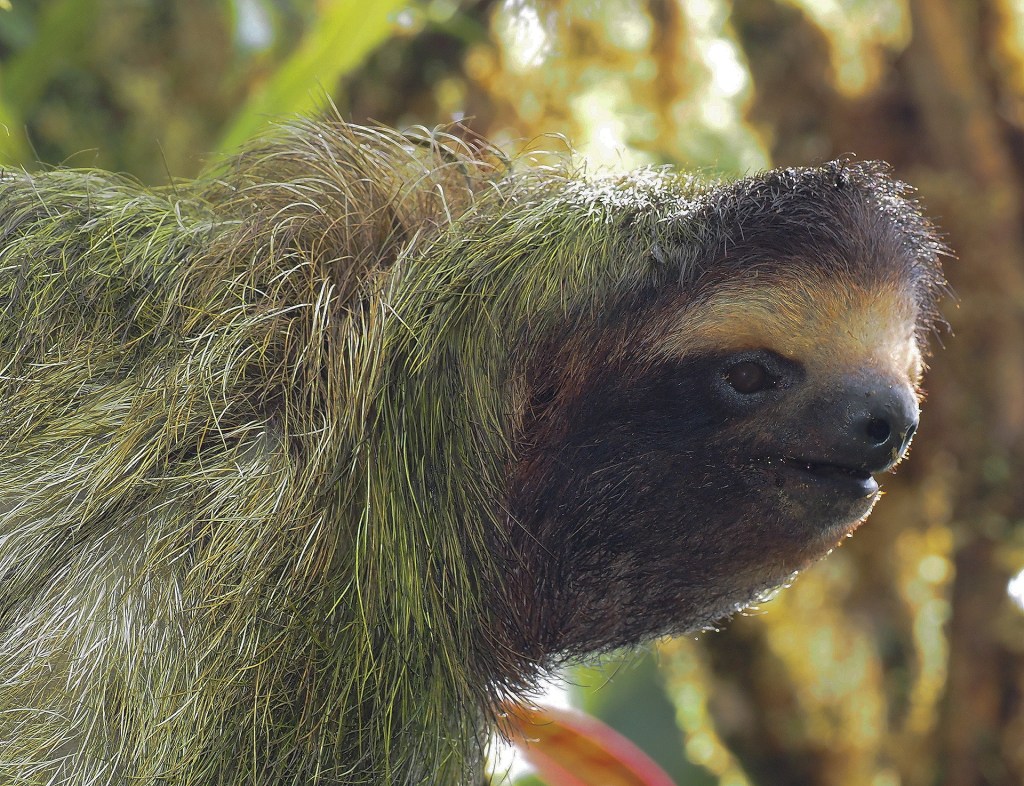
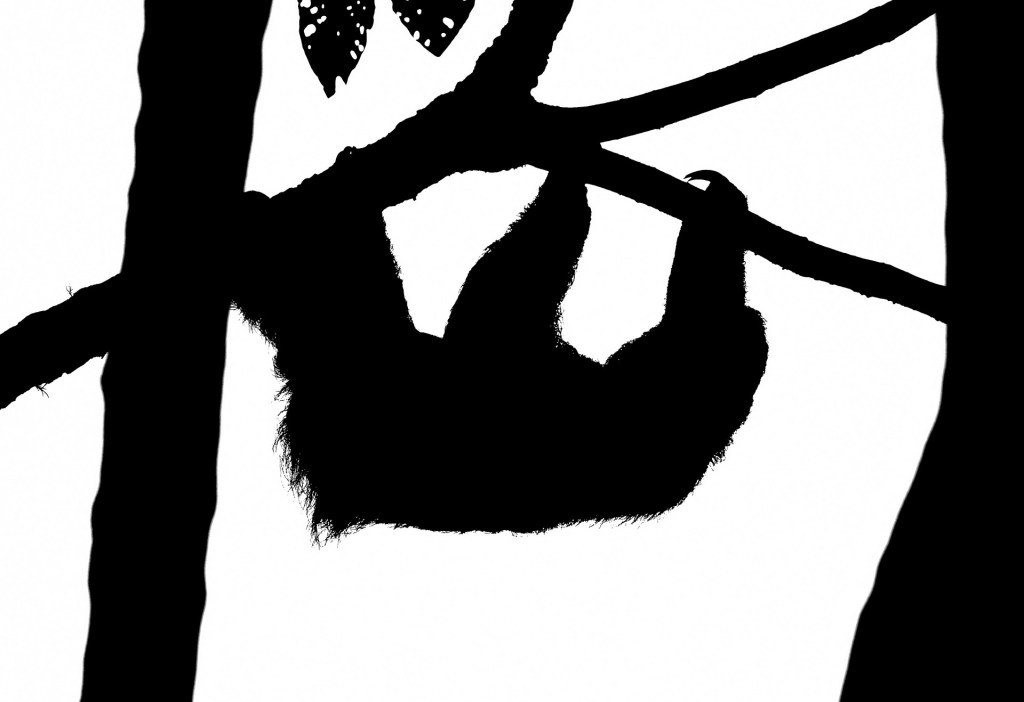
Above: Some of the mammals we saw… details to follow.
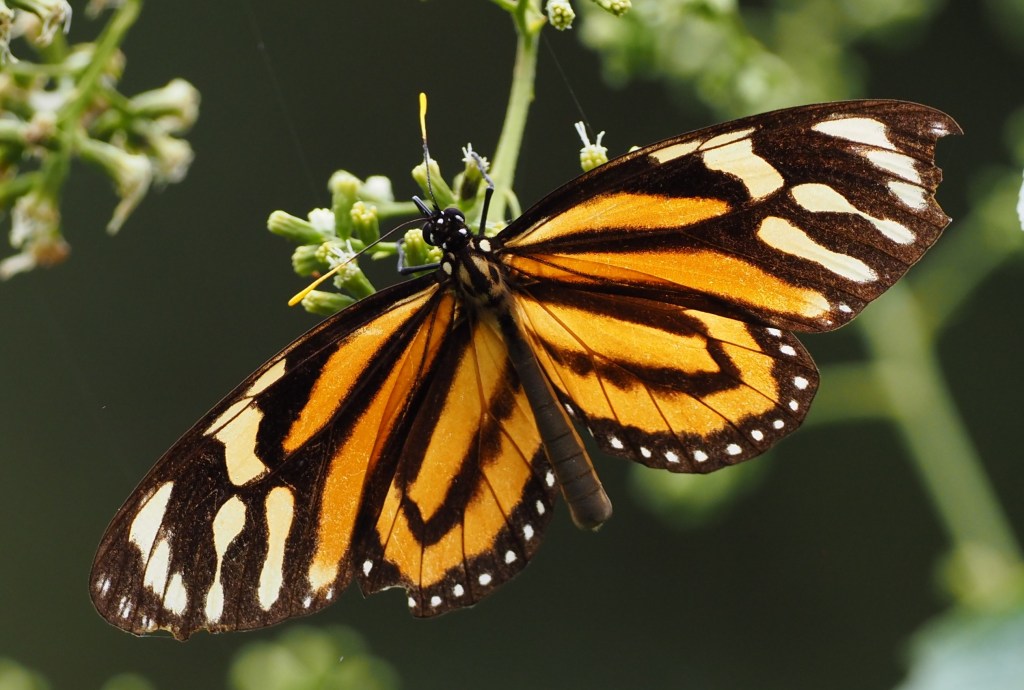

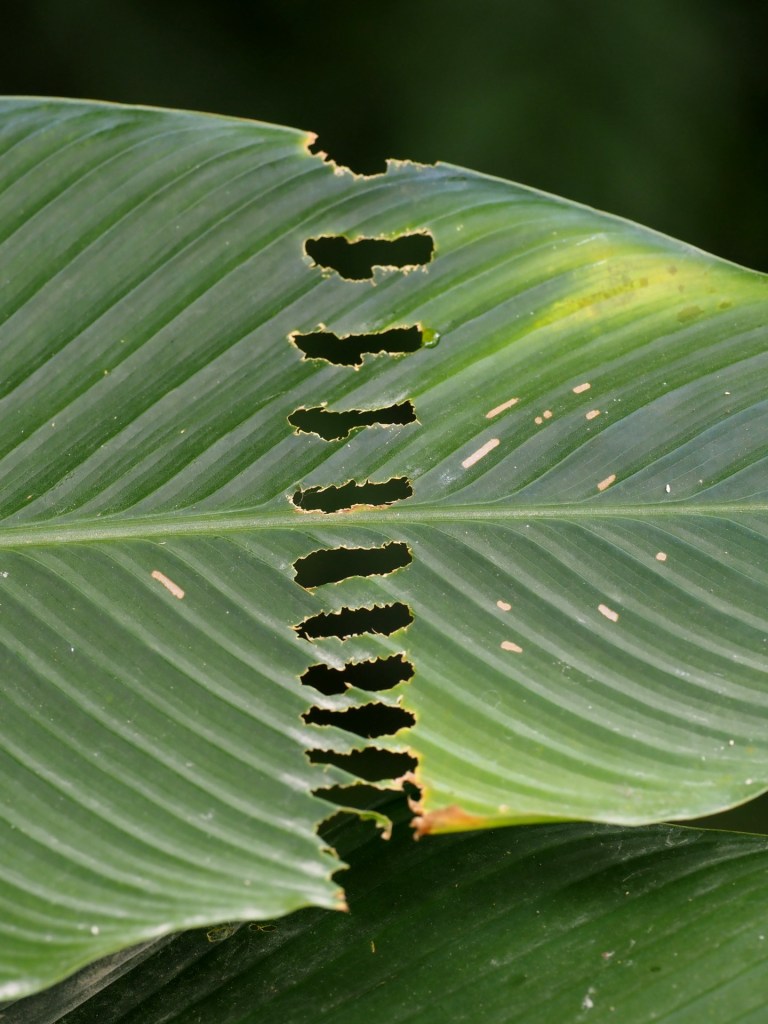

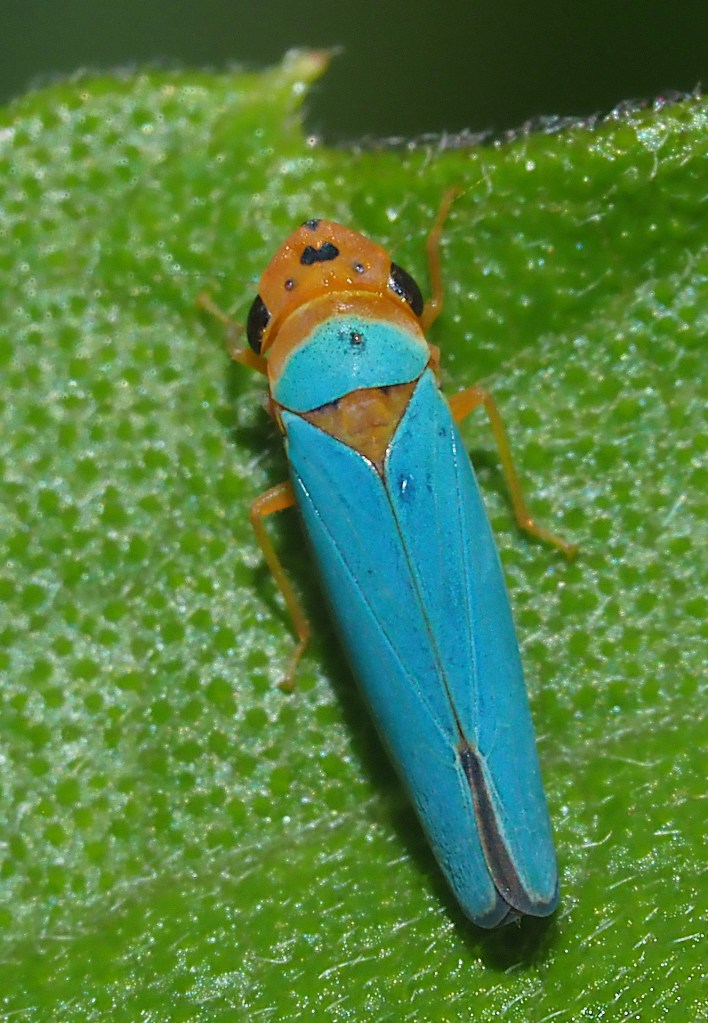
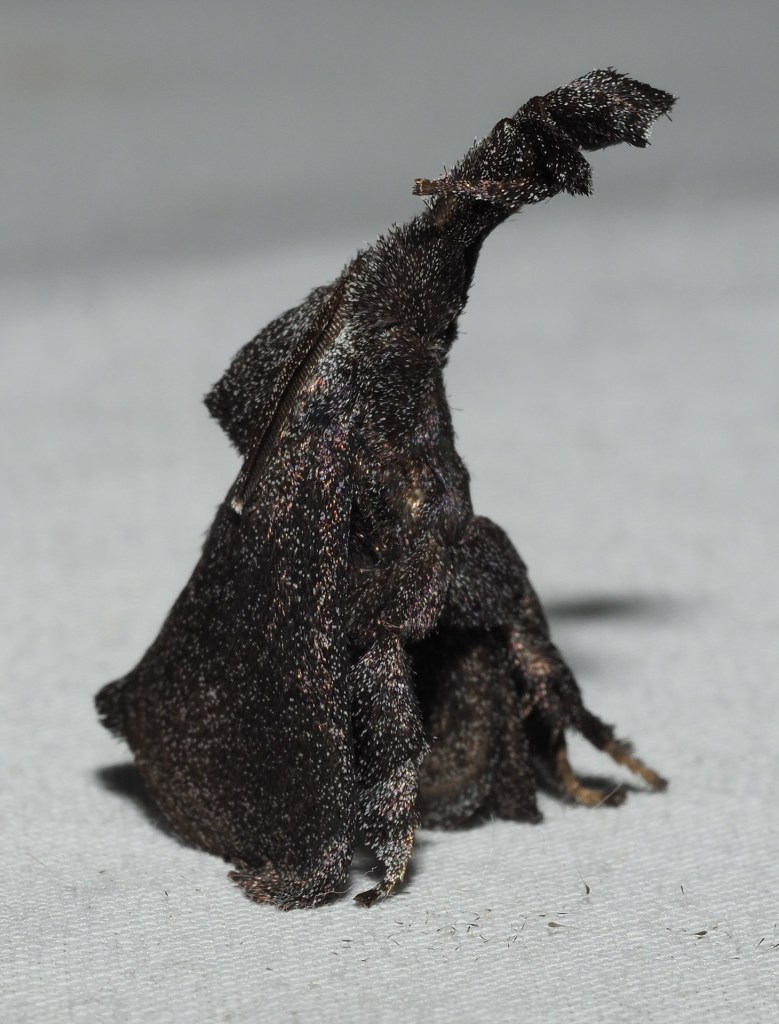
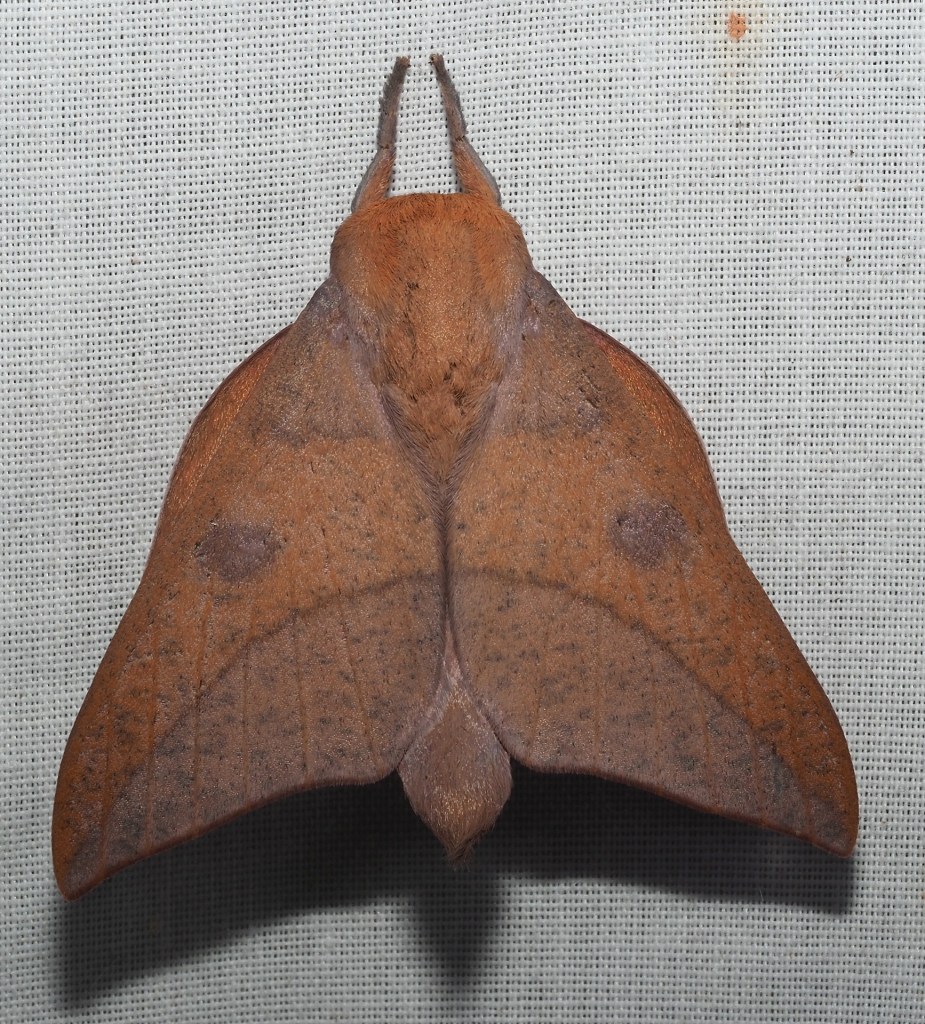

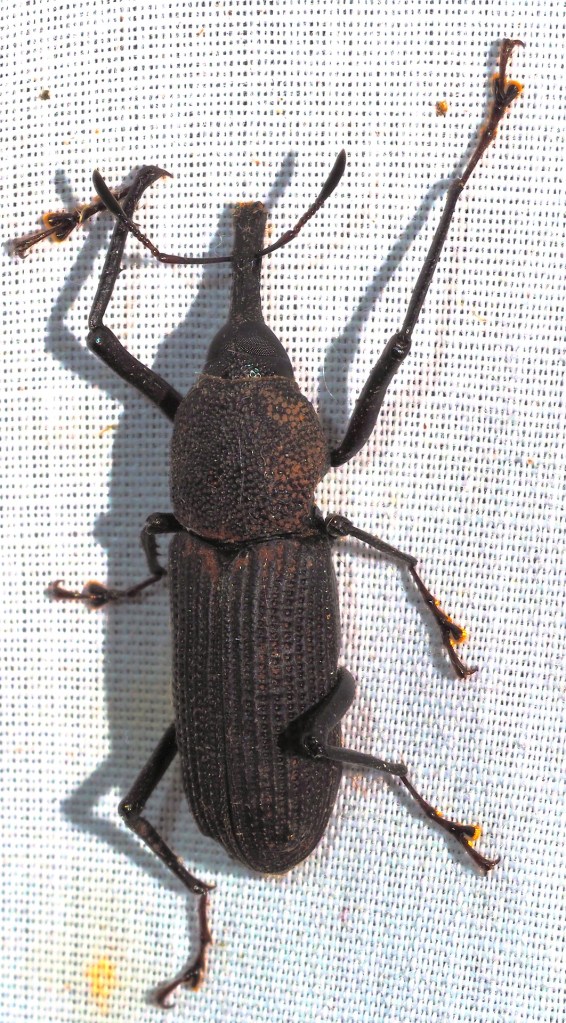
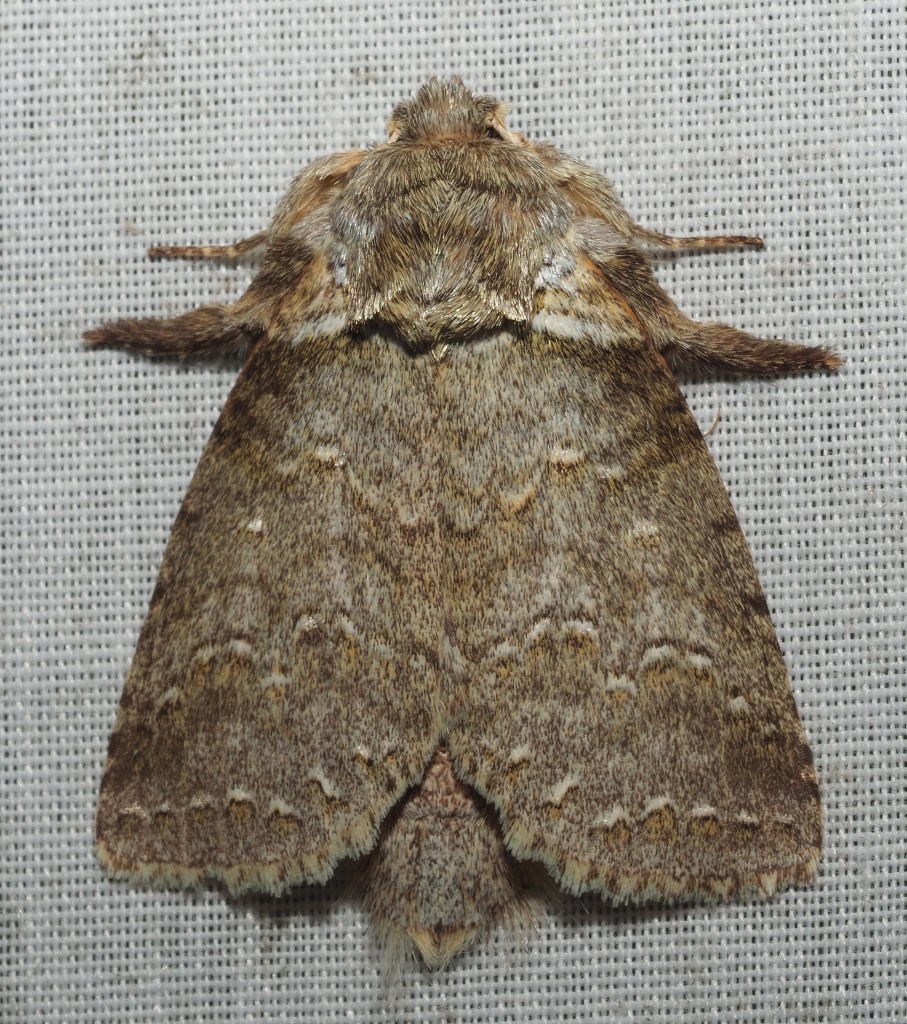
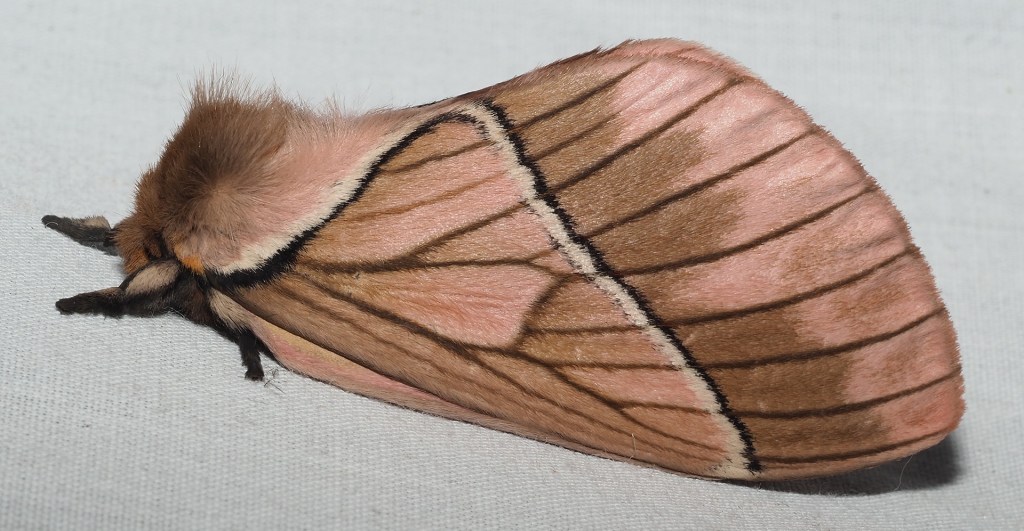

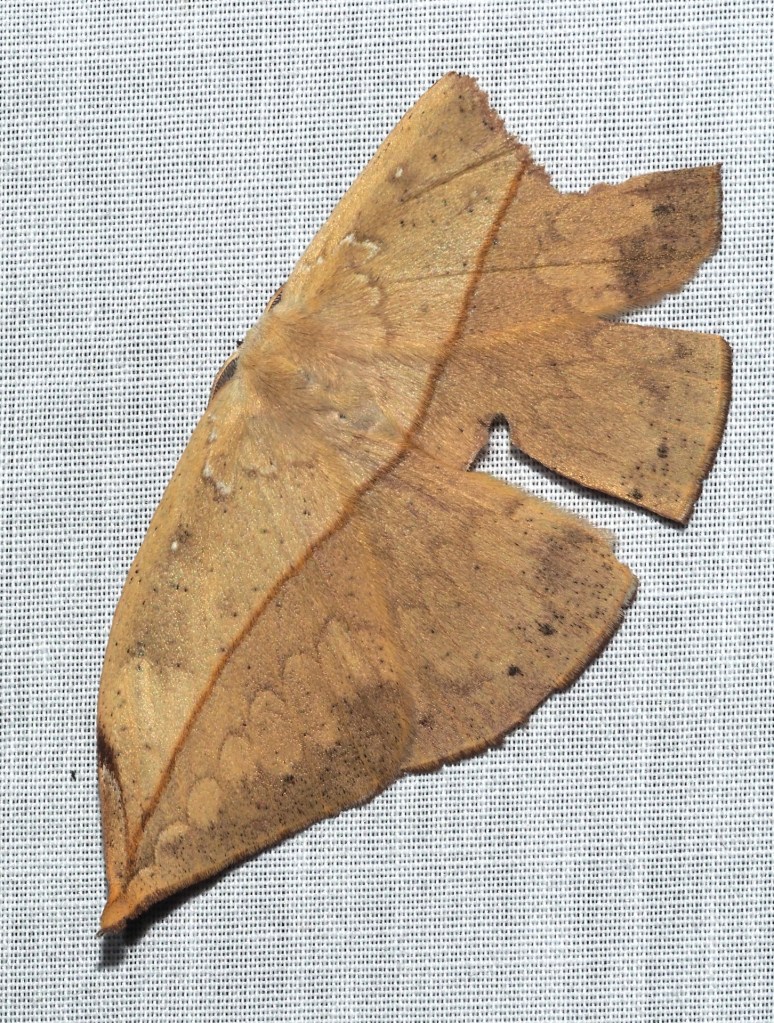


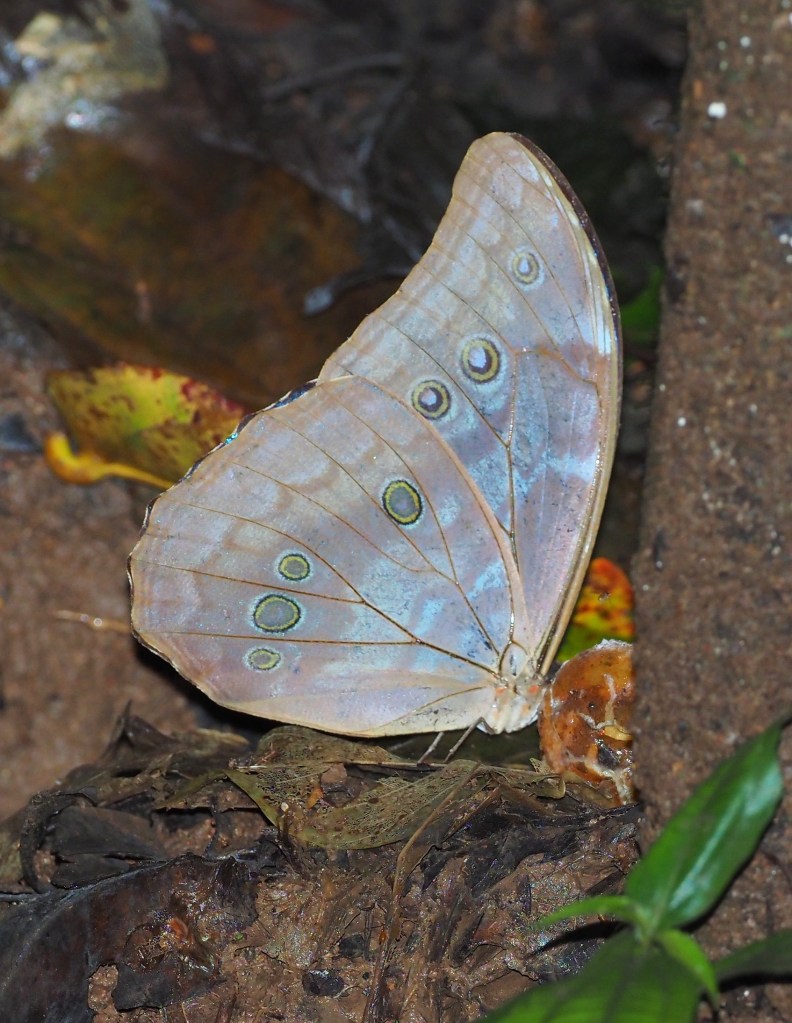
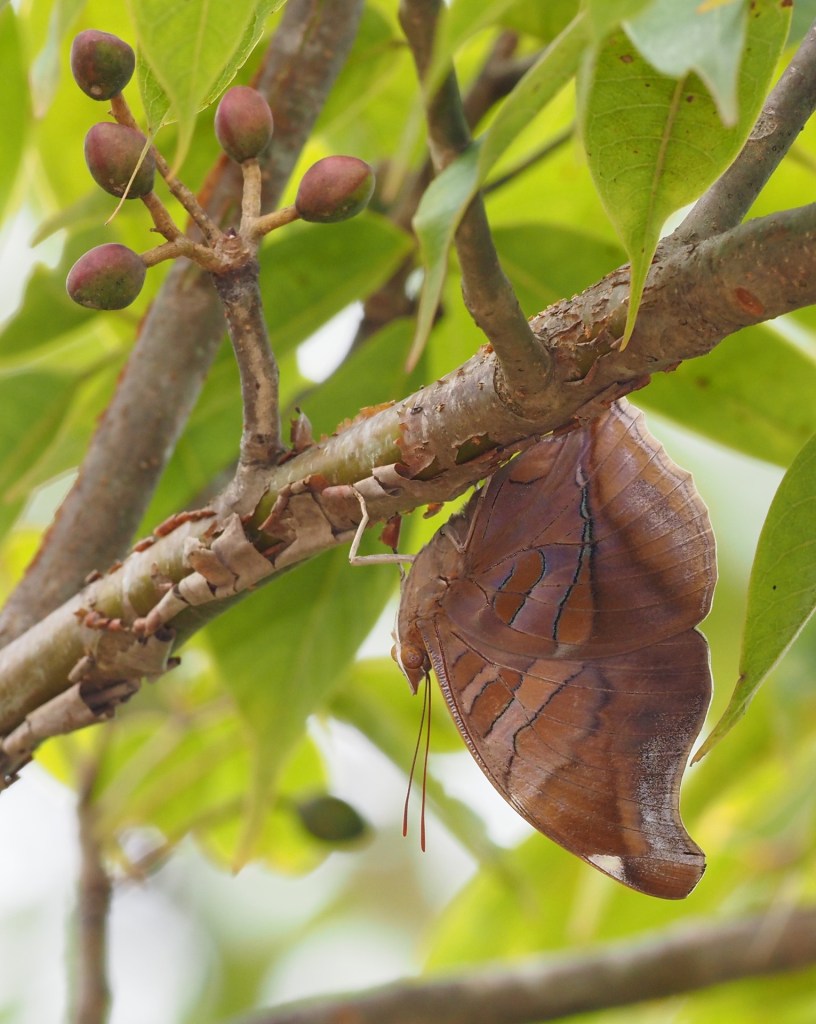
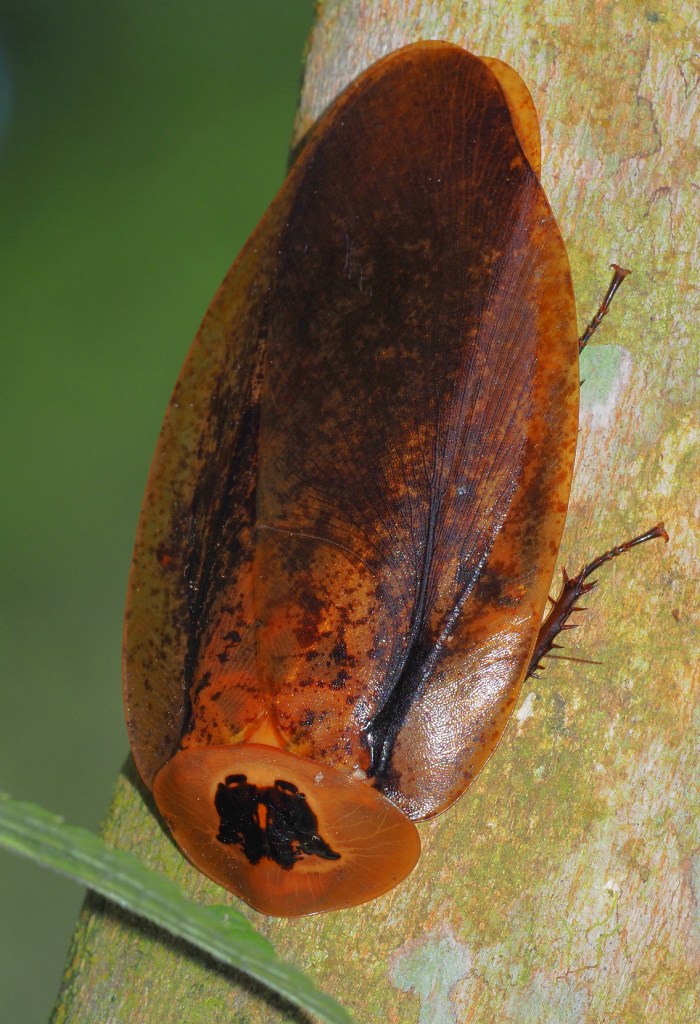


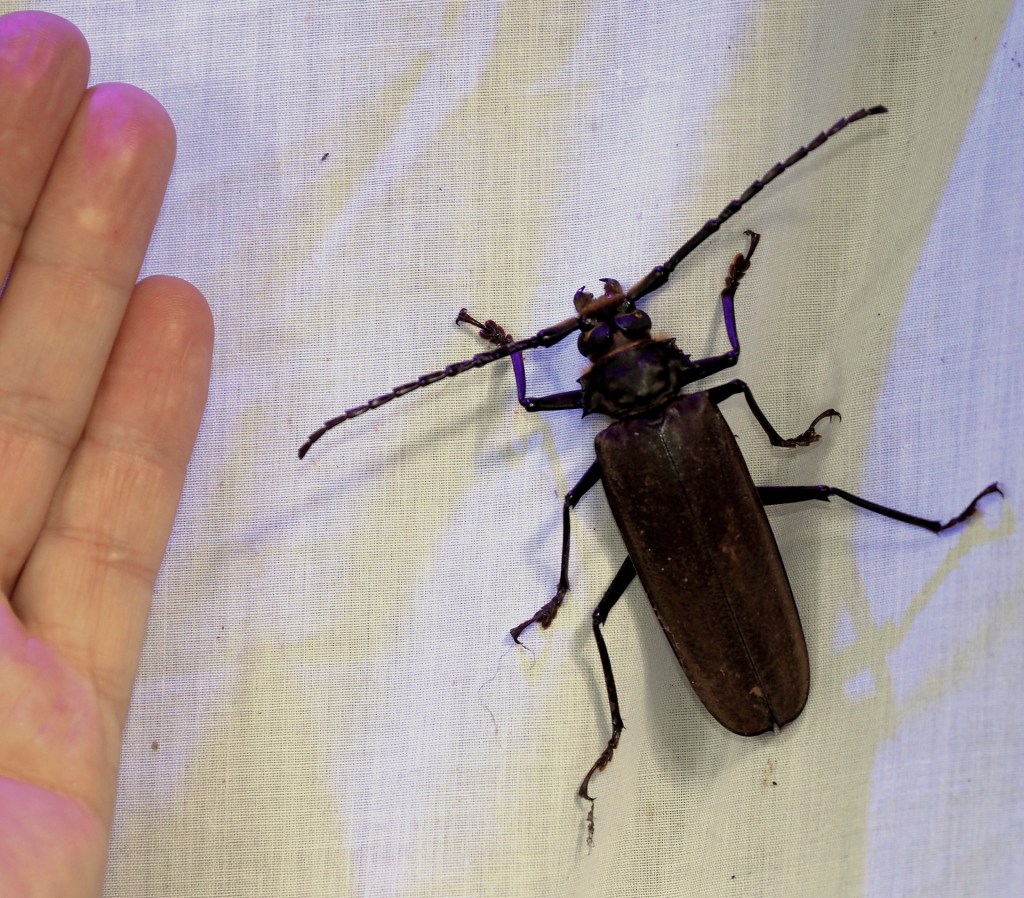
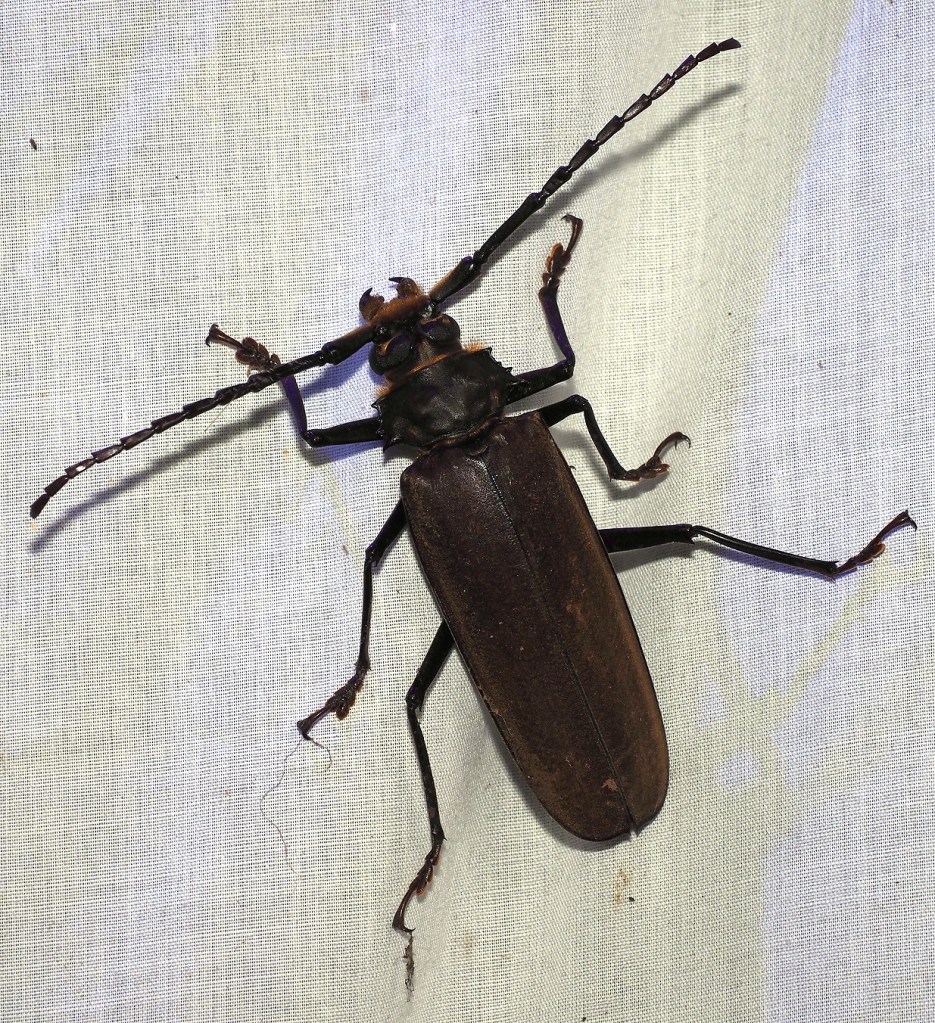
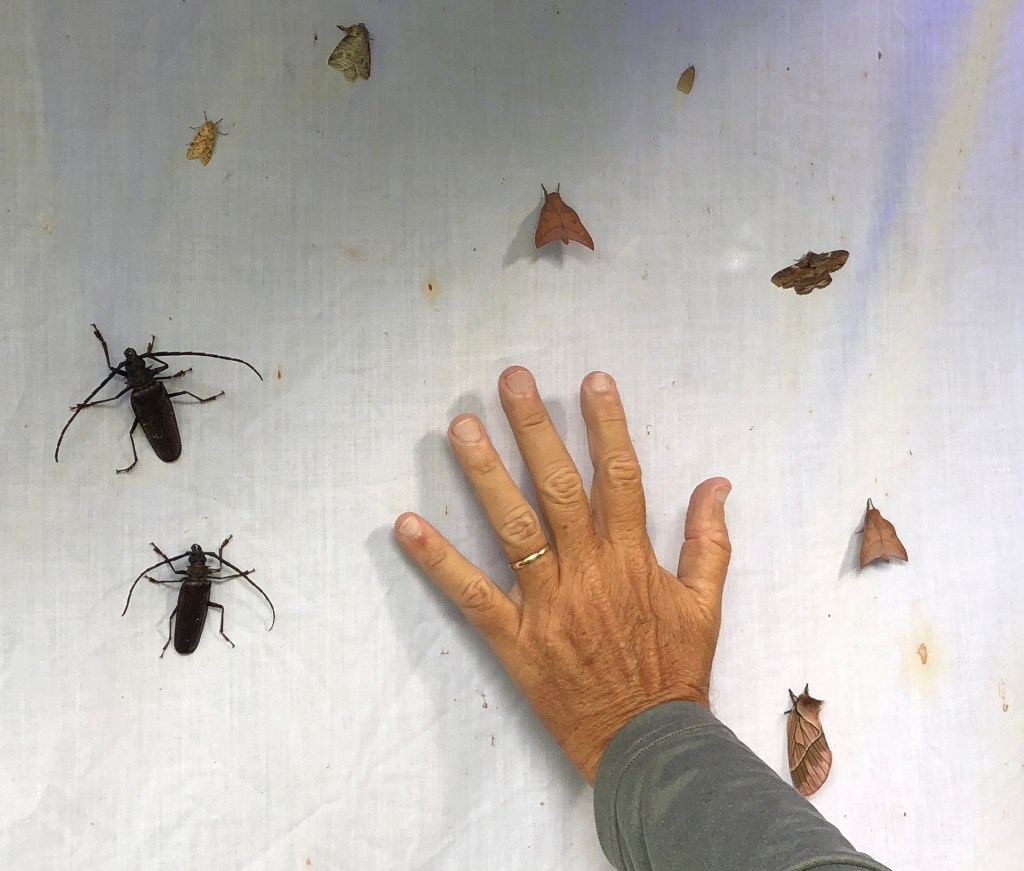


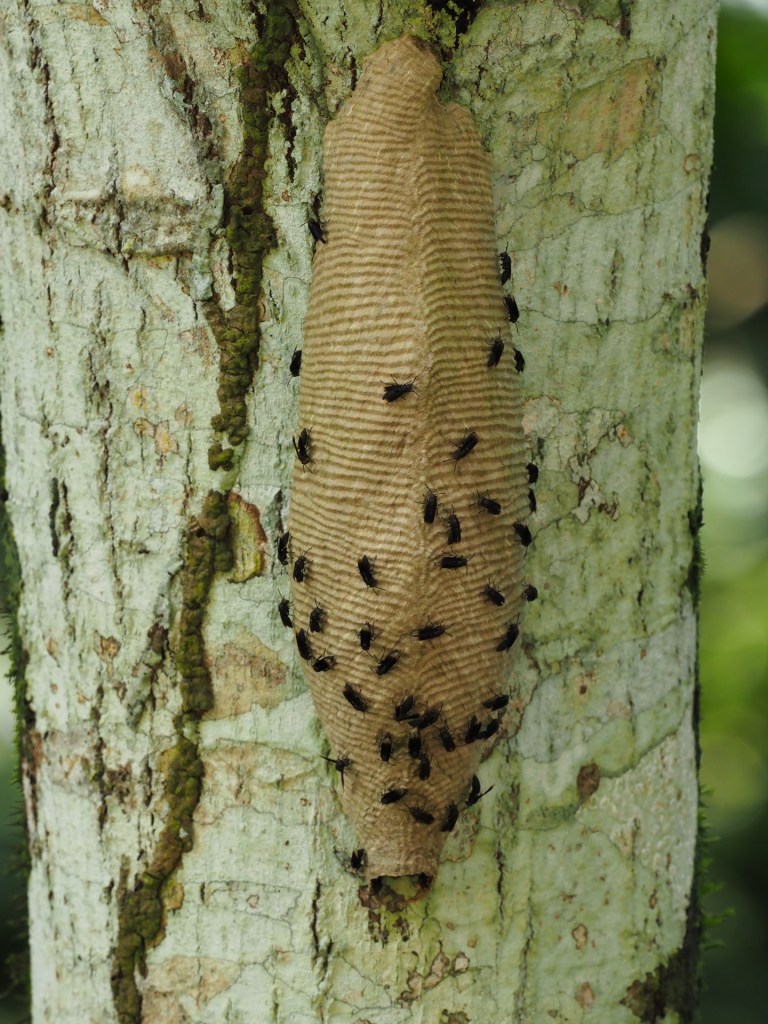

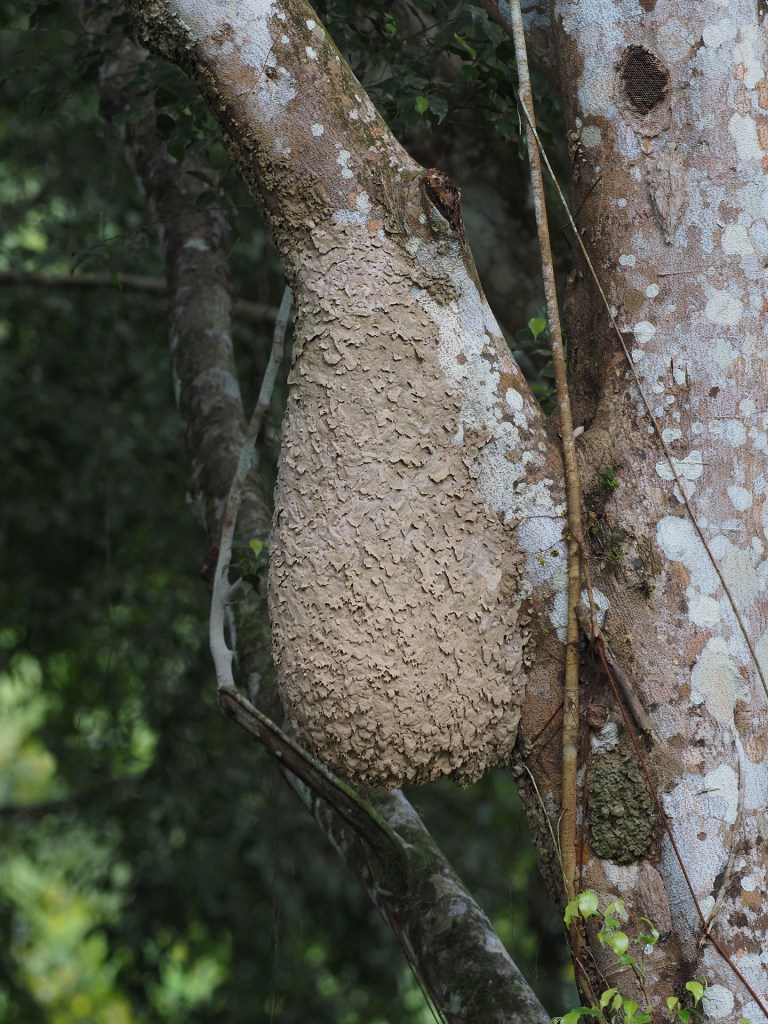


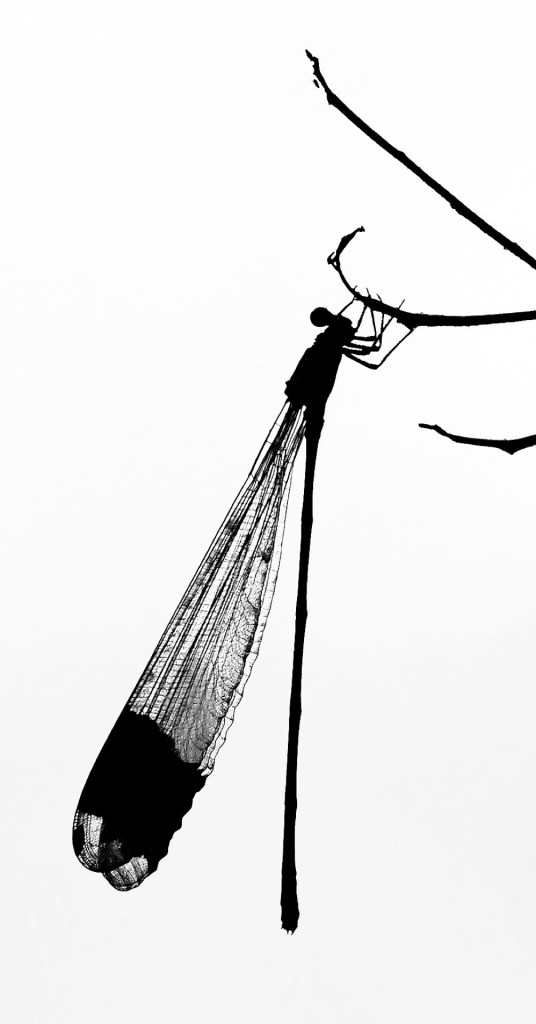
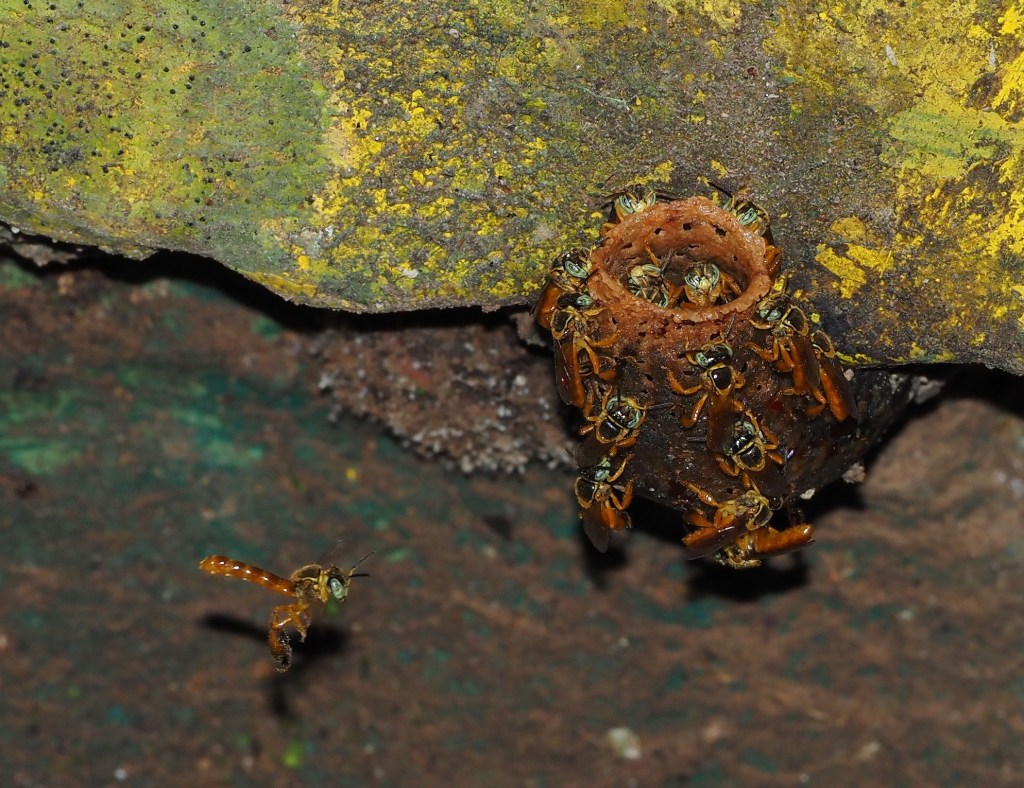
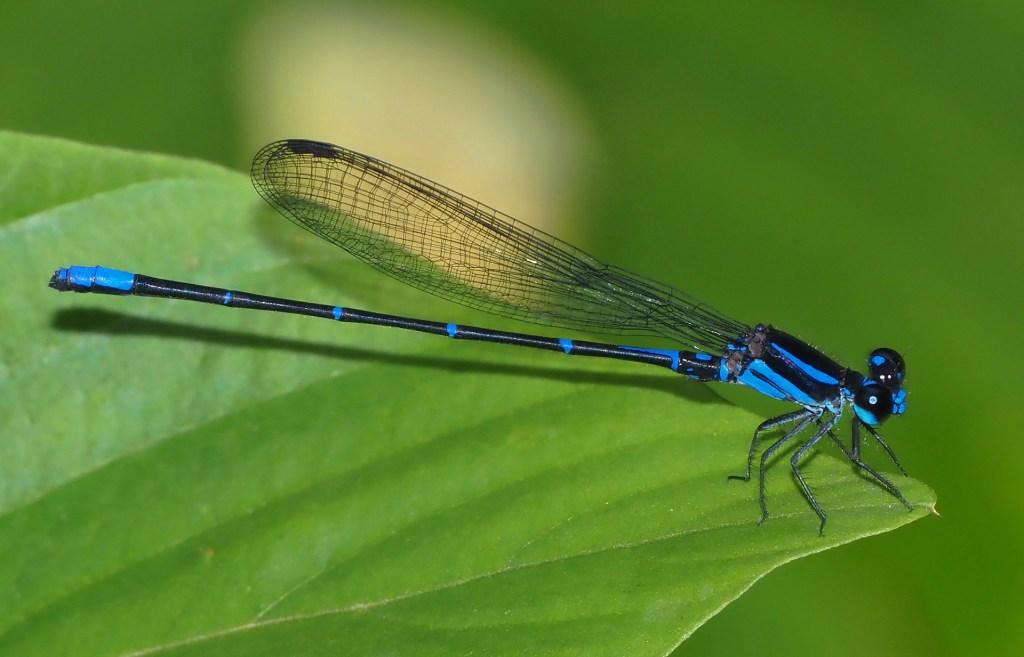
Above: Some of the insects we saw…details to follow…
 THE NATURALIST'S TRAVEL PAGE