I was offered the opportunity to provide talks on a Holland America cruise segment that started in Sydney, Australia on November 12th, 2022 and ended in Fremantle (the port city for Perth) on December 2nd. The route went around Australia’s Top End, with stops at two locations in Papua New Guinea.

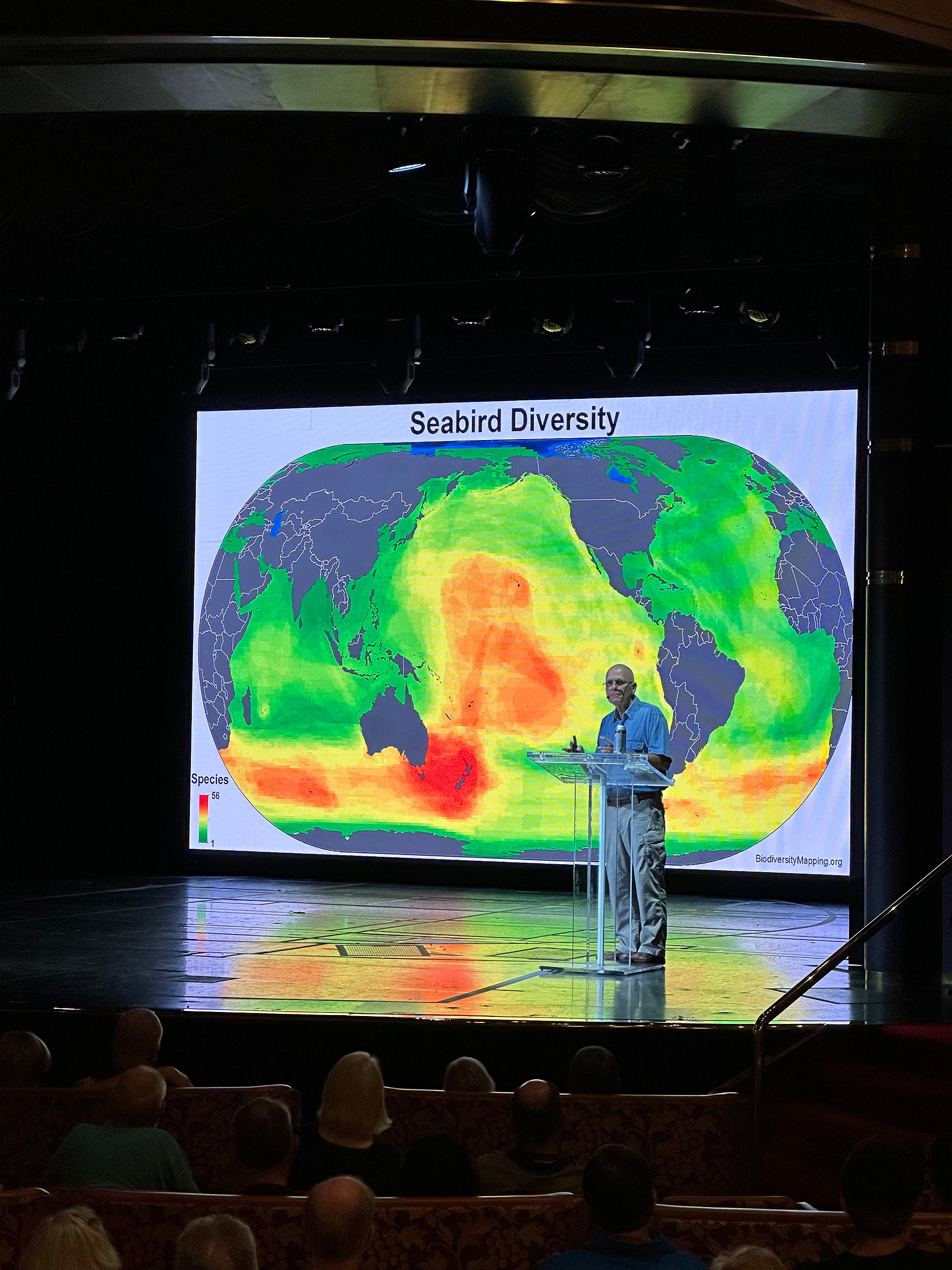
The cruise, of 21 days, involved 11 sea days when Mike was required to present talks. These talks (with minor corrections), developed partly before the voyage and partly during the cruise, can be seen here.
Many people may wonder about getting a gig as a cruise lecturer. Here is a short summary of why it isn’t for everyone, or even most people.
The cruise was billed as a circumnavigation of Australia, which it was. The segment we were involved with was from Sydney to Perth, where we got off and began a two-week vacation in southwest Australia. Below is a summary of our experiences in each port and during our vacation.
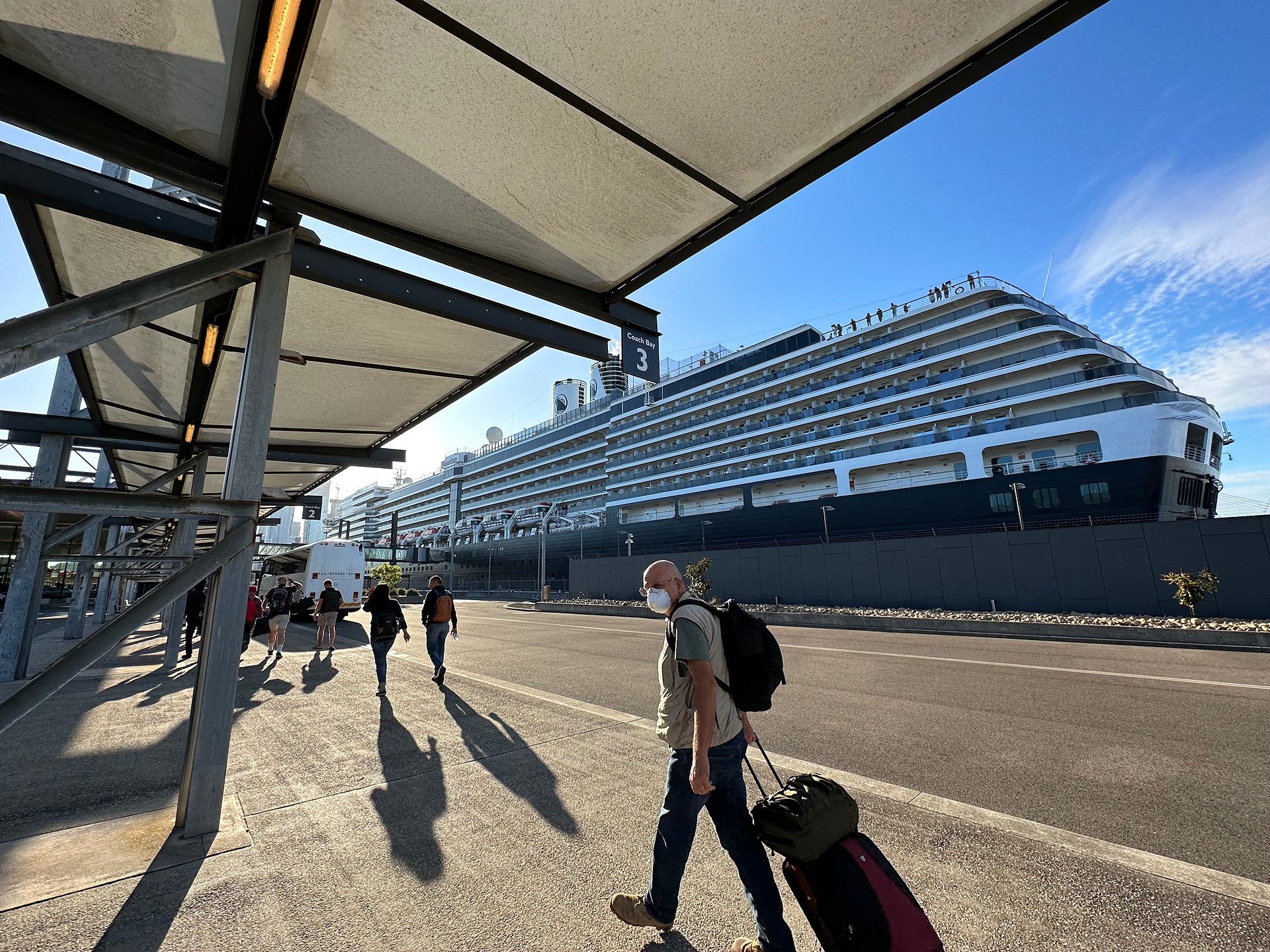
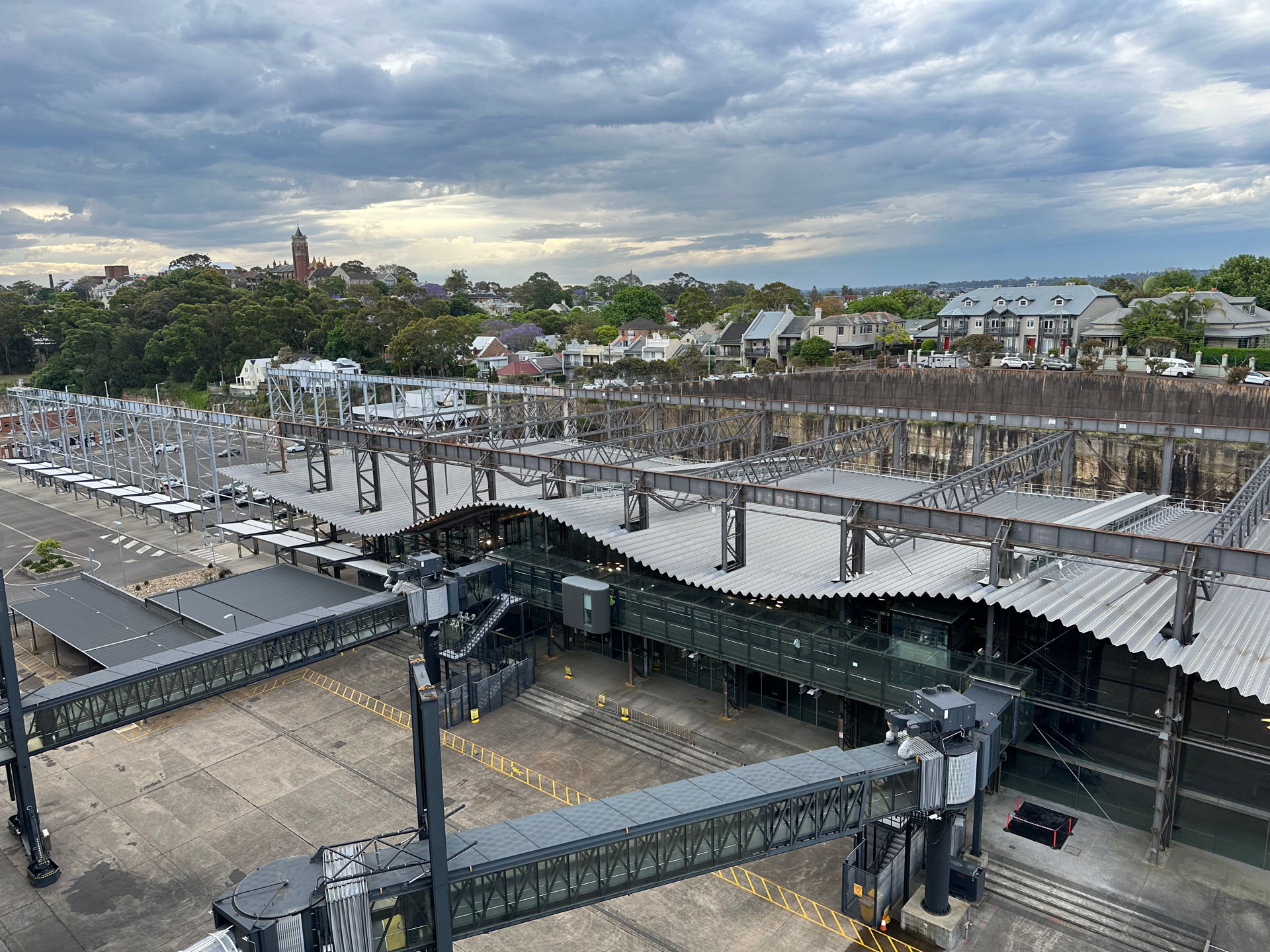
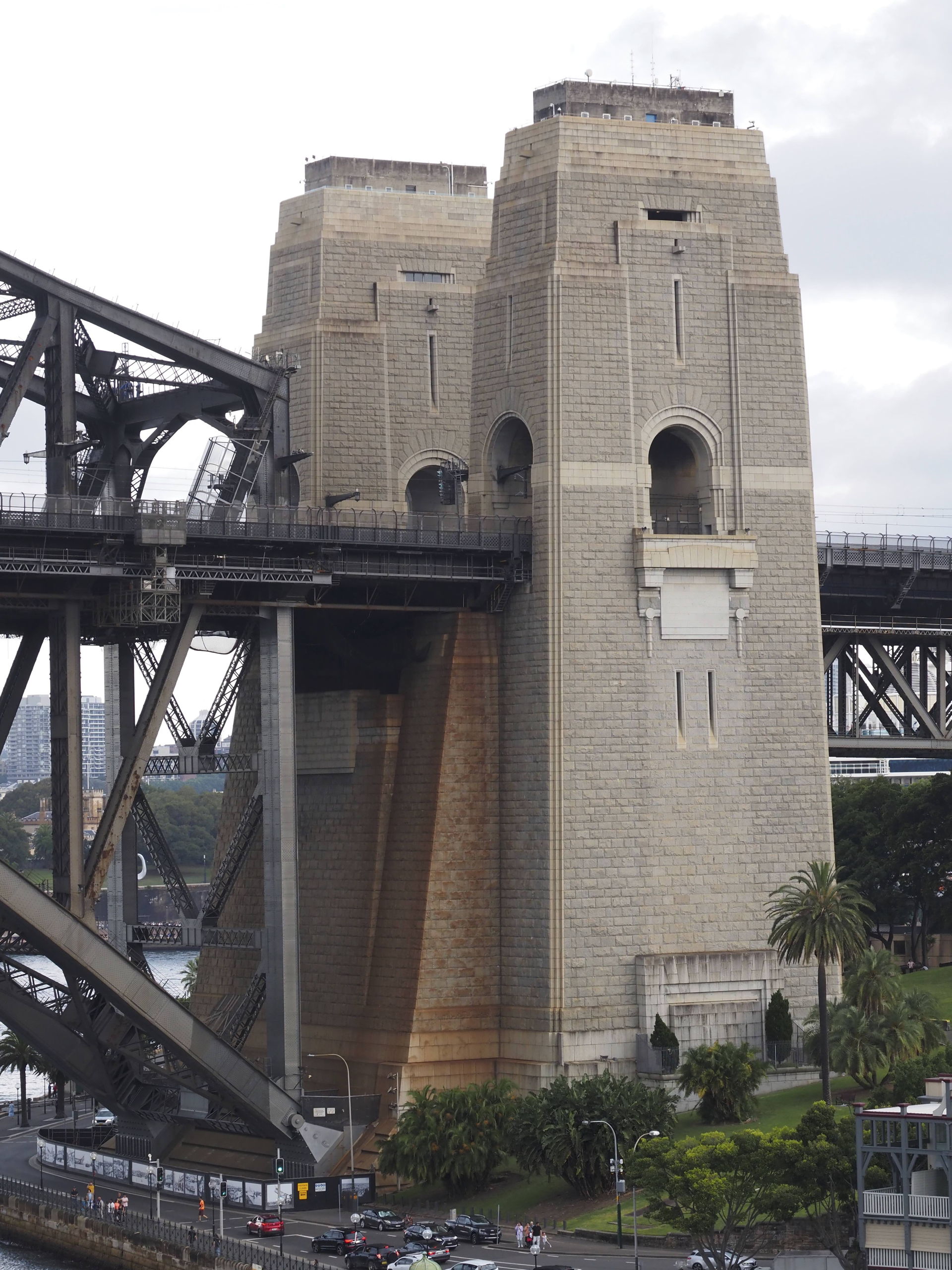
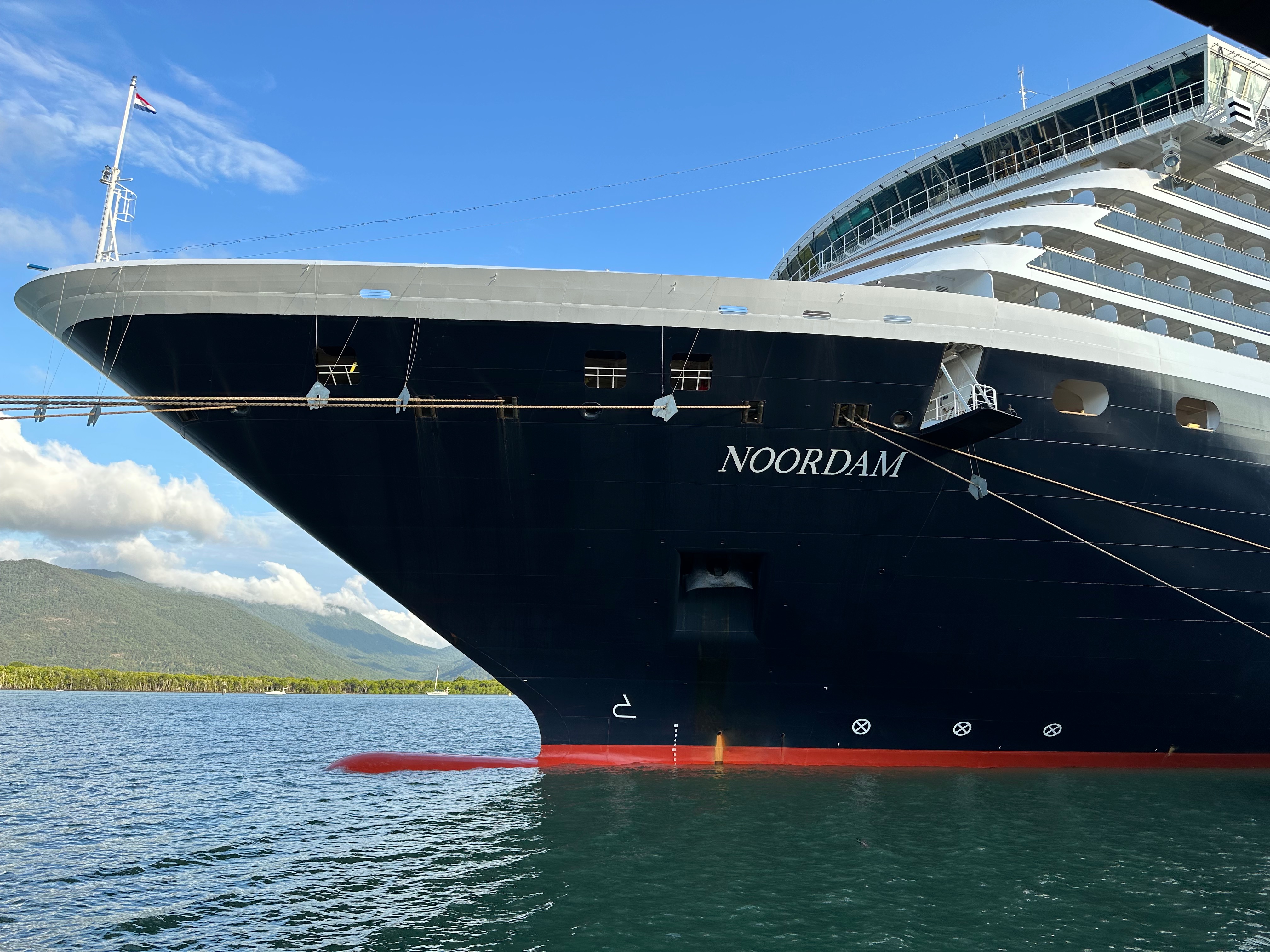
Our ship, the Holland America Noordam, had crossed the Pacific during the previous month, before arriving in Sydney. We boarded it in Sydney – at the White Bay Cruise Terminal – located away from the downtown. Some very large ships cannot pass under the Sydney Harbour Bridge and must dock to the ocean side of the bridge and that berth was occupied by another ship.
To quickly jump ahead to various segments of the cruise click on one of the links below.
After much preparation we made it from Oklahoma to Los Angeles, our gateway to our overseas travel to Australia

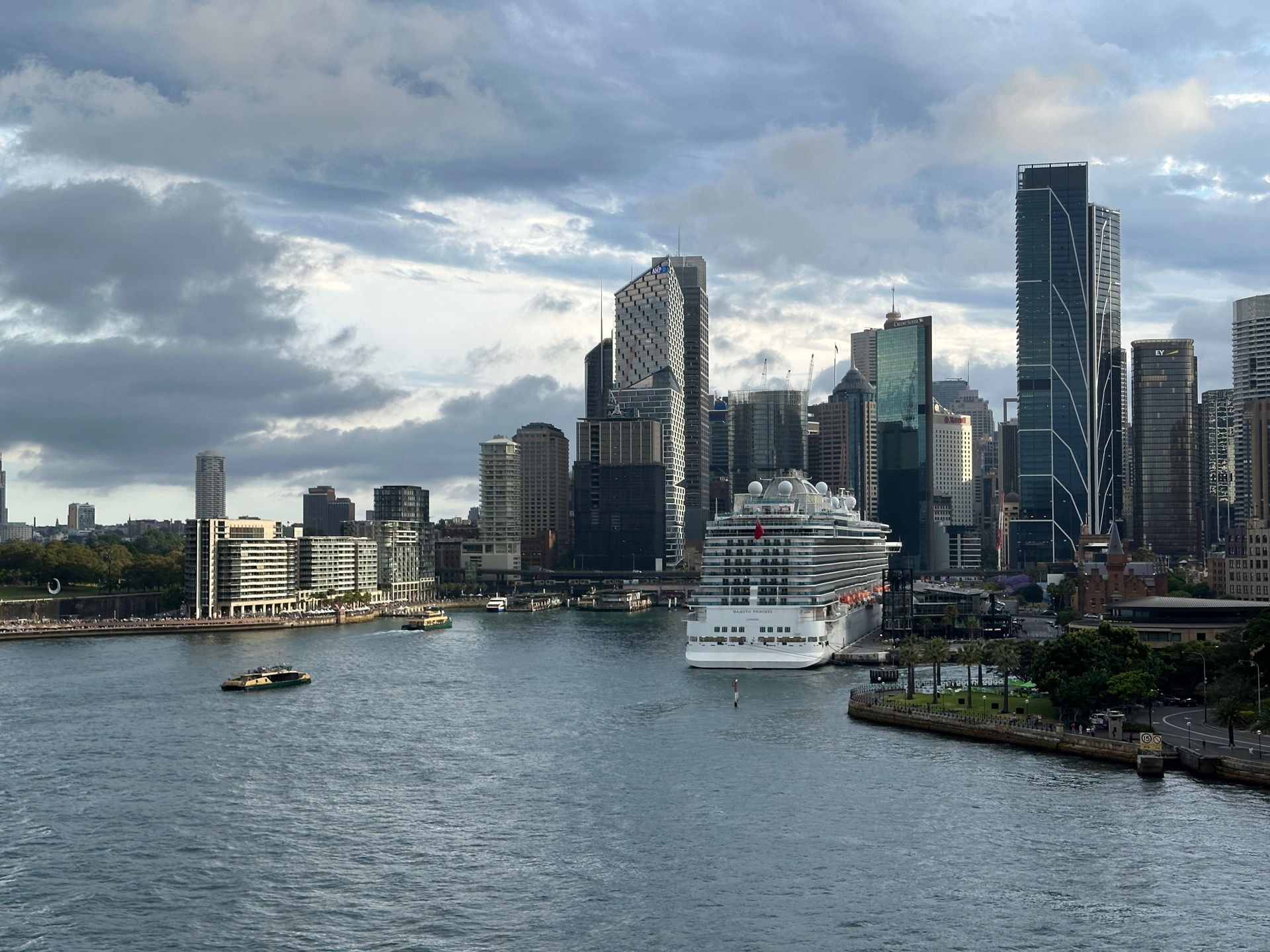
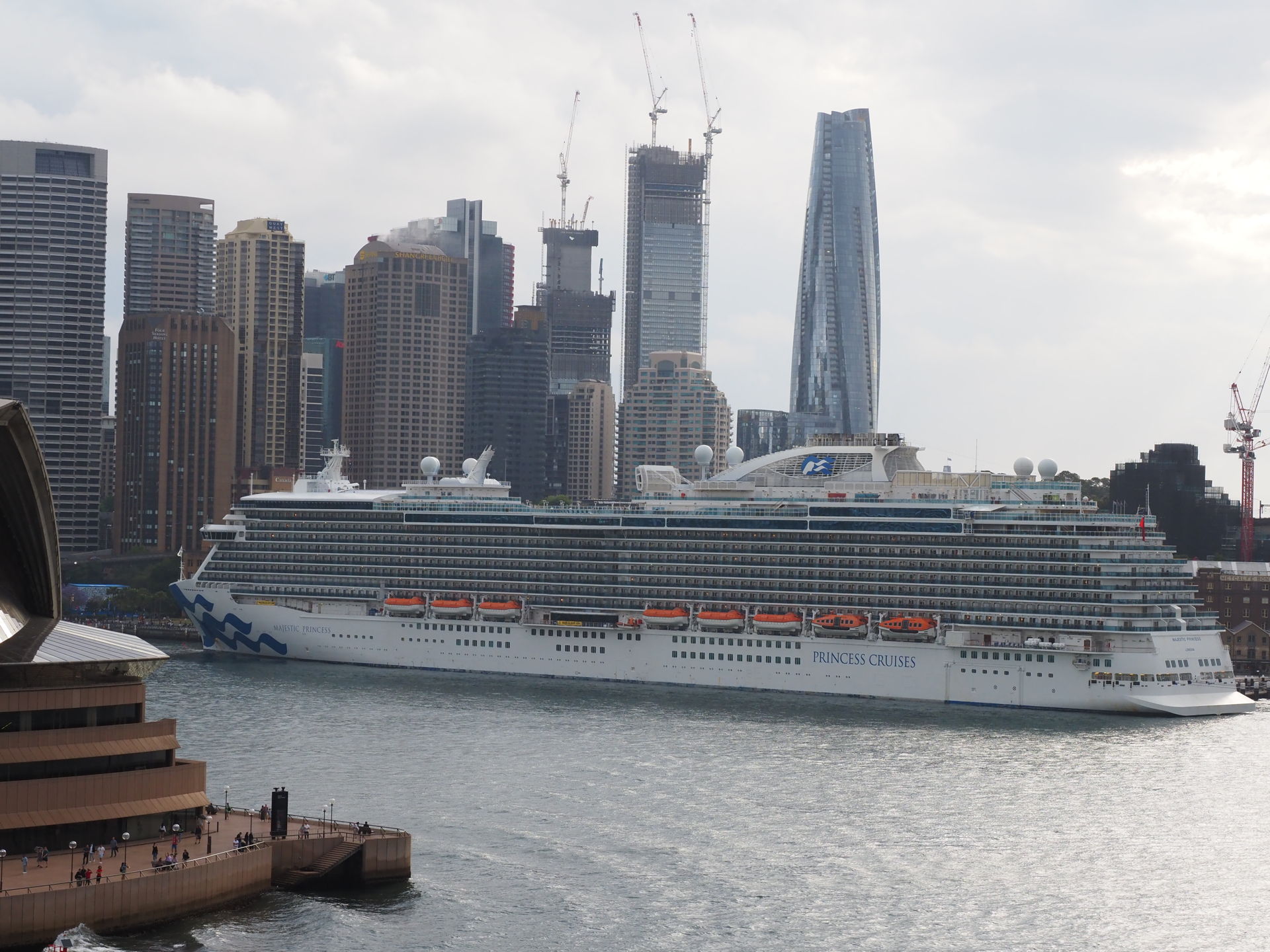
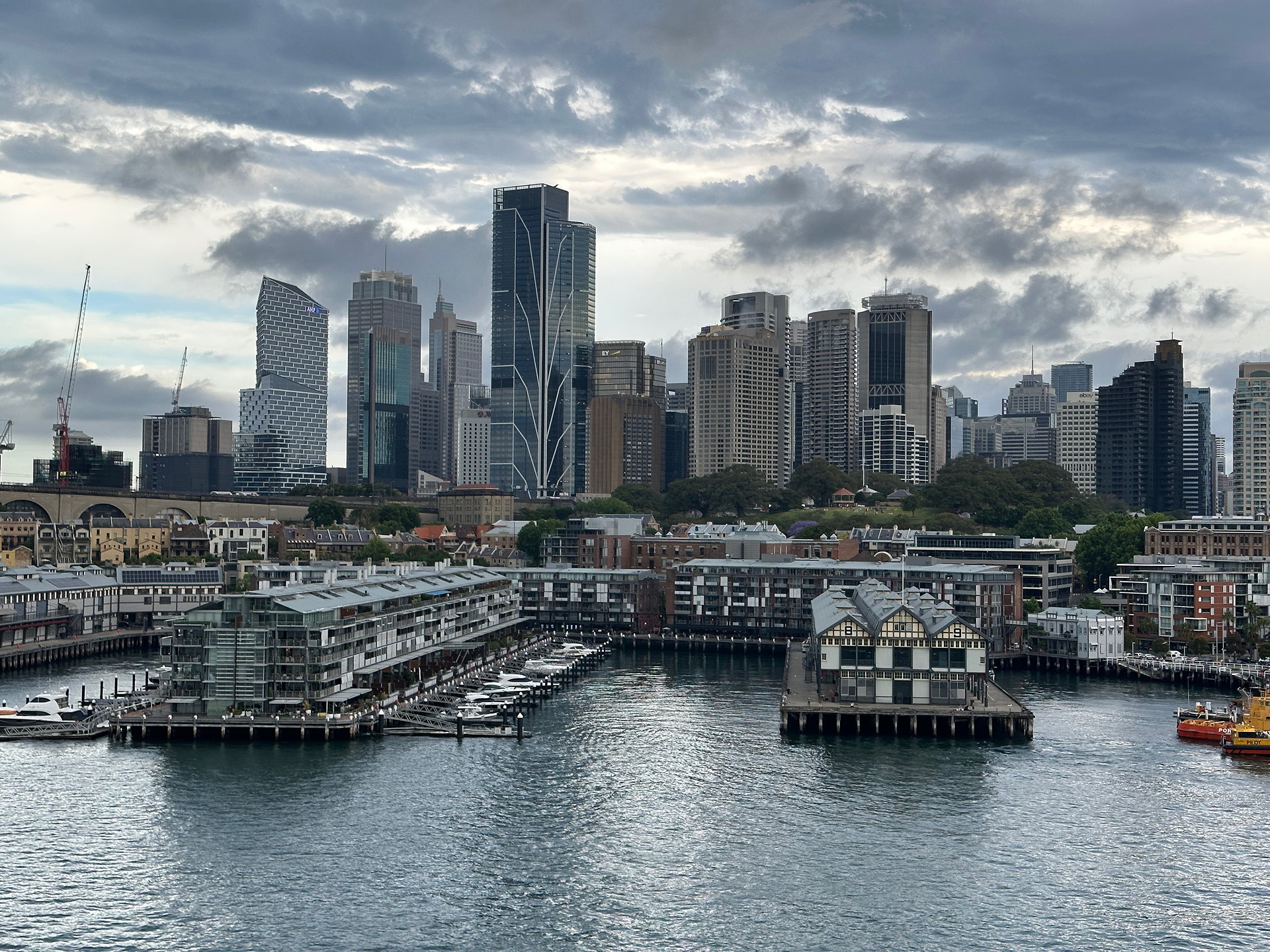
Despite some complications with boarding we managed and the sail-out from Sydney was with tolerable weather. It was an enjoyable sail-away with great views of some iconic landmarks such as the Sydney opera house. Some of the views are below.




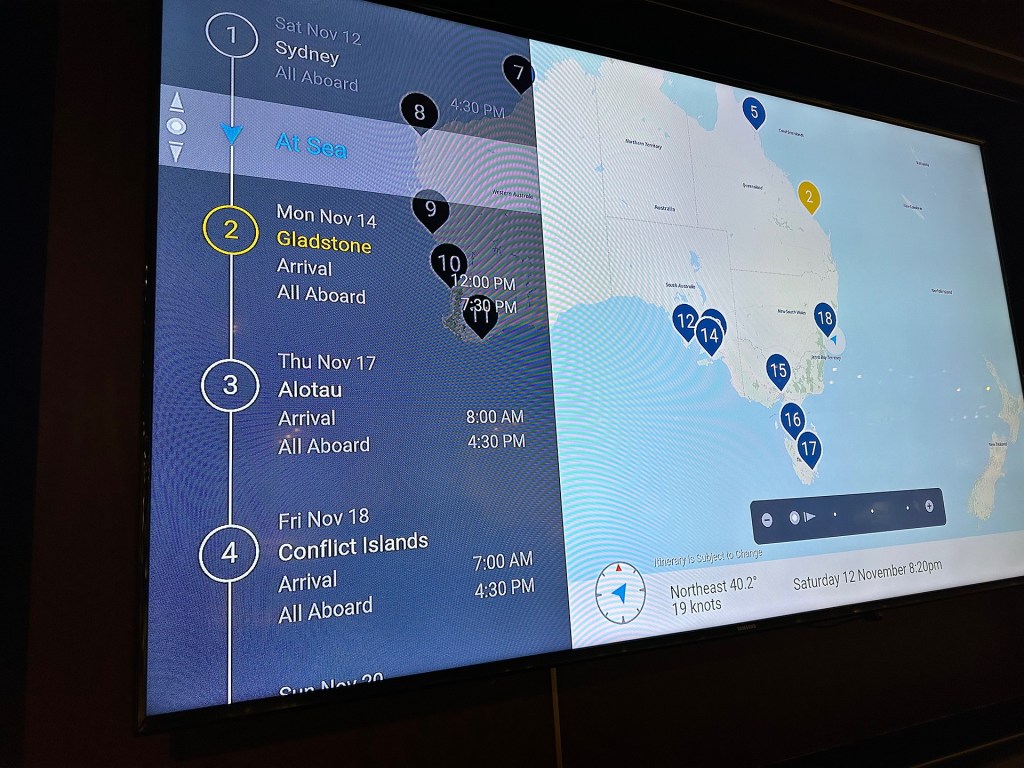
Our itinerary as it appeared on day one
The fun begins with our first talk
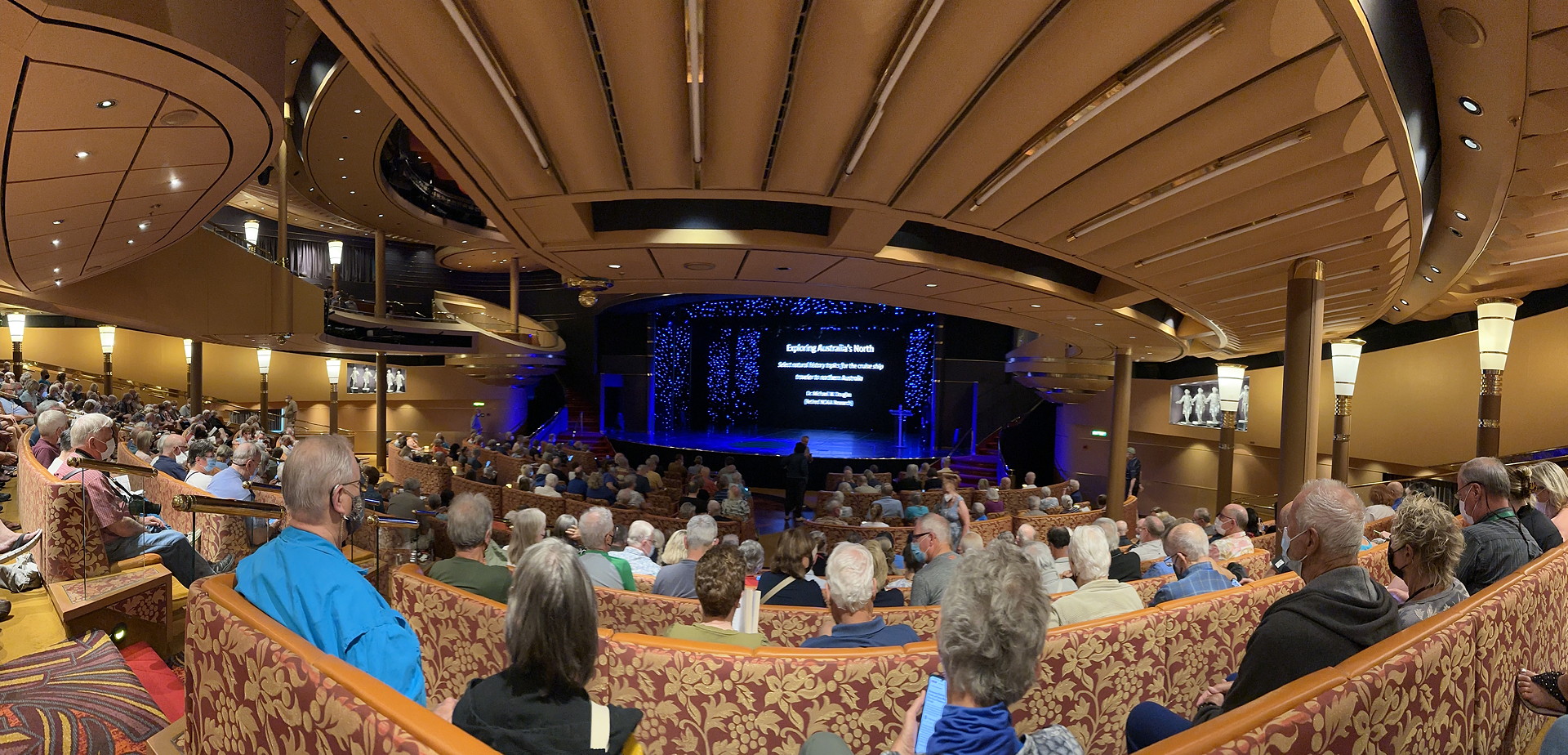
After the first day at sea and the first talk we started visiting some ports. The next section will describe our experiences during the port visits.
Gladstone
After we left Sydney we went to Gladstone, a major port for exporting coal and other mined materials. Our ship docked at a nicer part of the port, with a small cruise terminal and a larger city park attached to it. One could walk away from the ship without difficulty in a pleasant setting. To go very far one had to take a taxi or other mode of transport. We took a taxi to the botanical garden, which from Google Earth imagery appeared to have a large area of natural vegetation and where we planned to do birdwatching and looking at the native vegetation.
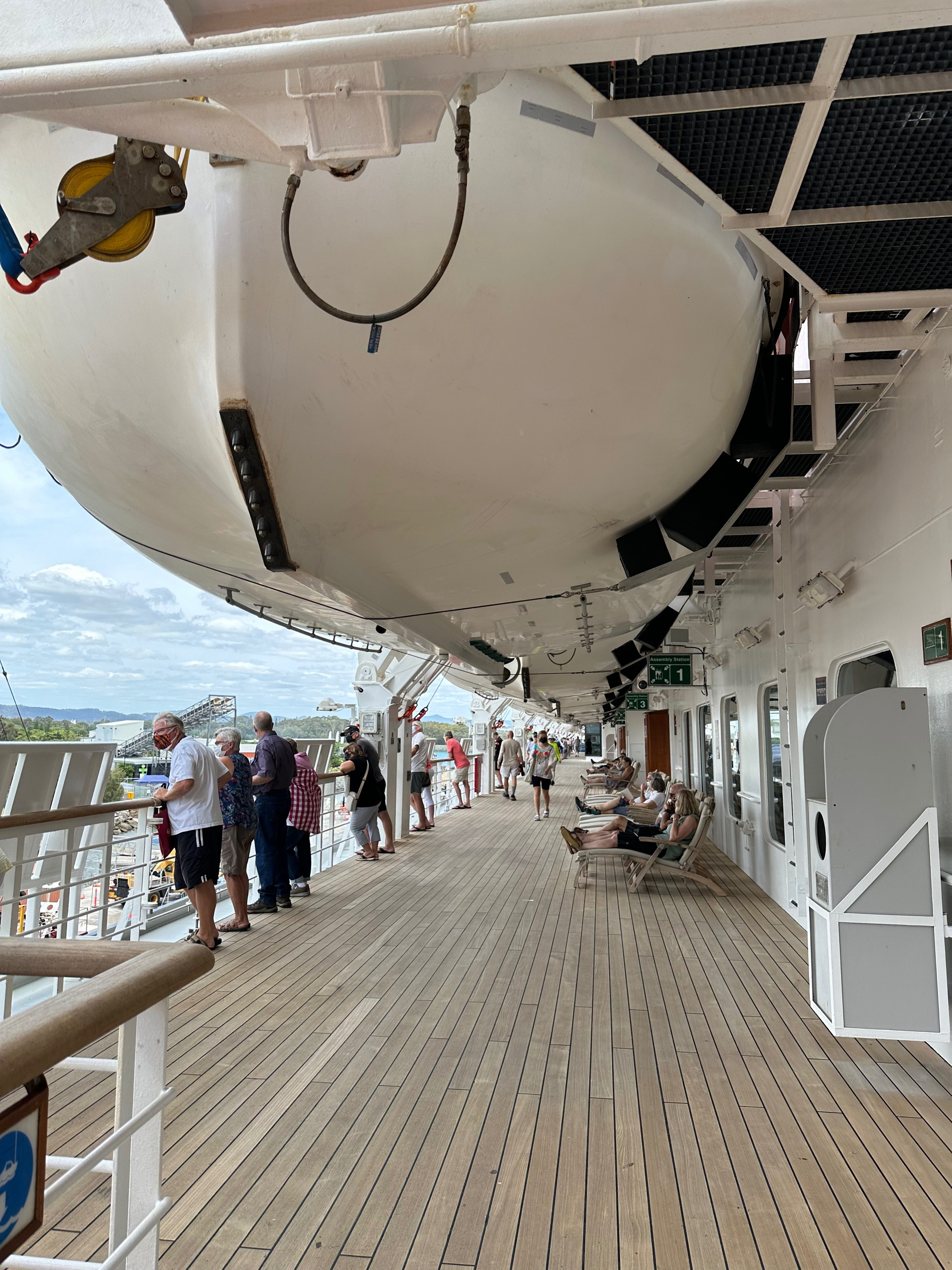
As the ship was docking in Gladstone on November 14th anticipation filled the air as passengers look out from the promenade. Some birds were visible from the ship as waited to dock.
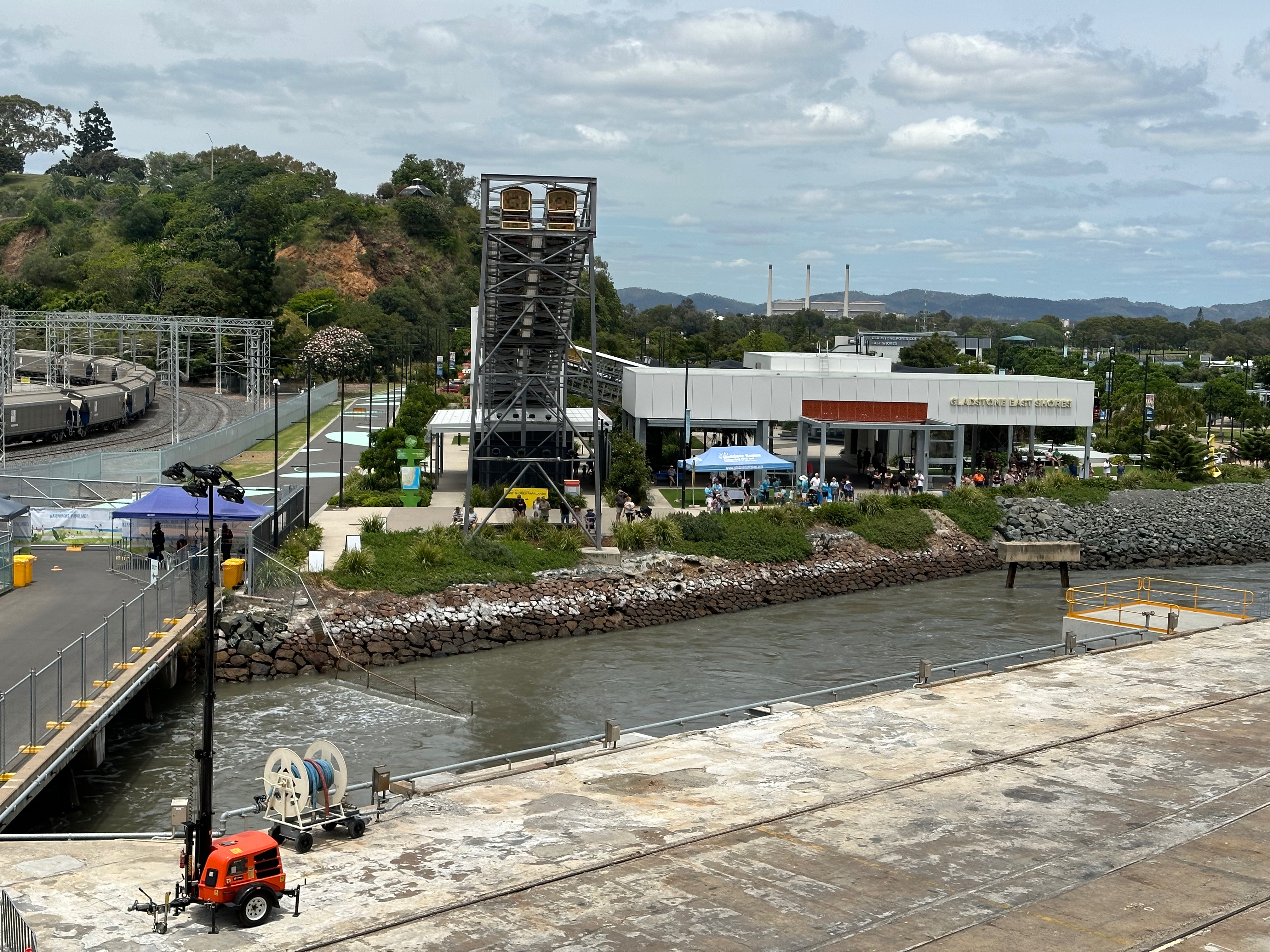

After checking some of the items on sale at the assorted booths set up by local merchants we called a taxi and headed for the Tondoon Botanical Gardens, our main excursion (on our own) for the day.
From Tondoon’s webpage:
” It’s in our nature“
There’s so much to see and do at Gladstone’s award-winning Botanic Gardens. From the iconic Crown of Gold tree, which is in full bloom during summer, to the orchid house which showcases unique orchid species. Our collection of more than 3,000 plant varieties, 90% of which are native to the region, are cultivated right here on the rolling 83-ha property neighbouring Mount Biondello.
Walking trails curve through a variety of rainforest types and an arboretum of sentinel-like blue gums. Plant-aficionados of all fitness levels can amble across the grounds and uncover some rare and endangered species on show. “
We spent about 3 interesting hours at the garden exploring a variety of trails and a pond area. Some areas of the gardens have a more cultivated look, but there are also trails that go uphill and are a bit more natural and you feel like you are on a real hike. Many interesting plants and flowers were visible as we explored the trail.
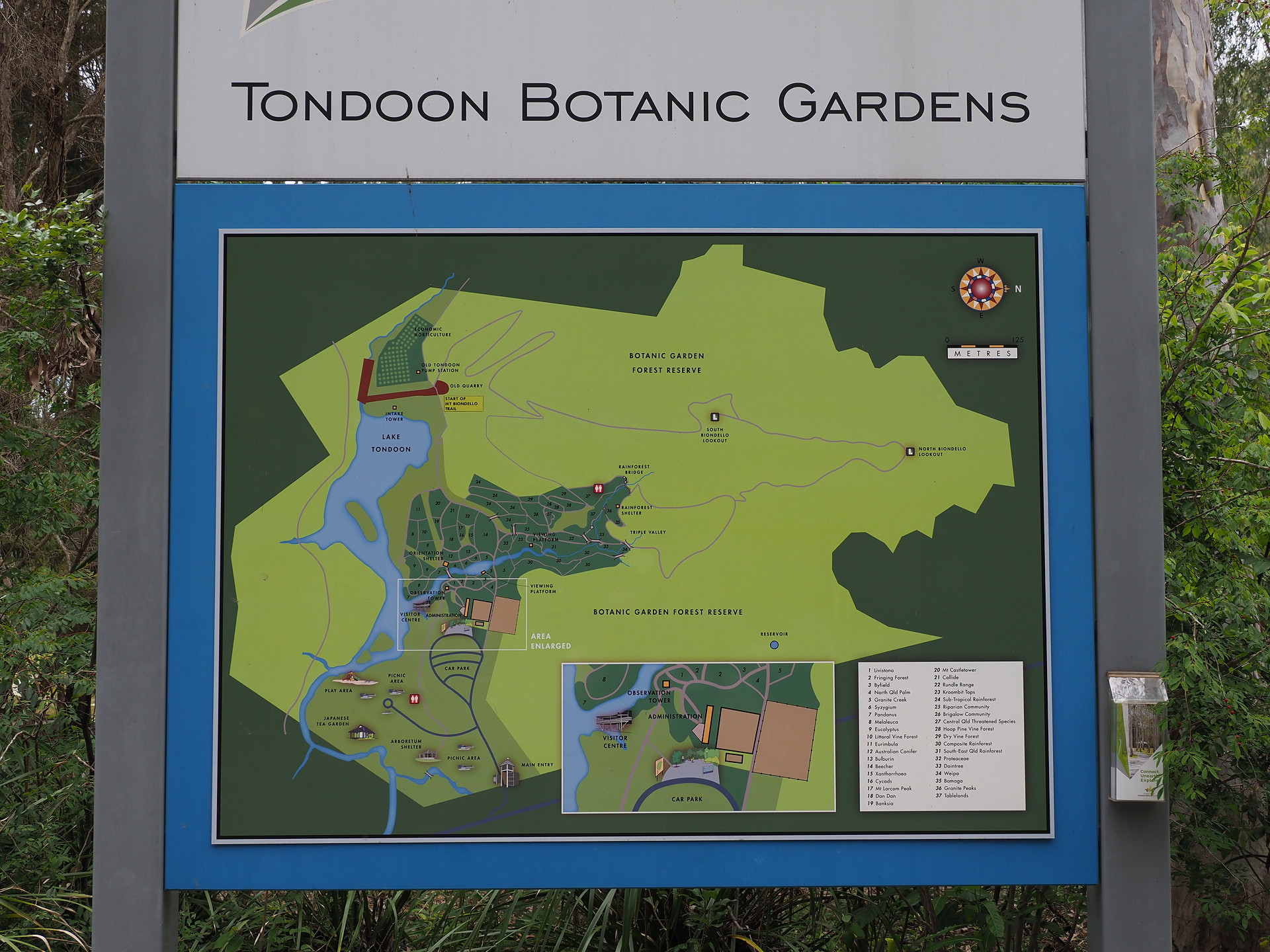
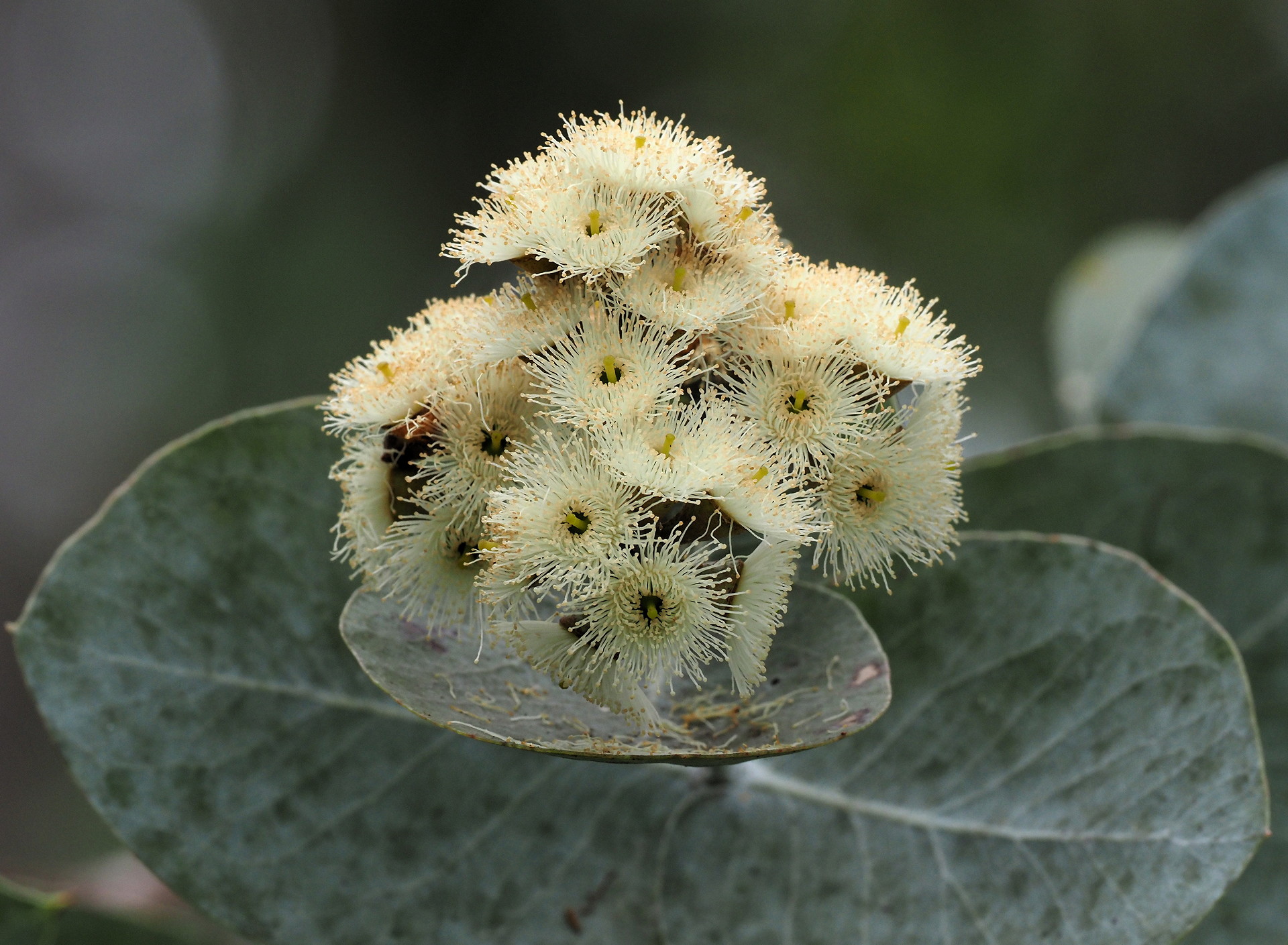

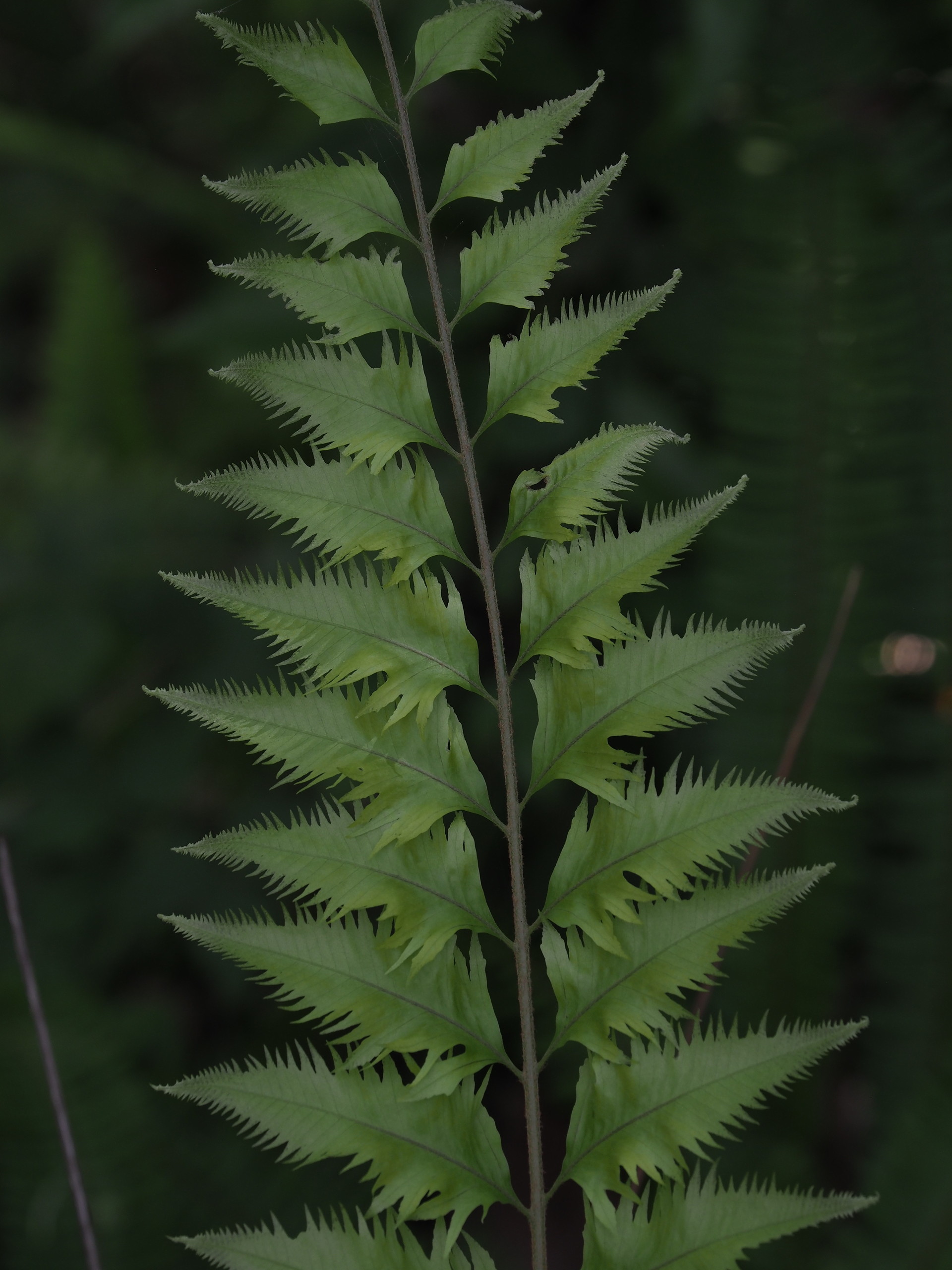
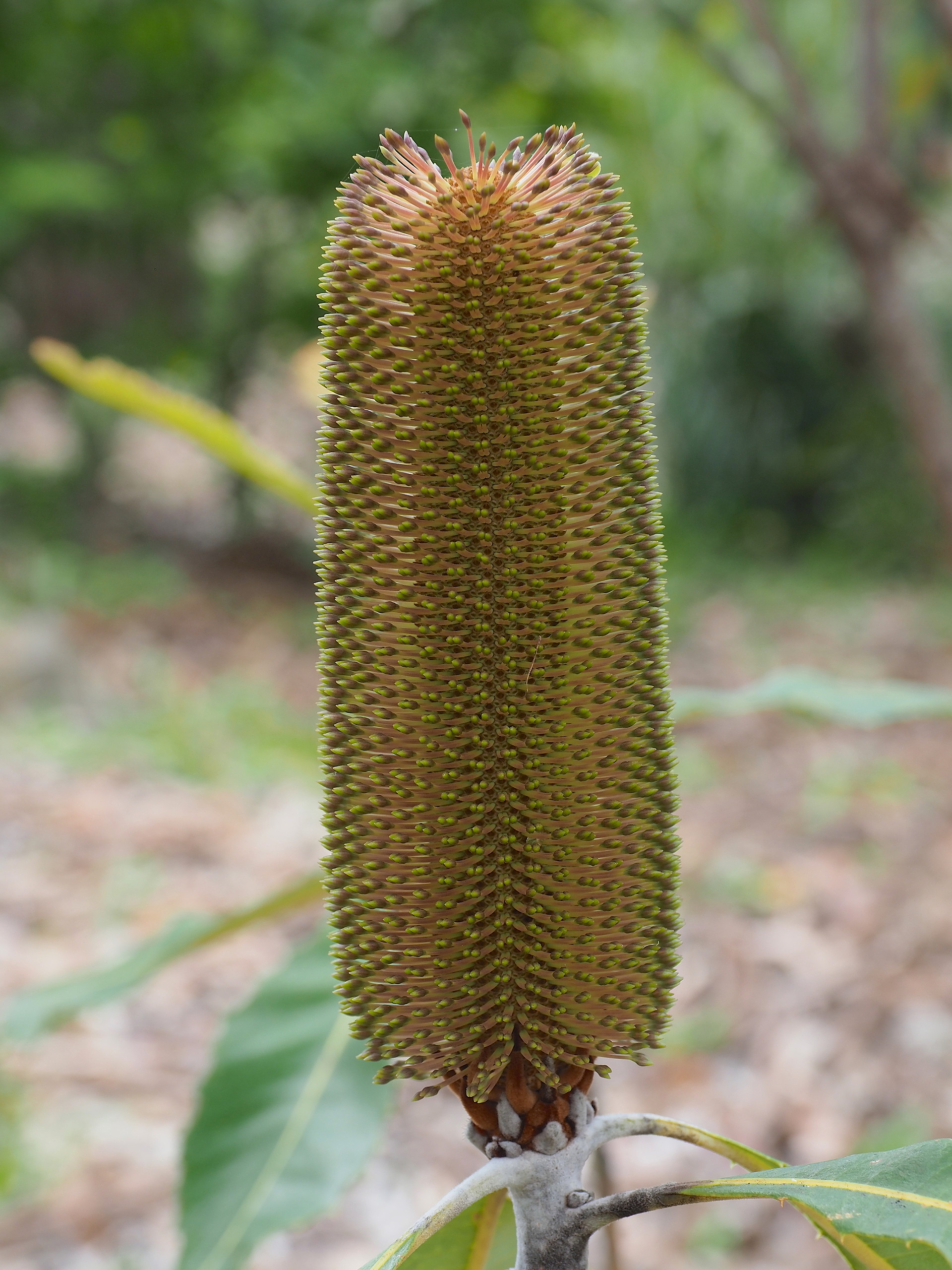
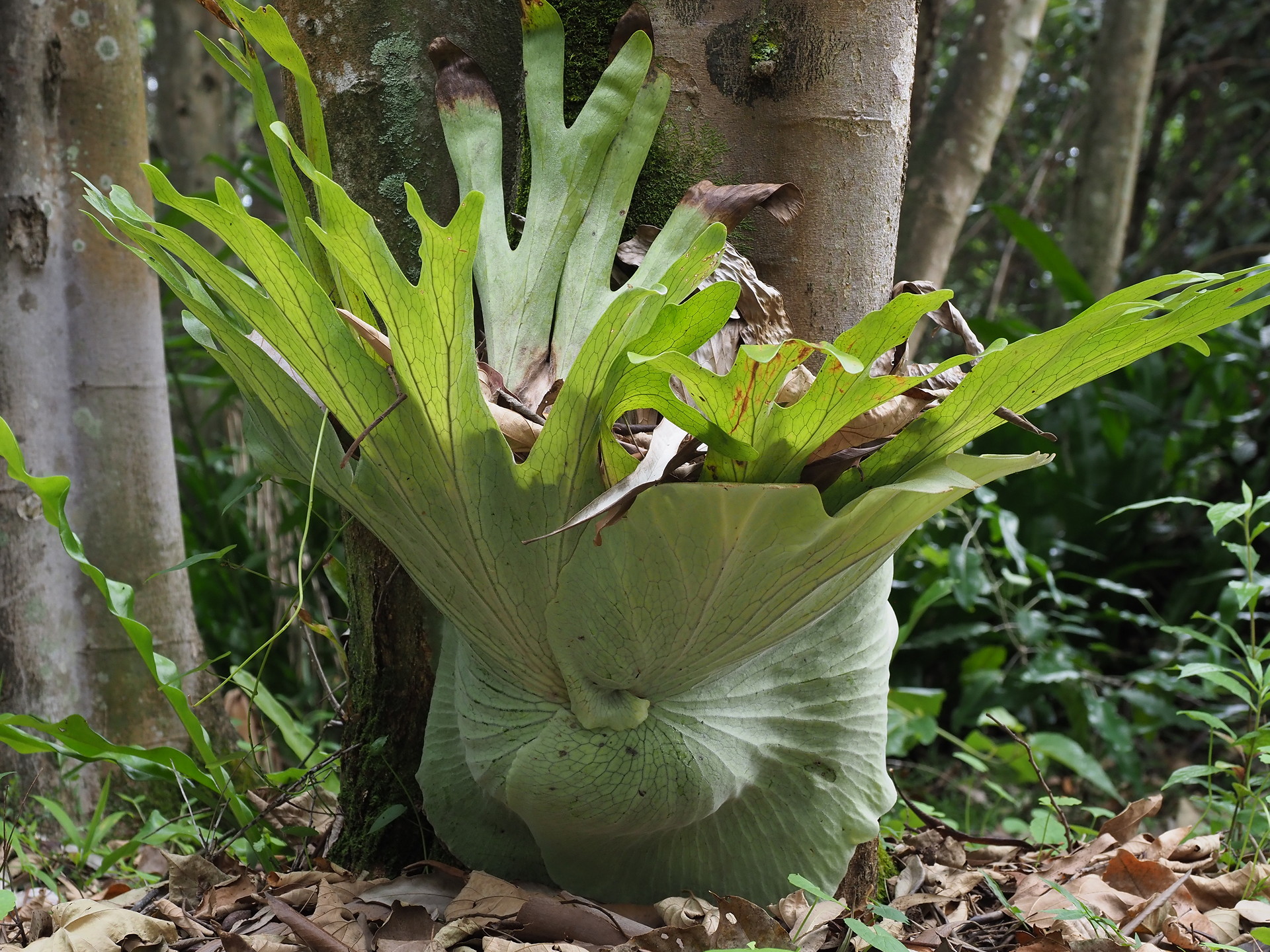

The more natural trail went for a while and we eventually had to turn around. Tall trees were more abundant on this trail. In the main part of the garden there were sprinklers for watering the landscape – to support some of the plants requiring more water.
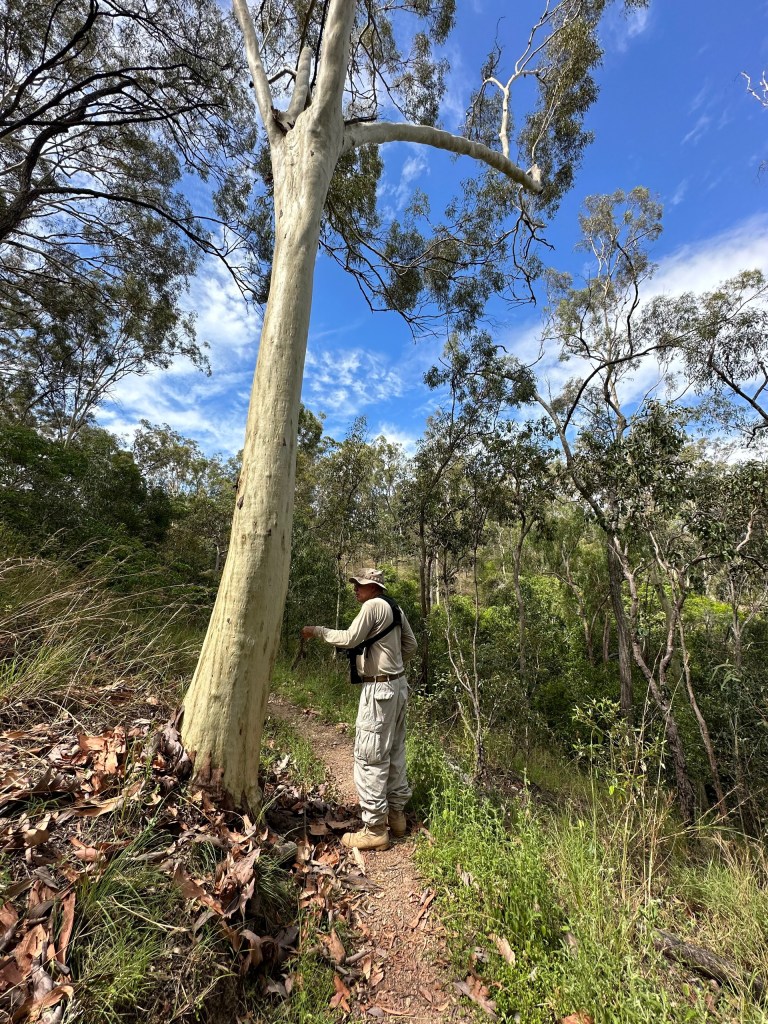
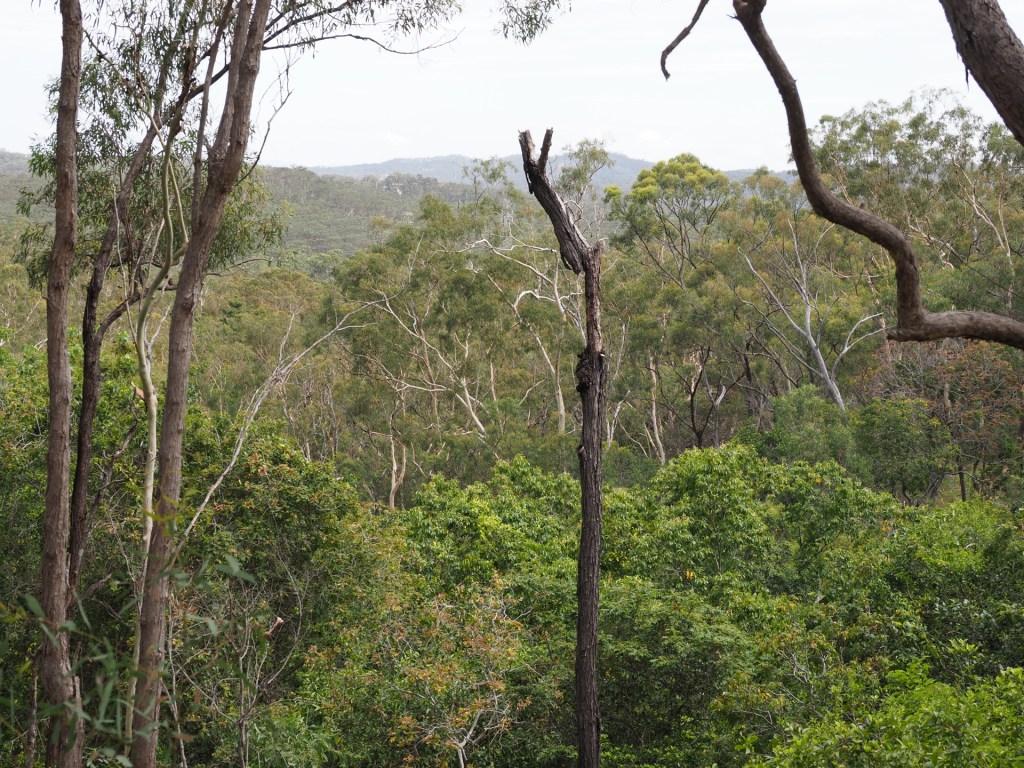
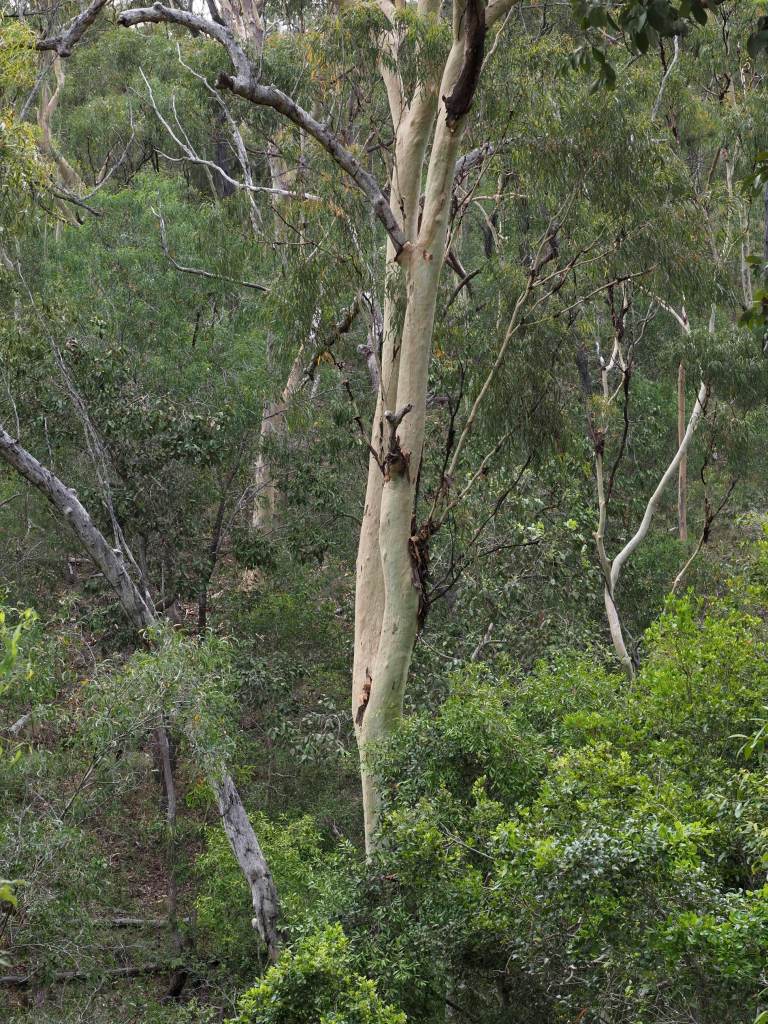
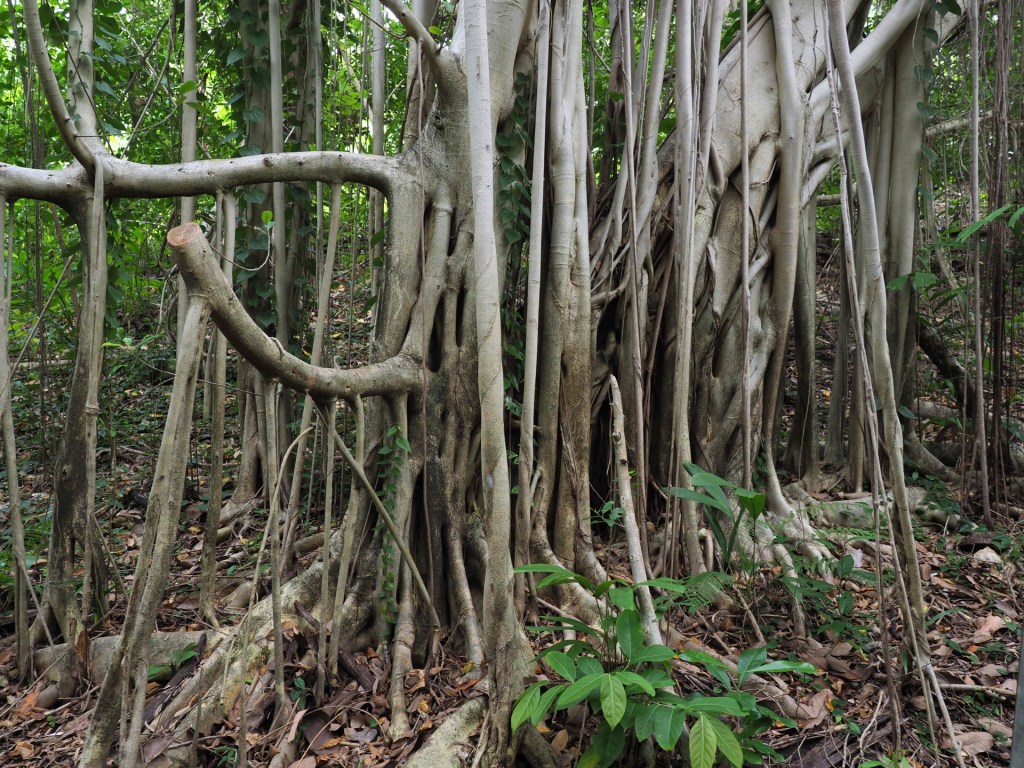
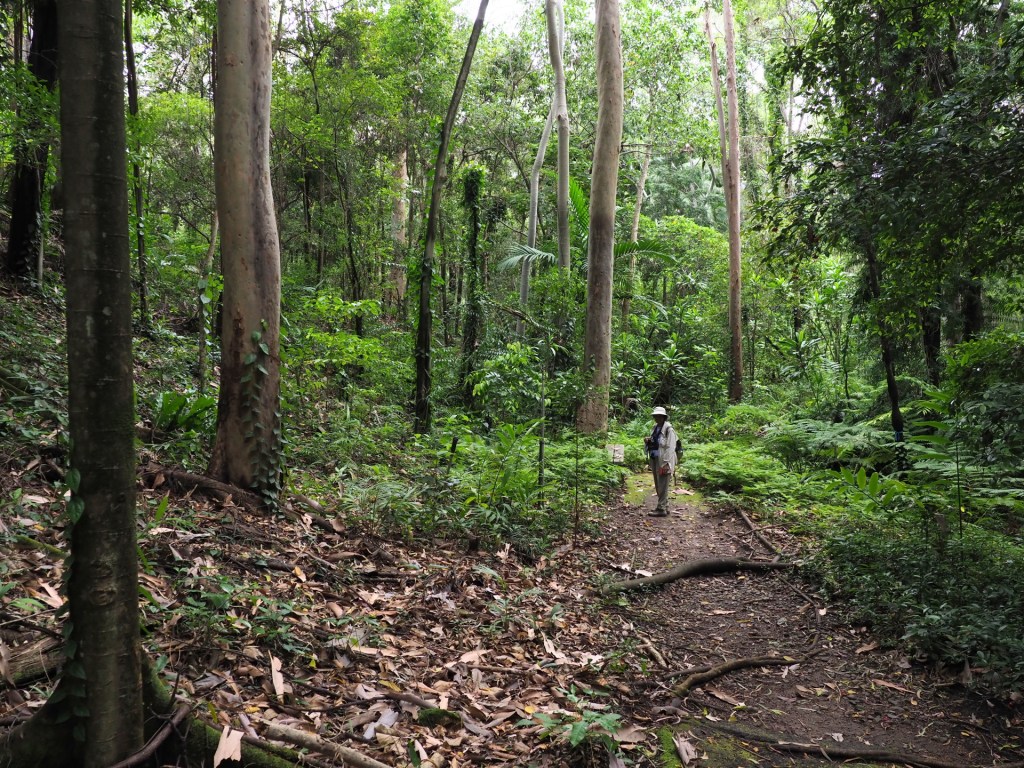
We were also able to photograph some interesting insects and birds.
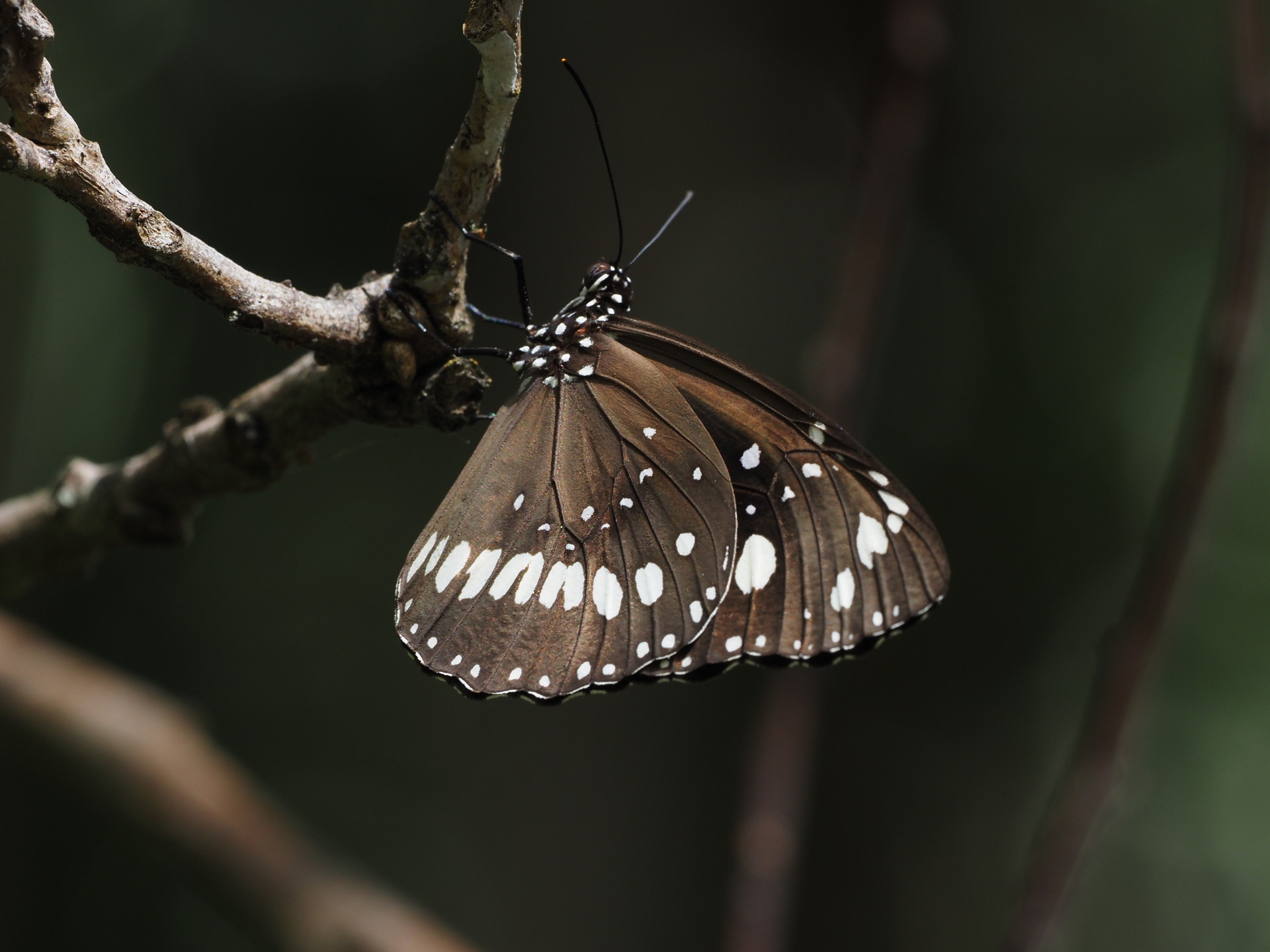
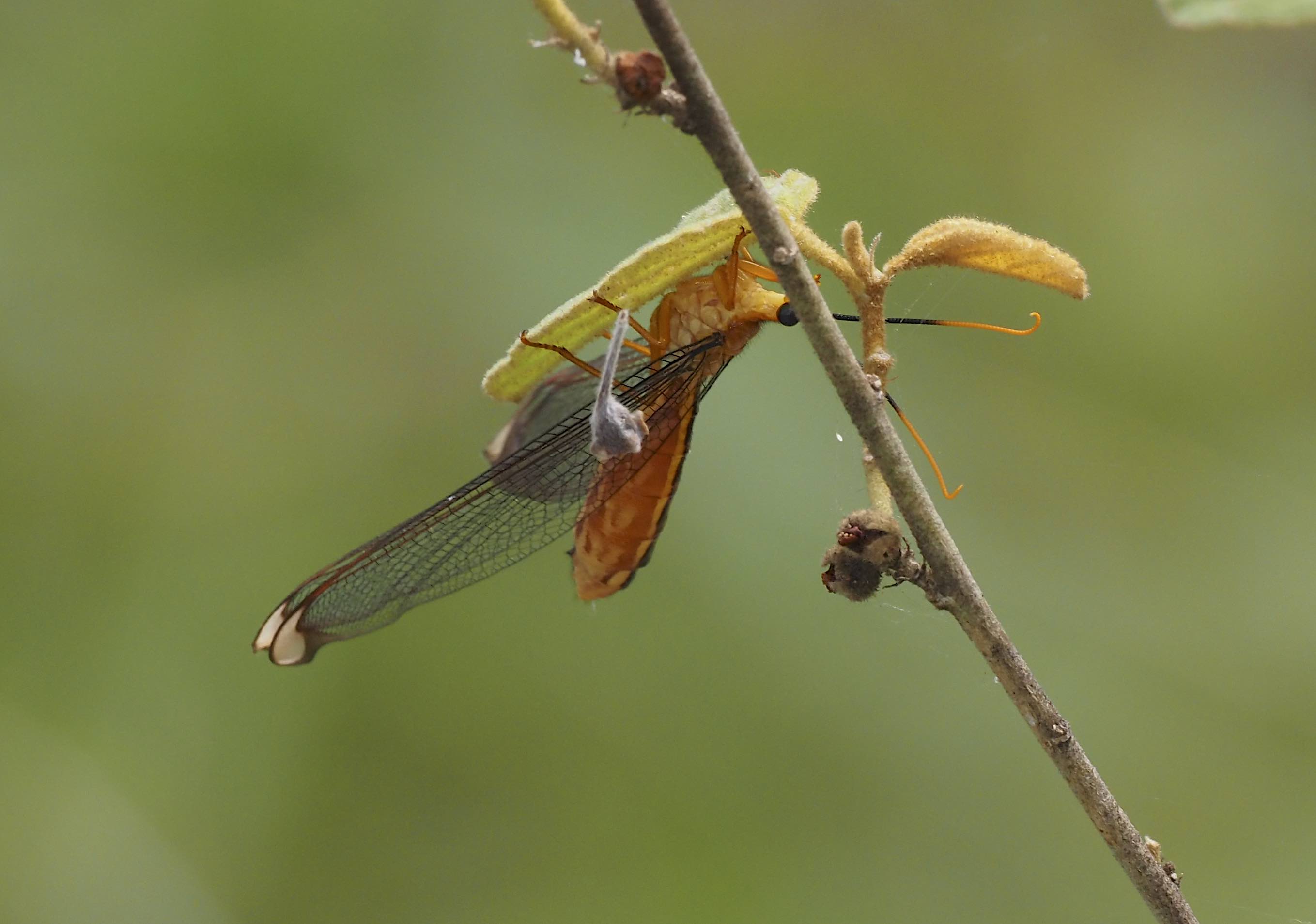

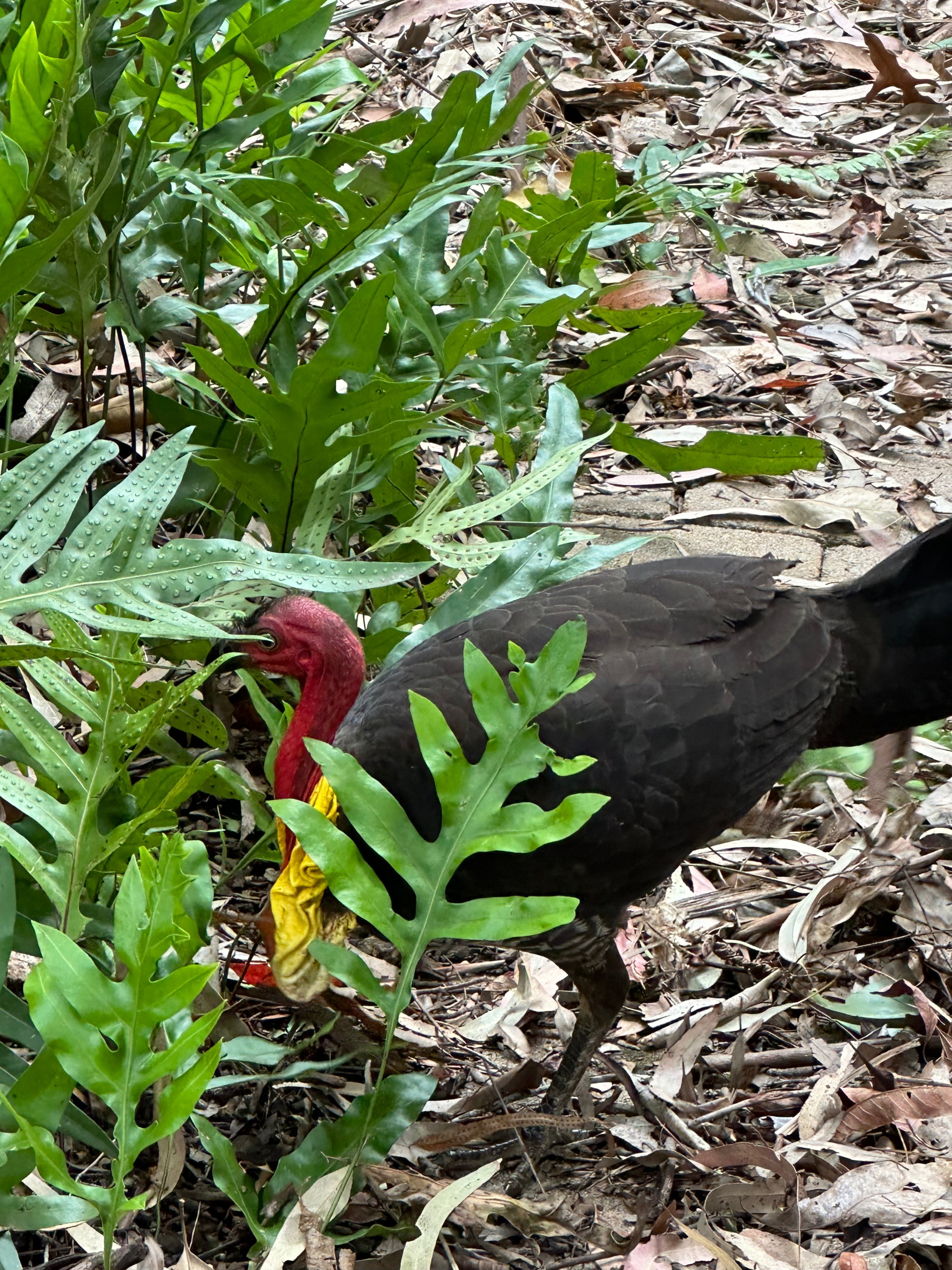
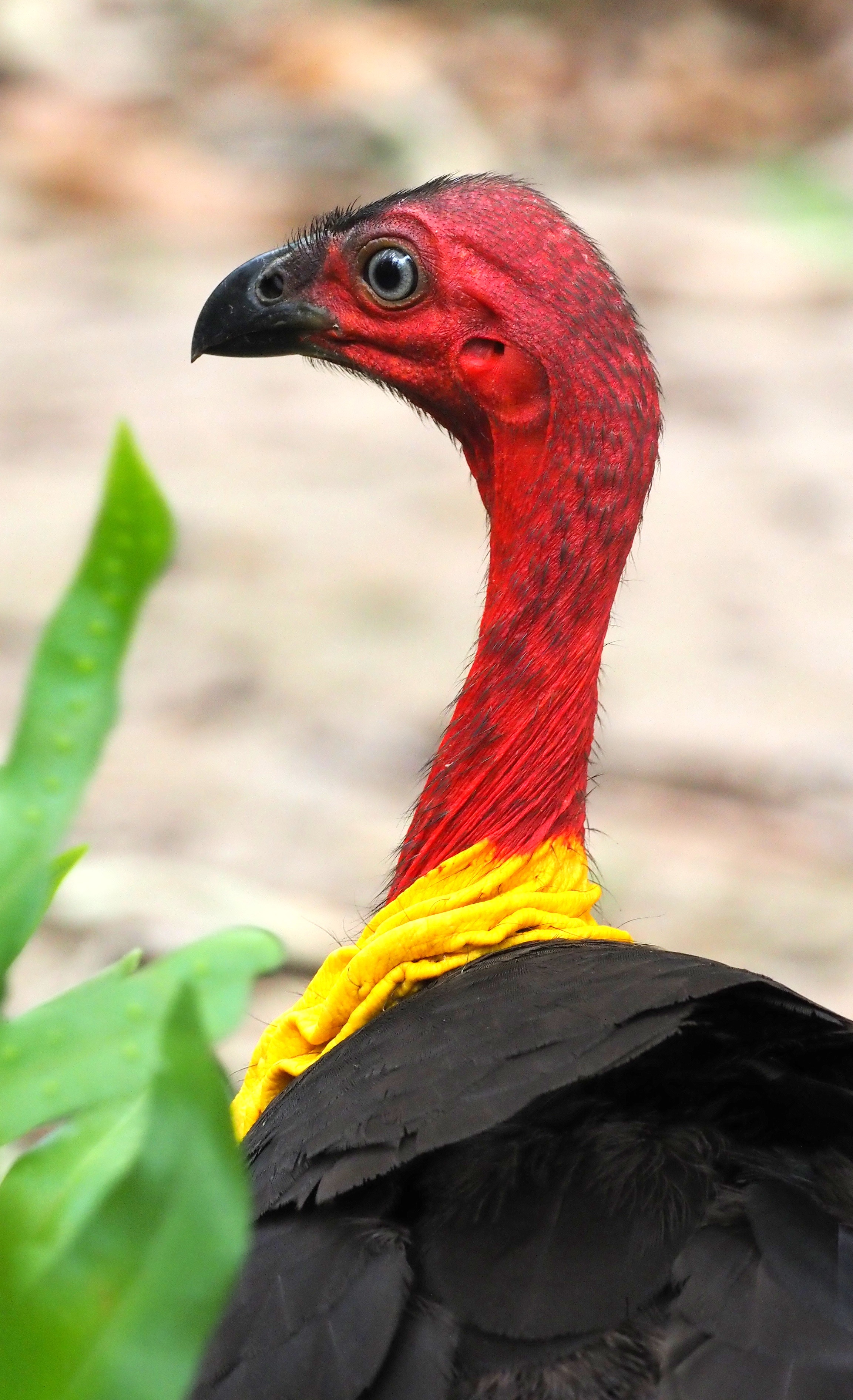
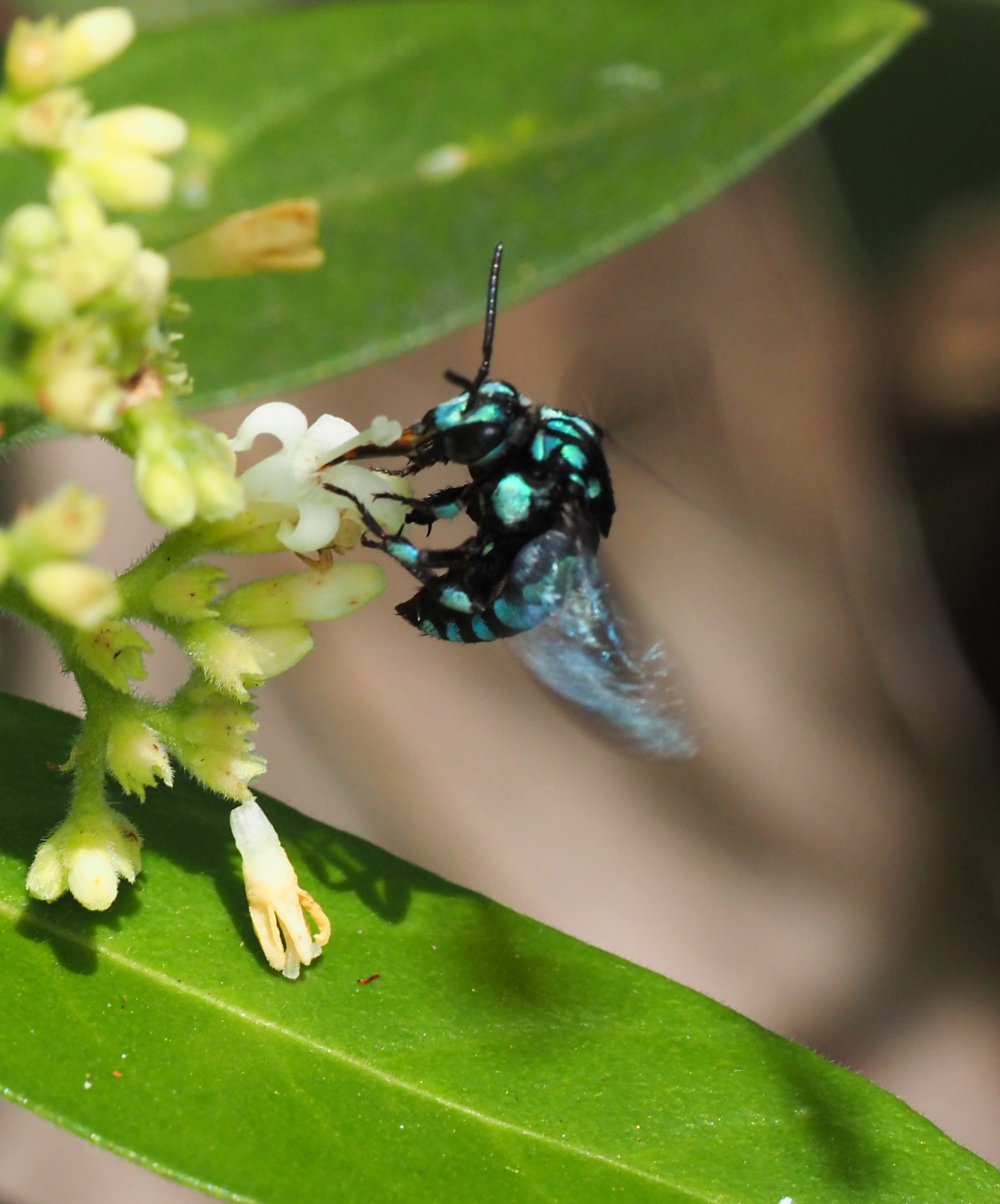

Returning to the port via taxi, we had some time to explore and we walked along the riverfront that had mangroves along it. Birds were also visible as we walked towards the port.
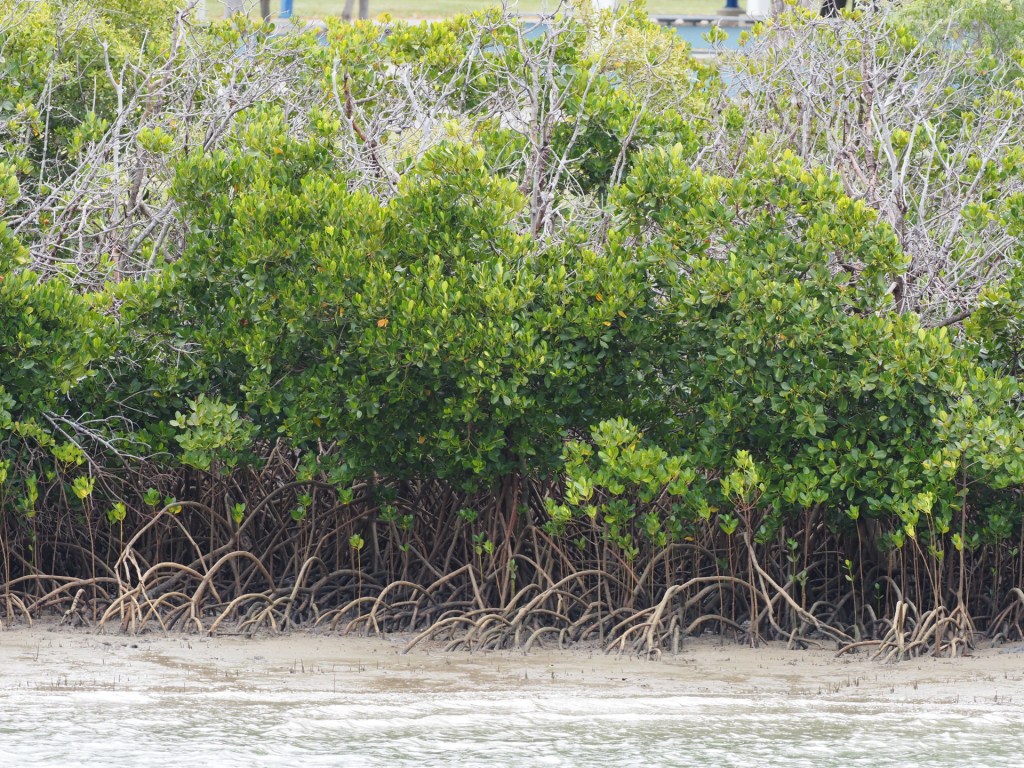
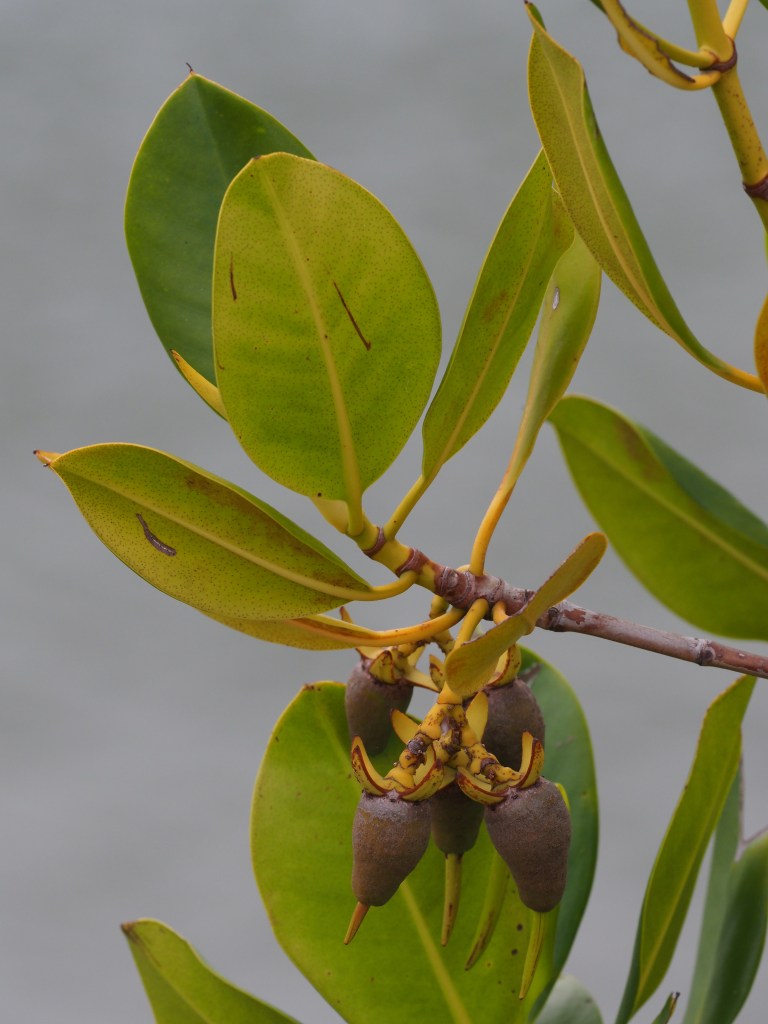
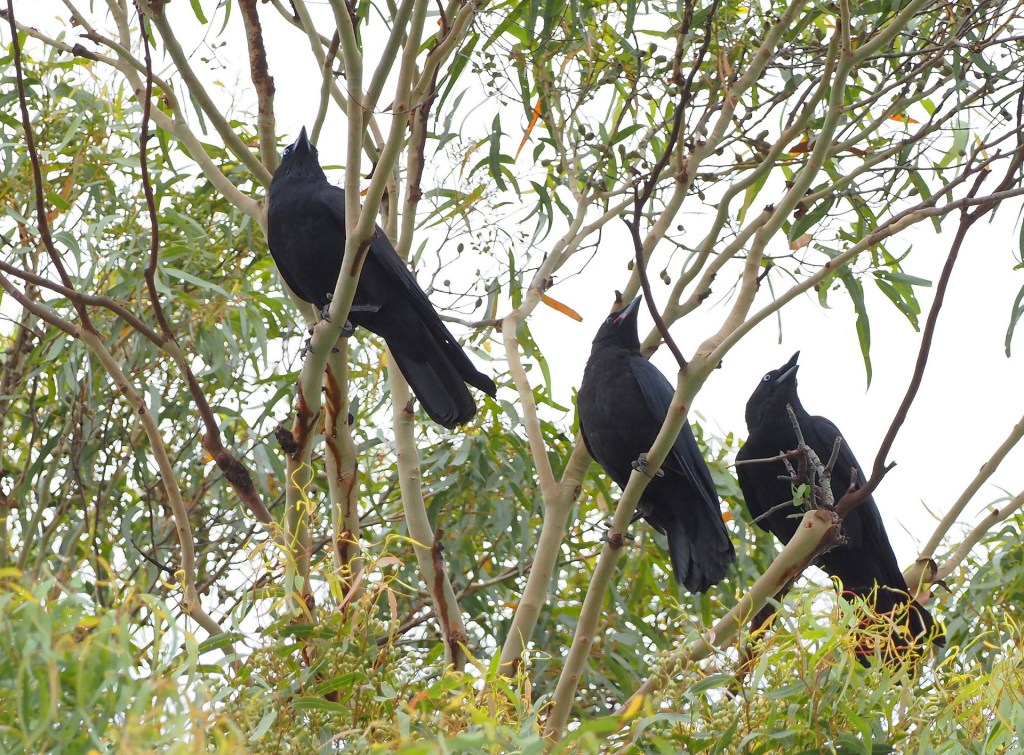
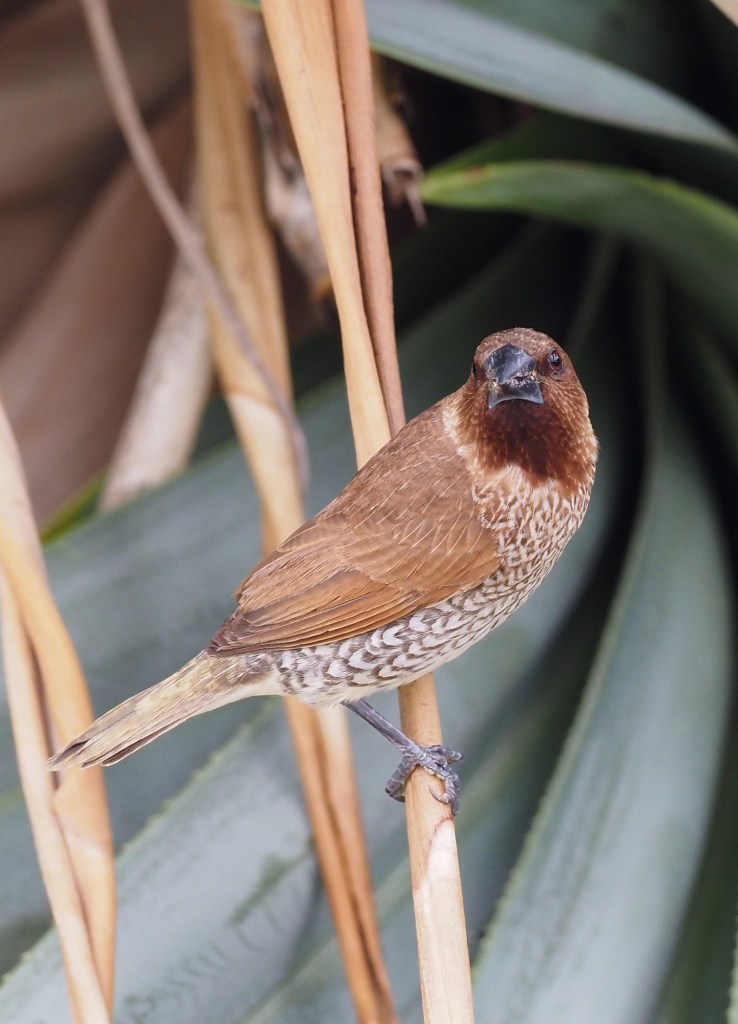
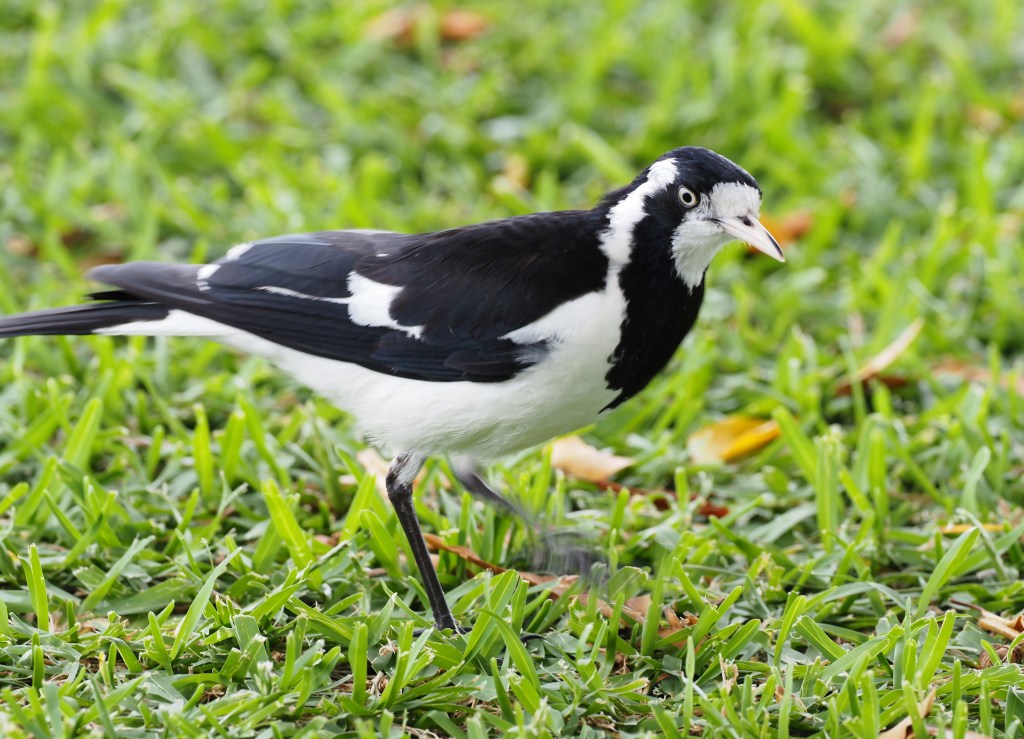
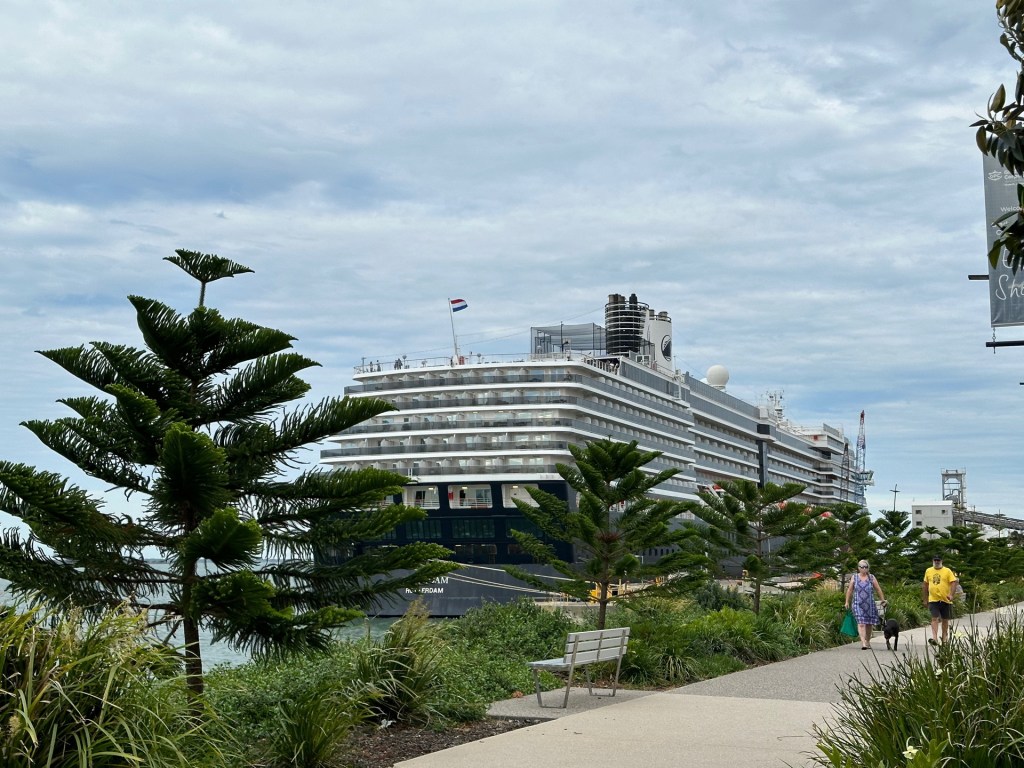
The Noordam was visible as we finally ended our explorations and headed for the ship.
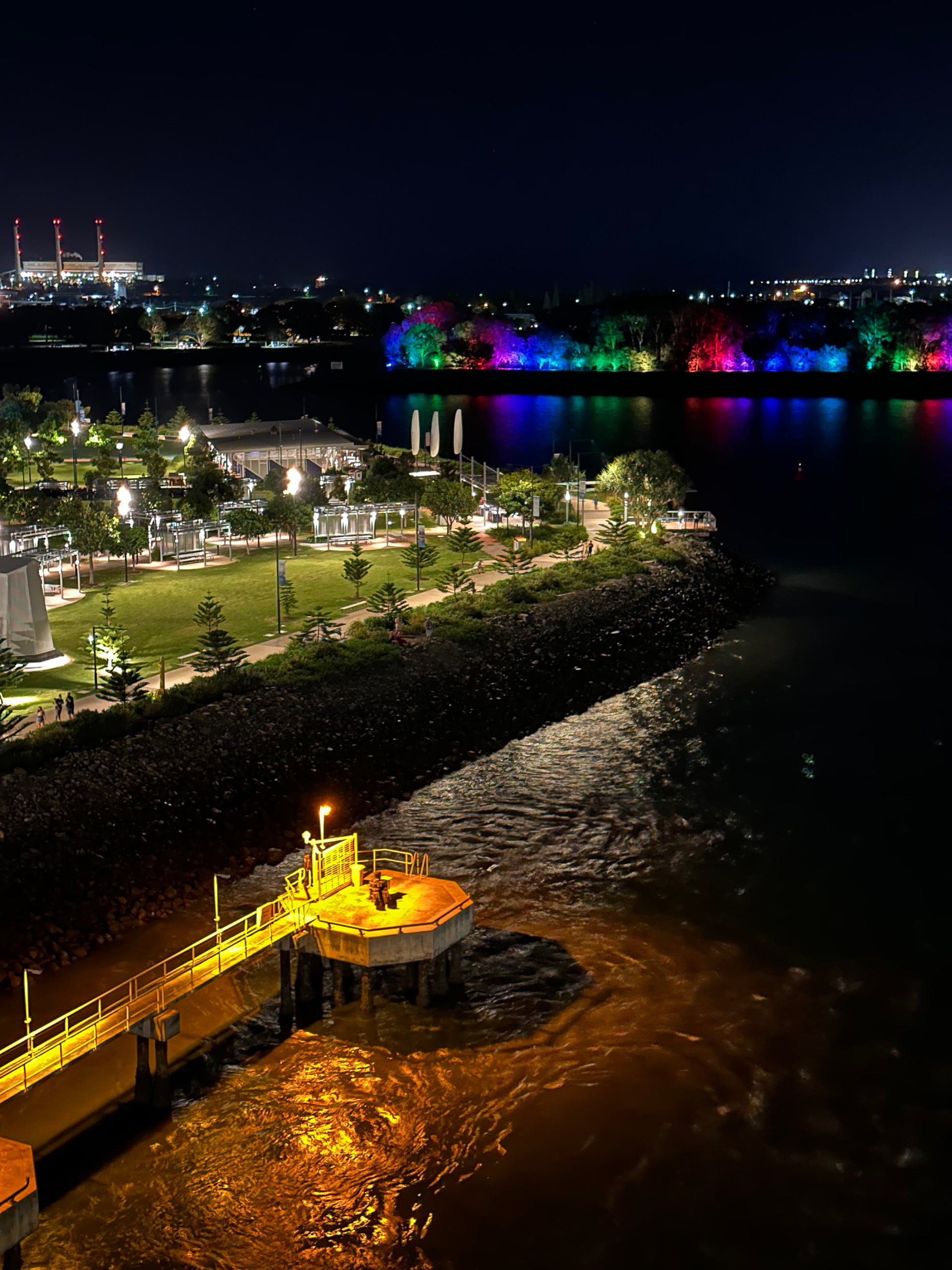
After a relatively full day with plenty of activities to keep us entertained we boarded the ship and soon it was time for the Noordam to set sail again. Gladstone looked very pretty with the lights illuminating it as we moved away.

Alotau
More sea days before arriving in Alotau allowed for walks in the promenade at different times of the day. The sunsets and sunrises were truly beautiful. Other talks were also part of the activities on the sea days prior to getting to Alotau.


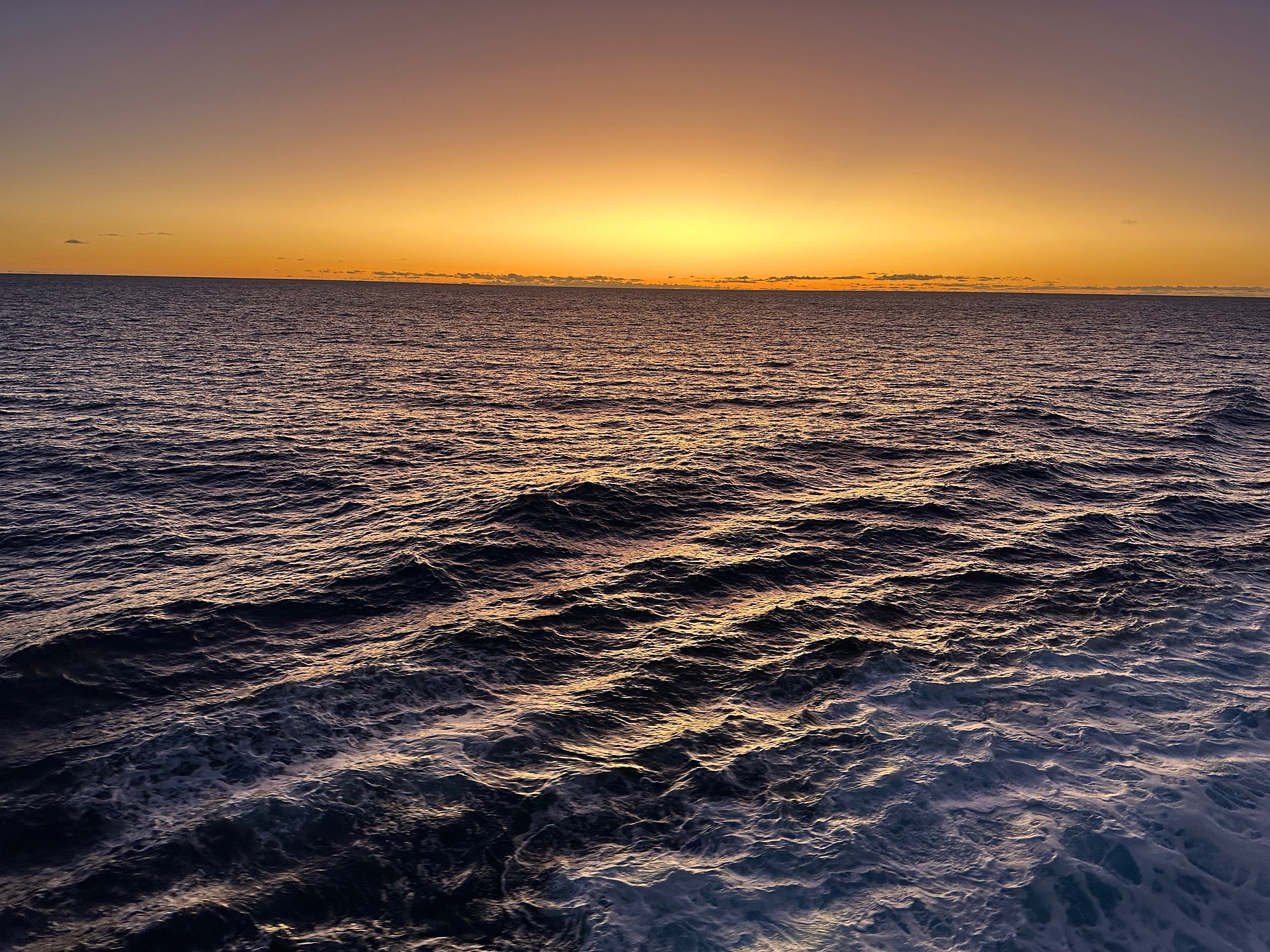
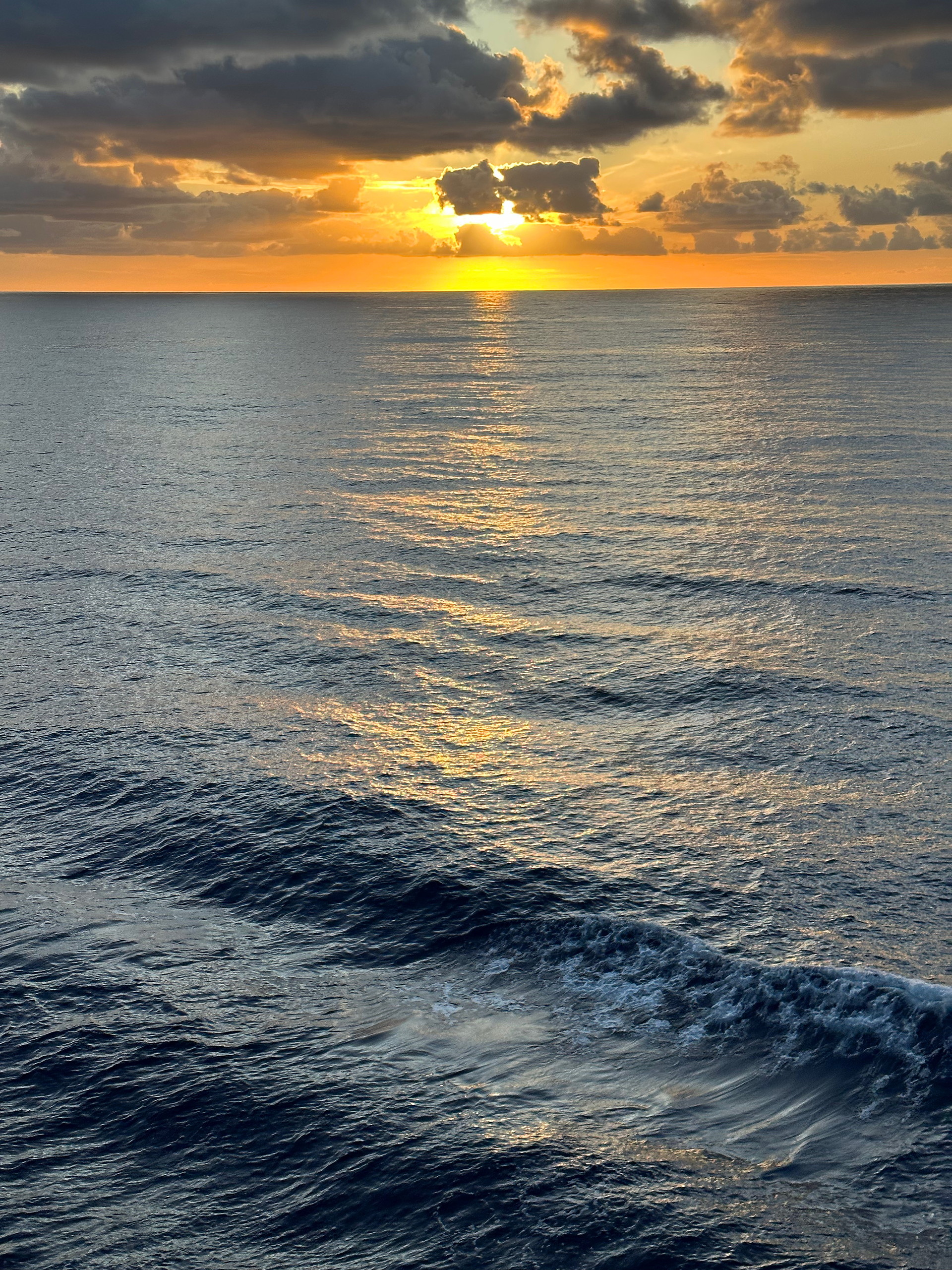
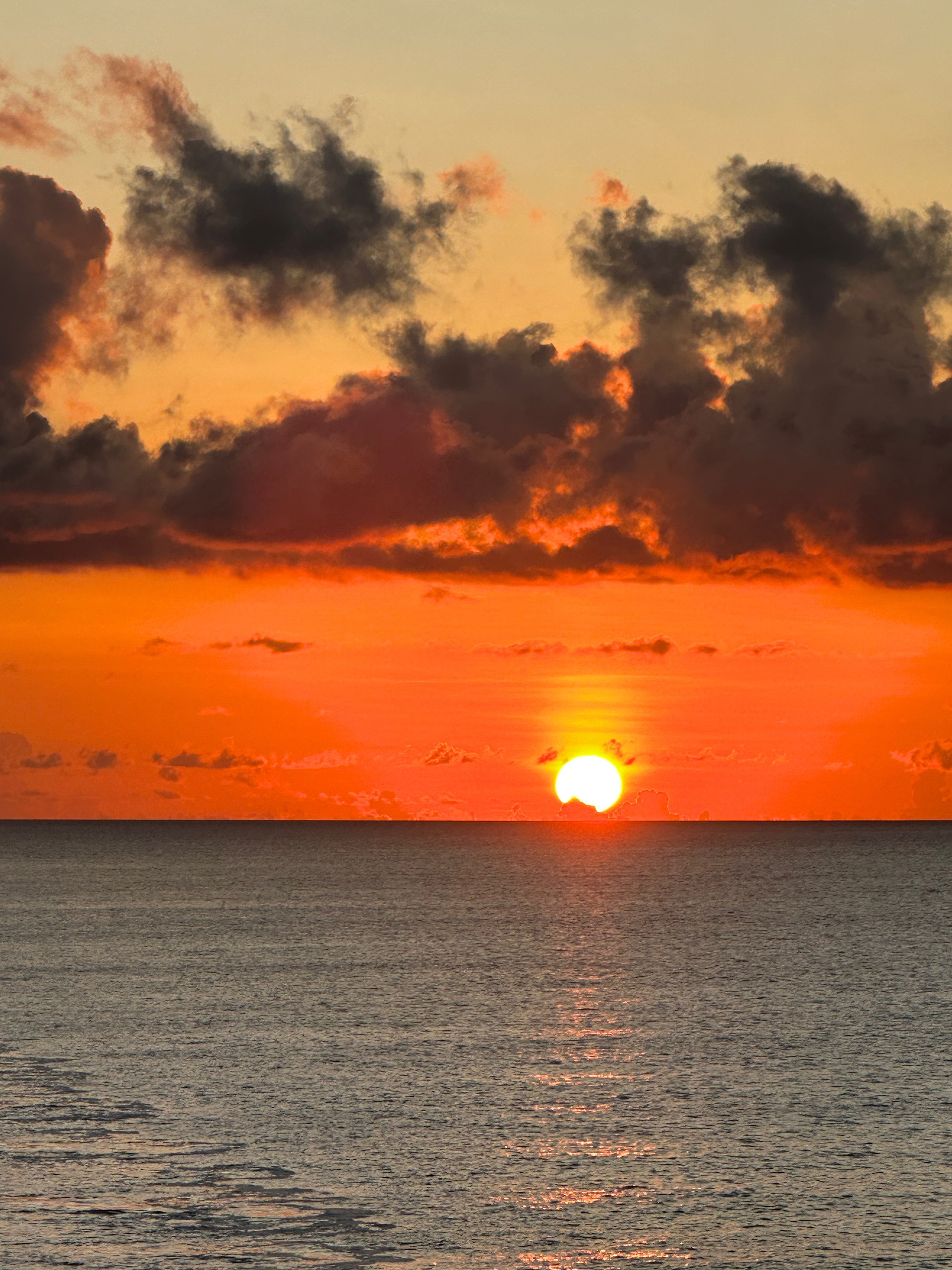
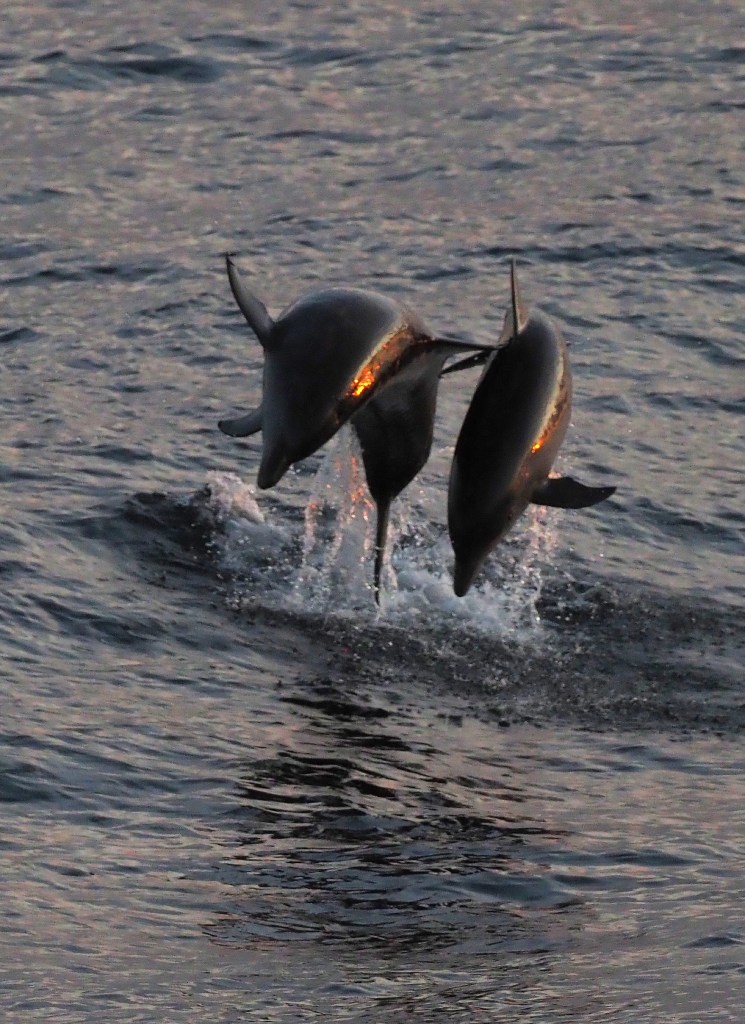
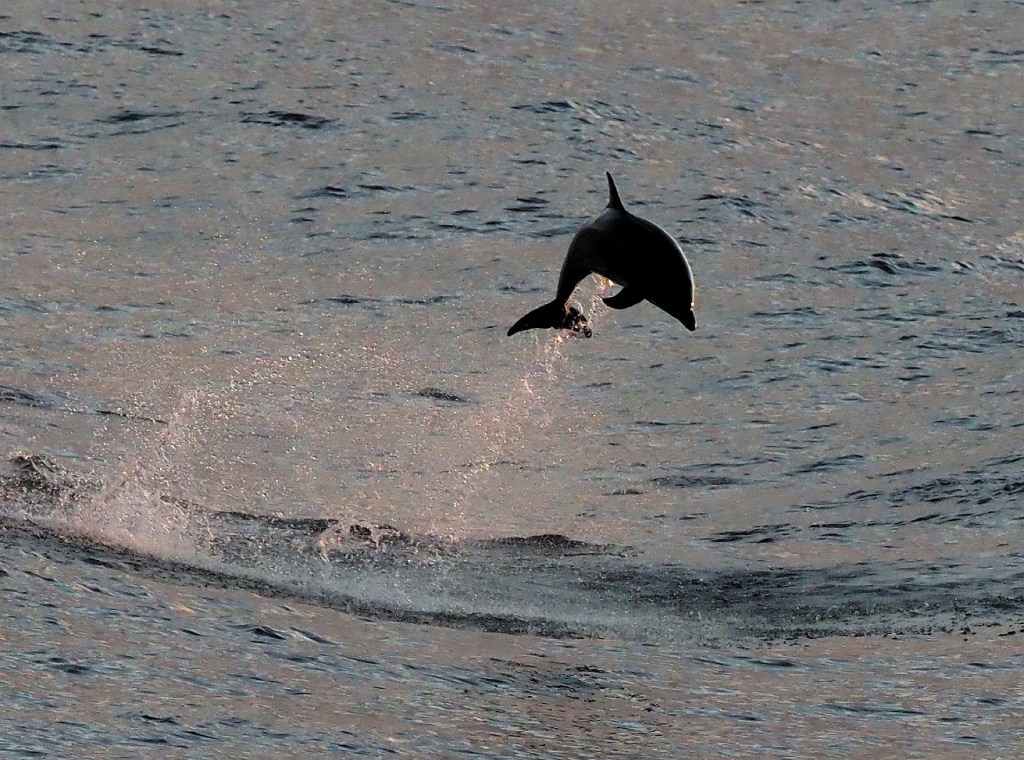
This port, in Papua New Guinea, was at the end of Milner Bay, an area that was fought over during WW2. We were met by Bottlenose Dolphins on arriving to Milner Bay early in the morning.

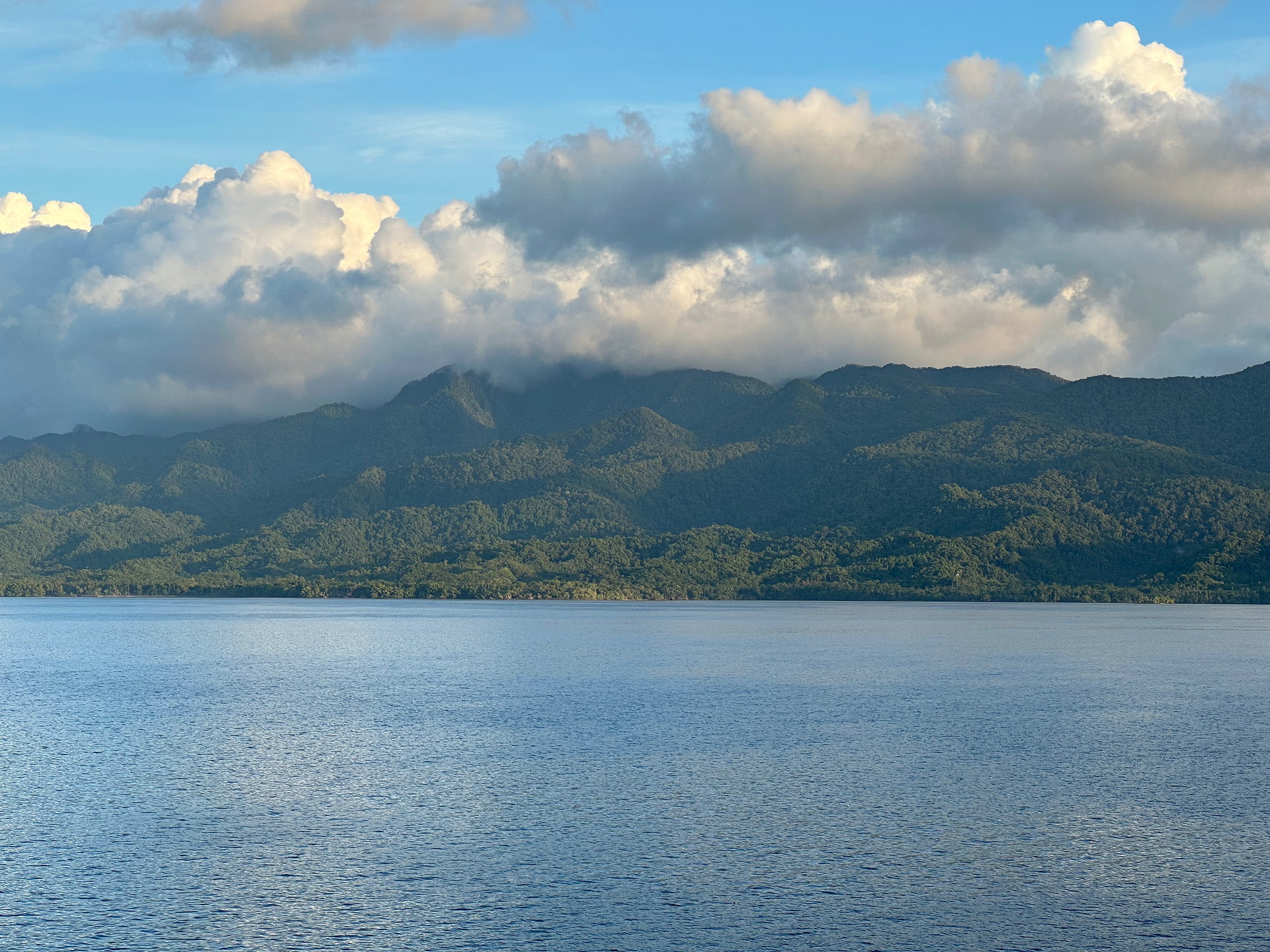
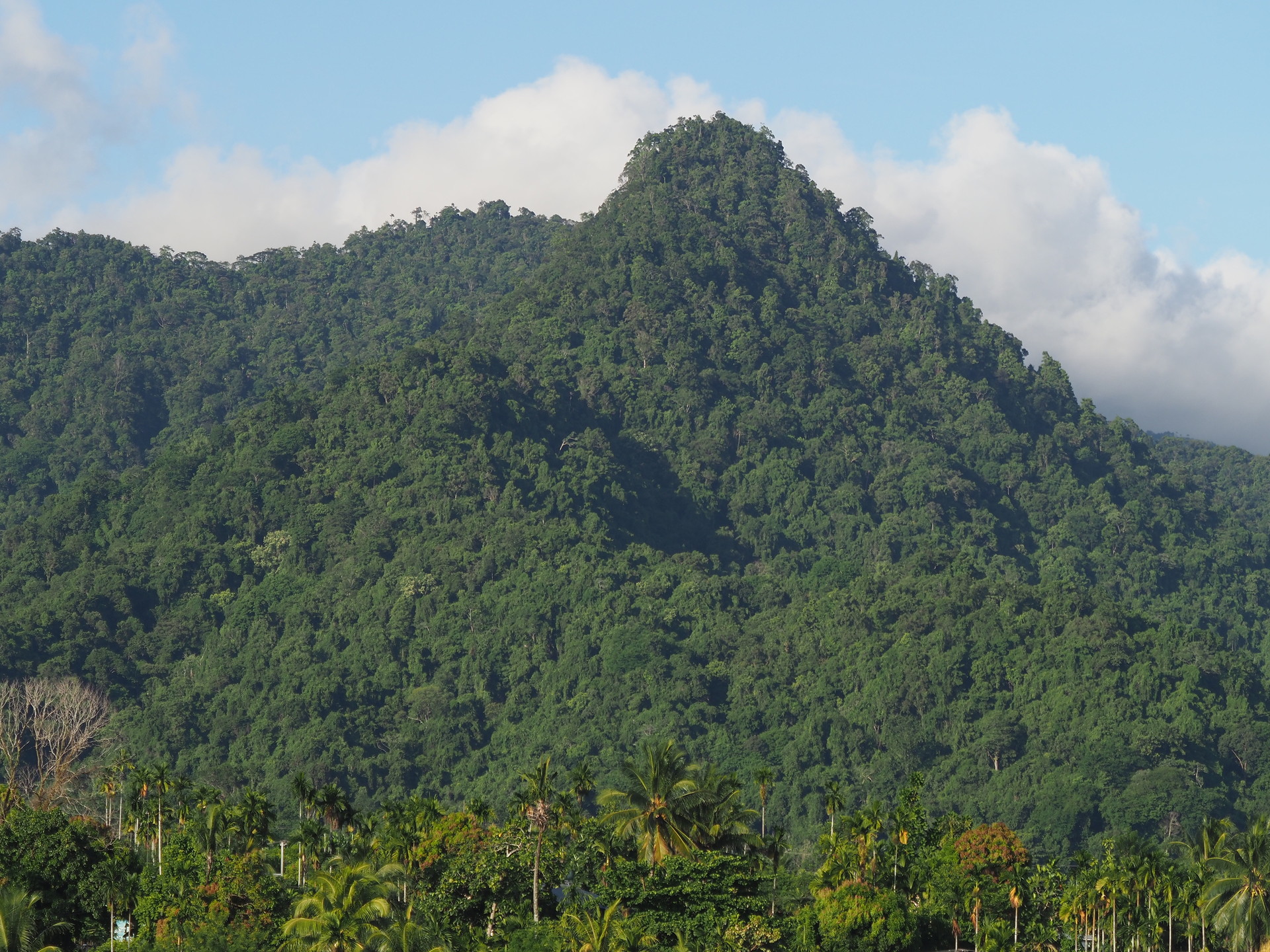
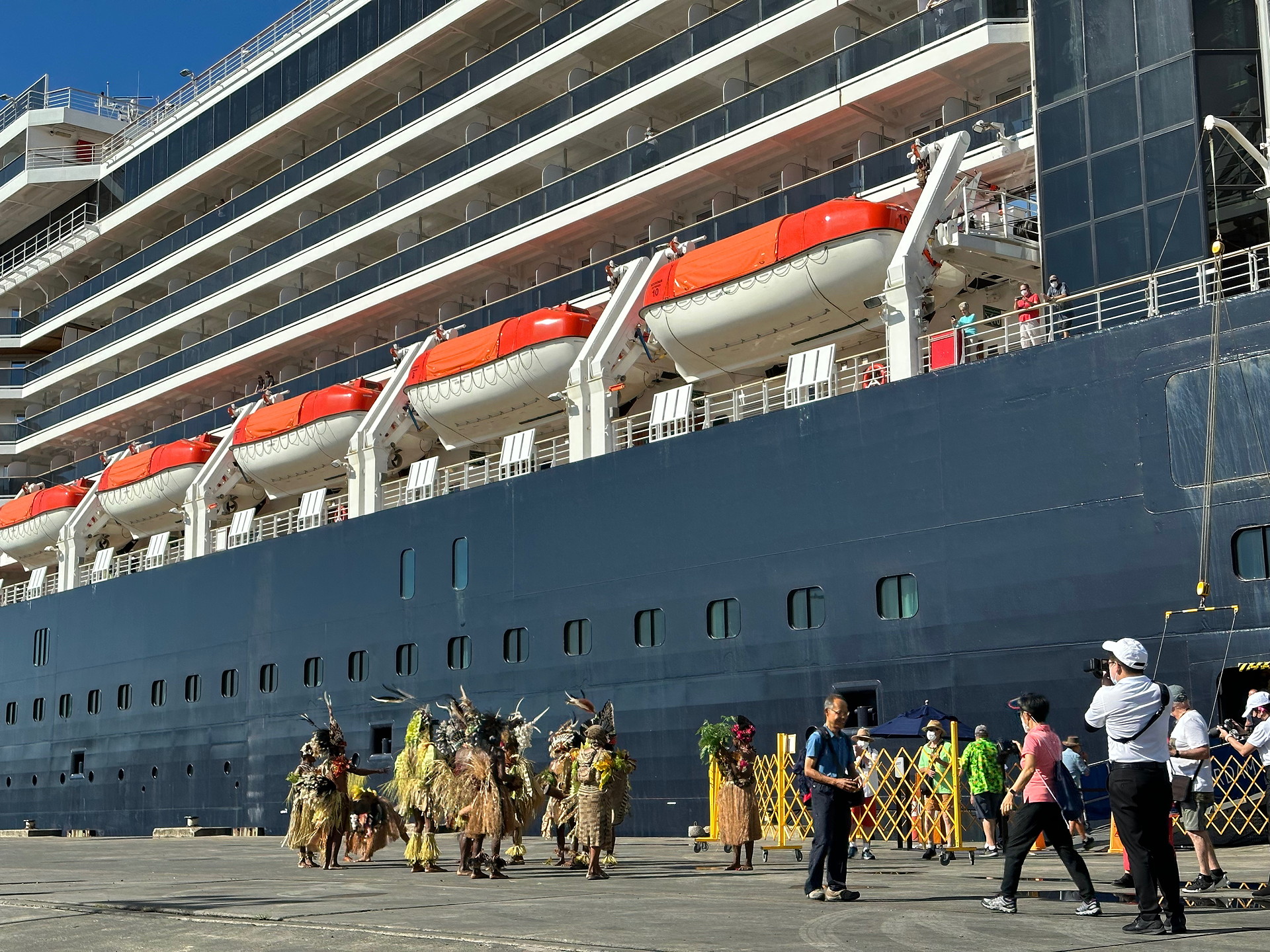
As we got closer we were able to se the town and the beautiful mountains covered in greenery. Eventually we got to the port and the ship docked. A local group greeted our ship with welcome dances.
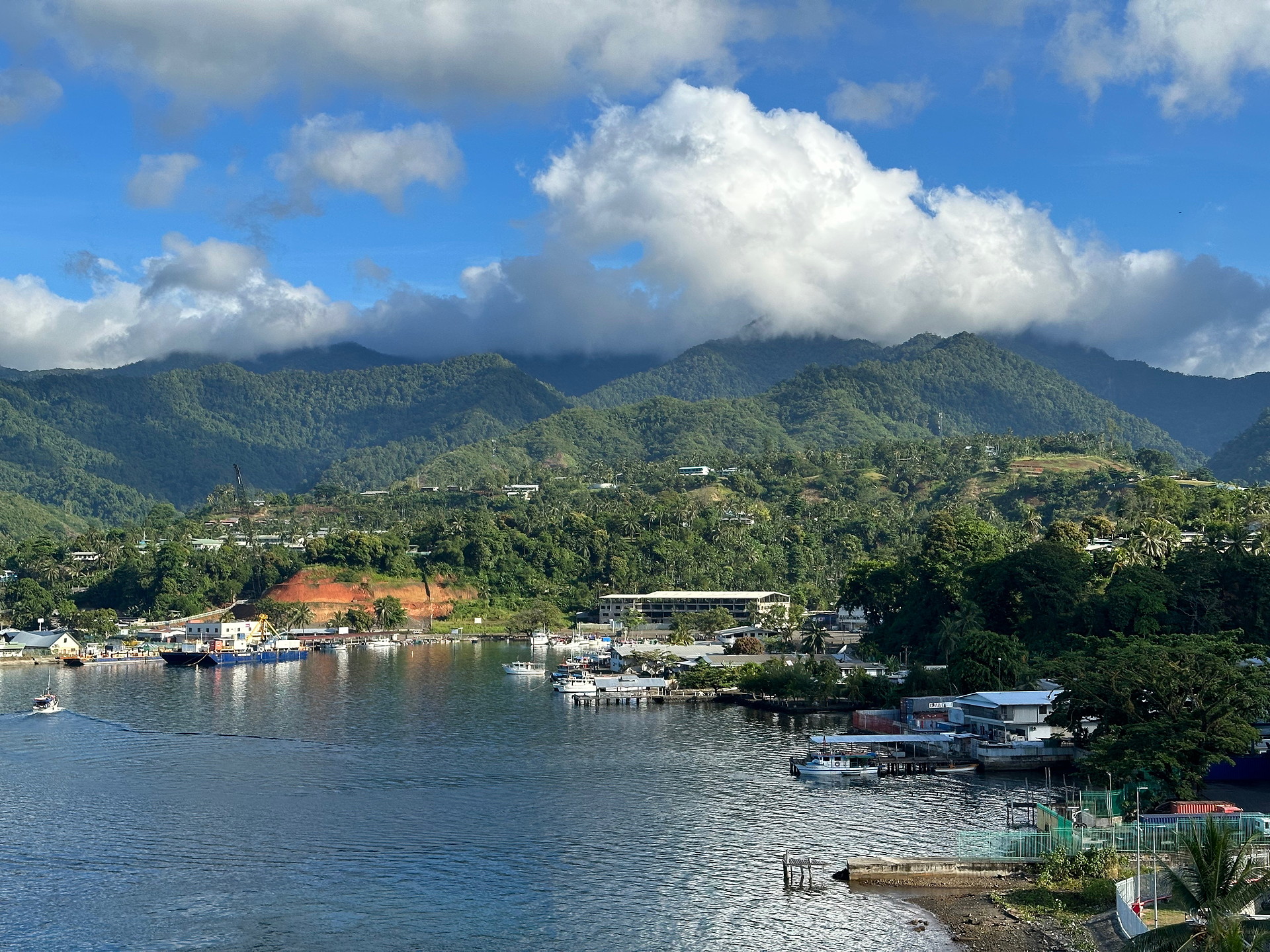


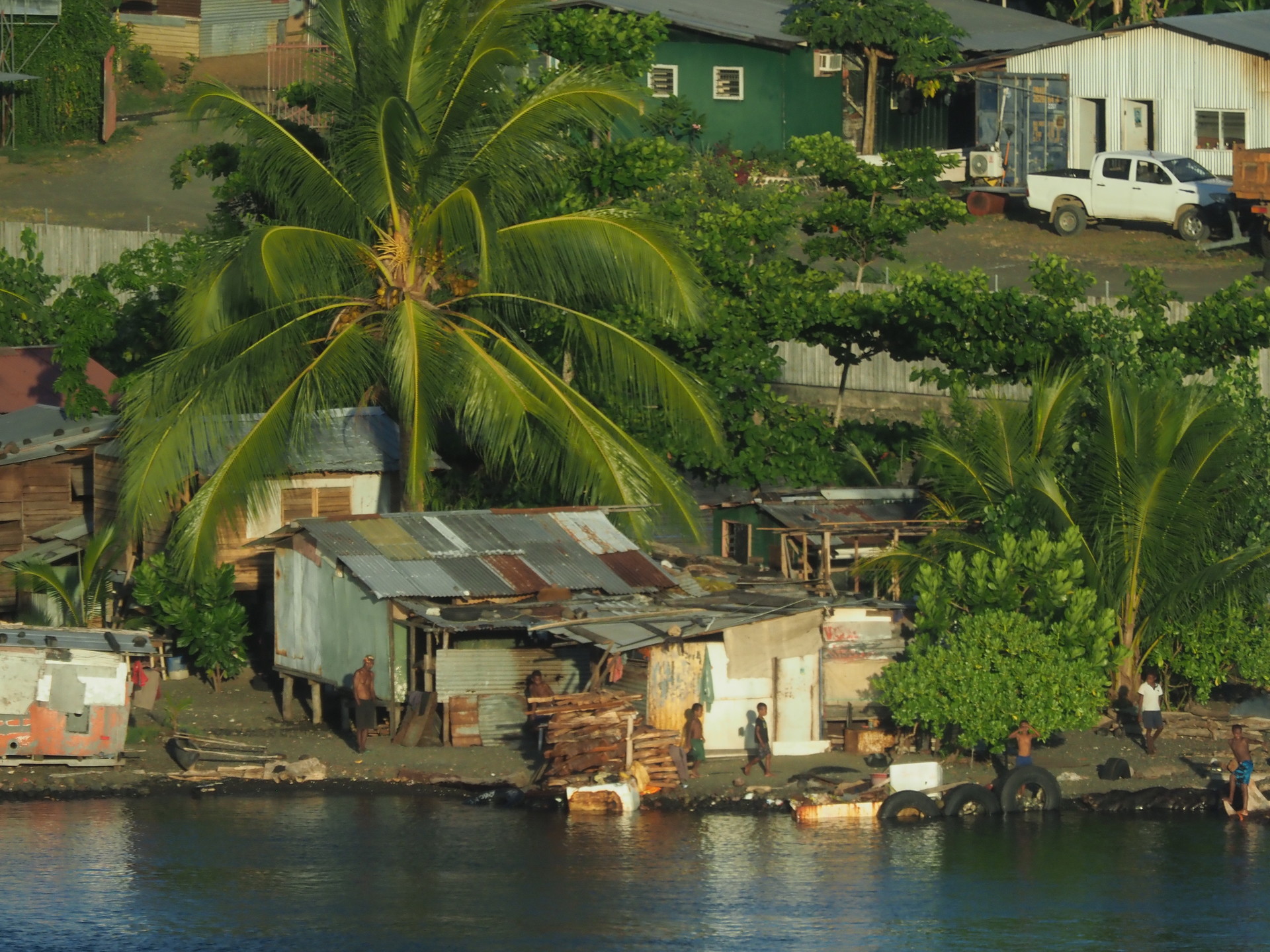
Then it was time to disembark and start our birding adventure. We had arranged to take a birding tour with Milne Endemic Tours, a local tour company that was probably the only such tour company in Alotau. The two individuals picked us up at the port and then they drove us, in their 4×4, to sites on the other side of the bay from where the ship was docked.

The distance driven to the other side of the bay was not that large, but we made many stops and walked while listening for birds. One of the highlights was being able to see the Raggiana Bird-of-Paradise. They were still in breeding plumage which showcase their impressive long tail feathers used to impress potential mates. The birds were very high in the tree canopy and it proved difficult to get a good pictures but we were at least able to see them better with binoculars. Although we were looking for birds we were also looking at the vegetation and we kept our eyes open for any unusual plants or other non-bird wildlife.
The vegetation was lush in places and we noticed that palms were a prominent part of the vegetation. Many of the palms we saw had thorny stems. Ferns were also abundant in the canopy understory. Most of the birds we saw were new for us and most of them would have been hard to see without the the help of our expert birder guide. Colorful fruit doves were often high in the canopy and they were small and hard to spot.

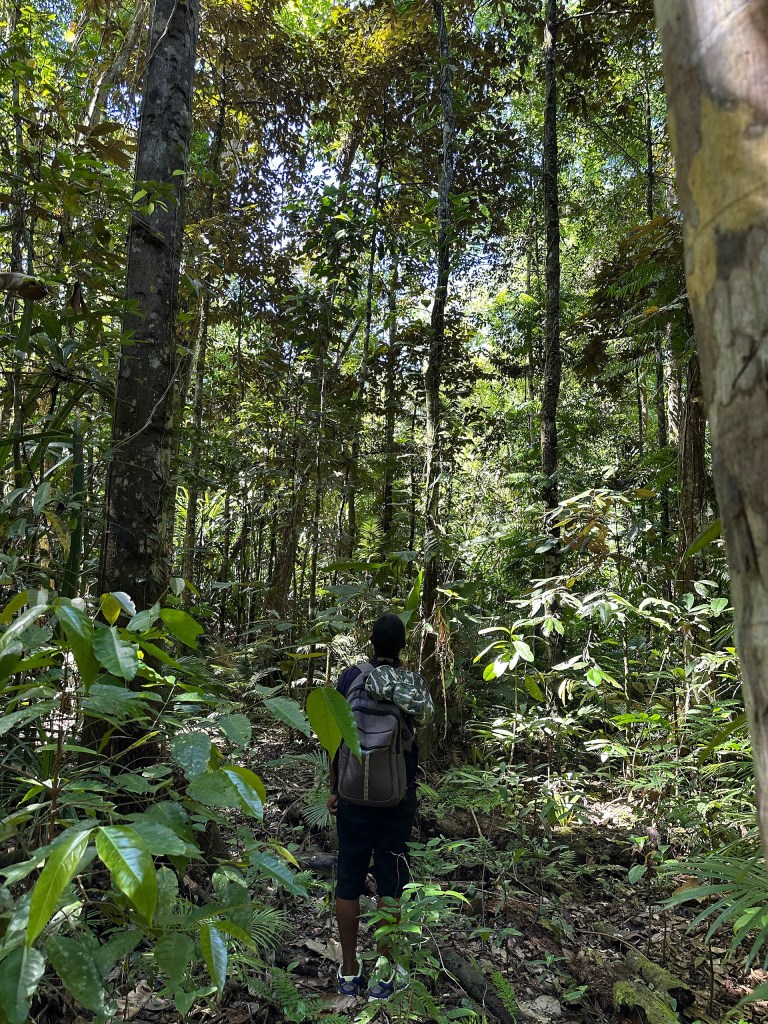
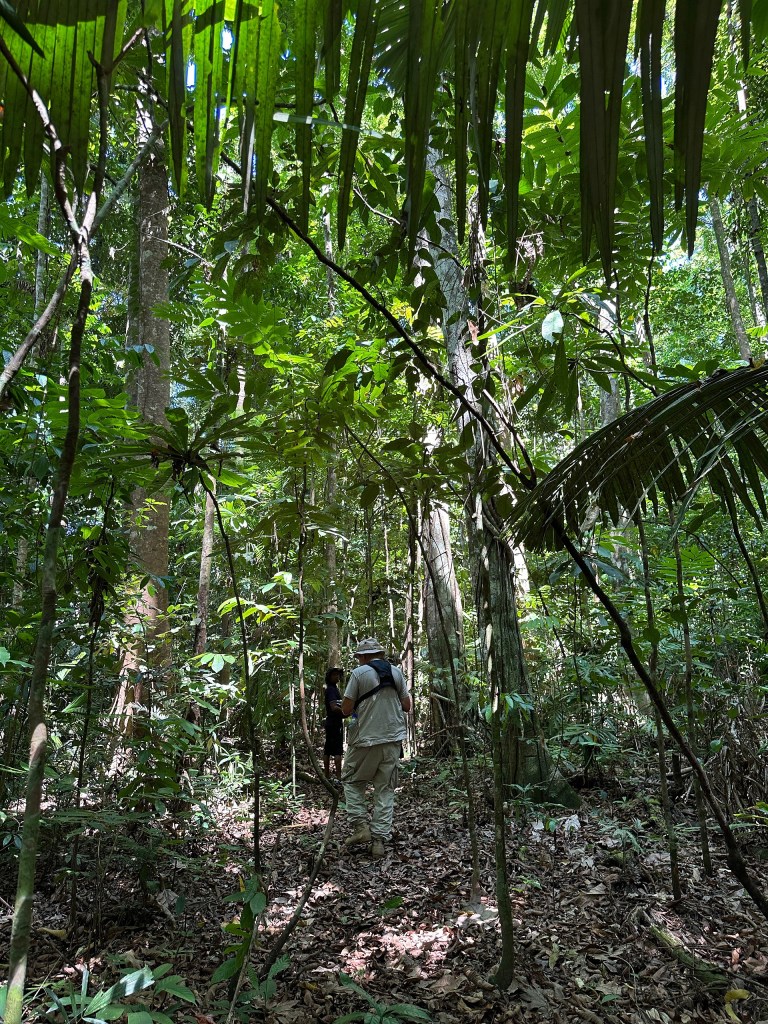


Below is a collage of some of the interesting plants and animals we were ale to see and photograph during our outing.
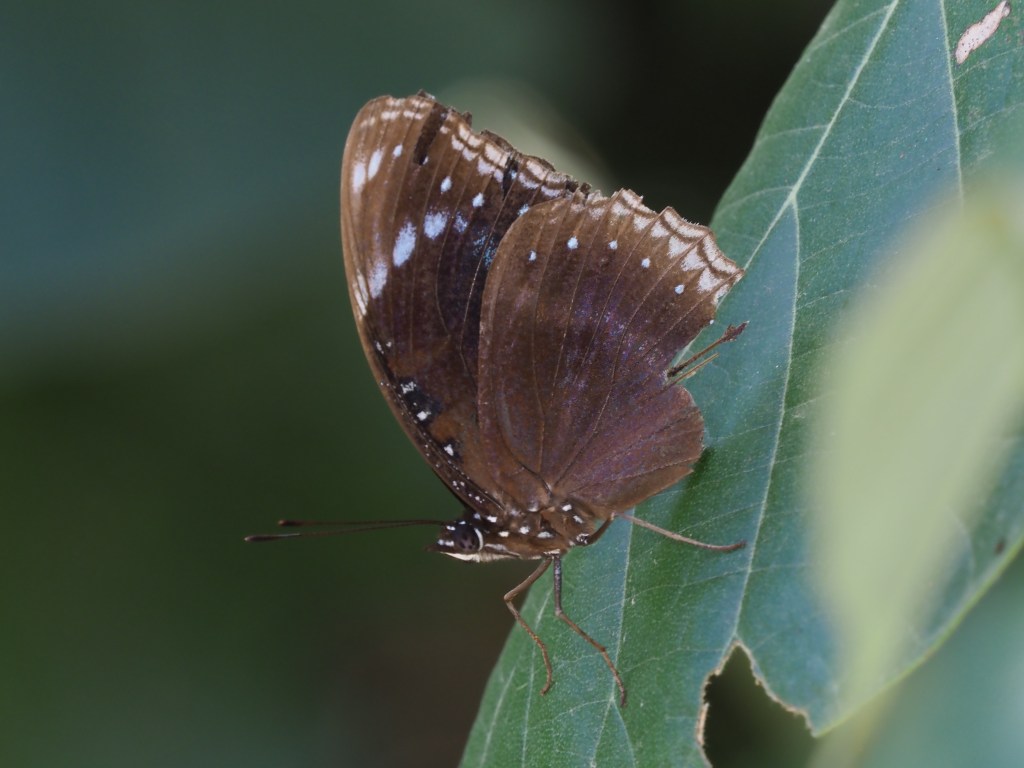
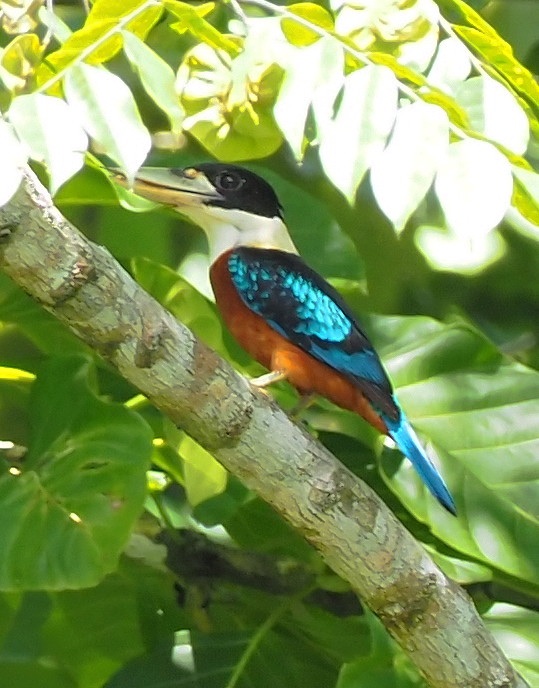
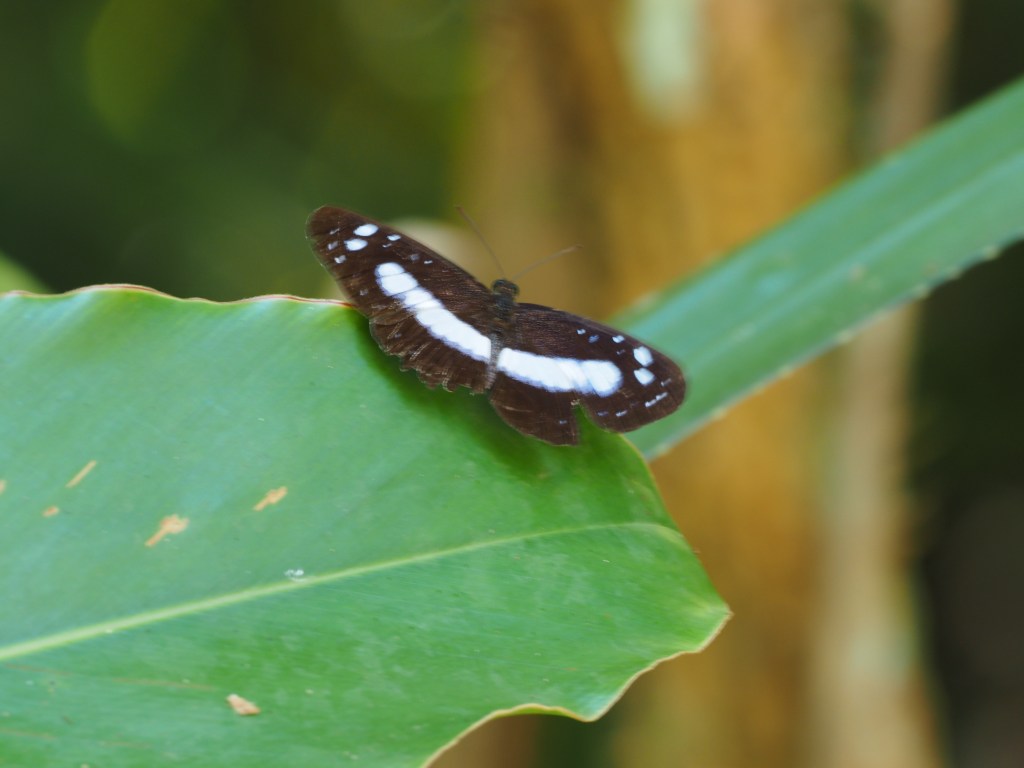
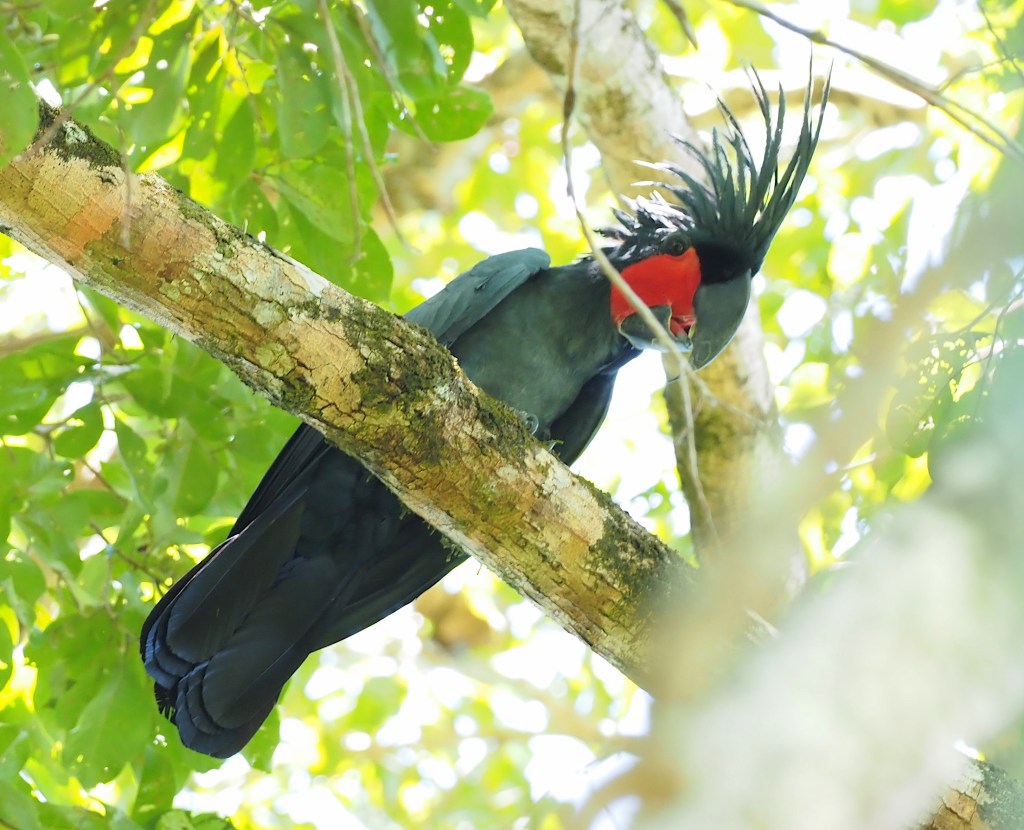
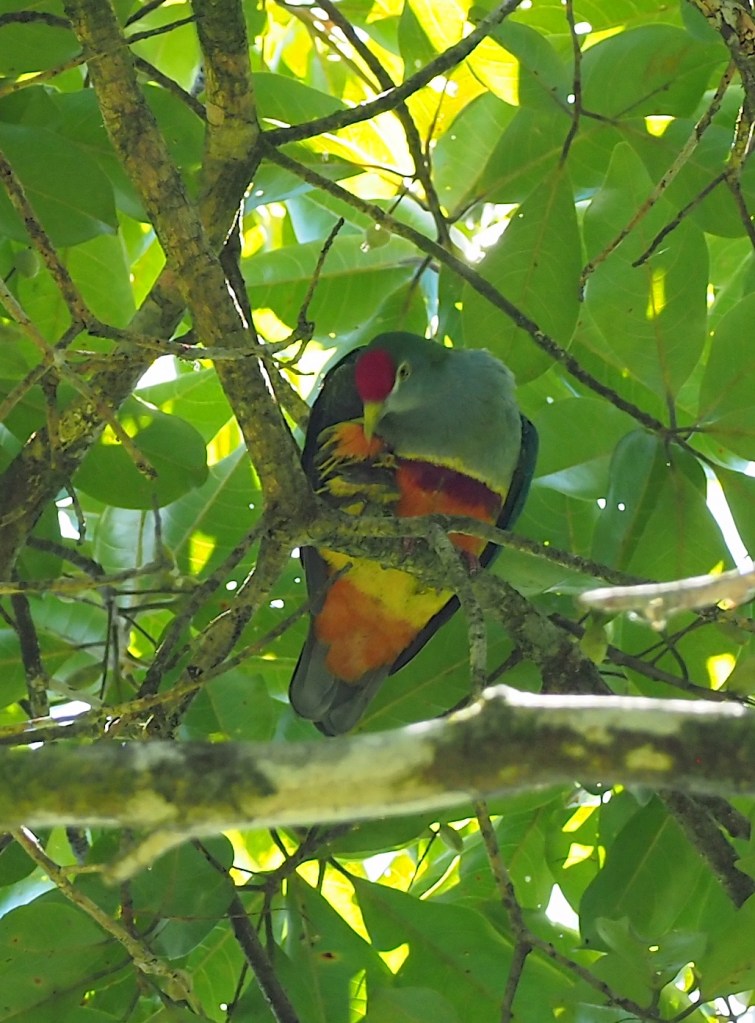
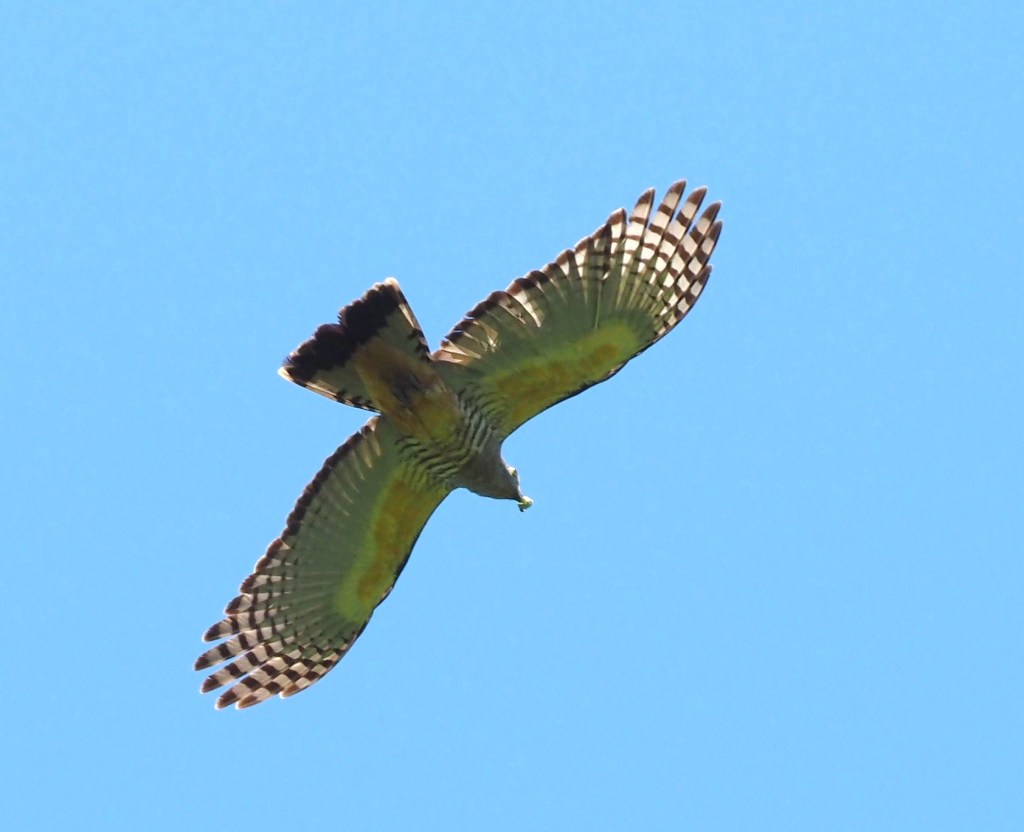


Around lunch time they drove us to a small lodge owned by the driver. There we had a light lunch and walked on a short trail. We could see the ship on the other side of the bay from this location.
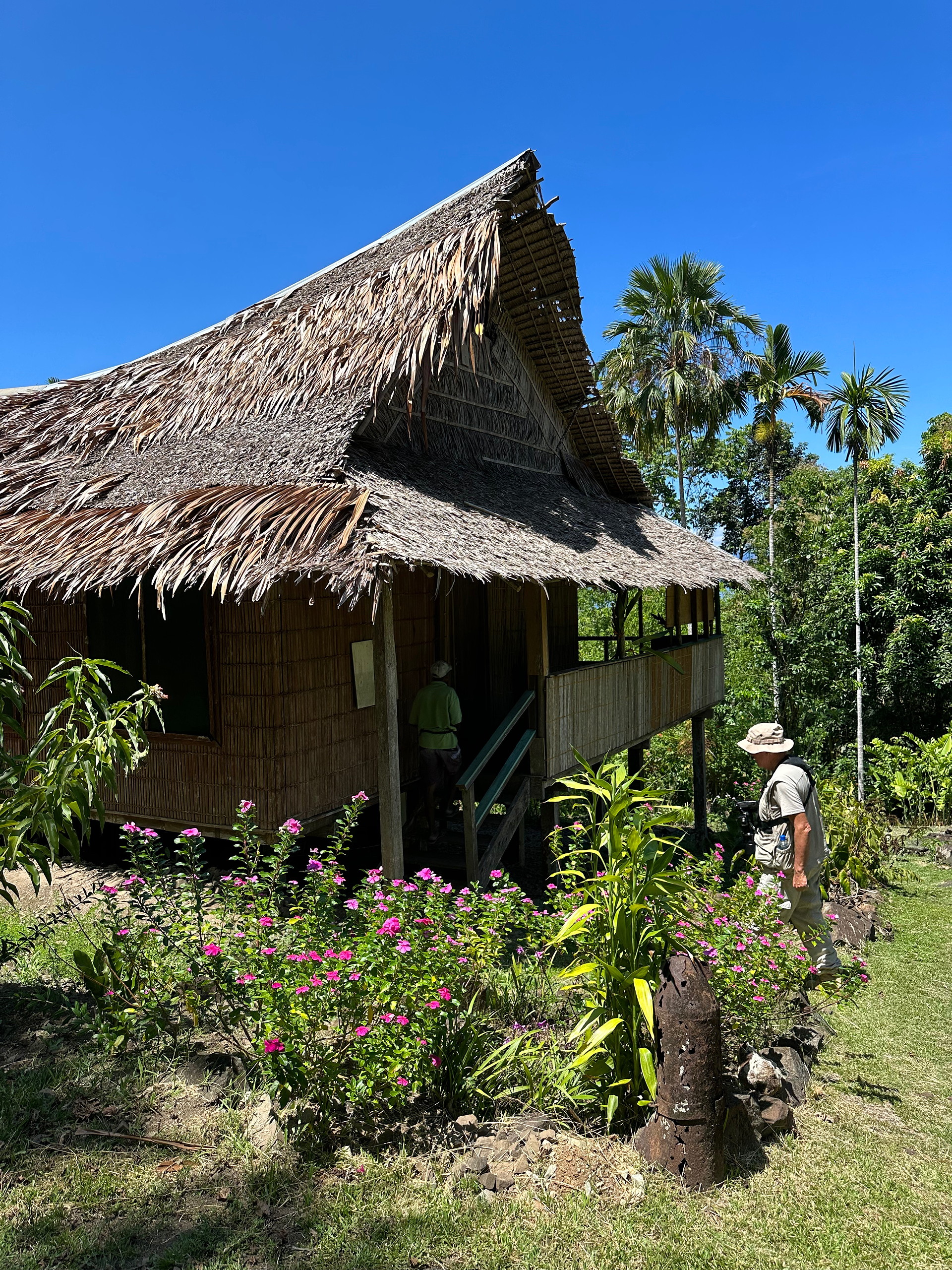


After birding for 7 hours it was time to say goodby to Waiyaki and his friend and we headed for the ship. Before long the ship was departing. We could see Alotau in the distance as the ship moved away.

Conflict Islands
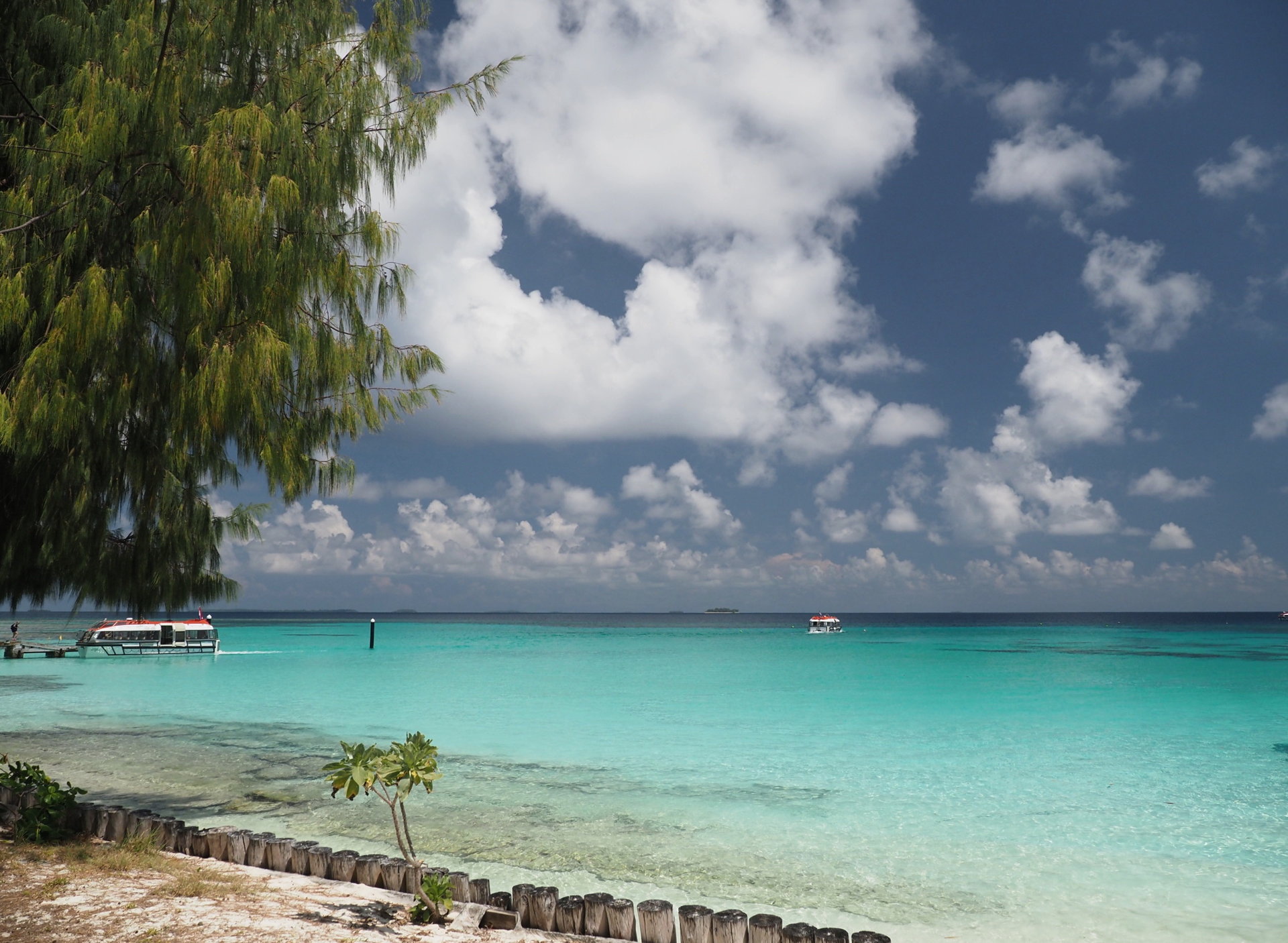
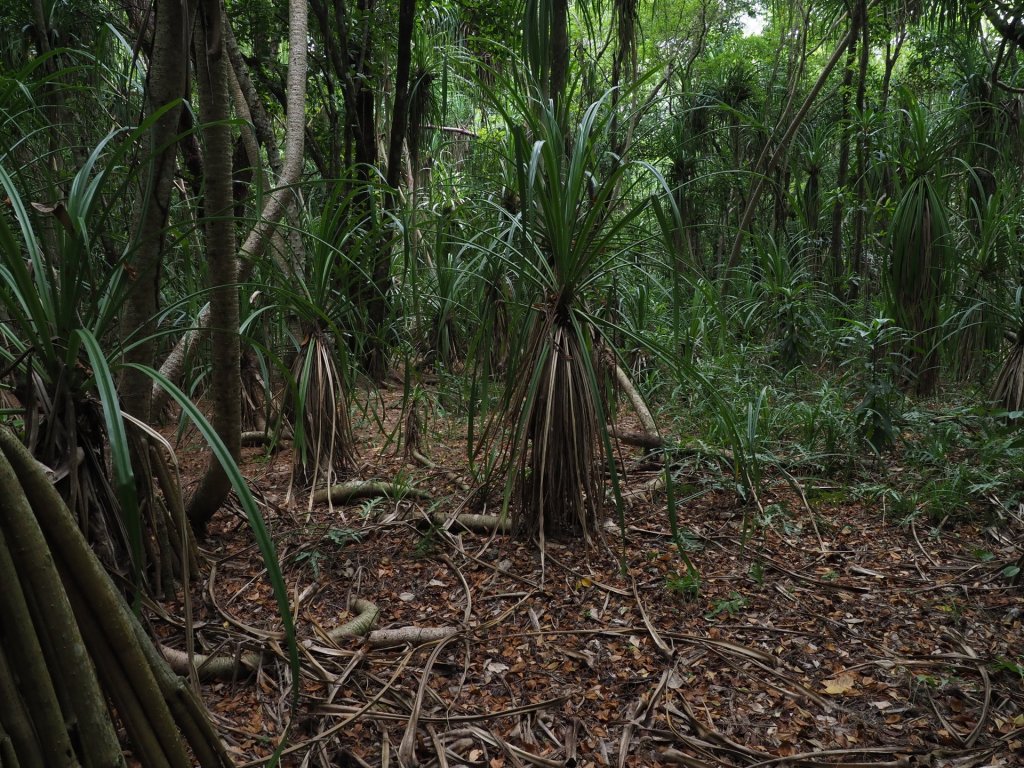
The stop at one of the very small islands in a coral atoll known as the Conflict Islands was a pleasant surprise. We had not expected very much, given its small size and had anticipated only Coconut Palms and sandy beaches. True, we saw these, but the interior of the island had a few trails that went through tall Pandanus forest and relatively natural vegetation. We did not swim, but a couple we talked to did snorkel and said that the coral here was better than anything they had seen in French Polynesia.

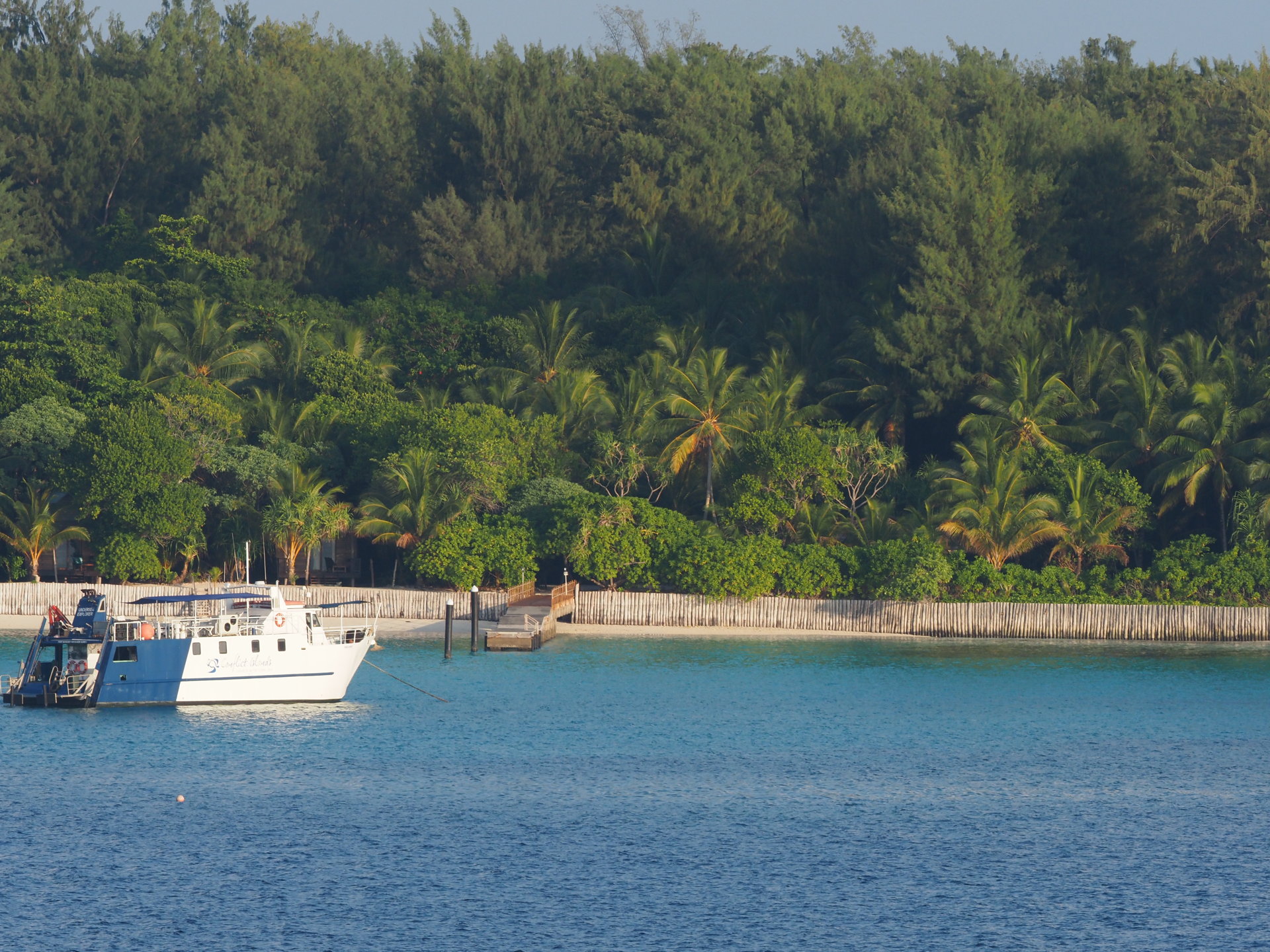
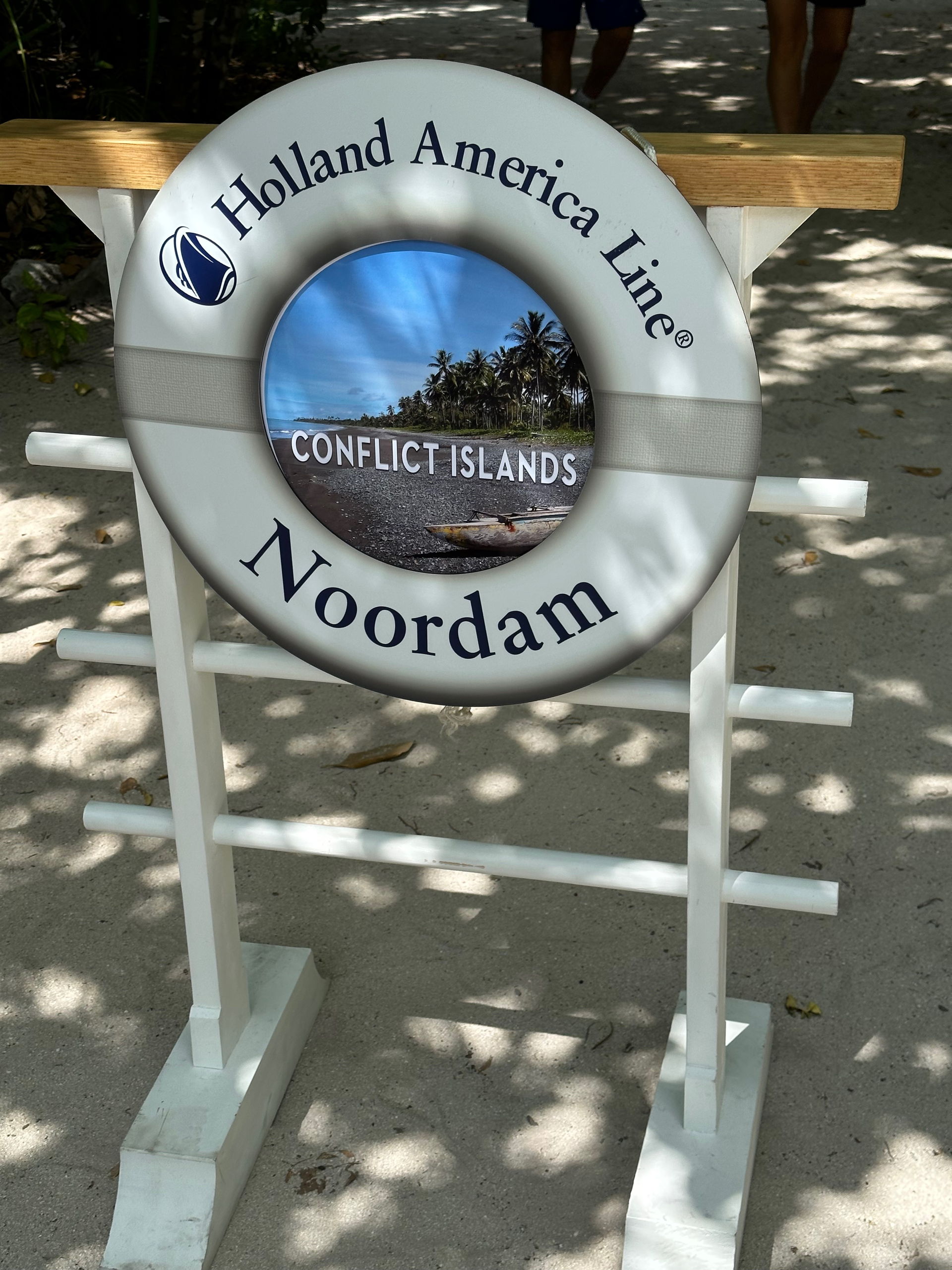
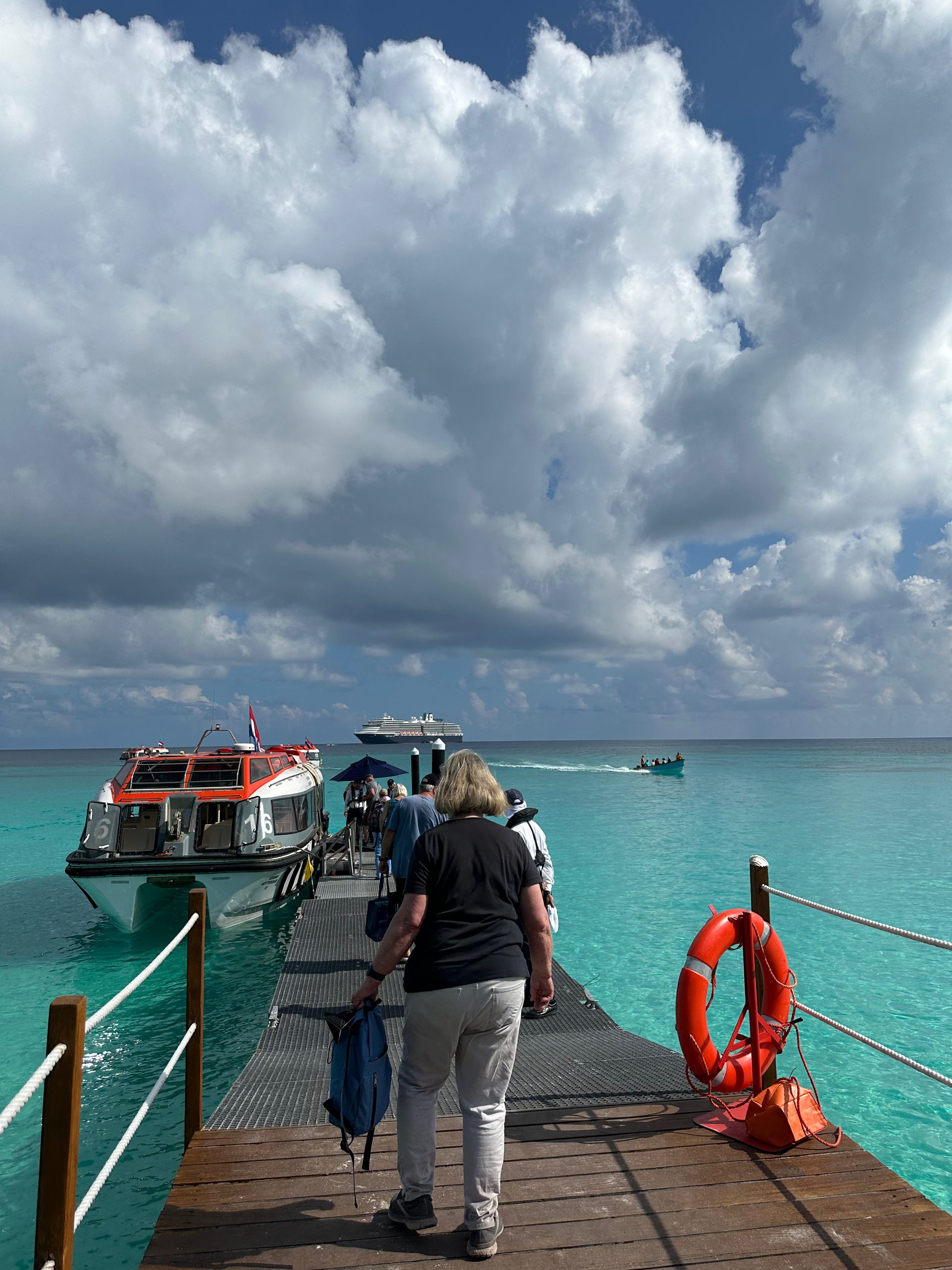
To get to the island from our ship it was necessary to use the ship’s tender. Fortunately the weather was excellent and the ocean was as calm as one can wish for this sort of transfer.


Upon arrival we were surprised by the shade provided by the tall palm-like pandanus which were a dominant plant in the island. Although similar in looks, Pandanus are not related to palms, instead Pandanus is a genus for a group of monocot shrubs and trees native to the Old World. There are over 700 species of Pandanus and the greatest concentration of species is in Madagascar and Malaysia.

Pandanus are of significant economic importance in many of the areas where they are found. The leaves have been used for thatching roofs, to make rope, baskets and even sails for small boats. The fruit of Pandanus is also edible. The roots of some Pandanus are used for medicinal purposes and the very resistant wood of species like Pandanus tectorious is used for canoe construction and house frames.
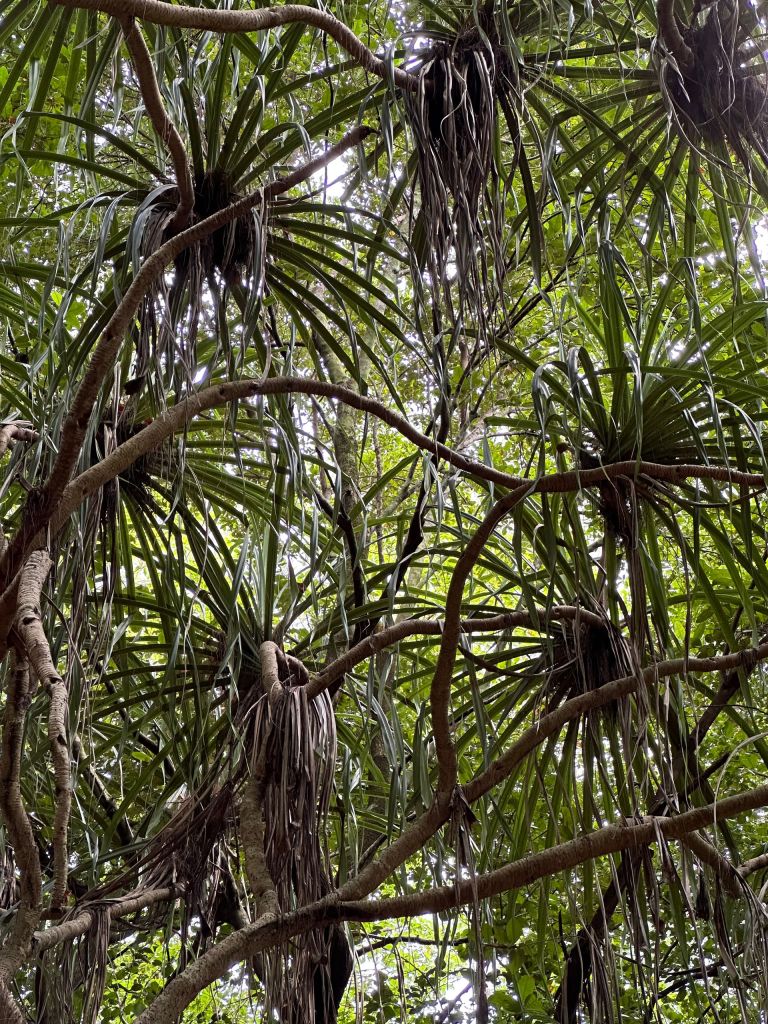
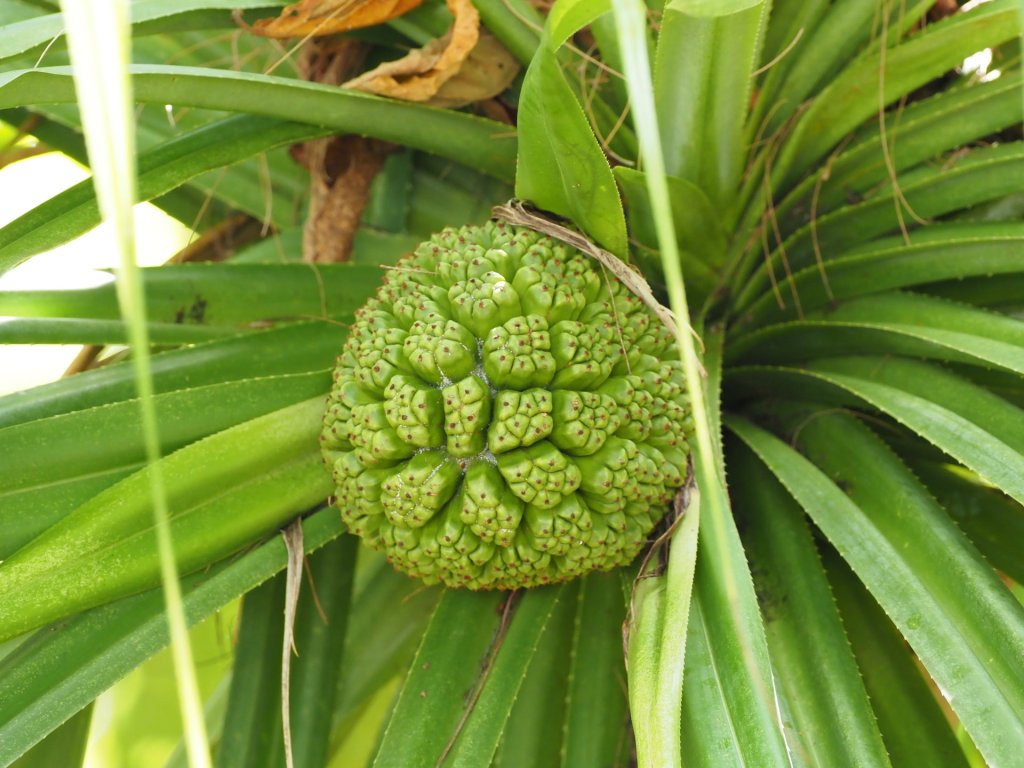
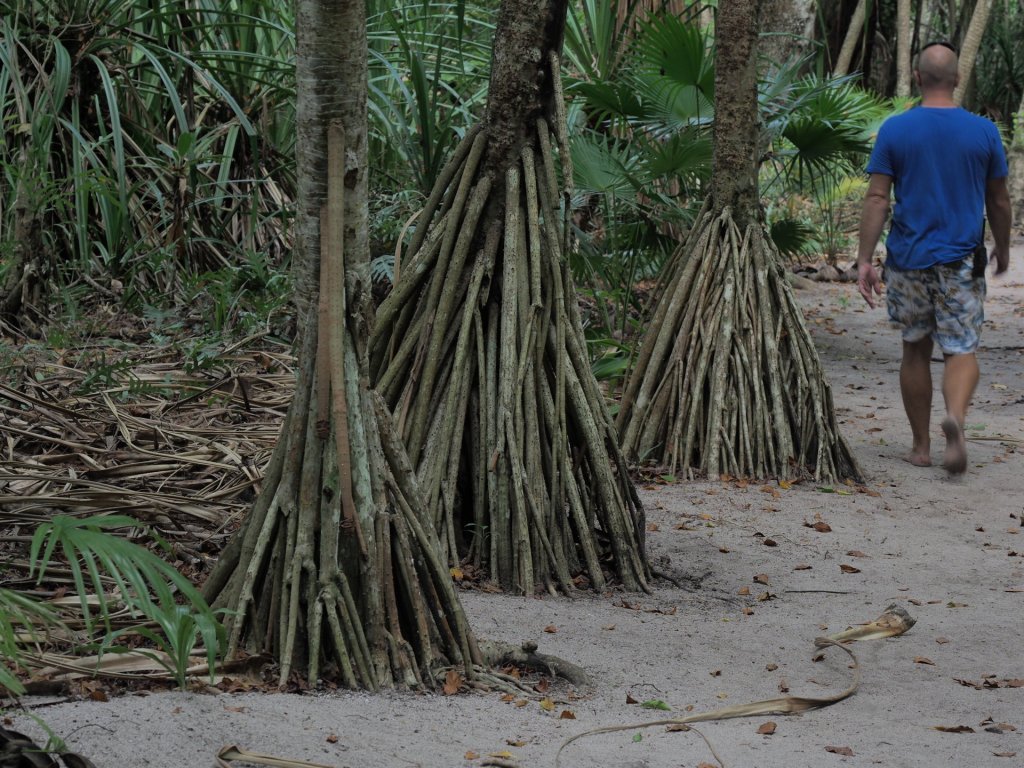
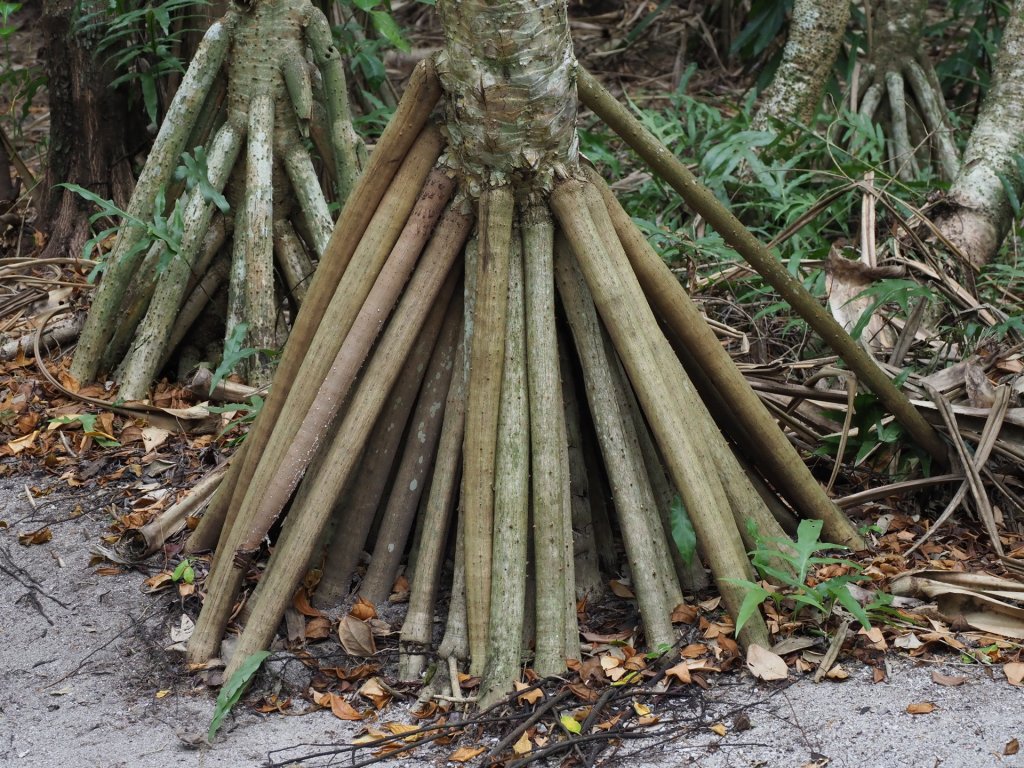
Pandanus roots stood out as we walked the trails.
The beach looked clean and the ocean water was inviting so many passengers found their spot near the water to sunbathe or to snorkel from shore.
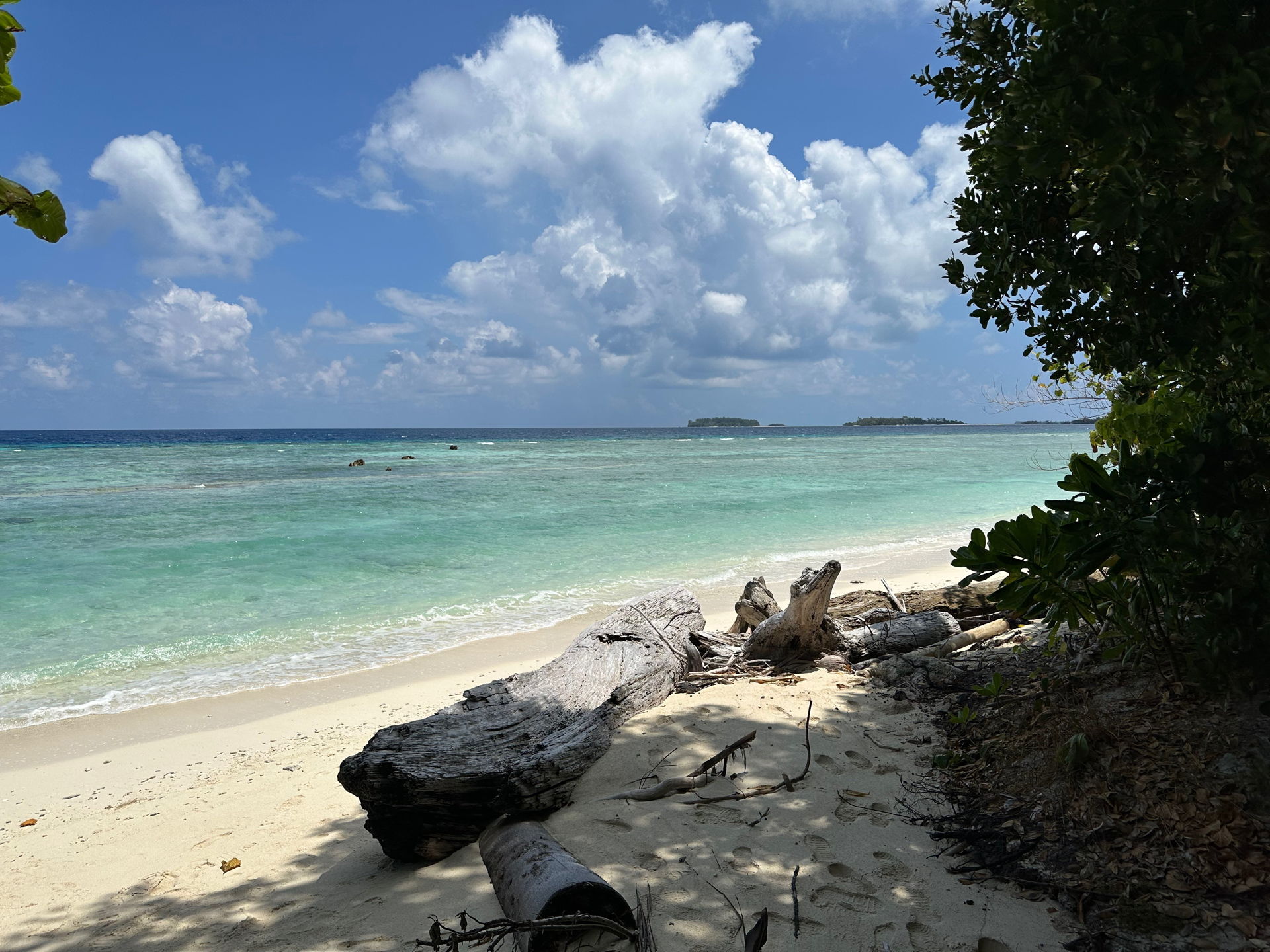
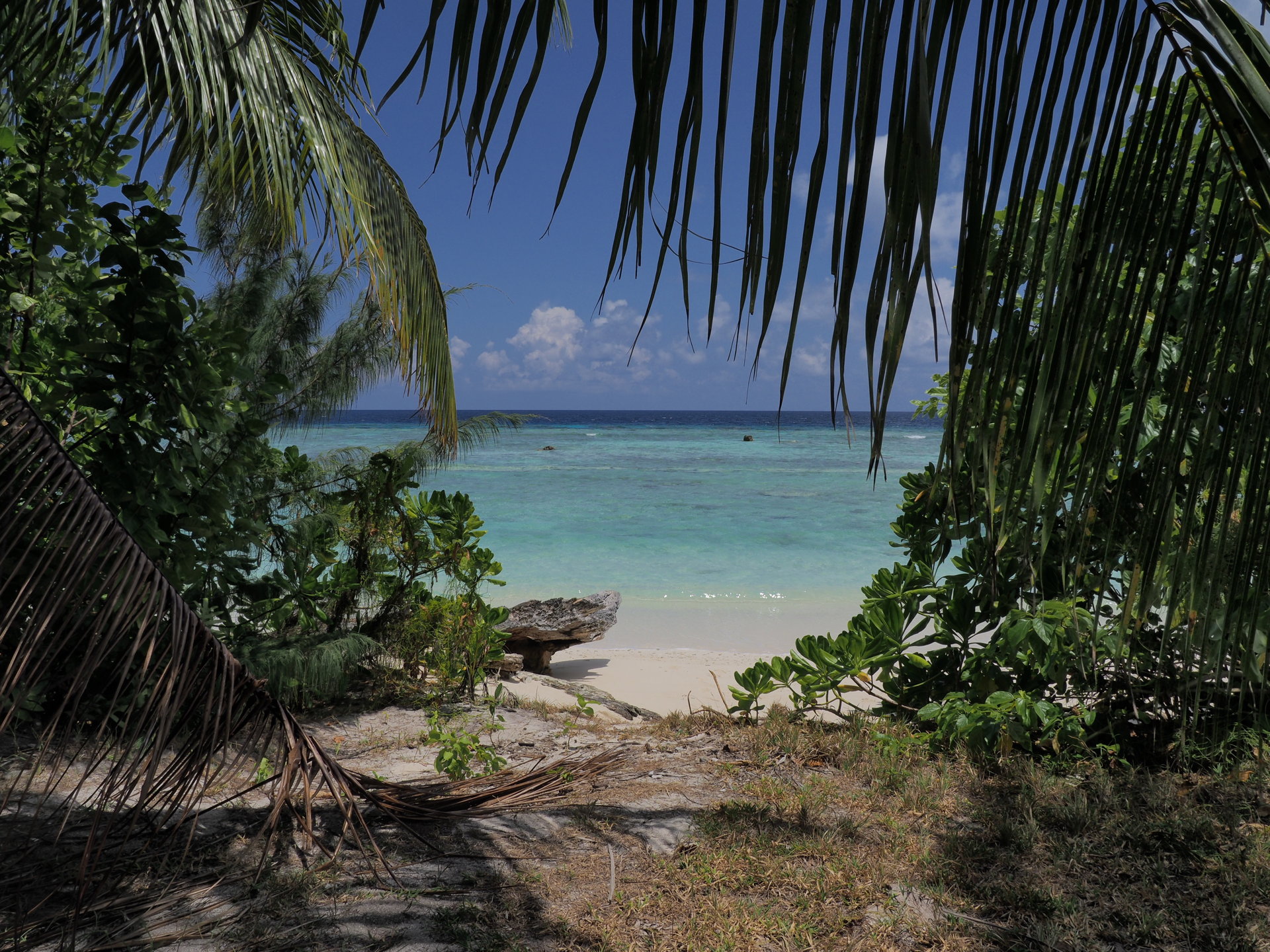


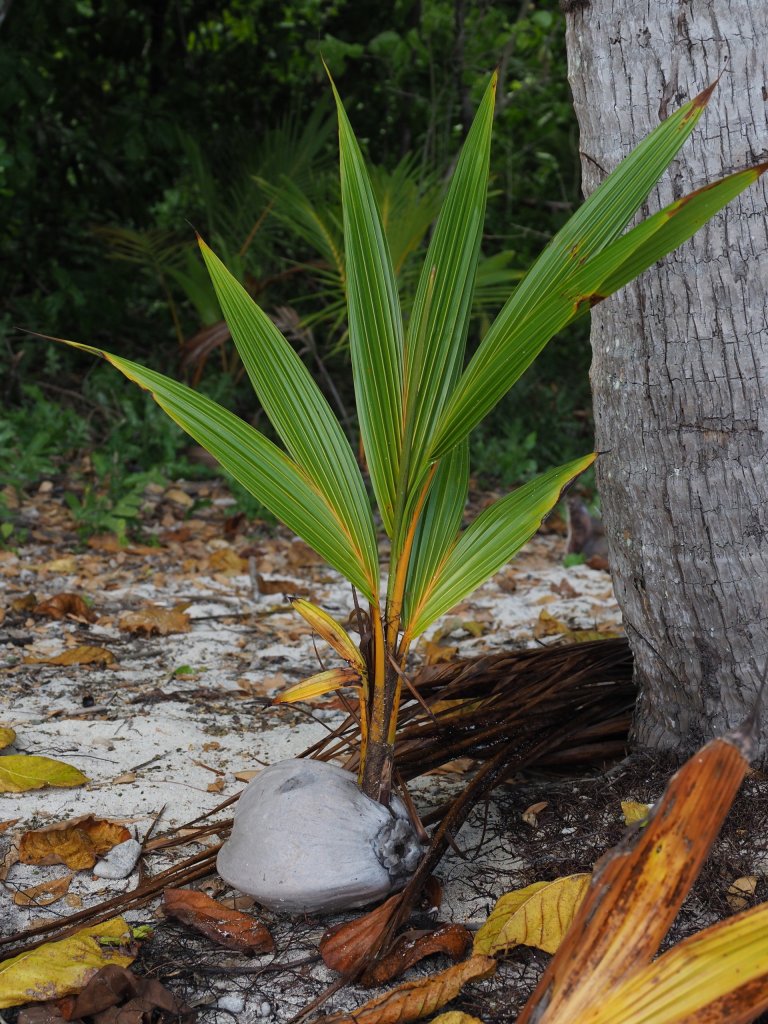
Another dominant plant in the Conflict Islands, as well as in many islands around the world, is the coconut palm. These palms are always found near the shore and the edible fruit is able to float in the ocean which allows for dispersal through out the world via the ocean currents.

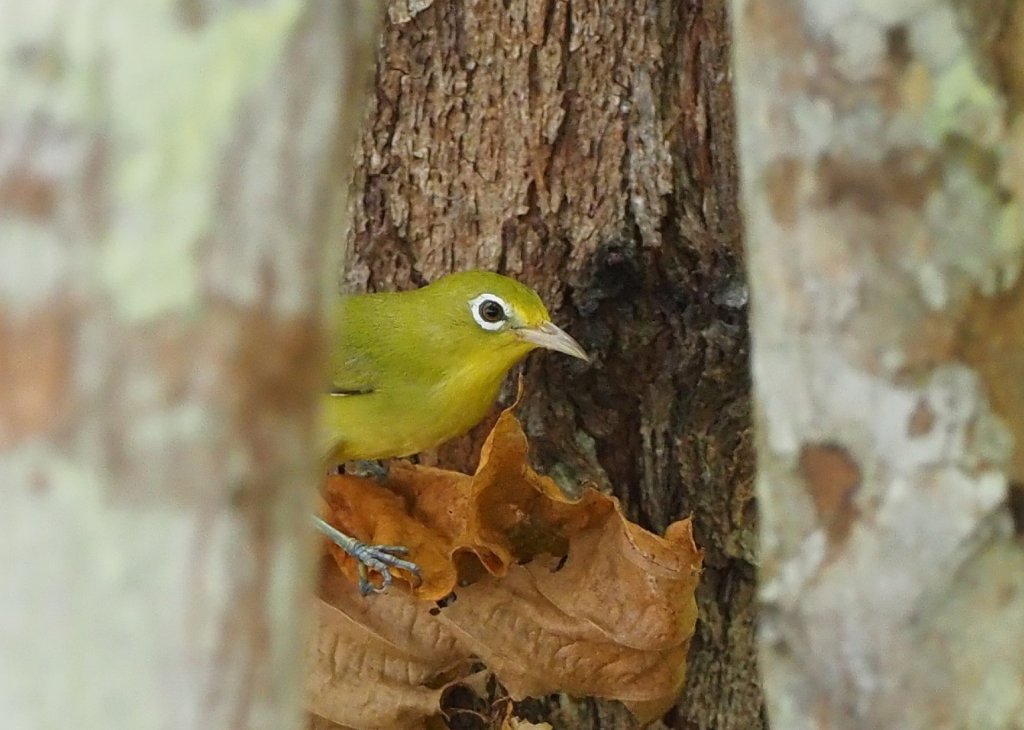
For those not snorkeling or sunbathing it was possible to walk a fair amount and enjoy the sand but shaded trails. The forest interior was lush and dim with a considerable amount of leaf litter. Mushrooms, ferns and birds like the Louisiade White-eye were visible.
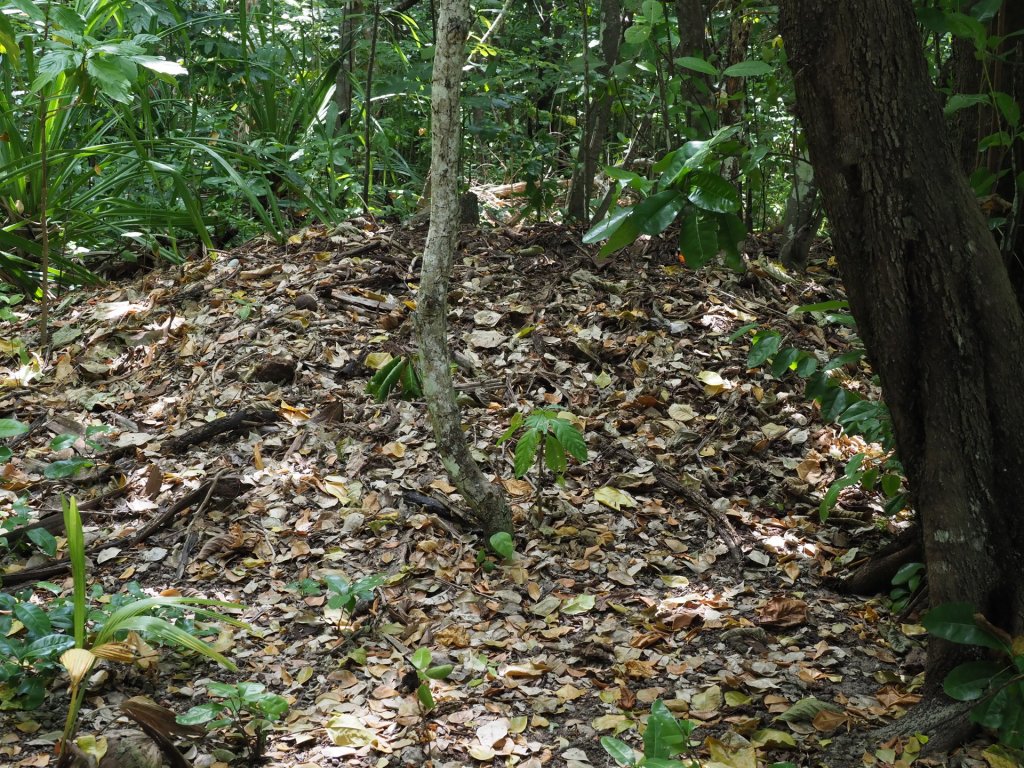
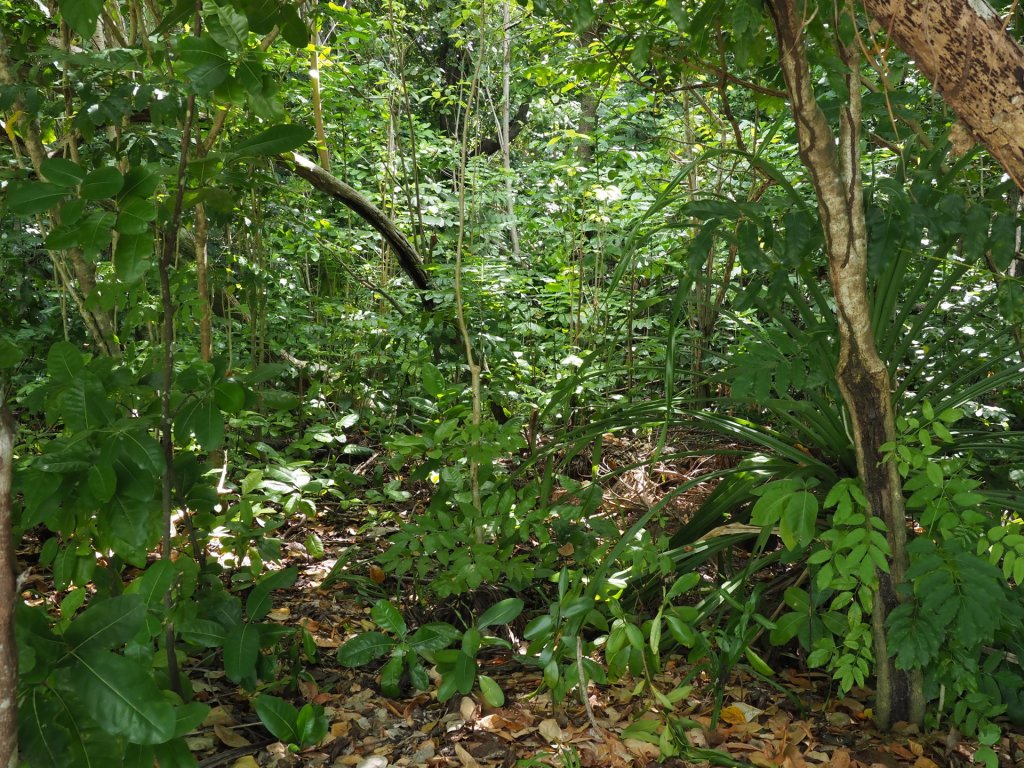
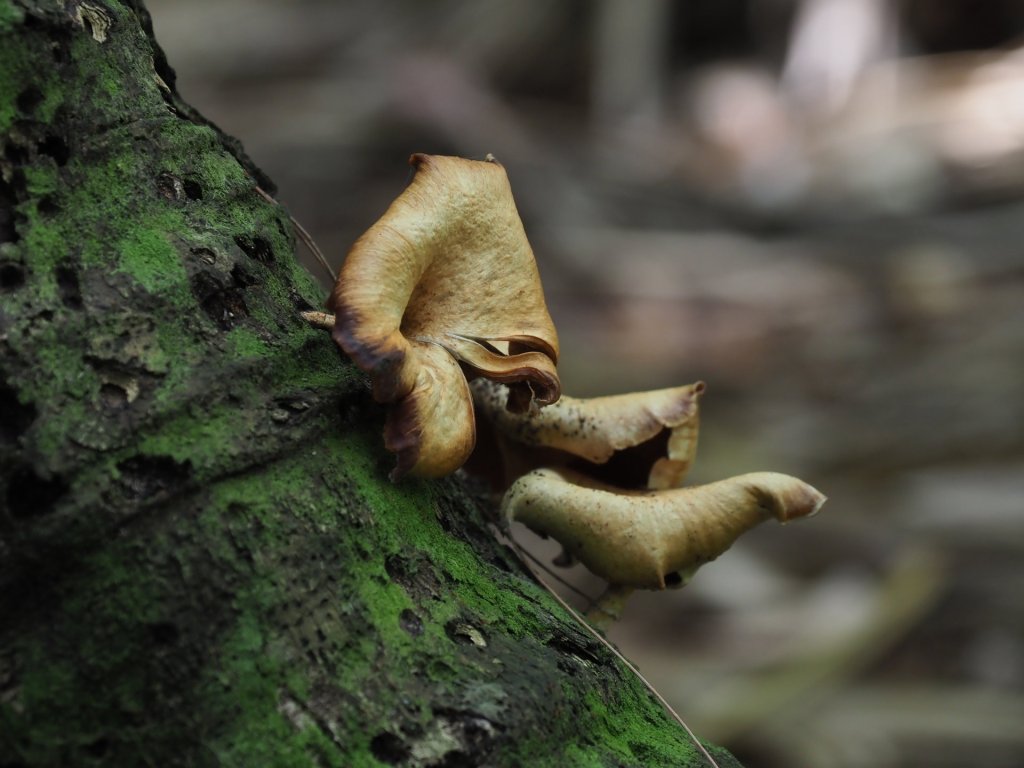
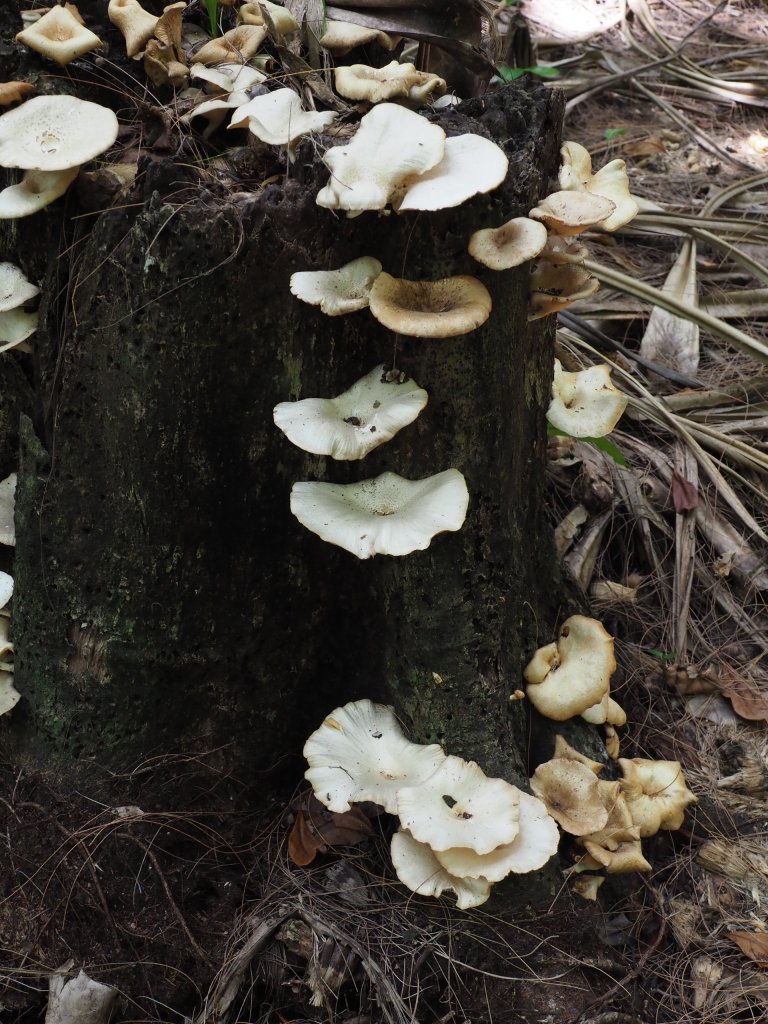

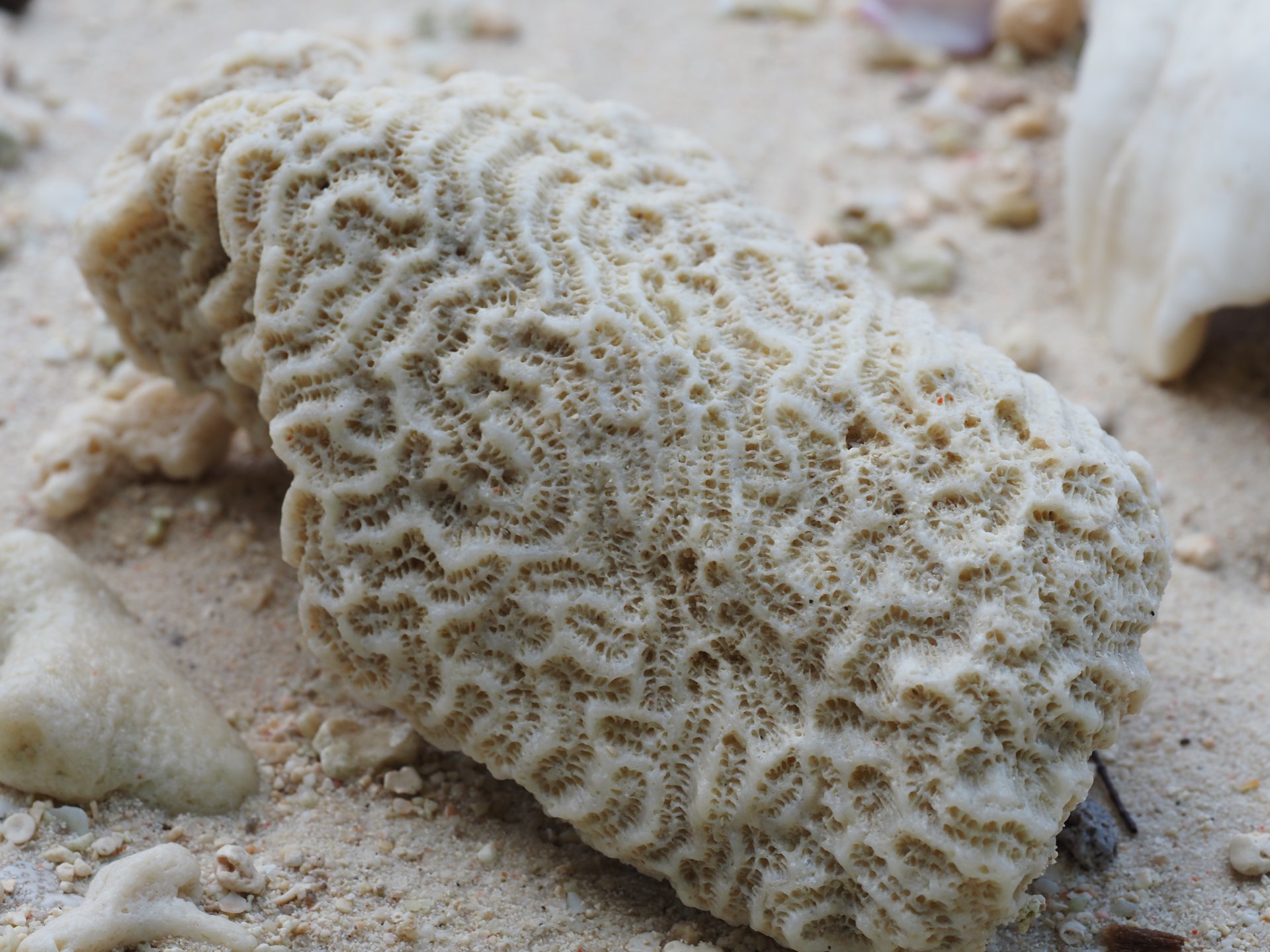
As we continued our walk around the island we periodically got close to the beach to see what was on the sand. We found a fair amount of different coral pieces as well as a variety of shells.


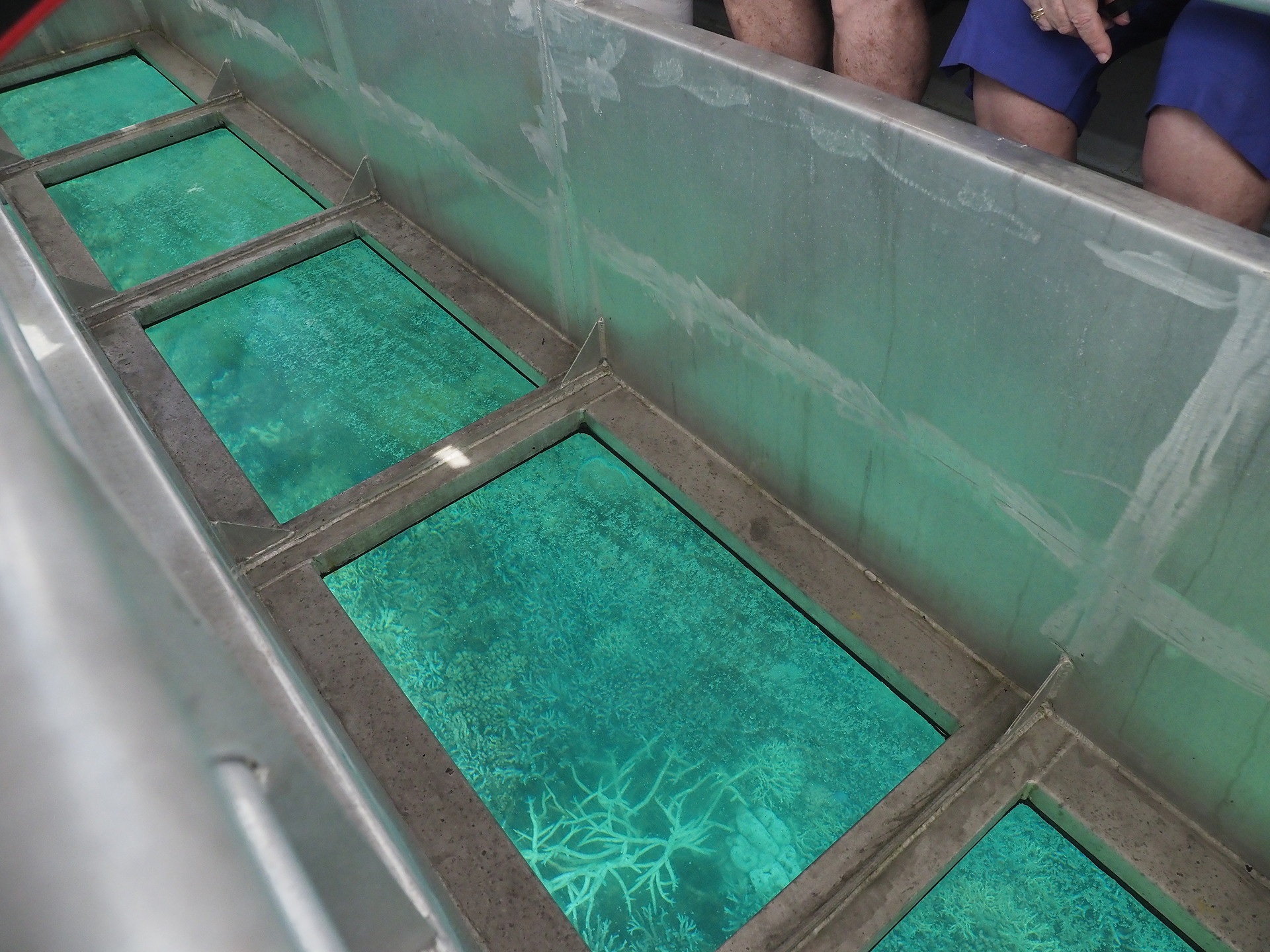
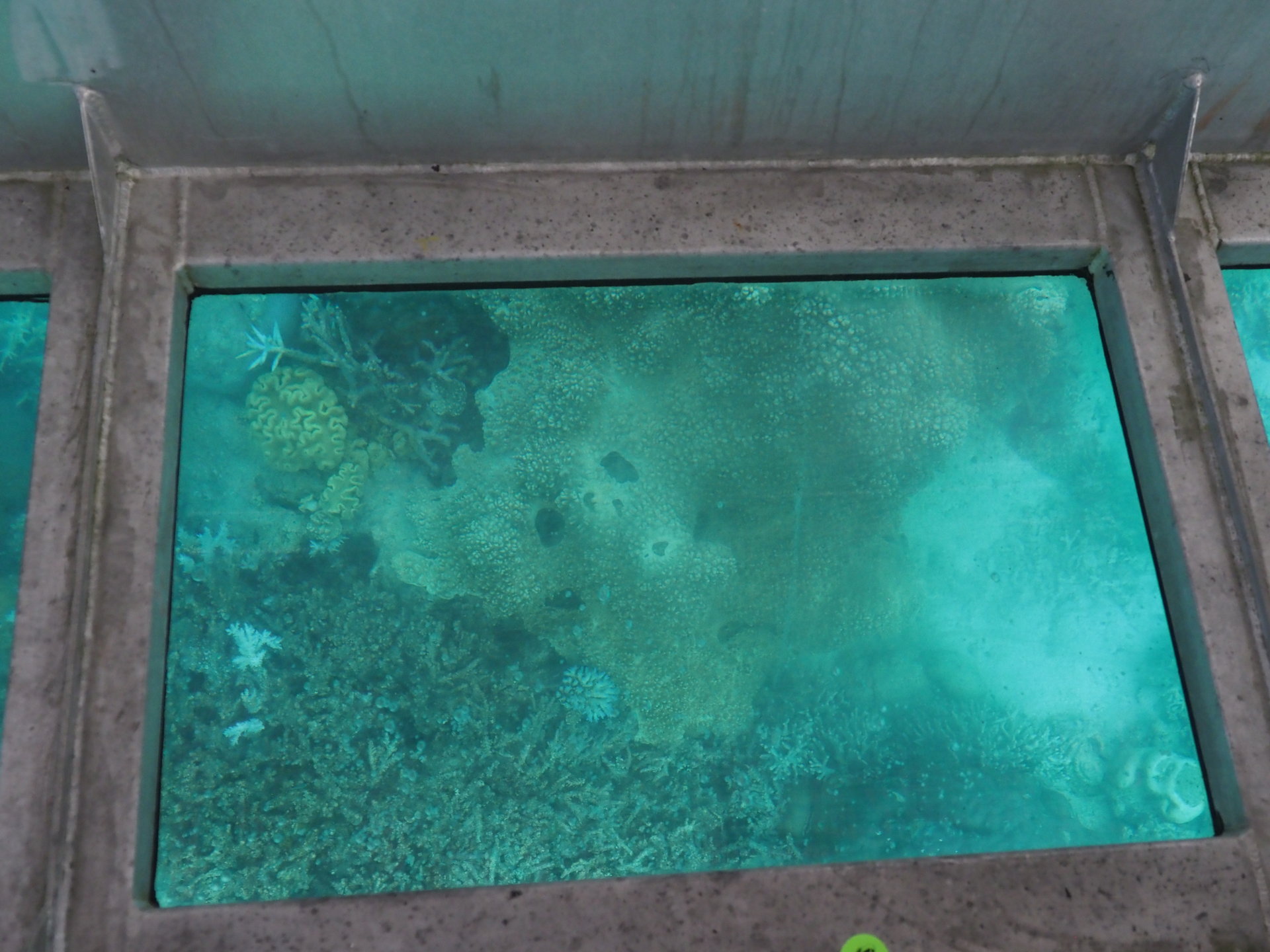
We had arranged to take a glass bottom boat tour of the reefs just offshore. This short tour was mostly to support local conservation efforts on the islands, since the tour was short, and the boat quite modest, but apparently a standard type of plexiglass-bottomed boat built in Australia. Although not the same experience as snorkeling, this tour provided a good introduction to the diversity of corals to be found in this part of the world.

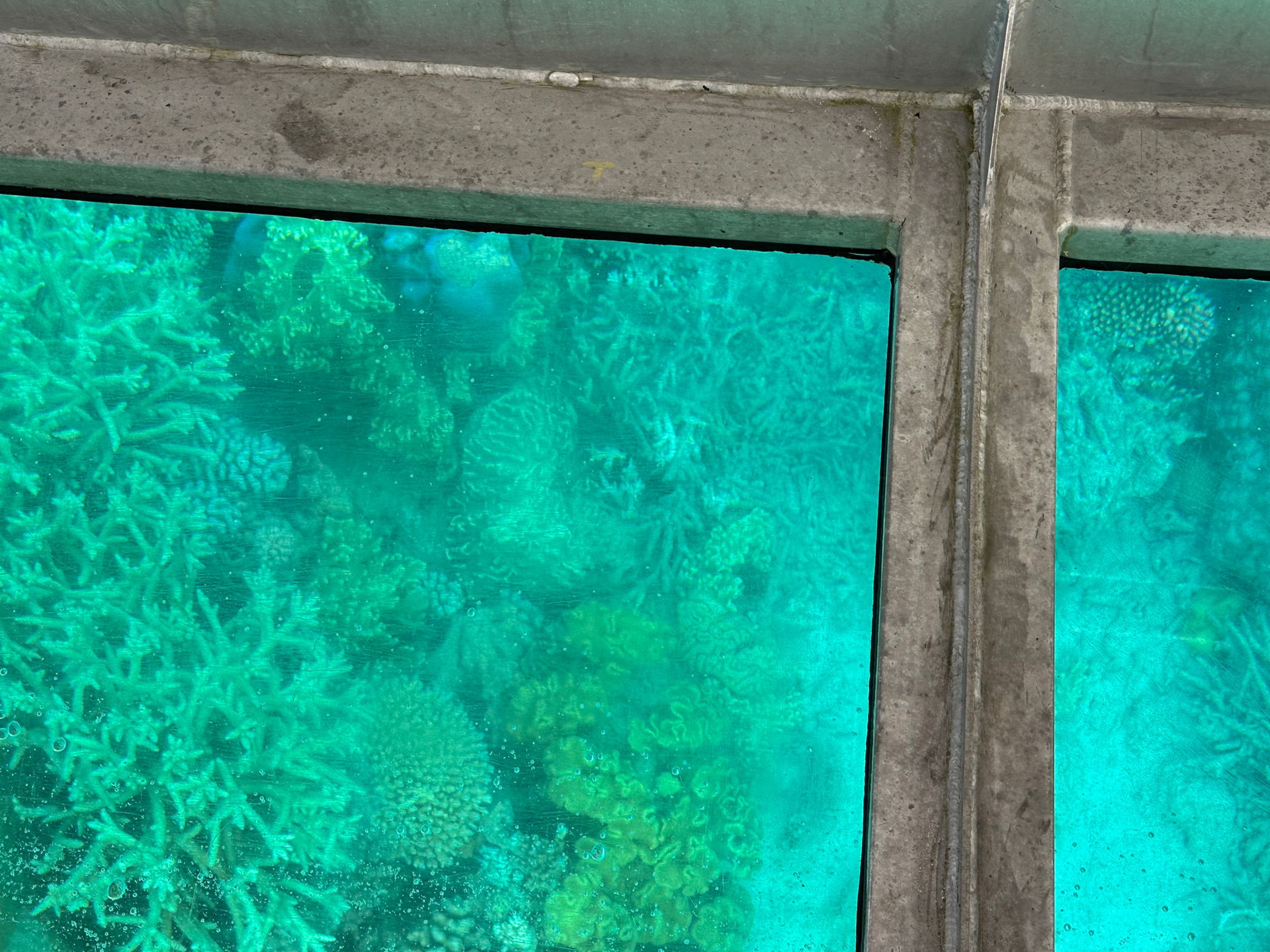
Sooner than we expected it was time to return to the ship leaving behind the small, empty, clean and beautiful Conflict Island.

.
Cairns
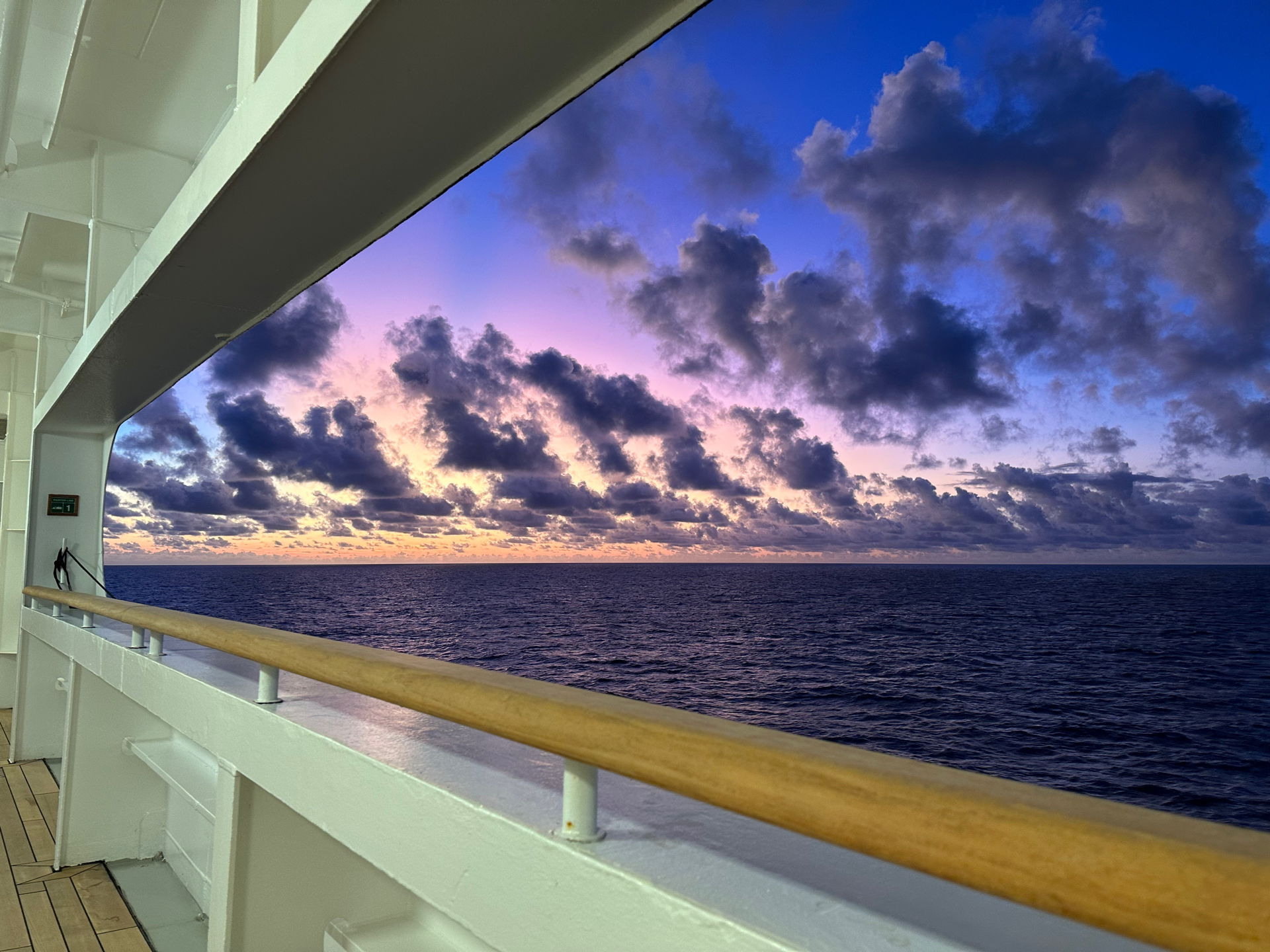
After Conflict Island and another beautiful sunset cruising The Noordam arrived in Cairns. Cairns has lots to offer to the arriving passenger. In Cairns we visited the Esplanade, the Mangrove boardwalks, and the Botanic Garden.

The Cairns esplanade is a 2.5 k strech along Set on the Cairns foreshore overlooking Trinity Inlet. There are shady paths, a 4800 sq metre saltwater swimming lagoon and great views of the mudflats at low tide where numerous shorebirds can be seen.
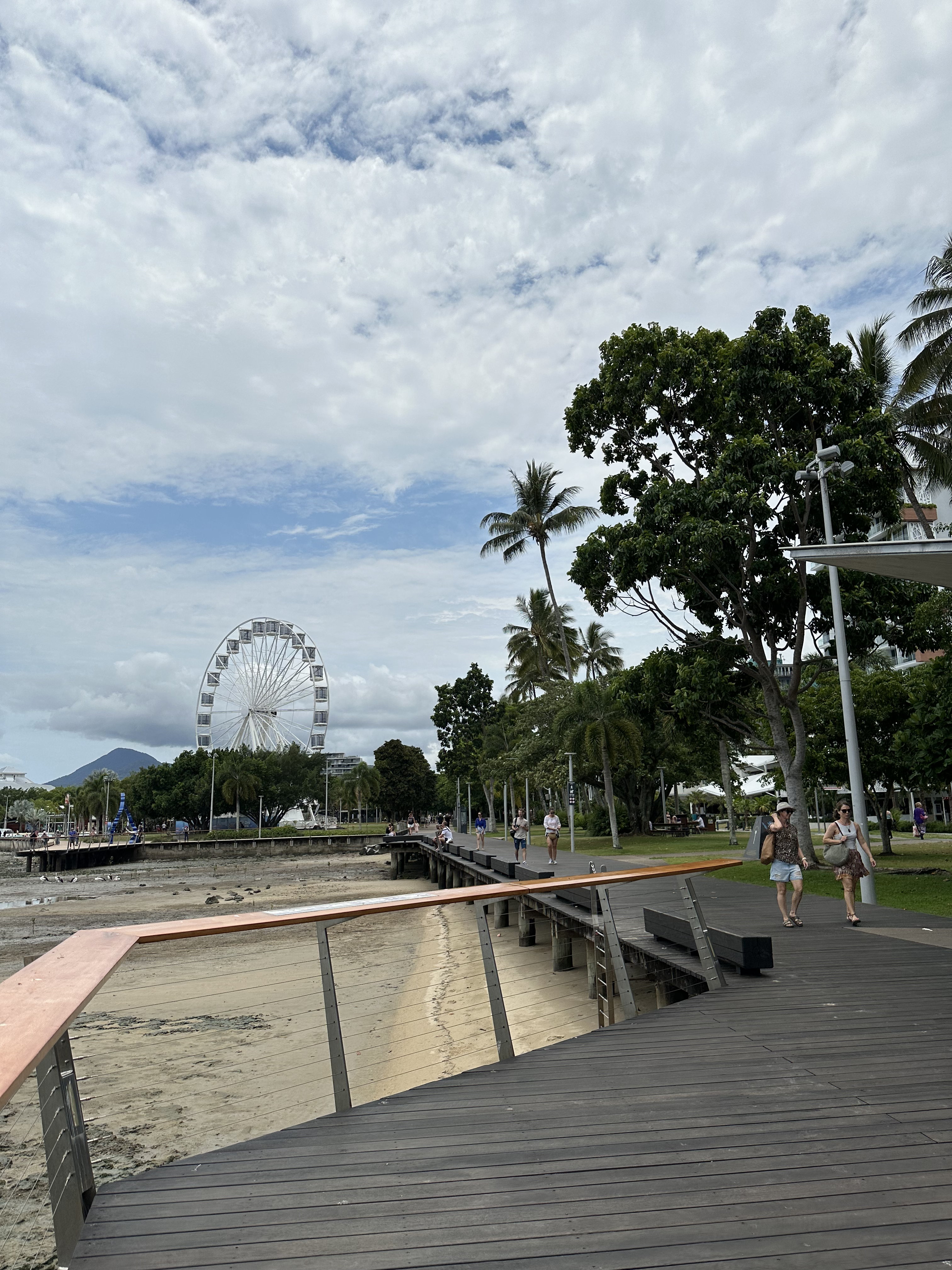


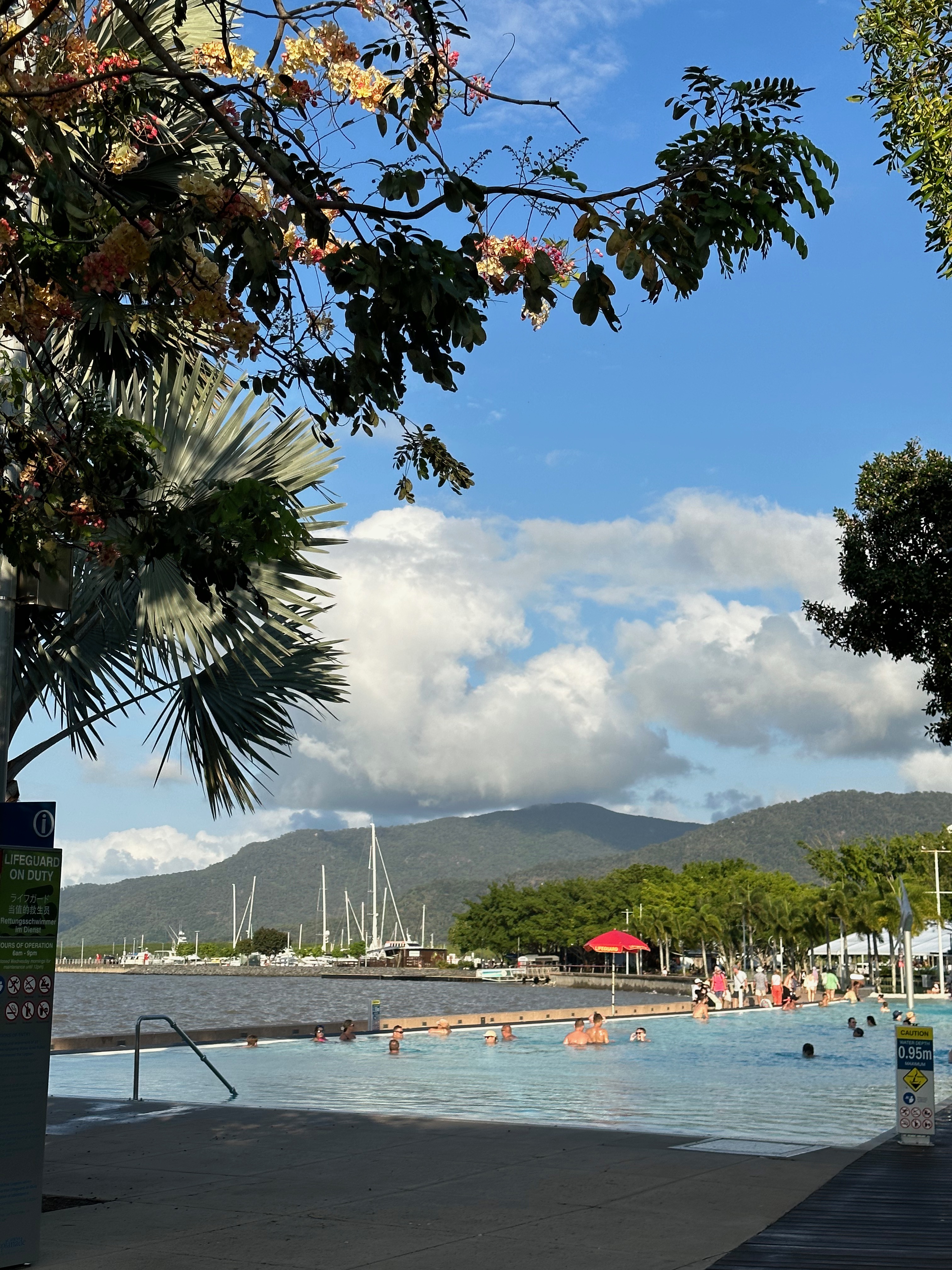
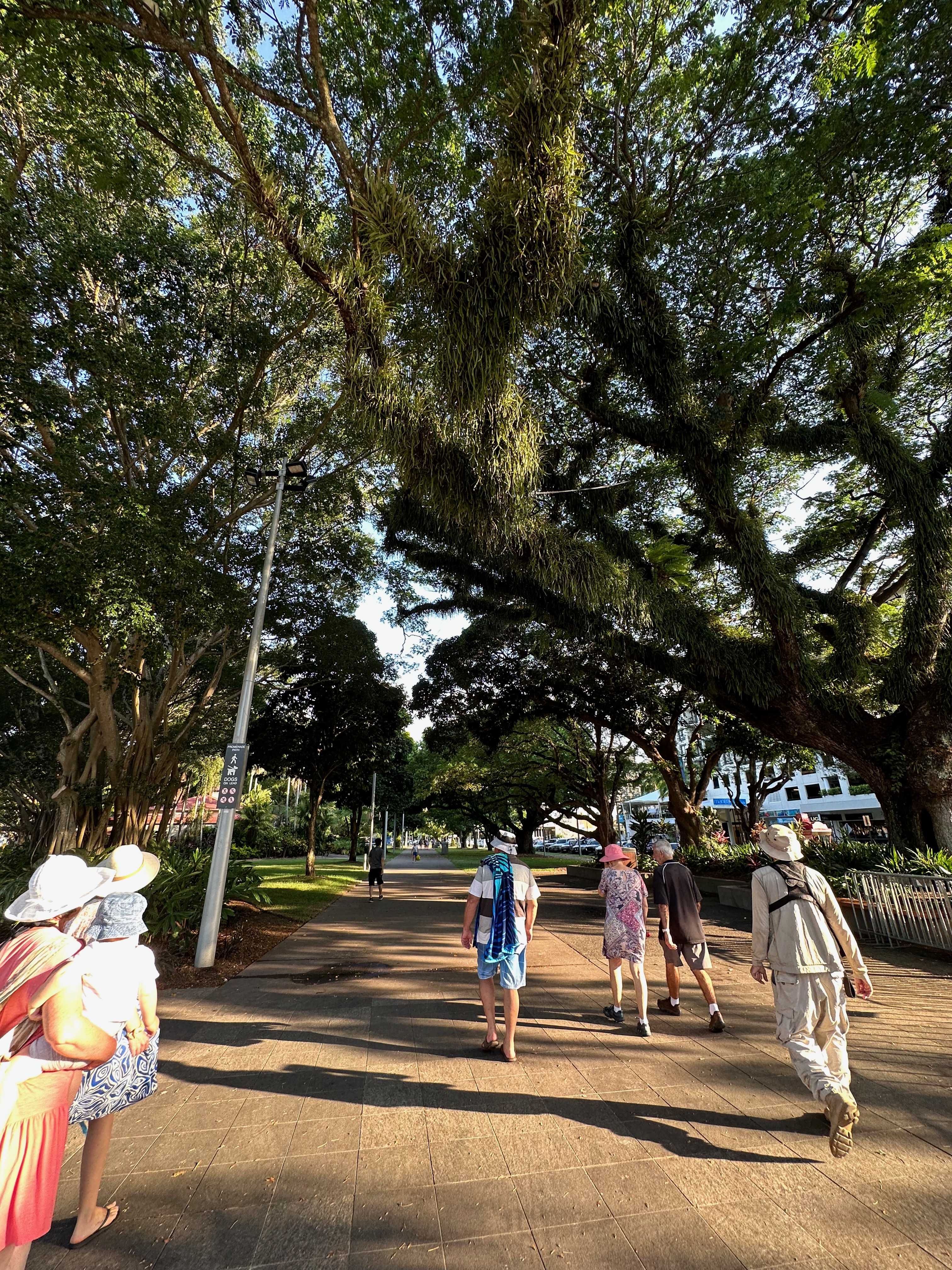
Many birds are found in the grassy areas and along the shady paths.

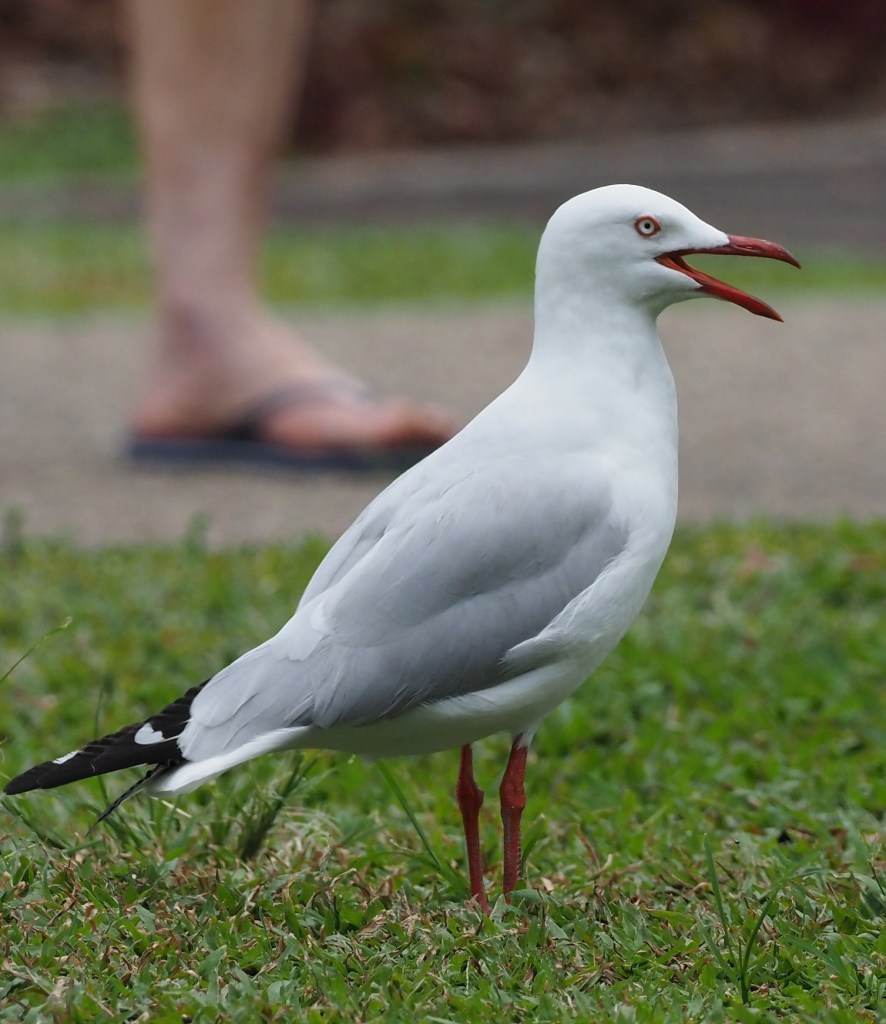

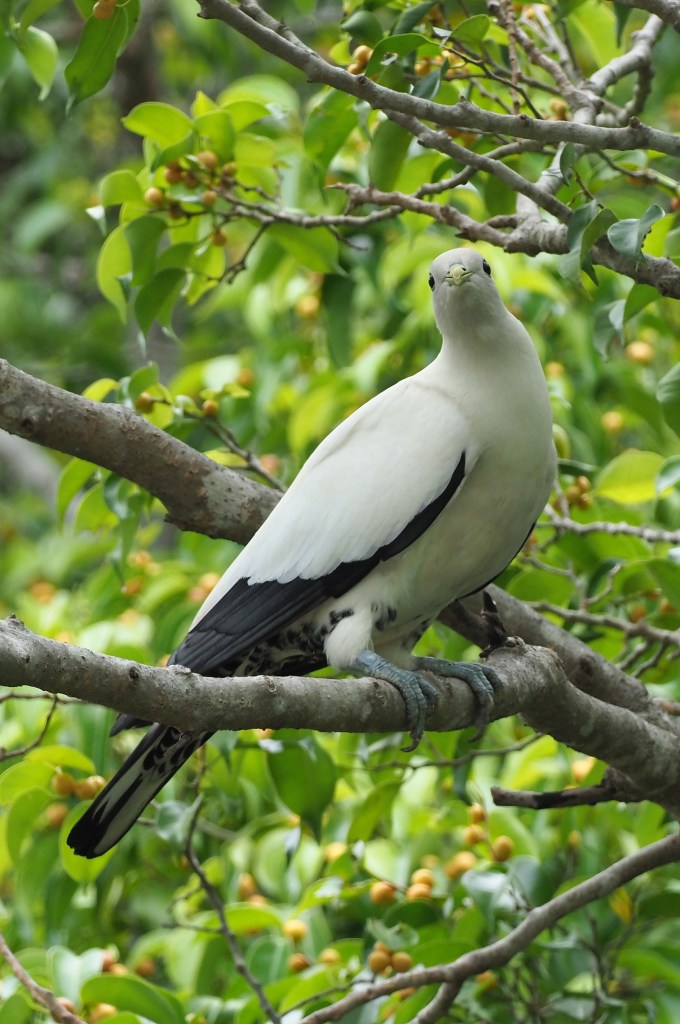

The walkway next to the water is an excellent place to see shore birds at low tide. There is quite a tidal range in this area as you can see in the low versus high tide photos below.
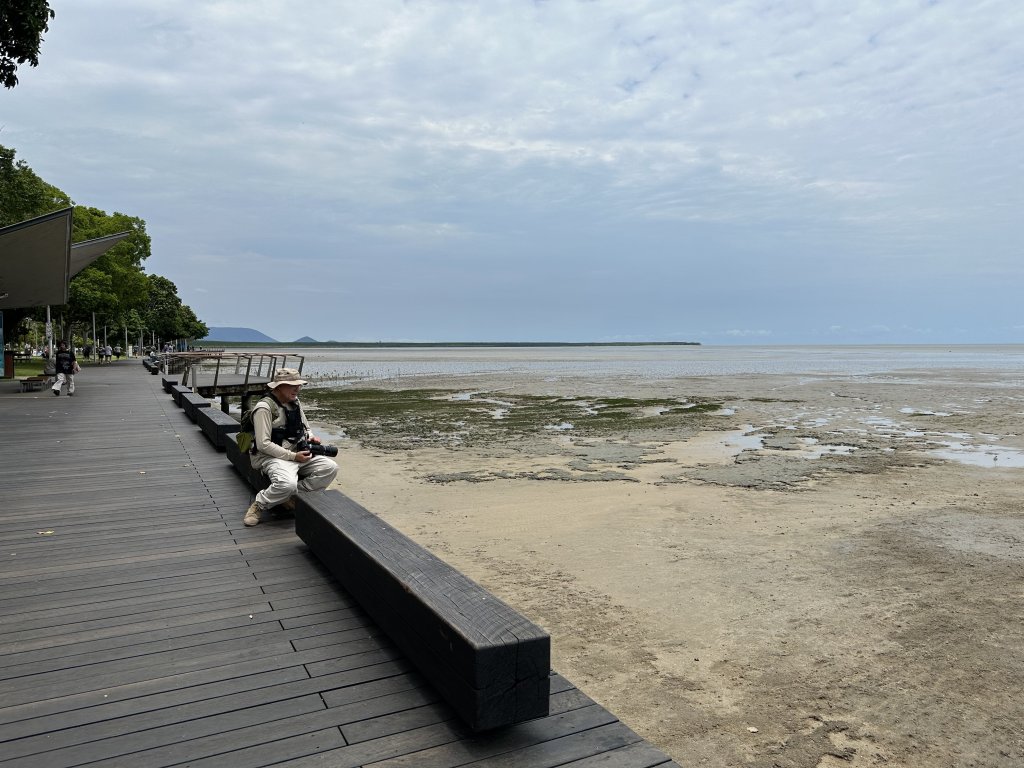
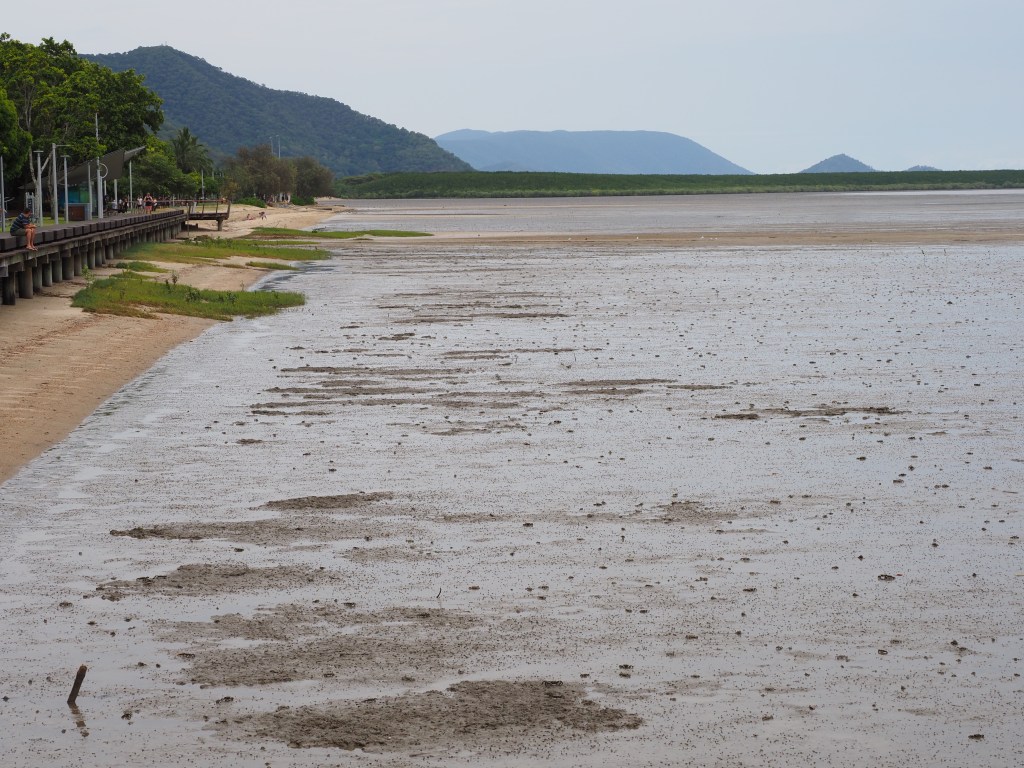
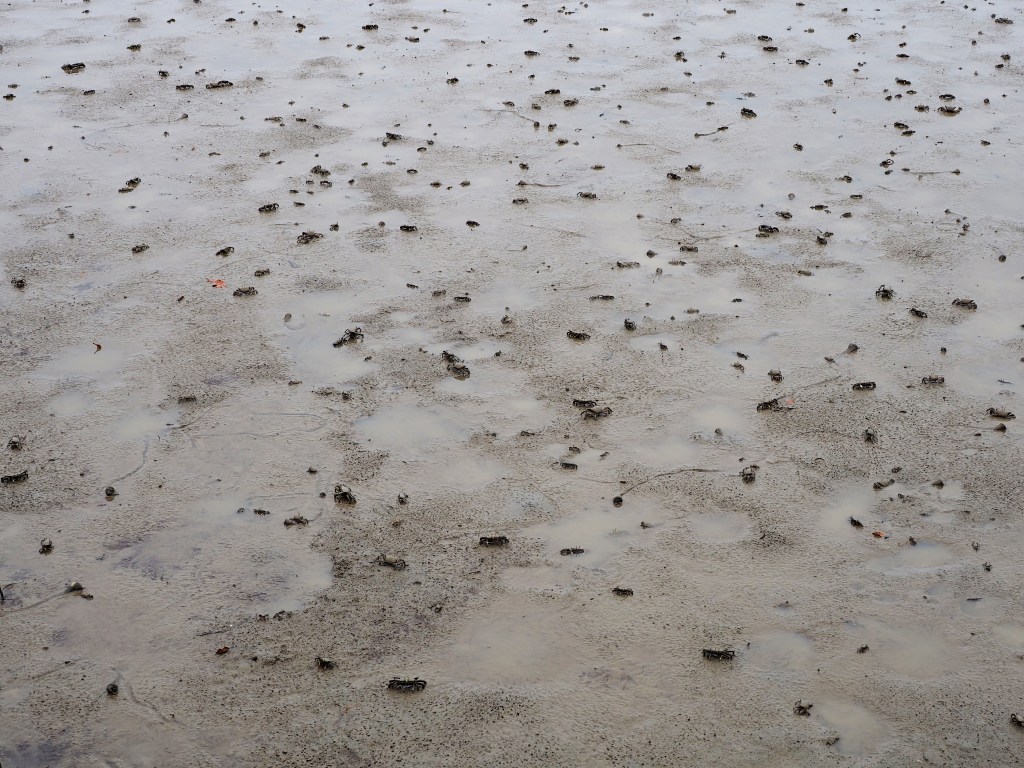


A variety of birds and other organisms such as crabs take advantage of the low tide to look for food.

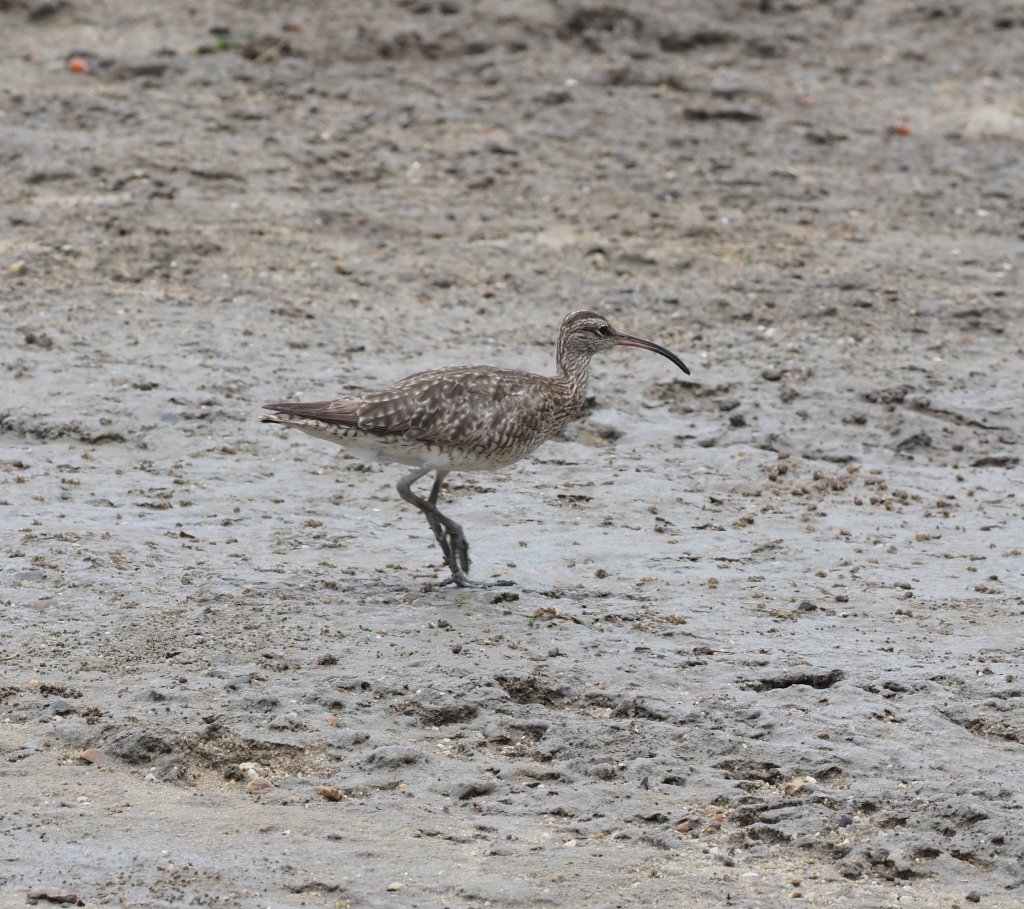
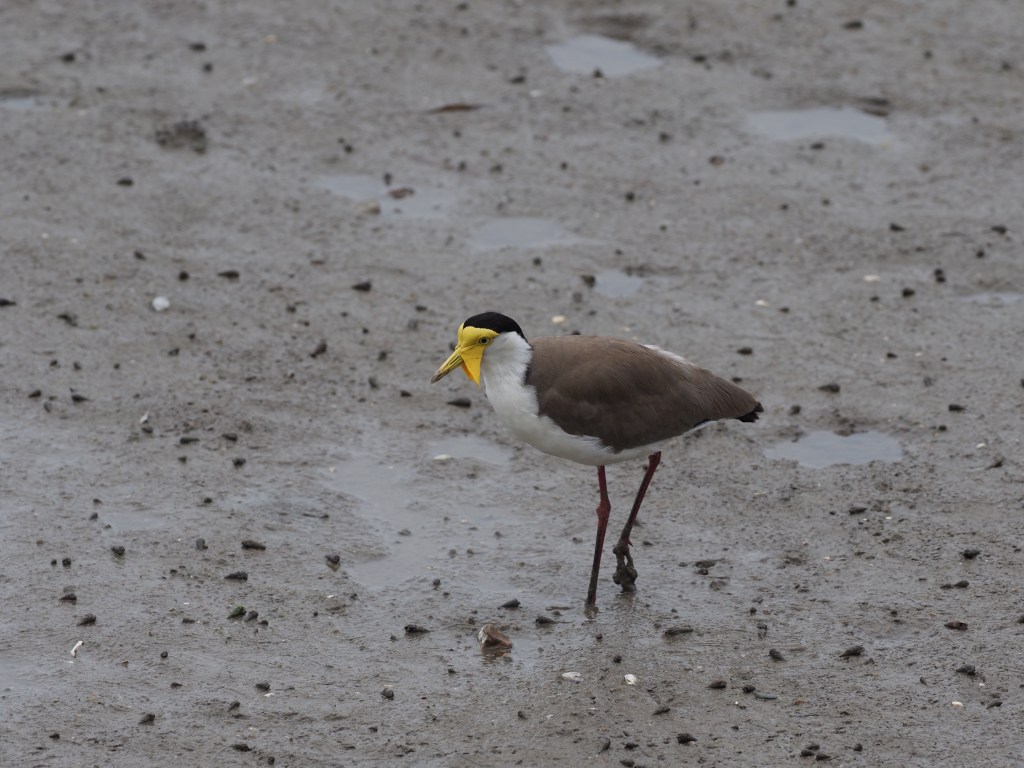

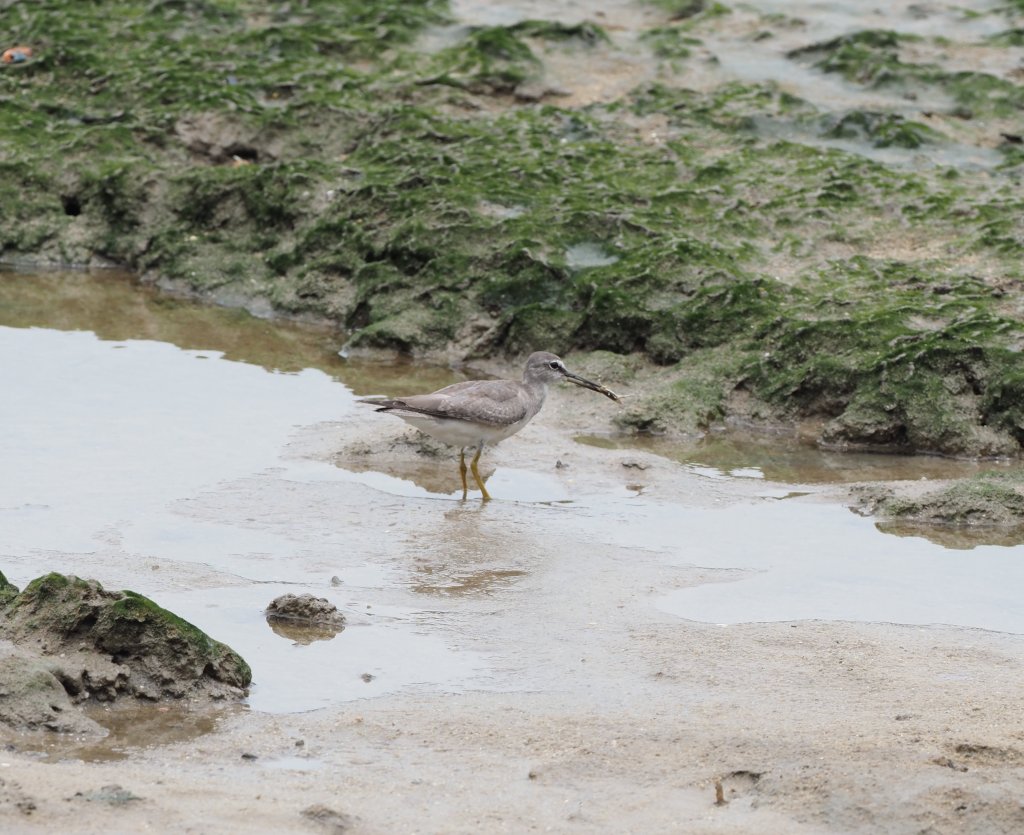

A variety of educational plaques along the walk near the mudflats provided valuable information.
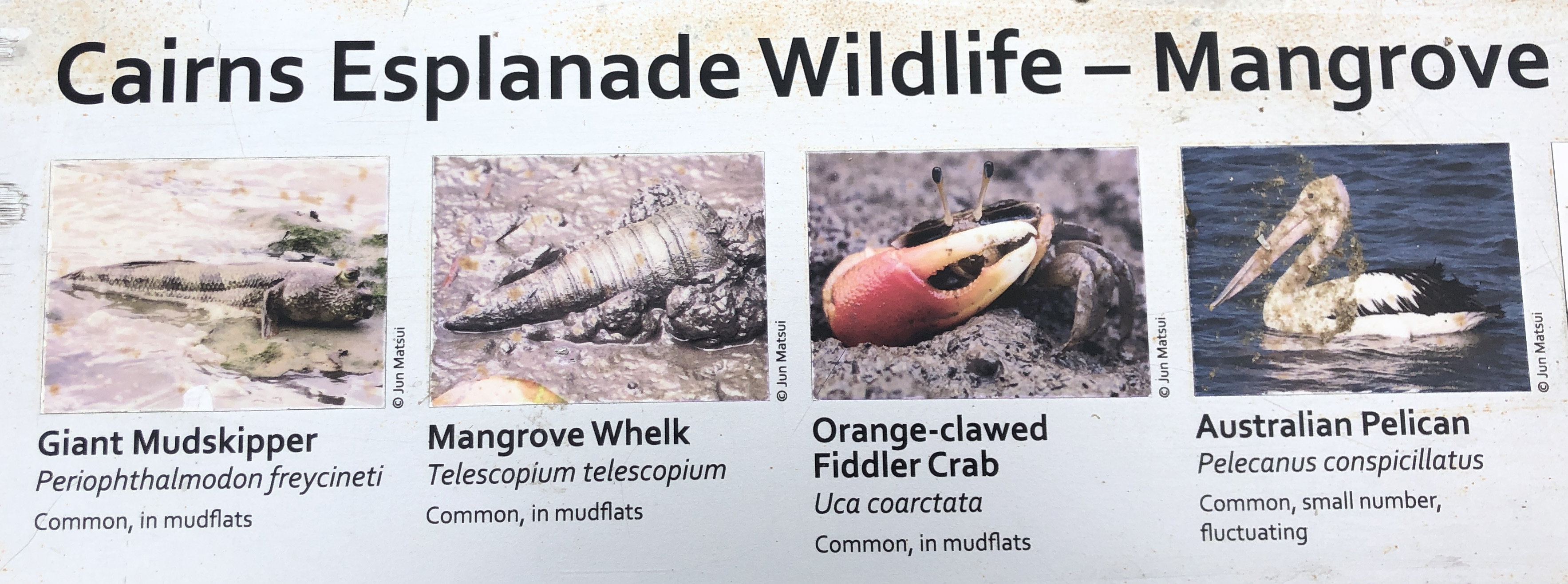

Next stop was the beautiful Jack Barnes Bicentennial mangrove boardwalk near the airport. We discovered this amazing trail through the mangrove forest on our first visit to Australia, but this being our first cruise ship visit was as interesting as the first one. A taxi ride was needed to get from the Esplanade area to the beginning of the mangrove walk. Once there, the trail which consists of a raised boardwalk through different zones of mangrove forest, leads you deeper into the taller forest. Mangroves are shorter at the beginning of the walk, but soon the forest gets taller and shadier. There are some educational plaques to help you learn about this unique ecosystem.
A link to this excellent boardwalk can be found here
Due to the tropical weather in Cairns visiting this attraction can be warm and humid so a visitor should be prepared to sweat a bit. Mosquitos were not a problem,but it is best to bring repellent just in case.
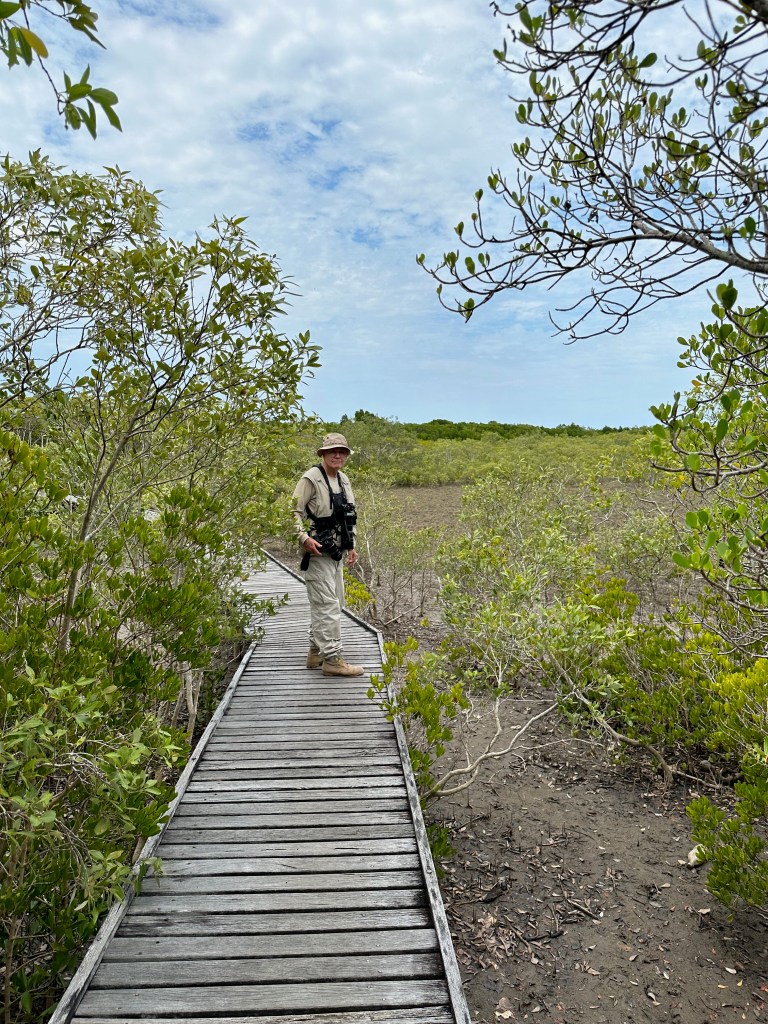
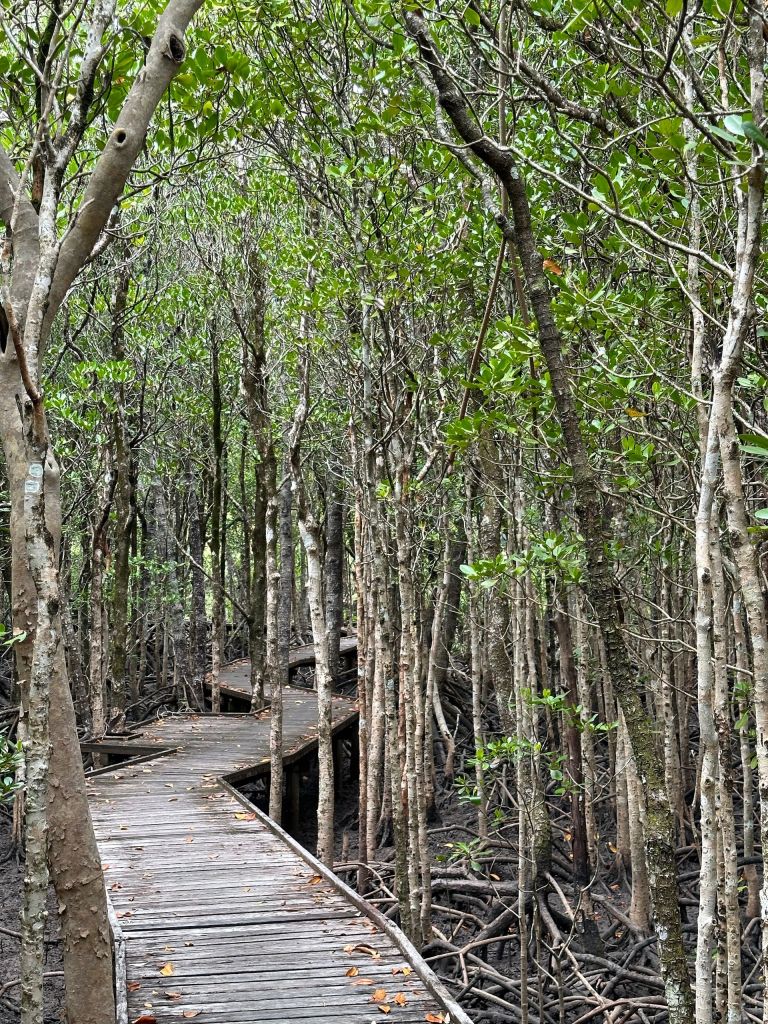
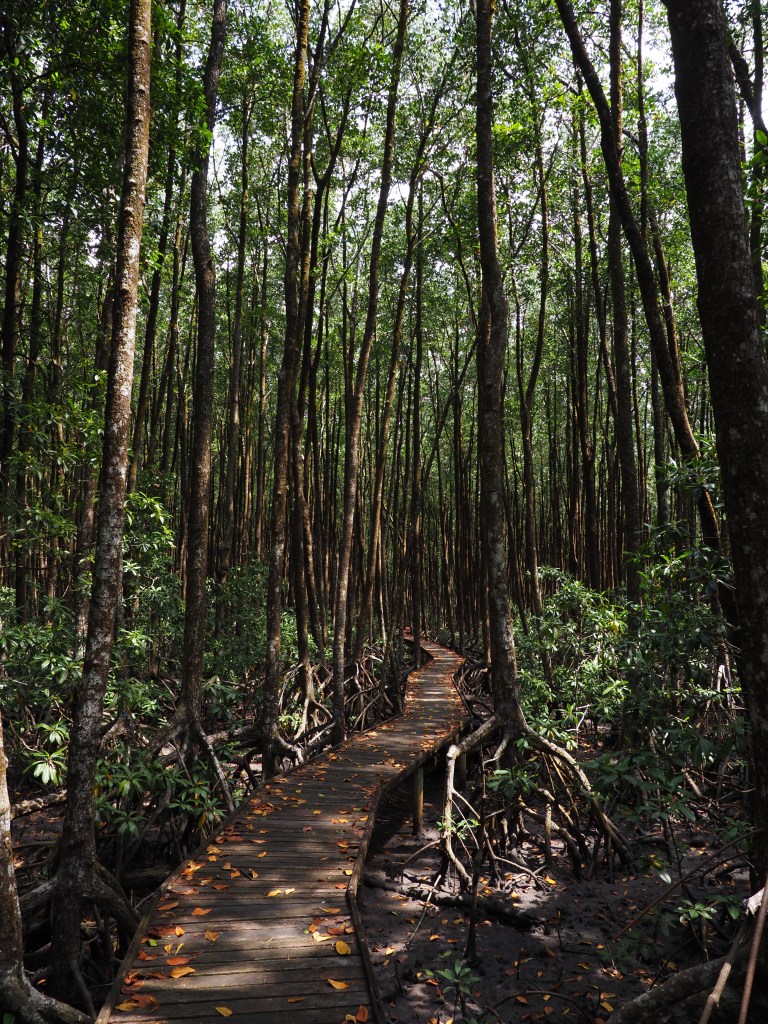
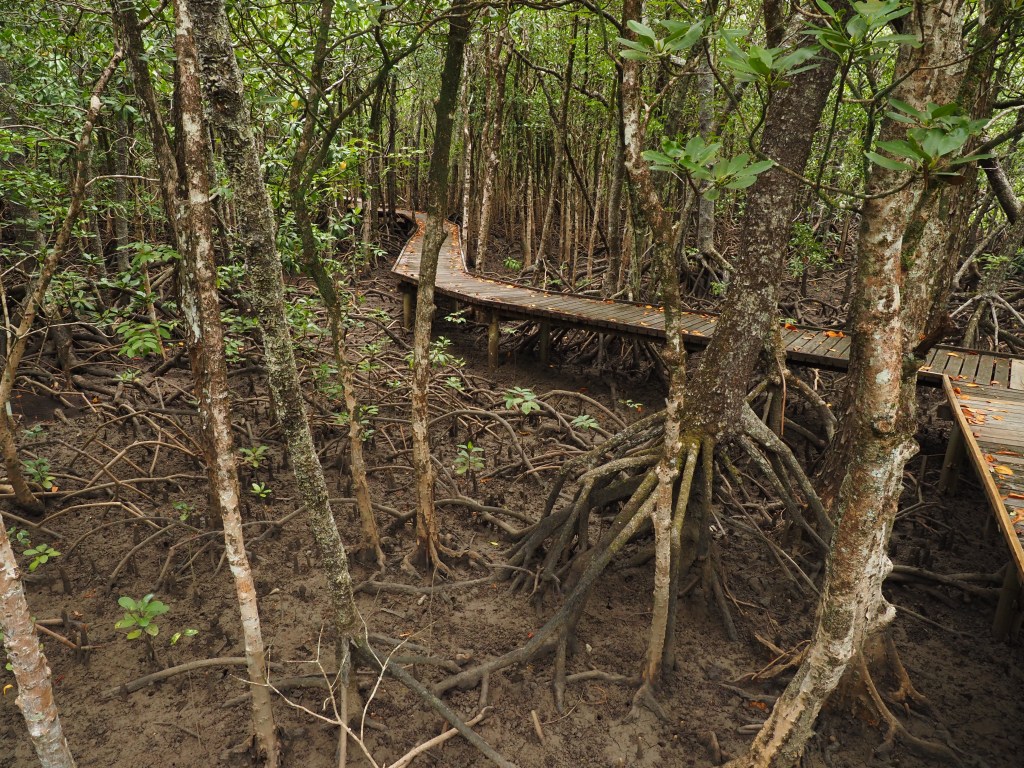
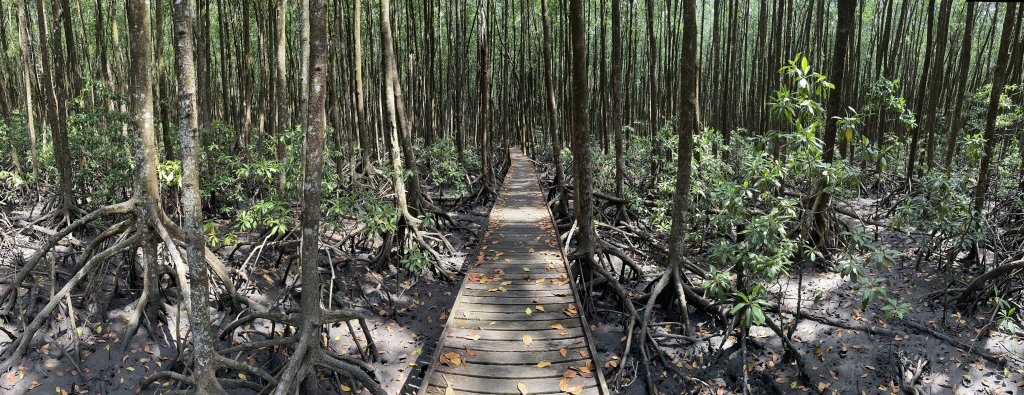


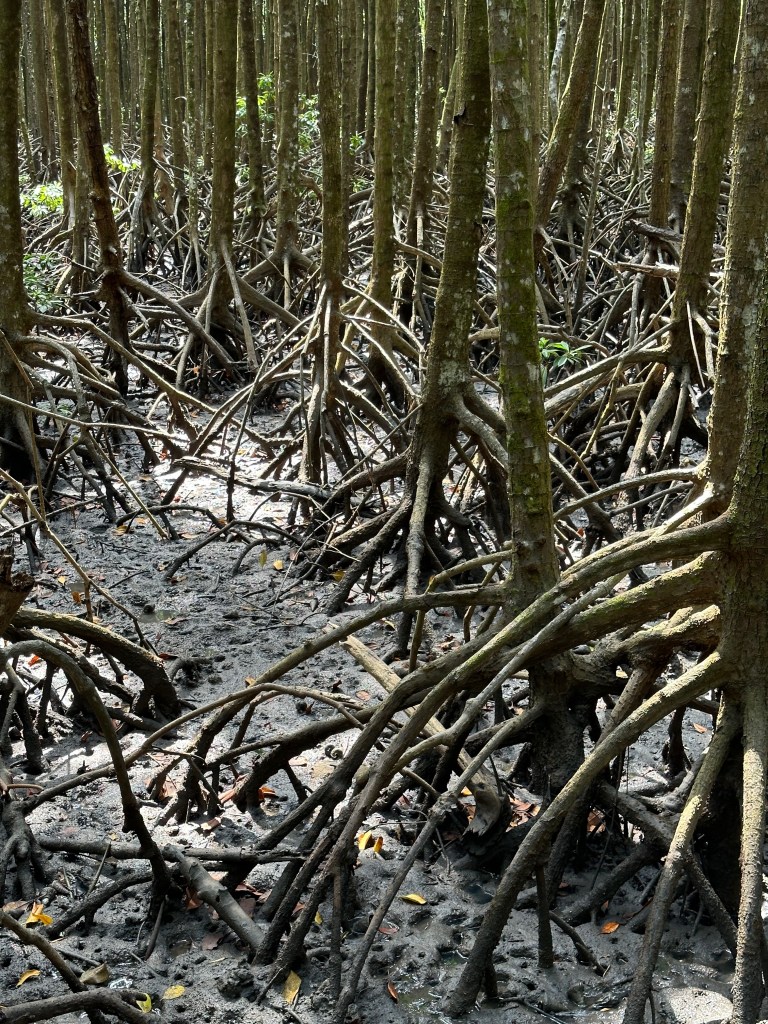

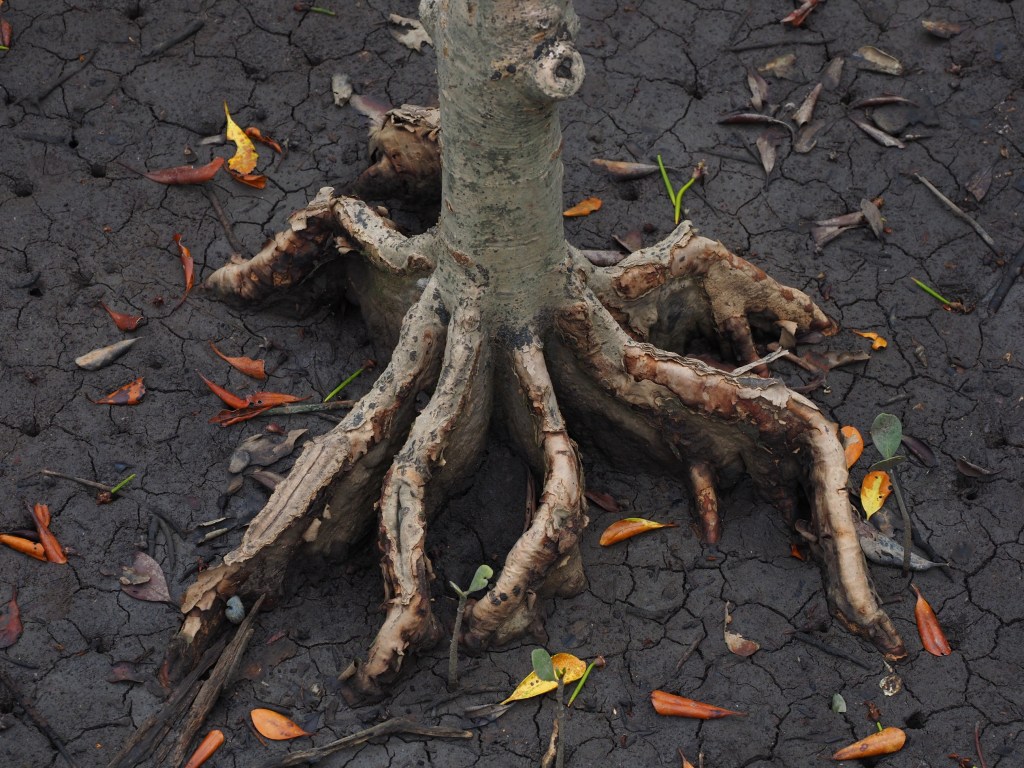

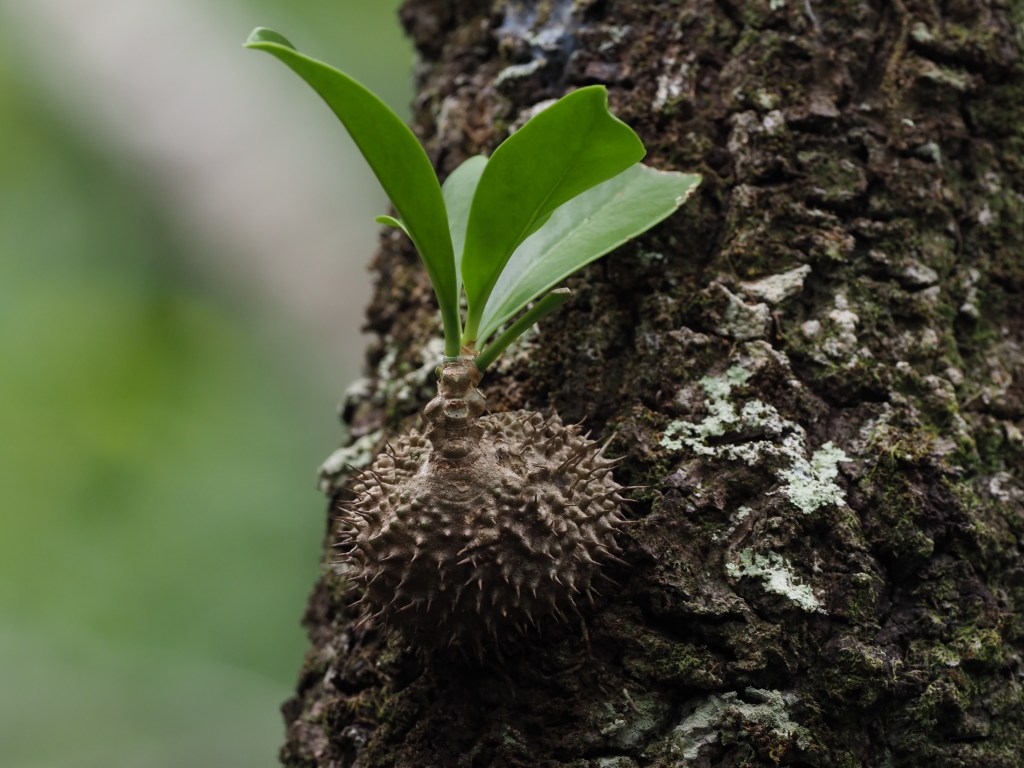
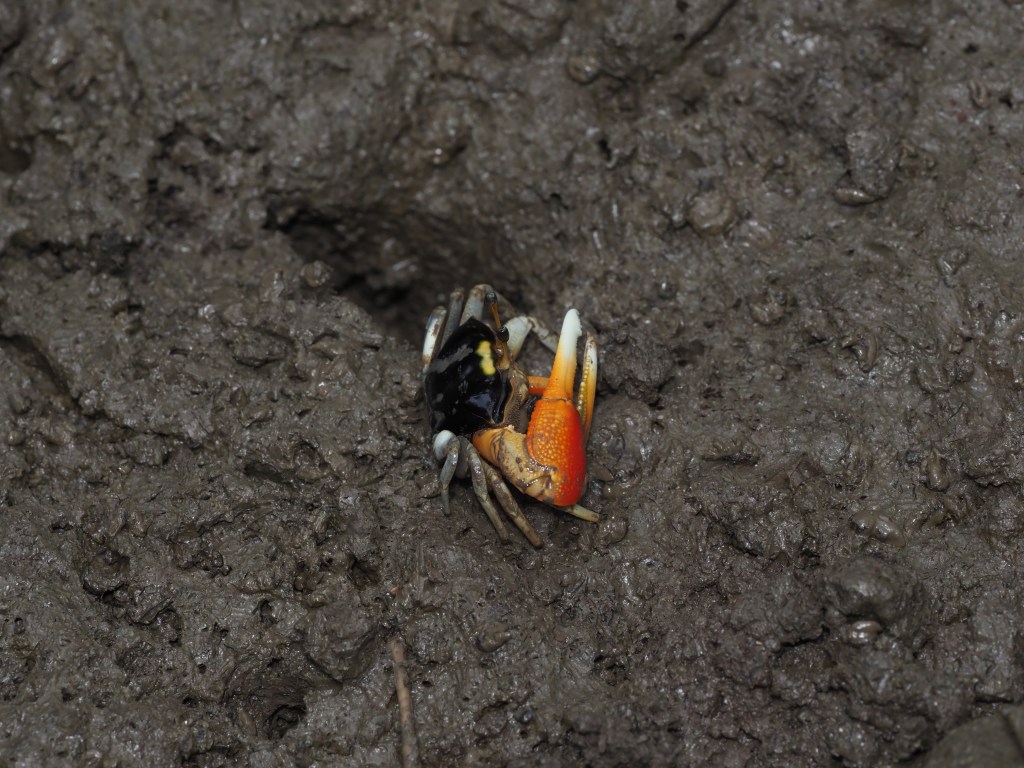
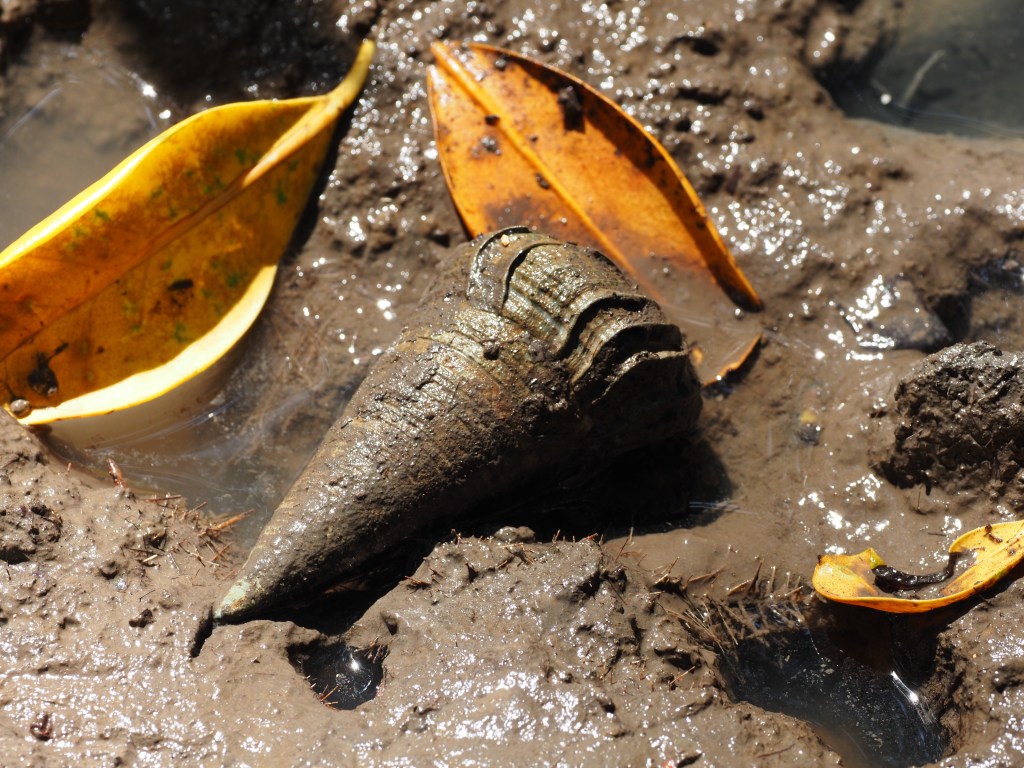
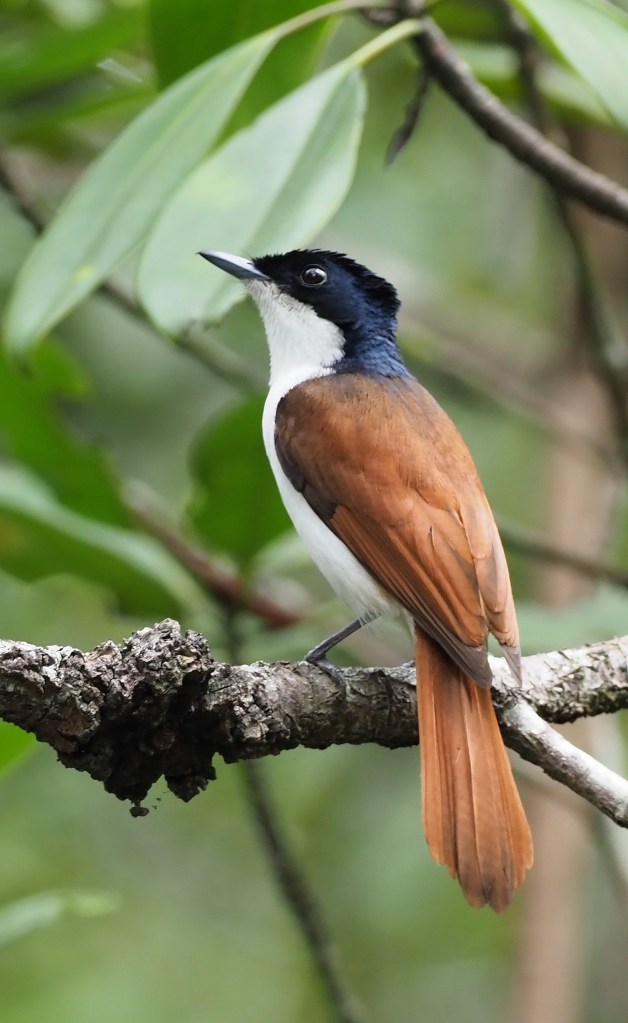
It is quiet once you enter the forest although you can hear the clicking sounds of the numerous crabs, such as the Compressed Fiddler Crab, running along on the muddy floor near the boardwalk. Mudskippers and snails were also at home in the mud. I should mention that at high tide many of the areas with visible mud would disappear under water. Bird songs were also very noticeable especially those calls of the male (dark bird below) and female Shining Flycatchers and the Torresian Kingfisher. Beside the mangroves roots we also noticed the fruits and on a tree along the trail we spotted an ant plant.


After a very interesting visit to this mangrove boardwalk we took a taxi to get to the Flecker Botanical Gardens. The gardens are fairly large and more time was needed to explore all the gardens had to offer. After a fortifying lunch at the garden’s restaurant we walked some of the trails and visited some of the greenhouses.
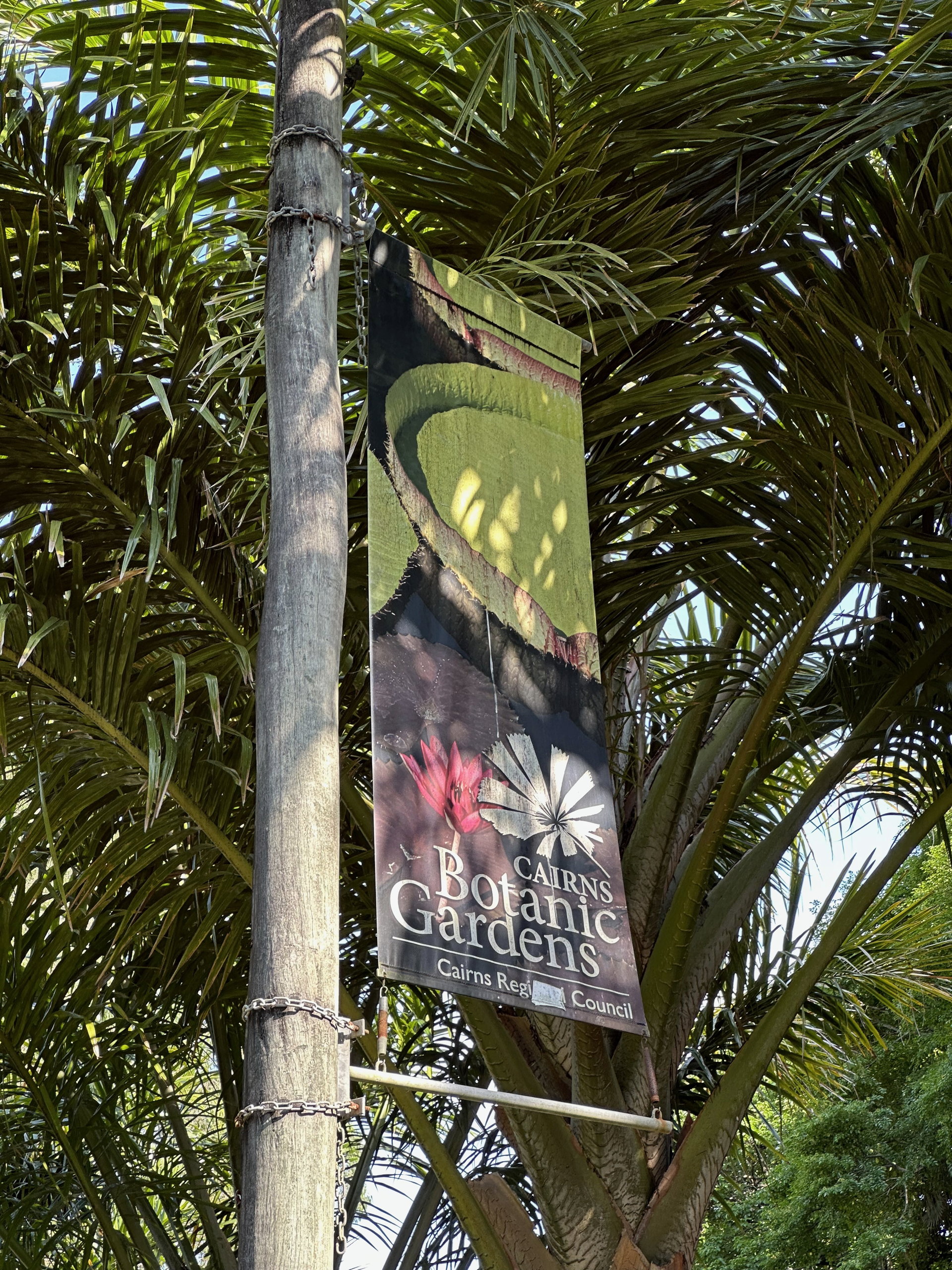
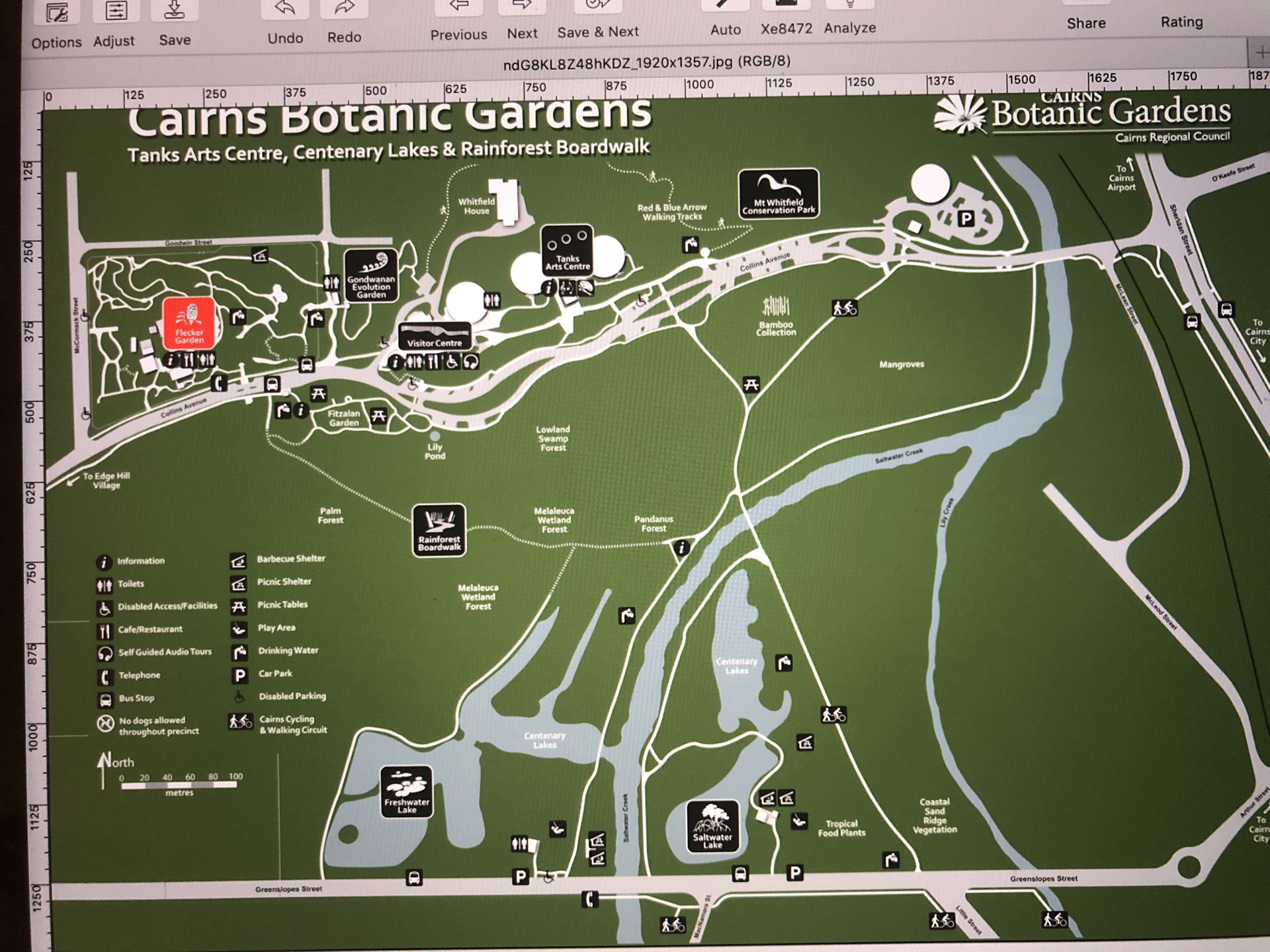

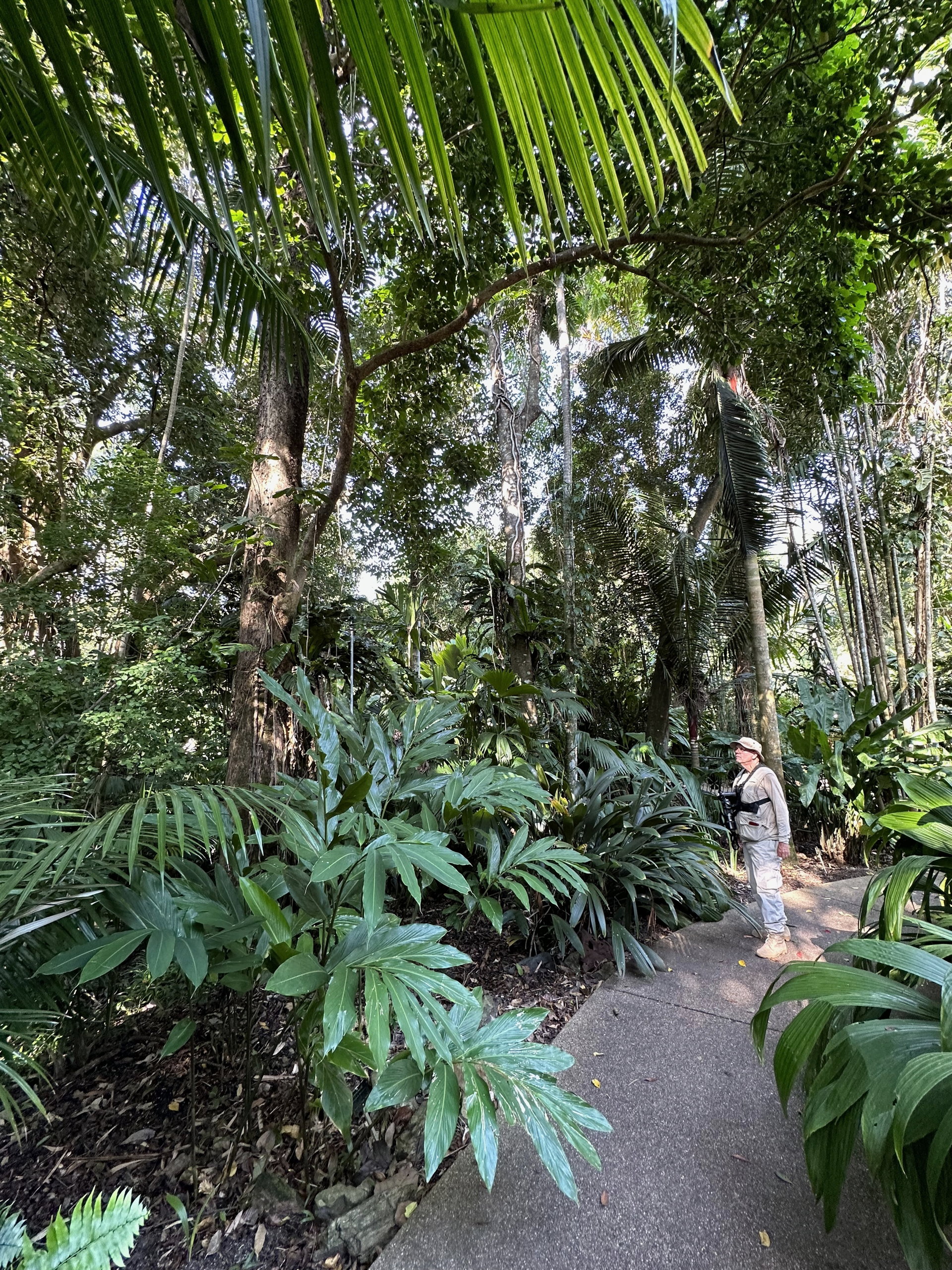

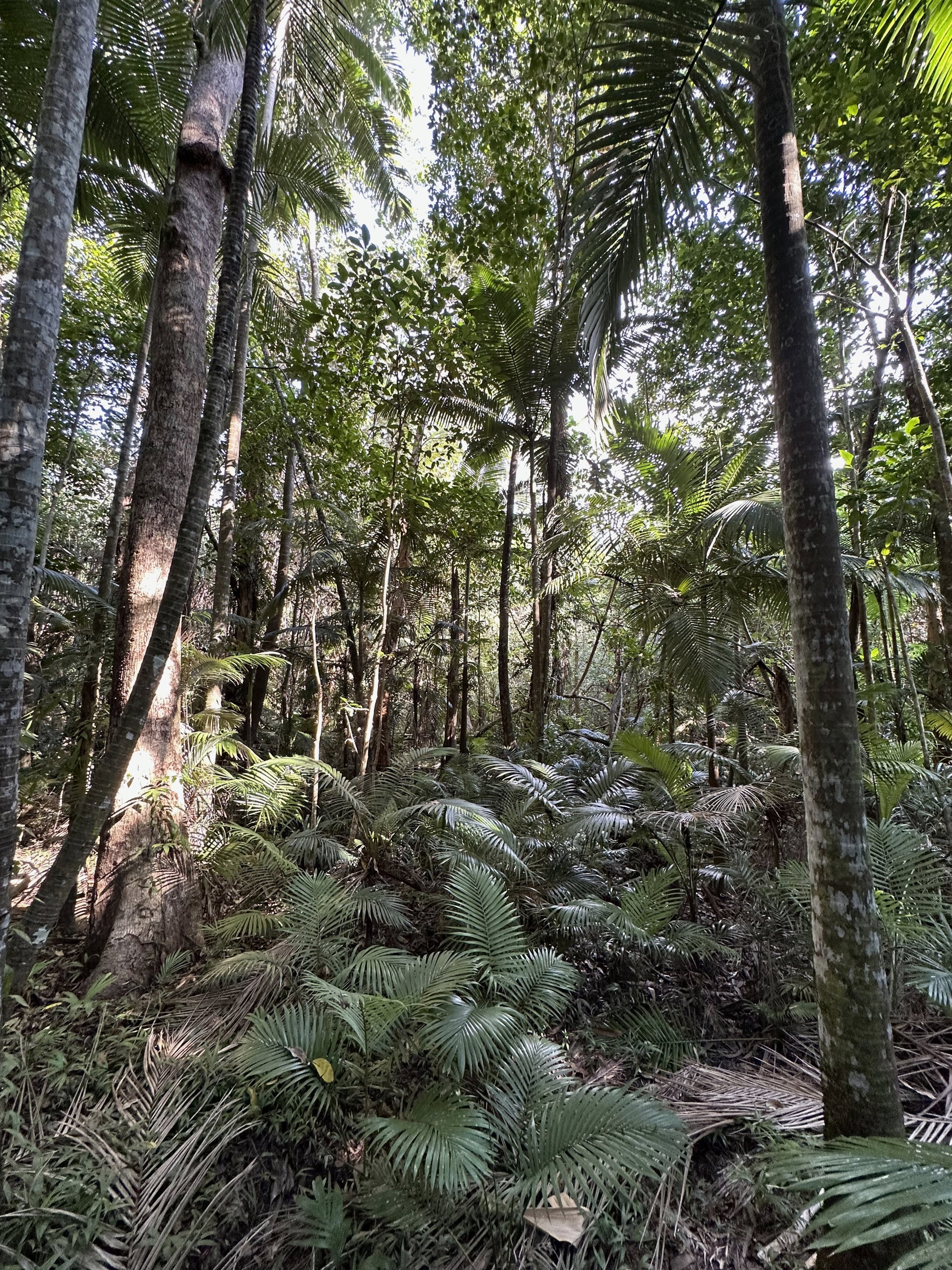
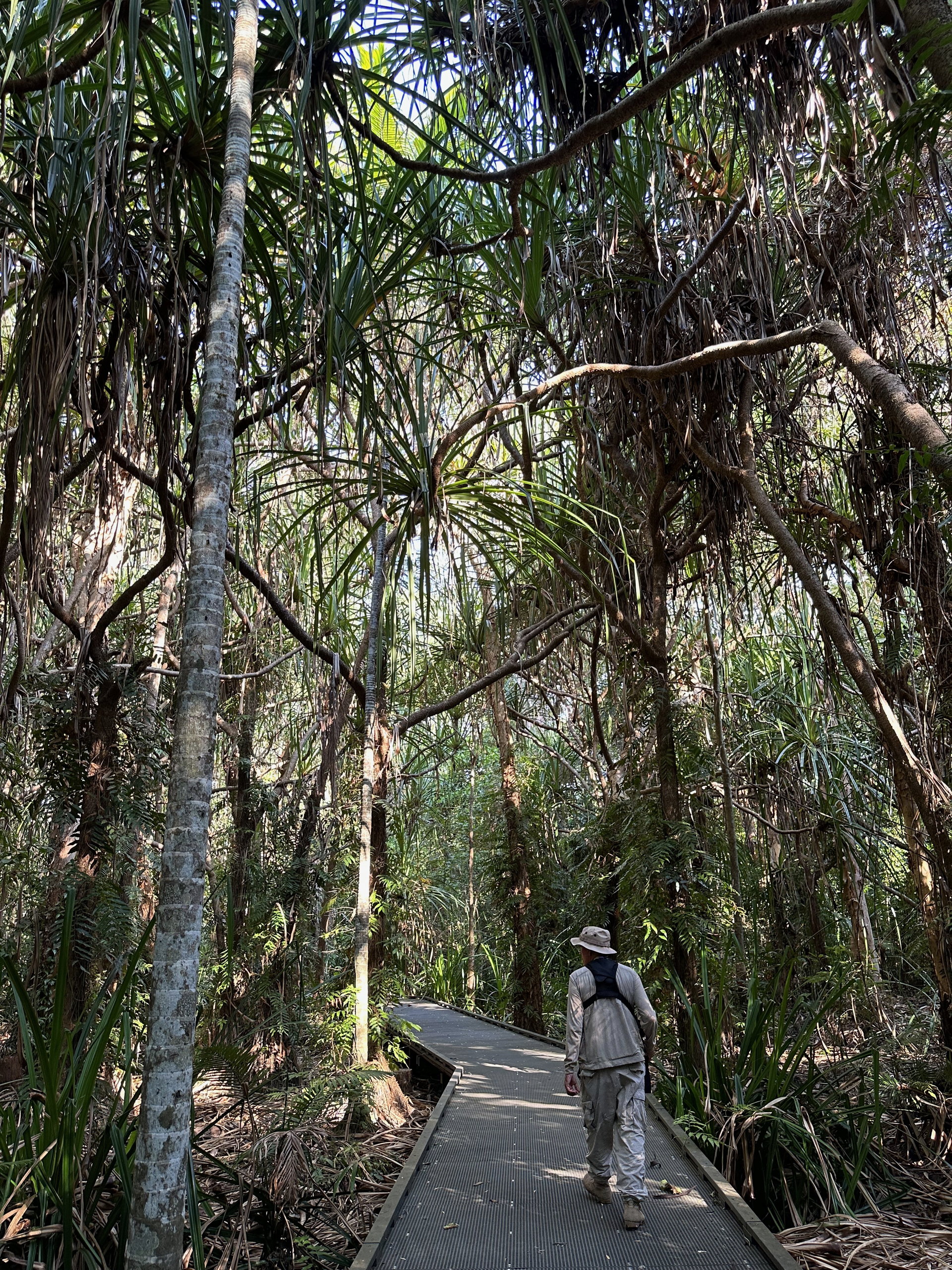


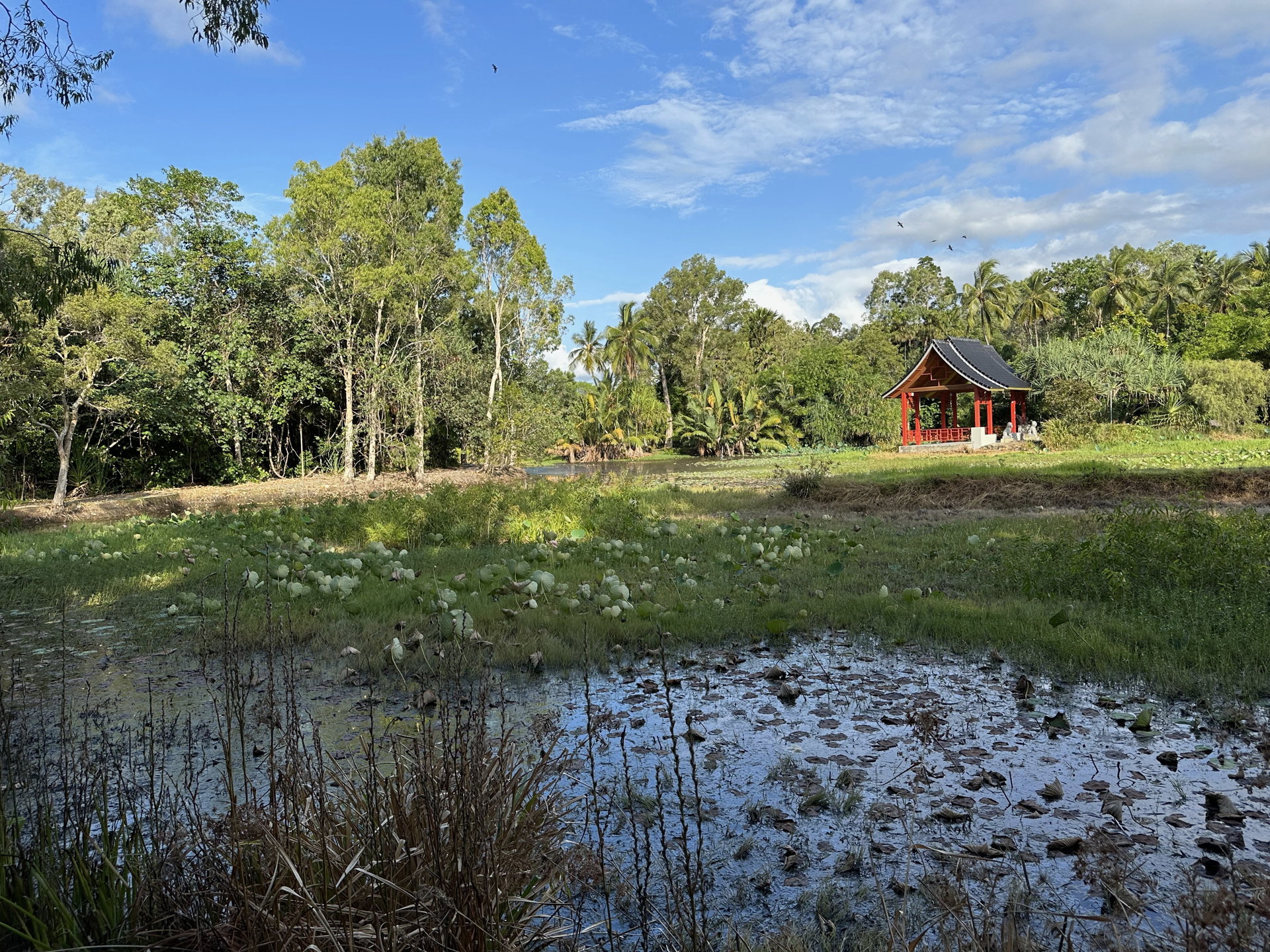
The gardens showcase many different types of habitats with different vegetation. Some very impressive trees were part of the landscape and the wetlands were very realistic. Educational plaques were available along the various paths.
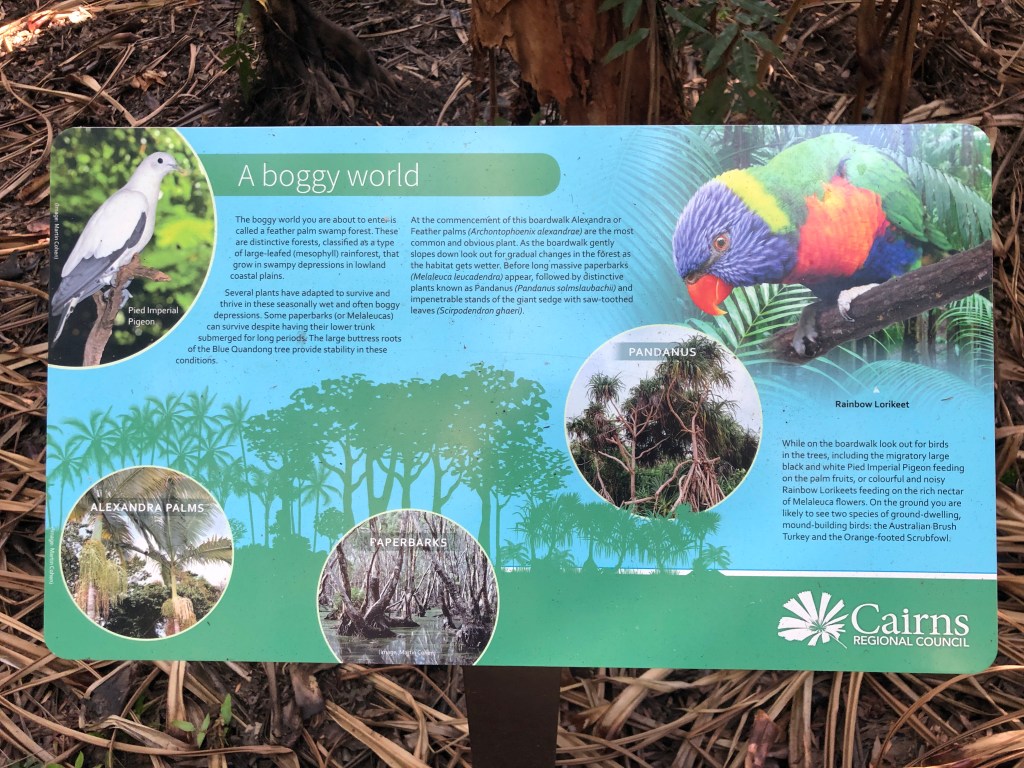
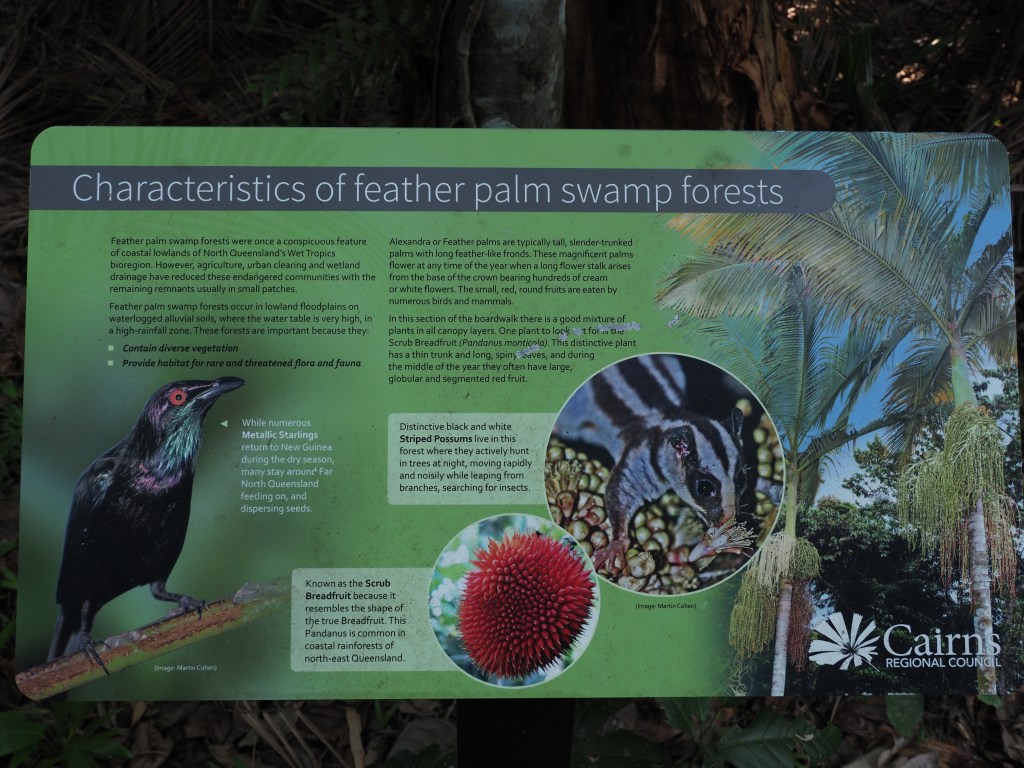
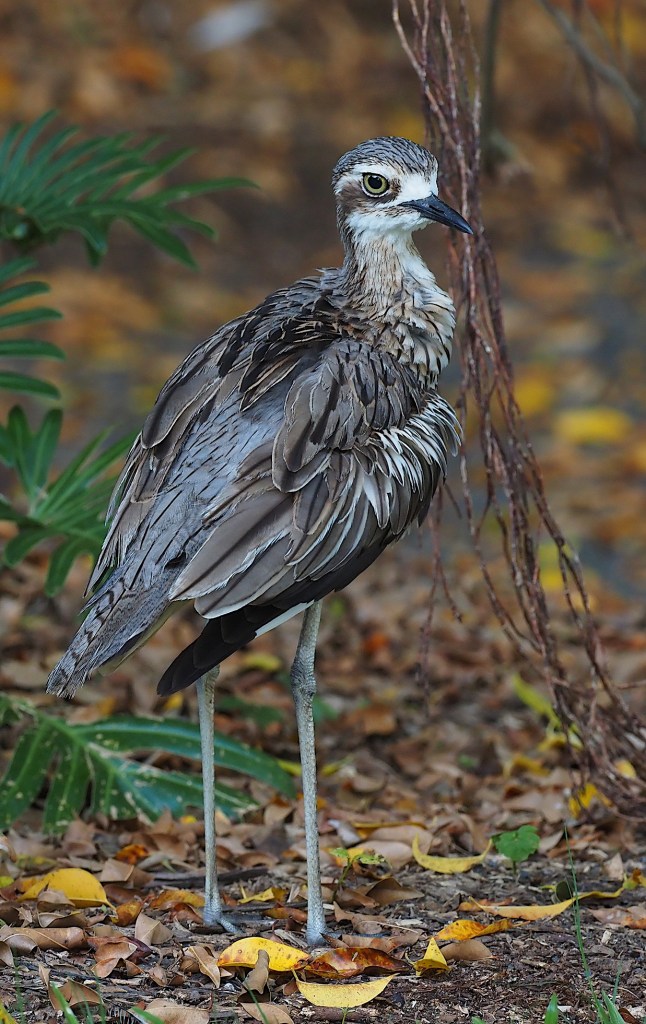
The abundant vegetation and water was ideal for attracting a variety of birds and other wildlife like turtles.




After a very productive day visiting 3 free main nature-oriented attractions in Cairns it was time to take a taxi back to the Esplanade and from there we walked to our ship. Once on board we got a good view of the city as the ship got ready to sail.
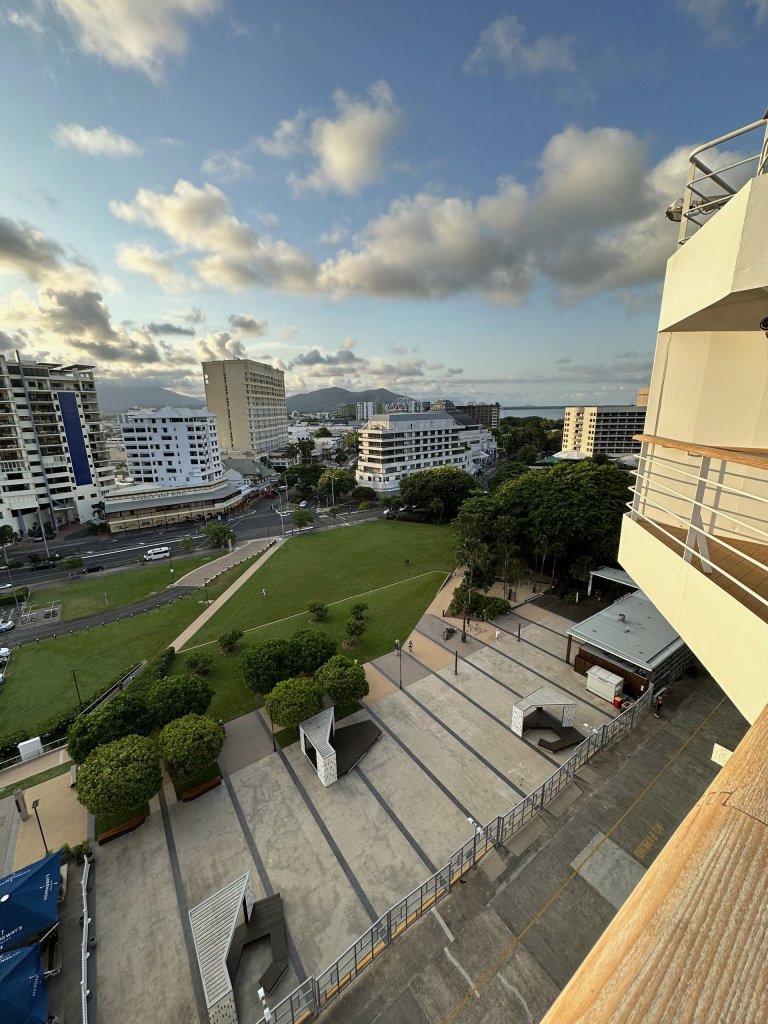
Cruising the Great Barrier Reef
Darwin
It was an early arrival in Darwin and we were up to see the docking process and get views of the city.

After a short walk to check out the esplanade we took a taxi to the airport to rent a car for the day. The drive out of the airport and toward the Territorial Park took us through a not so busy part of the city. Made a few stops to check the vegetation and found some interesting flowers as well as a closer view of the large termite mounds.
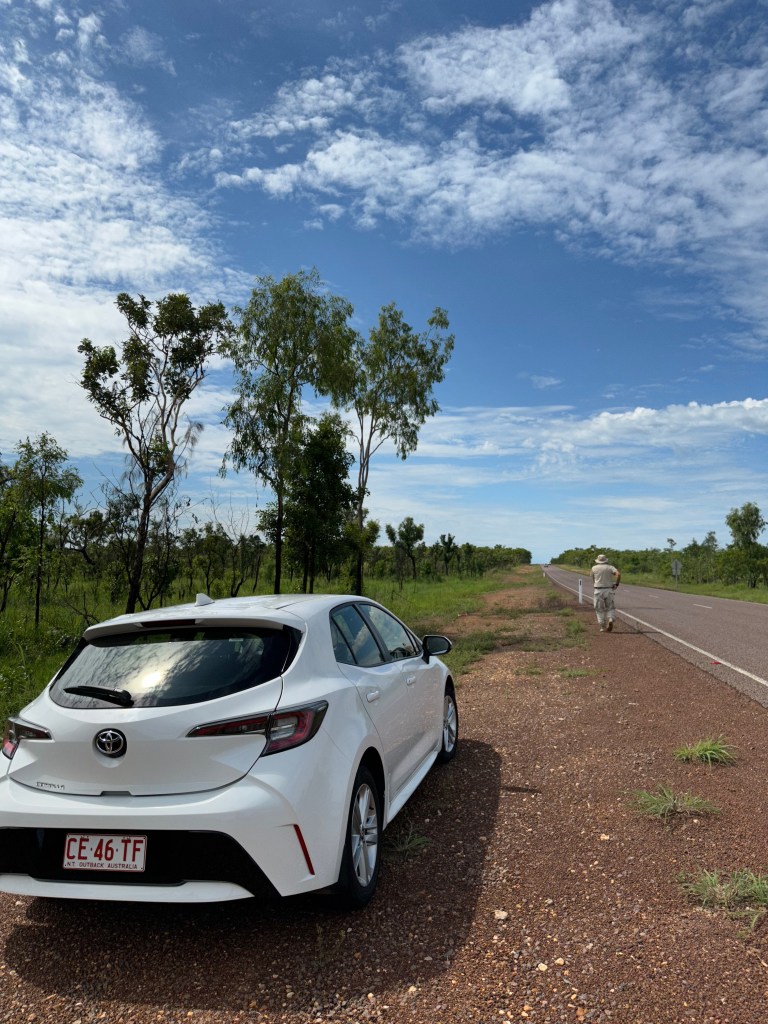
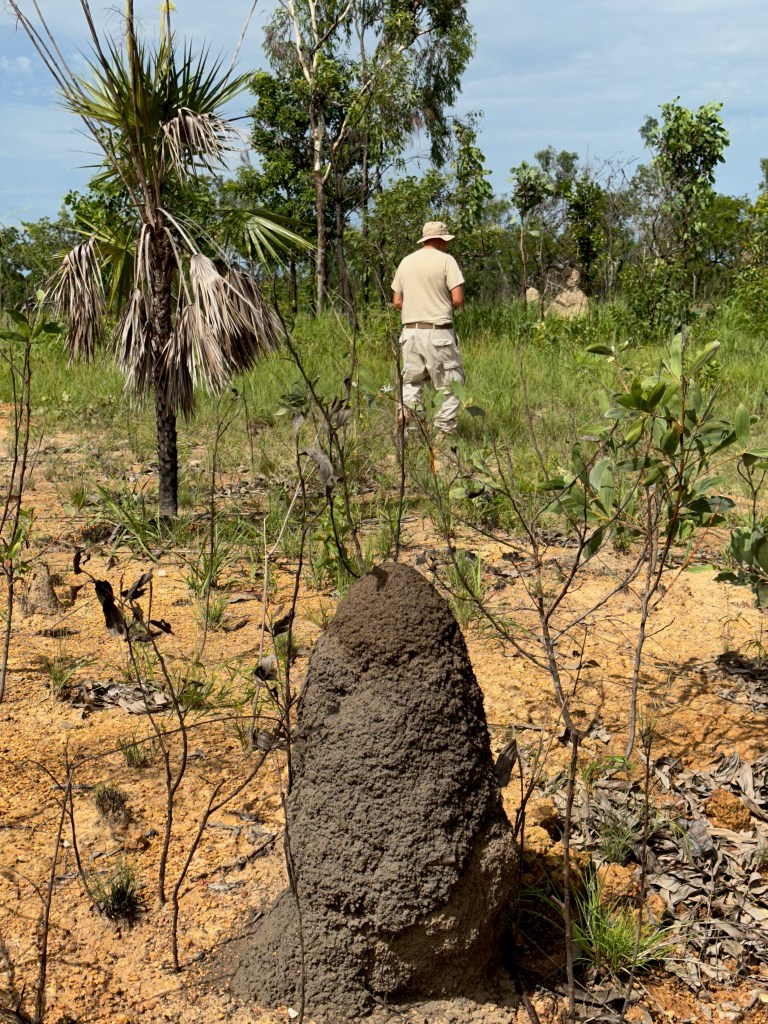
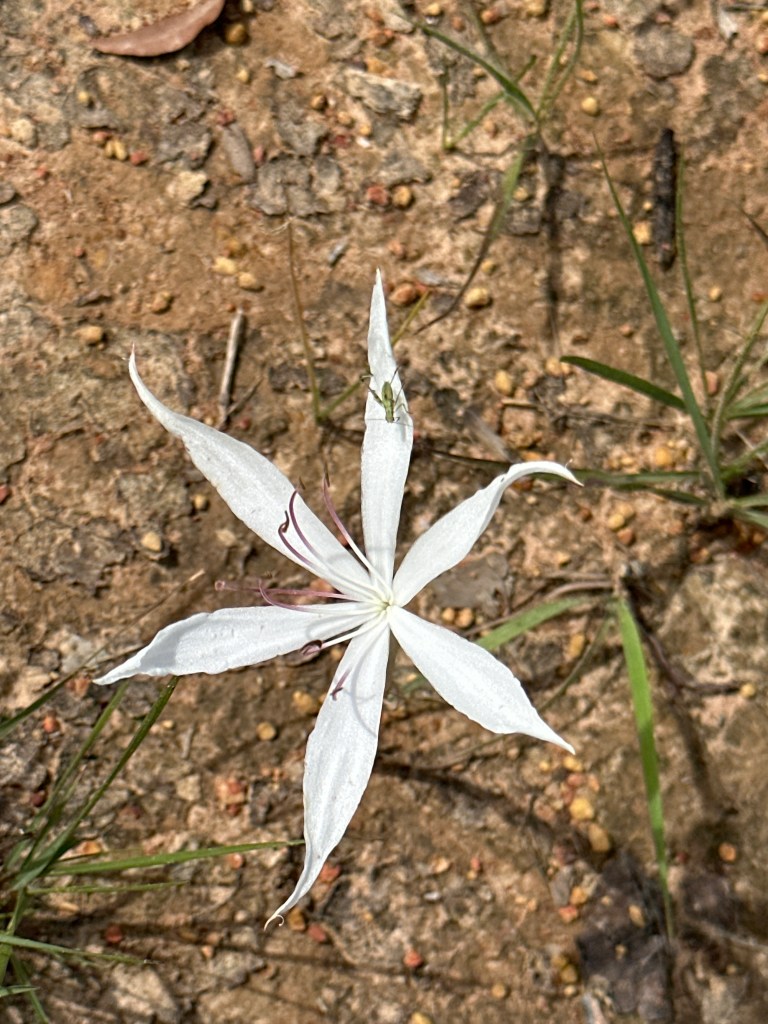
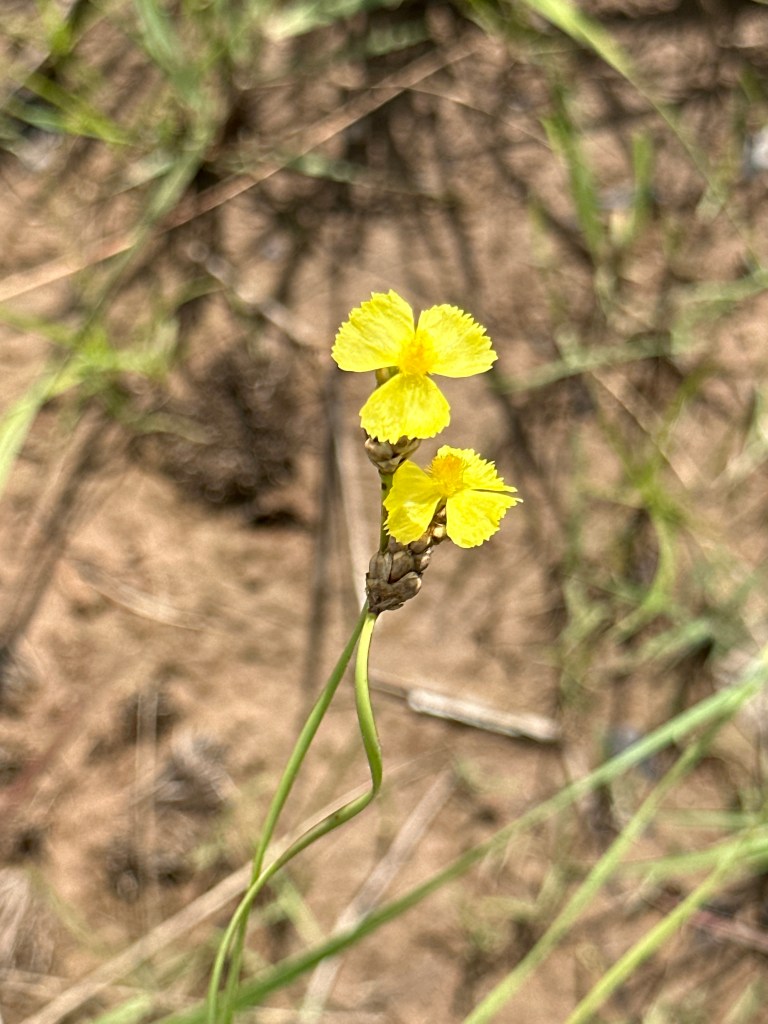
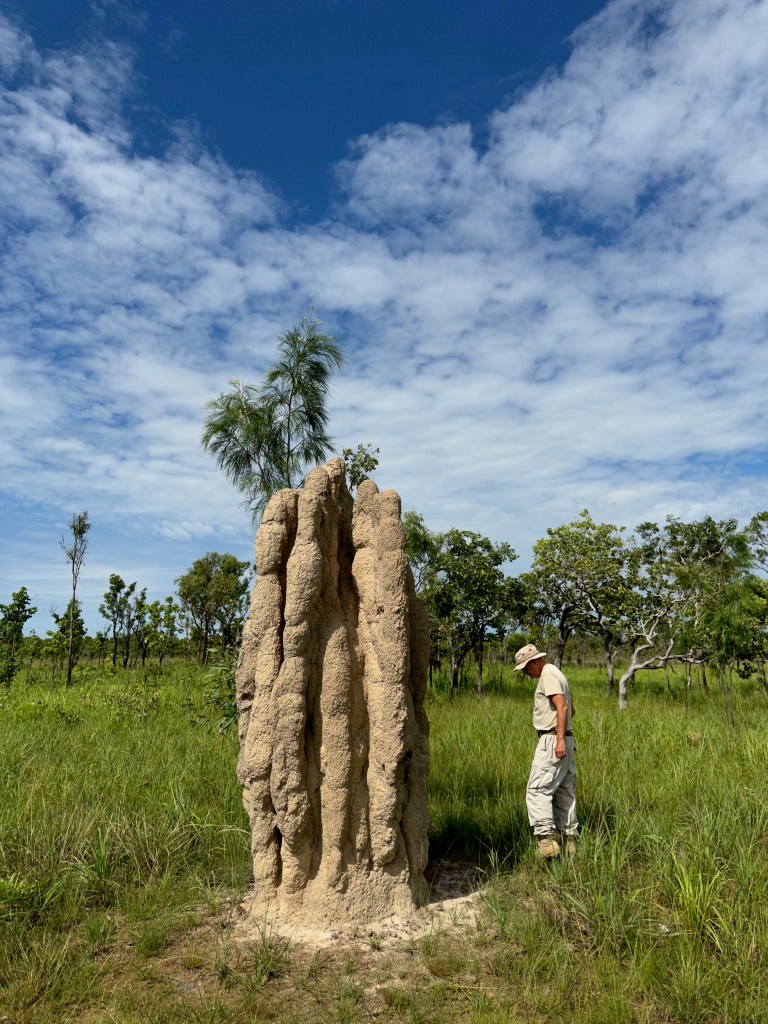
Our destination was the Territory Wildlife Park located about 45 minutes south of Darwin. The road to get there is not busy and it fine to drive on it. An unusual mix of botanical garden, wild areas and enclosures for birds together with many trails makes this a good alternative to places like Kakadu National Park which are bigger and better, but are too far for the regular passenger arriving on a ship just for the day. The park which opened in 1989 has 400 hectares of land. The park is quite large but visitors can walk the trails, otherwise you have to wait and be ready to board their mini tram that comes by every so often

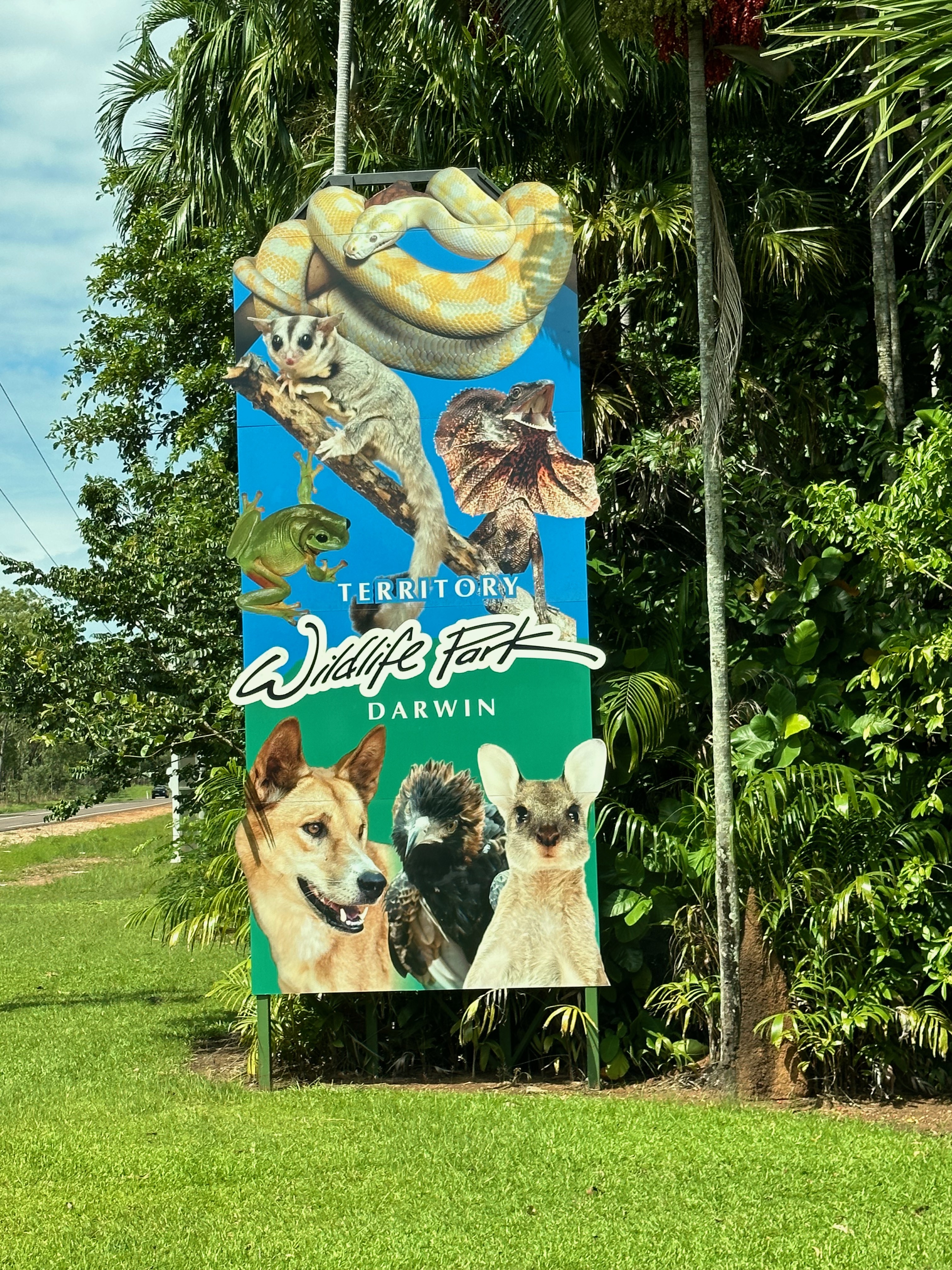
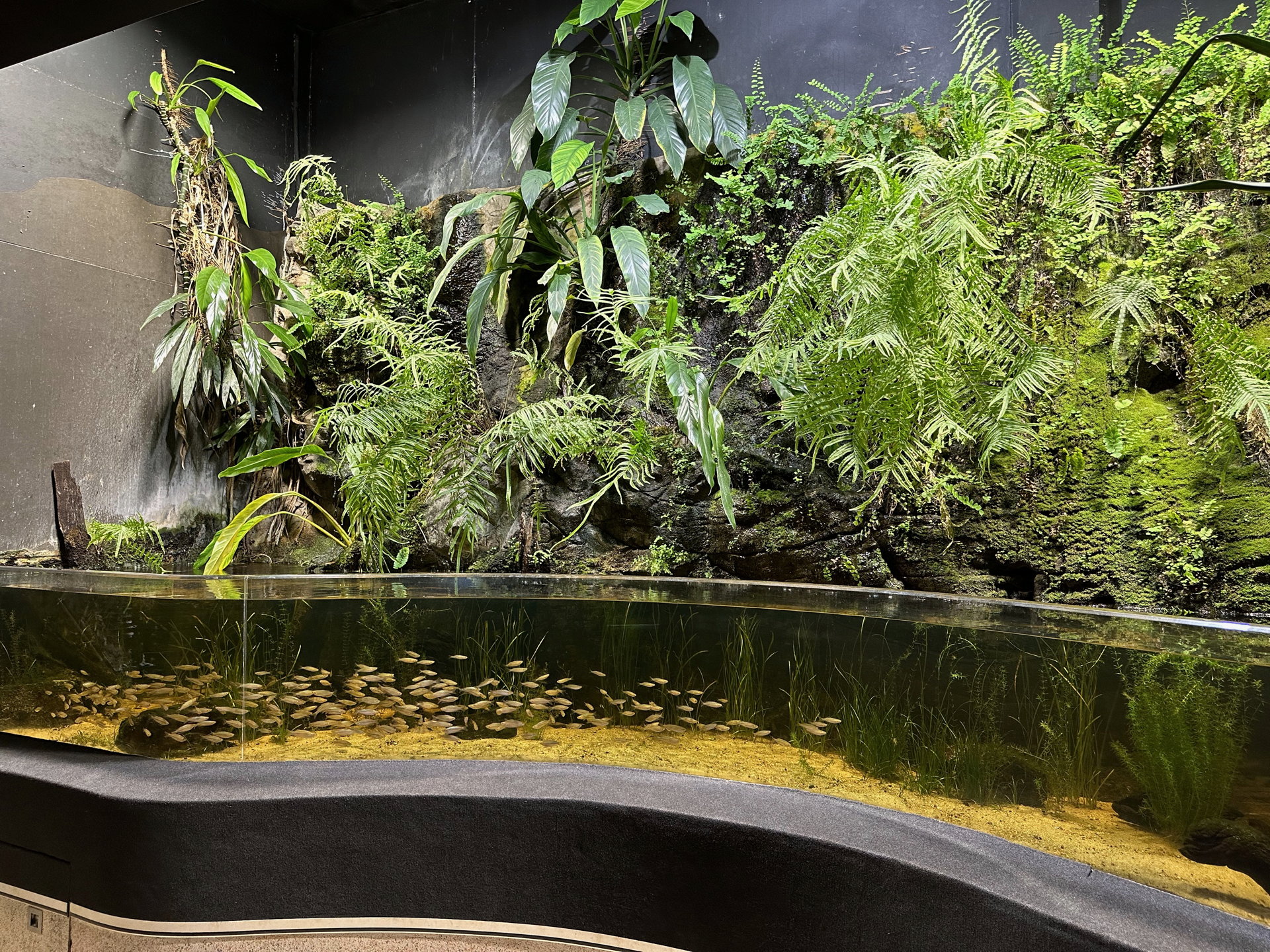
Some of the indoor attractions include a night house exhibit for nocturnal animals and an aquarium. A good selection of local fish and mammals and plenty of plaques to learn all about the animals you see in these exhibits. Interesting aboriginal art was also part of the exhibits.



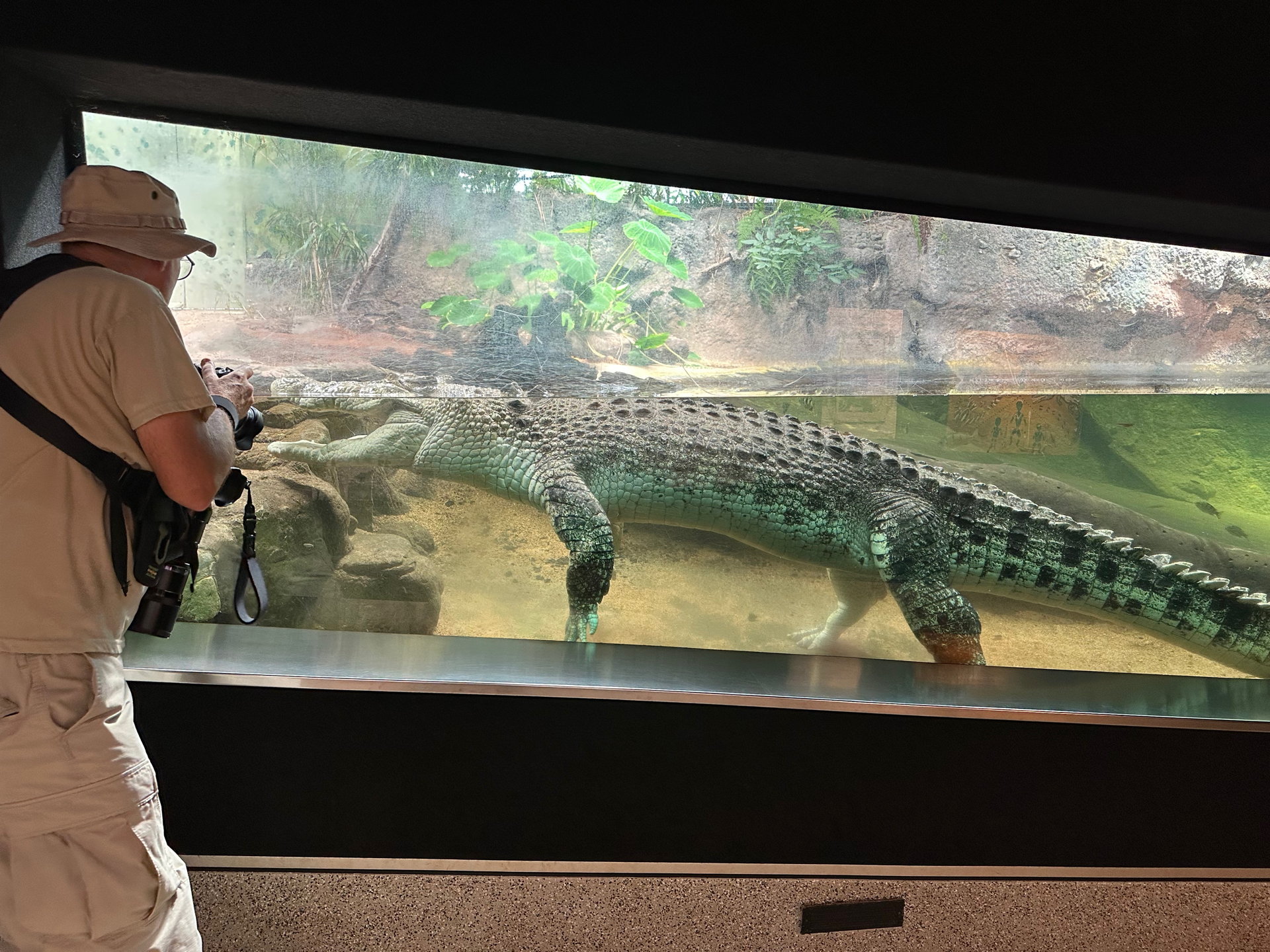

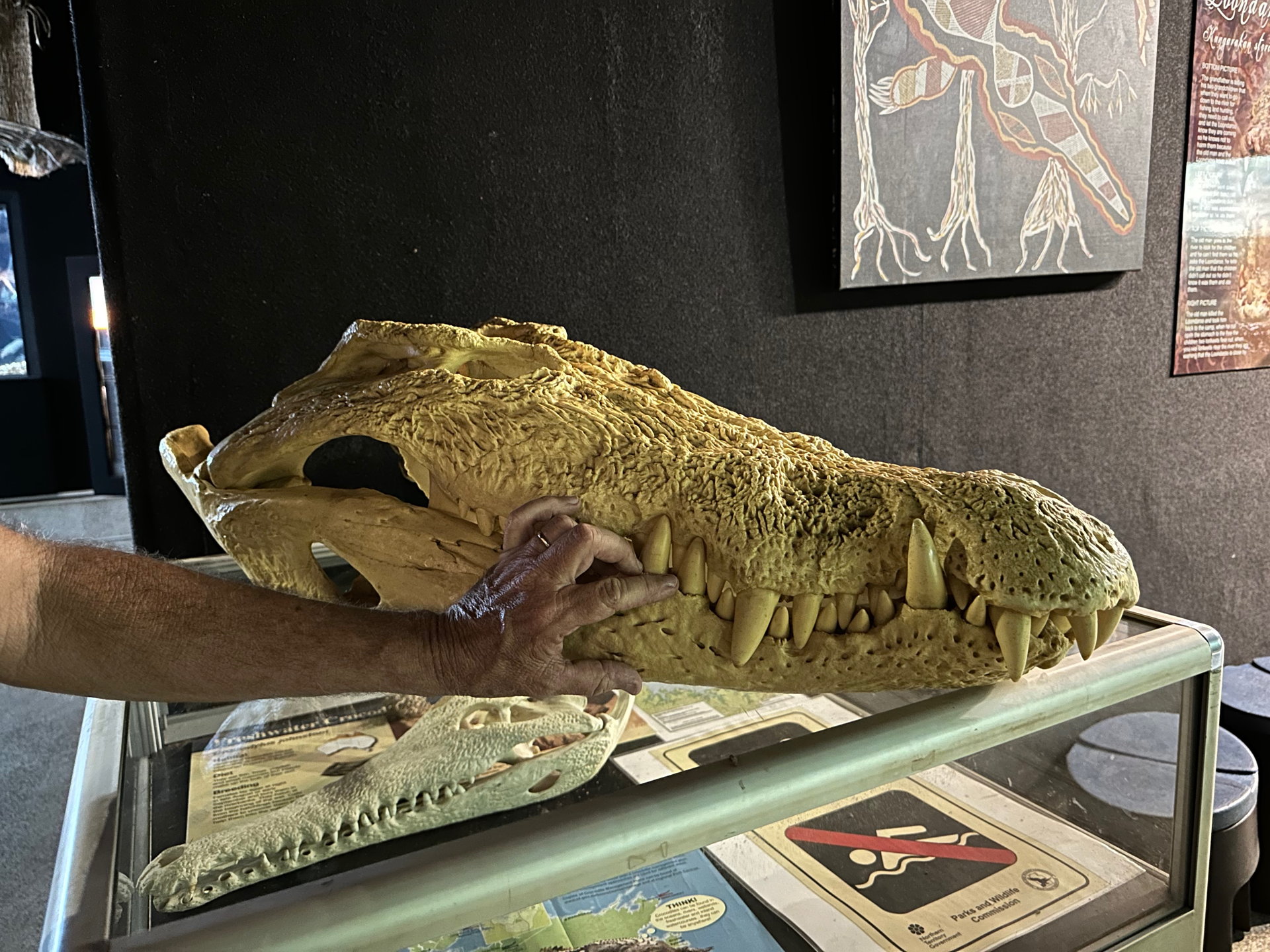
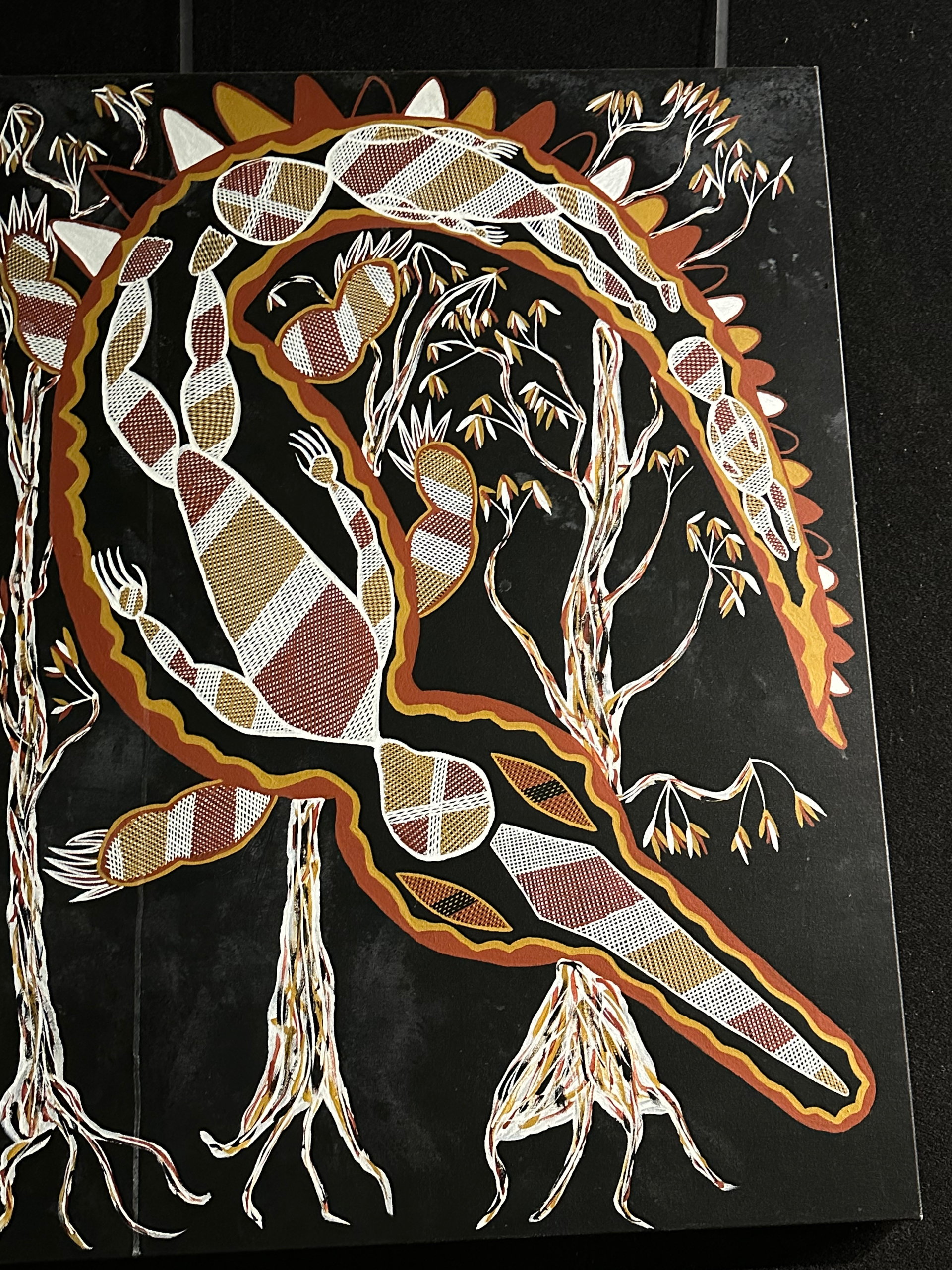
It should be mentioned that their aviary is fairly large and there are elevated trails you walk through as you explore the aviary. The birds are interesting to watch even though they are captive.
The outside trails do provide opportunities to spot wildlife that inhabit this large park and is not in cages.As we walked some of the trails we spotted some wildlife that was not in a cage or aviary. Some of these included spiders, Flying Foxes (fruit eating bats), lizards, Kangaroos, birds, turtle and mushrooms. Finding the fying foxes was a surprised we came upon as we explore the trails. We could hear them and smell them before we got closer. There were hundreds of these bats hanging from the toll trees near one of the trails.
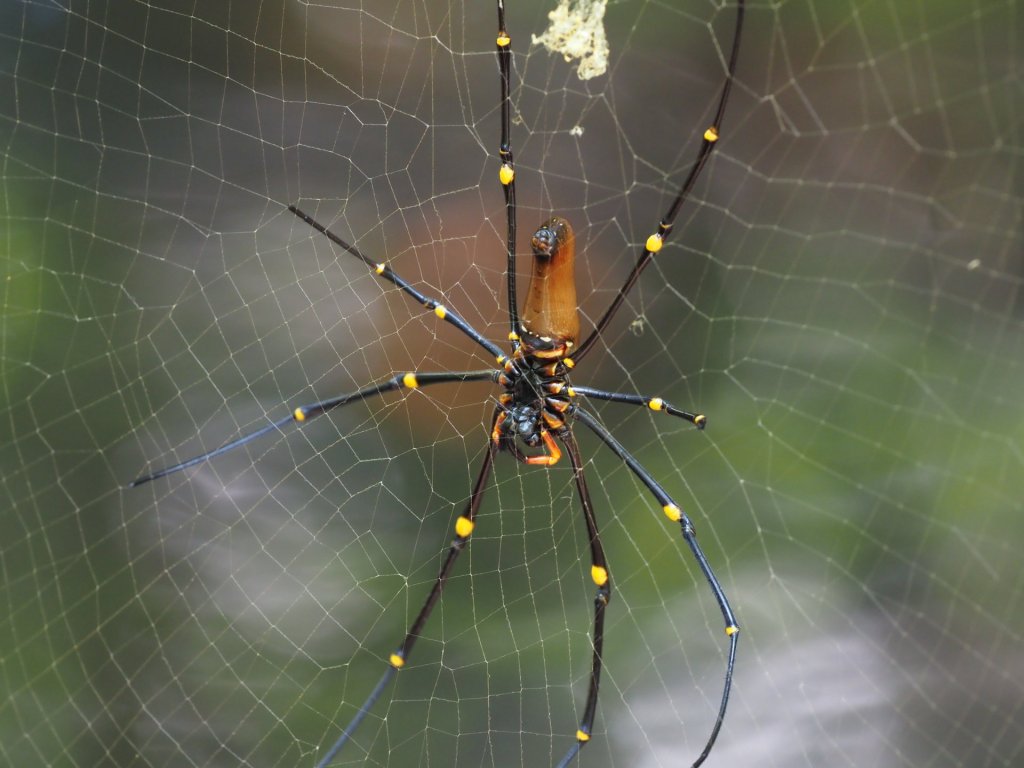
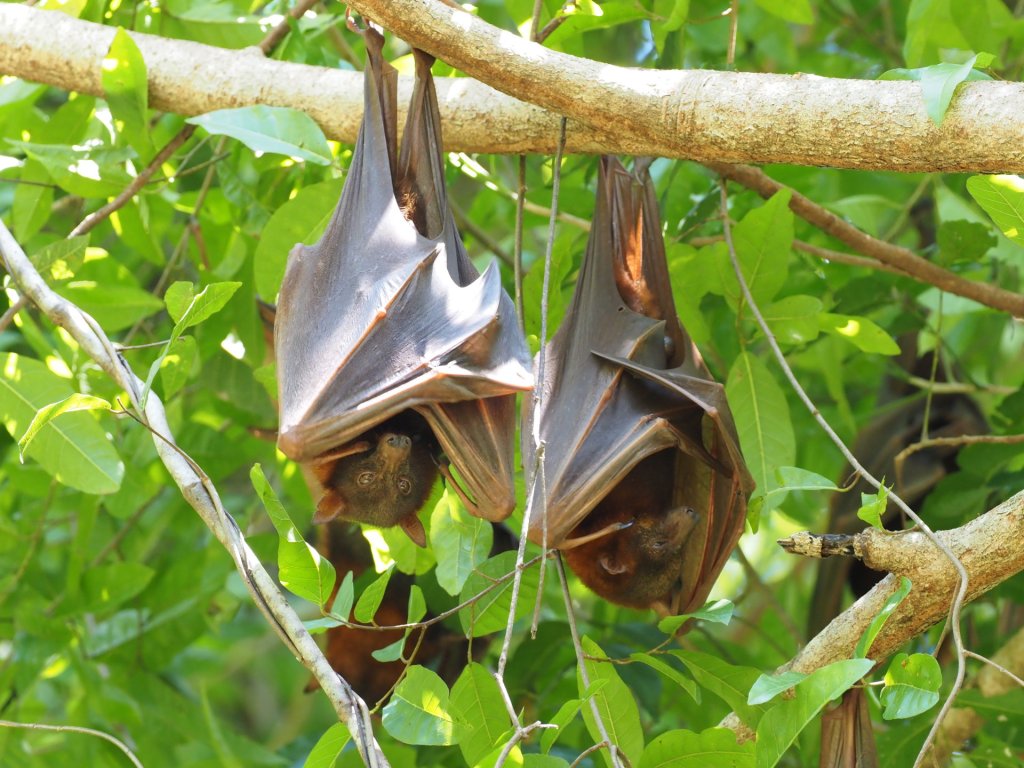
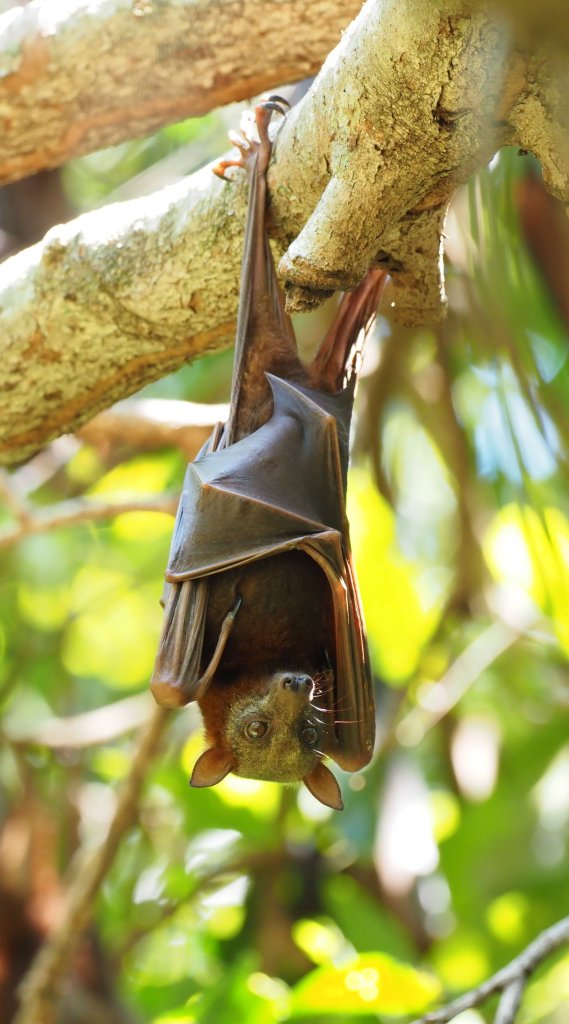

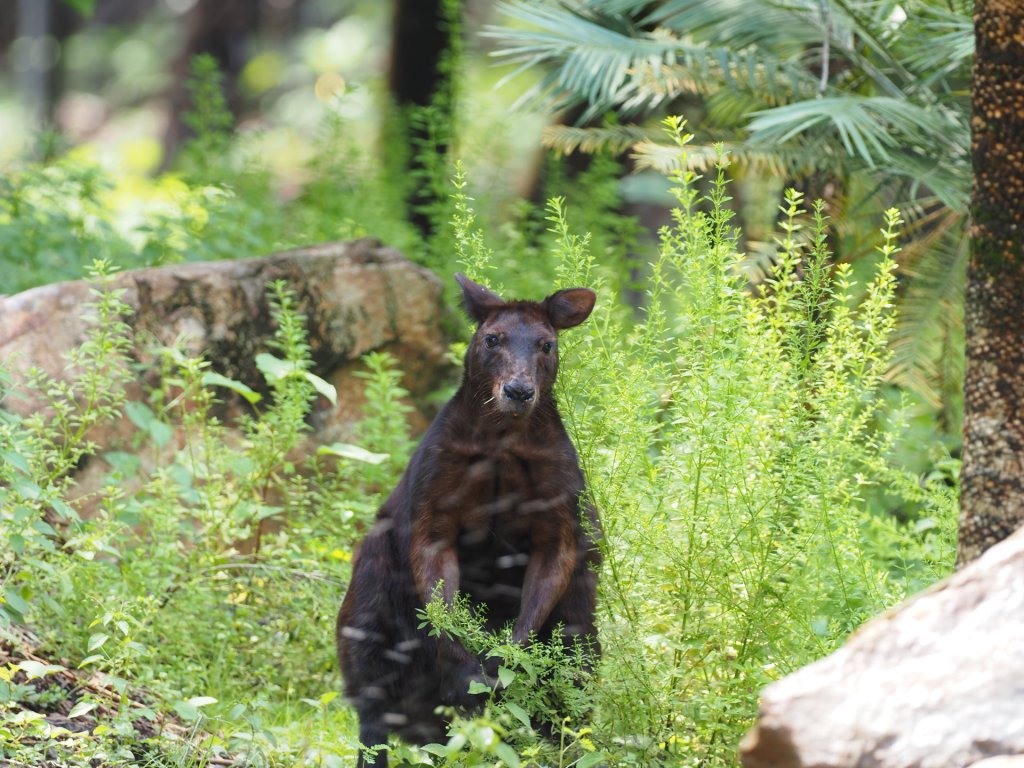
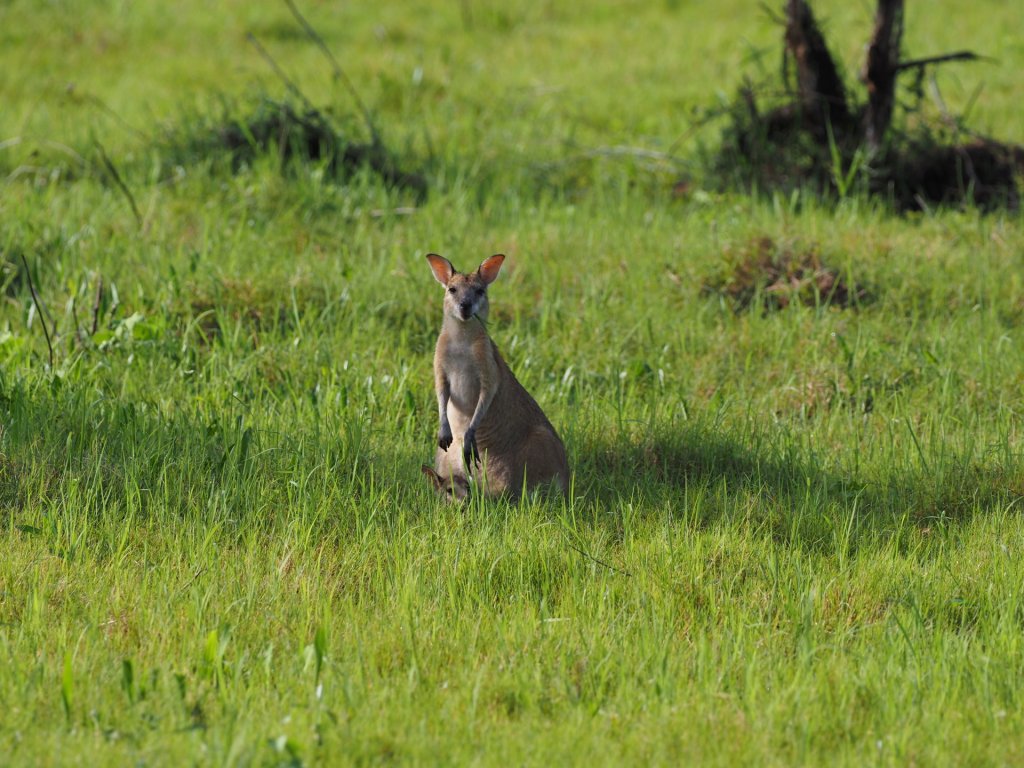

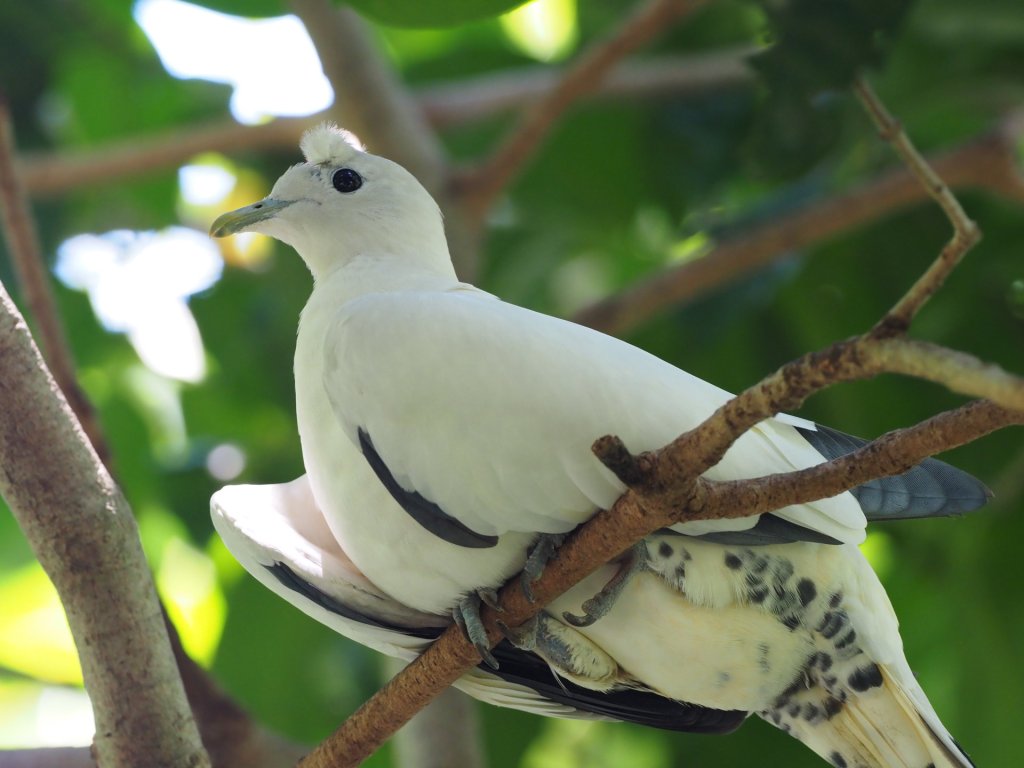


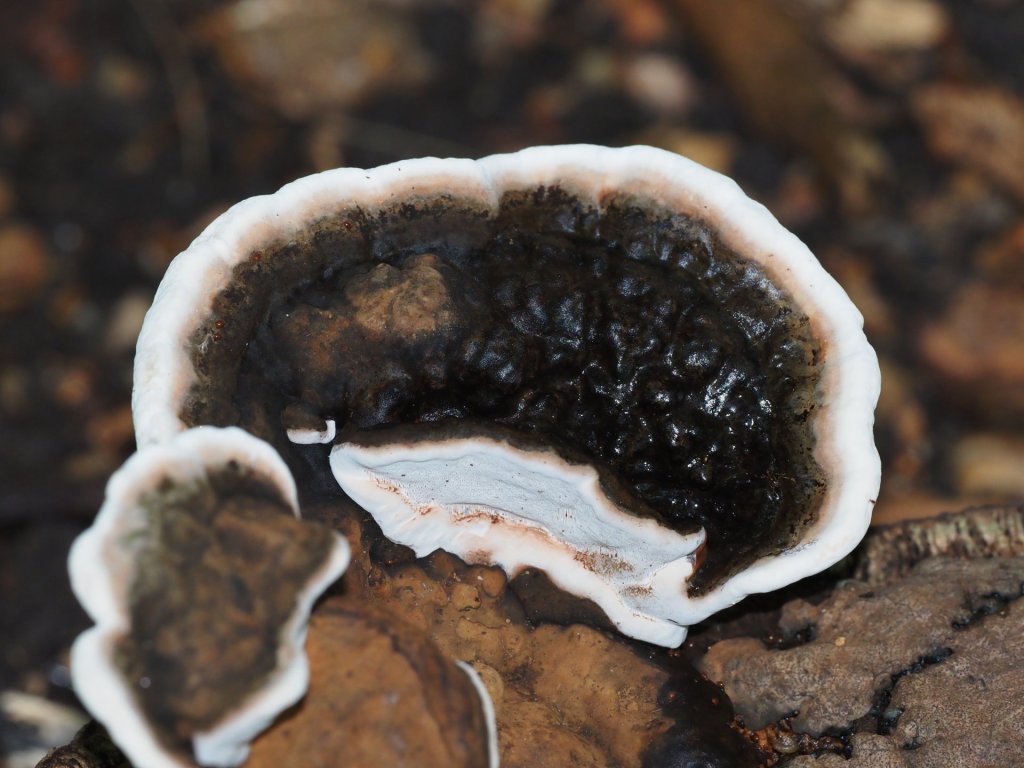
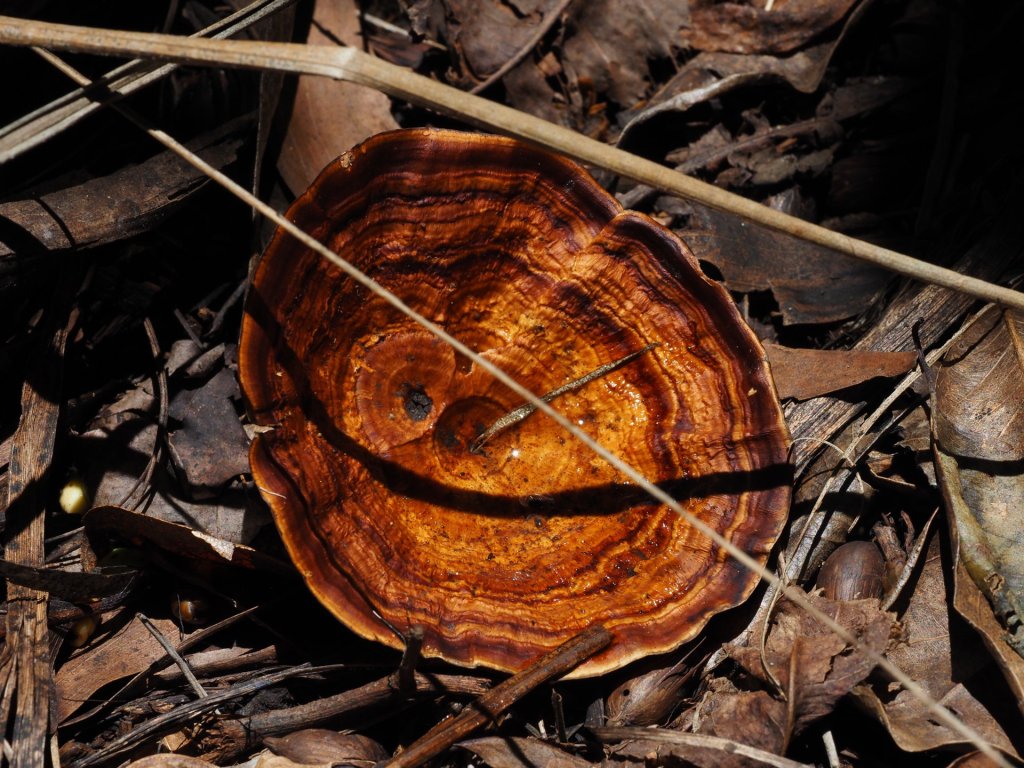
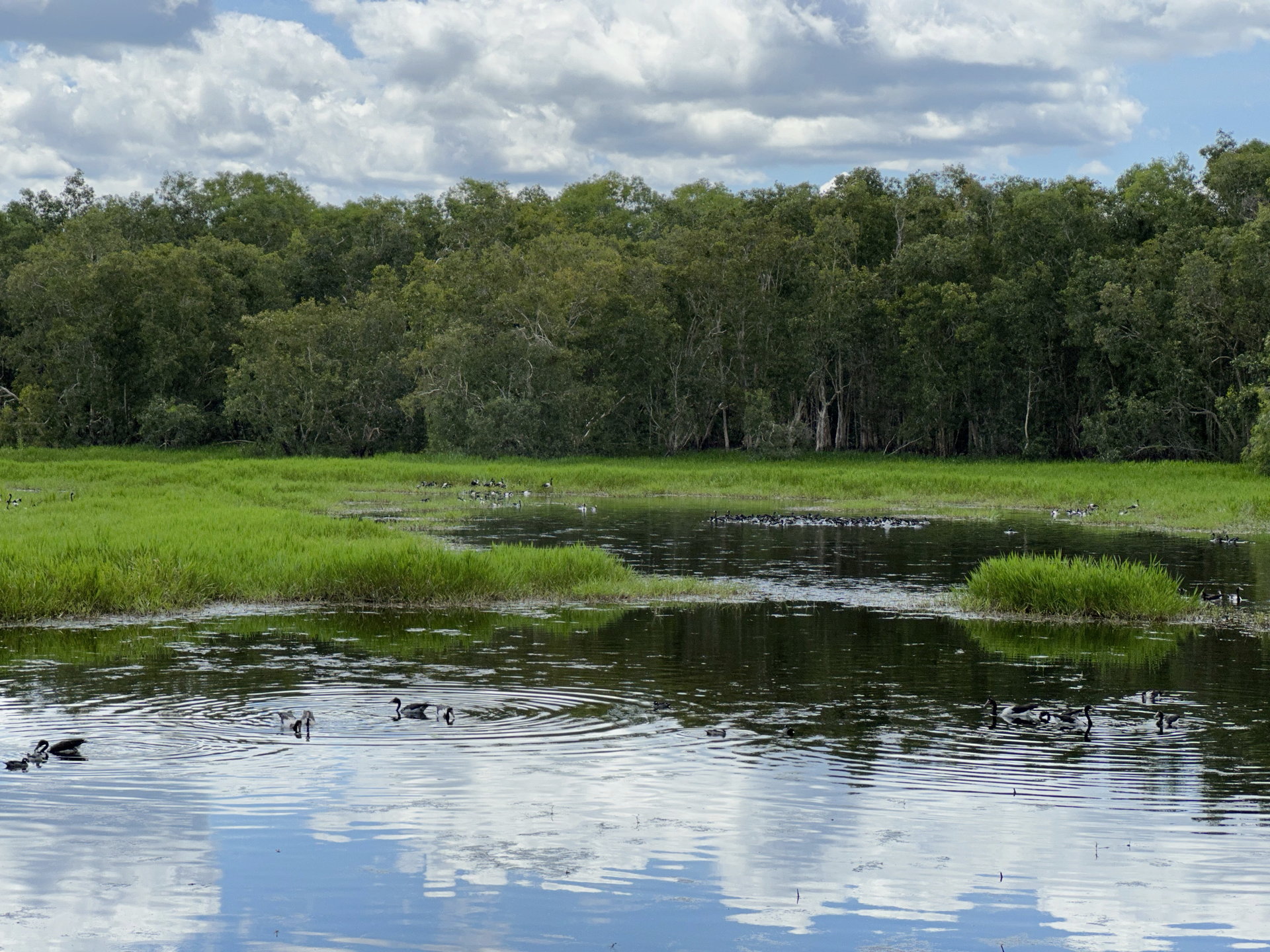
The variety of habitats from swamps to dry eucalyptus forest makes this attraction unique and it allows the visitor to learn quite a bit about the habitats found in this part of Australia as well as some of the wildlife associated with it.
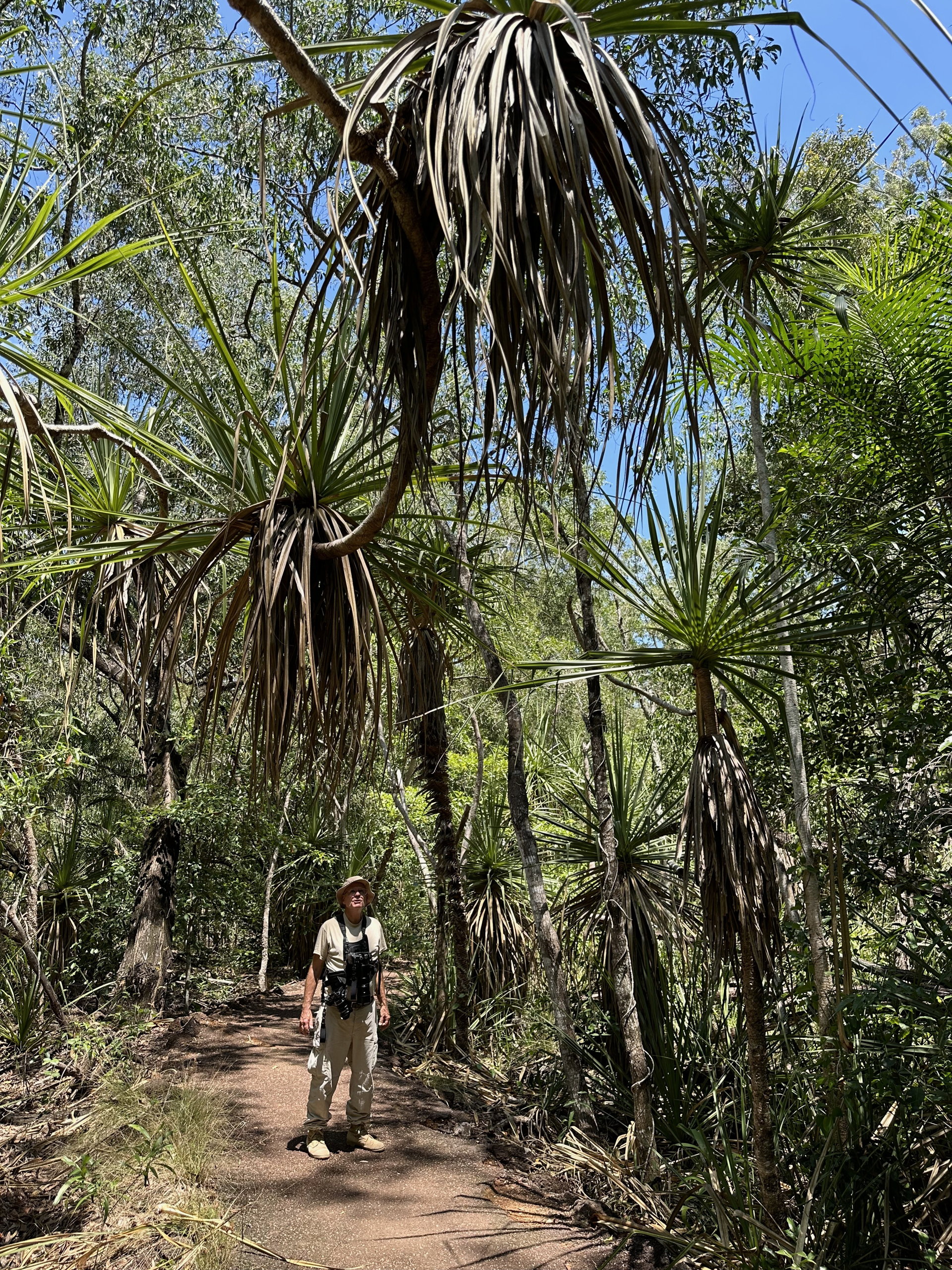


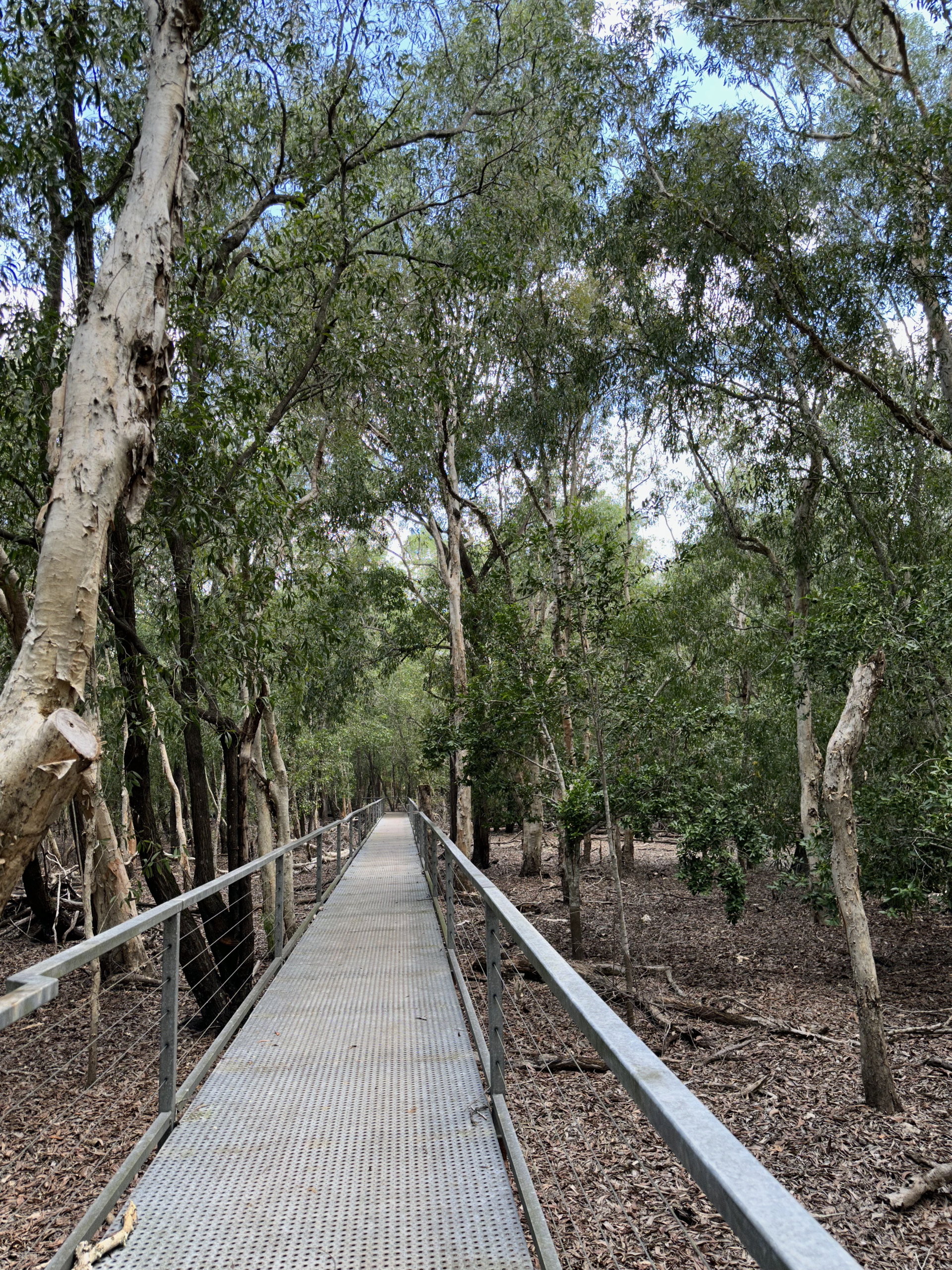

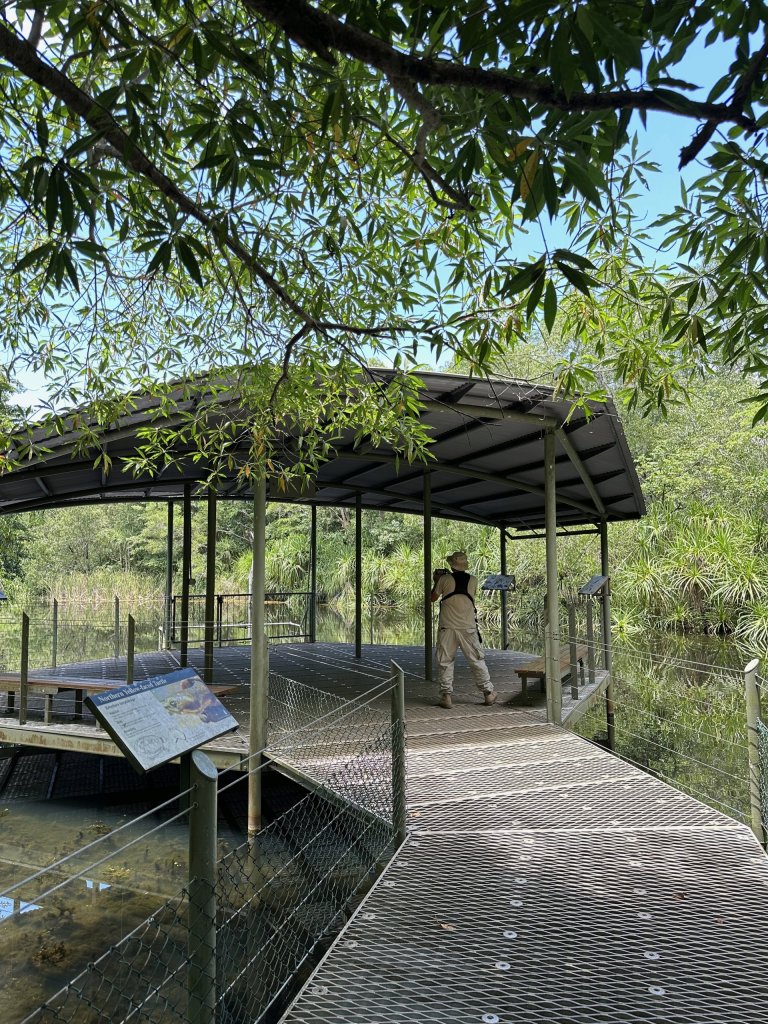
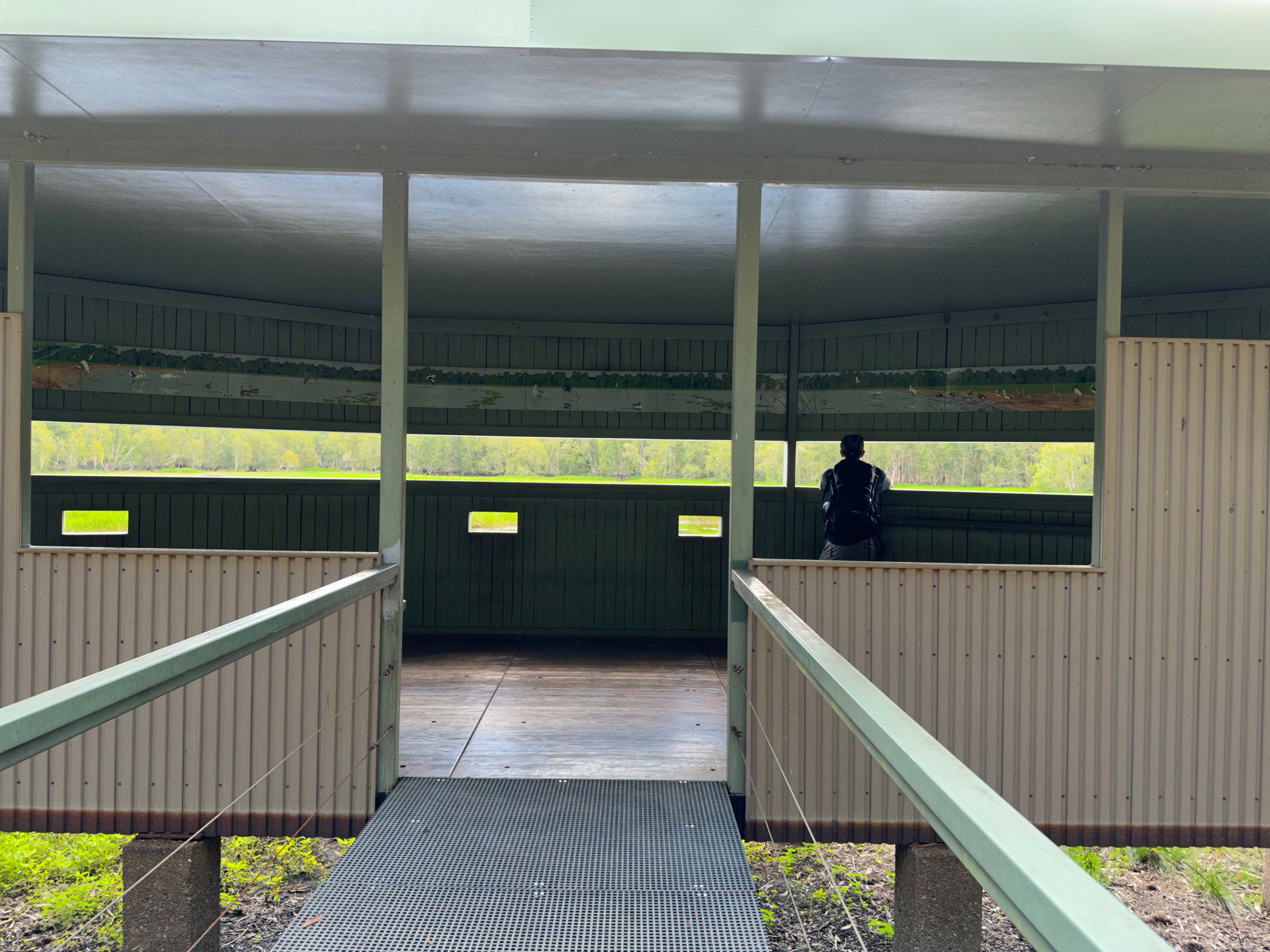
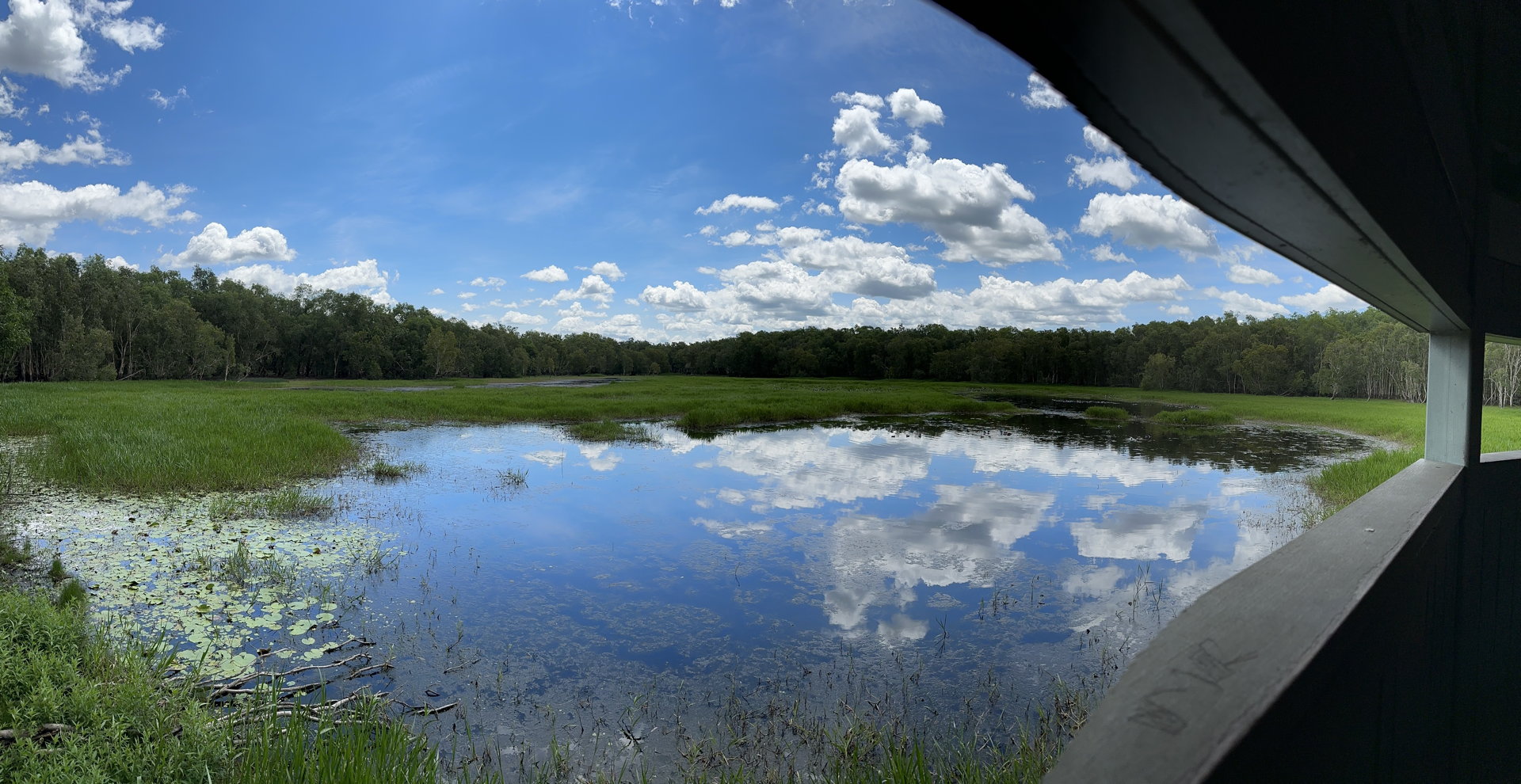
The bird blinds over the swamp area were excellent
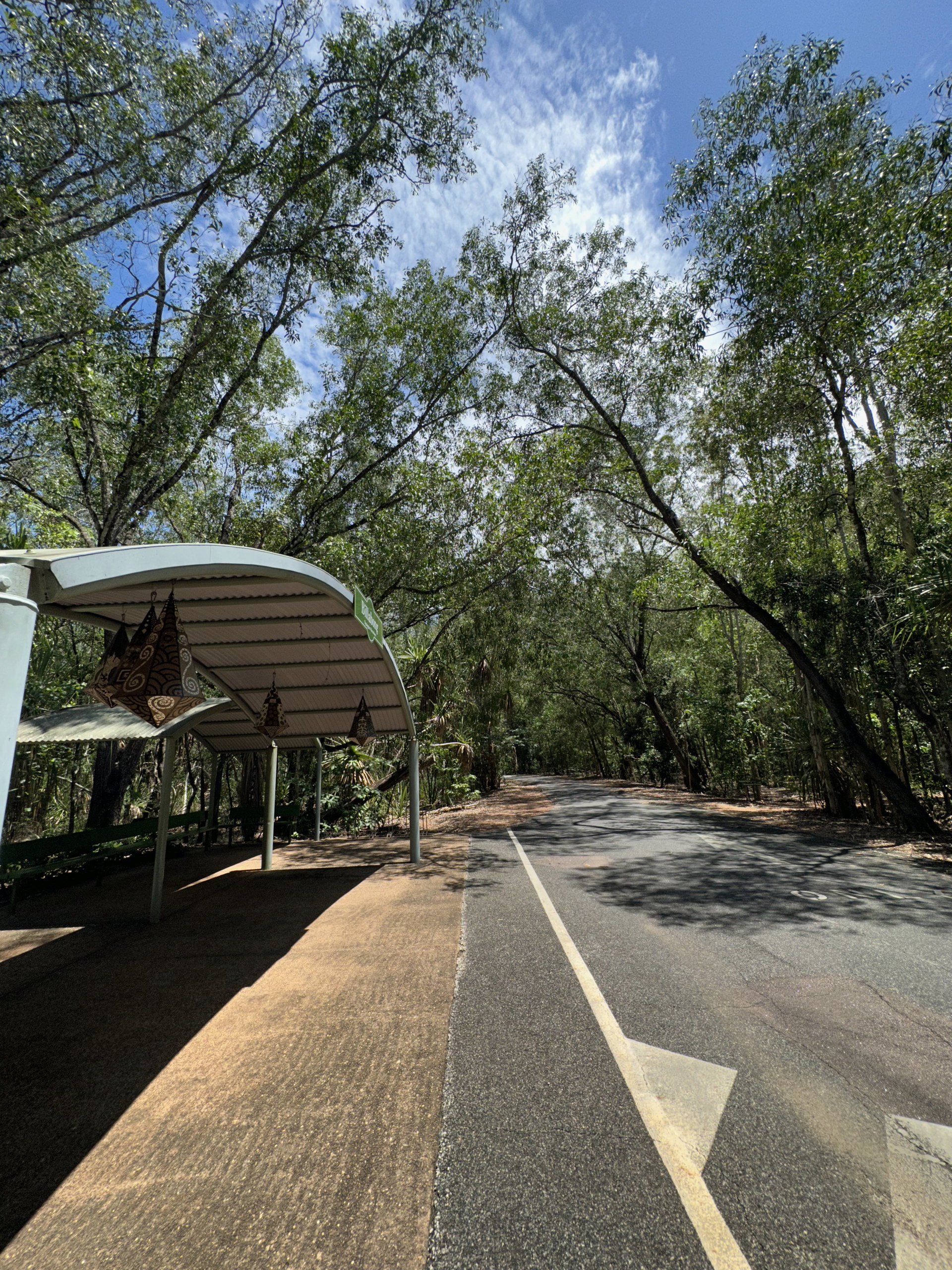
This park is fairy large and walking in the heat may be too much for some, but there is a tram that circulates picking up people at designated shady spots.

We spent over 4 hours at this attraction and did a fair amount of walking. Water is important since it gets hot and the place is large with many trails. The store near the entrance has a restaurant that sells food and water as well as souvenirs.
From the Territory Wildlife Park we headed for the Fog Dam reserve where there are several forest trails and a large wetlands. Unfortunately, Rosario had developed a very bad migraine headache by the time we arrived, and we could only spend a short time there before heading back to the ship. The ship sailed around 10 pm.
Broome
Arrived in Broome on a bright and warm Sunday.

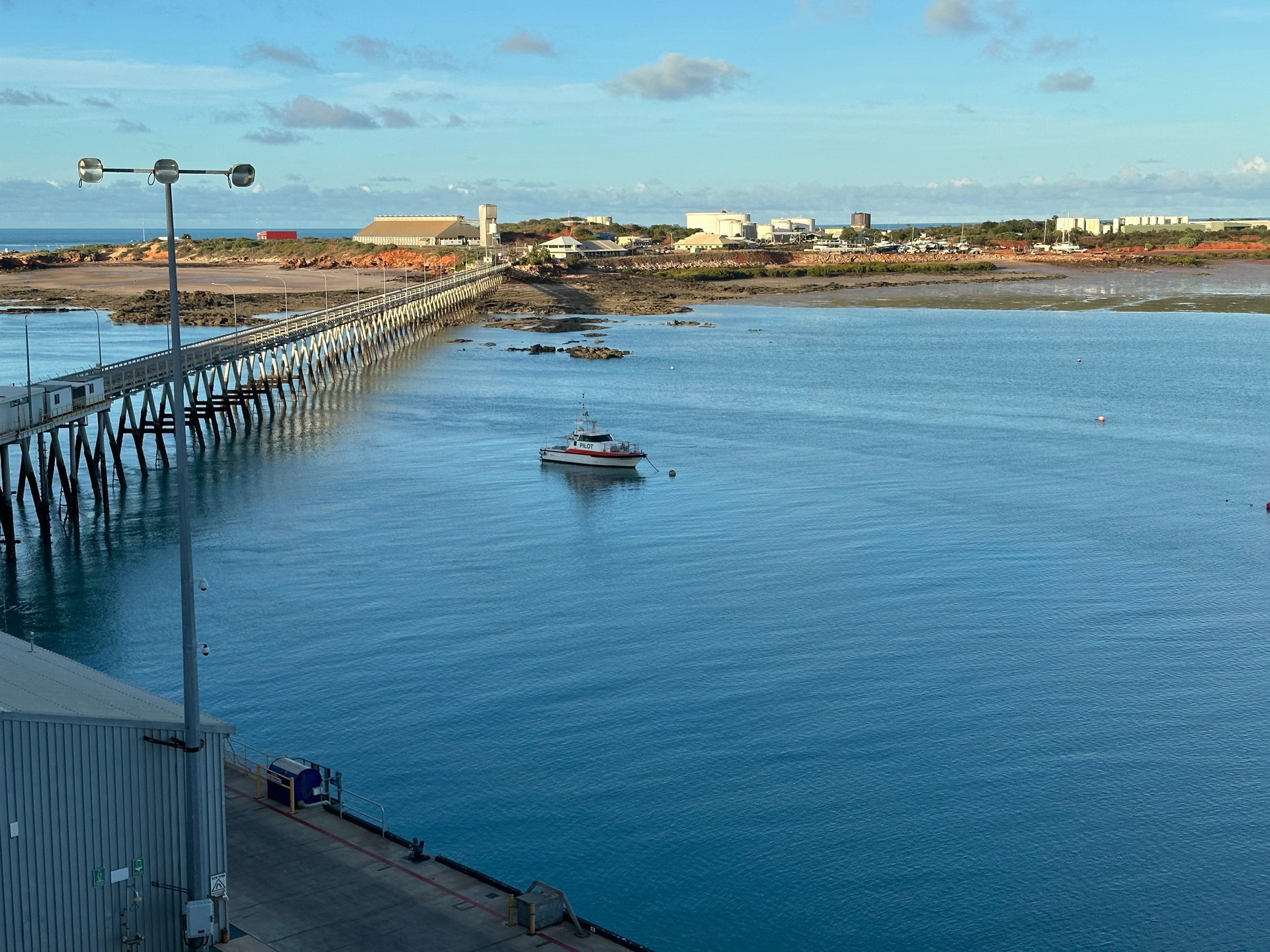
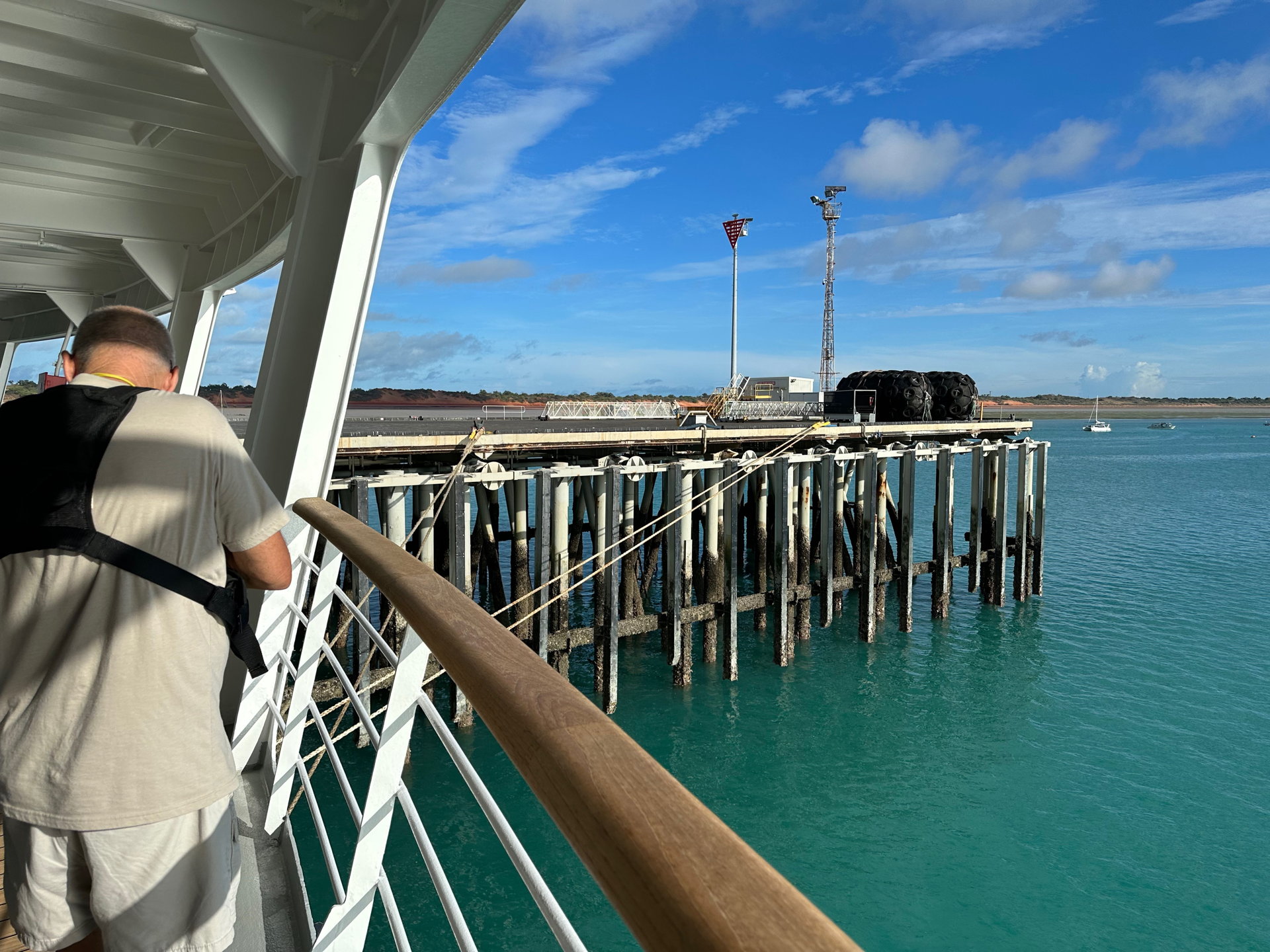
As we approach the dock we were able to see birds like Ospreys and Reef Herons, but we also noticed quite a variety of sea life forms encrusted on the dock’s pilings that were exposed due to the very low tide.


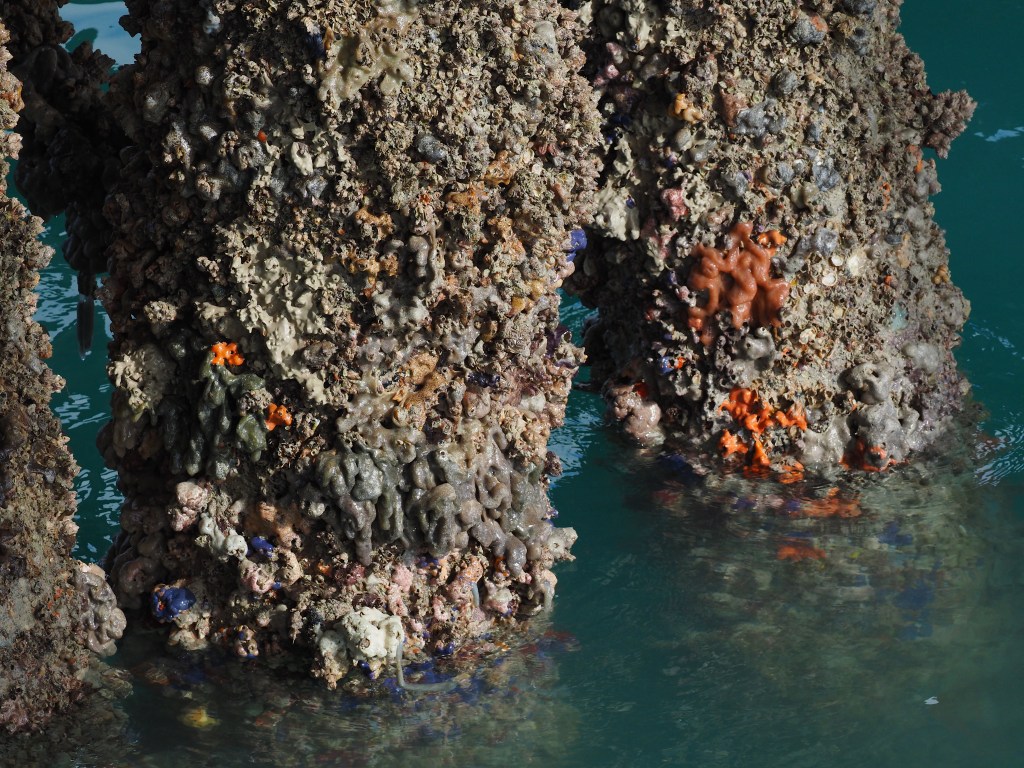
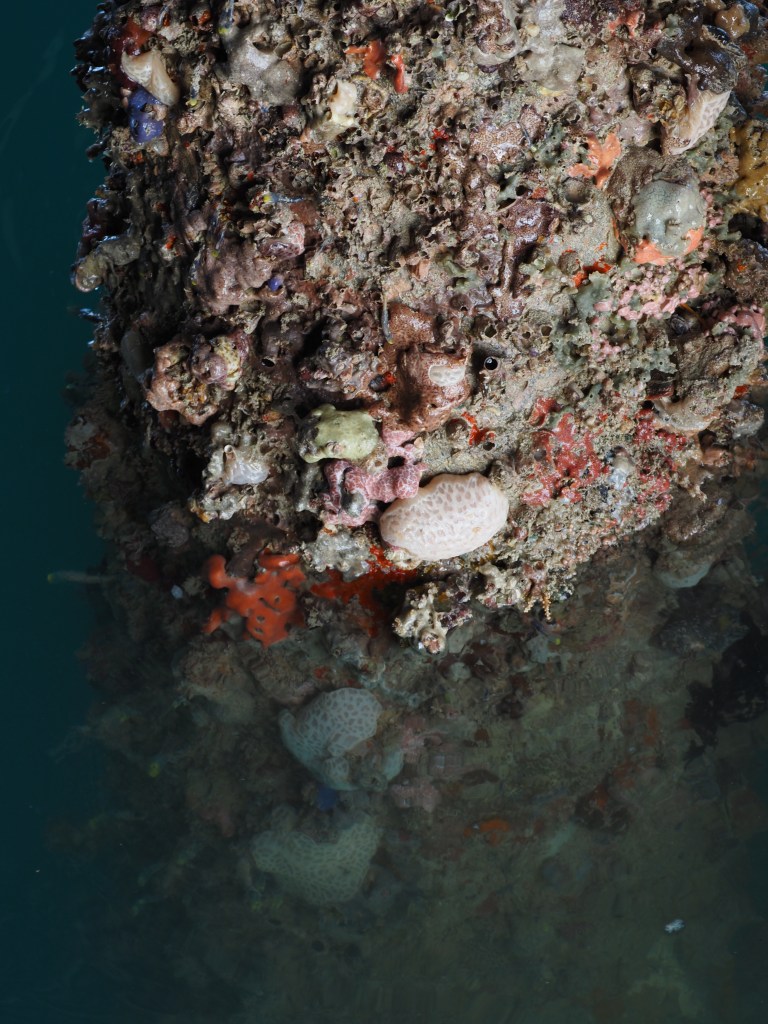
Broome is a small town and we arrived on a Sunday when most shops were closed. Our first stop was an area of mangroves with a short boardwalk (really a dock for small boats when the tide is in) that allowed for good views of the mud dwellers such as mudskippers and crabs.
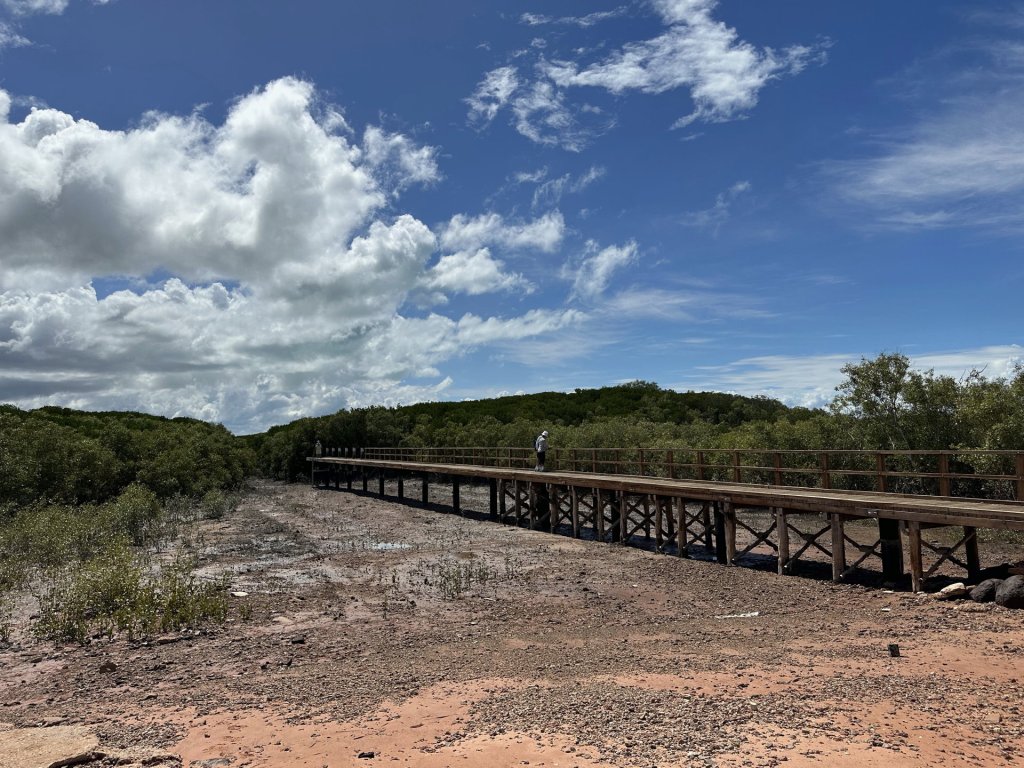
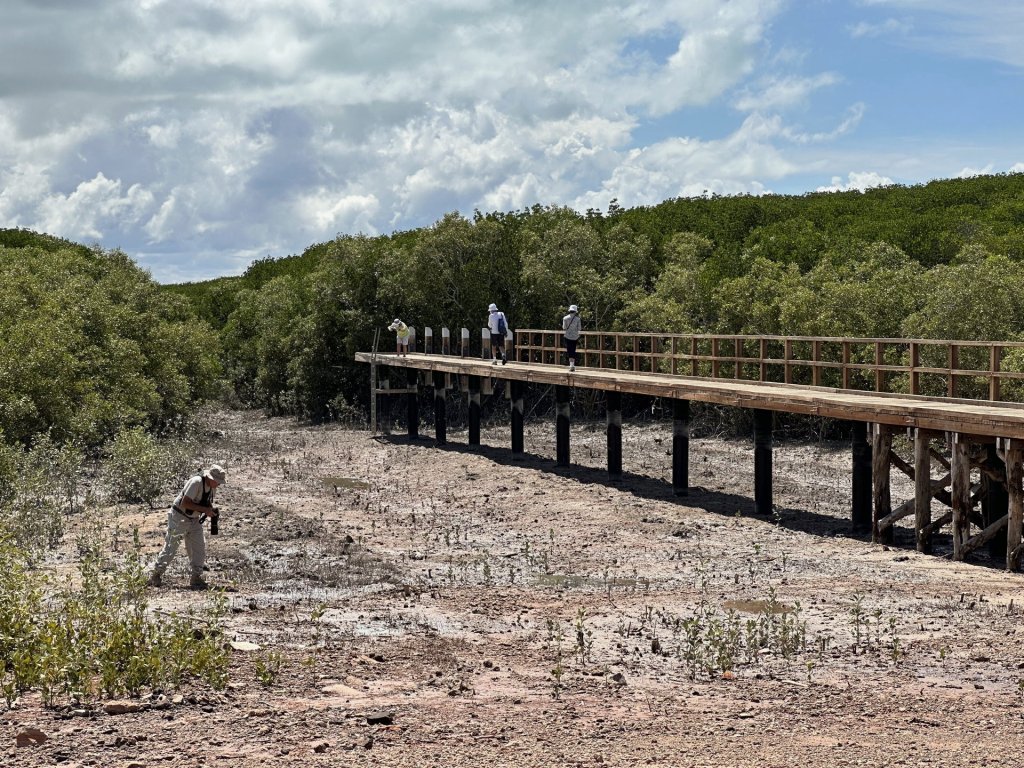
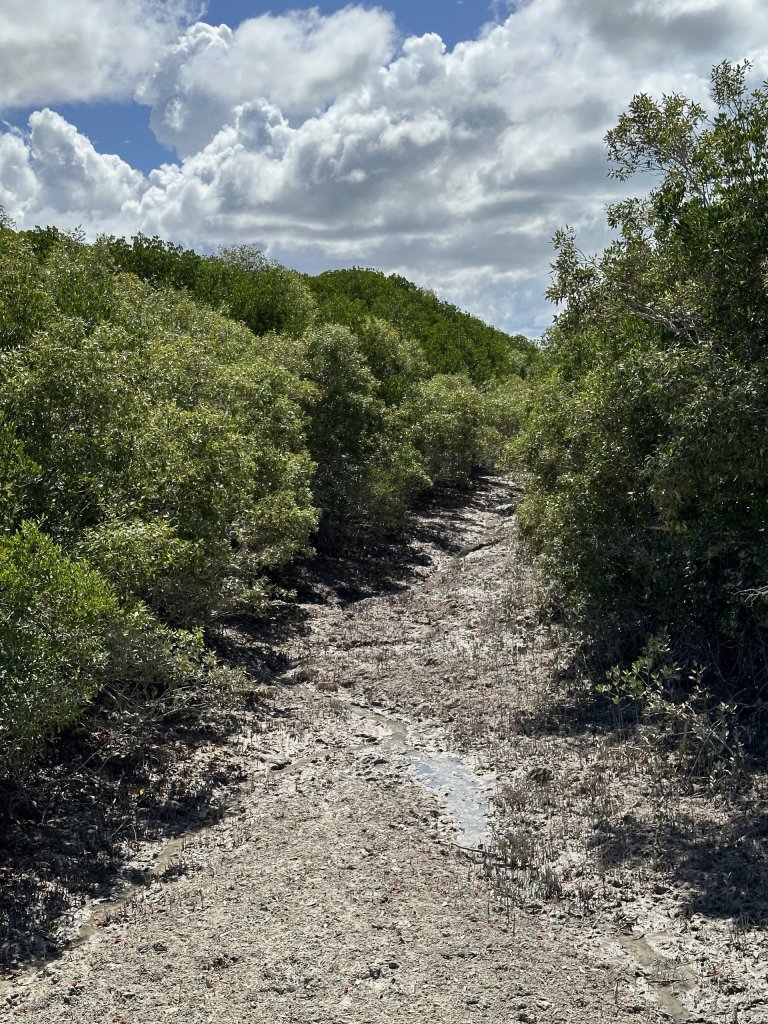
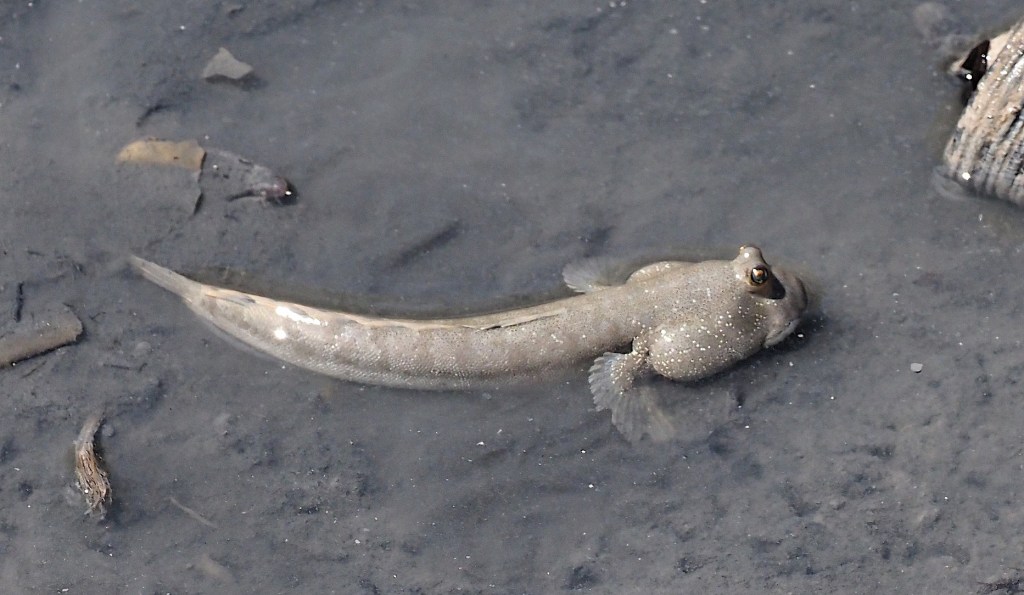
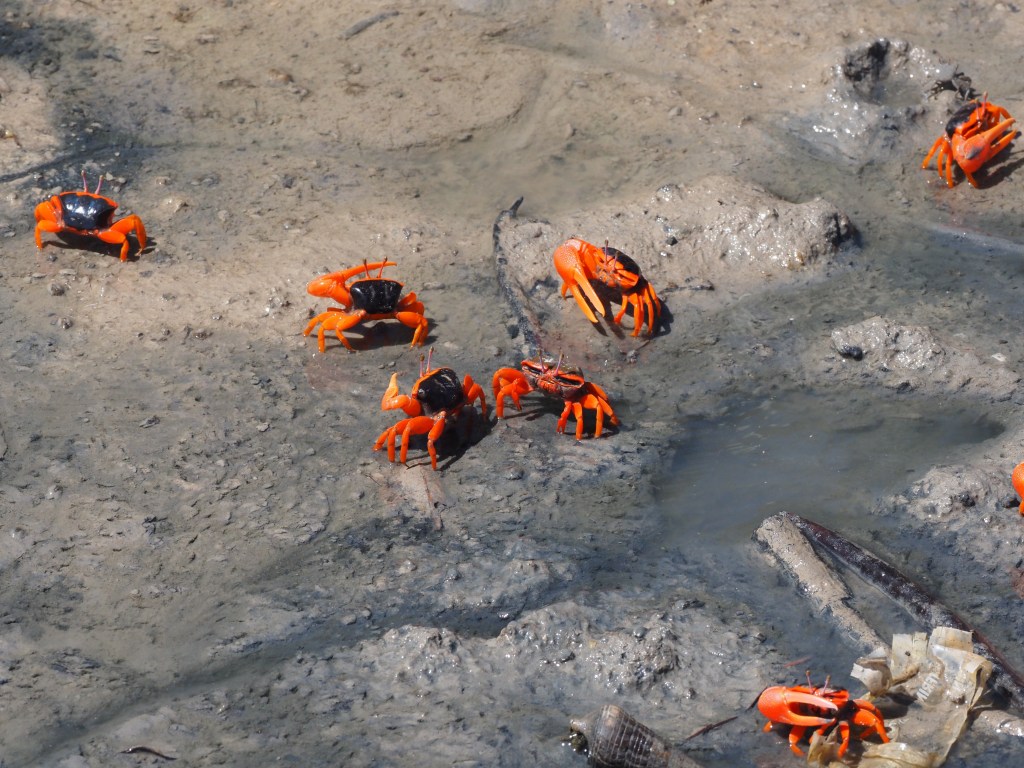

From the mangrove area we walked to the Roebuck observatory nearby and from there we had nice views of the vegetation next to the water. There were some interesting birds in the trees around the lookout as well as a lizard.
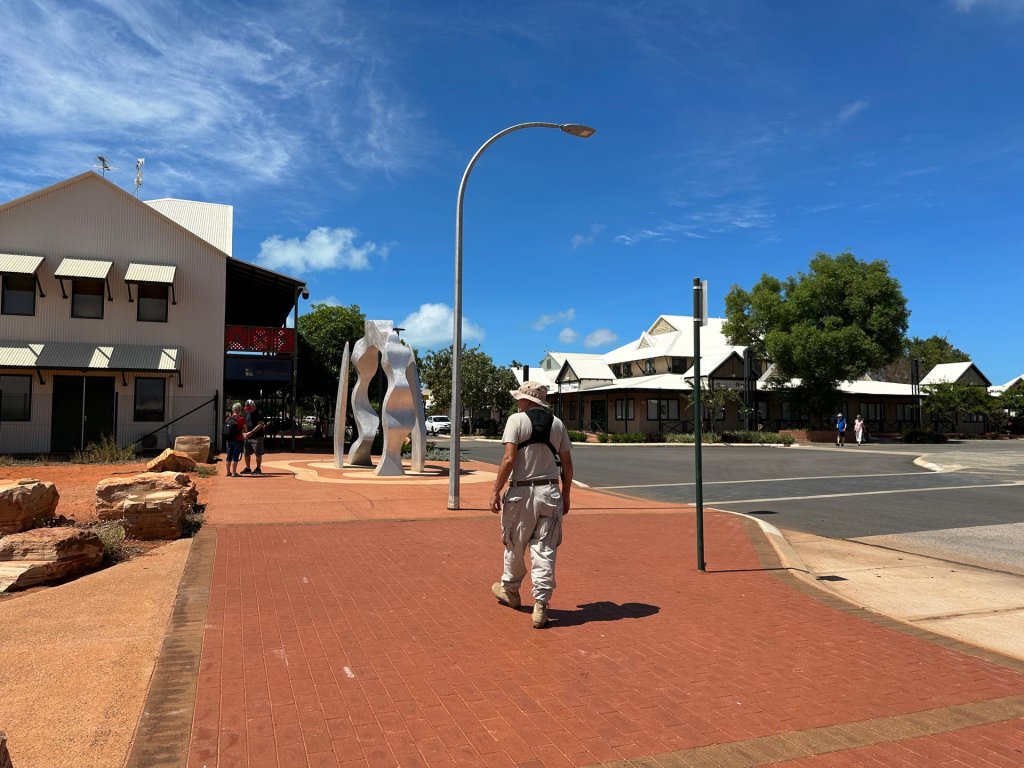
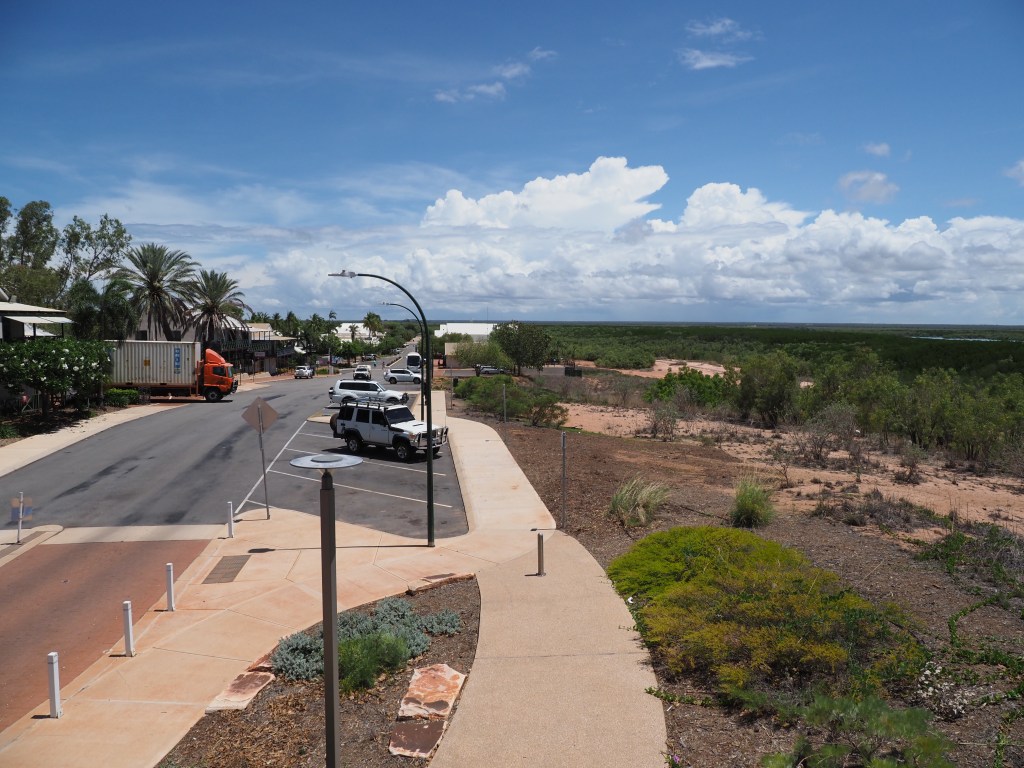


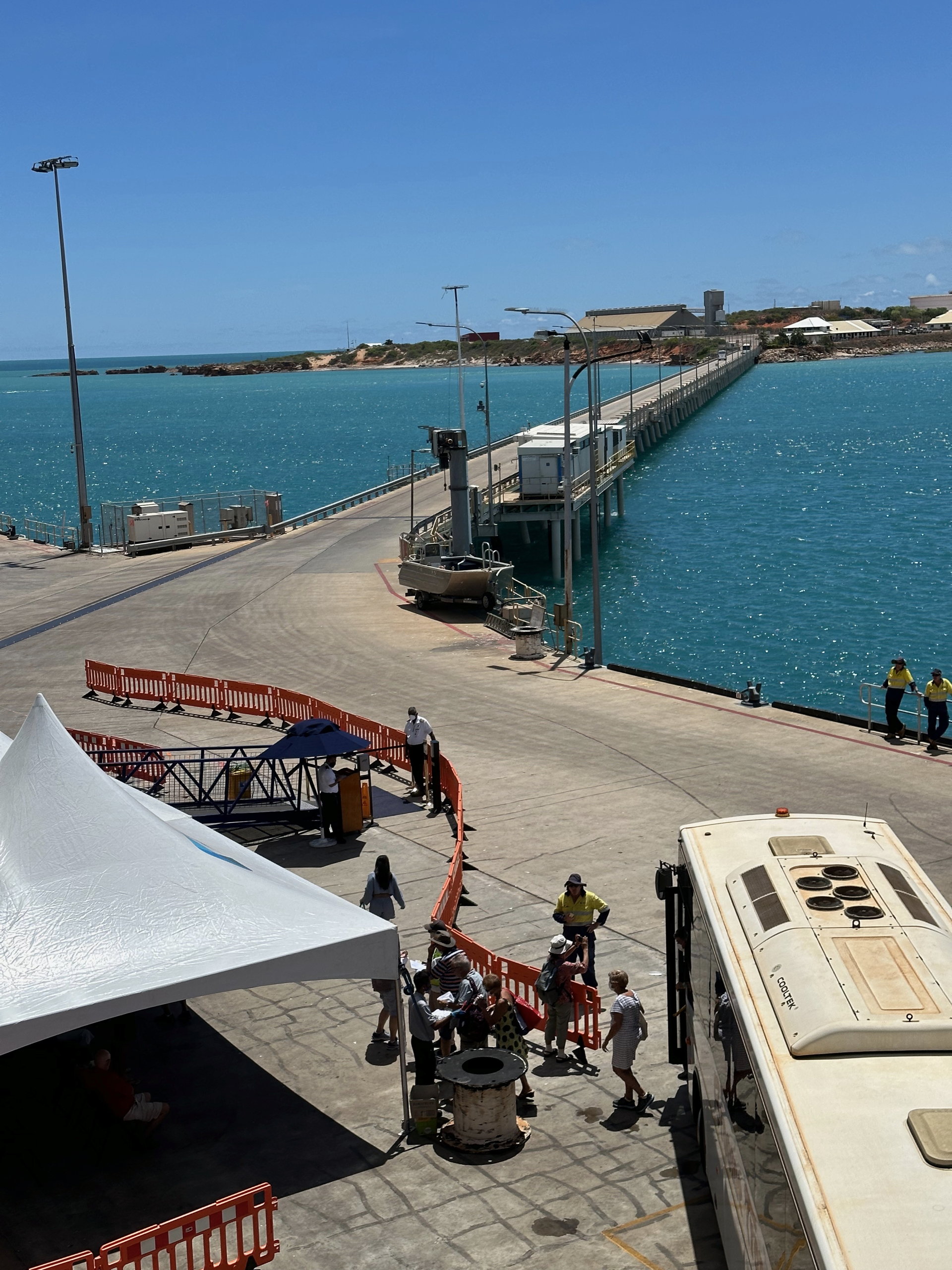
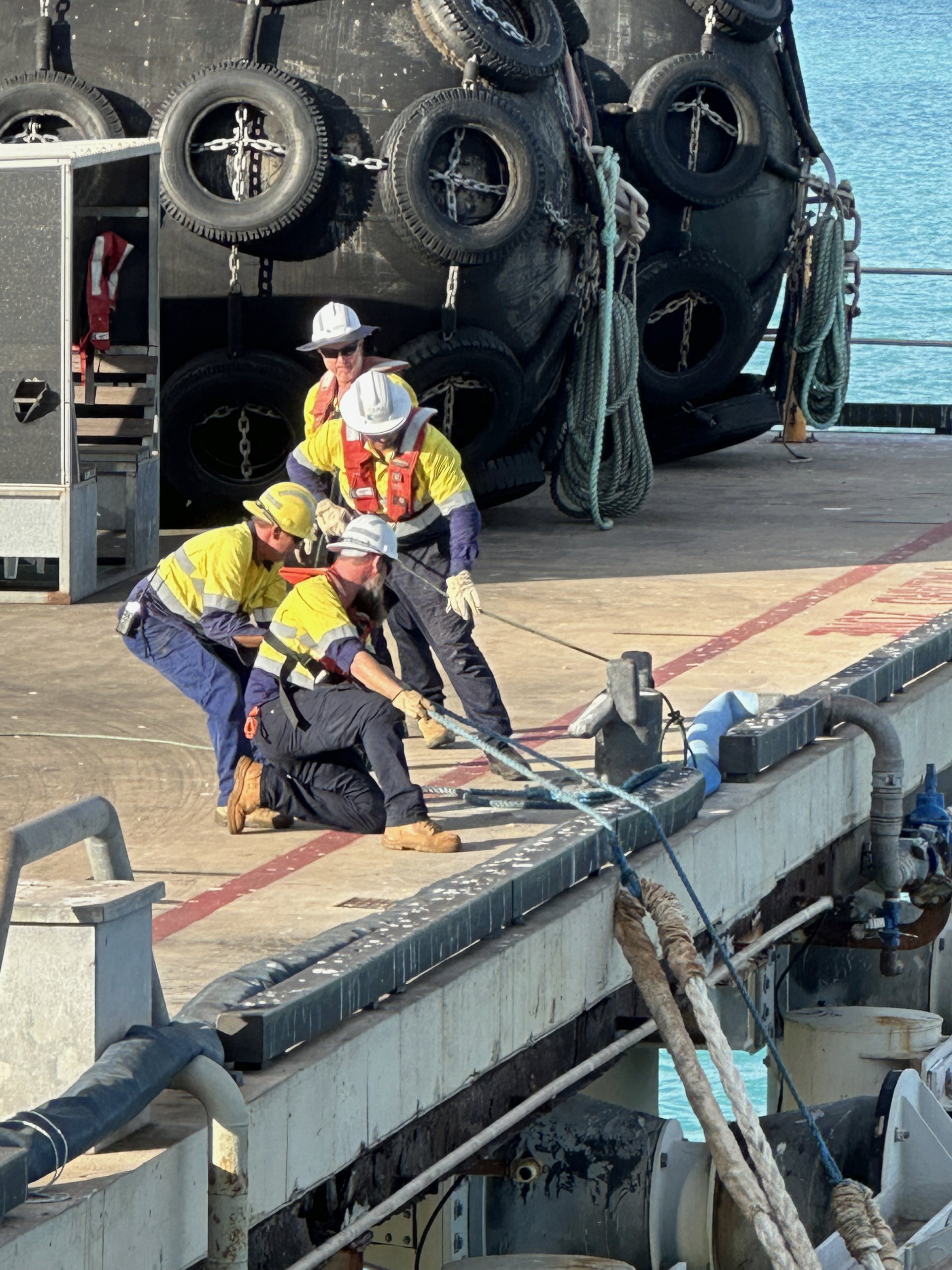
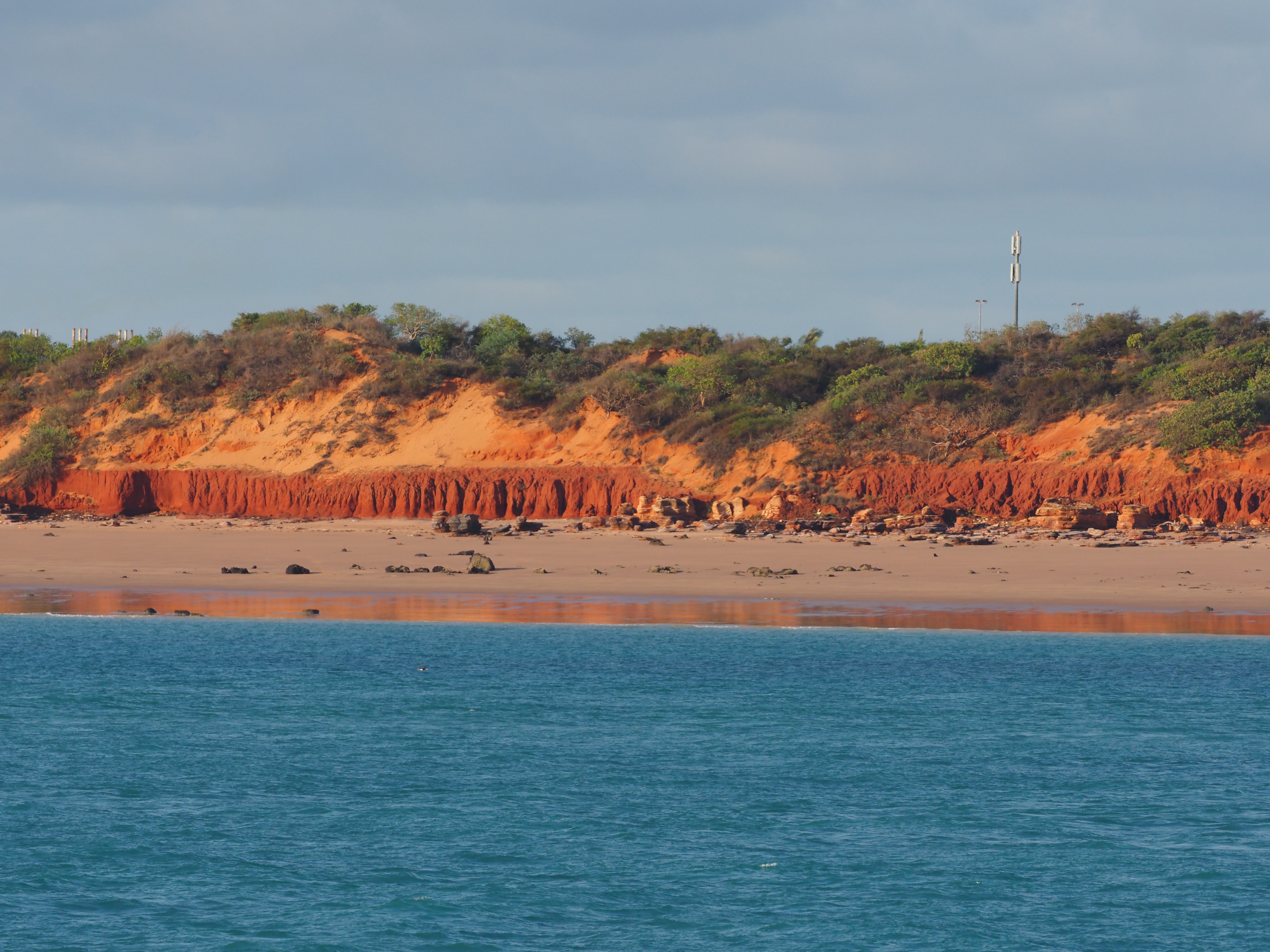
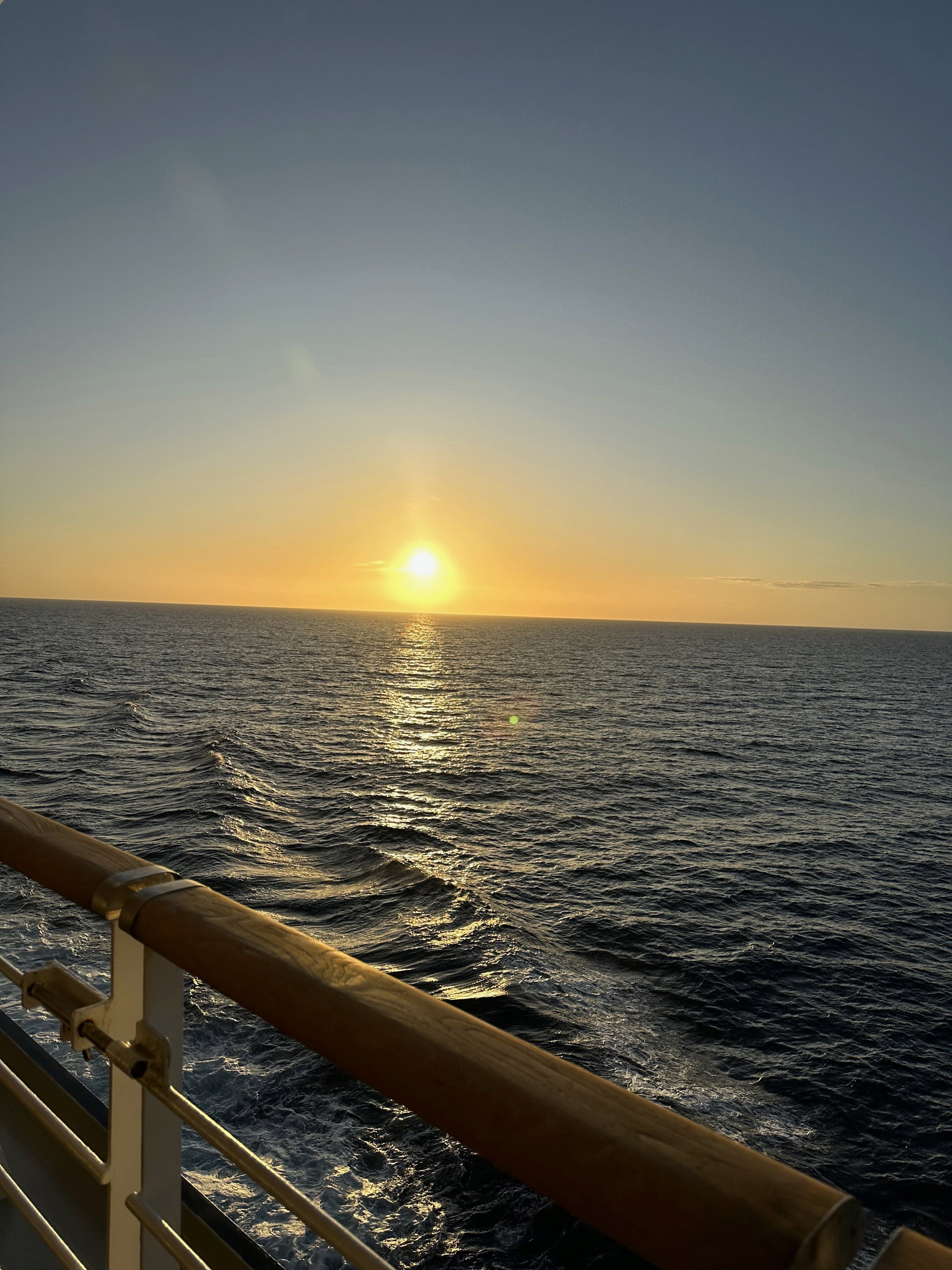
After a few hours exploring it was time to take the shuttle back to the ship. We watched the miscellaneous maneuvers required to get the ship ready to go. As we left Broome behind, we headed for another beautiful sunset.
Exmouth
After a day at sea we arrived at Exmouth. Prior to our arrival we along with other passengers were able to see a Stoke’s Sea Snake most likely coming to the water surface to breath. This is considered one of the heaviest of the sea snakes and it has the longest fangs on any sea snake (long enough to pierce a wetsuit). Wikipedia
About 24 species of true sea snakes inhabit the warm waters of Northern Australian and it is now recognized that sea snakes originated in Australia which would explain the high diversity of sea snakes. You can read more about these fascinating creatures here.

Once we arrived we made it to shore via tenders and then buses took passengers to the small downtown where an aquarium/visitor center was the main attraction. We did not explore the for-fee aquarium, but looked around the store and then also looked at the birds visiting the areas near the visitor center.
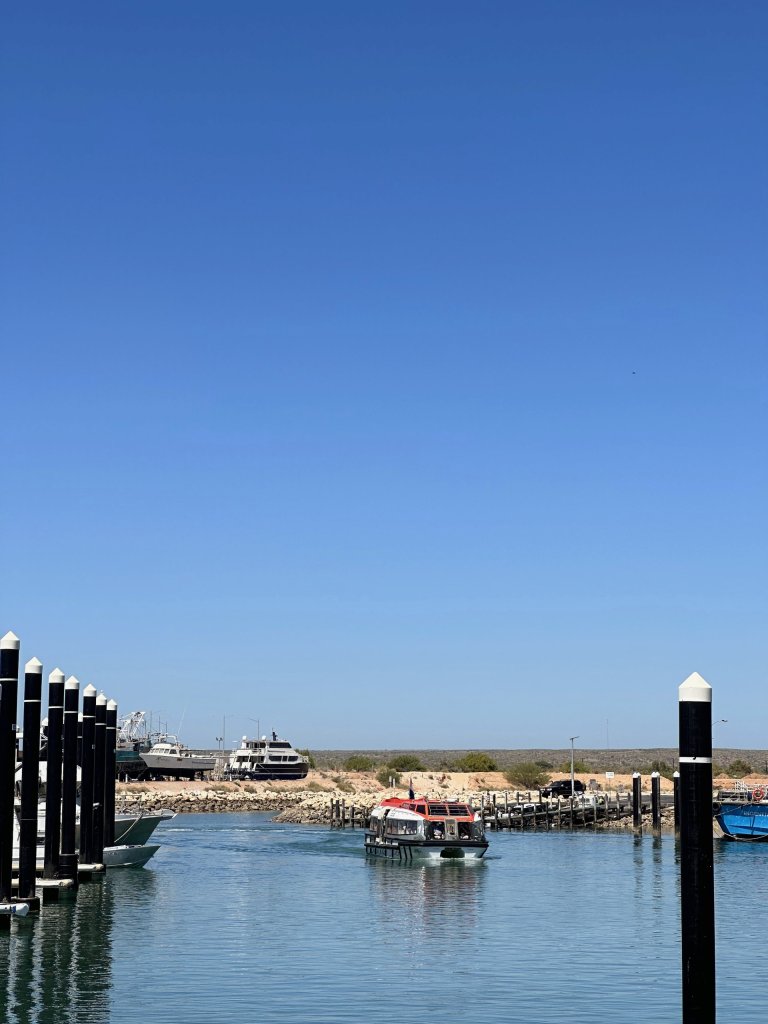
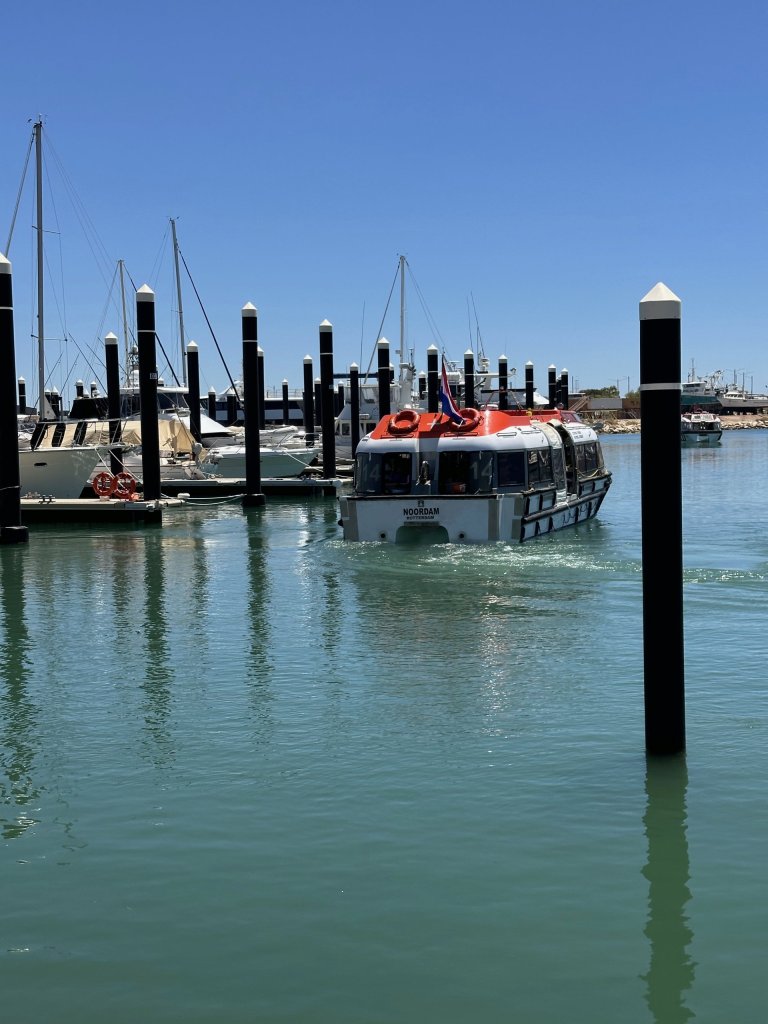

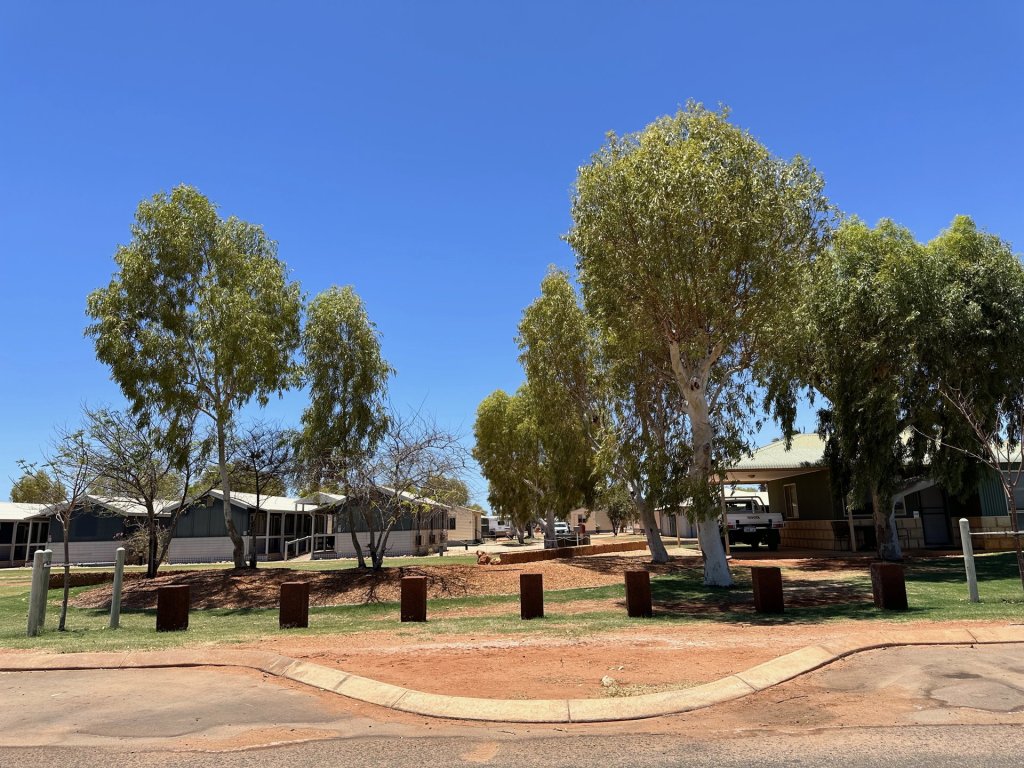
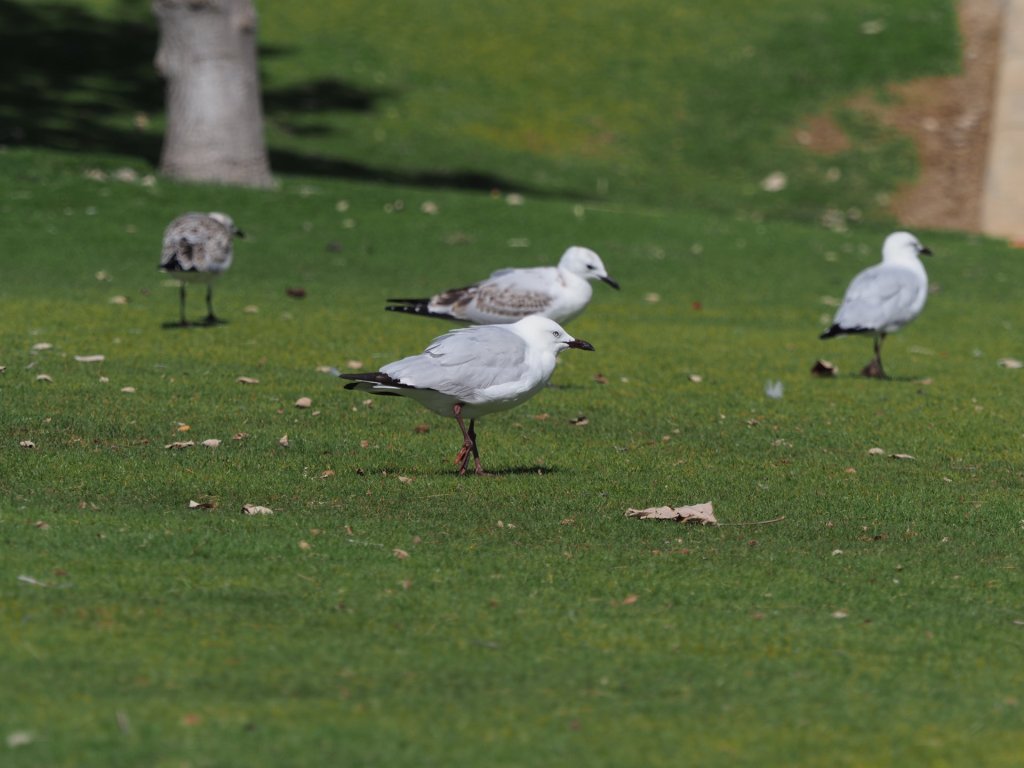
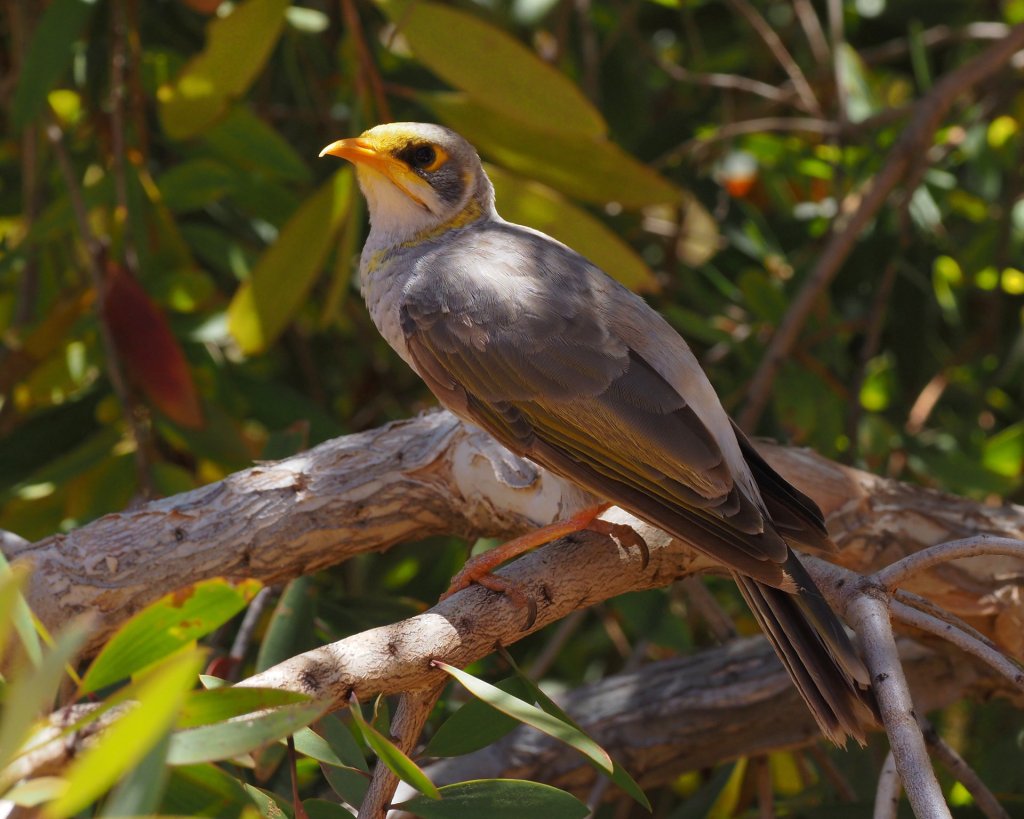
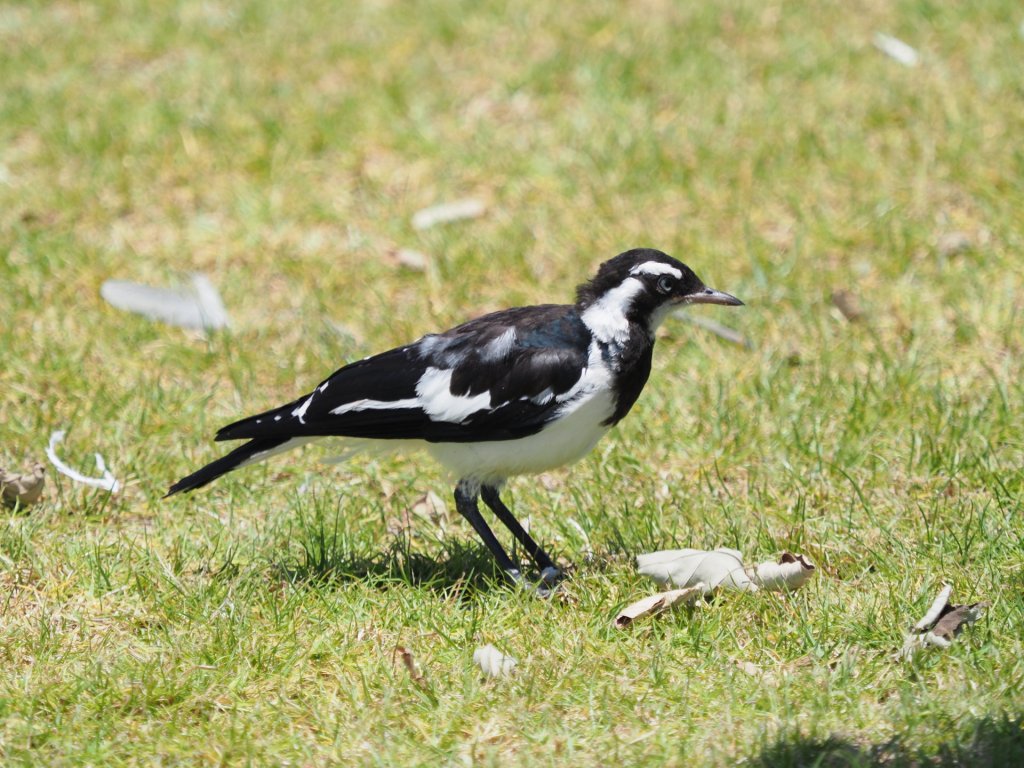
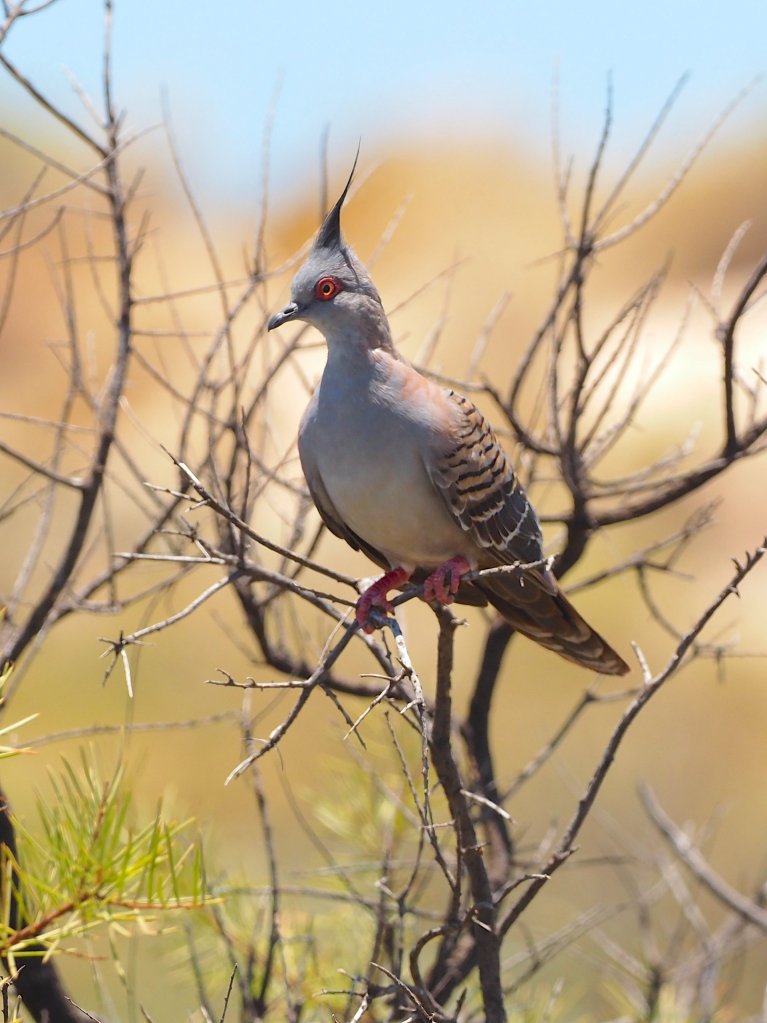
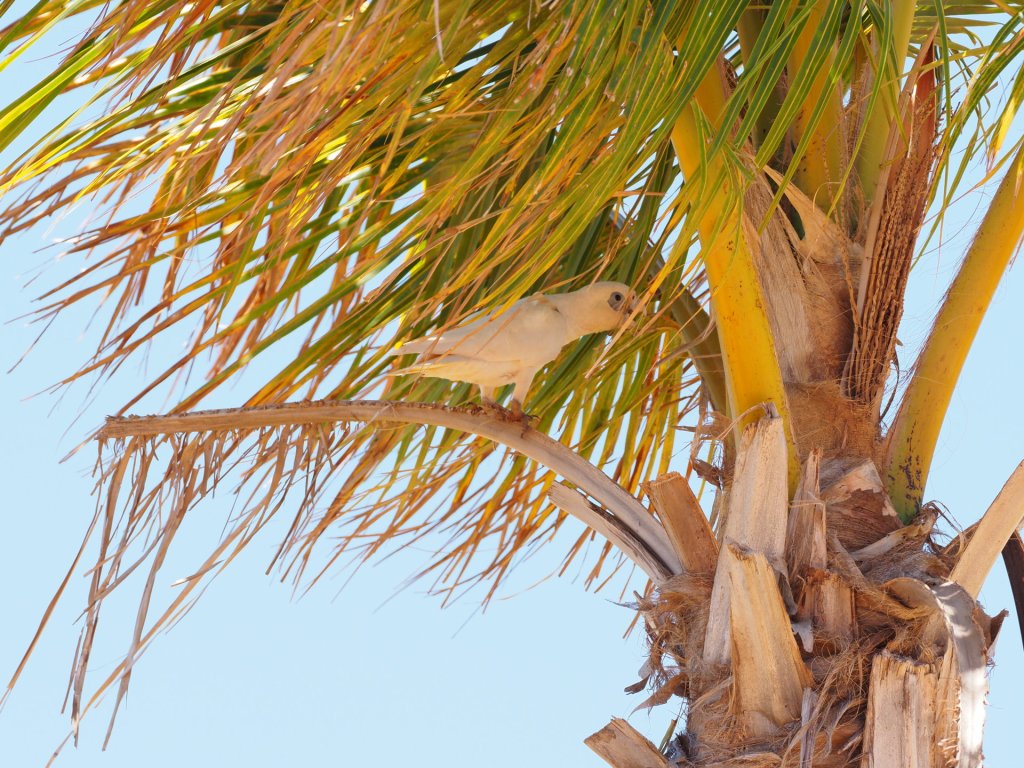
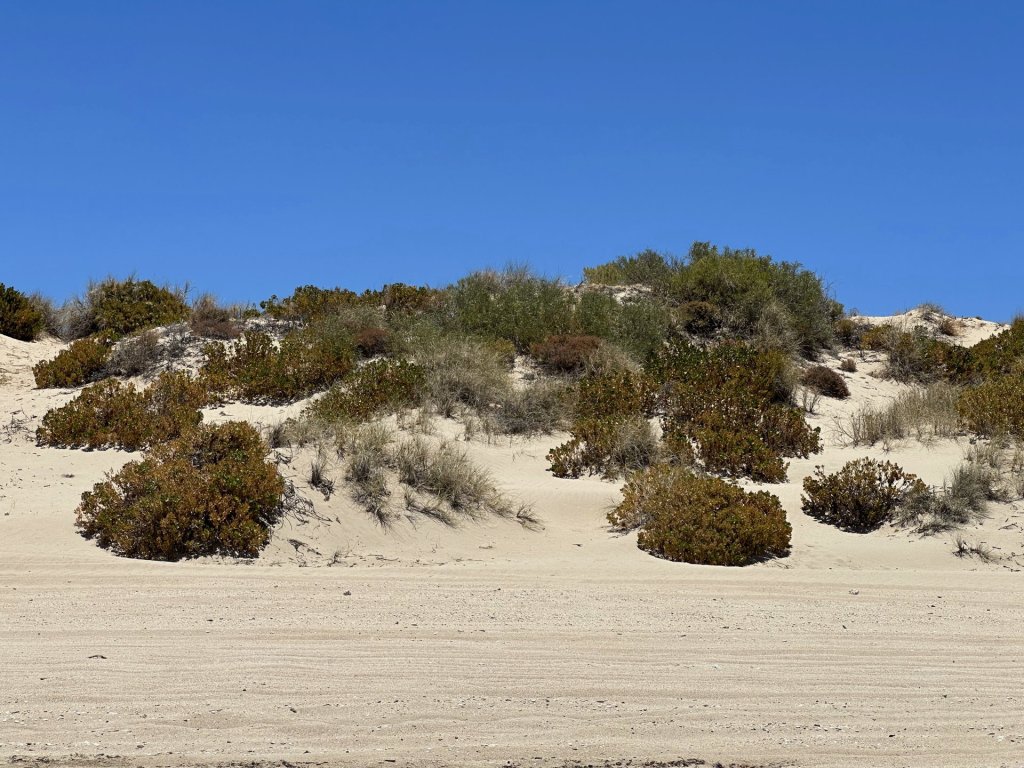
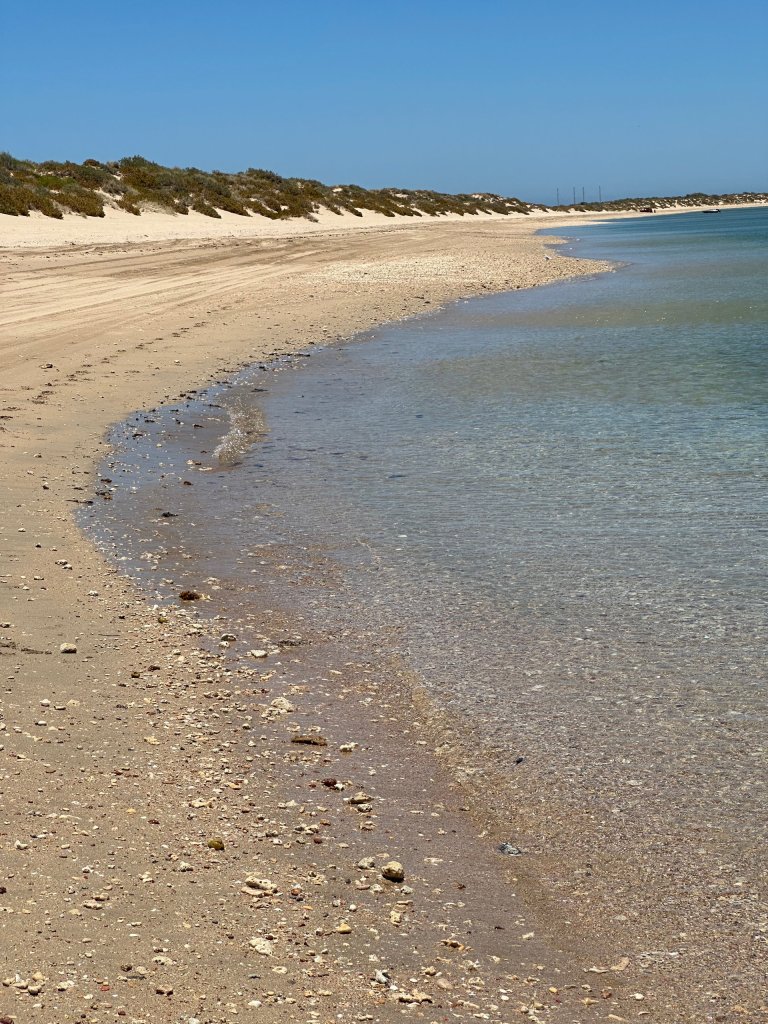
We found out about a trail that takes you through the dunes and eventually to the beach so in spite of the heat(upper 90’s F) and bright sun we decided to walk back to the tender pier rather than take the bus. We looked at the vegetation along the way as well as various birds. We would not recommend this walk if you don’t have much water with you. Not a really difficult walk, it was somewhat tedious due to the heat, but otherwise it was very interesting to walk through the dune vegetation.


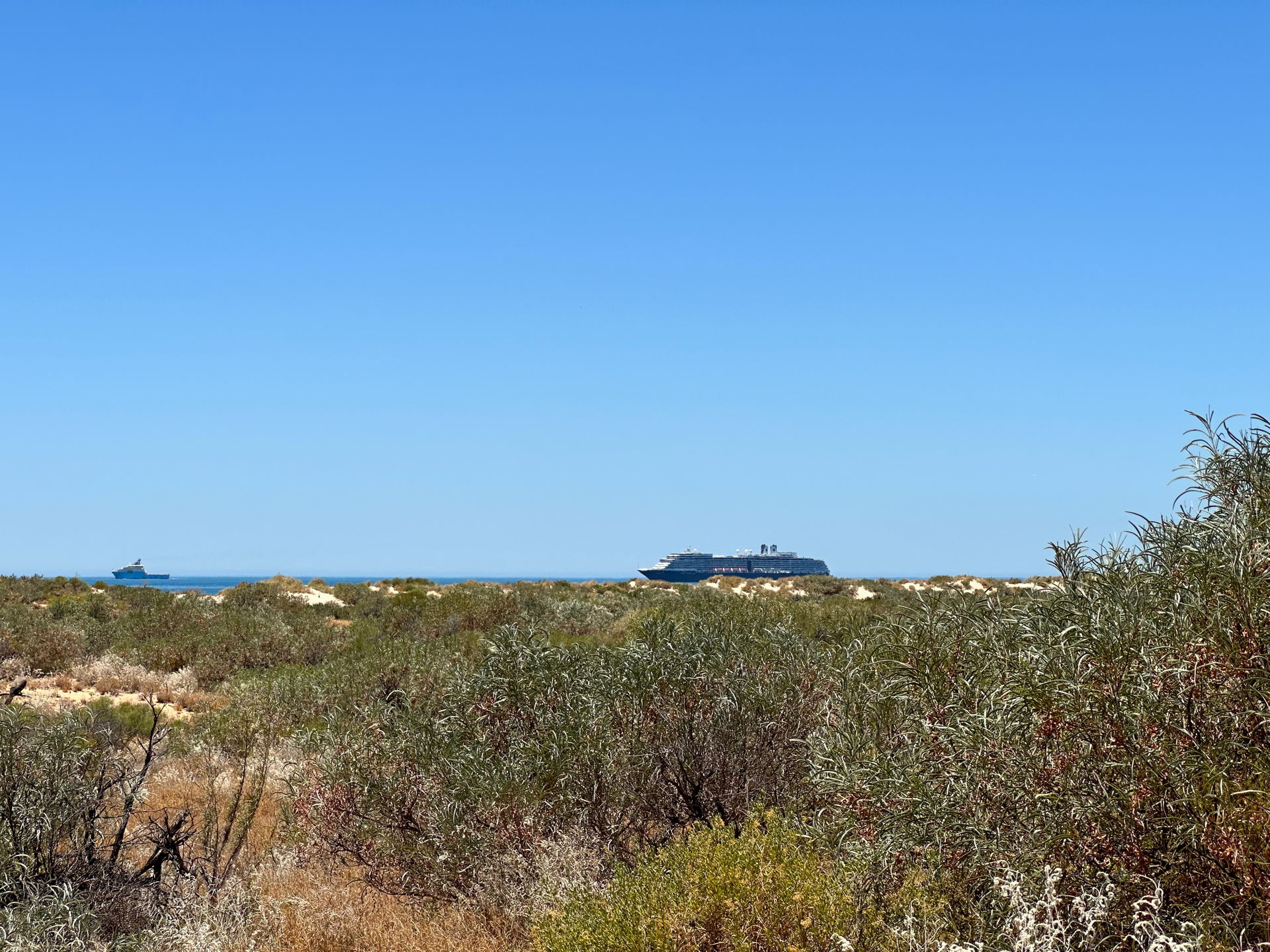

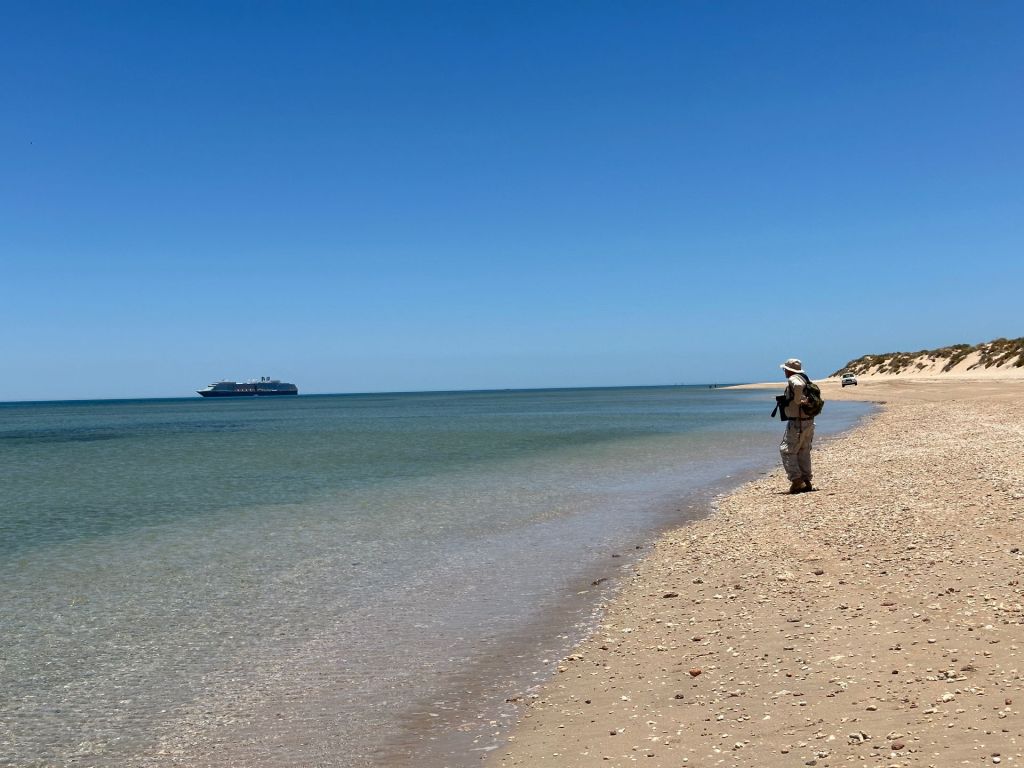
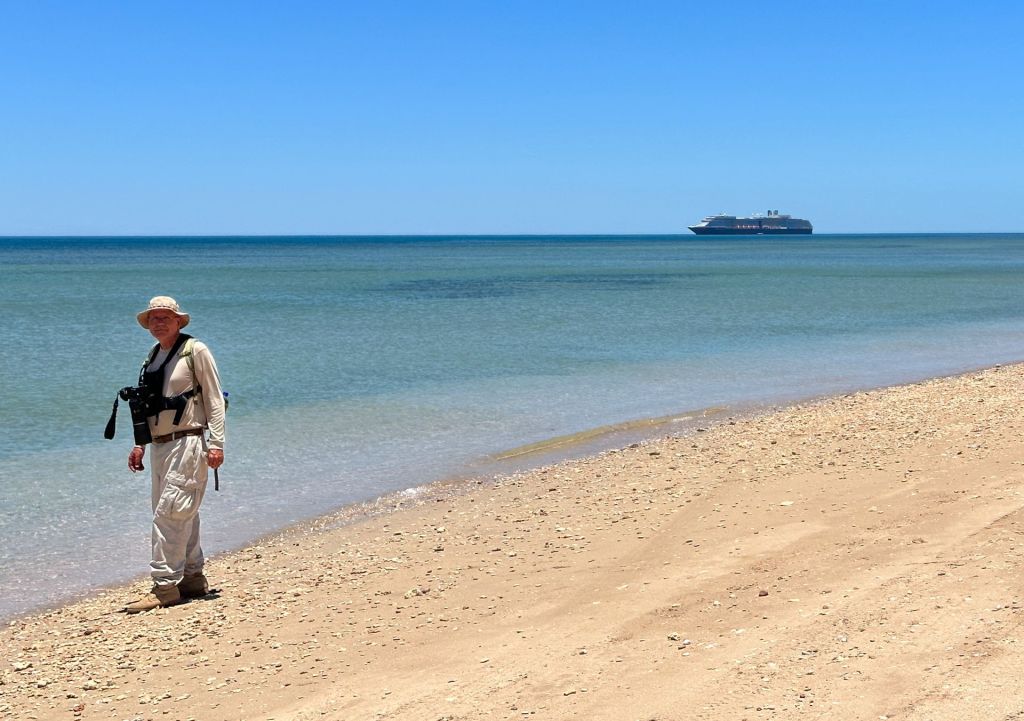
After about an hour we made it to the top of the dunes and got to the shoreline and got good views of the ship which looked deceptively close. Curiously, just as we exited the area and looked back there was a sign saying “no entry – asbestos hazard”!
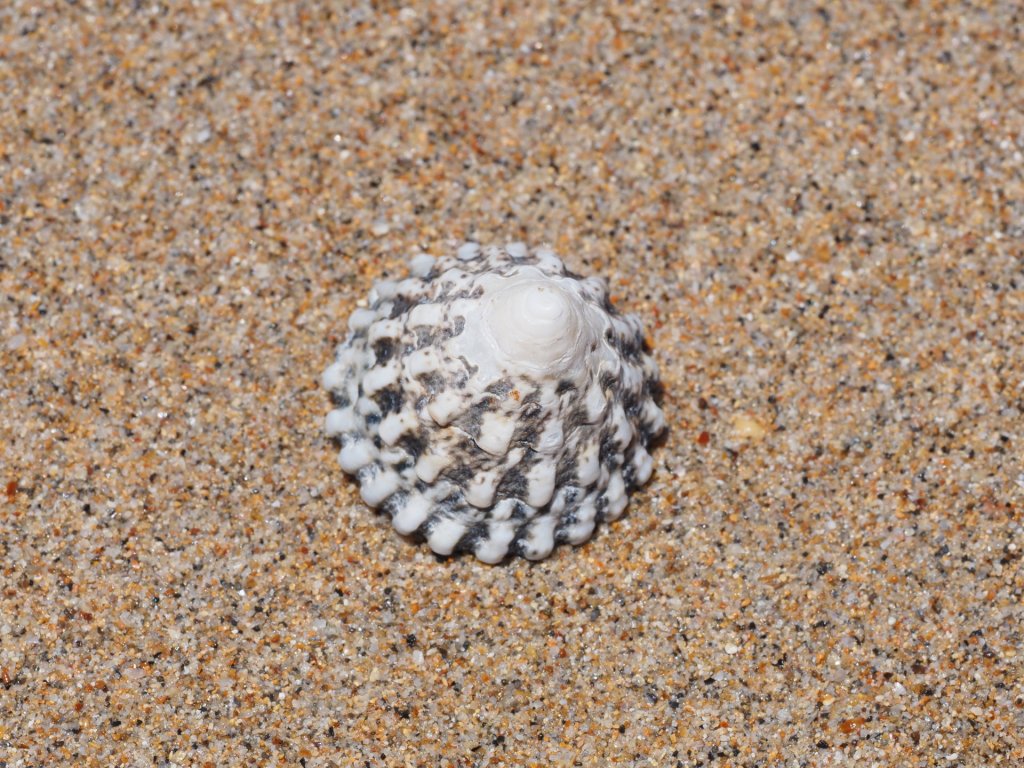
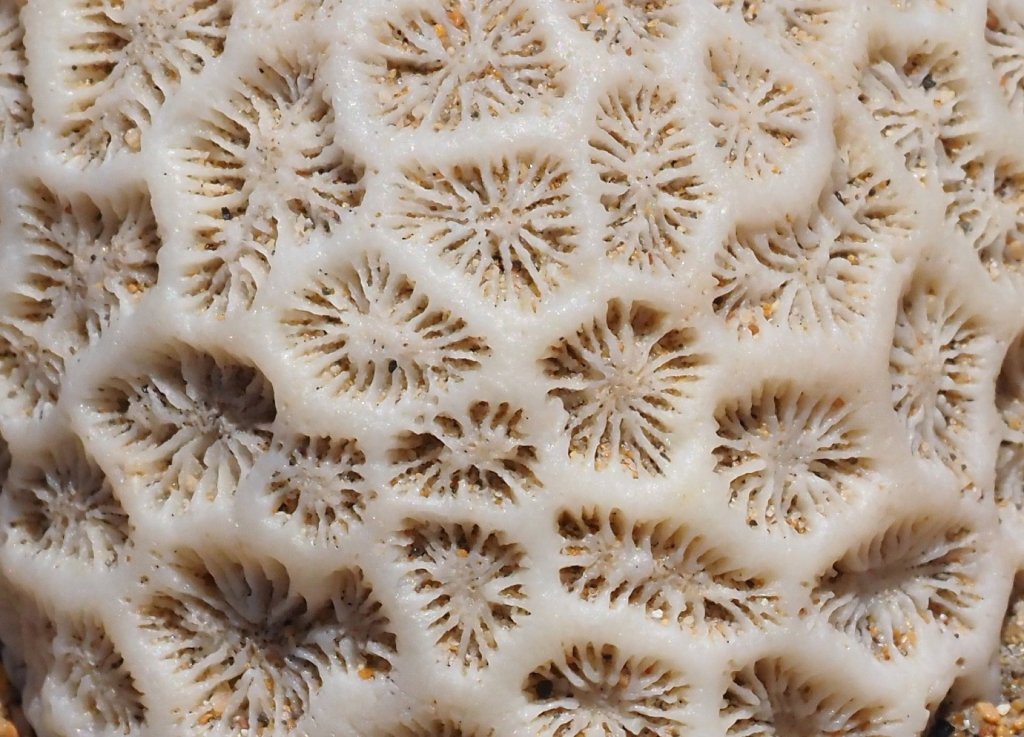
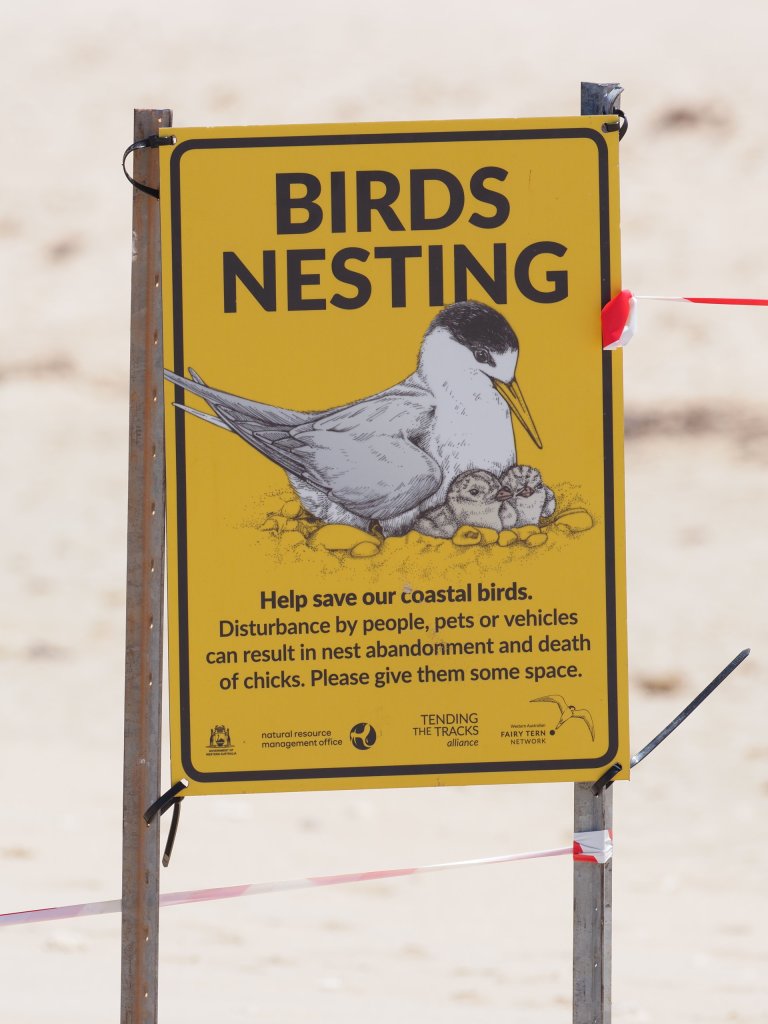
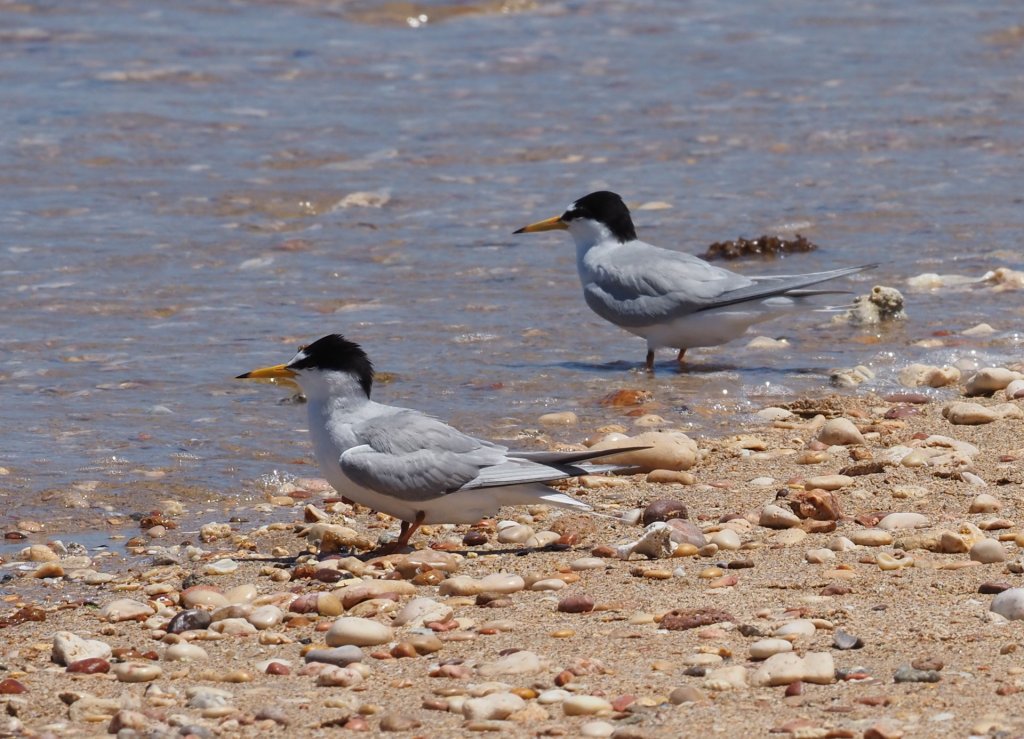
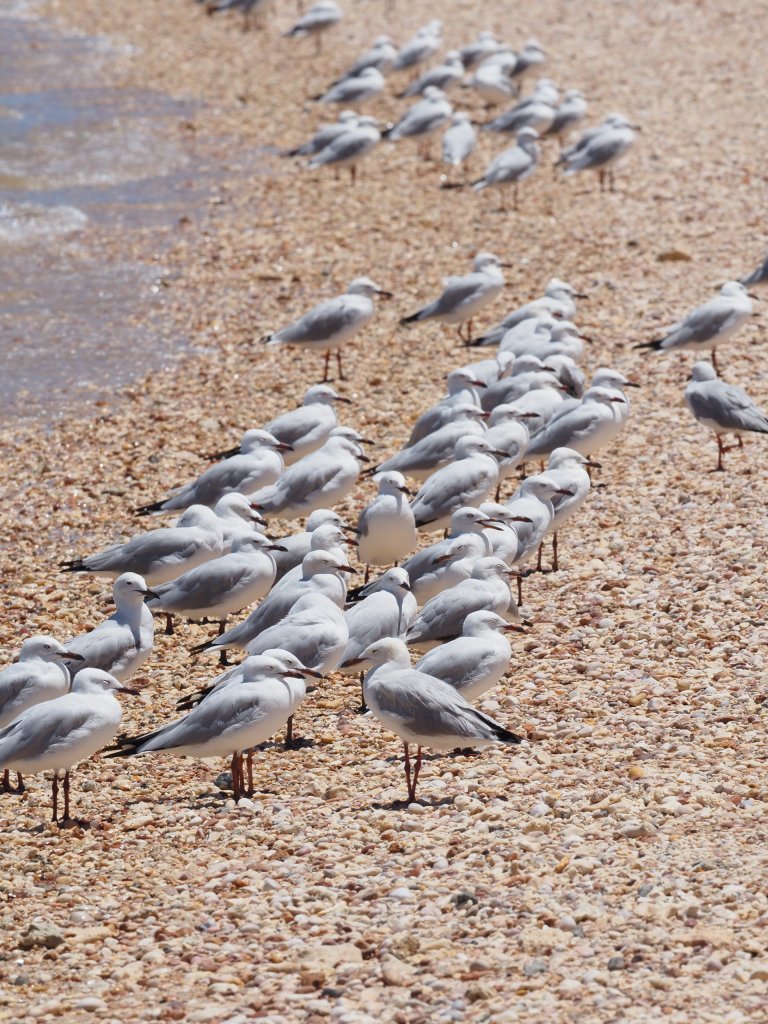
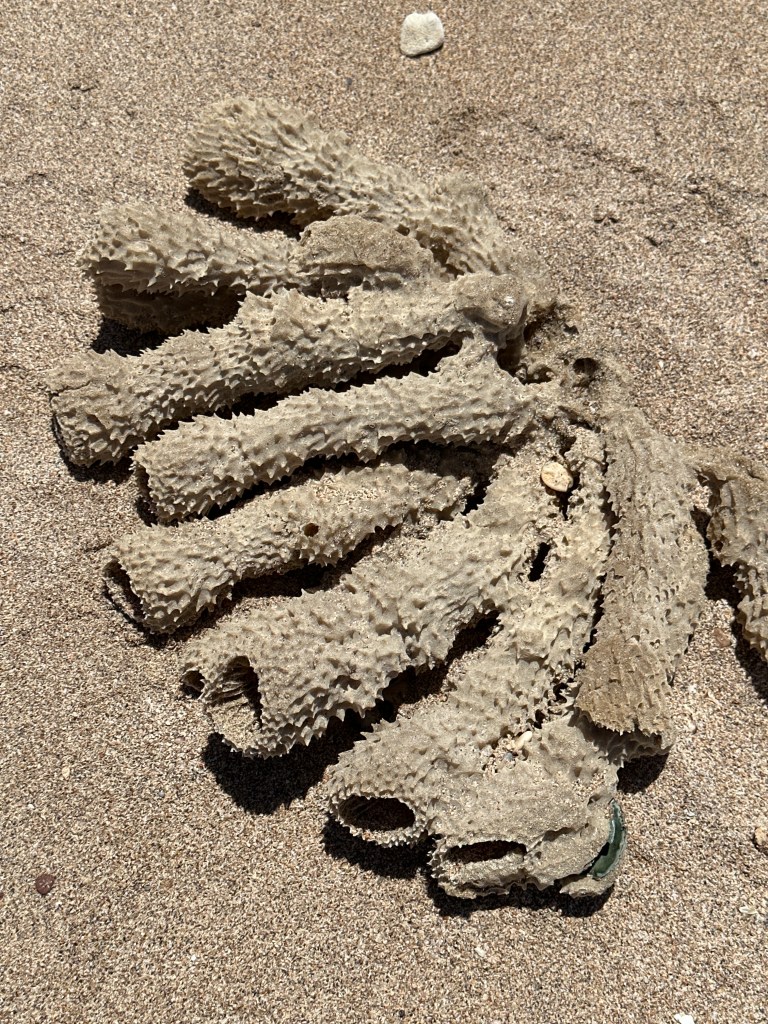
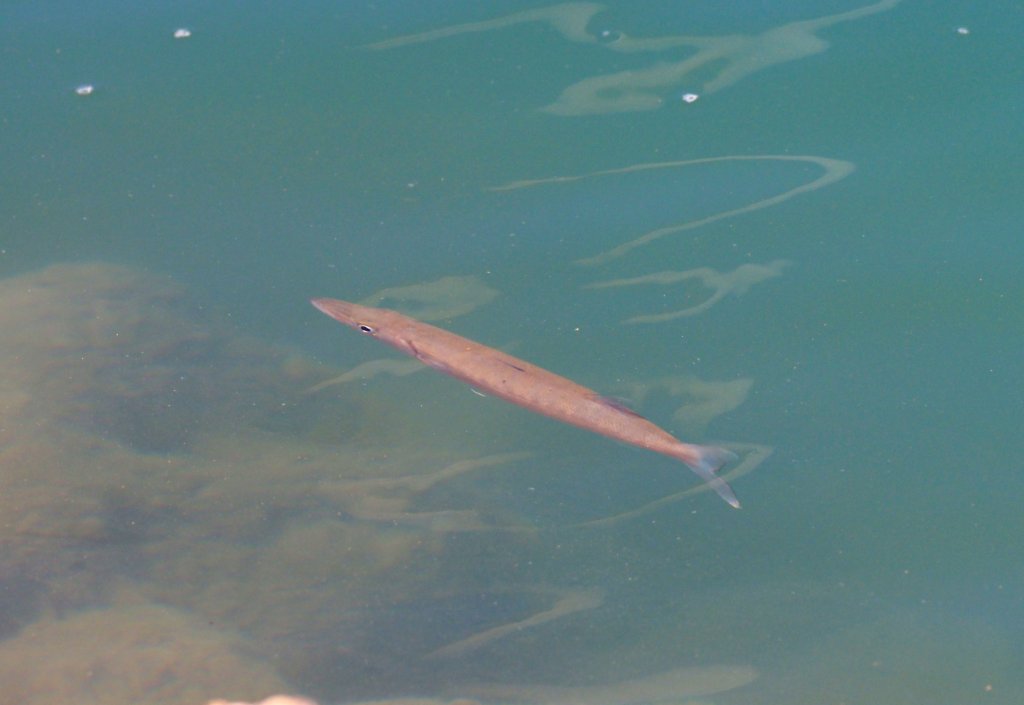
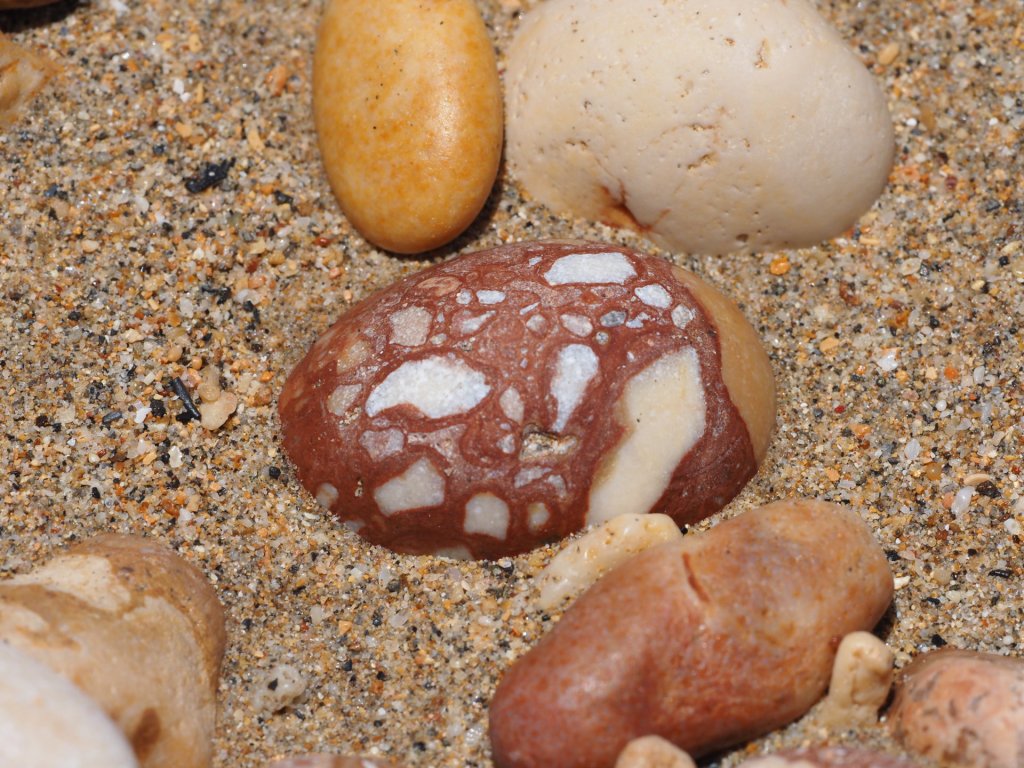
The walk on the beach, although longer than expected and in spite of the heat, was very interesting as we were able to spot a variety of shore birds, shells, assorted colorful rocks, pieces of coral, and even sponges on the sand. As we got closer to the tender pier we spotted some passengers snorkeling or sunbathing. We could see fish and even a group of stingrays from the beach.
We eventually reached the tender pier and after got on a tender to return to theship.



Geraldton
We arrived in Geraldton, our last port before disembarking in Perth. We took the bus into town and once there walked to the excellent Geraldton Museum. The museum had many interesting exhibits and their shop had a very good selection of native souvenirs and books.

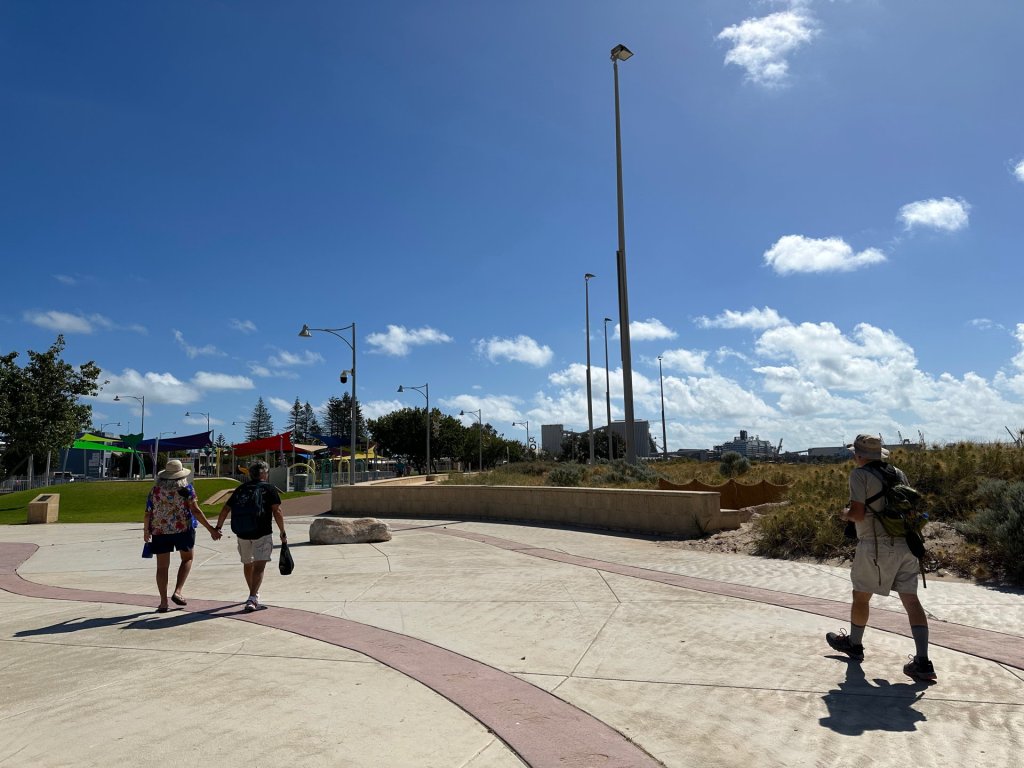
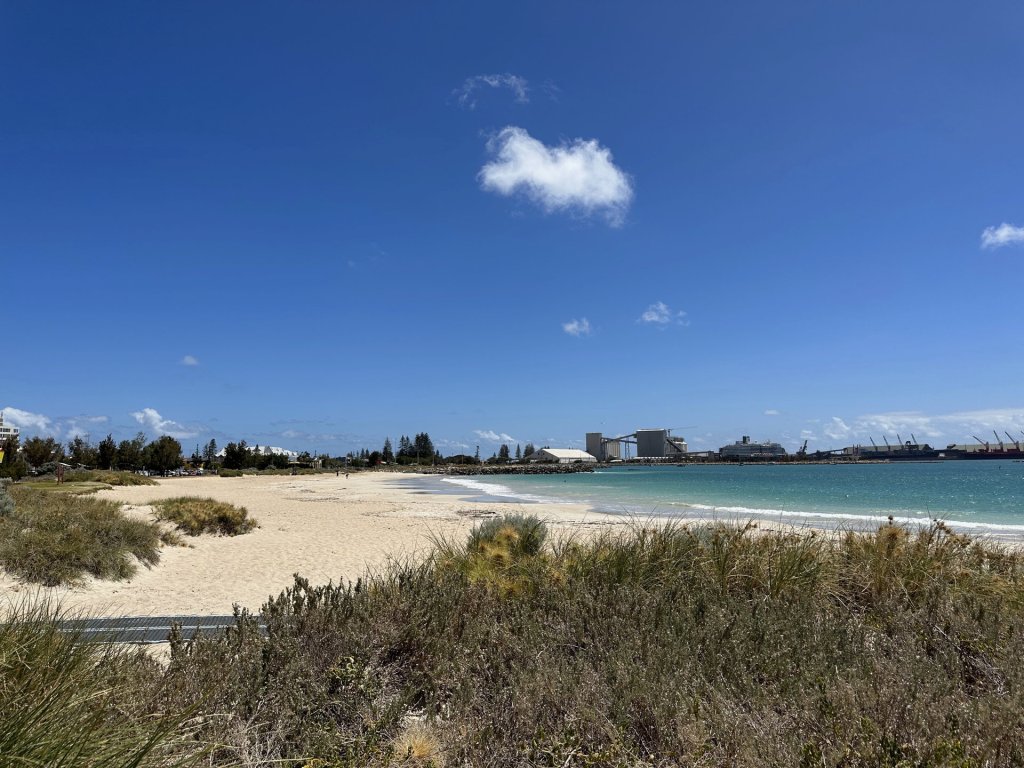
The walk to the museum was pleasant as it followed the coast on a nicely designed path. In places we could see swimmers taking advantage of the easy access to the beach. We also saw some interesting plants growing in the sandy areas and we spotted some wildlife as well.


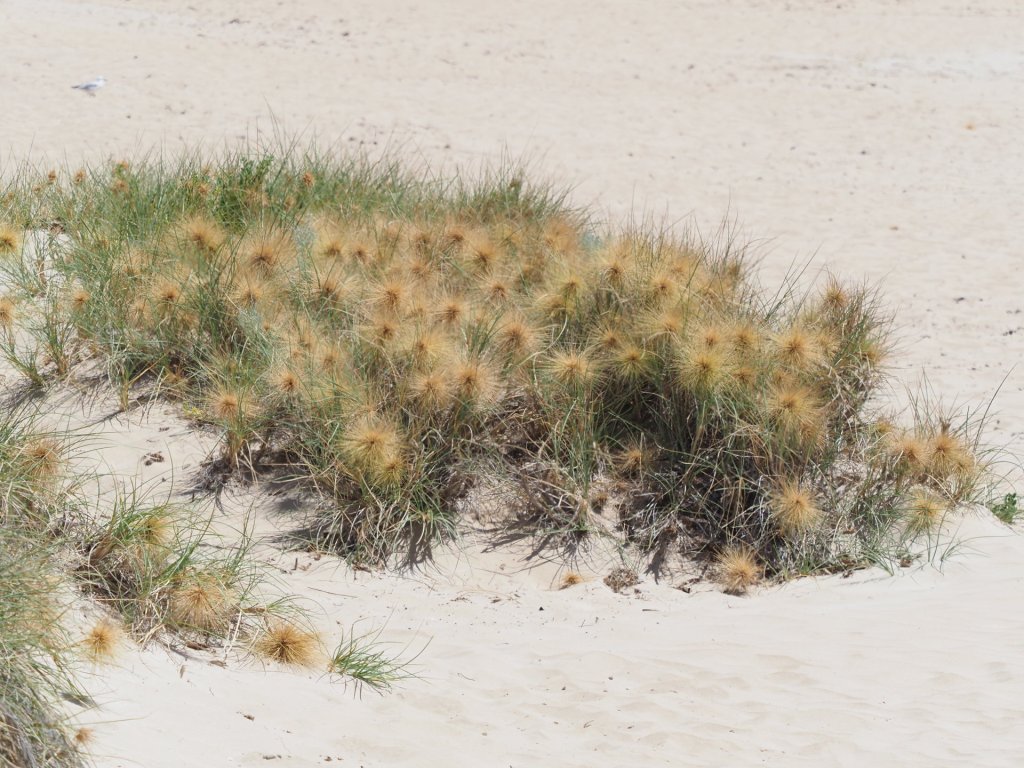
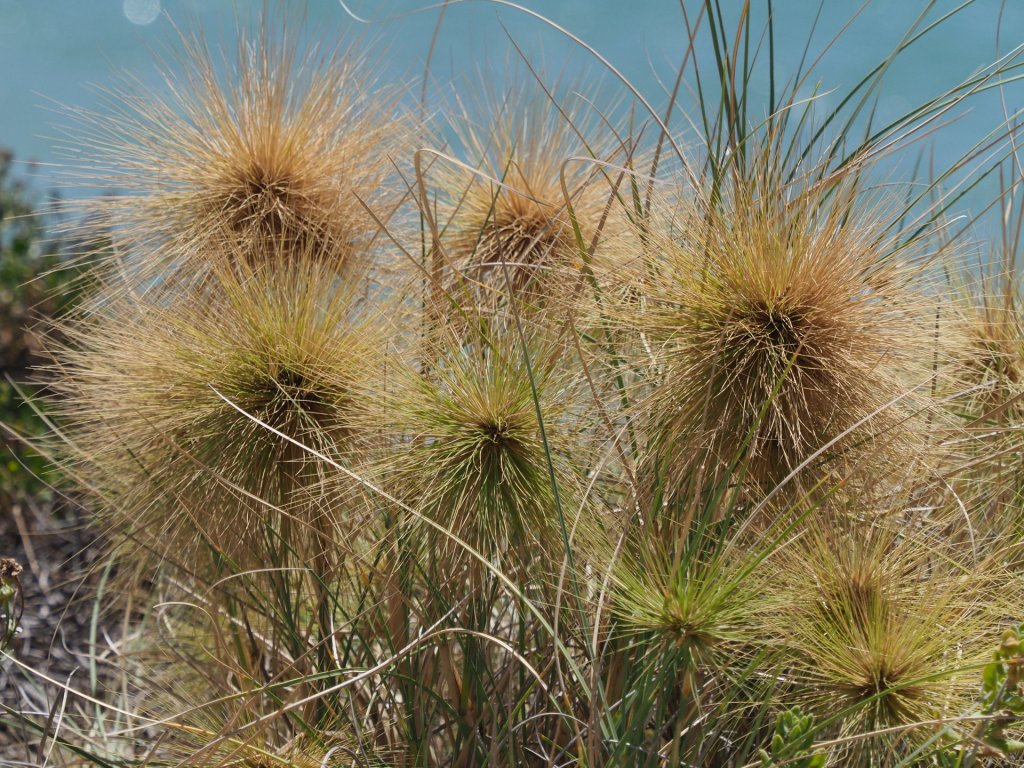


A short visit, but plenty to see on our Geraldton stop. After the next stop in Perth, the cruise would continue on to Sydney, but we got off in Perth thus concluding a very interesting cruise circumnavigating Australia.
 THE NATURALIST'S TRAVEL PAGE